Mini Tripods for DSLR
Mini Tripods for DSLR provide a compact and convenient solution for photographers seeking stability and versatility on the go. Perfect for capturing sharp images and steady videos, these mini tripods are designed to fit easily into camera bags or backpacks, making them ideal companions for travel, outdoor shoots, or quick setups at home. Whether you're working with landscapes, portraits, or creative angles, Mini Tripods for DSLR offer reliable support while keeping your gear lightweight and portable. Explore a range of options to find the perfect match for your photography needs.
Sort
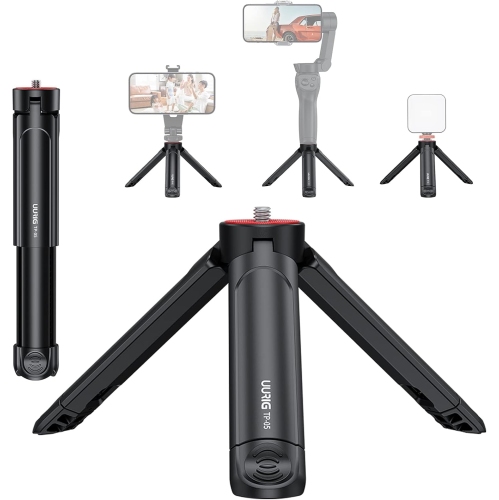
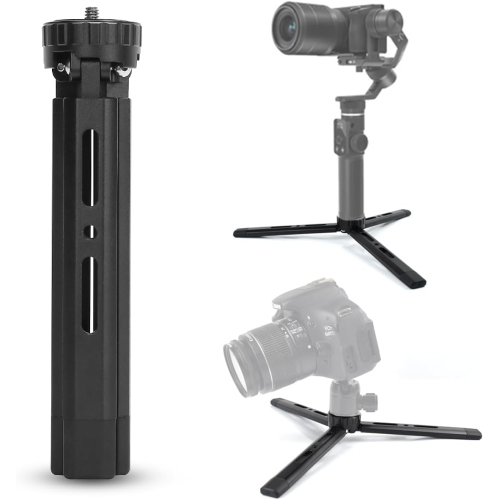
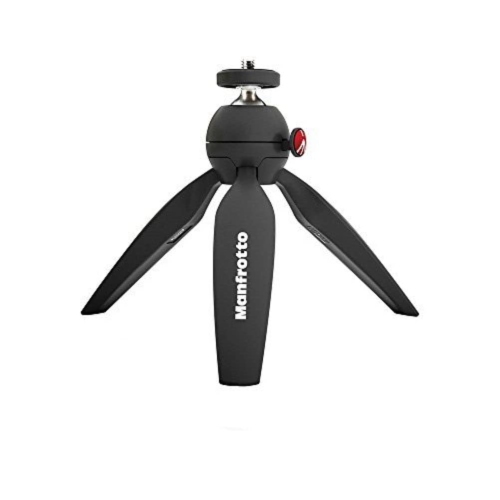
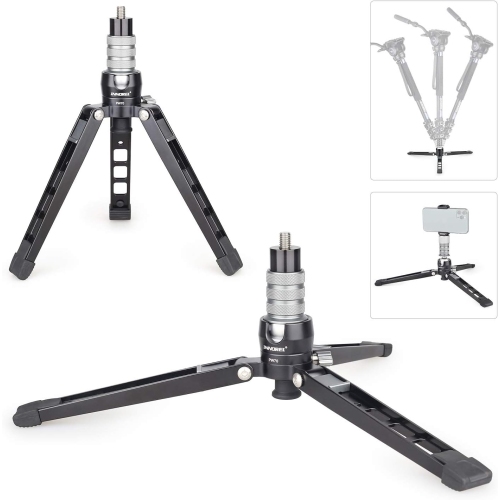
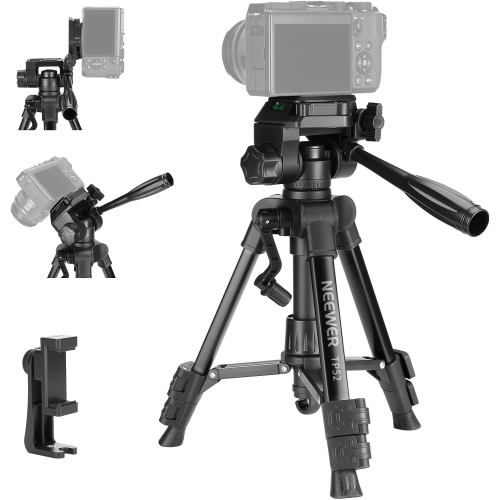

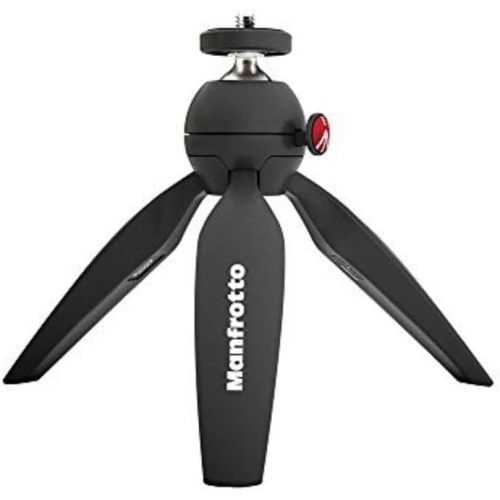
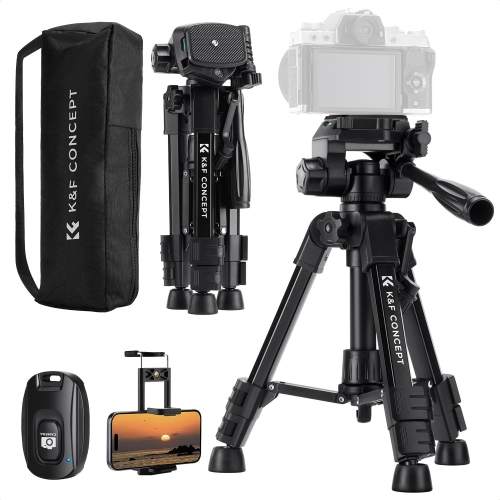
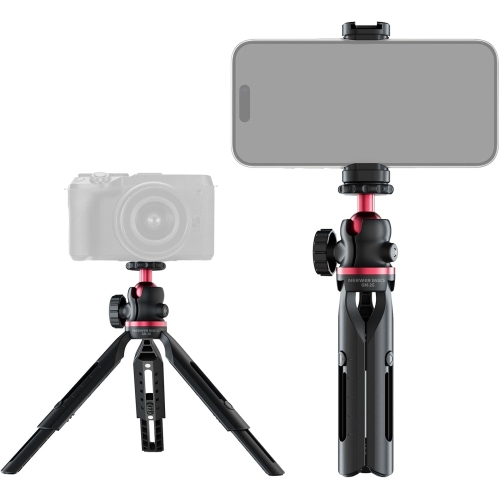
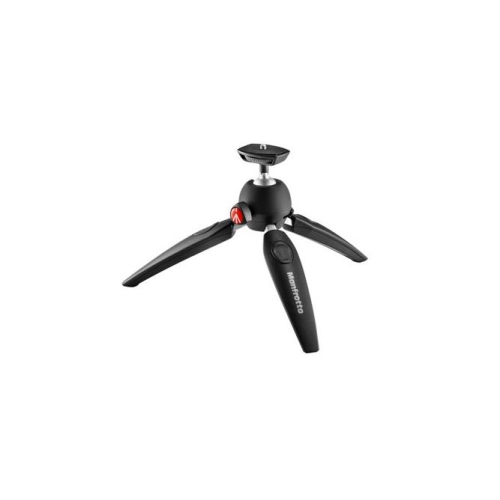
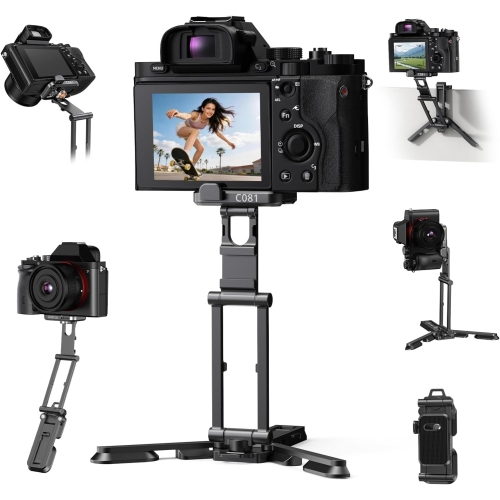
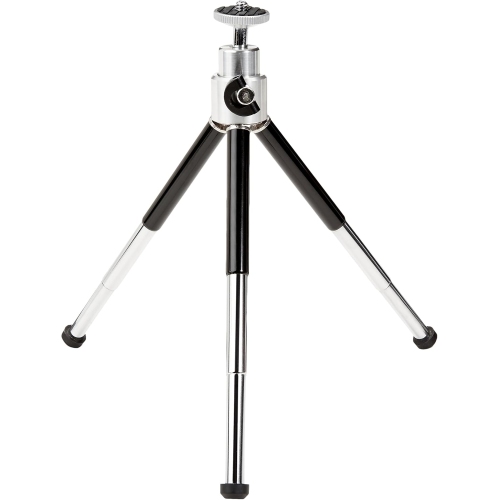
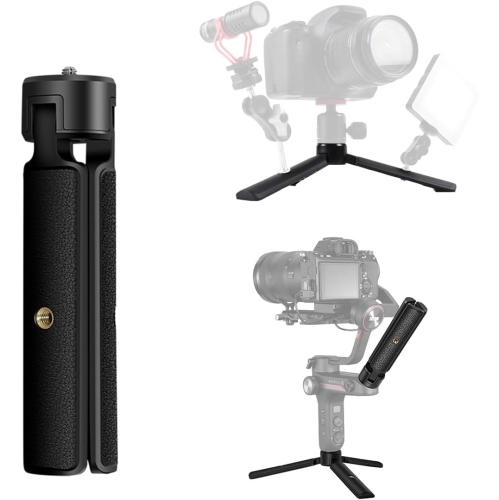
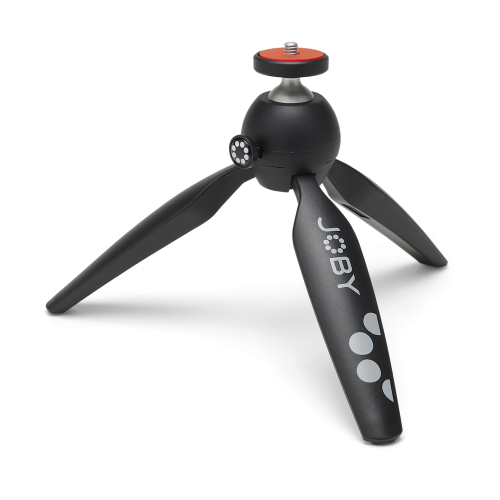

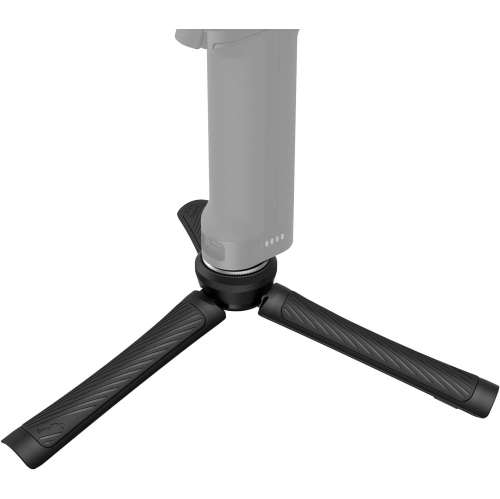
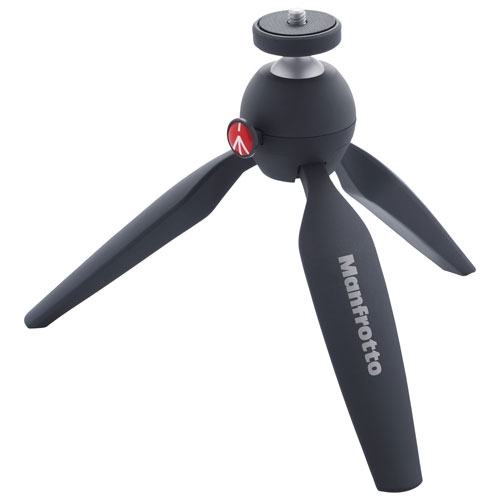
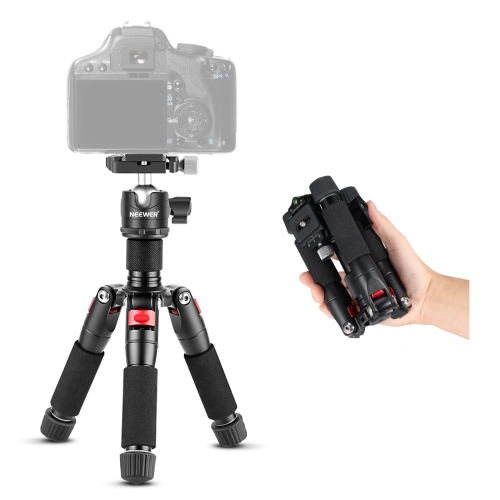
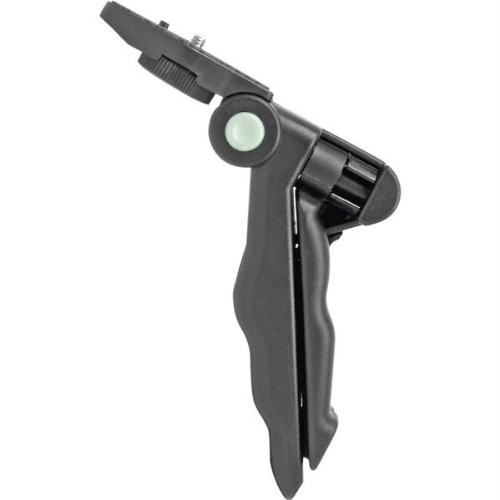
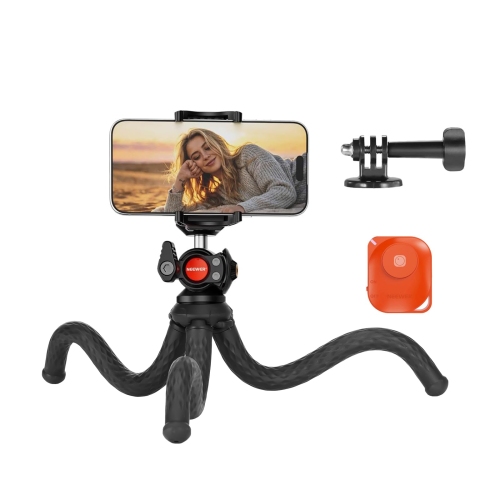
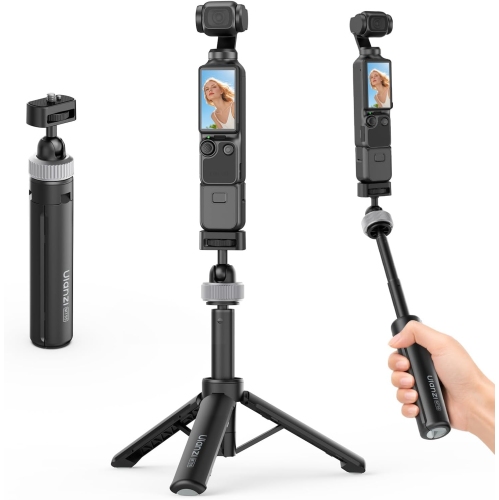
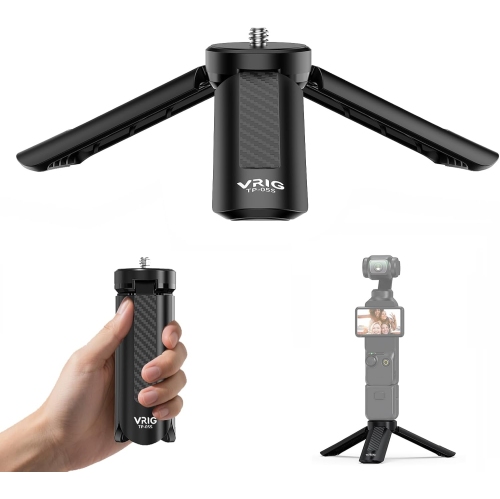
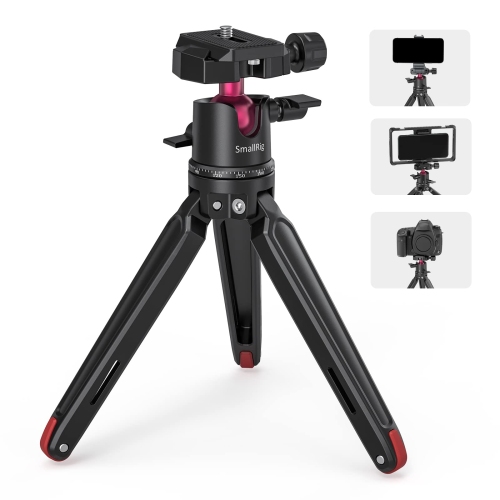
Steady DSLR shots start with a balanced setup
Mini tripods for DSLR cameras provide compact support for photography and video when a full-height tripod would take up too much space. They are especially useful for tabletop compositions, low-angle shots, close-up details, and fixed-camera recording from a desk or other sturdy surface. Unlike a lightweight stand intended mainly for a phone, a DSLR mini tripod needs to support the combined weight of the camera body, lens, mounting plate, and any attached accessories. The stated load capacity is an important starting point, but balance matters just as much: a long lens shifts weight forward, while a raised flash or microphone can make a small setup more top-heavy. Where the legs and head have separate weight ratings, the lower rating determines the maximum supported load for that combination. A little extra capacity does not compensate for an unstable footprint or an off-centre camera. Most DSLR bodies have a standard 1/4-inch tripod socket, although the mounting screw, plate dimensions, and clearance around the camera base still deserve attention. A secure fit should leave the camera firmly seated without obstructing essential controls or forcing the plate against an uneven part of the body. Materials influence both carrying weight and everyday durability. Aluminum legs offer rigidity in a relatively compact form, while reinforced polymer components can help keep a small support light enough for a camera bag. Carbon fibre, where used, offers another lightweight construction option, though overall performance also depends on the joints, locks, and head. Rubber feet help maintain contact on smooth surfaces, and well-fitted hinges reduce unwanted movement during use. For a DSLR with a substantial lens, a tripod collar on the lens, when provided, can offer a better-balanced mounting position than the camera body socket. The most suitable mini tripod is therefore one that fits the complete camera setup, not simply one that folds down to the smallest size.
Leg design and head movement determine how easily a mini tripod adapts to the shot. Rigid legs with adjustable spread angles create a stable base on a tabletop and can bring the camera close to the ground for photographs of small objects, textures, or architectural details. Independently adjustable legs are useful when the supporting surface is uneven, while short extending sections provide some height adjustment without requiring a large support. Maximum height is only part of the picture; minimum working height, folded length, and the width of the open legs affect where the tripod can actually sit. A narrow shelf may accommodate a folded tripod but offer too little room for a secure shooting stance. Flexible legs serve a different purpose, conforming to irregular surfaces or wrapping around suitable supports when specifically designed to do so. Their grip depends on the support’s shape, the condition of the leg coverings, and the weight and balance of the camera, so a wrapped position should never be treated as automatically secure. A ball head makes it easy to adjust framing in several directions, while a head with separate panning control allows horizontal movement without releasing every adjustment. Portrait orientation requires enough tilt clearance for the camera body and lens; not every compact head permits the same range of movement. A quick-release plate can make transitions between handheld and tripod photography more convenient, particularly when its position leaves the battery compartment accessible. Secure locking mechanisms matter more than the number of adjustments, especially for close-up work where a small movement can shift the point of focus. Keeping the camera low, positioning its weight over the footprint, and avoiding unnecessary leg extension generally improve steadiness. For longer exposures, a self-timer or remote shutter release can reduce movement from pressing the shutter button, provided the supporting surface itself remains still.
In everyday use, a DSLR mini tripod can turn a small work surface into a practical photography space. A camera positioned beside a window can frame handmade jewellery, a carefully plated meal, or a small collection of objects without requiring the photographer to hold the same angle between shots. At a desk, a compact support can keep a DSLR at a repeatable position for demonstrations, stop-motion sequences, or video calls with a compatible camera connection. Low viewpoints can also give familiar subjects a different sense of scale, whether the frame follows the lines of a model building or sits level with a pet resting on the floor. These uses suit hobby photographers, content creators, students, and anyone who wants a portable support for deliberate compositions. A mini tripod can also make a thoughtful gift for a photographer when the recipient’s camera weight, lens size, and preferred shooting style are known. It is not a substitute for a full-height tripod when standing eye-level framing or greater working height is essential, and a lightweight travel design may not suit a heavy DSLR and telephoto lens. For a broader range of compact supports beyond DSLR-focused setups, Mini Tripods for Cameras includes options intended for different camera sizes and uses. Routine care helps preserve dependable operation: dust and grit should be removed from feet, joints, and mounting surfaces before storage, and any cleaning should follow the manufacturer’s directions. A soft cloth is usually suitable for accessible exterior surfaces, while lubricants or harsh cleaners can damage materials or interfere with gripping parts unless expressly approved. Periodic checks of screws, locking controls, rubber pads, and quick-release fittings help identify looseness or wear before the next shoot. Folding the tripod without forcing its joints, storing it dry, and keeping hard metal parts away from exposed lenses help protect both the support and the camera equipment carried alongside it.
Top selling and popular products
-
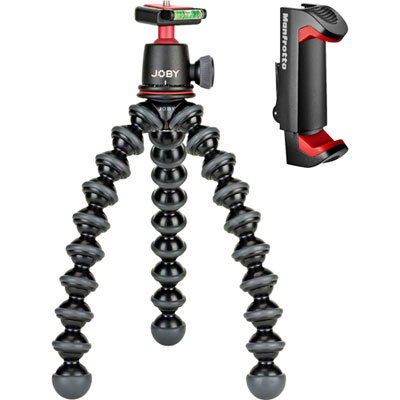 Your price for this item is $144.99
-
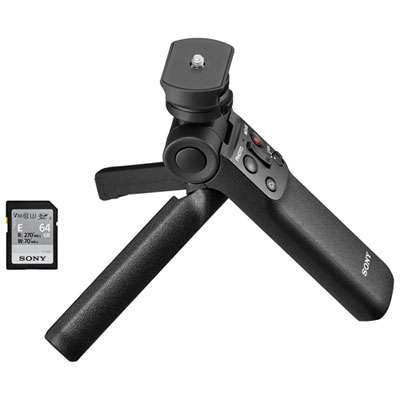 Your price for this item is $199.97
-
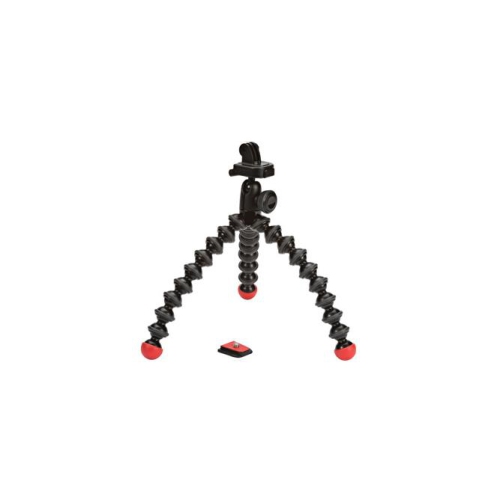 Your price for this item is $126.91
-
 Your price for this item is $139.99
-
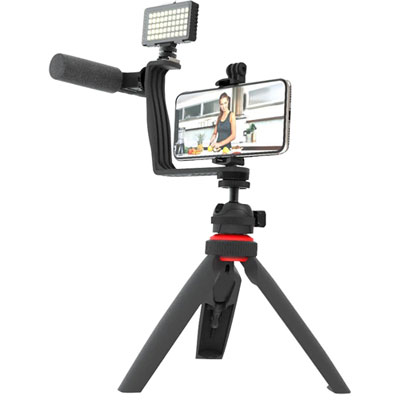 Your price for this item is $69.99
-
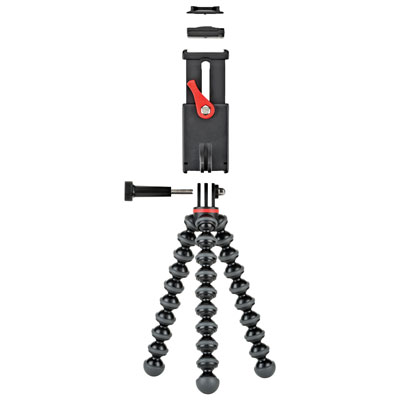 Your price for this item is $78.97
-
 Your price for this item is $259.99
-
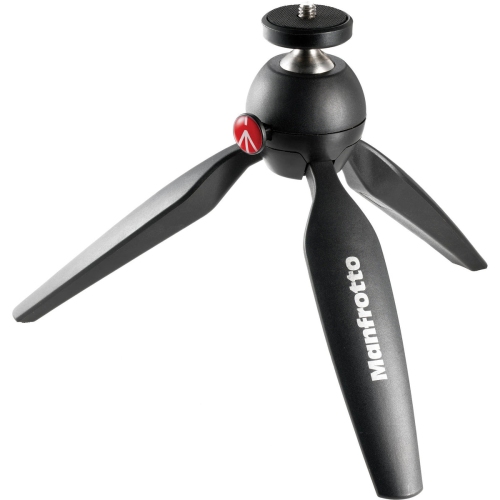 Your price for this item is $83.53
Discover more categories related to Mini Tripods for DSLR
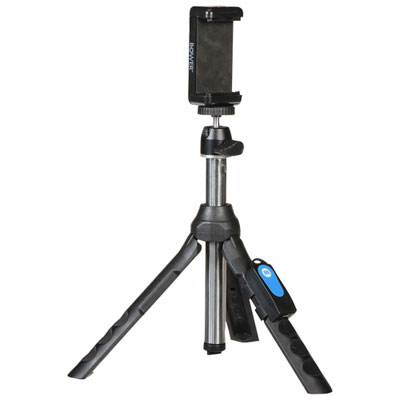
Top Collections:
Best Black Friday Deals This Year, Best Black Friday Deals On Electronics, Kindle Devices, Pokemon Centers, Best Black Friday Deals On Apple Products, Best Cameras for Sports Photography, Dyson Airwrap, Pokémon 30th Celebration Cards, Apple iPhone 17 Pro, Canon G7X Cameras
Some products may be subject to Environmental Handling Fees
(EHF) depending on your province.
Learn more about EHFs.