Camera Covers
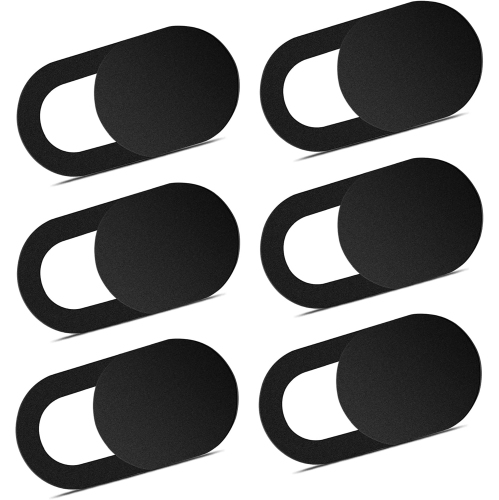
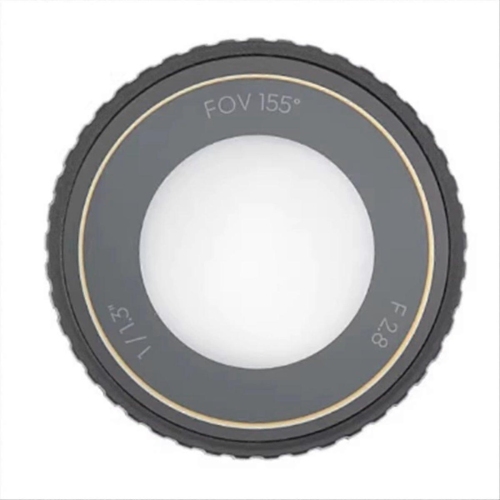
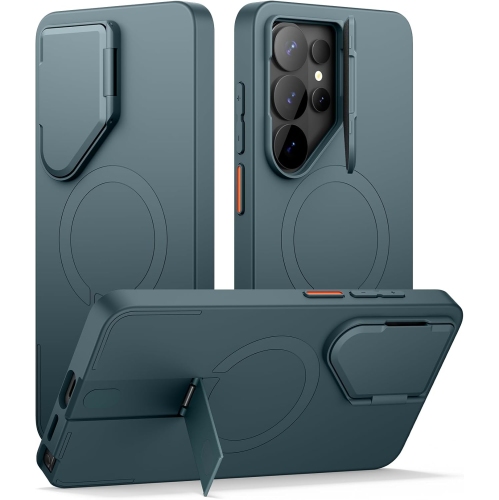
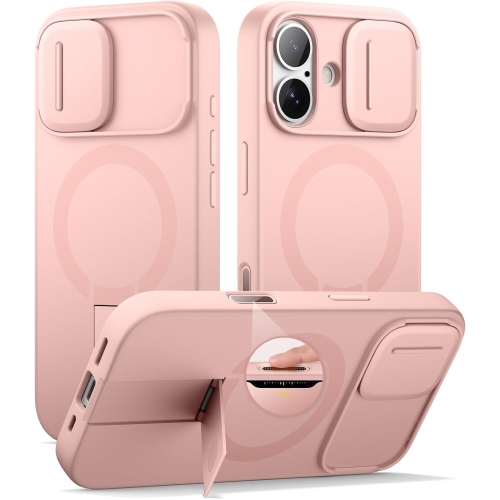
Protect your valuable camera from scratches, dust, and other potential hazards with these camera covers. Whether you're a professional photographer or an amateur enthusiast, keeping your camera safe is essential to capturing those perfect moments. This range of camera covers offers durable and reliable protection, ensuring that your device remains in pristine condition for years to come. From sleek and compact designs to heavy-duty options, find the perfect camera cover that suits your needs and style.
Sort


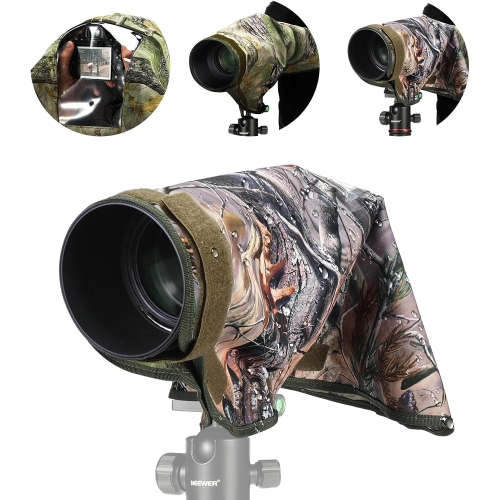
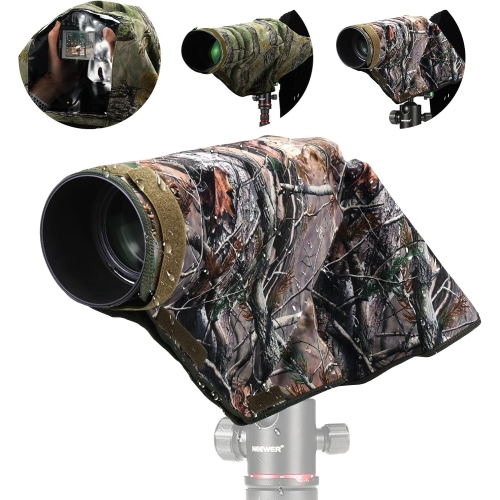


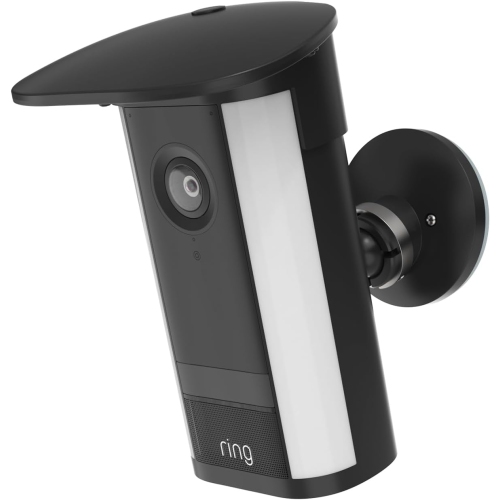
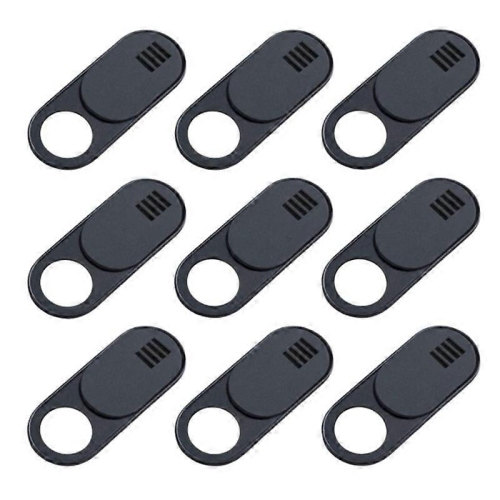



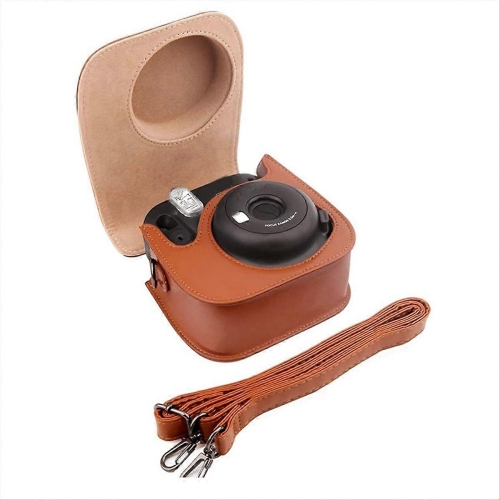
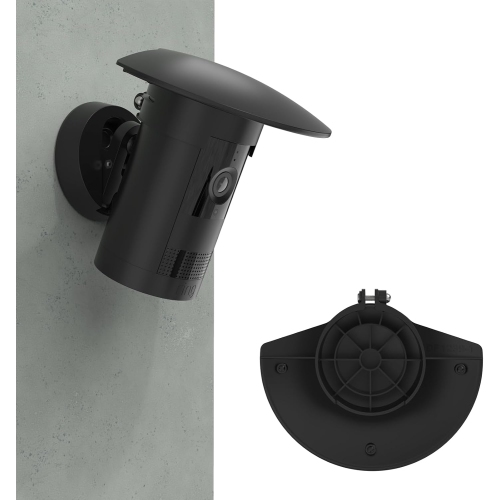
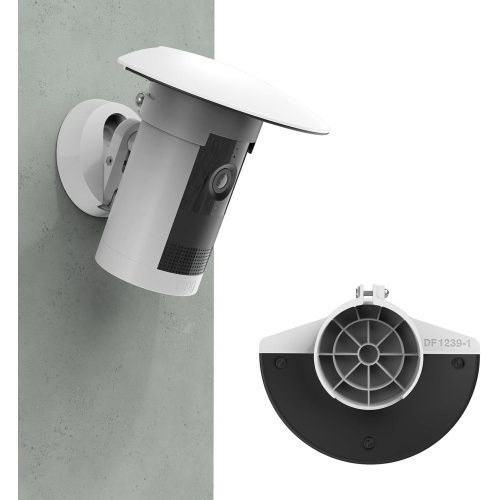
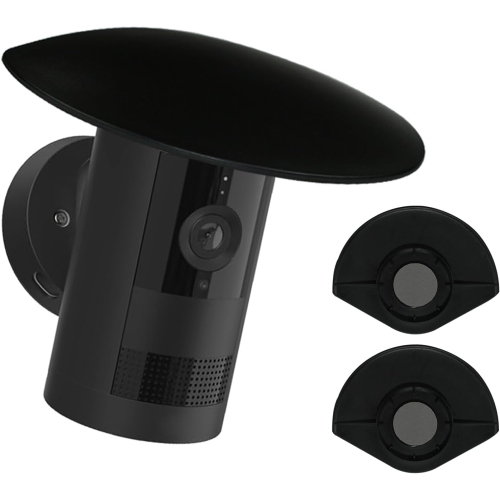
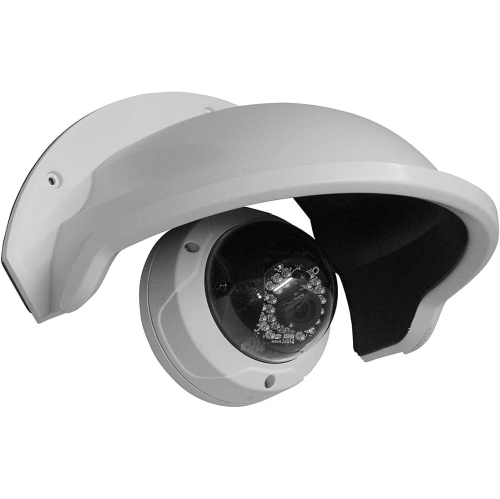

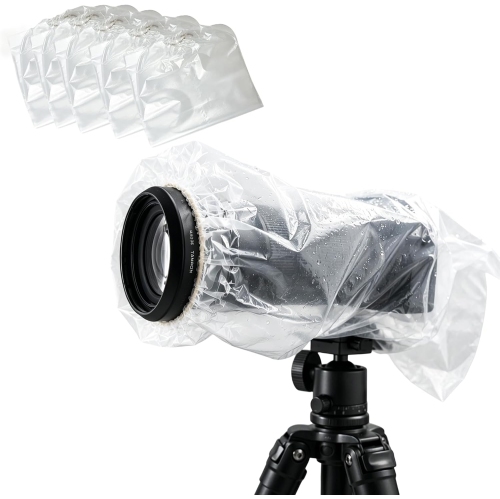
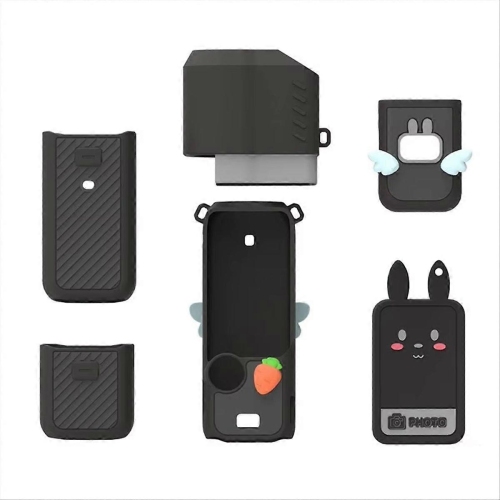
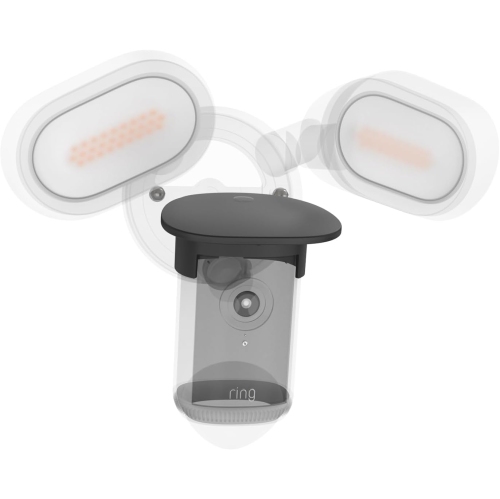
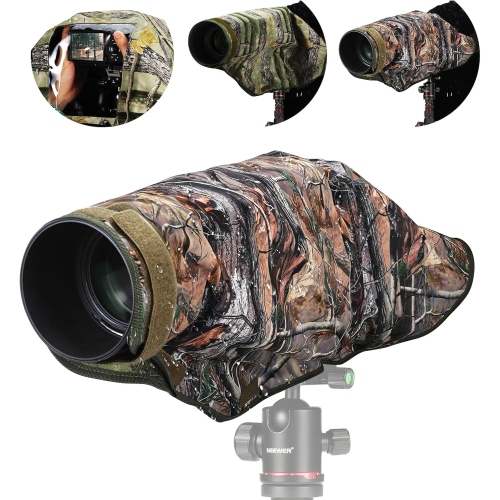
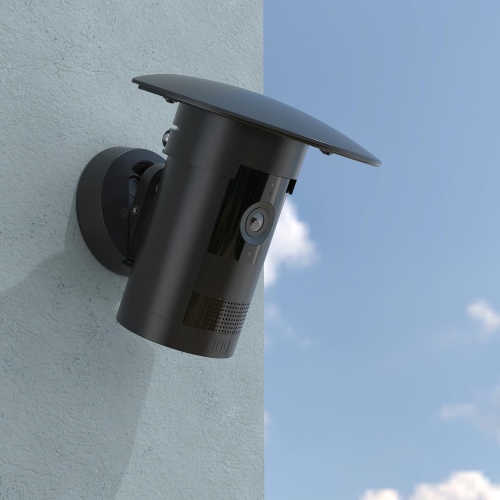
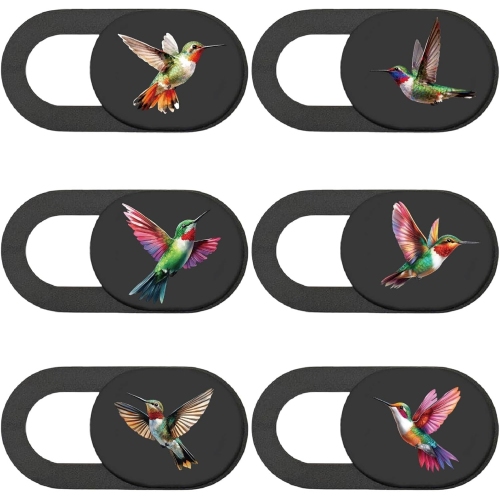
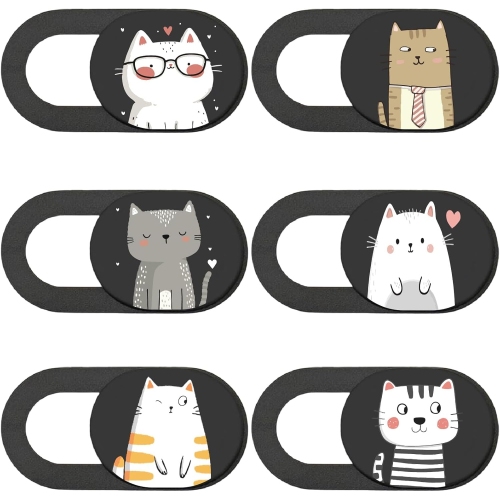

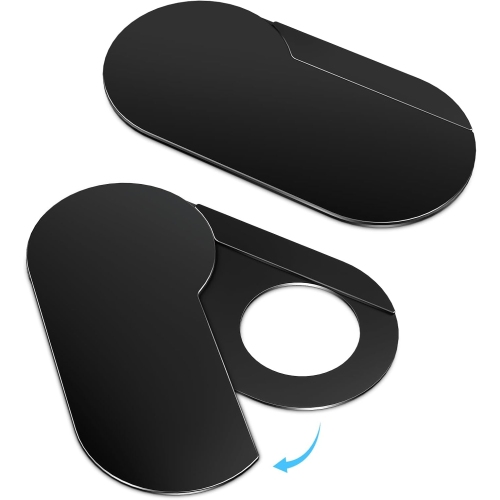
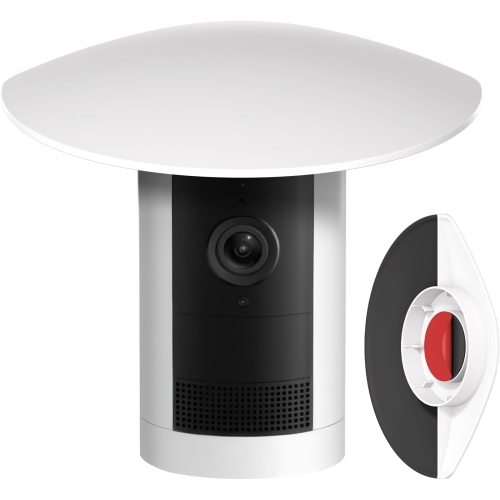
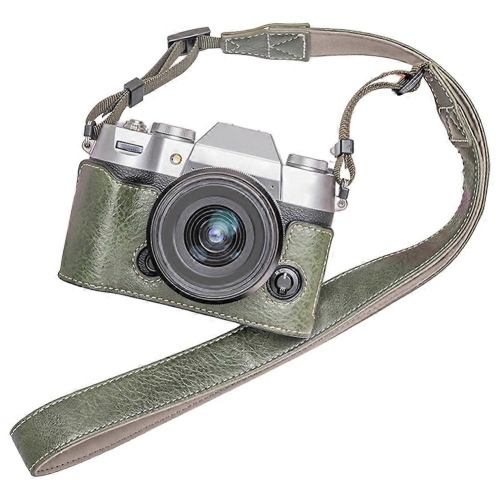
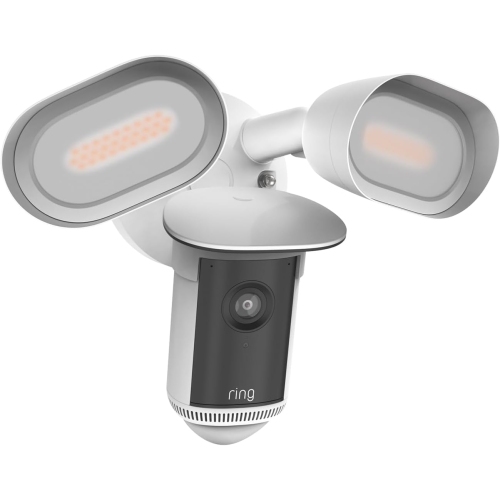
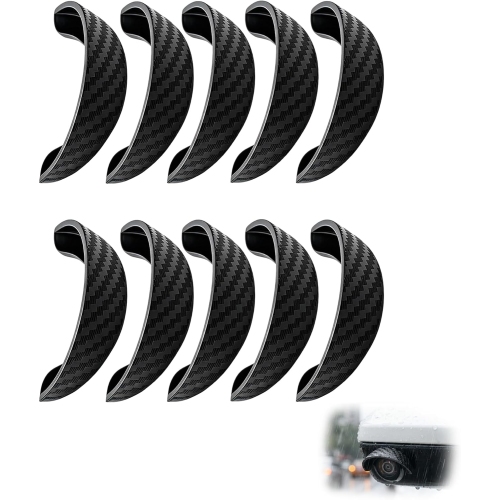
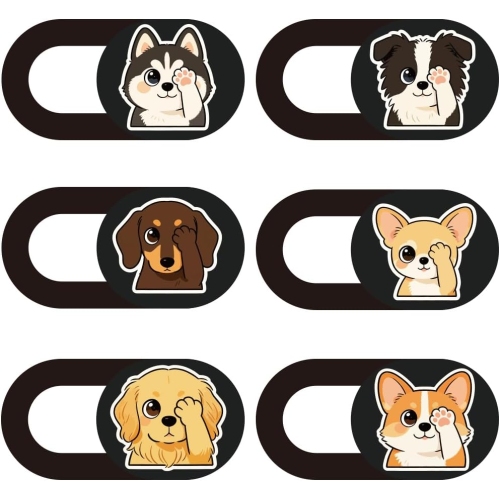
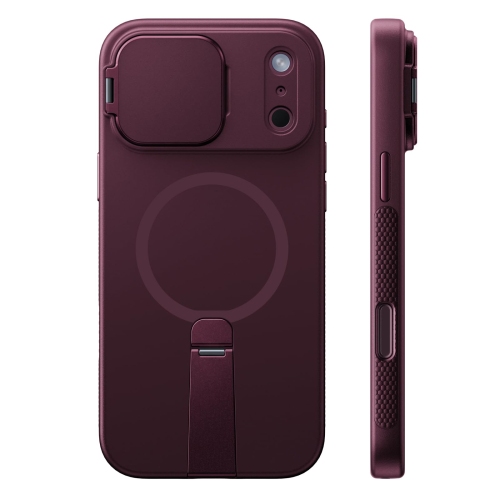

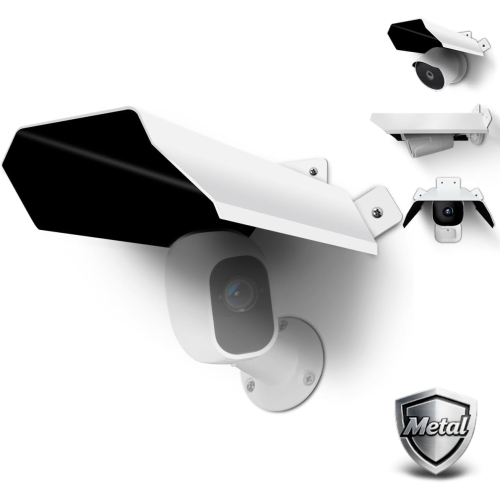


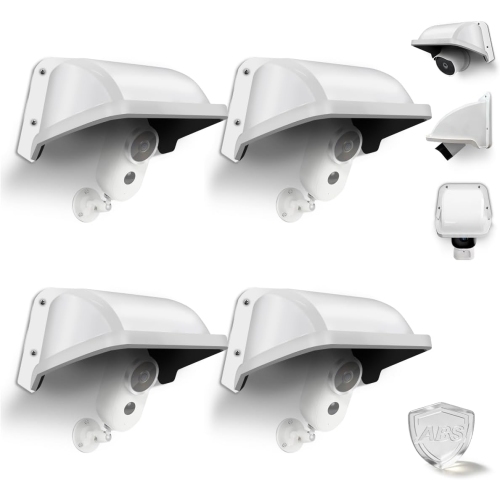
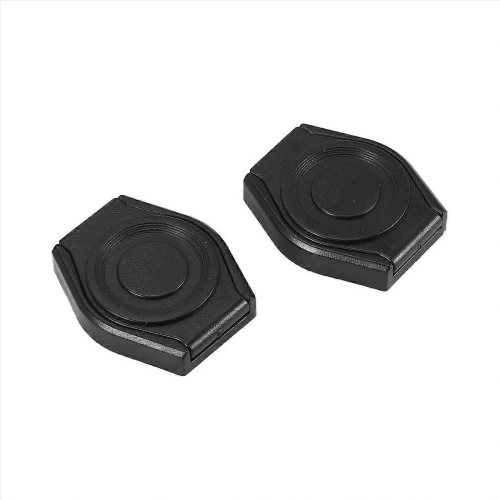
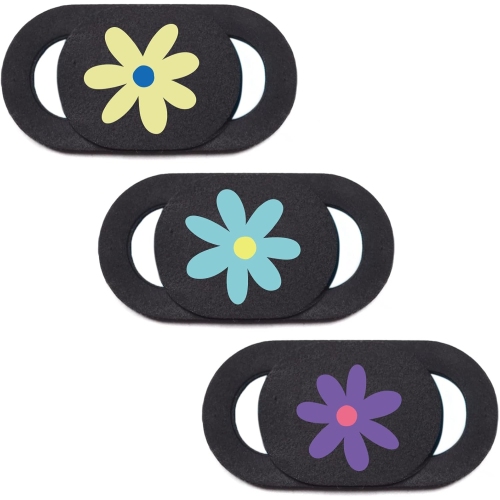
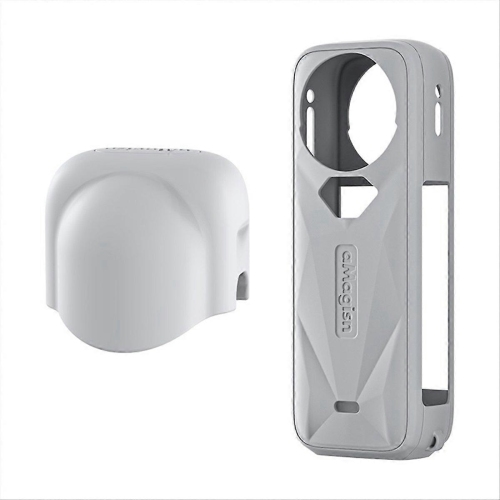
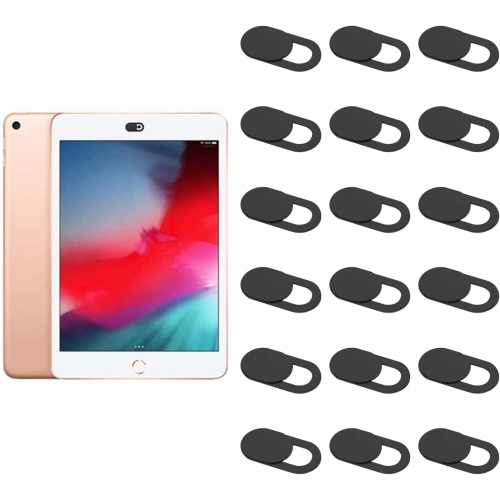



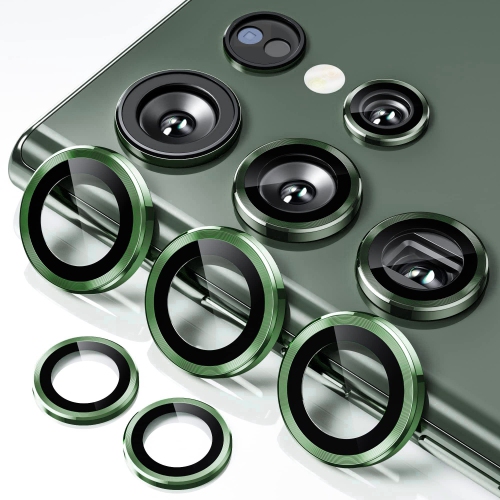

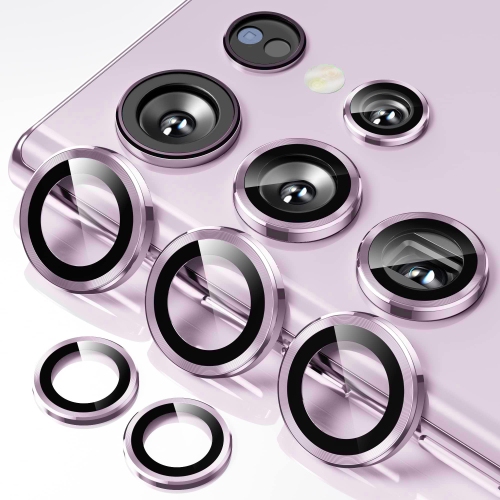

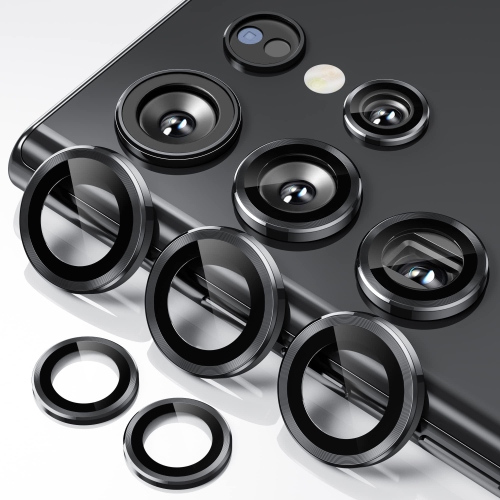


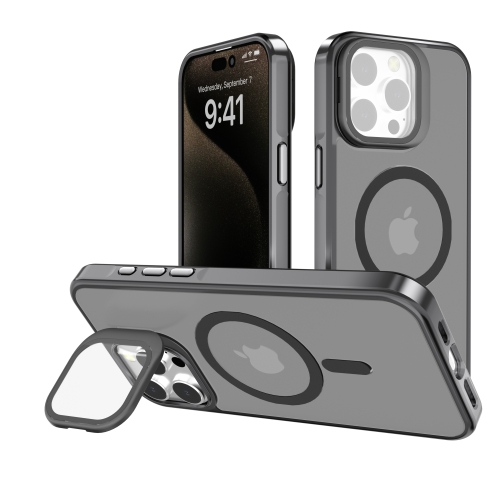
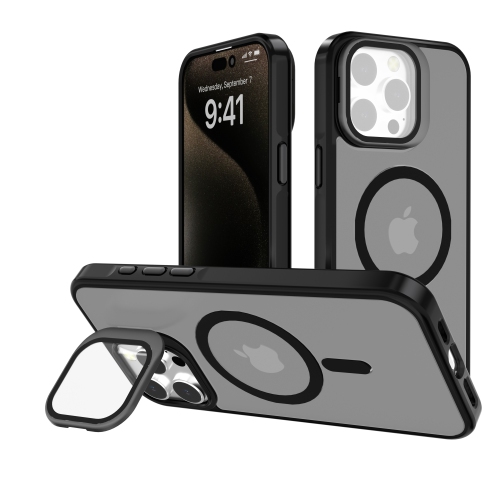
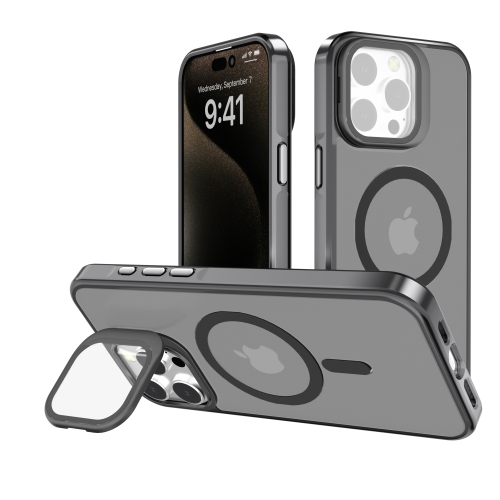

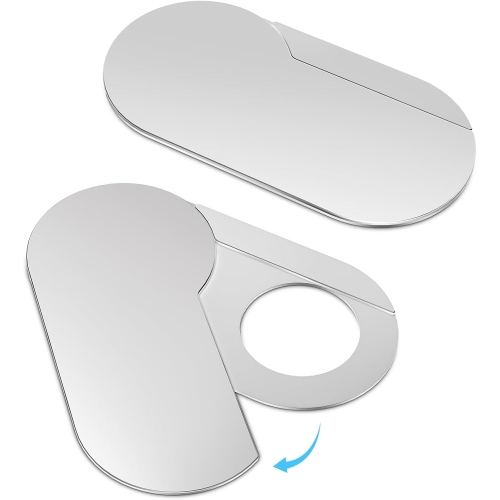

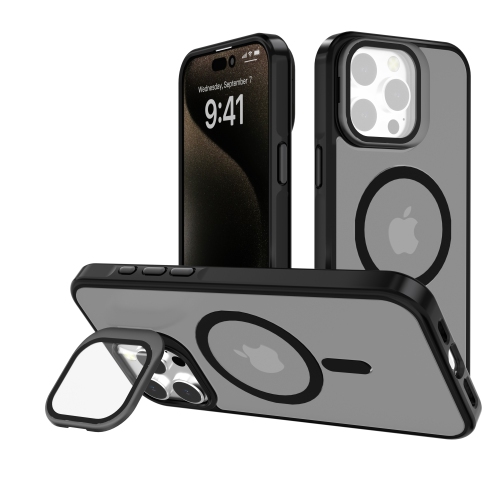

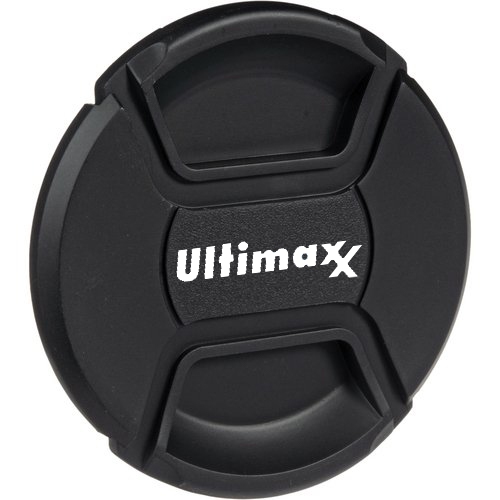


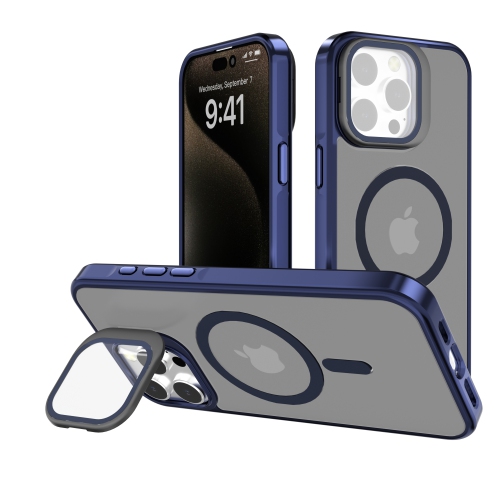
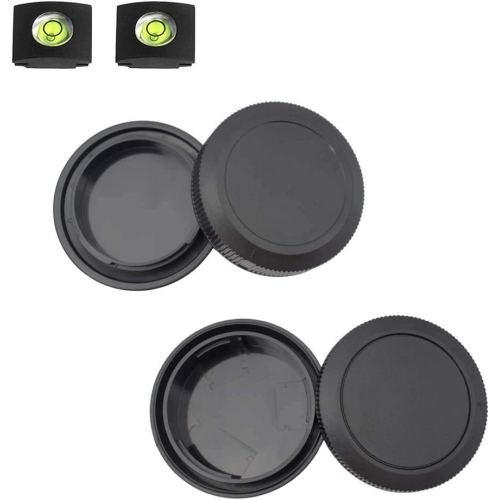
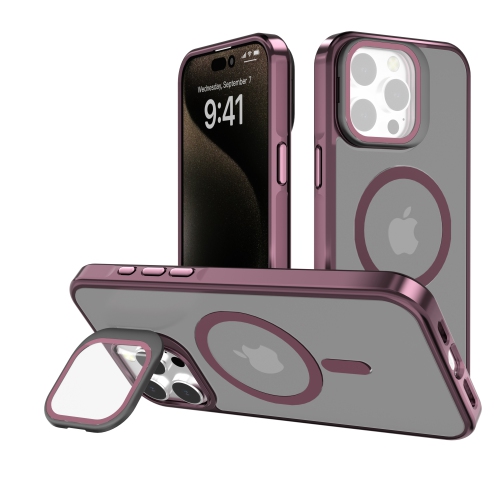


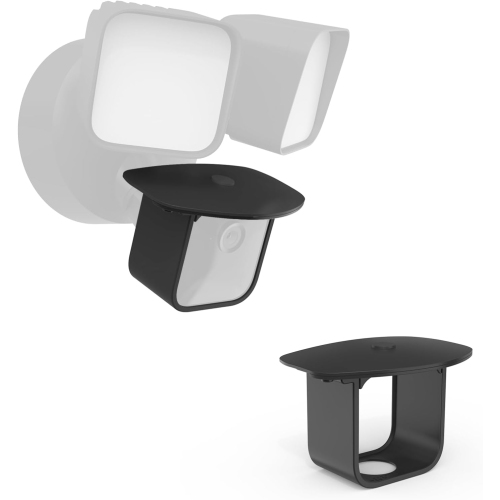
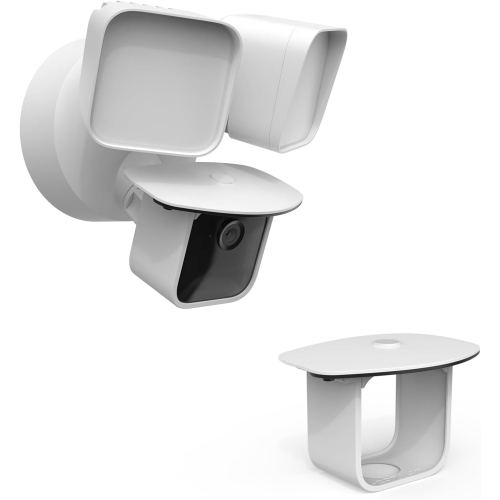


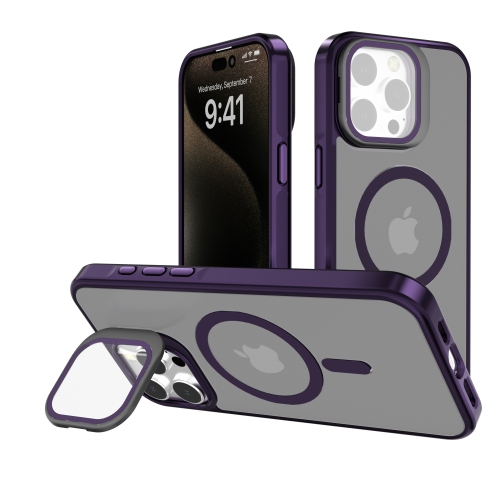


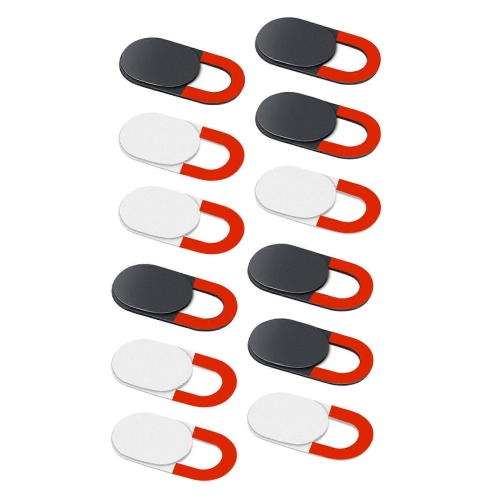
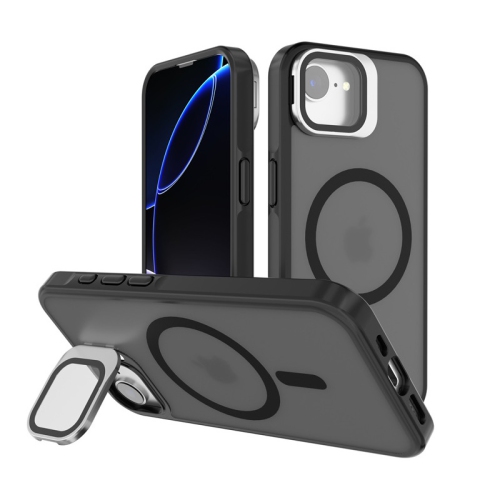
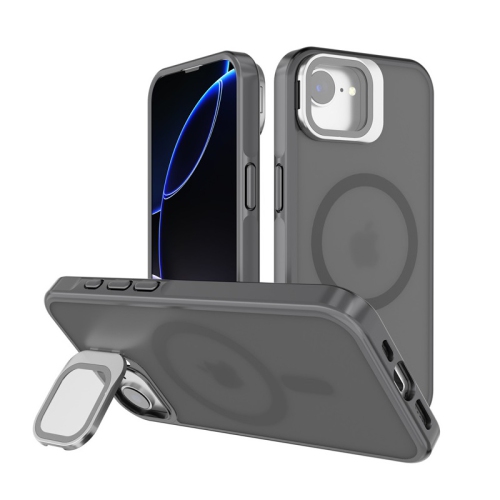
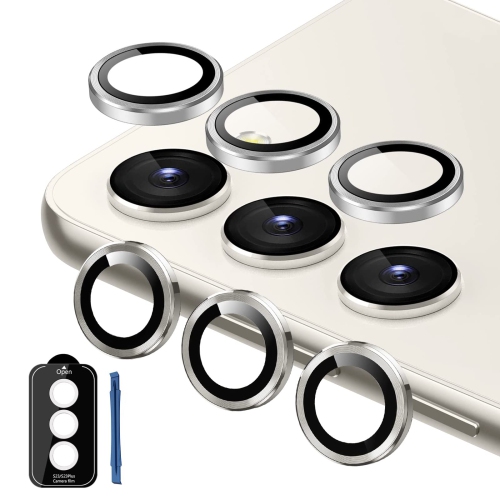


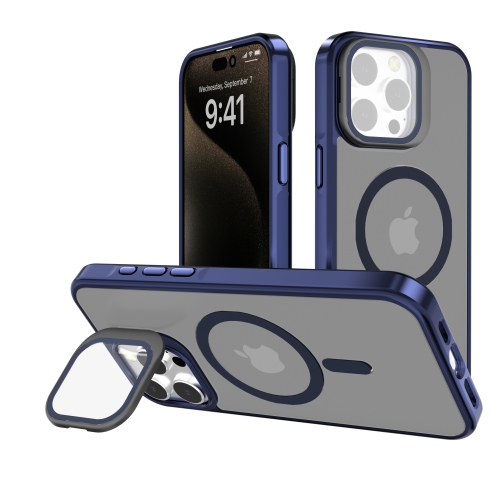


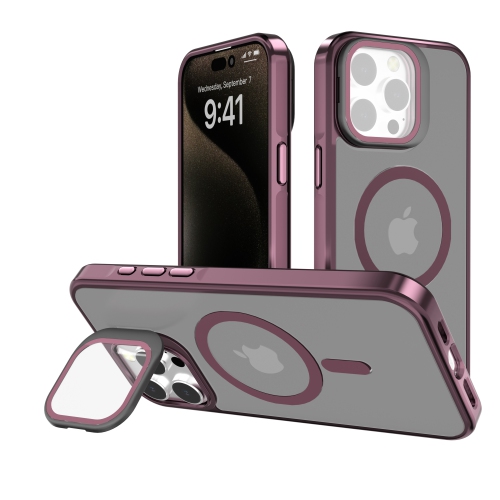


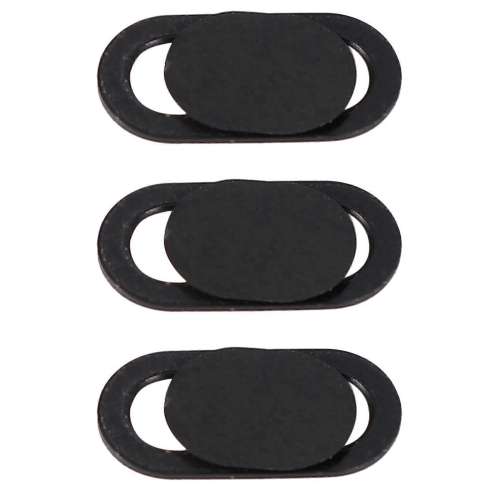


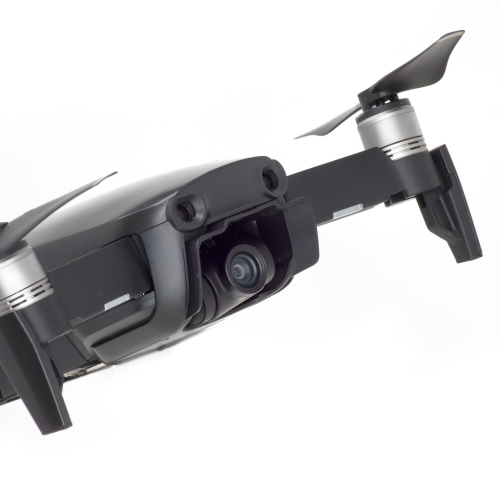

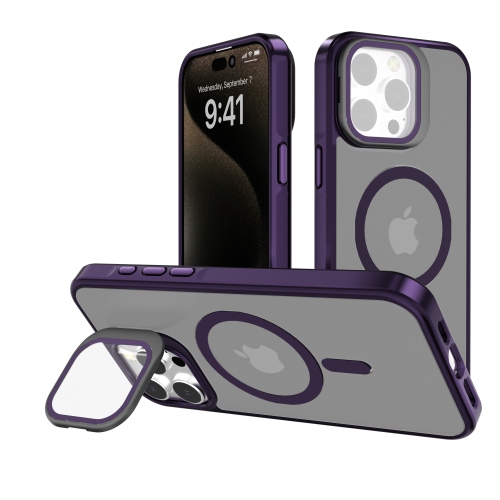


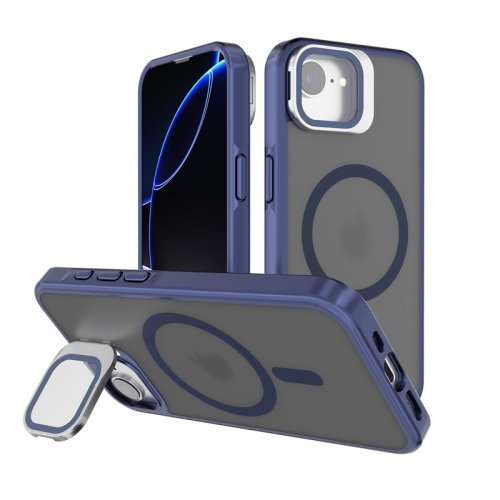


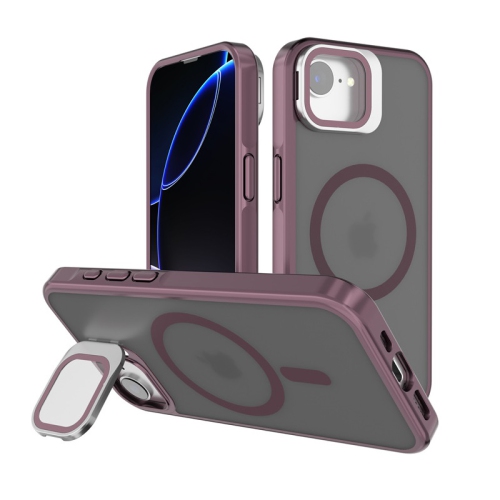
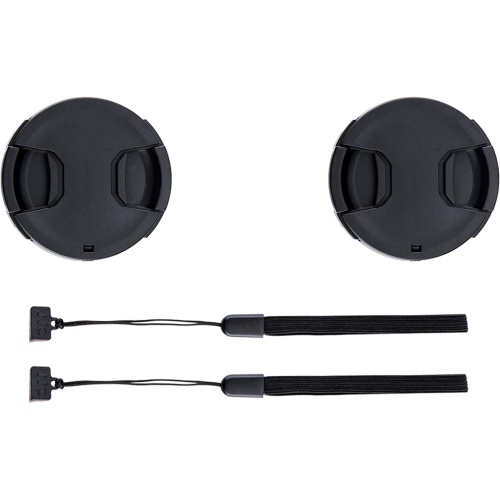


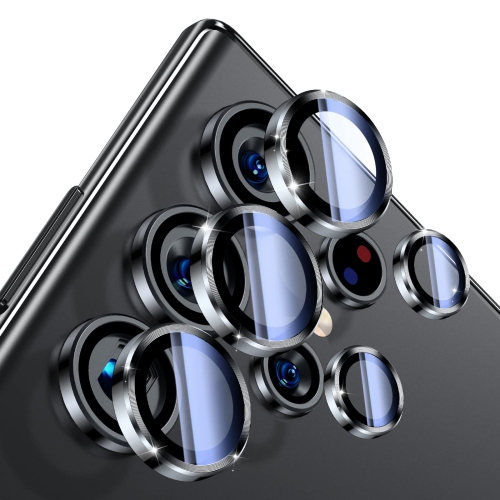

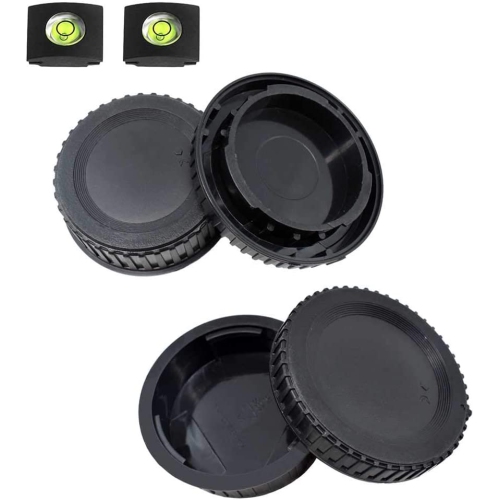


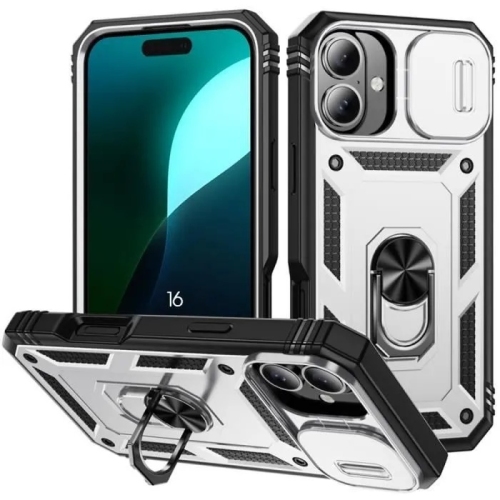
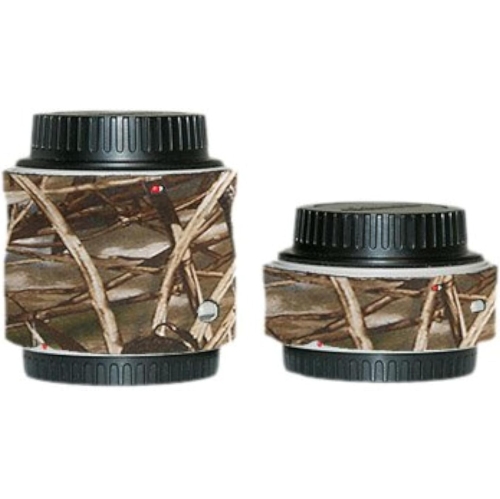


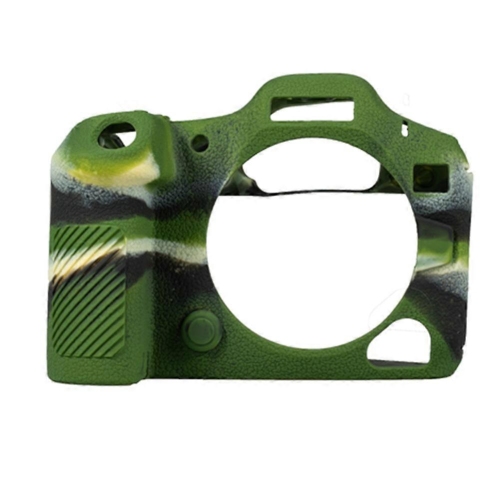


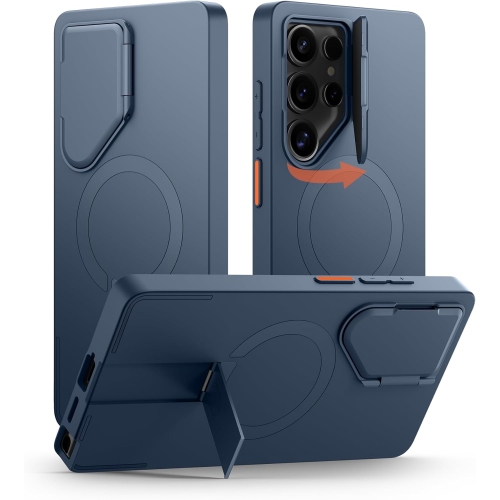


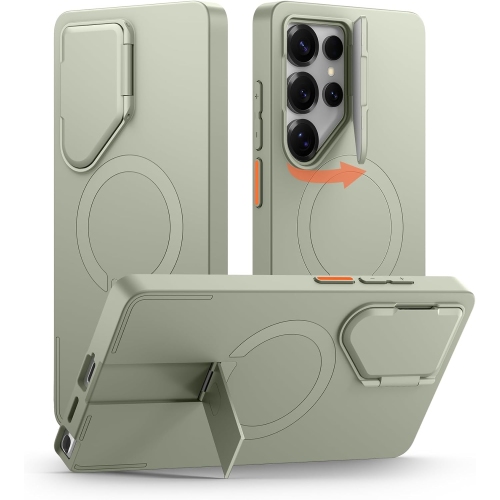
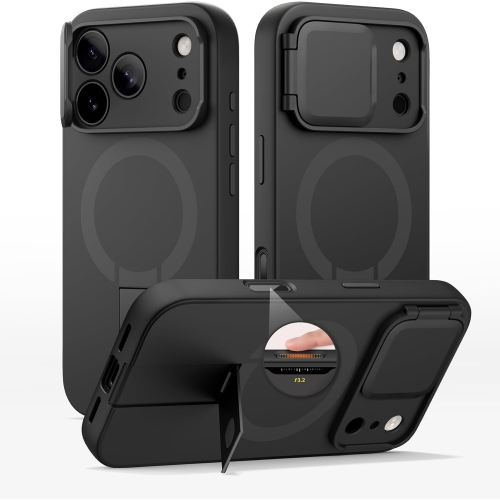


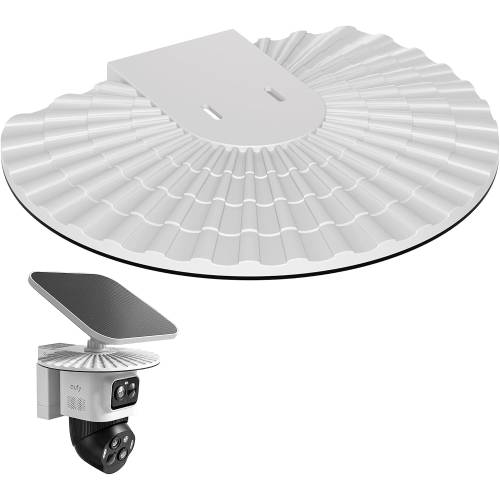


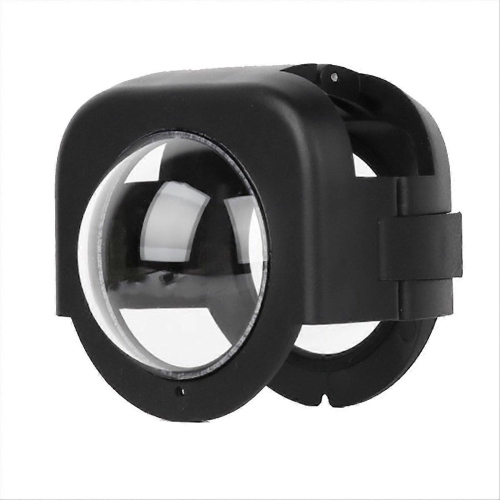


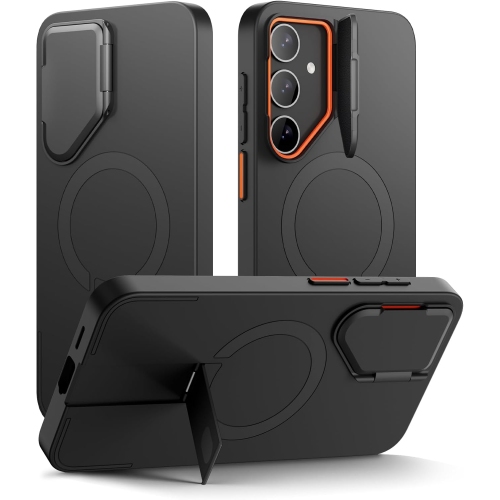
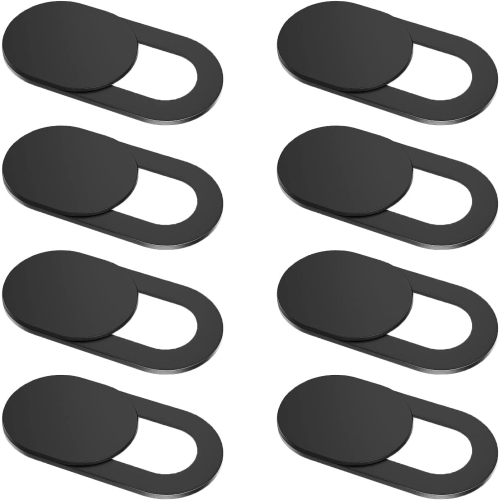


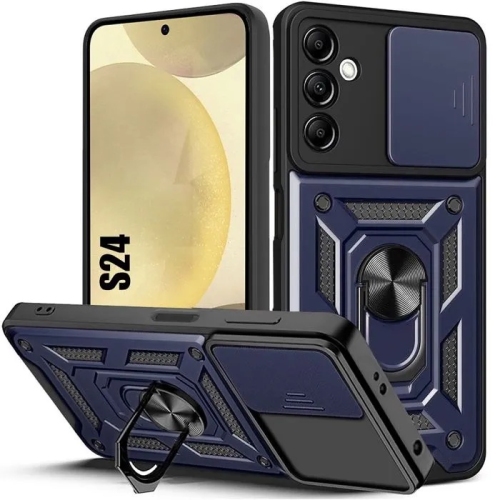


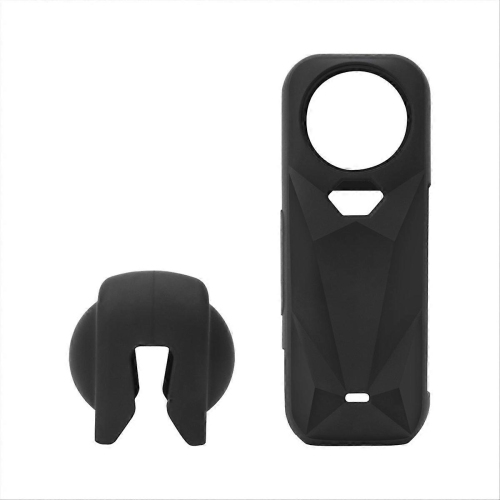

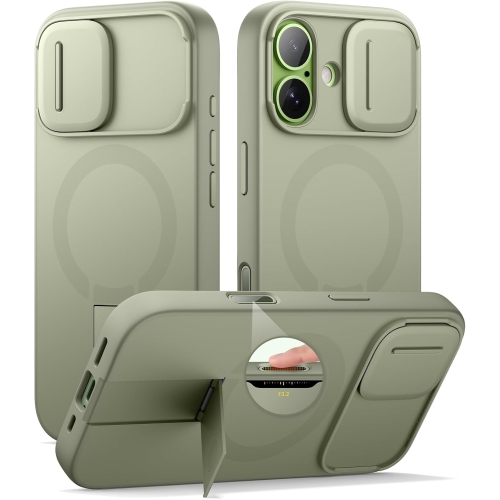

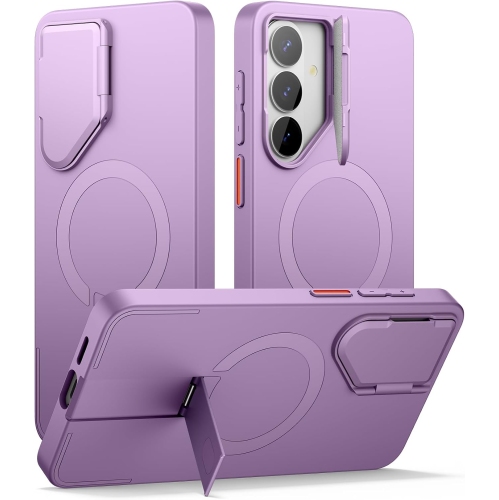
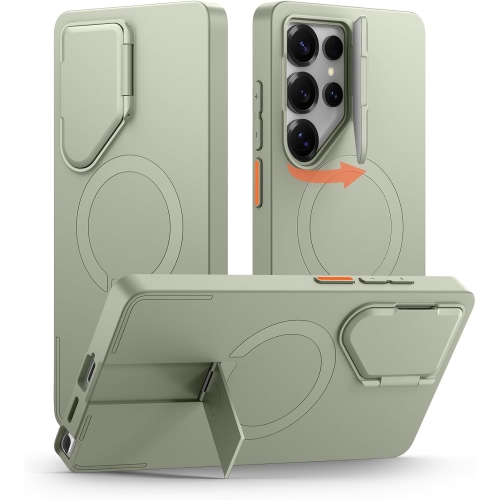
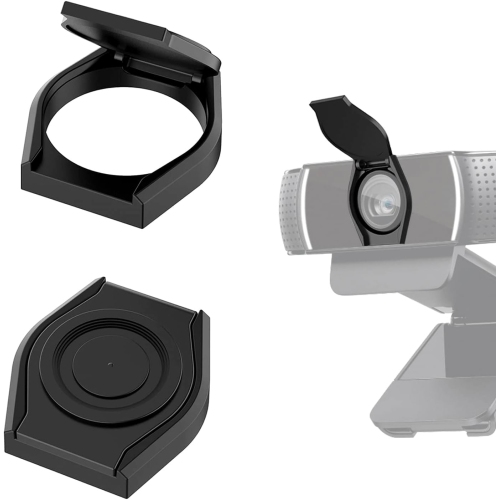


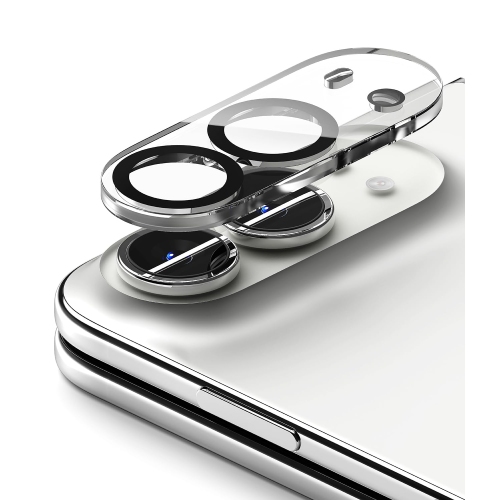






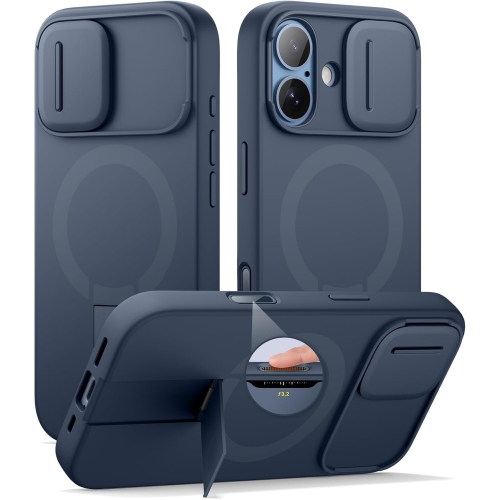

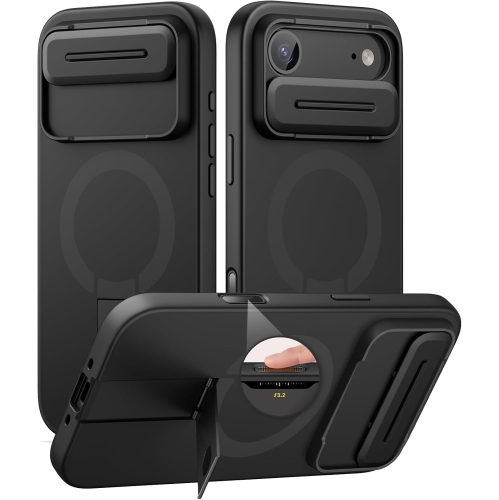

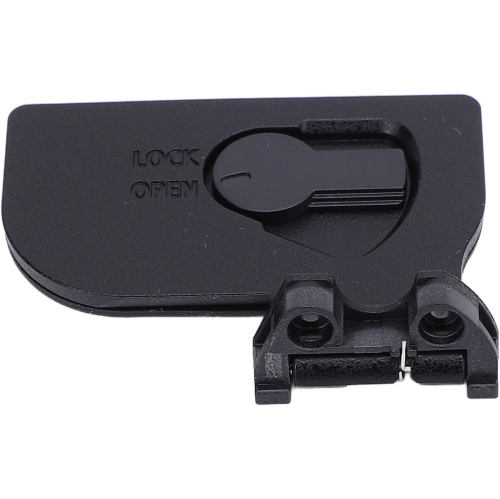
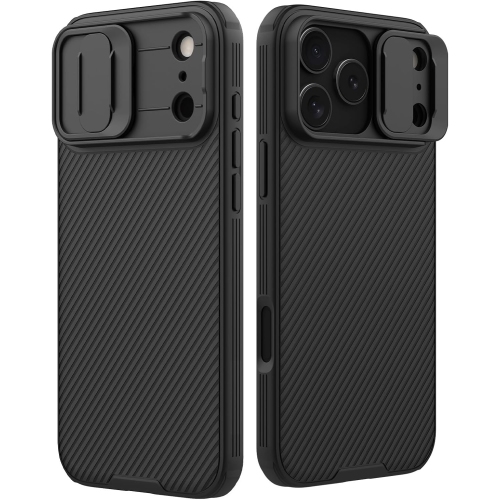
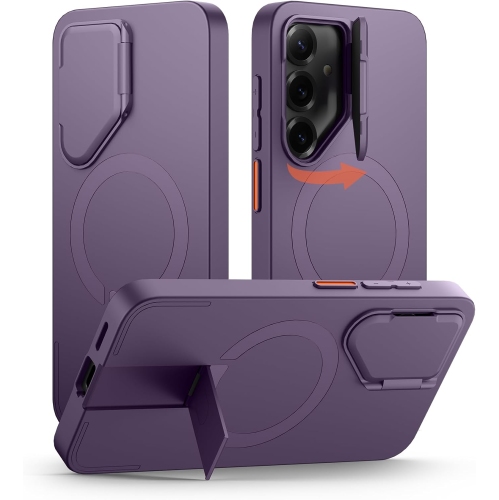
How fit and padding shape everyday camera protection
Camera covers add a layer of protection between photography equipment and the surfaces, handling, and everyday movement that come with taking a camera beyond its storage shelf. A camera resting against a jacket zipper, sitting on a busy desk, or travelling inside a shoulder bag faces different kinds of contact, and cover designs address those situations in different ways. Close-fitting body covers stay around the camera during use, while soft wraparound covers generally enclose more of the equipment between shots. Protective sleeves offer another approach, cushioning a camera without the structure or storage compartments of a full camera bag. These distinctions matter because a cover intended to prevent light scuffs is not necessarily designed to absorb a drop, keep out water, or support the weight of a camera. Silicone is often used for flexible body covers that follow the shape of the grip and controls, adding texture where fingers naturally rest. Neoprene covers can provide light cushioning and stretch around compatible camera-and-lens combinations. Fabric covers may fold down neatly when removed, while leather and synthetic leather designs can provide a more structured feel, depending on their construction. A soft inner surface helps limit friction against the camera finish, although even a smooth lining needs to be kept free of grit. Materials also affect how the equipment feels in the hand: a textured surface may offer a steadier hold, while extra padding adds bulk inside a bag. Colour can be a practical detail as well as a personal preference. A distinctive cover makes equipment easier to identify among similar cameras at a class or family gathering, while a neutral finish keeps the overall appearance understated. For everyday photography, the most useful balance is usually protection that suits the way the camera is carried without making familiar controls awkward to reach. That might mean a slim cover for a camera used throughout the day or a padded wrap for equipment that spends more time tucked away between outings.
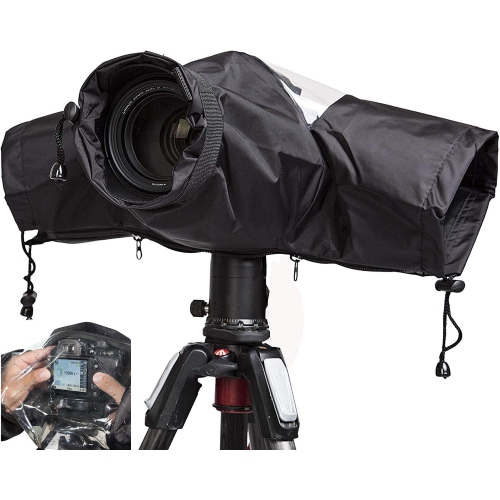
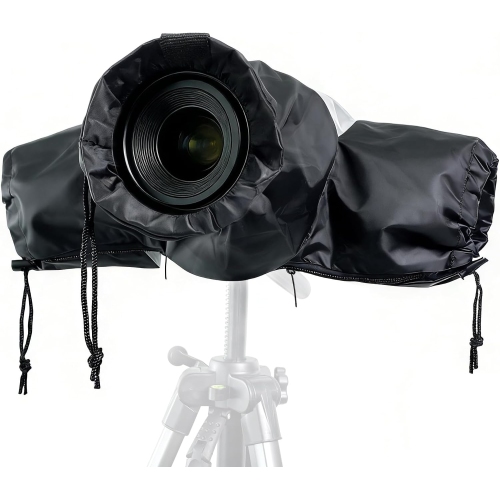
Fit is central to how well a camera cover works, particularly when the design stays attached while photographs are being taken. Camera bodies that look similar can differ in grip depth, button placement, viewfinder shape, and the position of battery doors or cable connections. A fitted cover needs openings that line up with those features rather than merely stretching over the outside. Clearance around the shutter button and control dials helps preserve the camera’s handling, while room around a tilting or rotating screen allows it to move through its intended range. Photographers who regularly change batteries, transfer files through a cable, or connect an external microphone benefit from access that does not require removing the entire cover each time. Strap attachment points should remain accessible, and the cover should not interfere with the camera’s intended carrying method. For tripod use, the area around the mounting socket deserves attention: added material can affect how a quick-release plate sits against the base. A camera-and-lens cover has another fit consideration, since its usable length depends on the lens attached, not just the camera body. A compact lens and a longer zoom can create very different storage needs, and a lens hood may add further length or width. Adjustable wraps can accommodate some variation, but their closures still need enough overlap to hold securely without pressing hard against controls. Covers intended for use around rain or splashes serve a different purpose from everyday body skins. Their openings, seams, and fastening points determine how they shield equipment while leaving space to operate the camera. Water-resistant material alone does not establish that the complete cover is waterproof, and a protective cover does not make a camera suitable for immersion. For outdoor photography, visibility through any viewing panel and access to the lens controls can be just as important as coverage. These practical details help distinguish a cover that merely fits inside a bag from one that also suits the photographer’s working setup.
Care and durability depend on both the cover’s construction and the conditions in which it is used. Reinforced edges, neatly finished seams, and securely attached closures are useful details on covers that are frequently folded, stretched, or opened. Areas around the grip and corners tend to receive repeated handling, while straps, tabs, and fasteners take strain during removal. A cover that has become loose, torn, or misshapen may no longer sit properly, even if much of its surface still looks intact. Routine care generally involves removing loose particles before they can rub against the camera and cleaning the cover according to its material-specific instructions. Some flexible materials can be wiped with a lightly damp cloth, whereas leather, coated fabrics, and bonded layers may need different treatment. Harsh cleaners and unnecessary soaking can damage finishes or adhesives, so cleaning methods should match the manufacturer’s directions. Any cover that becomes damp should be removed and allowed to dry fully before it is placed back around the equipment. The camera also needs to be dry before storage; enclosing moisture can create problems that an outer layer of protection cannot solve. Between uses, a cover is best stored without heavy objects flattening its shape or sharp accessories pressing into its lining. For students carrying a camera between home and class, parents taking photographs at family celebrations, and hobbyists keeping equipment close during a day out, these accessories can make everyday handling more convenient. They can also be thoughtful gifts for photographers when the camera model, attached lens, and preferred carrying style are known. Someone who values quick access may appreciate a different design from someone who carefully packs equipment after every session. For broader gift inspiration, Camera Presents offers a related place to explore photography-themed ideas. A well-matched cover complements the equipment already in use, adding practical protection without replacing careful handling, a suitable carrying bag, or the separate protection needed for exposed lenses and other accessories.
Top selling and popular products
-
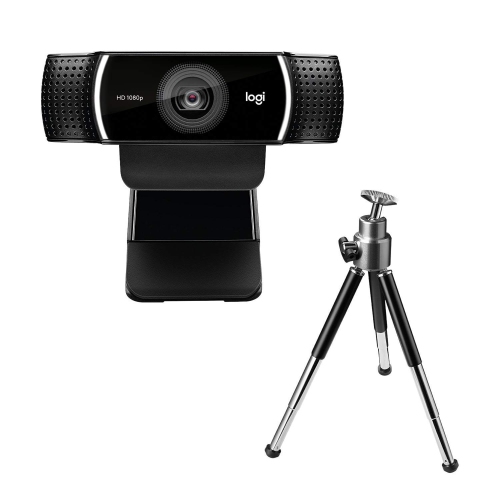 Your price for this item is $98.99
-
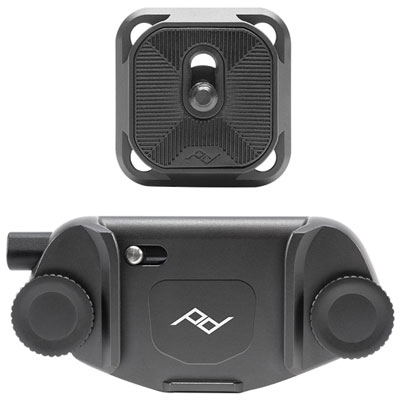 Your price for this item is $99.99
-
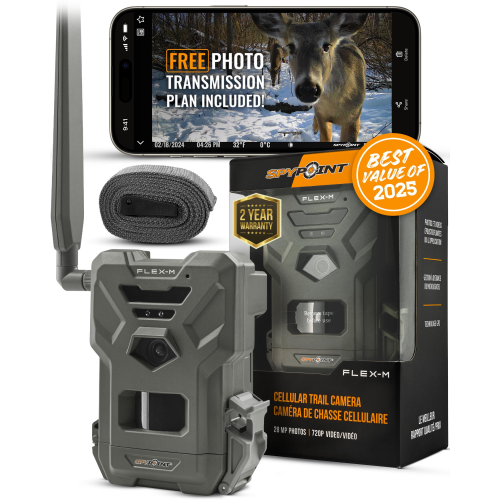 Your price for this item is $159.99
-
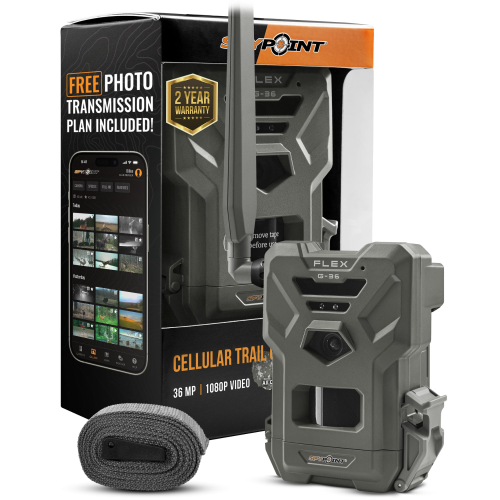 Your price for this item is $189.99
-
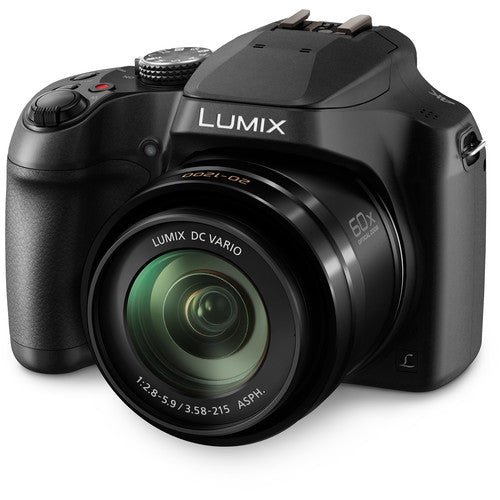 Your price for this item is $1710
-
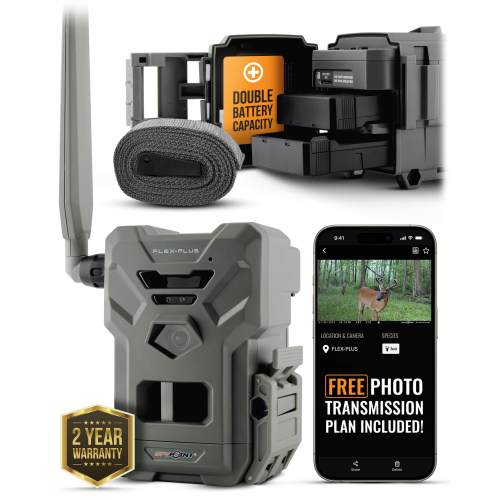 Your price for this item is $149.99
-
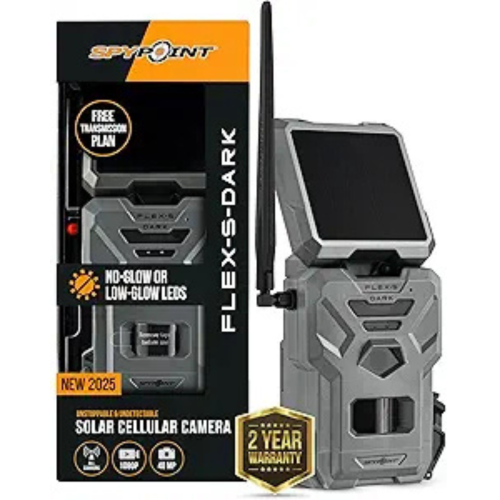 Your price for this item is $269.99
-
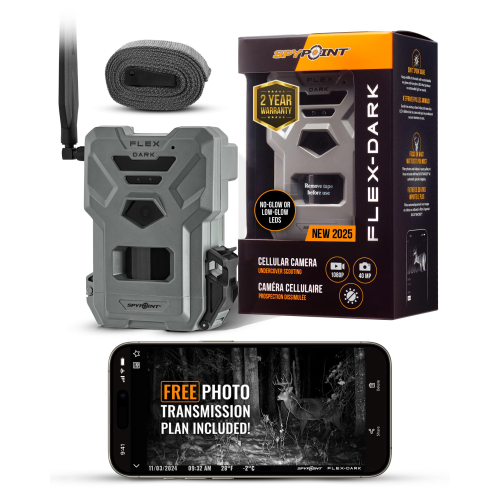 Your price for this item is $189.99
Discover more categories related to Camera Covers
Top Collections:
Pokemon Centers, Kindle Devices, Best Cameras for Sports Photography, Pokémon 30th Celebration Cards, Canon G7X Cameras, Samsung Galaxy Phones, iPhone 15 Apple, Best Black Friday Deals On Electronics, Jackery Power Stations, Solar Generators for Home
Some products may be subject to Environmental Handling Fees
(EHF) depending on your province.
Learn more about EHFs.