Camera Lenses for Birding
Capture every intricate detail and breathtaking moment with this wide selection of camera lenses specifically designed for birding enthusiasts. Whether you're a seasoned birder or just starting out, this range of lenses will help you get up close and personal with your feathered friends, allowing you to capture their beauty with stunning clarity. With advanced optics and versatile focal lengths, these lenses are perfect for capturing the vibrant colors, intricate patterns, and swift movements of birds in their natural habitat.
Sort
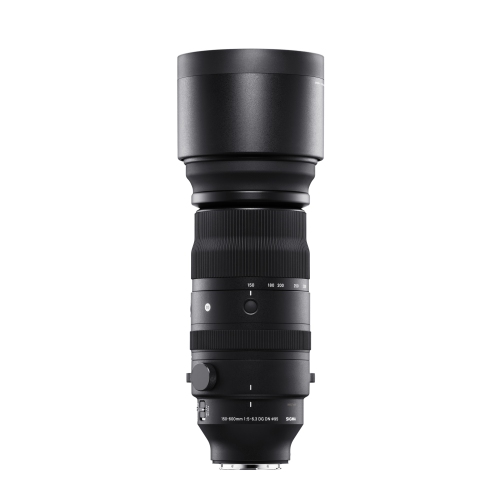


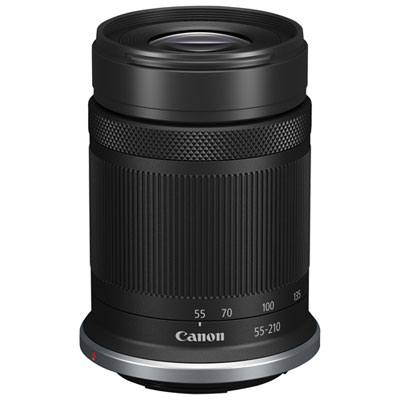
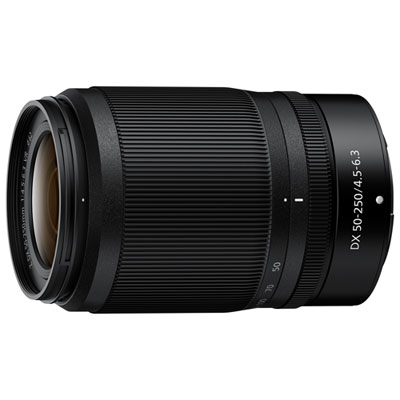
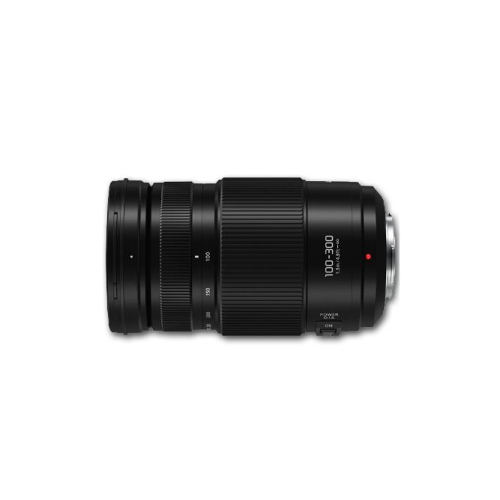
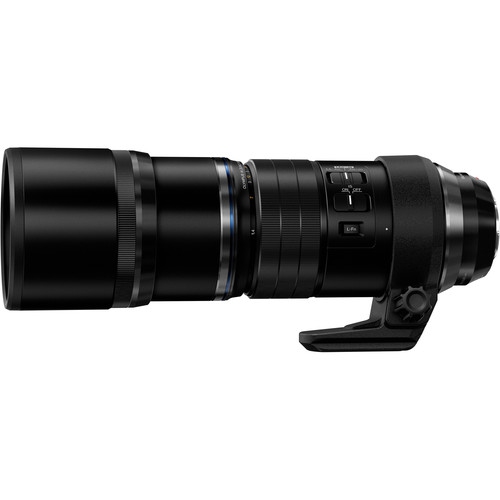
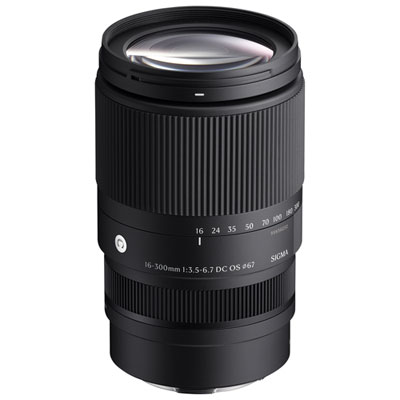
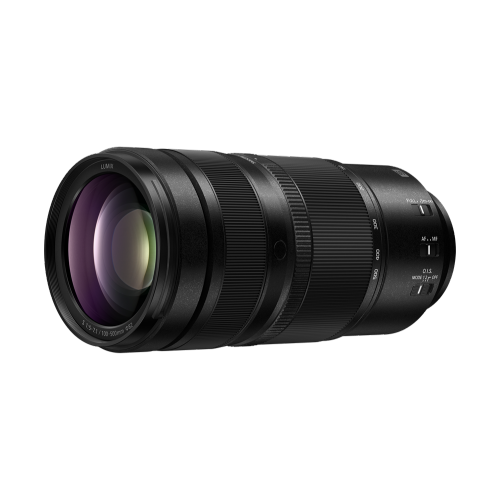
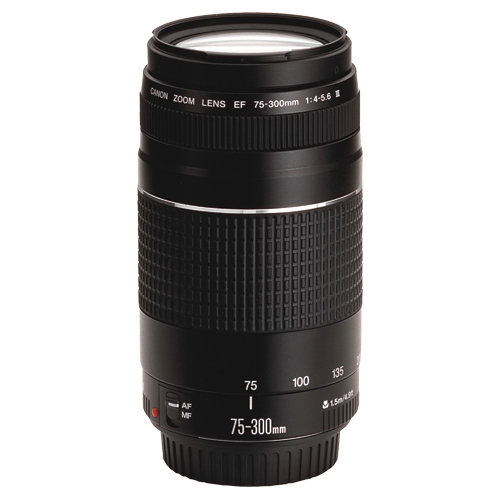
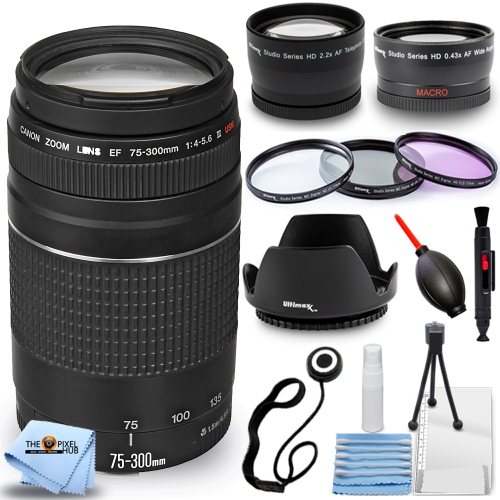
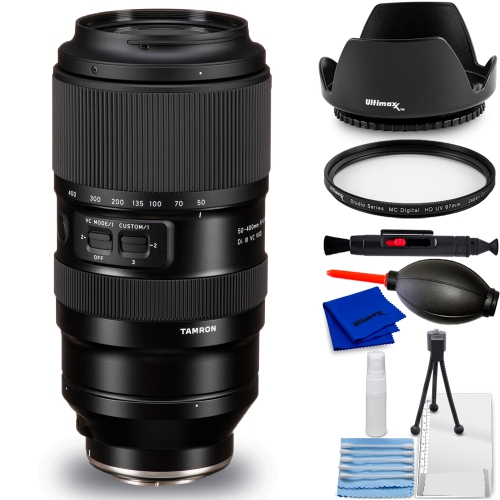
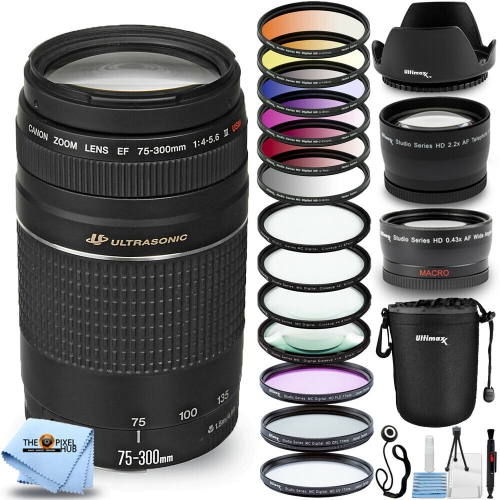
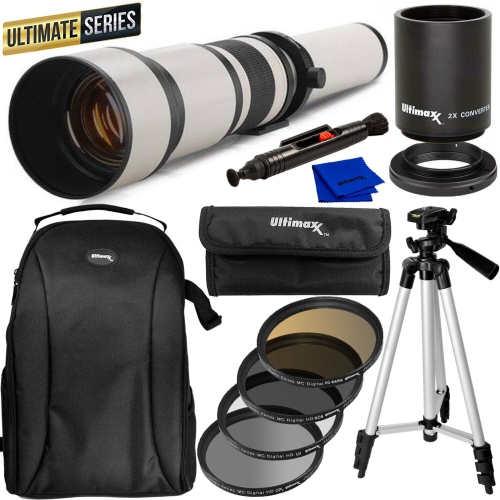
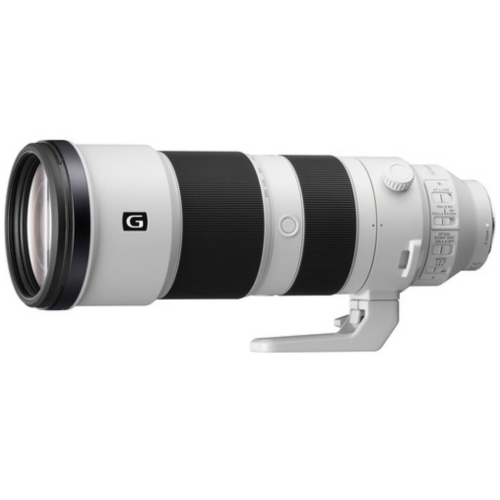
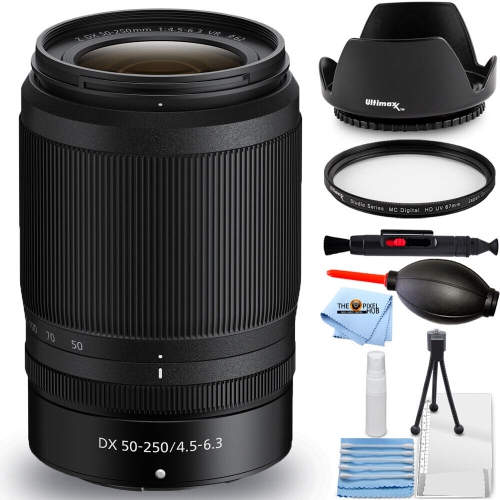
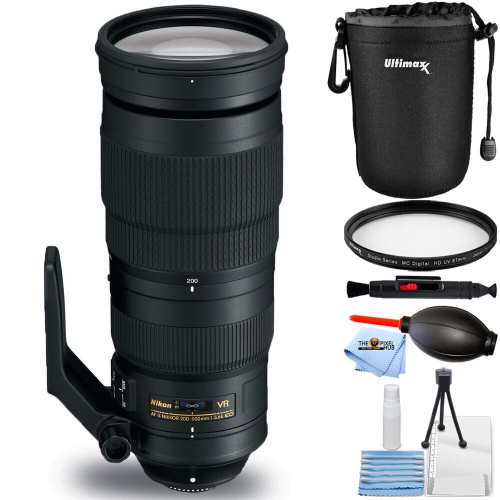
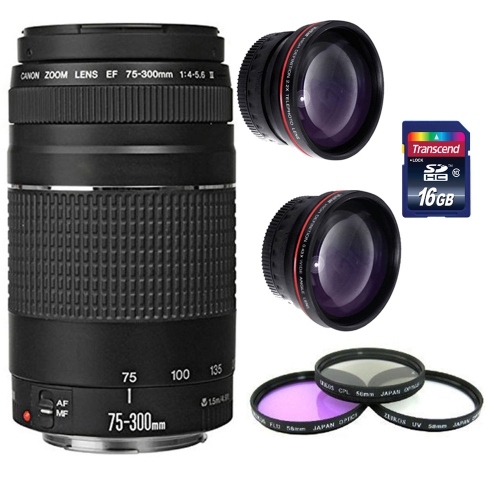
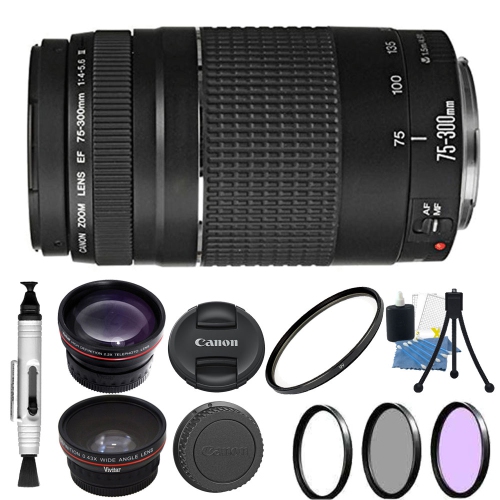
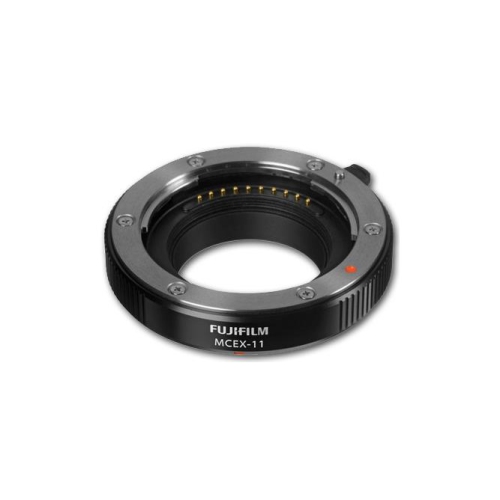
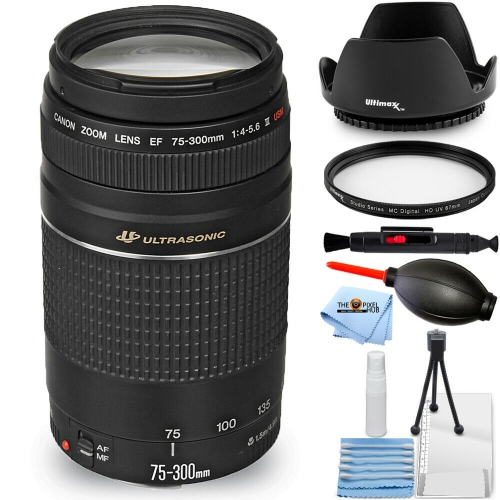
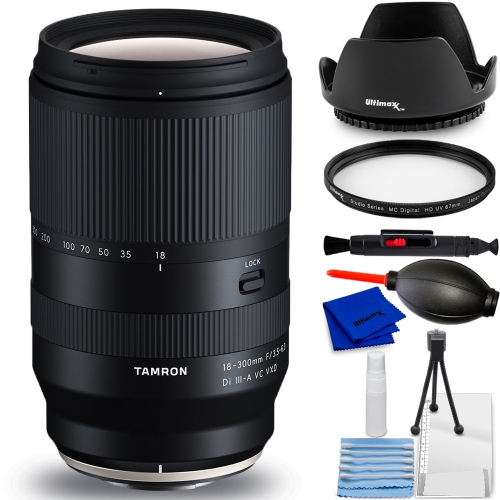
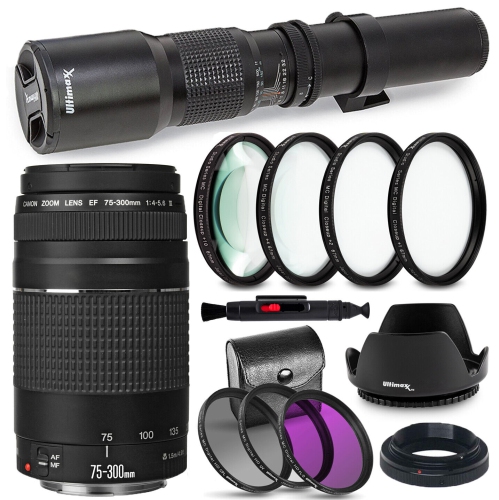
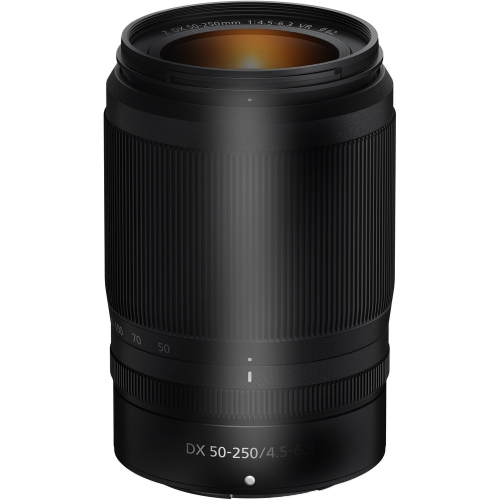
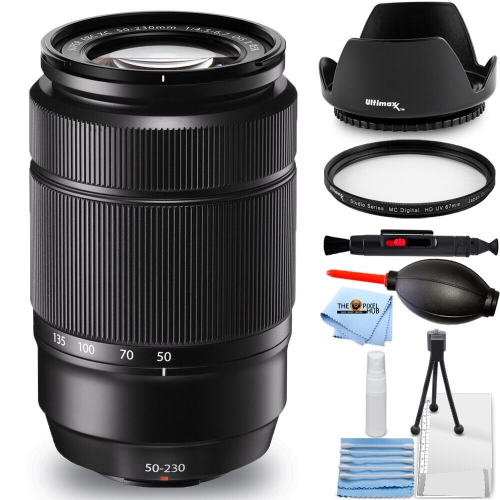
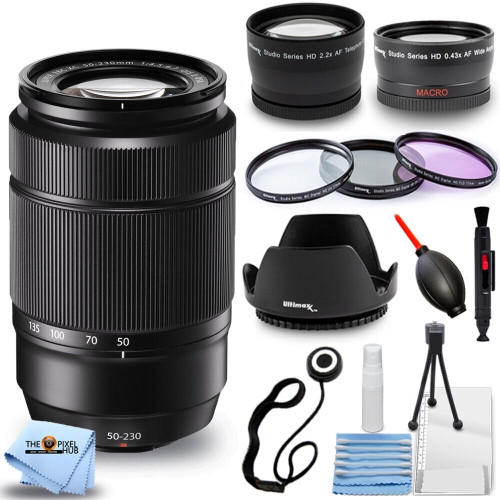
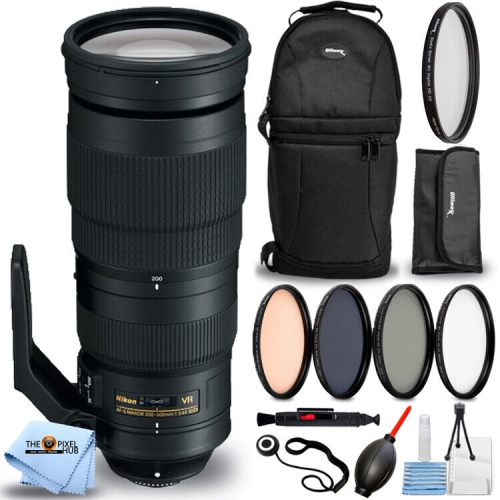
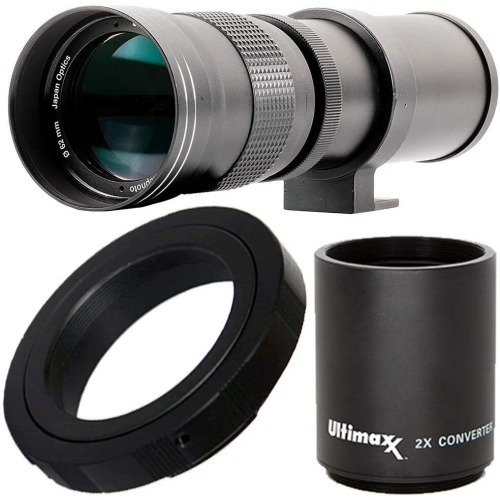
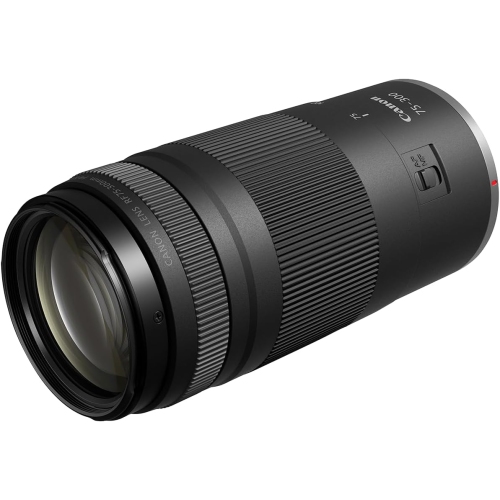
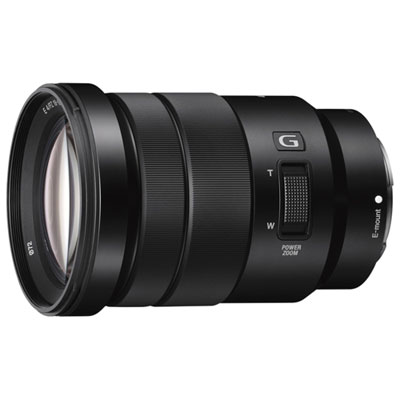
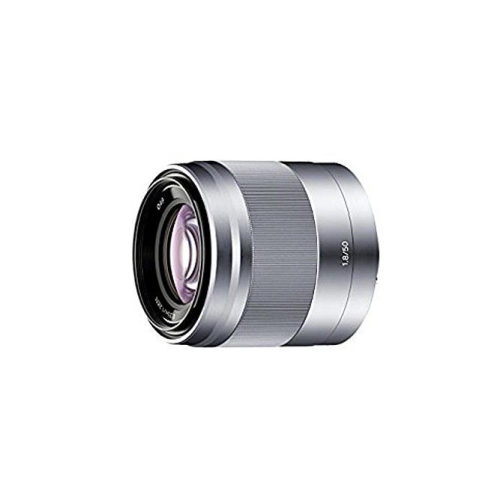

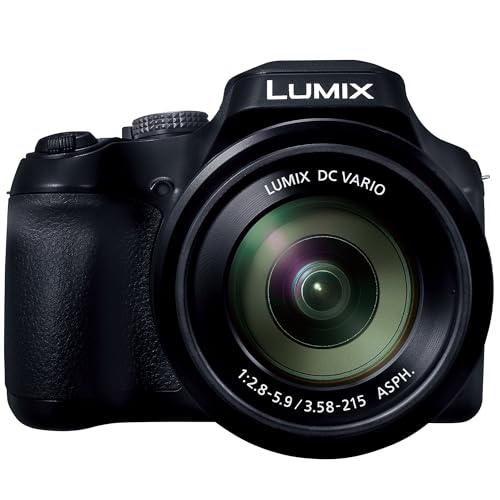
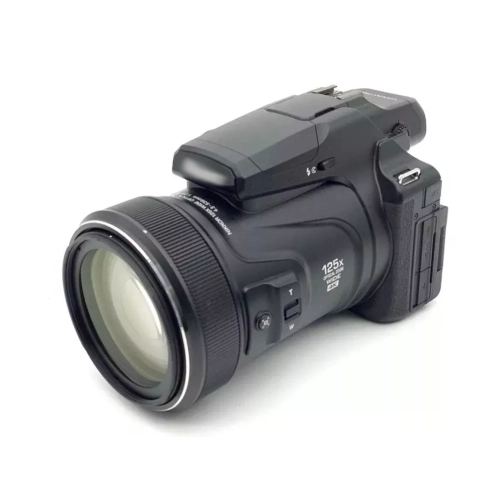
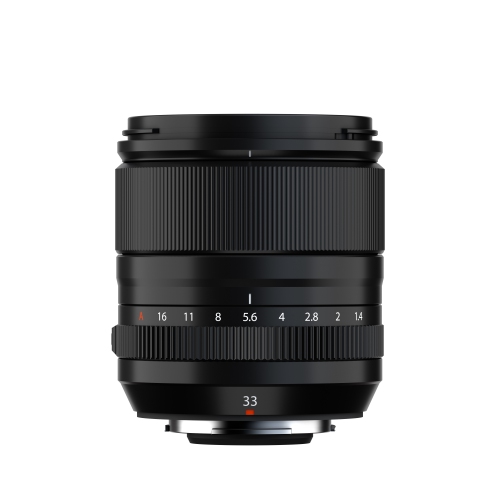
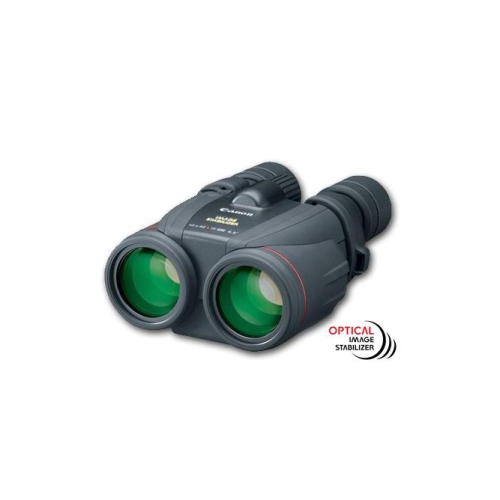
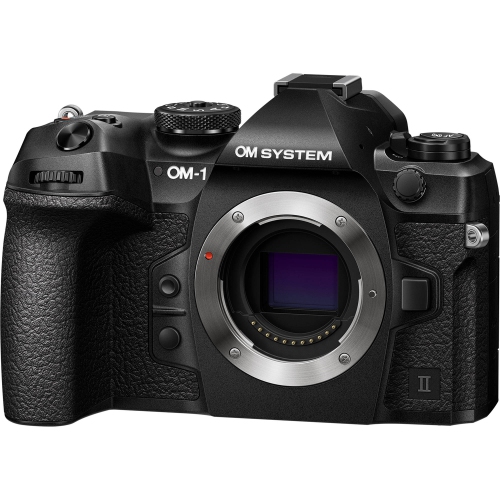
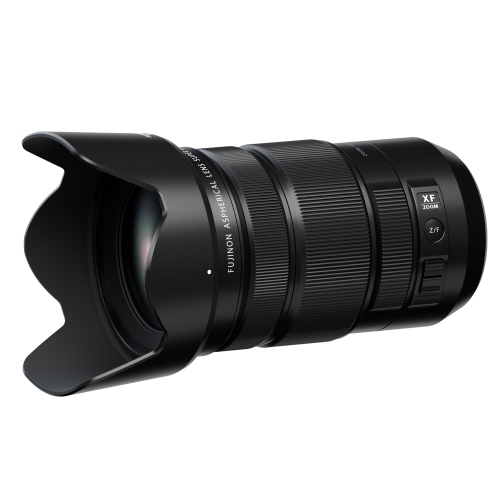
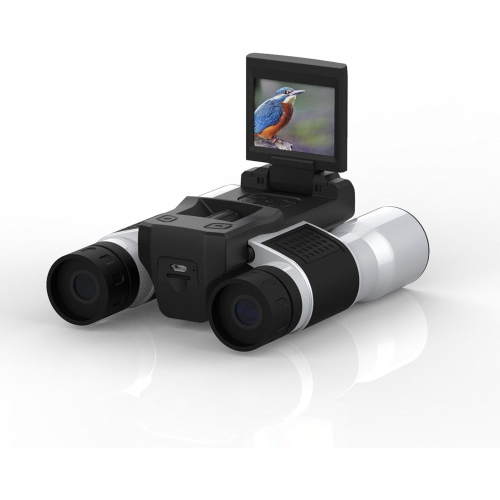
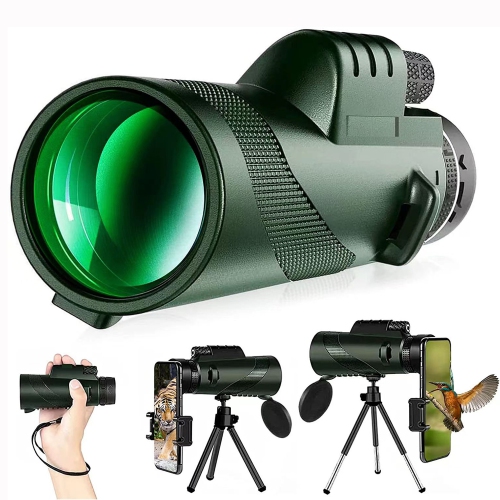
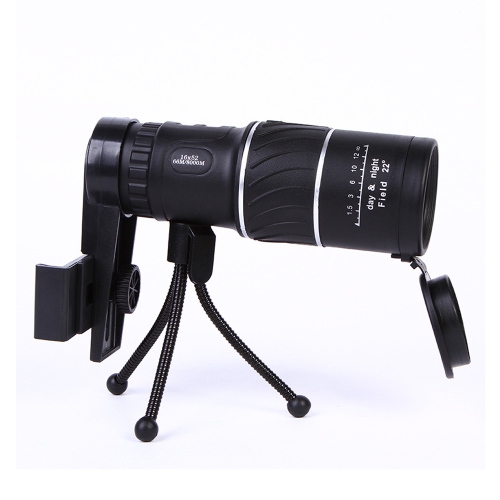
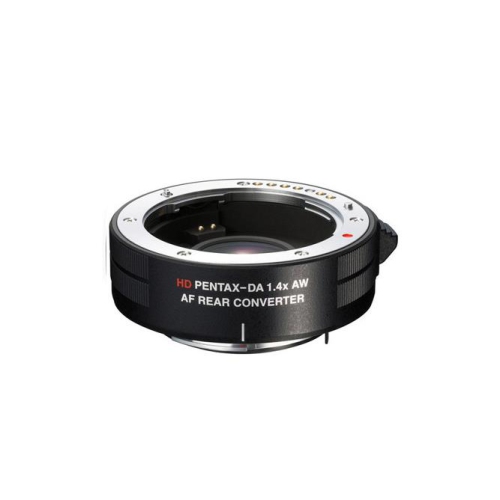
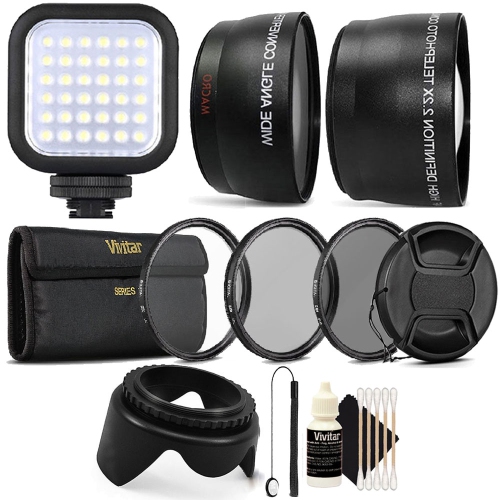
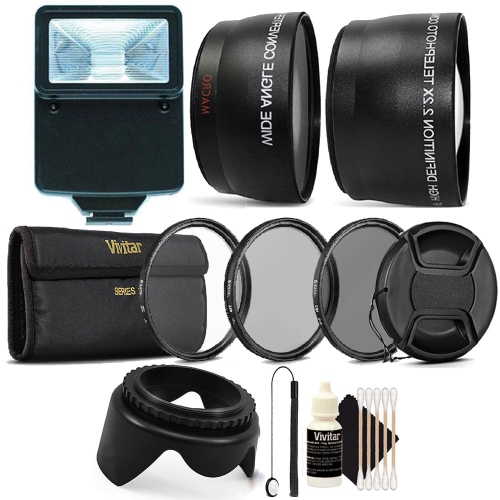
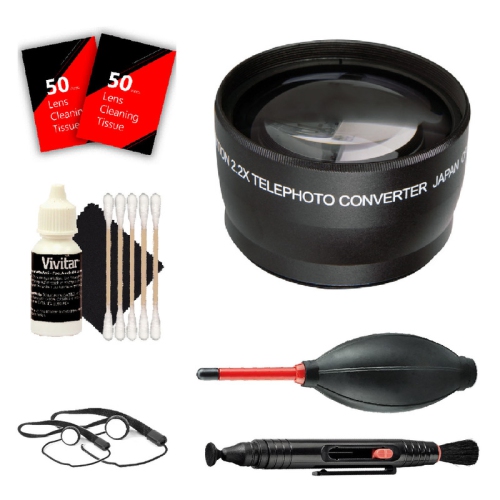
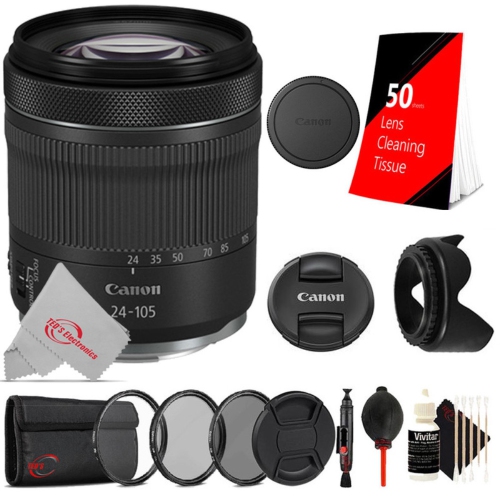
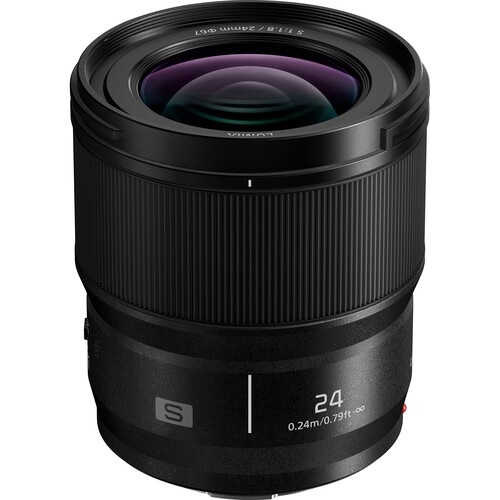
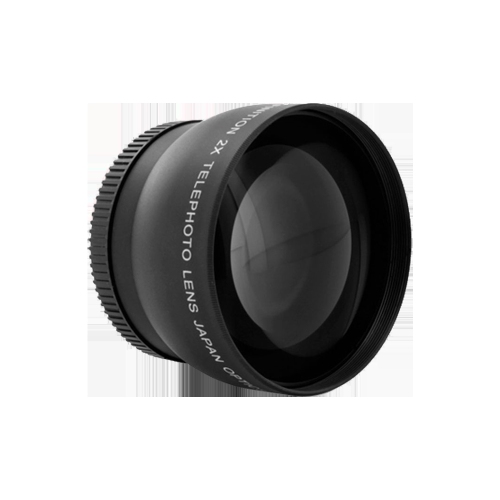
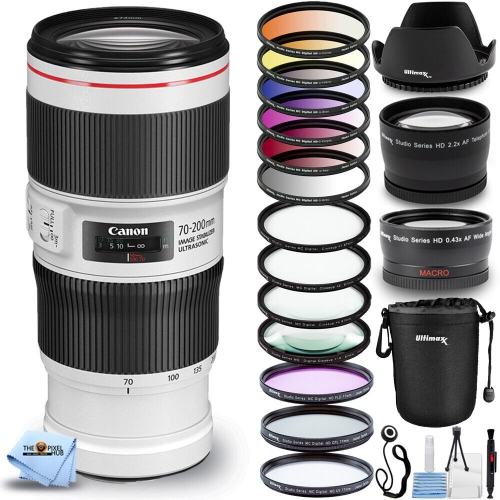
The right reach brings distant birds into detail
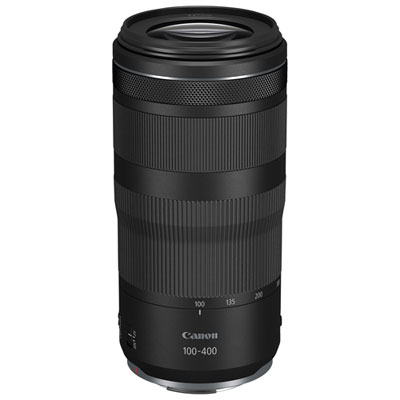
Camera lenses for birding are designed to bring distant, quick-moving subjects closer while preserving enough detail to show feather texture, bright eyes, and subtle colour changes. Birds often remain just beyond a comfortable walking distance, perched high in a tree, moving across open water, or lifting off before you have time to approach. A telephoto lens gives you the reach to fill more of the frame without disturbing the scene. For many bird photographers, a super-telephoto zoom in the 150-600mm range offers an excellent balance of distance, flexibility, and value. The longer end can help isolate a small songbird on a far branch or follow a raptor gliding above a field, while the shorter end is useful when a bird suddenly comes closer or when you need to include more of the surrounding landscape. A 100-400mm lens is another versatile choice, especially for walks, travel, backyard observation, and closer encounters near feeders or wetlands. These lenses are often easier to carry and quicker to handle when a bird appears unexpectedly. The best focal length depends on the birds you photograph, the spaces where you spend time, and how much equipment you are comfortable carrying. Smaller birds and cautious wildlife generally benefit from more reach, while larger waterfowl or birds in managed viewing areas may be well served by a shorter telephoto range.
Camera compatibility is an important part of choosing a birding lens. Check the lens mount and sensor format to ensure it works with your camera body, and consider how the sensor affects the effective field of view. On a crop-sensor camera, a 600mm lens can provide a narrower angle of view than it would on a full-frame camera, giving the appearance of additional reach; on some Micro Four Thirds systems, a 600mm focal length can provide a full-frame equivalent field of view of approximately 1200mm. This can be especially helpful when photographing tiny birds high in the canopy or wildlife that cannot be approached closely. Image stabilization, also called optical stabilization or vibration reduction depending on the system, can make a noticeable difference when shooting handheld. It helps reduce the effects of camera shake during quiet observation, particularly in shaded woodland, on overcast days, or during the cooler months when light fades earlier. Autofocus performance matters just as much. Look for a lens that can acquire focus quickly and track movement smoothly, as a bird may turn its head, hop between branches, or take flight in an instant. A wide maximum aperture can allow faster shutter speeds and brighter viewing, although longer lenses with narrower apertures can still produce striking results in good daylight. Weather-resistant construction may also be useful for walks beside lakes, misty trails, or changing outdoor conditions, while a removable tripod collar or compatible support can improve balance during long sessions.
Weight and handling deserve as much attention as focal length and specifications. A long lens can feel manageable in a shop or at home but become tiring after several hours on a trail, especially when paired with a substantial camera body. Consider whether you prefer to work handheld, with a monopod, or from a tripod, and look for a setup that lets you move naturally without missing fleeting moments. A lighter 100-400mm zoom can be a comfortable companion for travel and casual birdwatching, while a 150-600mm zoom can be a strong choice for open fields, shorelines, marshes, and other places where birds remain distant. For photographers who value maximum sharpness, subject separation, and low-light performance, a fixed focal-length lens of 600mm or longer can provide an impressive look, though its size, weight, and cost may suit dedicated wildlife photographers more than occasional users. A teleconverter may extend reach on compatible lenses, but it can reduce the available light and may affect autofocus performance, so check camera and lens compatibility before adding one. A lens hood can help control stray light and protect the front element, while a padded bag or cover makes it easier to carry the equipment between viewing spots. For additional options and a more focused selection, explore Best Telephoto Lenses for Birding. These lenses can make thoughtful gifts for a nature enthusiast, beginning wildlife photographer, traveller, or family member who enjoys spending quiet time outdoors. They are equally useful for experienced photographers refining their setup, parents capturing backyard visitors, and anyone who wants to record the character of birds without getting close enough to interrupt their behaviour. From the first flash of wings over a frozen pond to a chick sheltering beneath a branch, the right lens helps turn brief outdoor encounters into detailed, memorable images.
Camera compatibility is an important part of choosing a birding lens. Check the lens mount and sensor format to ensure it works with your camera body, and consider how the sensor affects the effective field of view. On a crop-sensor camera, a 600mm lens can provide a narrower angle of view than it would on a full-frame camera, giving the appearance of additional reach; on some Micro Four Thirds systems, a 600mm focal length can provide a full-frame equivalent field of view of approximately 1200mm. This can be especially helpful when photographing tiny birds high in the canopy or wildlife that cannot be approached closely. Image stabilization, also called optical stabilization or vibration reduction depending on the system, can make a noticeable difference when shooting handheld. It helps reduce the effects of camera shake during quiet observation, particularly in shaded woodland, on overcast days, or during the cooler months when light fades earlier. Autofocus performance matters just as much. Look for a lens that can acquire focus quickly and track movement smoothly, as a bird may turn its head, hop between branches, or take flight in an instant. A wide maximum aperture can allow faster shutter speeds and brighter viewing, although longer lenses with narrower apertures can still produce striking results in good daylight. Weather-resistant construction may also be useful for walks beside lakes, misty trails, or changing outdoor conditions, while a removable tripod collar or compatible support can improve balance during long sessions.
Weight and handling deserve as much attention as focal length and specifications. A long lens can feel manageable in a shop or at home but become tiring after several hours on a trail, especially when paired with a substantial camera body. Consider whether you prefer to work handheld, with a monopod, or from a tripod, and look for a setup that lets you move naturally without missing fleeting moments. A lighter 100-400mm zoom can be a comfortable companion for travel and casual birdwatching, while a 150-600mm zoom can be a strong choice for open fields, shorelines, marshes, and other places where birds remain distant. For photographers who value maximum sharpness, subject separation, and low-light performance, a fixed focal-length lens of 600mm or longer can provide an impressive look, though its size, weight, and cost may suit dedicated wildlife photographers more than occasional users. A teleconverter may extend reach on compatible lenses, but it can reduce the available light and may affect autofocus performance, so check camera and lens compatibility before adding one. A lens hood can help control stray light and protect the front element, while a padded bag or cover makes it easier to carry the equipment between viewing spots. For additional options and a more focused selection, explore Best Telephoto Lenses for Birding. These lenses can make thoughtful gifts for a nature enthusiast, beginning wildlife photographer, traveller, or family member who enjoys spending quiet time outdoors. They are equally useful for experienced photographers refining their setup, parents capturing backyard visitors, and anyone who wants to record the character of birds without getting close enough to interrupt their behaviour. From the first flash of wings over a frozen pond to a chick sheltering beneath a branch, the right lens helps turn brief outdoor encounters into detailed, memorable images.
Top selling and popular products
-
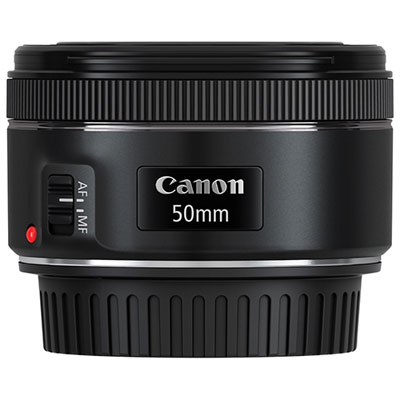 Your price for this item is $169.99
 -
 Your price for this item is $329.99
 -
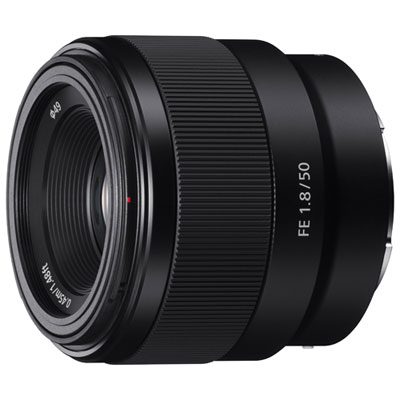 Your price for this item is $349.99
 -
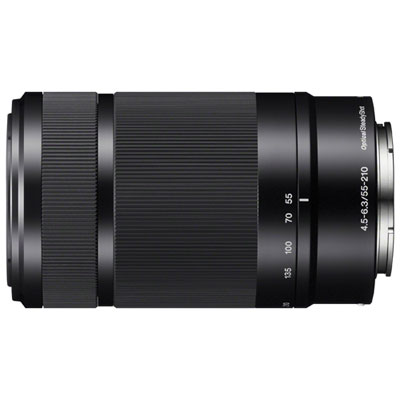 Your price for this item is $399.99
 -
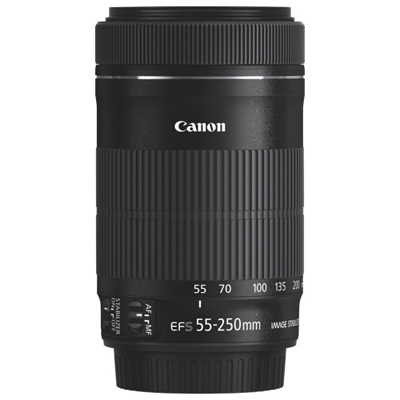 Your price for this item is $399.99
 -
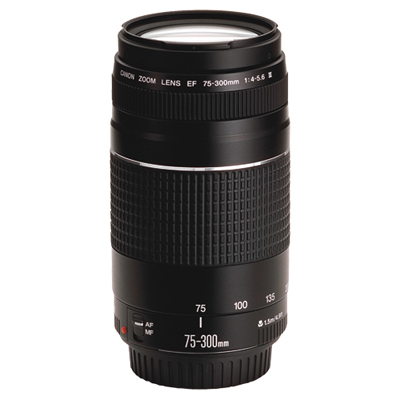 Your price for this item is $199.99
 -
 Your price for this item is $174.99
 -
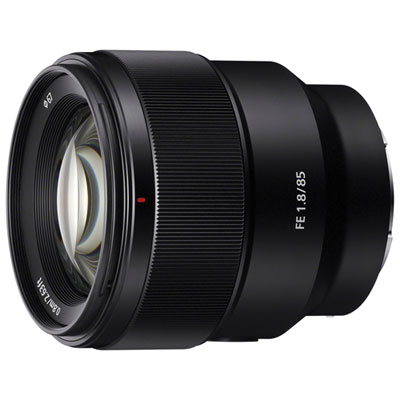 Your price for this item is $749.99
Discover more categories related to Camera Lenses for Birding
Top Collections:
Pokemon Centers, Kindle Devices, Best Budget Office Chairs, Apple iPhones 16, Best Laptops for Writers, iPhone 15 Apple, Canon G7X Cameras, Refurbished Apple Laptops, Alarm Clock, Motorola Razr Phones
Some products may be subject to Environmental Handling Fees
(EHF) depending on your province.
Learn more about EHFs.