Canon Camera 18-55mm Lenses
Capture life's moments with precision and clarity using Canon camera 18-55mm lenses. Perfect for both budding photographers and seasoned professionals, these versatile lenses offer the flexibility needed to shoot a wide range of scenes, from stunning landscapes to intimate portraits. Whether you're documenting your travels, capturing special occasions, or exploring creative photography techniques, Canon camera 18-55mm lenses provide exceptional quality and performance to help you achieve your artistic vision. Dive into our selection and find the ideal lens to elevate your photography experience.
Sort
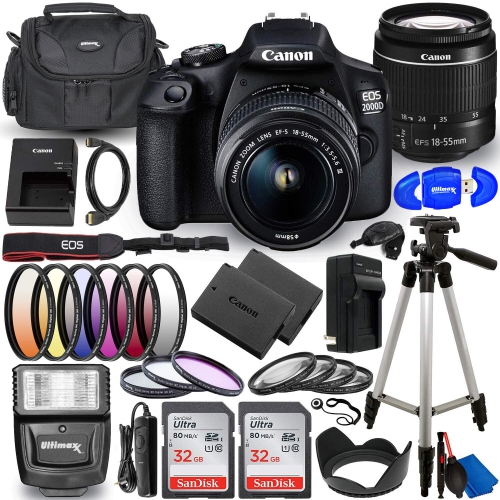
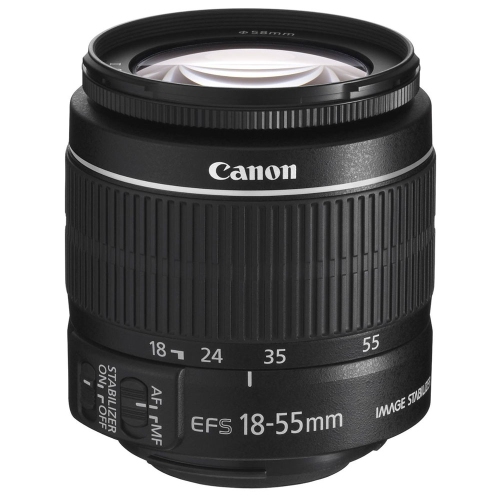

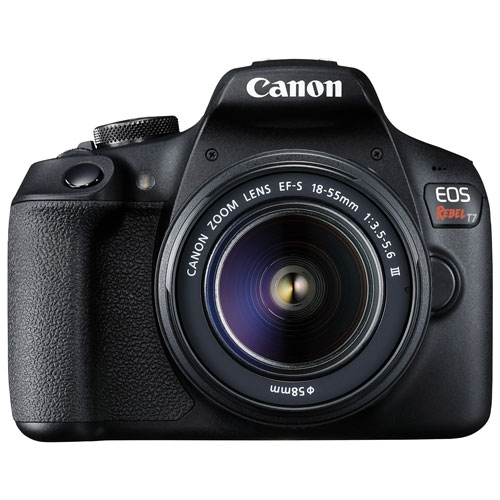
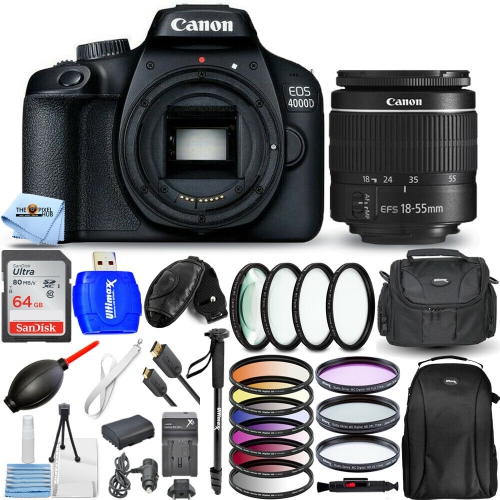
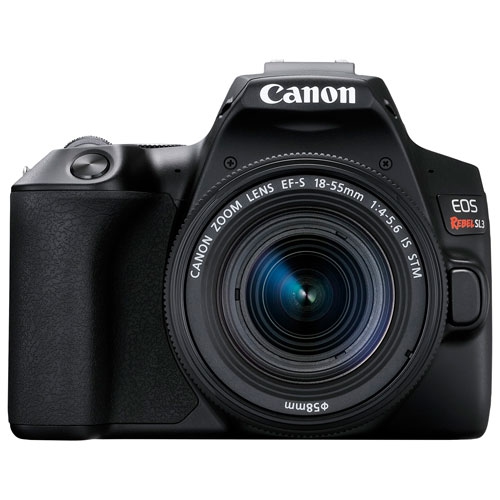
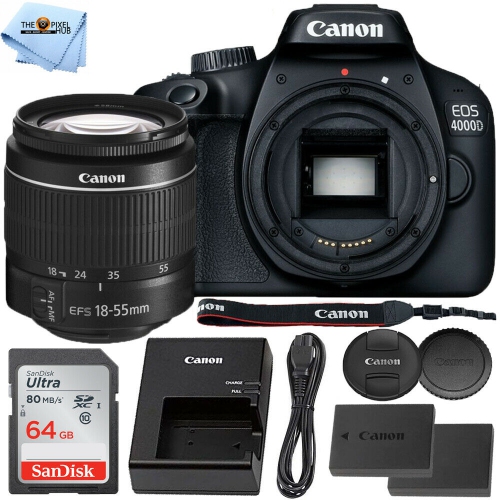
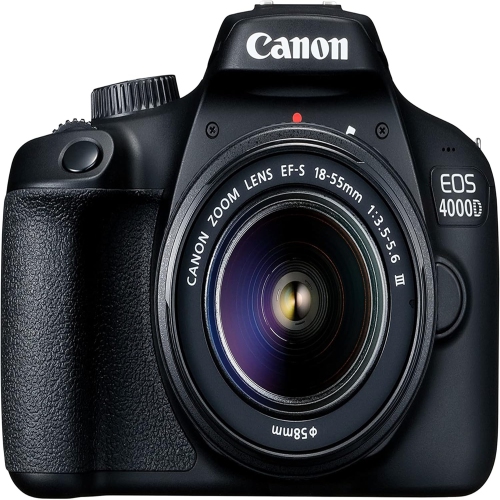
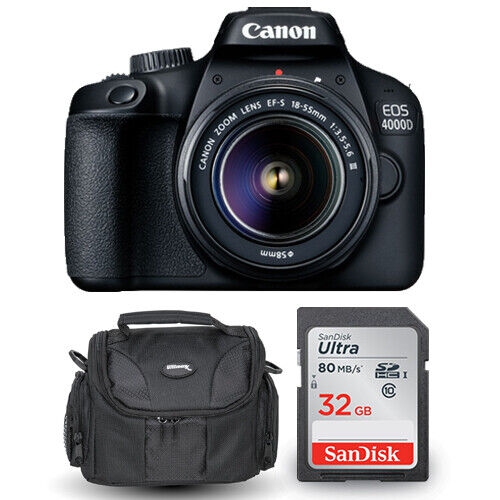
Versatile zoom coverage for travel, portraits, and everyday moments
An 18–55mm zoom lens is a practical everyday option for photographers who want one compact lens that can handle a wide range of scenes. Designed primarily for crop-sensor digital cameras, this focal-length range gives you a useful balance between a moderately wide view and a short telephoto perspective. At 18mm, it can take in family gatherings, travel scenes, interiors, architecture, landscapes, and group portraits without requiring you to step too far back. At 55mm, it offers a more natural, flattering perspective for individual portraits, candid moments, details, and subjects that are a little farther away. On a crop-sensor camera, the angle of view is narrower than it would be on a full-frame body, making the range feel roughly comparable to 29–88mm in full-frame terms. That makes it especially approachable for everyday photography: wide enough for a view across a rocky shoreline or a decorated room, yet long enough to frame a child blowing out birthday candles or a friend walking through an autumn market. Many of these lenses began as lightweight kit lenses bundled with entry-level DSLR cameras, so they remain a familiar choice for new photographers, students, families, and anyone looking for a straightforward replacement or backup. Their compact size also makes them convenient to leave attached to a camera while travelling, carrying in a small shoulder bag, or photographing ordinary moments during the cooler months when bulky equipment can be inconvenient. A standard zoom in this range can be a thoughtful gift for someone learning photography because it encourages experimentation without requiring a collection of separate lenses. It is equally useful for an experienced camera owner who needs a simple walk-around setup for holidays, school events, casual portraits, food photography, pets, or weekend outings. Browse the selection of 18 55mm Lenses to compare options suited to different camera bodies and shooting habits.
When choosing an 18–55mm lens, compatibility should be the first consideration. Check that the mount matches the camera body and that the lens is intended for its sensor format; a lens made for a crop-sensor DSLR may not provide the same coverage or image-circle compatibility on a full-frame camera. The camera’s autofocus and exposure features should also work with the lens, particularly when replacing an older kit lens or shopping for a used item. Optical Image Stabilization, often abbreviated as IS, can help reduce blur caused by small movements from your hands when shooting at slower shutter speeds. This can be helpful indoors, at dusk, in museums, at family dinners, or during travel when a tripod is not practical. Stabilization does not freeze a moving person or pet, but it can make handheld images look sharper when the subject itself is relatively still. Some versions use a conventional autofocus motor, while newer designs may use a stepping motor, often identified by STM terminology. A stepping motor can focus more quietly and smoothly, which is valuable for video recording and for candid photography where autofocus noise may be distracting. Older versions may be more affordable and can still be perfectly useful for daylight photos, but they may focus more audibly, lack stabilization, or offer a less refined handling experience. Maximum aperture is another point to understand. Many lenses in this category have a variable maximum aperture, opening more widely at 18mm and becoming narrower as you zoom toward 55mm. This is suitable for well-lit outdoor scenes and everyday snapshots, but photographers who frequently work in dim rooms, want pronounced background blur, or need faster shutter speeds may prefer a lens with a wider constant aperture or a dedicated prime lens later on. The smaller maximum aperture can still produce attractive portraits at the longer end when the subject is positioned away from the background, especially in soft evening light. Construction is generally lightweight, with compact barrels and simple controls that are easy for beginners to learn. Look for a smooth zoom ring, a secure mount, a front filter size that suits your existing accessories, and a focusing system that matches the way you shoot. A lens hood can help limit stray light and protect the front element, while a clear protective filter may be useful in dusty or busy environments if it is compatible with the lens. Whether it is used for family memories, travel photography, casual video, classroom projects, or learning the foundations of composition, an 18–55mm zoom lens offers a flexible starting point. Moving from 18mm to 55mm also helps new photographers understand how focal length changes the feeling of an image: wider settings emphasize space and context, while longer settings bring attention to a subject and create a more intimate frame. With regular use, photographers can learn when to move closer, when to step back, and how perspective affects faces, rooms, and landscapes. That combination of versatility, manageable size, and familiar controls makes this lens category a dependable choice for everyday camera kits.
When choosing an 18–55mm lens, compatibility should be the first consideration. Check that the mount matches the camera body and that the lens is intended for its sensor format; a lens made for a crop-sensor DSLR may not provide the same coverage or image-circle compatibility on a full-frame camera. The camera’s autofocus and exposure features should also work with the lens, particularly when replacing an older kit lens or shopping for a used item. Optical Image Stabilization, often abbreviated as IS, can help reduce blur caused by small movements from your hands when shooting at slower shutter speeds. This can be helpful indoors, at dusk, in museums, at family dinners, or during travel when a tripod is not practical. Stabilization does not freeze a moving person or pet, but it can make handheld images look sharper when the subject itself is relatively still. Some versions use a conventional autofocus motor, while newer designs may use a stepping motor, often identified by STM terminology. A stepping motor can focus more quietly and smoothly, which is valuable for video recording and for candid photography where autofocus noise may be distracting. Older versions may be more affordable and can still be perfectly useful for daylight photos, but they may focus more audibly, lack stabilization, or offer a less refined handling experience. Maximum aperture is another point to understand. Many lenses in this category have a variable maximum aperture, opening more widely at 18mm and becoming narrower as you zoom toward 55mm. This is suitable for well-lit outdoor scenes and everyday snapshots, but photographers who frequently work in dim rooms, want pronounced background blur, or need faster shutter speeds may prefer a lens with a wider constant aperture or a dedicated prime lens later on. The smaller maximum aperture can still produce attractive portraits at the longer end when the subject is positioned away from the background, especially in soft evening light. Construction is generally lightweight, with compact barrels and simple controls that are easy for beginners to learn. Look for a smooth zoom ring, a secure mount, a front filter size that suits your existing accessories, and a focusing system that matches the way you shoot. A lens hood can help limit stray light and protect the front element, while a clear protective filter may be useful in dusty or busy environments if it is compatible with the lens. Whether it is used for family memories, travel photography, casual video, classroom projects, or learning the foundations of composition, an 18–55mm zoom lens offers a flexible starting point. Moving from 18mm to 55mm also helps new photographers understand how focal length changes the feeling of an image: wider settings emphasize space and context, while longer settings bring attention to a subject and create a more intimate frame. With regular use, photographers can learn when to move closer, when to step back, and how perspective affects faces, rooms, and landscapes. That combination of versatility, manageable size, and familiar controls makes this lens category a dependable choice for everyday camera kits.
Top selling and popular products
-
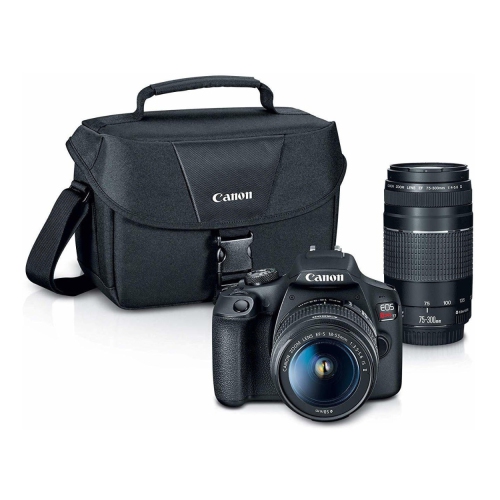 Your price for this item is $1039.95
 -
 Your price for this item is $549.99
 -
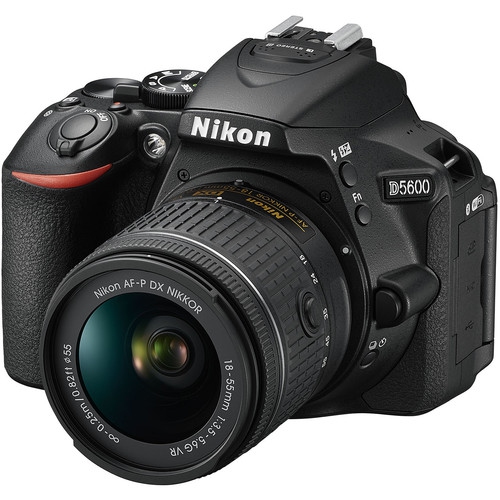 Your price for this item is $1309.95
 -
 Your price for this item is $1199.95
 -
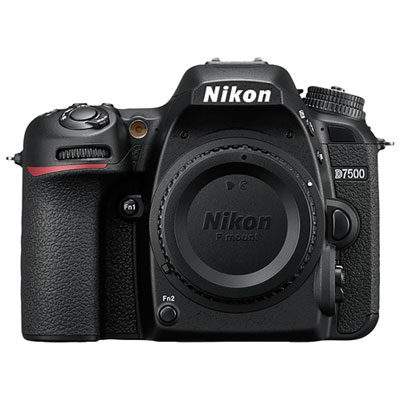 Your price for this item is $1279.99
 -
 Your price for this item is $1919.95
 -
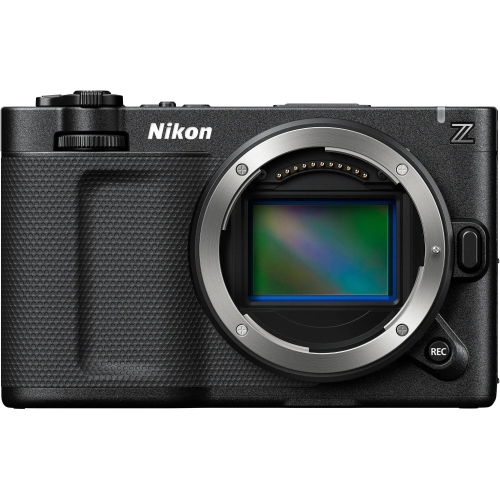 Your price for this item is $2889.99
 -
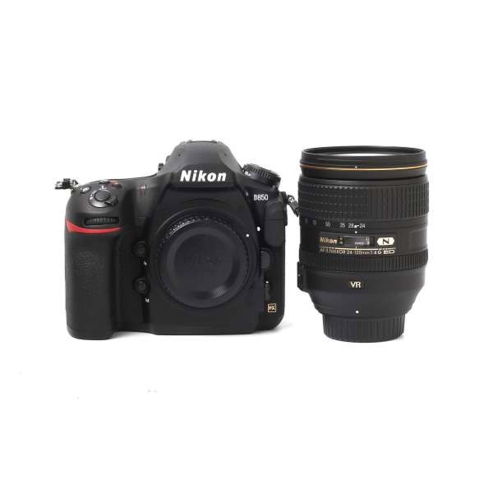 Your price for this item is $3144.99
Discover more categories related to Canon Camera 18-55mm Lenses
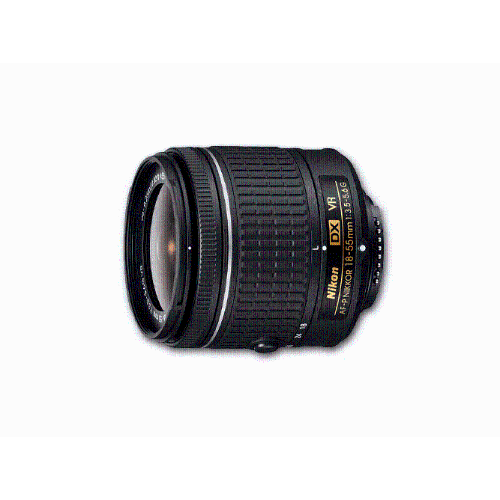
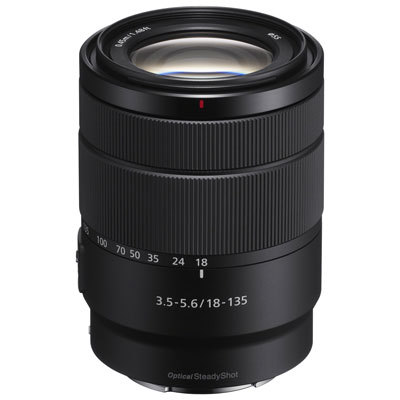
Top Collections:
Pokemon Centers, Kindle Devices, Best Budget Office Chairs, Apple iPhones 16, Canon G7X Cameras, iPhone 15 Apple, Alarm Clock, Refurbished Apple Laptops, Flip Phones, Best Laptops for Writers
Some products may be subject to Environmental Handling Fees
(EHF) depending on your province.
Learn more about EHFs.