18 55mm Lenses
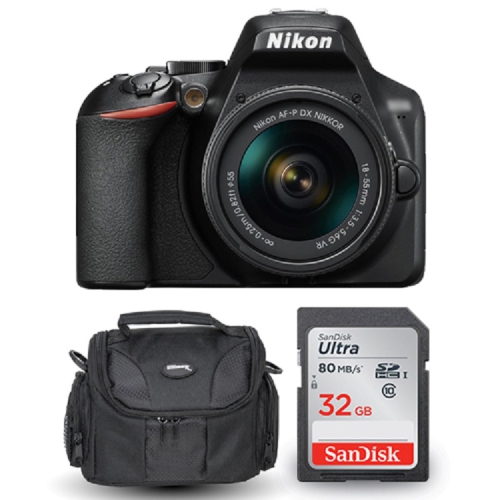
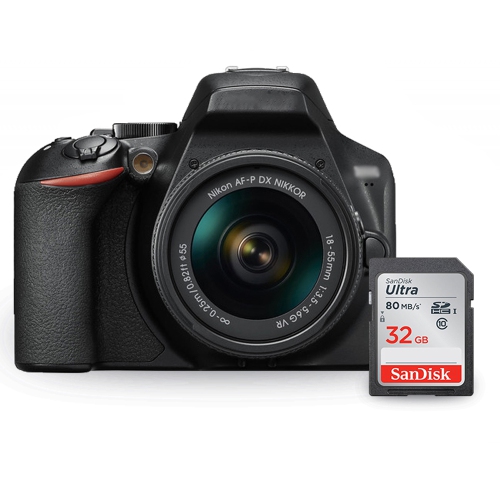
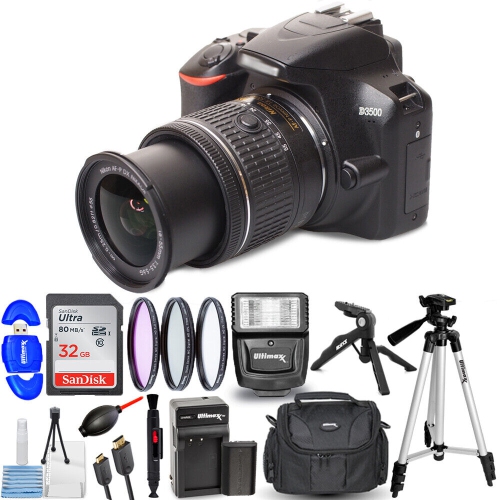
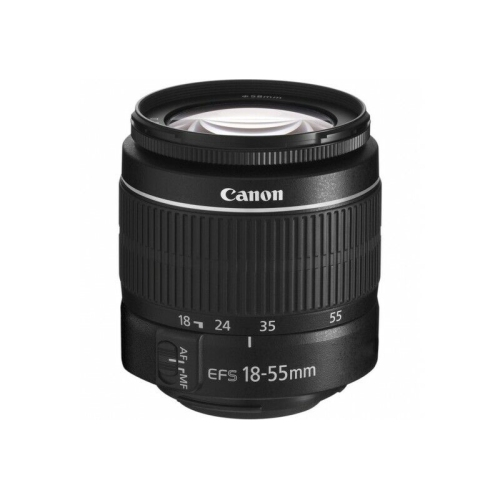
Capture the perfect shot with our wide selection of 18-55mm lenses. Designed to provide versatility and exceptional image quality, these lenses are a must-have for any photography enthusiast. Whether you're capturing breathtaking landscapes or zooming in on distant subjects, our range of 18-55mm lenses offers the flexibility you need to take your photography skills to new heights. With advanced features and superior performance, these lenses are the perfect companion for your camera, allowing you to unleash your creativity and capture every moment with stunning clarity.
Sort
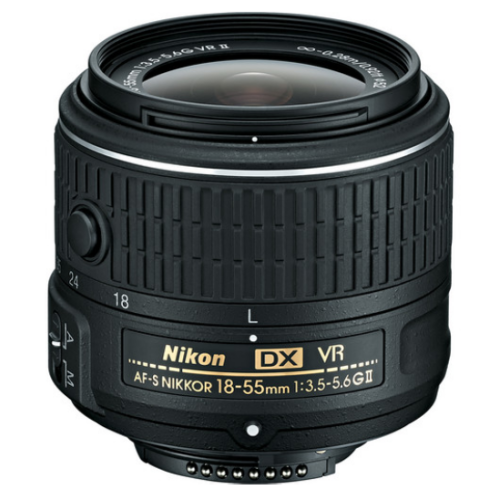
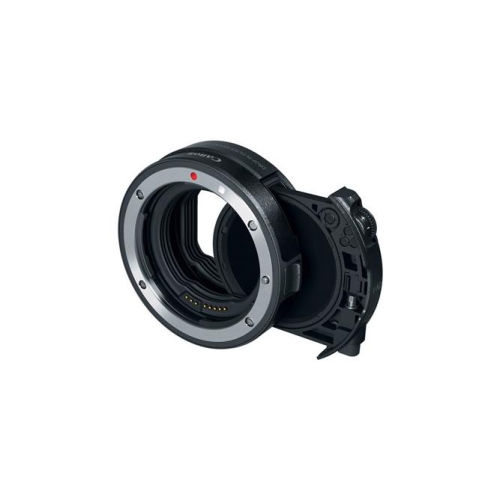
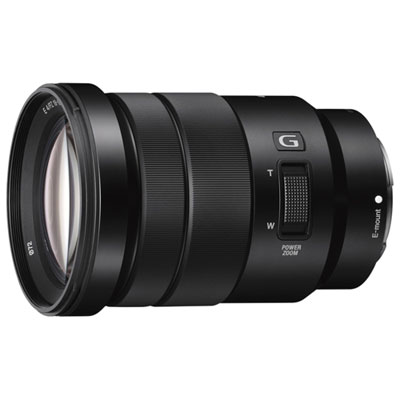
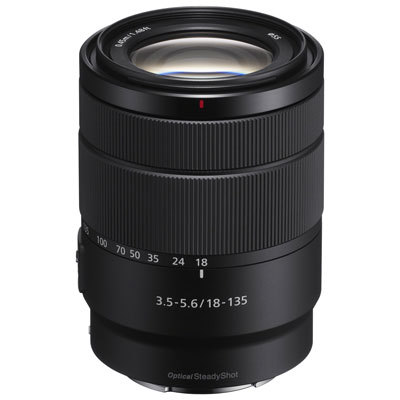
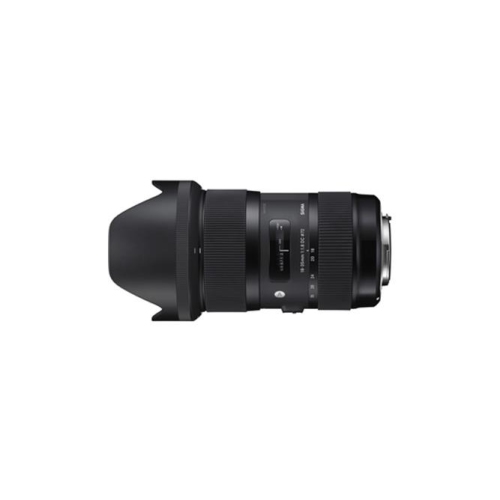
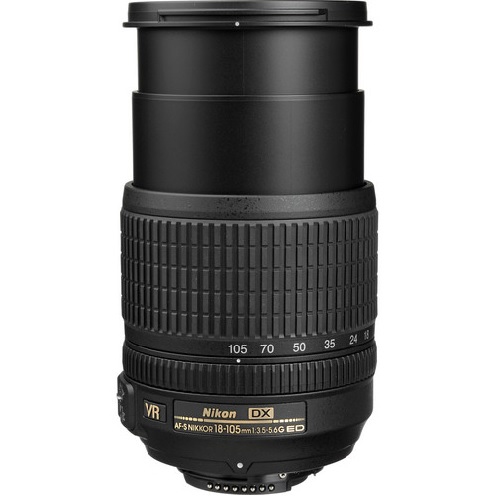
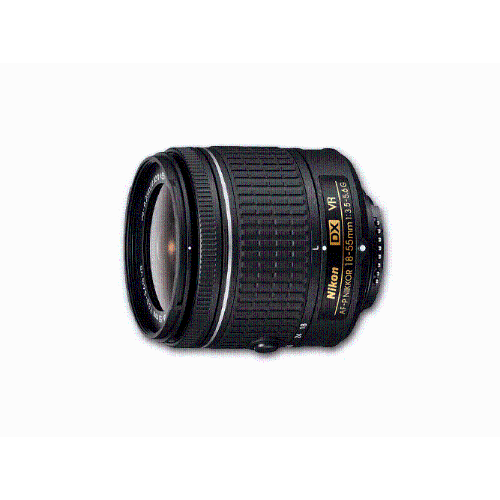
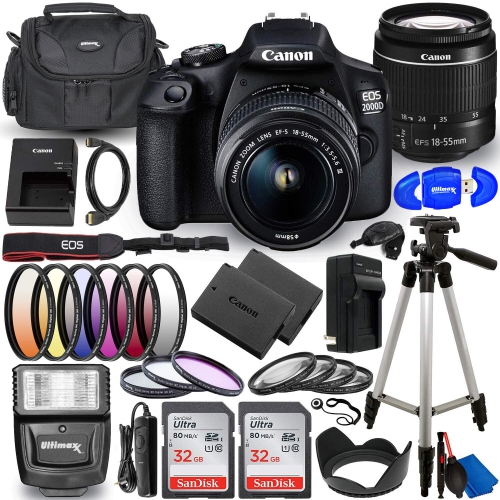

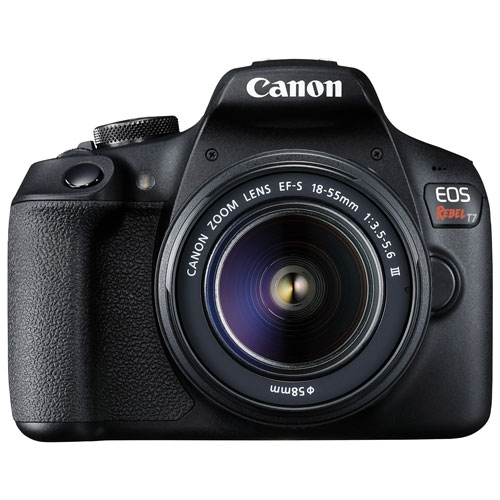
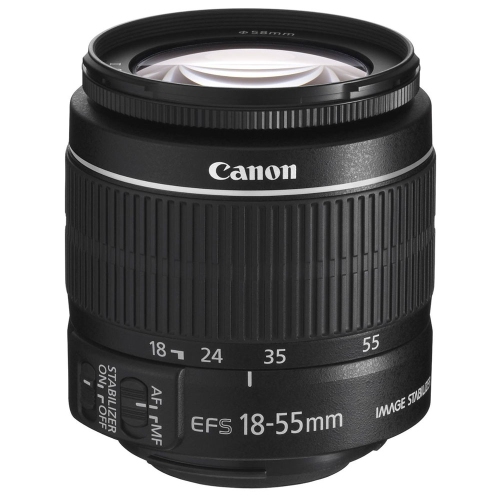
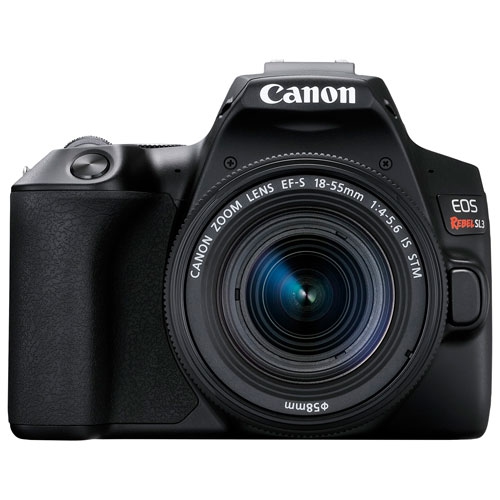
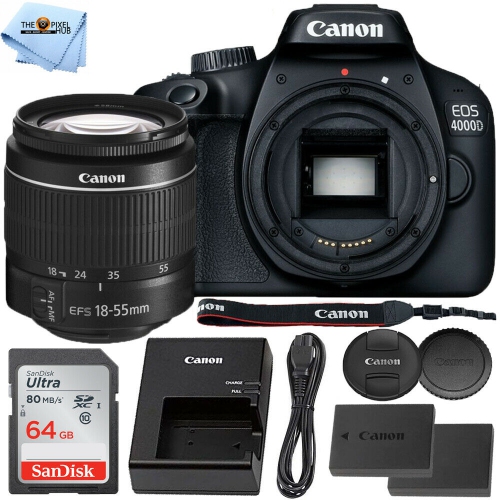
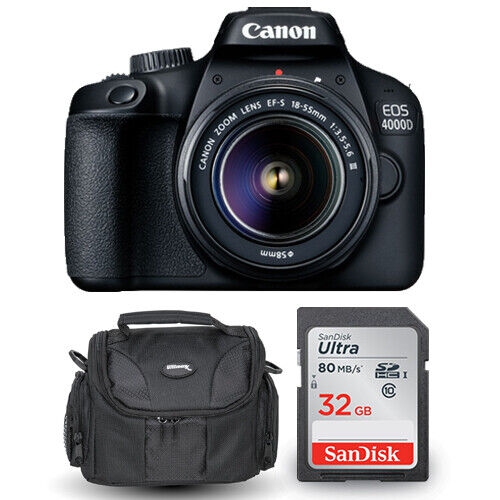
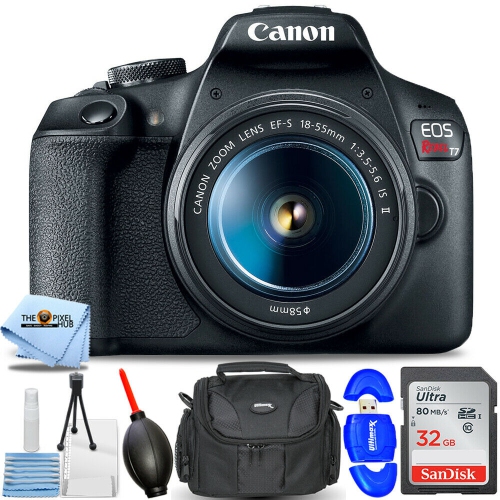
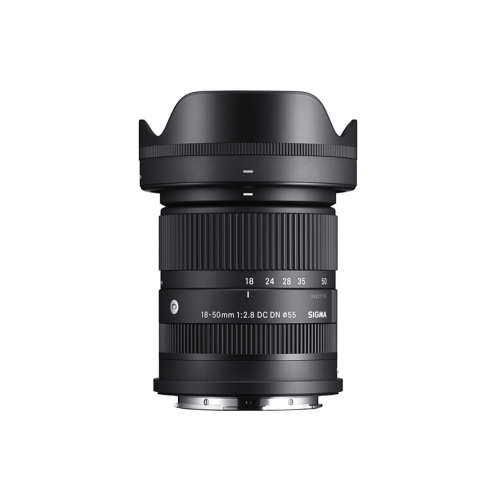
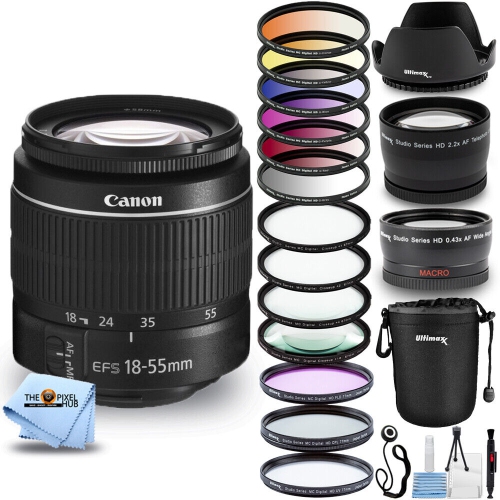
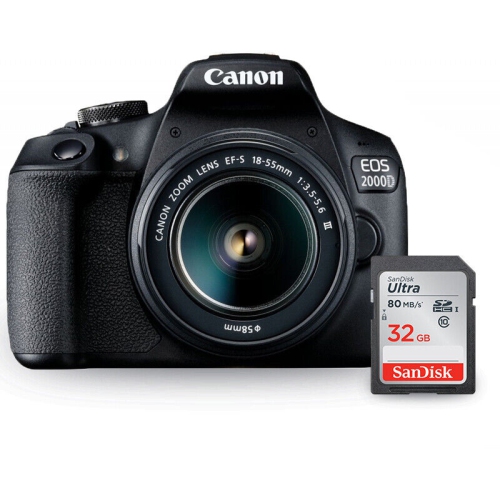
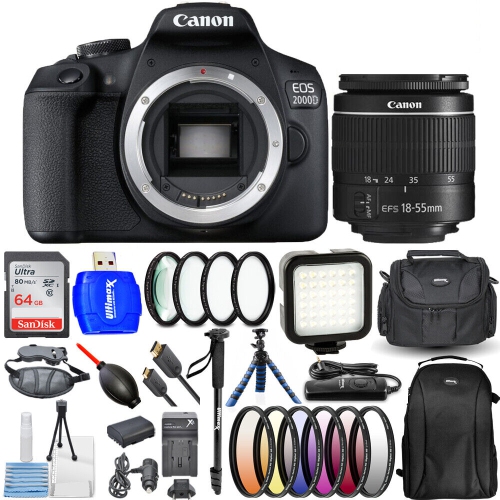
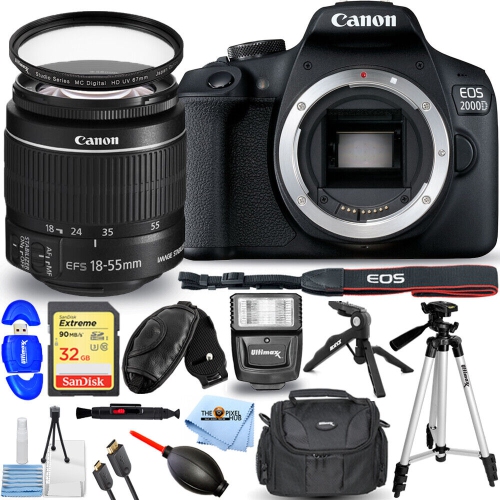
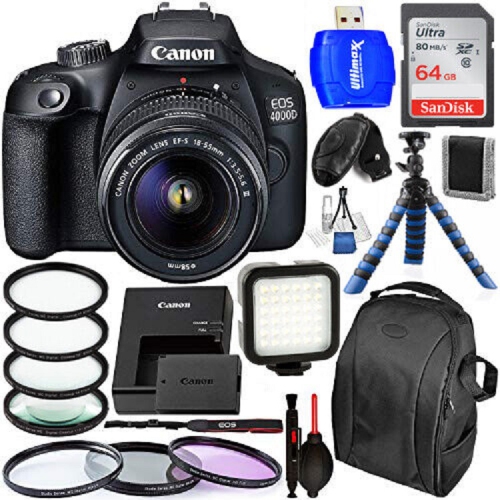
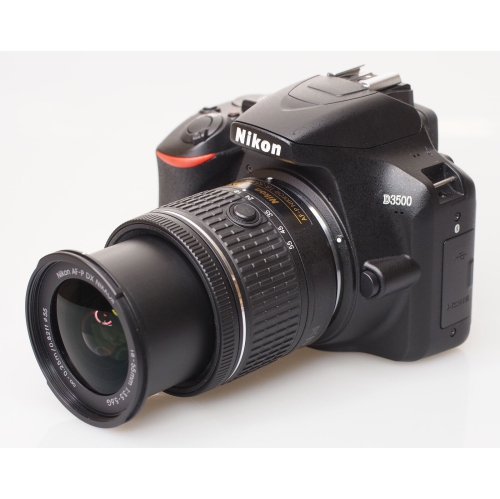
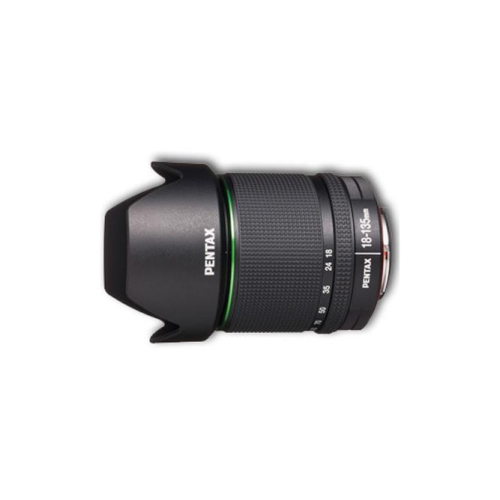
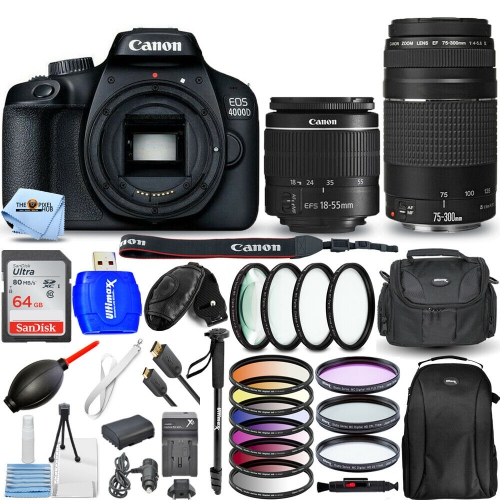
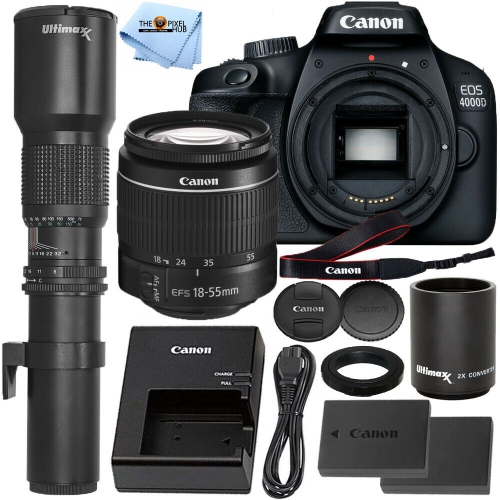
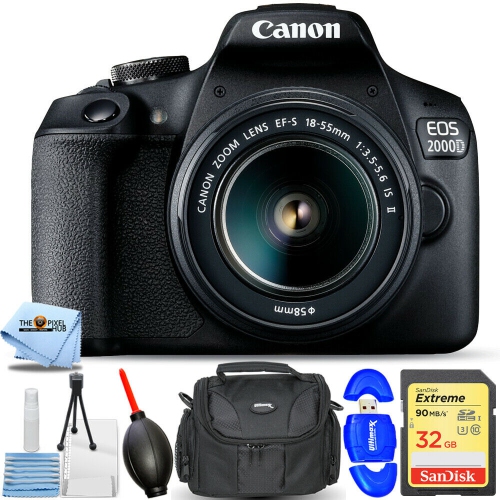
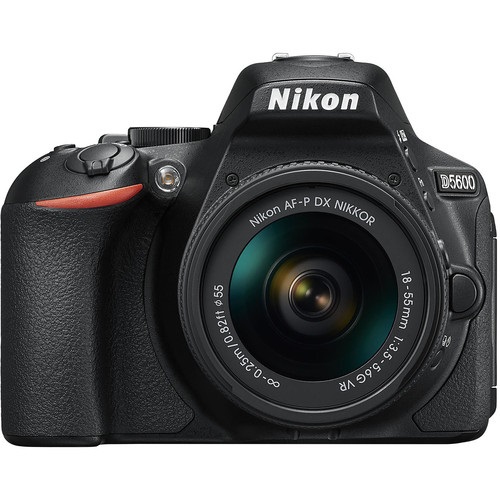
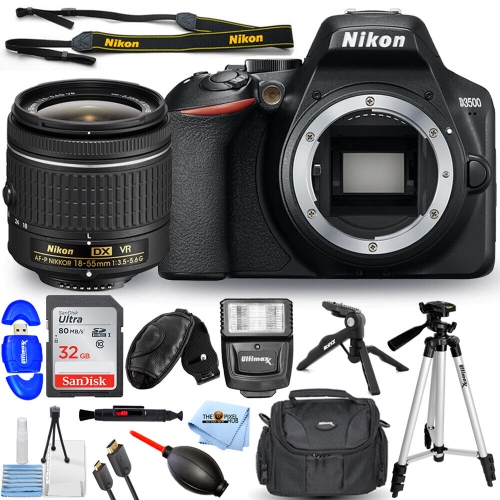
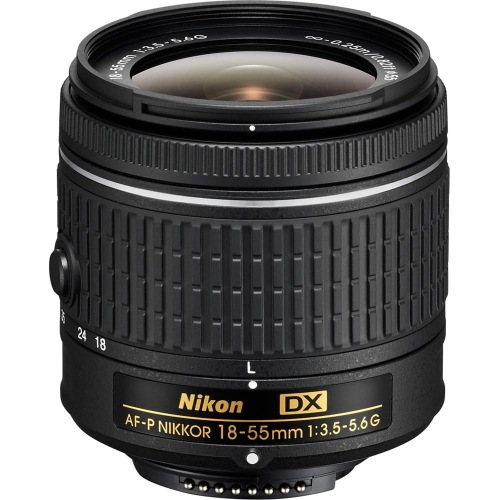
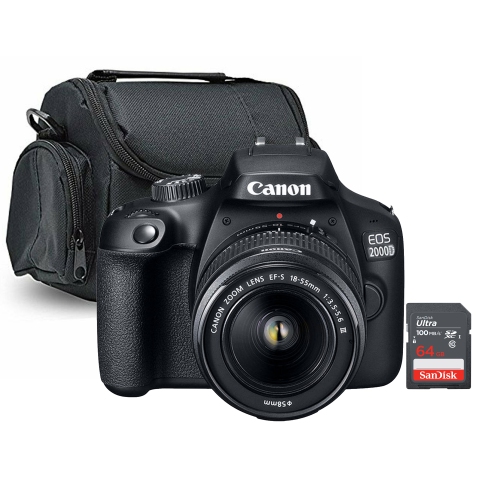
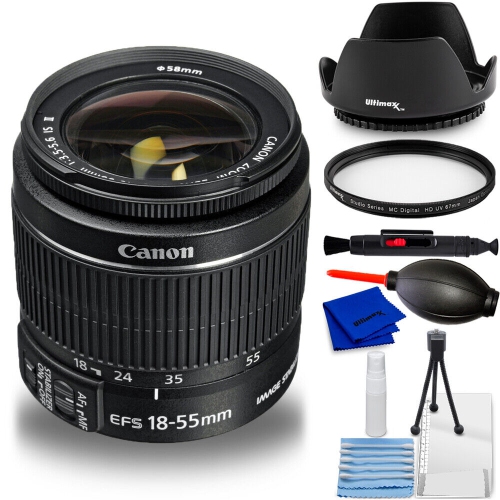
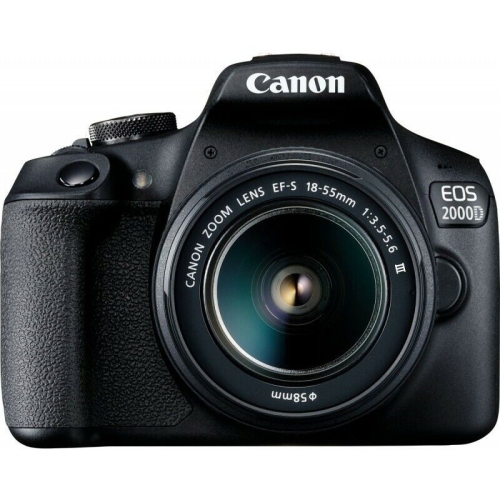
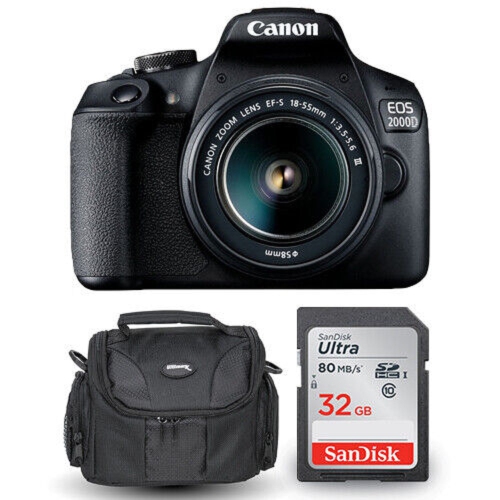
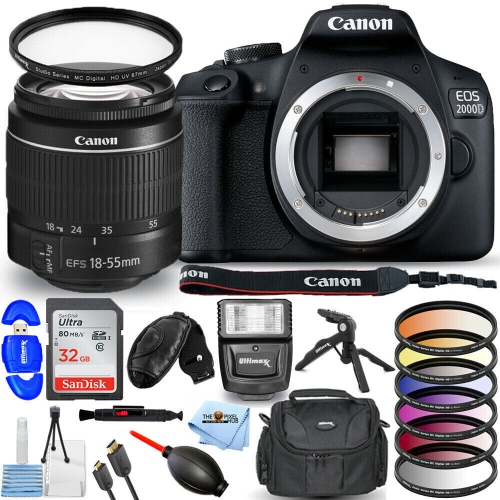
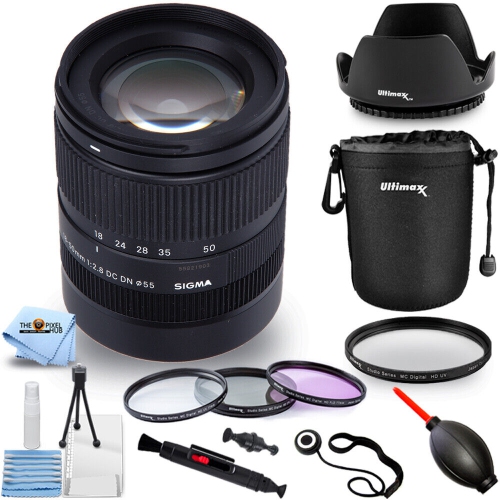
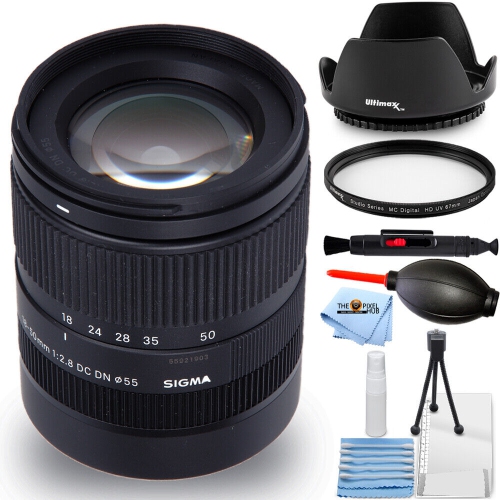
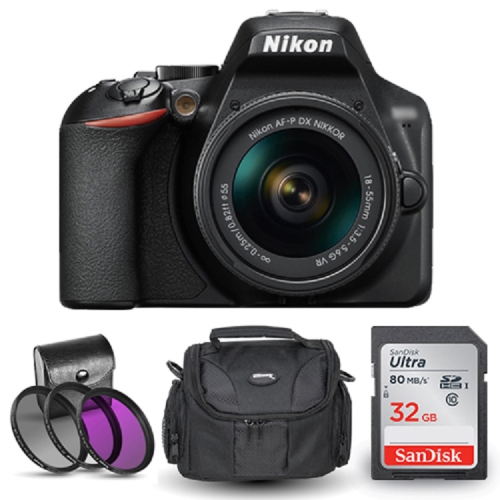
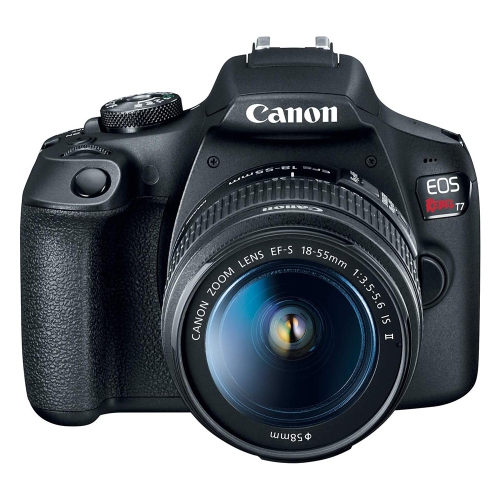
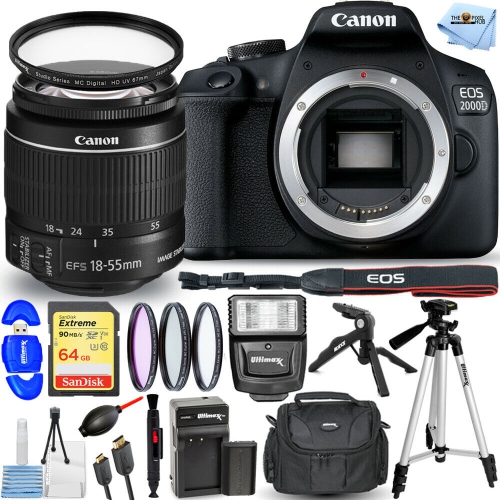
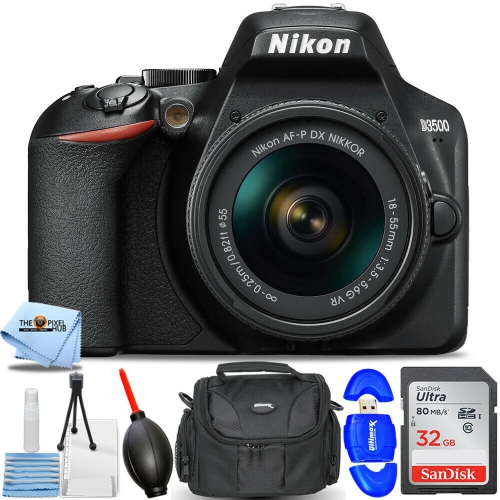
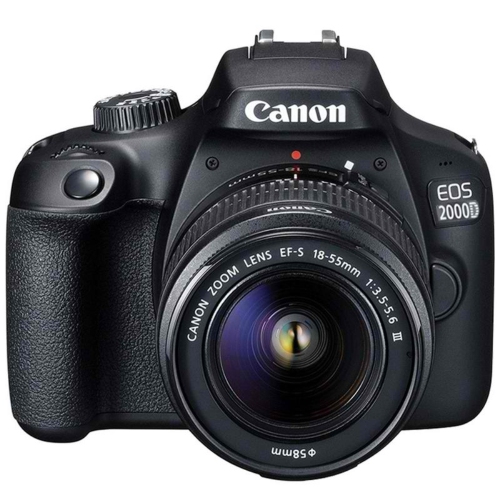
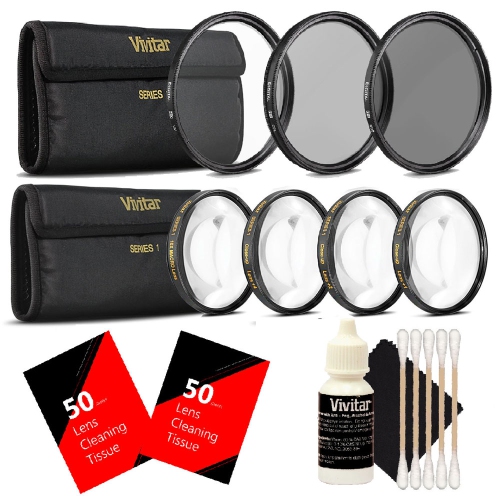
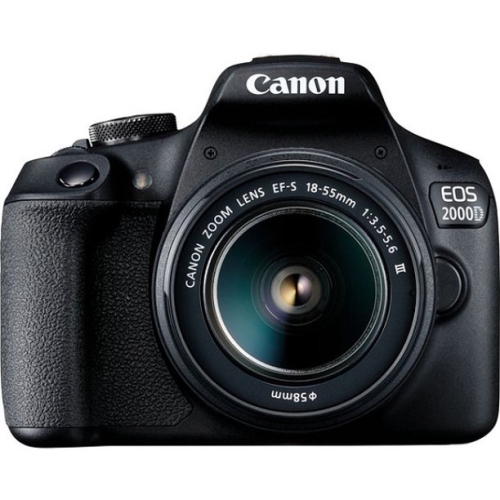
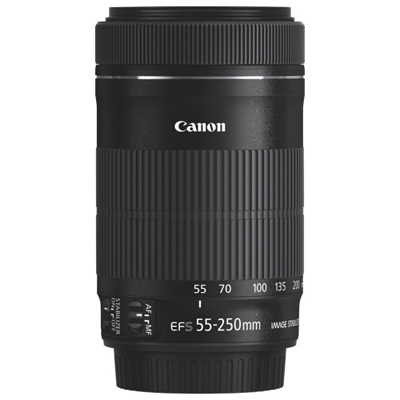
Versatile everyday coverage for travel, portraits and more
18-55mm lenses are among the most versatile choices for compatible DSLR and mirrorless cameras, particularly models with APS-C or DX-format sensors. Their focal-length range covers a useful spread of everyday perspectives, beginning at 18mm for wider scenes and extending to 55mm for tighter compositions. At the wide end, they can capture landscapes, architecture, room interiors, group photographs and travel snapshots without requiring you to step too far back. Moving toward 35mm or 50mm gives a natural-looking view that works well for street photography, family moments and general walk-around shooting, while 55mm can provide a flattering perspective for casual portraits and details. On a crop-sensor camera, the field of view is narrower than the number printed on the lens suggests, often resembling approximately 27-82.5mm on a full-frame camera, depending on the camera’s sensor format. This makes an 18-55mm lens a practical starting point for photographers who want one compact lens for varied subjects rather than changing lenses throughout the day. It can be especially useful during travel, when photographing a market one moment and a distant building or a friend across a café the next. Many versions are supplied as standard kit lenses with compatible cameras, while others are purchased as replacements, upgrades or affordable additions to an existing camera bag.
Compatibility should be the first consideration when choosing among 18-55mm lenses. The lens mount must match the camera body, and the lens should be designed for the camera’s sensor format to ensure proper operation and coverage. A lens made for a crop-sensor system may not be intended for a full-frame camera, while a full-frame lens can be larger, heavier or less economical than necessary for a compact crop-sensor body. It is also worth checking whether autofocus, exposure control and image stabilization are supported by the particular camera and lens combination. Maximum aperture is another important specification. Many everyday 18-55mm lenses use a variable aperture that is brighter at 18mm and narrows as the focal length increases, commonly ranging from around f/3.5 to f/5.6. This is suitable for daylight walks, outdoor gatherings, well-lit interiors and general photography, although it may require a higher ISO, a slower shutter speed or additional lighting in dim conditions. A wider maximum aperture, such as the brighter ranges available on some higher-performance versions, can help in low light and make it easier to separate a subject from the background. Image stabilization can reduce the appearance of camera shake when shooting handheld, which is helpful for still subjects in darker settings, although it cannot freeze a moving person or animal. Autofocus design also matters for video and candid photography: quieter focusing motors can make it easier to record smooth clips without as much mechanical noise, while responsive autofocus helps keep moving subjects sharp. Weight, size, filter diameter, minimum focusing distance and manual-focus controls can all affect comfort during extended use. A compact lens is convenient for carrying through a historic district, along a wooded trail or around a family gathering, and a close focusing distance can add flexibility for food, crafts, flowers and small details.
An 18-55mm lens can suit beginners learning how focal length changes a photograph, students building a camera kit, travellers who value a manageable setup and experienced photographers seeking a dependable everyday option. It is also a thoughtful gift for someone moving from smartphone photography to a dedicated camera, since the range is broad enough to encourage experimentation without overwhelming them with specialized equipment. New photographers can practise at 18mm to understand perspective and composition, then zoom toward 55mm to explore subject isolation, portrait framing and compressed backgrounds. For family photography, the wider end can include everyone around a table, while the longer end can create a more intimate frame of a child opening a present or a friend walking through a colourful street. During the cooler months, the lens can be useful for indoor gatherings, window-lit portraits and local outings where carrying a large kit is inconvenient. In brighter outdoor conditions, it can handle scenic views, casual sports, pets and everyday details, though photographers may eventually want a dedicated telephoto lens for distant wildlife, field sports or subjects that cannot be approached closely. For those needs, a complementary option such as 55 200mm Lenses can extend reach beyond the standard zoom range. When comparing 18-55mm lenses, consider the camera mount, sensor compatibility, aperture, stabilization, autofocus performance, construction, size and intended shooting conditions together rather than focusing on focal length alone. The right choice should feel comfortable in hand, support the camera’s functions and provide the flexible coverage needed for the way the photographer actually plans to use it.
Compatibility should be the first consideration when choosing among 18-55mm lenses. The lens mount must match the camera body, and the lens should be designed for the camera’s sensor format to ensure proper operation and coverage. A lens made for a crop-sensor system may not be intended for a full-frame camera, while a full-frame lens can be larger, heavier or less economical than necessary for a compact crop-sensor body. It is also worth checking whether autofocus, exposure control and image stabilization are supported by the particular camera and lens combination. Maximum aperture is another important specification. Many everyday 18-55mm lenses use a variable aperture that is brighter at 18mm and narrows as the focal length increases, commonly ranging from around f/3.5 to f/5.6. This is suitable for daylight walks, outdoor gatherings, well-lit interiors and general photography, although it may require a higher ISO, a slower shutter speed or additional lighting in dim conditions. A wider maximum aperture, such as the brighter ranges available on some higher-performance versions, can help in low light and make it easier to separate a subject from the background. Image stabilization can reduce the appearance of camera shake when shooting handheld, which is helpful for still subjects in darker settings, although it cannot freeze a moving person or animal. Autofocus design also matters for video and candid photography: quieter focusing motors can make it easier to record smooth clips without as much mechanical noise, while responsive autofocus helps keep moving subjects sharp. Weight, size, filter diameter, minimum focusing distance and manual-focus controls can all affect comfort during extended use. A compact lens is convenient for carrying through a historic district, along a wooded trail or around a family gathering, and a close focusing distance can add flexibility for food, crafts, flowers and small details.
An 18-55mm lens can suit beginners learning how focal length changes a photograph, students building a camera kit, travellers who value a manageable setup and experienced photographers seeking a dependable everyday option. It is also a thoughtful gift for someone moving from smartphone photography to a dedicated camera, since the range is broad enough to encourage experimentation without overwhelming them with specialized equipment. New photographers can practise at 18mm to understand perspective and composition, then zoom toward 55mm to explore subject isolation, portrait framing and compressed backgrounds. For family photography, the wider end can include everyone around a table, while the longer end can create a more intimate frame of a child opening a present or a friend walking through a colourful street. During the cooler months, the lens can be useful for indoor gatherings, window-lit portraits and local outings where carrying a large kit is inconvenient. In brighter outdoor conditions, it can handle scenic views, casual sports, pets and everyday details, though photographers may eventually want a dedicated telephoto lens for distant wildlife, field sports or subjects that cannot be approached closely. For those needs, a complementary option such as 55 200mm Lenses can extend reach beyond the standard zoom range. When comparing 18-55mm lenses, consider the camera mount, sensor compatibility, aperture, stabilization, autofocus performance, construction, size and intended shooting conditions together rather than focusing on focal length alone. The right choice should feel comfortable in hand, support the camera’s functions and provide the flexible coverage needed for the way the photographer actually plans to use it.
Top selling and popular products
-
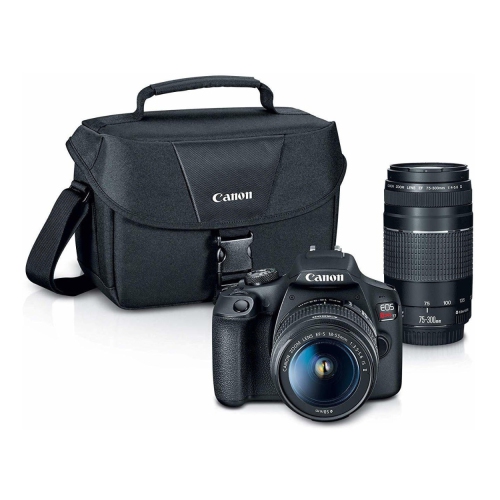 Your price for this item is $1039.95
 -
 Your price for this item is $549.99
 -
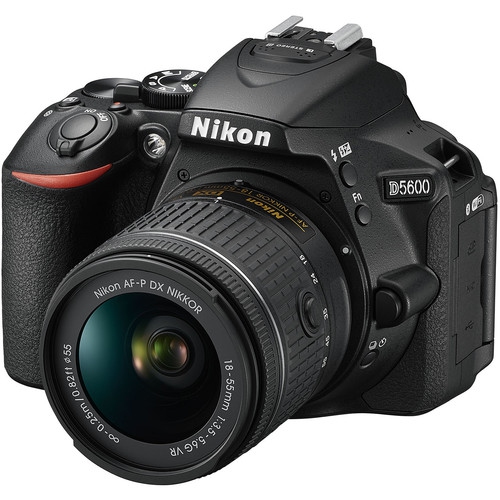 Your price for this item is $1309.95
 -
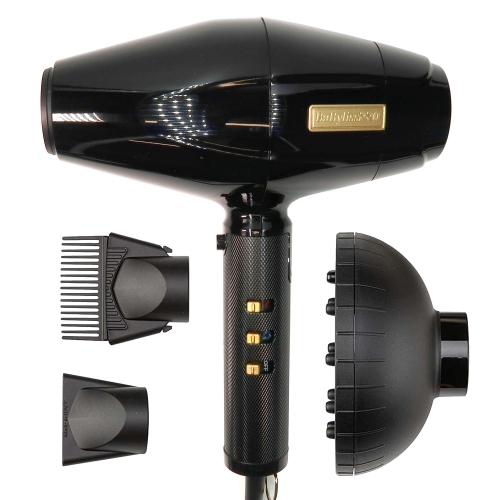 Your price for this item is $1199.95
 -
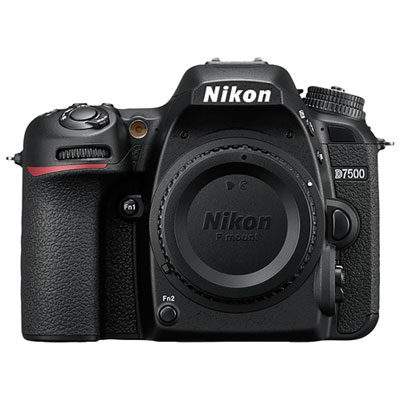 Your price for this item is $1279.99
 -
 Your price for this item is $1919.95
 -
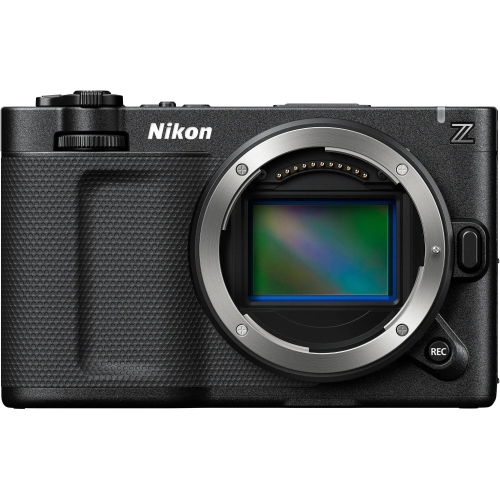 Your price for this item is $2889.99
 -
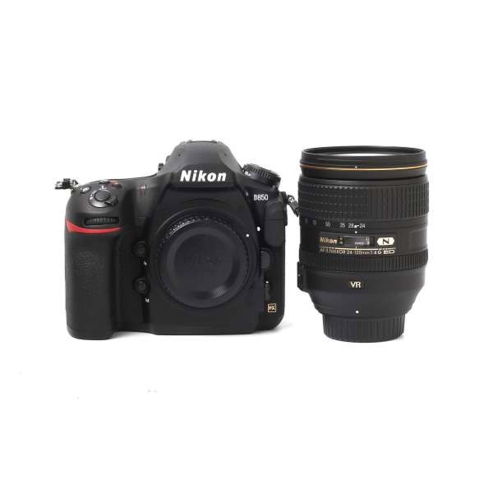 Your price for this item is $3144.99
Discover more categories related to 18 55mm Lenses
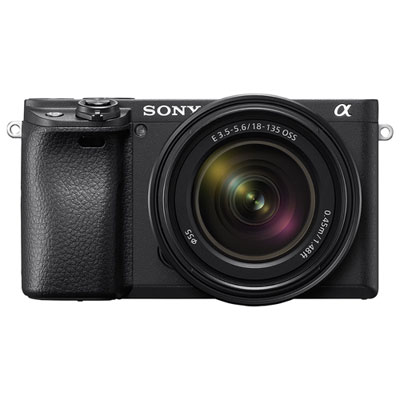
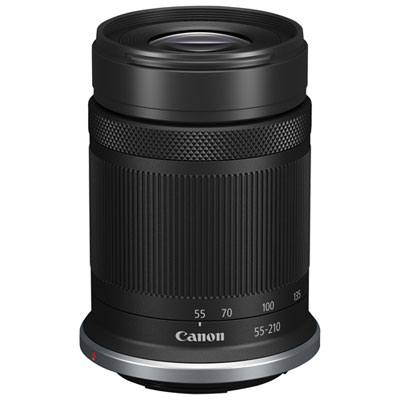
Top Collections:
Pokemon Centers, Kindle Devices, Best Budget Office Chairs, Apple iPhones 16, Canon G7X Cameras, iPhone 15 Apple, Alarm Clock, Refurbished Apple Laptops, Flip Phones, Best Laptops for Writers
Some products may be subject to Environmental Handling Fees
(EHF) depending on your province.
Learn more about EHFs.