18 135mm Lenses
Looking to take your photography skills to the next level? Look no further than our wide selection of 18–135mm lenses. Designed to provide versatility and exceptional image quality, these lenses are a must-have for almost any avid photographer. Whether you're capturing stunning landscapes or zooming in on distant subjects, 18–135mm lenses offer the perfect focal length to meet your needs. They also boast a wide aperture range, allowing you to take photos with a shallow depth of field for dramatic portraits or blurred backgrounds.
Sort
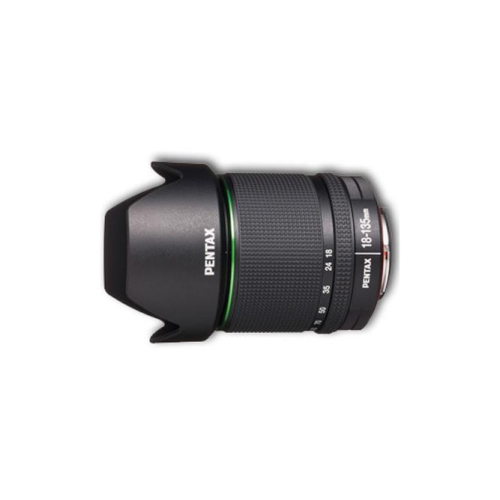
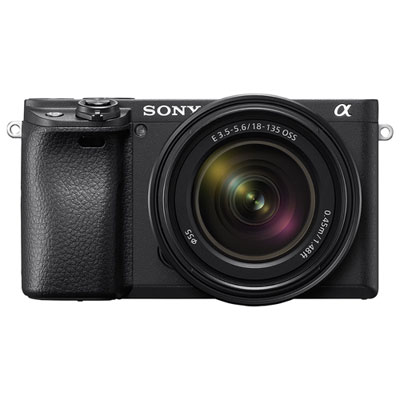
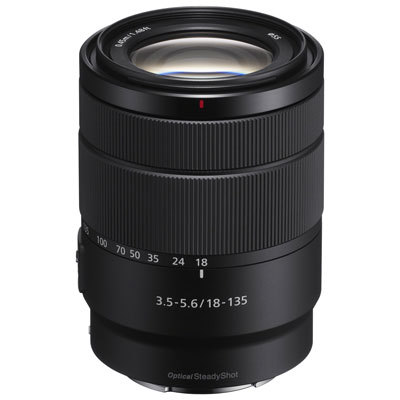

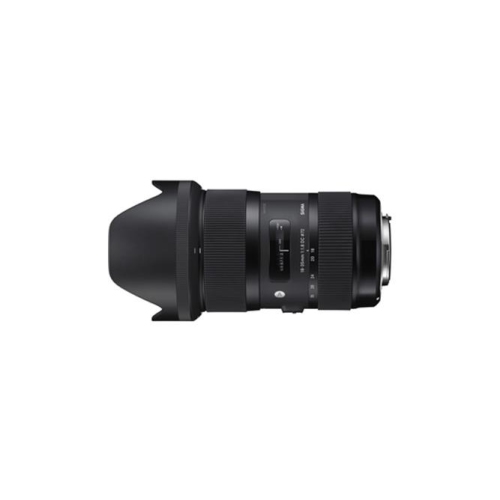
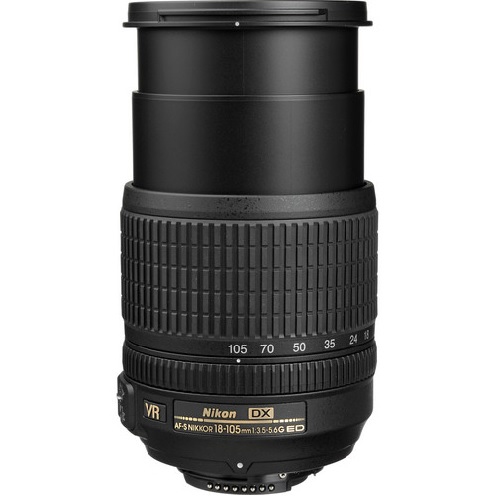
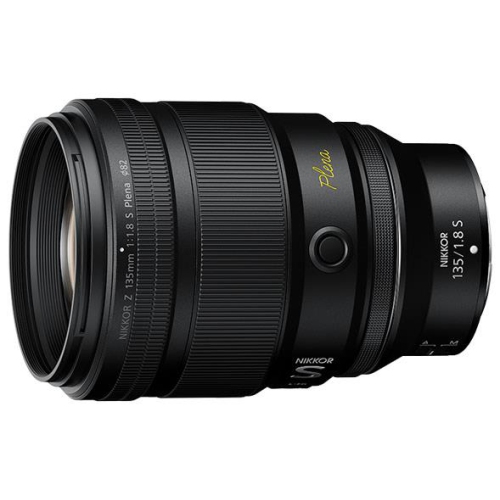
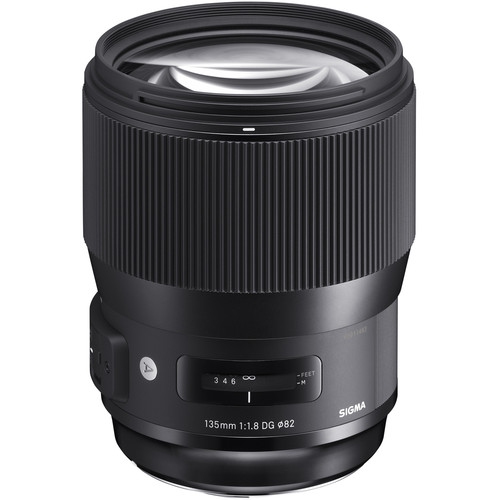
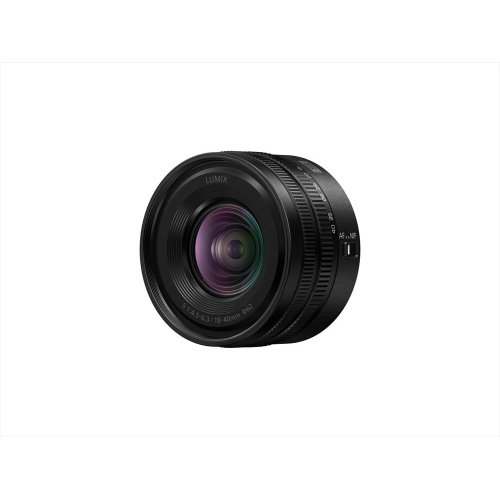
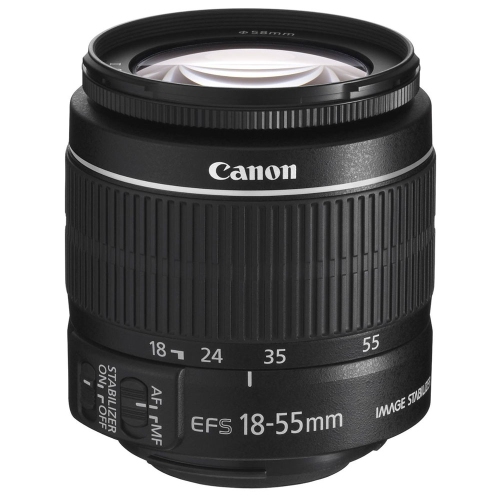
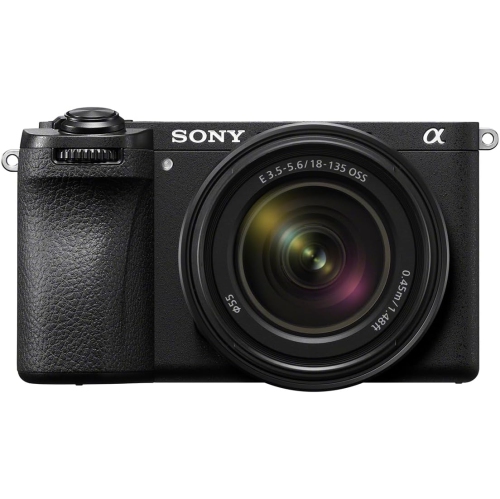
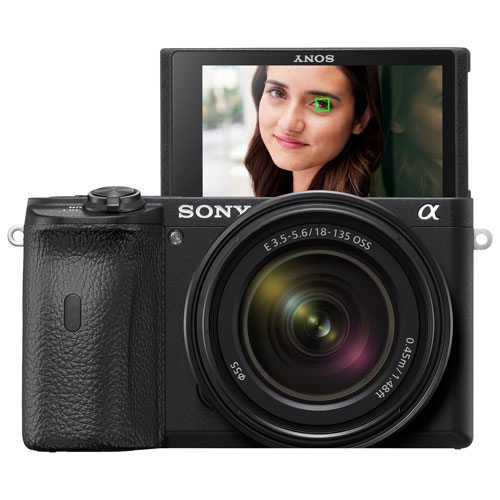
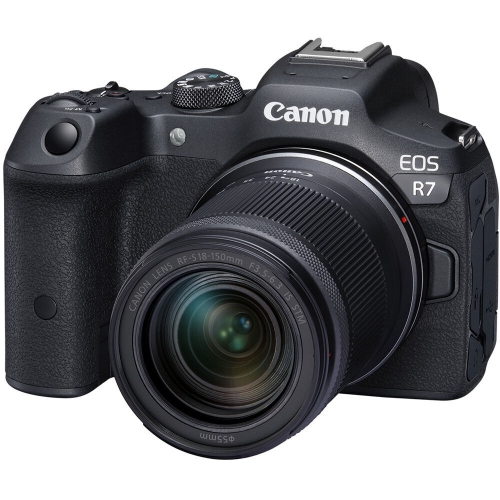
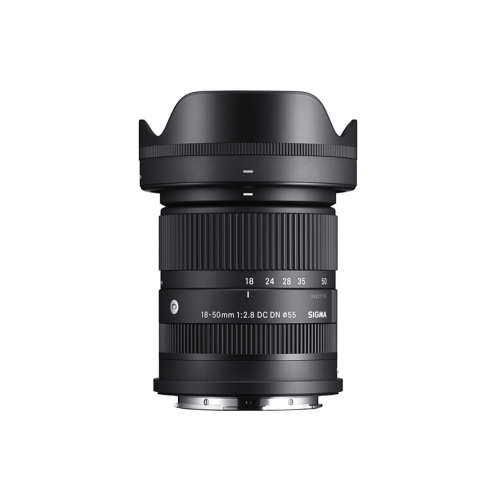
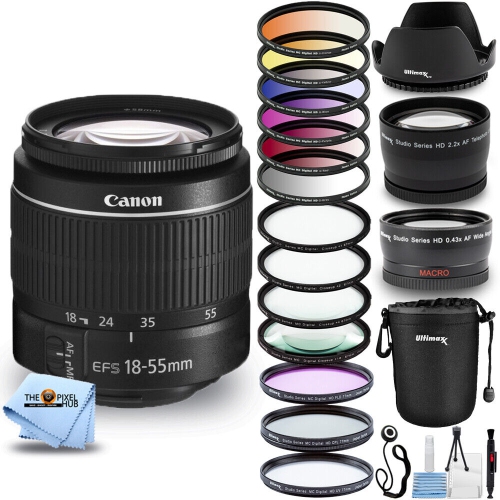
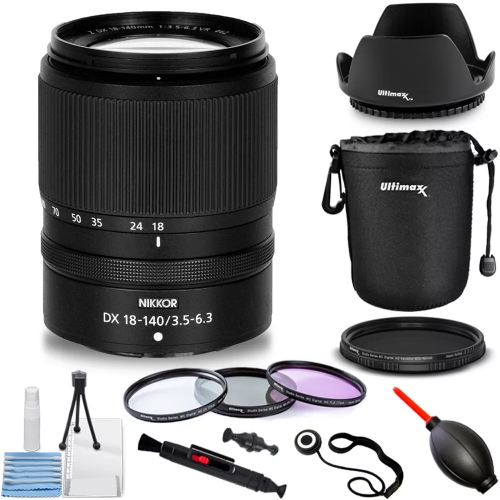
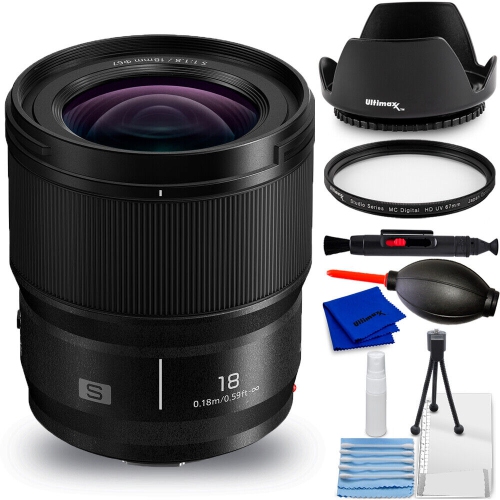
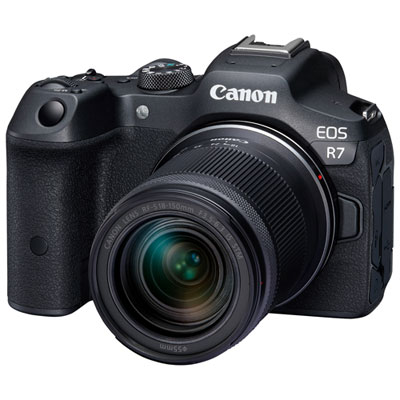
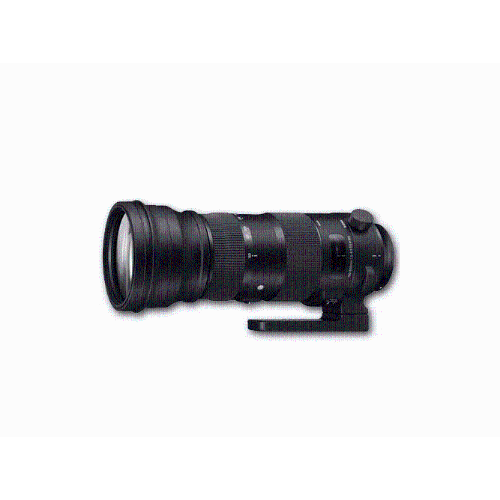
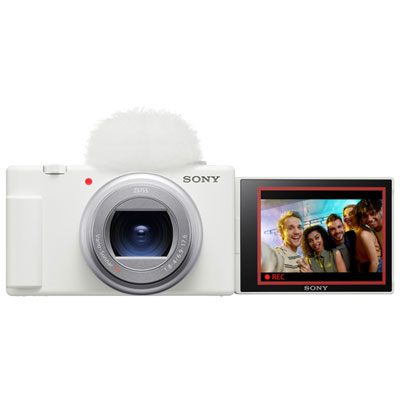
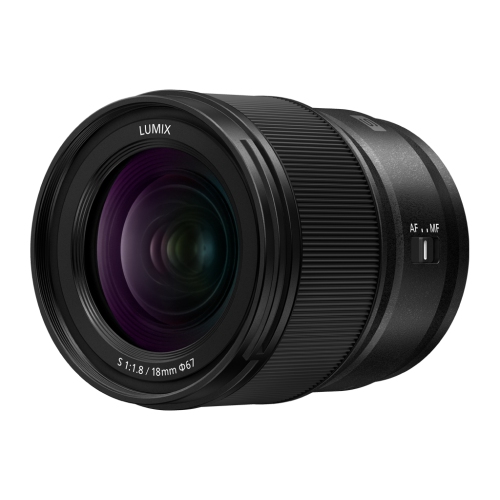
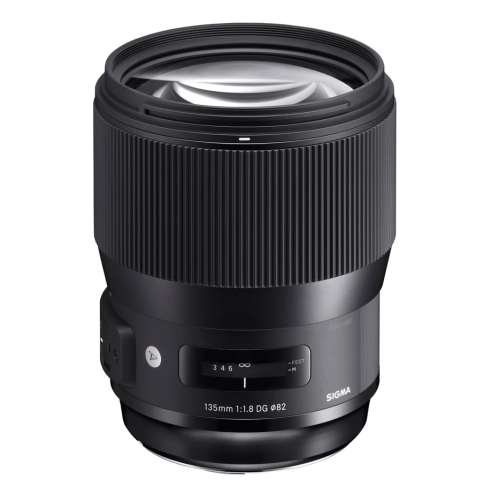
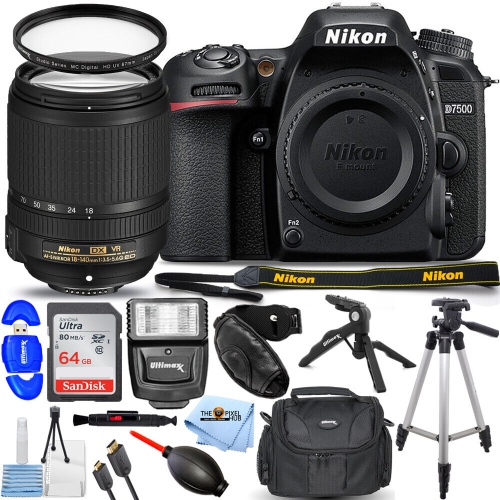
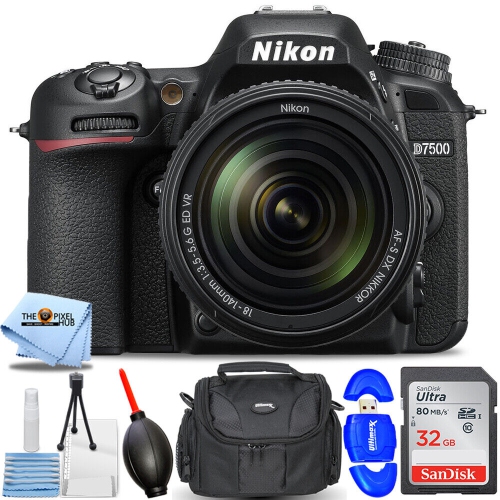
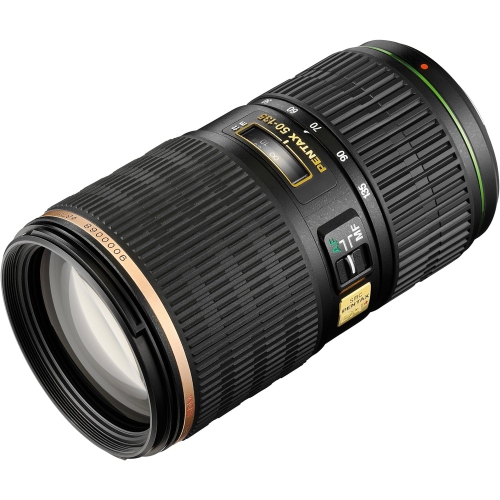
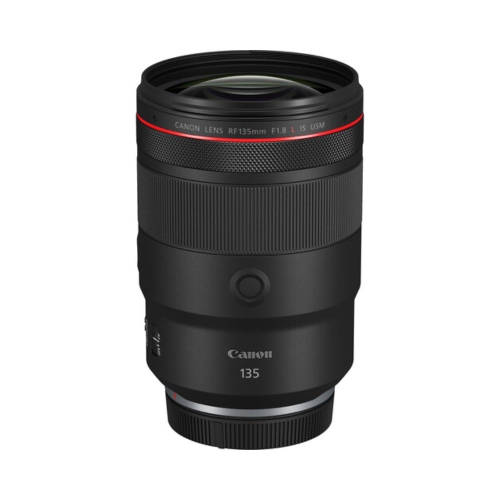
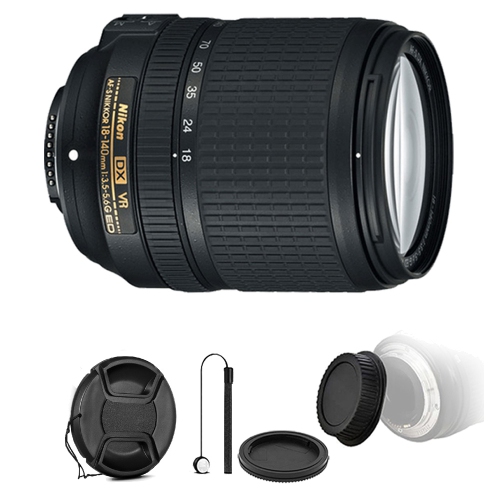
Everyday flexibility from wide views to distant details
18-135mm lenses are versatile all-around zoom lenses designed to cover a wide range of everyday photography without requiring frequent lens changes. On an APS-C crop-sensor camera, the 18mm end is useful for sweeping landscapes, city streets, architecture, group portraits, indoor scenes, and travel snapshots where you want to include more of the surroundings. At 135mm, the lens provides a substantial reach for portraits, candid moments, distant details, performances, sporting activities, and wildlife encountered along a trail or in a park. This broad focal-length range makes an 18-135mm lens a practical choice for photographers who want one lens that can handle much of a day’s shooting. It also provides a noticeable reach upgrade over a standard 18-55mm kit lens, making it easier to frame subjects from a comfortable distance. A parent can use the wider end for a family gathering and then zoom in for a child’s game without pausing to switch lenses; a traveller can move from a broad view of a historic building to a close-up of a carved doorway with a simple turn of the zoom ring. For students, first-time interchangeable-lens camera owners, and hobbyists building a compact kit, this type of lens can simplify photography while still leaving room to explore different focal lengths and compositions. It may also be a thoughtful gift for someone who enjoys weekend trips, family events, outdoor activities, or learning photography, provided the lens mount matches the recipient’s camera.
Compatibility is the first consideration when comparing 18-135mm lenses. The lens mount must match the camera body, and the lens should be intended for the camera’s sensor format. Many lenses in this range are made for APS-C cameras, where the camera’s crop factor produces a field of view narrower than the numbers alone suggest. That is what gives the 135mm end its useful portrait and moderate telephoto reach, while the 18mm end remains practical for general wide-angle work. Checking the exact camera model, mount, sensor format, and electronic compatibility helps avoid issues with autofocus, aperture control, image stabilization, or camera communication. Photographers who are replacing an 18-55mm kit lens may appreciate the added flexibility of a longer zoom, while those moving from a compact camera may value the familiar convenience of a single lens. A compact or relatively lightweight design is especially helpful during travel, walking tours, and outdoor events, when a heavy bag can become tiring over the course of a day. If the camera and lens will be used in changing weather, look for construction that includes appropriate sealing and confirm that the camera body offers a similar level of protection; weather resistance is not the same as waterproofing, and exposed connections should still be handled carefully. Someone who already owns a standard zoom may prefer to compare the size and weight of an 18-135mm lens with the benefit of carrying one lens instead of several. For a shorter-range alternative that remains useful for everyday scenes, photographers can also explore Canon Camera 18-55mm Lenses.
Optical performance and handling are equally important. Many 18-135mm lenses include built-in optical image stabilization, which can help reduce the effect of hand shake when photographing at slower shutter speeds or when working at the longer end of the zoom range. Stabilization is useful for still subjects, indoor moments, evening streets, and handheld video, but it cannot freeze a moving person or animal; a faster shutter speed is still needed for action. Variable maximum apertures are common in this lens category. The lens may allow more light at 18mm and less at 135mm, so photographers should expect to raise the ISO, slow the shutter speed, or use additional lighting in dim conditions, particularly when zoomed in. For portraits, the longer focal lengths can create flattering perspective and help separate a subject from the background, although the amount of background blur depends on the aperture, subject distance, and background distance. Autofocus performance matters for children, pets, travel scenes, and video, so a quiet, responsive focusing system can make a noticeable difference. Those who record video should also consider focus noise, zoom smoothness, stabilization behaviour, and whether the lens supports the camera’s tracking features. At maximum zoom, image quality can vary across the frame, with some lenses showing softer edges or reduced contrast compared with the centre. Reading the specifications and considering real-world use is more useful than choosing by zoom range alone. An 18-135mm lens is best suited to photographers who value flexibility, reach, and convenience in a single setup, especially during the cooler months when changing lenses outdoors can be awkward, or whenever a simple camera bag makes it easier to keep shooting.
Compatibility is the first consideration when comparing 18-135mm lenses. The lens mount must match the camera body, and the lens should be intended for the camera’s sensor format. Many lenses in this range are made for APS-C cameras, where the camera’s crop factor produces a field of view narrower than the numbers alone suggest. That is what gives the 135mm end its useful portrait and moderate telephoto reach, while the 18mm end remains practical for general wide-angle work. Checking the exact camera model, mount, sensor format, and electronic compatibility helps avoid issues with autofocus, aperture control, image stabilization, or camera communication. Photographers who are replacing an 18-55mm kit lens may appreciate the added flexibility of a longer zoom, while those moving from a compact camera may value the familiar convenience of a single lens. A compact or relatively lightweight design is especially helpful during travel, walking tours, and outdoor events, when a heavy bag can become tiring over the course of a day. If the camera and lens will be used in changing weather, look for construction that includes appropriate sealing and confirm that the camera body offers a similar level of protection; weather resistance is not the same as waterproofing, and exposed connections should still be handled carefully. Someone who already owns a standard zoom may prefer to compare the size and weight of an 18-135mm lens with the benefit of carrying one lens instead of several. For a shorter-range alternative that remains useful for everyday scenes, photographers can also explore Canon Camera 18-55mm Lenses.
Optical performance and handling are equally important. Many 18-135mm lenses include built-in optical image stabilization, which can help reduce the effect of hand shake when photographing at slower shutter speeds or when working at the longer end of the zoom range. Stabilization is useful for still subjects, indoor moments, evening streets, and handheld video, but it cannot freeze a moving person or animal; a faster shutter speed is still needed for action. Variable maximum apertures are common in this lens category. The lens may allow more light at 18mm and less at 135mm, so photographers should expect to raise the ISO, slow the shutter speed, or use additional lighting in dim conditions, particularly when zoomed in. For portraits, the longer focal lengths can create flattering perspective and help separate a subject from the background, although the amount of background blur depends on the aperture, subject distance, and background distance. Autofocus performance matters for children, pets, travel scenes, and video, so a quiet, responsive focusing system can make a noticeable difference. Those who record video should also consider focus noise, zoom smoothness, stabilization behaviour, and whether the lens supports the camera’s tracking features. At maximum zoom, image quality can vary across the frame, with some lenses showing softer edges or reduced contrast compared with the centre. Reading the specifications and considering real-world use is more useful than choosing by zoom range alone. An 18-135mm lens is best suited to photographers who value flexibility, reach, and convenience in a single setup, especially during the cooler months when changing lenses outdoors can be awkward, or whenever a simple camera bag makes it easier to keep shooting.
Top selling and popular products
-
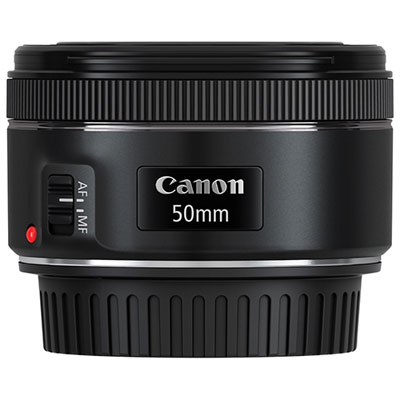 Your price for this item is $169.99
 -
 Your price for this item is $329.99
 -
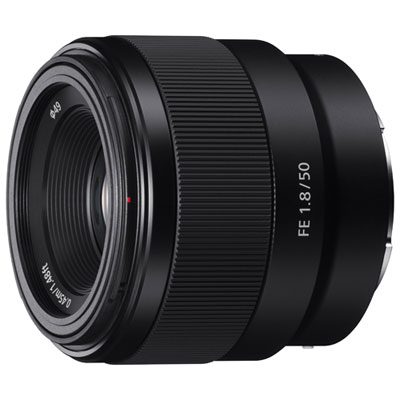 Your price for this item is $349.99
 -
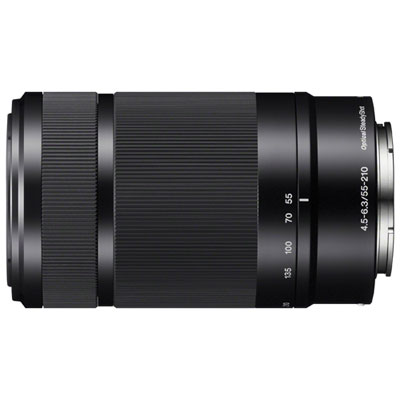 Your price for this item is $399.99
 -
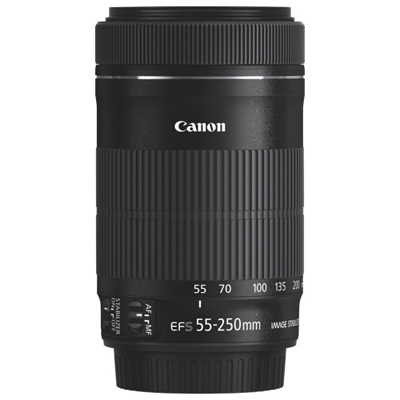 Your price for this item is $399.99
 -
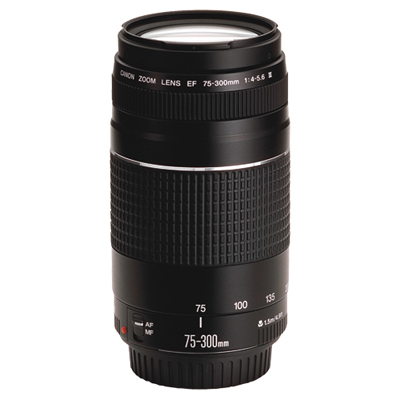 Your price for this item is $199.99
 -
 Your price for this item is $174.99
 -
 Your price for this item is $749.99
Discover more categories related to 18 135mm Lenses

Top Collections:
Pokemon Centers, Kindle Devices, Best Budget Office Chairs, Apple iPhones 16, Canon G7X Cameras, iPhone 15 Apple, Alarm Clock, Refurbished Apple Laptops, Flip Phones, Best Laptops for Writers
Some products may be subject to Environmental Handling Fees
(EHF) depending on your province.
Learn more about EHFs.