Top Point and Shoot Cameras
If you're looking for a point-and-shoot camera to take on vacation, to capture the kids' soccer games, or to use as your everyday shooter, we've found some of the best options for every type of photographer. These cameras are easy to use and offer a lot of functionality for their size.
Sort
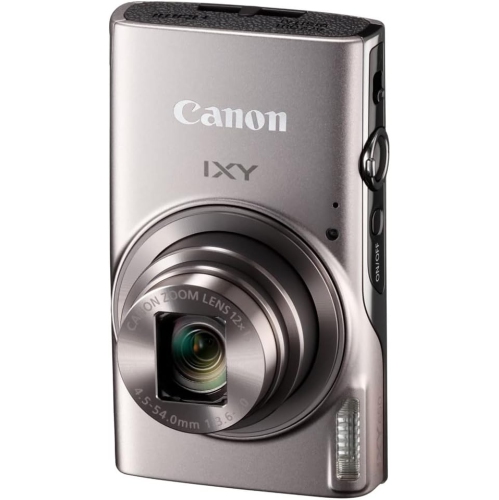
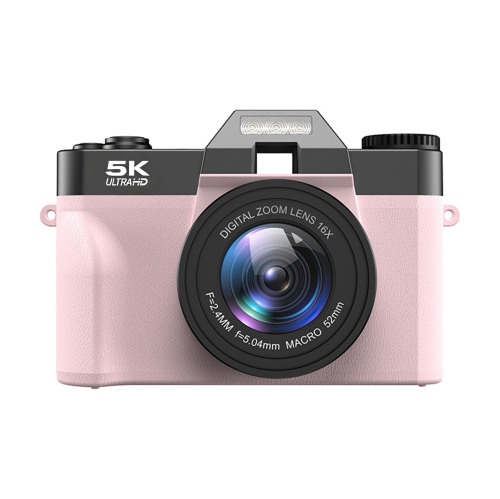
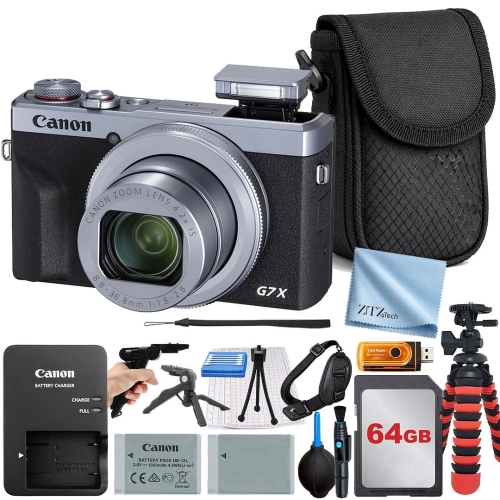
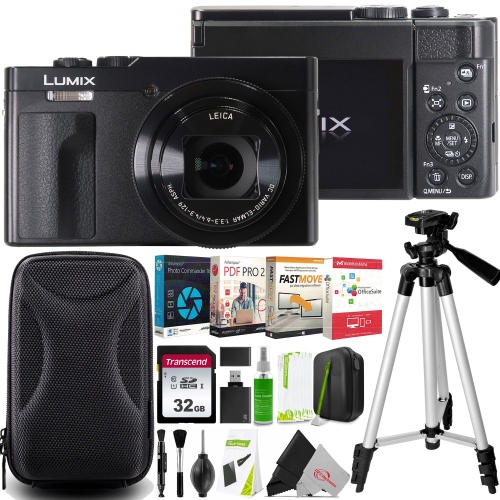
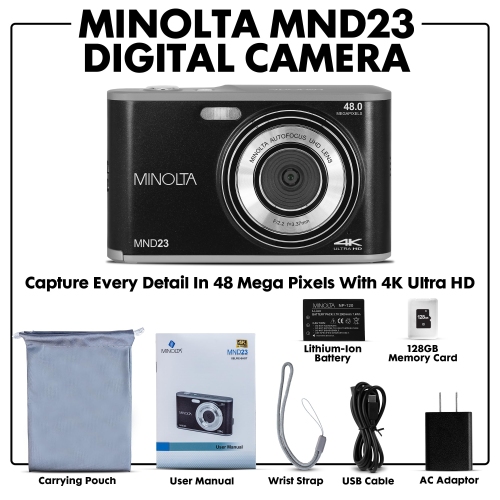
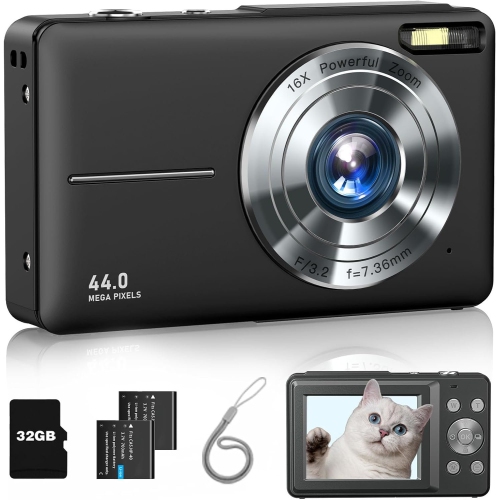
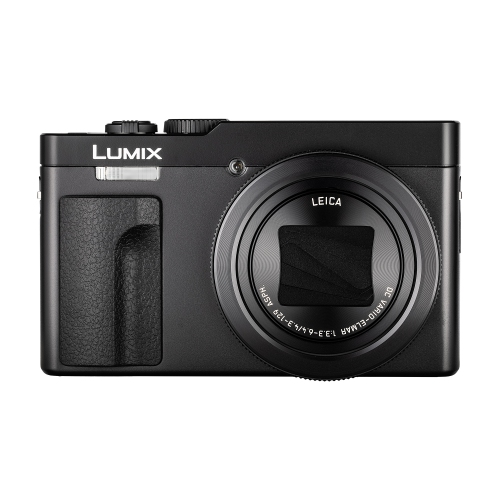
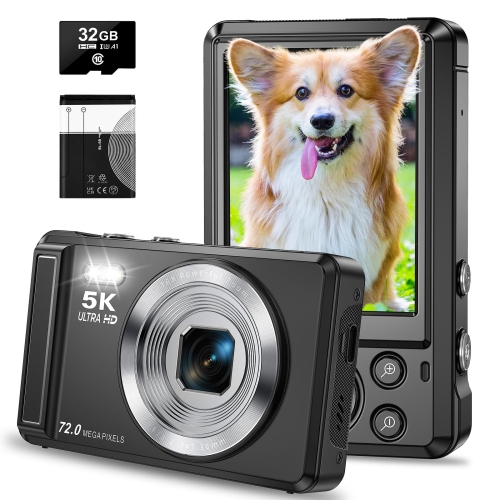
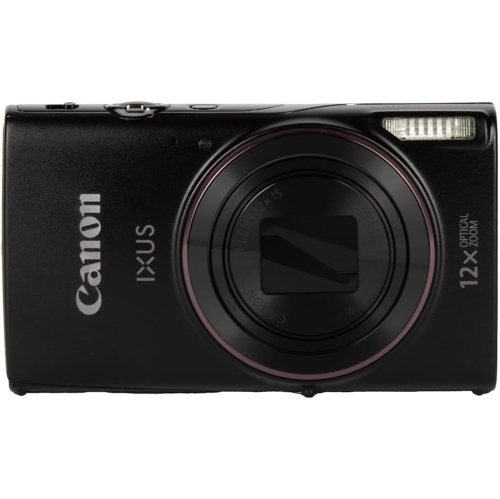
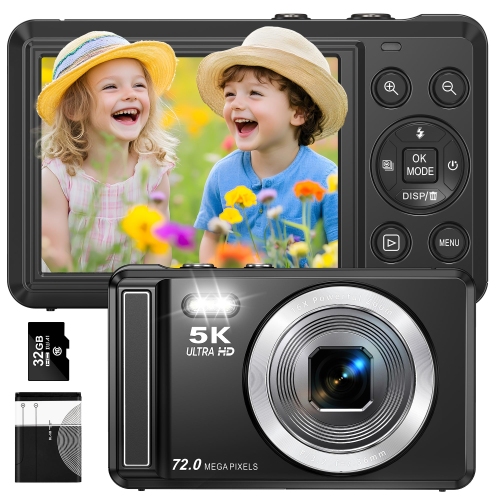
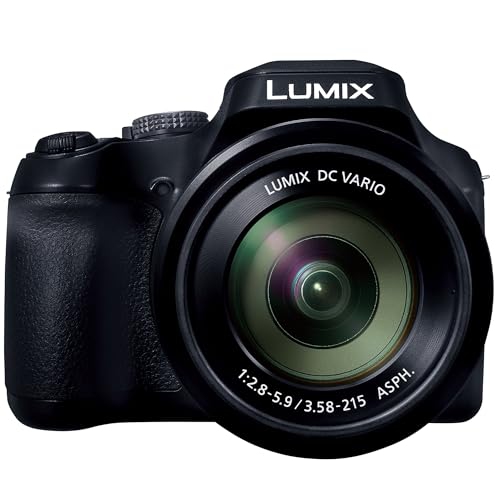
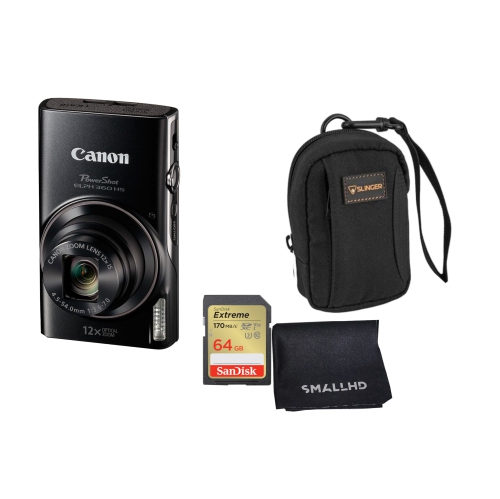
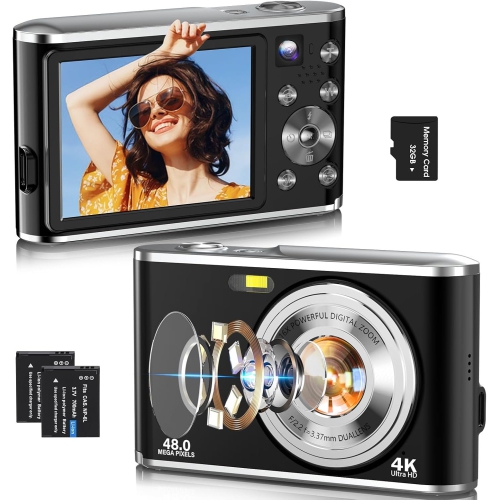
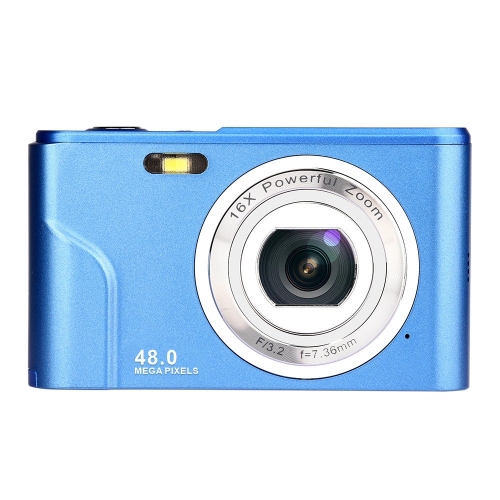
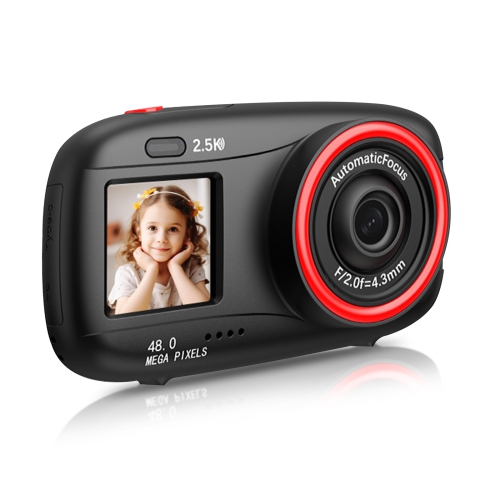
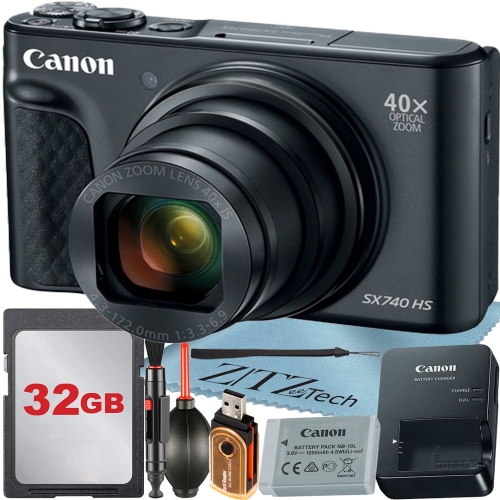
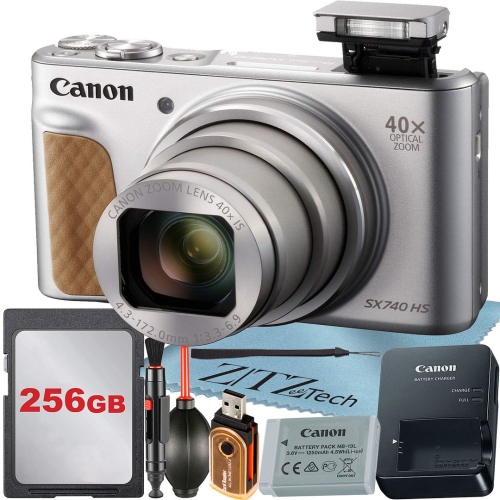
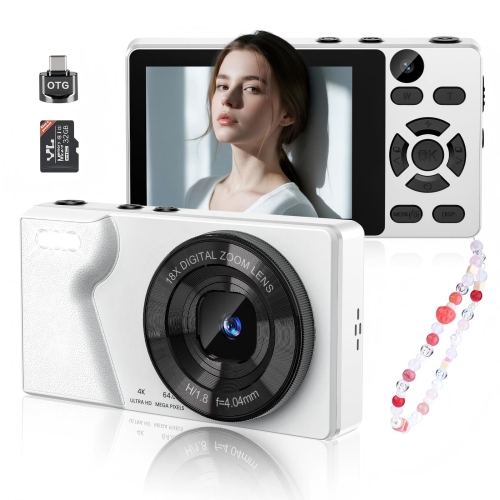
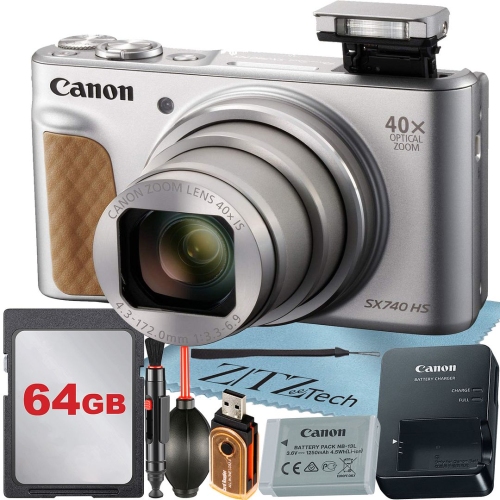
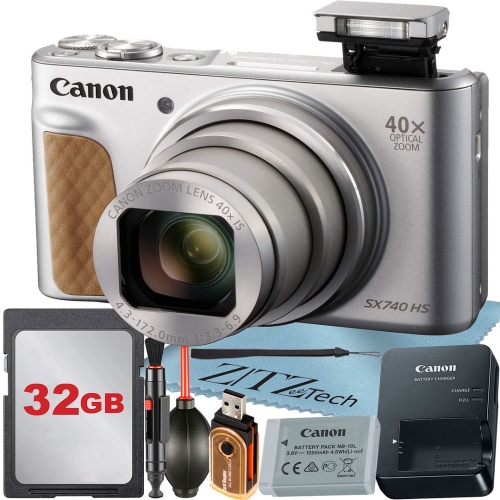
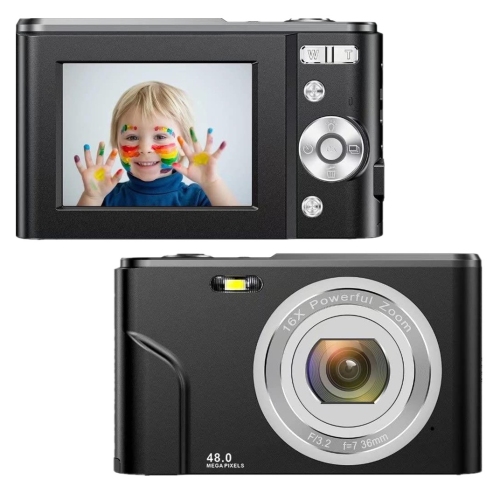
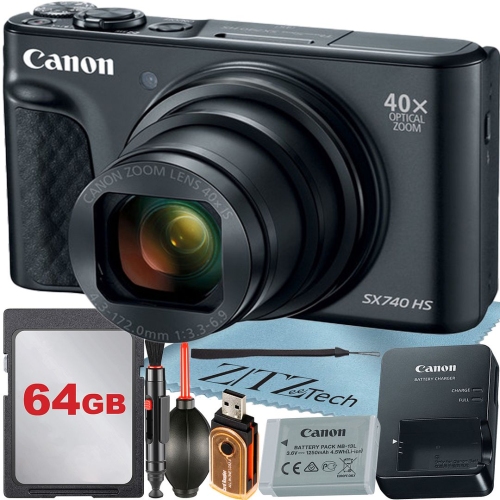
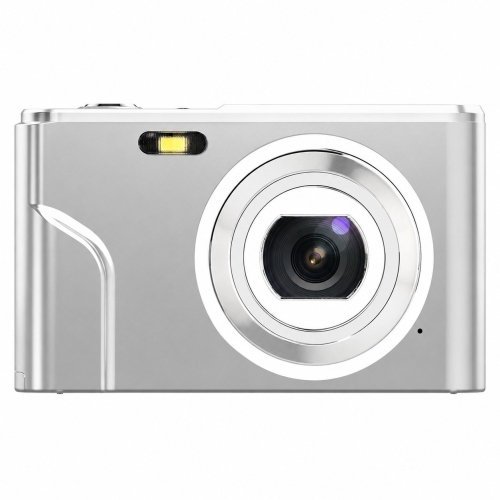
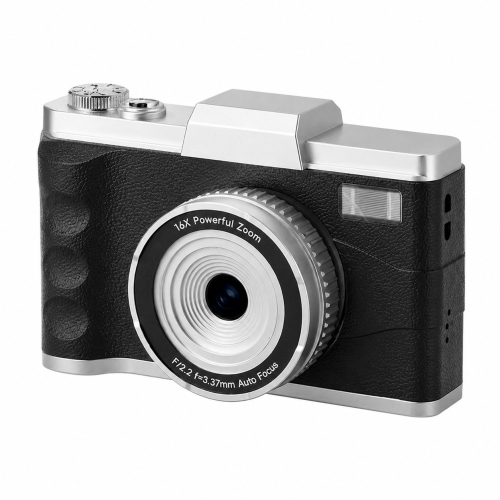
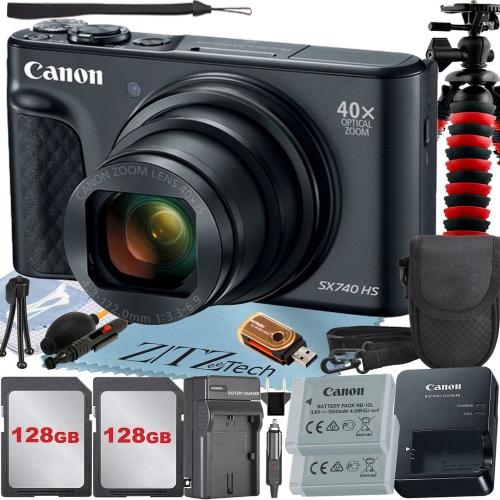
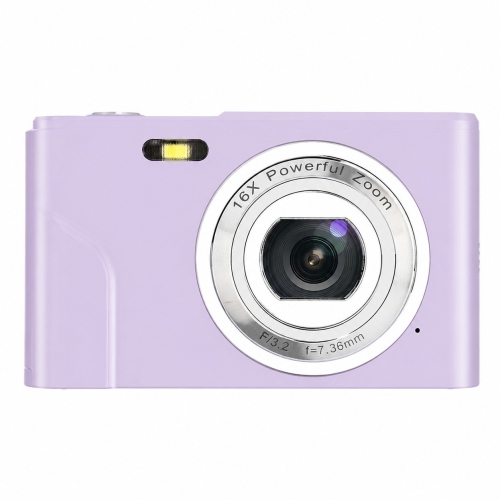
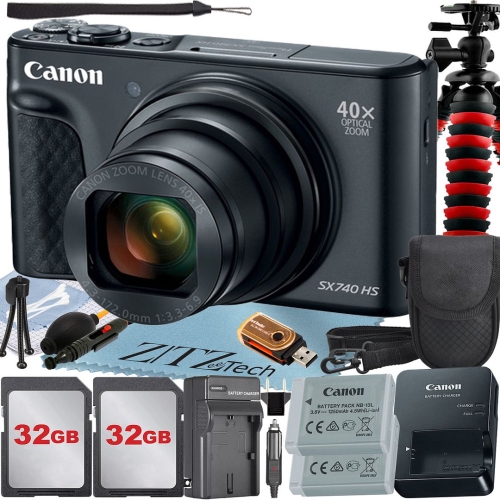
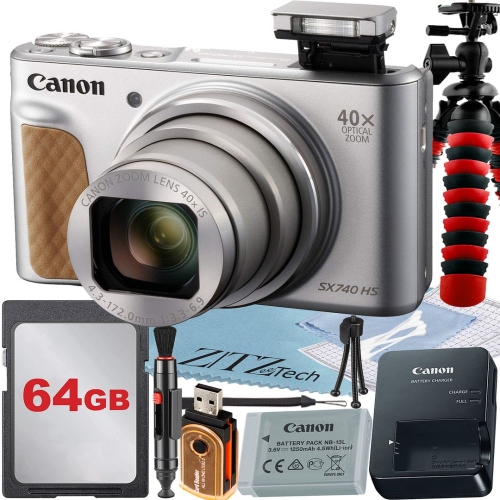
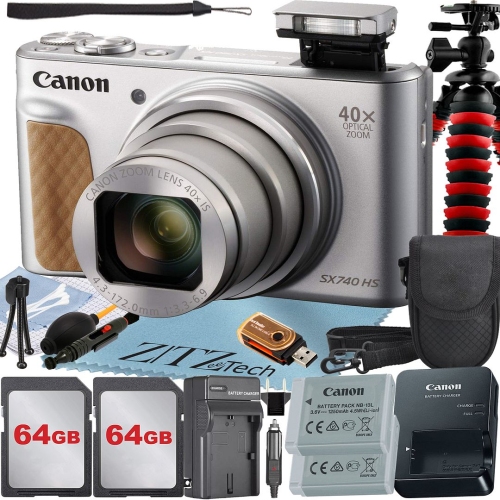
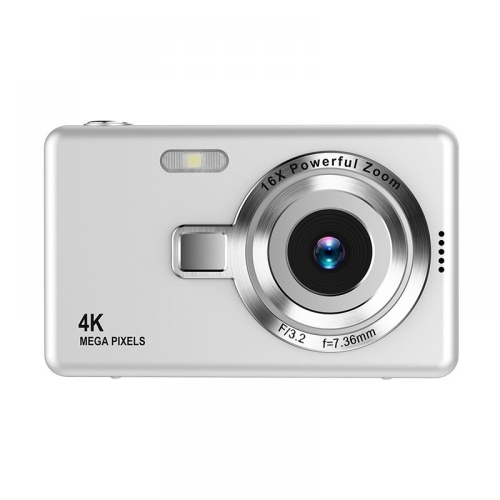
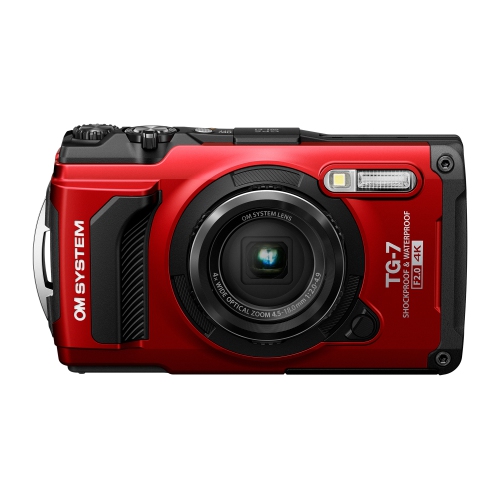
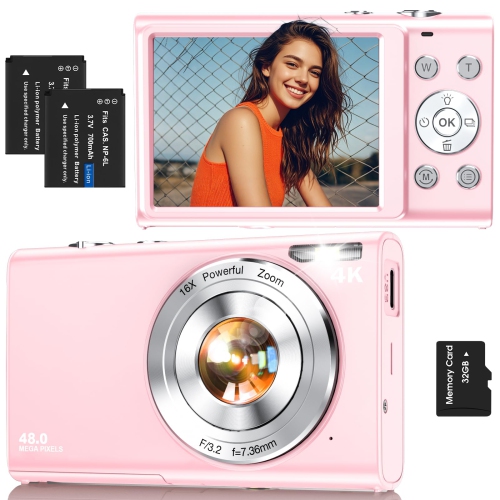
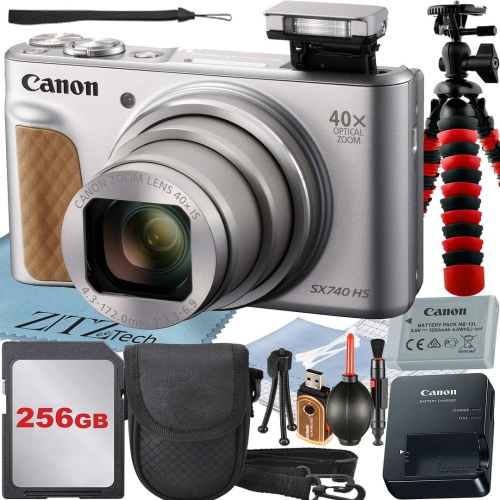
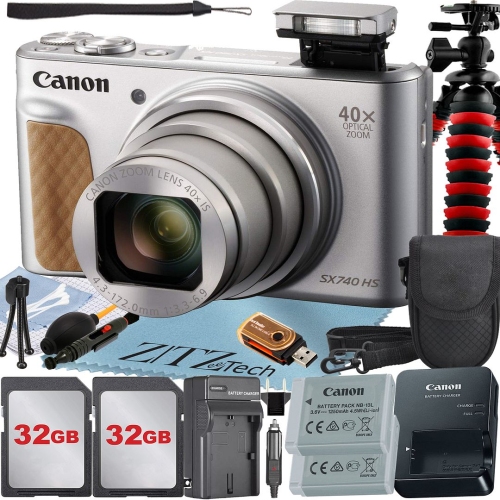
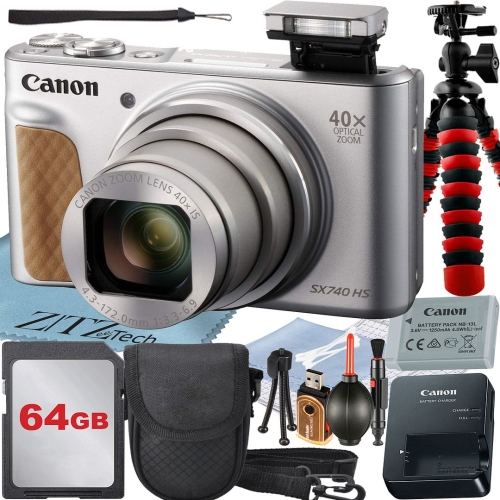
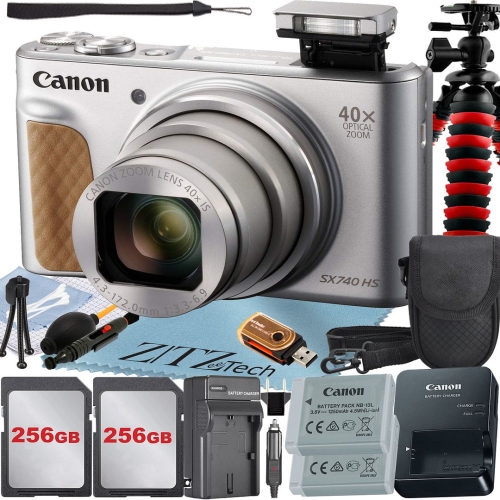
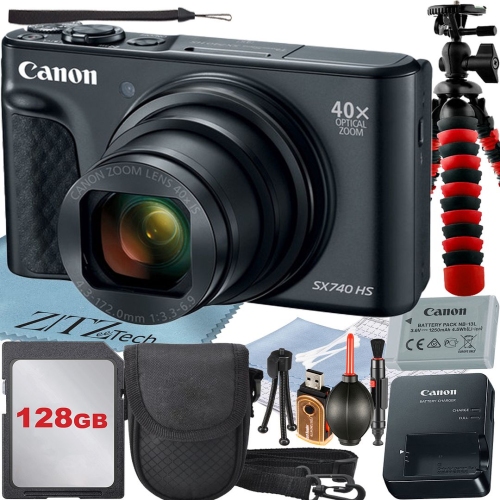
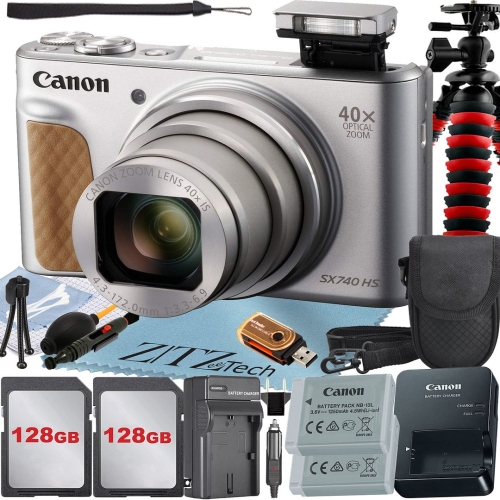
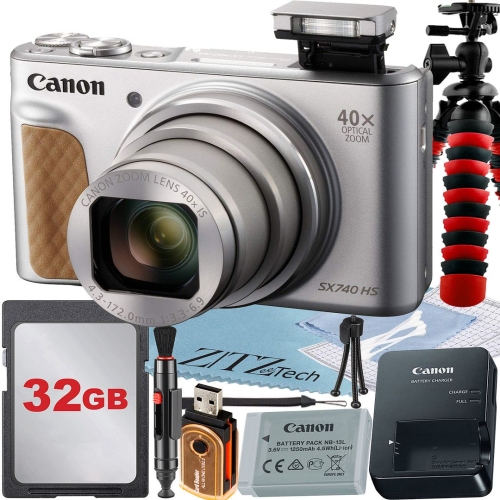
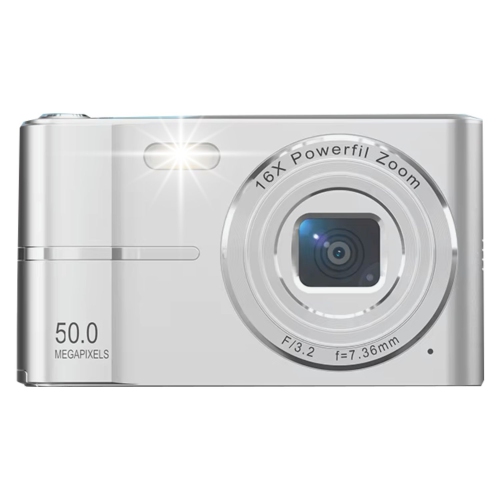
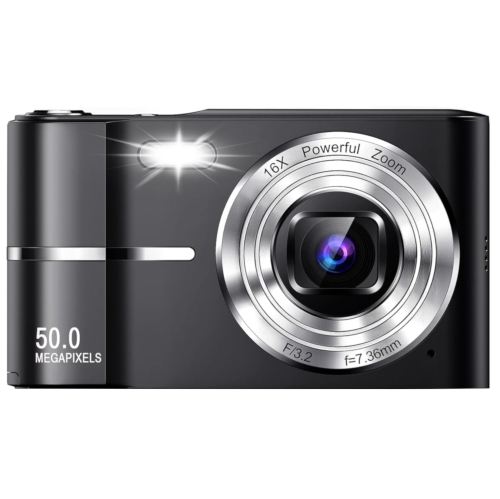
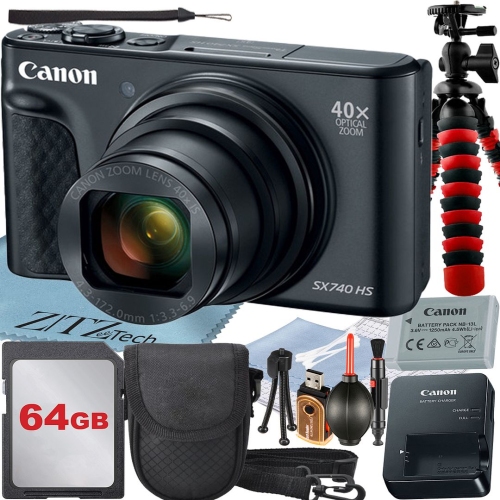
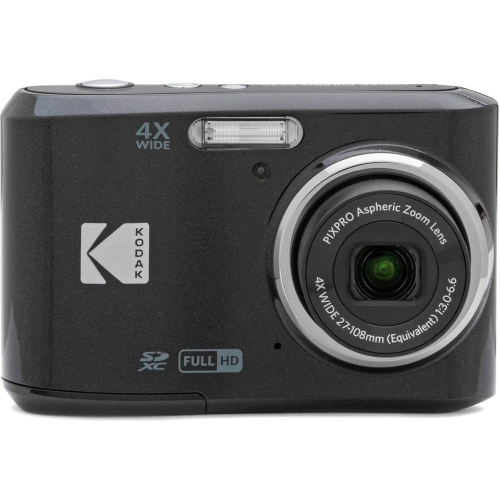
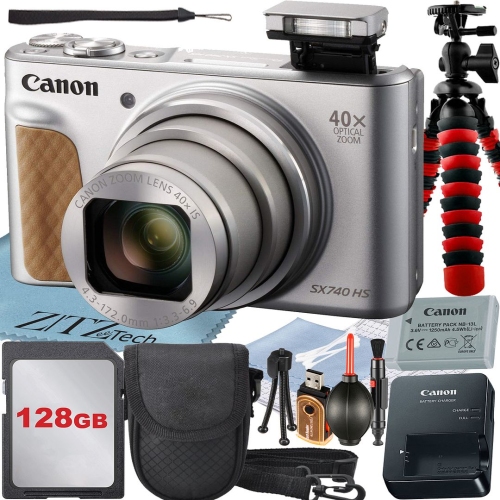
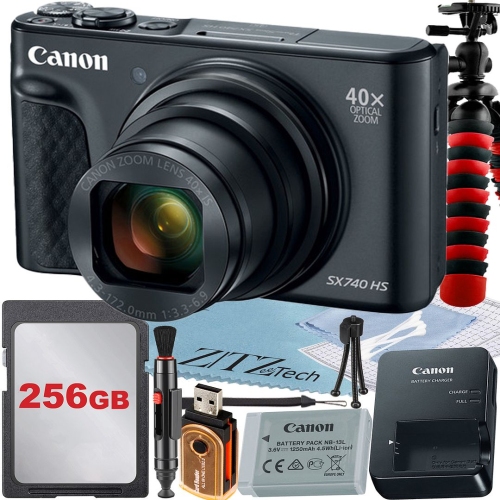
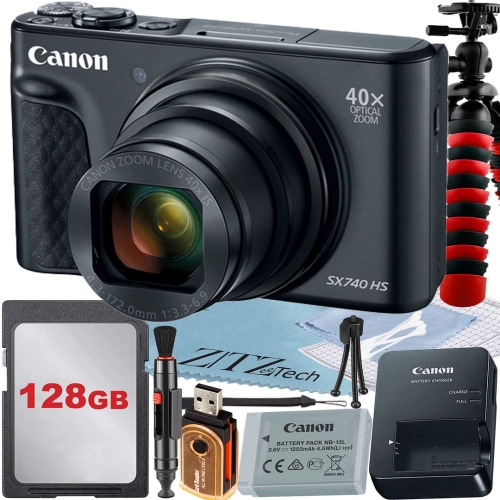
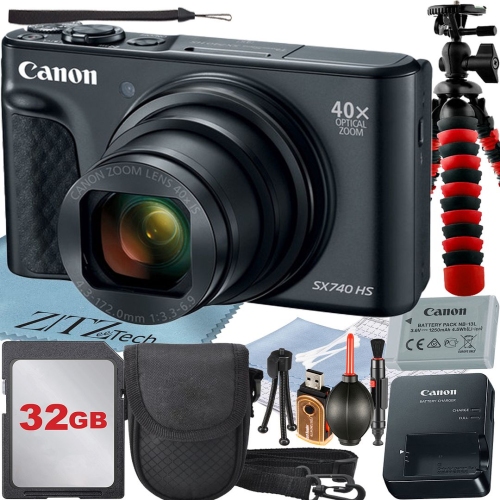
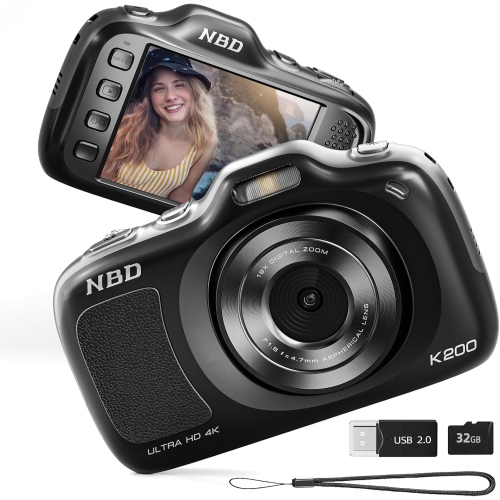
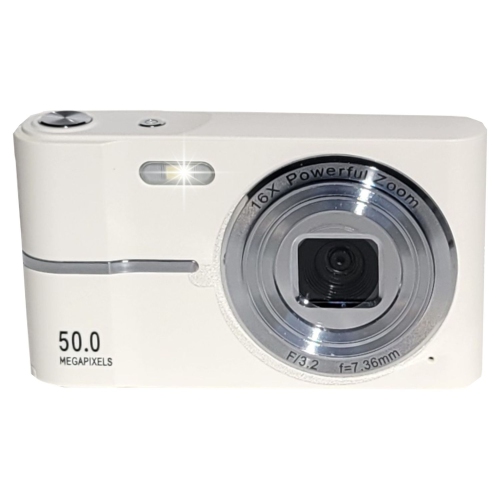
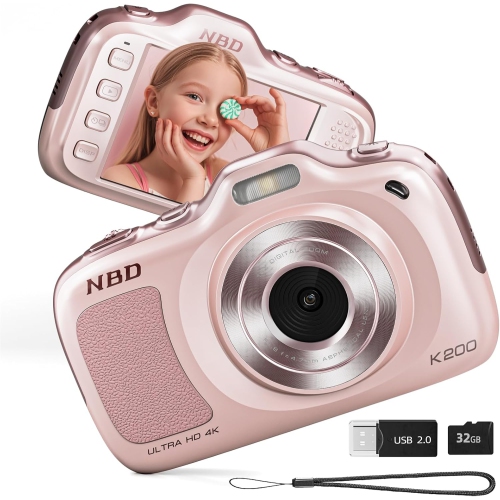
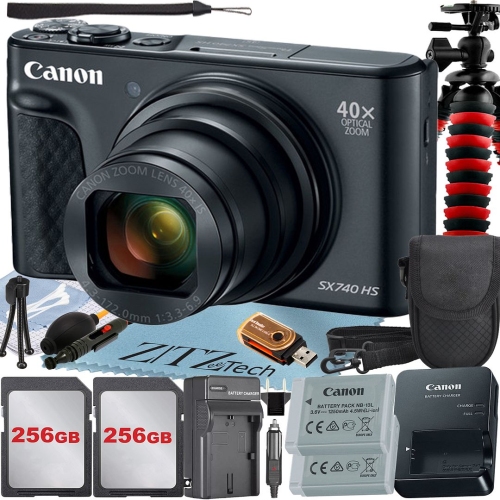
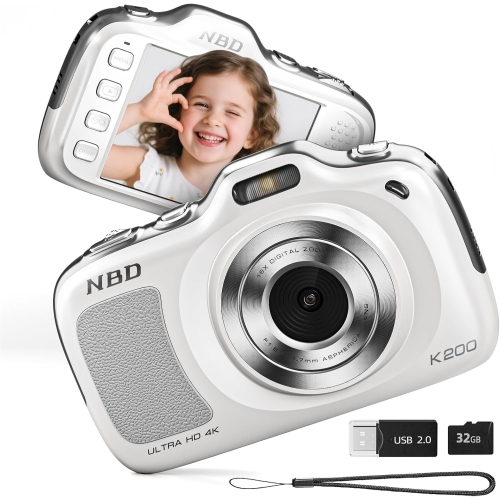
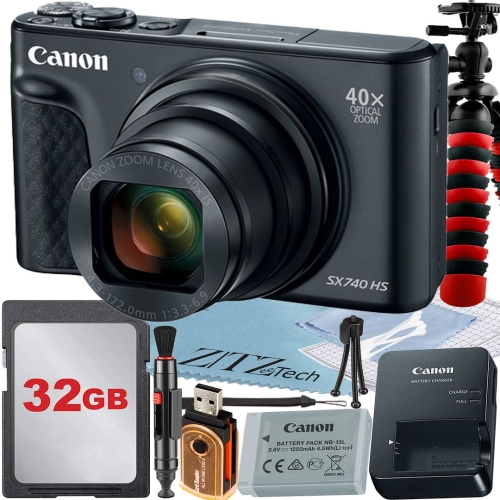
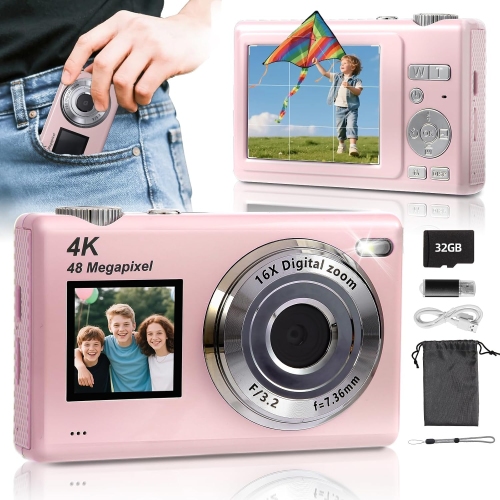
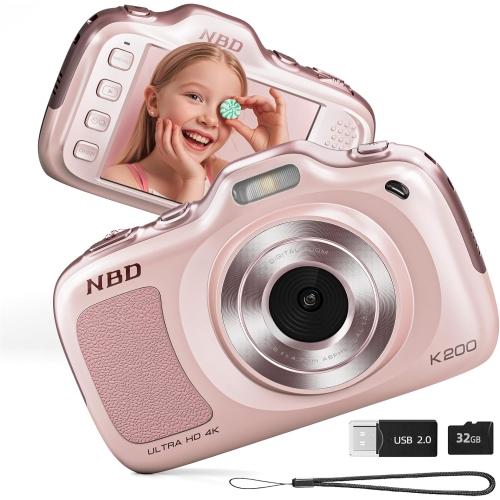
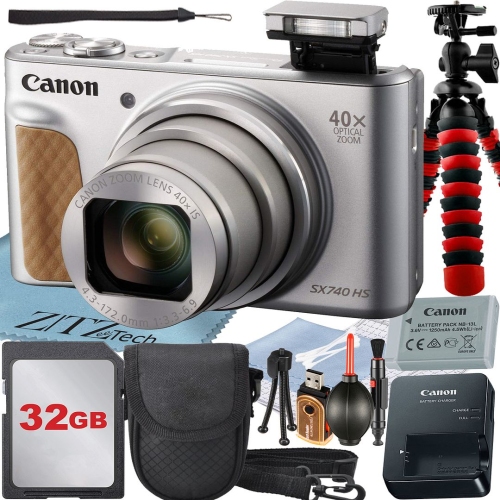
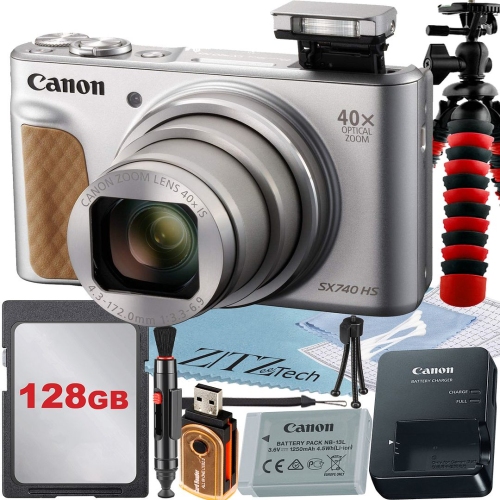
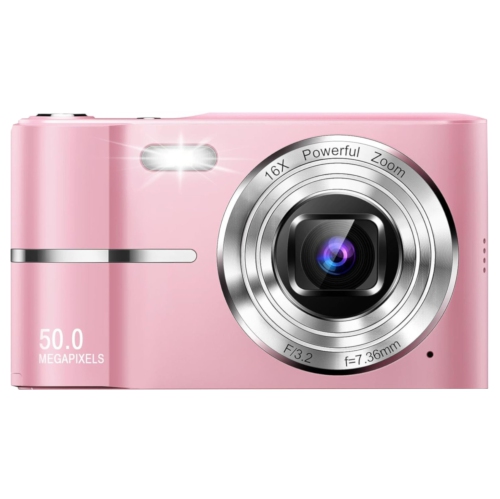
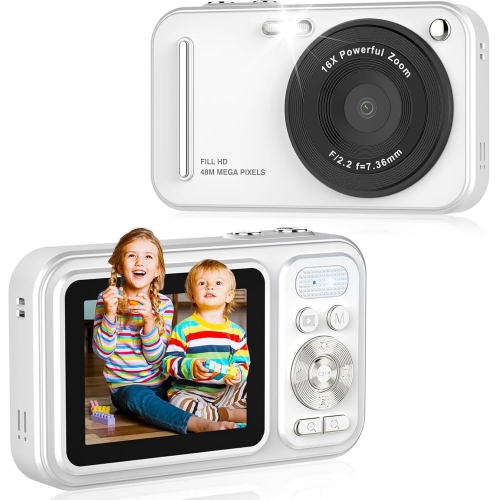
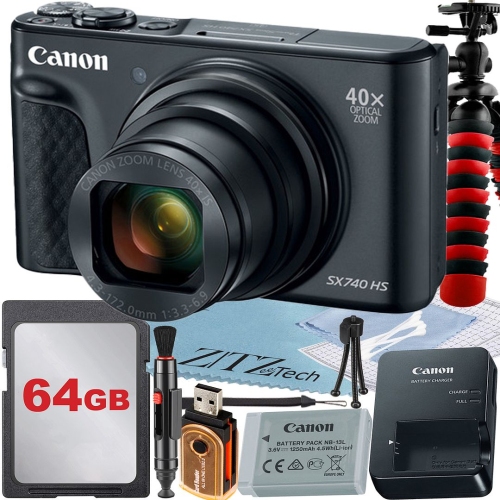
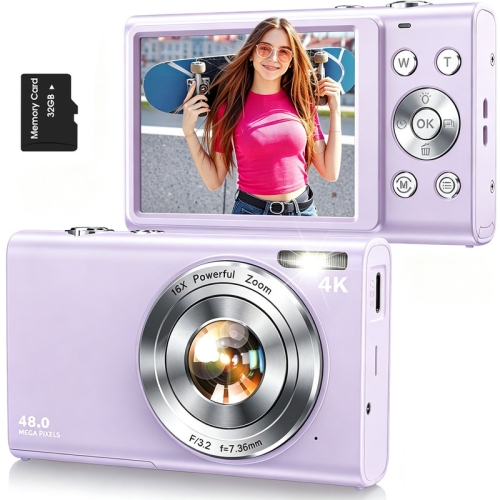
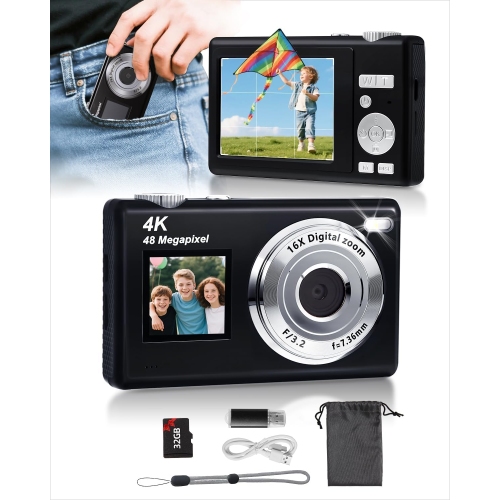
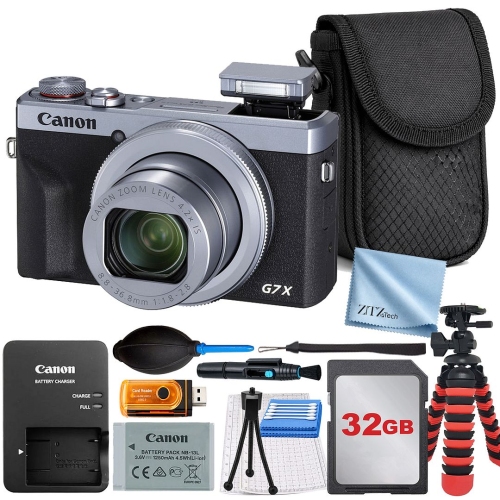
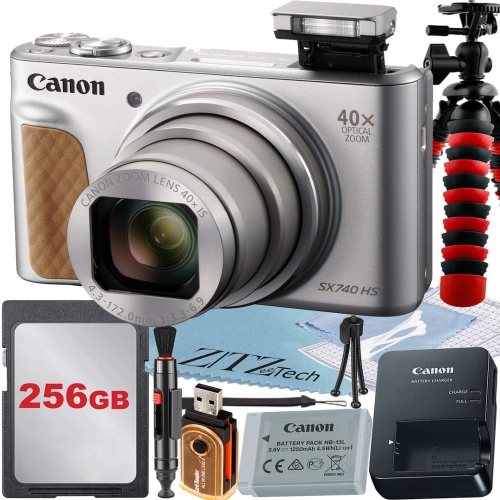
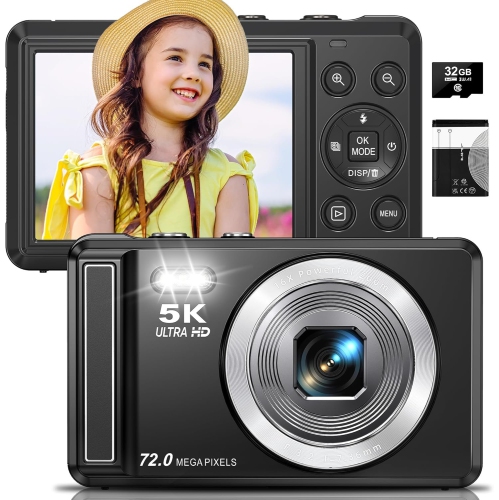
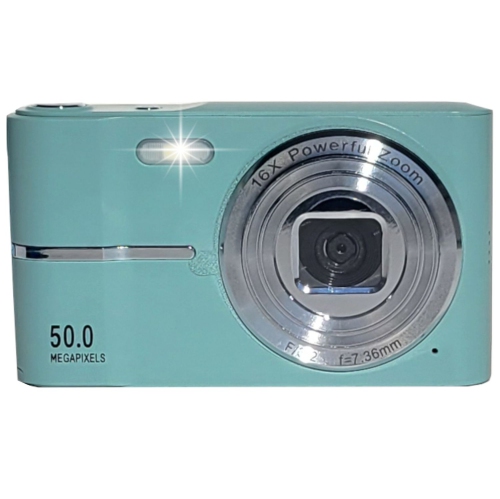
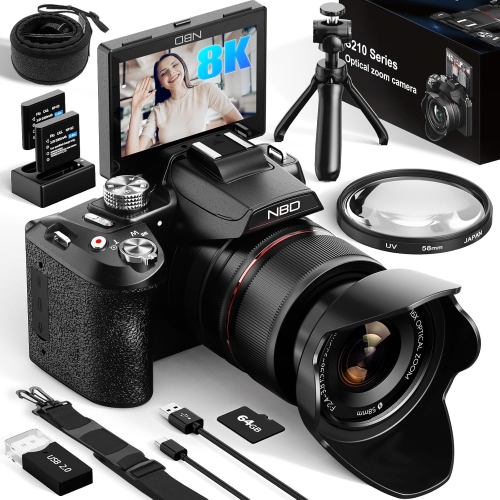
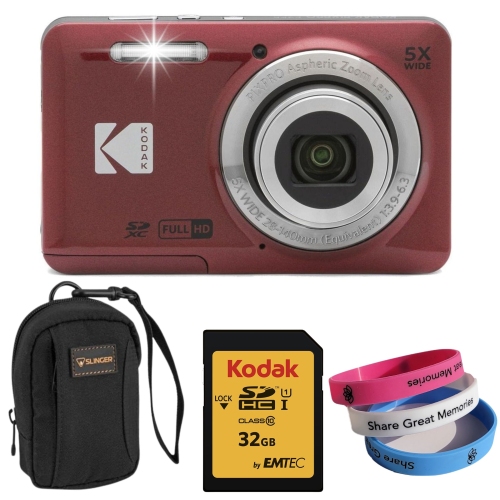
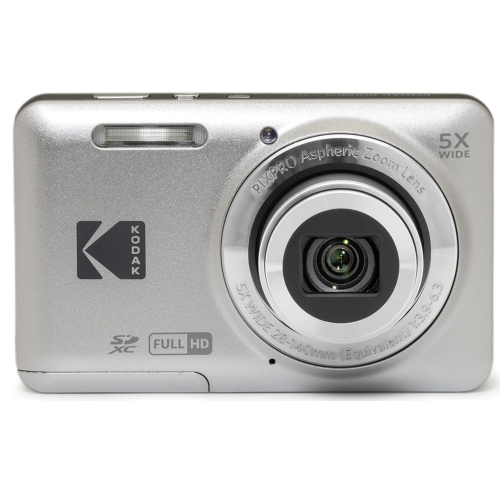
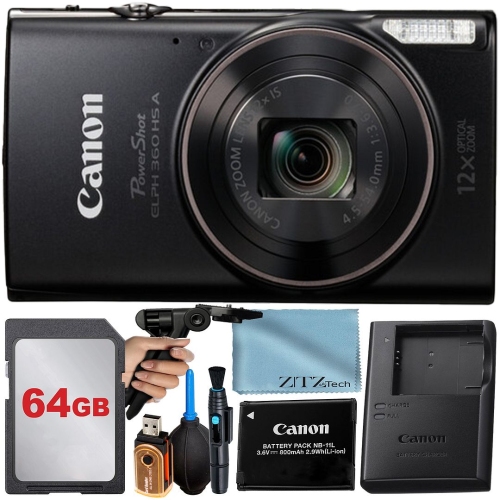
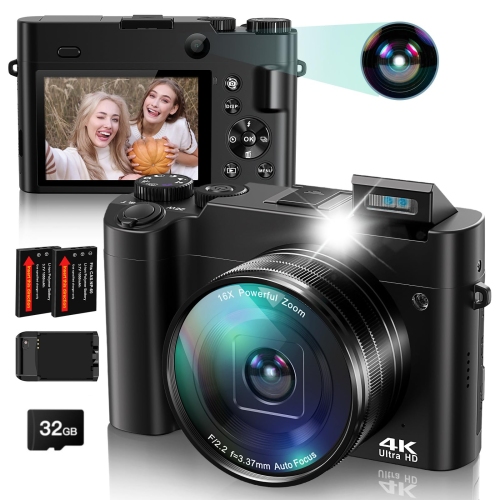
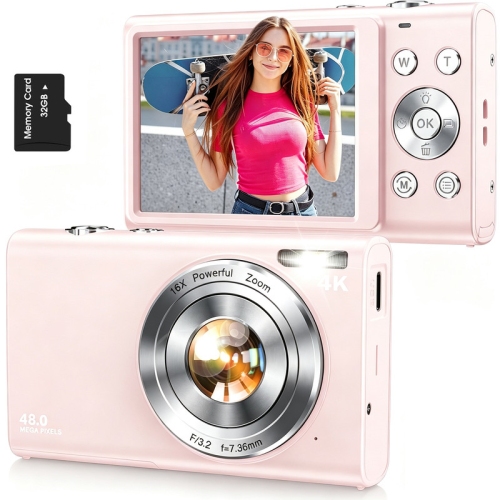
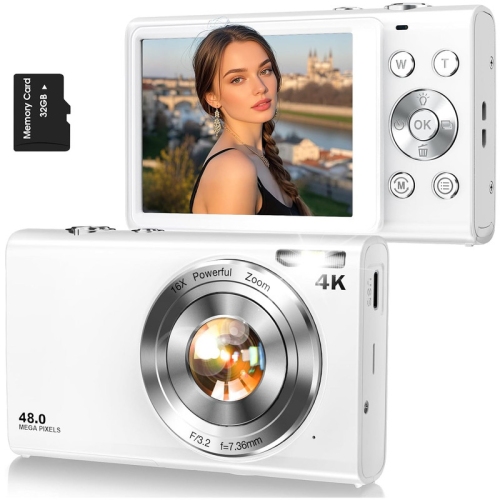
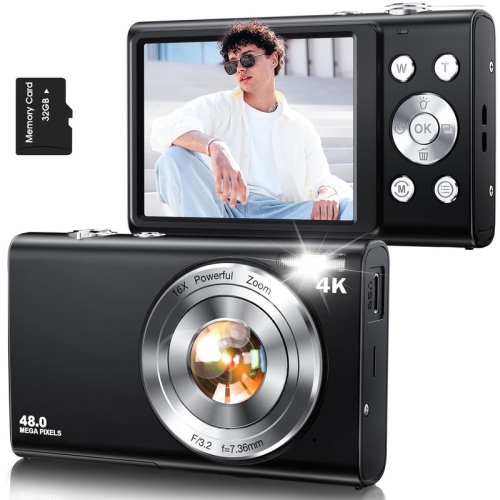
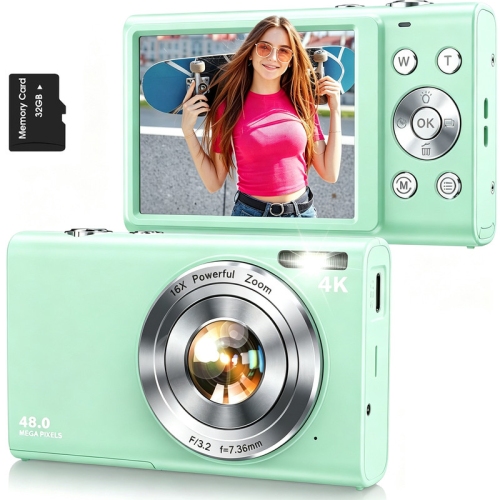
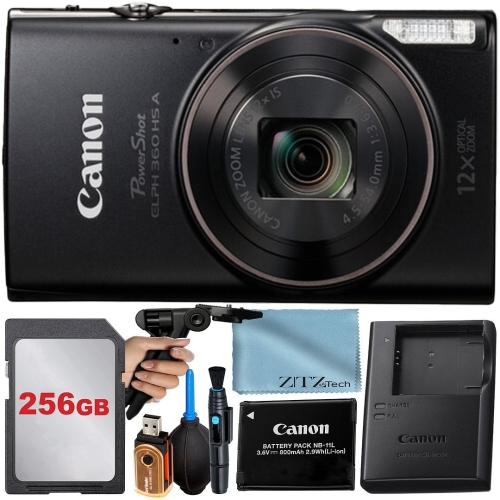
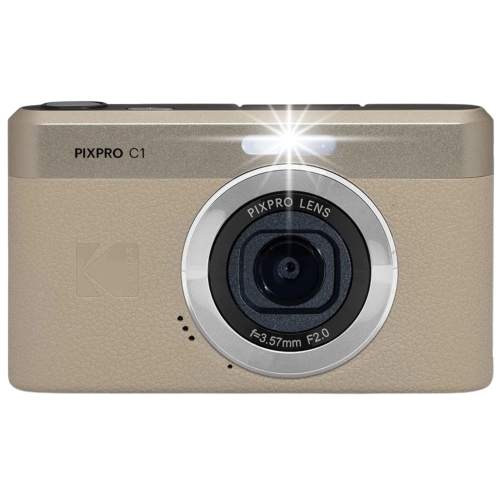
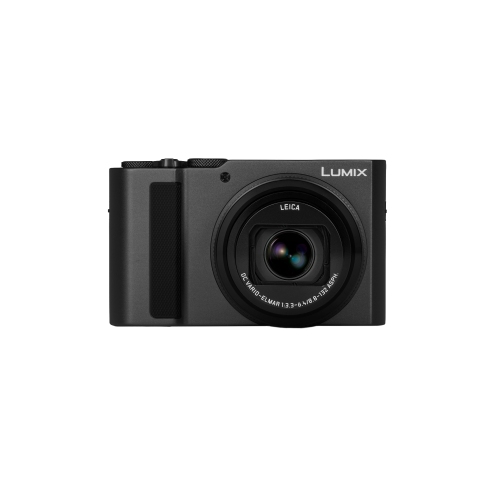
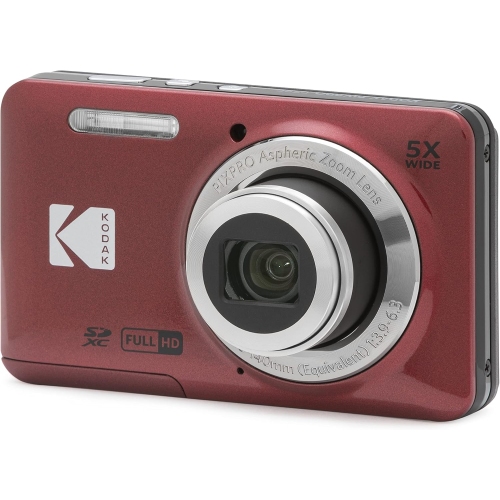
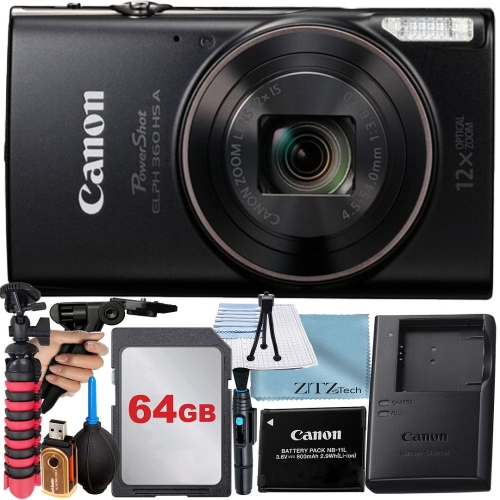
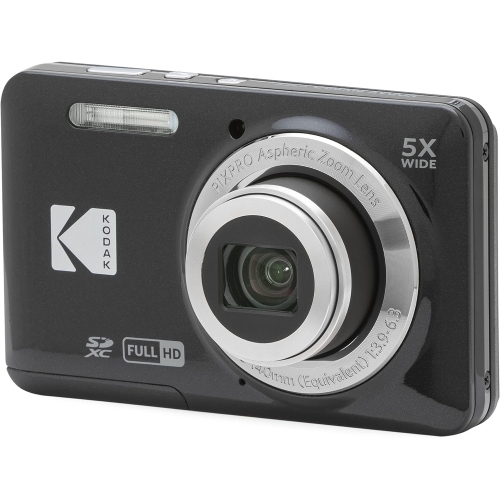
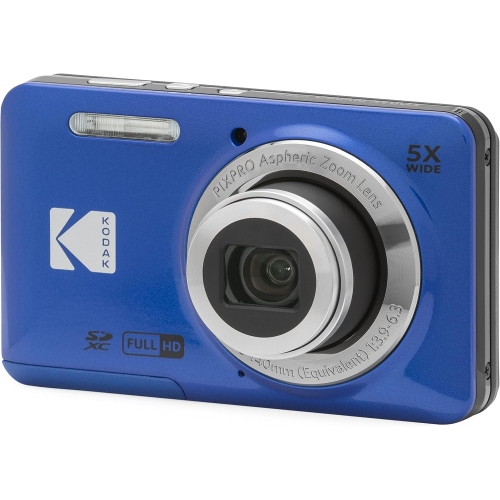
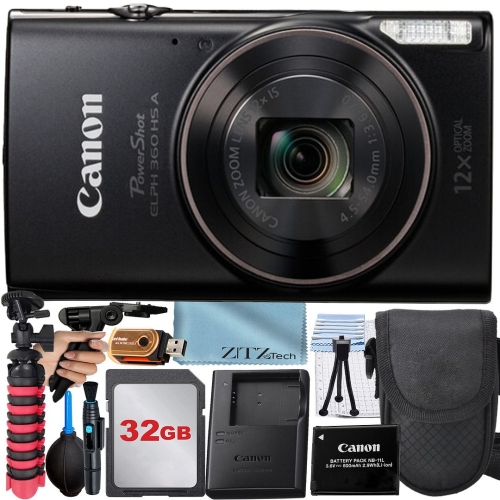
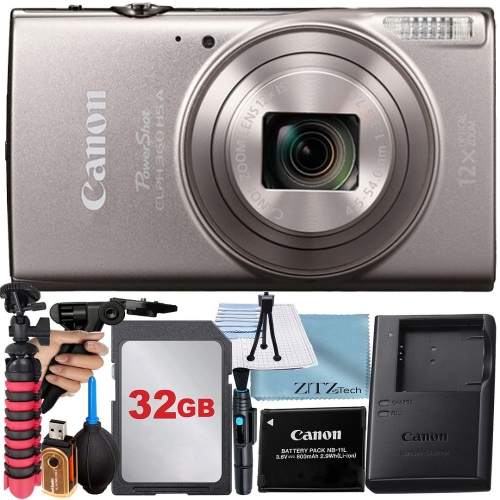
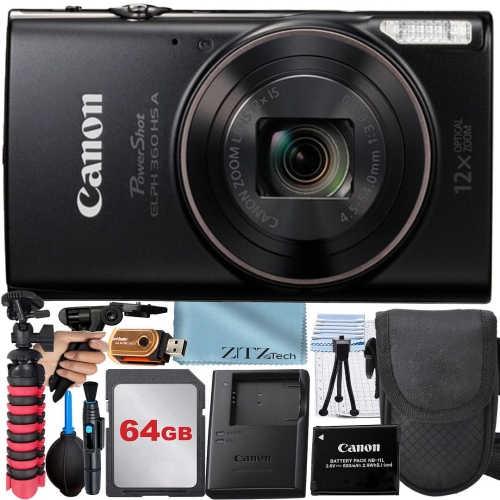
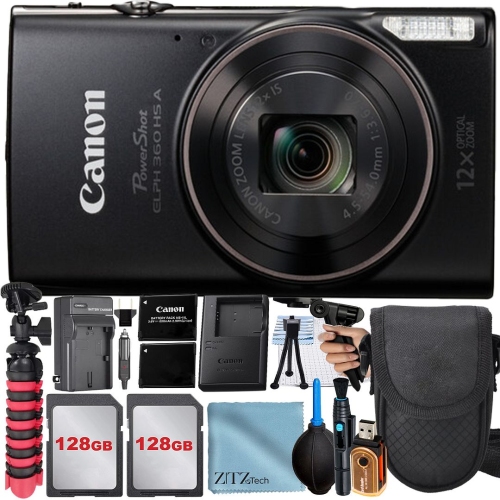
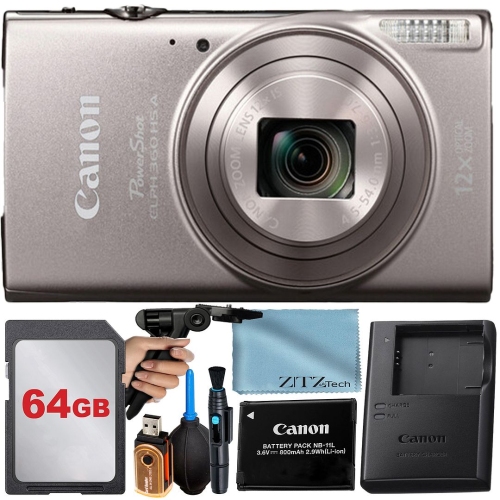
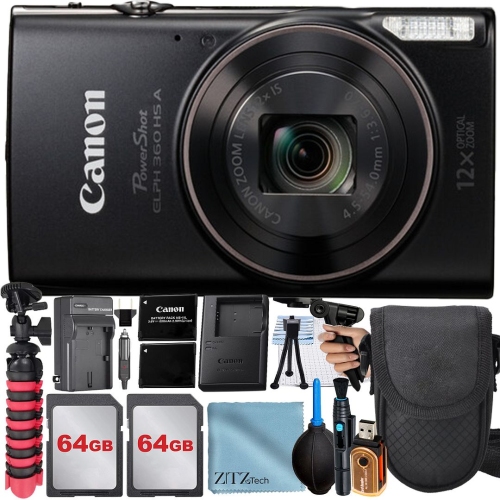
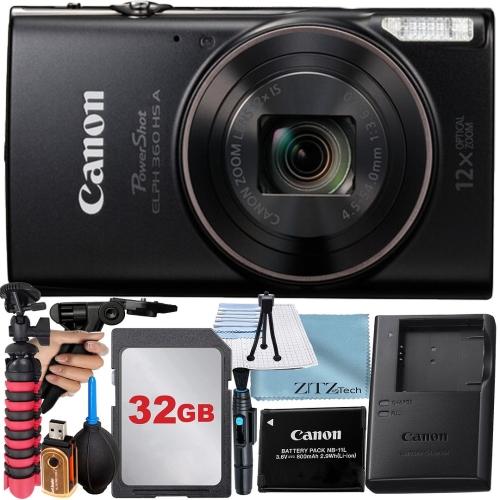
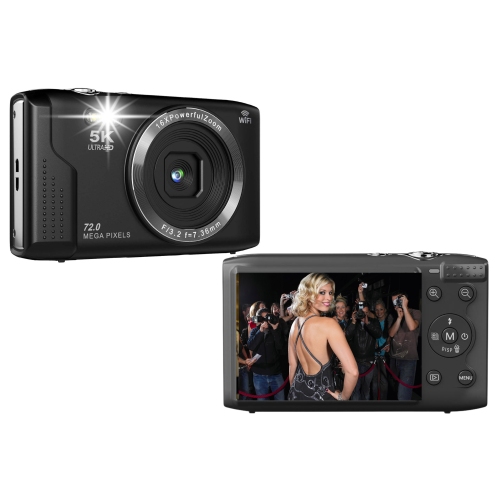
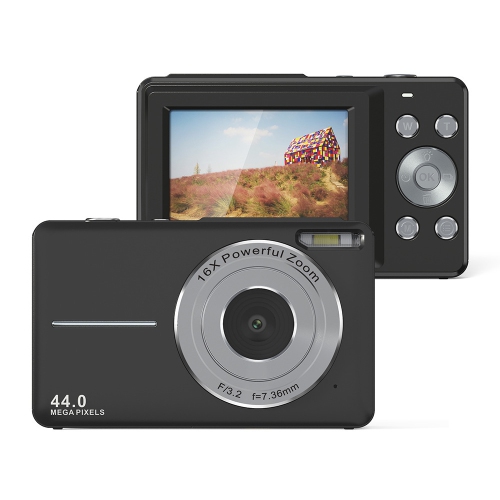
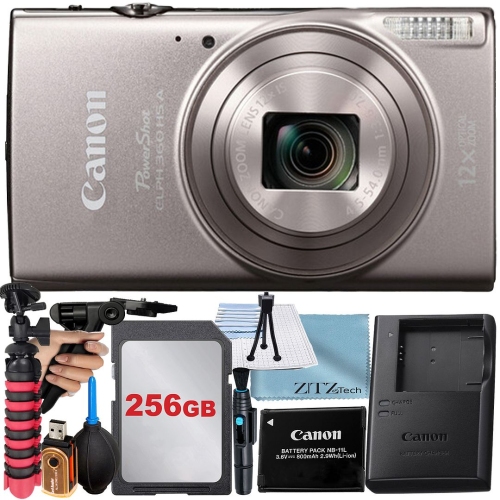
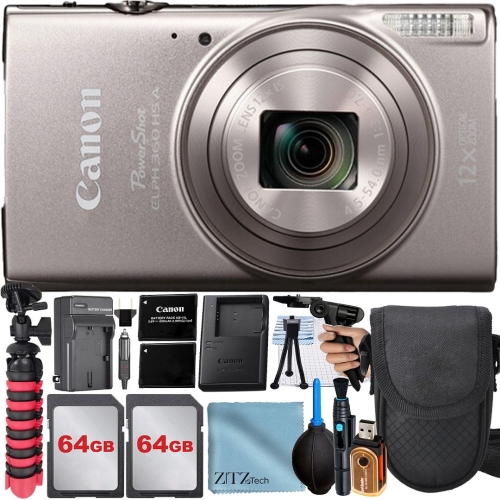
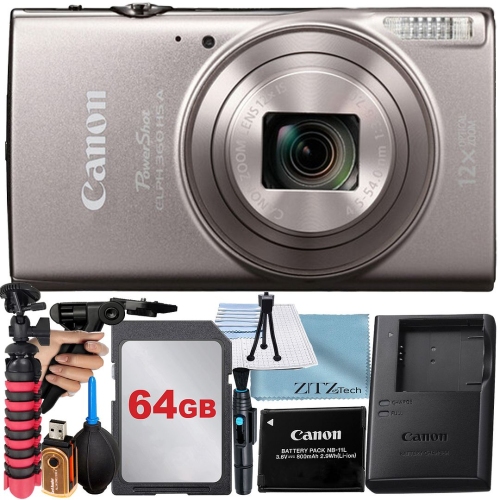
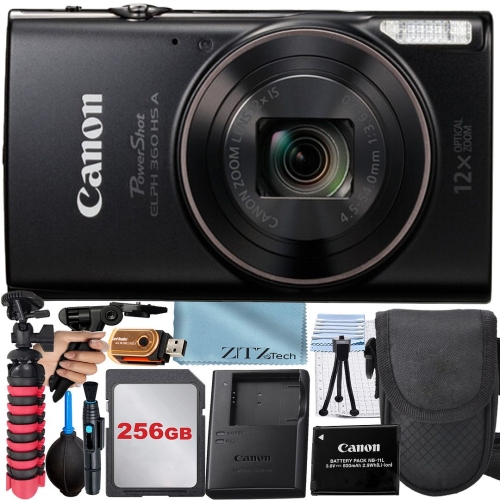
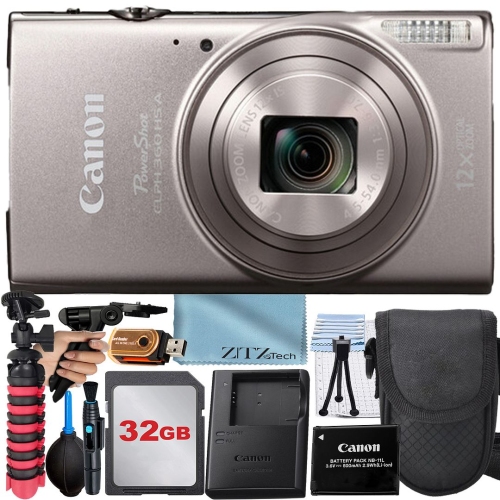
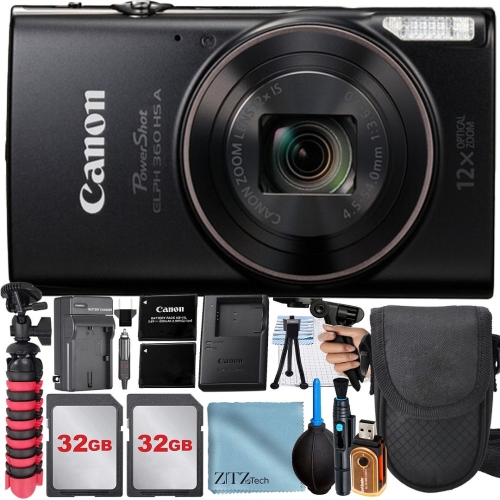
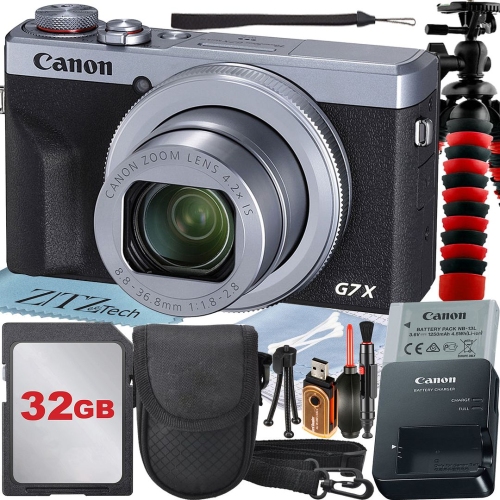
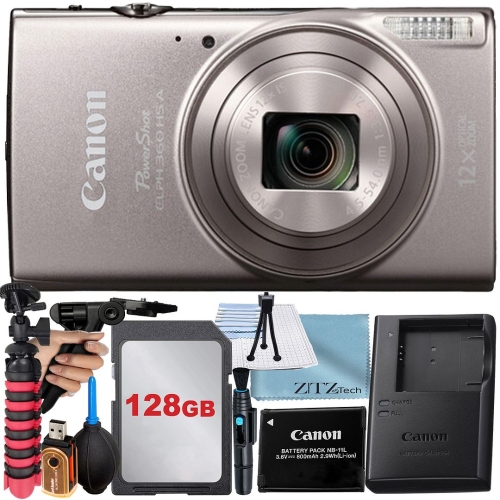
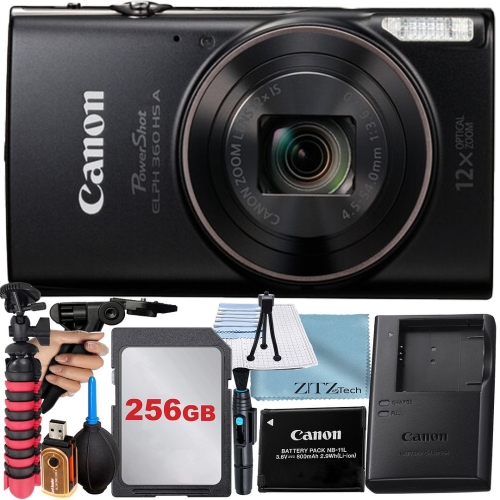
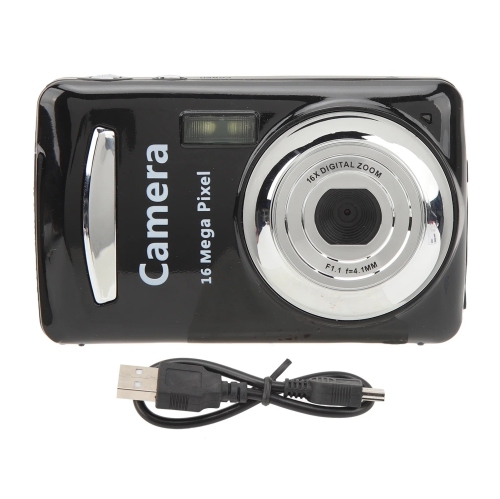
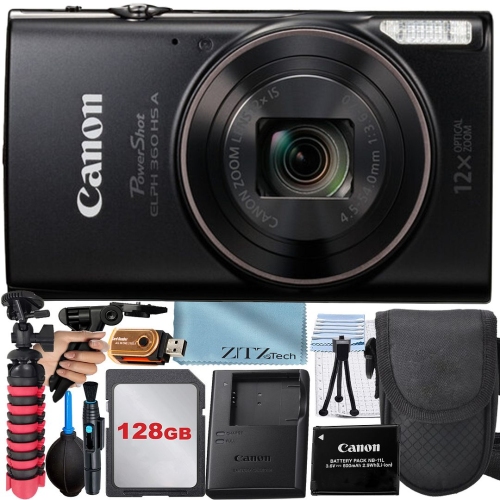
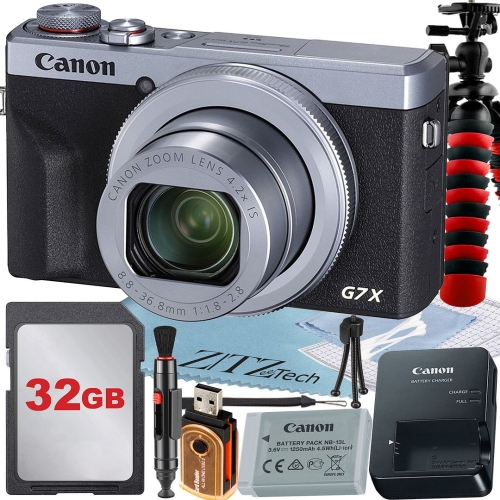
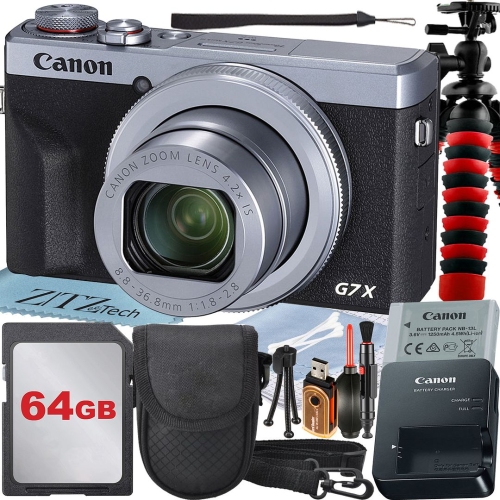
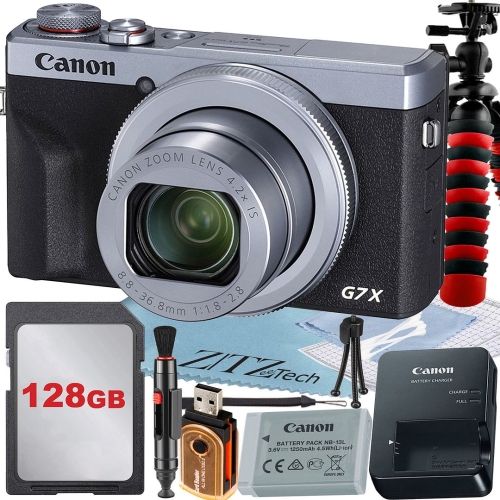
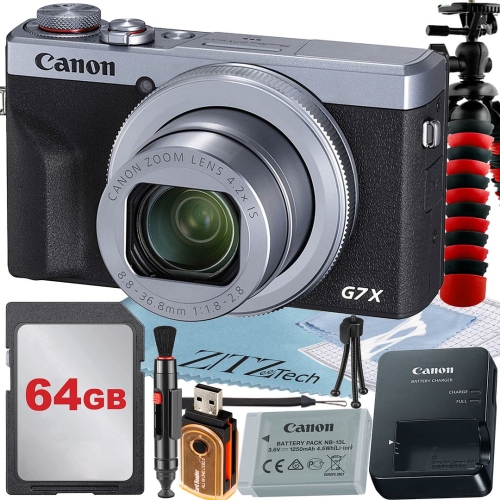
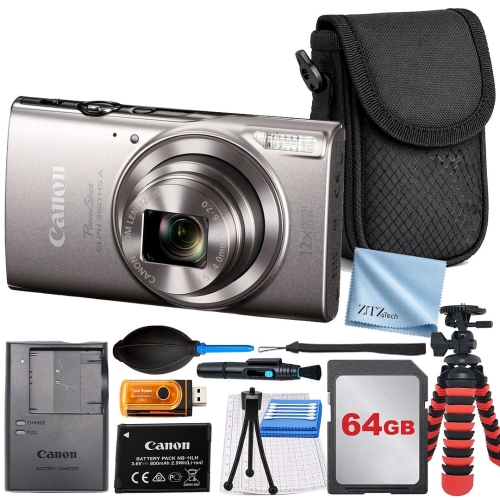
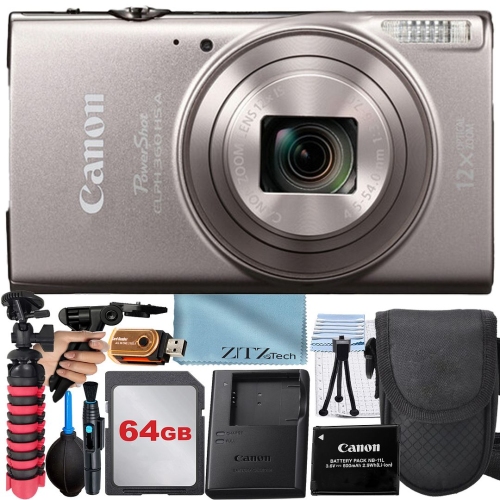
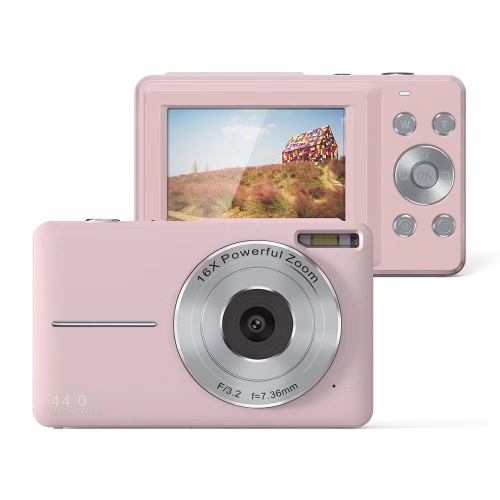
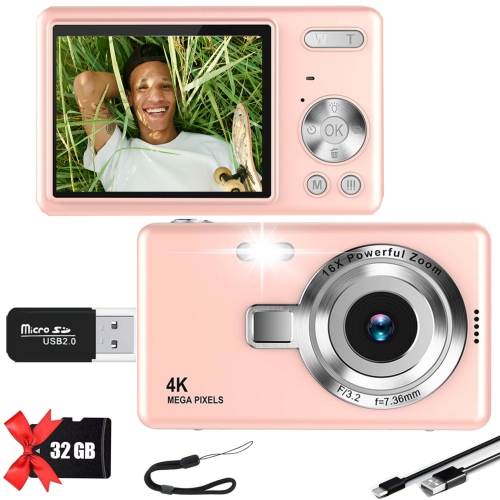
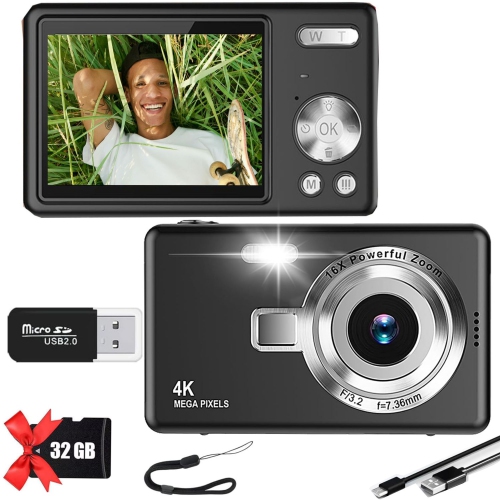
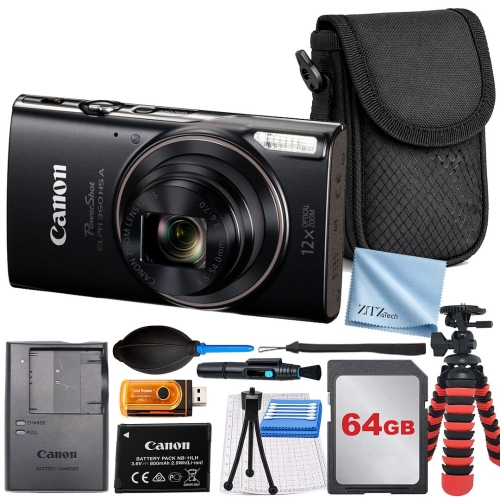
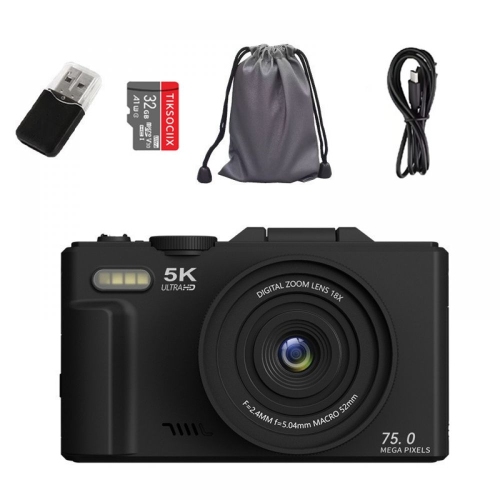
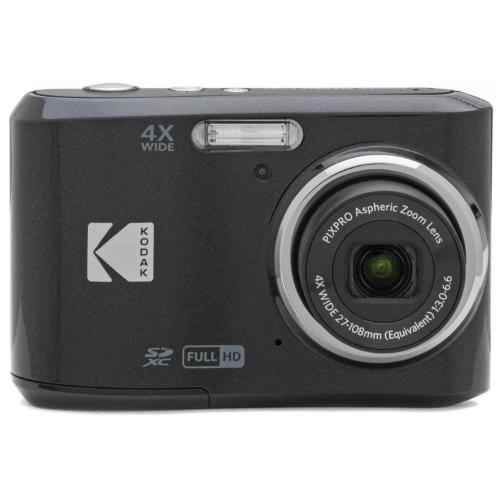

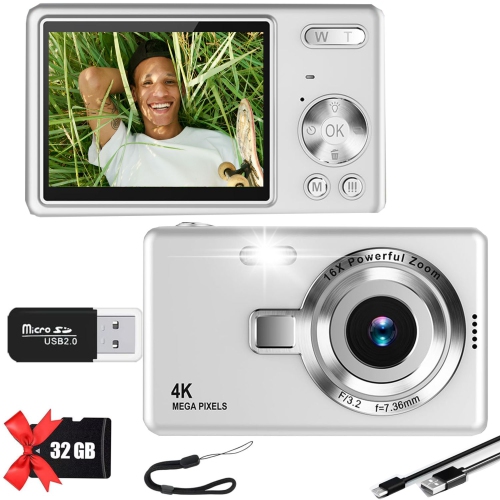
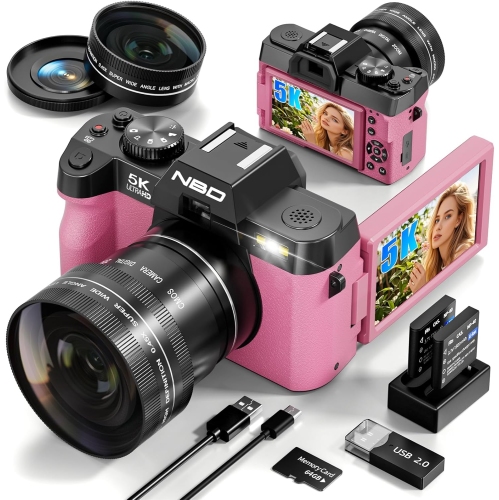
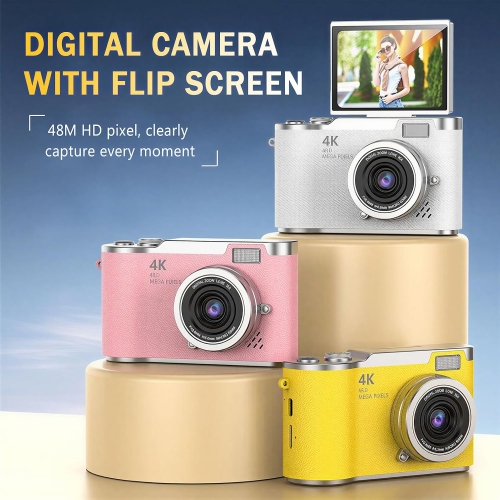
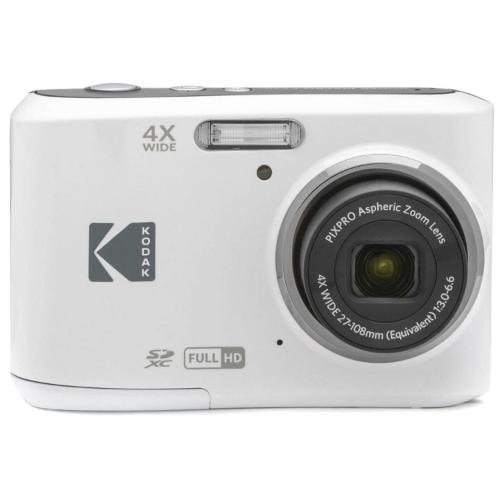
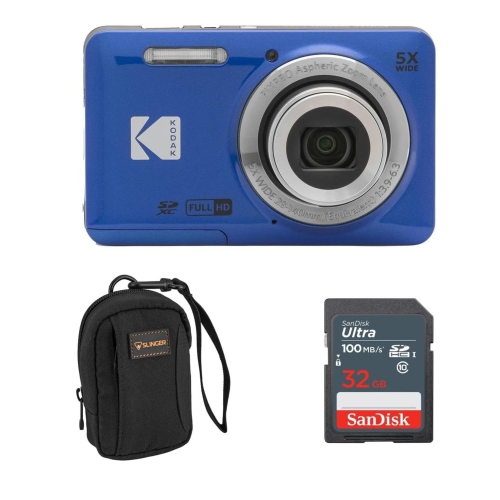
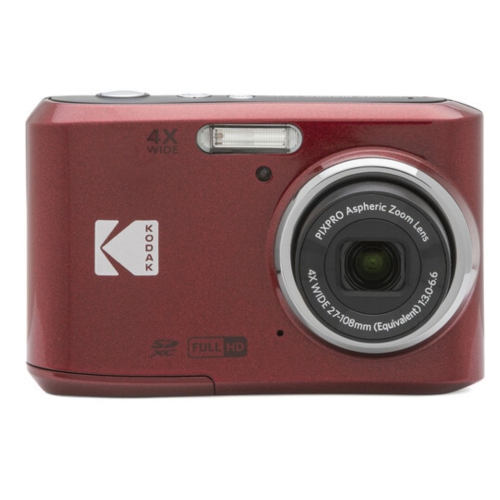
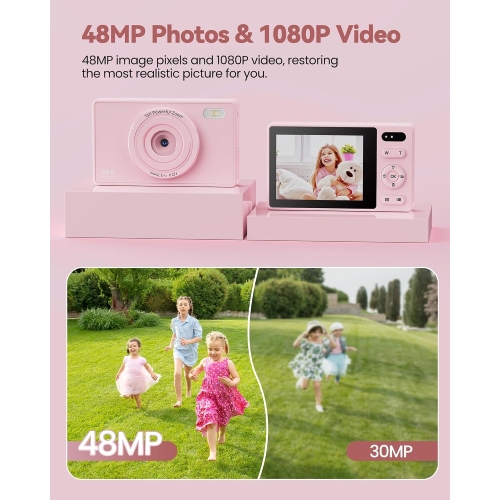
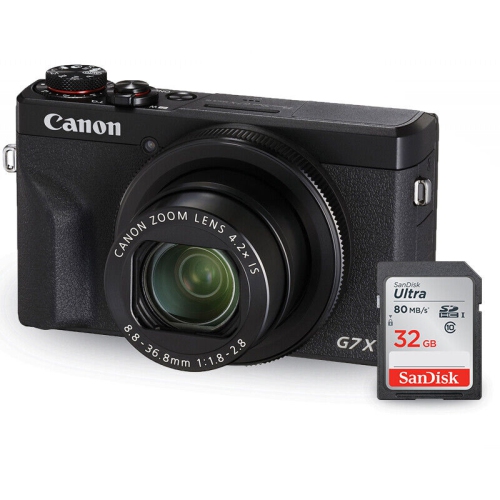
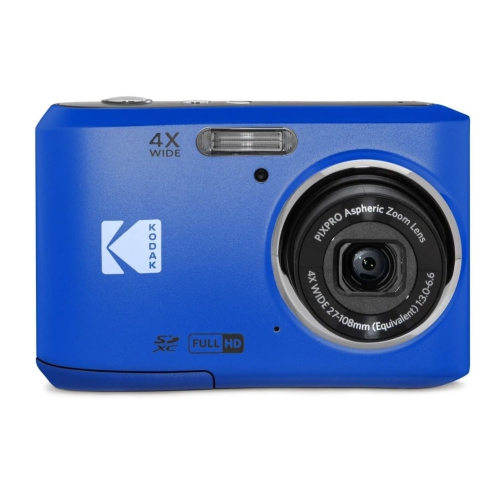
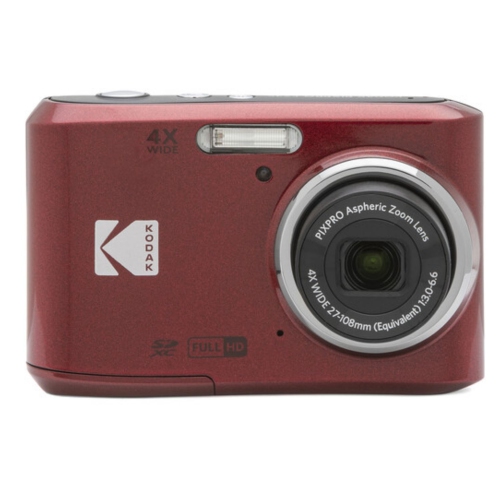
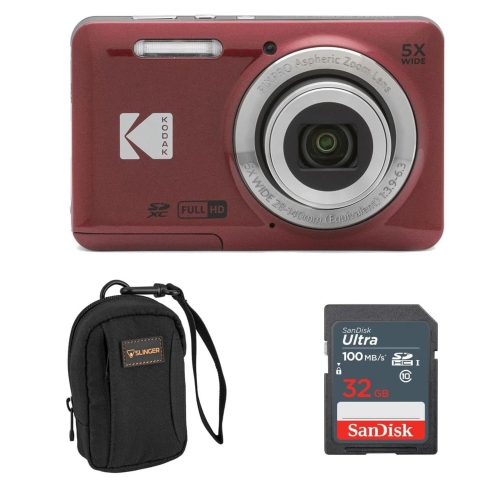
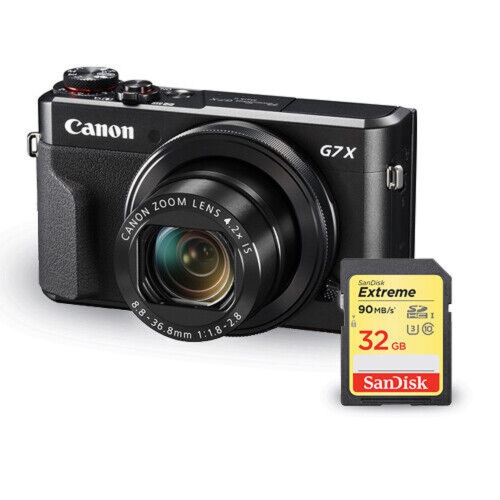
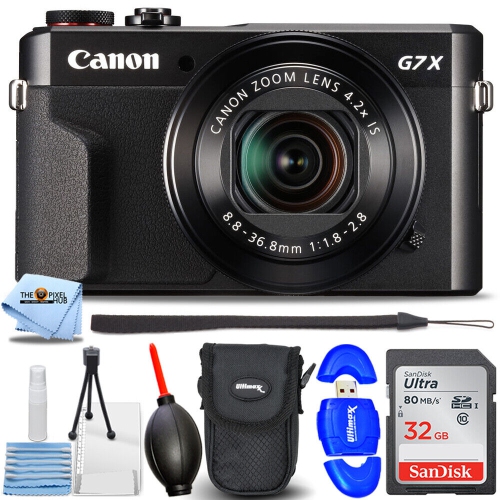
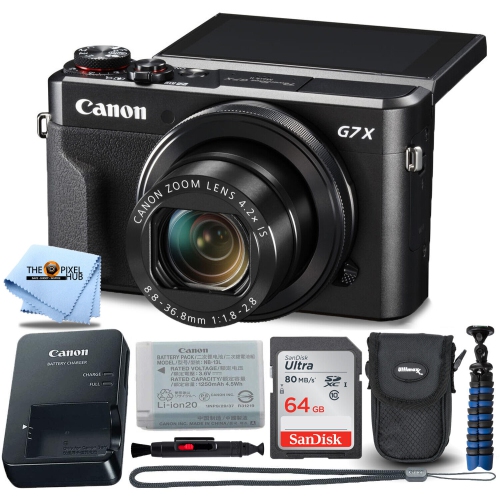
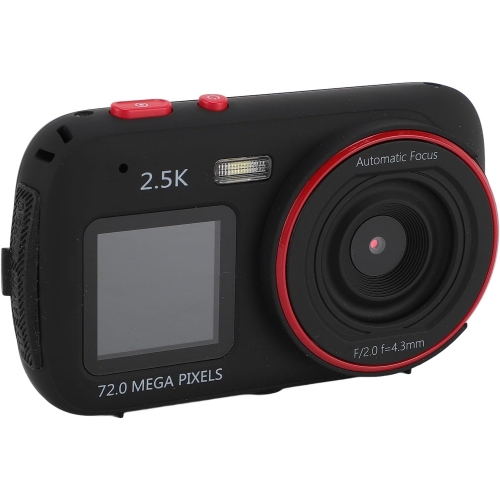

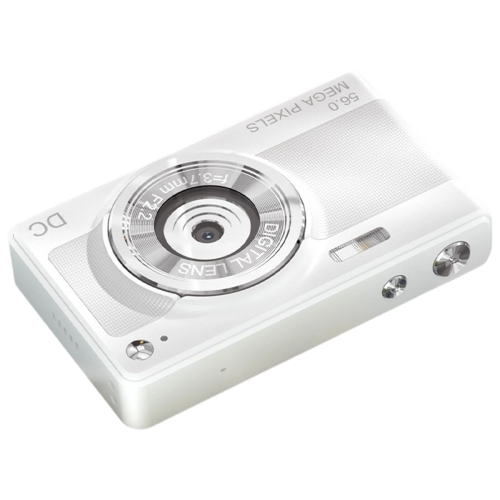
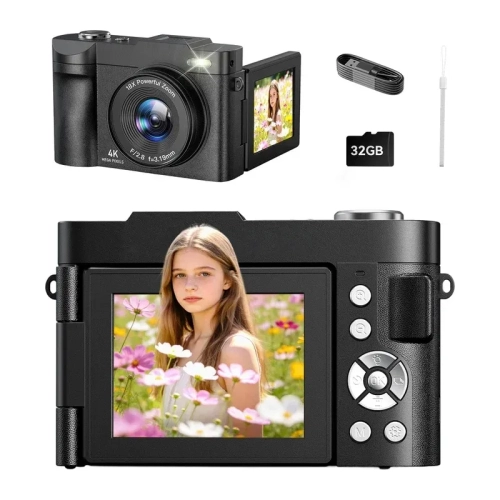
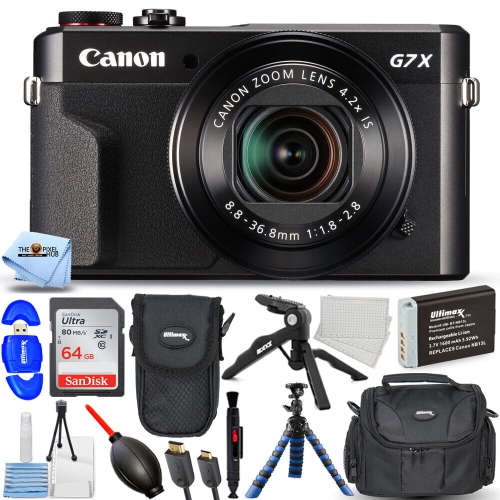
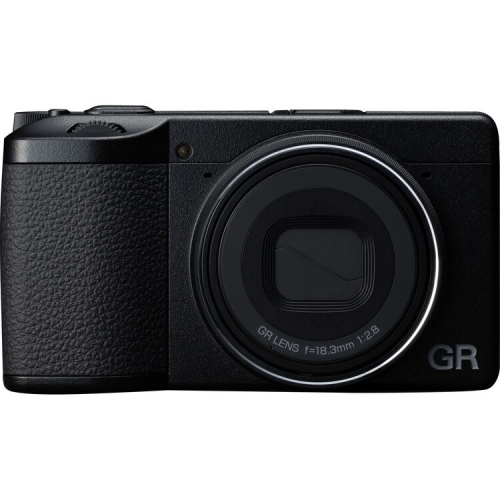
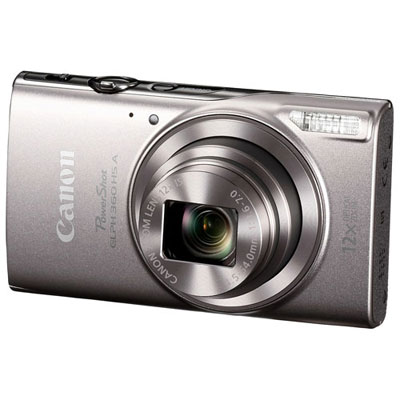

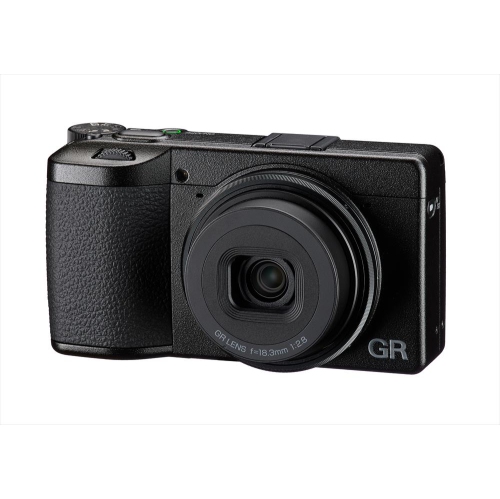
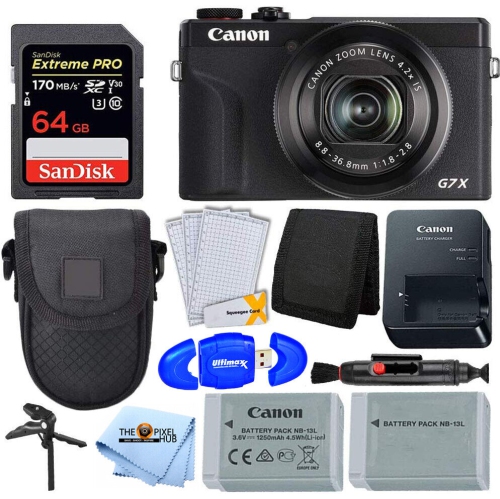
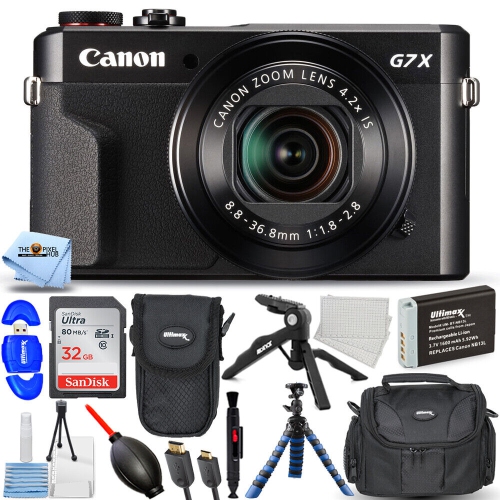
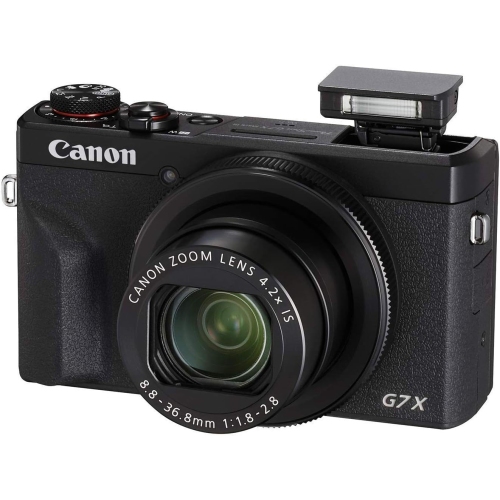
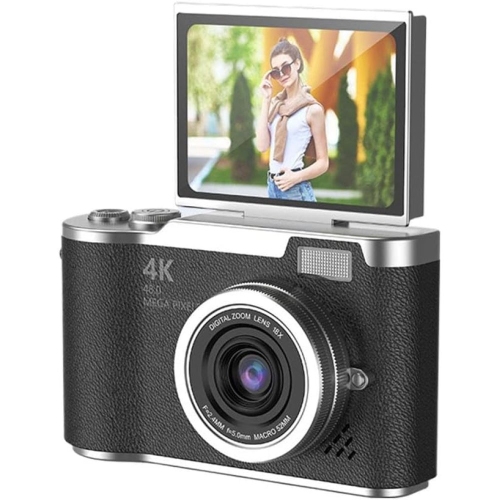
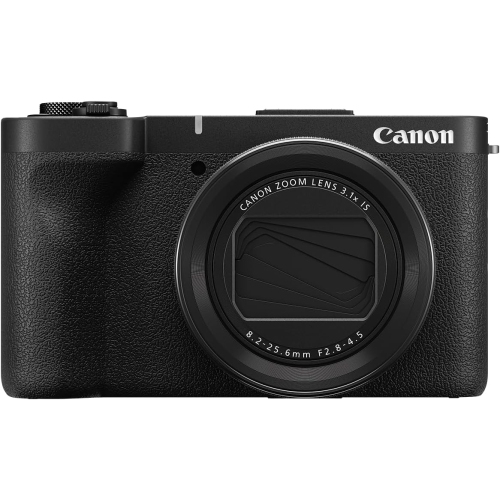
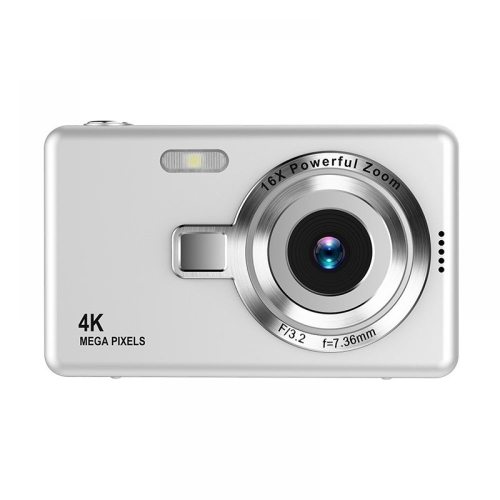
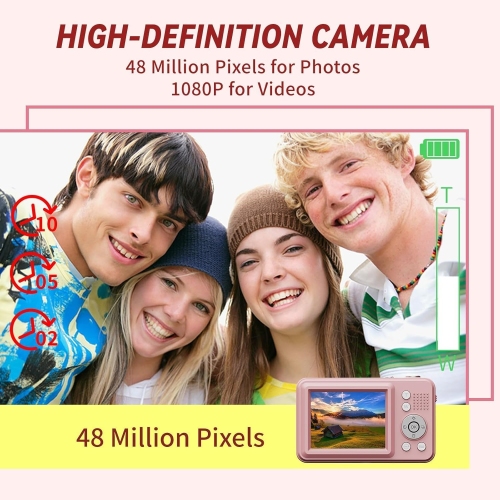
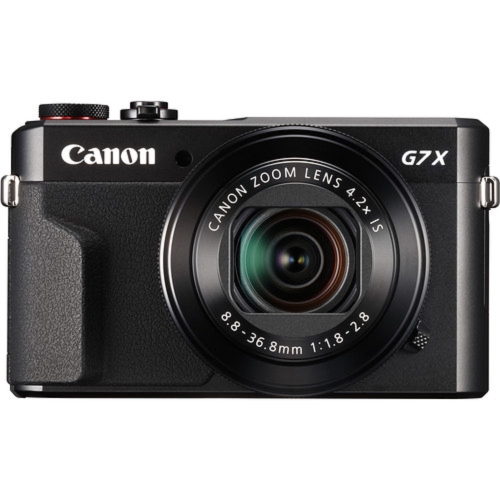
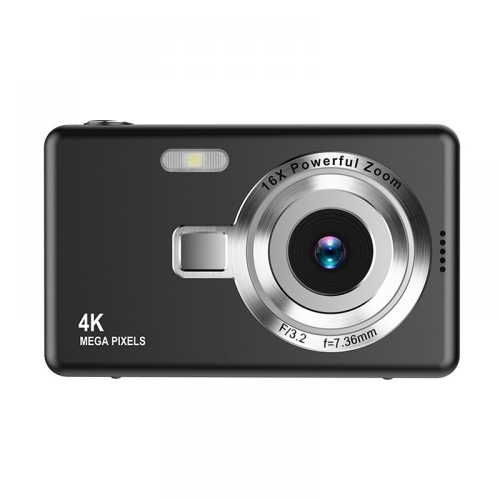
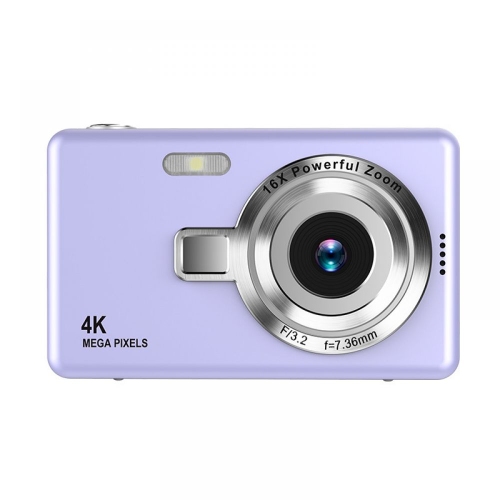
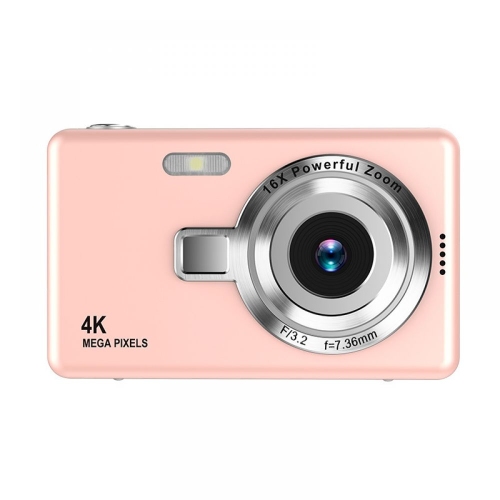
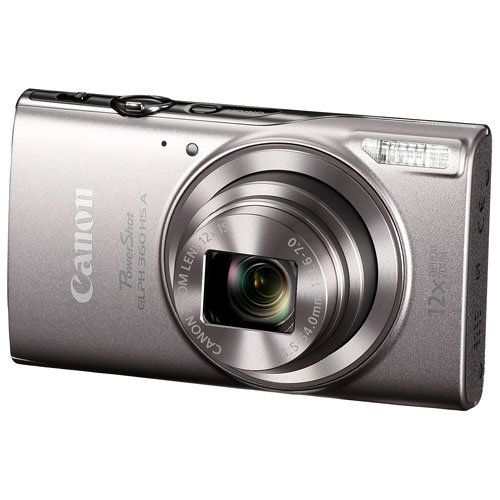
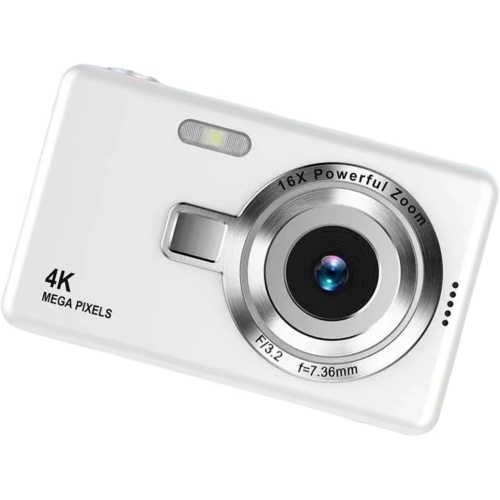
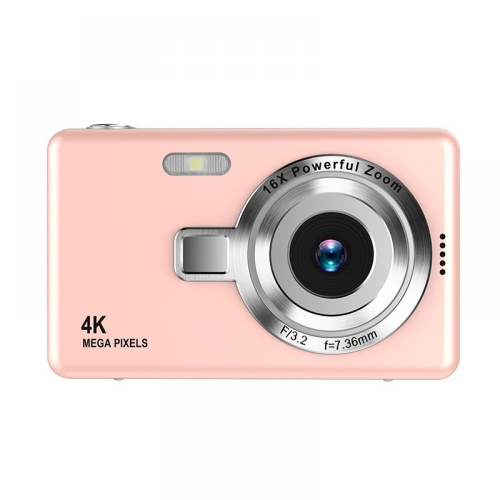
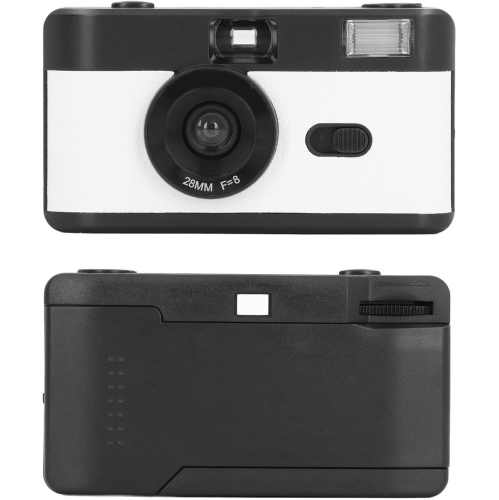
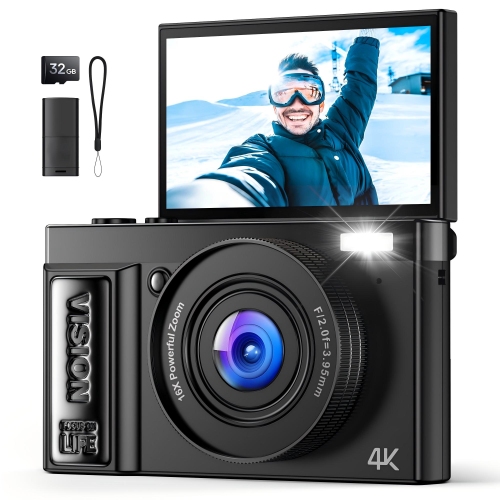
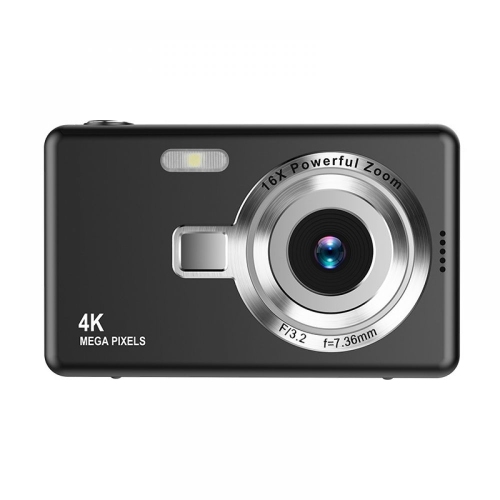
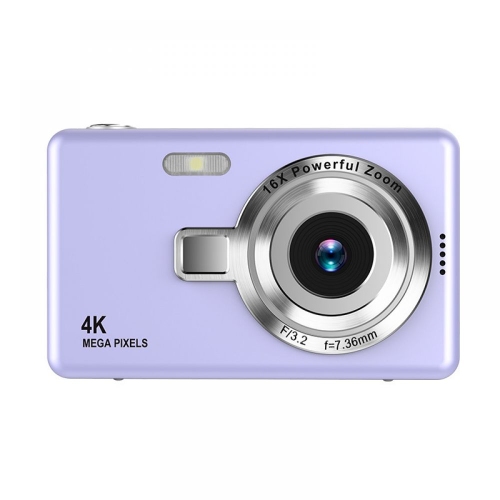
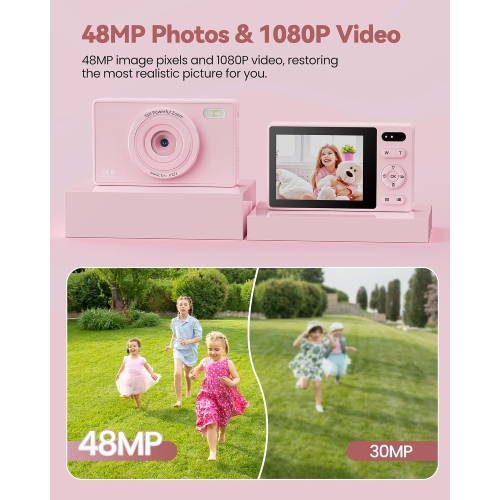
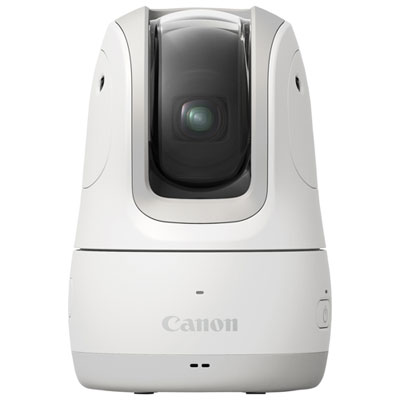
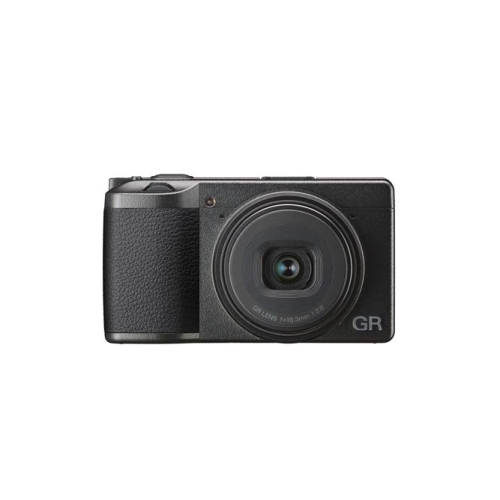
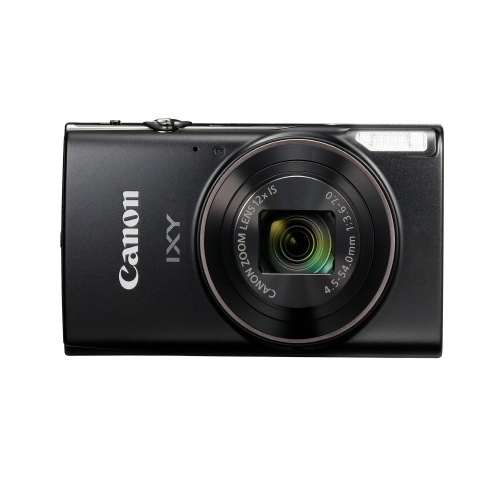
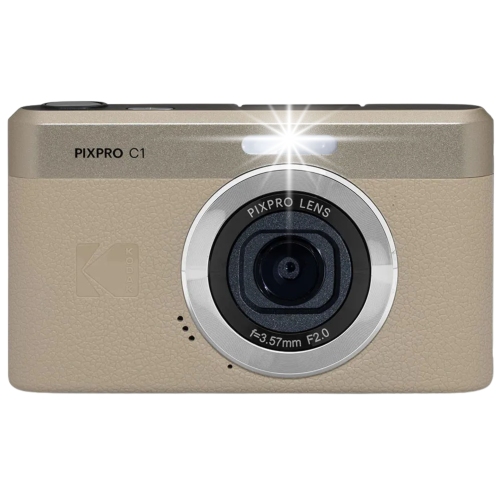
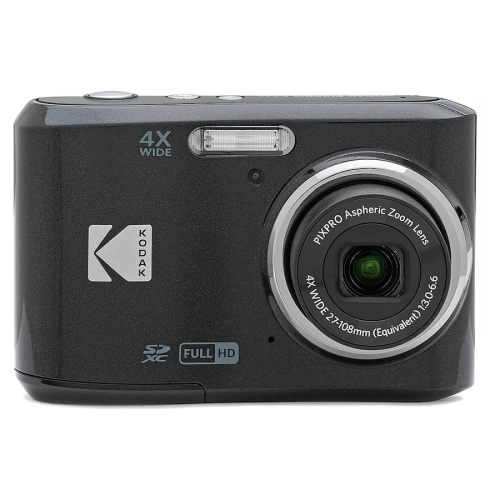
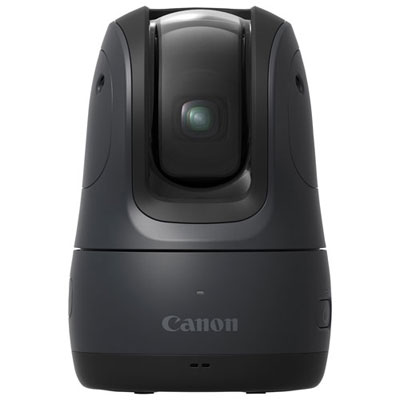
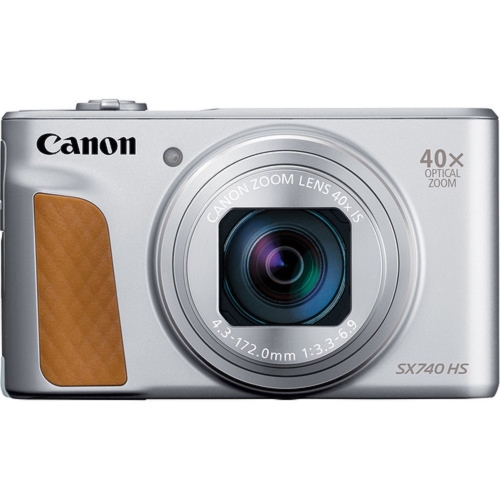
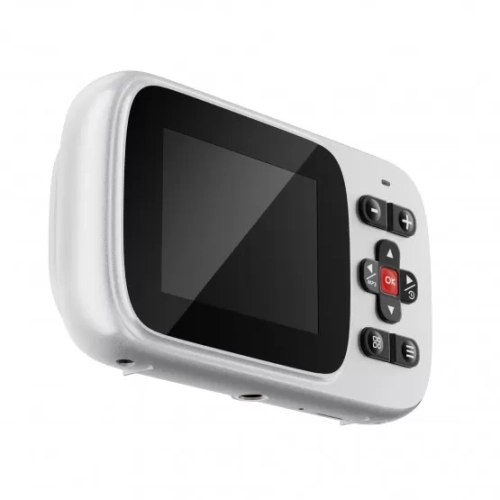
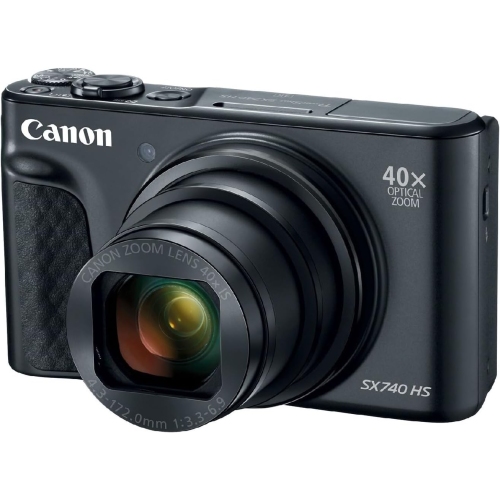
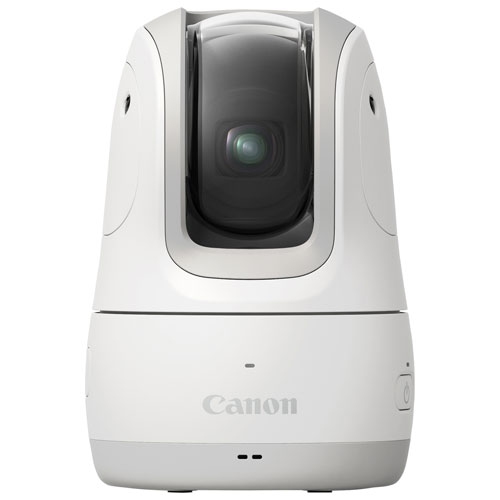
Why compact camera quality goes beyond megapixel counts
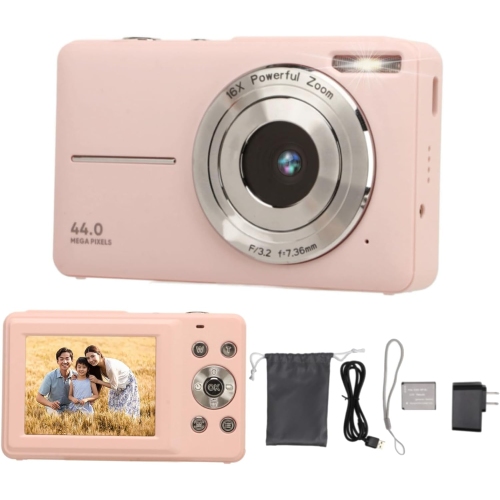
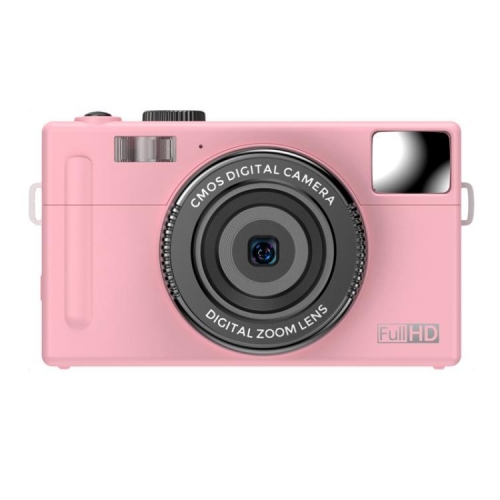
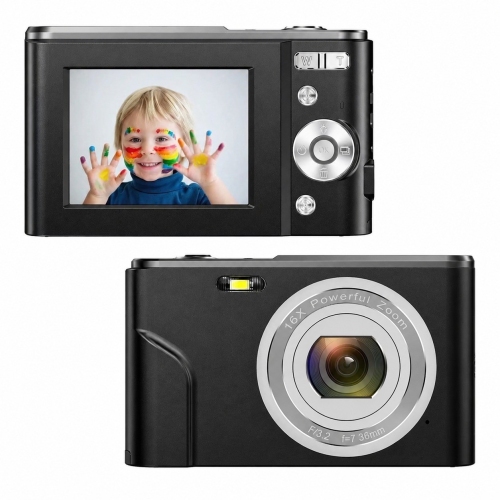
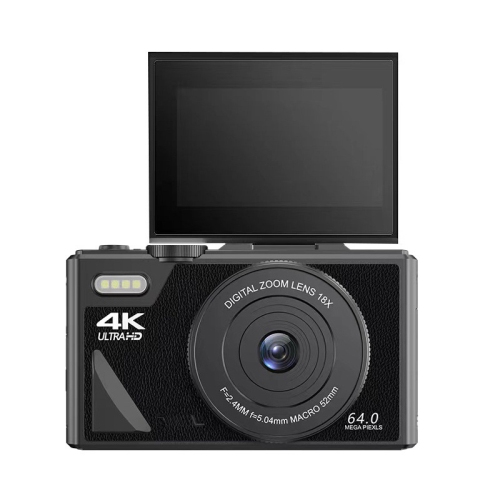
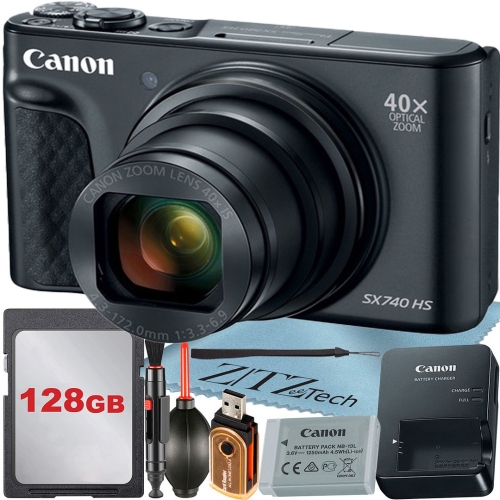
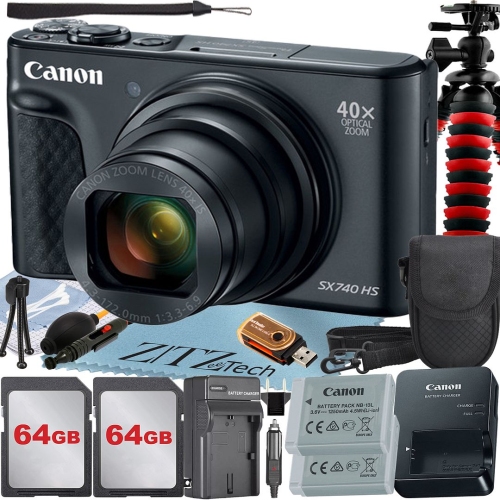
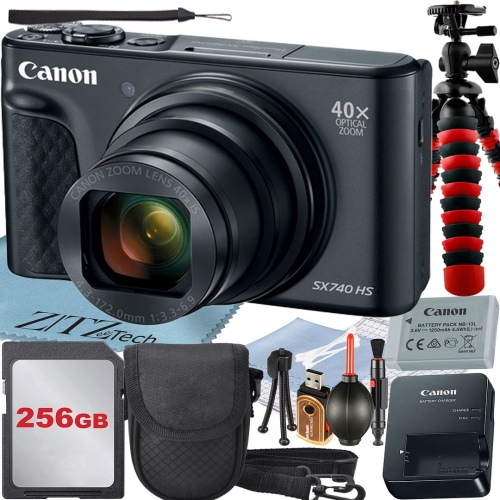
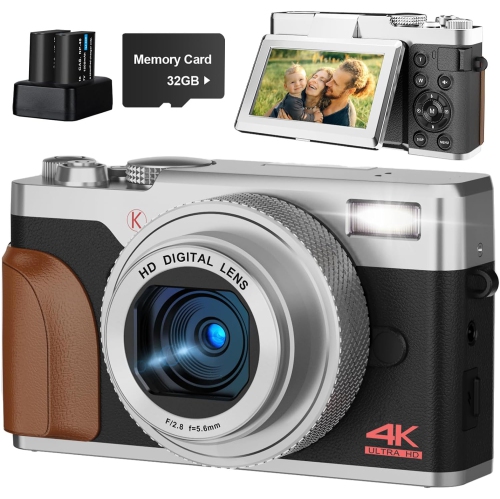
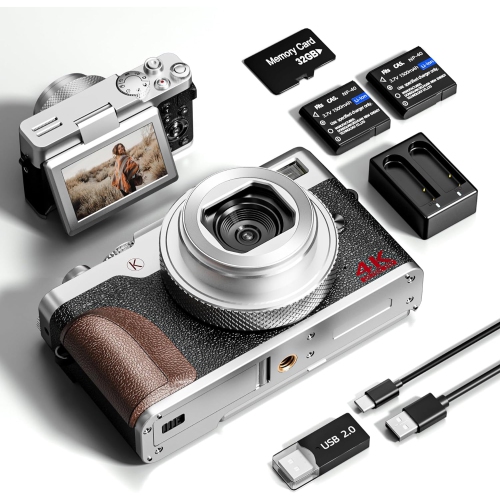
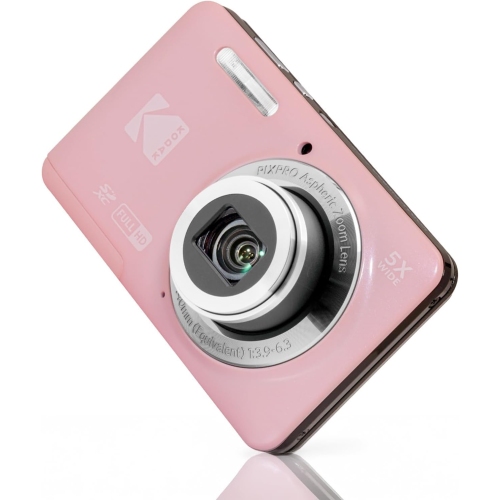
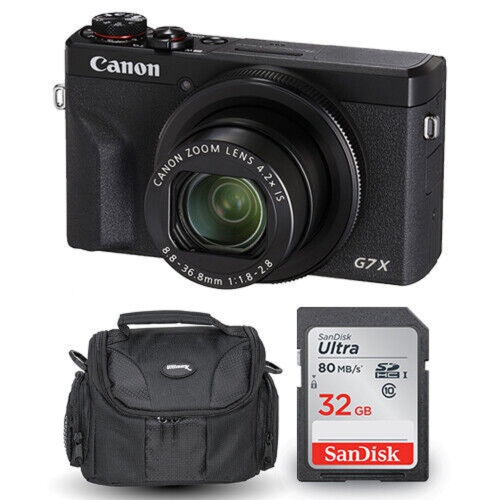
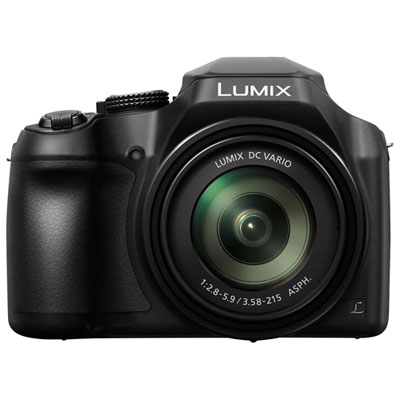
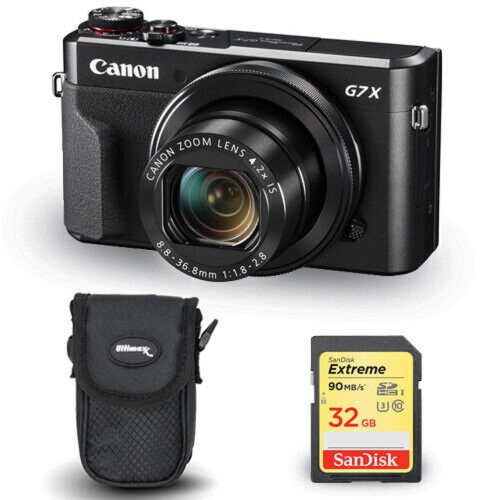
Top point-and-shoot cameras combine straightforward operation with a built-in lens, making them a practical choice for everyday photography, travel, family gatherings and creative projects. Their appeal lies in having a dedicated camera ready to capture a moment without carrying a separate collection of lenses. Automatic exposure and scene settings can handle much of the technical work, while some models also offer manual controls for photographers who want more influence over the final image. The strongest choice depends on what gets photographed most often: a small camera that slips into a jacket pocket serves a different purpose from a larger fixed-lens camera designed to bring distant subjects closer. Image quality involves more than the megapixel count printed on the specifications. Sensor size, lens quality, autofocus accuracy and image processing all contribute to detail, colour and clarity. A larger sensor can help retain subtle textures and produce cleaner images in dim indoor light, although lens aperture and exposure settings also affect the result. A bright lens can be useful for photographing a birthday cake by candlelight or a quiet scene inside a museum where flash is not permitted. Optical zoom changes the framing through the lens itself, whereas digital zoom typically crops or enlarges the image and may reduce fine detail. The wide end of a lens is useful for architecture, group portraits and interiors; a longer telephoto reach helps frame a performer on a stage or a bird perched across a garden. Equivalent focal length is a useful way to compare coverage between cameras with different sensor sizes. A high zoom ratio alone does not reveal how wide the lens starts or how much distant detail it can capture. For many photographers, a useful lens range, dependable focusing and comfortable handling matter more than having the highest number in any single specification. These qualities make a camera easier to enjoy on an ordinary afternoon as well as on a memorable trip.
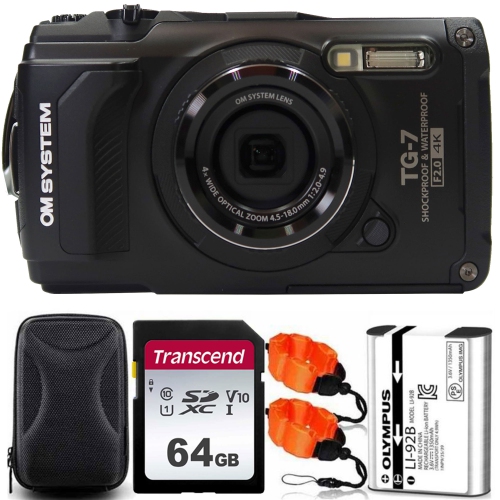
How a point-and-shoot camera fits the hand can be just as important as how it fits a pocket. A defined grip, accessible shutter button and secure wrist strap can make one-handed shooting feel steadier, while clearly spaced controls help prevent accidental setting changes. Body dimensions tell only part of the story: a protruding lens, extended zoom barrel or attached strap can affect how easily a camera slides into a small bag. Some compact bodies use lightweight moulded materials, while others incorporate metal panels; neither construction alone guarantees protection from knocks or moisture. Cameras designed for more demanding use may carry specific water, dust or impact ratings, and those ratings need to match the intended activity. A protective-looking exterior is not a substitute for a stated rating. Screen visibility also shapes the experience. A tilting display can make it easier to photograph a pet at floor level or frame a shot above a crowd, while an electronic viewfinder offers an alternative when reflections make the rear display difficult to see. For children running through a park or a dog chasing a toy, responsive autofocus and subject tracking can matter more than elaborate menus. Continuous shooting helps capture a sequence of expressions or movements, but burst speed, focus behaviour and the time needed to save images all affect how useful that feature feels in practice. Optical image stabilization can reduce blur from small hand movements, particularly at longer focal lengths, though it cannot freeze a moving subject on its own. Video brings another set of considerations. Resolution is only part of the picture; reliable autofocus, effective stabilization, sound quality and manageable recording limits contribute to a more usable clip. A forward-facing screen may suit someone recording personal updates, while a microphone input offers added flexibility where supported. Wireless transfer can simplify sharing, and Wi-Fi features should be checked for compatibility with the phone and app involved. Battery life, charging options and memory card requirements round out the practical details that influence everyday use.
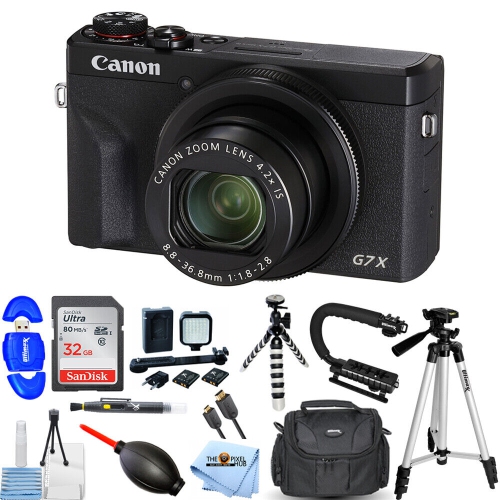
A dedicated compact camera can suit a wide range of people, from a beginner learning composition to an experienced photographer looking for a smaller companion to a larger camera kit. For someone who enjoys photographing food, crafts or collections, close-focusing ability and accurate colour may be especially valuable. A traveller documenting buildings, street scenes and shared meals may prefer a versatile lens and a body that remains comfortable to carry for several hours. Parents and pet owners often benefit from quick start-up, reliable face detection and controls that do not interrupt an unfolding moment. As a gift, a point-and-shoot camera feels more personal when its size, handling and features match the recipient’s interests. Simple menus can support a first-time photographer, while accessible exposure controls and RAW capture, where offered, leave room for experimentation and more detailed editing. Shoppers exploring Best Point And Shoot Cameras can keep those everyday uses at the centre of their comparison rather than treating every extra feature as essential. Looking after a compact camera is generally straightforward, but a few habits help protect the lens mechanism and exterior. A fitted case limits contact with keys and other objects in a bag, and a wrist strap provides extra security when shooting over a railing or beside water. Loose grit should be removed with an appropriate blower before a clean lens cloth is used, since rubbing particles across glass can scratch its surface or coating. Retractable lens barrels should remain free of obstruction, and a camera should be switched off before being tucked away. Any cleaning or care around seals needs to follow the manufacturer’s directions, especially for water-rated bodies. Keeping a battery charged, using a compatible memory card and backing up photographs regularly helps ensure that the camera is ready for the next outing and that meaningful images remain accessible. The result is a dedicated tool that can become familiar through use, whether it captures carefully arranged portraits or the small, unplanned moments that make a day worth remembering.
Top selling and popular products
-
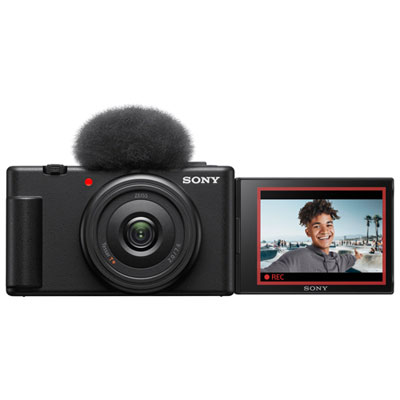 Your price for this item is $599.99
-
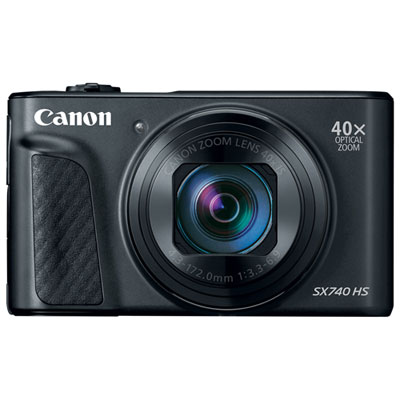 Your price for this item is $799.99
-
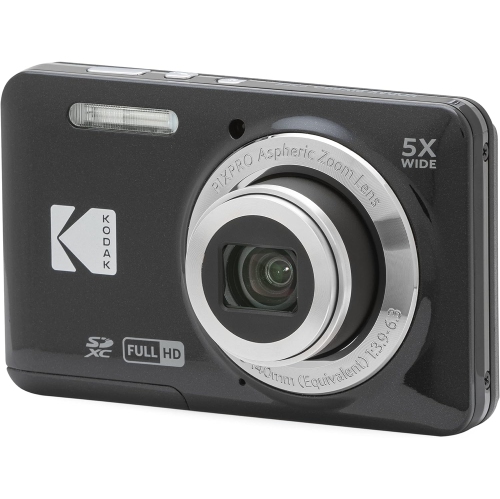 Your price for this item is $255
-
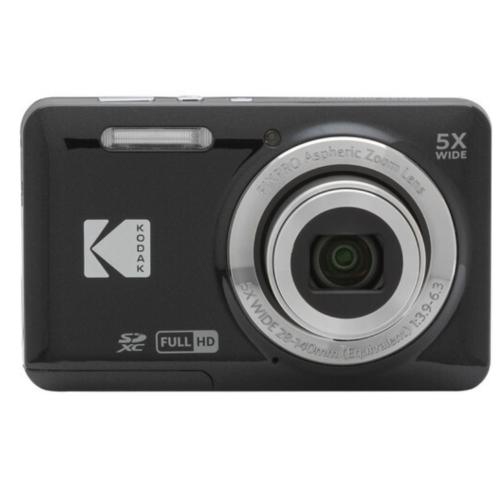 Your price for this item is $253
-
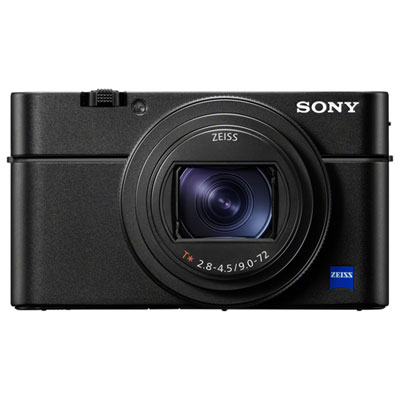 Your price for this item is $1799.99
-
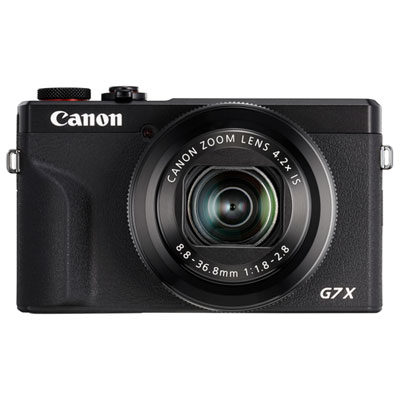 Your price for this item is $1999.99
-
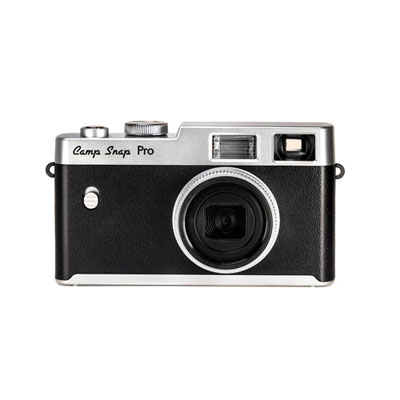 Your price for this item is $149.99
-
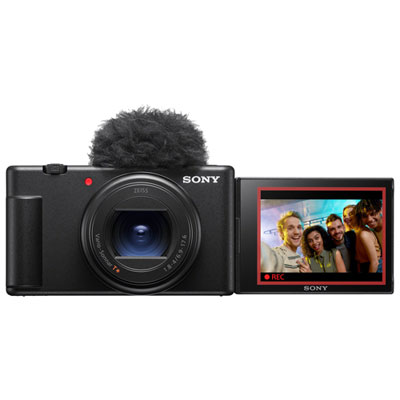 Your price for this item is $1099.99
Discover more categories related to Top Point and Shoot Cameras
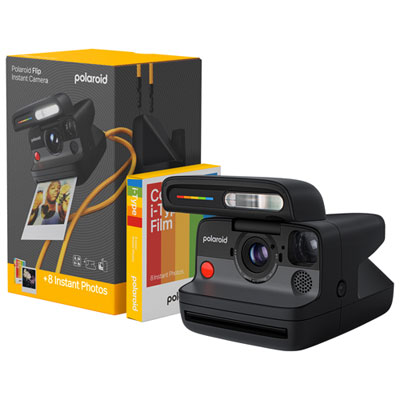
Top Collections:
Best Black Friday Deals This Year, Best Black Friday Deals On Electronics, Kindle Devices, Pokemon Centers, Best Black Friday Deals On Apple Products, Best Cameras for Sports Photography, Dyson Airwrap, Pokémon 30th Celebration Cards, Apple iPhone 17 Pro, Canon G7X Cameras
Some products may be subject to Environmental Handling Fees
(EHF) depending on your province.
Learn more about EHFs.