Drones for Filmmaking
Looking to take your filmmaking to new heights? Look no further than our selection of drones specifically designed for the art of cinematography. Whether you're a professional filmmaker or an aspiring enthusiast, these powerful aerial tools will elevate your storytelling and capture breathtaking footage from unique perspectives. With advanced features, impressive camera capabilities, and intuitive controls, our range of drones for filmmaking is sure to inspire your creativity and unlock endless possibilities for your next project. Explore our collection and discover the perfect drone to bring your cinematic vision to life.
Sort
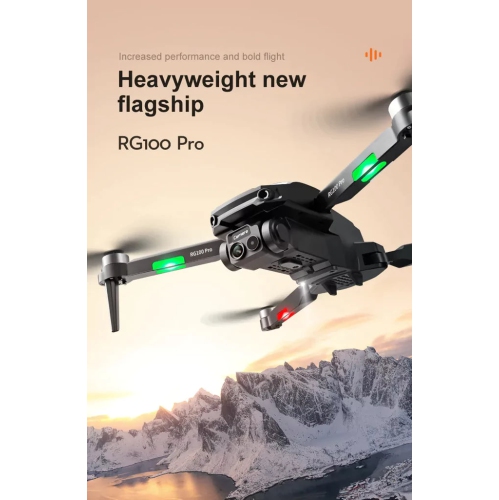
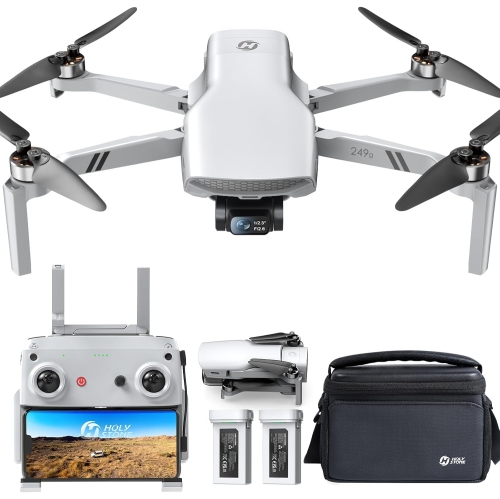
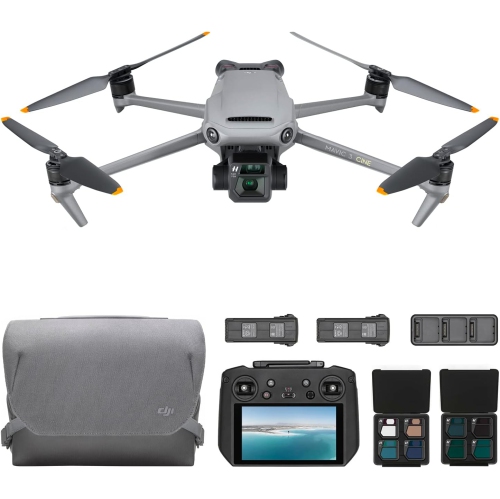
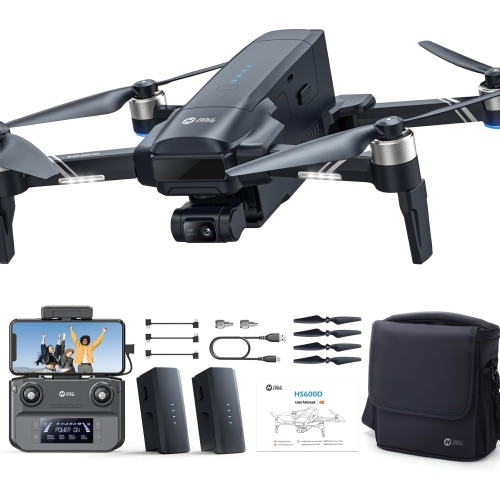
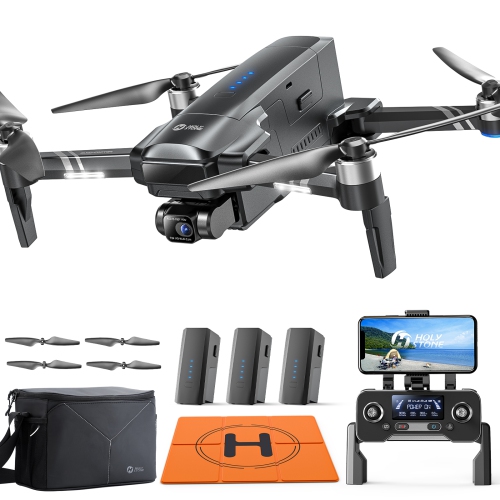
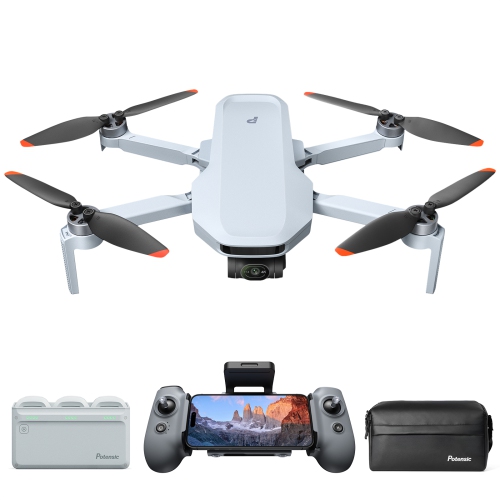
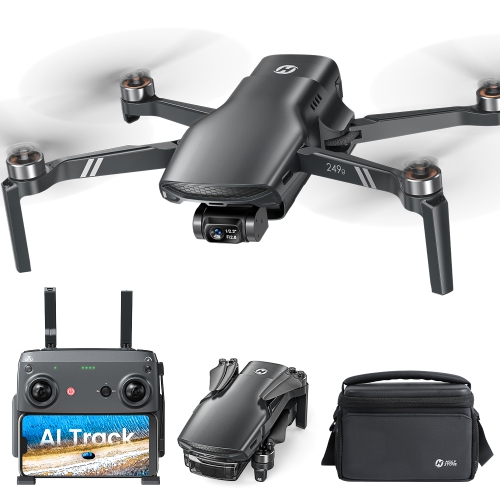
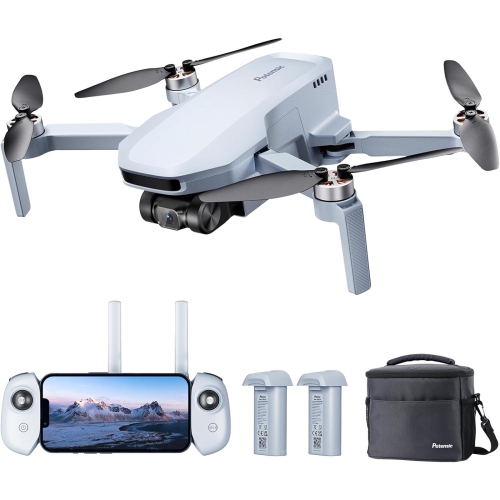
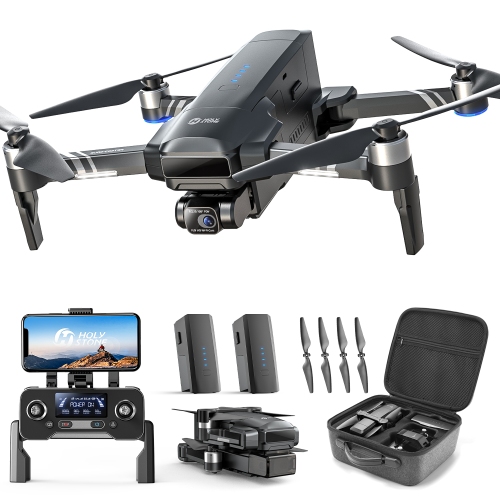
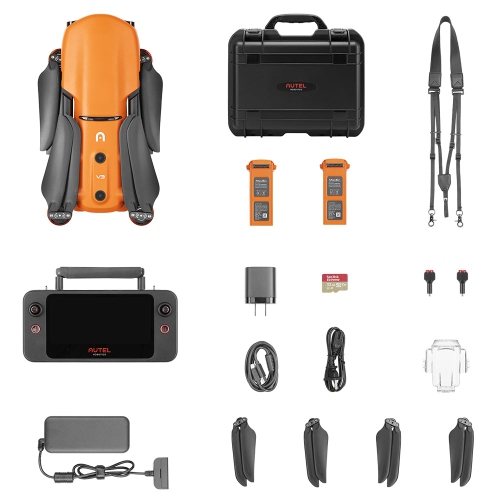

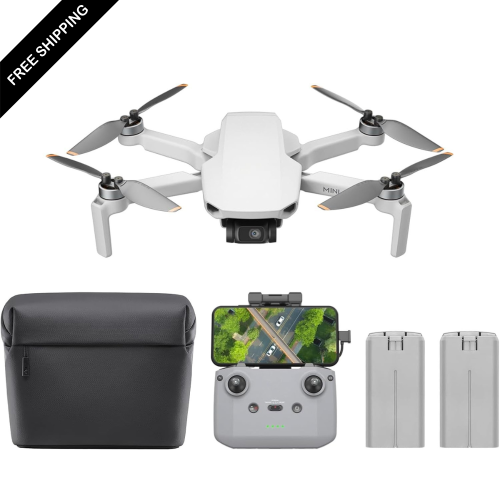
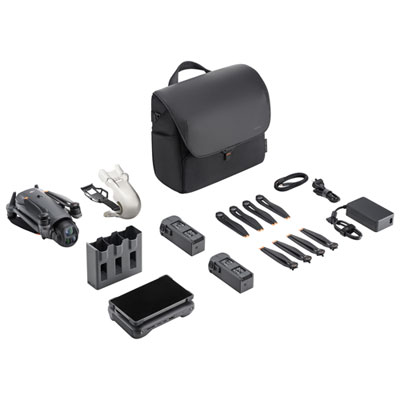

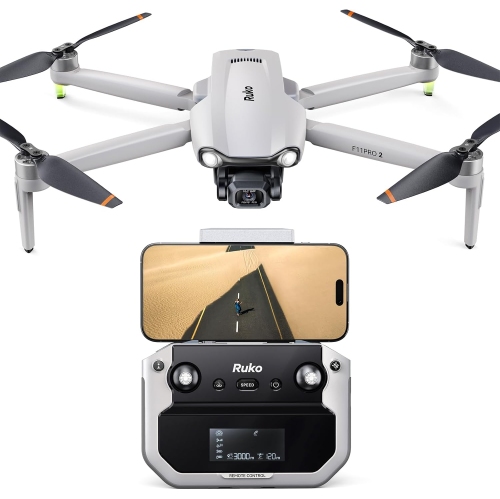
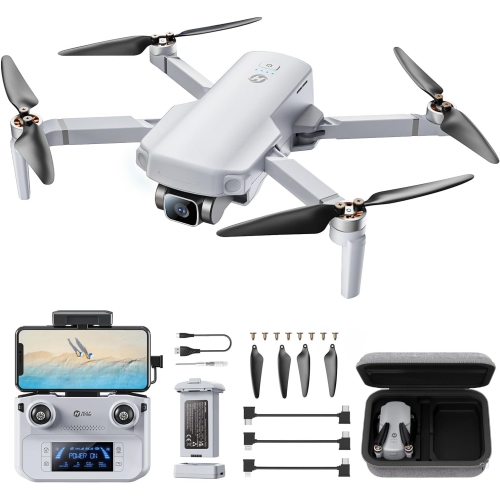
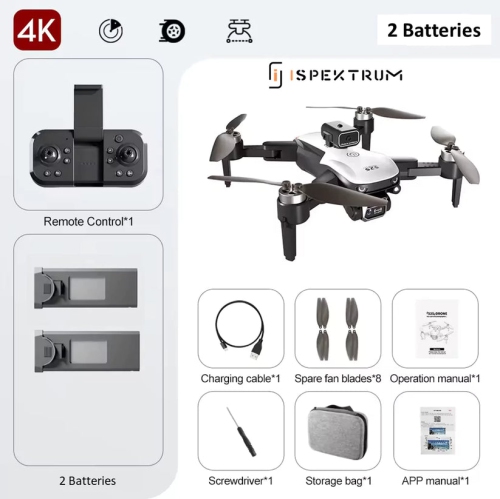
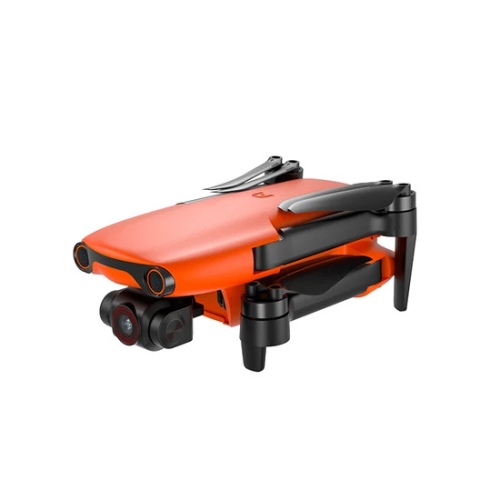
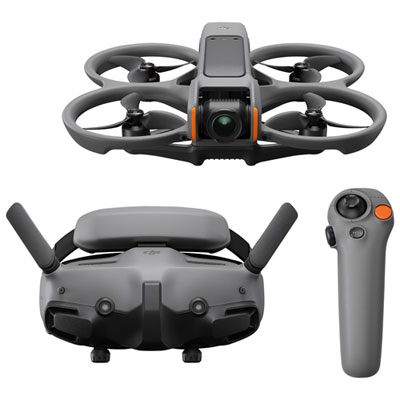
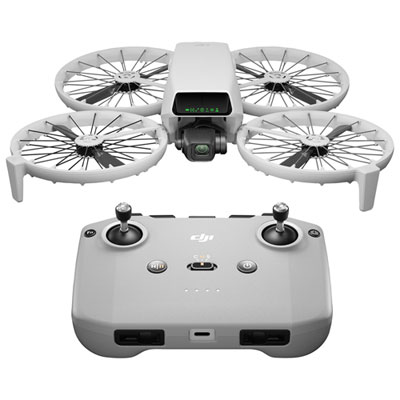
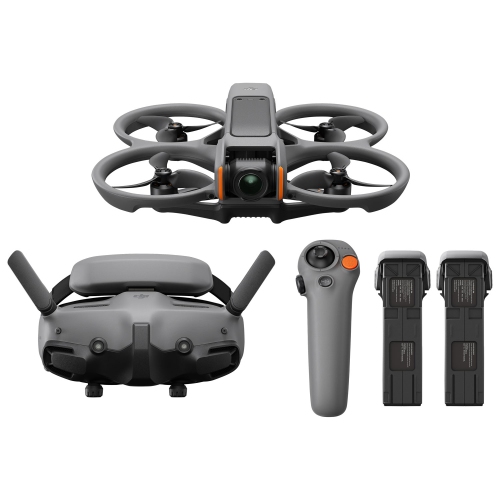
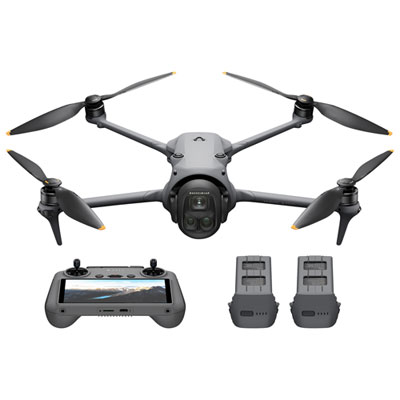
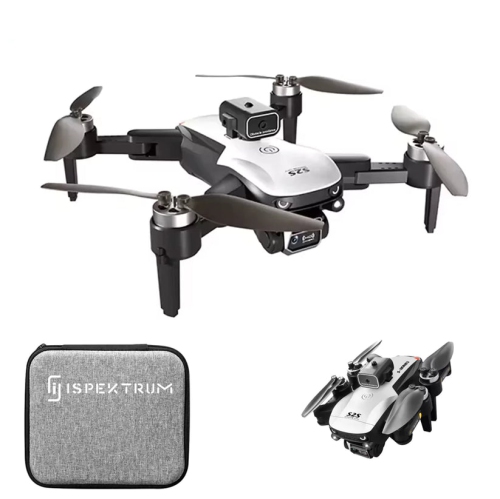
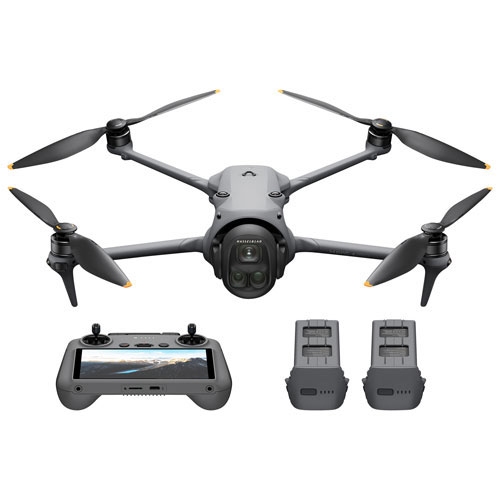

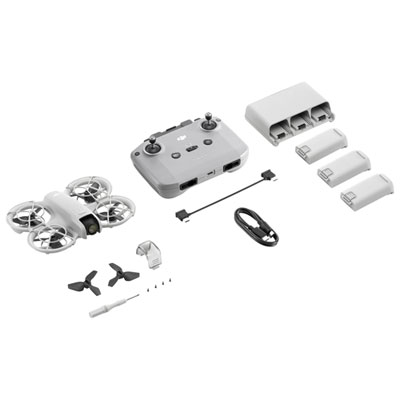
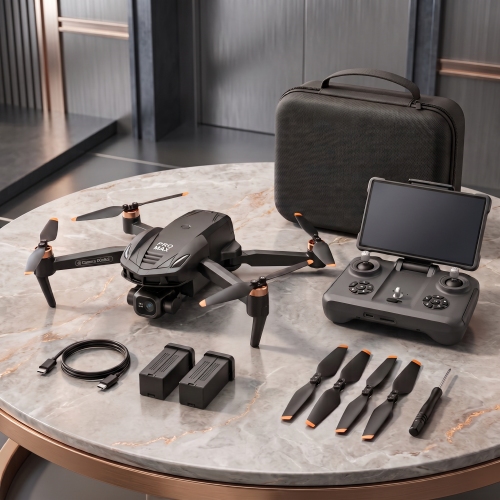
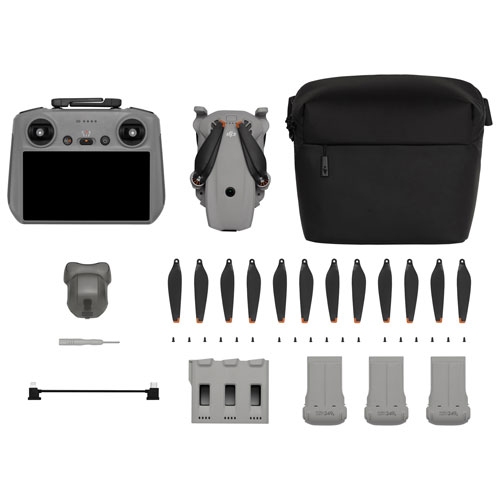
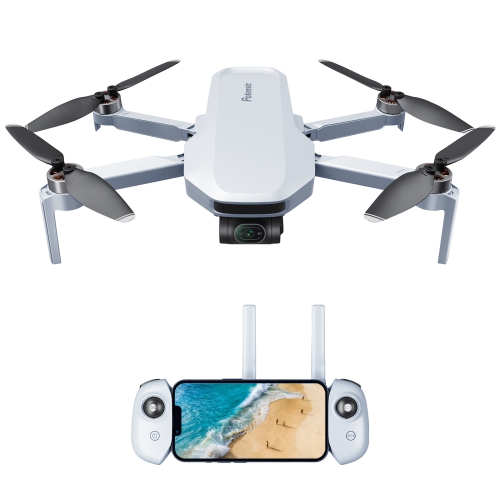
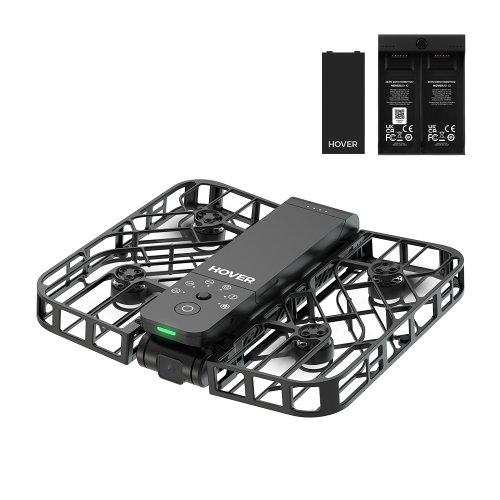
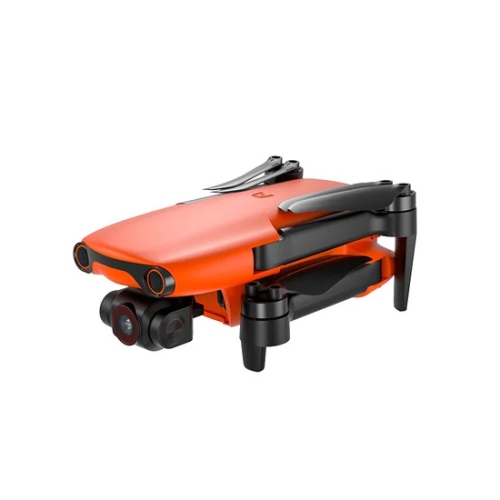
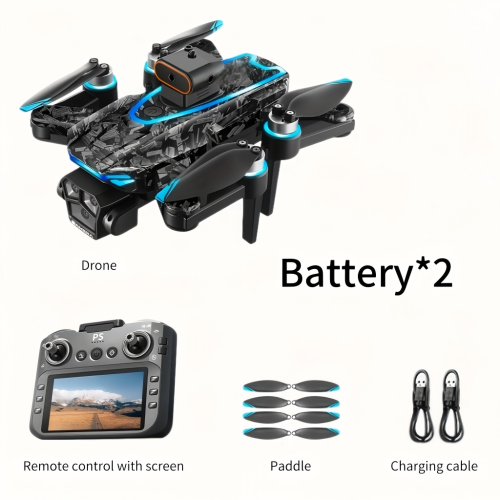
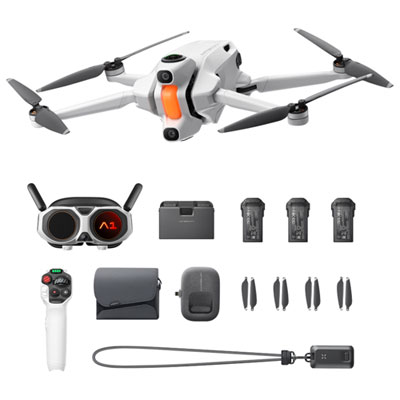
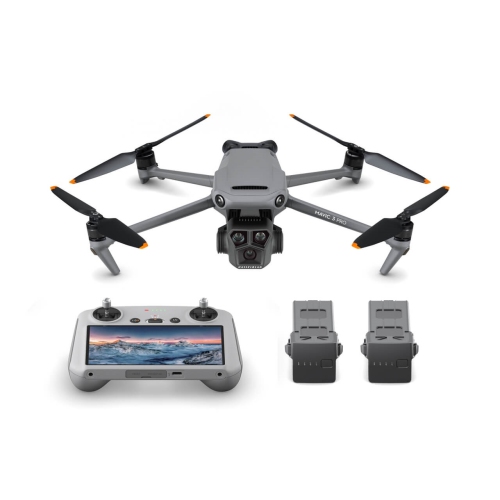
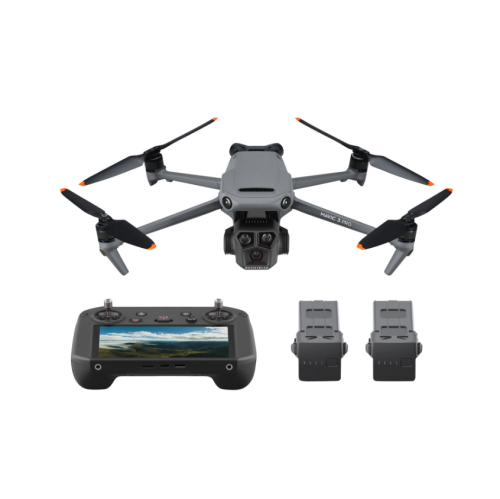
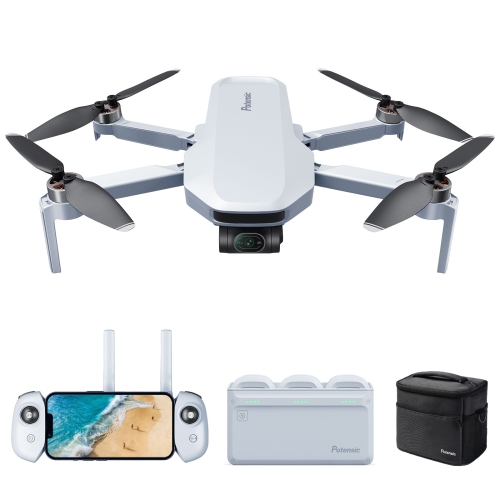
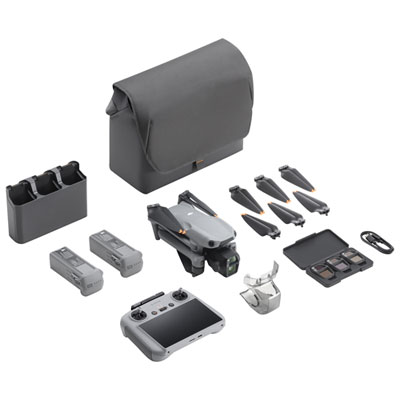

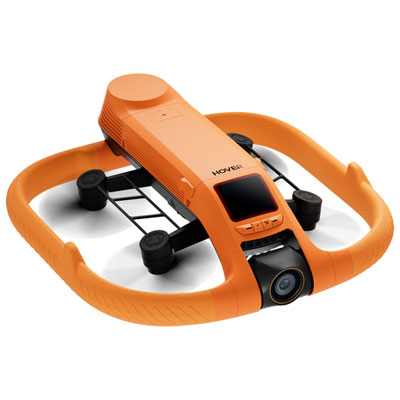
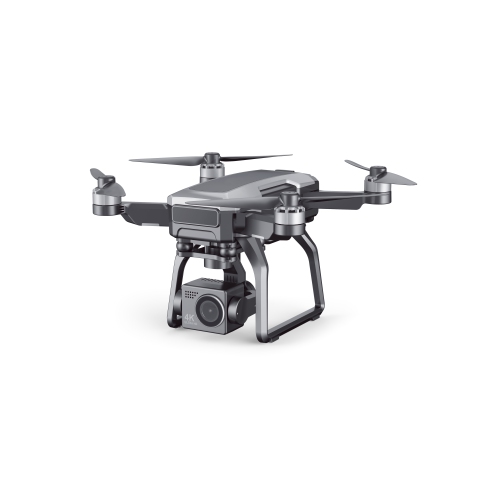
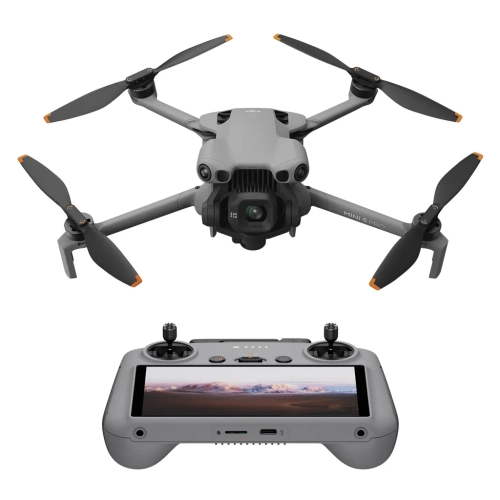
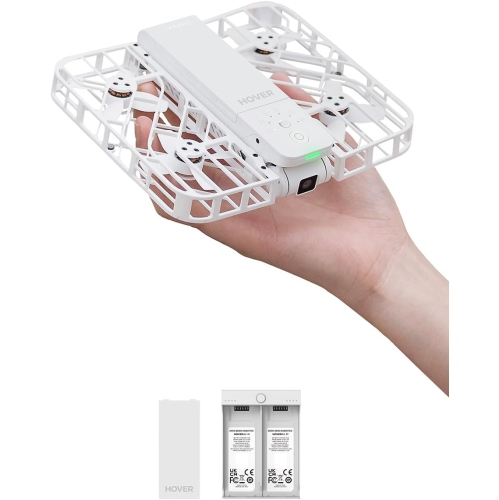
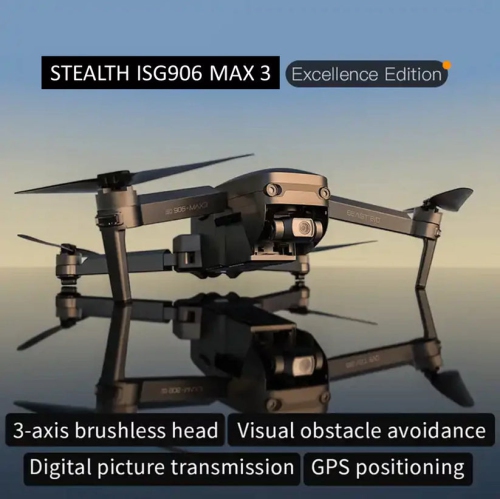
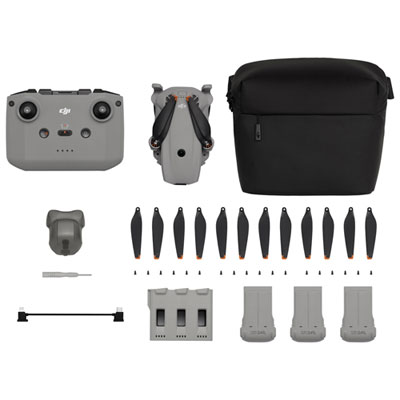
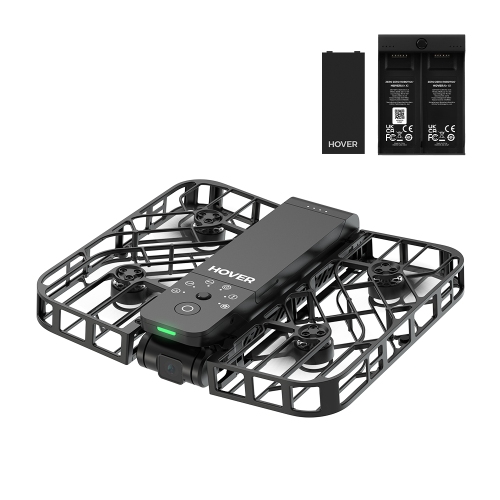
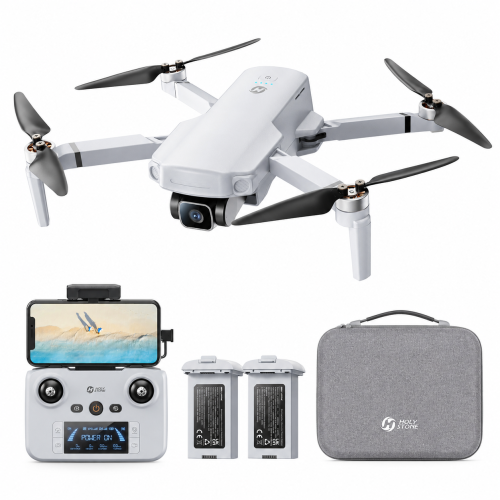
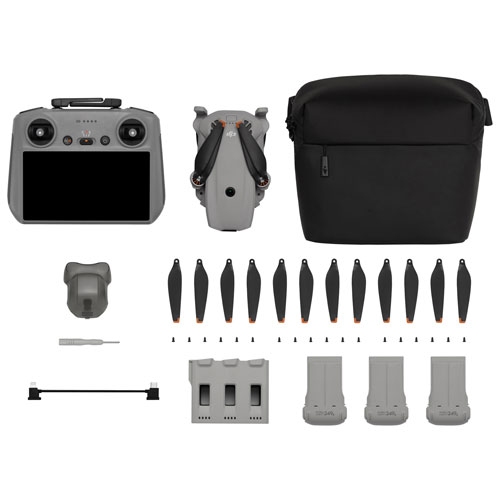
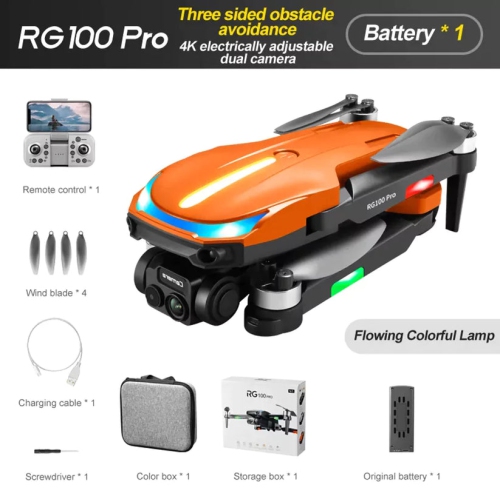
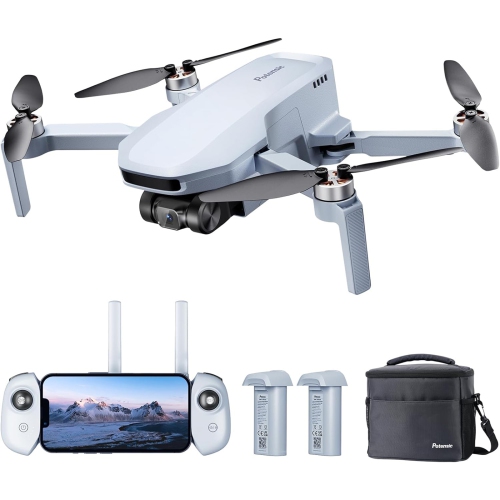
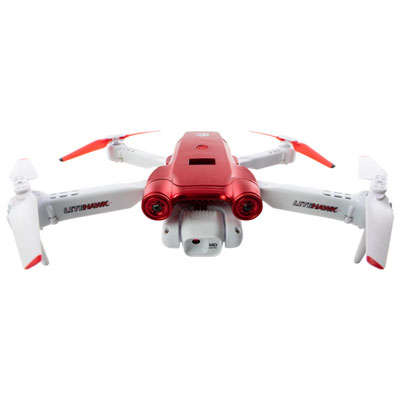
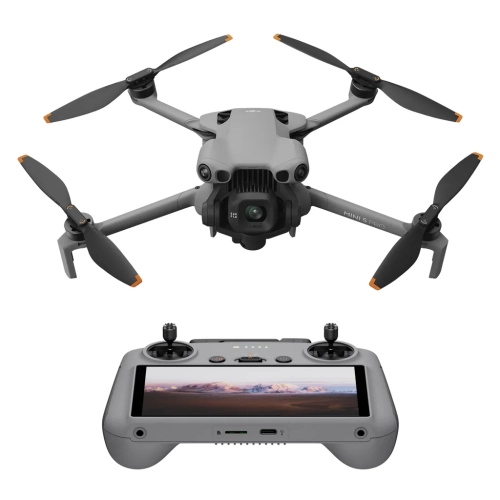

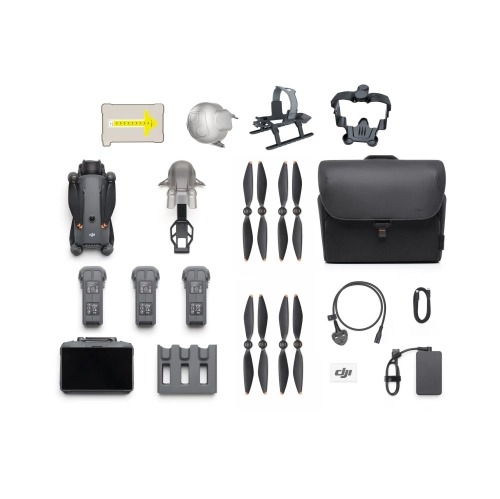
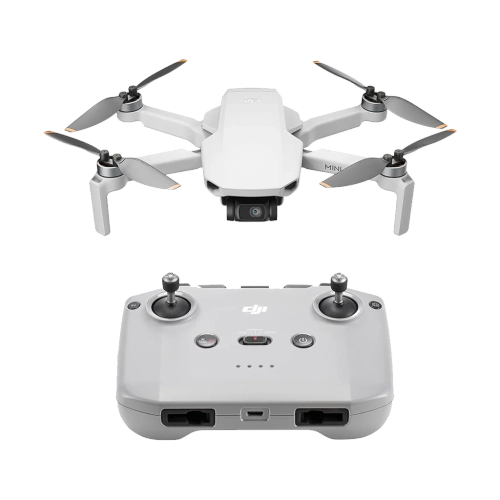
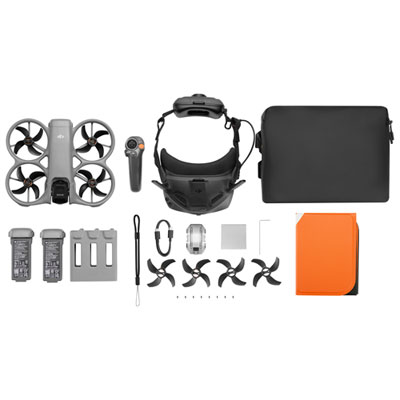
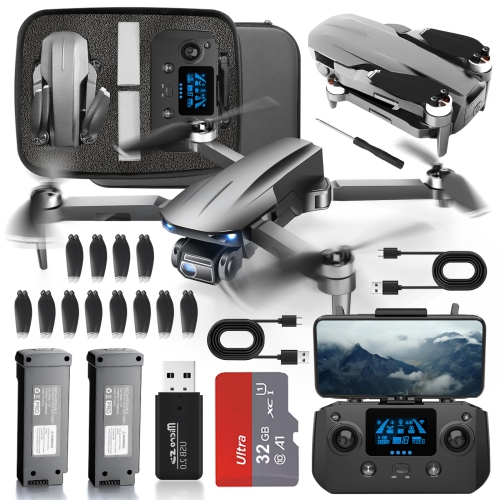
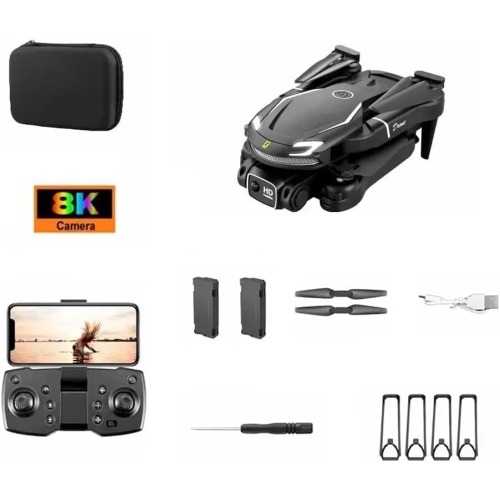
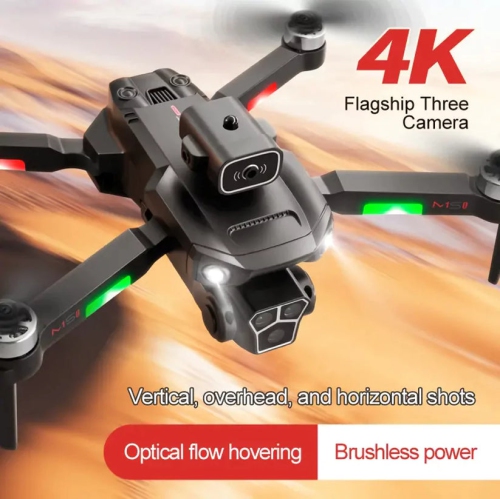
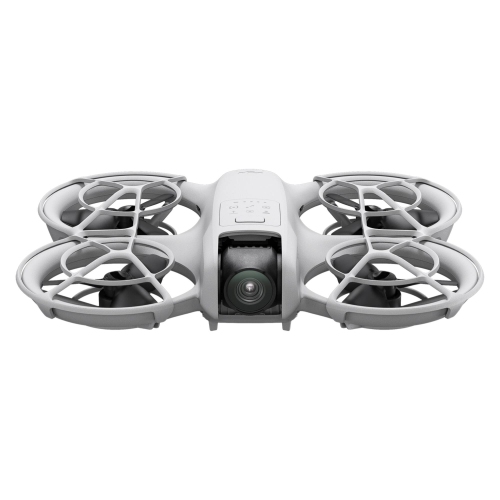
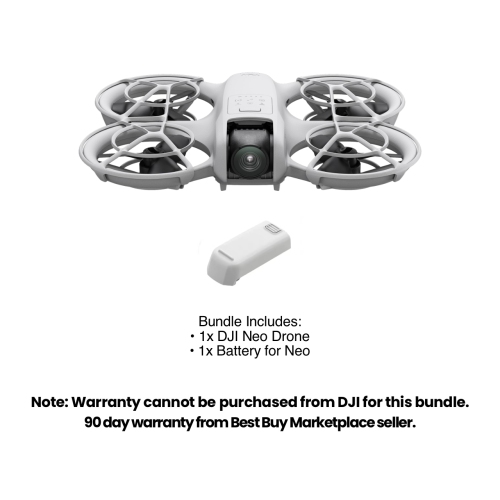
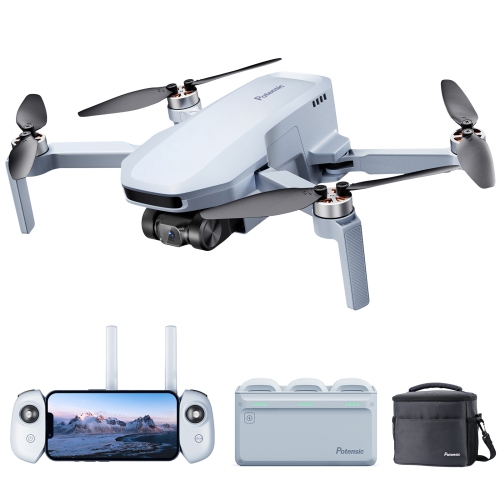
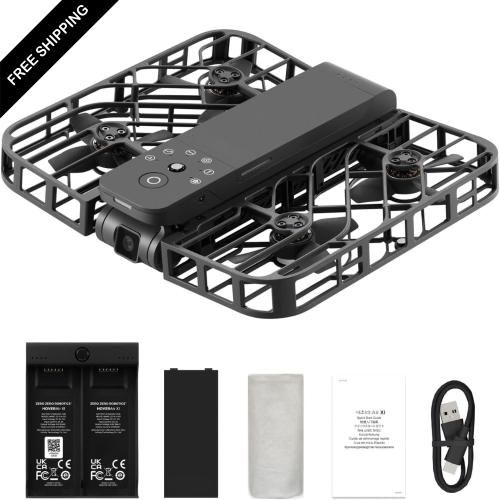
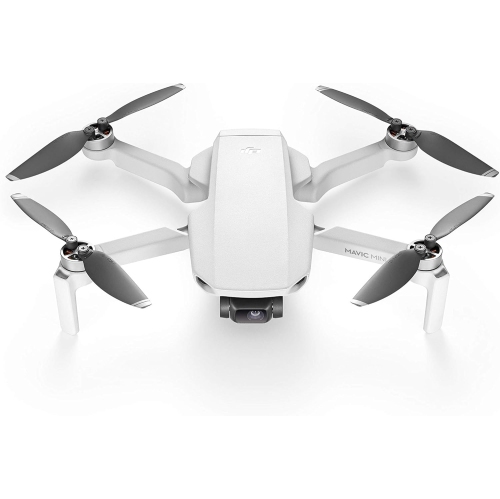
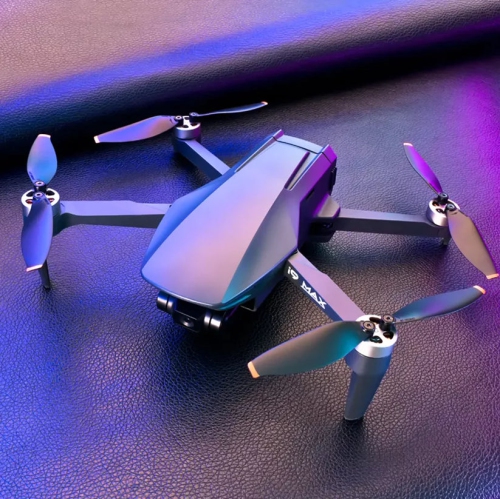
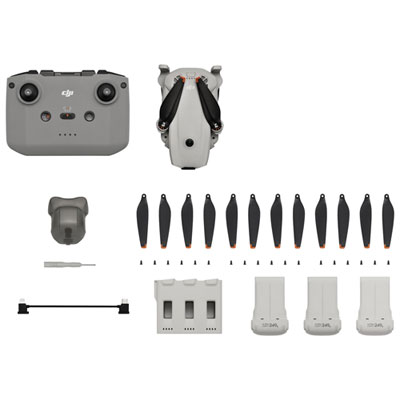
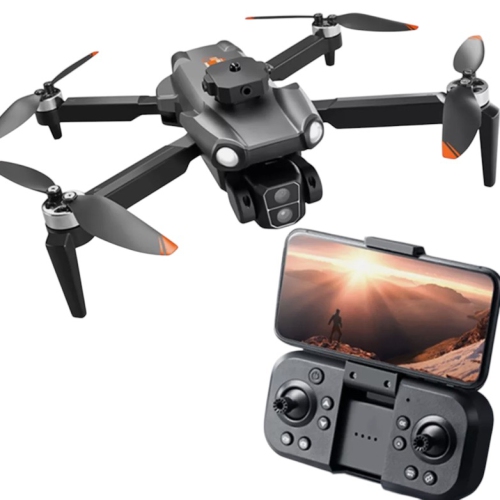
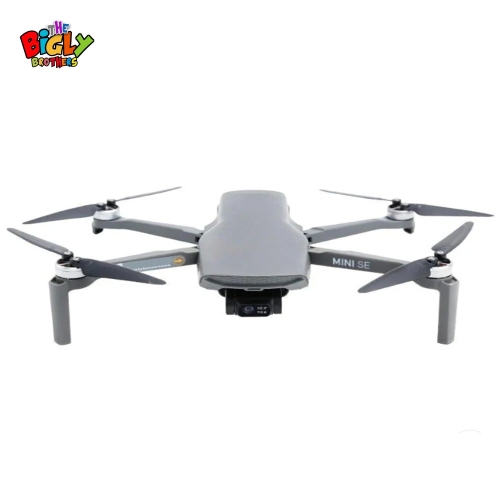
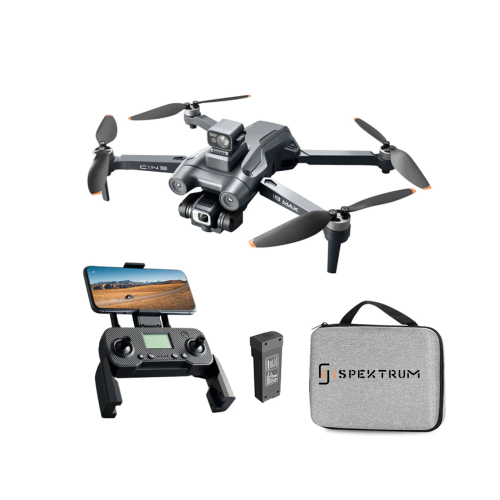
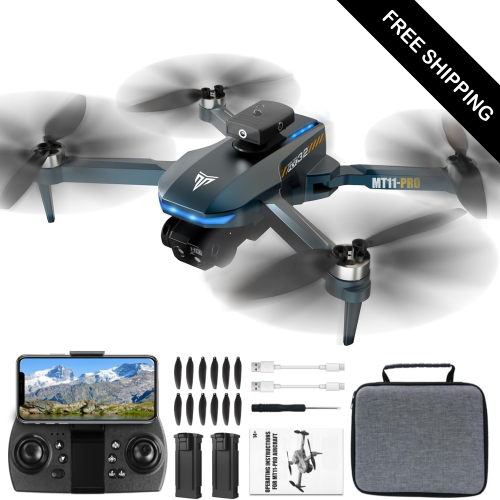
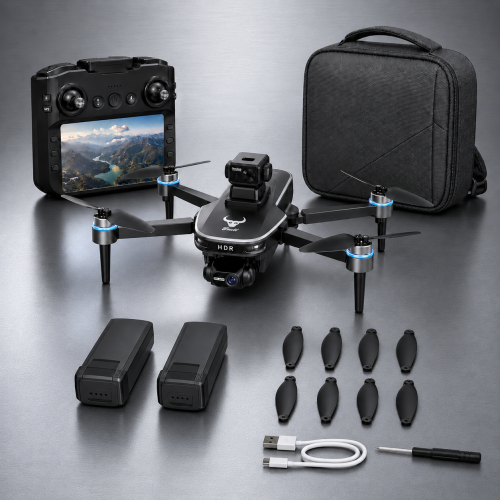
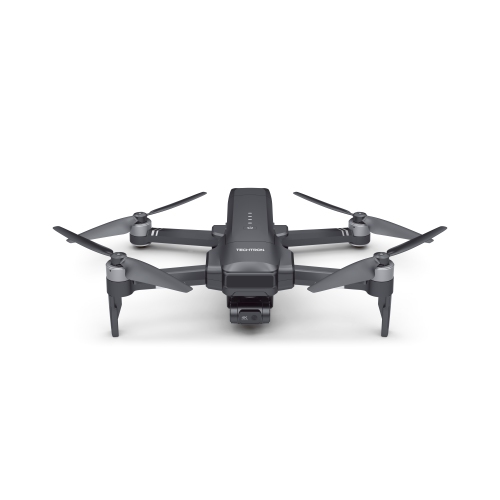
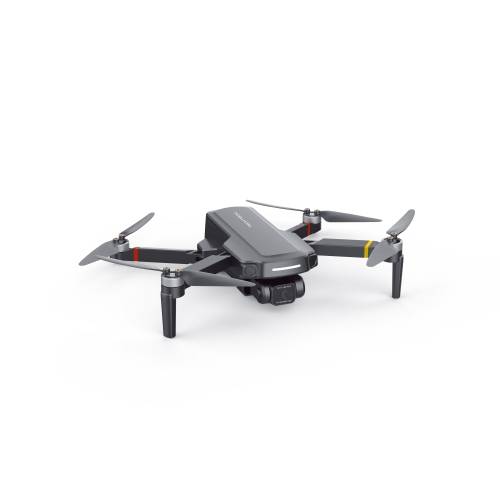
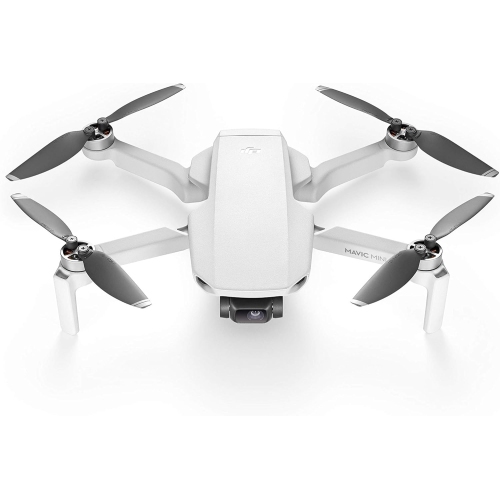
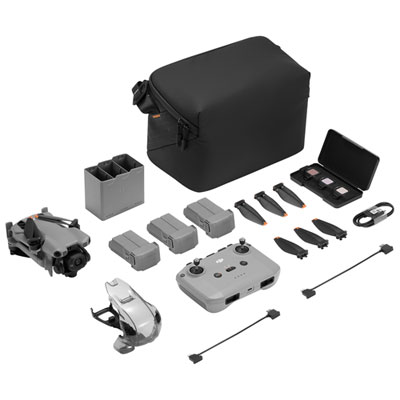
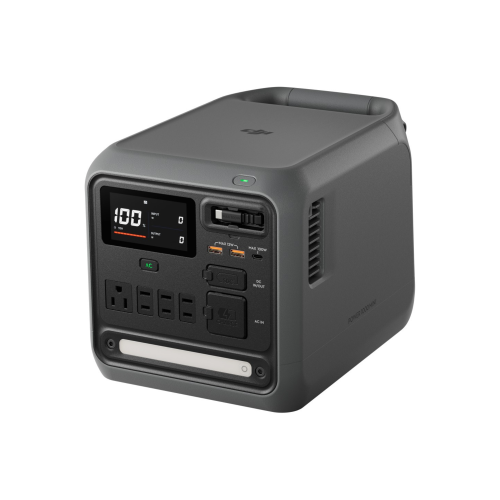
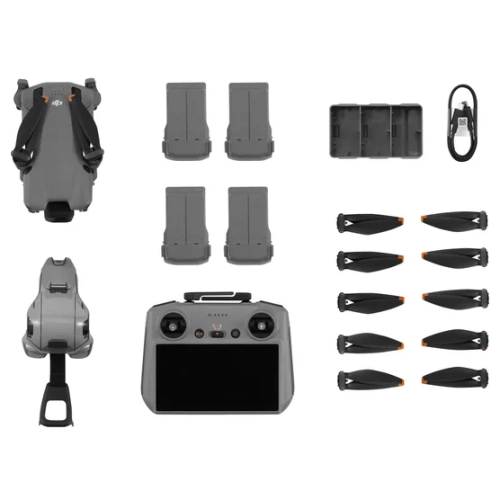
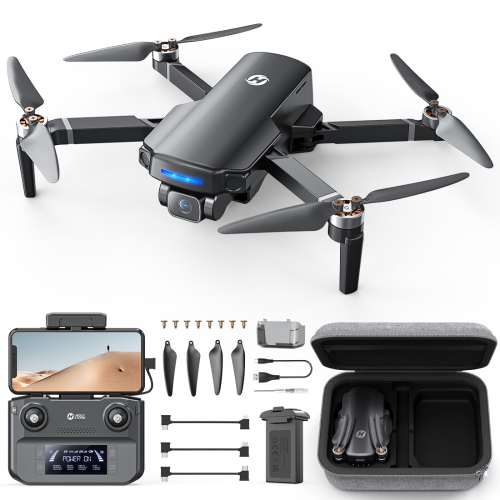
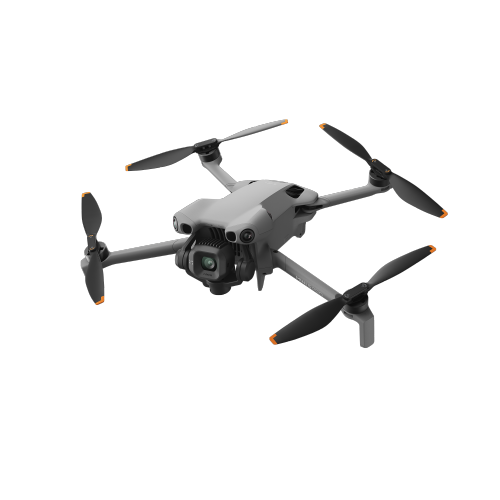
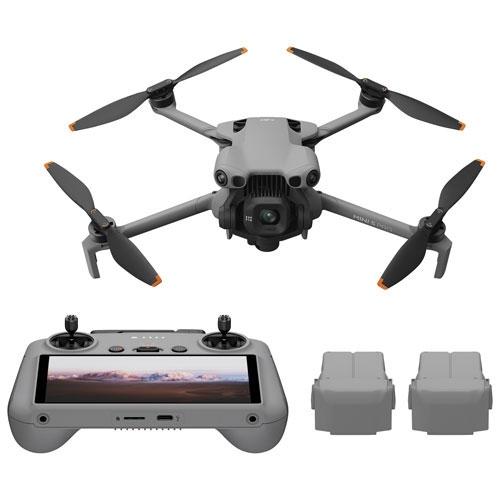
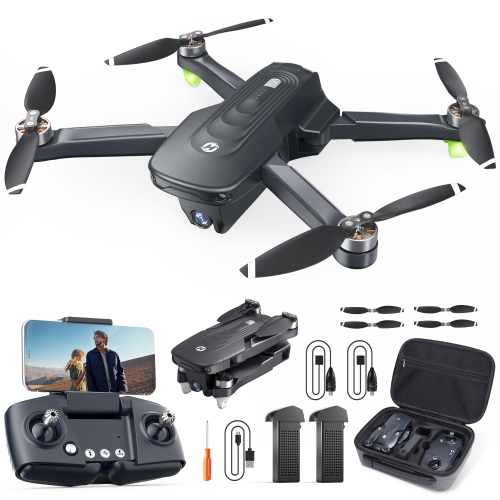
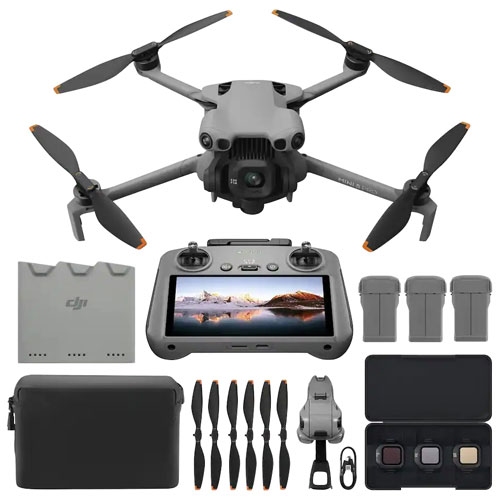
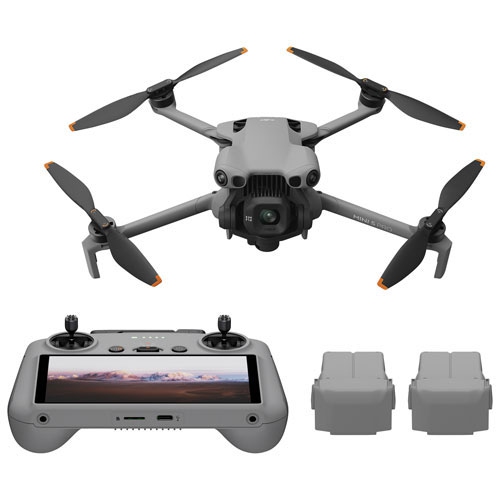
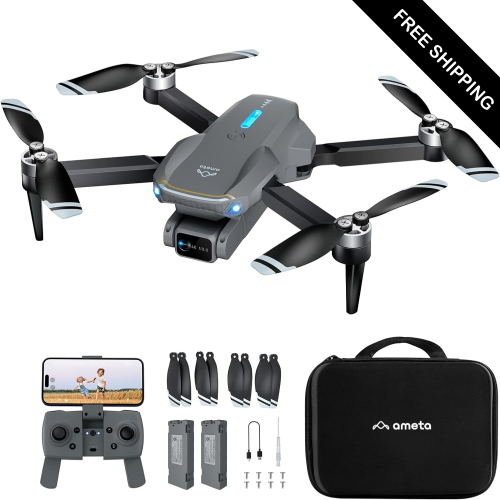
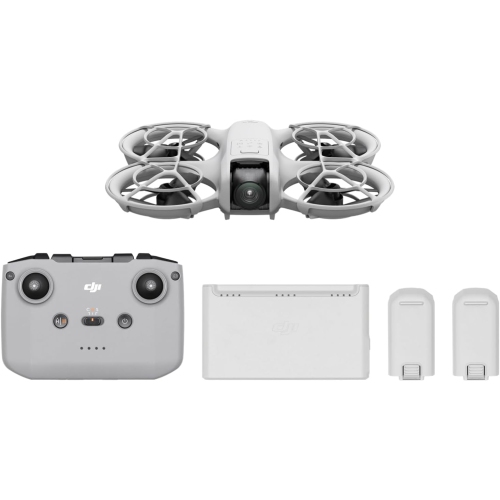
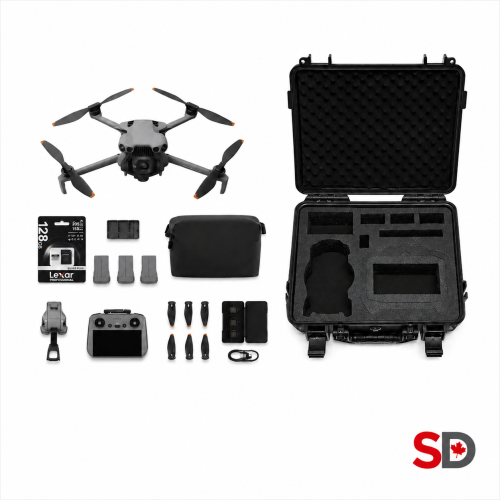
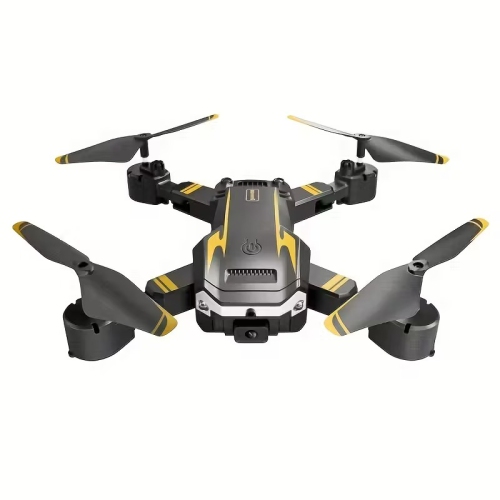
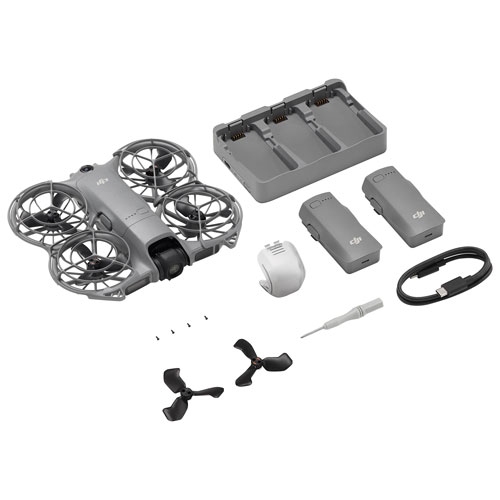
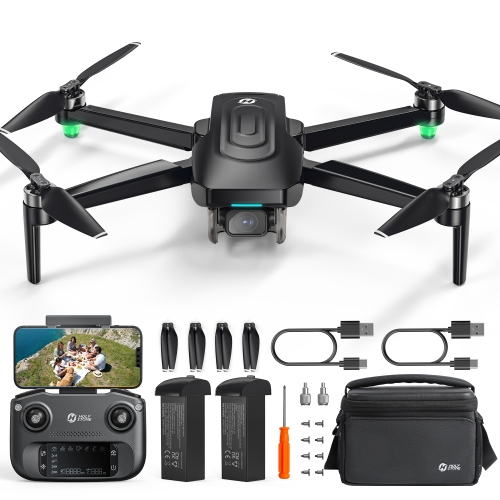
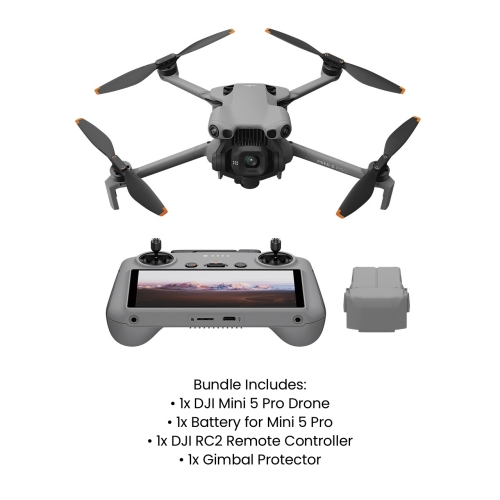
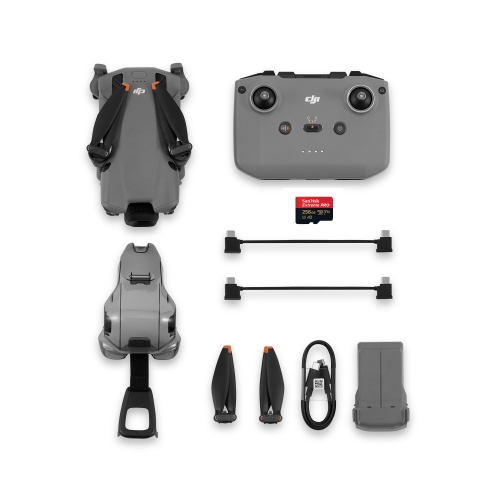
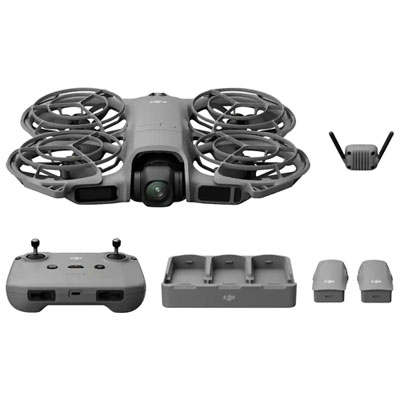
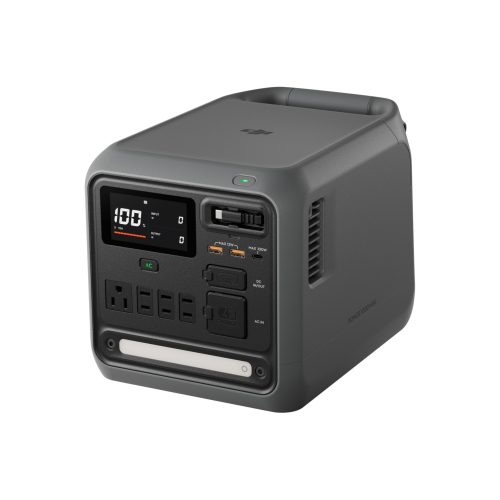

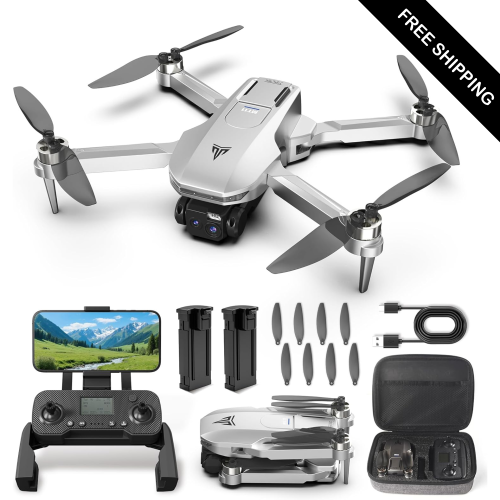
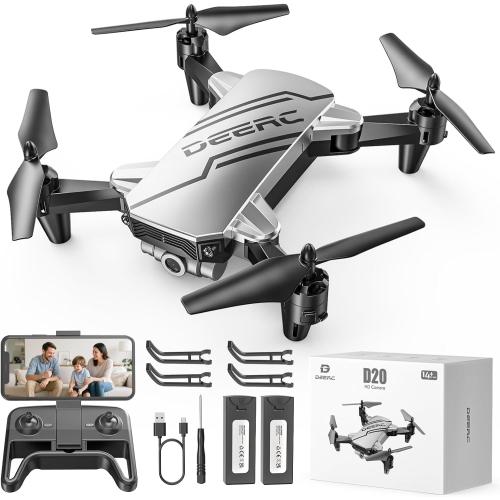
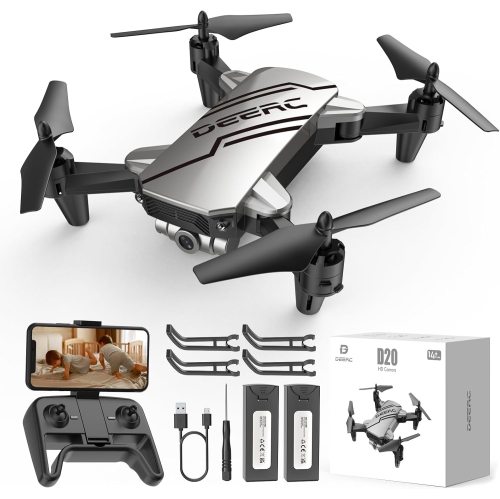
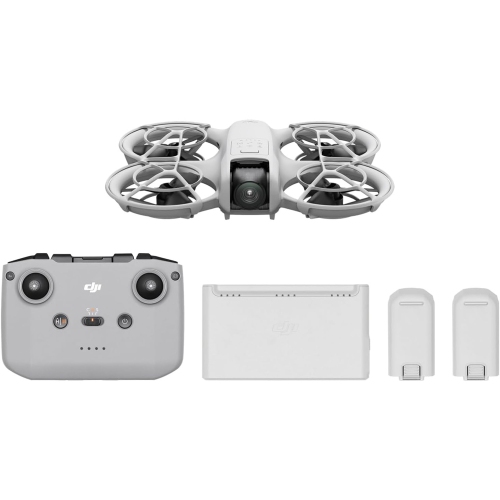
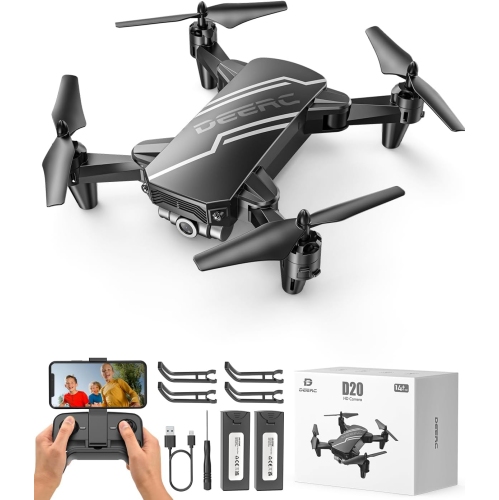
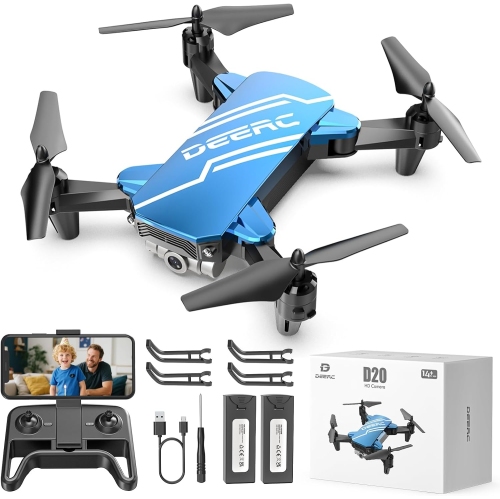
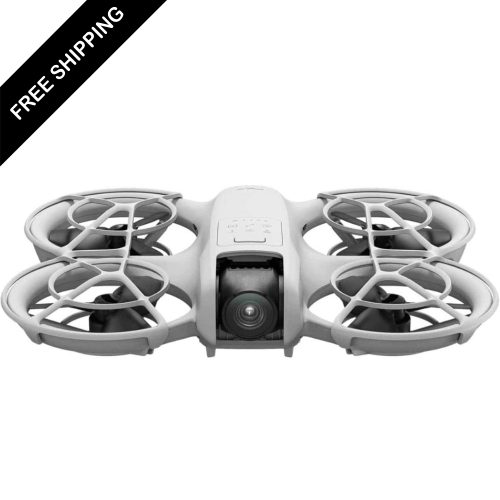
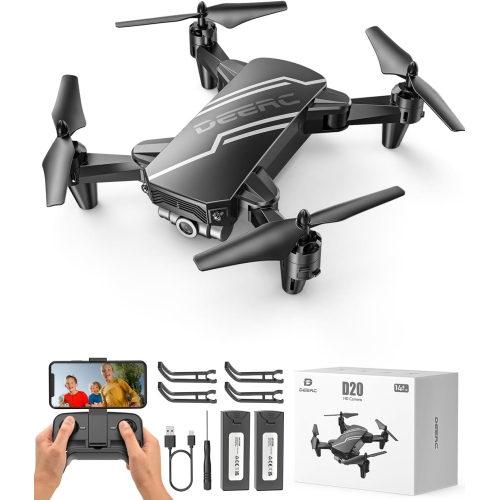
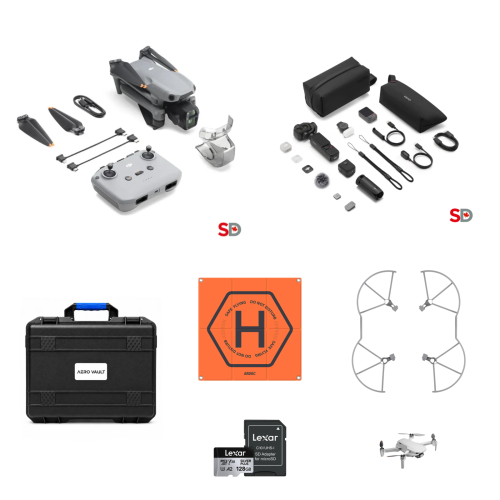
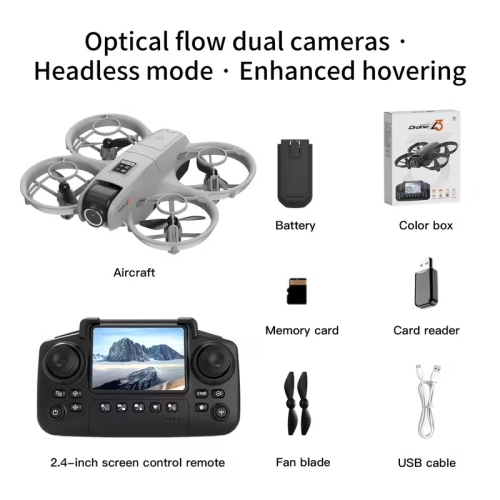
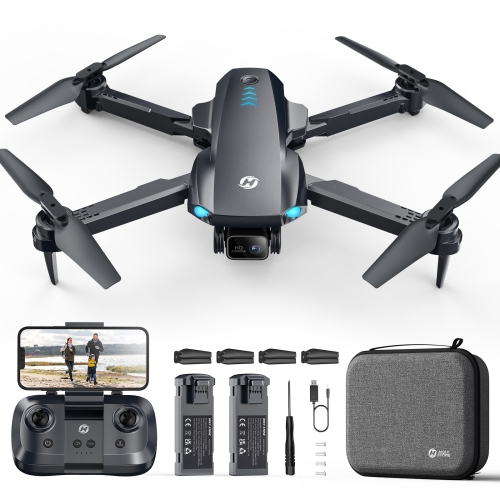
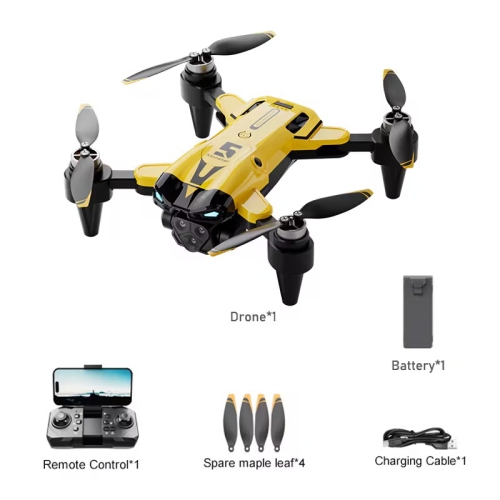
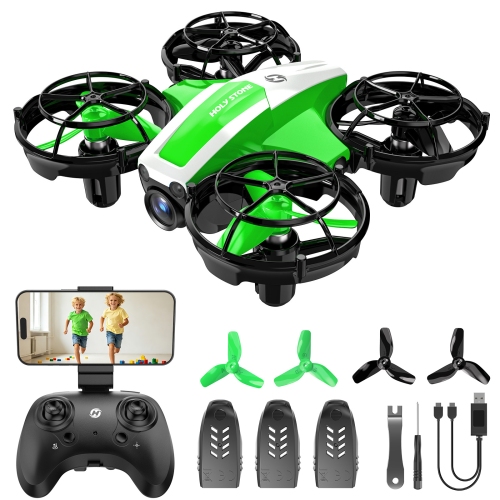
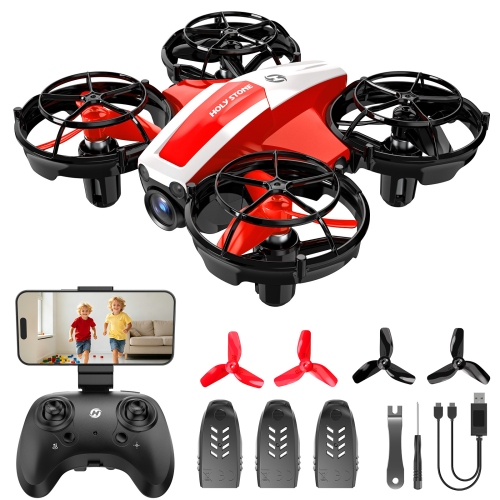
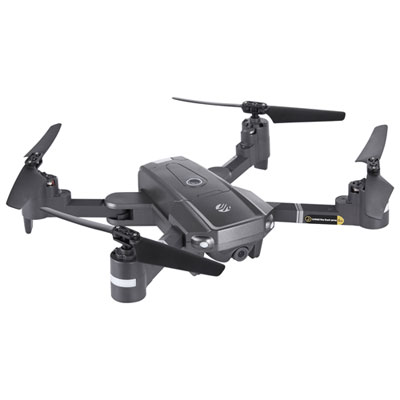
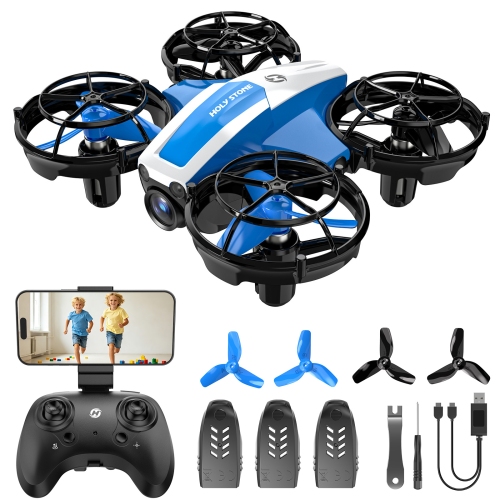
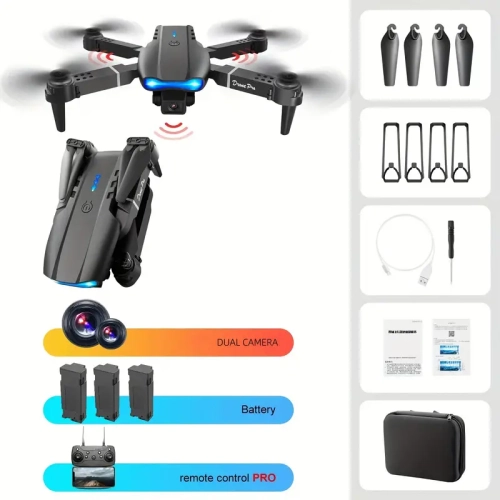
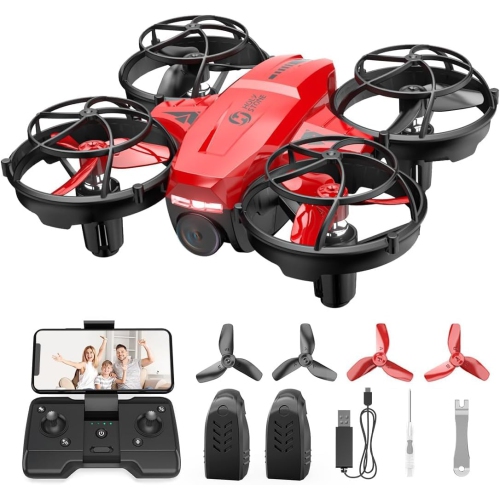
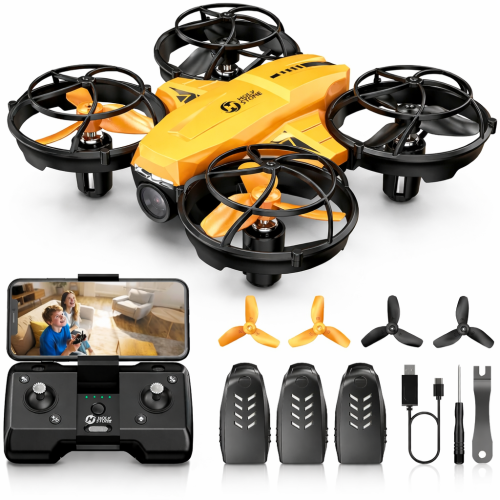
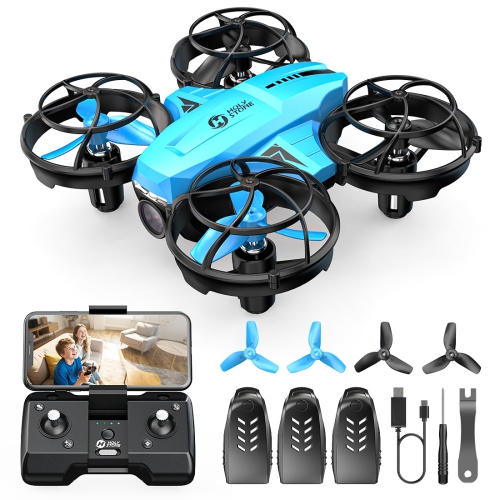
Aerial shots that belong in the final cut
Drones for filmmaking add a distinctive perspective to visual storytelling, from a quiet overhead view of a winding road to a slow reveal of a building beyond a stand of trees. Their value extends beyond capturing a wide view: controlled movement, consistent exposure, and detailed footage help aerial shots sit naturally beside material filmed on the ground. Camera quality is therefore a central consideration, alongside the aircraft’s flight capabilities. Larger camera sensors generally offer advantages in low-light performance and tonal detail, although lens quality, image processing, and recording settings also affect the finished image. Video resolution describes only part of that picture. Footage recorded in 4K can suit many productions, while higher-resolution recording can provide additional room for cropping or reframing when the final edit uses a lower resolution. Higher frame rates allow for slow-motion sequences when played back at a lower frame rate, provided the selected recording mode supports the required image quality. For projects involving substantial colour correction, supported 10-bit recording and log profiles can offer more flexibility than standard recording modes, though they also require a compatible editing workflow. A mechanically stabilized gimbal helps keep the camera level and reduce visible aircraft movement during a gradual rise, a sideways tracking shot, or a steady hover. Lens options influence the character of those shots: a wide view establishes scale, while a longer focal length can give distant features a more prominent place in the composition without moving the aircraft closer. Adjustable camera settings, reliable focus, and smooth gimbal control are especially useful when matching aerial footage with other cameras. Compatible neutral-density filters can help maintain a chosen shutter speed in bright light without overexposing the image. These capabilities matter to independent filmmakers, documentary crews, property videographers, and content creators who need footage that serves a sequence rather than simply showing how high the camera can fly. Even a brief, restrained aerial shot can establish a location, reveal the relationship between two spaces, or create a transition that would be difficult to capture from ground level.
The practical appeal of a filmmaking drone also depends on how comfortably it fits into a production day. A compact, folding aircraft can share a camera bag with other equipment, making it useful for a solo creator travelling between locations or a small crew carrying everything on foot. A larger aircraft may offer different camera options or flight capabilities, but its transport case, batteries, and setup requirements become part of the overall kit. Lightweight polymer housings are common, while some designs use reinforced structural components; construction quality, secure hinges, and access to replacement parts all contribute to long-term usability. Folding mechanisms should operate smoothly, and a fitted case should support the aircraft without pressing against its propellers or gimbal. Controller ergonomics matter during repeated takes, particularly the shape of the grips, the placement of camera controls, and the precision of the control sticks. An integrated display can simplify setup, while a controller that uses a phone depends on device compatibility, a secure mount, and sufficient battery power for both devices. Clear exposure information, a readable live view, and convenient access to recording settings help an operator monitor the shot without unnecessary interruptions. Published flight-time figures provide a useful comparison, but actual recording time varies with aircraft movement, battery condition, and operating demands. Spare batteries and compatible charging equipment support longer sessions, with adequate power reserved for a safe return and landing. Obstacle sensing, subject tracking, and automated flight paths can assist certain shots, but their coverage and limitations differ between aircraft. Thin branches, wires, and moving subjects may be difficult for sensing systems to detect reliably. Predictable handling and adjustable flight response can be just as important as automated features when a scene calls for a measured approach or a gentle change in direction. Clear separation between the aircraft, people, and nearby structures remains essential, whether the footage is intended for a personal travel film or a client’s finished production.
A well-matched aerial camera setup supports the work that happens after landing as well as the flight itself. Recording formats, compression options, storage requirements, and file-transfer methods influence how easily footage moves into an edit. High-resolution or high-bitrate recording can require substantial storage and suitable memory-card performance, so supported media specifications deserve attention. Access to original files is particularly important for creators who want detailed colour work rather than relying only on quick mobile exports. Consistent frame rates and compatible picture profiles can make aerial and ground footage easier to combine, while separately recorded sound, dialogue, or music usually provides the audio foundation for the finished sequence. Intended use helps define the most useful balance of features: a travel filmmaker may prioritize a small packed size, a documentary team may value dependable manual controls, and a property videographer may need smooth movement and clear architectural detail. Creators whose projects involve trails, remote viewpoints, or active subjects can also explore Drones for Outdoor Adventure Filming for a related filming focus. For a recipient who already enjoys photography or video editing, a drone can open another creative direction, provided there is interest in learning safe operation and the responsibilities that accompany it. In Canada, registration, pilot certification, and operating requirements depend on the aircraft and the planned operation; a low aircraft weight does not remove the responsibility to fly safely or respect applicable restrictions. Location permissions, airspace requirements, privacy, and proximity to people all affect whether an intended shot is appropriate. Routine care also protects the equipment between projects. Propellers need inspection for chips or distortion, lenses benefit from suitable cleaning materials, and gimbal restraints help protect delicate camera assemblies during transport when used as directed. Batteries should be charged, stored, and checked according to the manufacturer’s instructions. With suitable camera capabilities, manageable handling, and a dependable workflow, filmmaking drones become practical production tools for capturing movement, scale, and perspective with a clear storytelling purpose.
Top selling and popular products
-
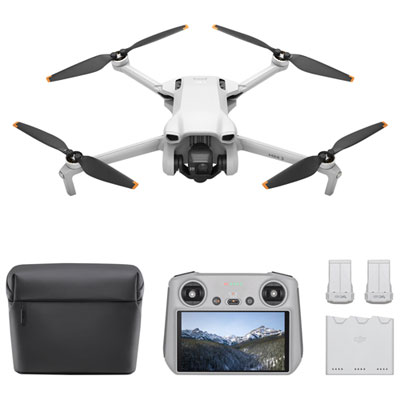 Your price for this item is $689.97
-
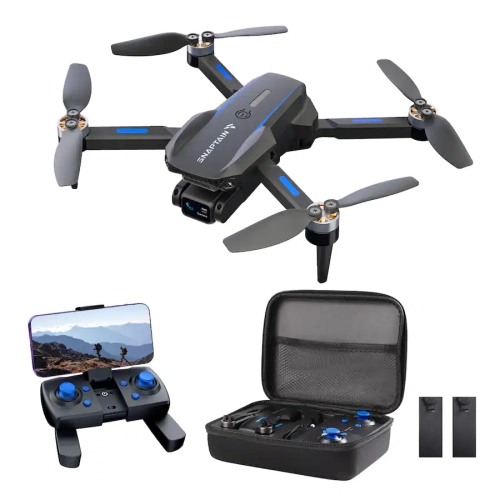 Your price for this item is $109.98
-
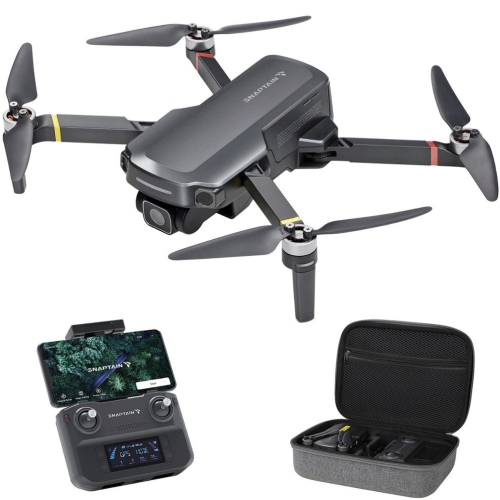 Your price for this item is $279.9
-
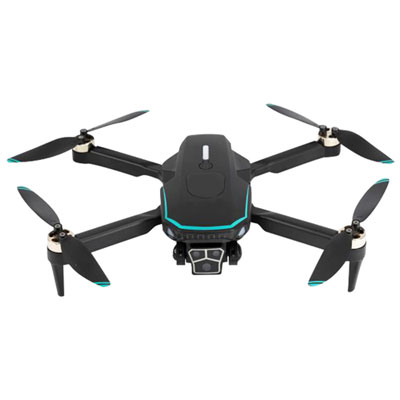 Your price for this item is $79.99
-
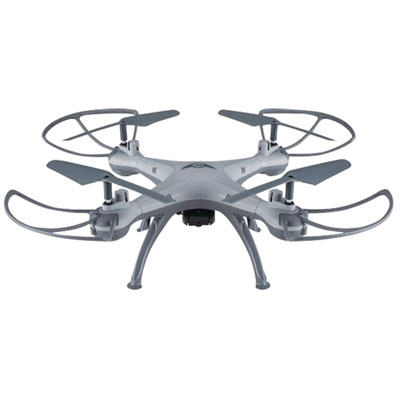 Your price for this item is $49.99
-
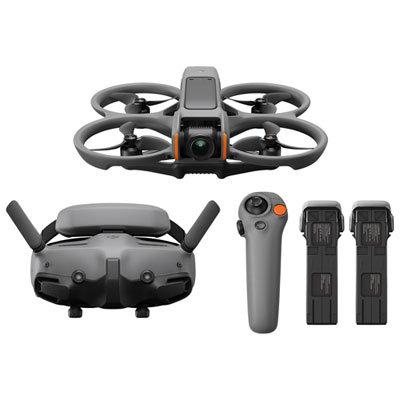 Your price for this item is $1279.99
-
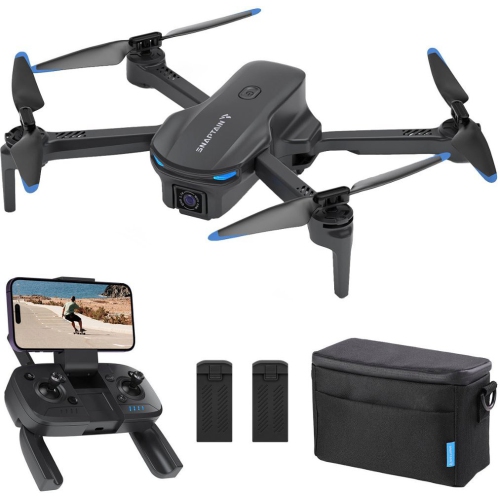 Your price for this item is $189.9
-
 Your price for this item is $205.99
Discover more categories related to Drones for Filmmaking
Top Collections:
Best Black Friday Deals This Year, Best Black Friday Deals On Electronics, Kindle Devices, Best Black Friday Deals On Apple Products, Best Budget Office Chairs, Best Cameras for Sports Photography, Dyson Airwrap, Canon G7X Cameras, Best Laptops for Writers, Samsung Galaxy Phones
Some products may be subject to Environmental Handling Fees
(EHF) depending on your province.
Learn more about EHFs.