Drones for Surveying
When it comes to surveying, drones have revolutionized the way professionals gather data and capture aerial imagery. These versatile devices offer a unique perspective, allowing for more accurate and efficient surveying processes. Whether you're a land surveyor, construction professional, or environmental scientist, having the right drone can greatly enhance your workflow and deliver precise results. With a wide range of features and capabilities available, finding the perfect drone for surveying can be a daunting task.
Sort

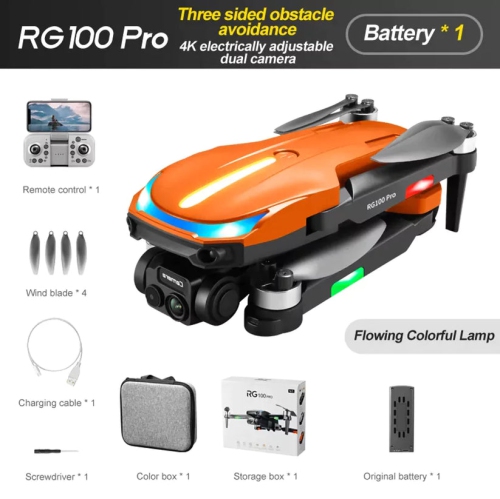
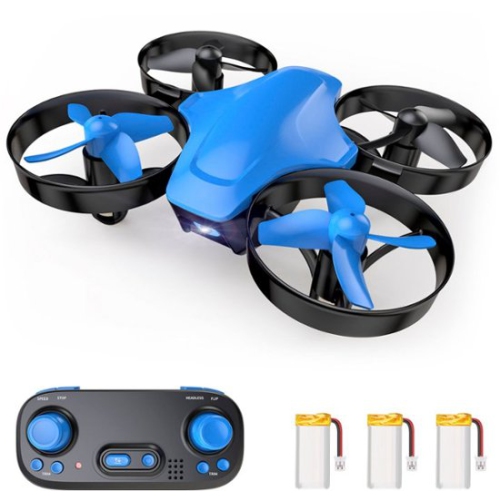
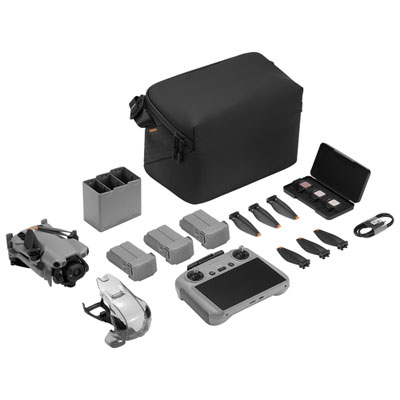
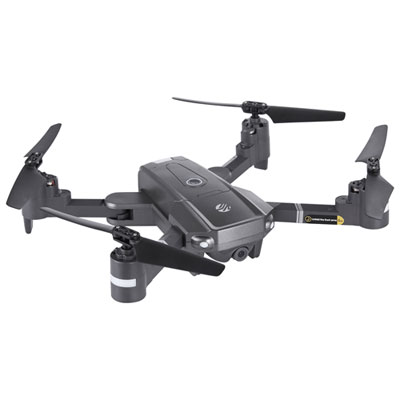
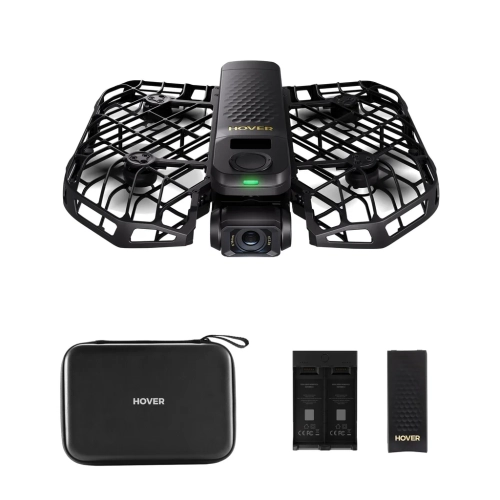
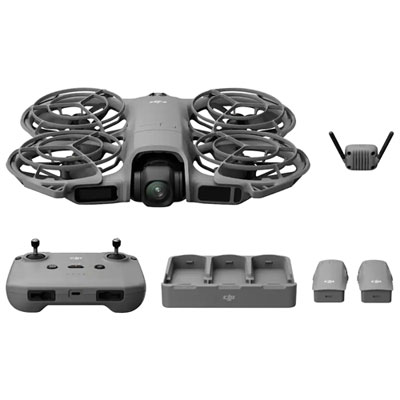

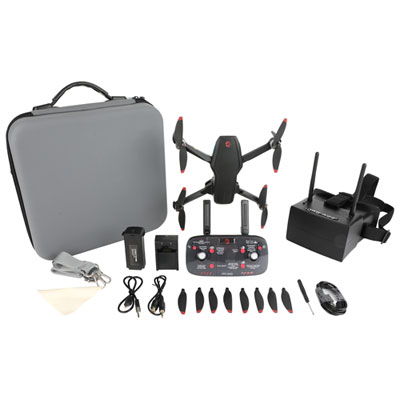
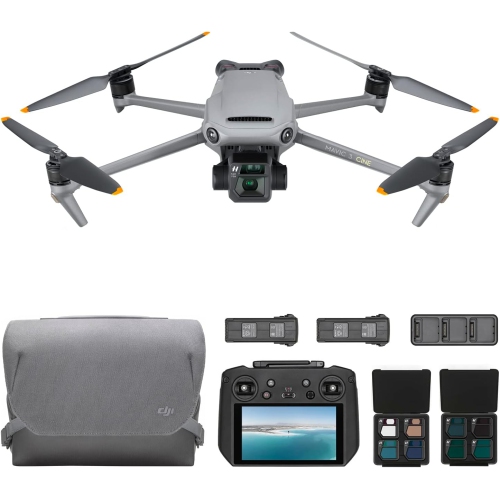
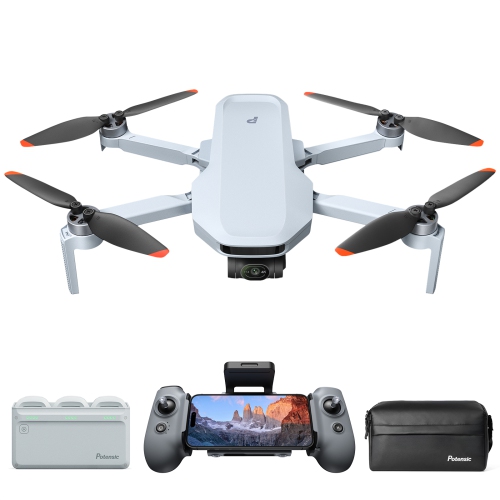
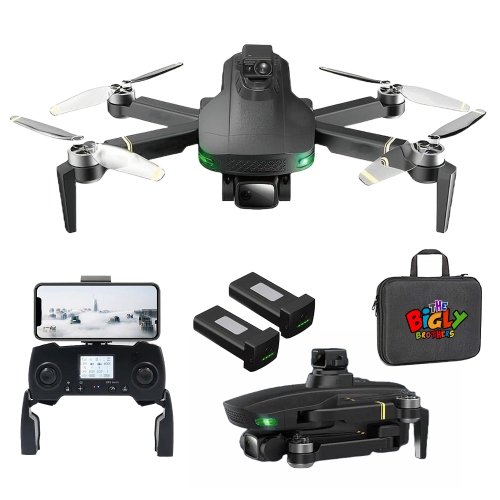
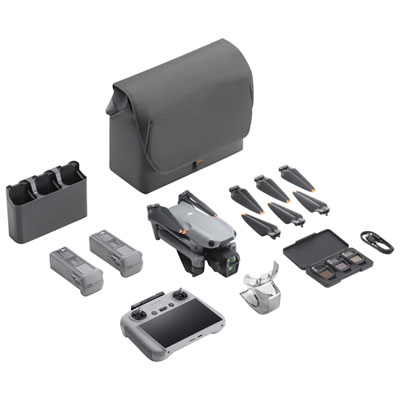
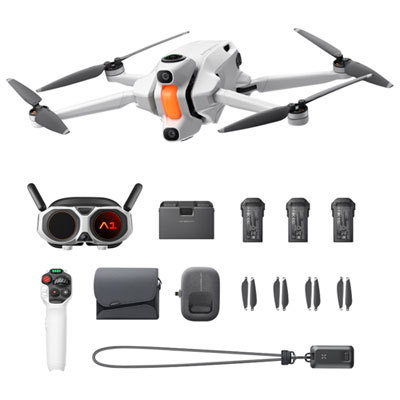
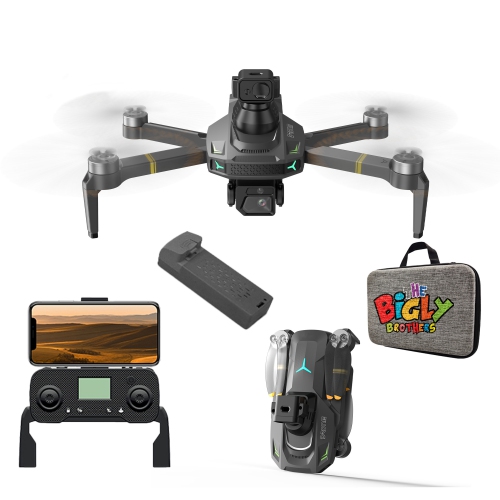
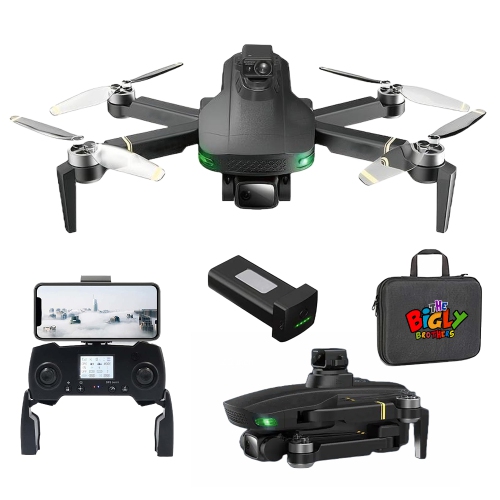
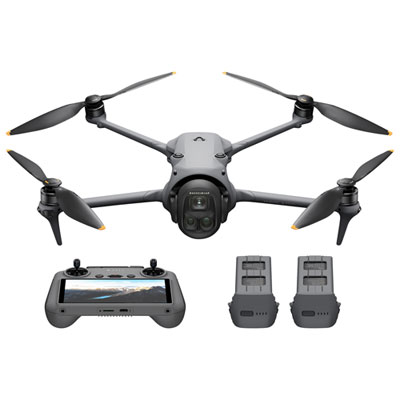
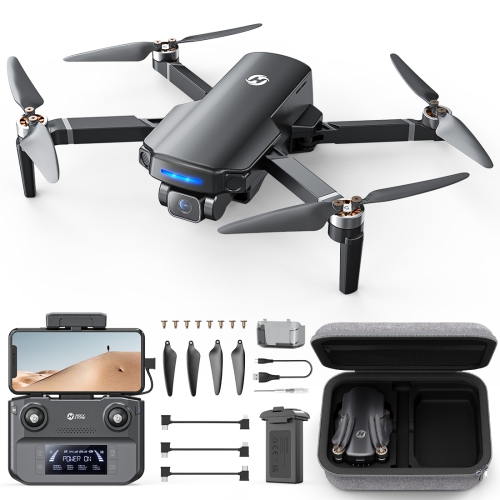
Accurate aerial data for mapping and fieldwork
Drones for surveying give professionals a practical way to capture detailed aerial information across land, structures, stockpiles, and active work sites. Unlike recreational camera drones, survey-focused aircraft are designed around repeatable data collection, positioning accuracy, sensor compatibility, and efficient coverage. They may be used by land surveyors, civil engineers, construction teams, mining and quarry operators, inspectors, environmental consultants, utility contractors, agricultural specialists, and municipal departments. A drone can follow a planned flight path while collecting a large set of overlapping images or sensor readings, helping turn a difficult field task into a detailed digital record. Photogrammetry is one of the most common surveying methods: software combines overlapping RGB photographs to create an orthomosaic, three-dimensional model, point cloud, contour map, or elevation map. These outputs can support site planning, progress tracking, cut-and-fill calculations, roof and façade inspections, and measurements of pits, piles, roads, and other features. When choosing a surveying drone, start with the work you need it to perform rather than focusing only on camera resolution. A compact multirotor may be well suited to smaller properties, construction sites, inspections, and locations where vertical take-off and landing are important. A fixed-wing or vertical take-off and landing platform may be a better fit for covering large areas efficiently, especially where long flight endurance and broad mapping coverage matter more than hovering in one location. Consider the aircraft’s flight time, maximum operating range, wind resistance, obstacle sensing, take-off requirements, controller design, battery charging options, and ability to repeat a route under similar conditions. Portability also matters: equipment that can be transported easily between sites is more likely to become part of a dependable field routine, particularly during busy construction periods or the cooler months when daylight and weather windows can be limited.
Sensor selection has a direct effect on the type of information a surveying drone can collect. A high-resolution RGB camera is often the starting point for photogrammetry, visual documentation, and accurate mapping when the ground or structure is clearly visible. A mechanical shutter can help reduce image distortion when the aircraft is moving, while a camera with strong image quality and consistent exposure can make the processing stage more predictable. LiDAR, or Light Detection and Ranging, uses laser pulses to measure distances and can be especially useful for topographic work in areas with vegetation, where laser returns may help reveal the bare-earth surface beneath a canopy. Multispectral sensors capture selected bands of light beyond standard visible colour and may assist with specialized agricultural, land-management, or vegetation analysis workflows. Thermal cameras can support certain inspection applications by showing temperature differences, although they require careful interpretation and suitable site conditions. Positioning technology is equally important. Standard satellite positioning can place images and measurements on a map, but RTK, or Real-Time Kinematic positioning, uses correction data during the flight to improve location accuracy. PPK, or Post-Processed Kinematic positioning, applies corrections after the mission has been completed. Both approaches can reduce the need for extensive ground control and can help achieve survey-grade, centimetre-level positioning when the complete system, flight plan, ground conditions, and processing workflow are properly configured. RTK and PPK do not replace professional surveying judgement, and accuracy can vary with satellite visibility, correction service quality, camera calibration, flight altitude, image overlap, surface detail, and processing settings. Before making a purchase, confirm that the drone, sensor, controller, positioning module, and mapping software work together as intended. Check file formats and export options if the results will be used in CAD, geographic information system, engineering, or construction-management software. It is also worth reviewing battery availability, replacement propellers, carrying cases, charging equipment, storage capacity, firmware support, and training requirements. A reliable workflow often includes a pre-flight site assessment, clearly marked boundaries, consistent camera settings, sufficient image overlap, ground control or check points where needed, and a quality check after processing.
Surveying drones can make fieldwork more efficient, but they are professional tools that require thoughtful operation. In Canada, pilots must follow applicable Transport Canada rules, select the appropriate certification and operating category, respect airspace restrictions, and maintain awareness of people, buildings, roads, airports, and other aircraft. Local permissions, privacy considerations, landowner approval, workplace procedures, and project-specific safety plans may also apply. Weather is another practical consideration. Wind, rain, snow, glare, haze, and changing light can affect flight safety and the quality of the captured data, so a flexible schedule and a clear go/no-go process are important as the weather warms and later shifts into cooler conditions. Survey teams often appreciate features such as automated mission planning, terrain following, obstacle avoidance, return-to-home safeguards, low-battery alerts, and a clear view of flight status. These features can reduce workload, but they should support—not replace—an attentive pilot and a well-planned mission. For construction, repeated flights from the same launch area and at comparable altitudes can create useful progress records, showing how a site changes from one stage to the next. For mining and aggregate operations, aerial imagery and three-dimensional models can help estimate stockpile volumes and document changing excavation areas. For land surveying and development, mapped imagery can provide context for boundaries, drainage, access routes, and terrain before crews begin detailed work. For inspections, a drone can place a camera near roofs, towers, façades, bridges, and other hard-to-reach areas while keeping people on the ground. Real estate professionals who need a different emphasis—such as smooth exterior video, property presentation, and elevated listing imagery—may also want to explore Drones for Real Estate Photography. The best surveying drone is the one that matches the site, sensor, accuracy target, flight area, software environment, and operator experience. By comparing those practical details before purchase, professionals can build a dependable aerial data workflow that supports clearer measurements, better documentation, and more informed decisions in the field.
Sensor selection has a direct effect on the type of information a surveying drone can collect. A high-resolution RGB camera is often the starting point for photogrammetry, visual documentation, and accurate mapping when the ground or structure is clearly visible. A mechanical shutter can help reduce image distortion when the aircraft is moving, while a camera with strong image quality and consistent exposure can make the processing stage more predictable. LiDAR, or Light Detection and Ranging, uses laser pulses to measure distances and can be especially useful for topographic work in areas with vegetation, where laser returns may help reveal the bare-earth surface beneath a canopy. Multispectral sensors capture selected bands of light beyond standard visible colour and may assist with specialized agricultural, land-management, or vegetation analysis workflows. Thermal cameras can support certain inspection applications by showing temperature differences, although they require careful interpretation and suitable site conditions. Positioning technology is equally important. Standard satellite positioning can place images and measurements on a map, but RTK, or Real-Time Kinematic positioning, uses correction data during the flight to improve location accuracy. PPK, or Post-Processed Kinematic positioning, applies corrections after the mission has been completed. Both approaches can reduce the need for extensive ground control and can help achieve survey-grade, centimetre-level positioning when the complete system, flight plan, ground conditions, and processing workflow are properly configured. RTK and PPK do not replace professional surveying judgement, and accuracy can vary with satellite visibility, correction service quality, camera calibration, flight altitude, image overlap, surface detail, and processing settings. Before making a purchase, confirm that the drone, sensor, controller, positioning module, and mapping software work together as intended. Check file formats and export options if the results will be used in CAD, geographic information system, engineering, or construction-management software. It is also worth reviewing battery availability, replacement propellers, carrying cases, charging equipment, storage capacity, firmware support, and training requirements. A reliable workflow often includes a pre-flight site assessment, clearly marked boundaries, consistent camera settings, sufficient image overlap, ground control or check points where needed, and a quality check after processing.
Surveying drones can make fieldwork more efficient, but they are professional tools that require thoughtful operation. In Canada, pilots must follow applicable Transport Canada rules, select the appropriate certification and operating category, respect airspace restrictions, and maintain awareness of people, buildings, roads, airports, and other aircraft. Local permissions, privacy considerations, landowner approval, workplace procedures, and project-specific safety plans may also apply. Weather is another practical consideration. Wind, rain, snow, glare, haze, and changing light can affect flight safety and the quality of the captured data, so a flexible schedule and a clear go/no-go process are important as the weather warms and later shifts into cooler conditions. Survey teams often appreciate features such as automated mission planning, terrain following, obstacle avoidance, return-to-home safeguards, low-battery alerts, and a clear view of flight status. These features can reduce workload, but they should support—not replace—an attentive pilot and a well-planned mission. For construction, repeated flights from the same launch area and at comparable altitudes can create useful progress records, showing how a site changes from one stage to the next. For mining and aggregate operations, aerial imagery and three-dimensional models can help estimate stockpile volumes and document changing excavation areas. For land surveying and development, mapped imagery can provide context for boundaries, drainage, access routes, and terrain before crews begin detailed work. For inspections, a drone can place a camera near roofs, towers, façades, bridges, and other hard-to-reach areas while keeping people on the ground. Real estate professionals who need a different emphasis—such as smooth exterior video, property presentation, and elevated listing imagery—may also want to explore Drones for Real Estate Photography. The best surveying drone is the one that matches the site, sensor, accuracy target, flight area, software environment, and operator experience. By comparing those practical details before purchase, professionals can build a dependable aerial data workflow that supports clearer measurements, better documentation, and more informed decisions in the field.
Top selling and popular products
-
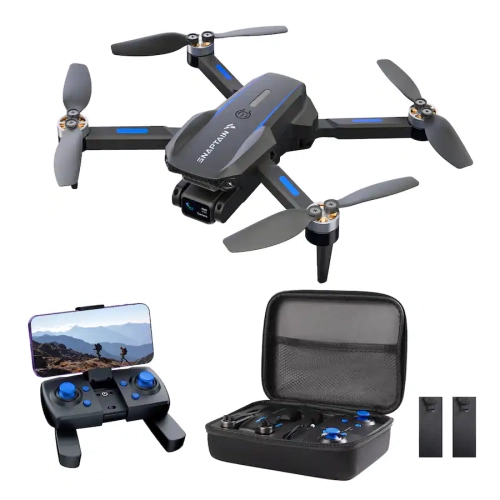 Your price for this item is $109.98
 -
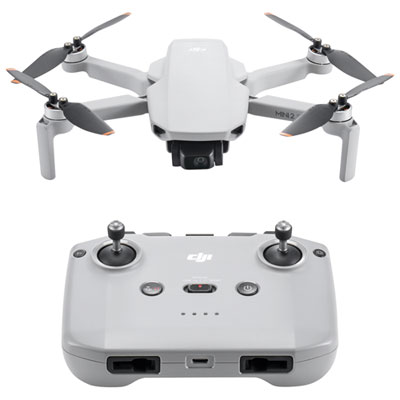 Your price for this item is $359.99
 -
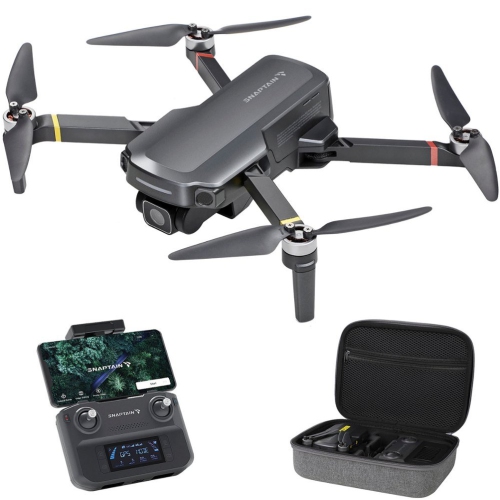 Your price for this item is $279.9
 -
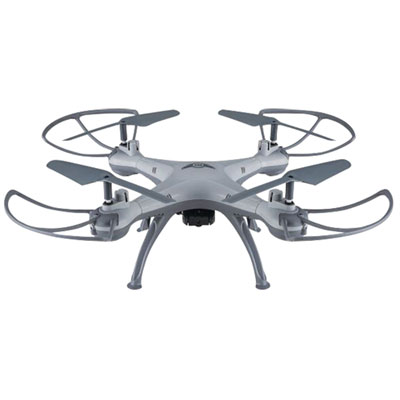 Your price for this item is $49.99
 -
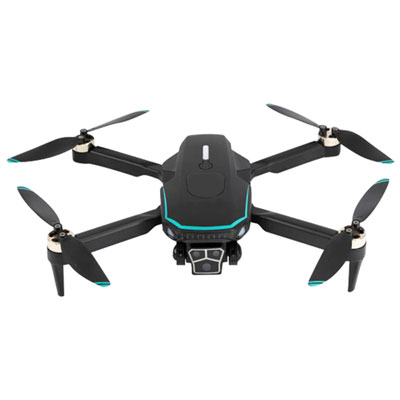 Your price for this item is $79.99
 -
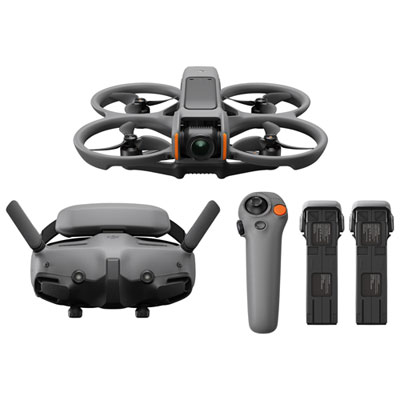 Your price for this item is $1279.99
 -
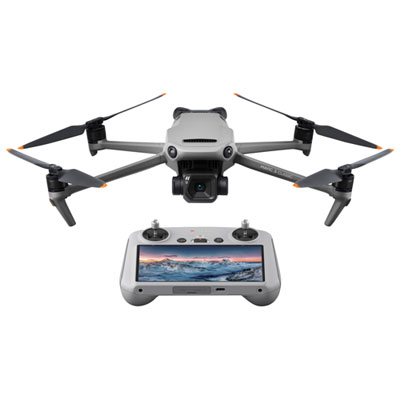 Your price for this item is $1759.99
 -
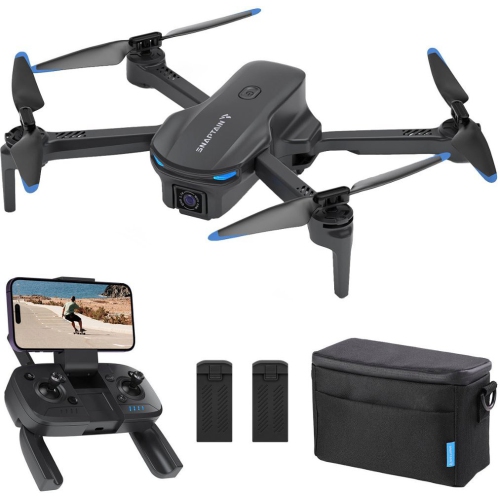 Your price for this item is $189.9
Discover more categories related to Drones for Surveying
Top Collections:
Pokemon Centers, Kindle Devices, Best Budget Office Chairs, Apple iPhones 16, Best Laptops for Writers, iPhone 15 Apple, Canon G7X Cameras, Refurbished Apple Laptops, Alarm Clock, Motorola Razr Phones
Some products may be subject to Environmental Handling Fees
(EHF) depending on your province.
Learn more about EHFs.