DSLR Cameras With Image Stabilization
Capture every moment with clarity and confidence by exploring DSLR Cameras With Image Stabilization. Whether you're a photography enthusiast or looking to take your creative skills to the next level, these cameras are designed to help you achieve sharp, detailed images in a variety of shooting conditions. Find the right fit for your needs and enjoy smooth, steady results for everything from action shots to low-light scenes. Discover the difference DSLR Cameras With Image Stabilization can make in elevating your photography experience.
Sort

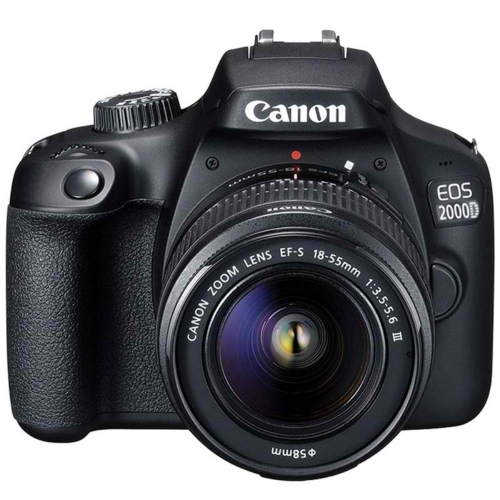
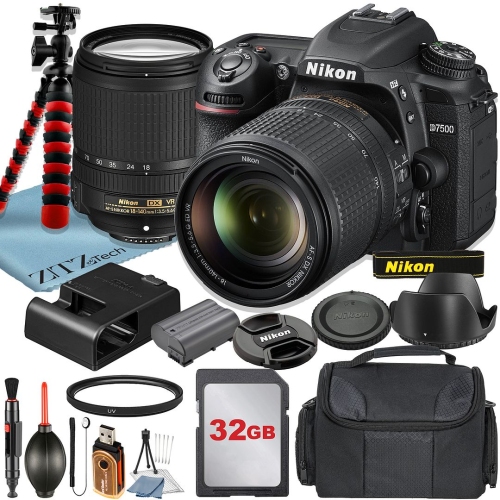
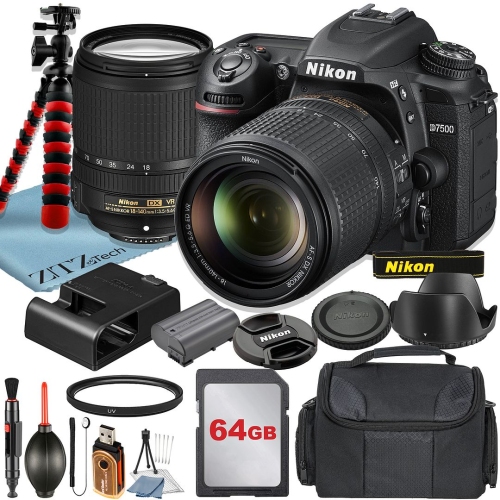
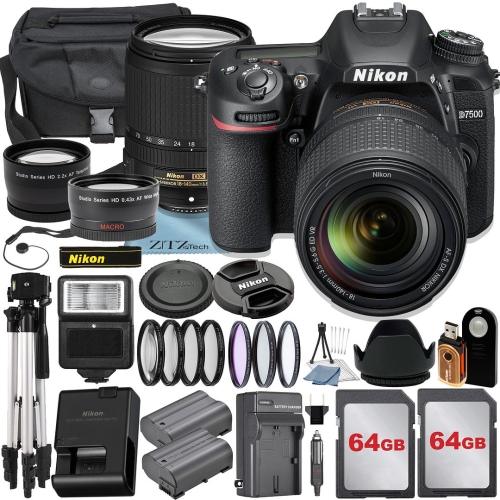

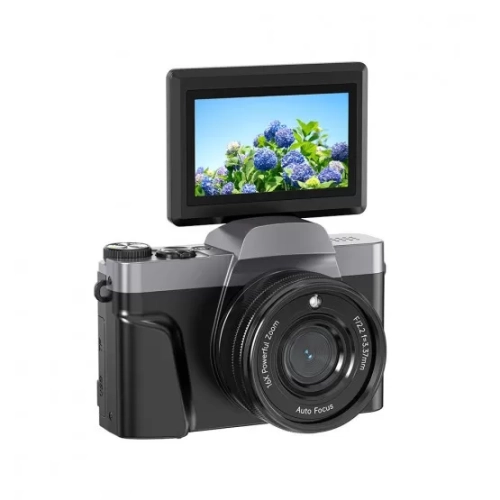
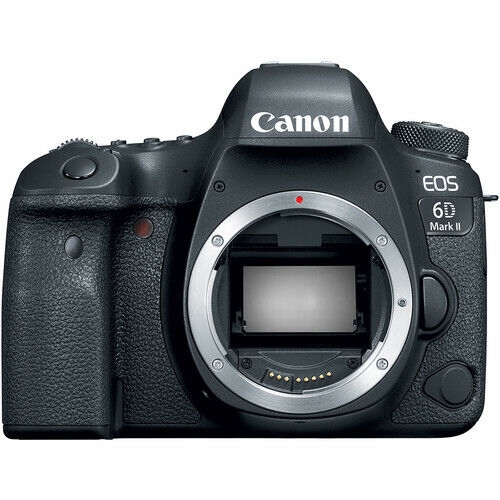
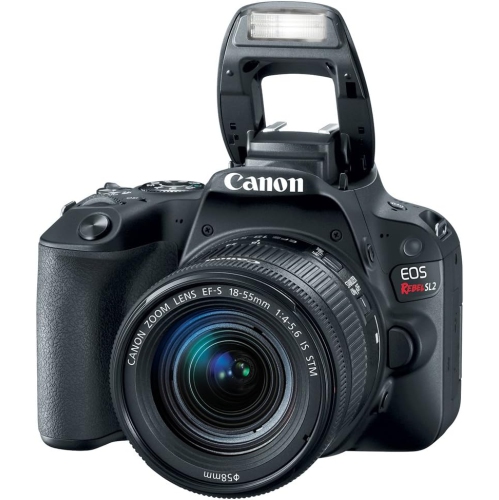
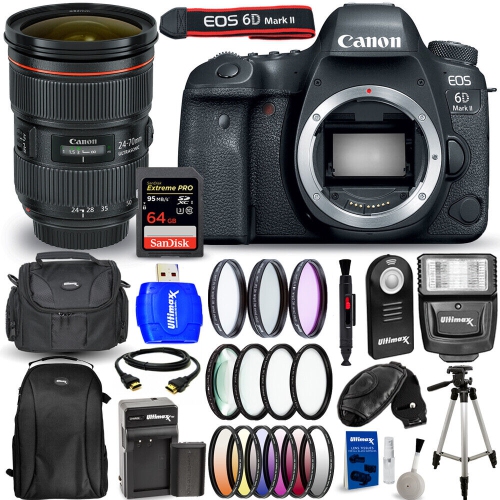
Why your camera and lens pairing matters for stabilization
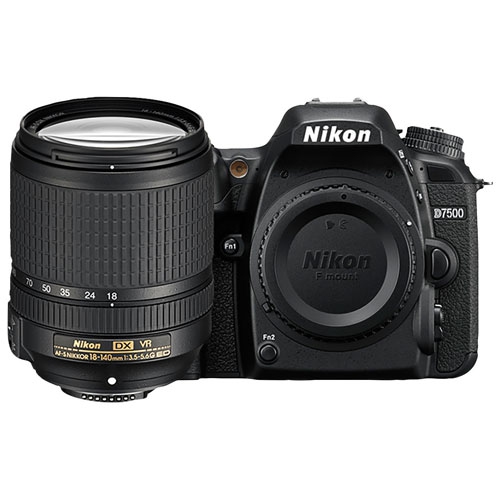
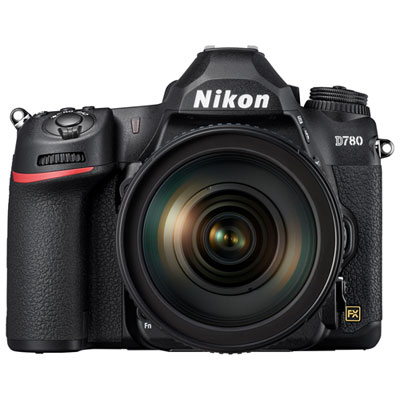
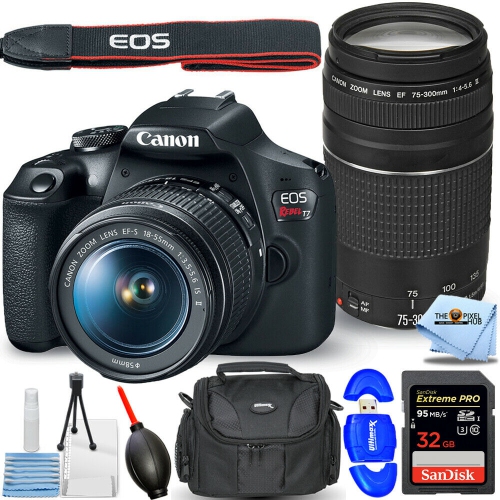
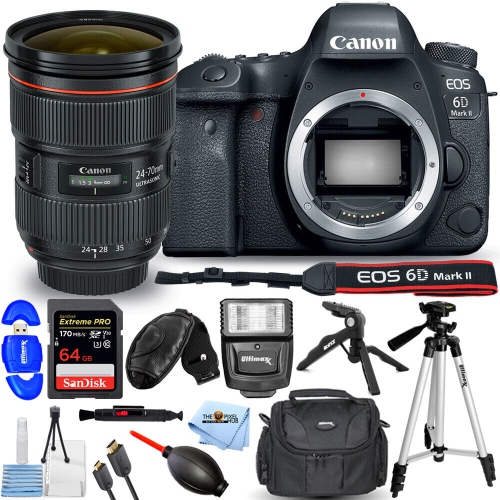
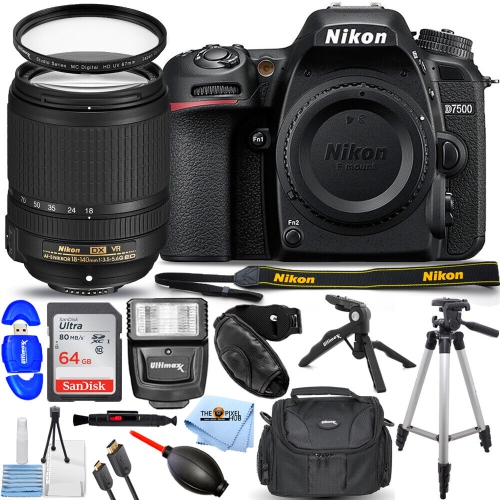
DSLR cameras with image stabilization help reduce blur caused by small camera movements during handheld photography. In most DSLR systems, stabilization is built into compatible lenses rather than the camera body. Some DSLR bodies instead use in-body image stabilization, which moves the sensor to compensate for camera shake. This distinction matters because a DSLR does not automatically provide stabilization with every lens attached: a body without sensor-based stabilization needs a stabilized lens to deliver that benefit. A camera-and-lens bundle therefore needs to be considered as a complete combination, including the exact lens version supplied. Lens-based optical stabilization shifts internal lens elements to counter movement, while sensor-based stabilization adjusts the position of the imaging sensor. Both approaches can make handheld shooting more forgiving, particularly with longer focal lengths or slower shutter speeds, although their effectiveness depends on the equipment, technique, and shooting conditions. Stabilization is not the same as autofocus, and it cannot freeze a moving subject. A child running across a room or a bird lifting off still needs a sufficiently fast shutter speed to appear sharp. What stabilization addresses is the movement of the camera in the photographer’s hands. With a stabilized lens, the view through a DSLR’s optical viewfinder can also appear steadier, making it easier to compose a tightly framed portrait or keep a distant subject in view. Sensor-based stabilization alone generally does not steady that optical viewfinder image because the sensor sits outside the viewfinder’s light path. For shoppers comparing DSLR cameras with image stabilization, the most useful details are where stabilization happens, which lenses support it, and whether its operation suits still photography, video, or both. Advertised stabilization ratings describe performance under particular test conditions, not a guaranteed shutter speed for every photograph. A comfortable grip, steady stance, and appropriate exposure settings remain important parts of getting crisp results, even when stabilization is active.
The practical value of stabilization becomes clear in everyday scenes: a quiet museum interior where flash is restricted, a carefully arranged plate of food beside a window, or an architectural detail photographed from across a courtyard. When the subject stays still, stabilization may allow a slower shutter speed than would otherwise be practical handheld, helping preserve detail without raising ISO as much. Higher ISO settings can introduce more visible image noise, so that extra flexibility can be useful when light is limited. Portraits, travel photographs, family gatherings, and distant subjects each place different demands on a camera-and-lens combination. A compact standard zoom offers flexible framing without frequent lens changes, while a telephoto lens brings faraway details closer and makes small hand movements more noticeable. A wide-aperture lens provides another way to work with available light, but a wide aperture also narrows depth of field, making accurate focus especially important. Stabilization complements these choices rather than replacing them. Sensor size, lens aperture, autofocus coverage, and continuous shooting performance all contribute to the final result. APS-C and full-frame DSLRs also produce different angles of view with the same focal length, so the lens range needs to suit the intended subjects. For someone photographing indoor performances, a responsive autofocus system and a suitable lens may matter as much as stabilization. For someone making detailed photographs of stationary objects, careful framing and dependable handheld steadiness may take priority. Video introduces separate considerations: stabilization can soften small handheld movements, but it does not necessarily turn walking footage into a smooth tracking shot. Some video modes use electronic stabilization that crops the image, and support varies by camera. Lens focusing and stabilization mechanisms may also be audible to an internal microphone. Articulating screens, external microphone connections, and reliable live-view autofocus are useful features to consider alongside stabilization when the same DSLR will handle both photographs and video.
A DSLR is also a physical tool that needs to feel manageable through a full outing or a lengthy photography session. Body size, grip shape, control placement, and the combined weight of the camera and lens influence comfort more than the body’s weight alone. A larger lens can shift the balance forward, while a deeper grip may feel more secure for someone with larger hands. Adjustable straps and supportive carrying bags help distribute that weight and keep equipment protected between shots. Depending on the model, DSLR construction may include reinforced composite panels, metal-alloy components, and textured grip surfaces; durability also depends on how the camera, lens mount, switches, and moving parts are handled. Lens glass and optical coatings benefit from a fitted cap during storage and gentle cleaning with suitable photographic tools. Loose dust is best removed before wiping an optical surface, and the camera’s interior needs particular care when changing lenses. Sensor cleaning requires methods appropriate to the camera rather than ordinary household cleaning products. Lens compatibility deserves equal attention, especially for anyone adding a DSLR to an existing collection of equipment. Matching the mount is only part of the picture: autofocus operation, electronic communication, sensor coverage, and stabilization support can differ between combinations. A stabilized lens does not necessarily work on every DSLR from the same system, and body-based stabilization may require lens information to operate correctly. For a gift recipient, an established lens collection, preferred subjects, and comfort with camera controls are more useful starting points than appearance alone. A beginner may appreciate accessible controls and a versatile lens, while an experienced photographer may value familiar handling and compatibility with existing accessories. The broader range of digital cameras with image stabilization provides context for comparing different camera designs, while DSLRs retain their particular appeal through optical viewfinders, interchangeable lenses, and direct physical controls. The most suitable combination brings those qualities together with stabilization that supports the way its owner actually photographs.
Top selling and popular products
-
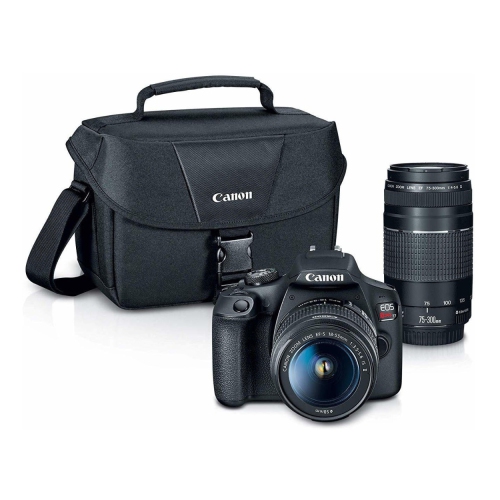 Your price for this item is $1039.95
-
 Your price for this item is $699.99
-
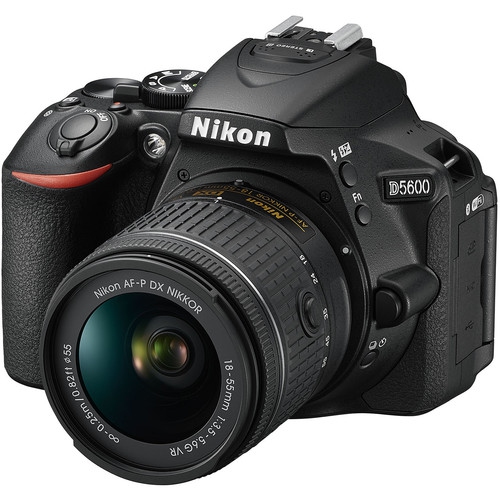 Your price for this item is $1309.95
-
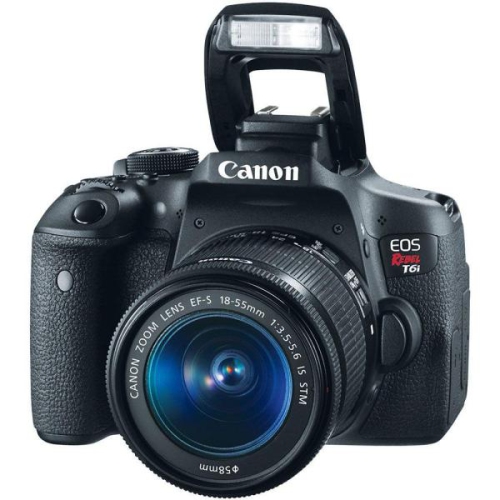 Your price for this item is $819.69
-
 Your price for this item is $1199.95
-
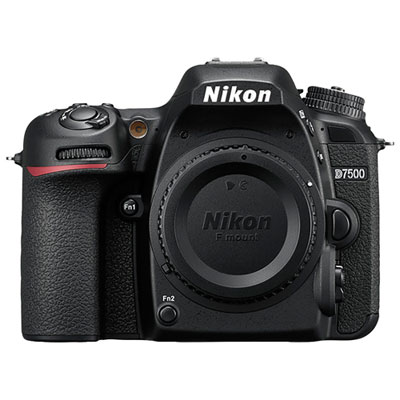 Your price for this item is $879.99
-
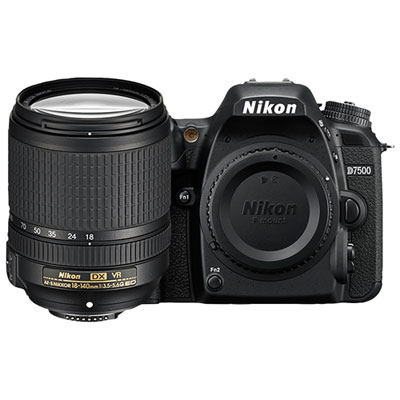 Your price for this item is $1279.99
-
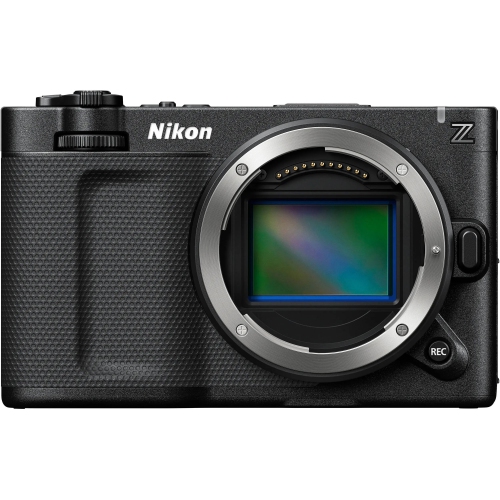 Your price for this item is $2889.99
Discover more categories related to DSLR Cameras With Image Stabilization
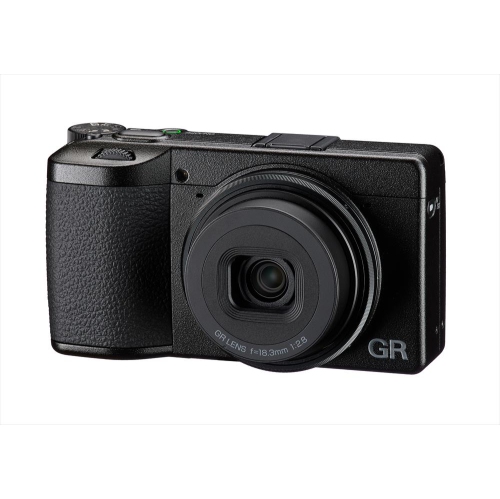
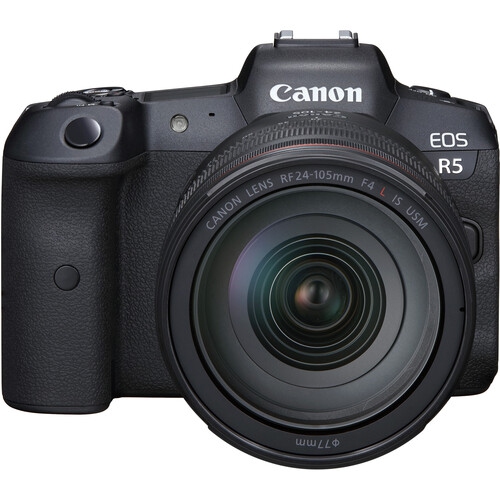
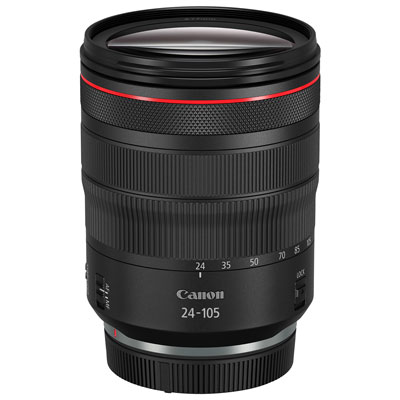
Top Collections:
Best Black Friday Deals This Year, Best Black Friday Deals On Electronics, Kindle Devices, Pokemon Centers, Best Black Friday Deals On Apple Products, Best Cameras for Sports Photography, Dyson Airwrap, Pokémon 30th Celebration Cards, Apple iPhone 17 Pro, Canon G7X Cameras
Some products may be subject to Environmental Handling Fees
(EHF) depending on your province.
Learn more about EHFs.