Lenses With Image Stabilization
Looking to capture sharp and steady images? Look no further than lenses with image stabilization. With advanced technology built-in, these lenses are designed to minimize camera shake, allowing you to achieve clear and blur-free photos every time. Whether you're a professional photographer or an avid enthusiast, investing in a lens with image stabilization can significantly enhance the quality of your shots.
Sort
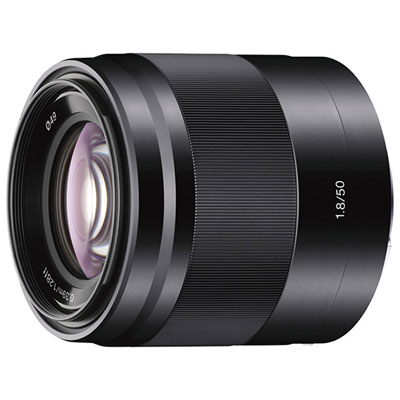
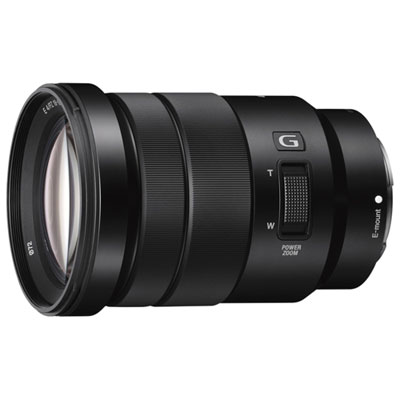
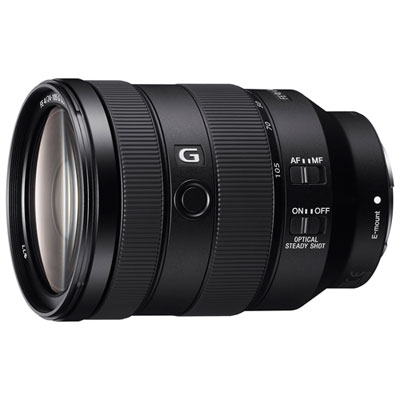
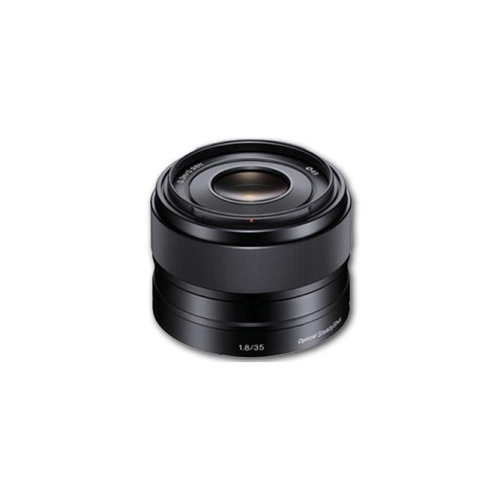
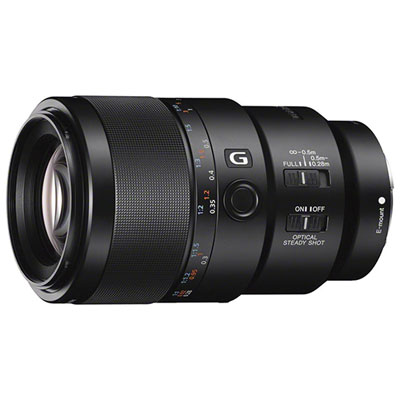
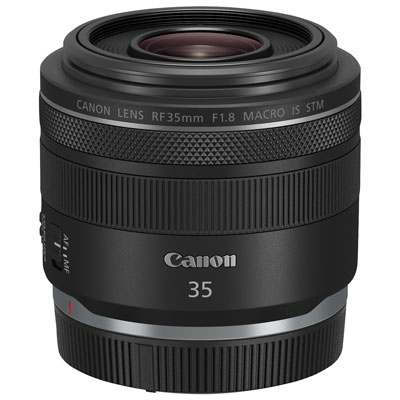
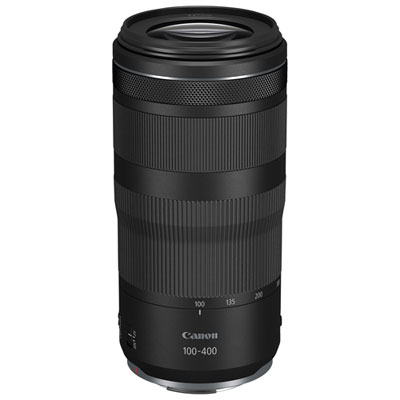
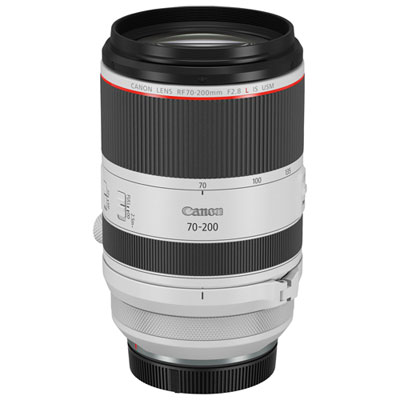
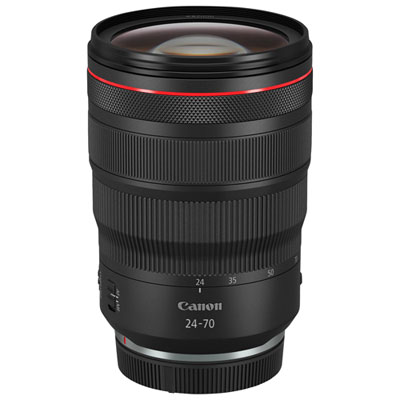
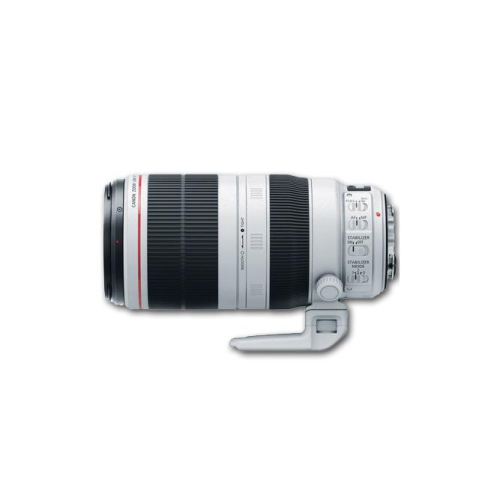

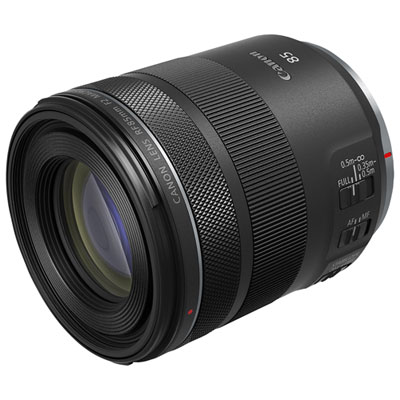
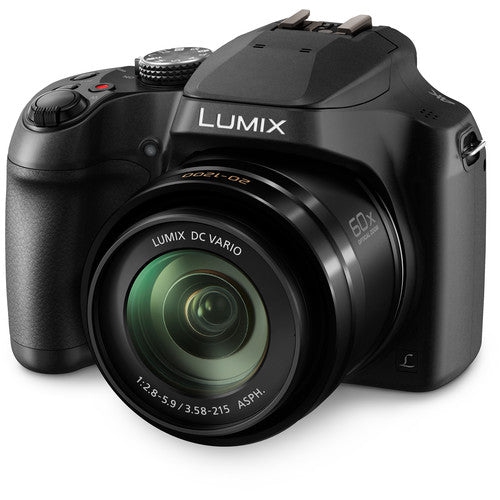

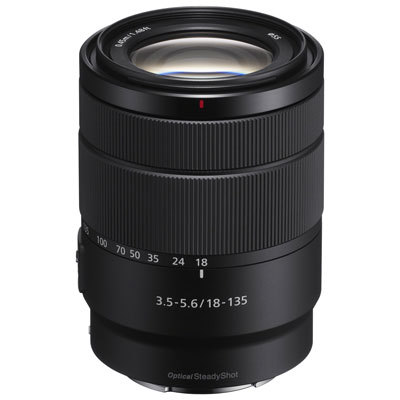
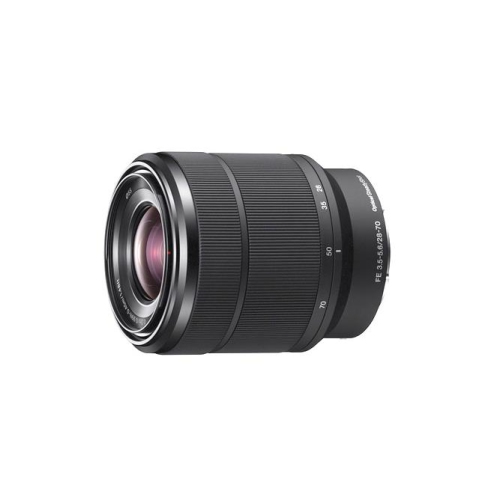
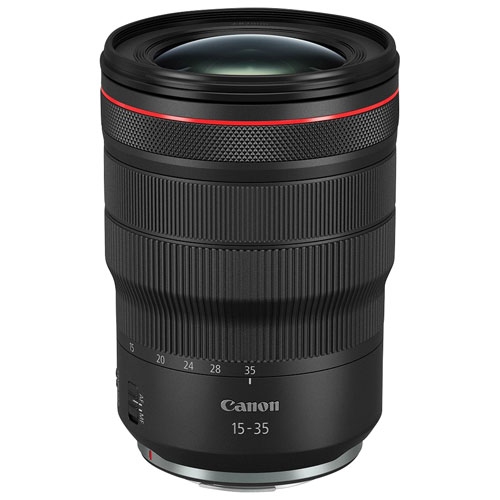
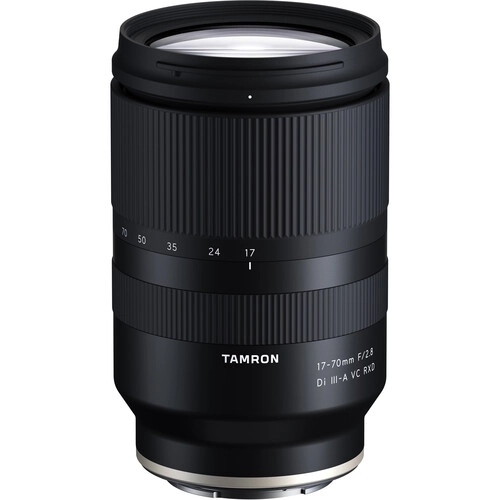
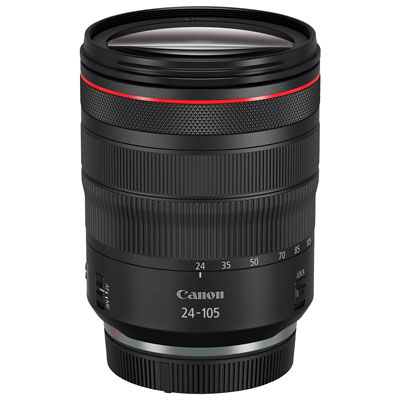

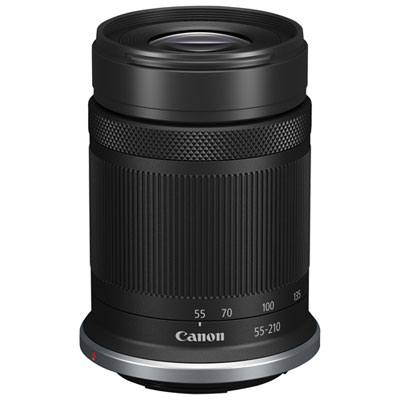
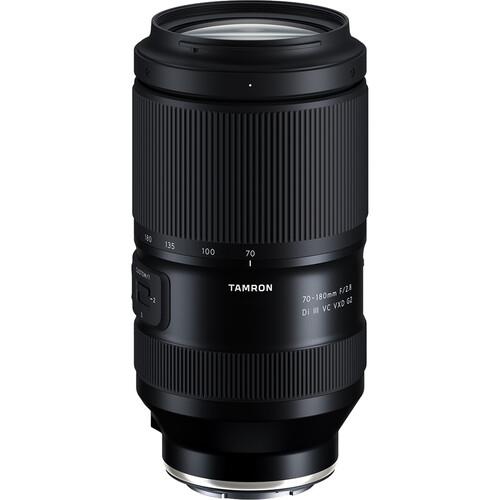
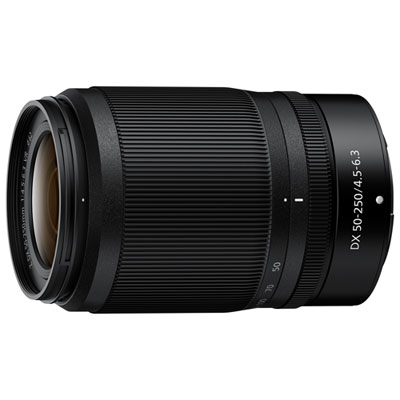
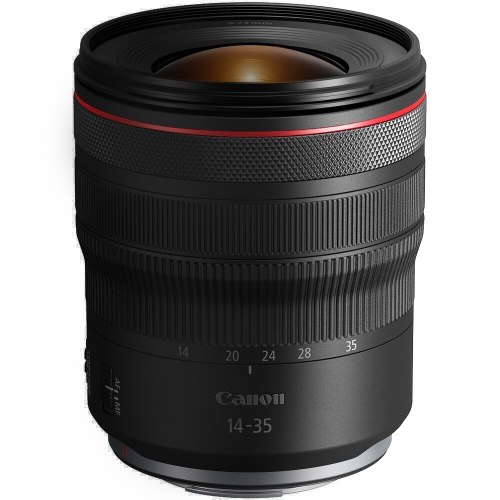
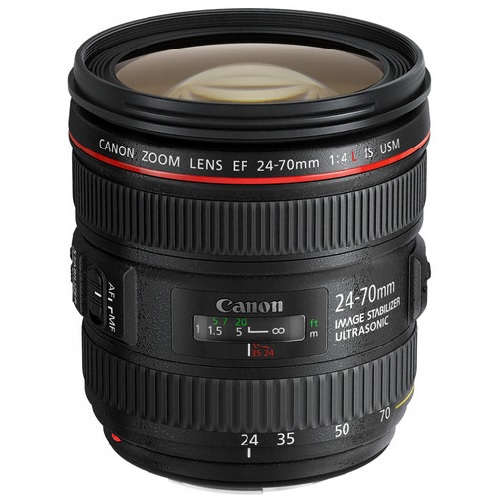
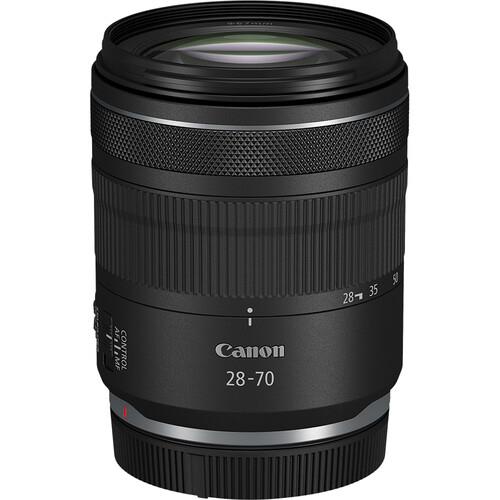
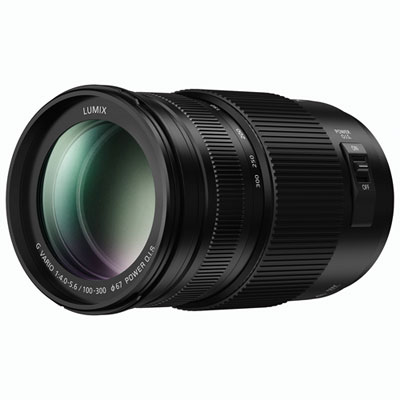
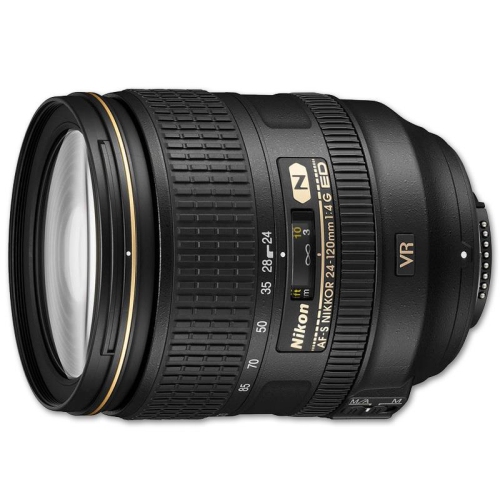

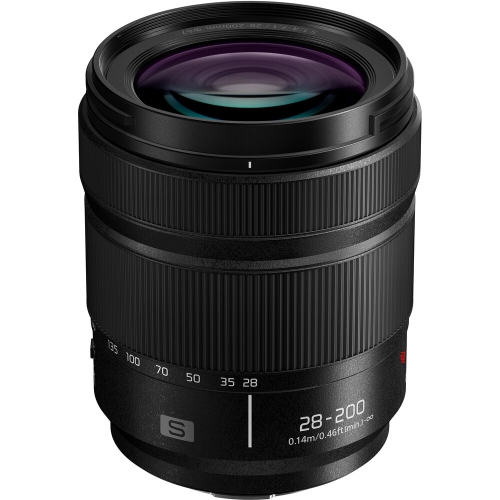
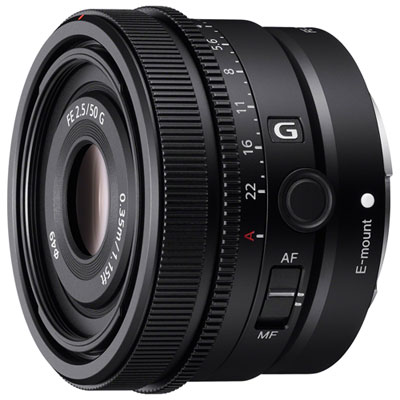
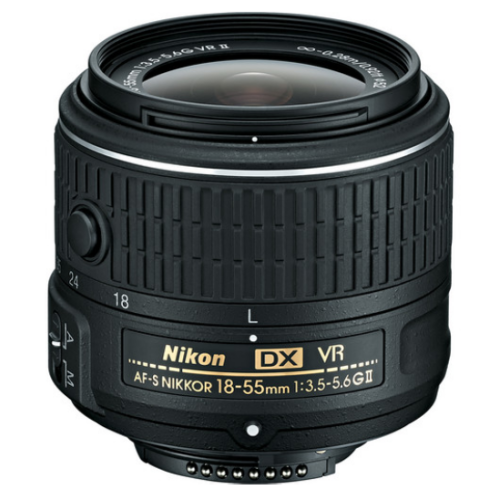
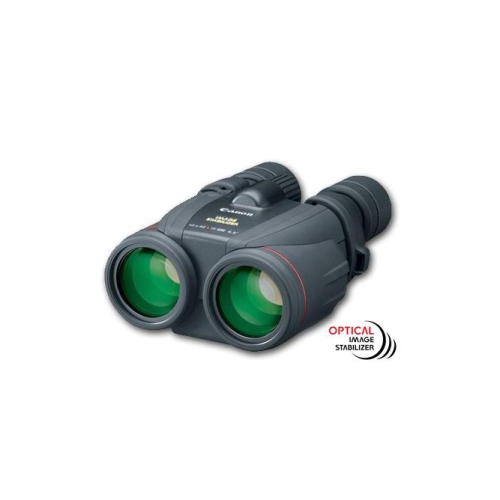
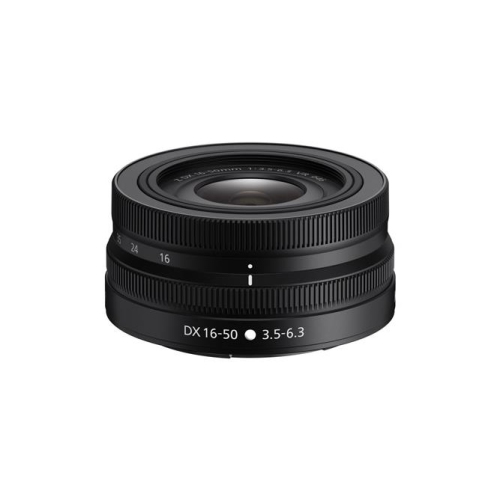
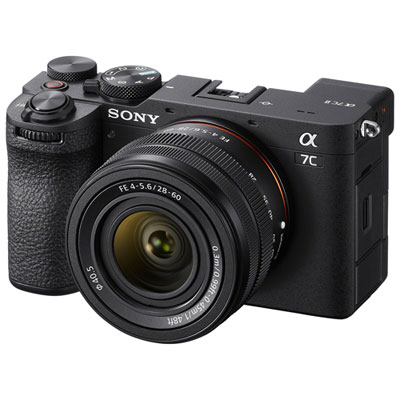
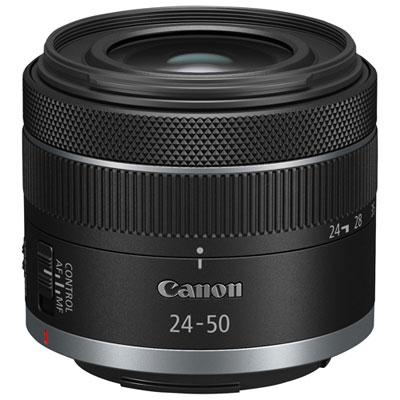
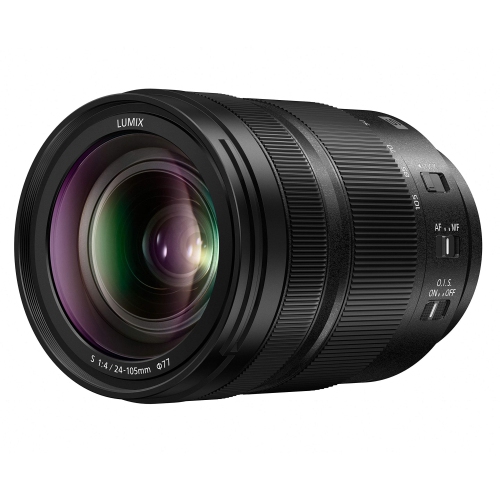
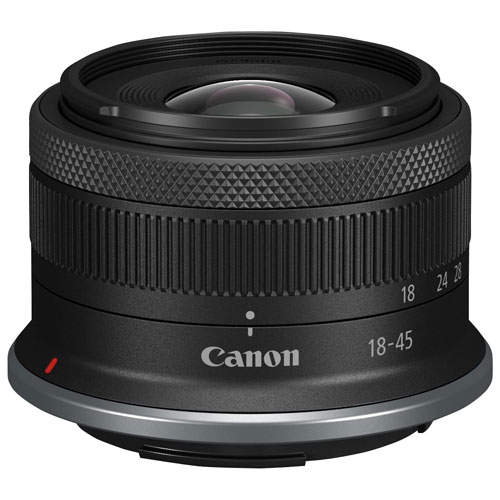
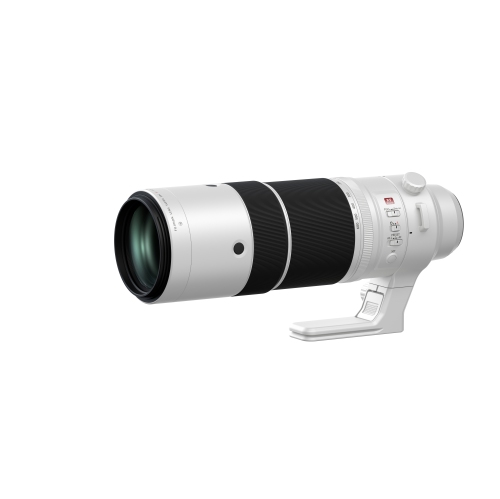
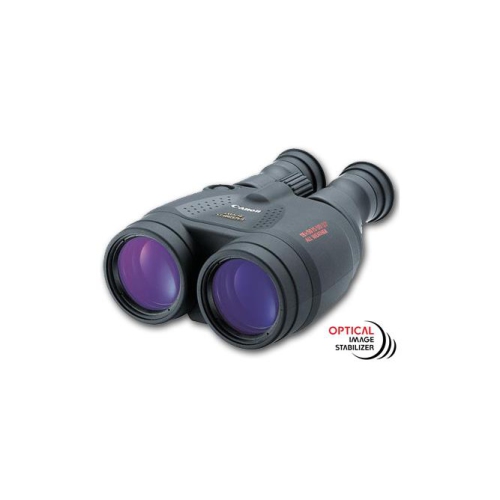
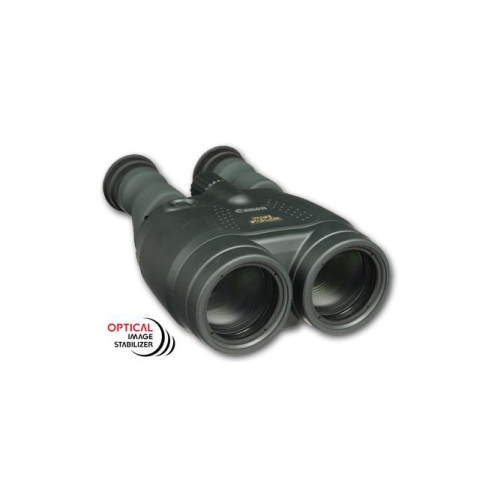
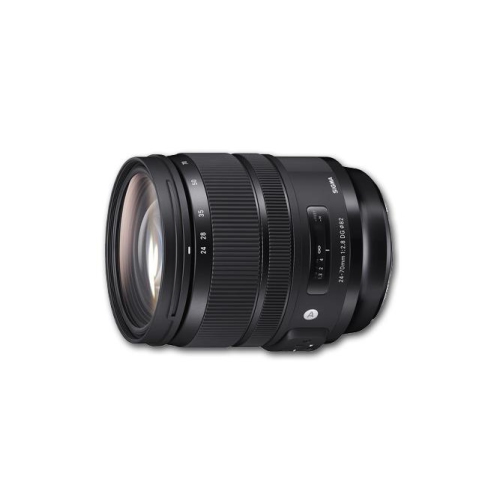
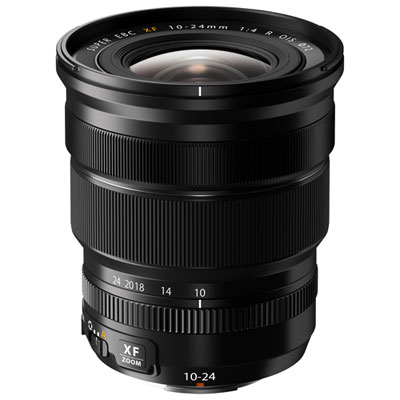

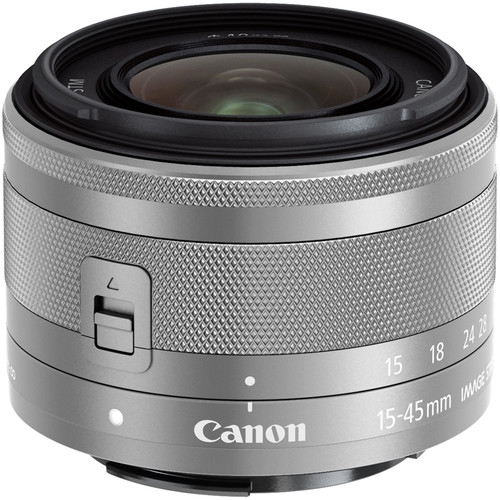
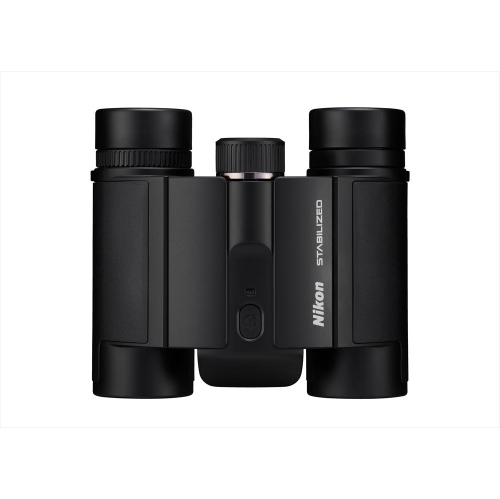
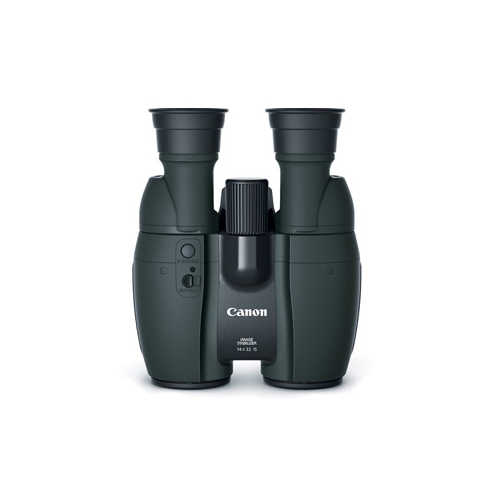
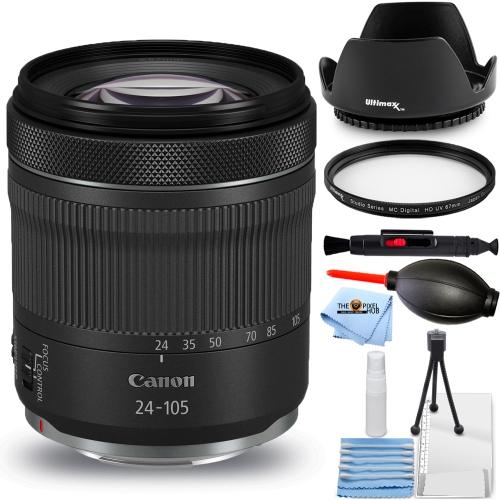
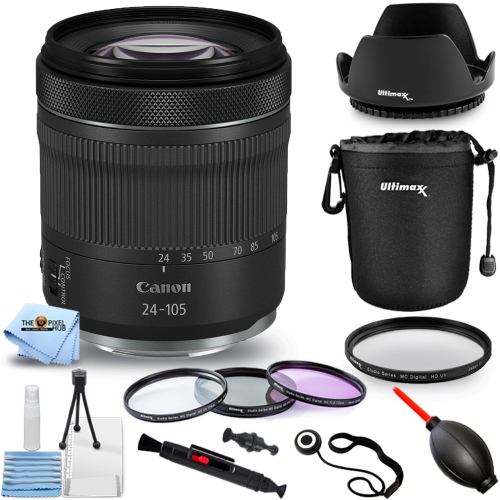
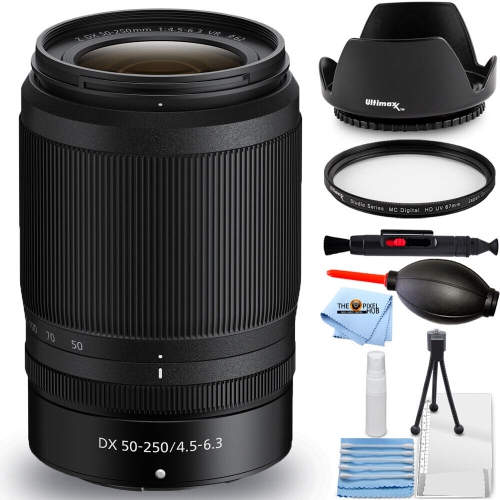
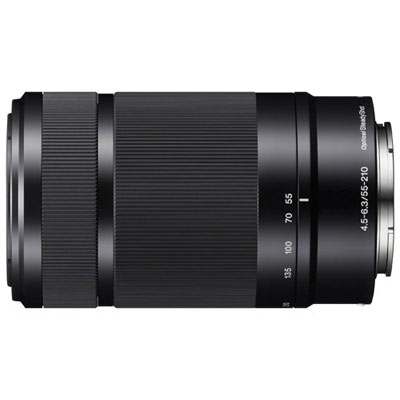
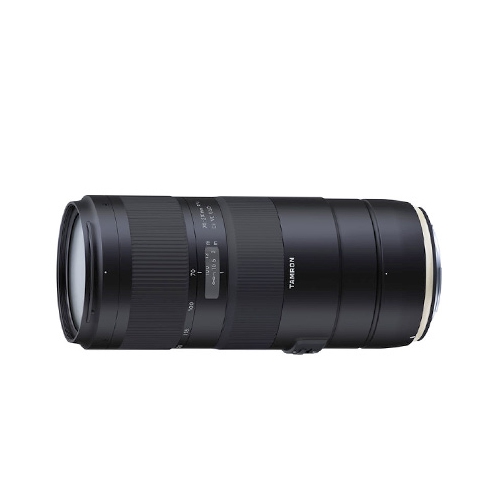

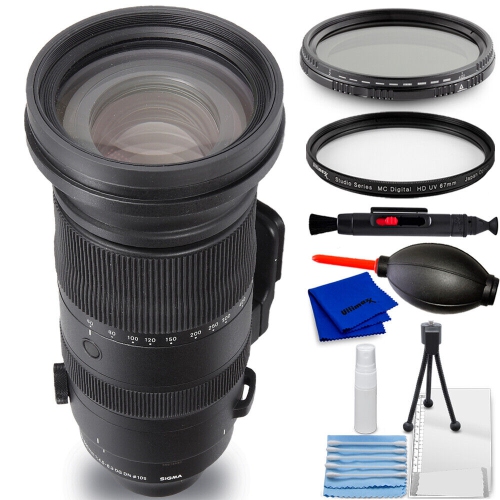
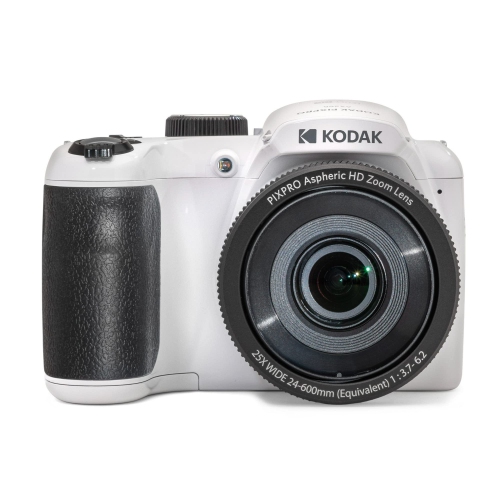
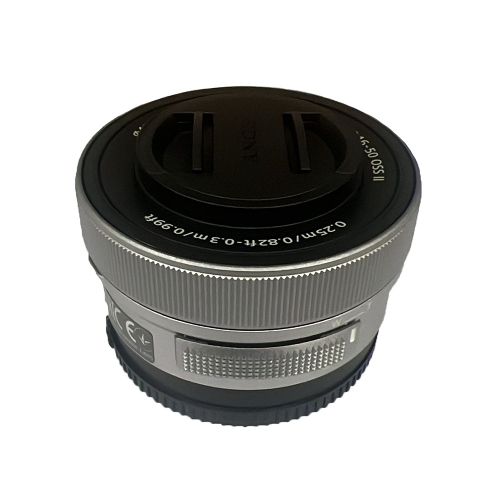
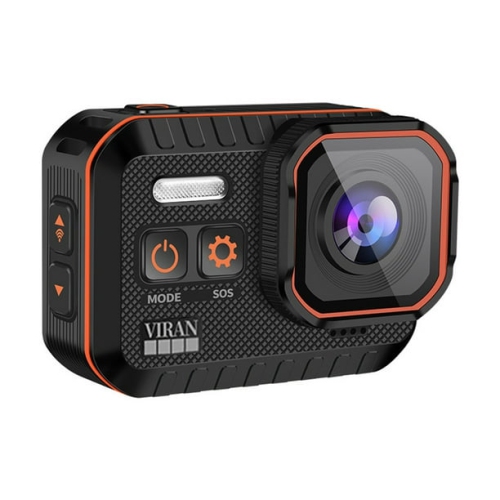
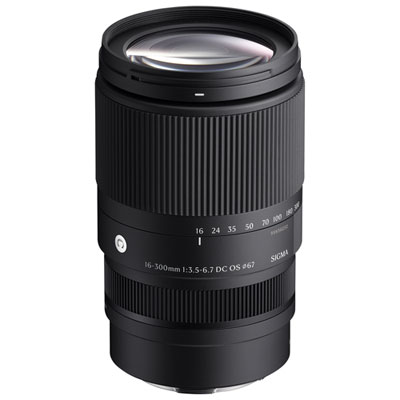
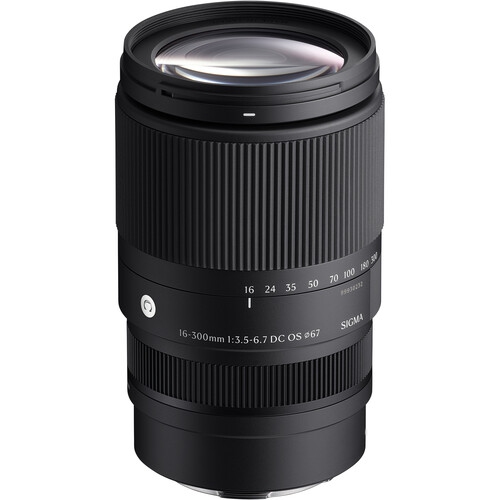
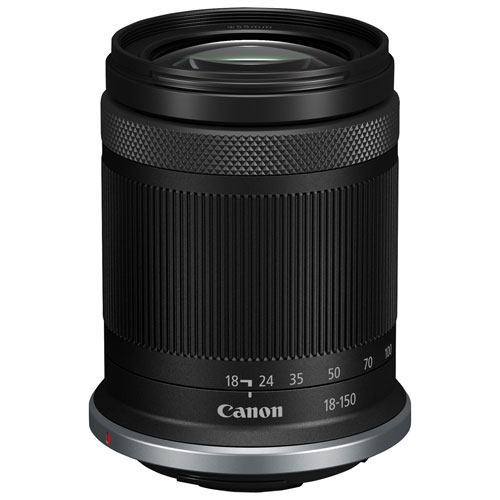
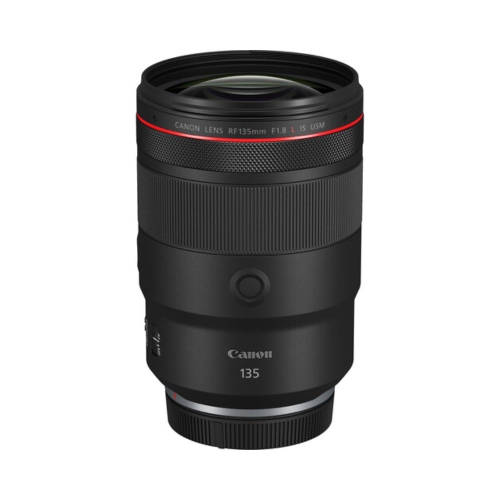
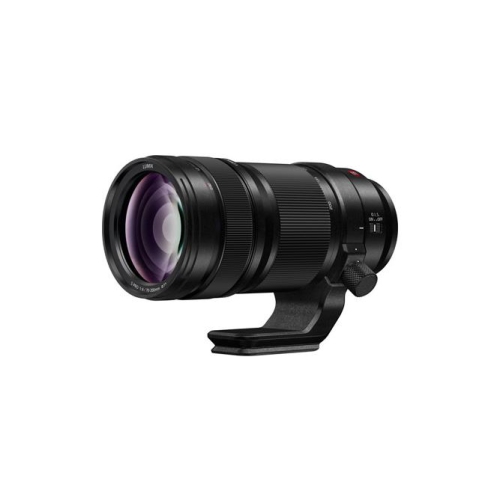
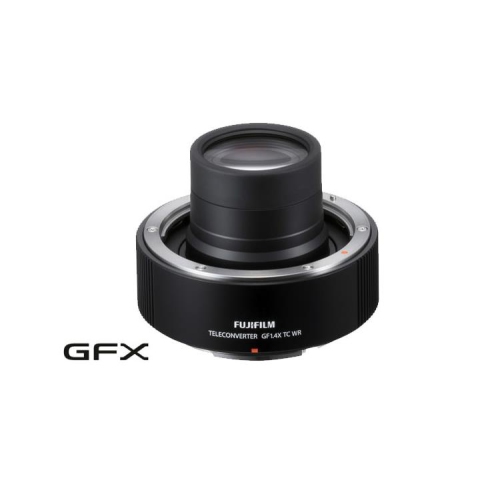
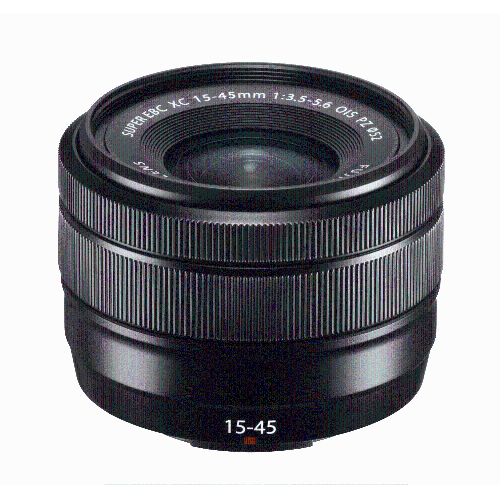
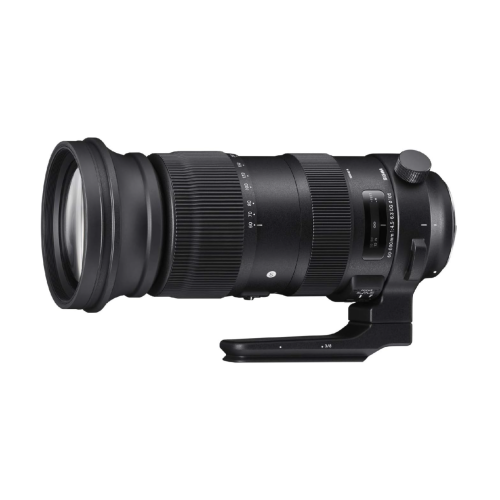
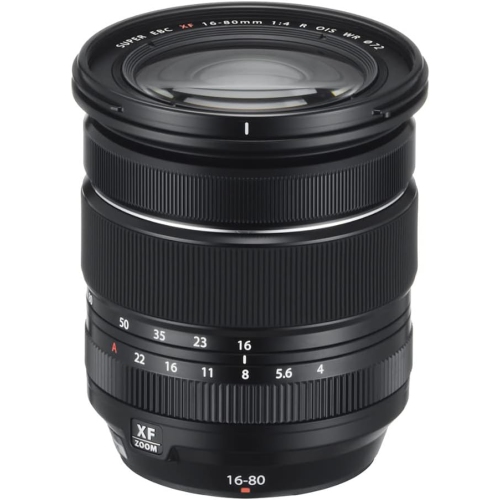
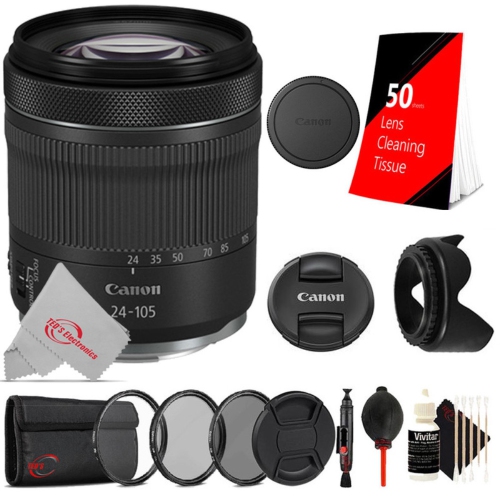
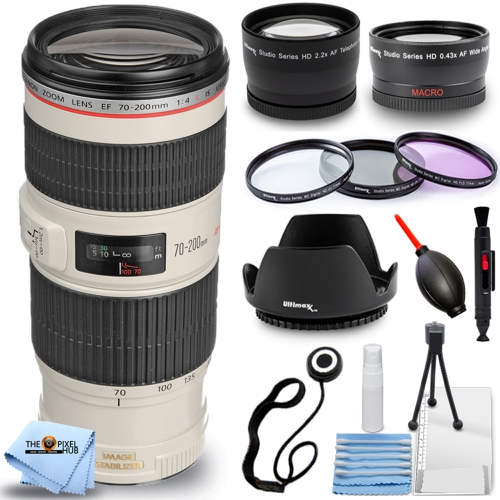
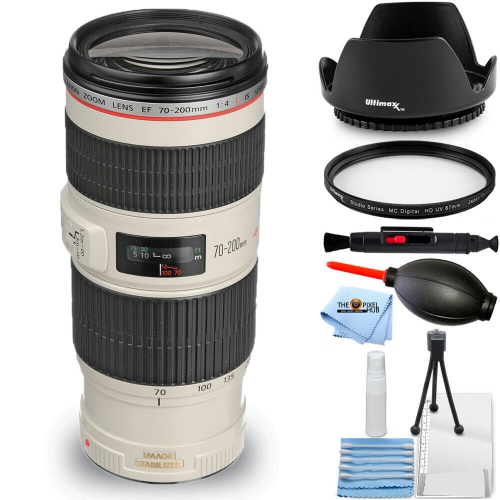
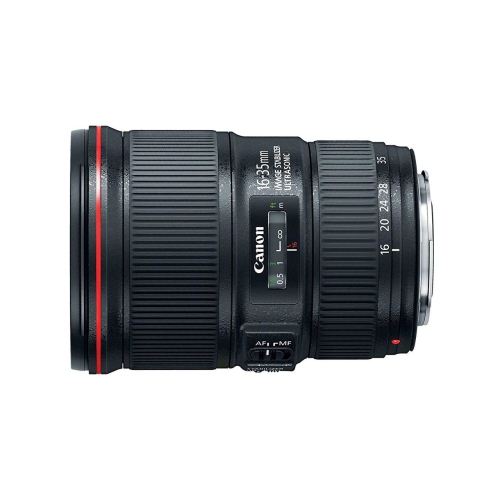
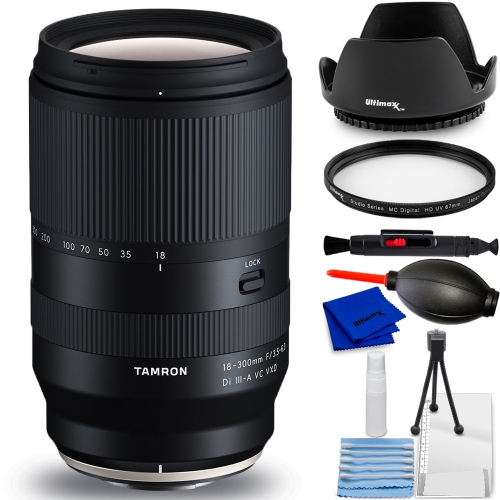
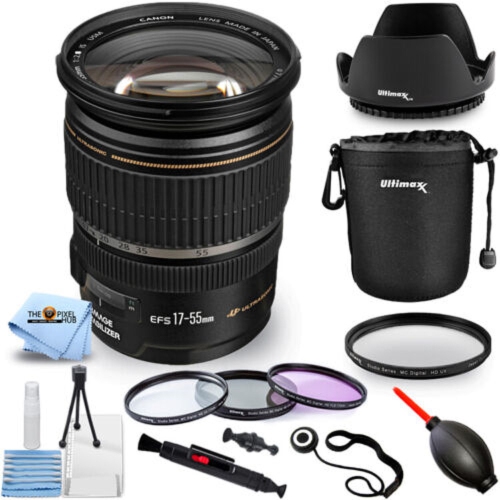
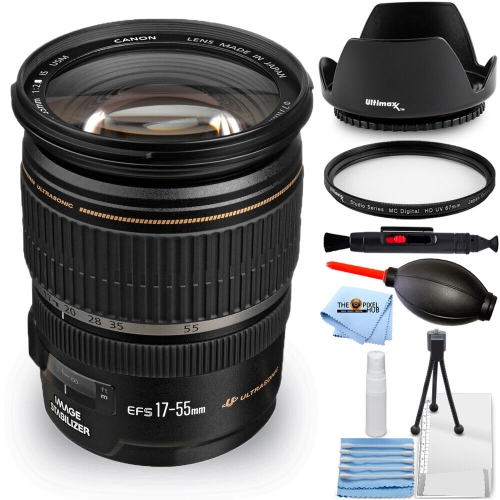
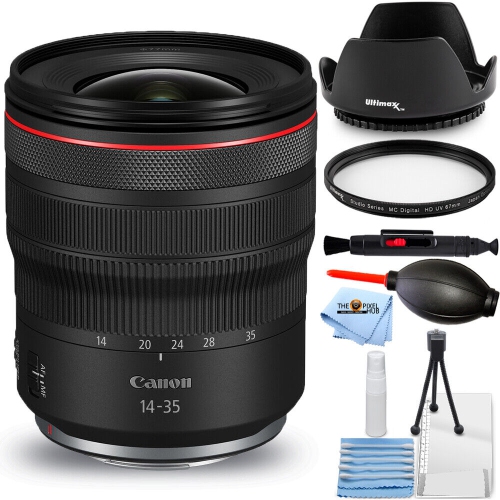
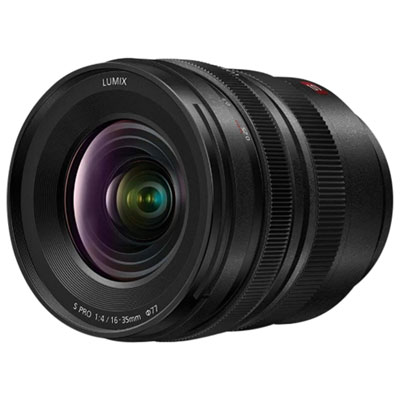
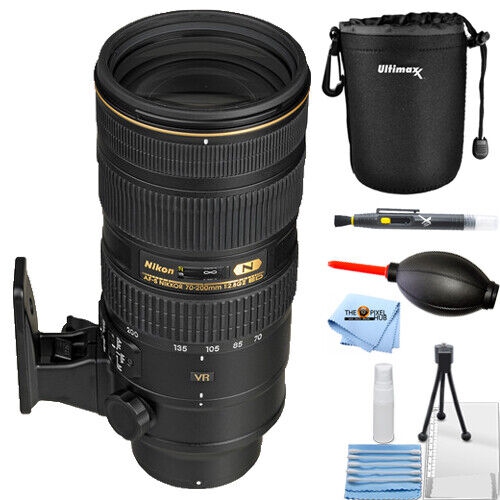
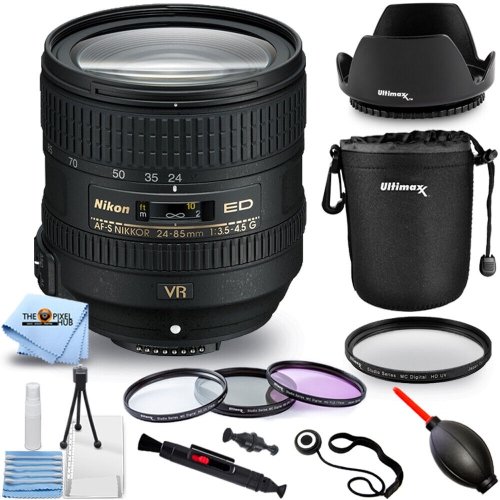
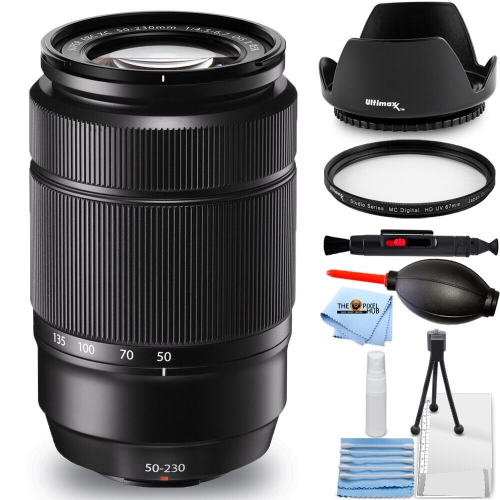
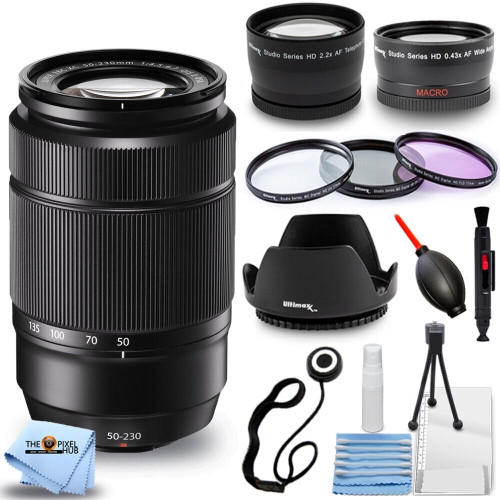
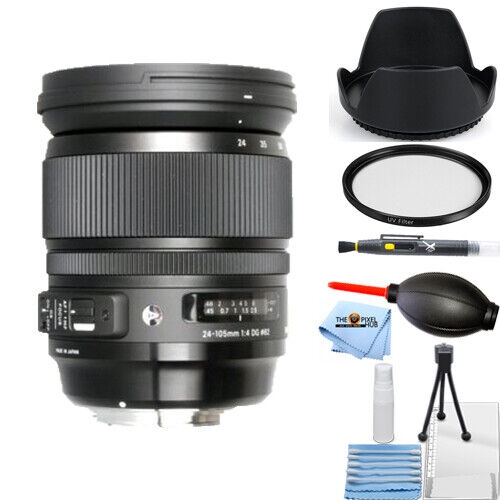
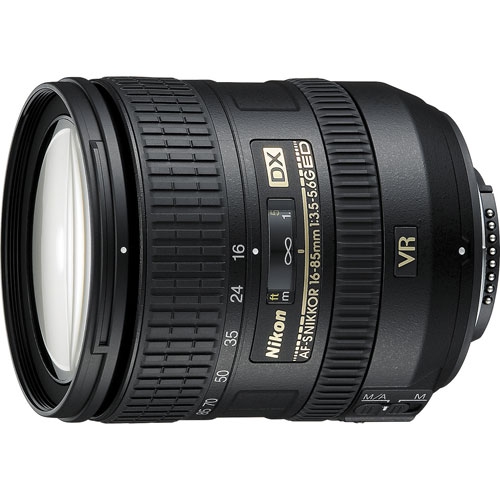

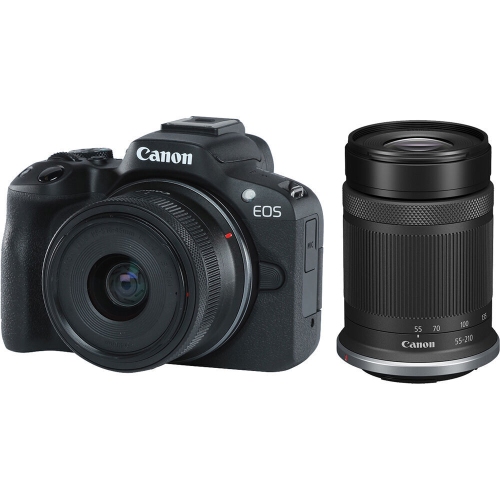
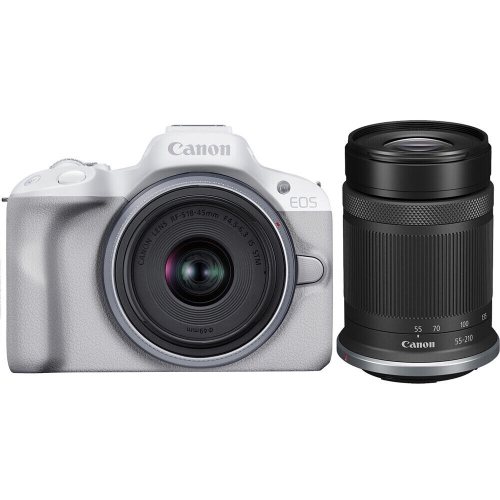
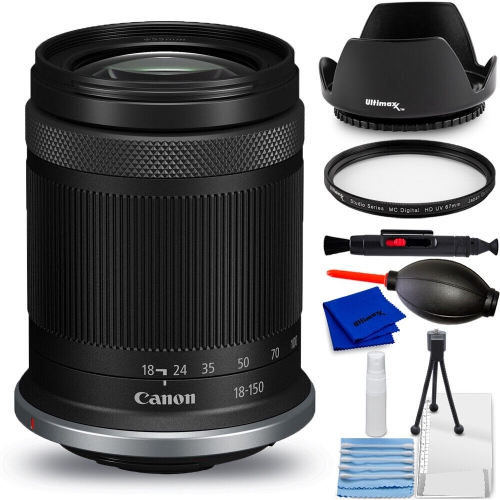
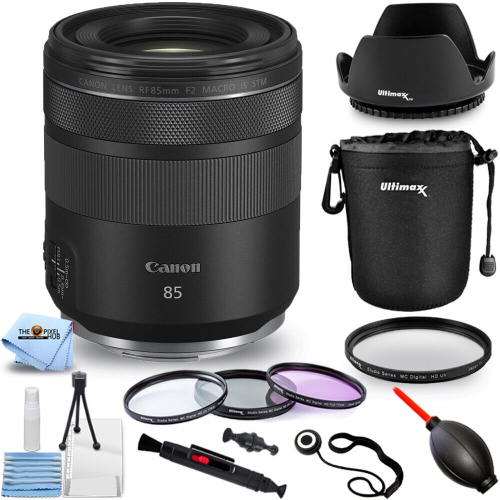
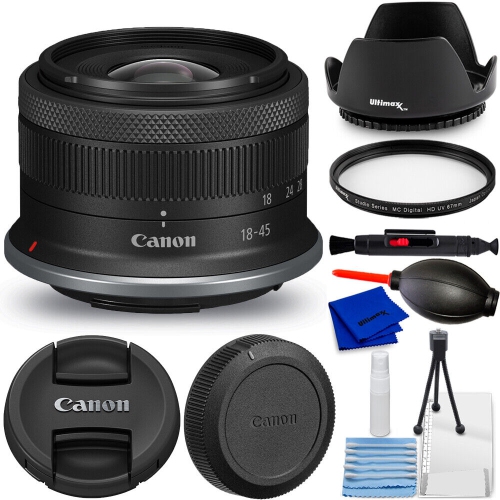
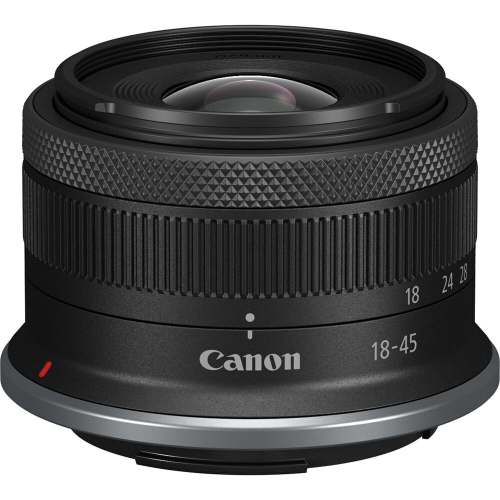
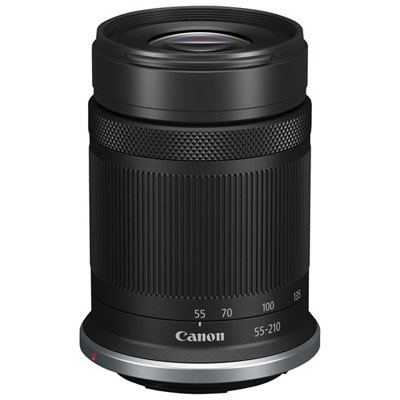
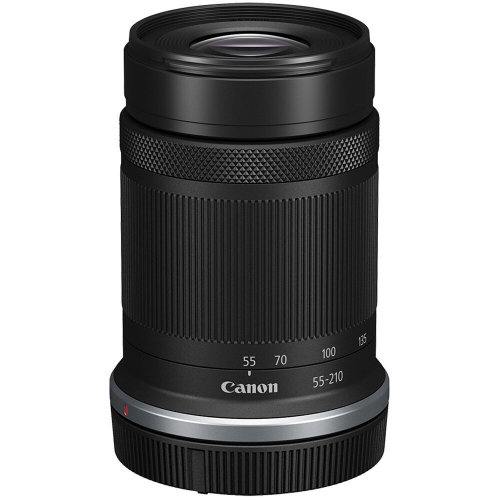
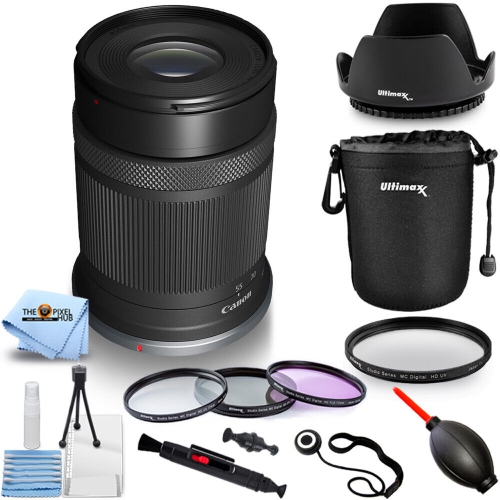
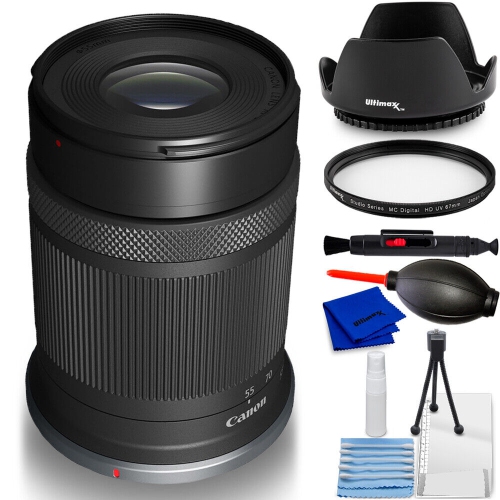
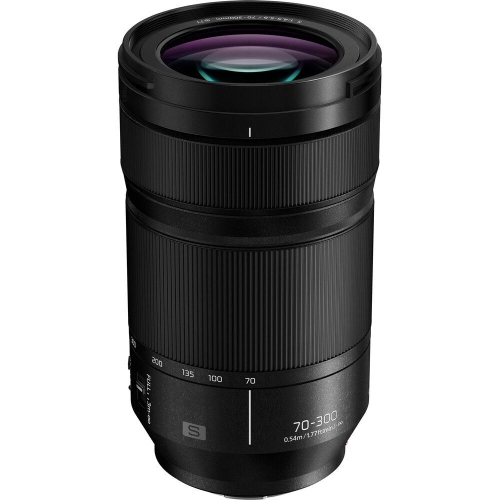
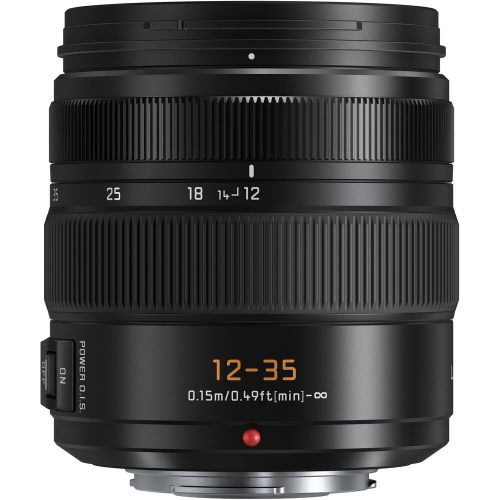
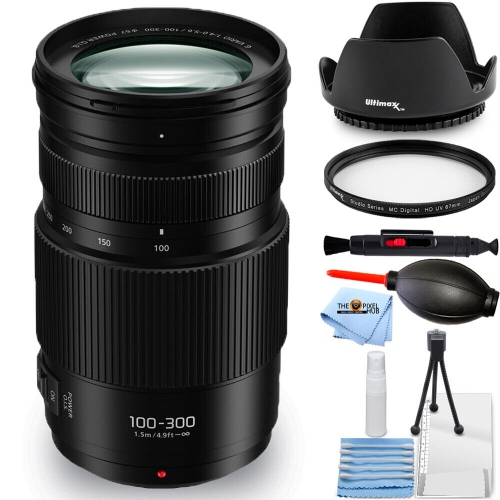
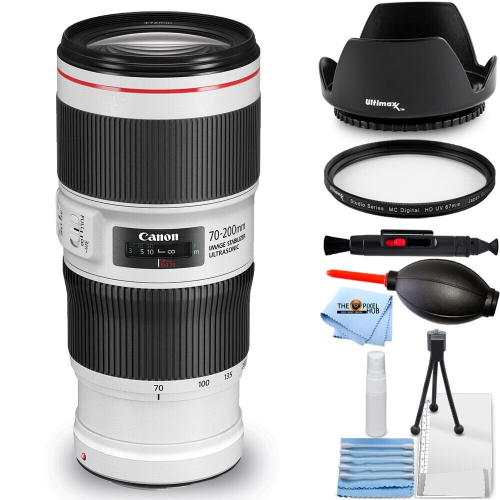
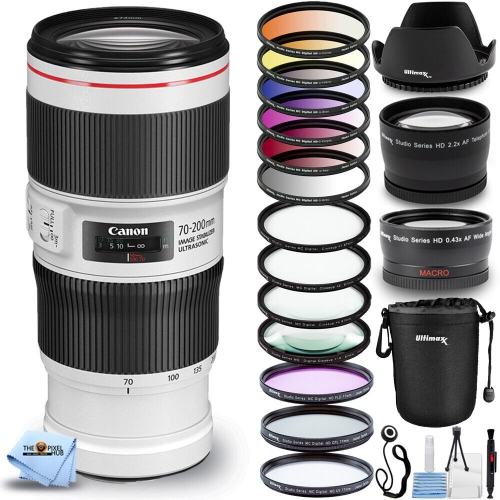
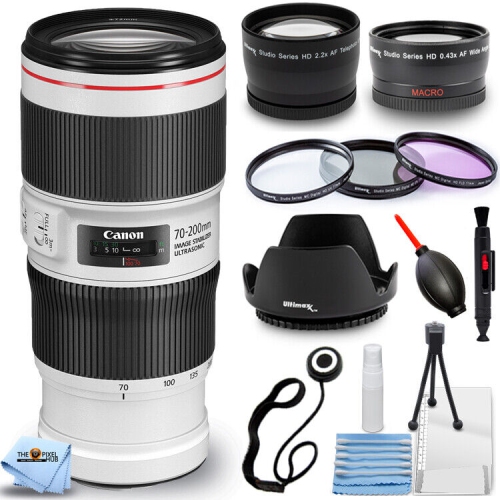
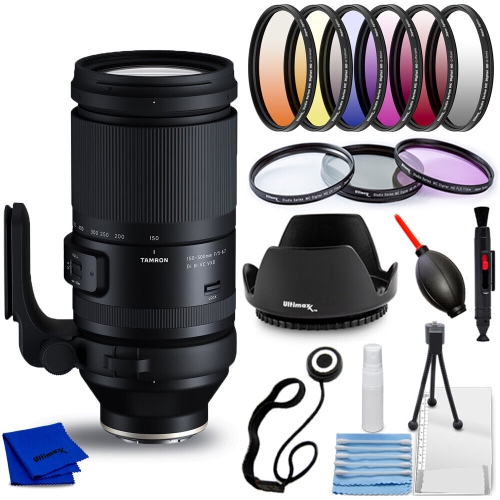
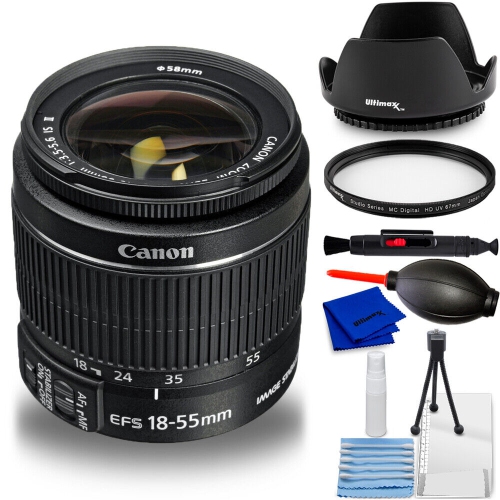
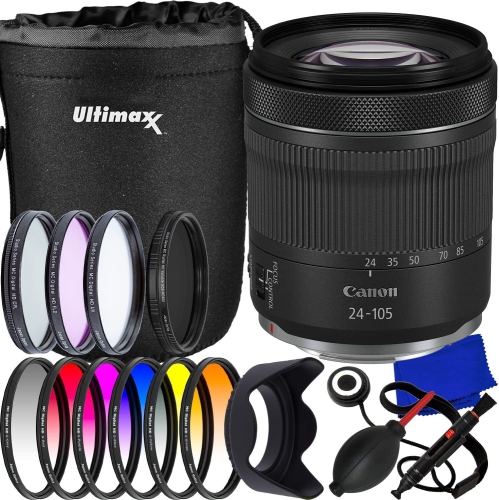
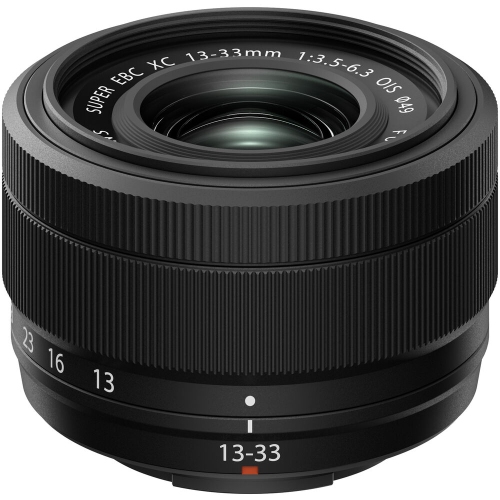
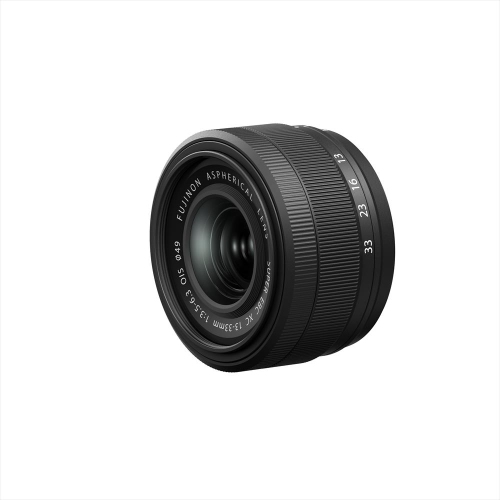
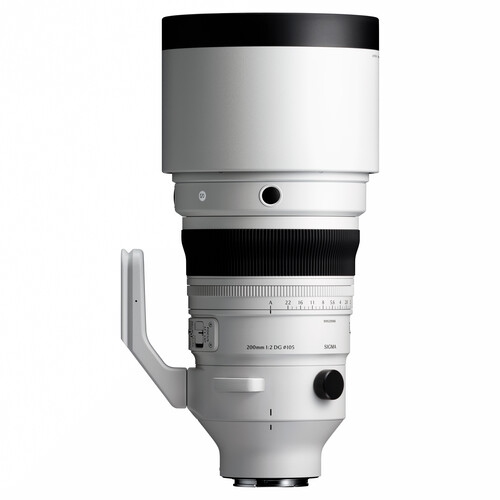
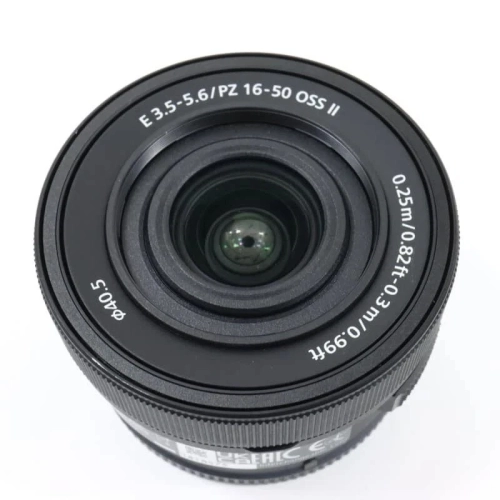
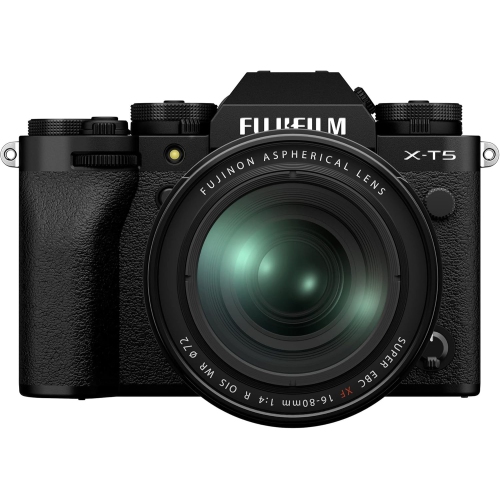
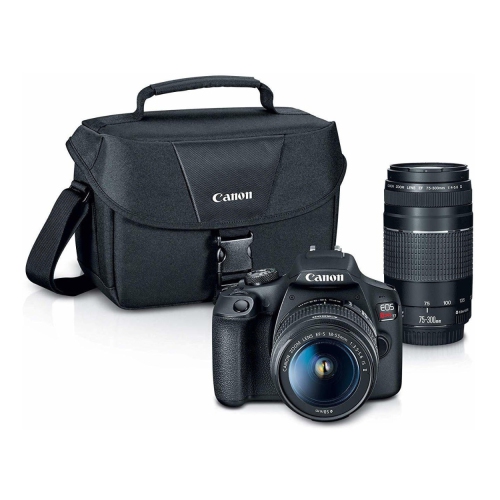
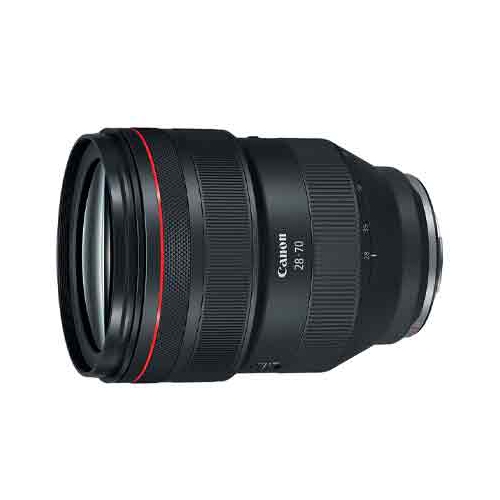
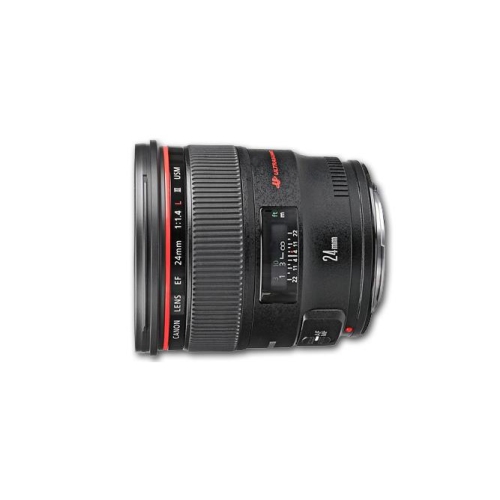
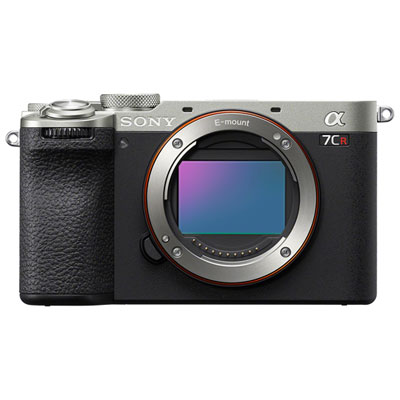
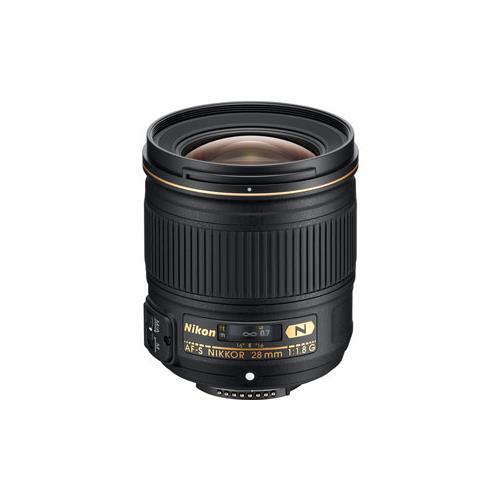
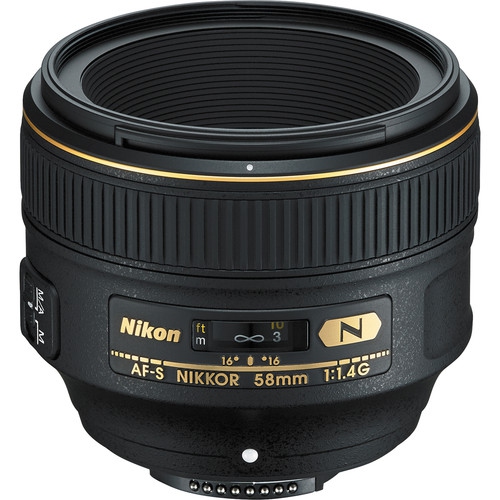
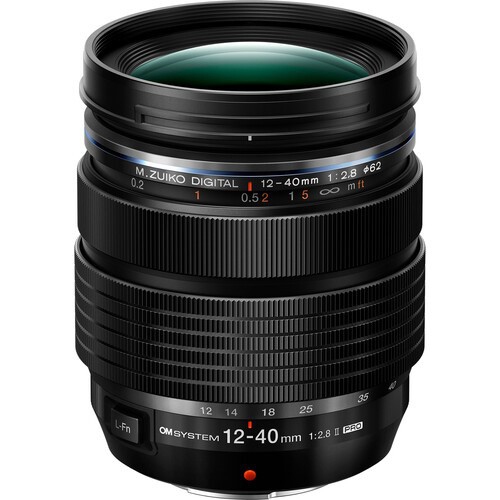
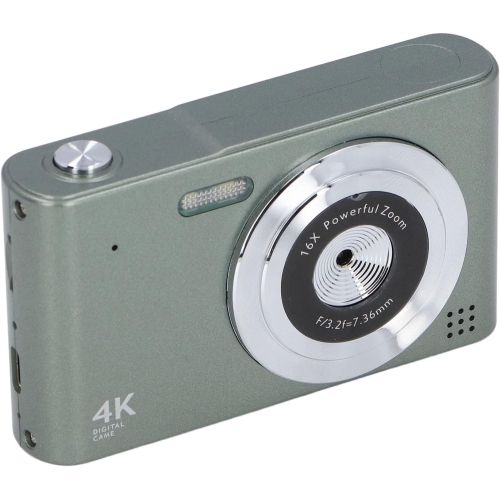
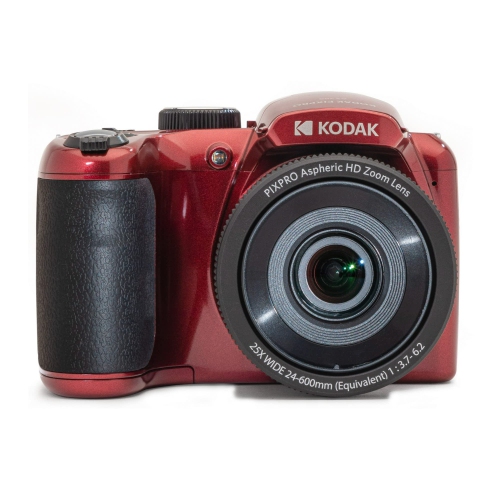
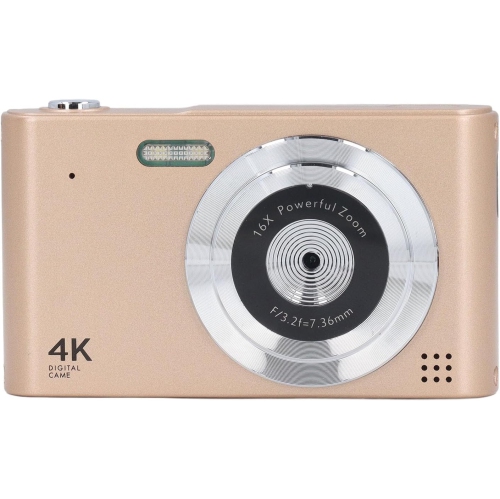
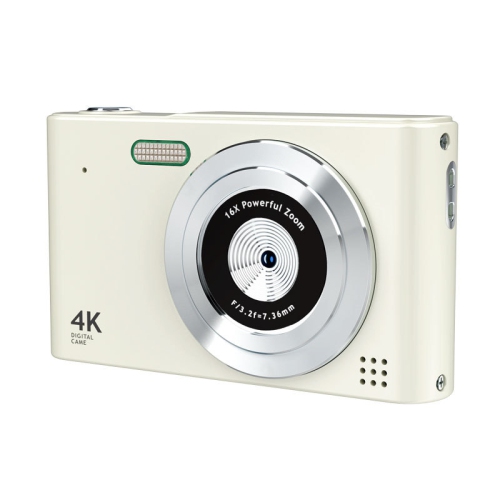
How stabilization supports sharper photos and smoother video
Lenses with image stabilization are designed to help reduce the effects of hand shake, making it easier to capture sharp photos and steadier video when shooting without a tripod. Inside a stabilized lens, motion sensors detect small movements caused by your hands, while a floating optical element shifts in the opposite direction to compensate. This optical correction is especially useful when photographing in dim indoor spaces, shaded outdoor areas, museums, restaurants, or during the cooler months when carrying a tripod may not be convenient. Image stabilization can also be helpful when using longer focal lengths, since even a small movement becomes more noticeable as the subject appears closer. Depending on the lens and camera system, stabilization may provide several stops of assistance, meaning you can sometimes use a slower shutter speed than would otherwise be practical while retaining a clear, detailed image. The actual benefit varies with the photographer’s technique, focal length, subject movement, lighting, and the stabilization design itself. It is important to remember that stabilization corrects camera movement, not a moving person, pet, vehicle, or bird. A child running through a backyard may still require a faster shutter speed, even when the lens is stabilized, while a still landscape, building, or softly lit interior can benefit greatly from the extra steadiness. For handheld video, stabilization can help reduce the small jitters that make footage feel unsettled, although it does not replace careful camera handling, a gimbal, or a tripod in every situation.
When choosing among lenses with image stabilization, start with camera compatibility. The lens mount must match your camera, and some features may depend on the camera body, firmware, or the specific combination of lens and camera. Check whether your camera includes in-body image stabilization, often abbreviated as IBIS, and whether it can work together with optical stabilization in the lens. On compatible mirrorless systems, coordinated stabilization may use both the lens elements and the camera sensor to improve correction across different types of movement. Other cameras may rely primarily on the lens, so the lens’s stabilization specifications become more important. Consider focal length based on how and where you usually shoot. A standard zoom can be a practical everyday choice for travel, family gatherings, walks, and spontaneous photographs, offering flexibility without requiring frequent lens changes. A wide-angle option can be useful for architecture, interiors, scenic views, and group photos, while a telephoto zoom helps frame distant subjects at sporting events, outdoor performances, wildlife areas, or across a large garden. For photographers who regularly work at longer focal lengths, Telephoto Lenses With Image Stabilization can provide useful reach while helping counter the magnified effect of hand movement. Aperture is another important consideration. A wider maximum aperture can allow more light to reach the sensor and may create a softer background, while a smaller or variable aperture may keep the lens lighter, more compact, and easier to carry. Look at the minimum focusing distance if you enjoy close-up details, the filter size if you already own filters, and the lens’s size and weight if you plan to walk with it for several hours. Autofocus speed, focus motor noise, weather-resistant construction, manual focus controls, and the ability to disable stabilization on a tripod can also influence the best fit for your camera bag.
These lenses can suit a broad range of photographers, from someone building a first interchangeable-lens camera kit to an experienced shooter refining a travel or video setup. They are particularly helpful for people who prefer to work quickly and naturally rather than stopping to set up support equipment before every frame. A stabilized lens can make it easier to photograph a warmly lit dinner table, a quiet street after sunset, or the details of a family celebration while keeping the camera handheld and ready. Travellers may appreciate the flexibility of a zoom lens when moving between bright outdoor scenes and darker interiors, while parents and event photographers can benefit from the freedom to follow changing moments without carrying a tripod. A telephoto lens with stabilization can also be a thoughtful gift for someone interested in wildlife, sports, aviation, stage performances, or landscape photography, especially when they are ready to explore subjects beyond the reach of a standard kit lens. Before purchasing, compare the lens’s focal range, maximum aperture, stabilization modes, focusing performance, and compatibility with the recipient’s camera body. Some lenses include different stabilization settings for normal handheld shooting, panning, or active movement, and these modes can be useful when following a cyclist, car, or athlete across the frame. Good technique remains important: hold the camera with both hands, support the lens when possible, keep your elbows close to your body, and pause your breathing briefly as you press the shutter. Stabilization works best as part of that steady approach. With the right match between camera, lens, subject, and shooting conditions, image stabilization can help preserve fine details in still photographs and create smoother handheld footage across bright afternoons, changing outdoor light, and darker scenes during the cooler months.
When choosing among lenses with image stabilization, start with camera compatibility. The lens mount must match your camera, and some features may depend on the camera body, firmware, or the specific combination of lens and camera. Check whether your camera includes in-body image stabilization, often abbreviated as IBIS, and whether it can work together with optical stabilization in the lens. On compatible mirrorless systems, coordinated stabilization may use both the lens elements and the camera sensor to improve correction across different types of movement. Other cameras may rely primarily on the lens, so the lens’s stabilization specifications become more important. Consider focal length based on how and where you usually shoot. A standard zoom can be a practical everyday choice for travel, family gatherings, walks, and spontaneous photographs, offering flexibility without requiring frequent lens changes. A wide-angle option can be useful for architecture, interiors, scenic views, and group photos, while a telephoto zoom helps frame distant subjects at sporting events, outdoor performances, wildlife areas, or across a large garden. For photographers who regularly work at longer focal lengths, Telephoto Lenses With Image Stabilization can provide useful reach while helping counter the magnified effect of hand movement. Aperture is another important consideration. A wider maximum aperture can allow more light to reach the sensor and may create a softer background, while a smaller or variable aperture may keep the lens lighter, more compact, and easier to carry. Look at the minimum focusing distance if you enjoy close-up details, the filter size if you already own filters, and the lens’s size and weight if you plan to walk with it for several hours. Autofocus speed, focus motor noise, weather-resistant construction, manual focus controls, and the ability to disable stabilization on a tripod can also influence the best fit for your camera bag.
These lenses can suit a broad range of photographers, from someone building a first interchangeable-lens camera kit to an experienced shooter refining a travel or video setup. They are particularly helpful for people who prefer to work quickly and naturally rather than stopping to set up support equipment before every frame. A stabilized lens can make it easier to photograph a warmly lit dinner table, a quiet street after sunset, or the details of a family celebration while keeping the camera handheld and ready. Travellers may appreciate the flexibility of a zoom lens when moving between bright outdoor scenes and darker interiors, while parents and event photographers can benefit from the freedom to follow changing moments without carrying a tripod. A telephoto lens with stabilization can also be a thoughtful gift for someone interested in wildlife, sports, aviation, stage performances, or landscape photography, especially when they are ready to explore subjects beyond the reach of a standard kit lens. Before purchasing, compare the lens’s focal range, maximum aperture, stabilization modes, focusing performance, and compatibility with the recipient’s camera body. Some lenses include different stabilization settings for normal handheld shooting, panning, or active movement, and these modes can be useful when following a cyclist, car, or athlete across the frame. Good technique remains important: hold the camera with both hands, support the lens when possible, keep your elbows close to your body, and pause your breathing briefly as you press the shutter. Stabilization works best as part of that steady approach. With the right match between camera, lens, subject, and shooting conditions, image stabilization can help preserve fine details in still photographs and create smoother handheld footage across bright afternoons, changing outdoor light, and darker scenes during the cooler months.
Top selling and popular products
-
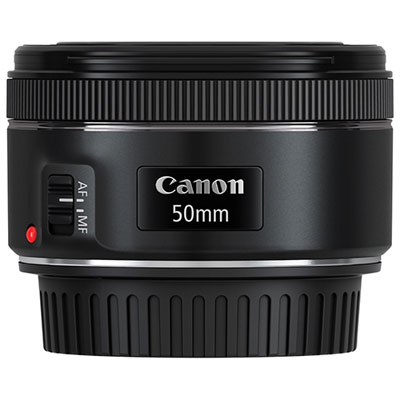 Your price for this item is $169.99
 -
 Your price for this item is $329.99
 -
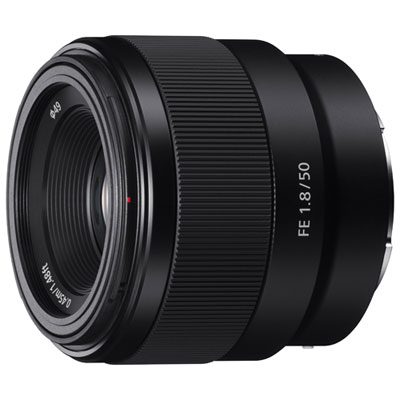 Your price for this item is $349.99
 -
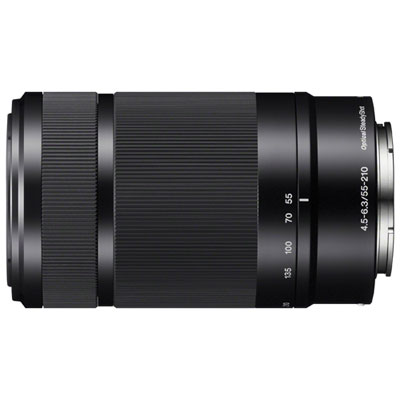 Your price for this item is $399.99
 -
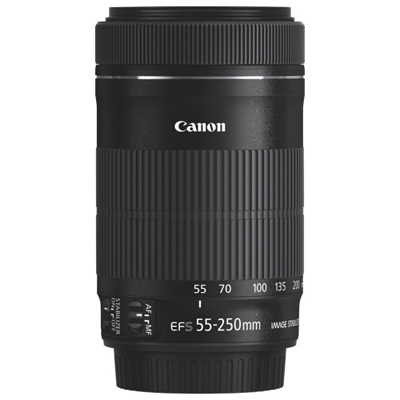 Your price for this item is $399.99
 -
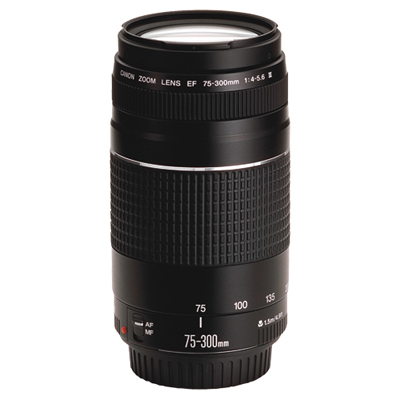 Your price for this item is $199.99
 -
 Your price for this item is $174.99
 -
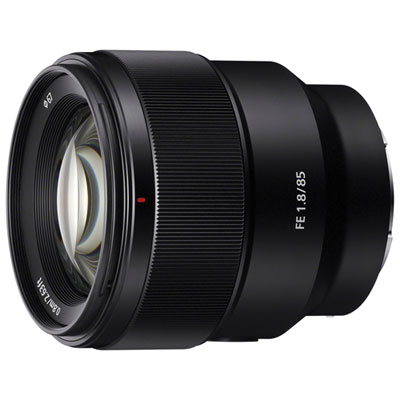 Your price for this item is $749.99
Discover more categories related to Lenses With Image Stabilization
Top Collections:
Pokemon Centers, Kindle Devices, Best Budget Office Chairs, Apple iPhones 16, Best Laptops for Writers, iPhone 15 Apple, Canon G7X Cameras, Refurbished Apple Laptops, Alarm Clock, Motorola Razr Phones
Some products may be subject to Environmental Handling Fees
(EHF) depending on your province.
Learn more about EHFs.