Entry-Level Digital Cameras
Entry-level digital cameras offer a user-friendly way to capture special moments with clarity and ease. Perfect for beginners or those looking to upgrade from smartphone photography, these cameras provide a straightforward introduction to digital photography. Explore a range of entry-level digital cameras designed to help you preserve memories, document adventures, and experiment with creative shots, all at an accessible price point.
Sort
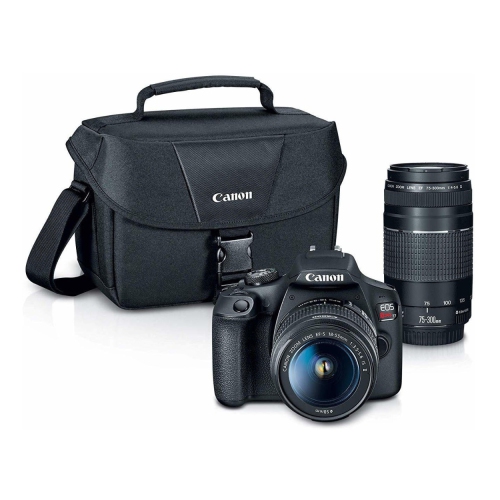

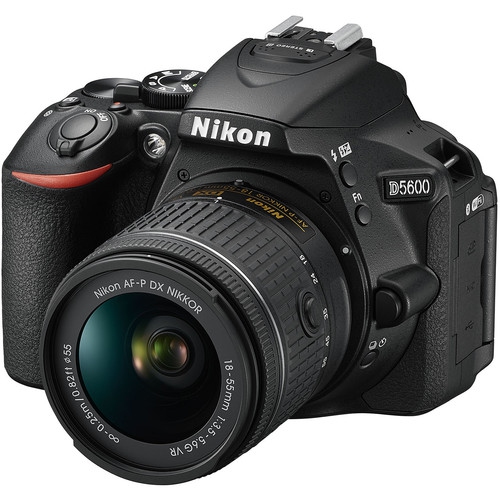
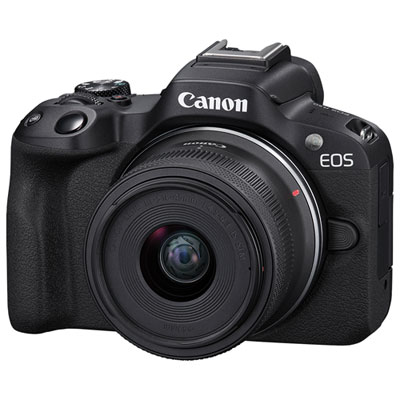
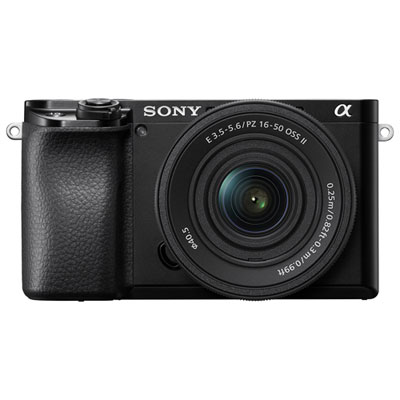
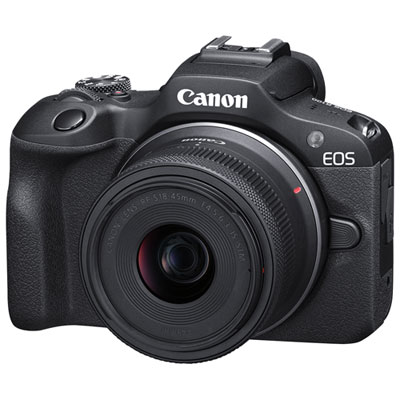
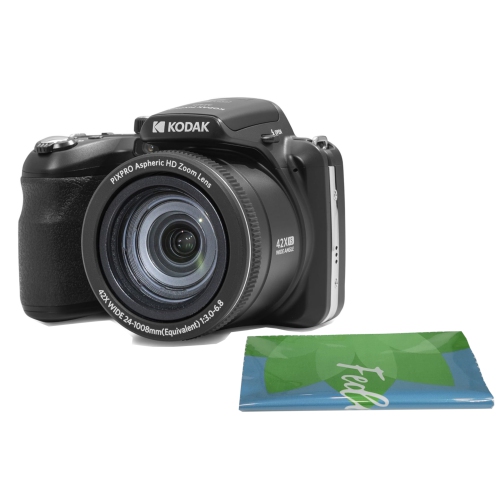
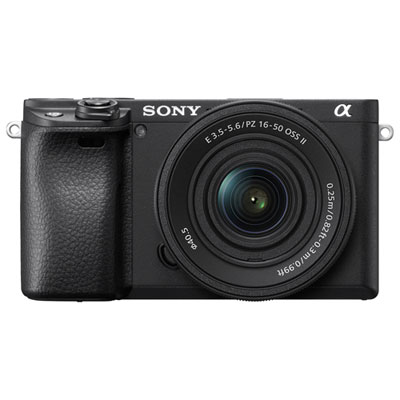
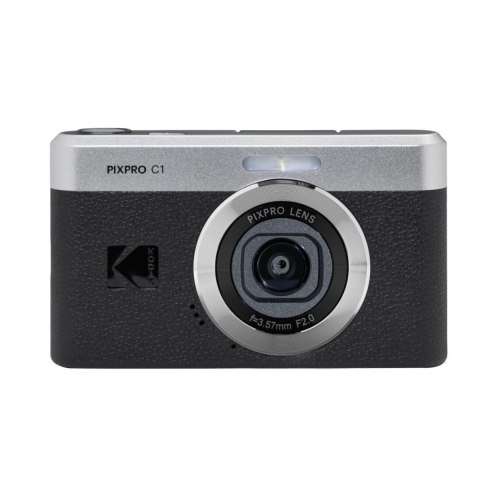
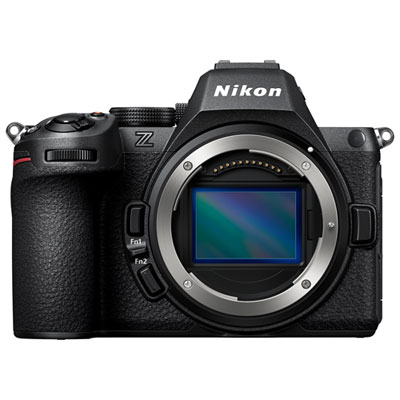
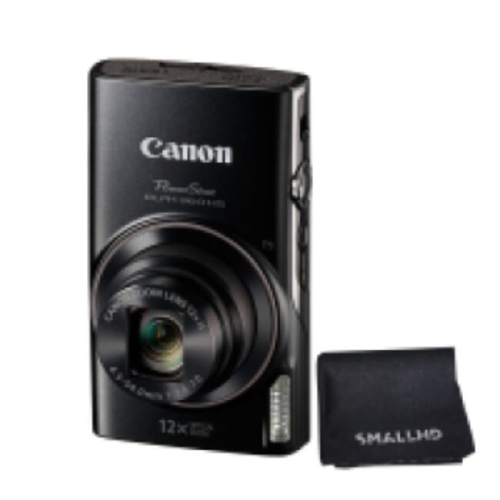

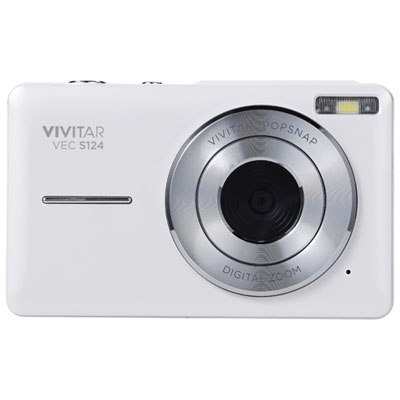
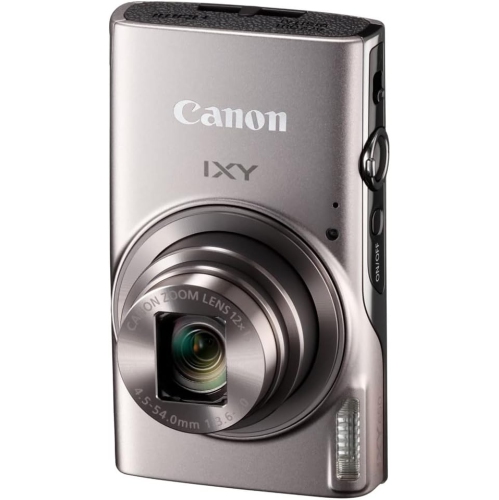
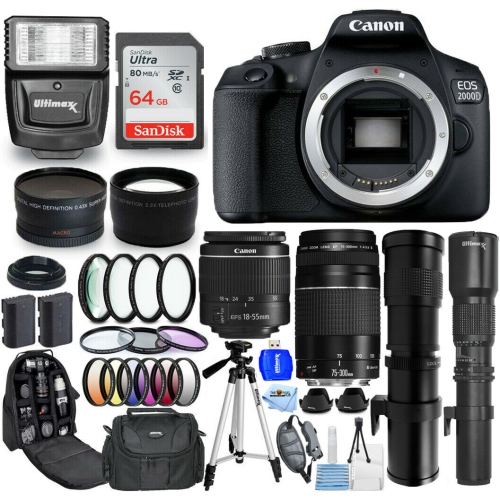
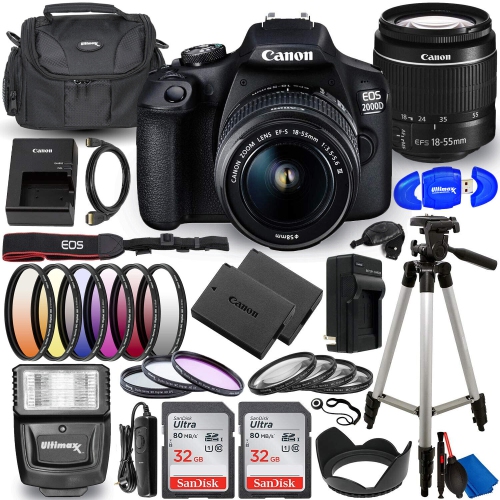
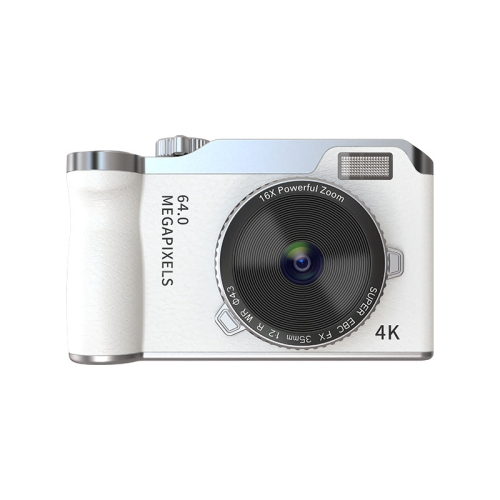
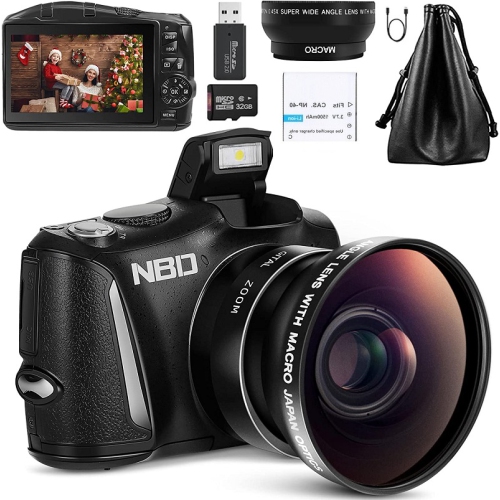
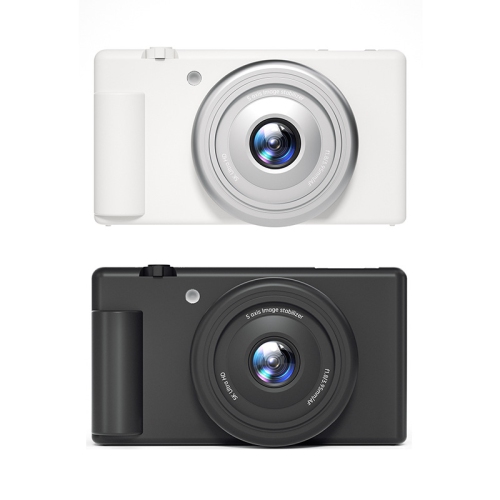
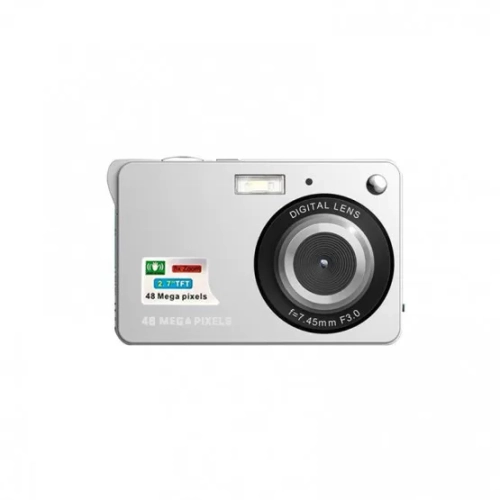
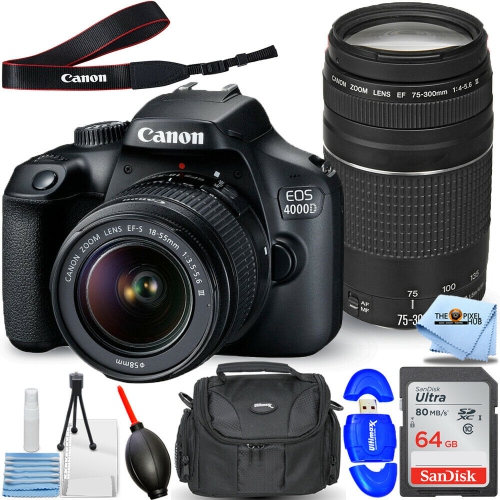
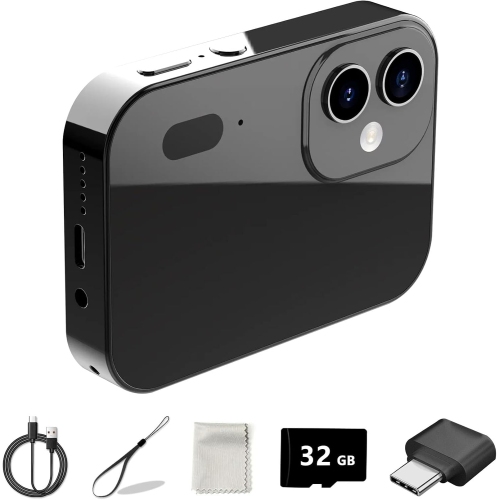
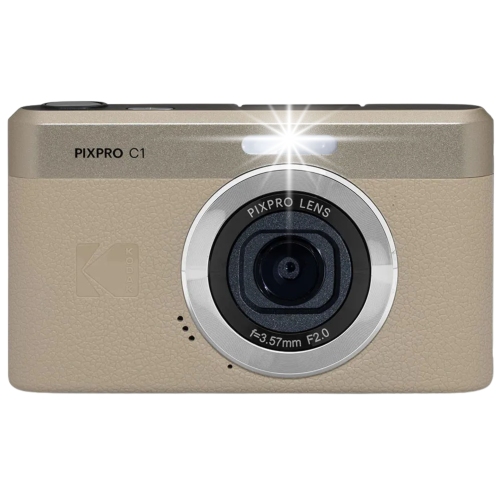
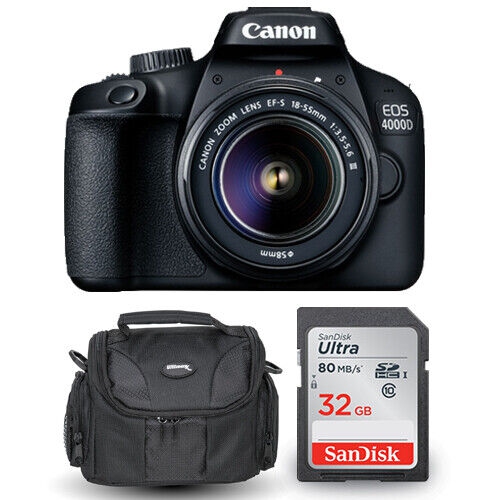
Everyday photography with room to grow your skills
Entry-level digital cameras give new photographers a dedicated way to capture everyday moments, practise composition and become more comfortable with photography. The category includes compact point-and-shoot cameras with built-in lenses, along with interchangeable-lens cameras that allow different lenses to be fitted as interests develop. A compact camera keeps the lens and body together in one easy-to-carry package, making it a practical companion for sightseeing, family gatherings and casual photography. Entry-level mirrorless cameras and digital SLRs offer another approach, pairing automatic shooting options with room to explore exposure settings and lens choices. The most suitable format depends on how the camera will be carried, the subjects it will photograph and how much control the photographer wants. A small body can slip into a day bag without becoming the centre of an outing, while a more substantial grip may feel steadier when photographing a child crossing a playground or framing a portrait. Handling matters as much as a feature list: button spacing, readable menus and a comfortable grip all affect how naturally a camera fits into regular use. A touchscreen can make selecting a focus point feel familiar, while physical dials provide direct access to settings without repeatedly opening menus. Where included, a viewfinder offers an alternative to composing on the rear screen and can help the photographer hold the camera close to the face for support. An adjustable screen is useful for framing a pet at floor level or photographing over a crowd without holding the camera at eye level. These everyday details make beginner cameras appealing to students, travellers, parents and anyone developing a creative hobby. As gifts, they suit recipients who enjoy documenting experiences or experimenting with visual storytelling. Matching the camera’s size and complexity to the recipient’s interests is more meaningful than choosing by specifications alone; someone who wants straightforward snapshots may appreciate a different design from someone eager to practise portraits with interchangeable lenses.
Image quality comes from the relationship between the sensor, lens, focus system and available light, rather than megapixel count alone. Higher resolution can provide more room to crop an image or make a larger print, but sharp focus and a suitable lens remain important. A larger sensor can help with image quality in dim interiors and offer greater control over background blur, although results also depend on the lens aperture and shooting settings. For everyday use, a built-in zoom or a standard kit zoom provides flexibility for group photographs, street scenes and portraits without constantly changing position. Optical zoom changes the lens’s framing, while digital zoom generally crops or enlarges the captured image, which can reduce visible detail. With interchangeable-lens cameras, lens compatibility deserves attention because mounts are not universal, and adapters may introduce limitations. Automatic exposure modes simplify the first outings, while aperture priority, shutter priority and manual controls, where supported, let photographers gradually take more responsibility for the result. A wider aperture can soften the background behind a face; a faster shutter speed can help freeze a jumping dog or a dancer’s movement. Image stabilization reduces blur caused by camera shake, but it does not replace a fast enough shutter speed for a moving subject. Autofocus features also vary. Face and eye detection can make portraits easier, while subject tracking helps maintain focus as a person moves through the frame. Continuous shooting captures a sequence of moments, although sustained speed depends on factors such as camera settings, file type and memory card performance. JPEG files are convenient for sharing and everyday viewing, while RAW capture, when supported, provides more flexibility for adjusting brightness, white balance and colour during editing. A camera that offers both simple automation and accessible creative controls can remain useful as confidence grows, without requiring every setting to be understood before the first photograph is taken.
For photographers who also want to capture video, entry-level digital cameras can support anything from short family clips to school projects and personal video journals. Full HD and 4K describe recording resolution, but useful video features extend beyond the number of pixels. Reliable continuous autofocus, manageable recording controls and a screen that faces forward can make filming alone more straightforward. Some cameras crop the image in certain video modes, narrowing the view, so the combination of lens coverage and recording settings affects how easily a face or room fits into the frame. A microphone input allows a compatible external microphone to be connected, while built-in microphones keep the setup simpler for casual clips. Battery life and recording limits vary with the camera and shooting mode, and a spare charged battery can be helpful on longer outings. Memory cards also need to match the camera’s supported format and recording requirements; capacity alone does not establish whether a card is suitable for higher-data-rate video. Wireless transfer features, where included, can simplify moving photographs to a compatible phone, although app support and device compatibility differ. Practical ownership also includes the camera’s construction and care. Moulded plastic bodies can keep weight down, while metal components may add rigidity; neither material alone establishes how well a camera will withstand impacts. A fitted case, secure strap and protective lens cap help prevent scratches and accidental knocks during transport. A hand-operated blower and suitable lens-cleaning materials are useful for removing dust and fingerprints without rubbing grit across the glass. Interchangeable-lens cameras need additional care when changing lenses to keep dust away from the exposed mount, and cameras should be stored in a clean, dry place. The Entry Level Cameras For Beginners collection offers a related starting point for exploring this category. Ultimately, a beginner camera earns its place through comfortable handling, dependable everyday operation and a balance of features that suits the photographs and videos its owner enjoys making.
Top selling and popular products
-
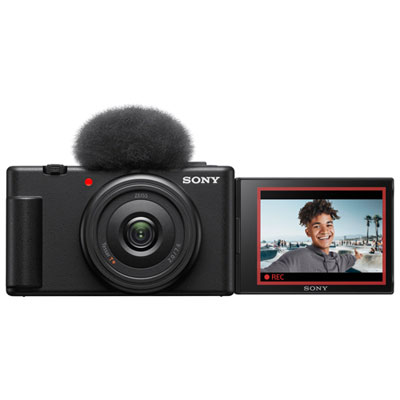 Your price for this item is $599.99
-
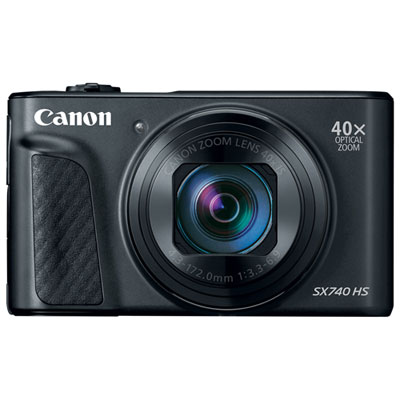 Your price for this item is $799.99
-
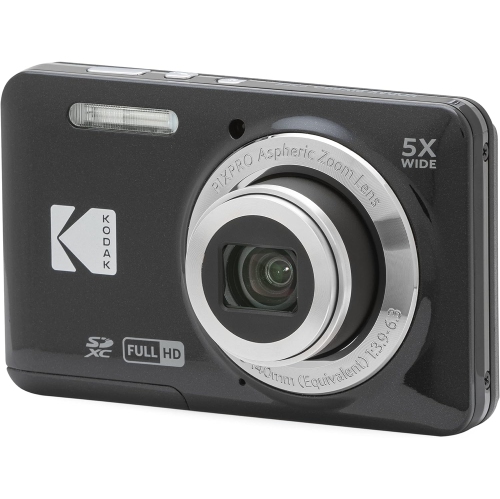 Your price for this item is $255
-
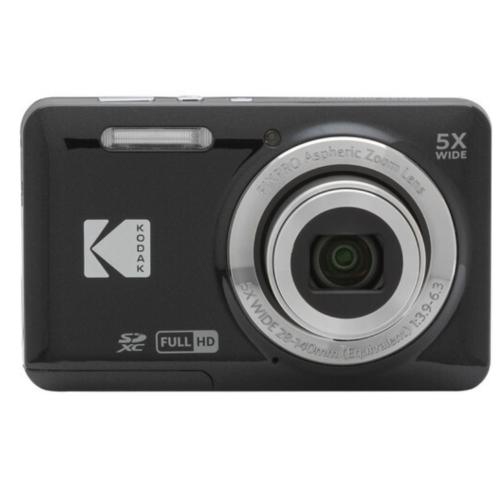 Your price for this item is $253
-
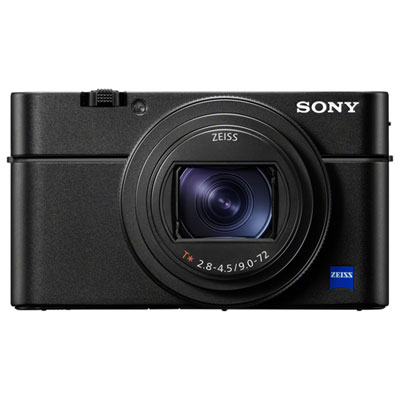 Your price for this item is $1799.99
-
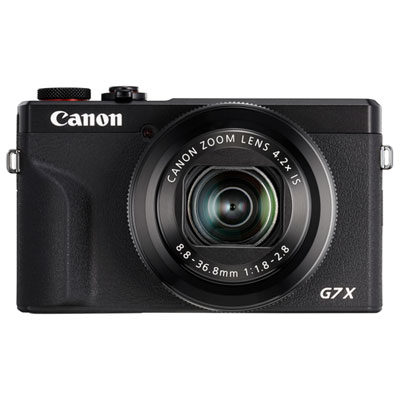 Your price for this item is $1999.99
-
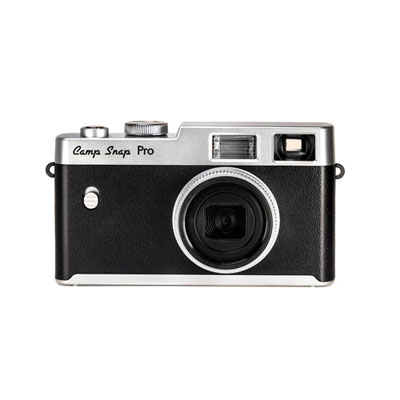 Your price for this item is $149.99
-
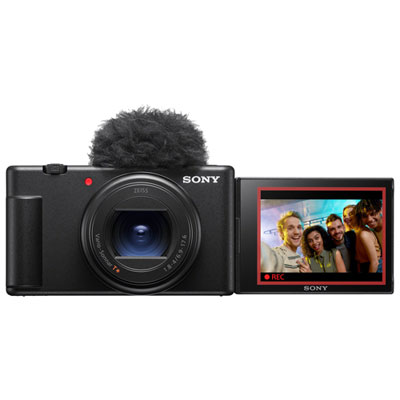 Your price for this item is $1099.99
Discover more categories related to Entry-Level Digital Cameras
Top Collections:
Best Black Friday Deals This Year, Best Black Friday Deals On Electronics, Kindle Devices, Pokemon Centers, Best Black Friday Deals On Apple Products, Best Cameras for Sports Photography, Dyson Airwrap, Pokémon 30th Celebration Cards, Apple iPhone 17 Pro, Canon G7X Cameras
Some products may be subject to Environmental Handling Fees
(EHF) depending on your province.
Learn more about EHFs.