Equipment for Filmmaking
Lights, camera, action! Whether you're a seasoned filmmaker or just starting out on your creative journey, having the right equipment is essential to bring your vision to life. From high-quality cameras and lenses to versatile tripods and stabilizers, our collection of filmmaking equipment has everything you need to capture stunning visuals and create cinematic masterpieces. With a wide range of options to suit every budget and skill level, you can trust that Best Buy Canada has got you covered when it comes to finding the perfect tools for your next project. Get ready to unleash your creativity and take your filmmaking skills to new heights with our top-notch selection of equipment.
Sort












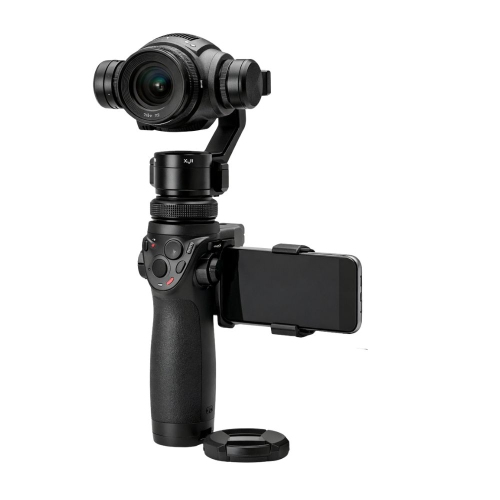
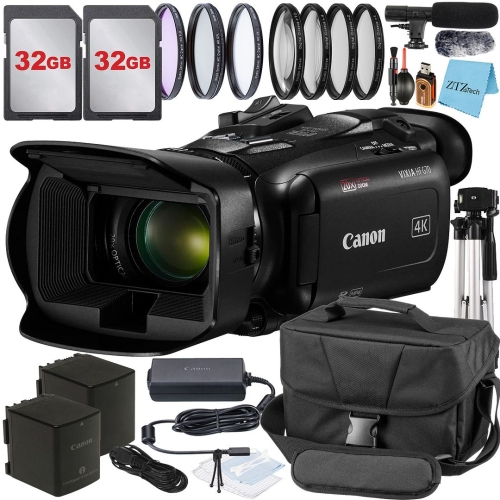
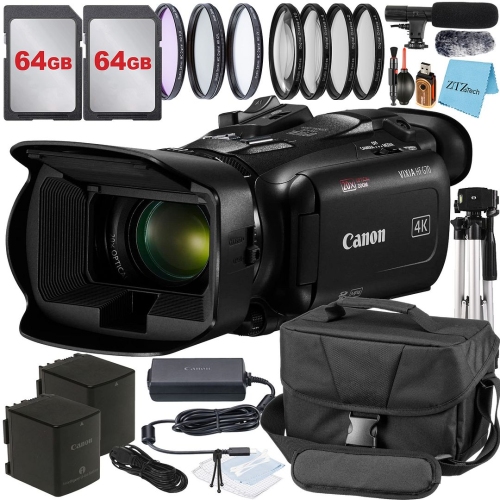
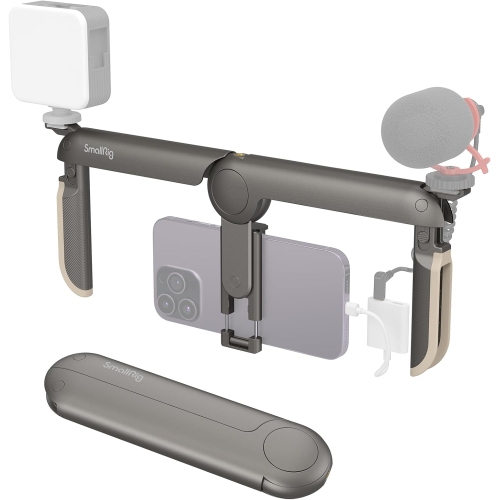
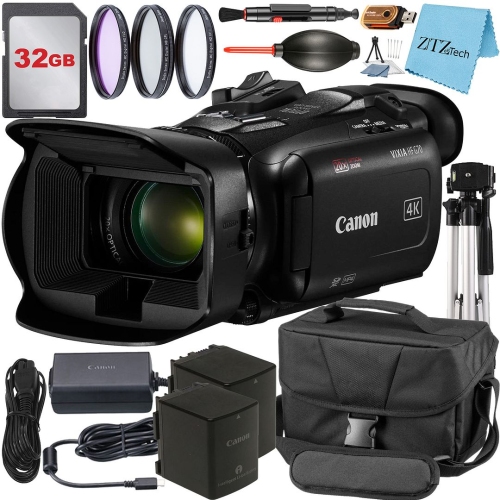
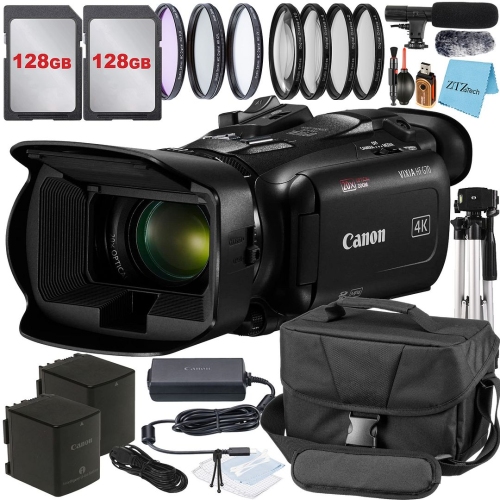
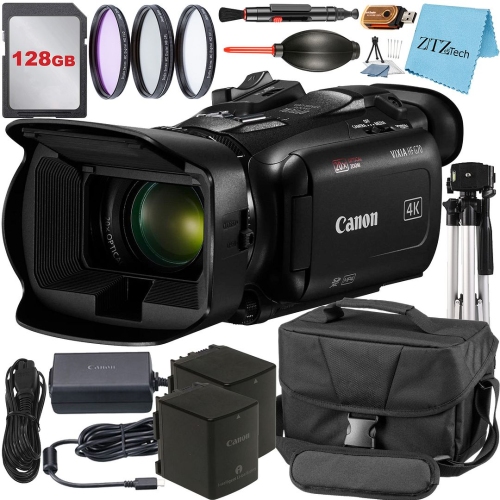
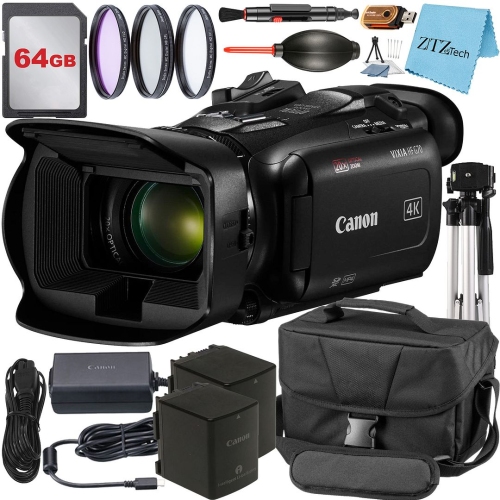


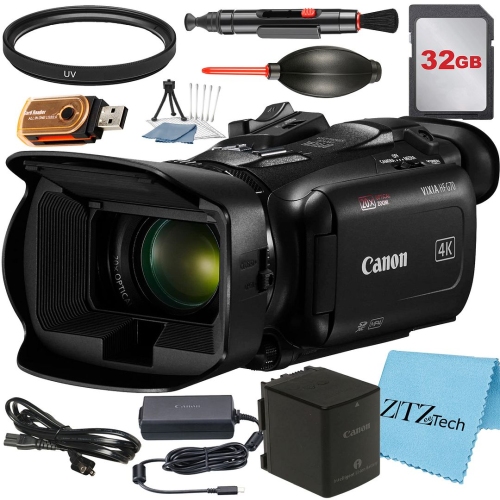


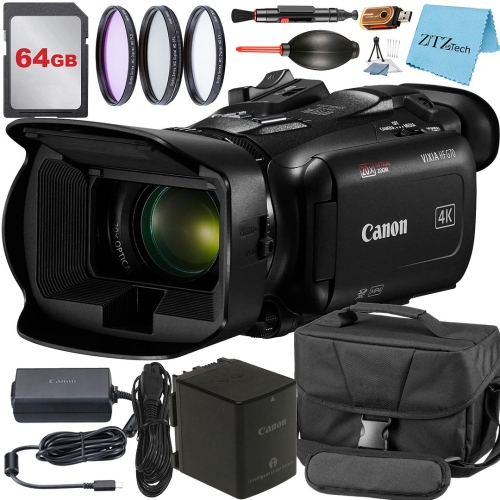
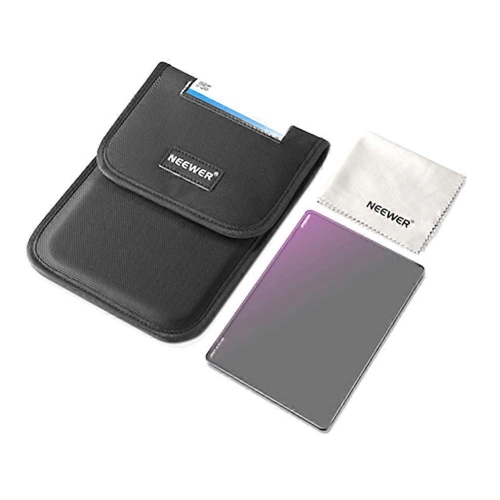

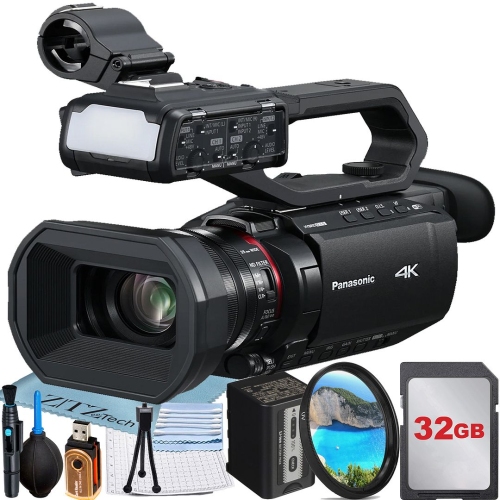

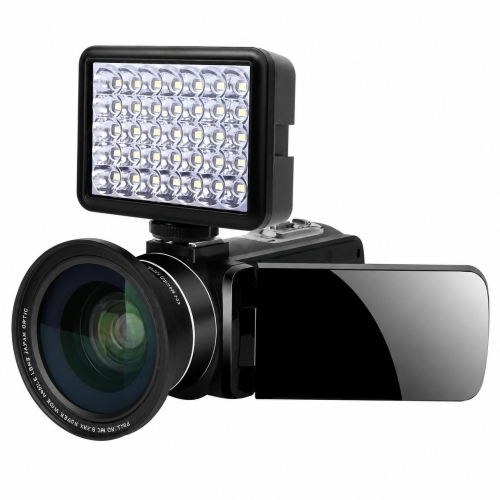
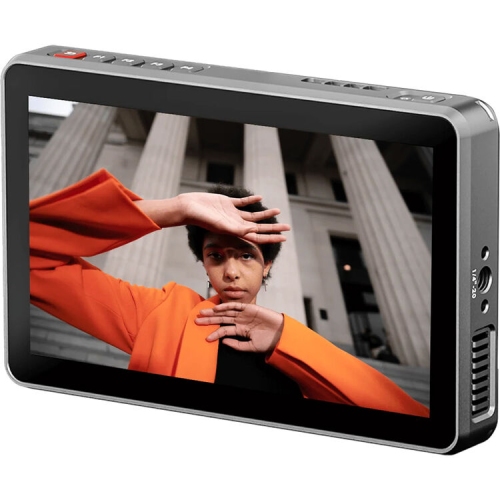
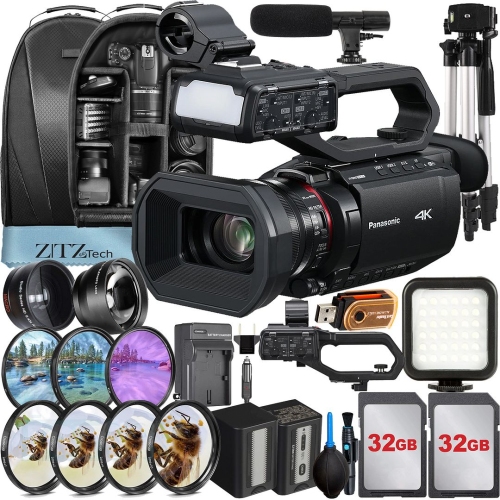
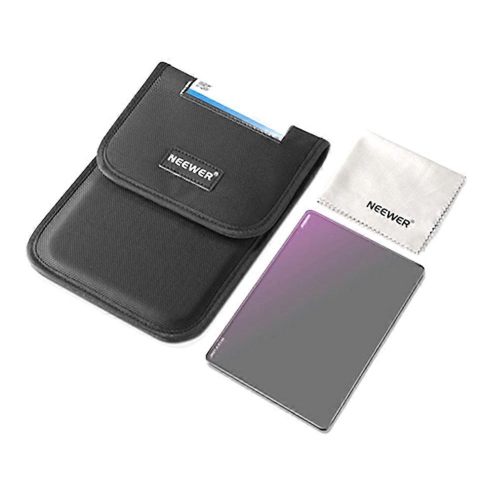





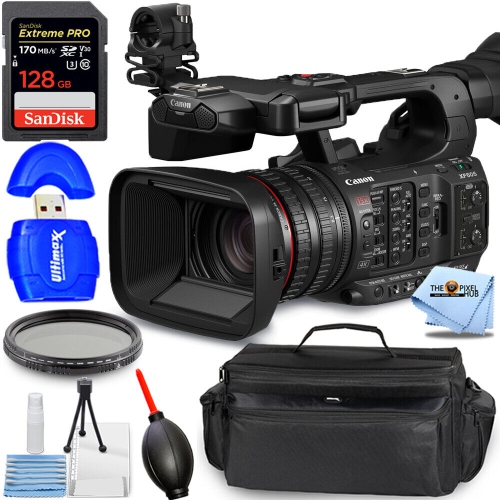

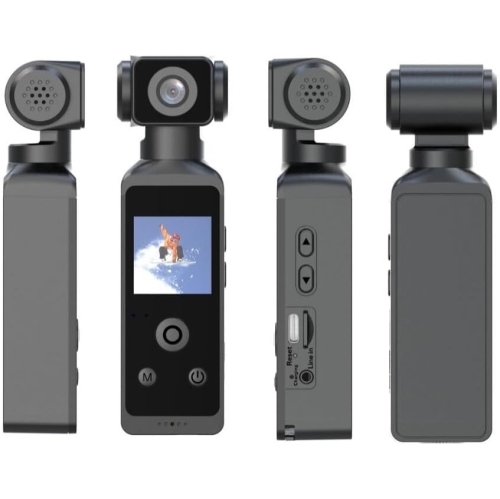
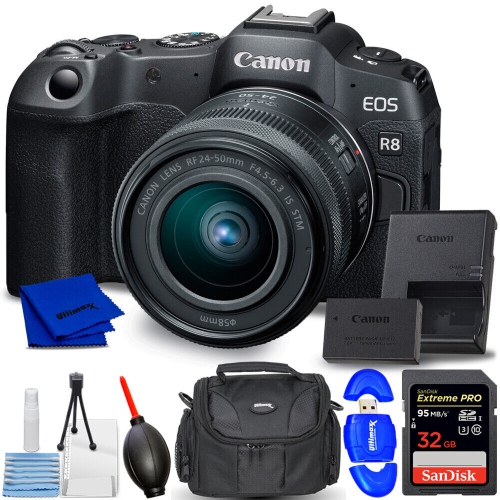
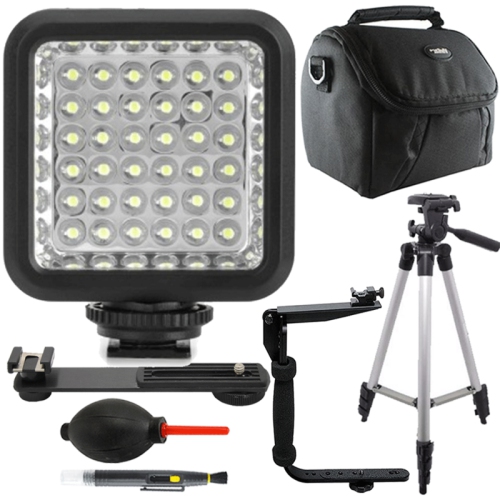






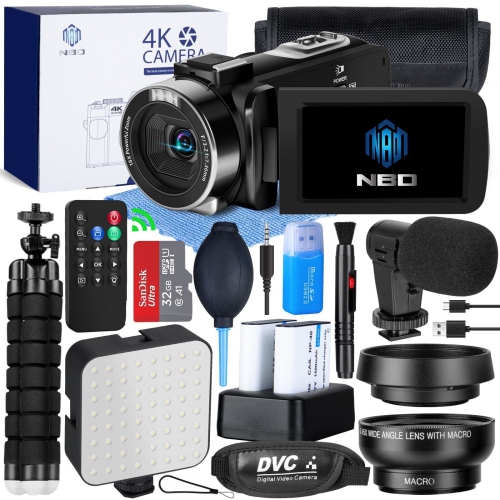

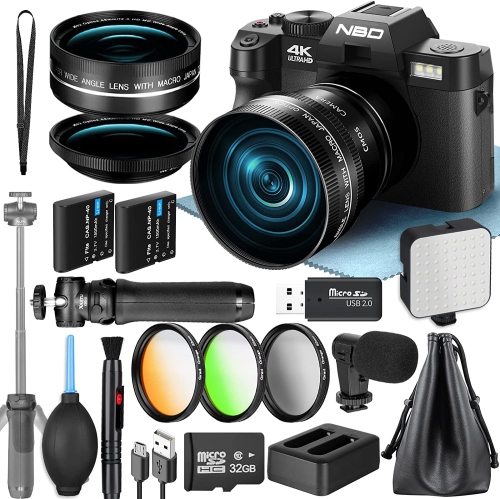

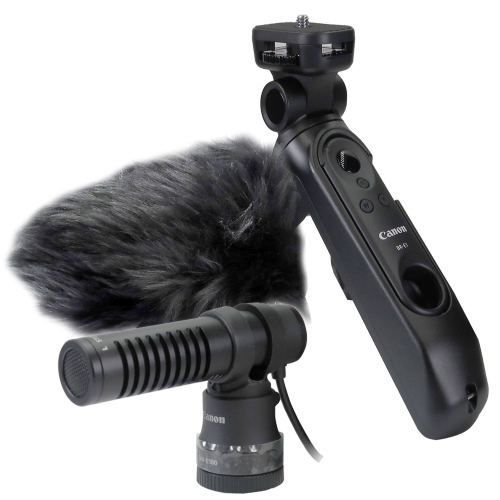
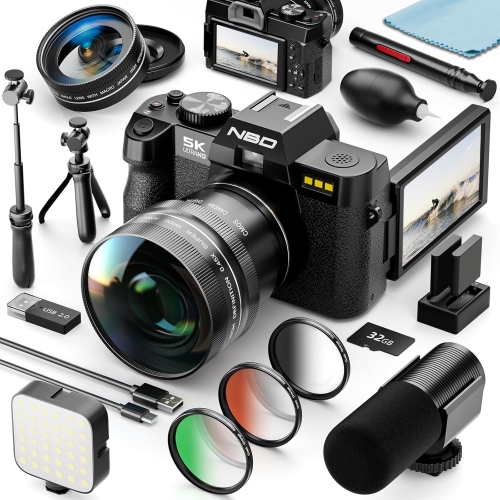





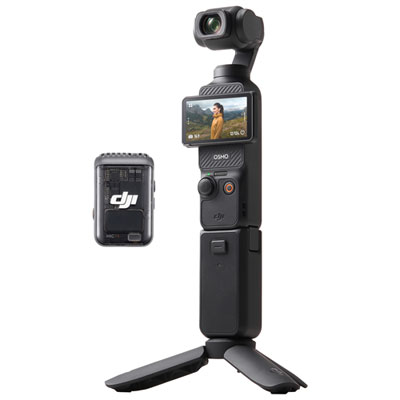
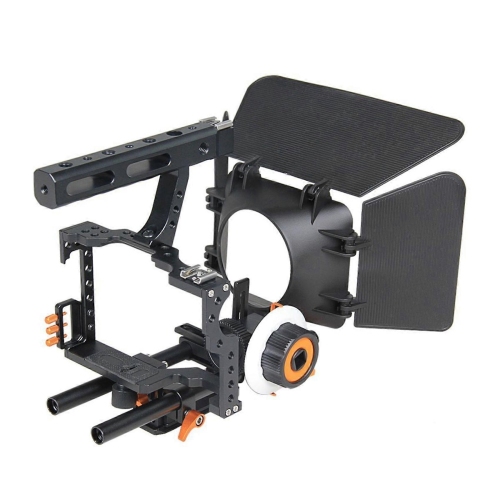
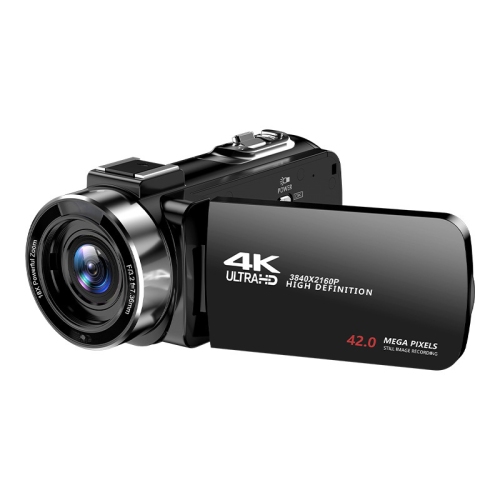
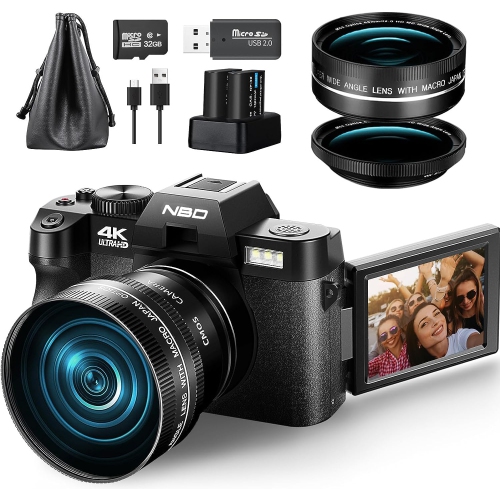
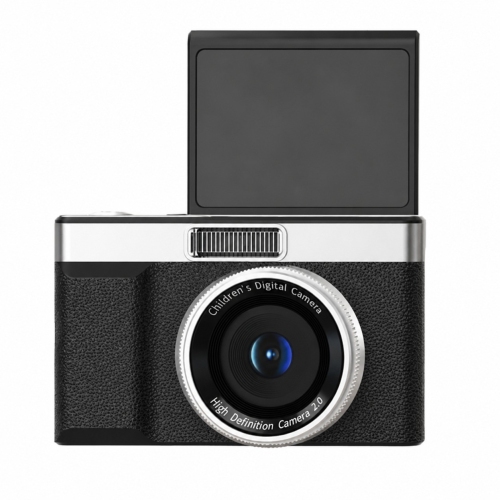
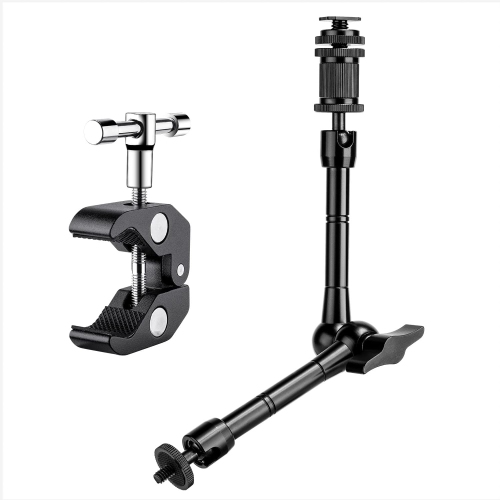

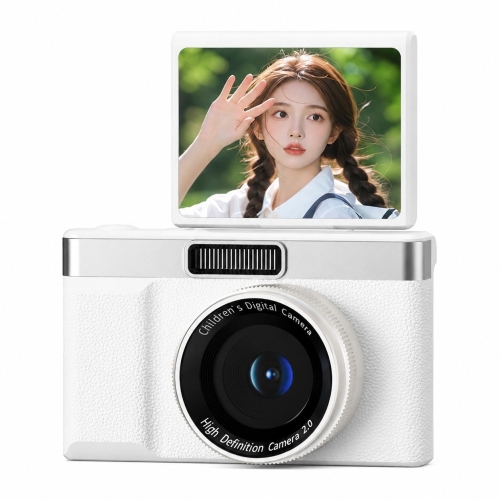
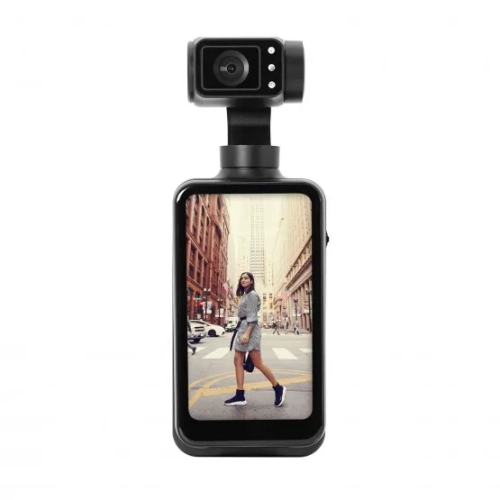
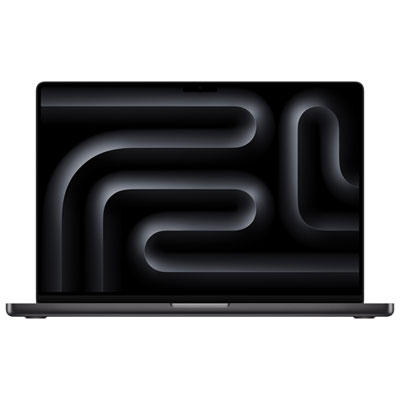
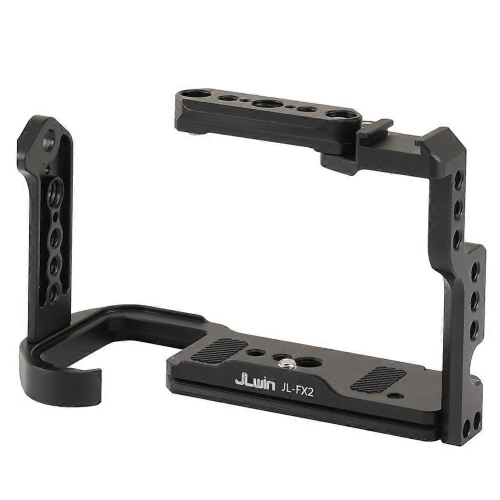

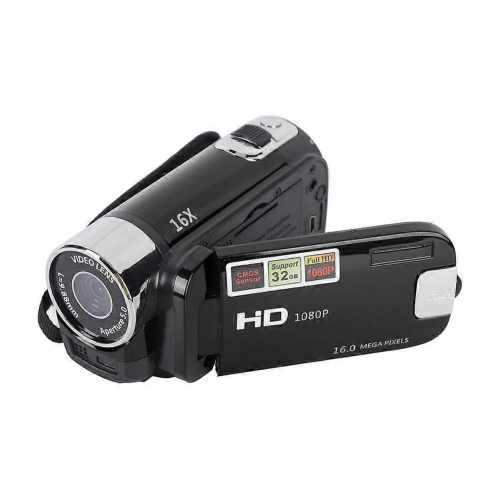
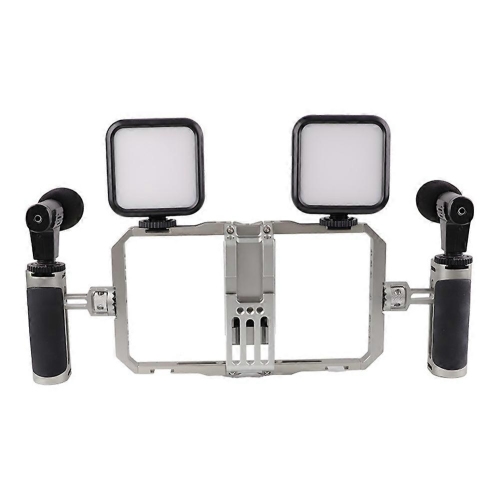
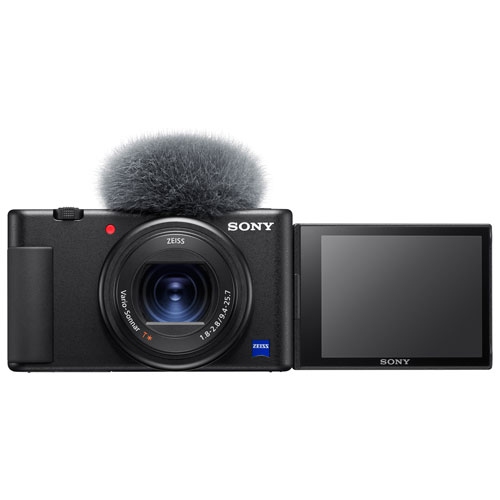
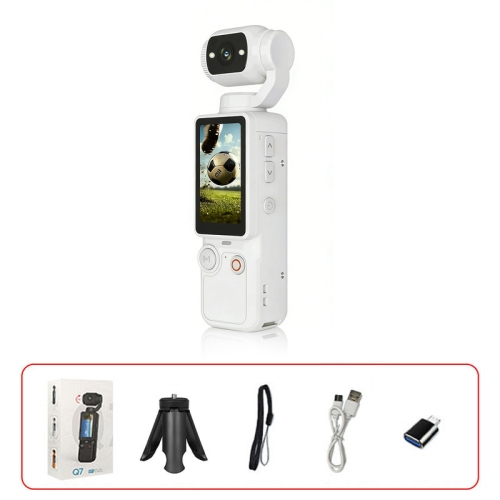
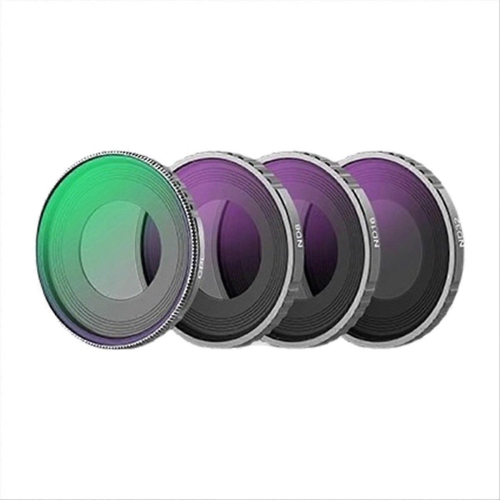


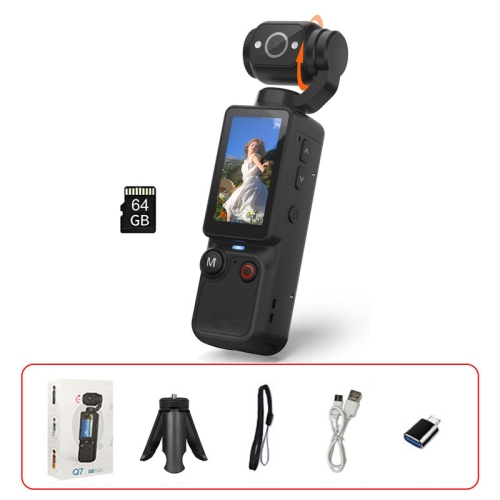
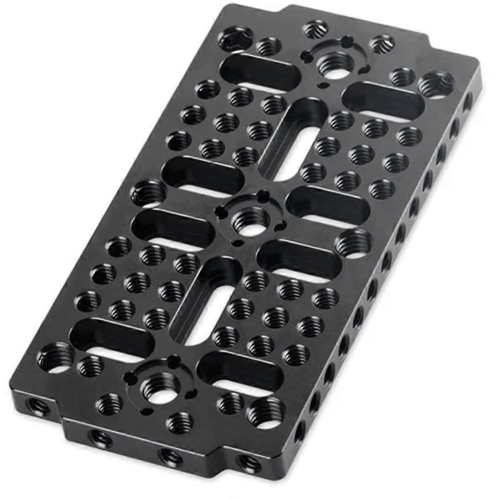
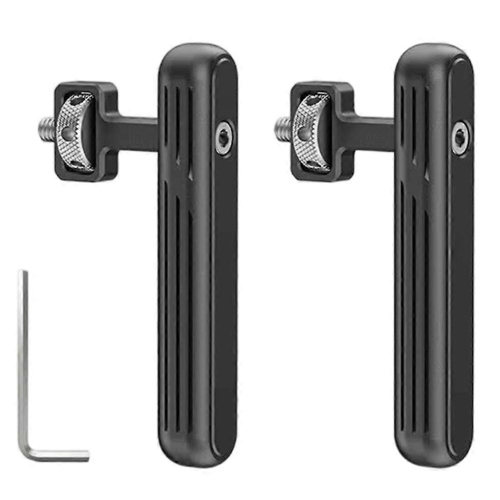
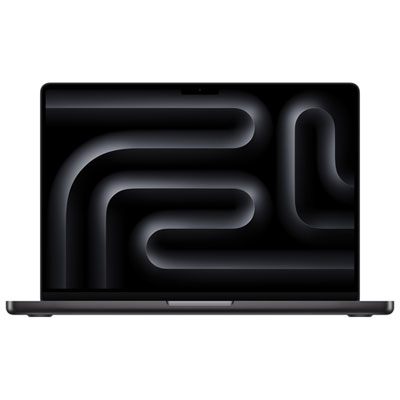

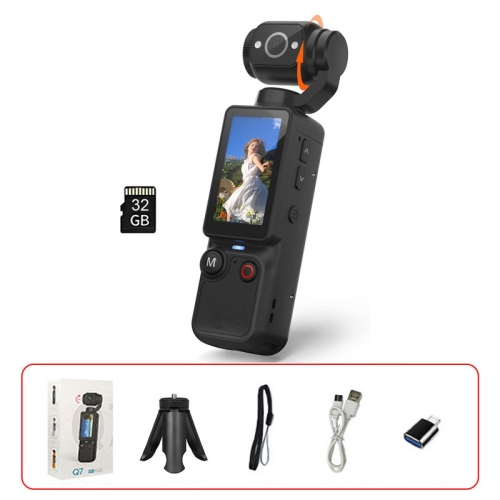
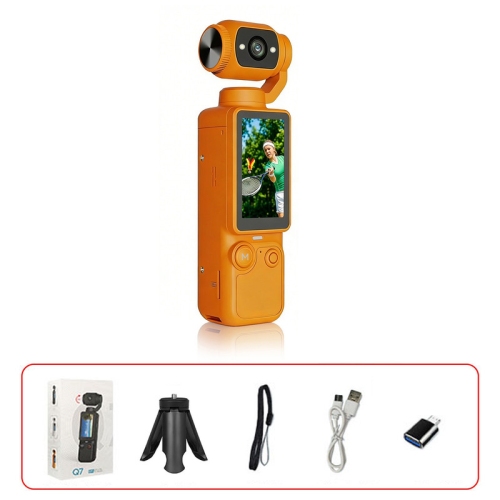
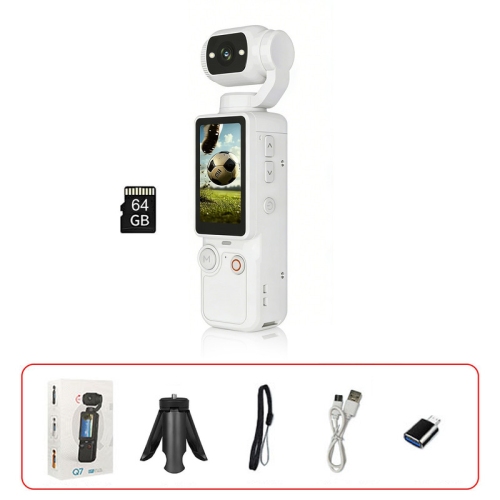
How each part of your filming kit works together
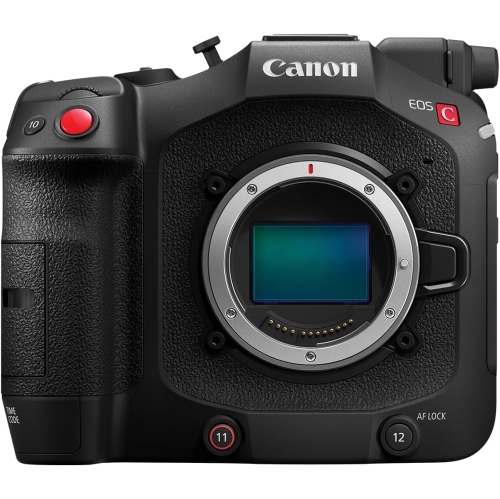
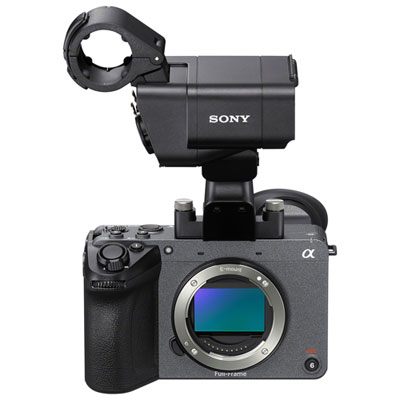
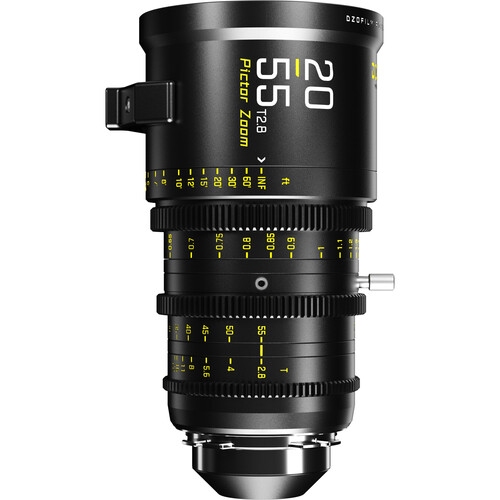
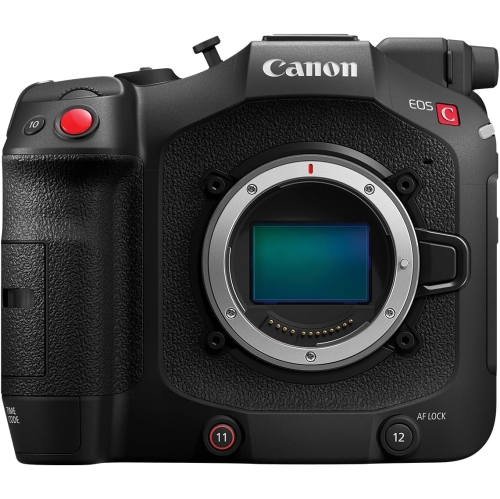
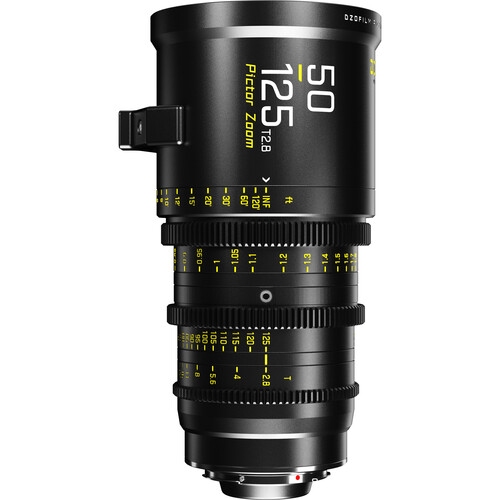
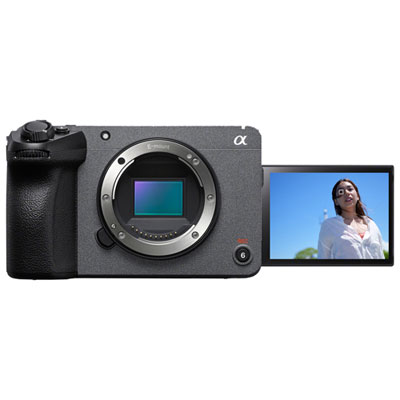
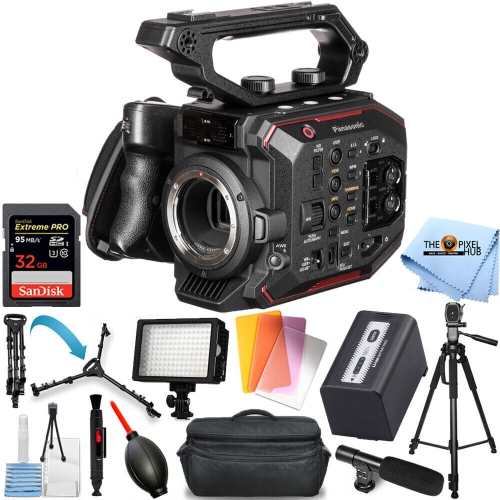
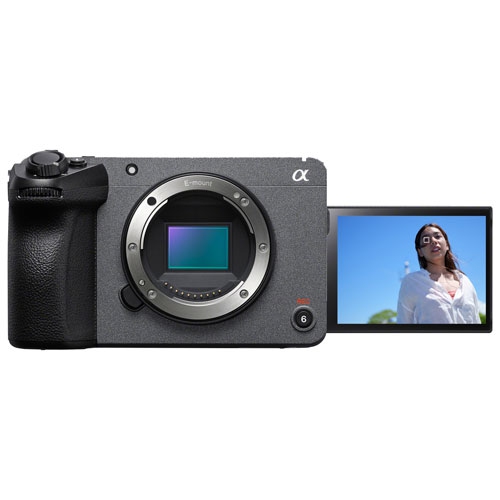
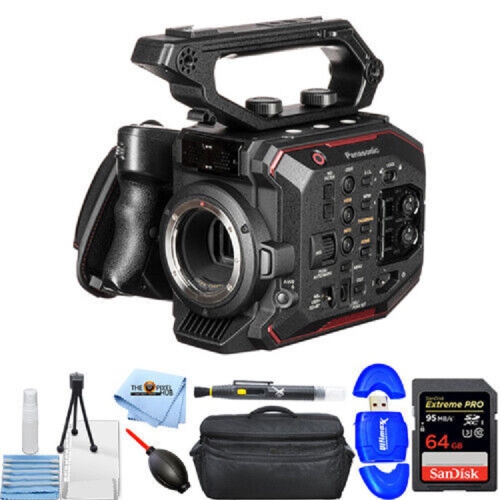
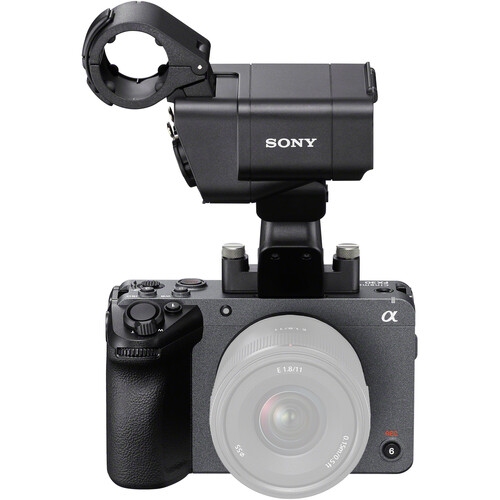
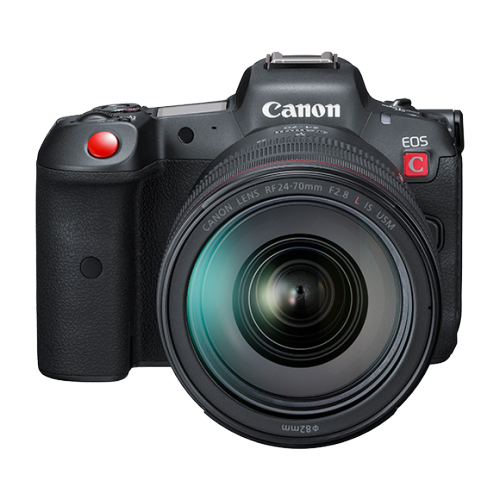
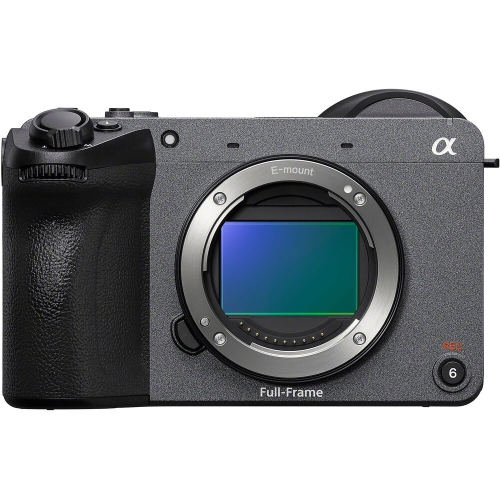
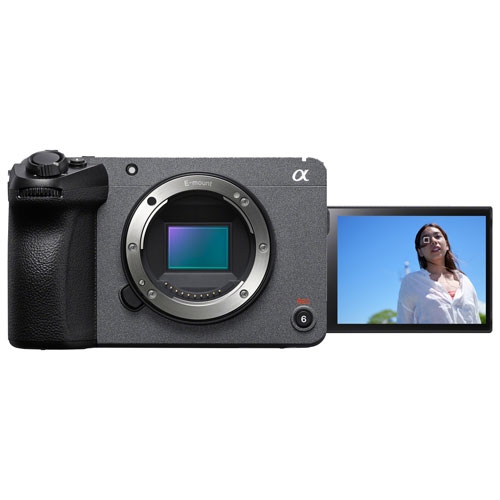
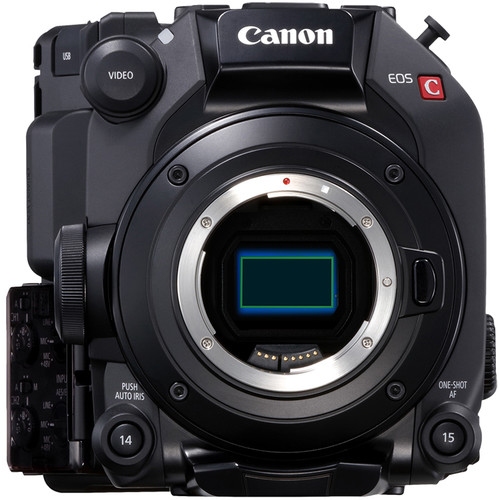
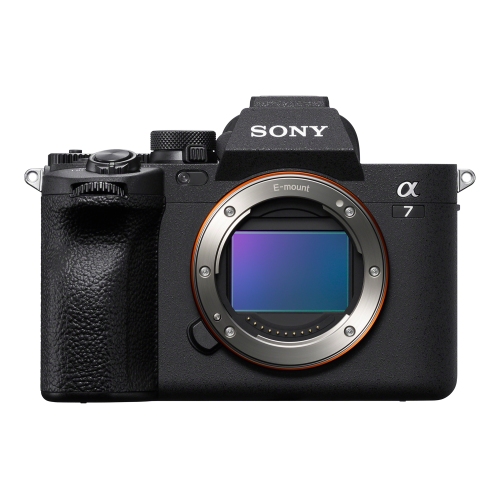
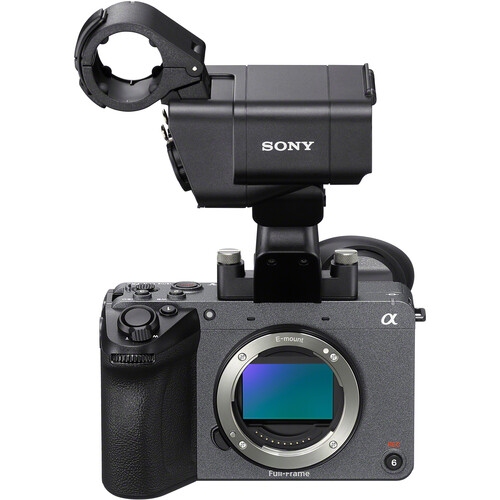
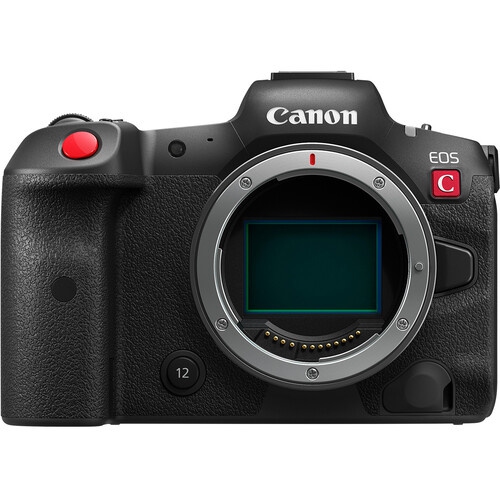
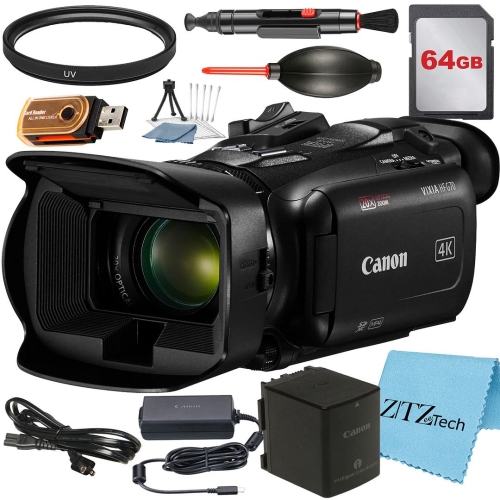
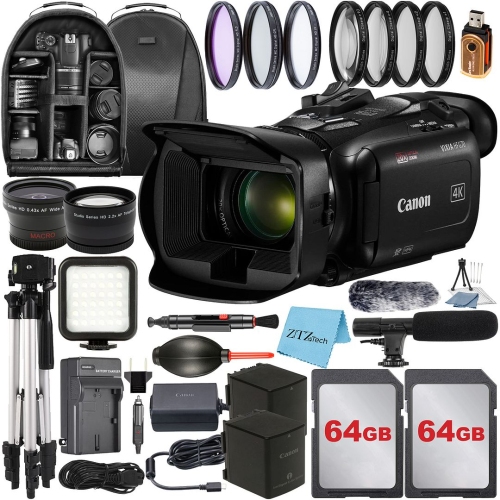
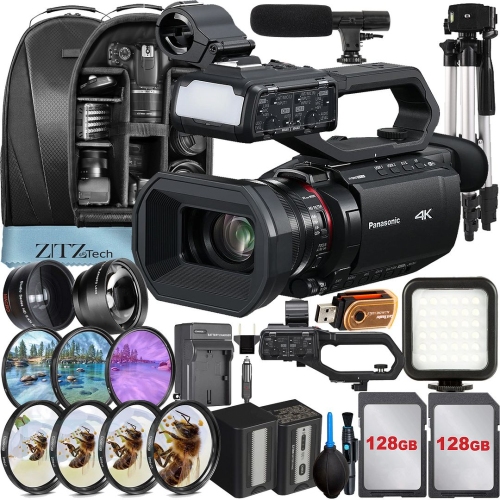
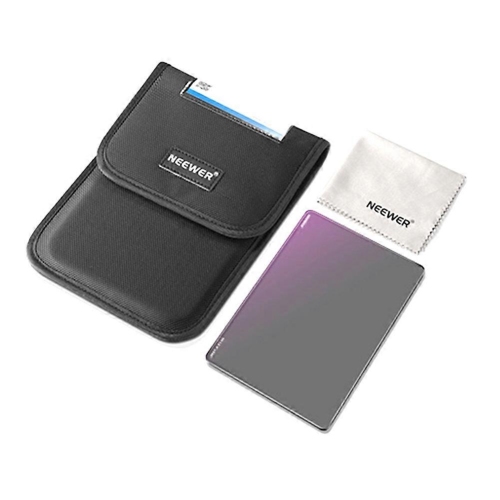
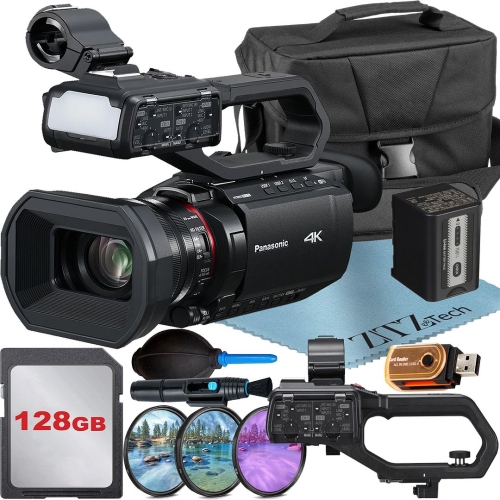
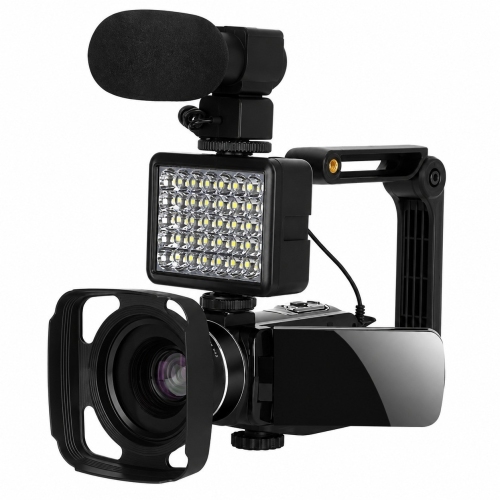
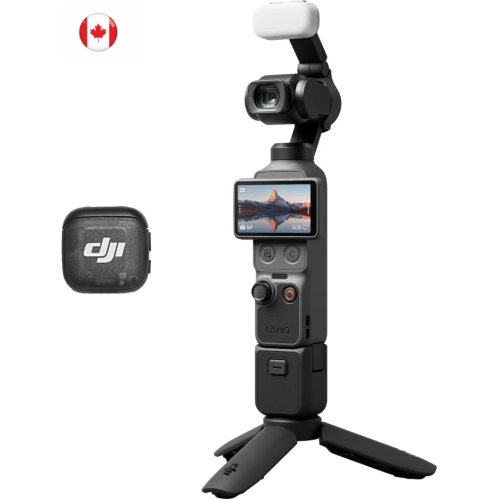
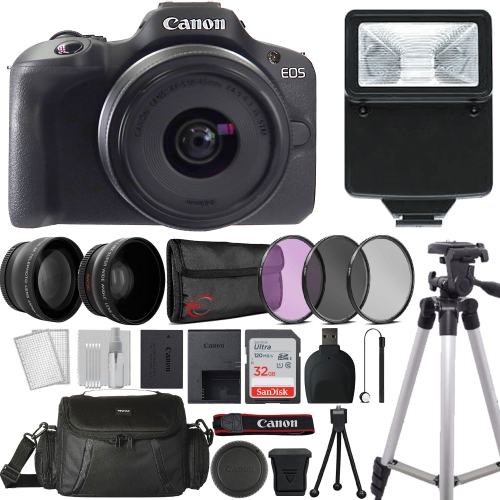
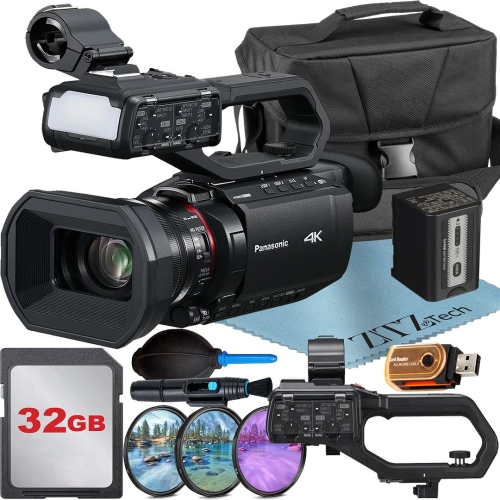
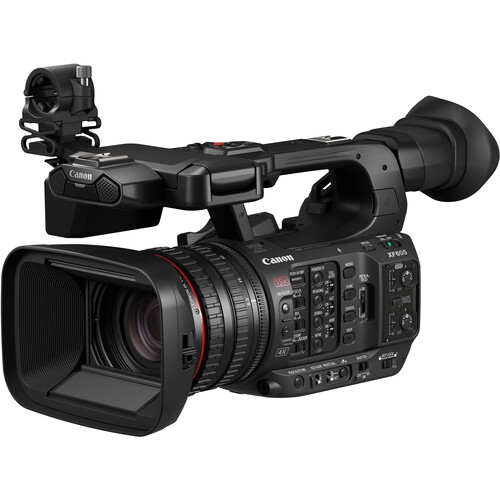
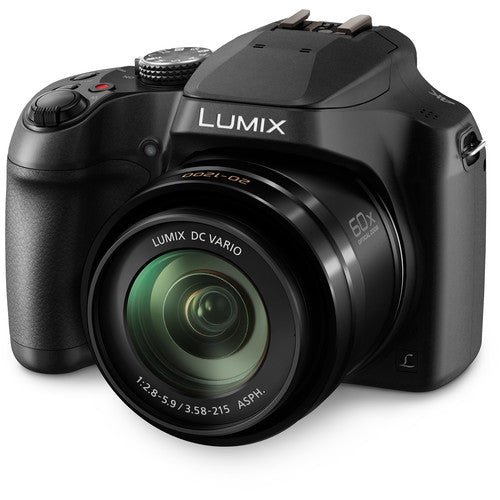
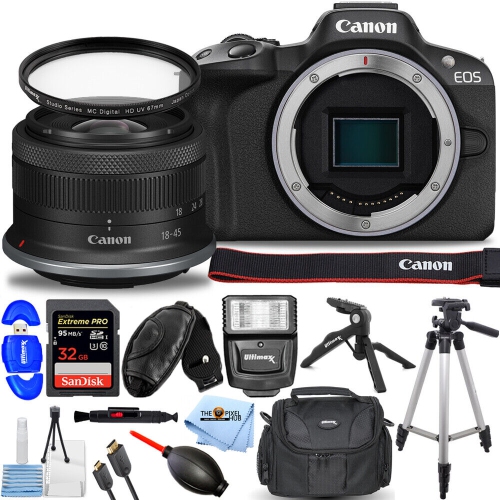
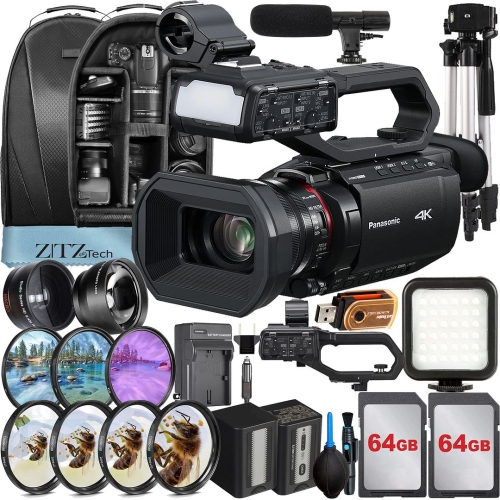
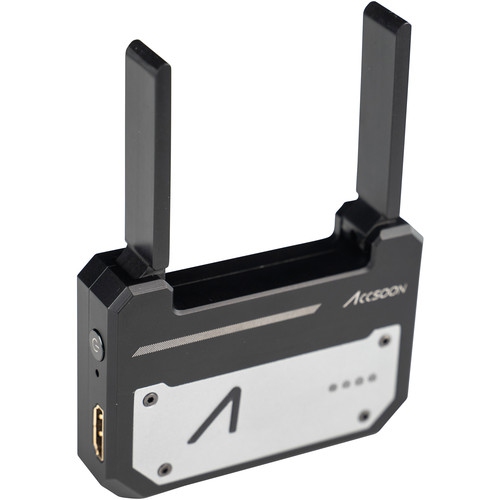
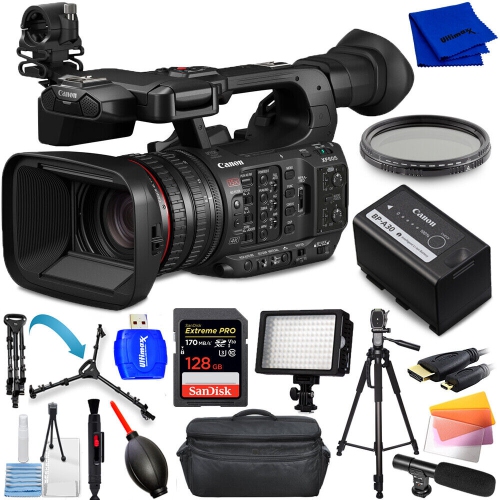
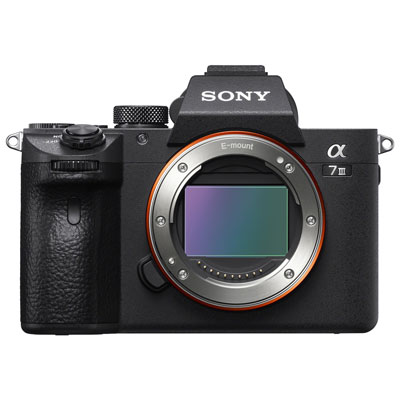
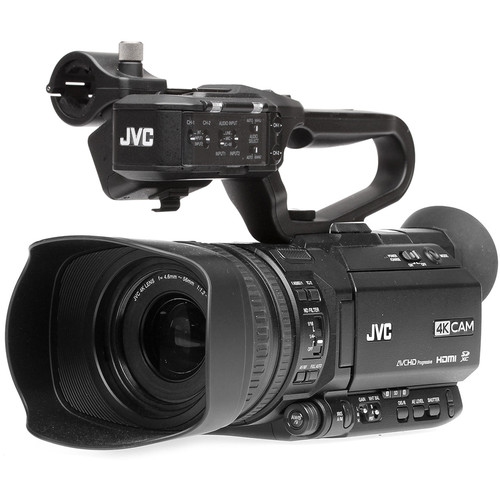
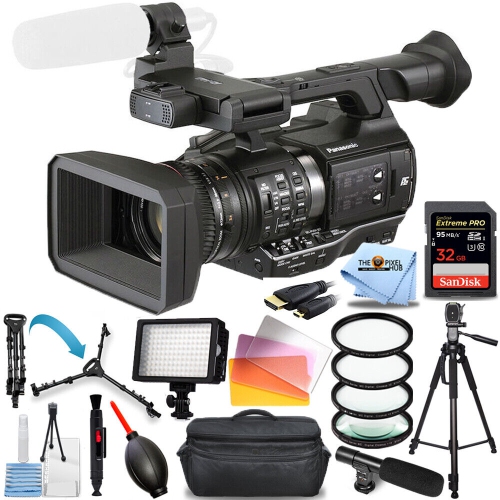
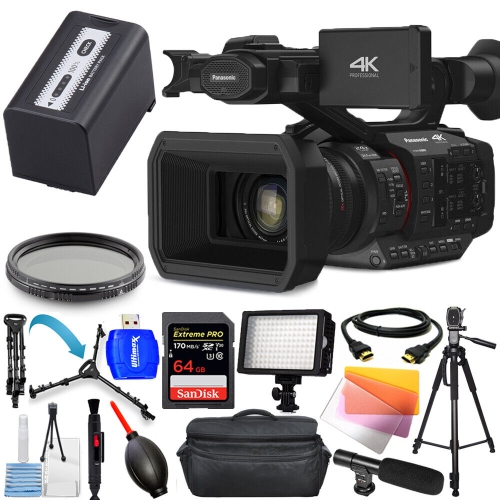
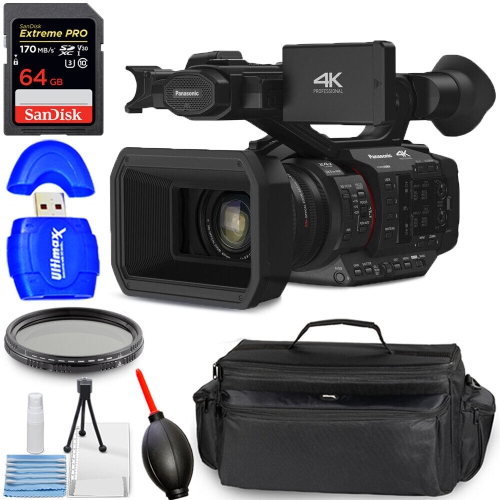
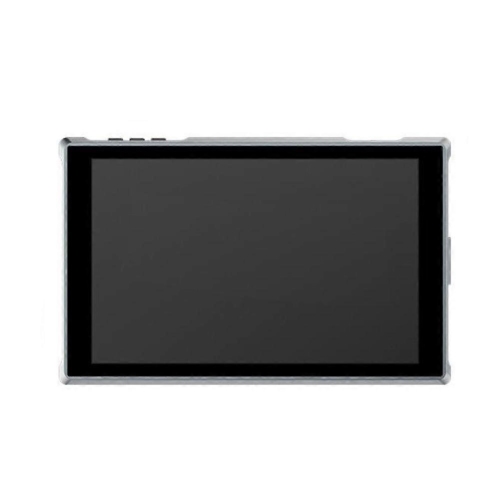
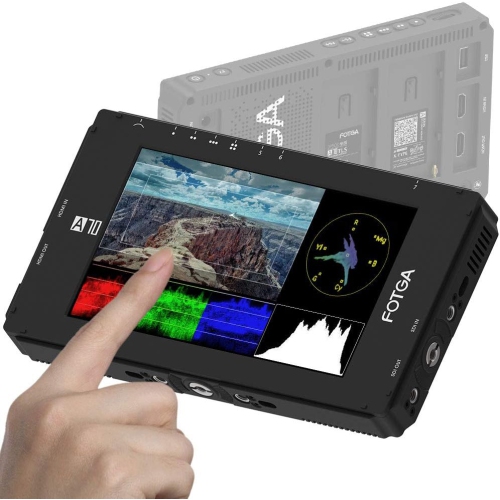
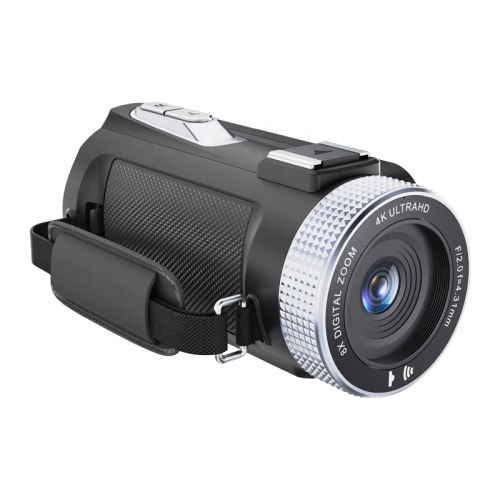
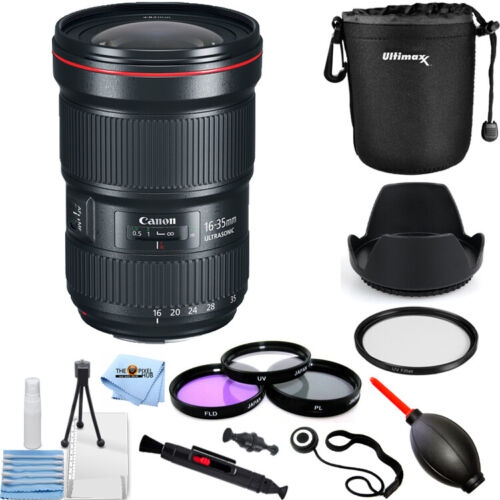
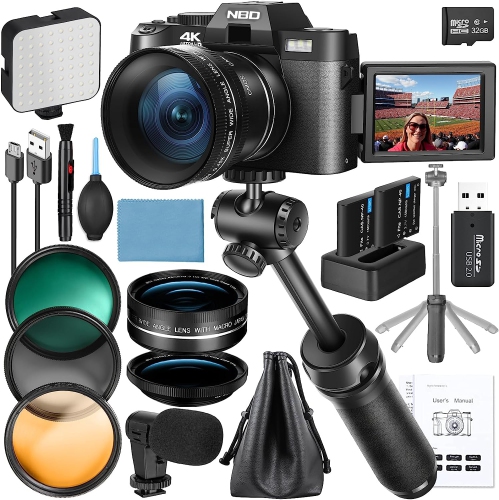
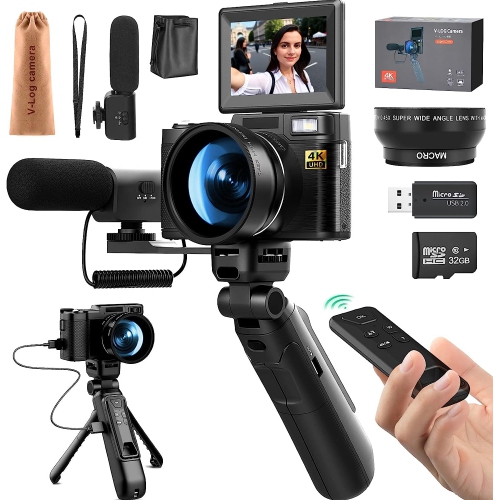
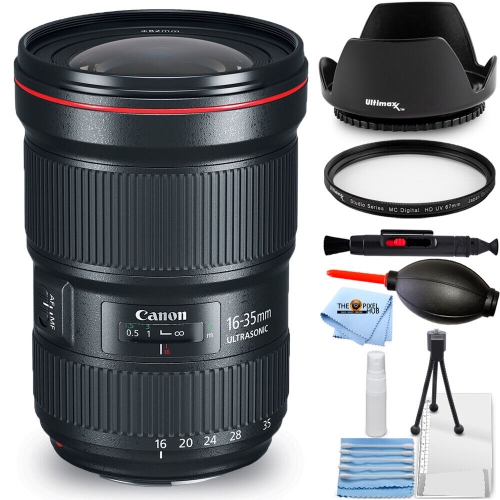
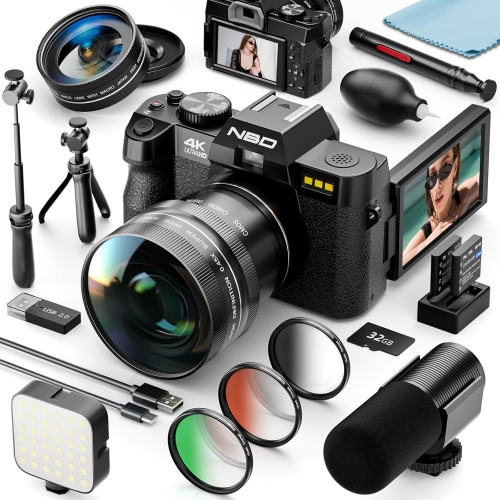
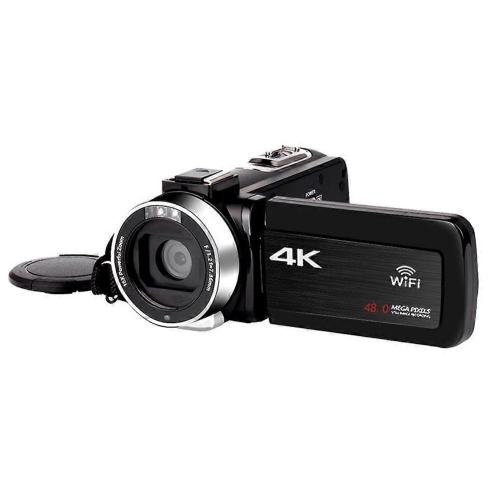
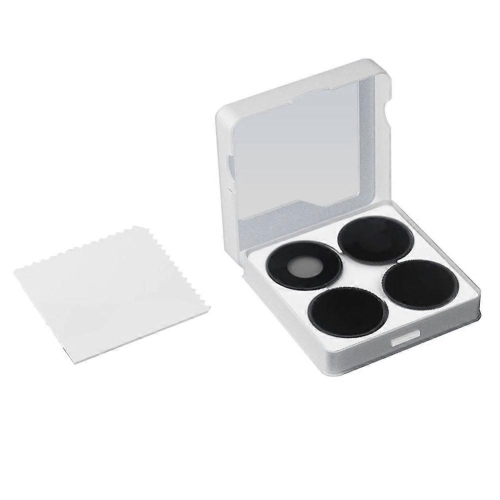
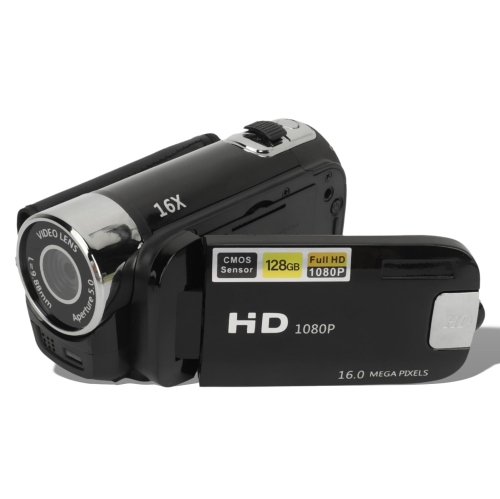
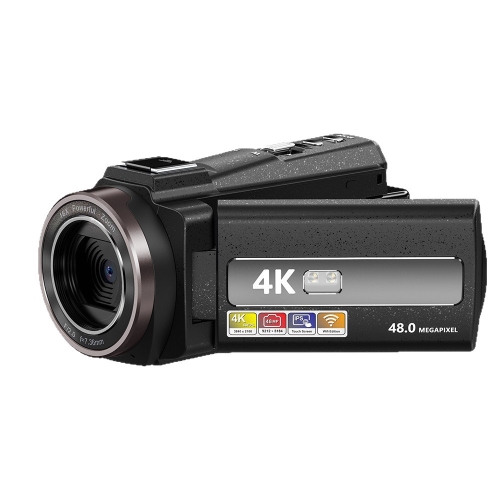
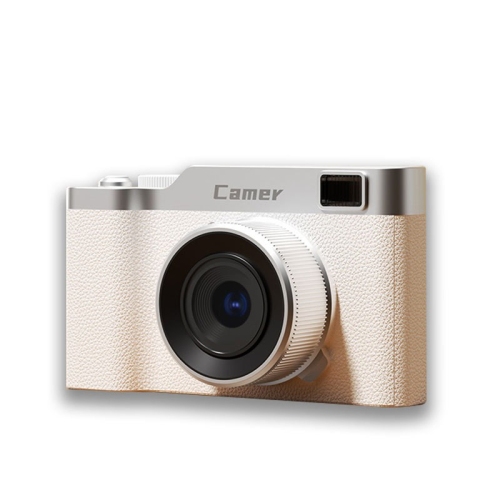
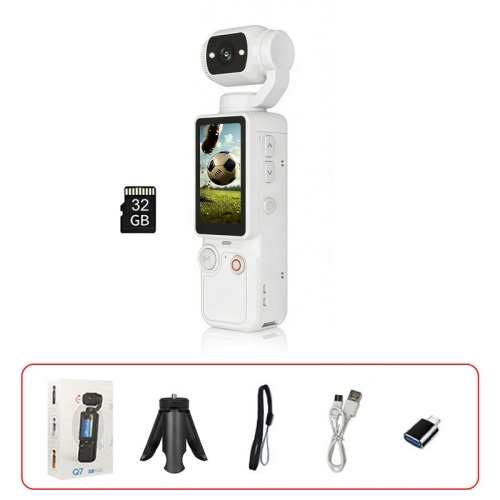
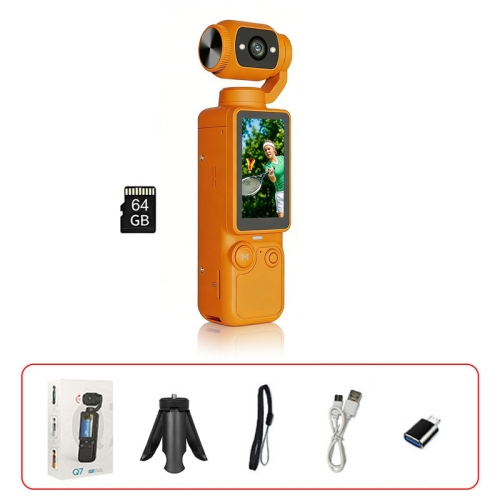
Equipment for filmmaking brings together cameras and lenses, camera supports, microphones, lighting, recording media, and the accessories that connect them into a working production kit. Each category serves a different purpose: cameras capture the image, supports control movement, microphones capture dialogue and other sounds, and lighting shapes what appears on screen. The right combination depends on the work being filmed, whether that is a short drama, a documentary interview, a music video, or a demonstration recorded by a single creator. A compact setup can suit someone moving between locations, while a larger production may need separate equipment for camera, sound, and lighting crews. Within this assortment, Cameras for Filmmaking form the foundation of image capture, with considerations that extend beyond resolution alone. Recording formats, sensor size, lens compatibility, autofocus behaviour, and available audio connections all influence how a camera fits into a project. Recording in 4K can provide detail and room to crop when delivering a lower-resolution video, while higher frame rates can support slow-motion footage when played back at a lower frame rate. Lens choice affects framing, perspective, and background separation. A wide-angle lens can show the layout of a small interior, while a longer focal length can frame an interview subject tightly from farther away. Prime lenses offer a fixed focal length, and zoom lenses allow framing changes without swapping lenses. Manual focus controls and geared lens rings can help with deliberate focus changes between subjects, while dependable autofocus can be useful when a creator also appears on camera. Lens mounts and sensor coverage need to match the camera, and filters need the correct thread size or holder. Neutral-density filters reduce incoming light, allowing greater flexibility with aperture and shutter settings in bright scenes. External monitors can make framing and focus easier to assess, particularly when the camera sits above eye level or close to the floor. Batteries and recording media complete the capture setup; compatible card formats, sufficient capacity, and sustained write speeds matter when recording demanding video formats or long takes.
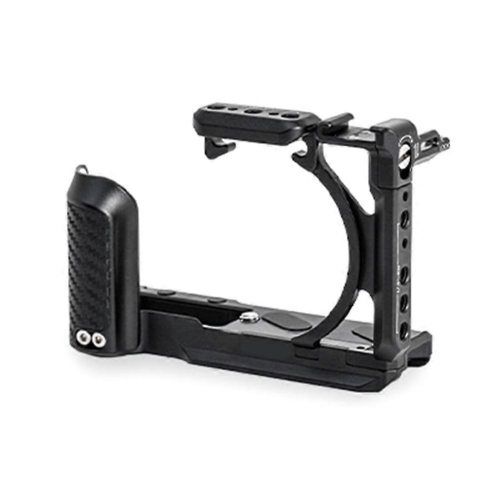
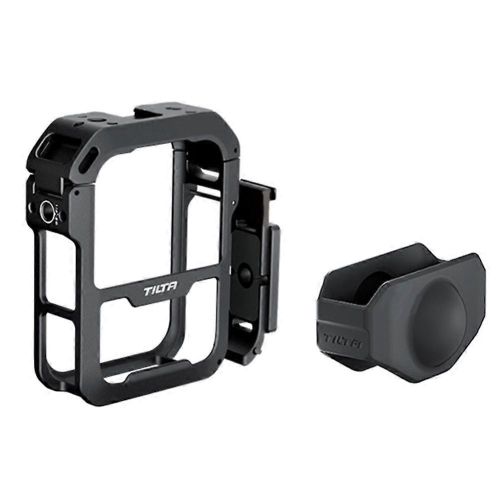
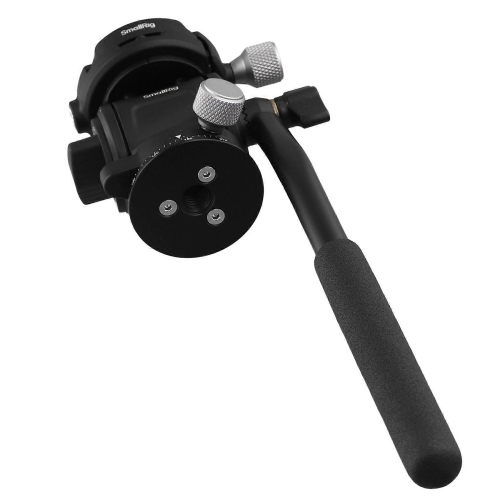
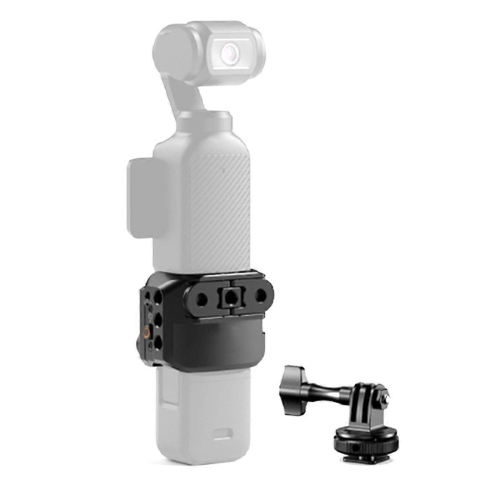
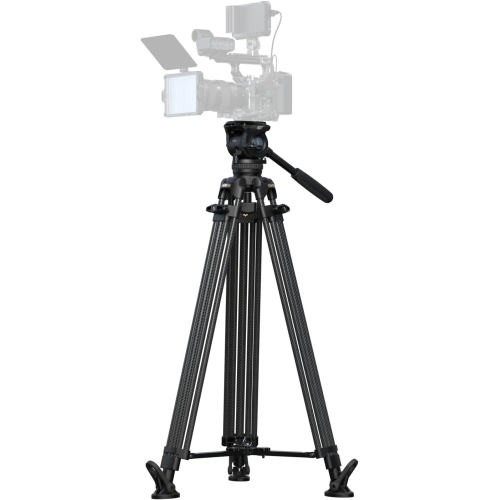
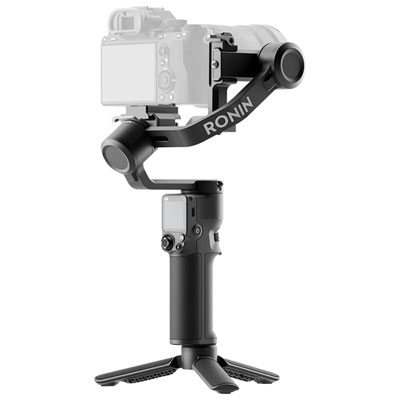
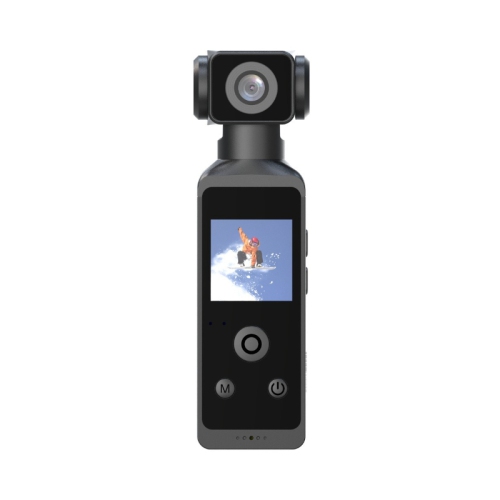
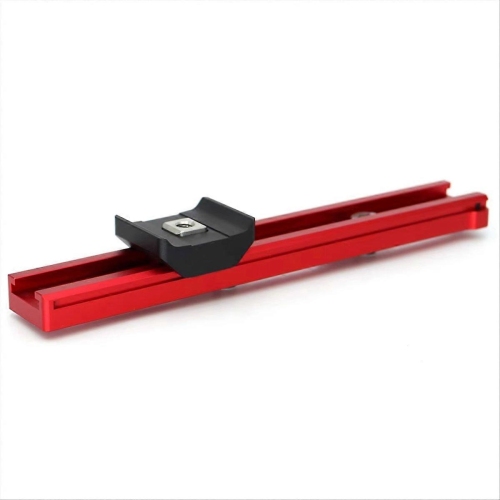
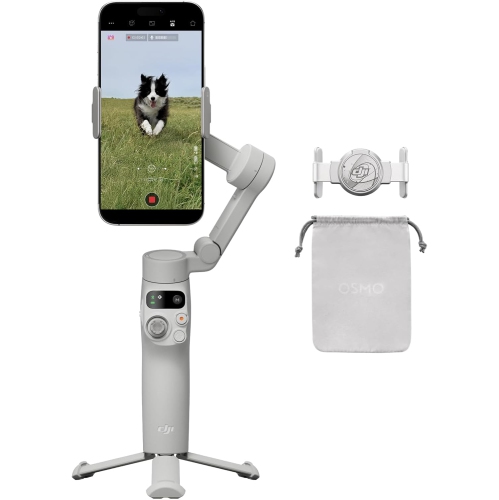
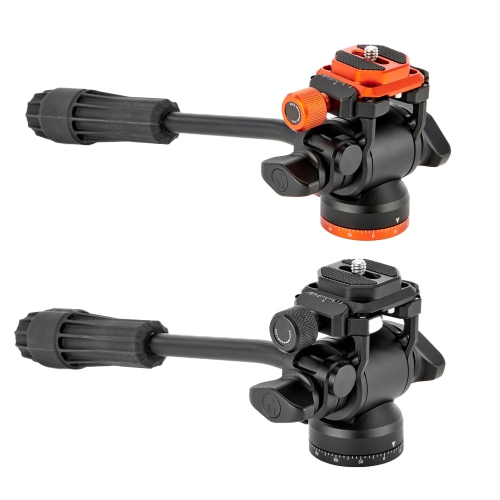
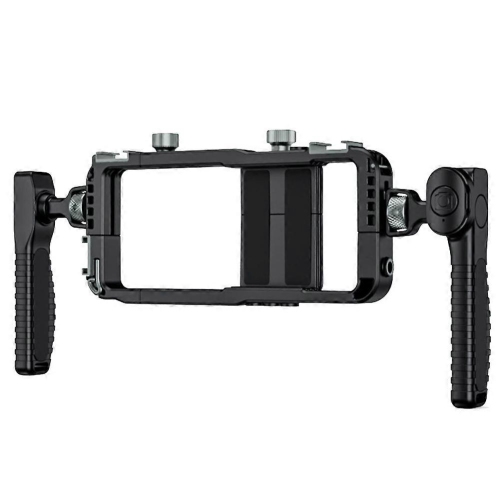
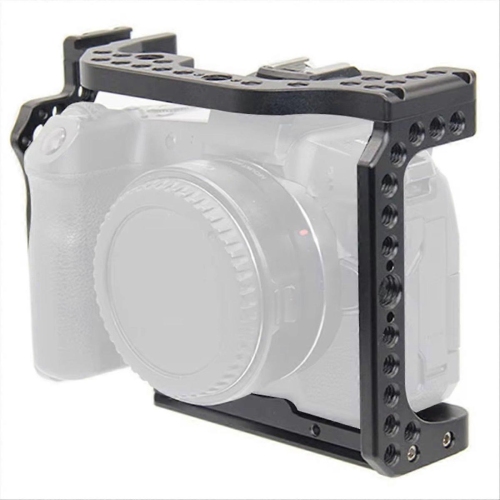
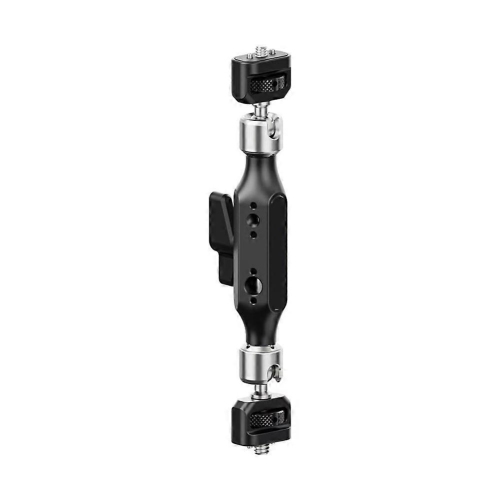
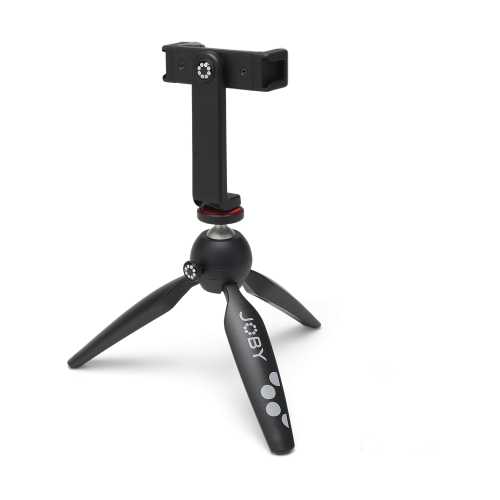
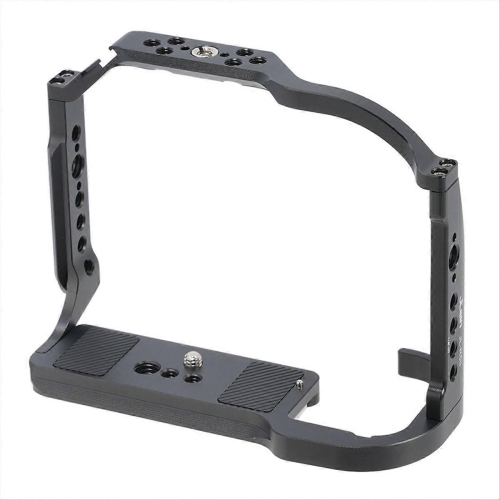
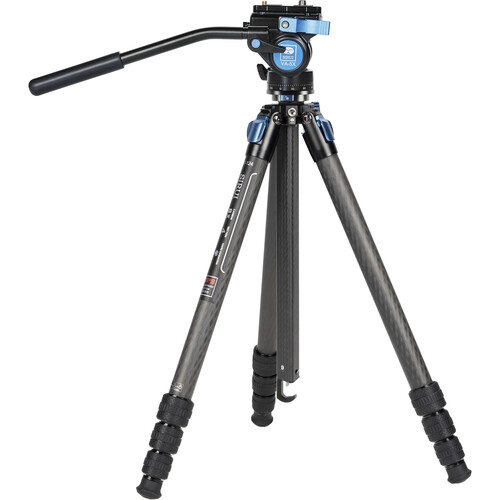
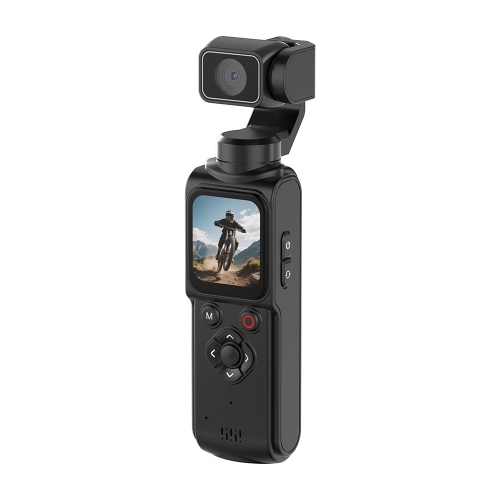
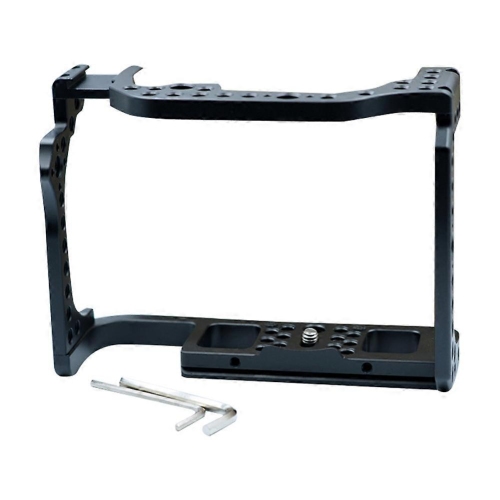
Camera support equipment determines whether footage feels still, fluid, or deliberately handheld. A tripod with a fluid head provides controlled resistance for pans and tilts, making it useful for following a speaker across a stage or moving smoothly between subjects in a scene. Payload ratings need to account for the complete camera setup, including the lens, monitor, microphone, battery, and mounting accessories rather than the camera body alone. Counterbalance adjustment, head compatibility, and a secure mounting plate also affect handling. A well-balanced setup is easier to position without the camera tipping forward when the tilt lock is released. Tripod height, folded length, and leg design influence how comfortably it works in tight rooms or travels between locations. Aluminum supports offer a sturdy option, while carbon-fibre designs can reduce carrying weight; build quality, joint construction, and locking mechanisms remain important with either material. Gimbals support moving shots, but their usefulness depends on payload limits, camera dimensions, and the ability to balance the attached lens and accessories. Shoulder rigs, cages, and handles provide additional mounting points and different ways to hold a camera, with fit determined by the camera body and access to its controls, battery compartment, and ports. Grip equipment supports more than cameras. Stands, clamps, and articulating arms can hold lights, microphones, monitors, or light modifiers, provided their mounting connections and load ratings suit the task. A boom arm extending over an interview chair creates different balance demands than a light positioned directly above a stand. Appropriate counterweights, sandbags, and cable routing help keep a set orderly and reduce trip or tipping hazards. Transport and care are part of equipment ownership, too. Padded cases with adjustable dividers can separate lenses from heavier accessories, while secure closures protect small components during travel. Clean mounting surfaces, inspected cables, and lens-safe cleaning materials help preserve dependable performance. Comfortable handles, adjustable straps, and thoughtfully arranged compartments make a difference for filmmakers carrying equipment through corridors or between several shooting spaces.
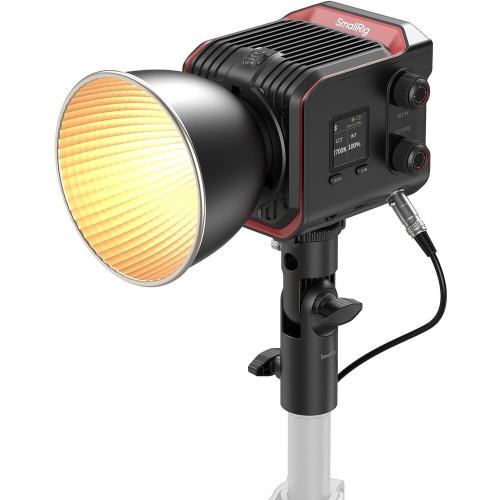
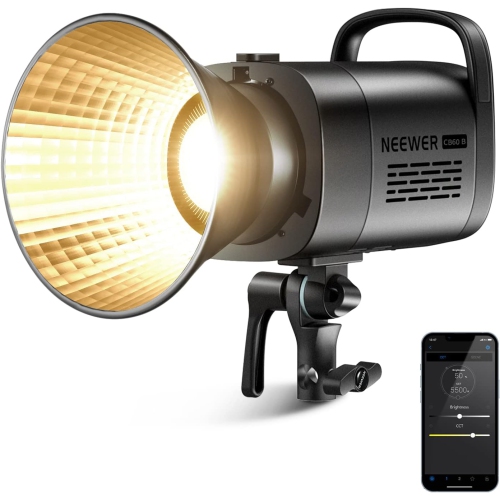
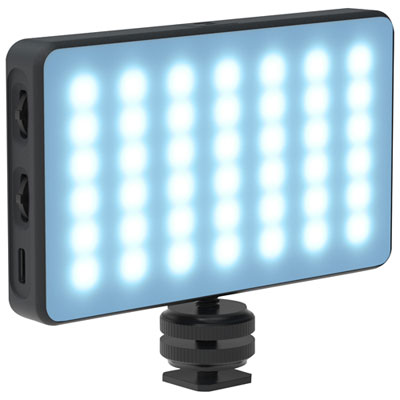
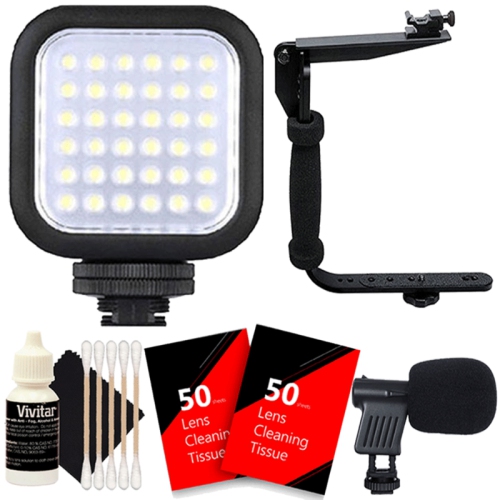
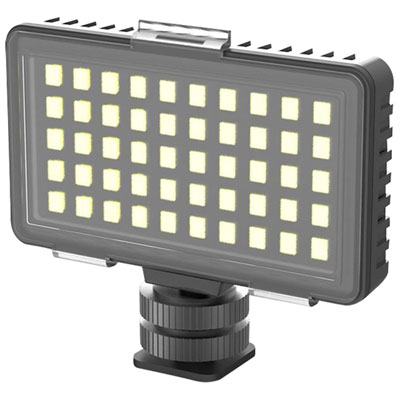
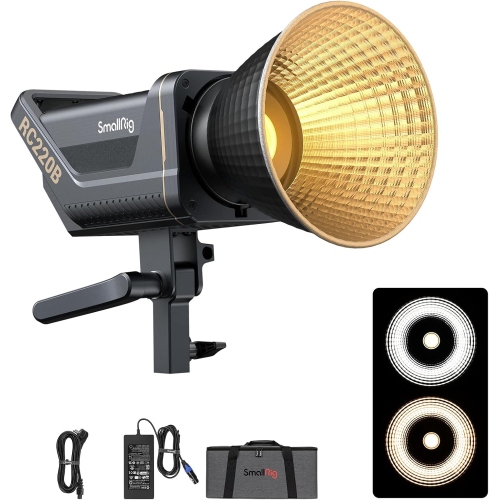
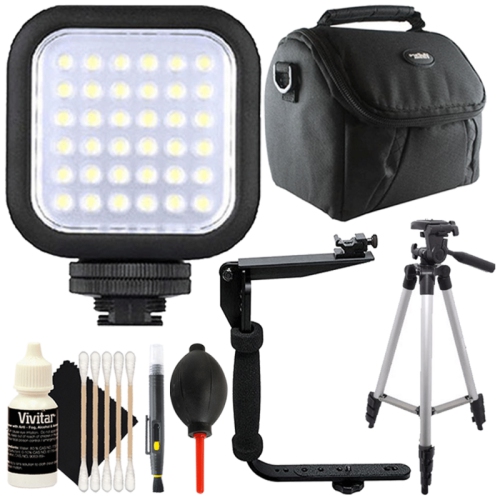
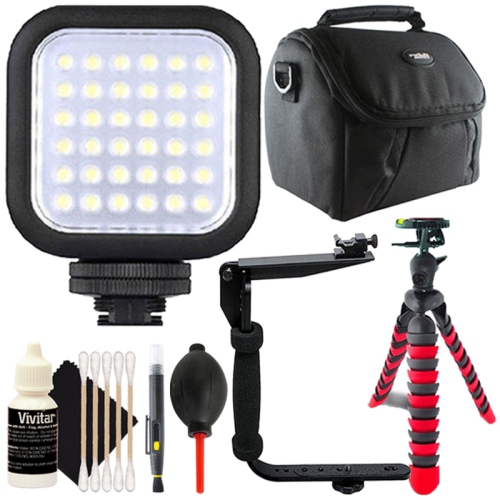
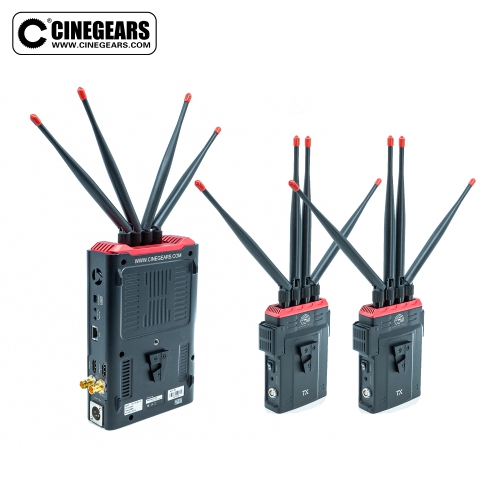
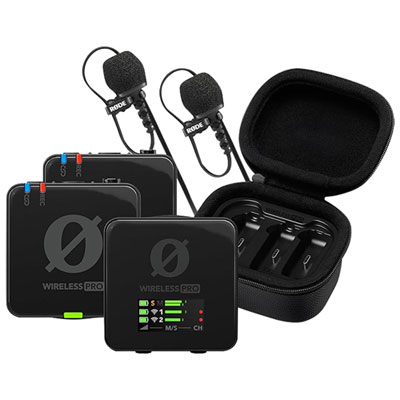
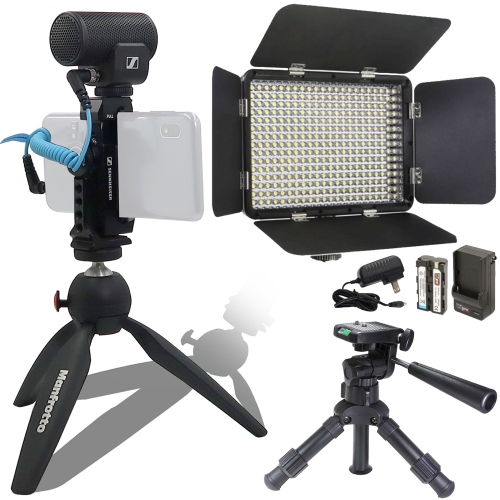
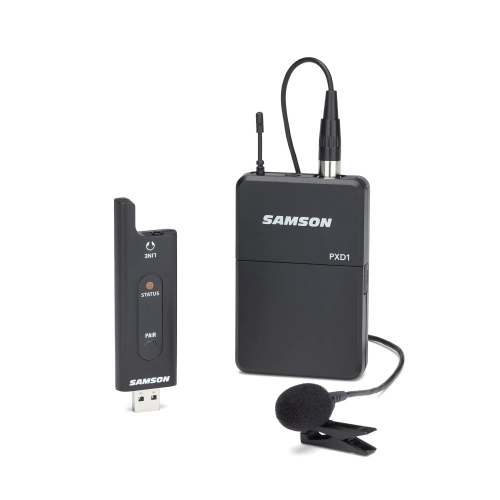
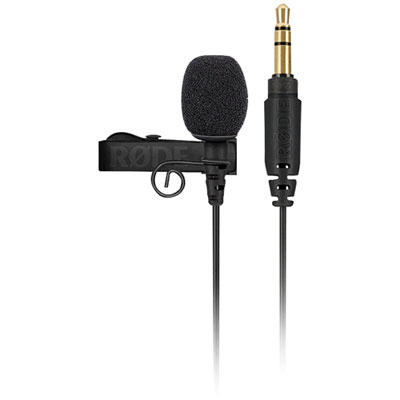
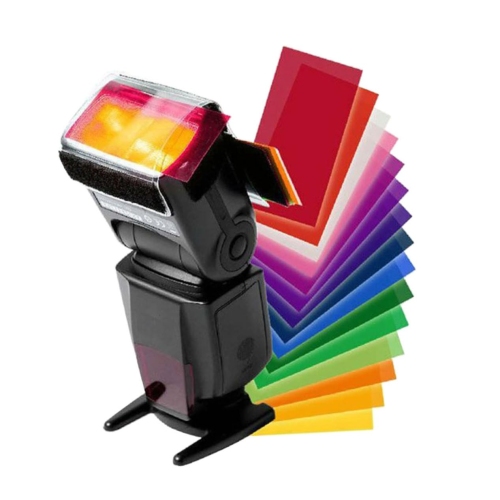
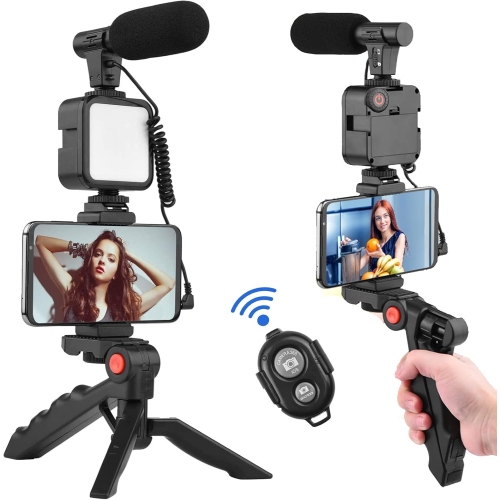
Sound and lighting equipment often make the difference between footage that merely records an event and footage that communicates it clearly. A microphone close to the speaker generally captures more useful dialogue than one positioned across the room, although microphone type, placement, and room acoustics all affect the result. Shotgun microphones can work on boom poles for dialogue recorded outside the frame, while lavalier microphones offer a small, wearable option for interviews and presentations. A directional microphone does not eliminate every unwanted sound; a bare room with hard surfaces can still produce noticeable reflections. Wireless microphone systems allow greater freedom of movement, with battery life, connection compatibility, operating range, and local radio requirements among the relevant considerations. Separate audio recorders can provide dedicated controls and additional inputs, while headphones make it possible to hear clothing rustle, handling noise, or an unexpectedly quiet recording before a take is finished. For larger crews, communication headsets can help coordinate camera movements and cues without calling across the set. Lighting adds another layer of control. LED fixtures, softboxes, diffusion materials, and reflectors can soften facial shadows, separate a subject from the background, or direct attention towards an object. Adjustable output and colour temperature help different lights work together, while colour accuracy matters when recording skin tones, clothing, and product finishes. Flicker performance is particularly relevant when filming at higher frame rates. Fixture weight, power requirements, modifier compatibility, and mounting hardware affect how easily a lighting setup fits into a room or travels with a small crew. The equipment needed for a seated interview can be quite different from the equipment used for a moving performance or a tabletop scene. Students, independent filmmakers, content creators, and business teams may all use these categories, but benefit from different combinations of portability, control, and expandability. Filmmaking accessories can also make thoughtful gifts when they match the recipient’s existing setup and interests. Beyond the shoot, card readers, external storage, and editing peripherals support transferring, organizing, reviewing, and backing up footage. A cohesive kit connects capture, handling, sound, lighting, and post-production without making every project depend on the largest possible setup.
Top selling and popular products
-
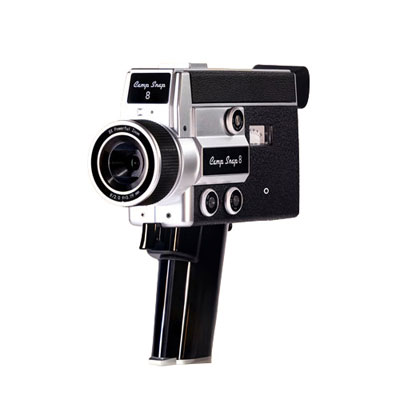 Your price for this item is $199.99
-
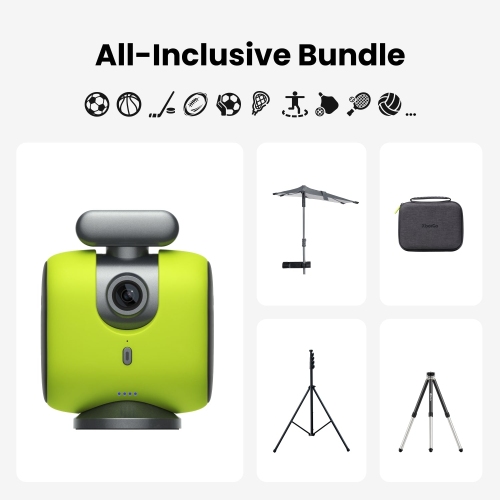 Your price for this item is $859.99
-
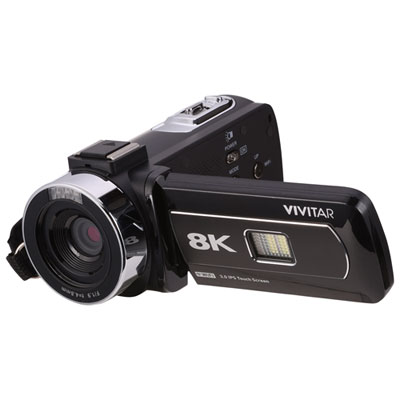 Your price for this item is $249.99
-
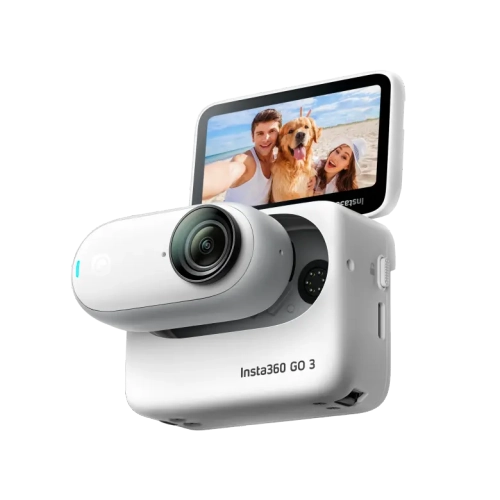 Your price for this item is $522.37
-
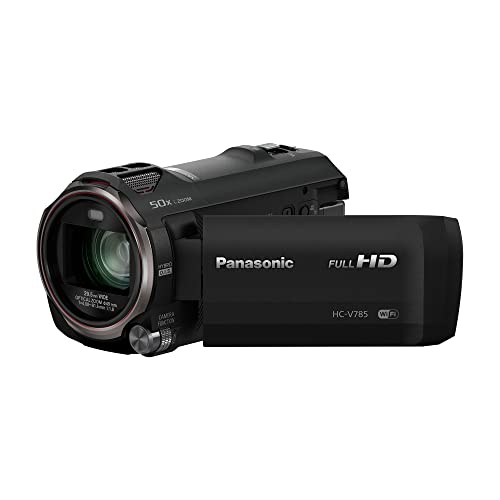 Your price for this item is $839.98
-
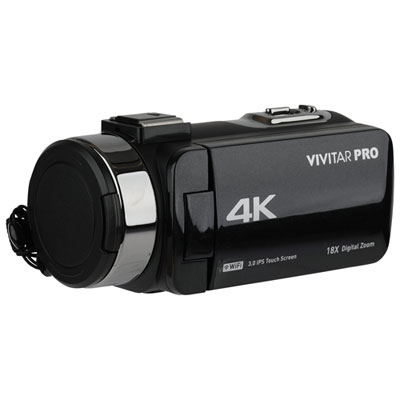 Your price for this item is $199.99
-
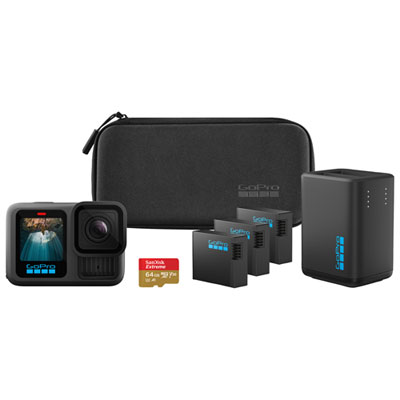 Your price for this item is $679.97
-
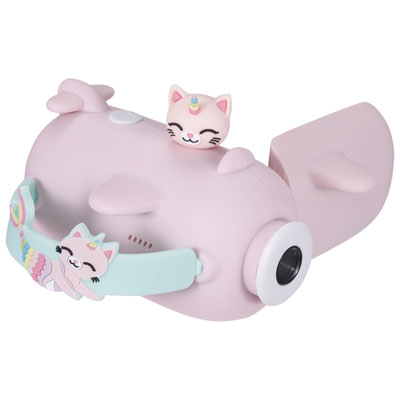 Your price for this item is $69.99
Discover more categories related to Equipment for Filmmaking
Top Collections:
Pokemon Centers, Best Cameras for Sports Photography, Kindle Devices, Samsung Galaxy Phones, Canon G7X Cameras, Pokémon 30th Celebration Cards, Refurbished Apple Laptops, iPhone 15 Apple, Laptops for Students, Budget Smartphones
Some products may be subject to Environmental Handling Fees
(EHF) depending on your province.
Learn more about EHFs.