Equipment for Beginner Filmmakers
Equipment for beginner filmmakers is essential for turning creative ideas into captivating visual stories. Whether you’re preparing for your first shoot or expanding your toolkit, having the right gear can make all the difference in capturing high-quality footage and audio. Discover a wide selection of user-friendly cameras, microphones, lighting solutions, and editing accessories designed to help new filmmakers achieve professional results with confidence. Start building your filmmaking setup and bring your vision to life with reliable equipment tailored for beginners.
Sort
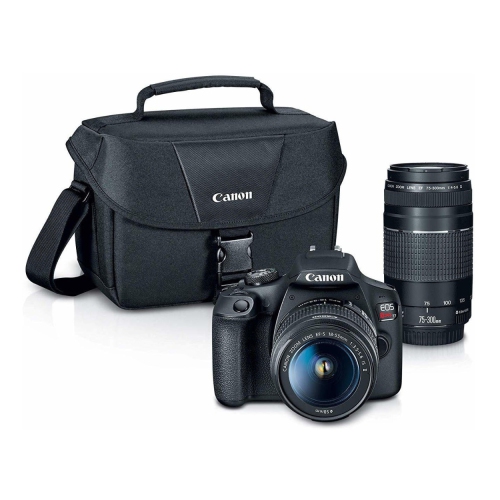
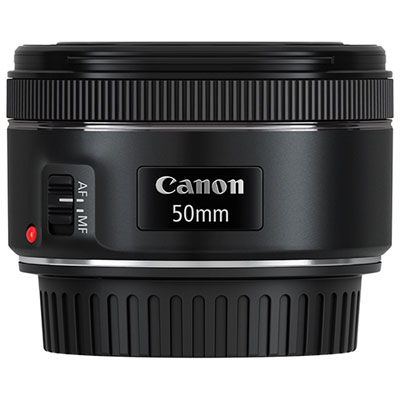
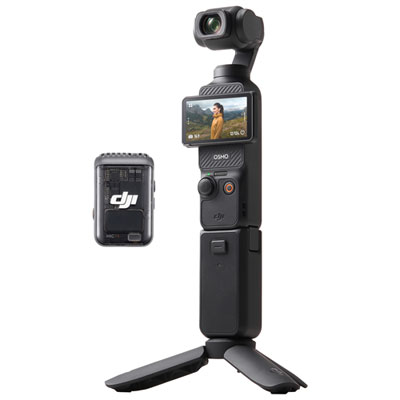

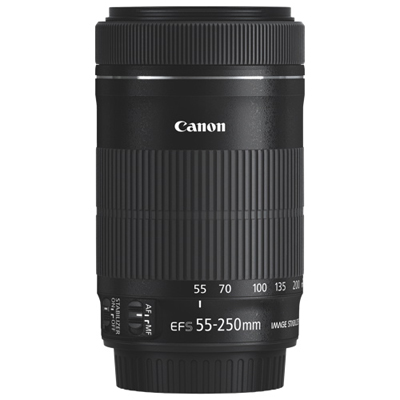
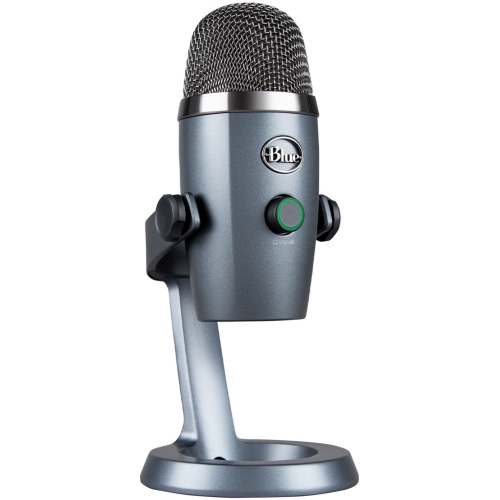
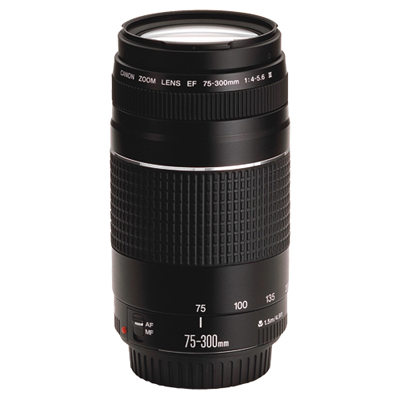
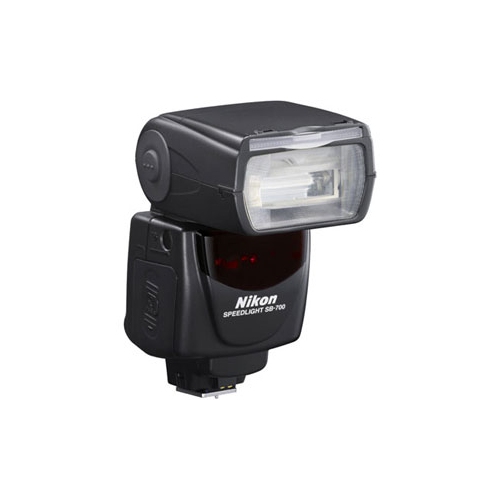
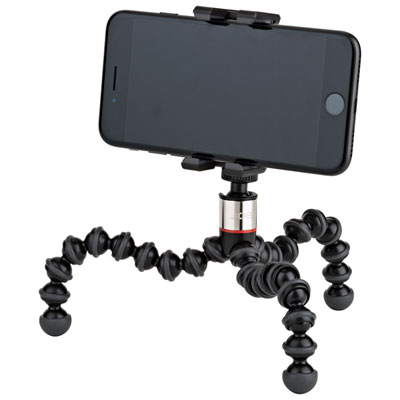
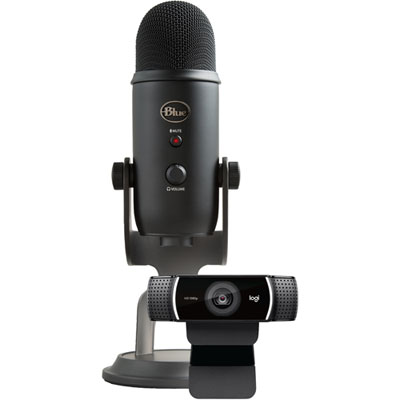
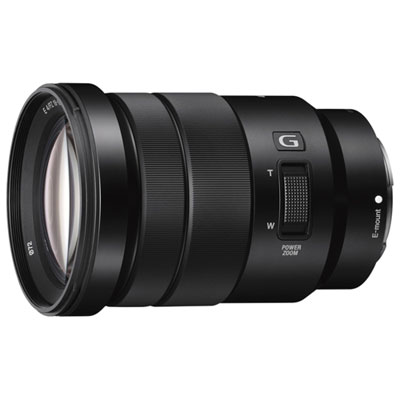
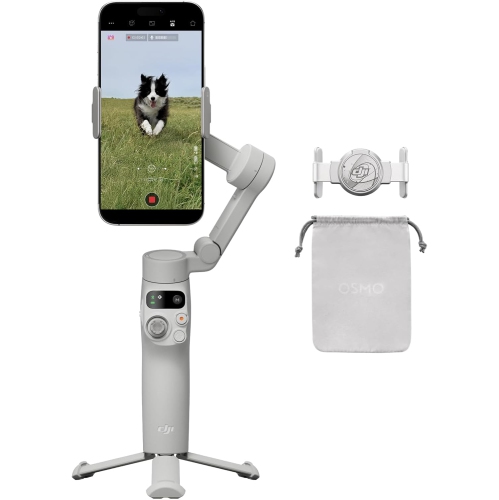
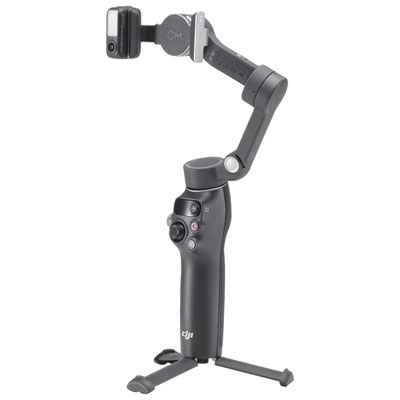
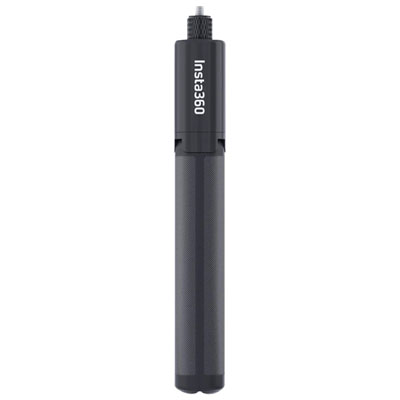
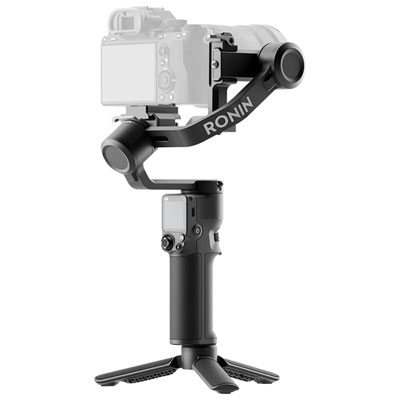
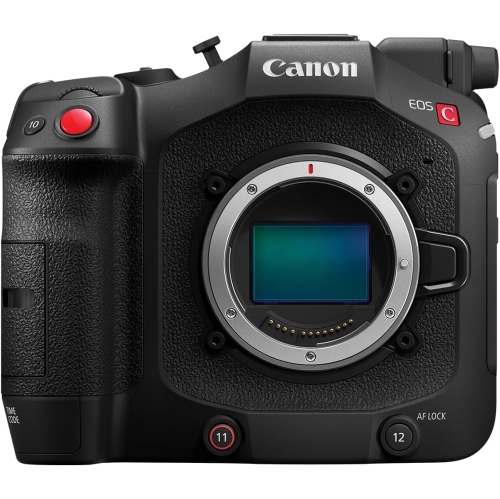
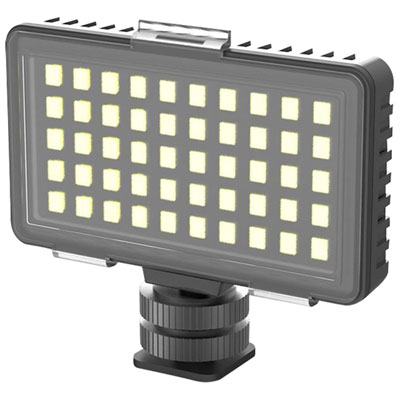
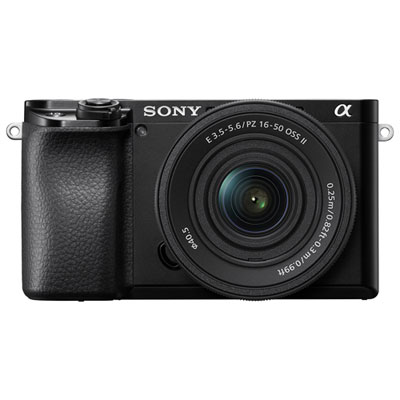
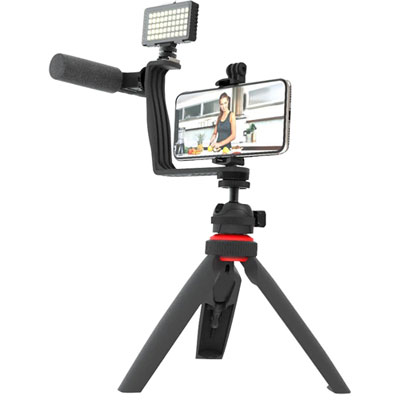
A compact filmmaking kit that goes beyond the camera
Equipment for beginner filmmakers centres on a camera or smartphone, a suitable lens, an external microphone, stable camera support, basic lighting, and storage for footage. Together, these tools cover the practical needs of capturing a scene clearly, keeping dialogue intelligible, and bringing separate shots into a finished film. A compact setup can suit student assignments, short dramas, interviews, family stories, and first attempts at documentary filmmaking without becoming difficult to carry or operate. For cameras, useful considerations include dependable autofocus, accessible manual controls, a microphone input, and a screen that remains visible when the camera sits above or below eye level. Full HD can work well for everyday projects, while 4K offers more room to crop or straighten footage during editing when the finished video uses a lower resolution. Higher resolutions also require more storage and greater processing capability, so camera specifications matter most in relation to the whole setup. Smartphones can be practical filmmaking tools, particularly with a secure mount and compatible audio accessories; connector type, app support, and access to charging ports all affect how comfortably those accessories work together. With interchangeable-lens cameras, lens choice shapes both framing and handling. A standard zoom makes it easier to move between a wide view of a room and a tighter shot of a speaker without changing lenses. A prime lens has a fixed focal length and may offer a wider maximum aperture, useful for gathering light and separating a subject from the background. Its field of view depends on sensor size, so a 50 mm lens can feel quite tight in a small room on a crop-sensor camera. Lens mount compatibility, autofocus support, and the combined weight of the camera and lens deserve attention. Filmmakers who also want to capture still images will find shared essentials in Beginner Photography Equipment, especially camera bodies, lenses, tripods, and protective carrying gear.
Sound and lighting give beginner filmmaking equipment much of its practical value. A beautifully framed interview can still be difficult to follow if the voice is distant or buried beneath room noise. External microphones allow the sound source and microphone to sit closer together than a camera’s built-in microphone often permits. A lavalier microphone clips near the speaker’s mouth, making it useful for interviews, presentations, and scenes where someone moves through the frame. Placement matters: a cable brushing against clothing or a microphone tucked beneath a stiff collar can introduce distracting rustling. A shotgun microphone provides directional pickup and can sit on a camera or compatible boom support, though it still benefits from being close to the speaker and aimed correctly. Wireless microphone systems offer freedom of movement, while wired connections avoid the need to manage a radio link; both require compatible inputs and suitable power arrangements. A separate audio recorder can provide additional control, but its files may need to be synchronized with the picture during editing. Closed-back headphones with a wired monitoring connection help reveal hum, distortion, clothing noise, and other problems while filming, without the delay that some wireless listening connections introduce. For lighting, adjustable LED panels and diffused fixtures can make faces easier to see and help maintain a consistent look across different takes. A broad, diffused light generally produces softer shadow edges than a small, direct source, which can be especially useful for a seated interview or a close-up at a desk. Brightness adjustment, colour temperature control, and accurate colour rendering matter more than a fixture’s size alone. Flicker performance also matters, particularly at faster shutter speeds or when filming slow motion. Secure light stands, compatible modifiers, and suitable power cables are part of the lighting setup rather than afterthoughts. In a shared room or small home studio, a fixture’s footprint, fan noise, and access to controls can make a noticeable difference to how smoothly filming goes.
Camera support, power, storage, and editing tools help turn a collection of equipment into a workable filmmaking kit. A sturdy tripod holds framing steady for interviews, demonstrations, and scenes that need repeatable camera positions. A fluid video head allows controlled pans and tilts, while a quick-release plate makes it easier to move the camera between supported and handheld shooting. The support’s rated load needs to accommodate the complete mounted setup, including the lens, microphone, and other accessories, with attention to balance as well as weight. Aluminium supports offer a solid feel, while carbon fibre can reduce carrying weight; dependable leg locks and a stable stance matter with either material. A handheld stabilizer can suit walking shots, but camera compatibility, payload limits, and the time needed for balancing affect its usefulness for a beginner. Spare batteries, compatible chargers, and memory cards suited to the camera’s required sustained write speed help keep longer sessions manageable. Card capacity alone does not establish whether a card can handle a demanding video mode. For editing, a computer needs sufficient memory, processing capability, and storage for the chosen footage and software, especially when working with high-resolution files or several video layers. External storage can keep projects organized, while an additional copy on a separate device helps protect footage against drive failure or accidental deletion. Protective bags with padded dividers reduce knocks in transit and keep lenses, cables, and small accessories from rubbing together. A comfortable strap, manageable packed weight, and compartments that fit the actual kit are useful for students moving between locations or creators working alone. Lens caps, a blower, and cleaning materials intended for optical surfaces support routine care without unnecessary rubbing. Beginner filmmaking accessories can also make thoughtful gifts for an aspiring storyteller, provided camera mounts, connectors, battery types, and carrying dimensions match the recipient’s existing equipment. The most useful setup is one that supports the scenes someone wants to make and remains straightforward enough to use regularly.
Top selling and popular products
-
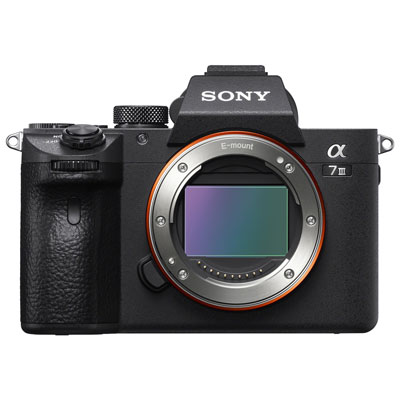 Your price for this item is $1899.99
-
 Your price for this item is $1899
-
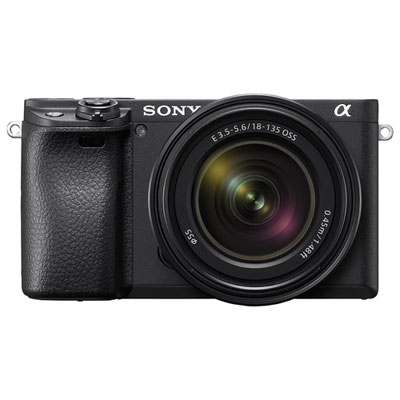 Your price for this item is $1749.99
-
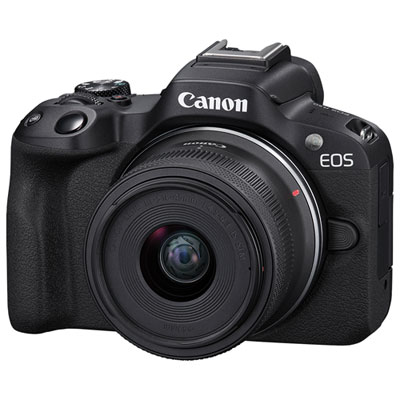 Your price for this item is $1099.99
-
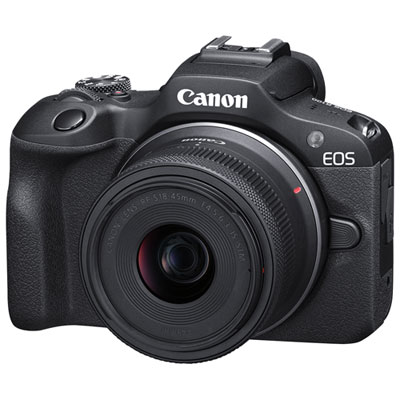 Your price for this item is $629.99
-
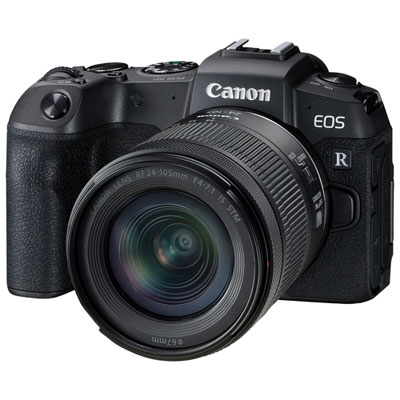 Your price for this item is $1499.99
-
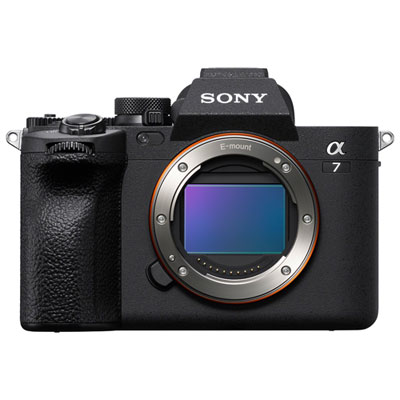 Your price for this item is $2699.99
-
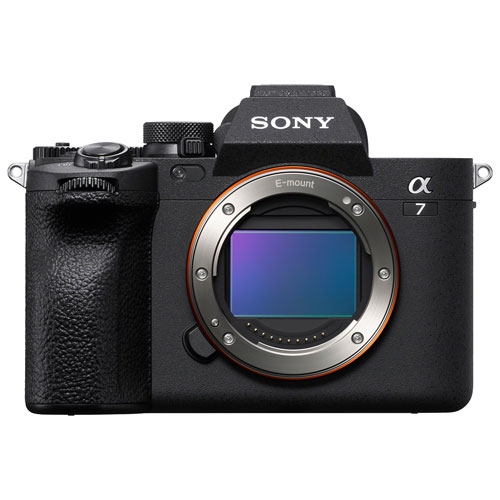 Your price for this item is $2419.99
Discover more categories related to Equipment for Beginner Filmmakers

Top Collections:
Pokemon Centers, Best Cameras for Sports Photography, Kindle Devices, Samsung Galaxy Phones, Canon G7X Cameras, Pokémon 30th Celebration Cards, Refurbished Apple Laptops, iPhone 15 Apple, Laptops for Students, Budget Smartphones
Some products may be subject to Environmental Handling Fees
(EHF) depending on your province.
Learn more about EHFs.