Pro Drones With Camera
Capture breathtaking aerial footage and take your photography skills to new heights with our selection of pro drones with cameras. Whether you're an aspiring filmmaker, a professional photographer, or simply a tech enthusiast looking to explore the world from above, these high-performance drones are designed to deliver stunning image quality and unrivaled flight stability. With advanced features such as 4K video recording, intelligent flight modes, and long battery life, our collection of Pro drones is perfect for capturing incredible moments from every angle. Elevate your creativity and experience the thrill of aerial photography with our range of pro drones with cameras.
Sort
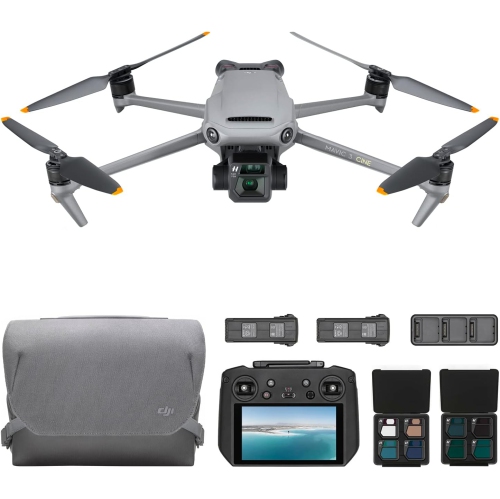
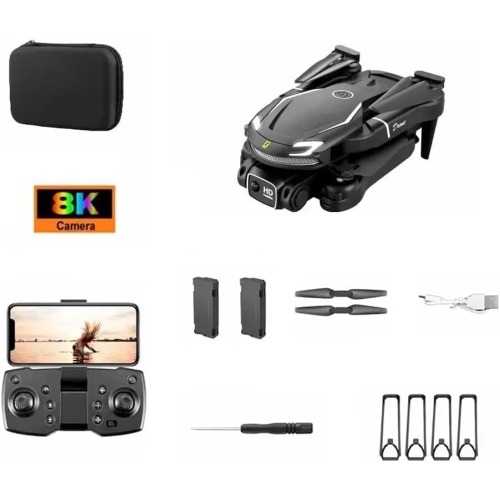
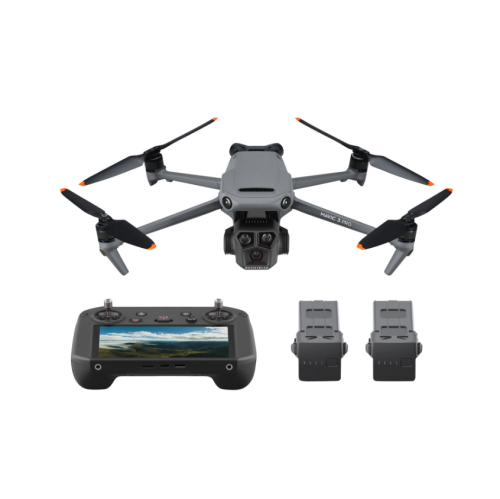
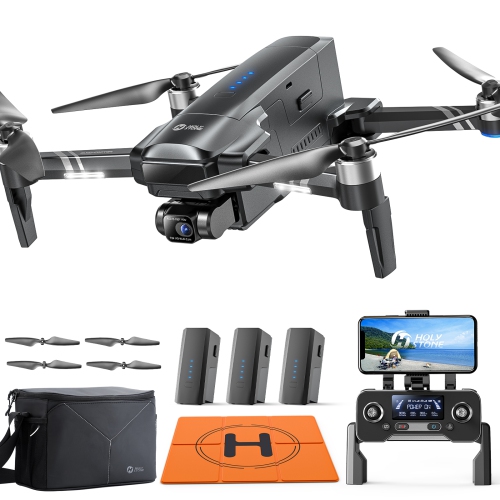
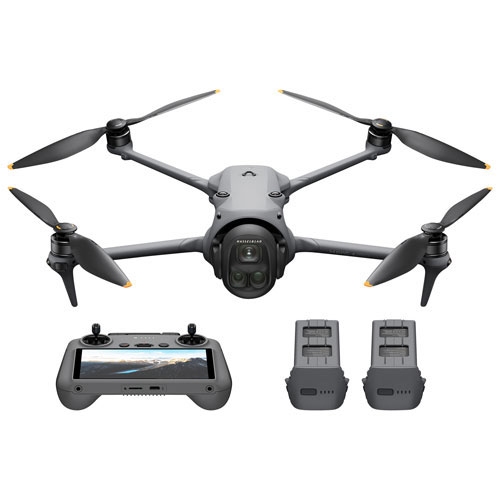
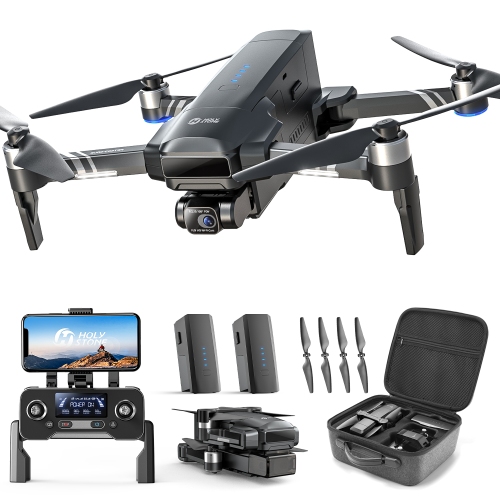
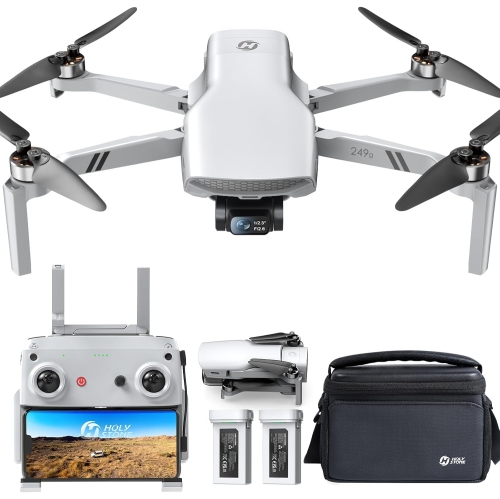
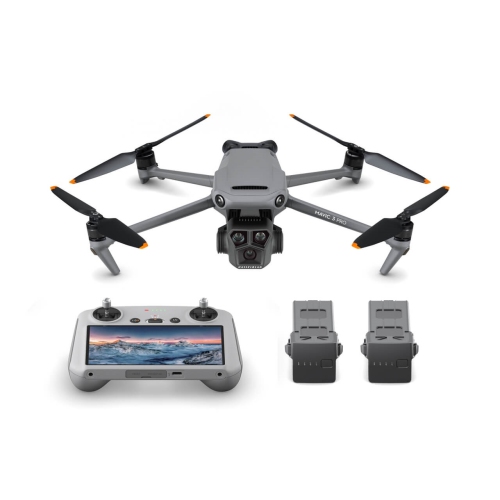
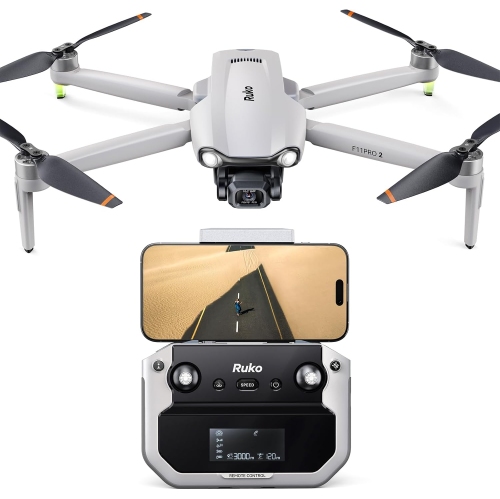
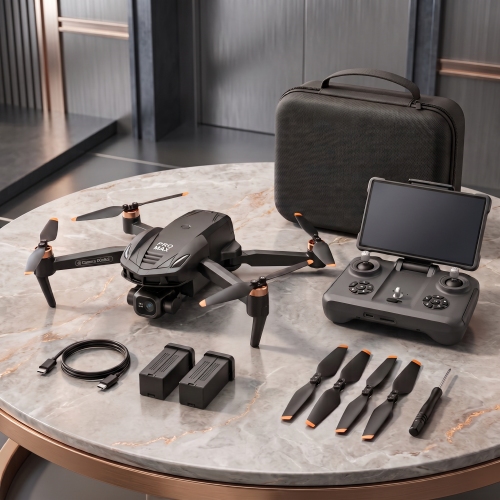
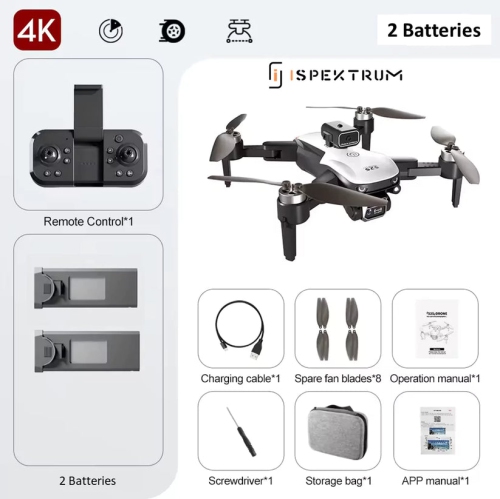
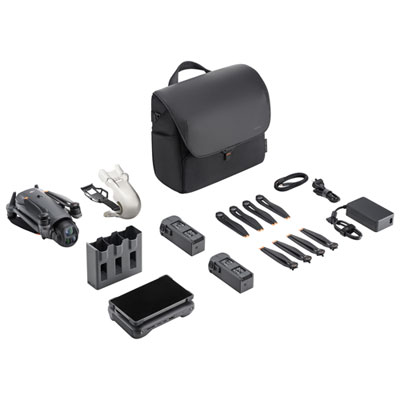
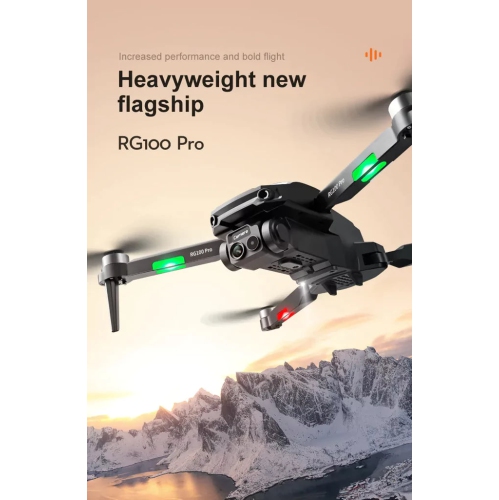
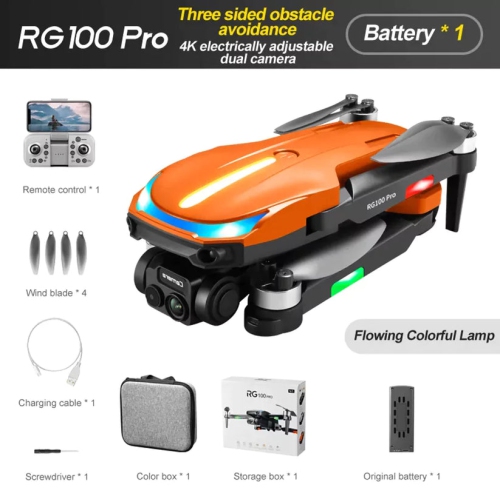
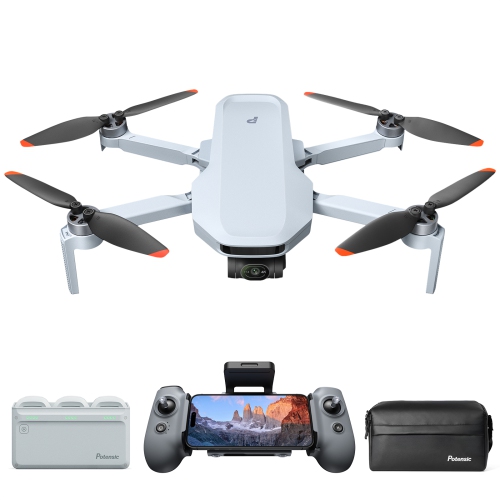

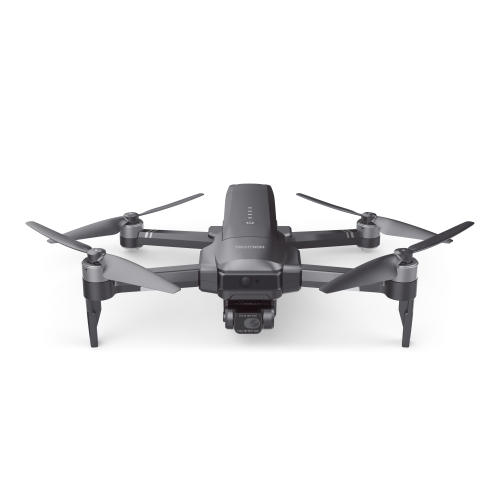

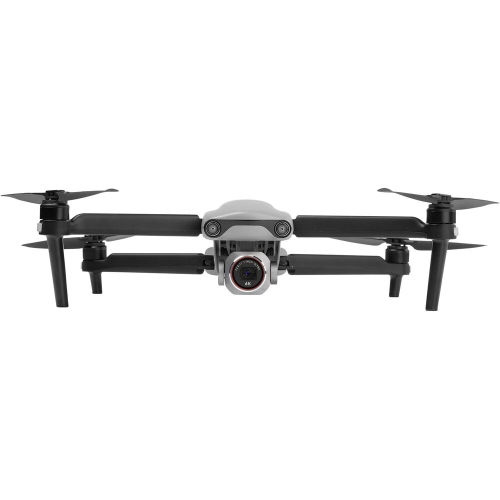
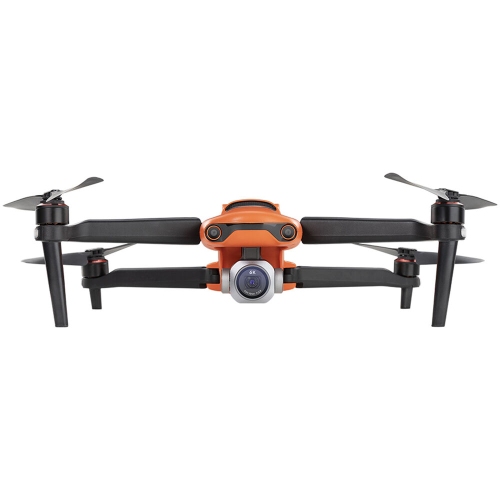
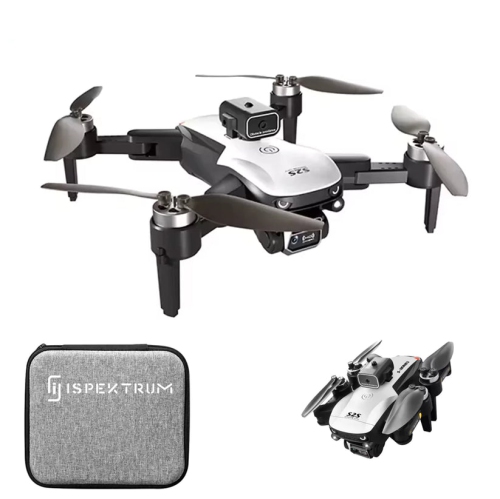
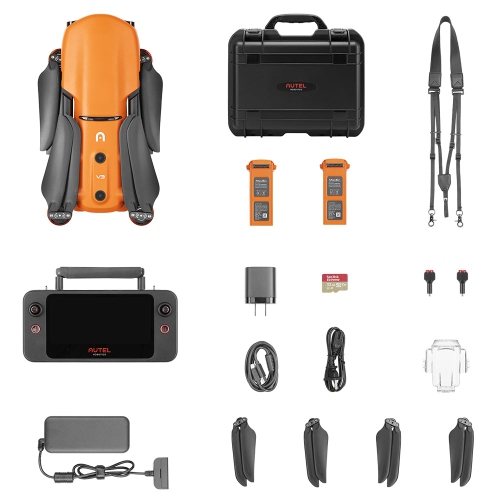
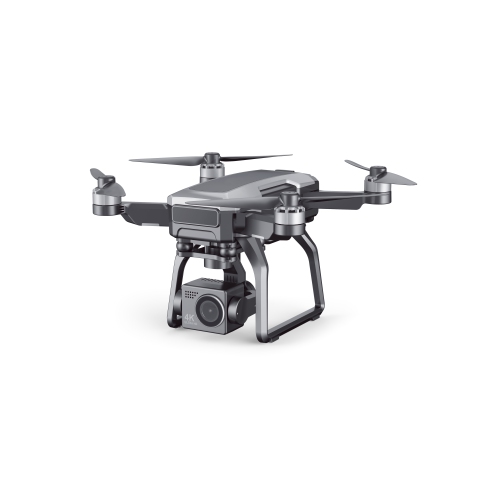
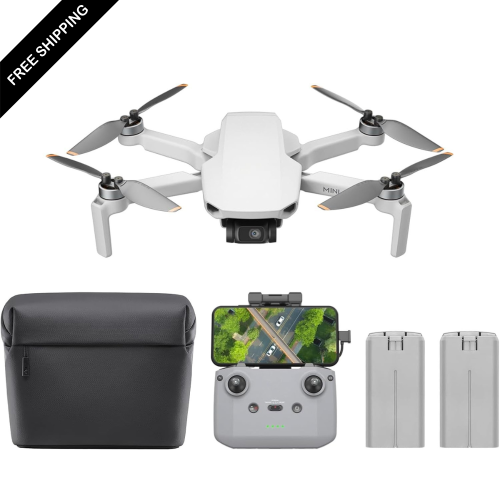
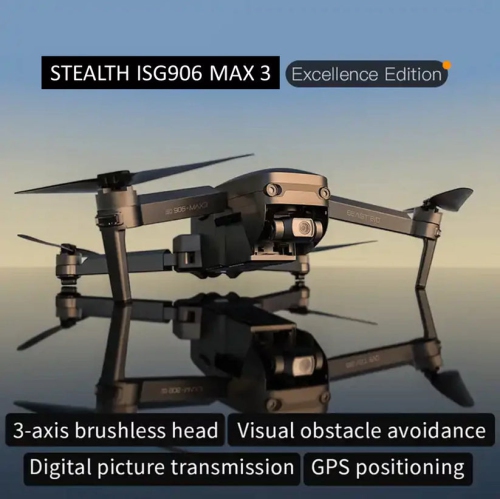
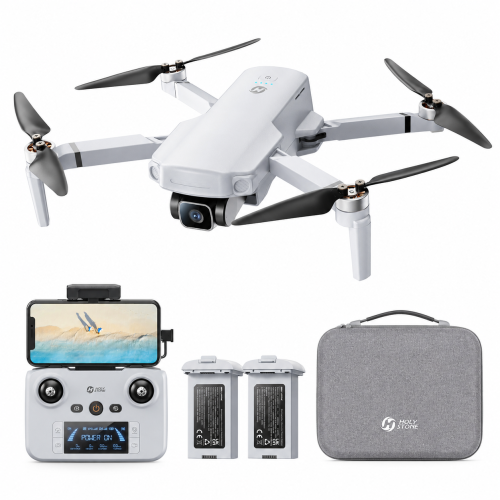
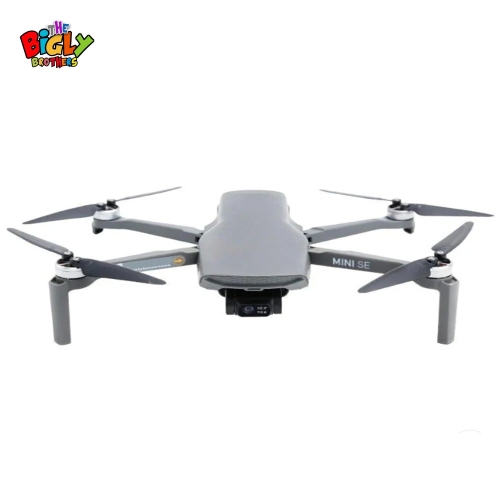
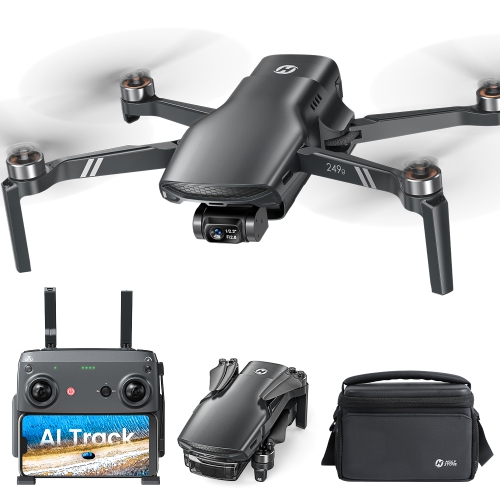
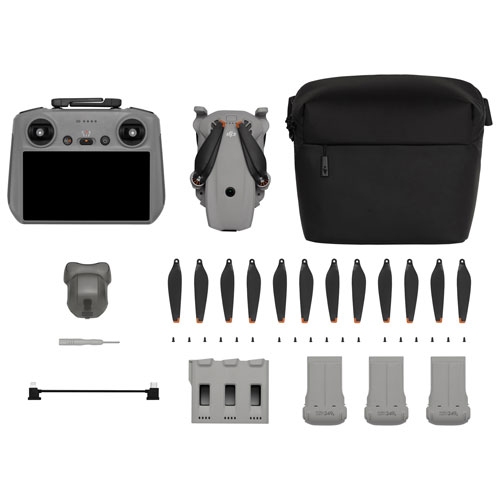
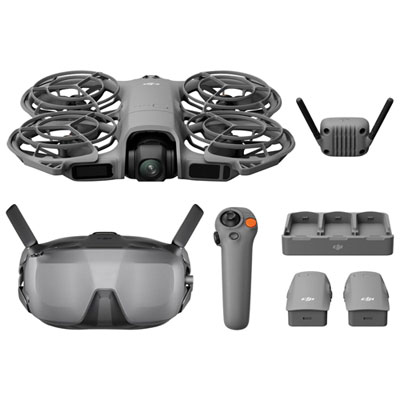
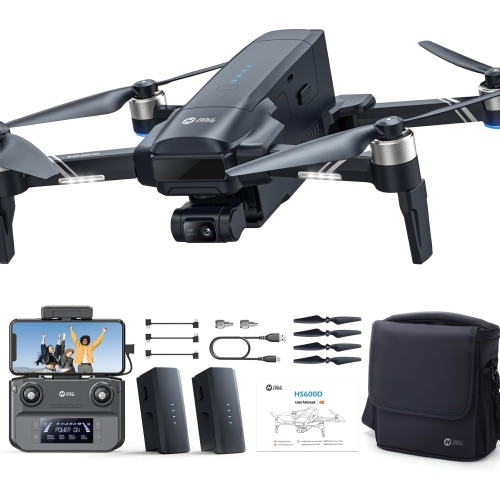
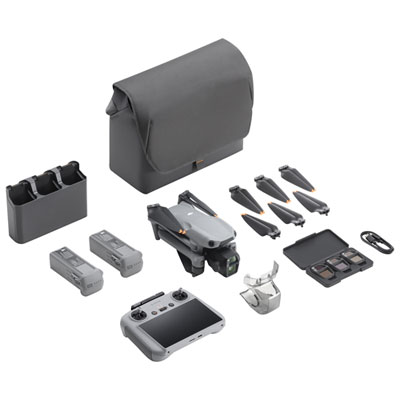
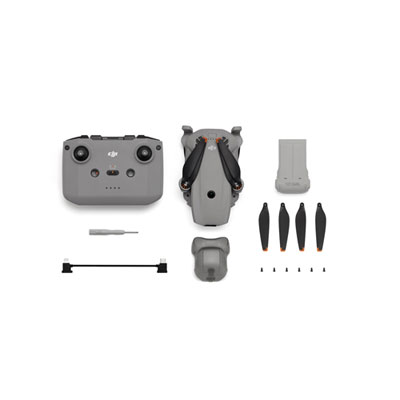
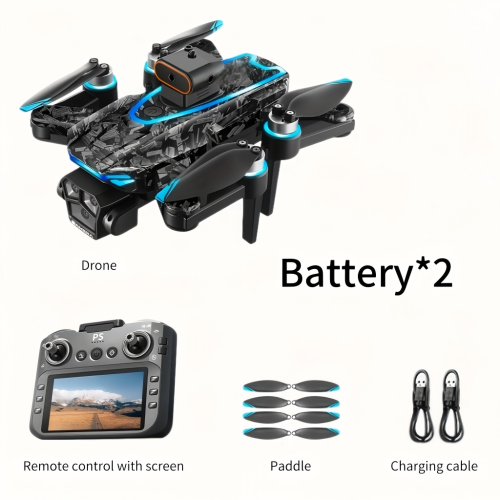
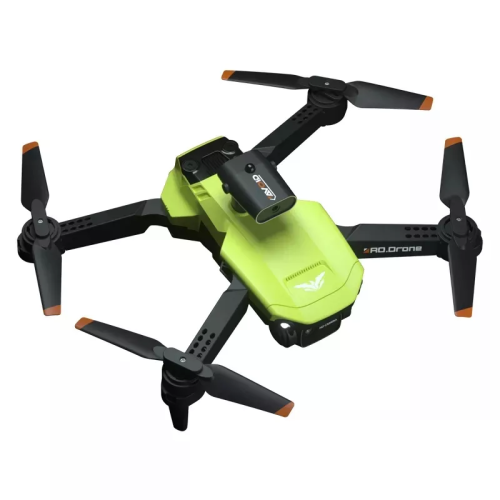
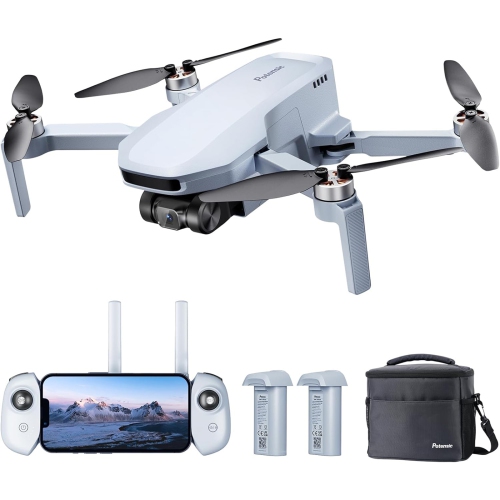
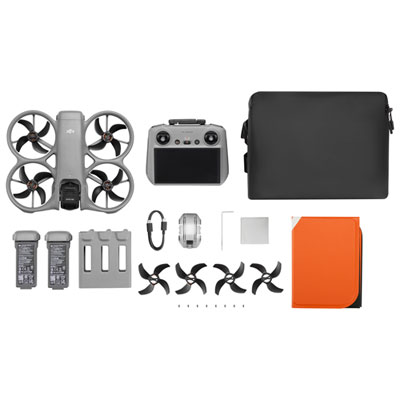
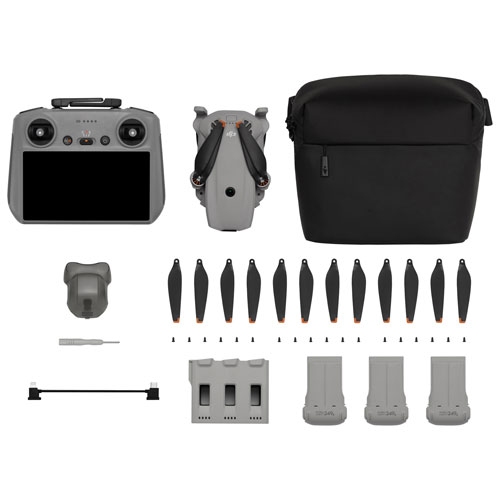
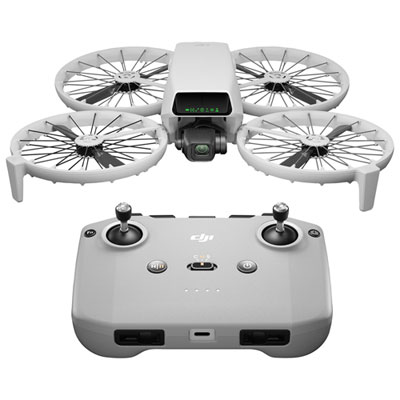
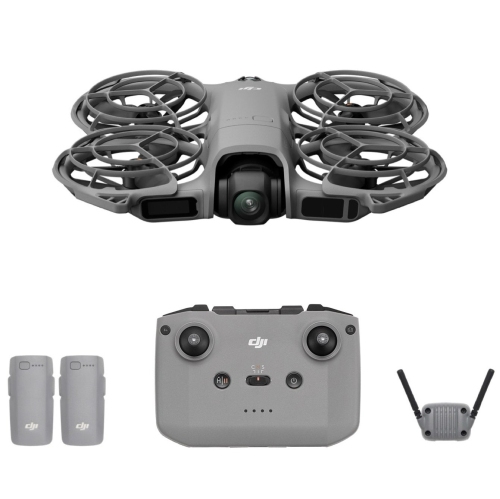

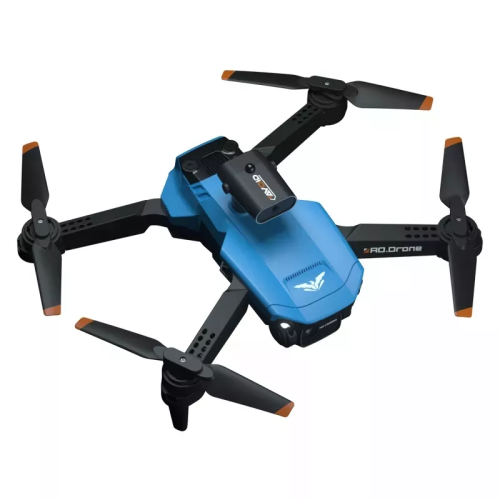
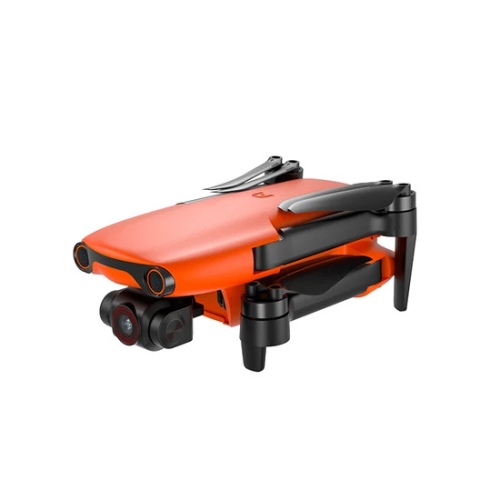

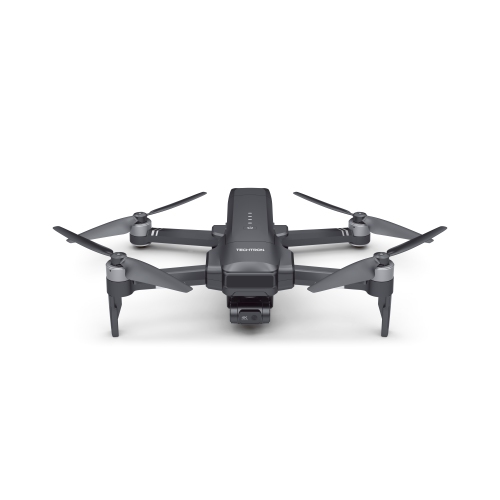
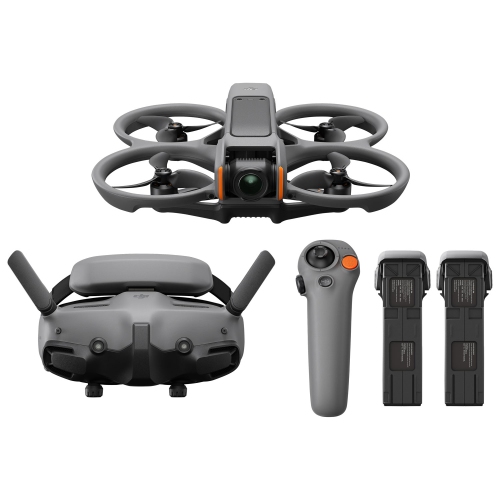
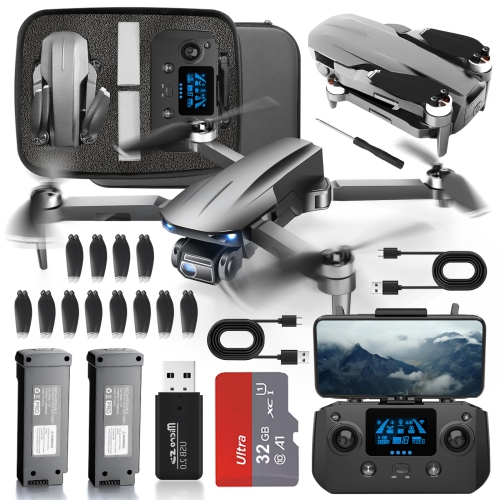
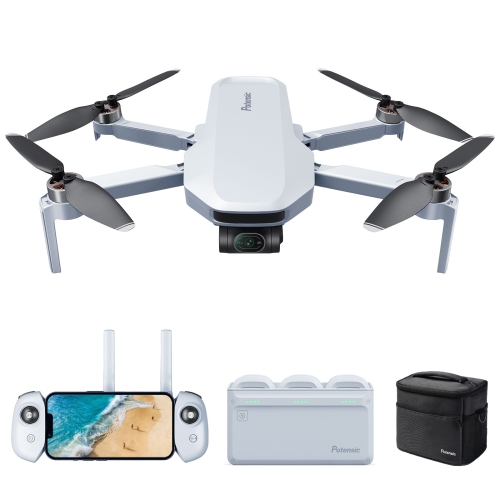
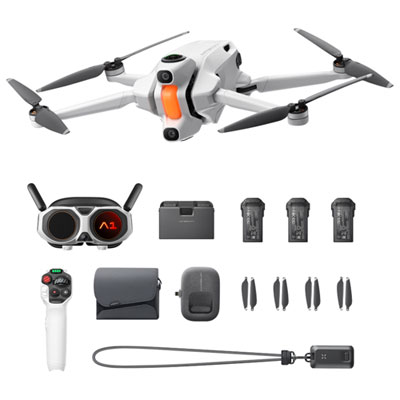
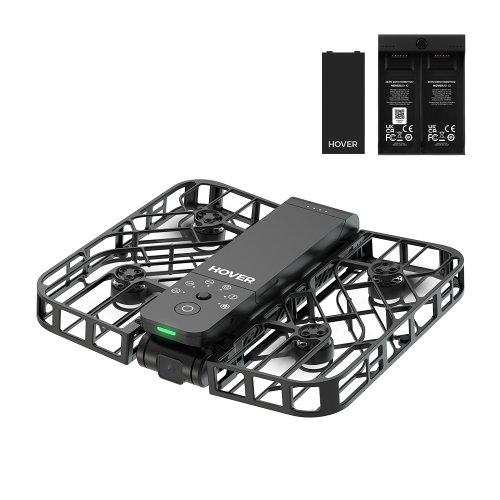
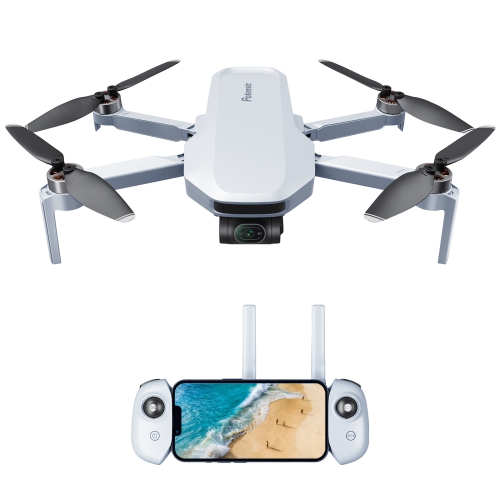
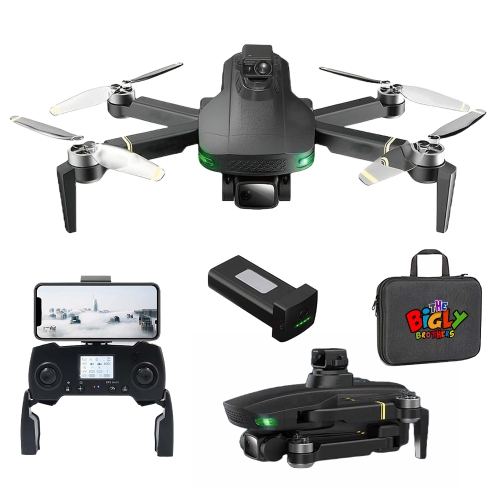
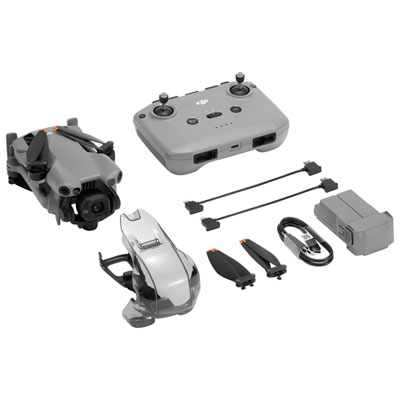
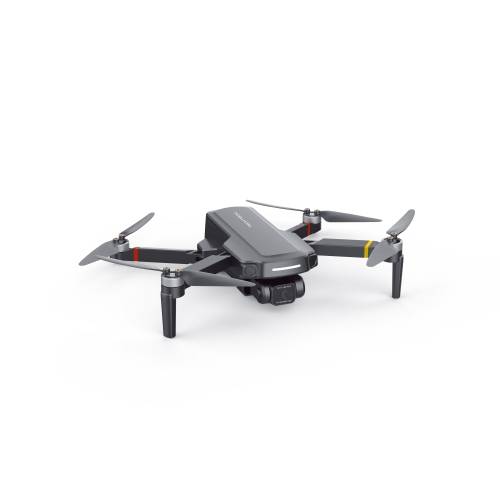
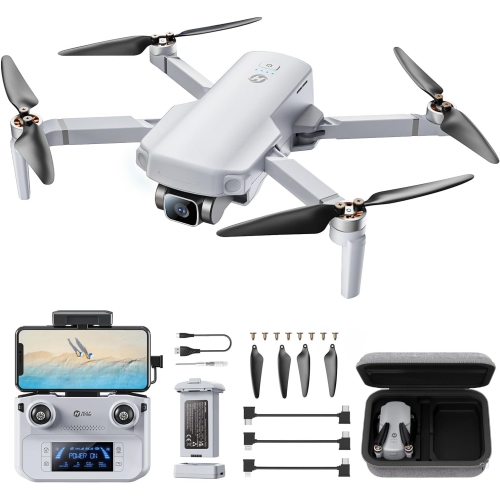
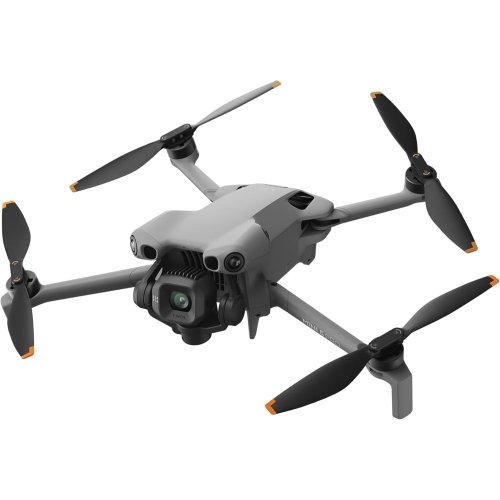
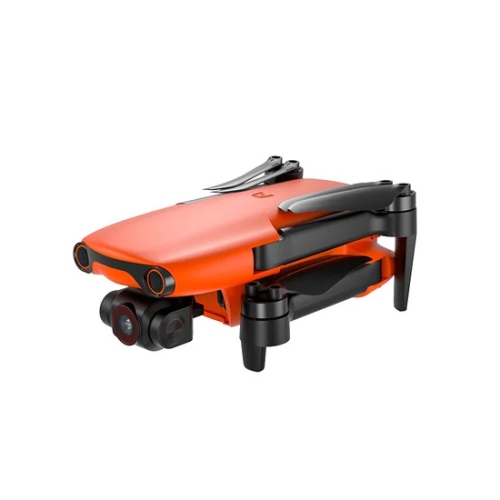
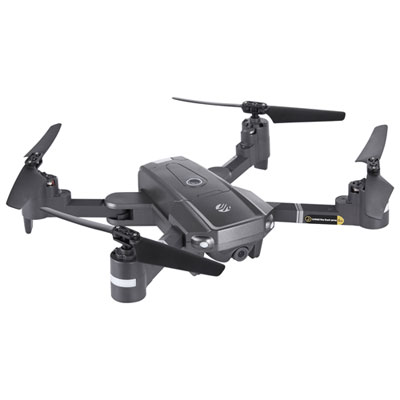
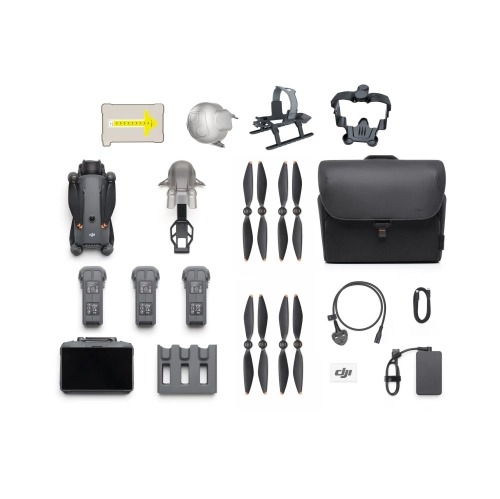
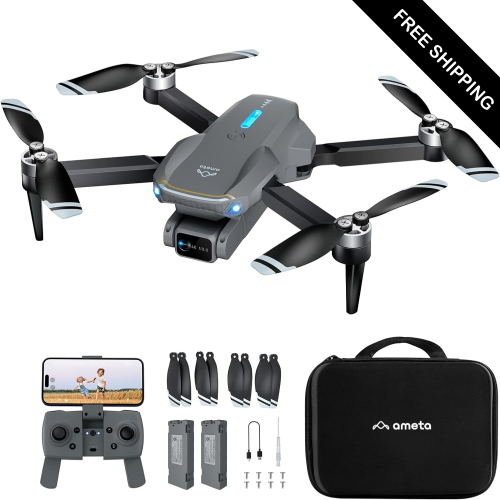
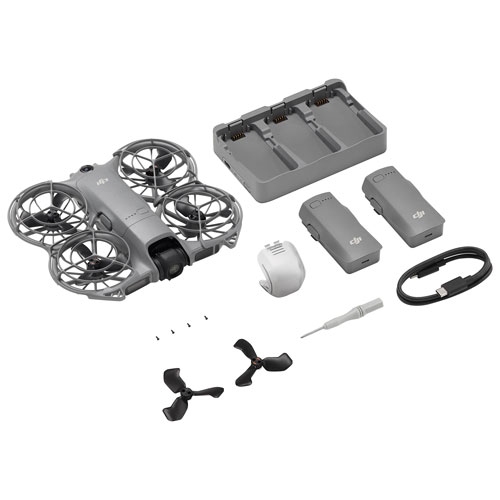
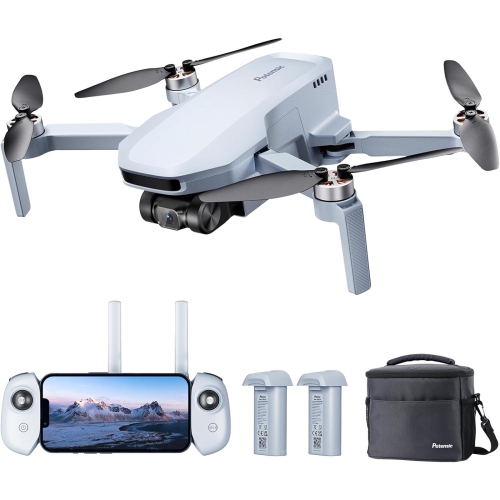
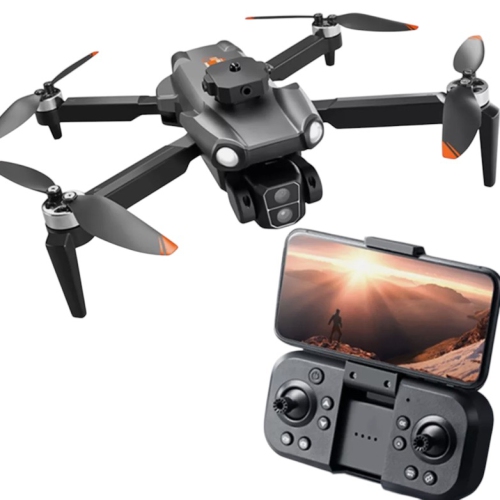
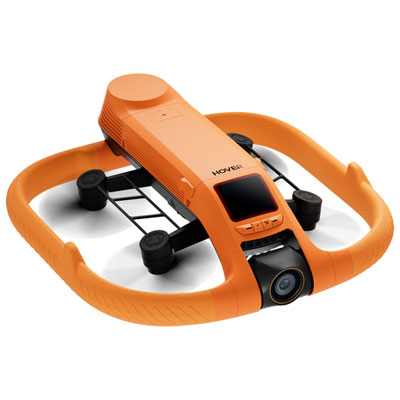
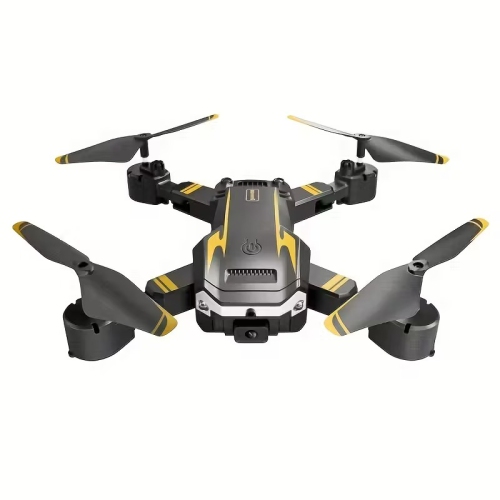
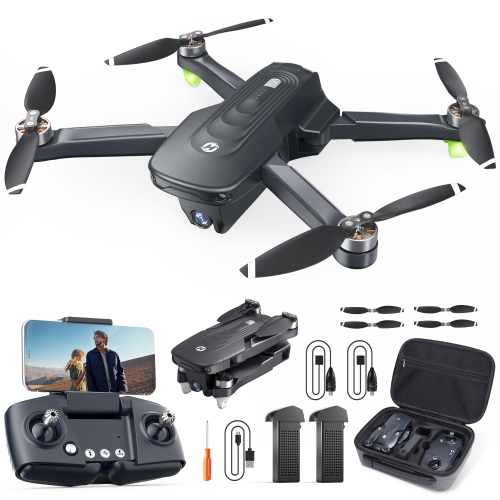
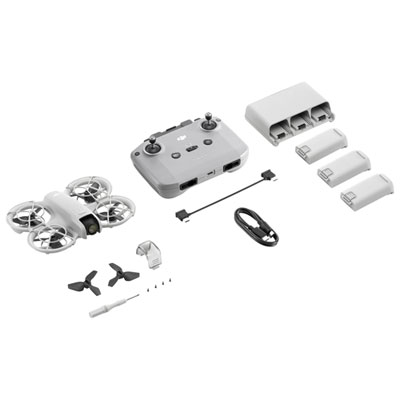
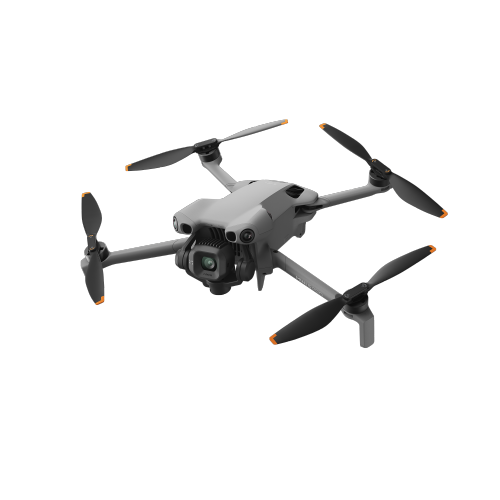
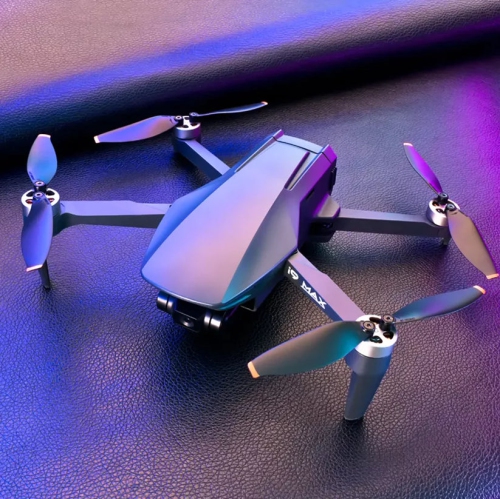
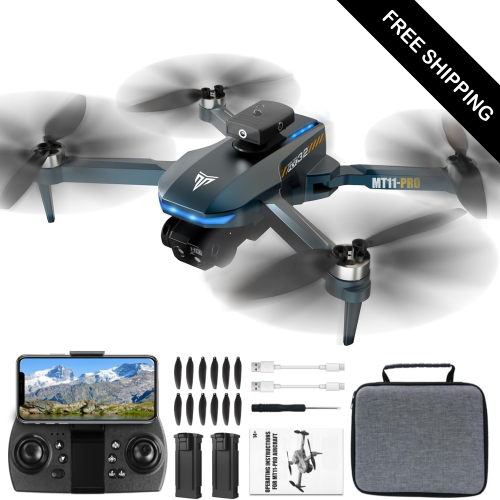
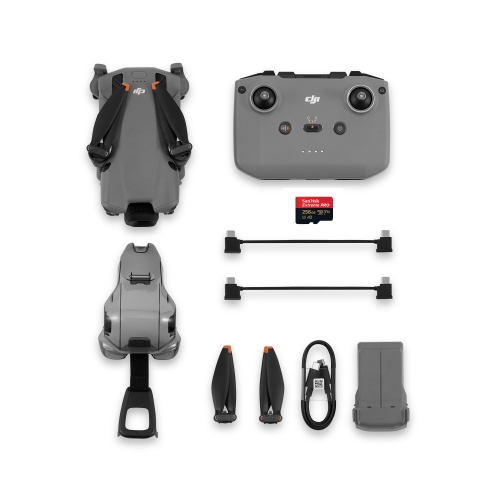
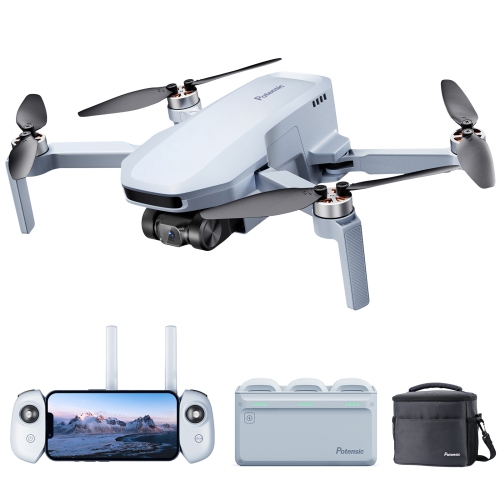
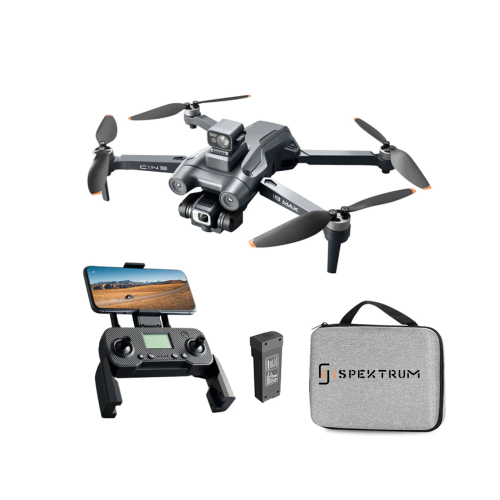
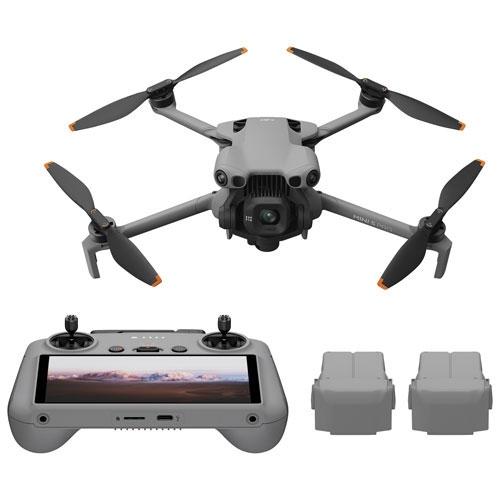
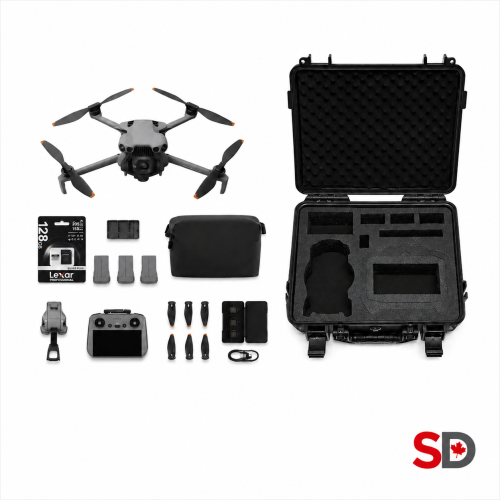
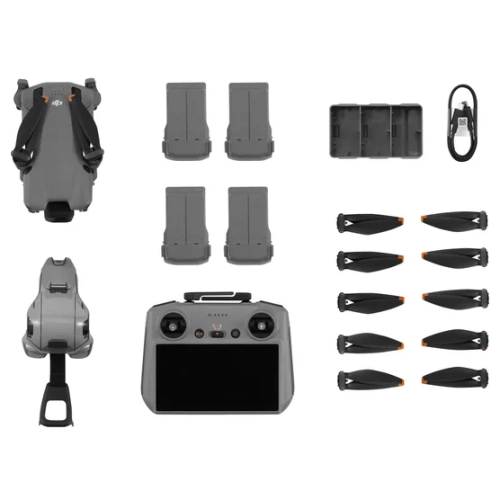
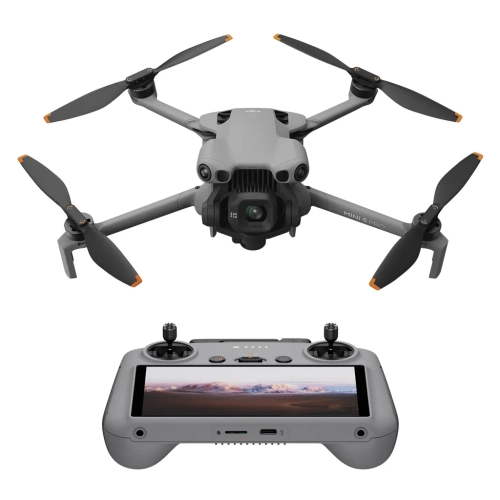
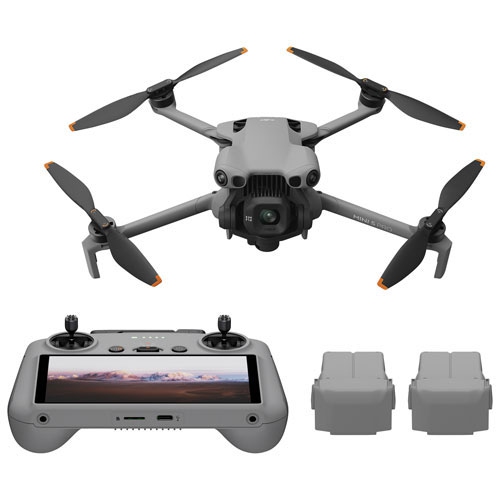
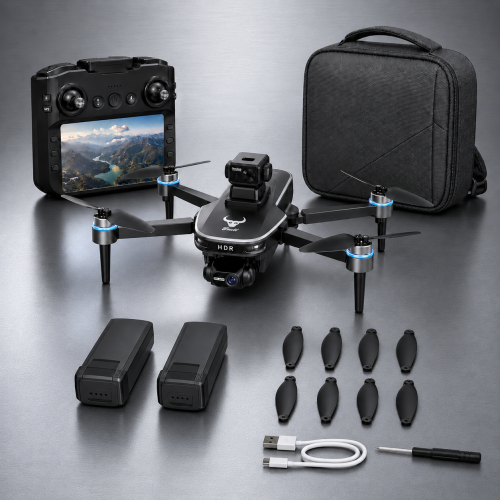
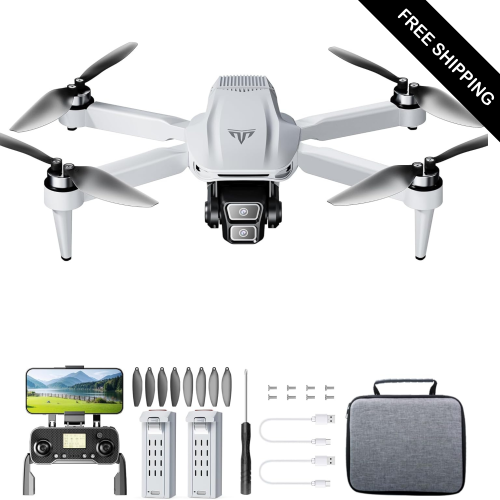
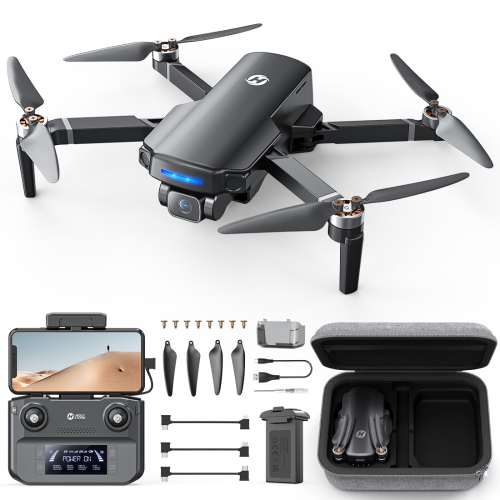
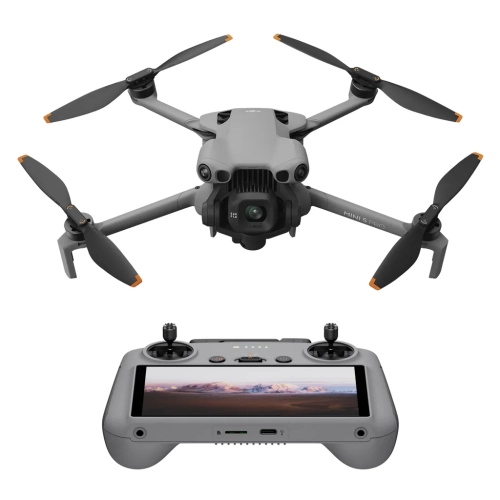
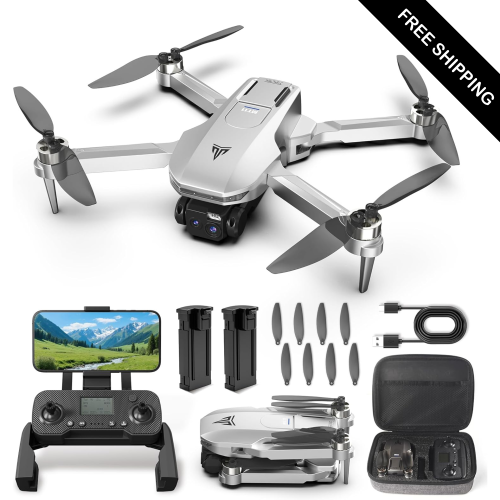

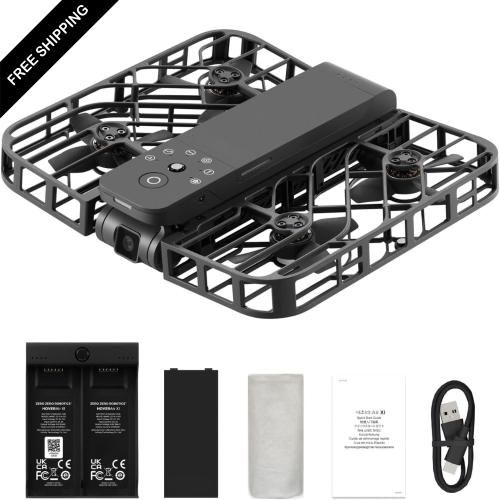
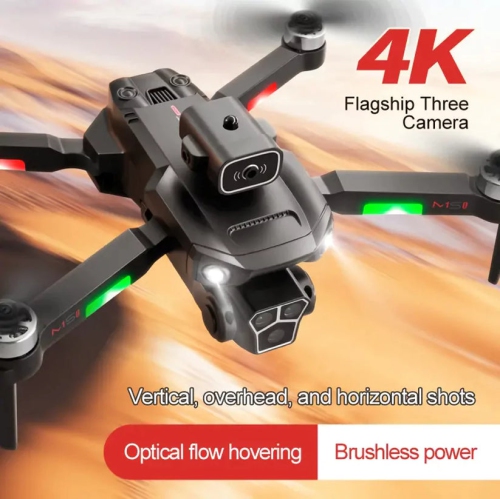
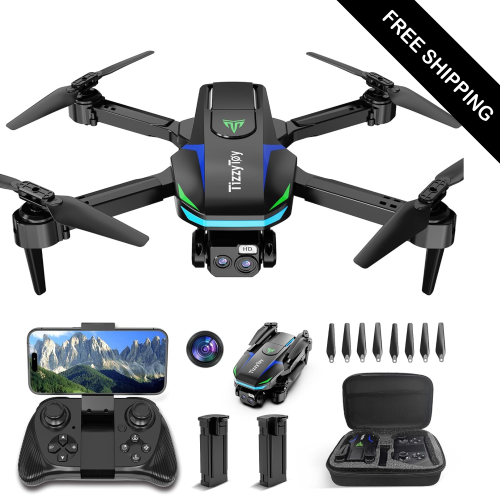
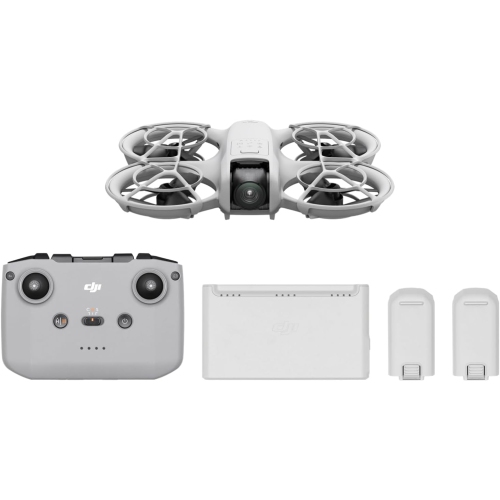
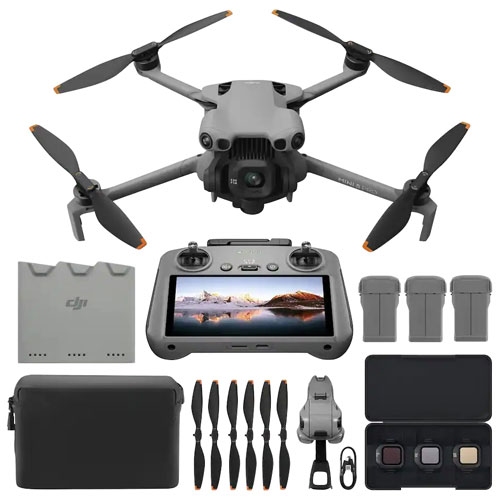
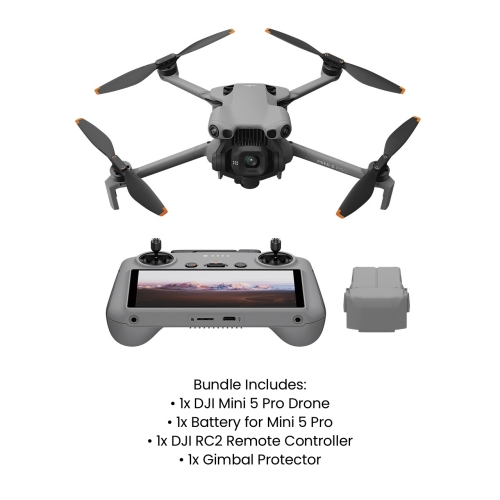
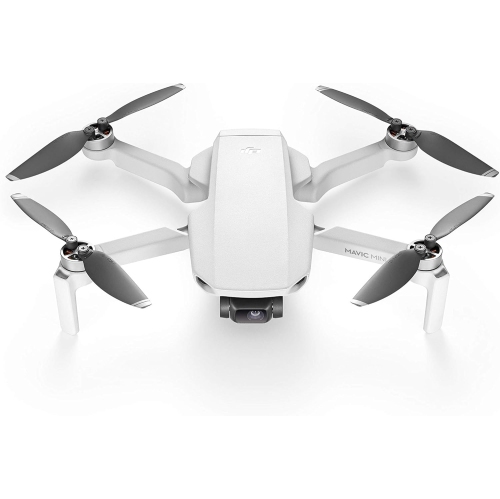
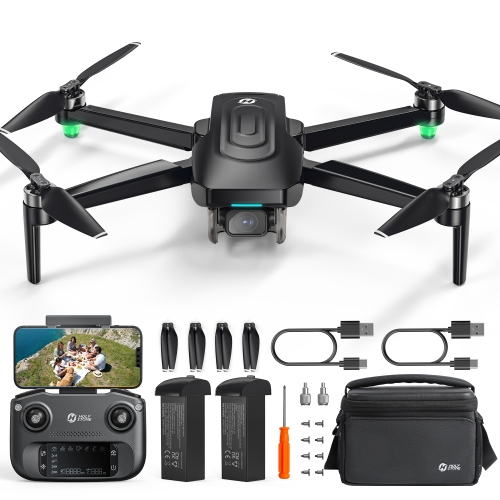
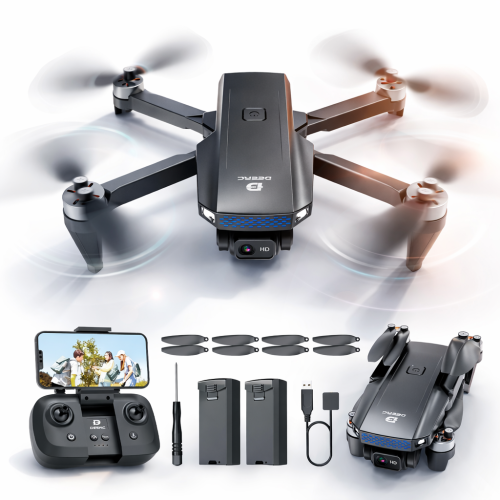
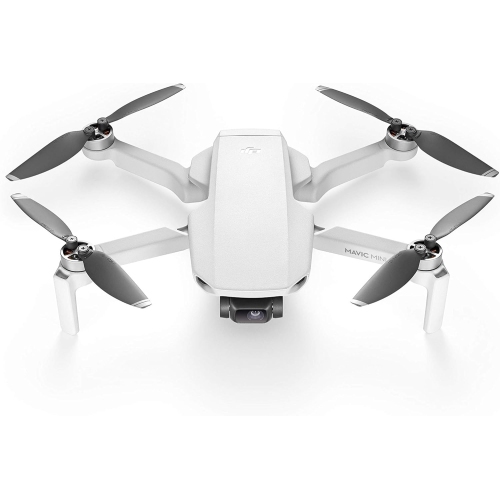
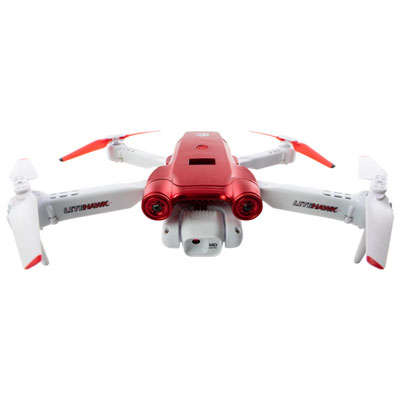

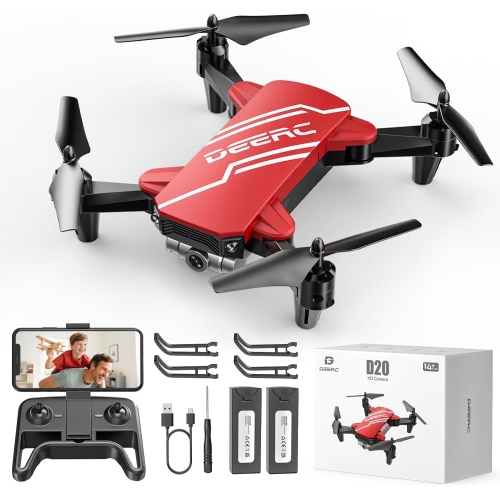
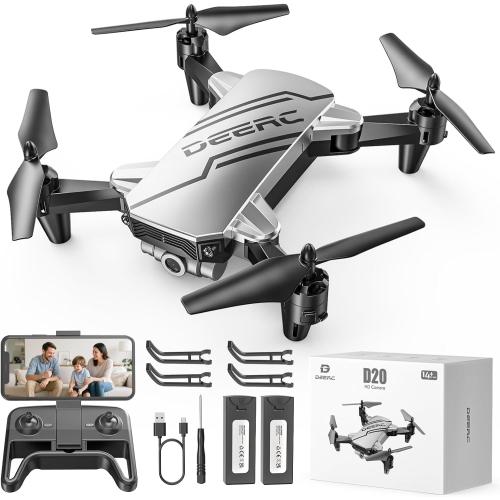
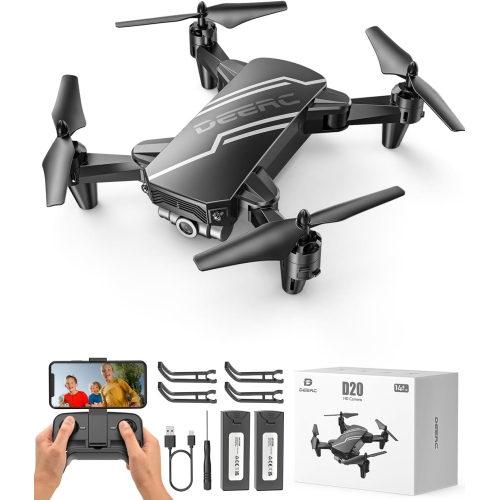
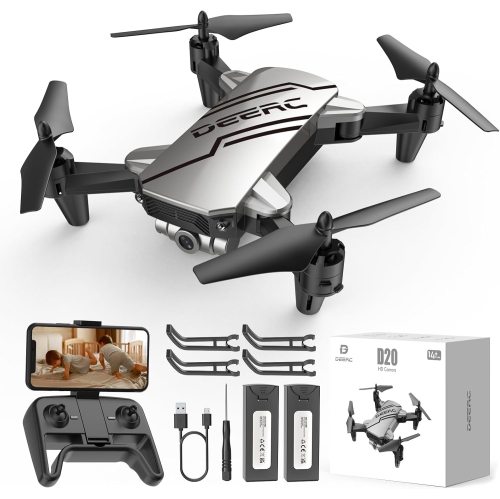
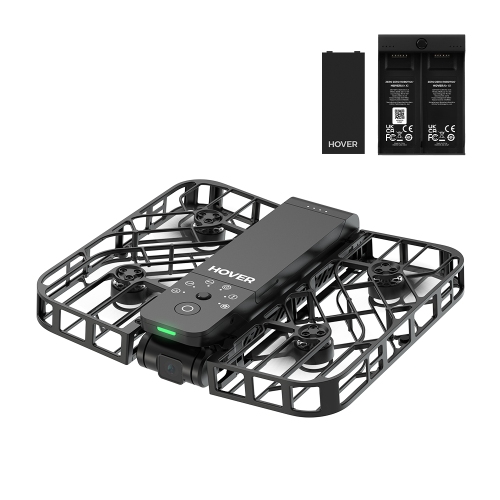
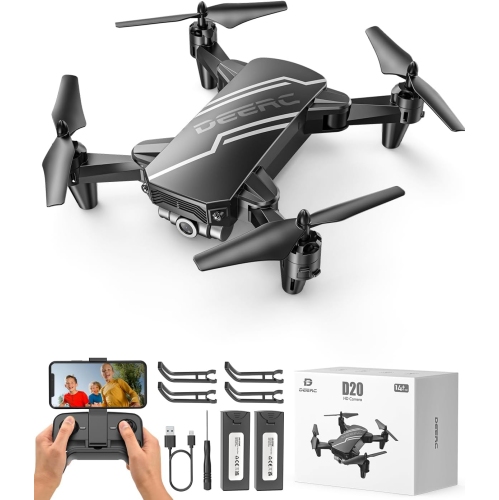
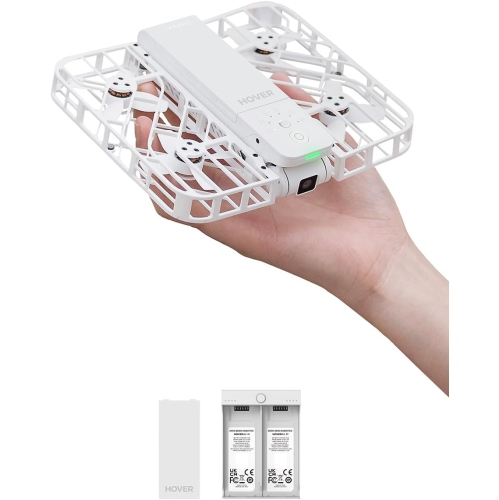
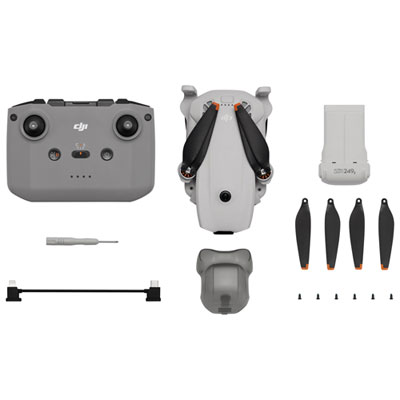
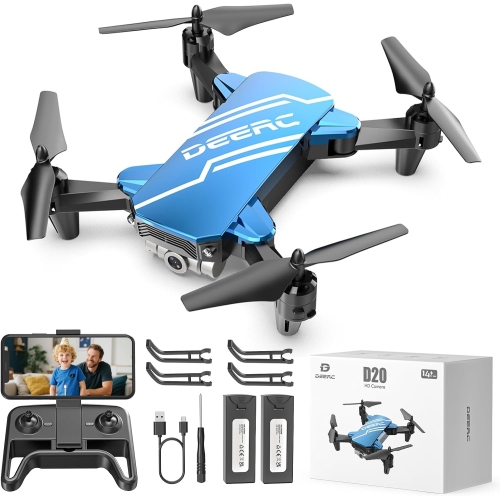
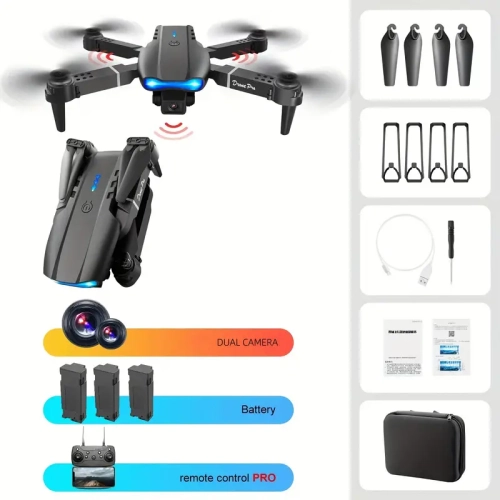
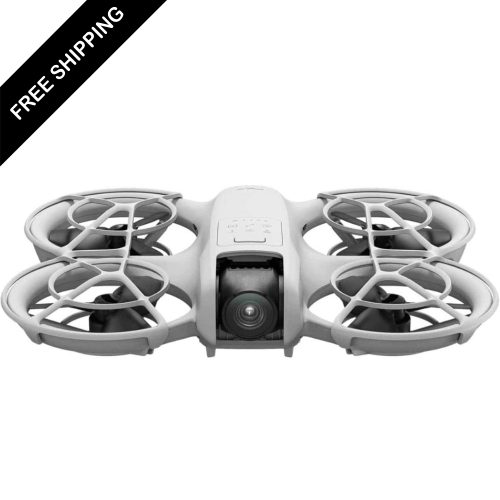
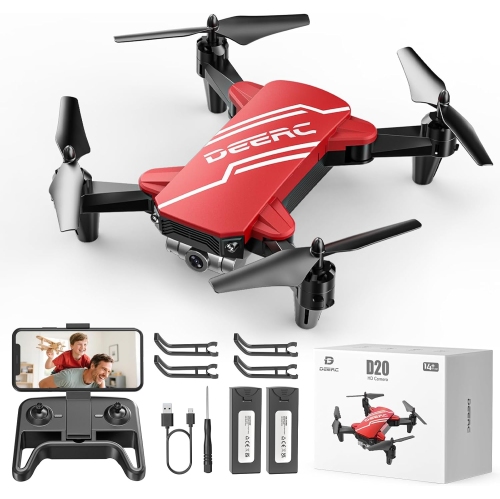
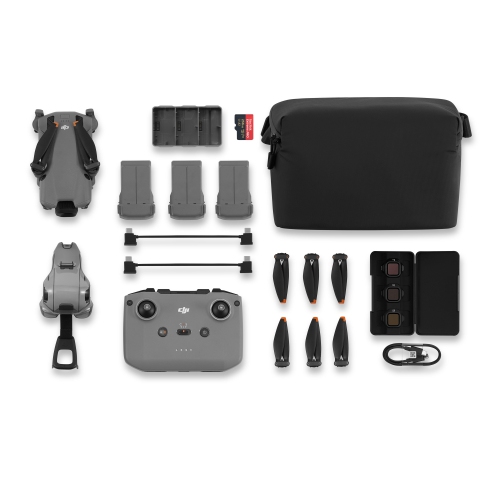
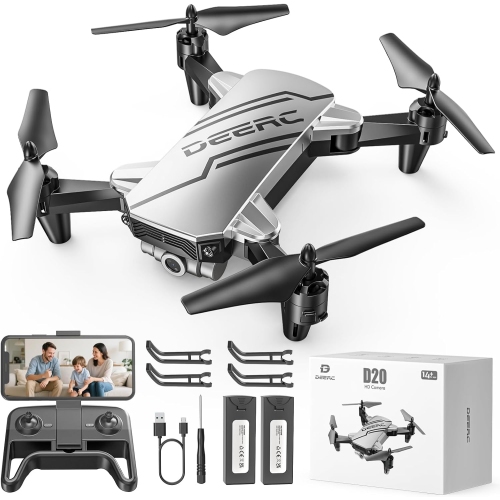
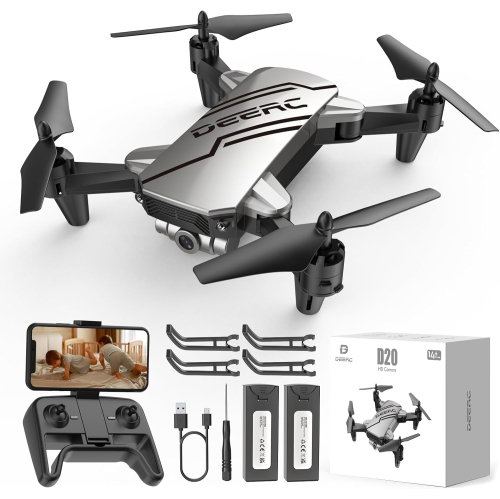
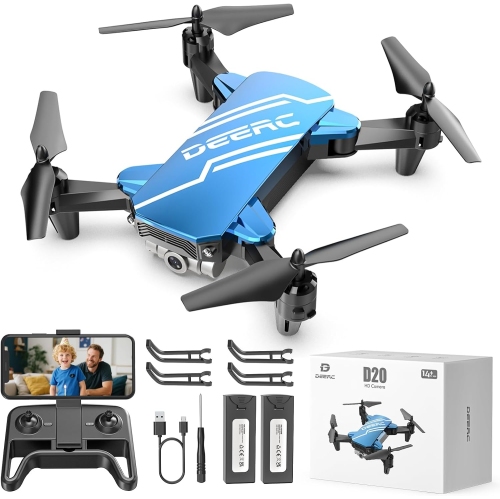
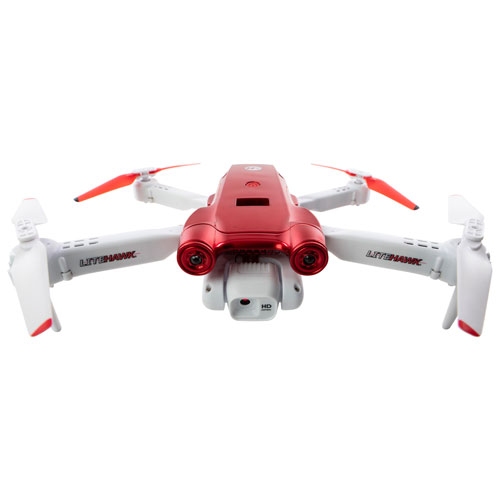
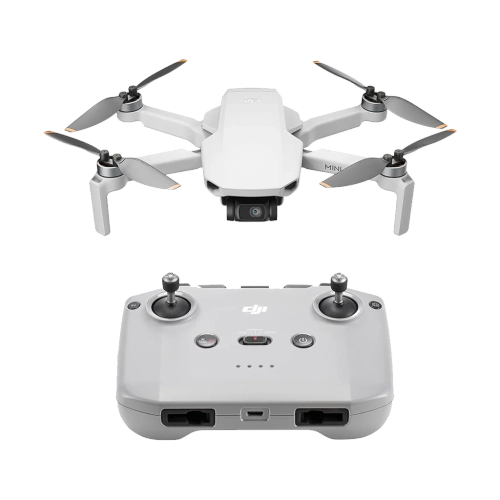
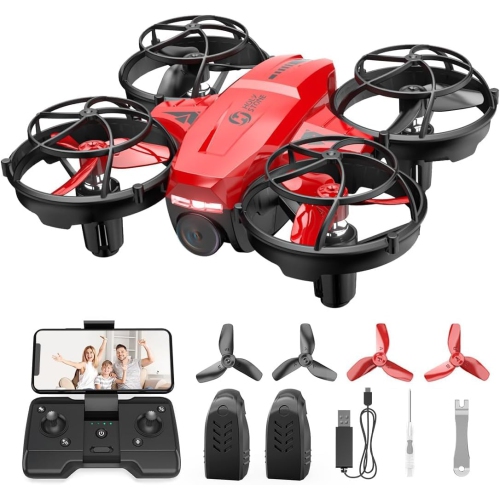
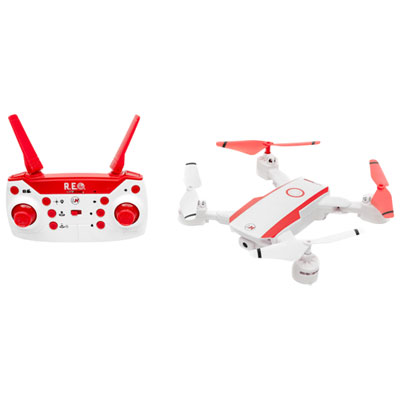
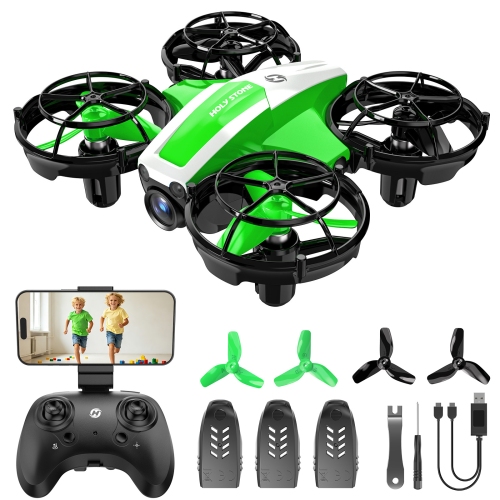
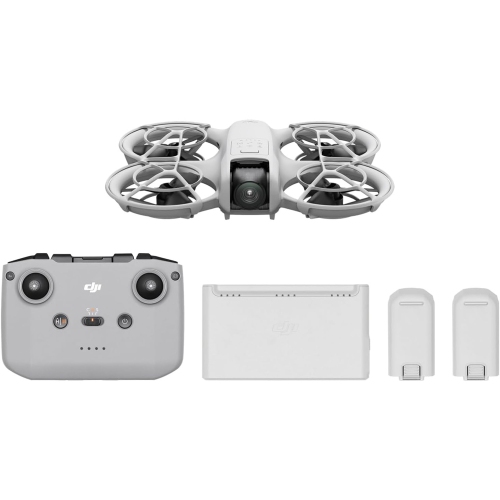
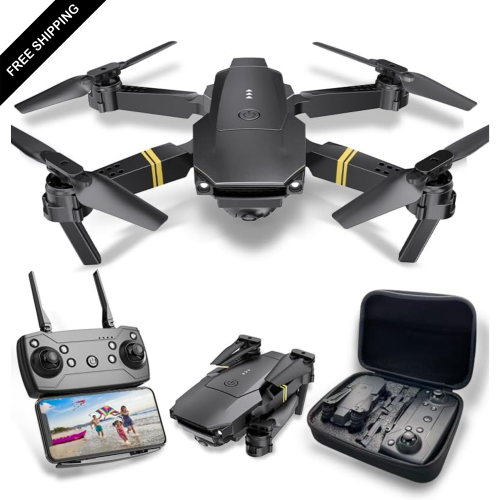
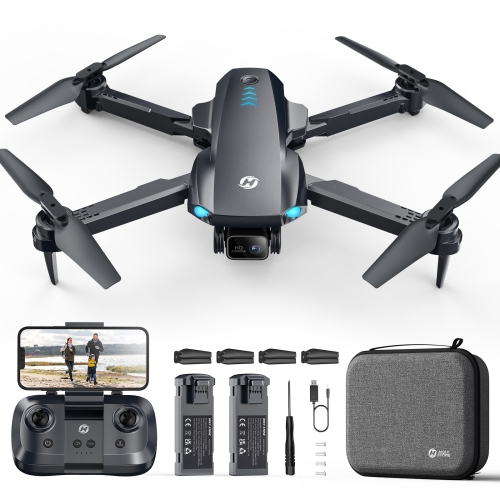
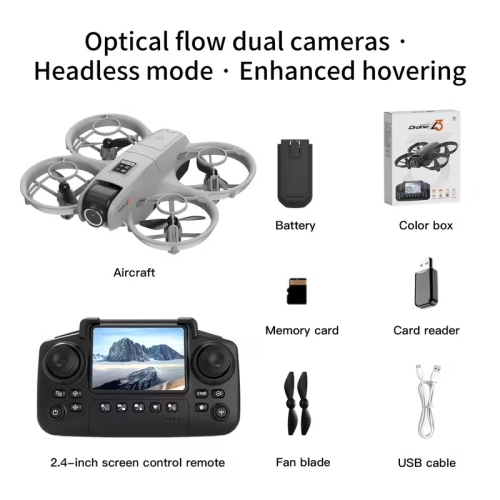
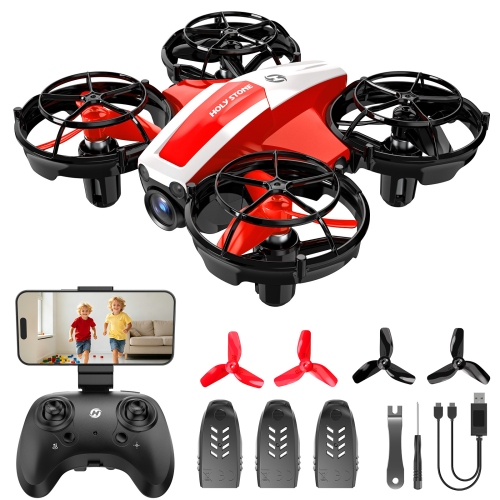
Professional aerial footage takes more than megapixels
Professional camera drones combine aerial imaging, stabilized camera movement, and precise flight control for photography and video work that calls for more than a casual overhead view. They can help a property photographer show how a home sits within its lot, give a filmmaker a smooth reveal above a ridgeline, or let a commercial content creator capture the scale of a building or outdoor venue. Within the broader category of Professional Drones, camera-focused designs differ in sensor size, lens options, recording formats, flight capabilities, and portability. The most useful combination depends on the footage being created and how it will be delivered. Sensor size, lens quality, and image processing all influence detail, tonal transitions, and image quality; megapixel count alone does not tell the full story. For still photography, RAW capture provides more flexibility when adjusting exposure and colour after a flight. For video, resolution matters alongside frame rate, bitrate, compression, and bit depth. Higher-resolution footage can leave room to crop or straighten a composition while maintaining the required delivery resolution, although it also increases storage and editing demands. Higher frame rates can support slow-motion sequences when the recording format and editing workflow allow it. Log recording and greater colour depth, where supported, give experienced editors more latitude for matching aerial footage with ground-based cameras. Lens choice also changes the result: a wide view can establish the sweep of a landscape, while a longer focal length can isolate architectural details from farther away. Optical reach is different from digital zoom, which crops into the captured image. A mechanical gimbal helps keep the horizon steady and camera movement controlled, but its available tilt and rotation ranges vary. For paid assignments, the camera’s recording options and the consistency of its results are generally more meaningful than a single headline specification.
Flight performance shapes how easily that image quality can be put to work. A measured approach to a building, a steady sideways tracking shot, and an upward reveal each place different demands on the aircraft and pilot. Positioning systems, adjustable control sensitivity, and selectable flight modes can help make these movements more repeatable. Automated routes and subject-tracking functions may simplify certain sequences, but their capabilities and limitations differ between designs. Obstacle sensing is an assistance feature rather than a guarantee against collisions; thin branches, wires, reflective surfaces, and objects outside a sensor’s field of view can remain difficult to detect. The controller matters just as much during a working flight. A clear display, comfortable grip, accessible camera controls, and an interface that makes exposure settings easy to check can reduce interruptions while framing a shot. Some controllers use an integrated screen, while others depend on a compatible mobile device, so screen visibility, device fit, and software requirements deserve attention. Transmission specifications describe the connection between aircraft and controller, not permission to fly to that distance. Published flight times also need context: recording settings, aircraft movement, payload, and the battery reserve needed for a safe return can reduce usable shooting time. For a property session with several planned angles, spare charged batteries can be more practical than relying on one long flight. Consistent framing can matter more than speed when documenting a construction site over repeated visits, while a travelling photographer may place greater value on a compact folded size and a quick setup. Filmmakers may prioritize smooth gimbal movement, flexible recording formats, and the ability to coordinate camera operation with flight control. The right fit is the aircraft that supports the actual assignment, including launch space, transport needs, crew size, and the time available to capture each sequence.
Construction, handling, and care are especially important when a camera drone becomes part of a regular working kit. Lightweight polymer housings and reinforced structural components help balance portability with rigidity, although materials and build quality vary by design. Folding arms make some aircraft easier to carry, but hinges, locking points, and propeller mounts still need inspection before flight. Larger platforms may provide room for more capable camera systems or additional equipment, while requiring a larger case and more space for setup. A fitted carrying case with separate compartments helps protect the gimbal, controller sticks, batteries, and propellers during transport. Protective covers should be fitted and removed according to the manufacturer’s directions, particularly around the camera and gimbal. After use, careful cleaning of accessible surfaces and lenses helps keep dust and debris from accumulating; liquids and compressed air should only be used where the manufacturer permits them. Propellers with chips, cracks, or distortion should not remain in service, and replacement parts must match the aircraft’s requirements. Batteries need compatible charging equipment, regular inspection, and storage practices suited to their chemistry. Swelling, impact damage, or unusual behaviour warrants stopping use and following the manufacturer’s safety guidance. Ownership also includes managing footage: compatible memory cards, sufficient storage, and a reliable backup routine help protect work after landing. Before operating in Canada, pilots should check the applicable Transport Canada requirements, including any registration, certification, airspace authorization, and operating restrictions relevant to the aircraft and flight. Property access and privacy considerations matter alongside aviation rules, especially around homes, workplaces, and gatherings. For an experienced photographer or videographer, a professional camera drone can be a thoughtful gift when it matches existing skills, editing equipment, and intended use. Camera quality, manageable flight controls, dependable care routines, and a suitable workflow together make these aircraft useful tools for bringing an aerial perspective to serious creative work.
Top selling and popular products
-
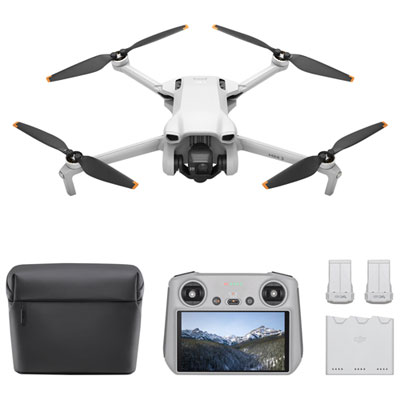 Your price for this item is $689.97
-
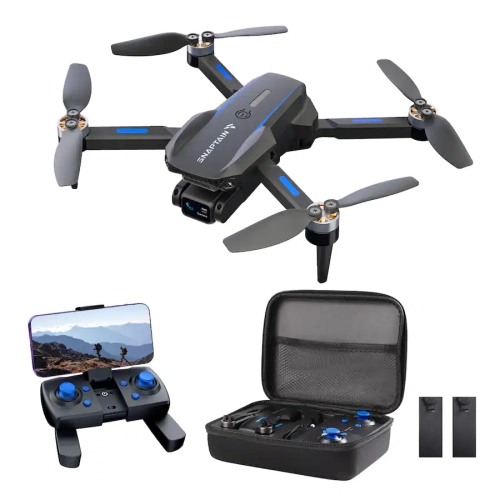 Your price for this item is $109.98
-
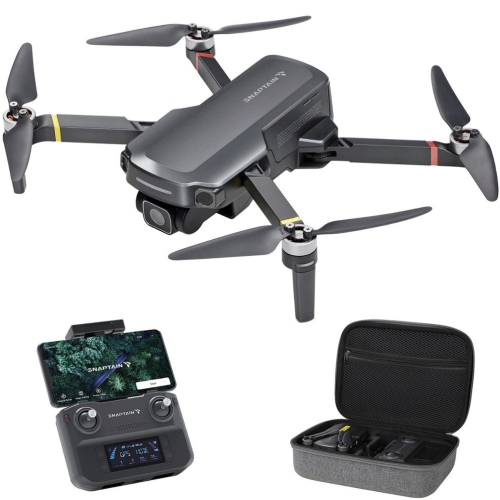 Your price for this item is $279.9
-
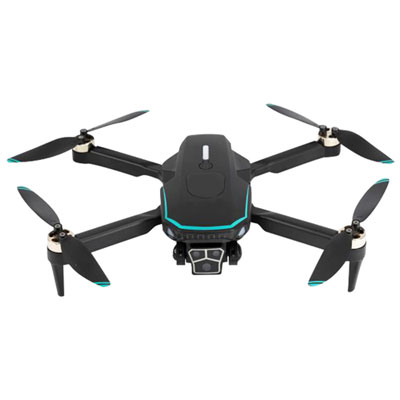 Your price for this item is $79.99
-
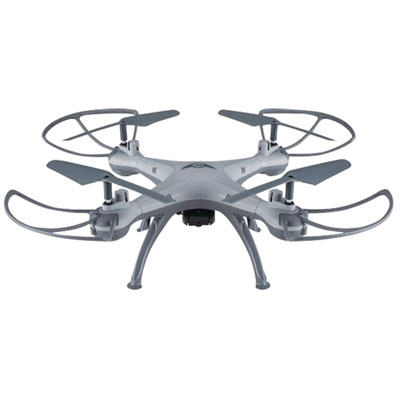 Your price for this item is $49.99
-
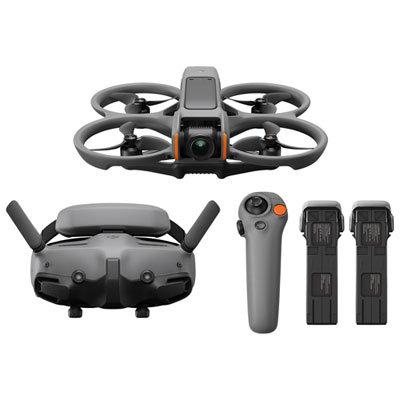 Your price for this item is $1279.99
-
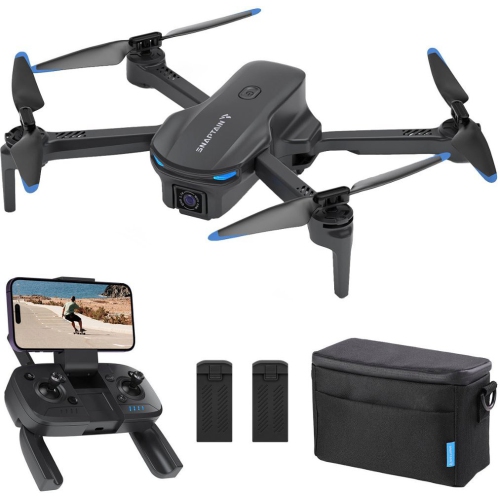 Your price for this item is $189.9
-
 Your price for this item is $205.99
Discover more categories related to Pro Drones With Camera
Top Collections:
Best Black Friday Deals This Year, Best Black Friday Deals On Electronics, Kindle Devices, Best Black Friday Deals On Apple Products, Best Budget Office Chairs, Best Cameras for Sports Photography, Dyson Airwrap, Canon G7X Cameras, Best Laptops for Writers, Samsung Galaxy Phones
Some products may be subject to Environmental Handling Fees
(EHF) depending on your province.
Learn more about EHFs.