Good SD Cards
If you're looking for a reliable SD card to enhance your digital storage capabilities, look no further! These top-notch SD cards are sure to meet your needs, whether you're a professional photographer or an avid gamer. With their impressive speed and ample storage capacity, these SD cards are perfect for capturing stunning photos, recording high-quality videos, and storing all your important files.
Sort
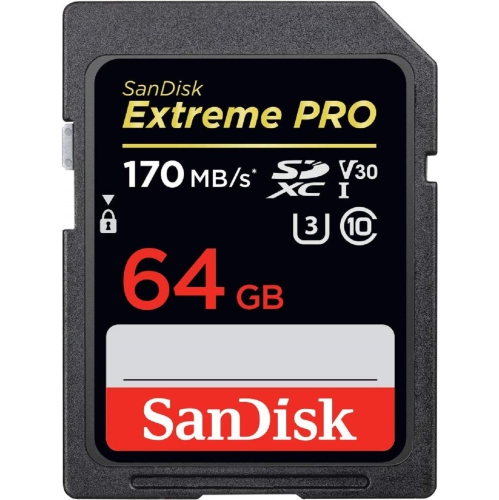
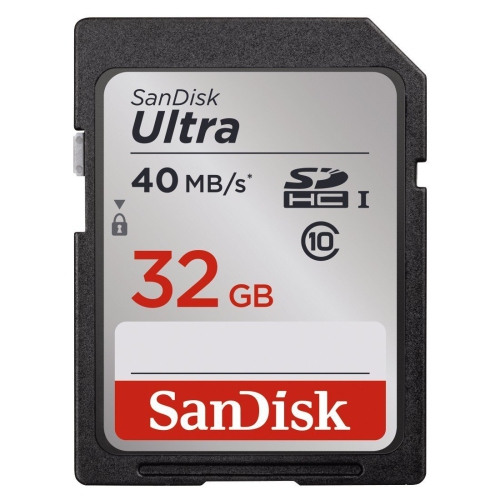
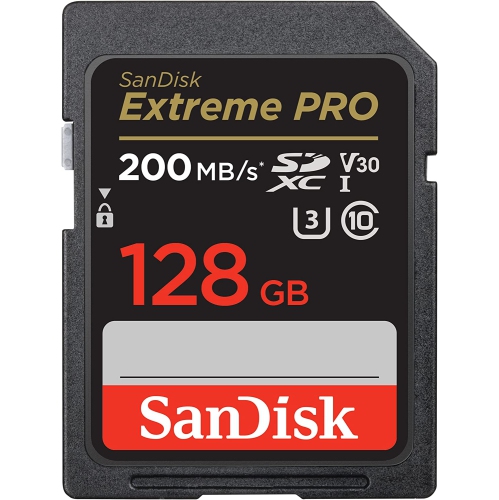
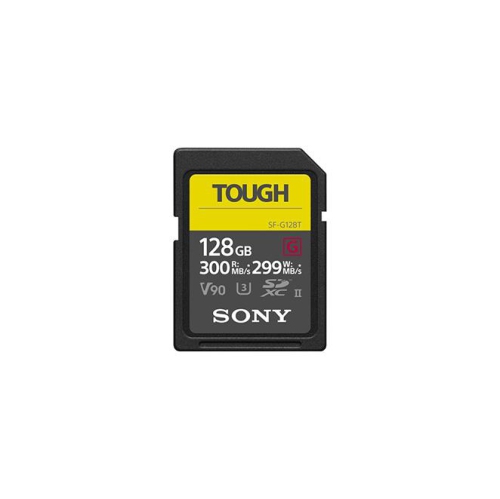
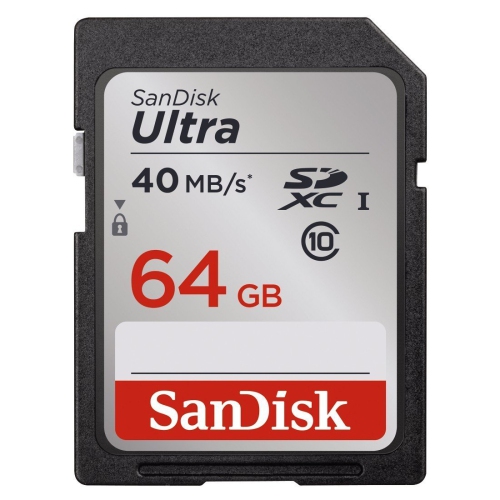
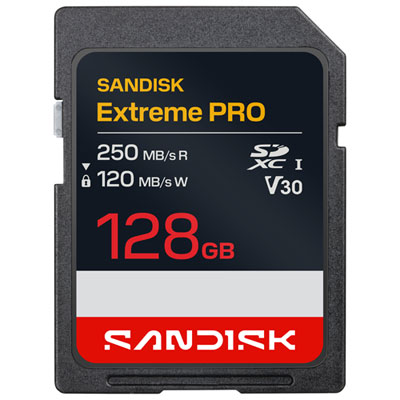
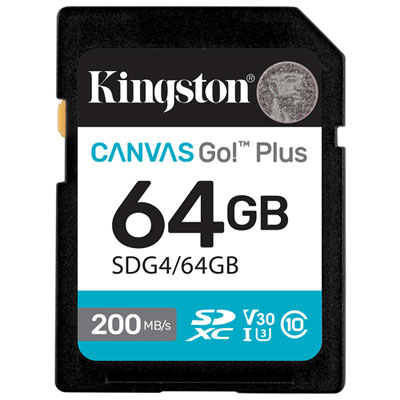
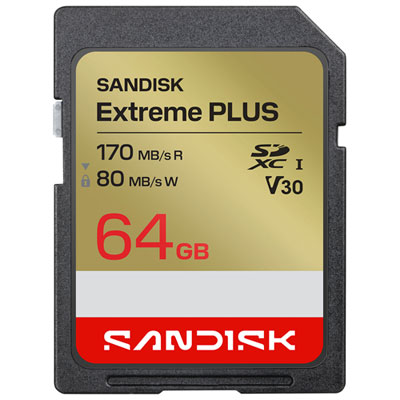



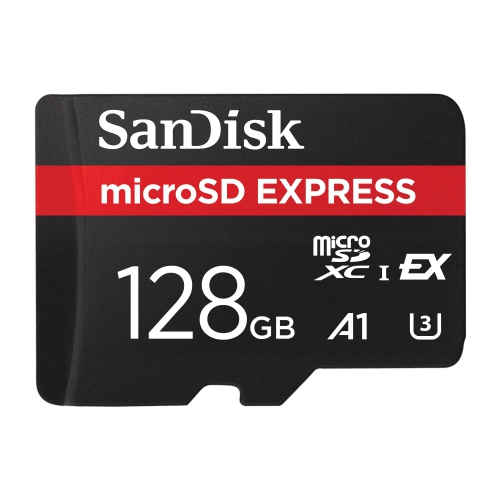
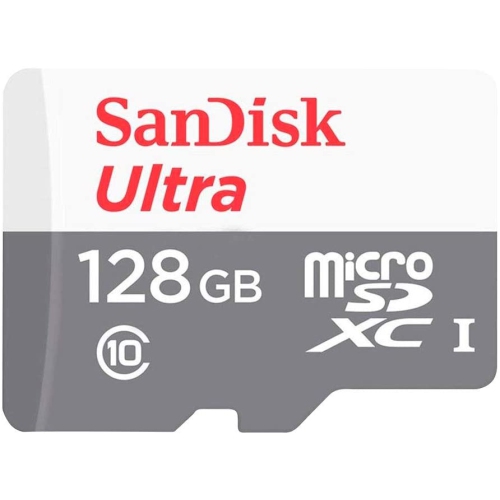

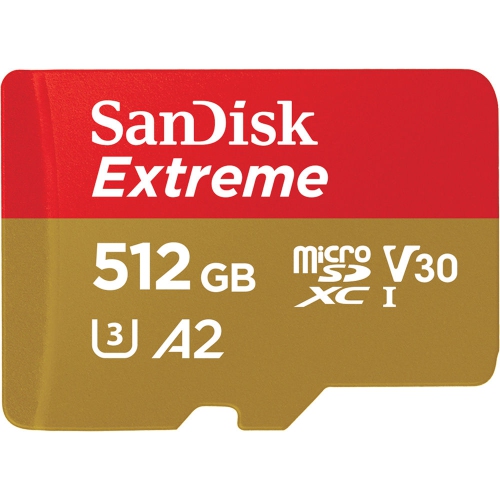
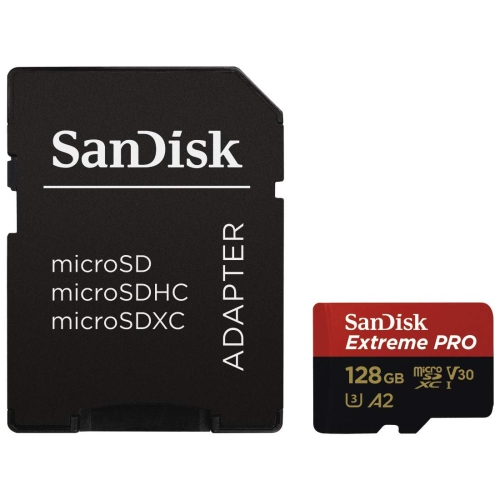

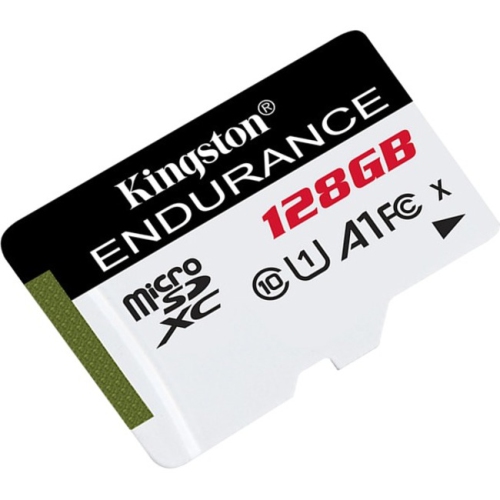

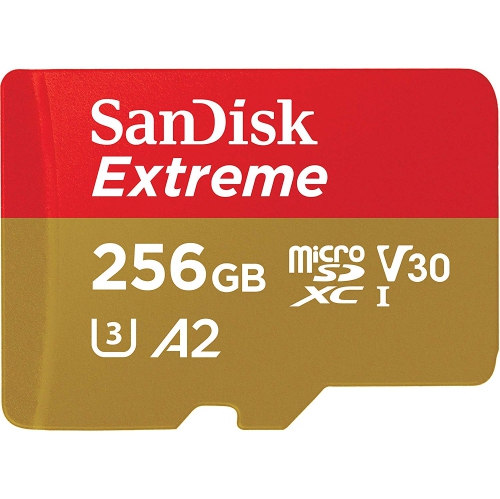
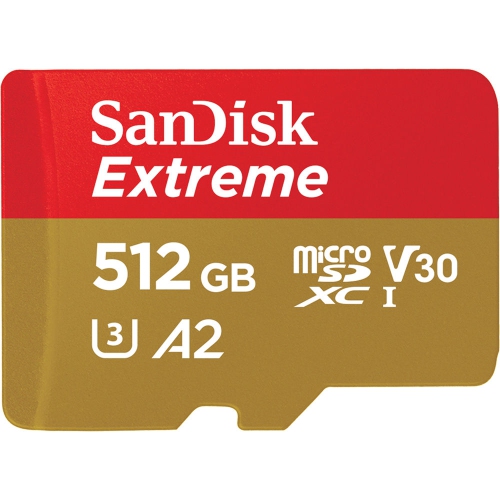
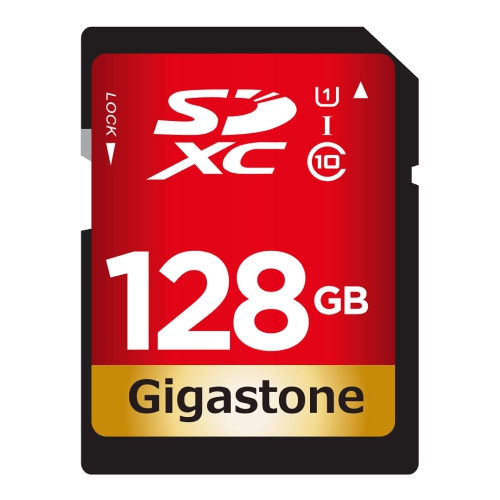
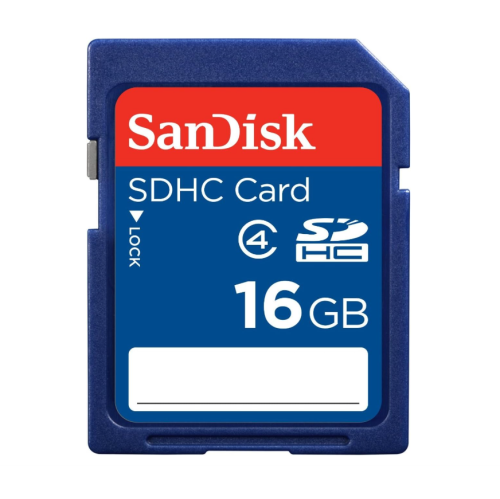
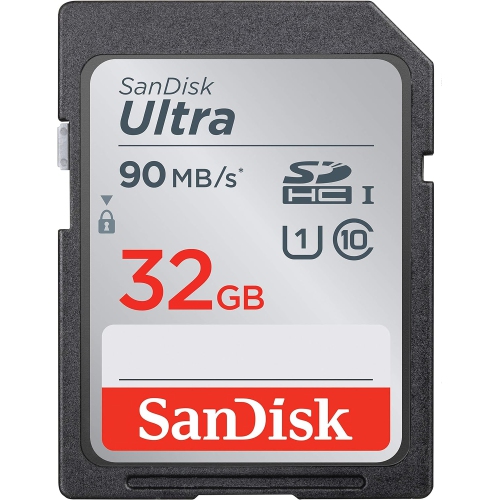
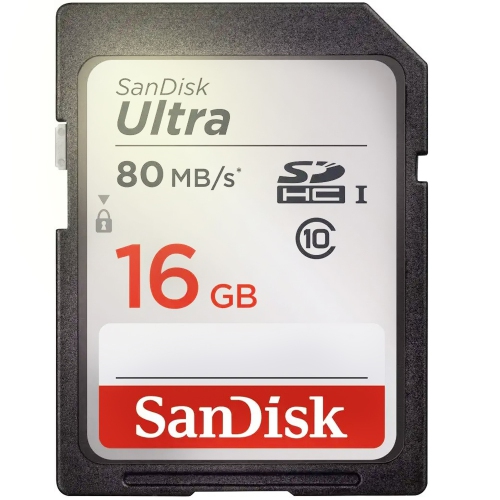
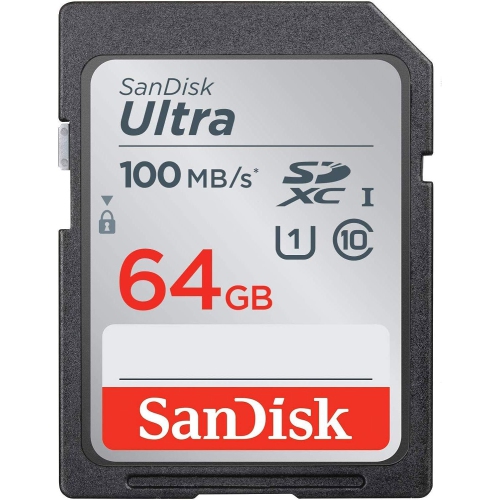
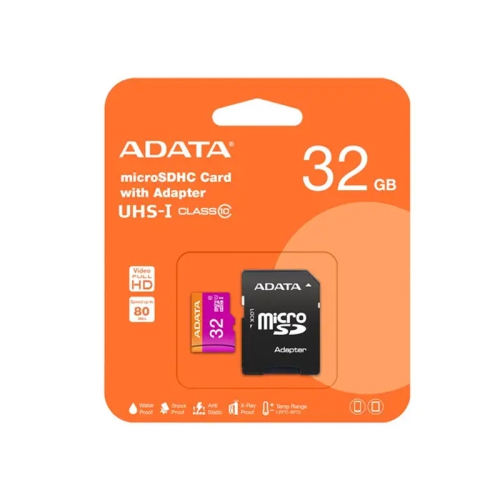

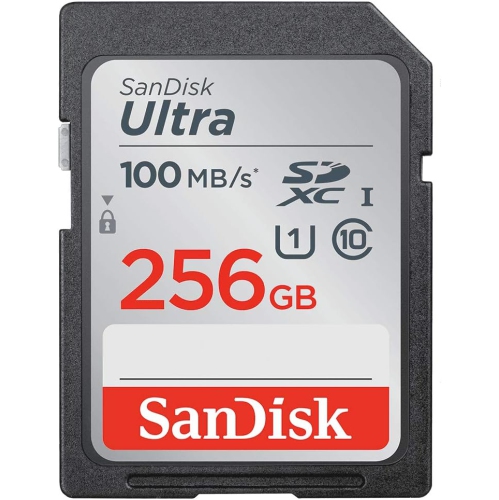
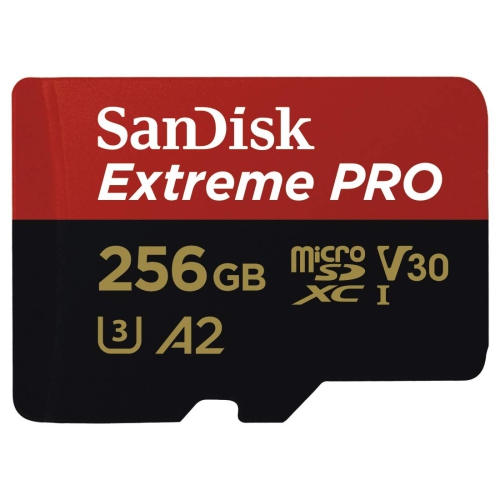
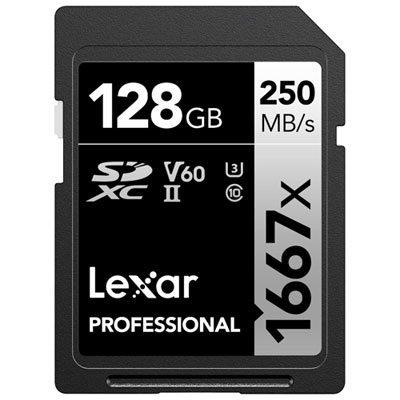

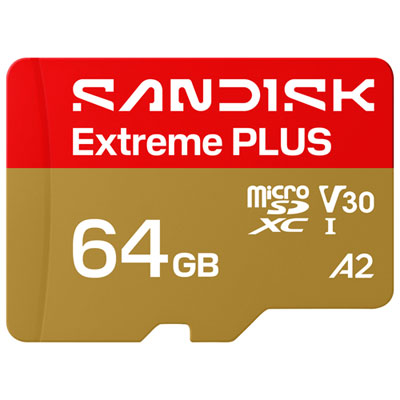
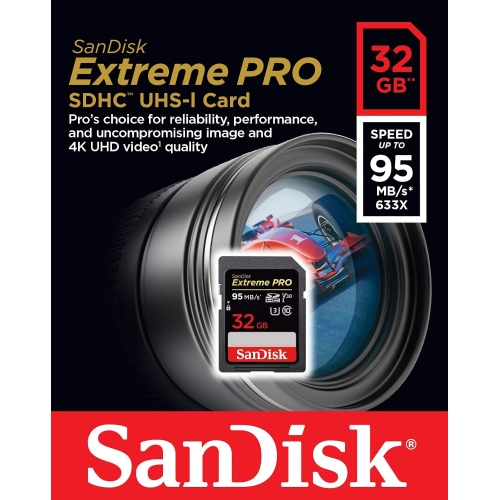

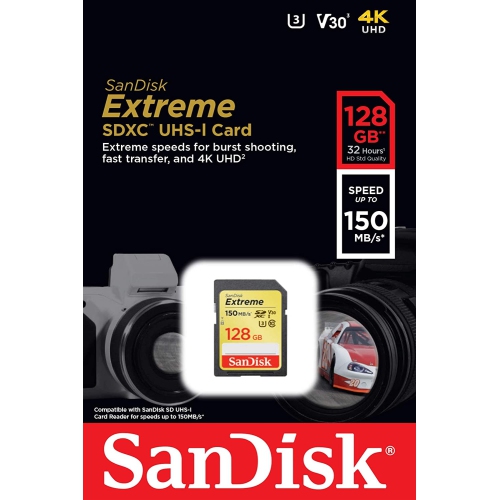
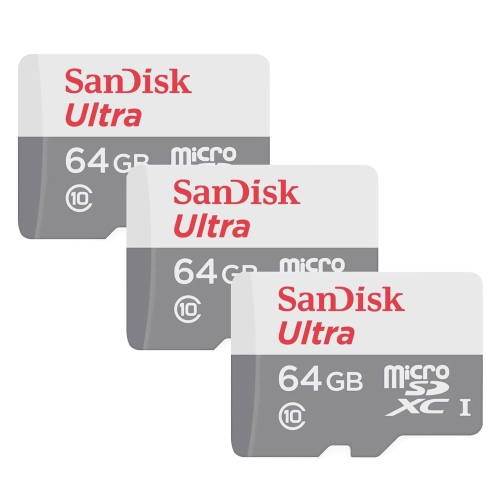
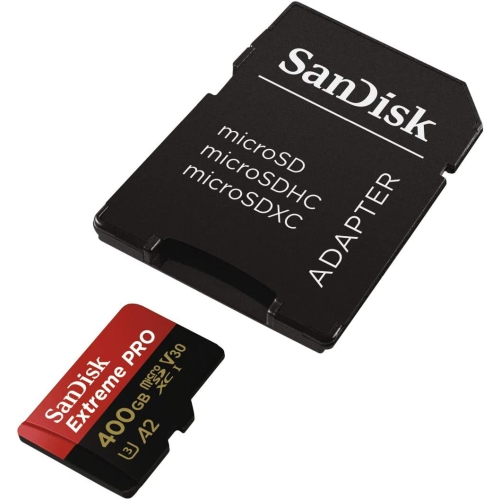
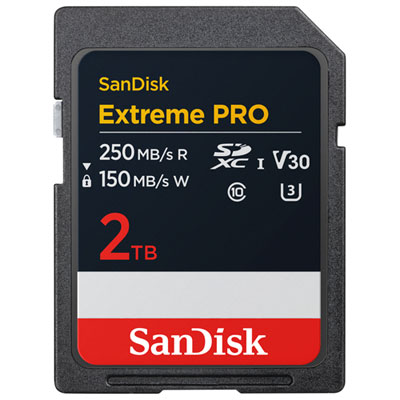

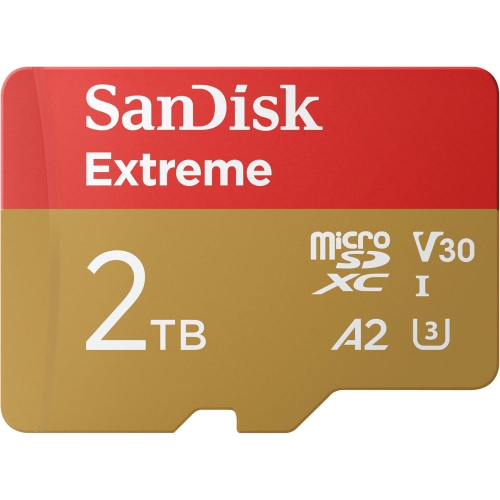
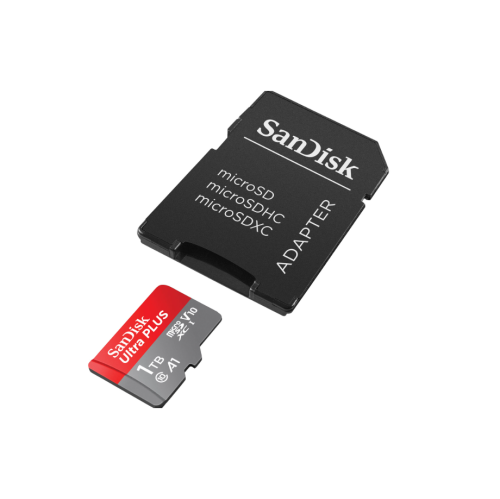
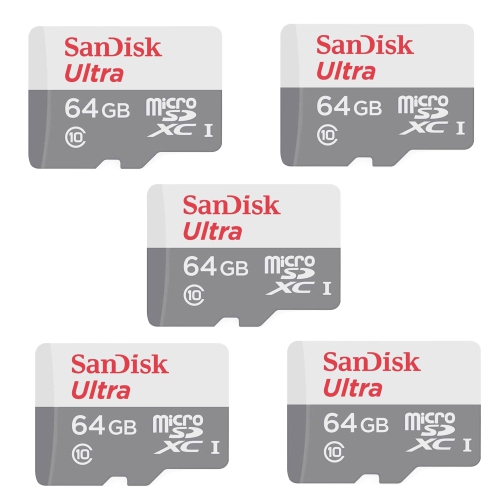
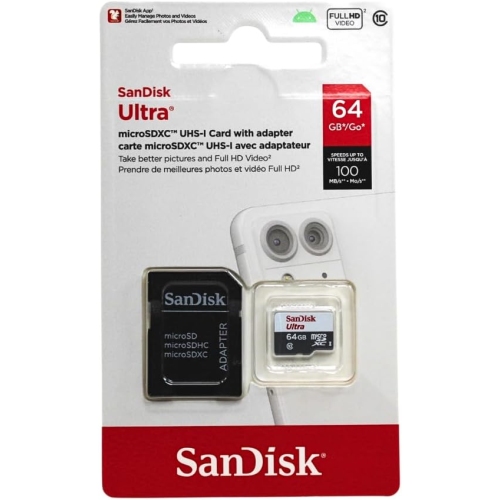
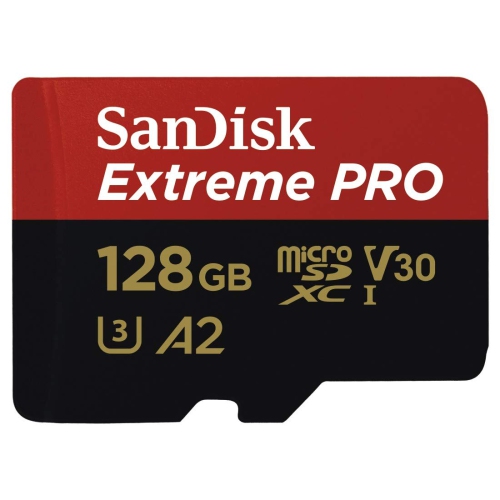
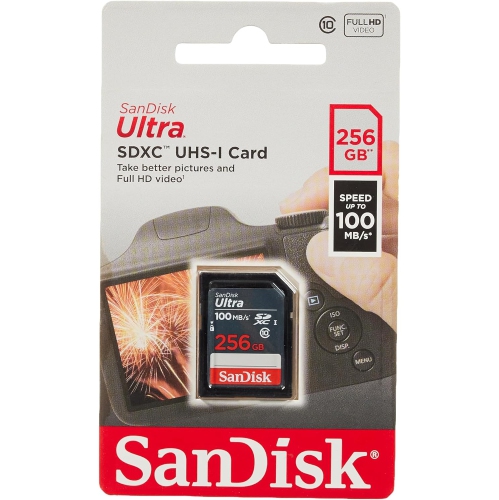



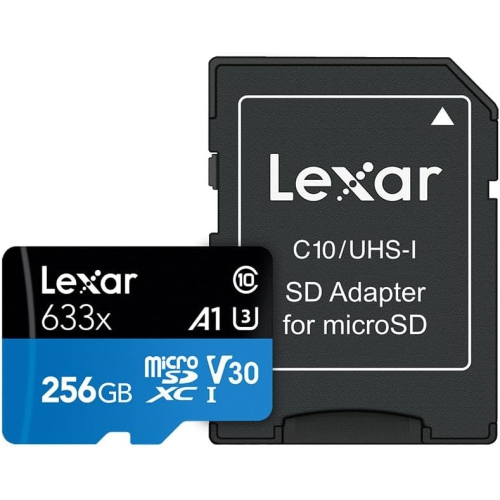

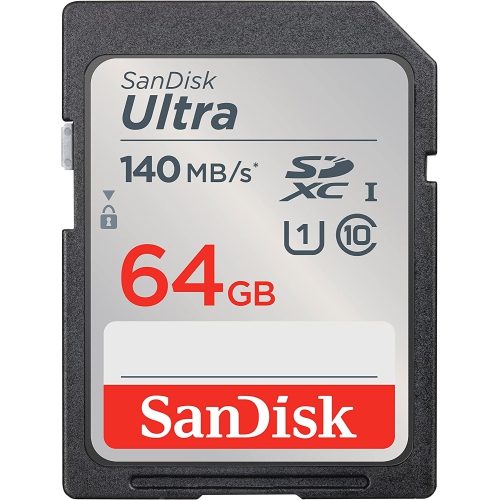
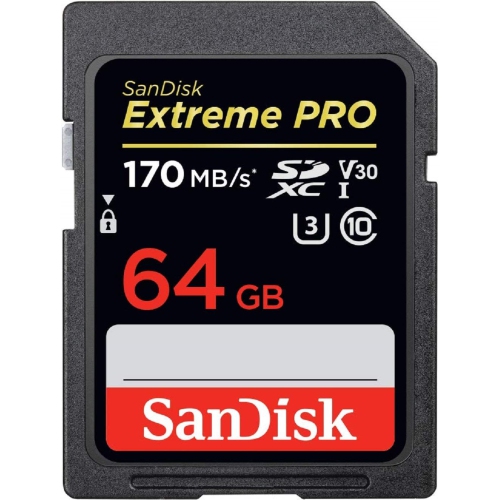
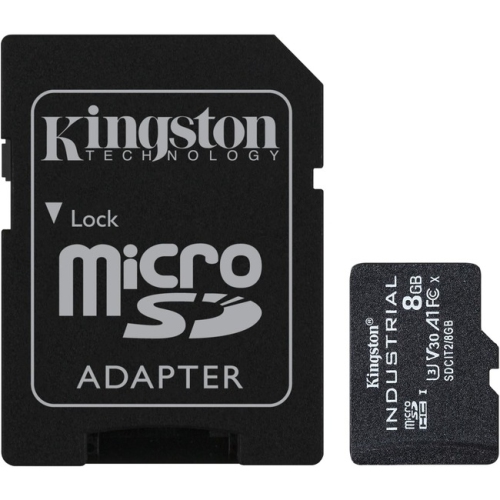
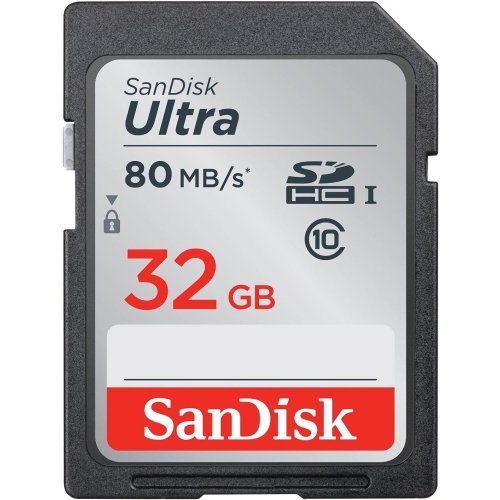
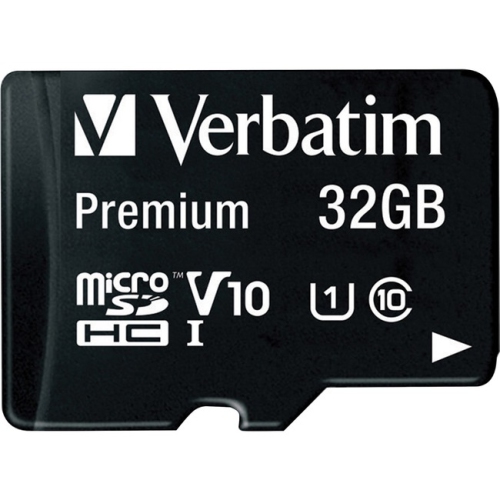

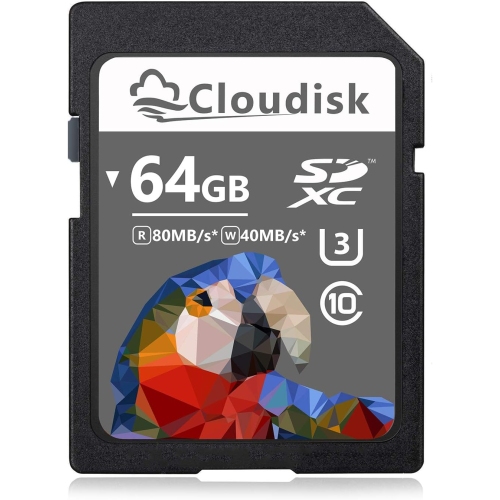
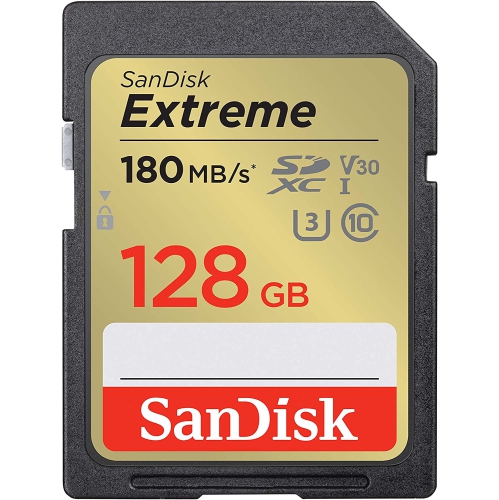



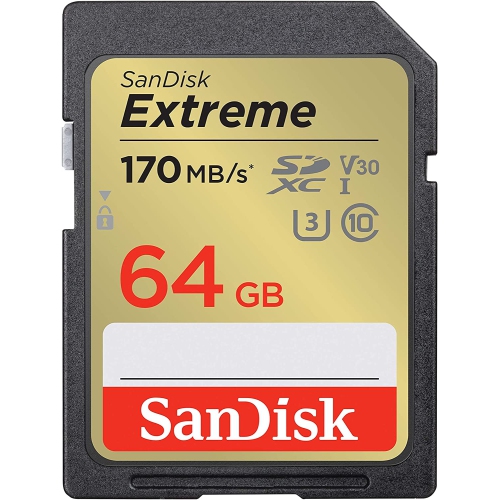
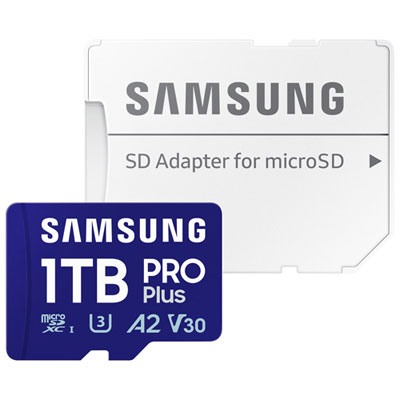
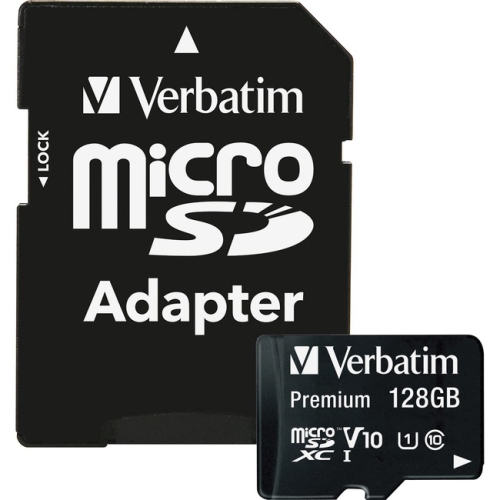
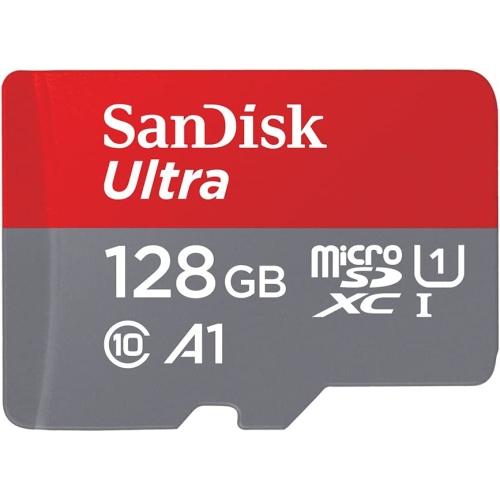


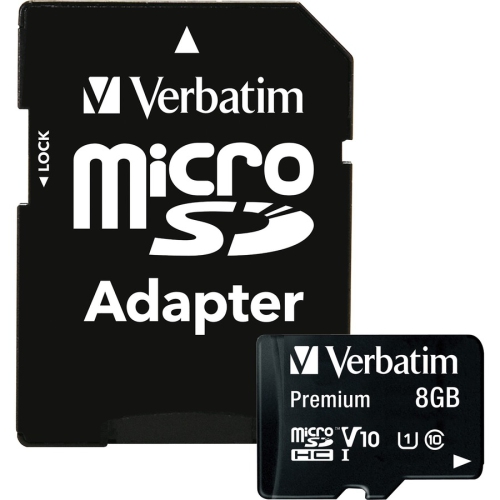
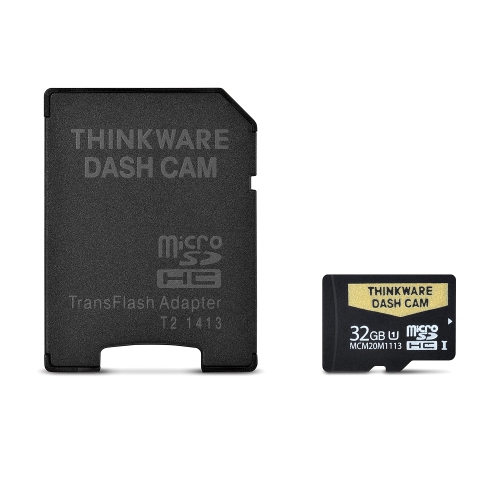
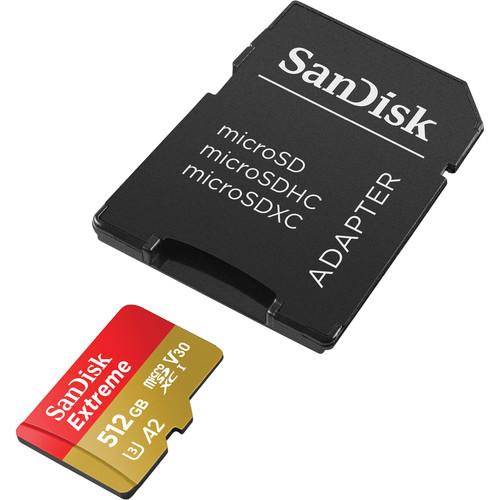
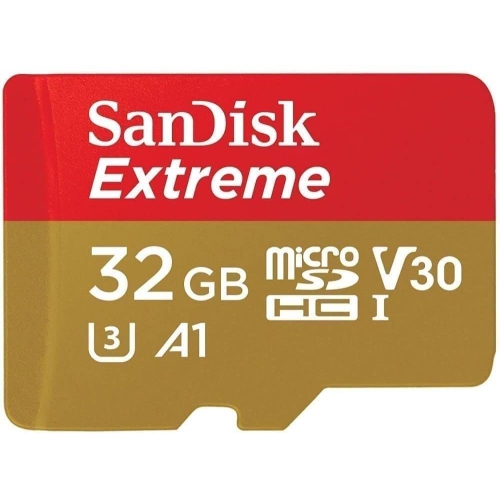


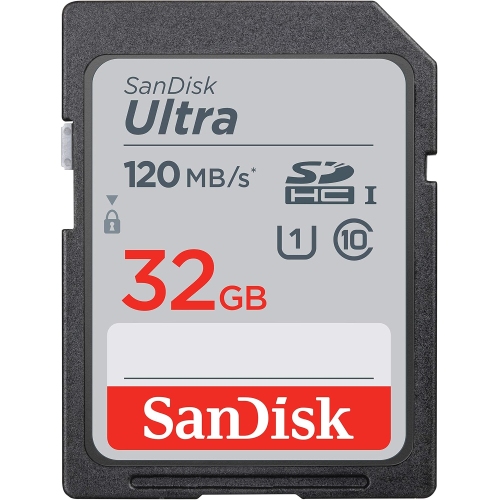

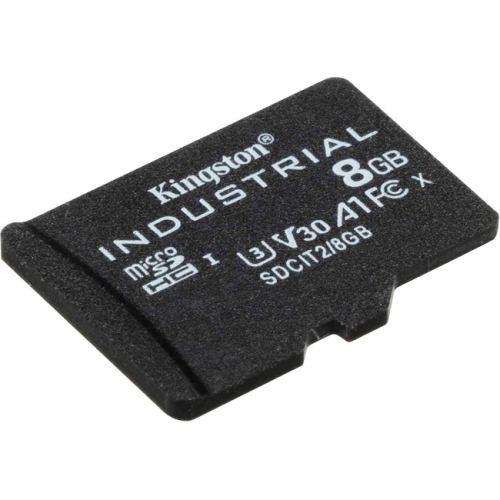
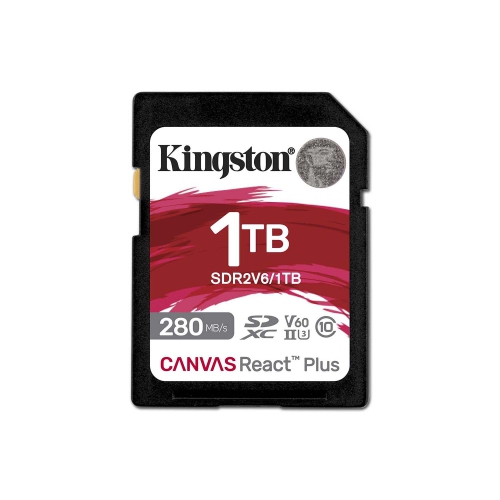
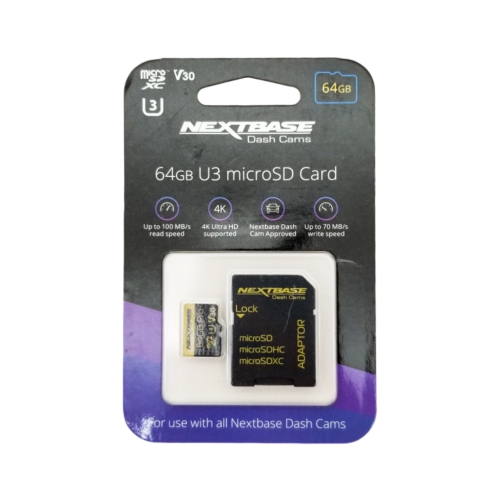


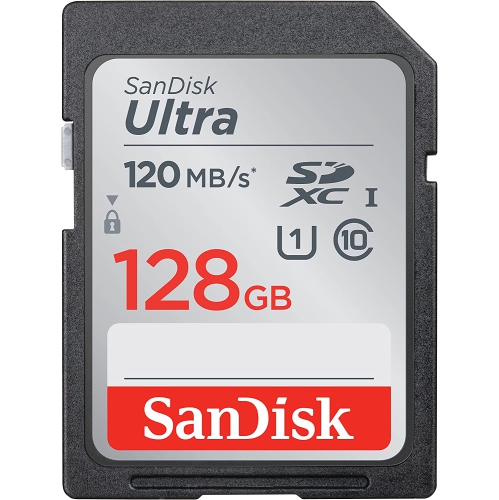
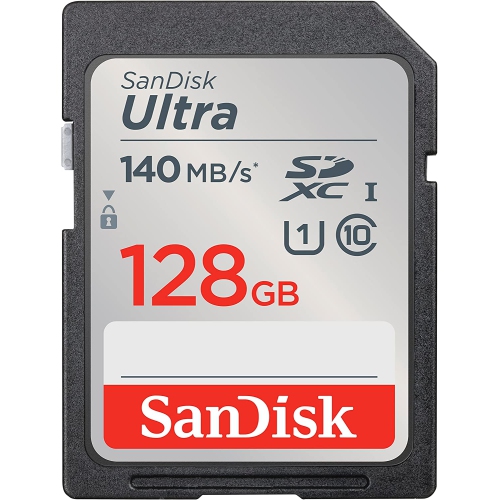
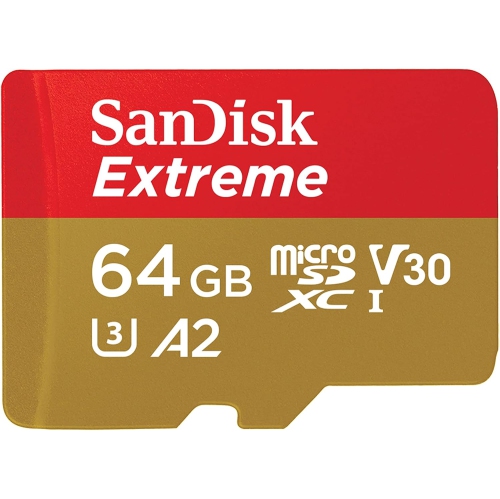
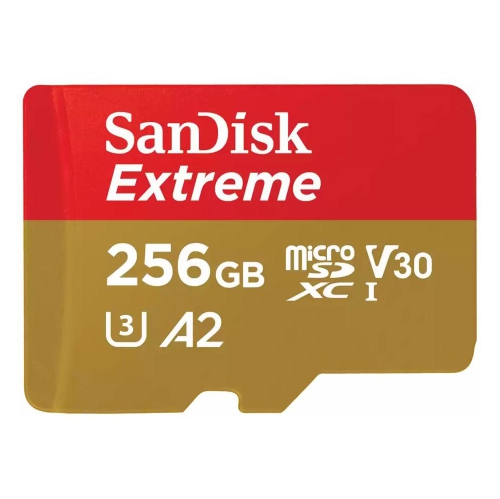

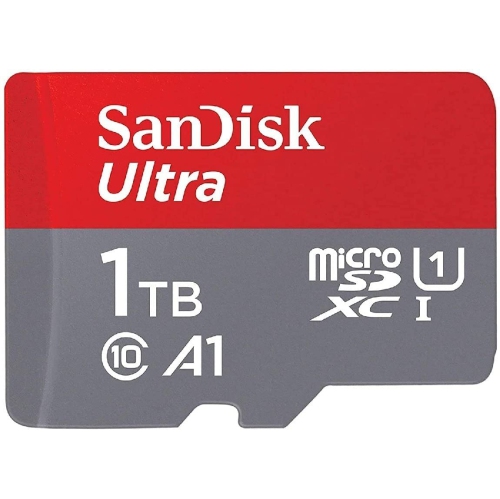
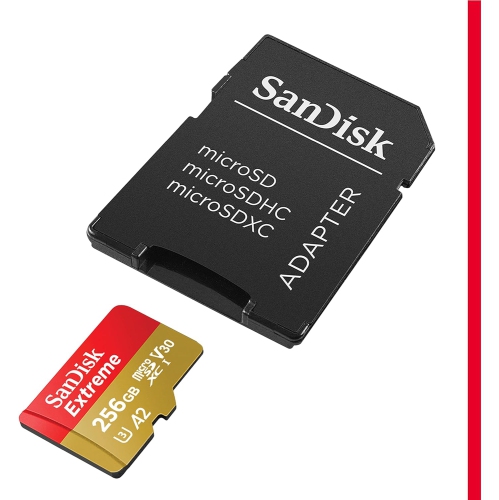
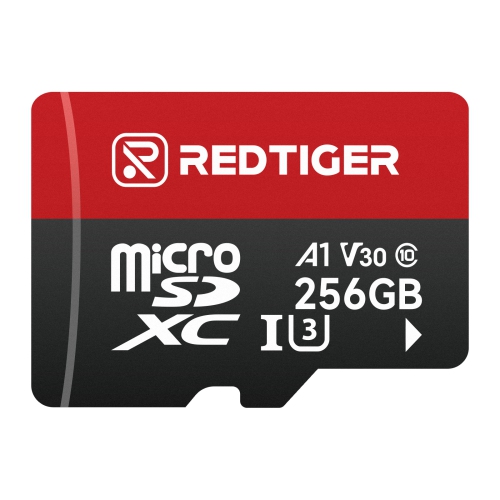
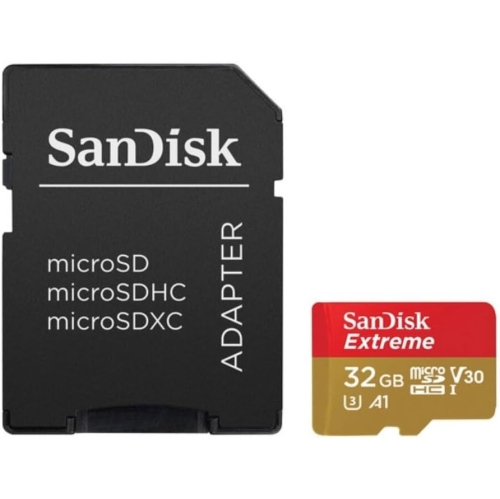



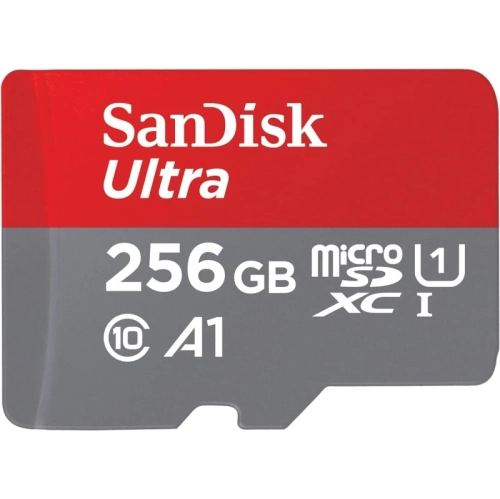
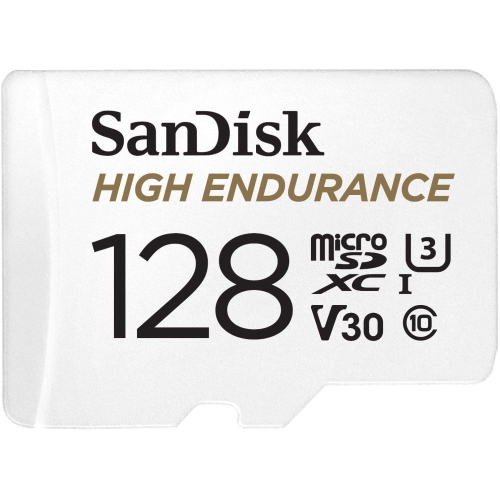
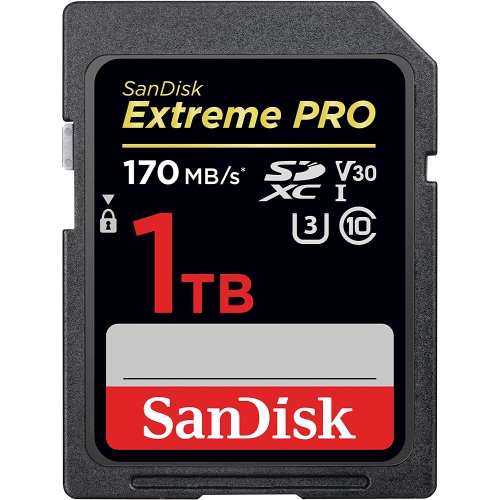
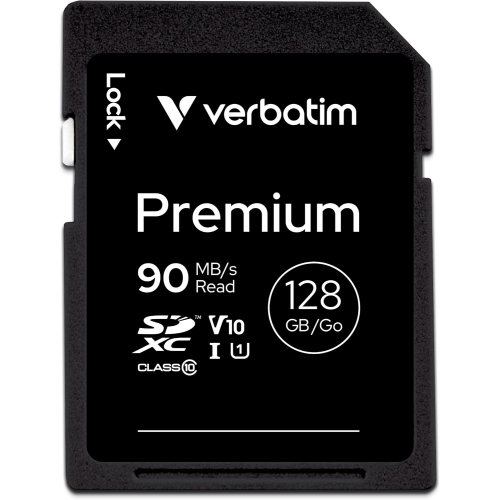



Why sustained write speed matters for photos and video
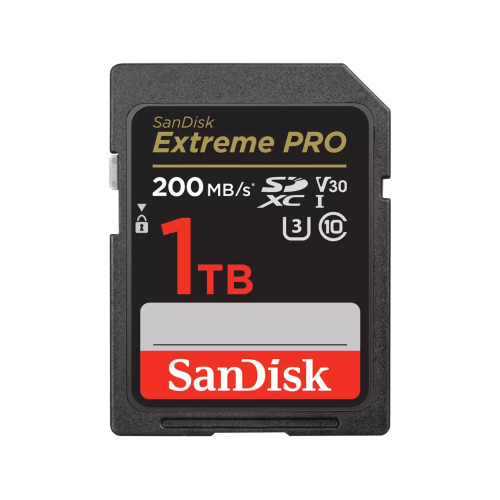
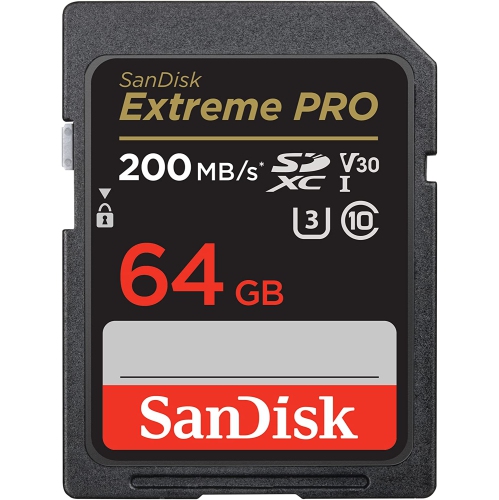
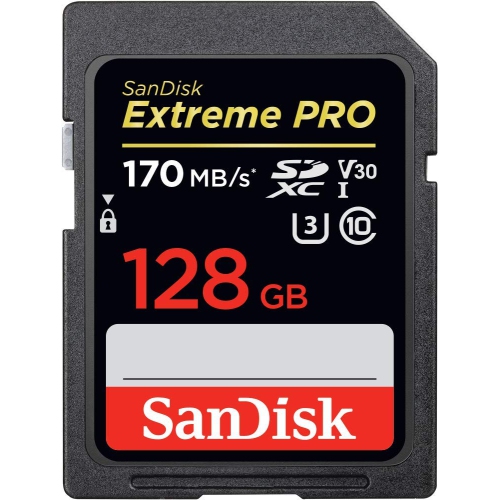
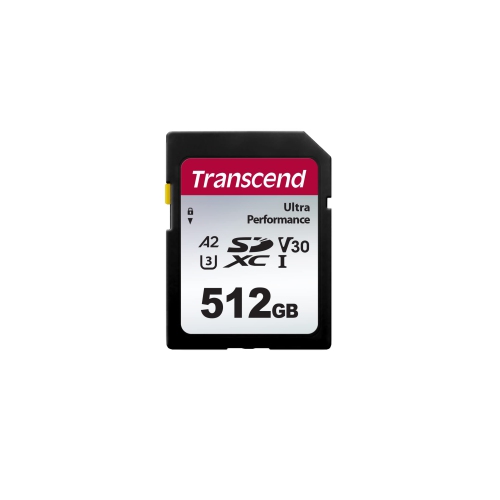
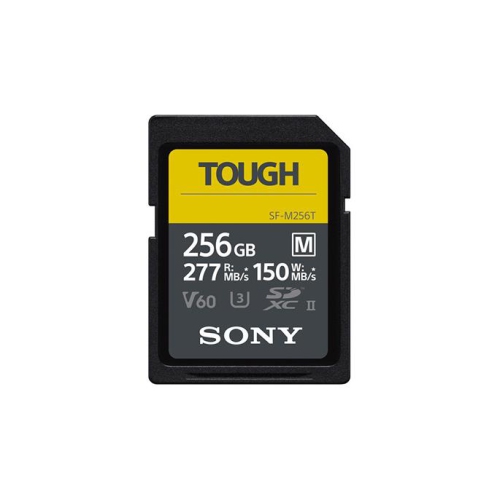
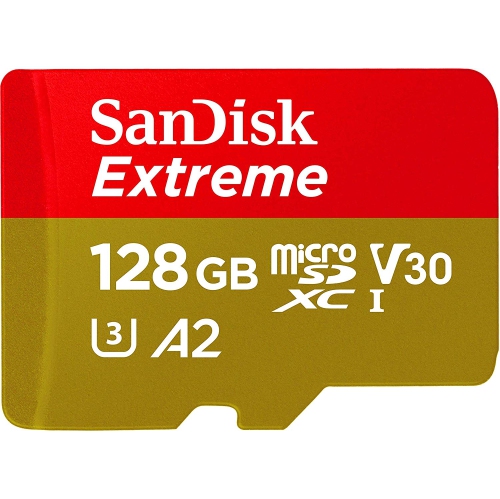
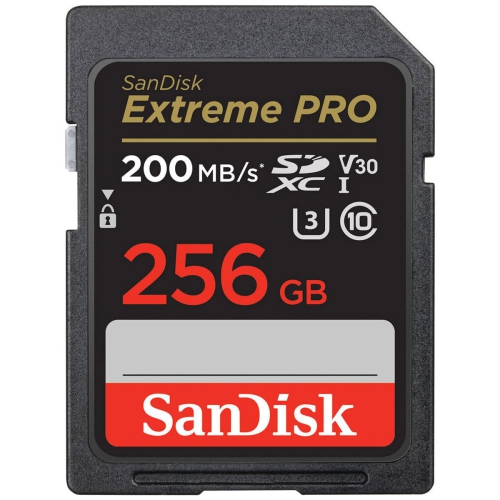
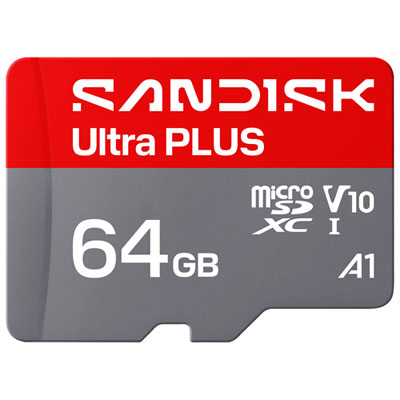
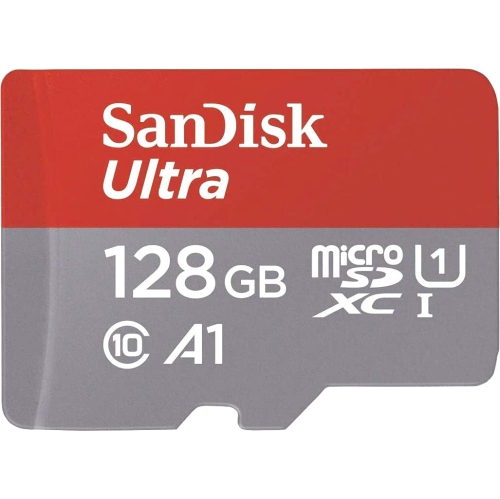
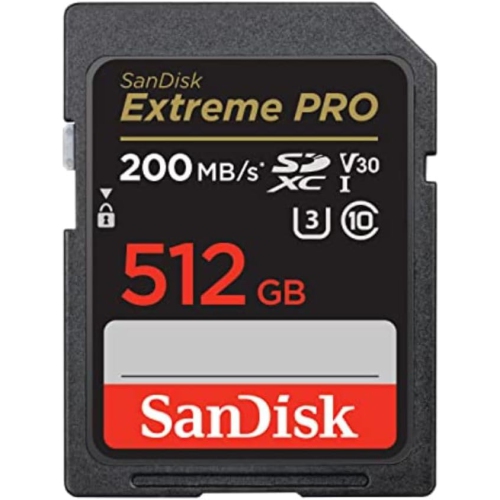
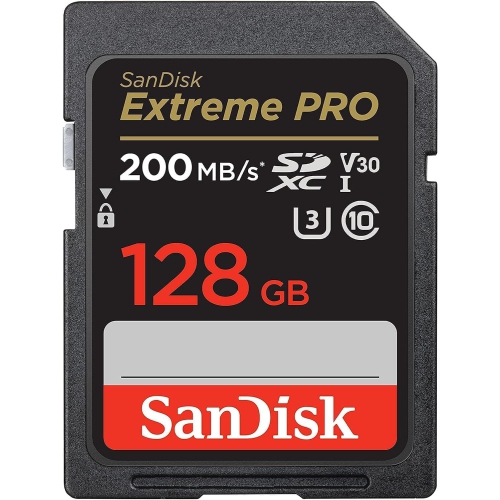
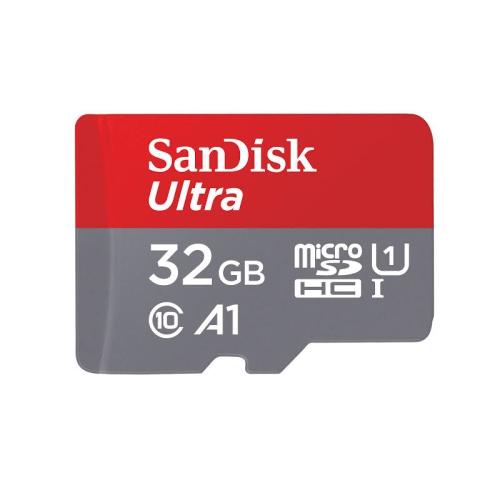
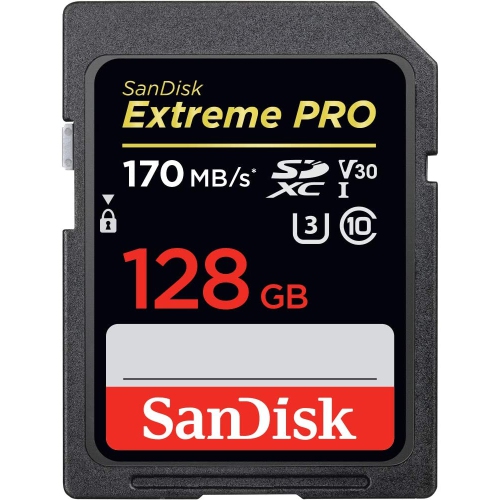
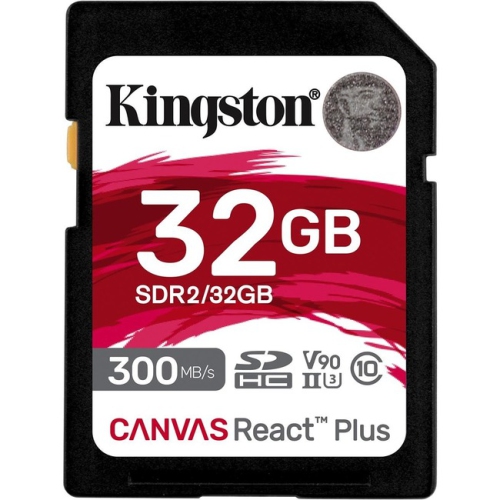
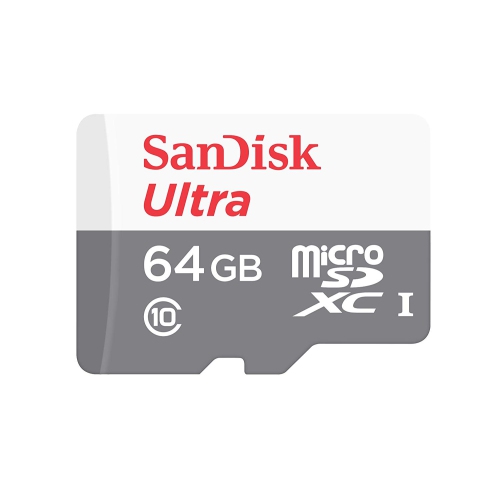
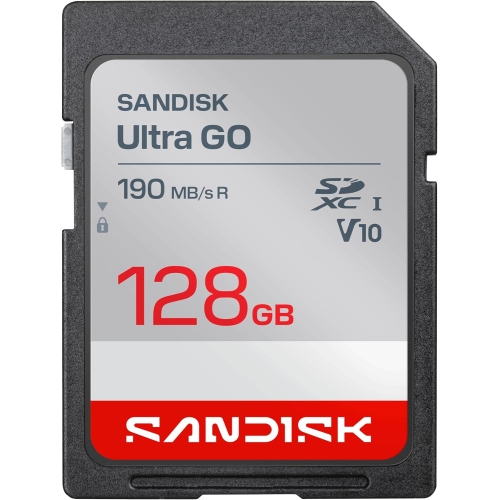
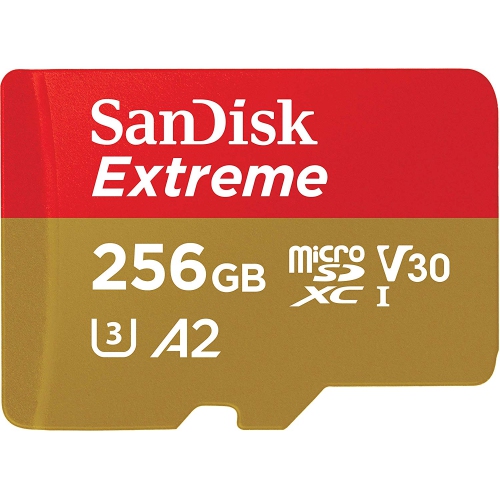
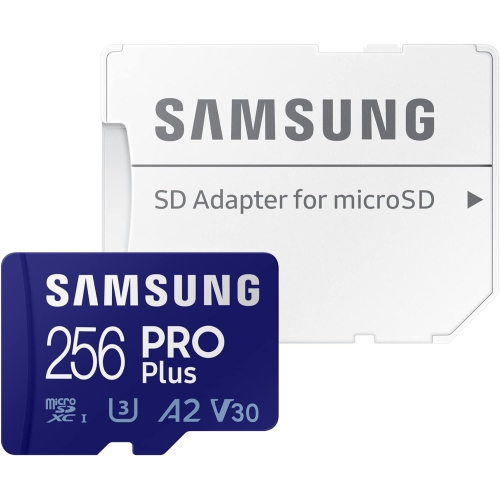
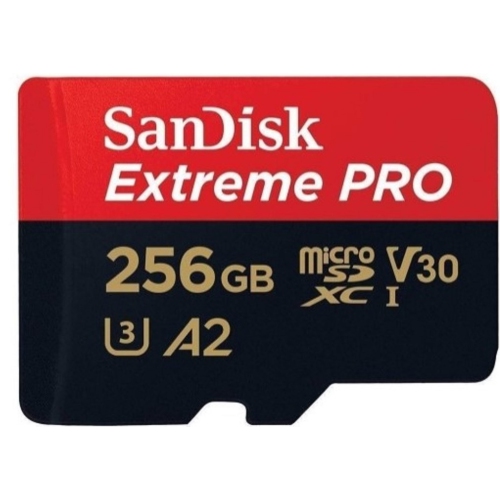
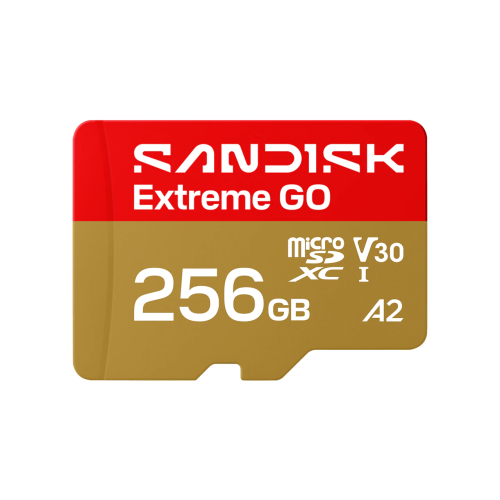
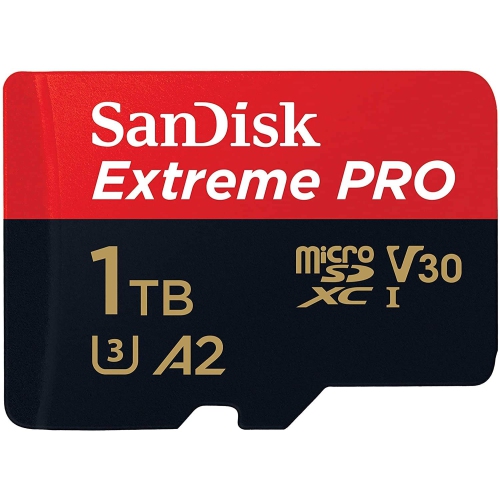
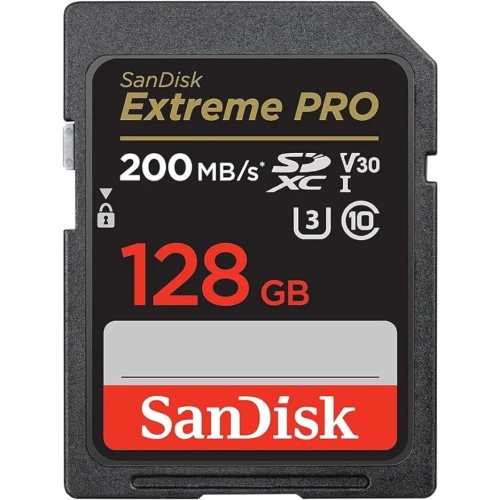
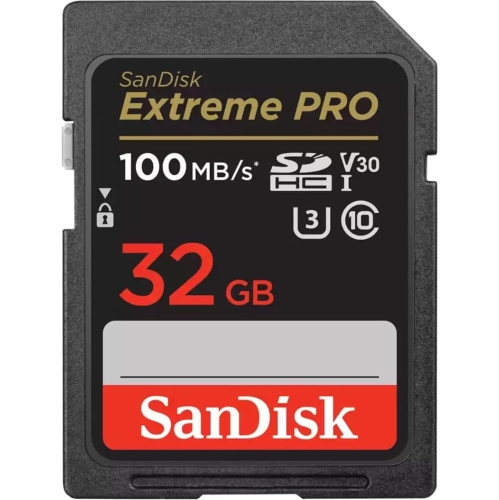
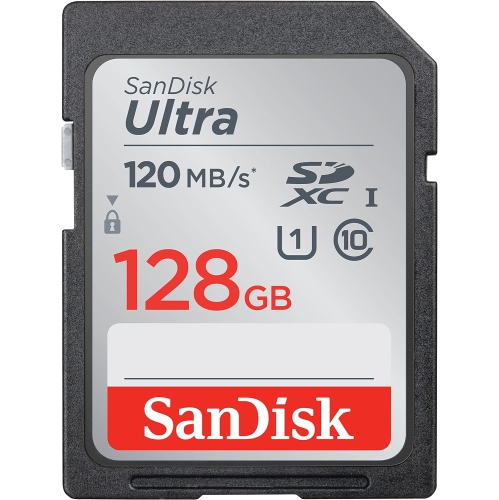
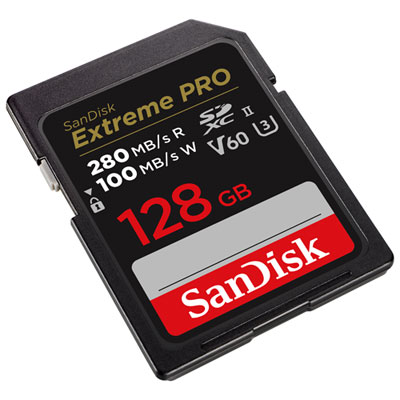
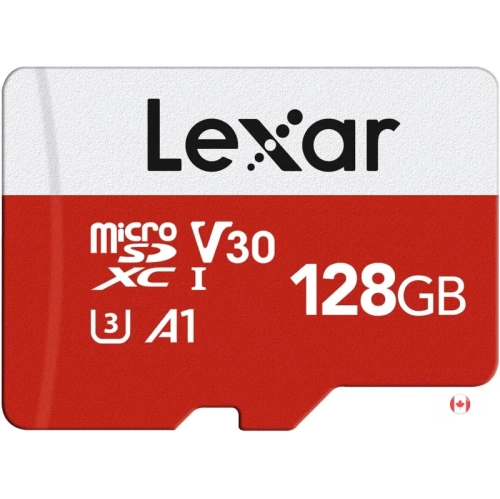
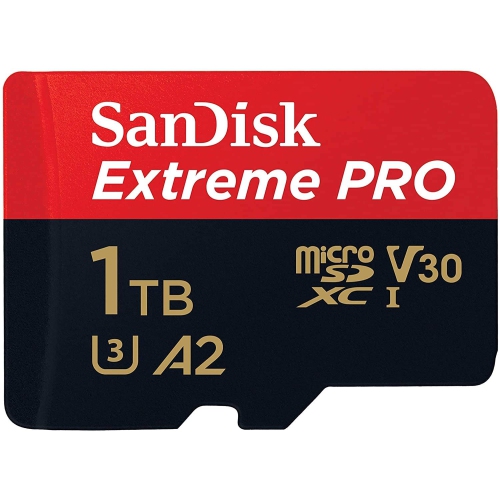
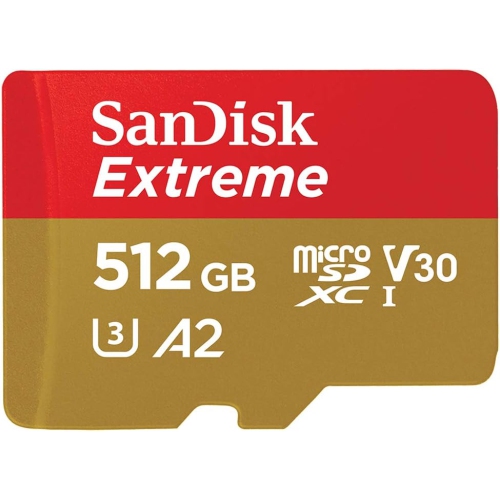
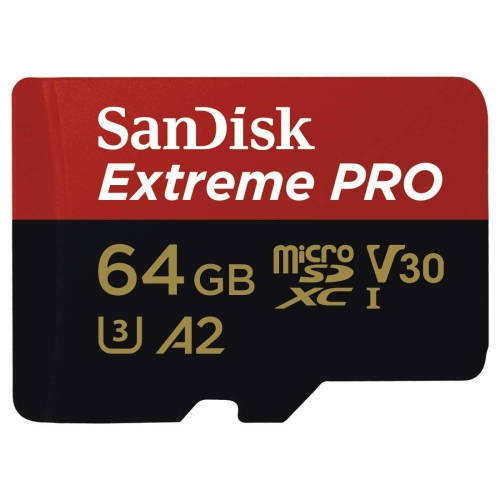
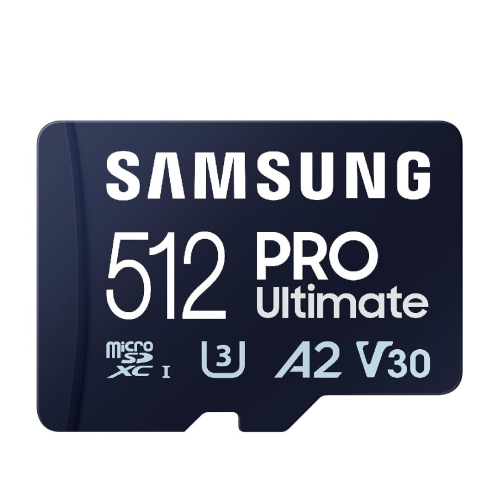
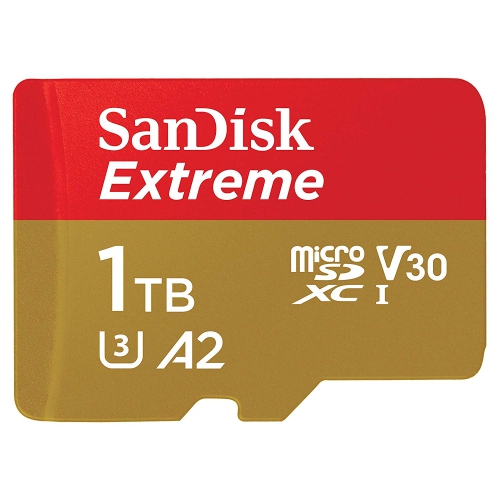
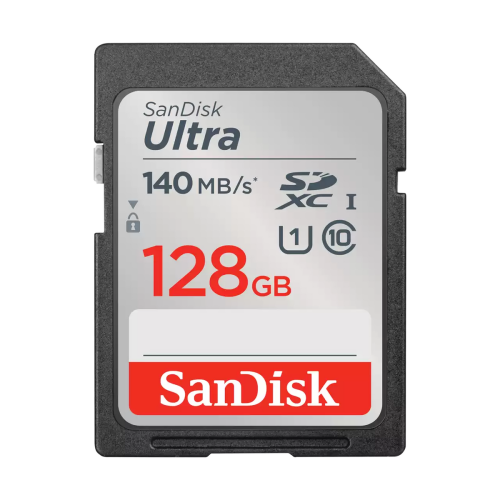
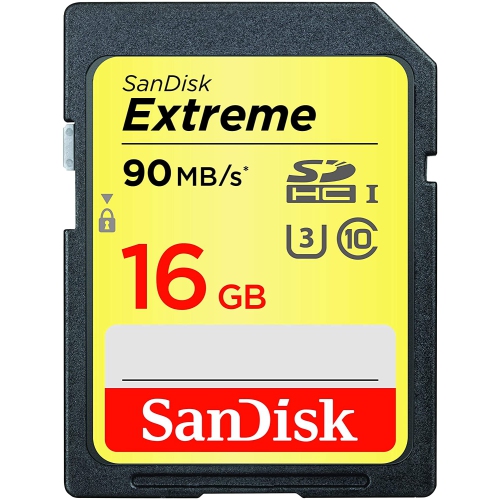
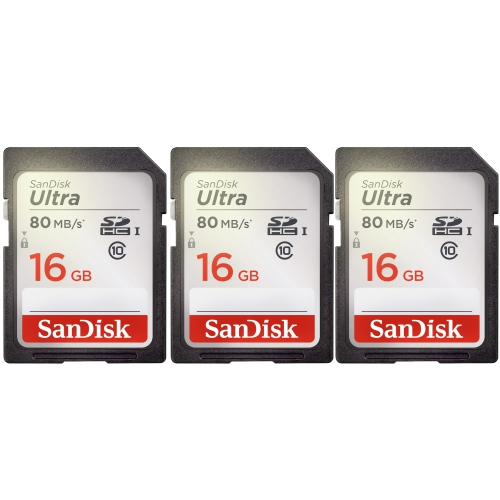
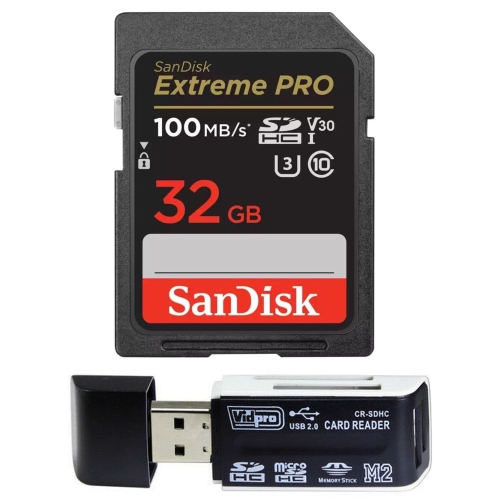
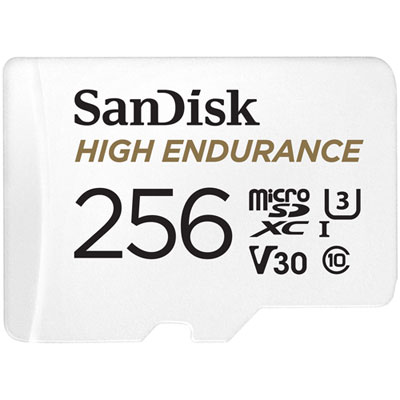
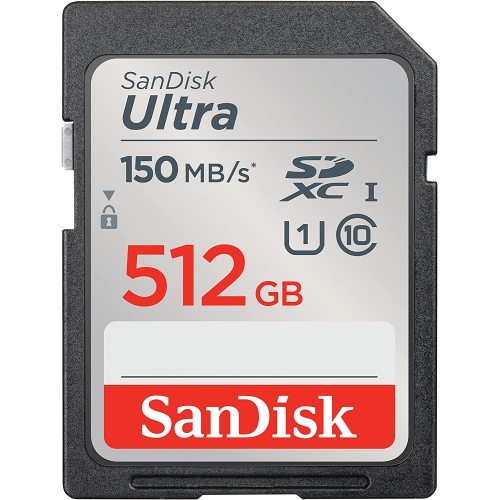
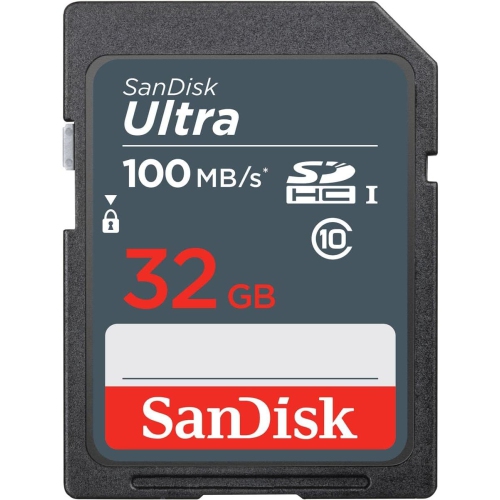
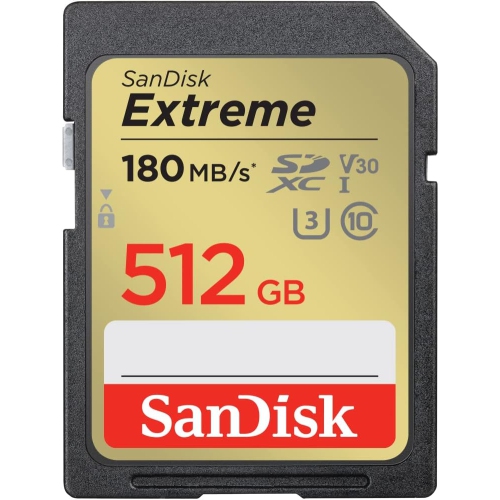
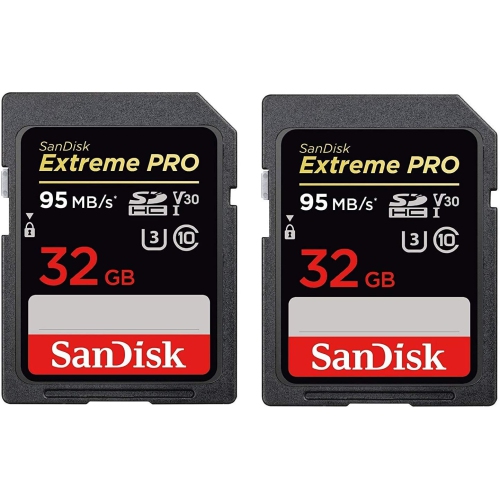
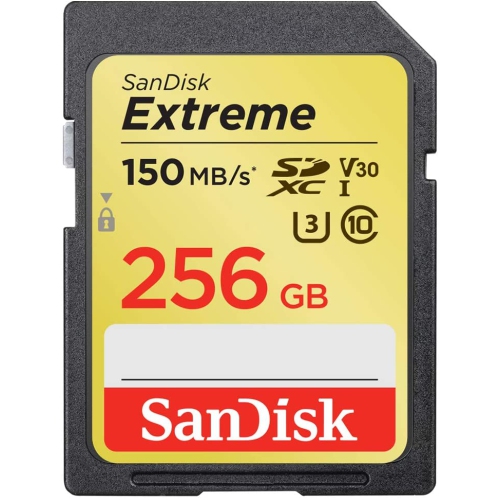
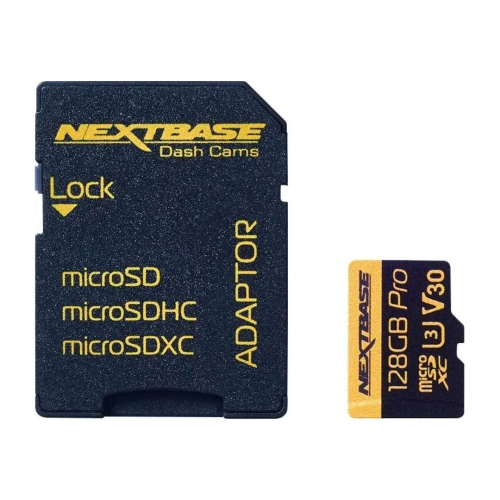
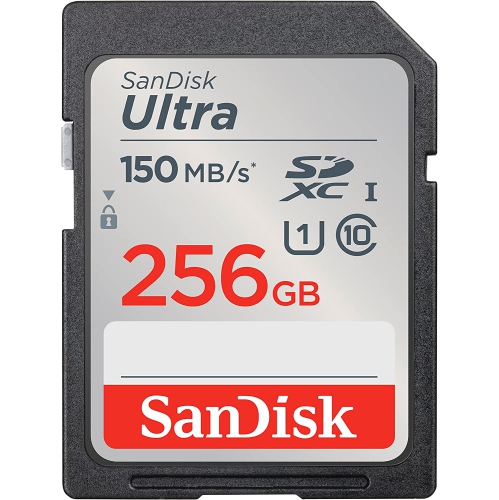
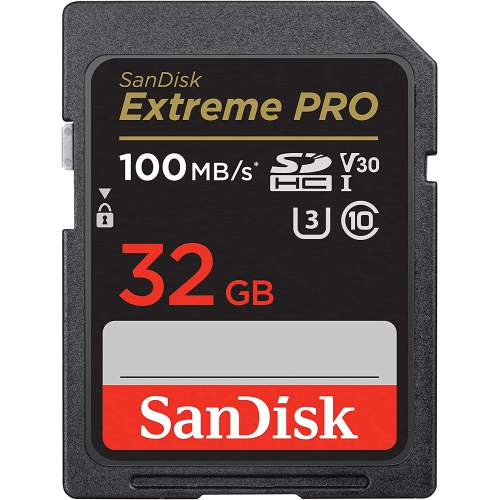
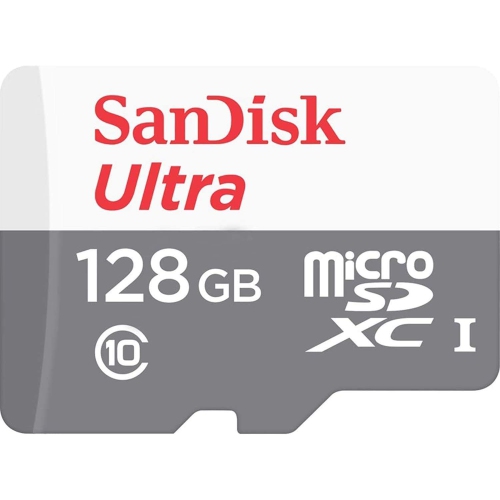
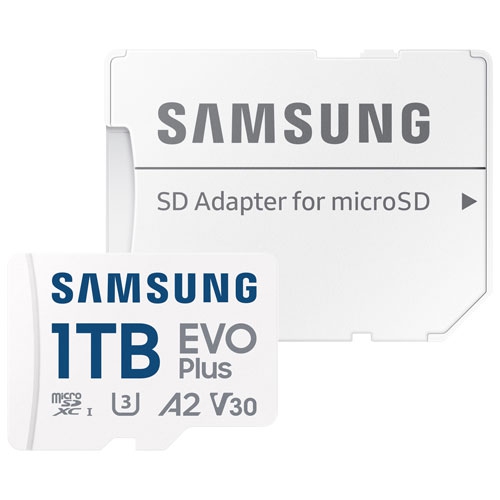
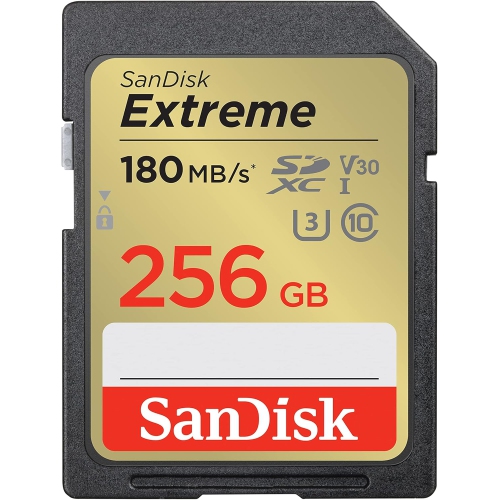
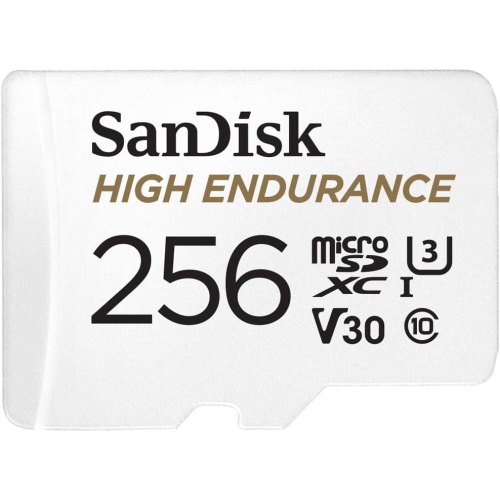
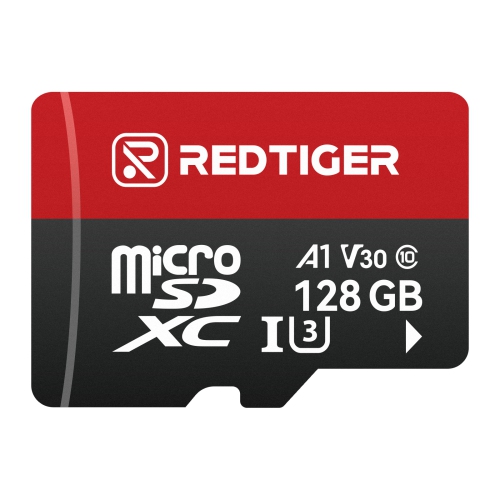
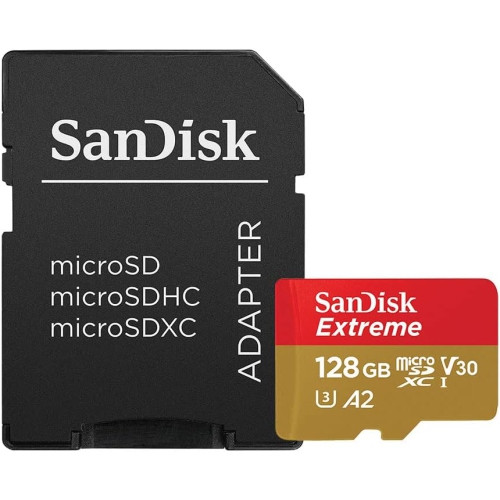
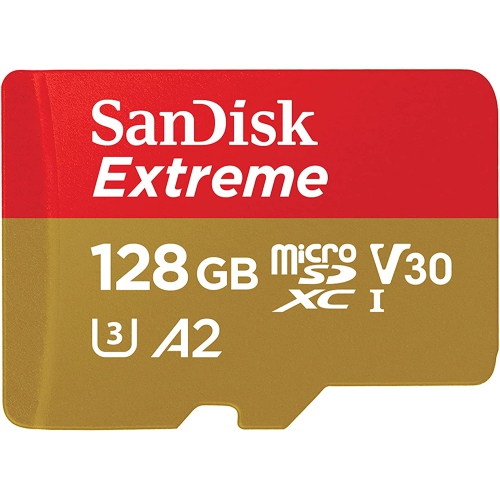
Good SD cards combine dependable storage, suitable capacity, and write speeds that match the device and the files being saved. For many cameras used for everyday photography, burst shooting, and 4K video, UHS-I SD cards carrying U3 and V30 ratings are a practical starting point, provided they meet the camera’s stated requirements. U3 and V30 each indicate a minimum sustained write speed of 30 MB/s under their respective rating systems. That sustained performance matters when a camera needs to keep saving data without interruption, whether it is capturing a child’s first bicycle ride or recording a lengthy interview. However, 4K video does not have a single universal storage requirement: frame rate, compression, and recording settings all affect how quickly data reaches the card. Some higher-bitrate modes require faster cards, while less demanding settings may work with lower speed ratings. The largest speed printed on a card often describes maximum read performance, which is useful when transferring files to a computer but does not necessarily represent sustained write speed. For photographers, write performance also affects how quickly the camera can clear its internal buffer after a sequence of images. A faster compatible card can shorten the pause between bursts, although the camera’s own hardware remains part of that equation. Capacity serves a different purpose, determining how much footage, photography, or other data can remain on the card before files need to be transferred. RAW photographs generally require more space than compressed image files, and long video clips can fill a card much faster than occasional snapshots. A card suited to casual family photography may therefore have different specifications from one intended for extended video sessions. The most useful balance is enough space for the intended session, sufficient sustained writing performance, and a format the device explicitly supports, rather than the highest advertised number in any single category.
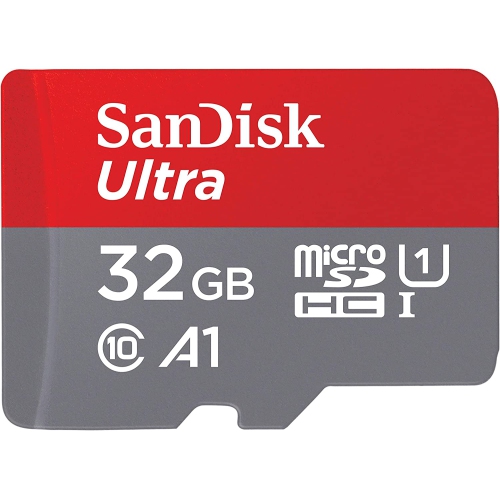
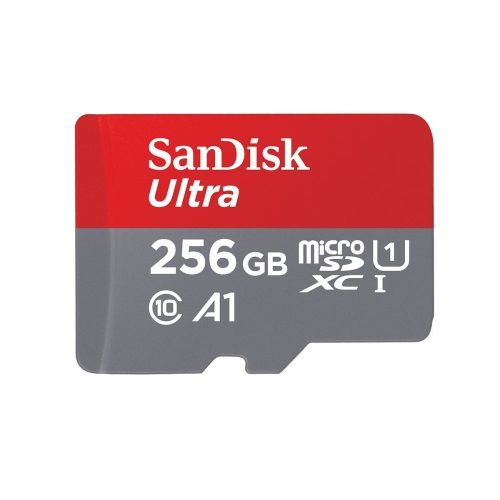
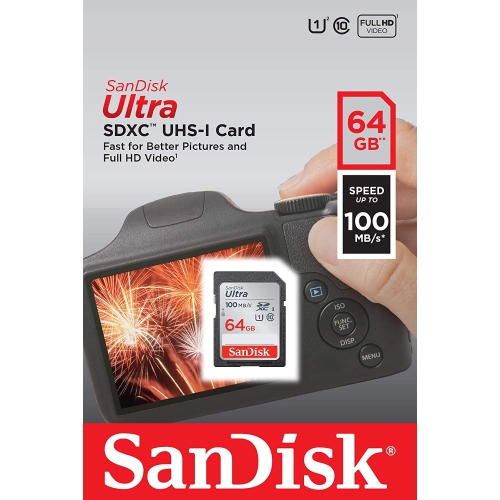
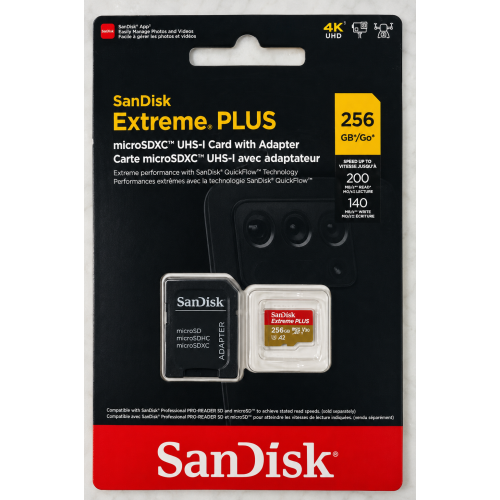
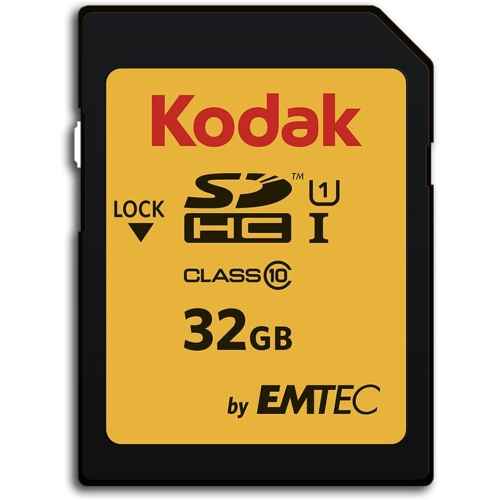
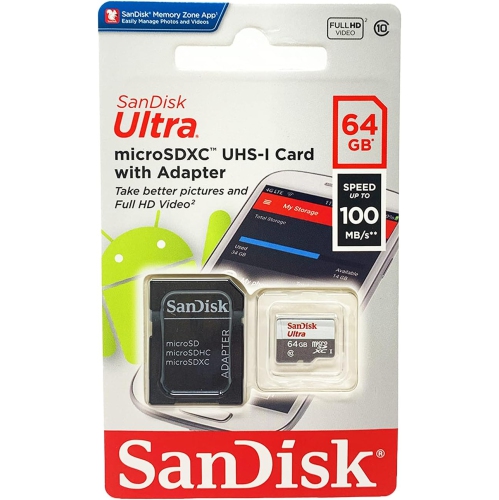
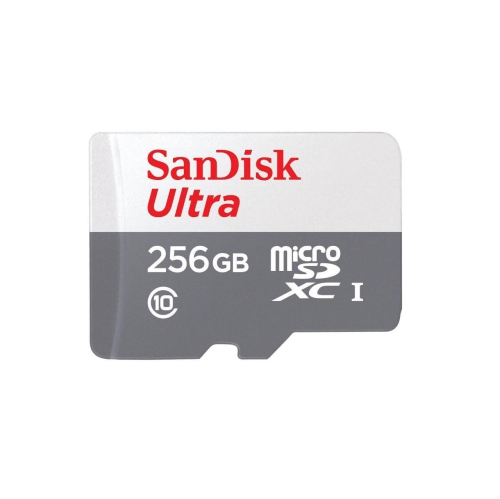
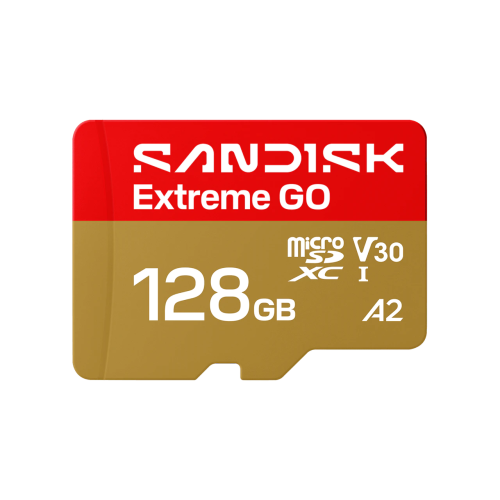
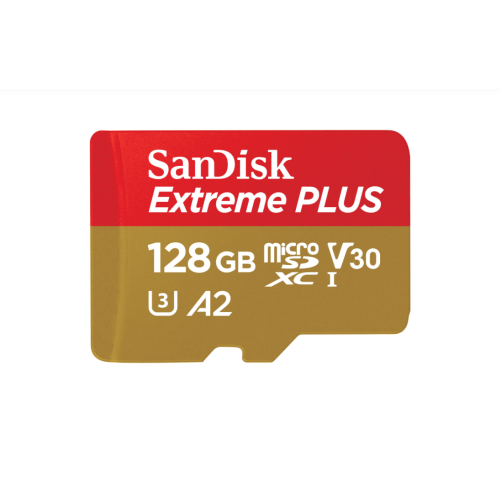
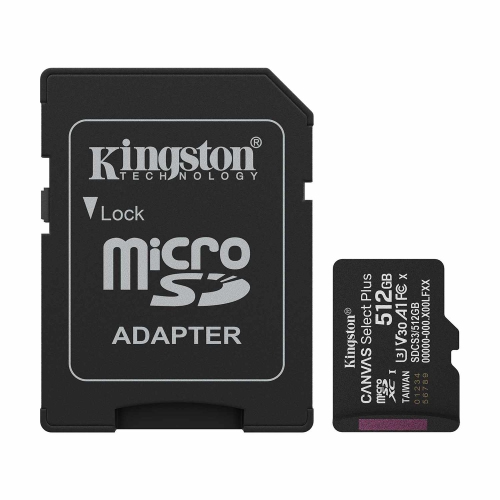
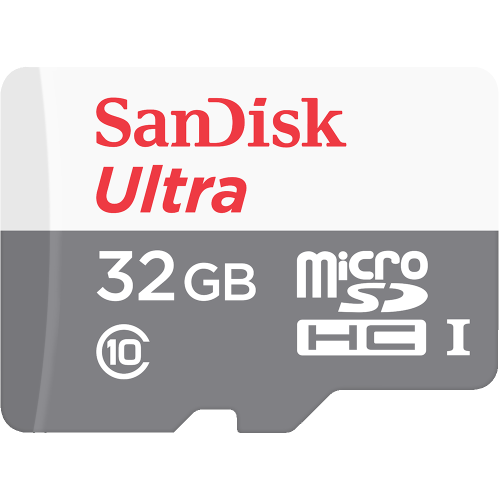
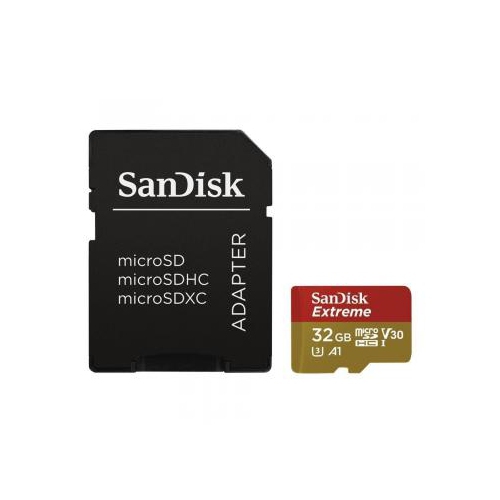
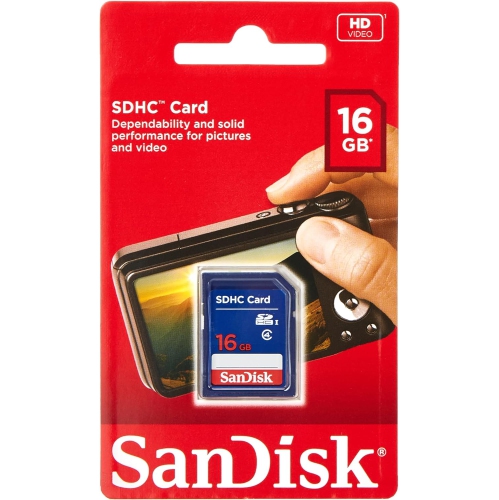
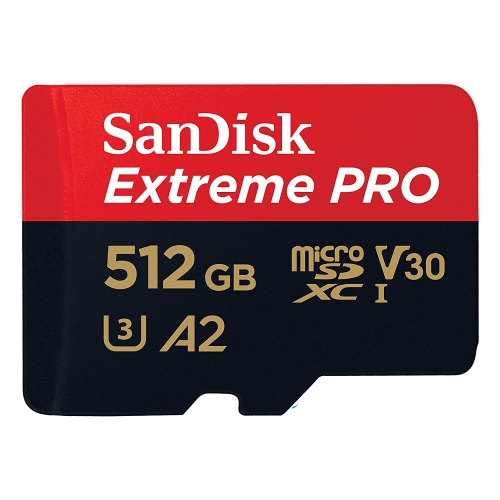
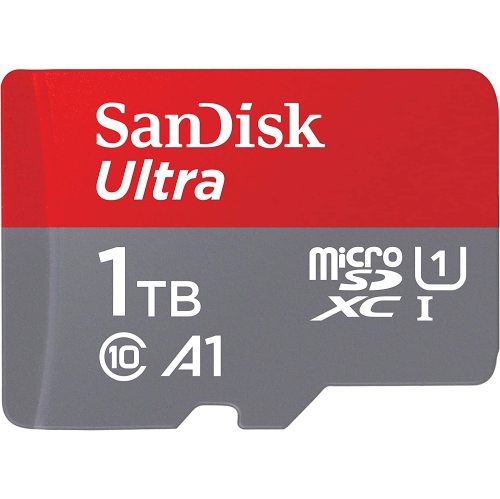
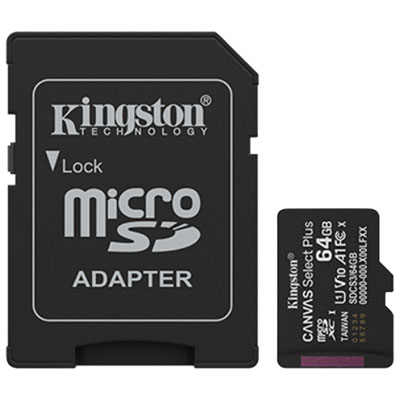
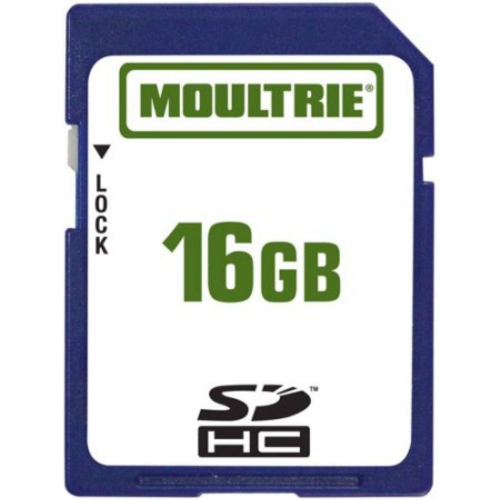
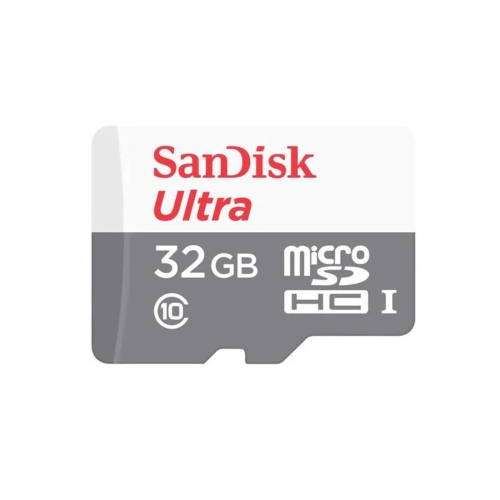
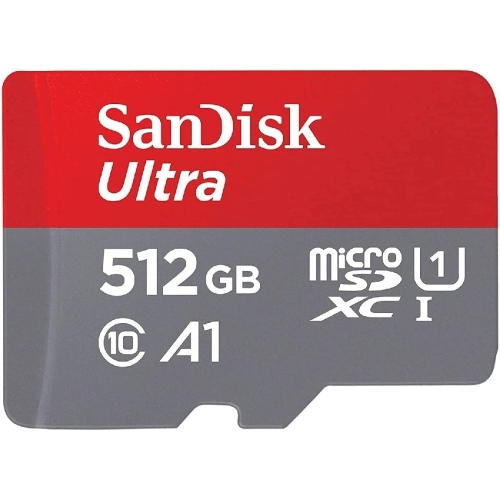
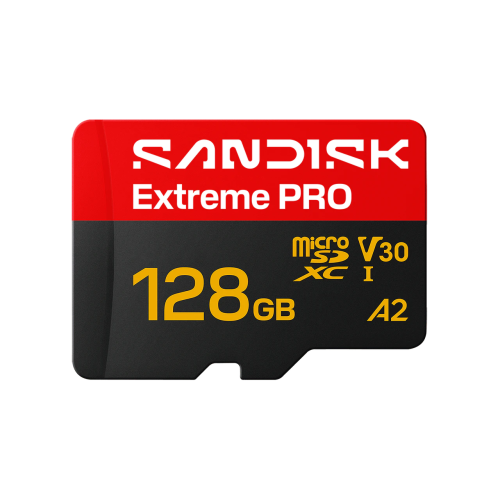
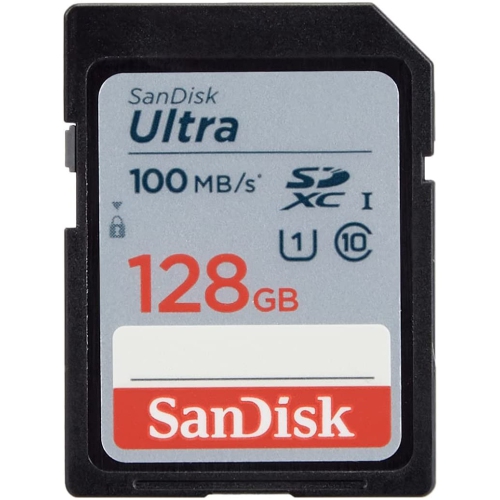
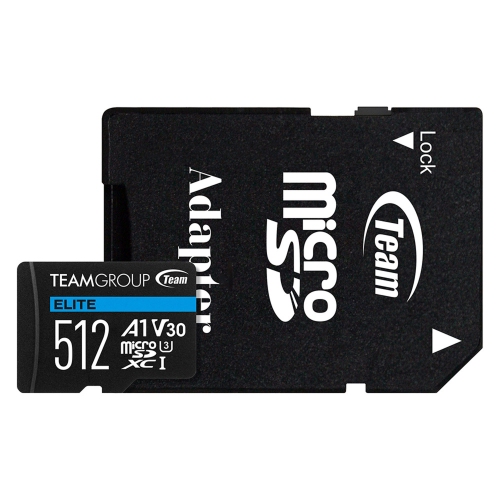
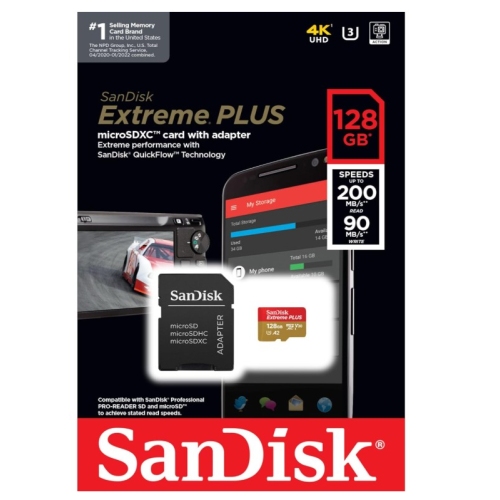
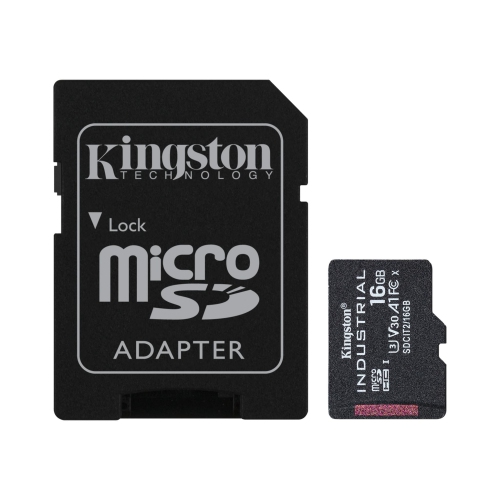
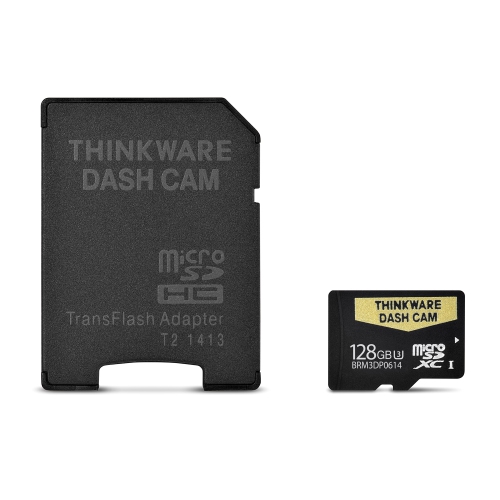
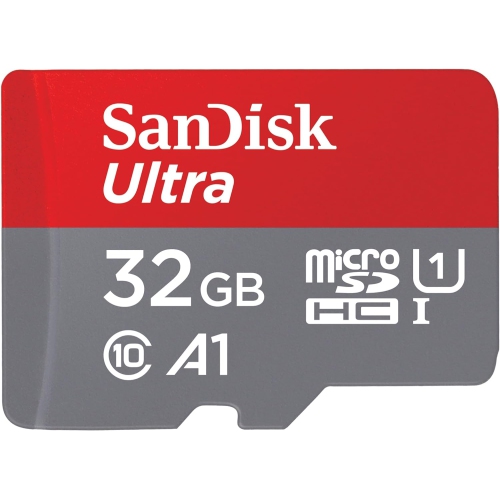
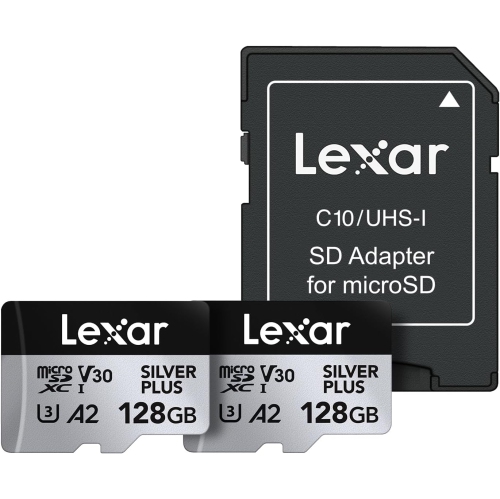
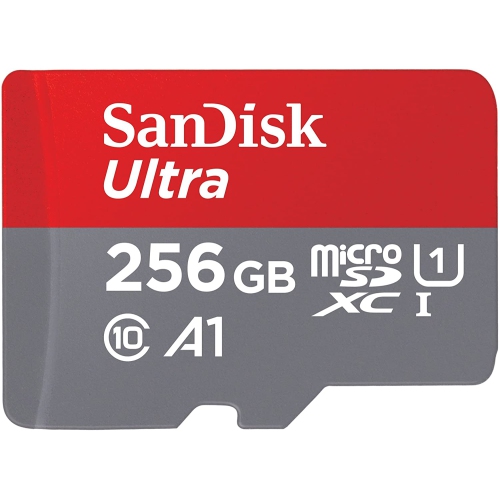
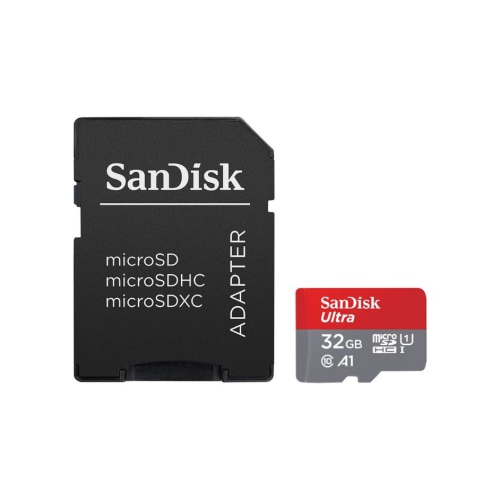
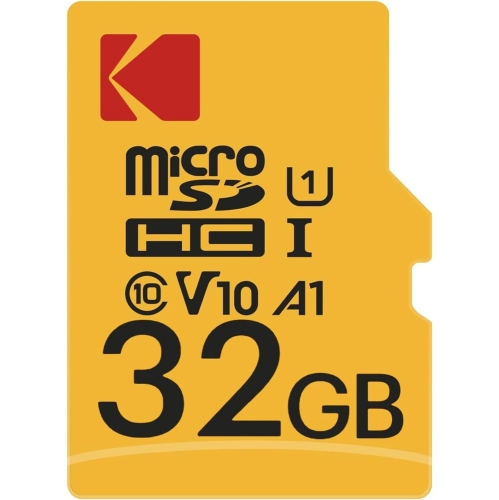
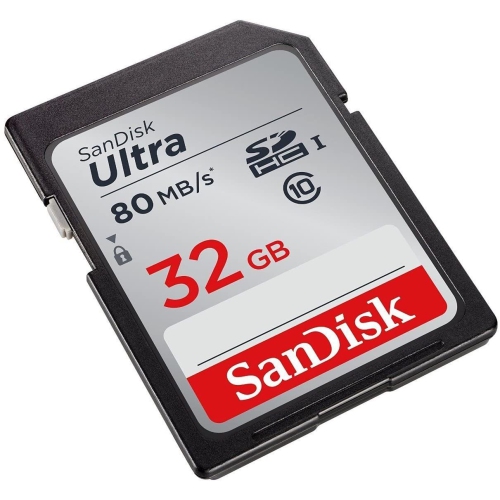
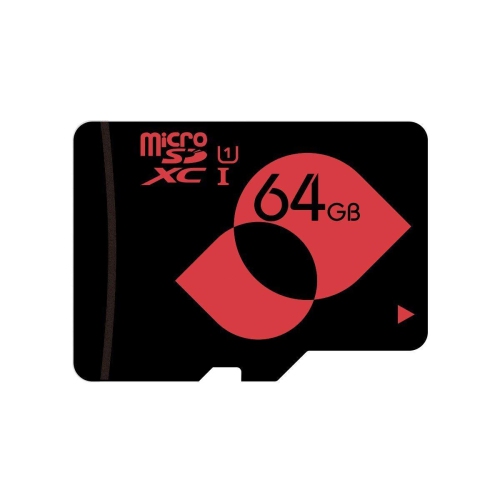
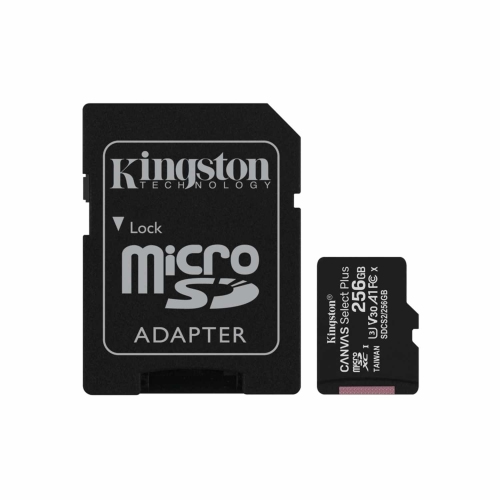
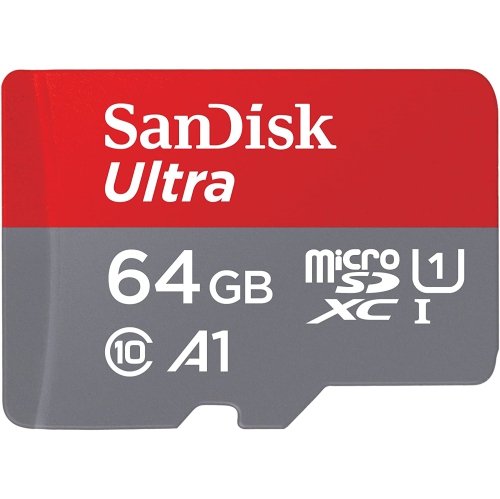
Physical fit and device compatibility are just as important as speed. Full-size SD cards are common in cameras and some audio recorders, while microSD cards serve devices with smaller slots and can sometimes be used in full-size SD slots through an adapter. An adapter changes the physical fit; it does not increase the card’s capacity or speed, or make an unsupported storage format compatible with a device. SDHC and SDXC identify different capacity standards, with SDHC commonly covering 4 GB to 32 GB and SDXC covering capacities above 32 GB up to 2 TB. A device designed only for SDHC may not accept an SDXC card, even when the card fits neatly into its slot. Supported capacity, file system, and card type therefore matter alongside the shape of the card. For compatible devices with modest recording demands, Class 10 SD Cards provide a minimum sequential write speed of 10 MB/s under the Class 10 standard. That rating can suit everyday photography and many Full HD recording tasks, but it does not by itself establish suitability for every video mode. UHS-I and UHS-II describe bus interfaces rather than capacity, and UHS-II cards have an additional row of contacts for supported equipment. Their higher transfer potential depends on a compatible camera or reader; many can operate in compatible UHS-I devices at the lower interface speed. This distinction becomes noticeable after a long shoot, when transferring a large folder of images can take considerably longer through a slower reader. Storage needs also extend beyond cameras to compatible portable recorders, digital photo frames, and other devices with SD slots. For those uses, dependable operation and the correct capacity limit can matter more than high-end recording specifications. The capacity shown on the label will not appear as exactly the same amount of usable space after formatting, and estimates of remaining photographs or recording time vary with file settings.
The everyday value of an SD card also comes from how comfortably it fits into a routine. A photographer covering a school performance may prefer enough capacity to avoid changing cards during an important moment, while someone documenting separate projects may find several smaller cards easier to organize. Neither approach replaces a backup: flash memory retains files without power, but a memory card should not be the only home for photographs or recordings that cannot be recreated. Copying files to separate storage before clearing a card keeps the card available for reuse without leaving a single point of loss. The card itself is small and lightweight, with a rigid outer shell and exposed contacts that benefit from careful handling. A fitted case keeps loose cards from rubbing against keys or other objects in a bag, and separate compartments make it easier to distinguish cards ready for use from those awaiting transfer. Contacts should remain clean and dry, and cards should slide into a compatible slot without force. The write-protect tab on many full-size SD cards signals a lock setting to compatible readers; it is not a substitute for secure storage or a backup. Durability claims differ between cards, so resistance to impacts or repeated insertion should be understood through the stated specifications rather than assumed from appearance. Flash memory also has a finite writing life, making stated endurance characteristics particularly relevant for compatible devices that repeatedly overwrite footage. During ordinary use, allowing a recording or transfer to finish before removing the card helps reduce the risk of incomplete files. Safe ejection from a computer and formatting through the intended device, after files have been backed up, support a straightforward workflow. For a photography student, hobbyist filmmaker, traveller, or family photographer, a compatible SD card can also be a thoughtful practical gift. Knowing the recipient’s device model and typical use makes it easier to match the card’s format, capacity, and speed to something they will genuinely use, whether that means saving a day’s portraits or bringing home footage from a carefully planned trip.
Top selling and popular products
-
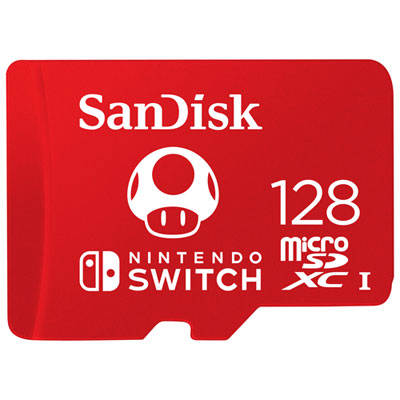 Your price for this item is $50.95
-
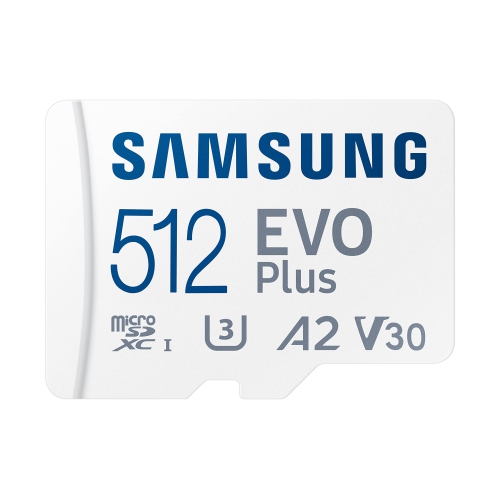 Your price for this item is $159.99
-
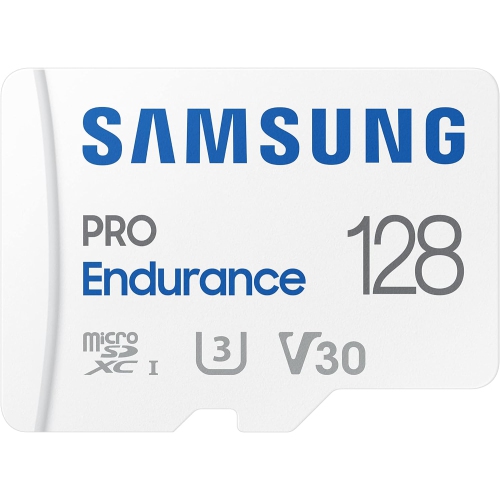 Your price for this item is $120.22
-
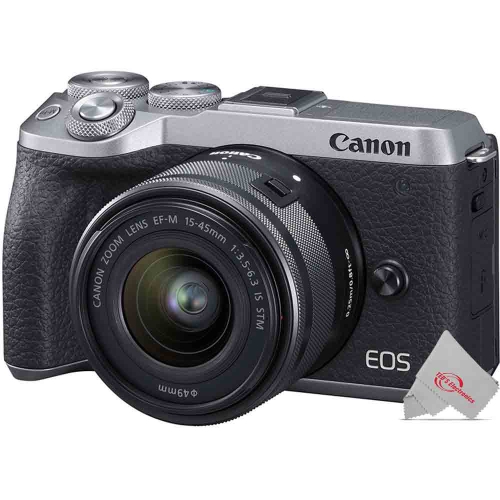 Your price for this item is $113.99
-
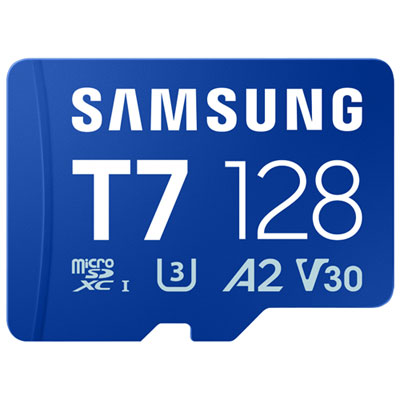 Your price for this item is $69.99
-
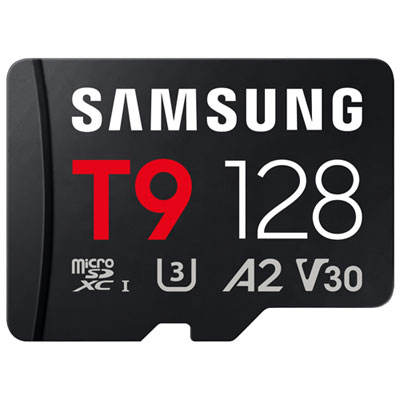 Your price for this item is $84.99
-
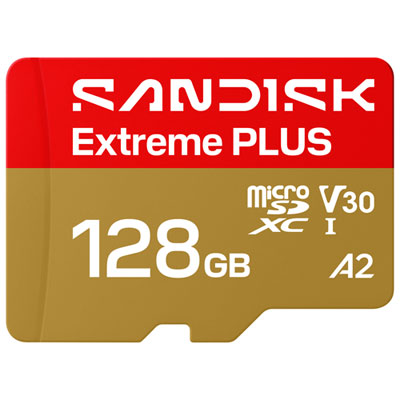 Your price for this item is $77.99
-
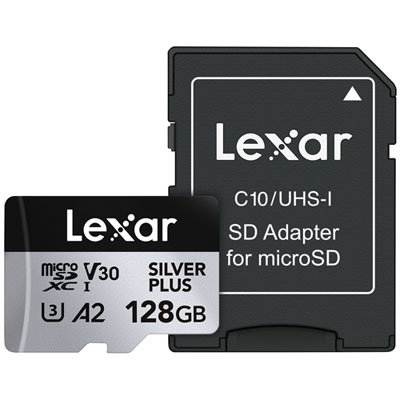 Your price for this item is $89.99
Discover more categories related to Good SD Cards
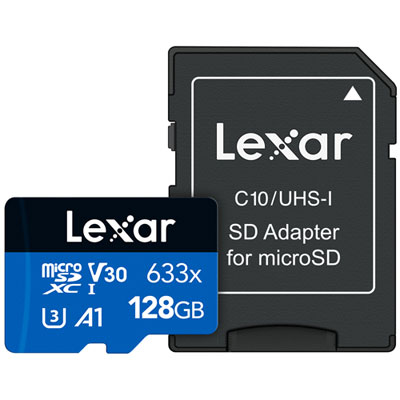
Top Collections:
Best Black Friday Deals This Year, Best Black Friday Deals On Electronics, Kindle Devices, Pokemon Centers, Best Black Friday Deals On Apple Products, Best Cameras for Sports Photography, Dyson Airwrap, Pokémon 30th Celebration Cards, Apple iPhone 17 Pro, Canon G7X Cameras
Some products may be subject to Environmental Handling Fees
(EHF) depending on your province.
Learn more about EHFs.