Manfrotto Vlogging Tripods
Capture your creative vision with the Manfrotto Vlogging Tripod, designed to help content creators and vloggers achieve stable, professional-quality footage. Whether you're filming at home or on the go, this tripod offers dependable support for your camera setup, making it easier to record videos or take photos from a variety of angles. Explore options that combine portability and reliability, ensuring your vlogging experience is smooth and enjoyable every time you hit record.
Sort
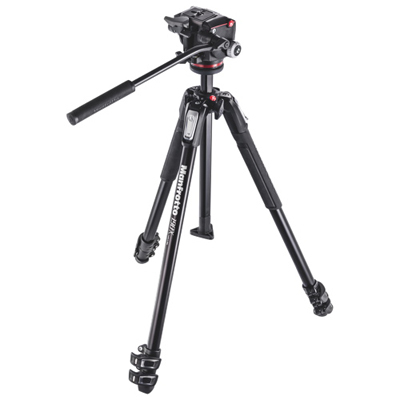
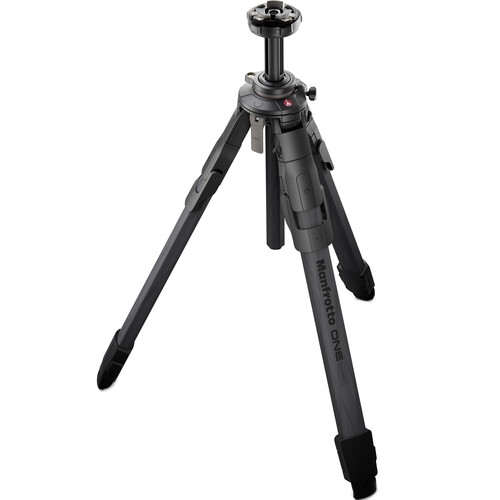
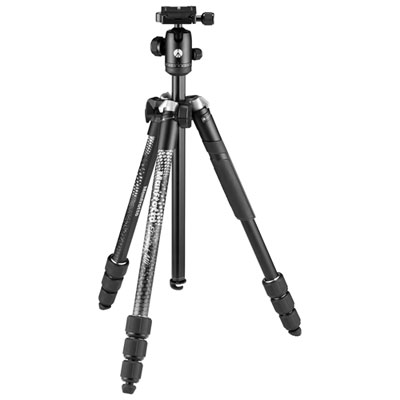

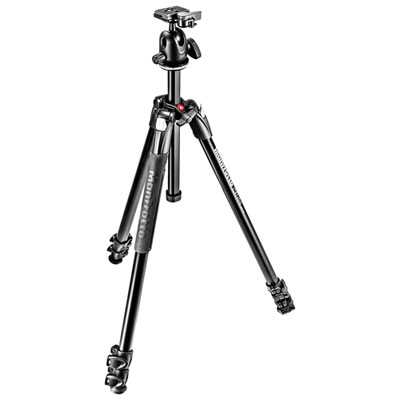

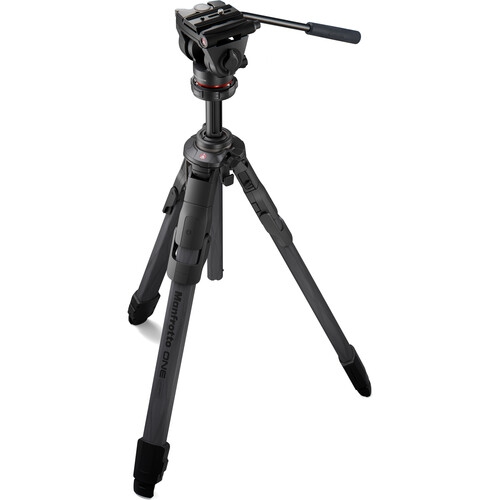
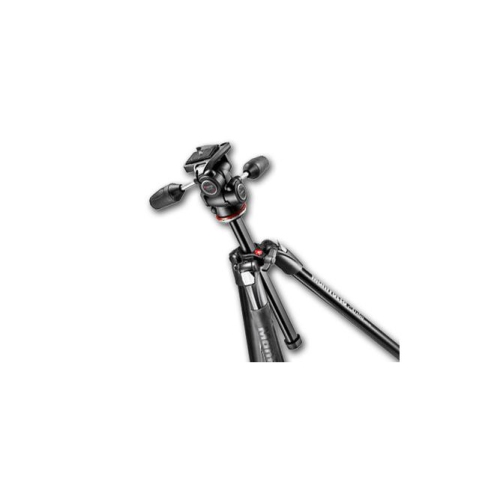
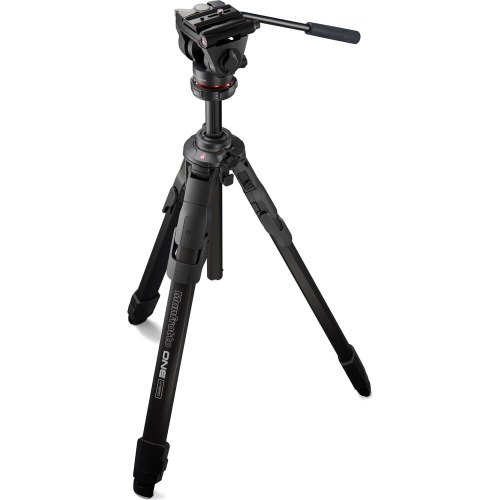
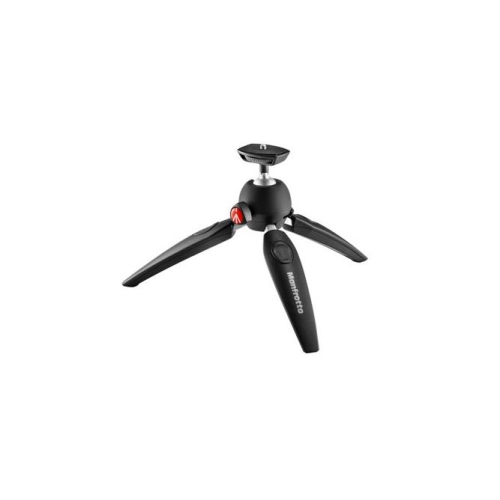
Steady framing that leaves both hands free
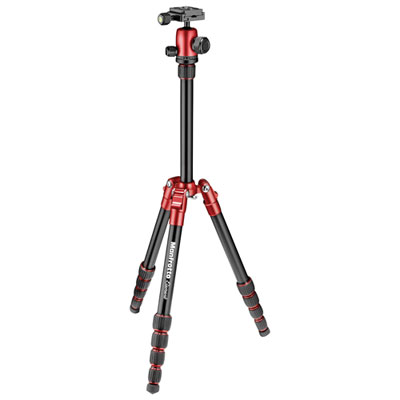
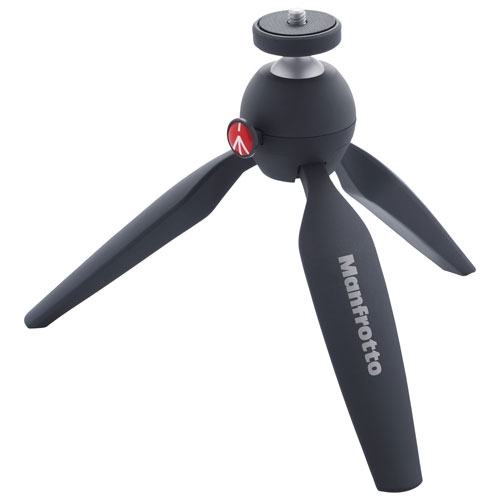
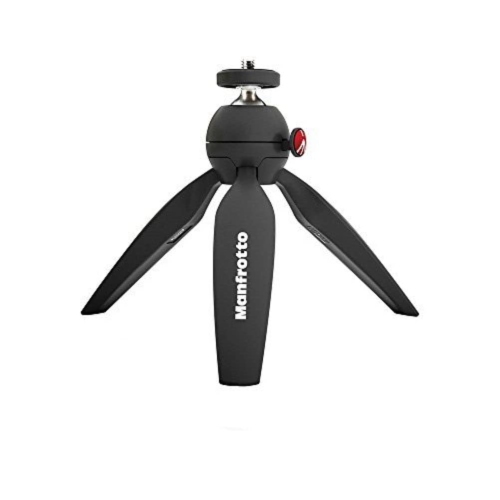
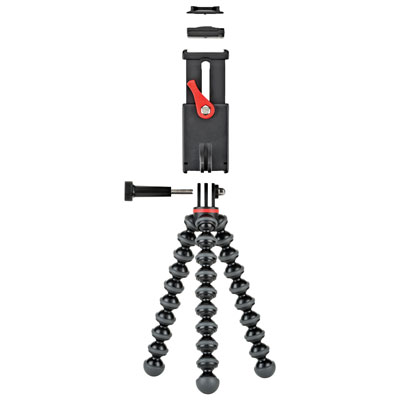
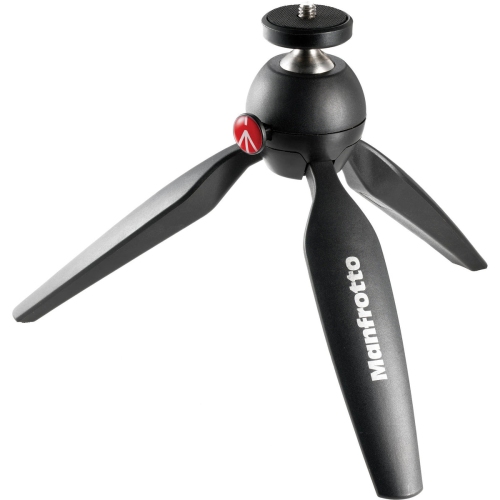
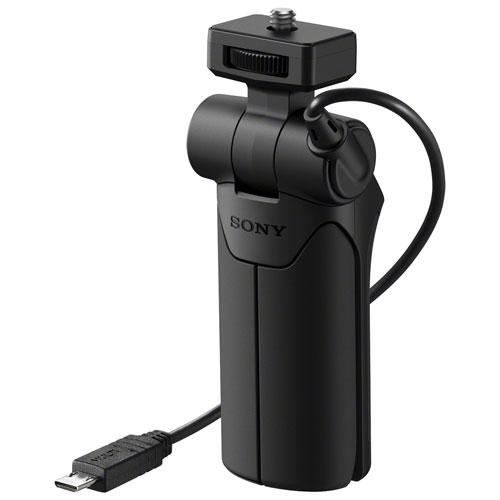
Vlogging tripods provide a steady base for compatible cameras and smartphone setups, helping creators keep framing consistent while speaking, demonstrating a skill, or filming everyday subjects. A fixed camera position leaves both hands free for preparing a recipe, showing the details of a craft project, or presenting an object without repeatedly adjusting the shot. Within the broader category of Vlogging Camera Tripods, tabletop supports and full-height designs suit different recording spaces and working styles. A mini tripod can sit beside a laptop for a seated video, hold a compact camera near countertop height, or provide a low viewpoint for close-up footage. Some designs also fold into a handgrip, giving the camera a more comfortable hold between stationary shots, although a grip does not provide the motion correction of a powered gimbal. Full-height tripods are better suited to standing presentations, wider room views, and situations where a desk or shelf would place the lens too low. Travel-oriented designs balance useful working height with a folded size that fits more easily alongside other camera equipment. For creators who record alone, positioning the lens near eye level can make a direct-to-camera introduction feel more natural, while a stable setup helps maintain the same composition across several takes. The space around the tripod matters as much as its height: a broad leg stance needs room on the floor, and a tabletop support needs a firm, level surface clear of elbows and loose cables. A compact setup can work well for a quiet talking-head video, while a larger camera, a longer lens, or frequent changes between seated and standing shots may call for a more substantial support. These differences make tripod format an important part of how comfortably a recording space functions, rather than simply a matter of how small the equipment looks when packed. Repeatable positioning is also useful when filming a series, since consistent camera height and distance help individual clips feel connected.
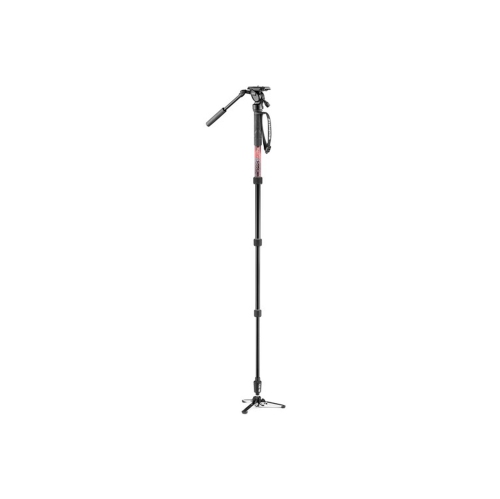
Camera compatibility depends on more than whether a mounting screw fits. The tripod and head need to support the complete recording setup, including the camera body, lens, mounting plate, microphone, and any attached accessories. A longer lens or an accessory positioned off to one side can also change the balance, even when the total weight remains within a stated load rating. Smartphone recording generally requires a compatible holder, with a grip range that accommodates the phone and, where supported, its case. A holder should leave essential controls and connections accessible without pressing side buttons. Portrait and landscape recording introduce another consideration: some heads or mounts allow both orientations, while others need an additional bracket or a different holder. The tripod head affects how the camera moves and how easily a composition can be refined. A ball head offers flexible positioning for static shots and quick changes in angle; a fluid video head is designed to add controlled resistance for smoother pans and tilts. That distinction becomes noticeable when following someone across a room or tilting from a work surface to a presenter’s face. Smooth movement still depends on balanced equipment, secure adjustments, and a steady hand. A pan handle can make those movements easier to control without touching the camera directly. Quick-release plates simplify moving a camera between a tripod and handheld use, but plate systems are not universally interchangeable. A secure plate connection, an accessible release mechanism, and enough clearance for the camera’s battery door can all make repeated setup less awkward. Working height should also be considered alongside maximum height: extending a centre column may raise the lens, but can introduce more movement than keeping the column lower. Leg-angle adjustments and a built-in level, where included, can help establish a usable position without relying on camera tilt alone. These details are especially relevant when the same support serves both still photography and video, with frequent changes in framing throughout a recording session.
Materials, construction, and everyday handling shape how a vlogging tripod feels over time. Aluminum legs are common in portable supports and offer a practical balance of rigidity and weight, while carbon fibre designs can reduce carrying weight depending on their construction. Compact supports may combine metal components with moulded parts to keep the overall package manageable. Material alone does not determine steadiness: leg thickness, the number of extending sections, joint quality, head design, and the surface beneath the feet all contribute. Rubber feet help a tripod sit securely on many indoor surfaces, but worn feet, loose joints, or an unstable table can undermine an otherwise suitable setup. Flip locks and twist locks provide different handling experiences, particularly when the tripod is adjusted repeatedly between shots. Clear access to the locks and controls matters when a creator is also managing audio cables, a camera strap, and a small recording space. For transport, folded length can be just as relevant as weight, since a support that fits inside a camera bag is easier to carry with a lens, microphone, and spare batteries. Foldable handles and a carrying case, where included, can help keep protruding parts contained. Routine care is straightforward: remove dust and grit before collapsing the legs, wipe accessible surfaces with a soft cloth, and follow the manufacturer’s directions for cleaning or adjusting locks. Avoid forcing a stiff joint or applying lubricants unless the care instructions call for them. Checking the mounting plate, feet, and locking mechanisms before recording helps identify wear before it interrupts a session. For students making presentations, small-business owners filming demonstrations, and hobbyists sharing projects, a well-matched tripod can make recording more repeatable and comfortable. It can also be a thoughtful gift for someone building a video setup, provided the camera connection, intended load, and preferred recording style are known. The most useful match supports the actual routine: a small tabletop space, a dedicated filming corner, or a bag that moves between locations.
Top selling and popular products
-
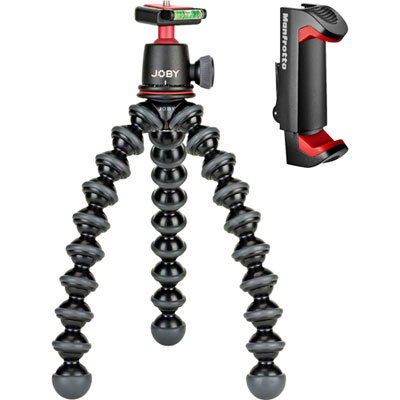 Your price for this item is $144.99
-
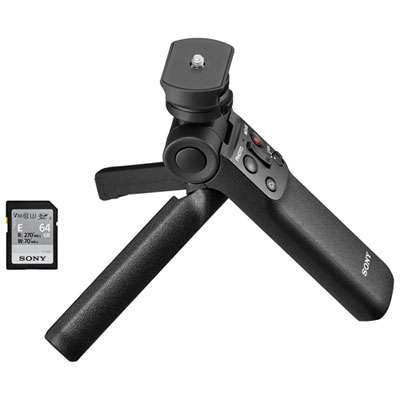 Your price for this item is $199.97
-
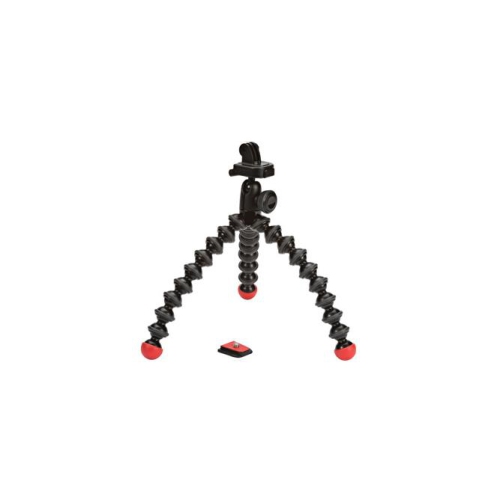 Your price for this item is $126.91
-
 Your price for this item is $139.99
-
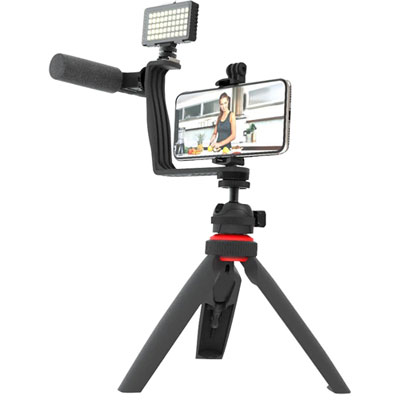 Your price for this item is $69.99
-
 Your price for this item is $78.97
-
 Your price for this item is $259.99
-
 Your price for this item is $83.53
Discover more categories related to Manfrotto Vlogging Tripods
Top Collections:
Best Black Friday Deals This Year, Best Black Friday Deals On Electronics, Kindle Devices, Pokemon Centers, Best Black Friday Deals On Apple Products, Best Cameras for Sports Photography, Dyson Airwrap, Pokémon 30th Celebration Cards, Apple iPhone 17 Pro, Canon G7X Cameras
Some products may be subject to Environmental Handling Fees
(EHF) depending on your province.
Learn more about EHFs.