Manfrotto Lightweight Tripods
Capture stunning photos and steady videos wherever you go with a Manfrotto lightweight tripod. Designed for photographers and videographers who need portability without sacrificing stability, these tripods are ideal for travel, outdoor adventures, or everyday shooting. Whether you're setting up for a landscape shot or recording on the move, a Manfrotto lightweight tripod offers the support you need to elevate your creative projects. Explore options that make it easy to get the perfect angle and keep your gear secure on any journey.
Sort
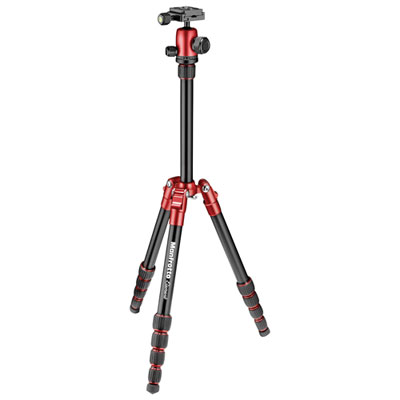

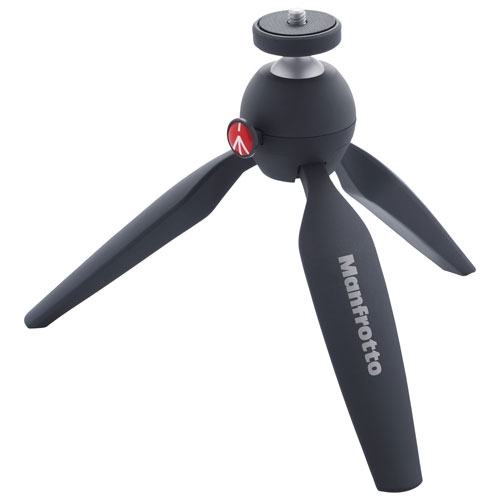
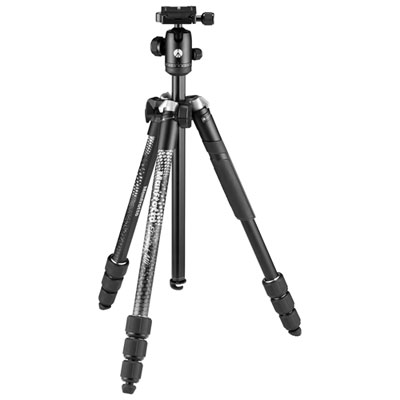
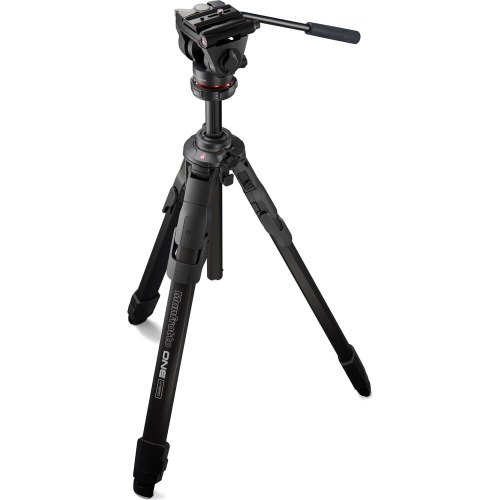
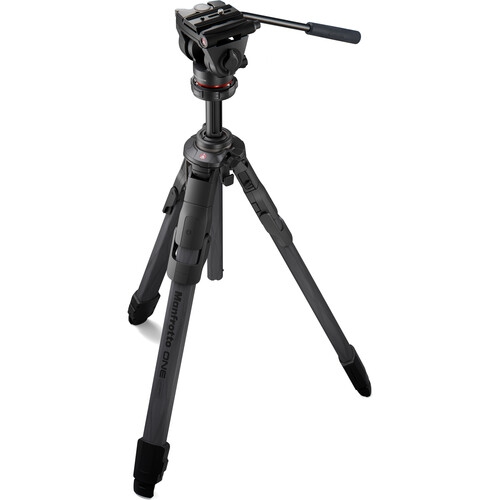
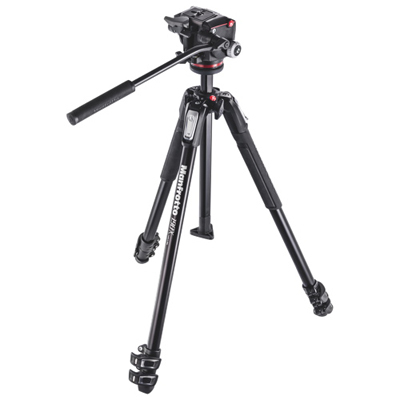
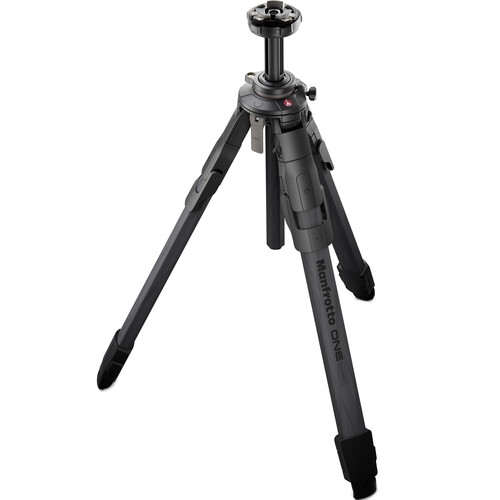
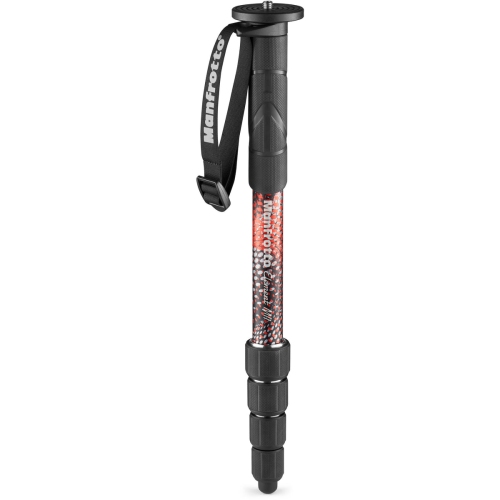
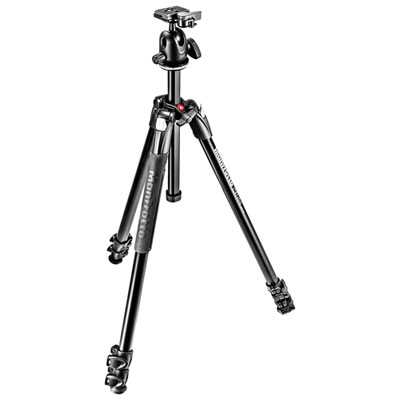

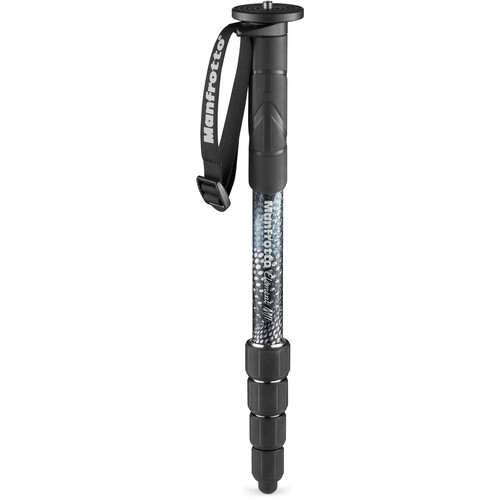
Steady camera support without unnecessary bulk in your bag
Lightweight tripods give photographers and video creators a stable camera position without adding unnecessary bulk to a bag. Their appeal is practical: a support that folds neatly beside a camera insert is easier to bring along for a city walk, a museum visit where tripods are permitted, or a day spent photographing architecture. Once opened, it can hold a composition while the photographer adjusts exposure, arranges a subject, or steps into the frame. Lightweight designs sit within the broader range of Manfrotto Tripods, with portability as a central consideration rather than the only measure of performance. The useful balance is between carrying weight, folded size, working height, and support for the camera equipment being used. A compact mirrorless camera with a small lens has different support needs from a DSLR fitted with a longer zoom, even when both fit inside the same backpack. Construction materials help shape that balance. Aluminum legs offer a practical combination of rigidity and durability, while carbon fibre is often chosen for its stiffness relative to its weight. Neither material alone determines how steady a tripod will feel; tube diameter, leg extension, joint design, and the head all contribute. Folded length matters just as much as weight when the tripod needs to fit inside luggage or attach to the side of a camera bag. More leg sections can allow a shorter folded package, although they also mean more locks to operate during setup. A carrying case or shoulder strap, when included or compatible, can make transport more comfortable and help keep the tripod separate from lenses and other equipment. For photographers who spend more time moving between locations than working in a studio, these details influence how naturally a tripod becomes part of the kit.
A lightweight tripod needs to suit the complete camera setup, not simply the camera body. The lens, mounting plate, microphone, and any other attached accessories contribute to the load, and the tripod head may have a different capacity from the legs. Published load ratings are useful reference points, but they do not describe every aspect of handling. A long lens places weight farther from the mounting point, for example, so a setup that falls within a stated capacity can still be more demanding to position than a compact camera of similar weight. Head design also affects how the camera moves and locks into place. A ball head allows quick changes in direction and is well suited to still photography when a composition needs frequent adjustment. A head designed for video can provide more controlled panning and tilting, depending on its construction and features. Quick-release plates make it easier to move between handheld shooting and tripod support, but the plate and clamp must use a compatible system. A familiar-looking plate is not necessarily interchangeable with another. Working height deserves similar attention: maximum height may include a fully raised centre column, while the height with that column lowered gives a better sense of the main leg structure’s reach. Extending the centre column can be convenient for framing, but keeping it lower generally helps limit movement. Adjustable leg angles, where provided, allow a wider stance or a lower viewpoint for subjects such as flowers, craft details, or a pet resting on the floor. Twist locks and lever locks offer different handling experiences, with secure operation and comfortable access more important than appearance. On a level surface, evenly spread legs and firmly seated feet provide a dependable starting point. Where floor space is tight, the tripod’s footprint matters too: enough room is needed for stable placement without creating an obstacle for people nearby. These characteristics distinguish a support that merely fits in a bag from one that also fits the way its owner photographs.
The benefits of a lightweight tripod become especially clear when a photograph depends on consistency. For an interior image, a fixed camera position makes it easier to refine the arrangement of a chair, straighten a picture frame, or compare several exposures without rebuilding the composition. For close-up photography, it gives the photographer time to examine focus and make small adjustments to the subject. A slower shutter speed can capture moving water as a soft blur while keeping stationary details sharp, provided the tripod and camera remain still. A self-timer or compatible remote release can reduce movement caused by pressing the shutter button. Tripods also support self-portraits, group photographs, stop-motion projects, and repeatable views of artwork or handmade goods. For smartphone use, a suitable phone clamp or adapter is required unless the support already includes one, and the clamp needs to accommodate the phone’s dimensions and case. Video calls and seated presentations bring their own requirements, including a comfortable camera height and a head that holds the framing securely. Care is straightforward but important for equipment with moving joints and locking parts. Dust and grit should be removed before the legs are collapsed, particularly around locks and telescoping sections, and the tripod should be clean and dry before storage. A soft cloth is useful for routine cleaning; disassembly, lubrication, and replacement parts are best handled according to the manufacturer’s directions. Regular attention to mounting screws, foot attachments, and lock operation can help reveal looseness before it interrupts a shoot. The camera should be removed before the tripod is packed away or carried between locations, reducing strain on the mount and the chance of an accidental knock. As a gift, a lightweight tripod can suit a photography student, a frequent traveller, or someone developing a home content setup, especially when its mounting system and capacity match equipment they already own. Its lasting usefulness comes from dependable support, manageable size, and controls that feel comfortable each time a composition is set.
Top selling and popular products
-
 Your price for this item is $144.99
-
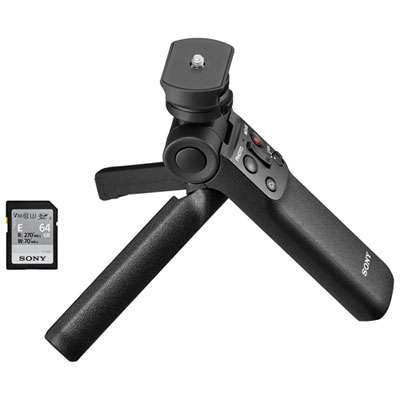 Your price for this item is $199.97
-
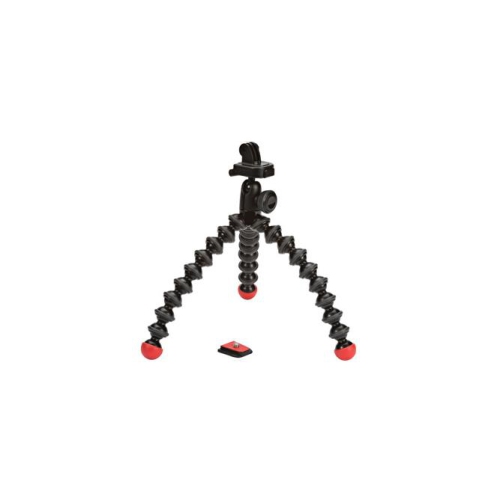 Your price for this item is $126.91
-
 Your price for this item is $139.99
-
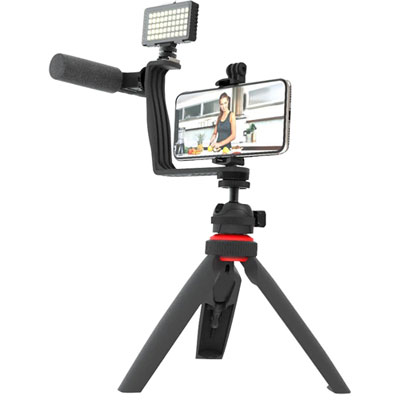 Your price for this item is $69.99
-
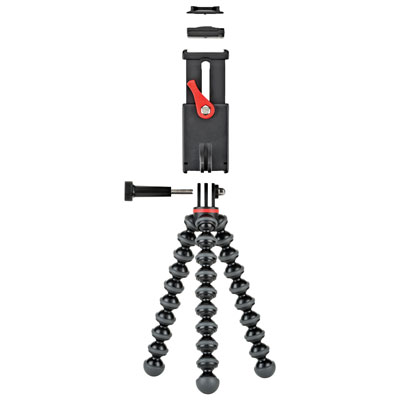 Your price for this item is $78.97
-
 Your price for this item is $259.99
-
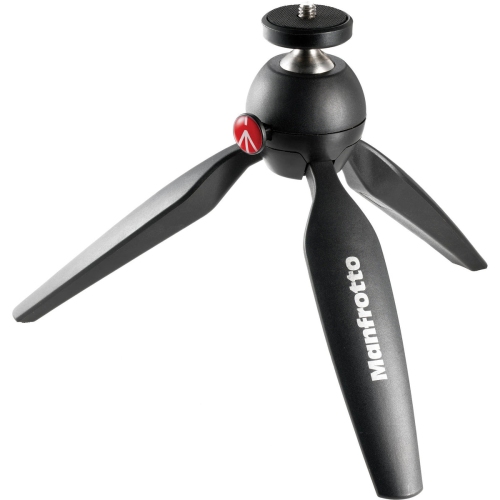 Your price for this item is $83.53
Discover more categories related to Manfrotto Lightweight Tripods
Top Collections:
Best Black Friday Deals This Year, Best Black Friday Deals On Electronics, Kindle Devices, Pokemon Centers, Best Black Friday Deals On Apple Products, Best Cameras for Sports Photography, Dyson Airwrap, Pokémon 30th Celebration Cards, Apple iPhone 17 Pro, Canon G7X Cameras
Some products may be subject to Environmental Handling Fees
(EHF) depending on your province.
Learn more about EHFs.