Sturdy Tripods for DSLR
A tripod is a must-have for any photographer. It allows you to set up and take photos without movement, which is especially helpful when you're using a long lens or trying to capture a fast-moving subject. A sturdy tripod will also keep your camera steady, even in strong winds or during an earthquake. Here are some of the best tripods for your DSLR cameras.
Sort
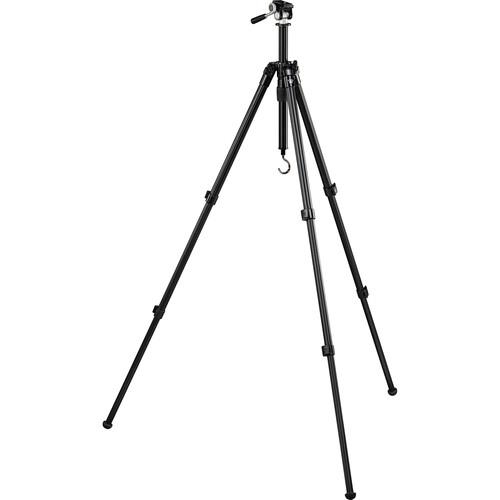
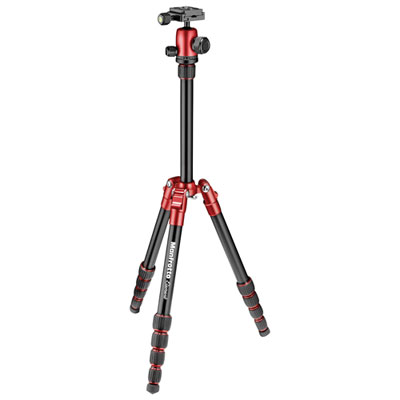
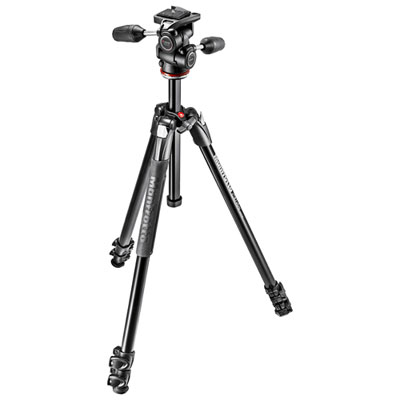

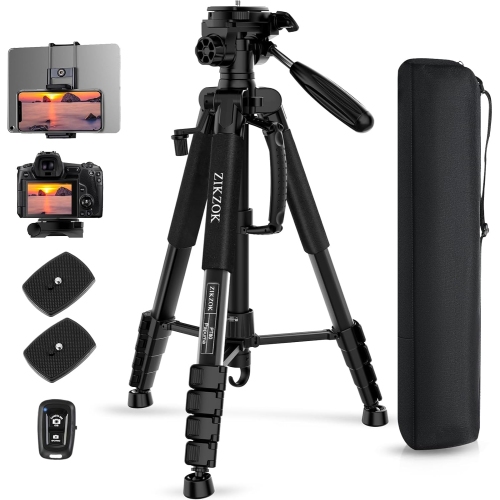
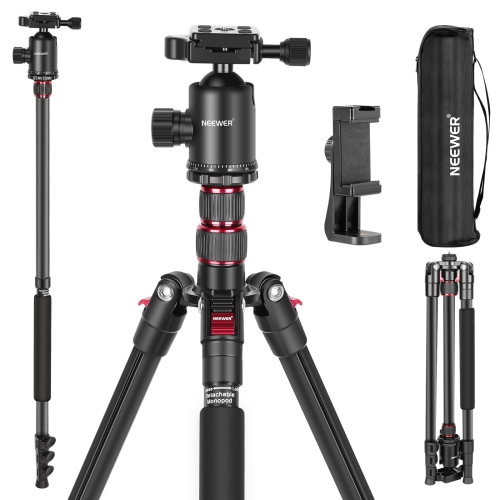
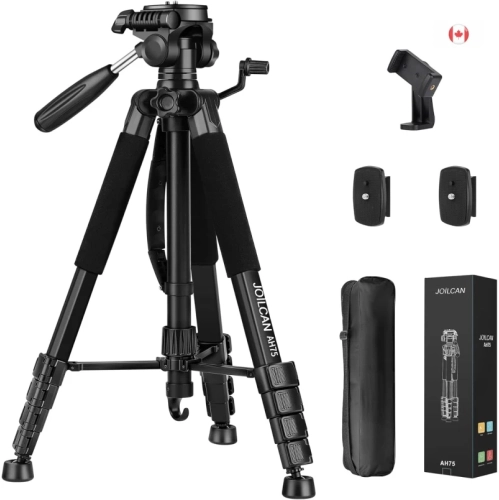
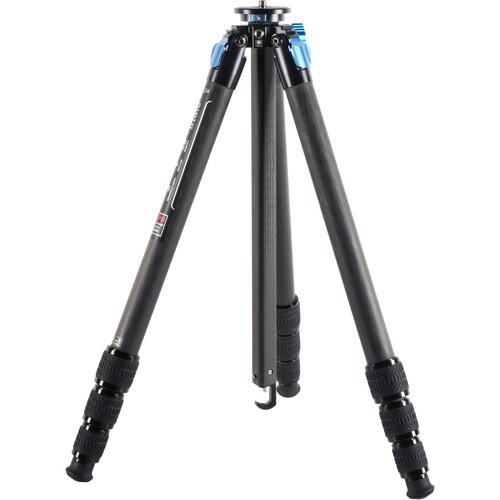
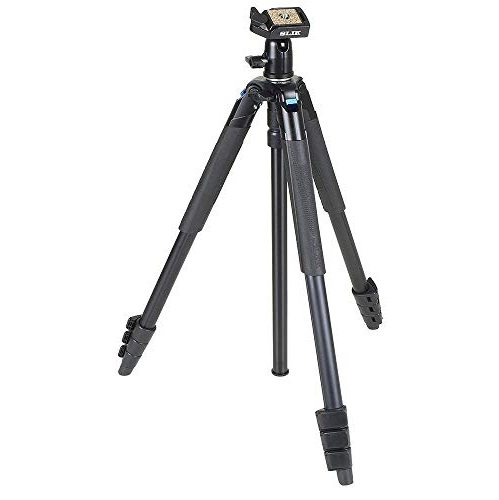


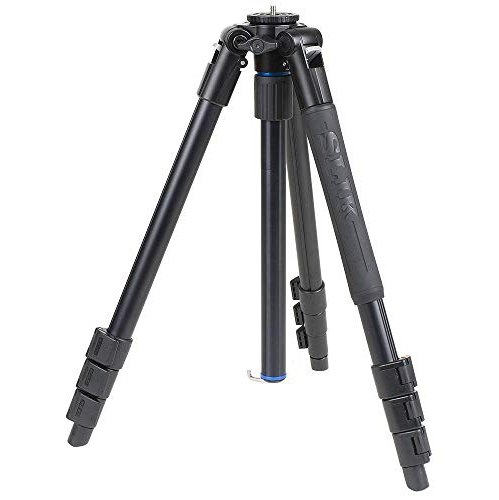
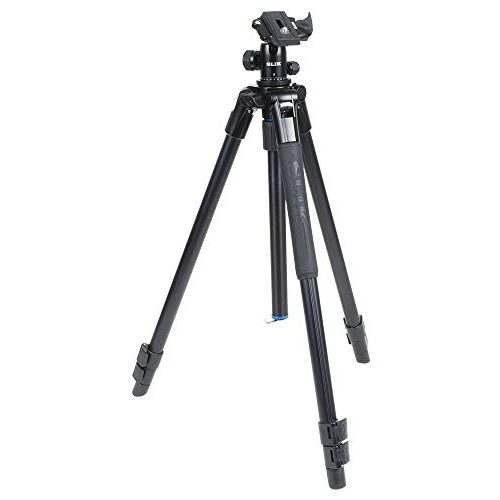
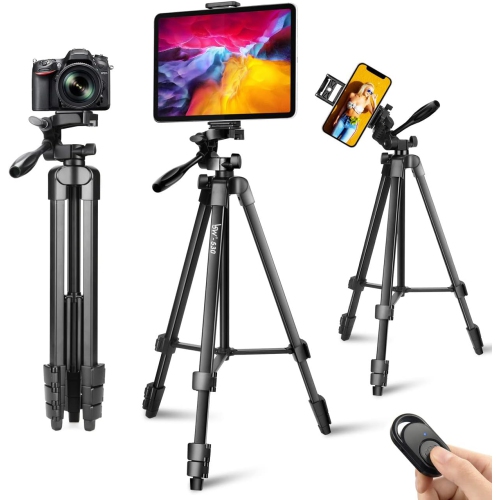
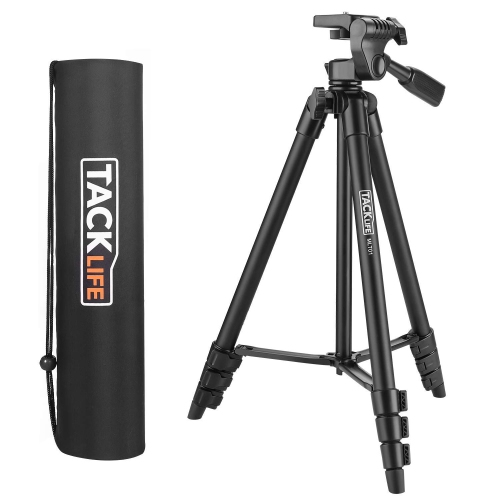
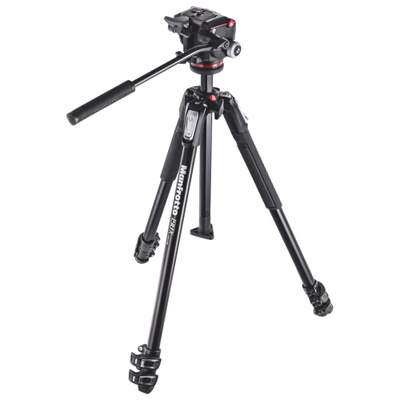
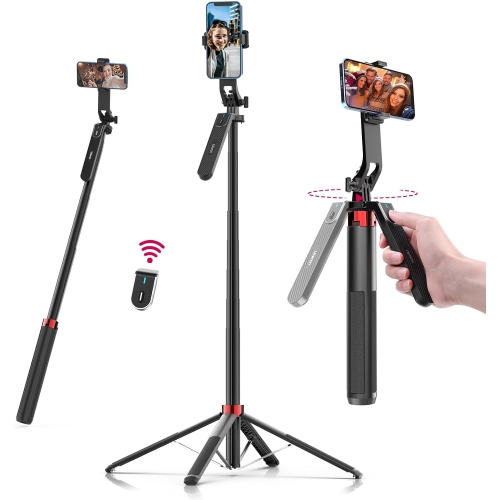
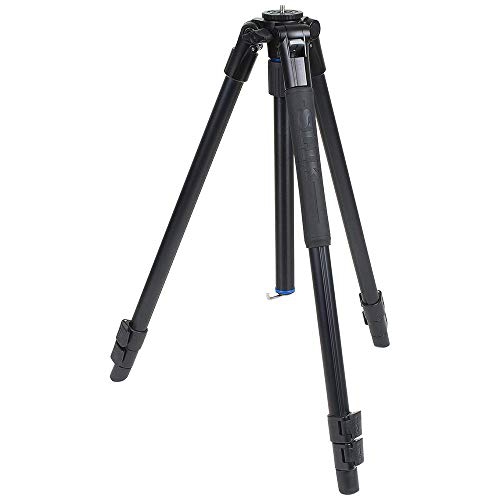
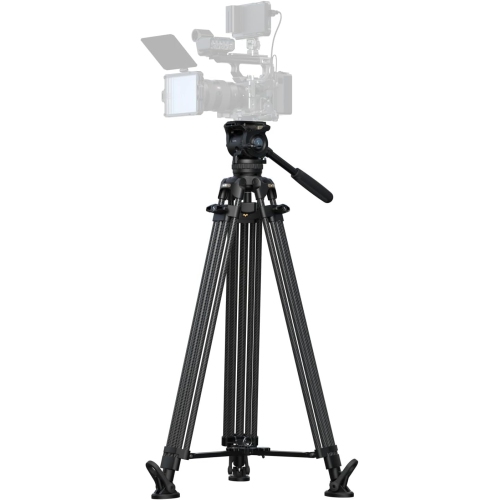
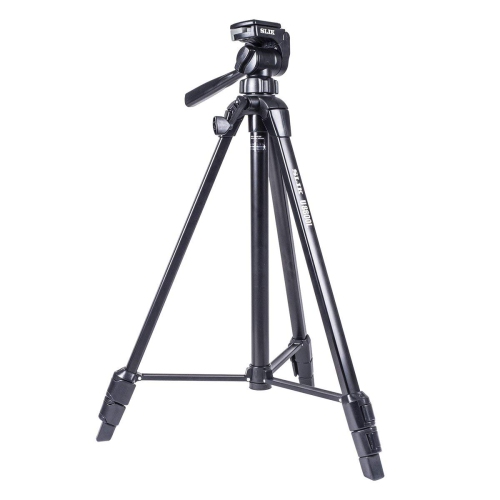
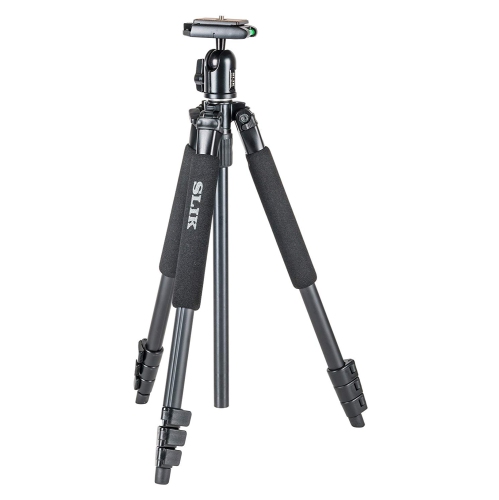
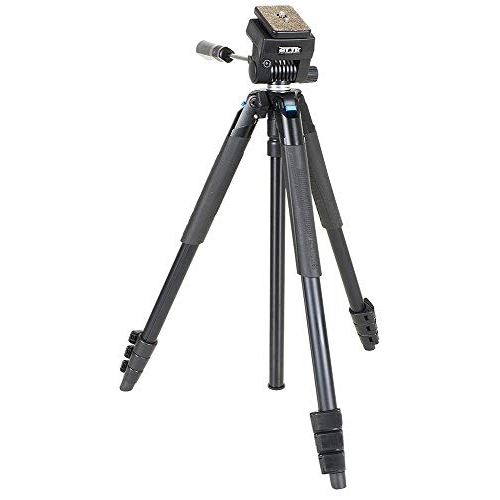
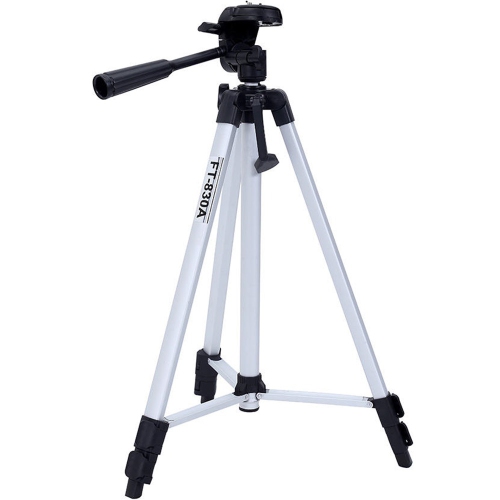
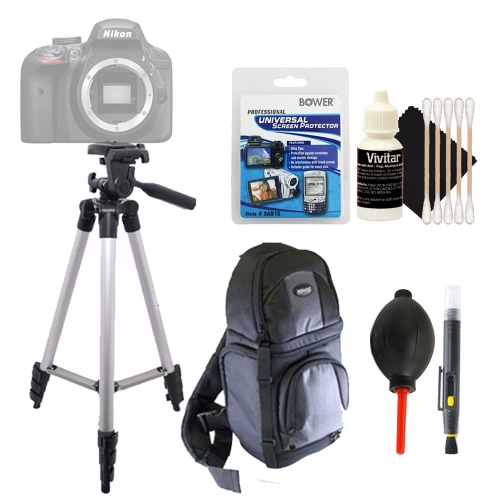
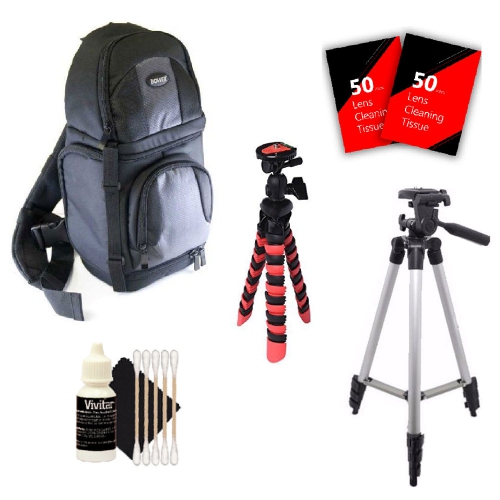
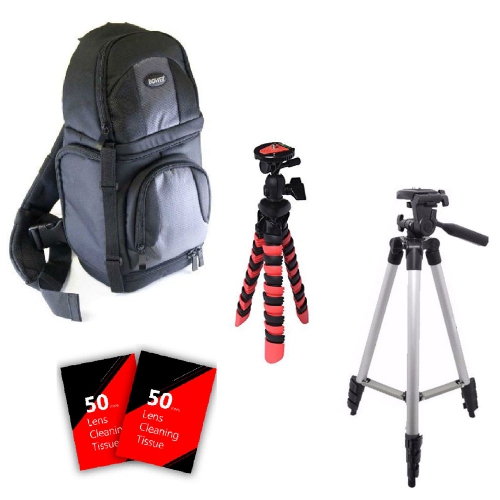
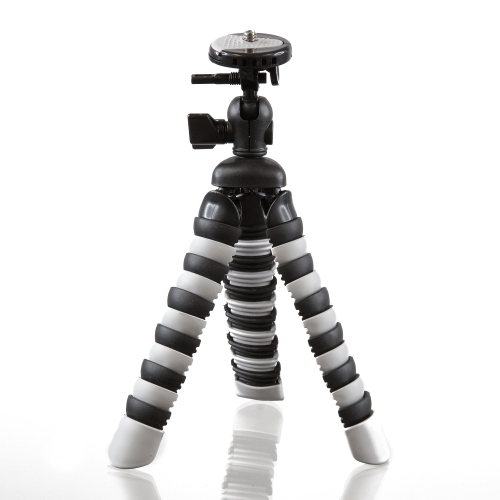
Steady support for heavier cameras and precise compositions
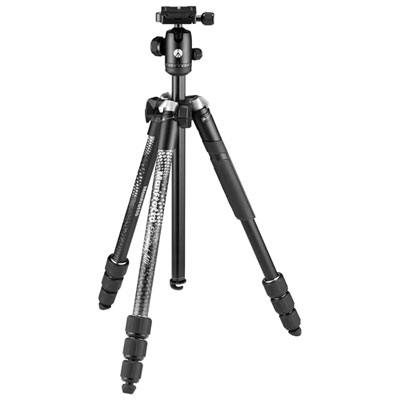
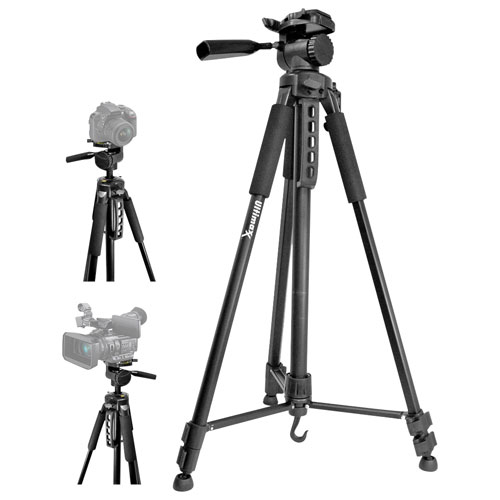
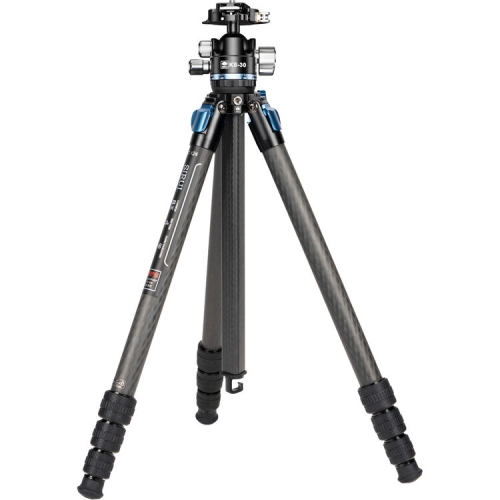
A sturdy tripod for a DSLR camera provides the steady foundation needed for sharp, carefully composed photographs. It is especially useful when a camera and lens combination is too heavy to hold comfortably for extended periods, or when a slower shutter speed is needed to capture detail in low light. Landscape photographers can use a stable tripod to frame wide views, while portrait photographers may appreciate the freedom to adjust lighting, pose subjects, and make small composition changes without repeatedly repositioning the camera. Tripods are also helpful for architecture, product photography, macro work, long exposures, astrophotography, and family portraits where the photographer needs to step away from the camera. During the cooler months, a solid support can make it easier to work with gloves, changing light, or a camera mounted with a substantial telephoto lens. For shoppers comparing options, the most important place to start is the tripod’s load capacity. Add together the weight of the DSLR body, largest lens, battery grip, flash, and any other accessories that may remain attached, then look for a tripod rated to support at least 1.5 times that combined weight. Extra capacity can improve confidence and reduce flex when the setup is tall, extended, or exposed to movement from a hand on the camera or a light breeze. A tripod that feels stable with a standard zoom may respond differently once a long lens is added, so considering the heaviest configuration you expect to use helps create a more dependable setup.
Leg construction has a noticeable effect on how a tripod feels in use. Aluminium models are often appreciated for their solid feel, affordability, and dependable performance in studio spaces, home offices, and outdoor locations. They can be a practical choice when maximum rigidity matters more than carrying weight. Carbon fibre models are typically lighter to carry and can help absorb small vibrations, making them appealing to photographers who walk to viewpoints, travel with a full camera bag, or regularly move between indoor and outdoor locations. The choice between these materials often comes down to the balance between portability, stability, and budget. Leg locks deserve equal attention. Flip locks open and close quickly, which can be useful when a changing scene calls for fast setup or when a photographer is working on uneven ground. Twist locks create a clean, streamlined profile and can pack neatly, though they require a deliberate turn for each leg section. Look for legs that extend smoothly and lock firmly, with minimal play when fully raised. A wide stance, braced centre section, or adjustable leg angle can add stability on gravel, flooring, packed soil, or other uneven surfaces. Height is another practical consideration: a tripod should rise high enough to bring the camera close to a comfortable viewing level while also collapsing small enough for storage and transport. A centre column can provide extra height, but extending it fully may reduce stability, so the legs are generally best used for the primary adjustment.
The tripod head determines how easily the camera can be positioned and how confidently it stays in place. A ball head allows quick movement in multiple directions and can be convenient for still photography, especially when changing from horizontal to vertical framing. A pan-and-tilt head offers separate controls for each axis, which can be useful when making careful adjustments or keeping a horizon level. Photographers who capture both stills and video may prefer a fluid head for smoother panning and tilting, particularly when following movement or recording outdoor scenes. Check that the head includes a secure quick-release plate compatible with the camera system, and confirm that its own weight rating suits the complete DSLR setup. A sturdy tripod is a thoughtful gift for a new photographer building a first serious kit, a student learning composition, a traveller preparing for scenic locations, or an experienced enthusiast upgrading from a lightweight support that has become limiting. It can also be a practical addition for someone who enjoys photographing seasonal landscapes, indoor gatherings, handmade projects, or family milestones, since stable support helps them spend more time creating and less time correcting blurred images. Before choosing, consider where the tripod will be used most often, how far it needs to be carried, the camera and lens weight, preferred leg-lock style, maximum and folded height, and whether a ball head, pan-and-tilt head, or fluid head is the better match. For a broader look at available support systems and features, explore Best Camera Tripods. With the right combination of sturdy construction, suitable capacity, secure adjustments, and manageable size, a tripod can become a dependable part of a DSLR kit for quiet indoor sessions and wide-open outdoor scenes alike.
Leg construction has a noticeable effect on how a tripod feels in use. Aluminium models are often appreciated for their solid feel, affordability, and dependable performance in studio spaces, home offices, and outdoor locations. They can be a practical choice when maximum rigidity matters more than carrying weight. Carbon fibre models are typically lighter to carry and can help absorb small vibrations, making them appealing to photographers who walk to viewpoints, travel with a full camera bag, or regularly move between indoor and outdoor locations. The choice between these materials often comes down to the balance between portability, stability, and budget. Leg locks deserve equal attention. Flip locks open and close quickly, which can be useful when a changing scene calls for fast setup or when a photographer is working on uneven ground. Twist locks create a clean, streamlined profile and can pack neatly, though they require a deliberate turn for each leg section. Look for legs that extend smoothly and lock firmly, with minimal play when fully raised. A wide stance, braced centre section, or adjustable leg angle can add stability on gravel, flooring, packed soil, or other uneven surfaces. Height is another practical consideration: a tripod should rise high enough to bring the camera close to a comfortable viewing level while also collapsing small enough for storage and transport. A centre column can provide extra height, but extending it fully may reduce stability, so the legs are generally best used for the primary adjustment.
The tripod head determines how easily the camera can be positioned and how confidently it stays in place. A ball head allows quick movement in multiple directions and can be convenient for still photography, especially when changing from horizontal to vertical framing. A pan-and-tilt head offers separate controls for each axis, which can be useful when making careful adjustments or keeping a horizon level. Photographers who capture both stills and video may prefer a fluid head for smoother panning and tilting, particularly when following movement or recording outdoor scenes. Check that the head includes a secure quick-release plate compatible with the camera system, and confirm that its own weight rating suits the complete DSLR setup. A sturdy tripod is a thoughtful gift for a new photographer building a first serious kit, a student learning composition, a traveller preparing for scenic locations, or an experienced enthusiast upgrading from a lightweight support that has become limiting. It can also be a practical addition for someone who enjoys photographing seasonal landscapes, indoor gatherings, handmade projects, or family milestones, since stable support helps them spend more time creating and less time correcting blurred images. Before choosing, consider where the tripod will be used most often, how far it needs to be carried, the camera and lens weight, preferred leg-lock style, maximum and folded height, and whether a ball head, pan-and-tilt head, or fluid head is the better match. For a broader look at available support systems and features, explore Best Camera Tripods. With the right combination of sturdy construction, suitable capacity, secure adjustments, and manageable size, a tripod can become a dependable part of a DSLR kit for quiet indoor sessions and wide-open outdoor scenes alike.
Top selling and popular products
-
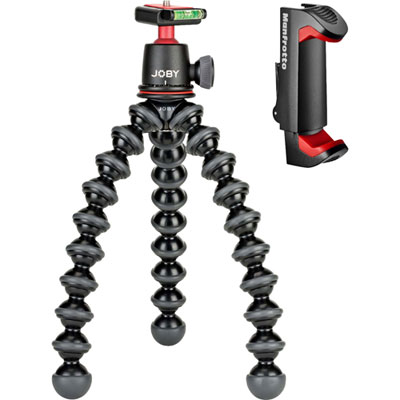 Your price for this item is $99.99
 -
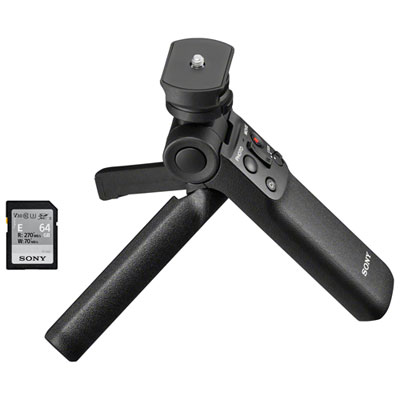 Your price for this item is $199.97
 -
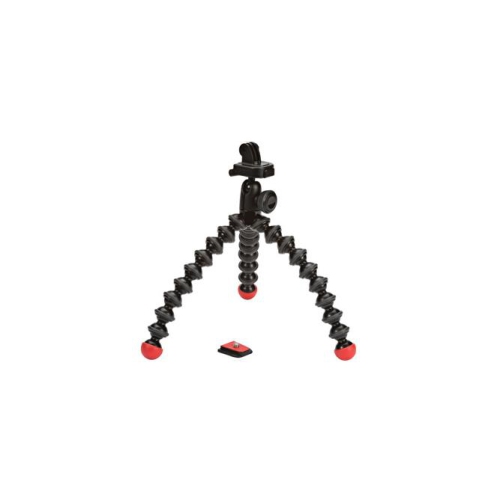 Your price for this item is $126.91
 -
 Your price for this item is $79.99
 -
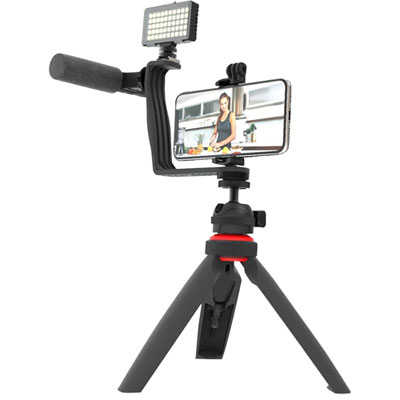 Your price for this item is $59.99
 -
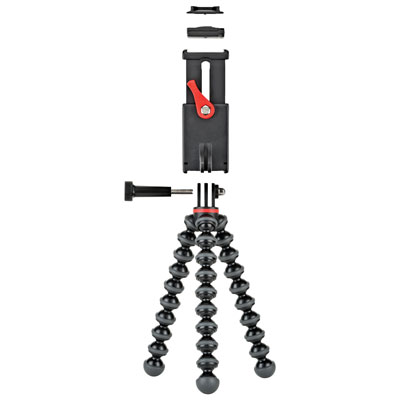 Your price for this item is $59.95
 -
 Your price for this item is $229.99
 -
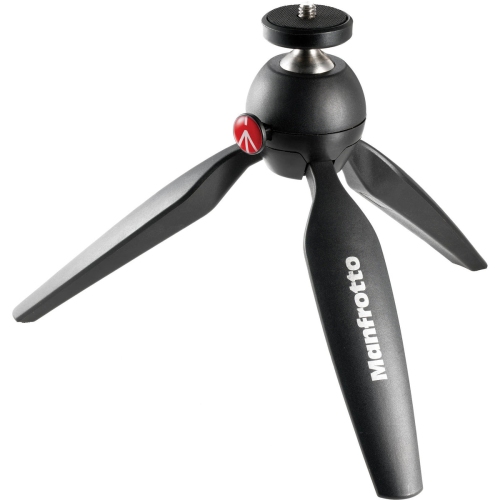 Your price for this item is $83.53
Discover more categories related to Sturdy Tripods for DSLR
Top Collections:
Pokemon Centers, Kindle Devices, Best Budget Office Chairs, Apple iPhones 16, Best Laptops for Writers, iPhone 15 Apple, Canon G7X Cameras, Refurbished Apple Laptops, Alarm Clock, Motorola Razr Phones
Some products may be subject to Environmental Handling Fees
(EHF) depending on your province.
Learn more about EHFs.