Nikon Z Zoom Lenses
Capture every detail with precision and clarity using our wide selection of zoom lenses for Nikon Z cameras. Whether you're a professional photographer or an avid enthusiast, these versatile lenses are designed to elevate your photography game to new heights. From capturing stunning landscapes to zooming in on distant subjects, our collection of zoom lenses offers unparalleled versatility and exceptional image quality. Explore the possibilities and unlock your creative potential with our range of Nikon Z zoom lenses.
Sort
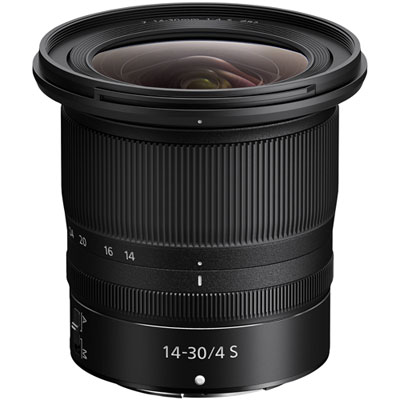
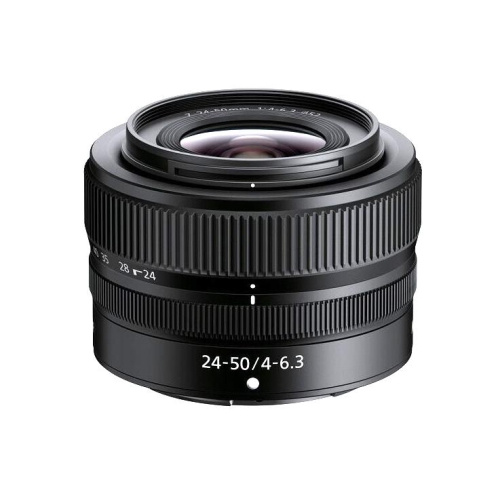
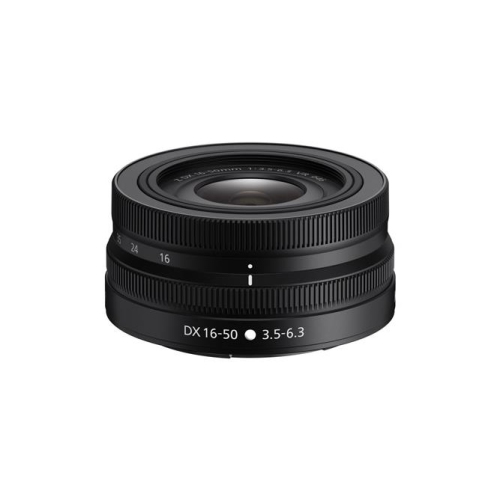
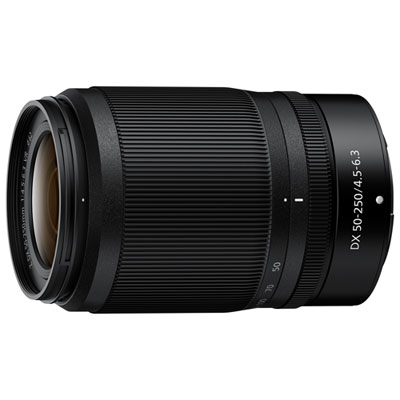
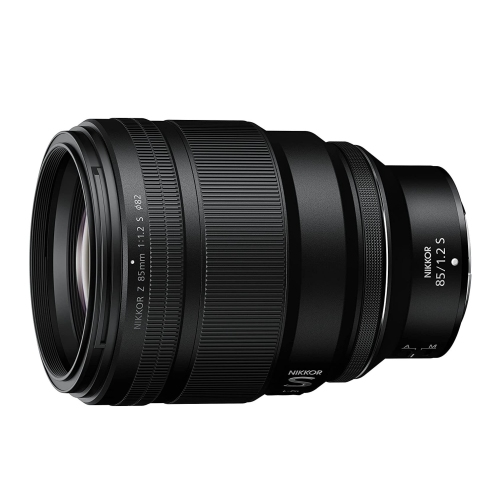
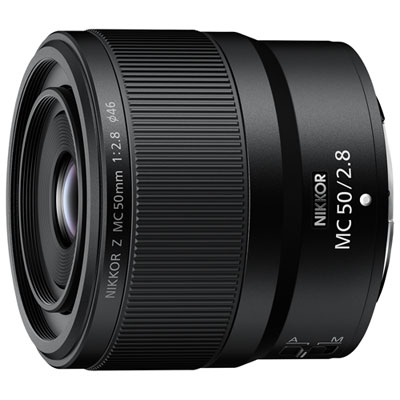
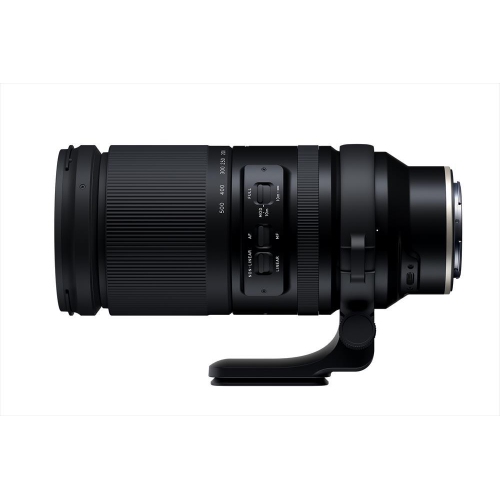
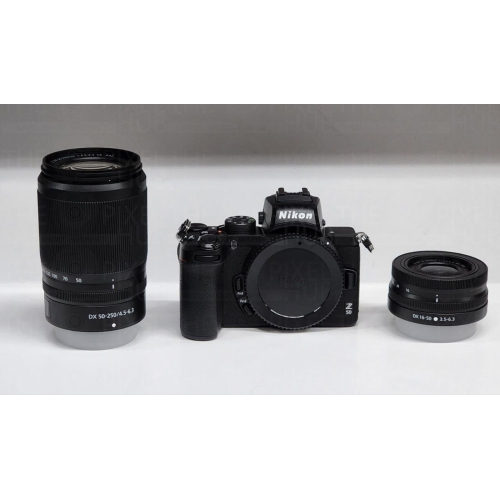
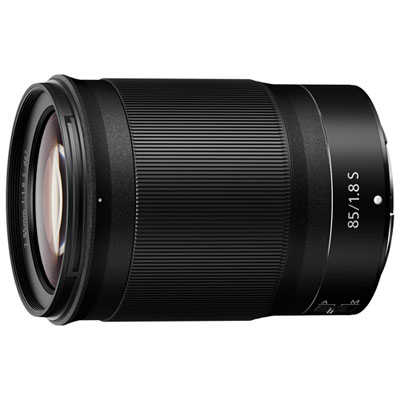
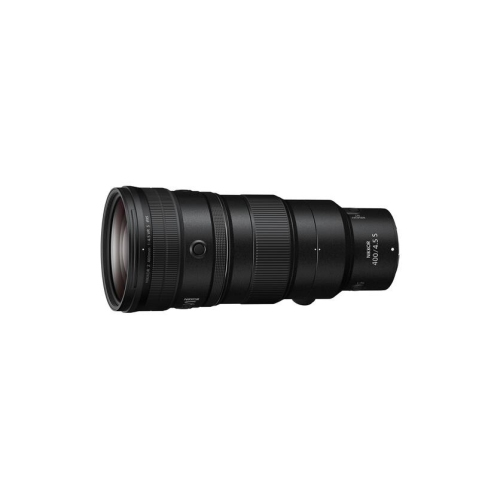
Versatile focal ranges for changing scenes and everyday photography
Nikon Z zoom lenses give mirrorless photographers a practical way to cover a broad range of subjects without changing lenses as often. Instead of carrying several fixed focal lengths, a zoom lens can move from a wider view of a landscape, room, or city street to a tighter composition of a person, landmark, or detail in the distance. That flexibility makes these lenses useful for everyday photography, travel, family gatherings, events, and creative projects where the scene can change quickly. When choosing among Nikon Z zoom lenses, begin by considering the camera body they will be paired with. Full-frame mirrorless cameras can use lenses designed for a full-frame sensor, while crop-sensor bodies may also be compatible with full-frame lenses and can provide a narrower effective field of view. Checking the camera’s mount and the lens format before ordering helps ensure a straightforward fit and predictable framing. A standard zoom is often the most adaptable choice for daily use, covering wide-angle perspectives for architecture and scenery as well as natural-looking views for portraits and candid moments. A wide-angle zoom can be especially helpful in smaller interiors, on hiking trails, or when you want to include a dramatic foreground in a landscape. Telephoto zooms bring distant subjects closer, making them well suited to wildlife, field sports, performances, and outdoor activities where moving nearer is not practical. For shoppers building a first mirrorless kit, a versatile zoom can serve as the main lens for learning composition, exploring different focal lengths, and discovering which type of photography feels most rewarding.
Aperture is another important consideration because it affects brightness, depth of field, and the way a lens performs in changing light. A wider maximum aperture can help create a softly blurred background behind a subject and can be valuable for indoor photography, portraits, concerts, or scenes after sunset. A constant aperture across the zoom range provides a consistent exposure while composing at different focal lengths, which is convenient for both photography and video. More modest apertures can still produce sharp, attractive images, particularly in daylight, and may offer a lighter design that is easier to carry during a long walk or trip. Image stabilisation, including vibration reduction where supported, can help reduce the effect of hand movement when photographing at slower shutter speeds or using longer focal lengths. It does not freeze a moving subject, but it can make it easier to capture a steady image of a quiet interior, evening streetscape, or softly lit room. Autofocus performance also deserves attention. A responsive focusing system is useful for children who rarely stay still, pets darting across a park, athletes in motion, and wildlife appearing between branches. For video, smooth and quiet focusing can help preserve natural sound and avoid distracting shifts in focus. Weather sealing may be worthwhile for photographers who spend time near spray, light rain, dust, or snow, although every lens and camera combination should still be handled according to its care instructions. Size and weight matter as well: a large telephoto zoom can be rewarding for distant subjects, while a compact everyday option may be the one that actually comes along on more outings.
The best choice depends on how the lens will be used and what the photographer enjoys carrying. Someone documenting weekend trips may appreciate a single travel-friendly zoom that moves from broad scenery to distant details, while a portrait photographer may prioritise a telephoto range, a bright aperture, and pleasing background separation. Wildlife and sports photographers often look for reach, fast autofocus, stabilisation, and comfortable handling during long periods outdoors. A wide-angle option can suit architecture, interiors, real estate photography, and expansive landscapes, where careful positioning and strong edge-to-edge detail help communicate the scale of a place. Zoom lenses can also be thoughtful gifts for a photographer who has recently moved to a mirrorless system, especially when the recipient’s interests are known but their collection is still growing. Before purchasing, compare focal-length range, maximum aperture, stabilisation, focusing capability, filter size, dimensions, weight, and compatibility with the intended camera body. It is also worth considering whether the photographer values a lightweight setup for travel or prefers professional handling and optical performance for demanding assignments. Those seeking a more specialised option for advanced work can browse Nikon Professional Zoom Lenses. During the cooler months, a dependable zoom can turn a walk through frosted streets, a family gathering indoors, or a day at a sporting venue into an opportunity to make detailed, expressive images. With the right focal range and features, Nikon Z zoom lenses can help photographers spend less time changing equipment and more time noticing the light, movement, and small moments that make a photograph memorable.
Aperture is another important consideration because it affects brightness, depth of field, and the way a lens performs in changing light. A wider maximum aperture can help create a softly blurred background behind a subject and can be valuable for indoor photography, portraits, concerts, or scenes after sunset. A constant aperture across the zoom range provides a consistent exposure while composing at different focal lengths, which is convenient for both photography and video. More modest apertures can still produce sharp, attractive images, particularly in daylight, and may offer a lighter design that is easier to carry during a long walk or trip. Image stabilisation, including vibration reduction where supported, can help reduce the effect of hand movement when photographing at slower shutter speeds or using longer focal lengths. It does not freeze a moving subject, but it can make it easier to capture a steady image of a quiet interior, evening streetscape, or softly lit room. Autofocus performance also deserves attention. A responsive focusing system is useful for children who rarely stay still, pets darting across a park, athletes in motion, and wildlife appearing between branches. For video, smooth and quiet focusing can help preserve natural sound and avoid distracting shifts in focus. Weather sealing may be worthwhile for photographers who spend time near spray, light rain, dust, or snow, although every lens and camera combination should still be handled according to its care instructions. Size and weight matter as well: a large telephoto zoom can be rewarding for distant subjects, while a compact everyday option may be the one that actually comes along on more outings.
The best choice depends on how the lens will be used and what the photographer enjoys carrying. Someone documenting weekend trips may appreciate a single travel-friendly zoom that moves from broad scenery to distant details, while a portrait photographer may prioritise a telephoto range, a bright aperture, and pleasing background separation. Wildlife and sports photographers often look for reach, fast autofocus, stabilisation, and comfortable handling during long periods outdoors. A wide-angle option can suit architecture, interiors, real estate photography, and expansive landscapes, where careful positioning and strong edge-to-edge detail help communicate the scale of a place. Zoom lenses can also be thoughtful gifts for a photographer who has recently moved to a mirrorless system, especially when the recipient’s interests are known but their collection is still growing. Before purchasing, compare focal-length range, maximum aperture, stabilisation, focusing capability, filter size, dimensions, weight, and compatibility with the intended camera body. It is also worth considering whether the photographer values a lightweight setup for travel or prefers professional handling and optical performance for demanding assignments. Those seeking a more specialised option for advanced work can browse Nikon Professional Zoom Lenses. During the cooler months, a dependable zoom can turn a walk through frosted streets, a family gathering indoors, or a day at a sporting venue into an opportunity to make detailed, expressive images. With the right focal range and features, Nikon Z zoom lenses can help photographers spend less time changing equipment and more time noticing the light, movement, and small moments that make a photograph memorable.
Top selling and popular products
-
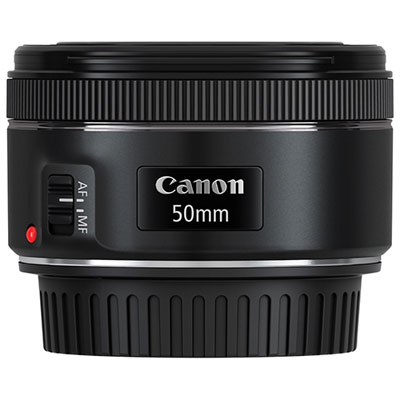 Your price for this item is $169.99
 -
 Your price for this item is $329.99
 -
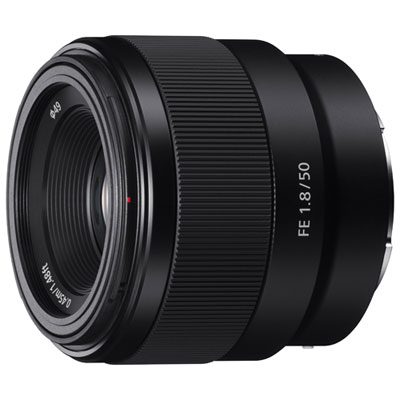 Your price for this item is $349.99
 -
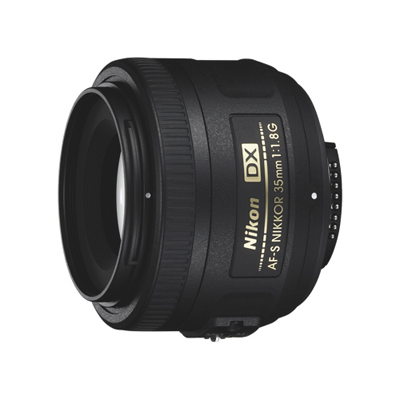 Your price for this item is $258.98
 -
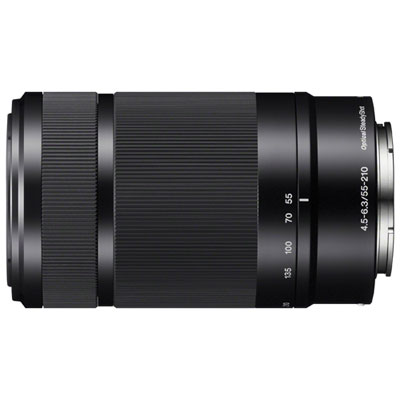 Your price for this item is $399.99
 -
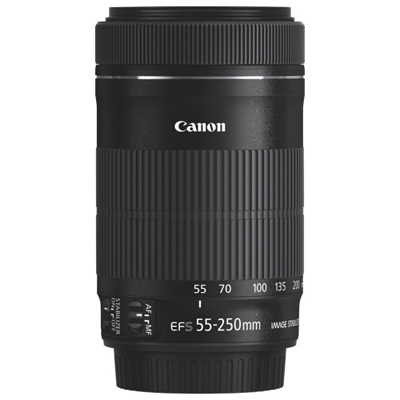 Your price for this item is $399.99
 -
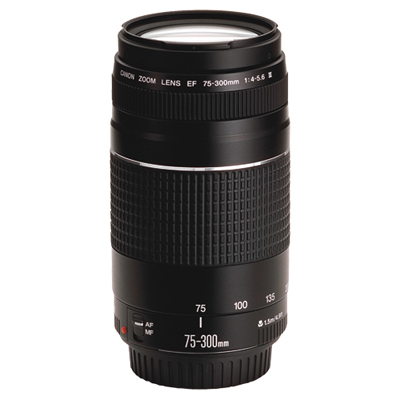 Your price for this item is $199.99
 -
 Your price for this item is $174.99
Discover more categories related to Nikon Z Zoom Lenses
Top Collections:
Pokemon Centers, Kindle Devices, Best Cell Phones Under $500, Alarm Clock, Canon G7X Cameras, iPhone 15 Apple, Laptops for Students, Budget Smartphones, iPhone 14 256GB, Best Camera Tripods Under $100
Some products may be subject to Environmental Handling Fees
(EHF) depending on your province.
Learn more about EHFs.