Optical Zooms
Explore the world of photography with our range of optical zooms, designed to bring you closer to the action with crystal-clear precision. Whether you're capturing stunning landscapes or zooming in on distant subjects, these powerful lenses allow you to achieve professional-quality shots with ease. Discover the perfect optical zoom for your camera and take your photography skills to the next level.
Sort
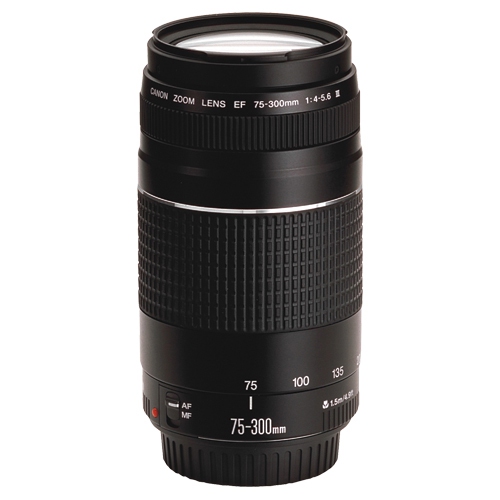
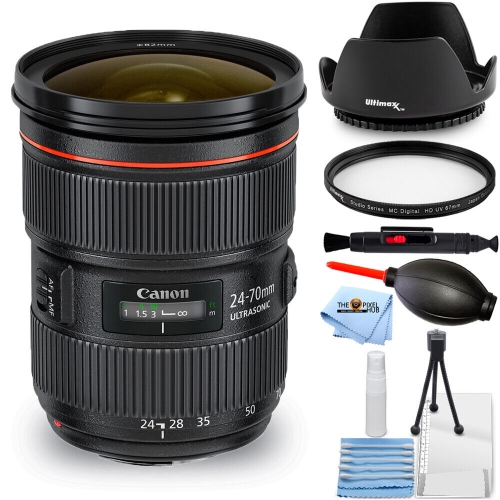


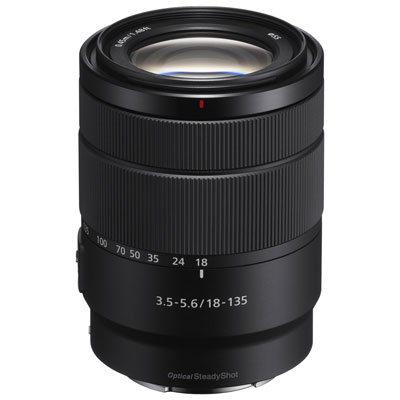
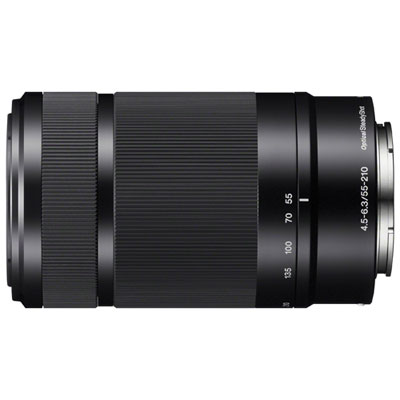
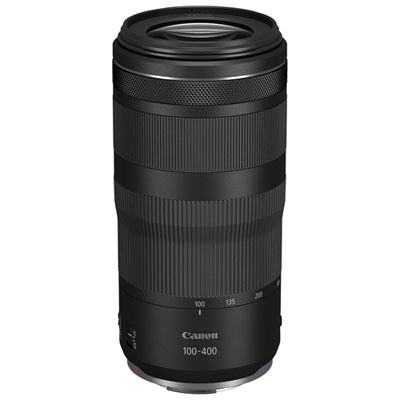
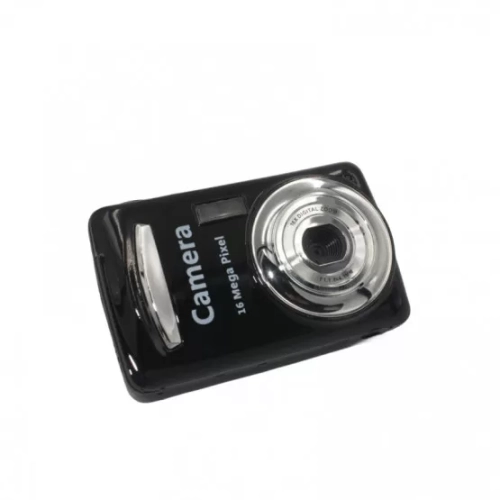
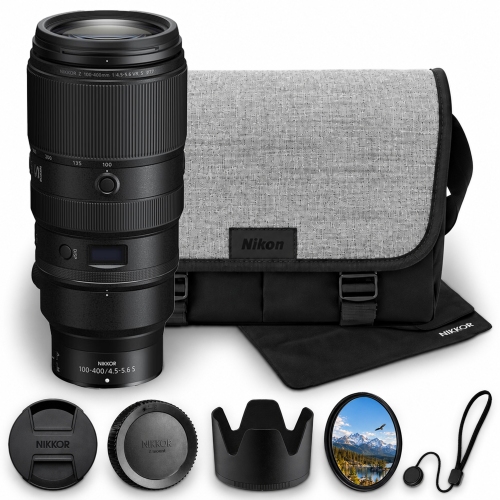
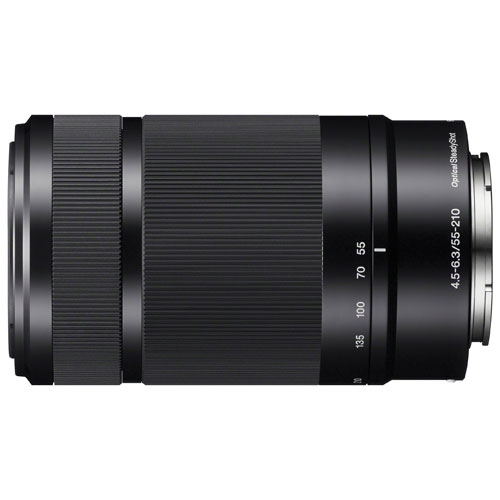
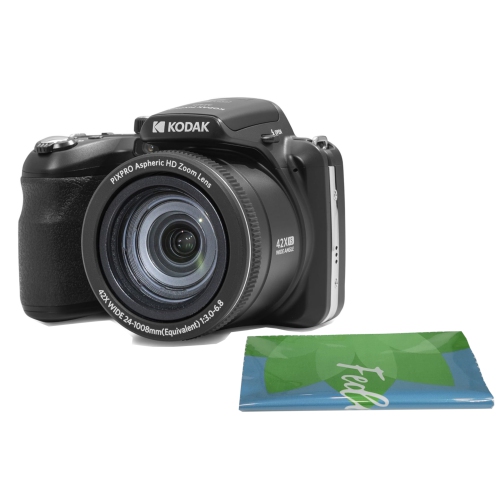
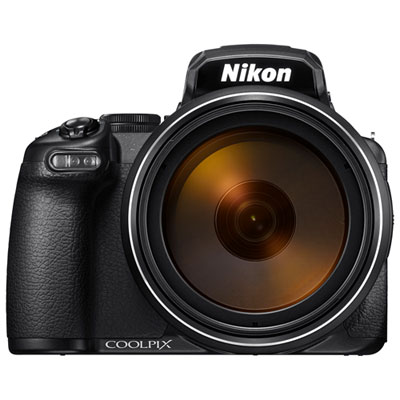
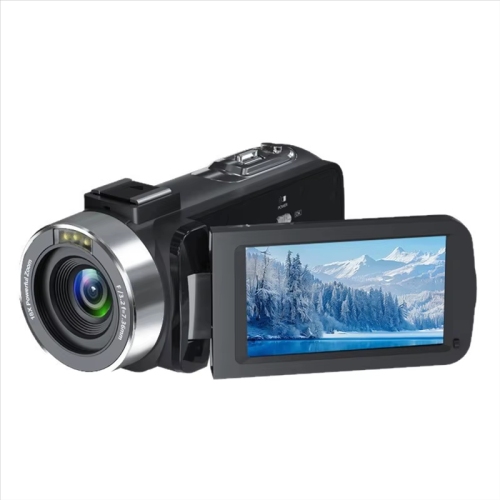
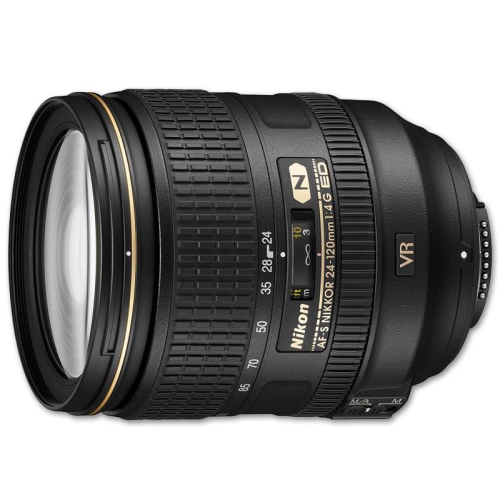
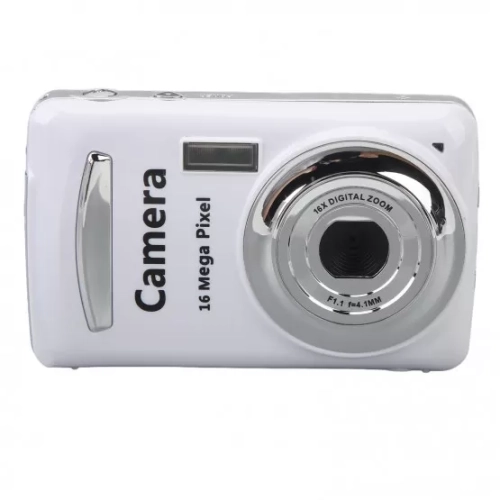

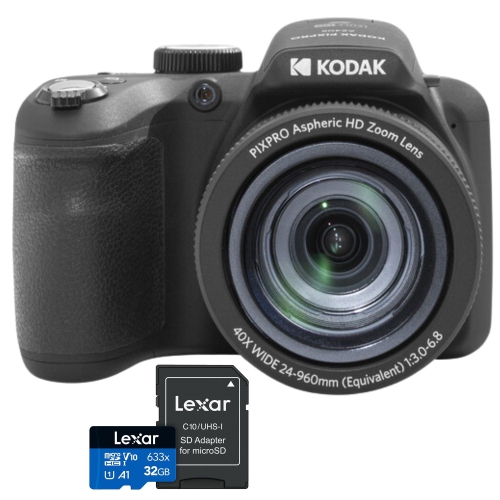
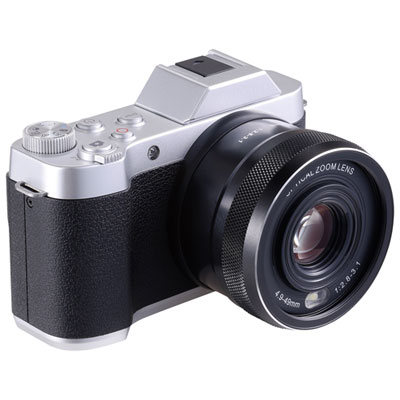
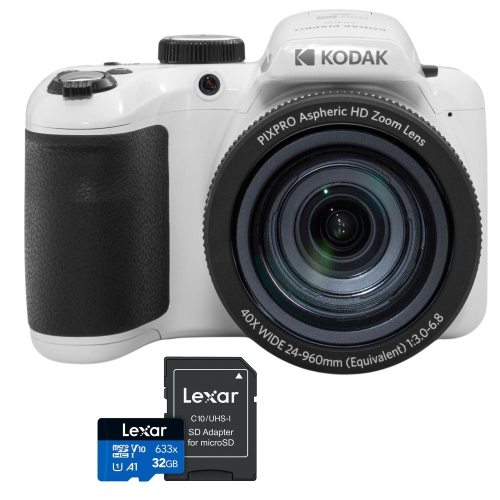


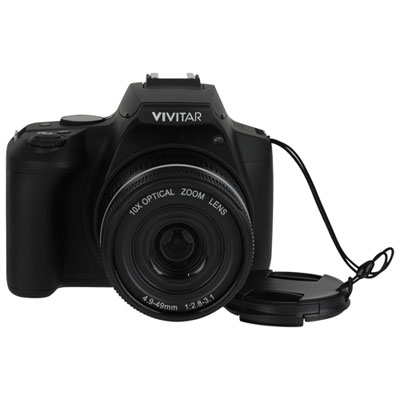
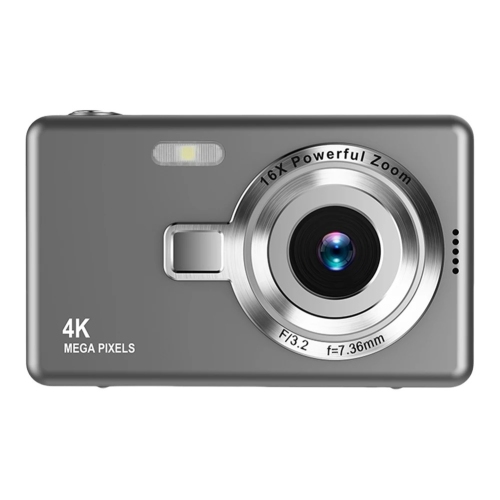
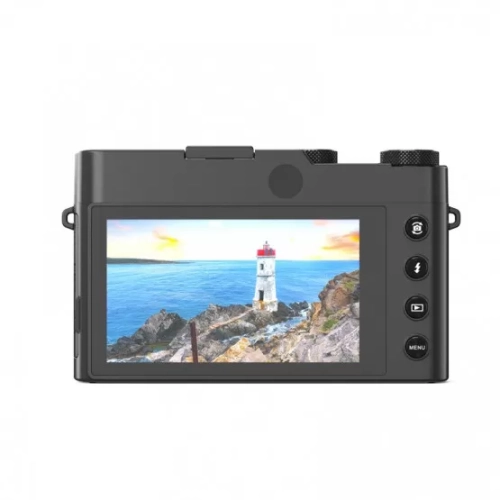
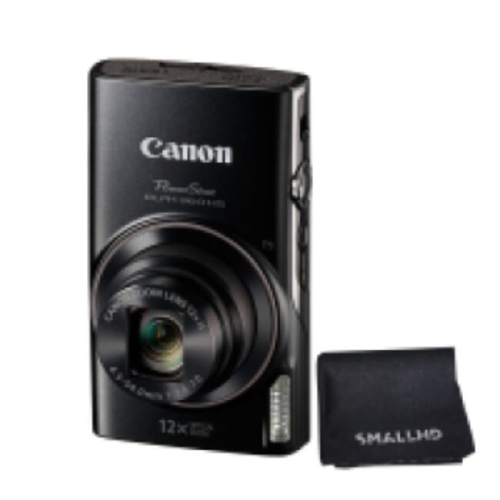
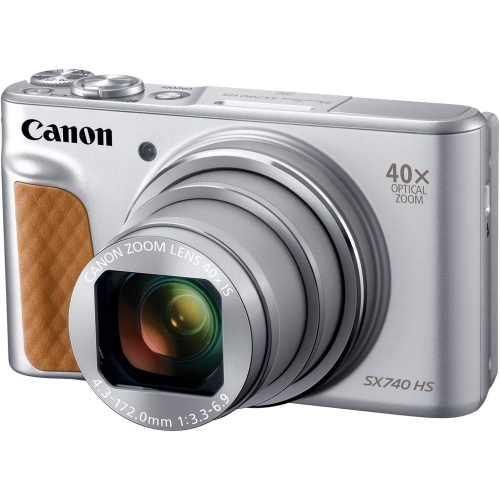
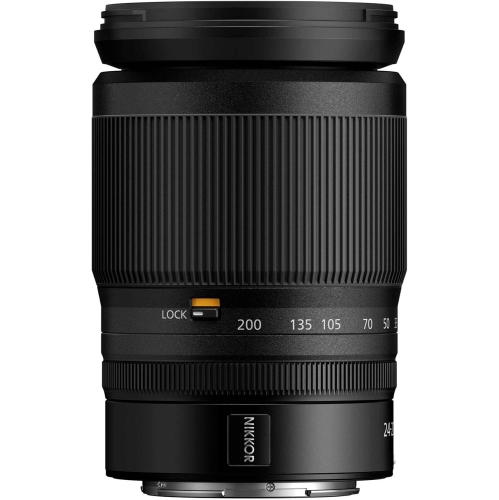
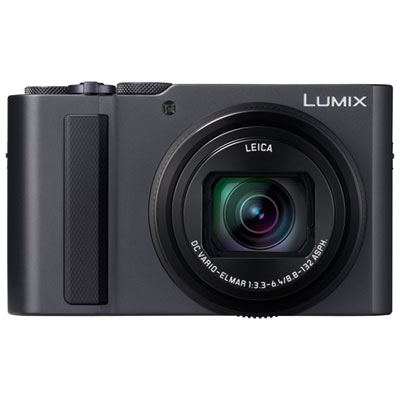
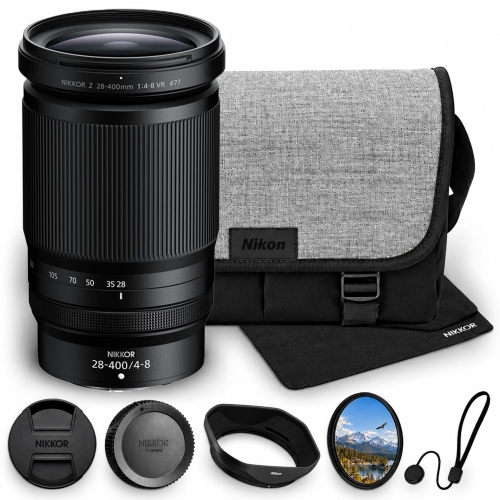
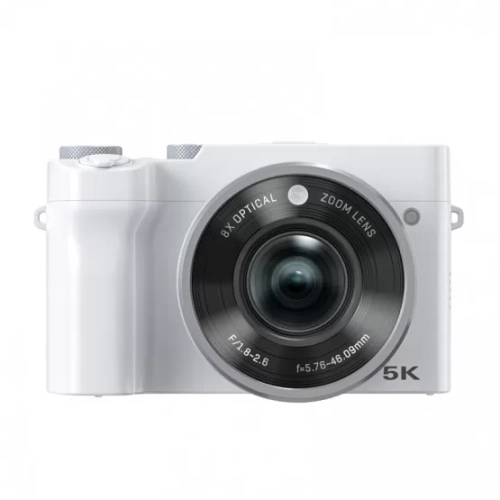
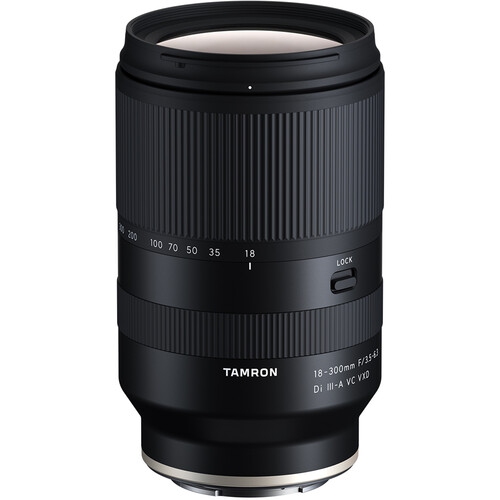
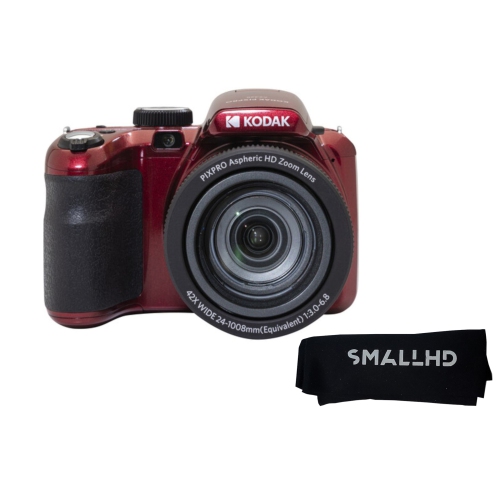
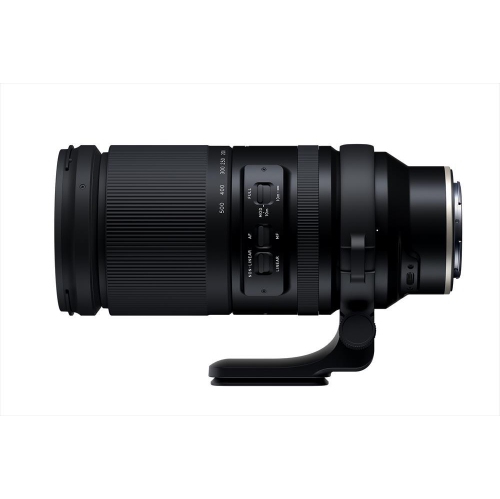
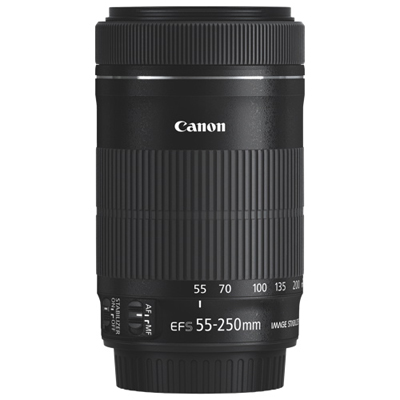
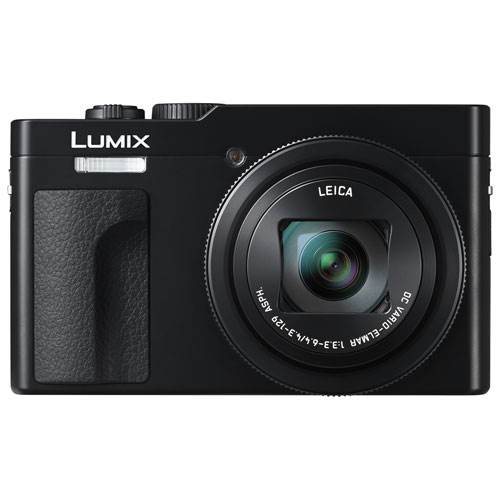
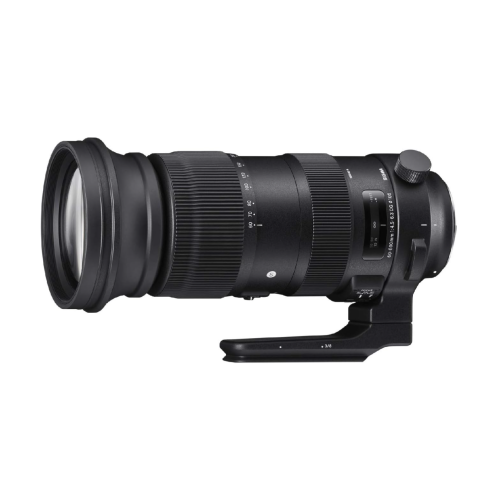
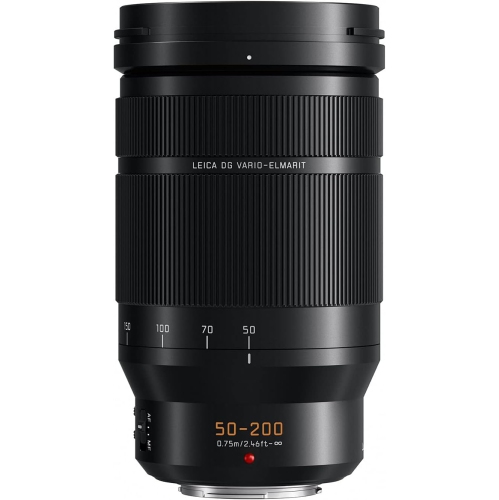
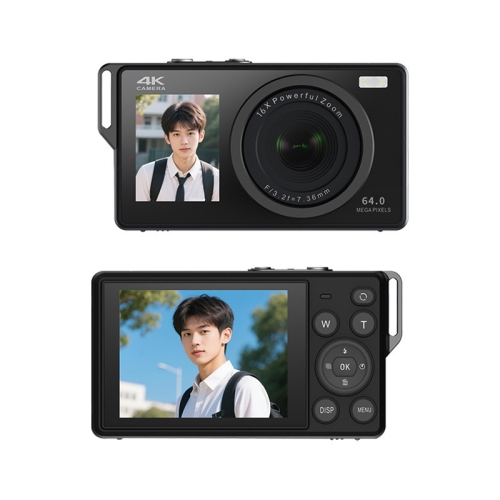
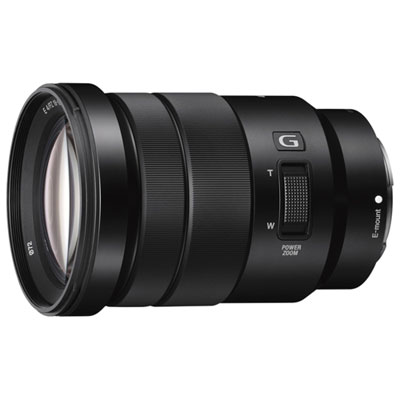
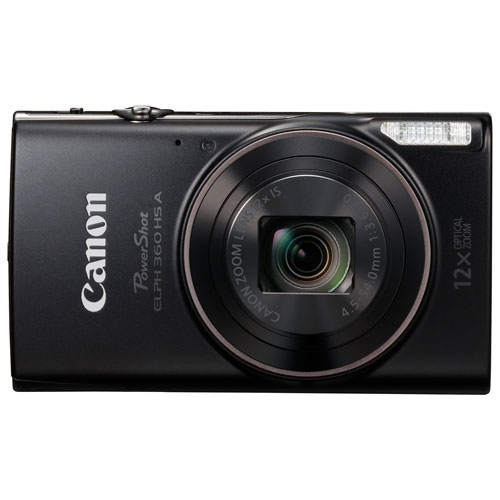
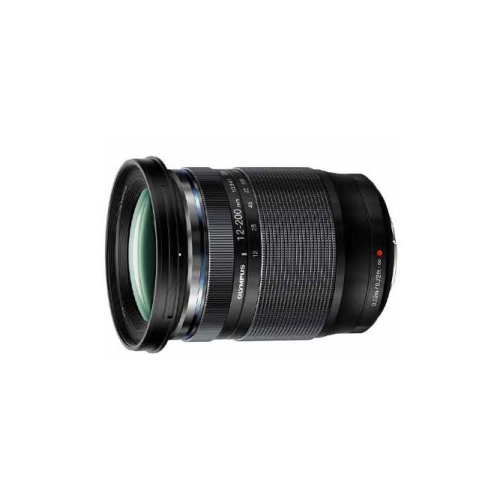
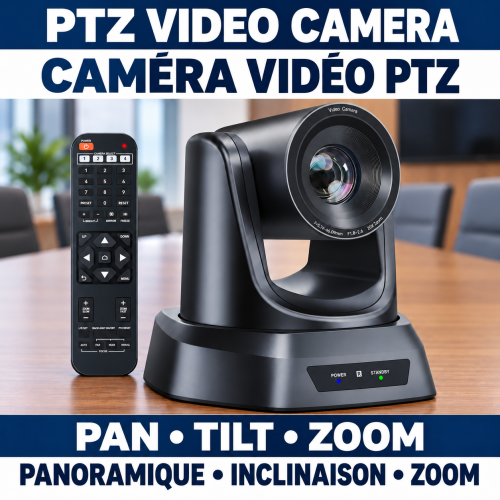
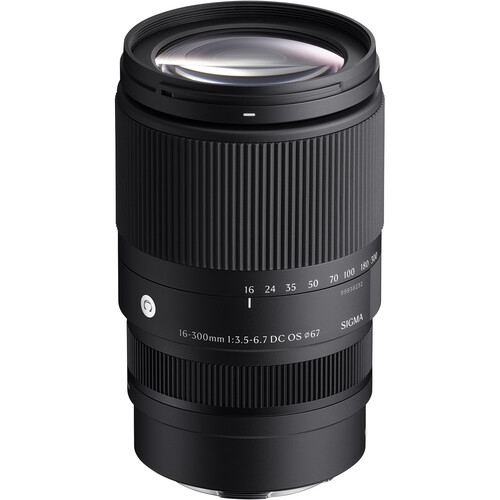
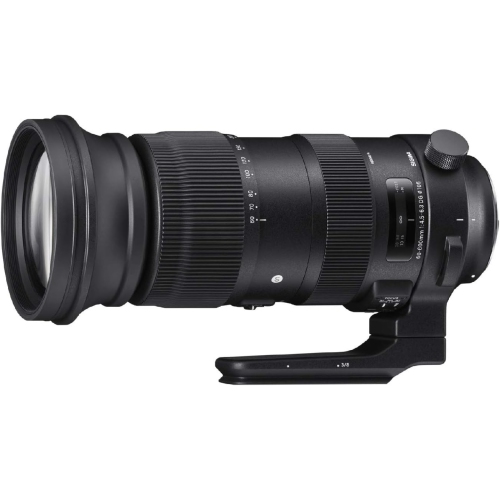
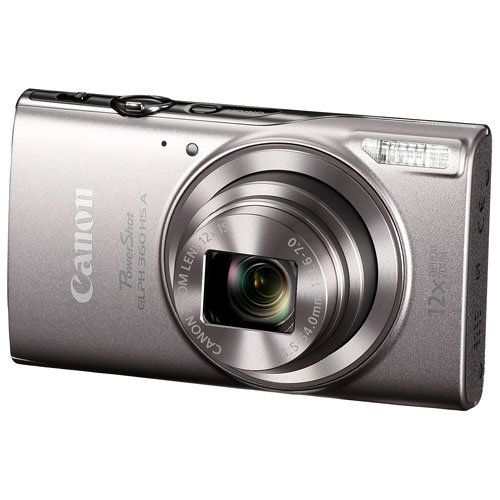
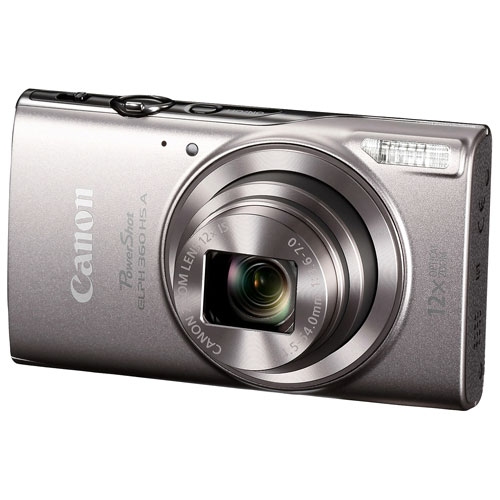
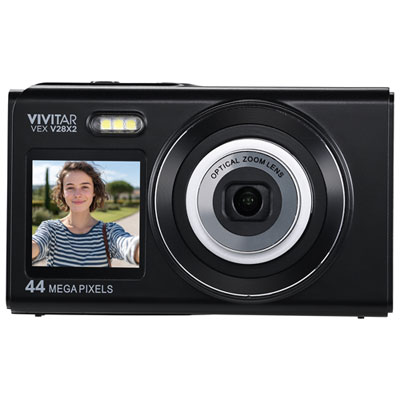
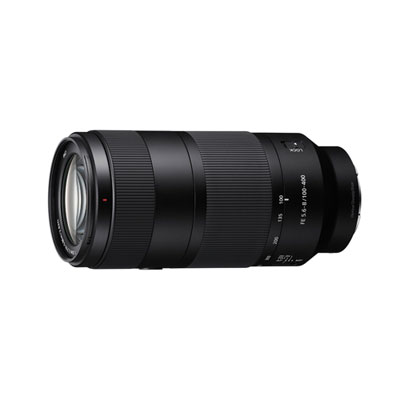
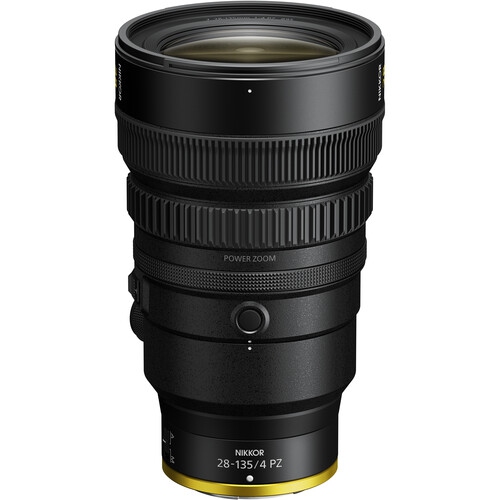
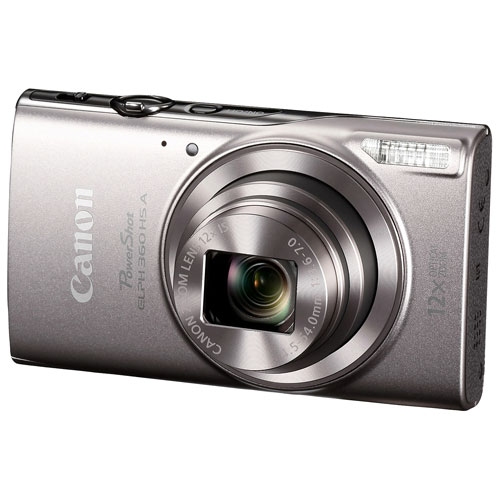
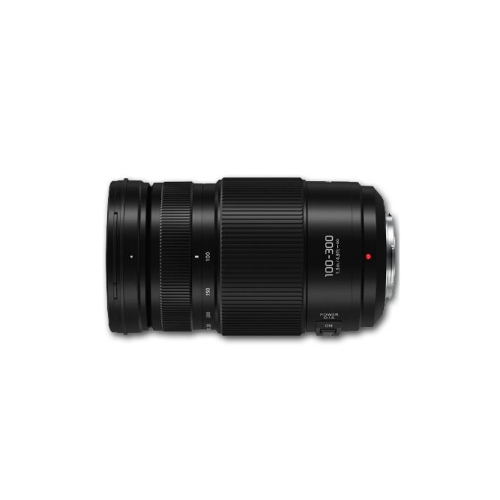
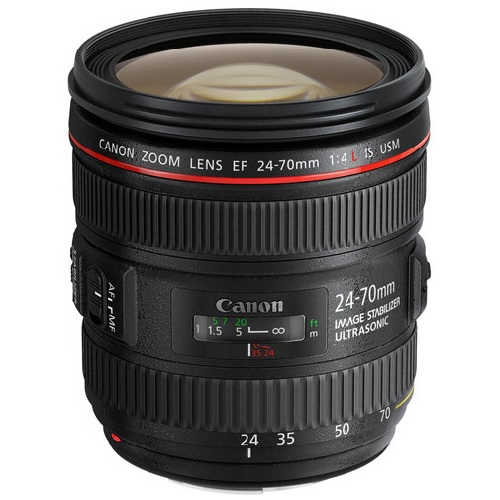
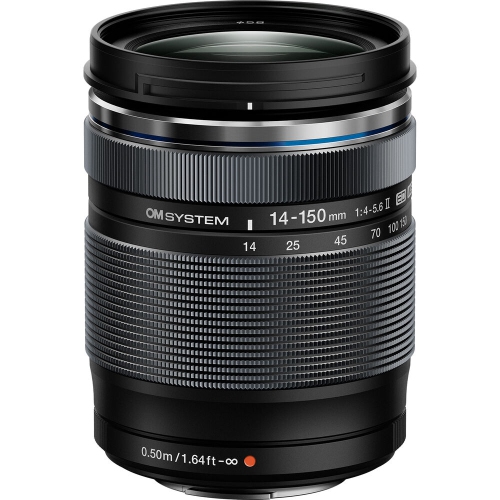
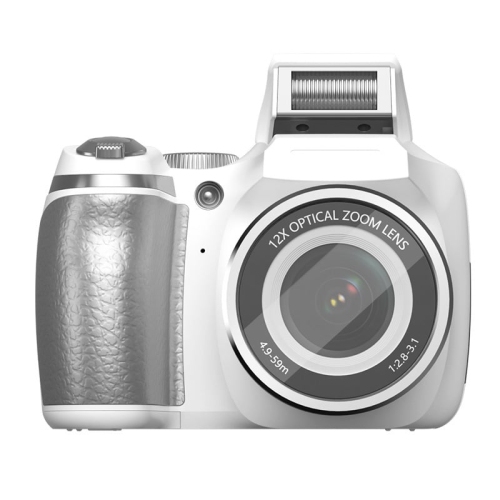
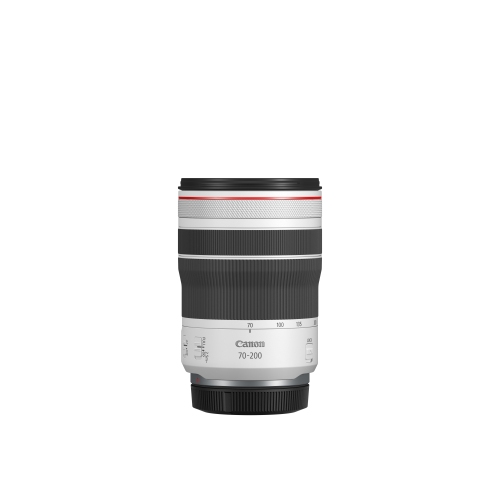
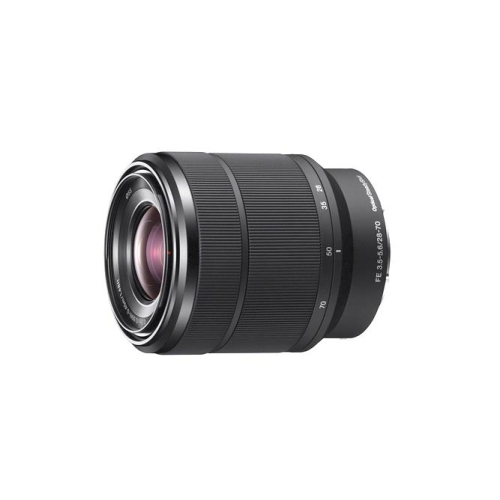
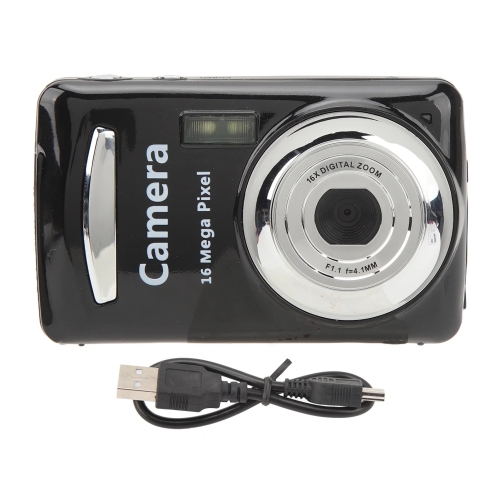
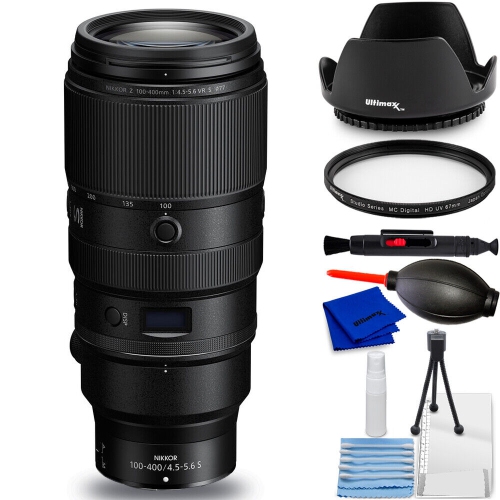
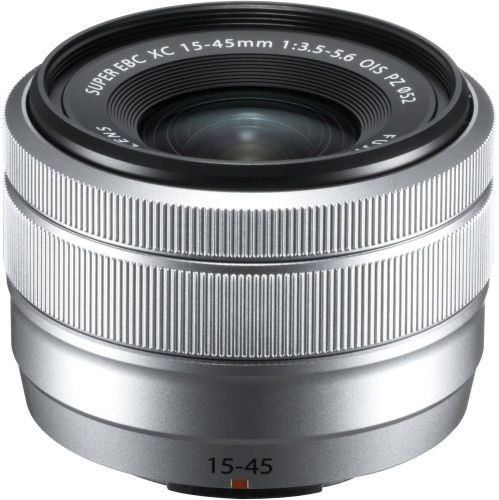
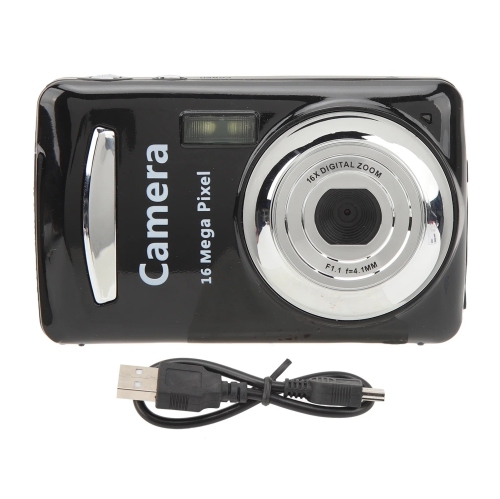
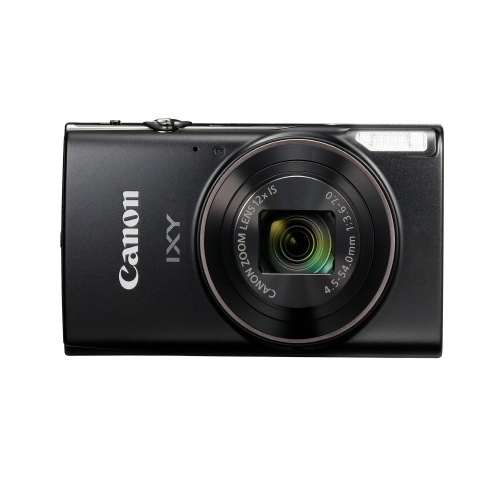
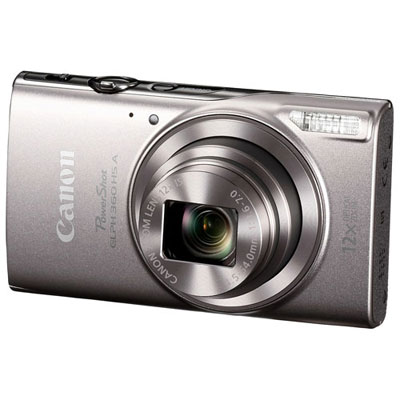
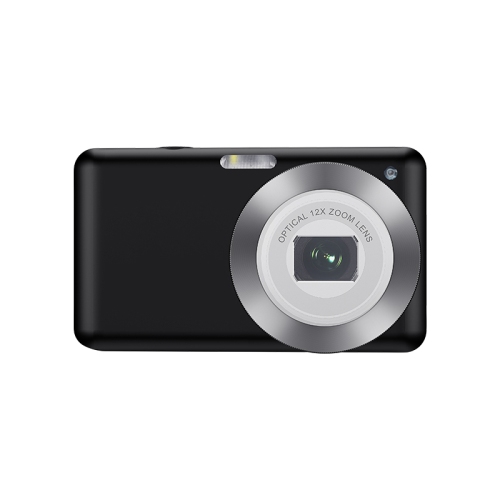
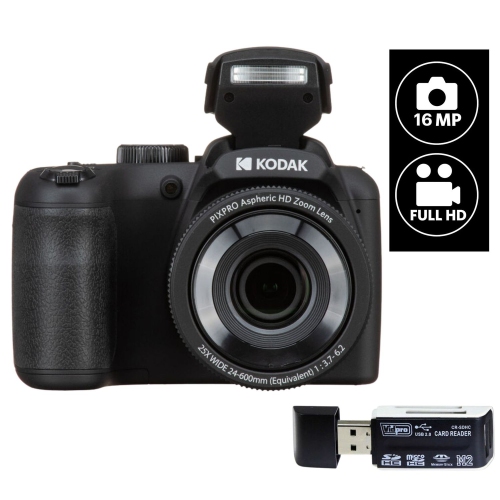
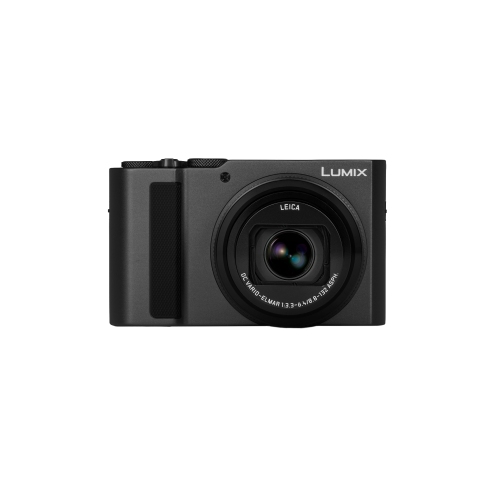
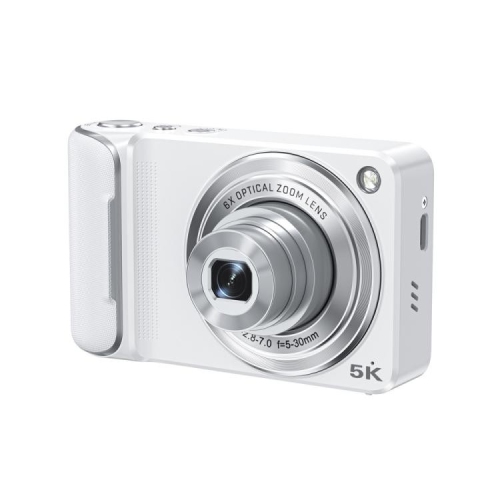
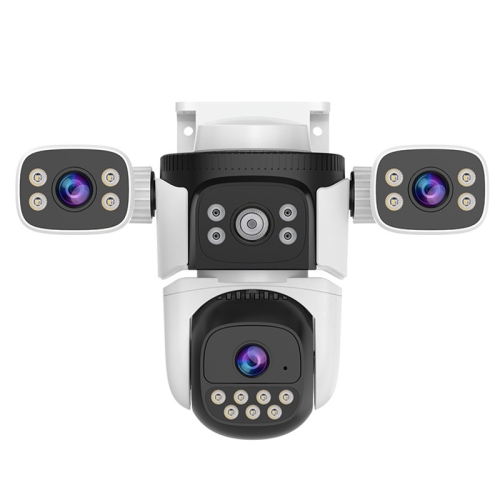
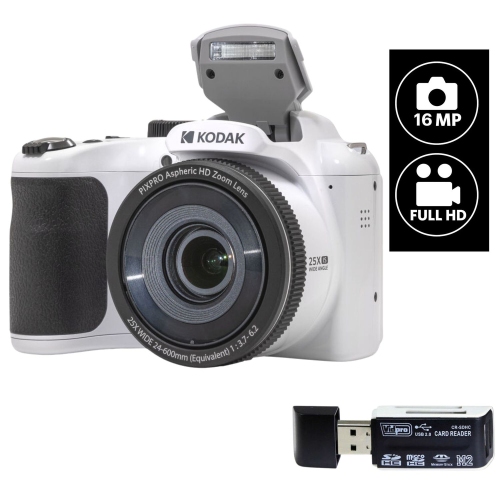
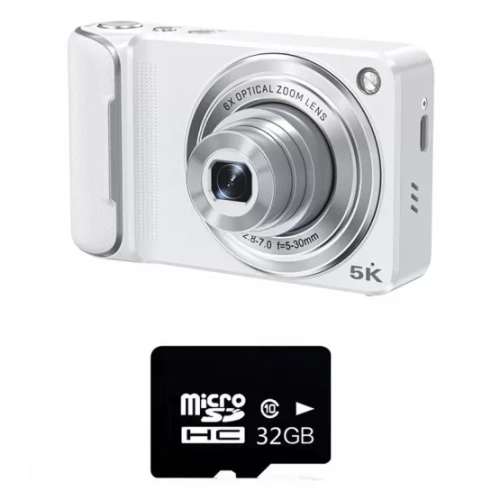
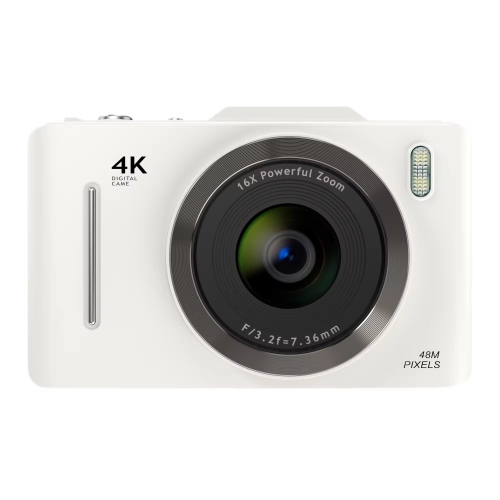
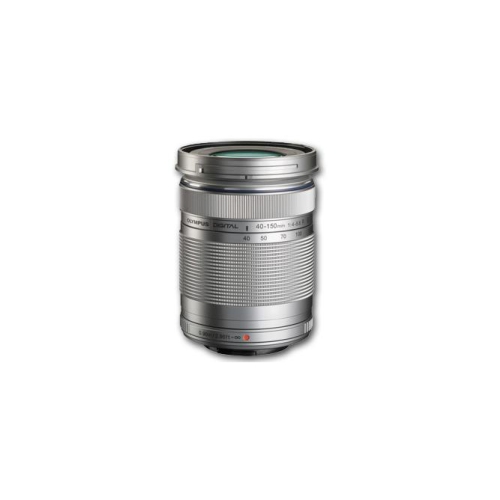
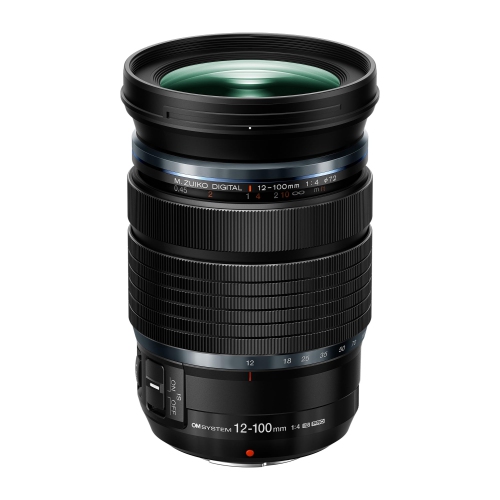
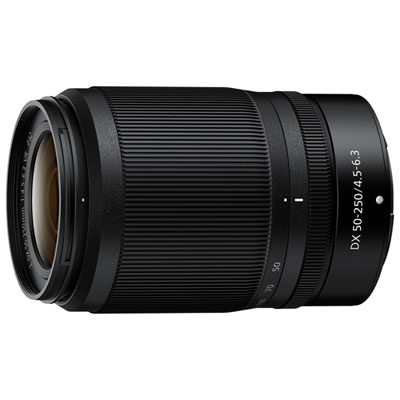
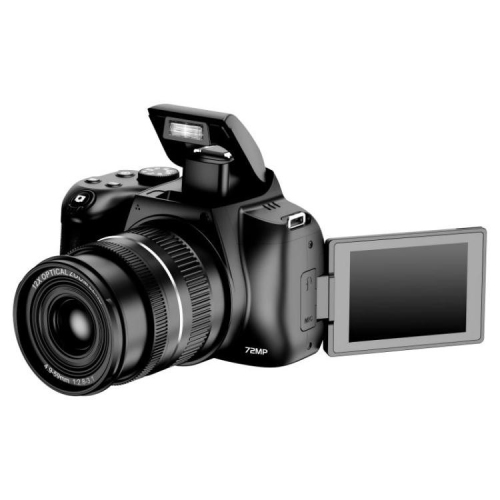
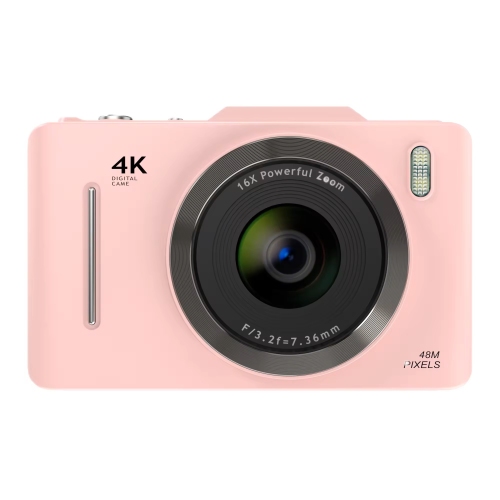
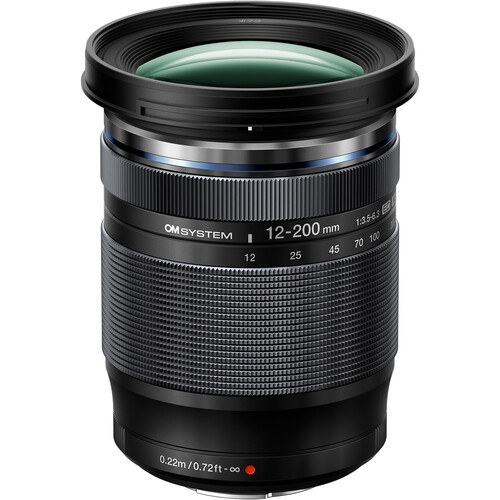
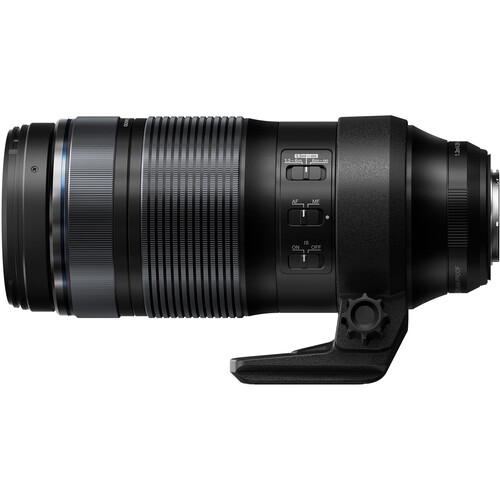
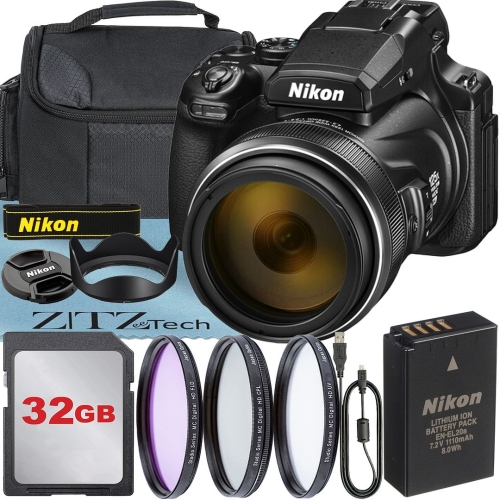
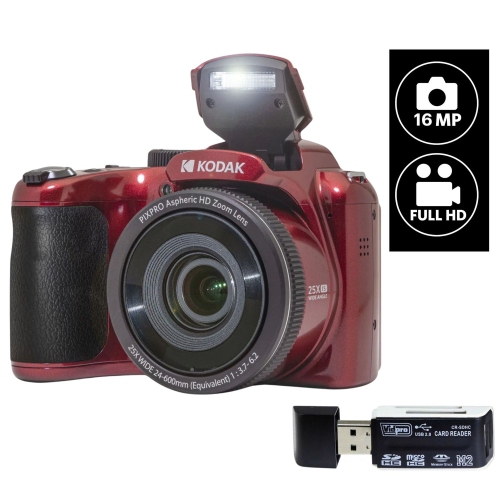
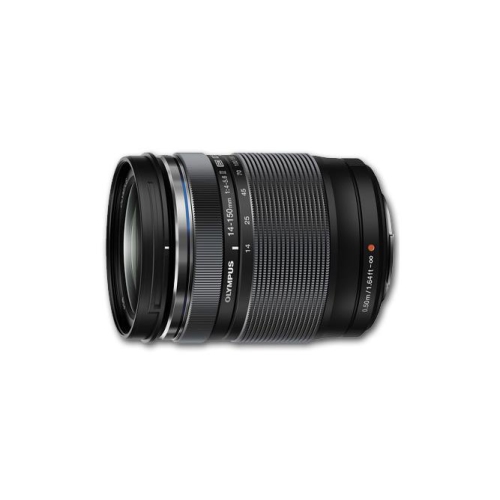
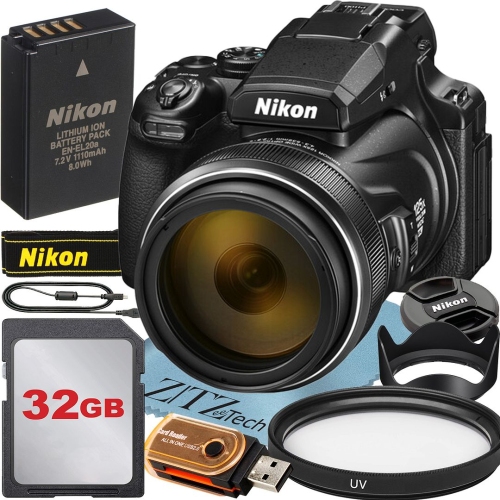
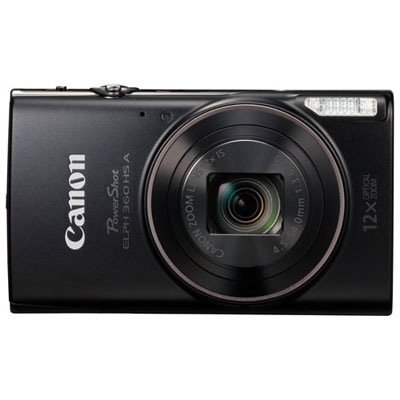
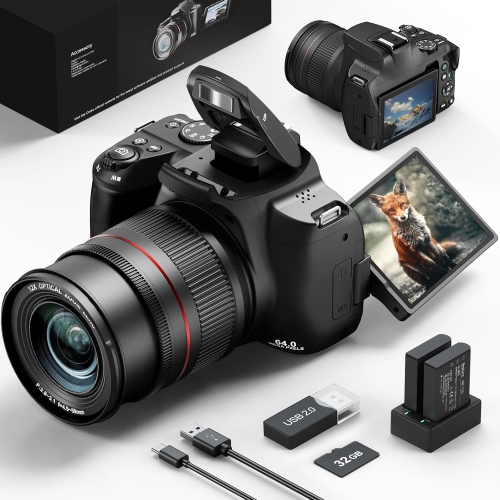
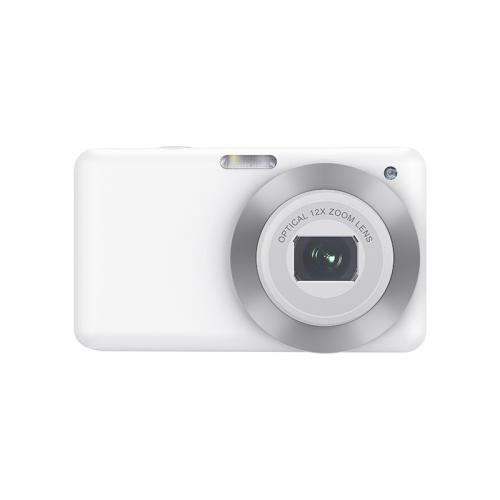
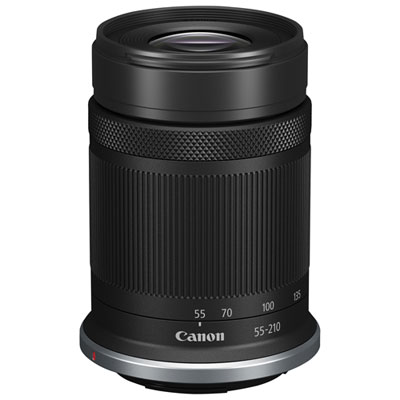

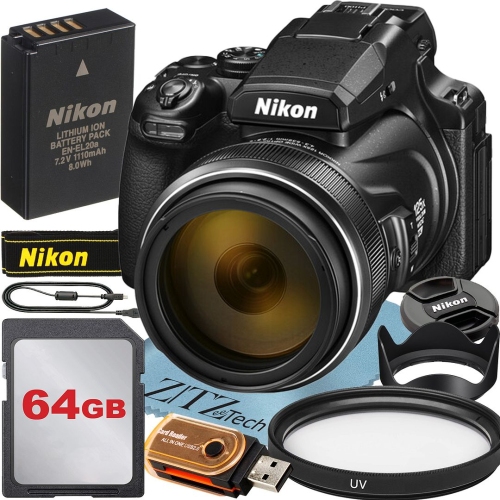

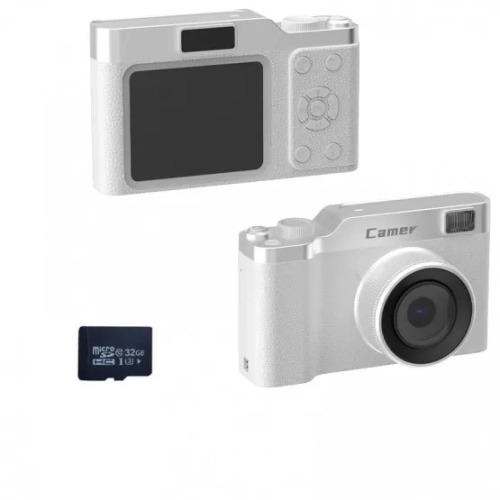
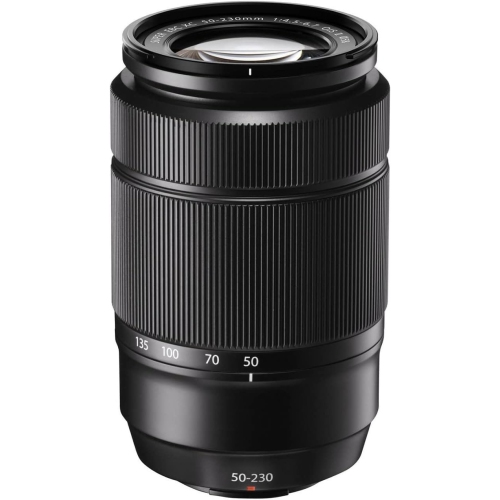
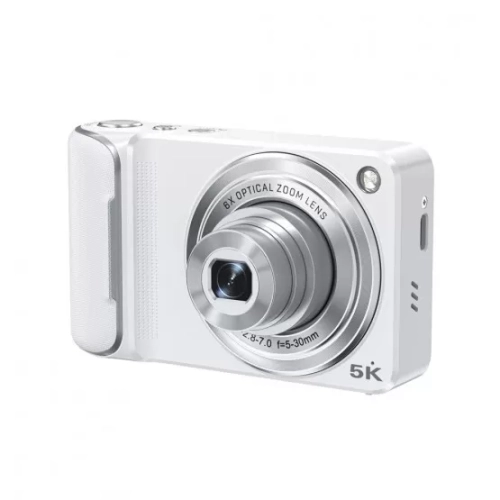
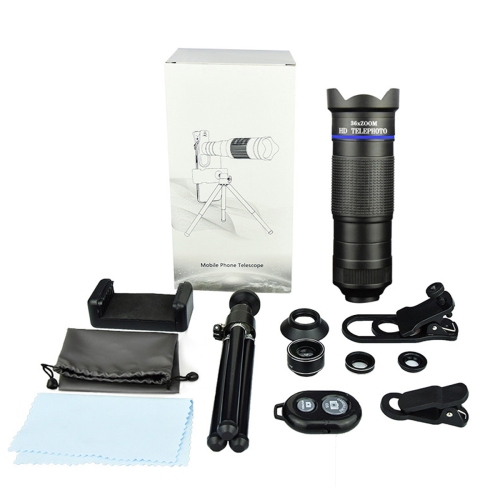
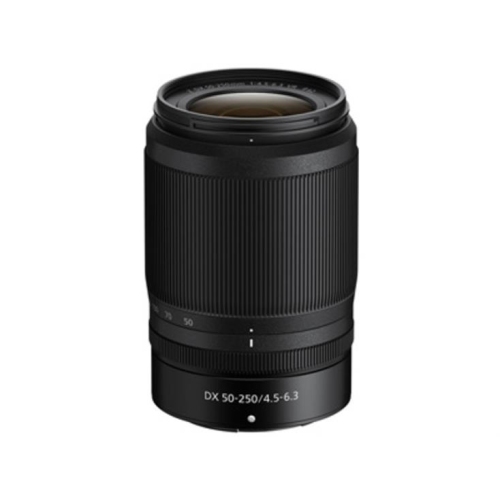
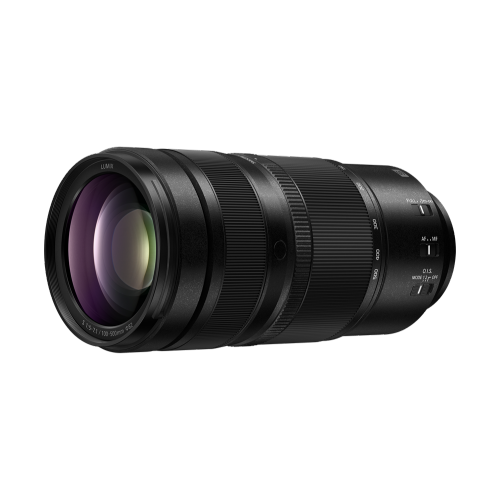
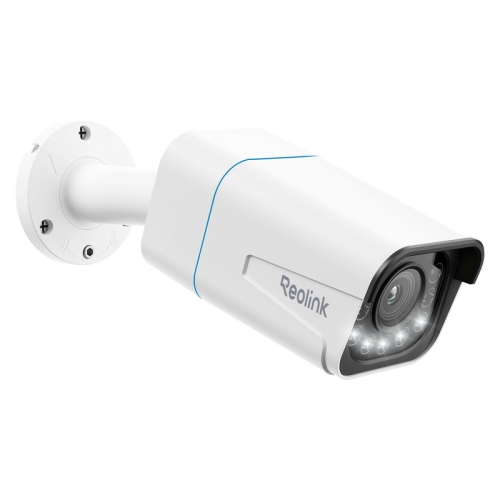
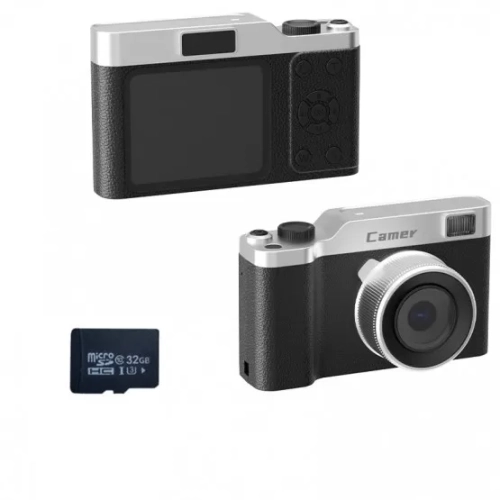
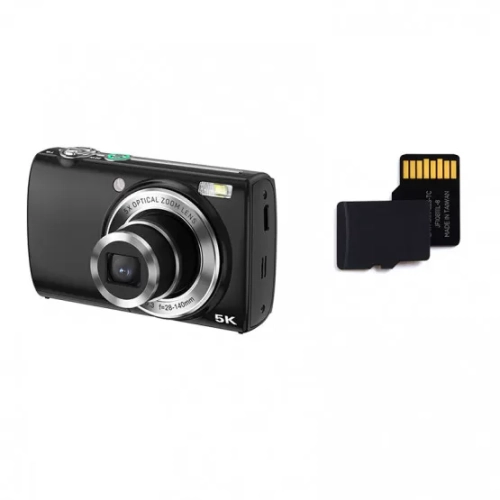
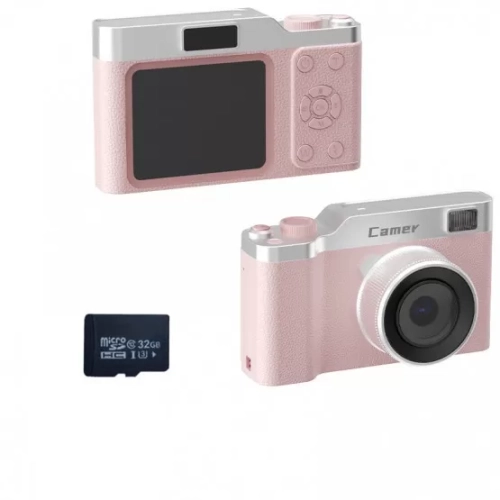
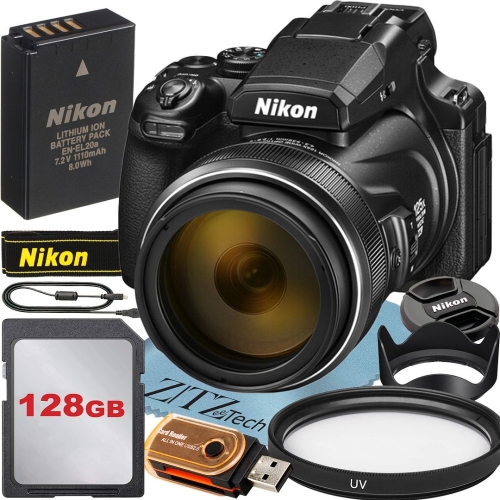
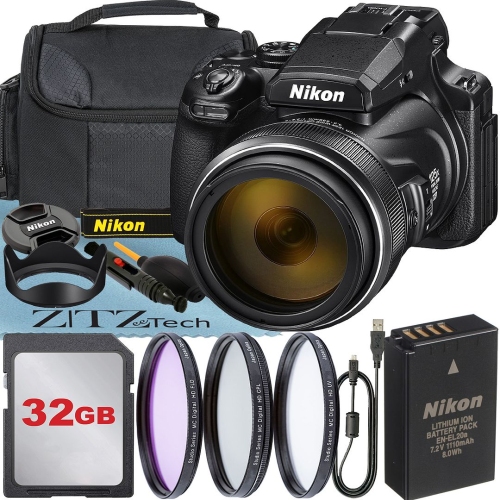
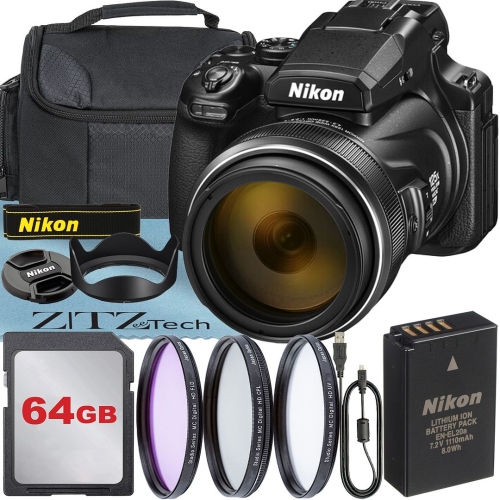
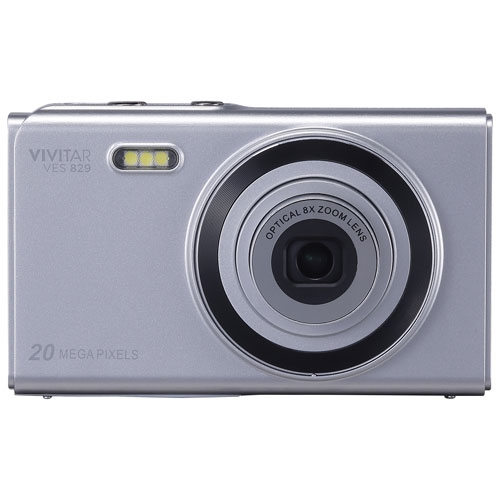
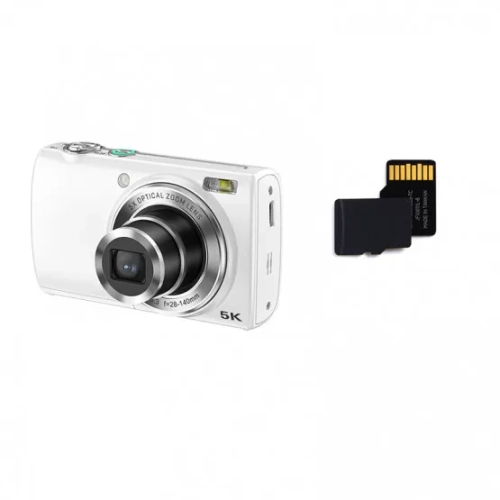
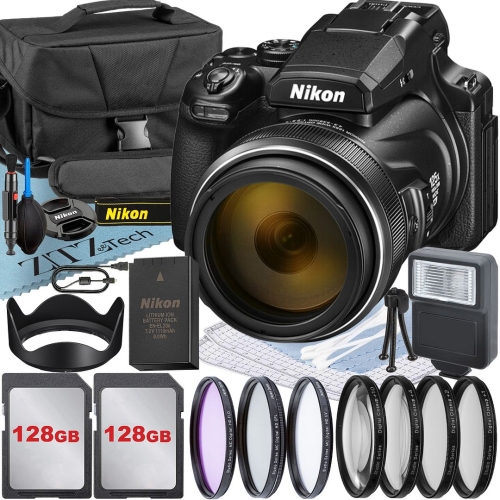
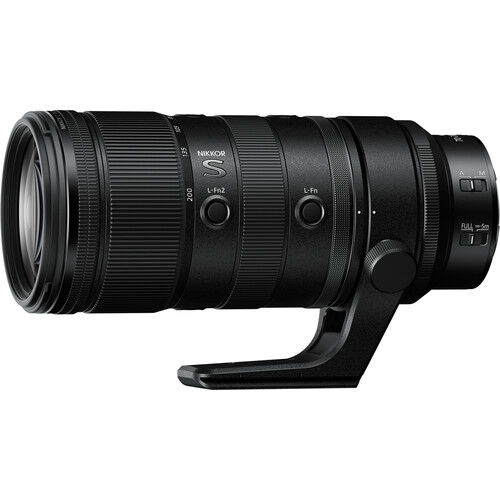
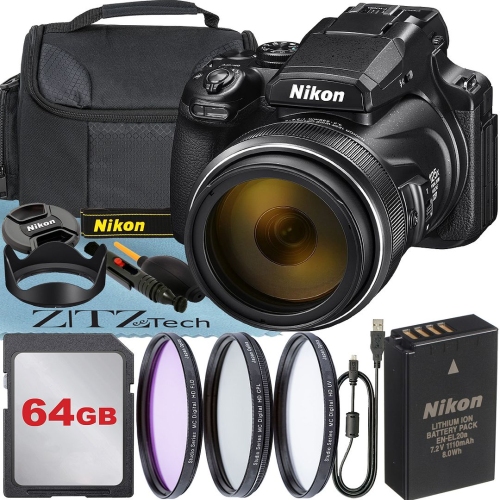
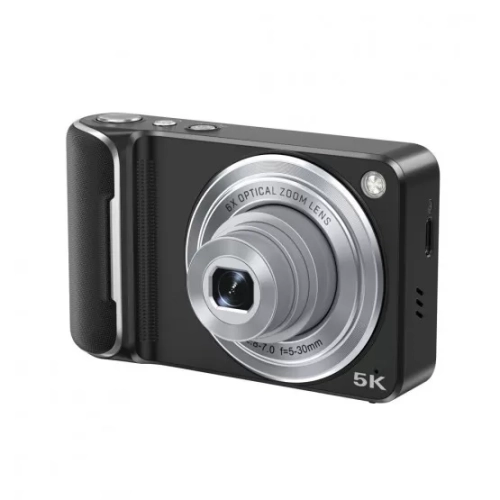
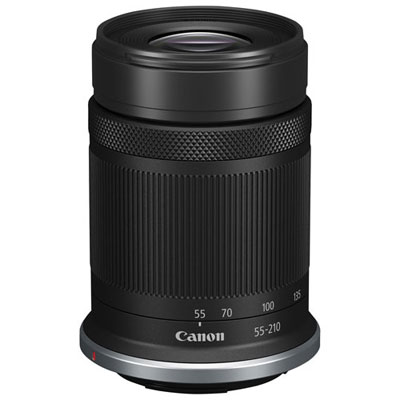
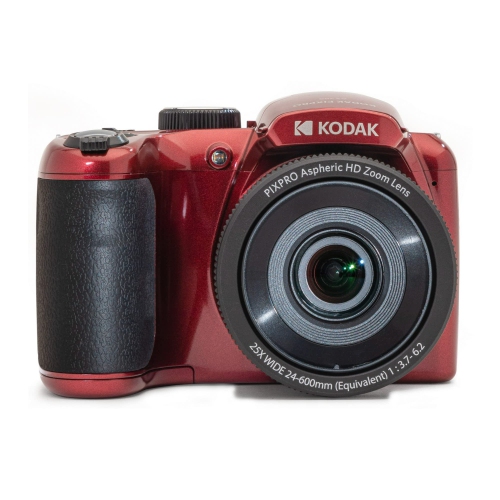
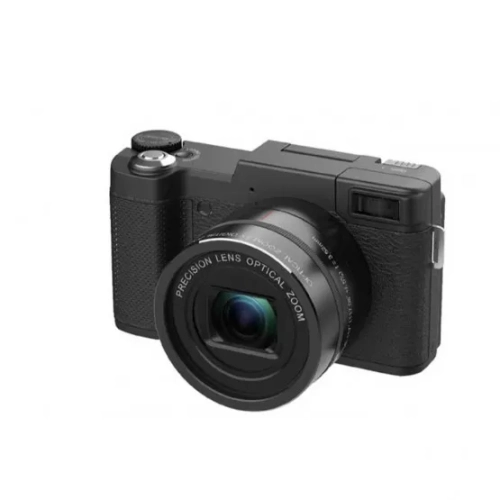
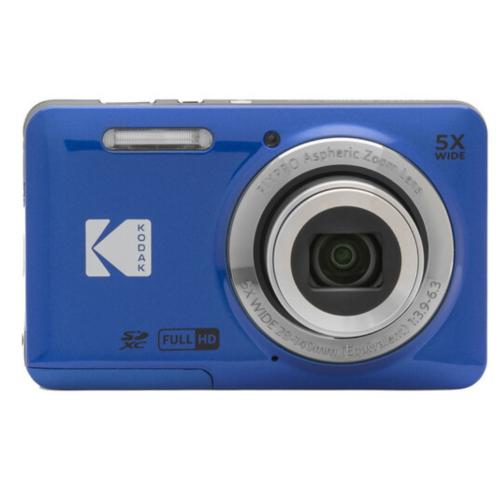
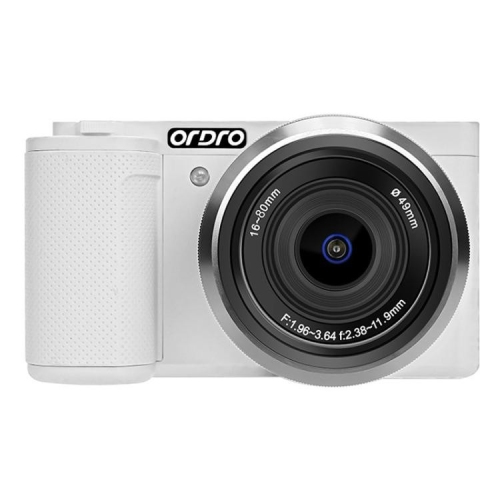
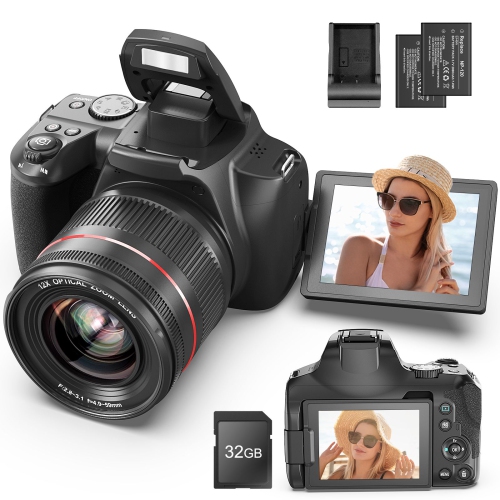
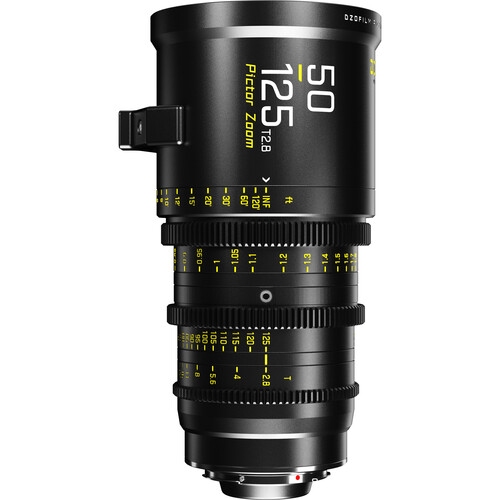
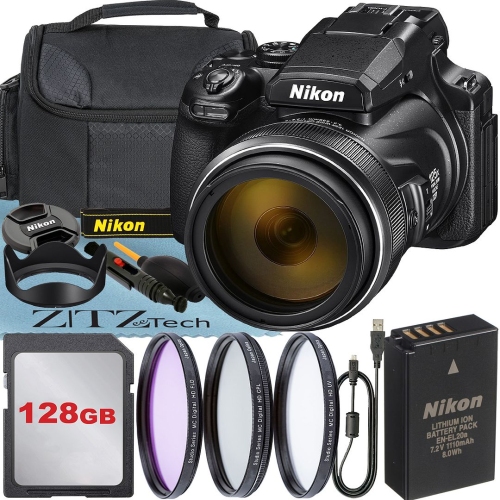
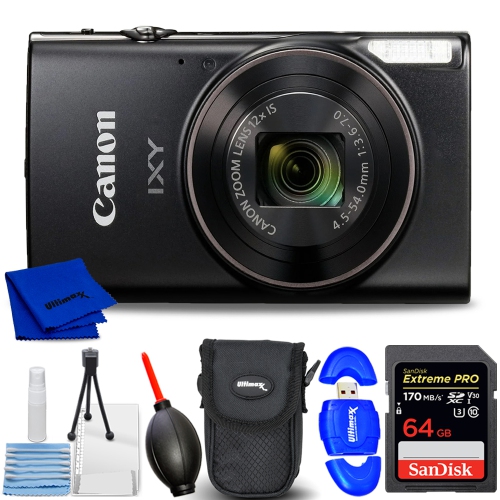
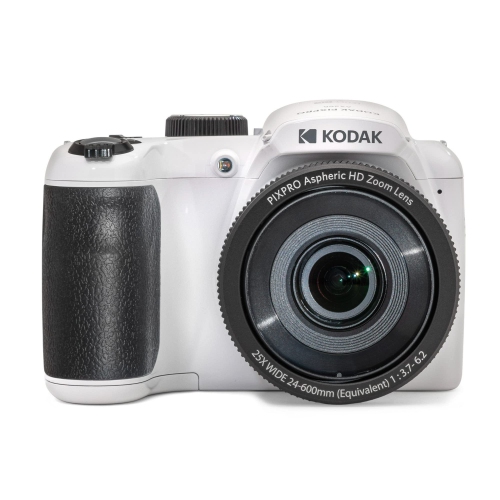
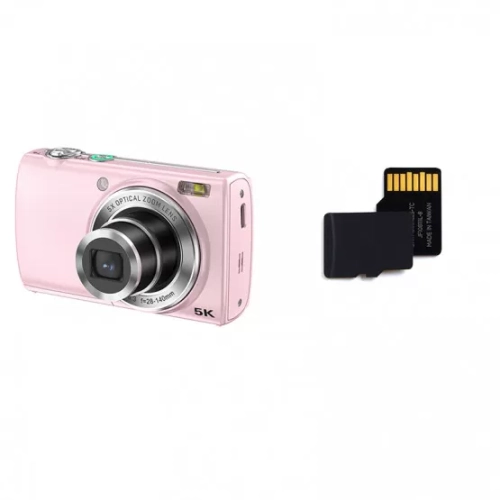
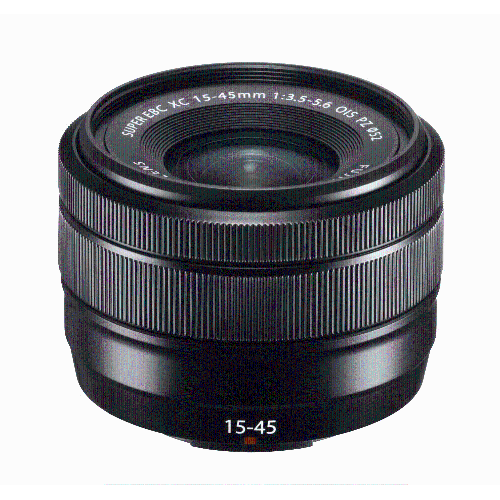
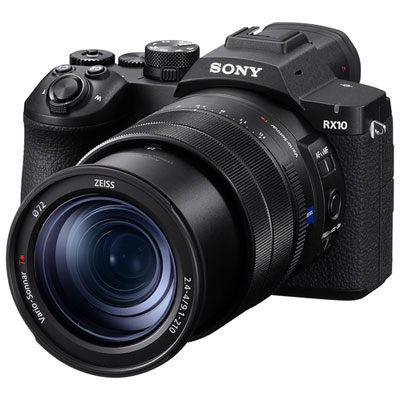
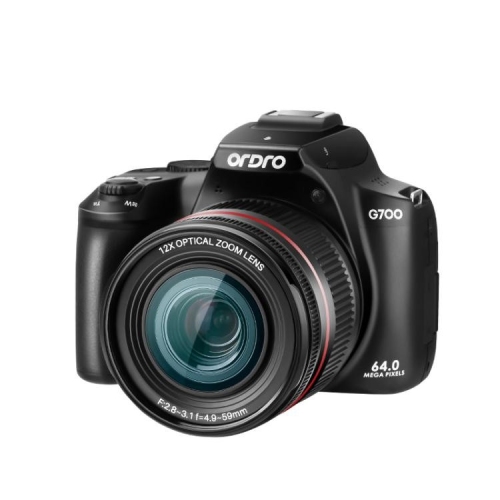
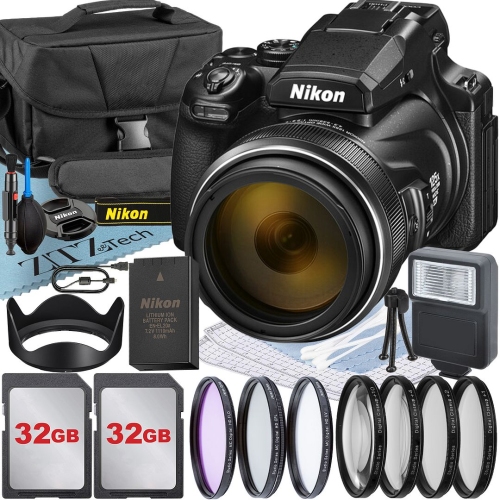
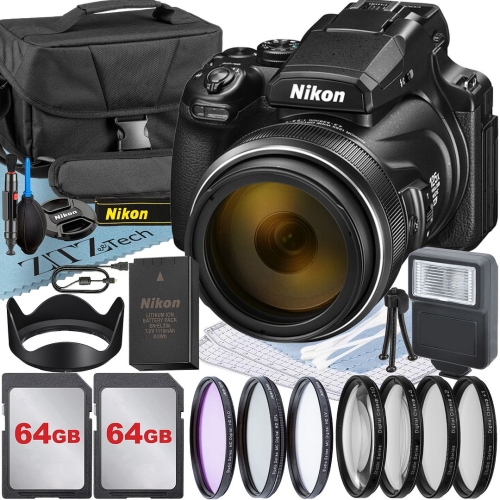
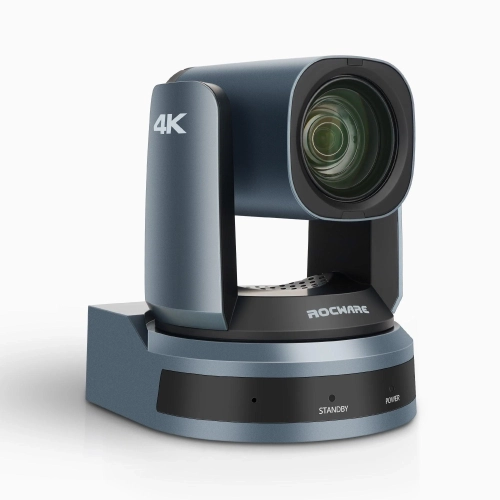
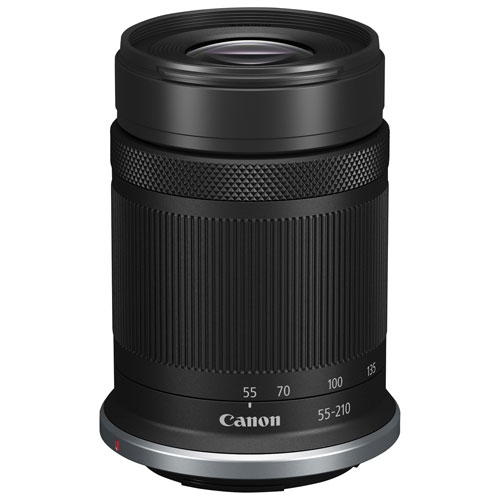
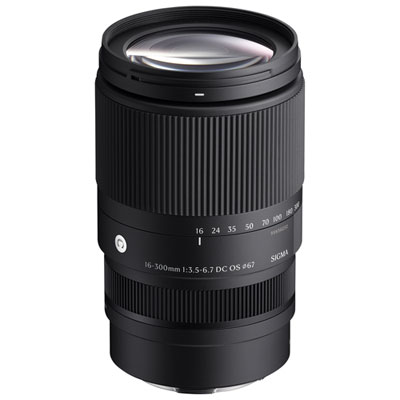
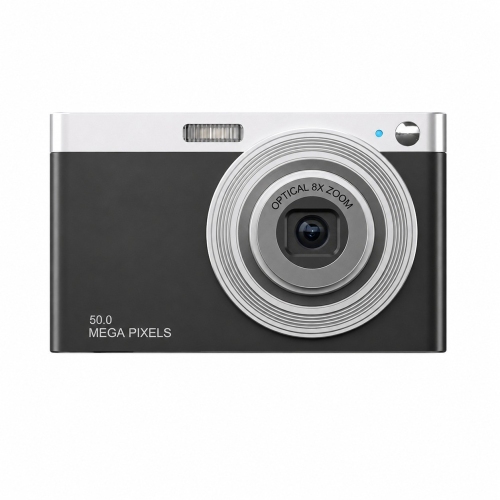
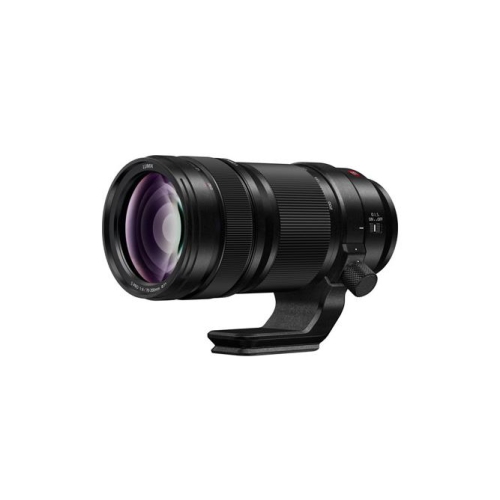
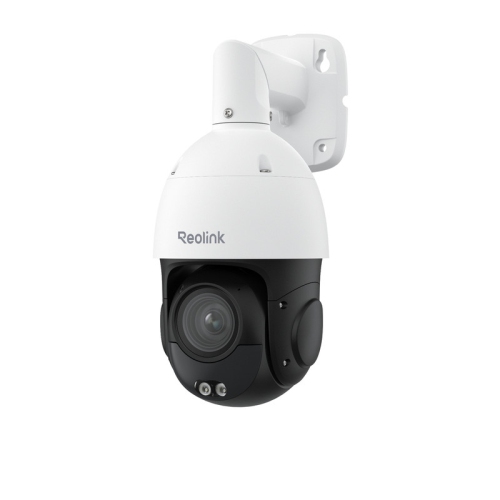
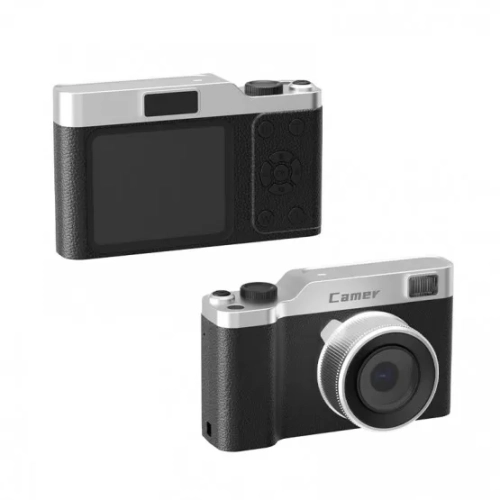
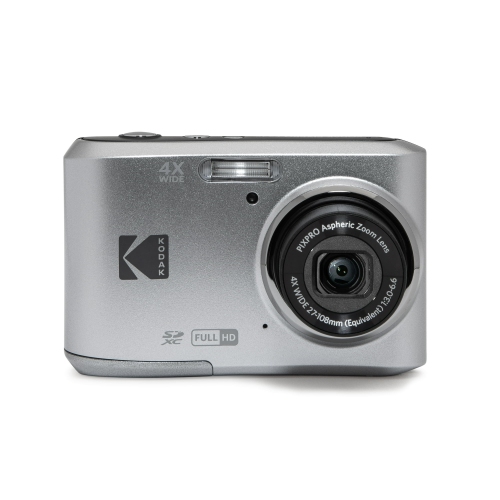
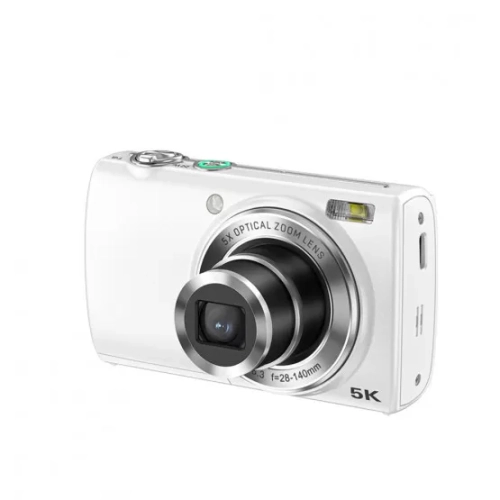
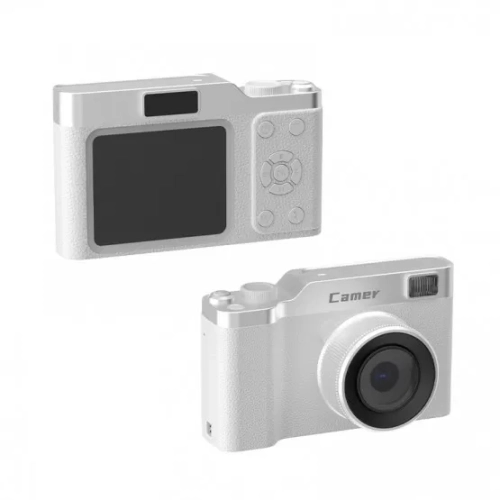
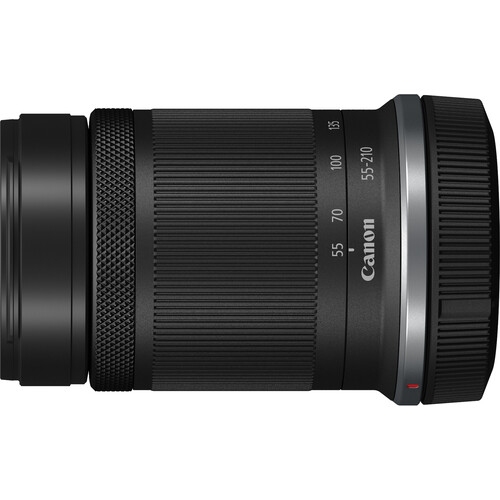
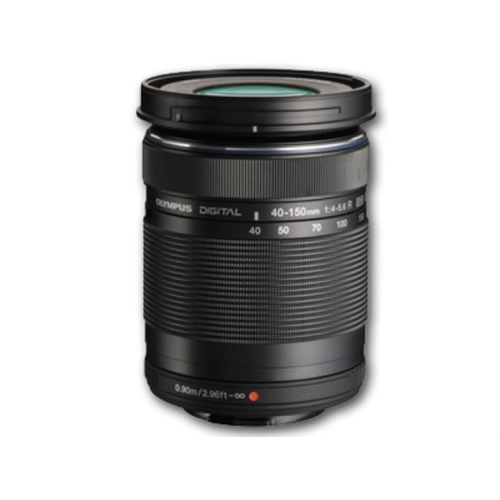
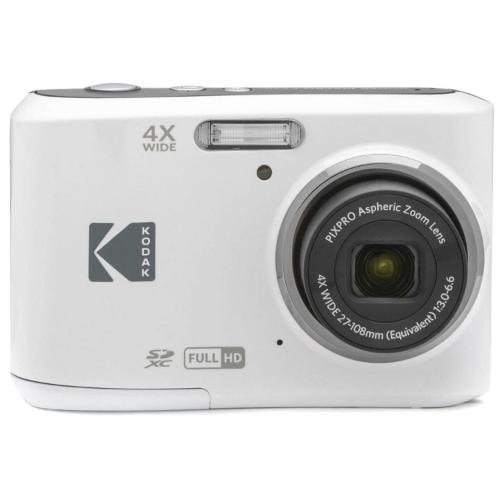
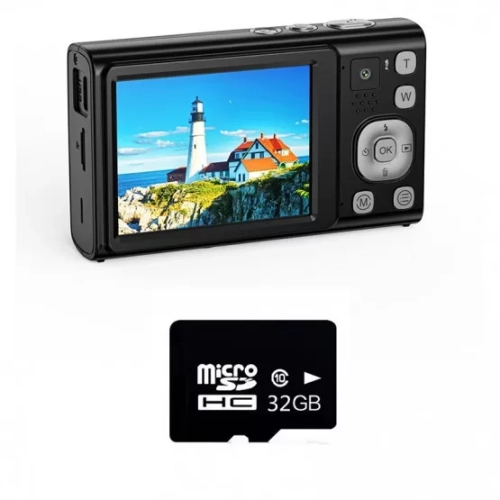
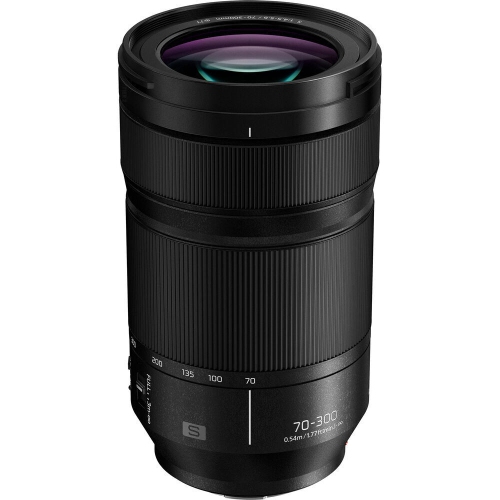
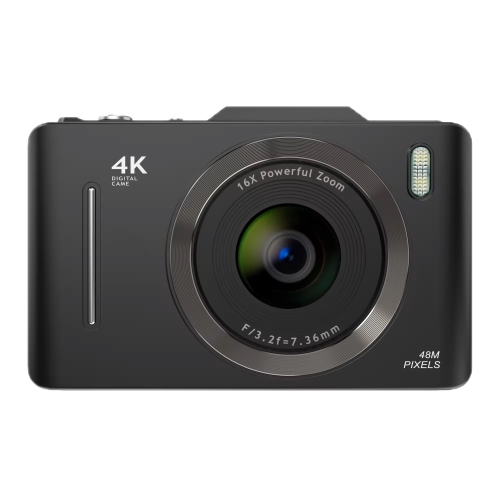
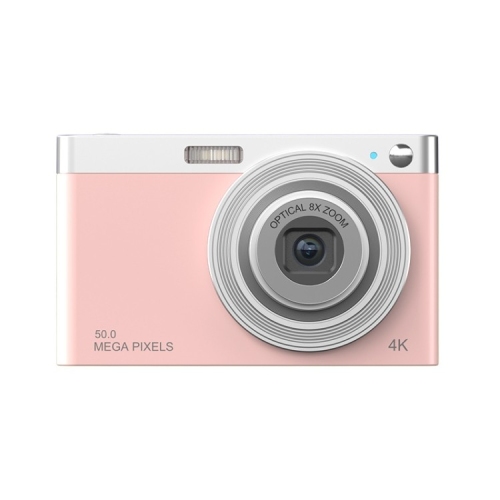
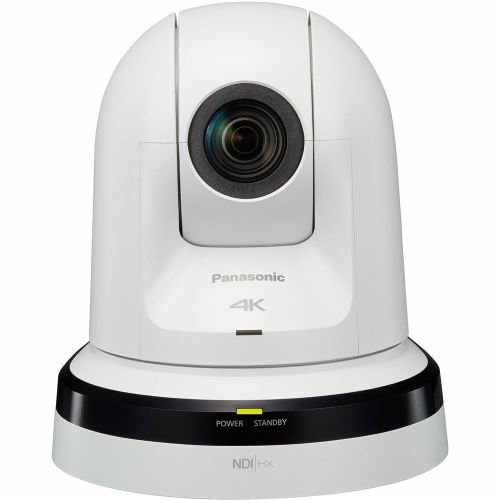
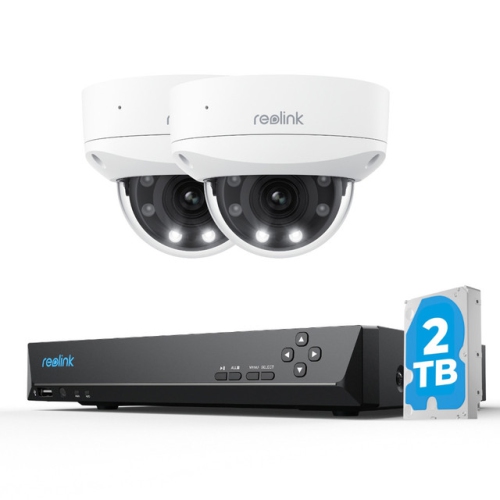
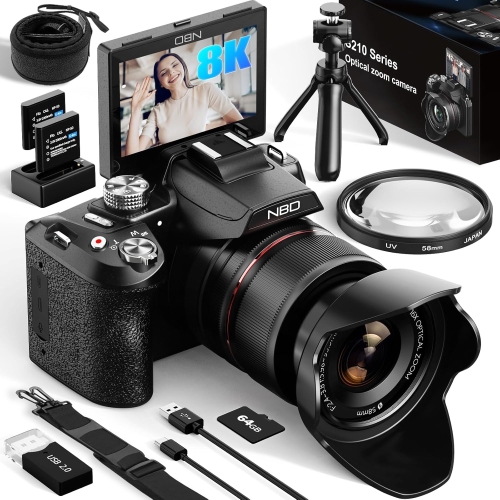
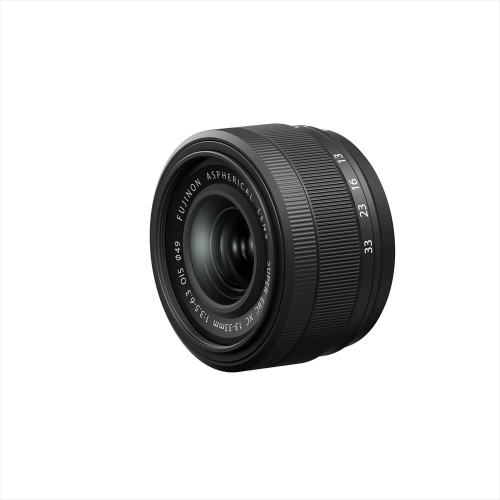
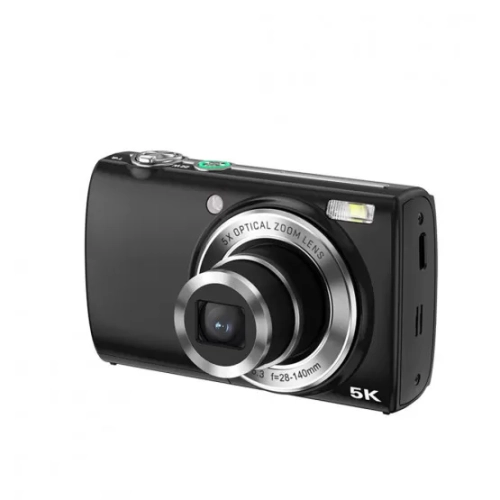
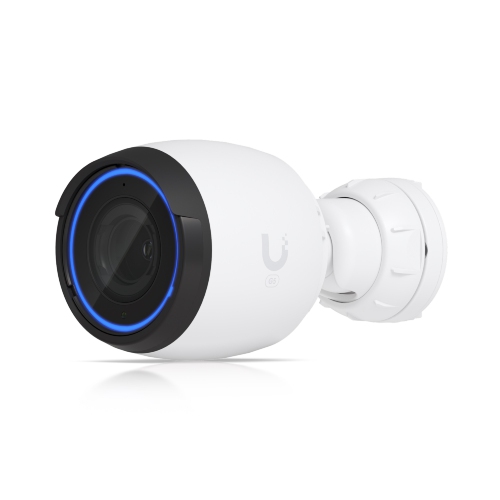
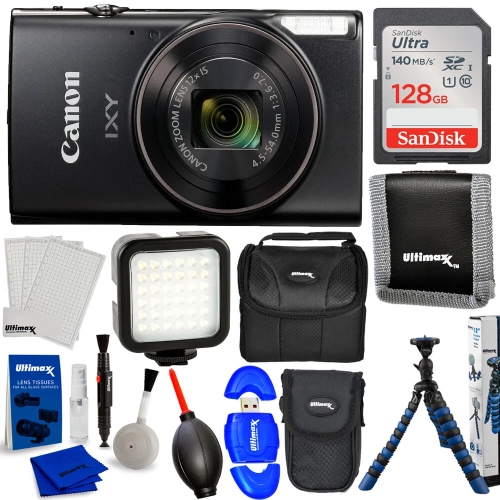
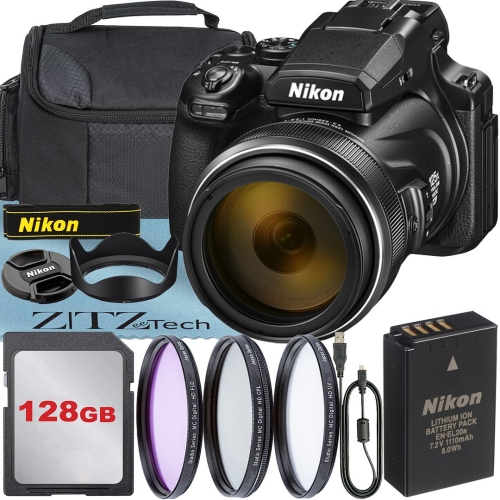
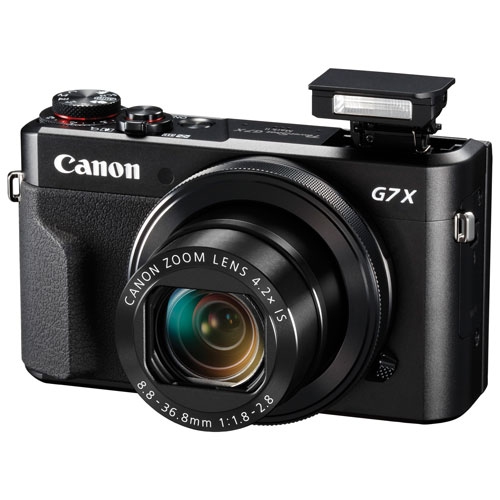
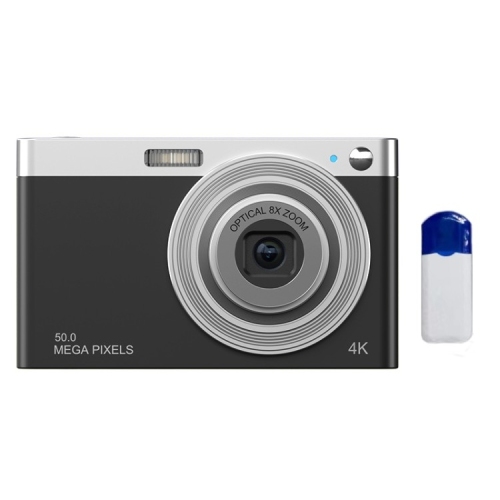
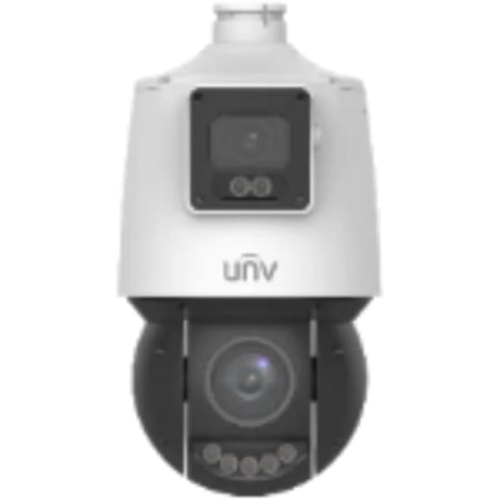
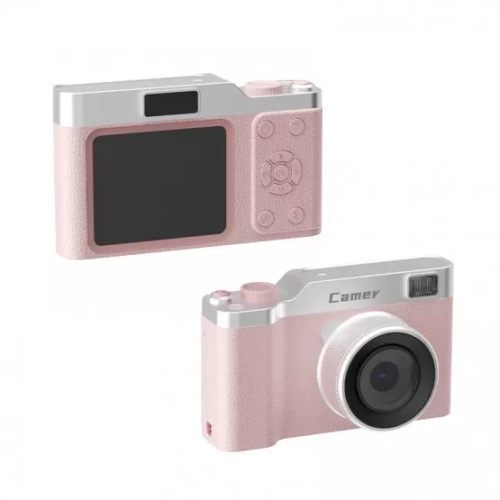
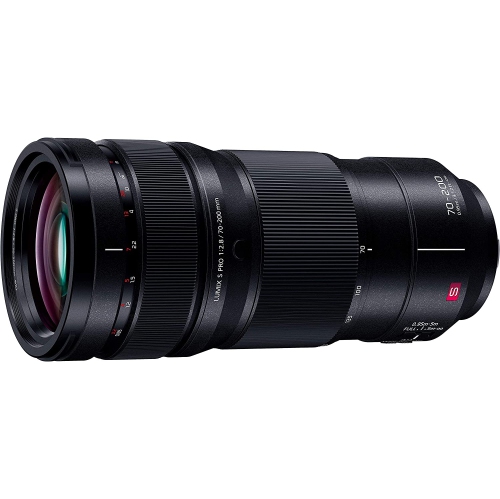
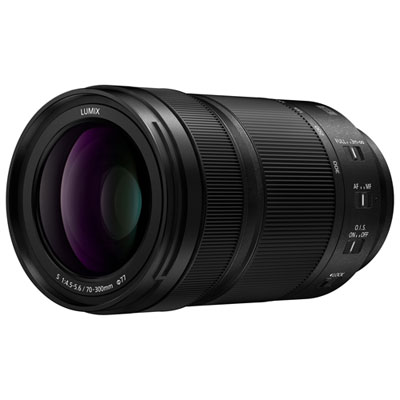
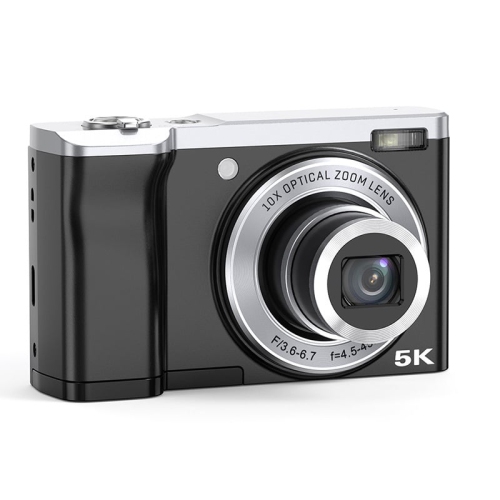
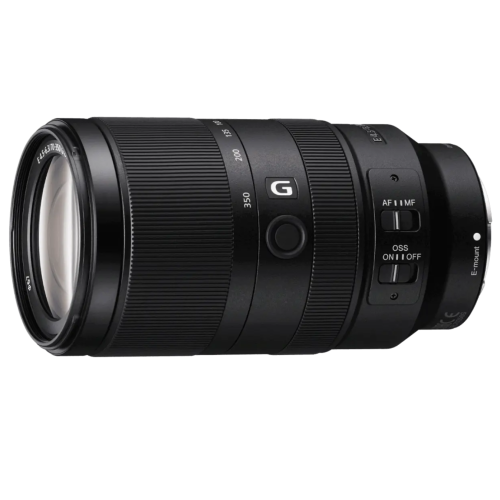
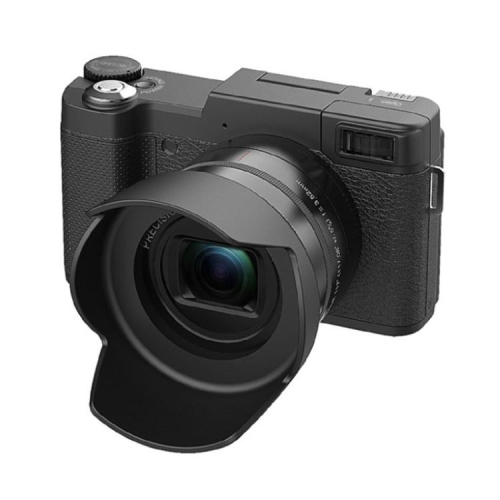
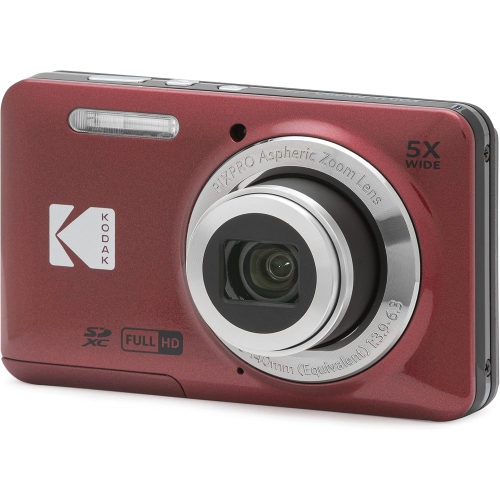

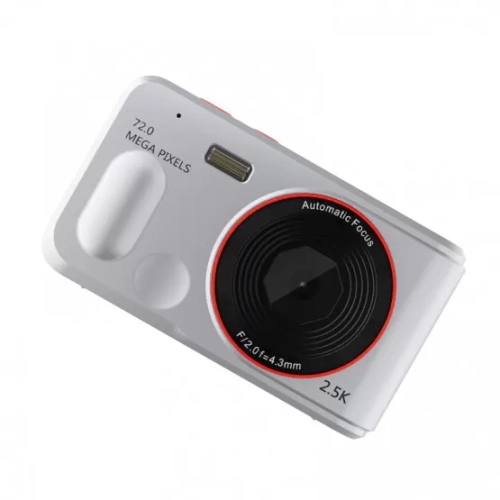
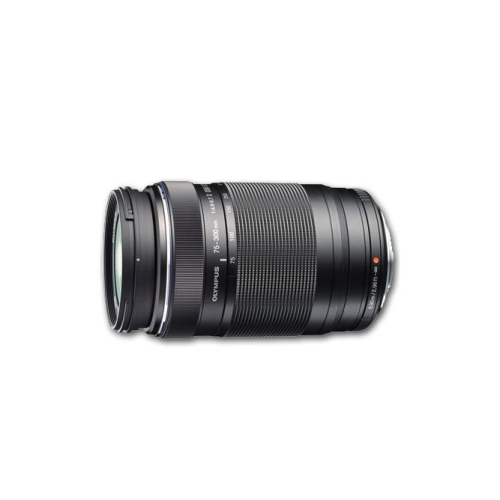
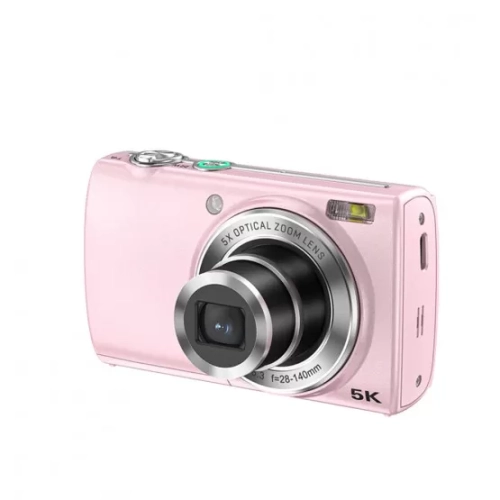
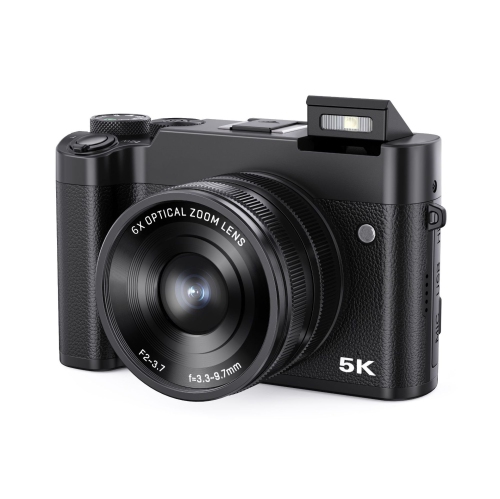
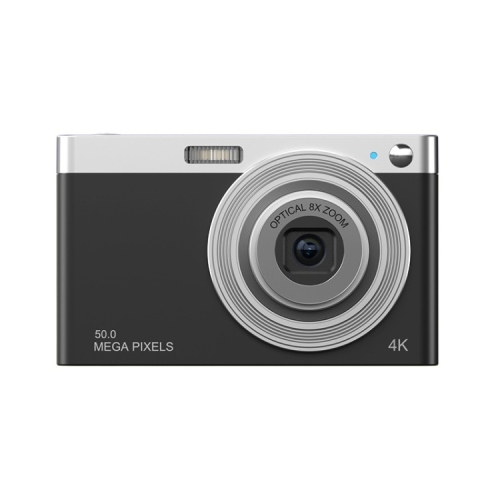
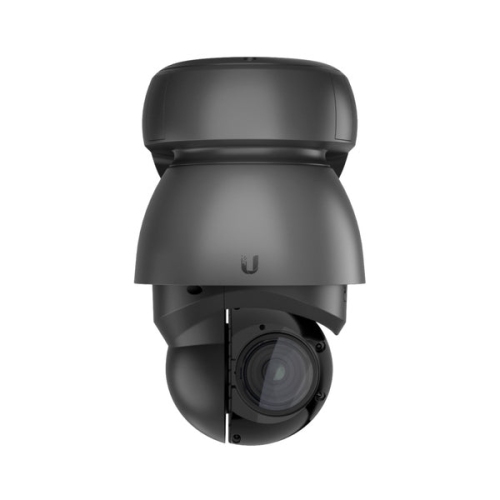
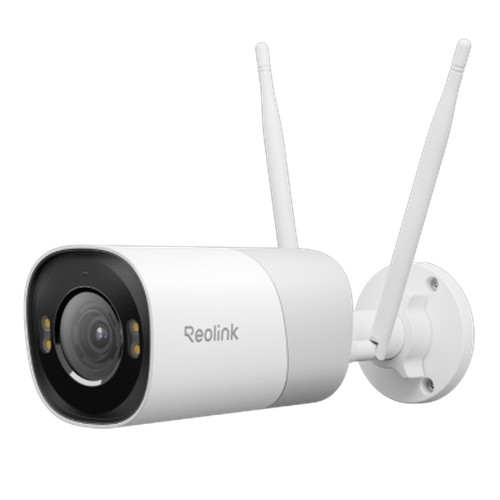
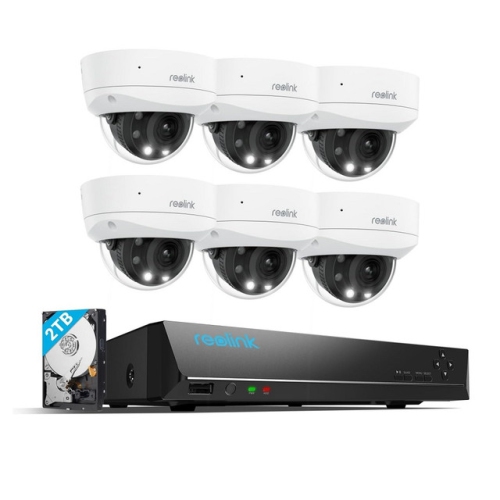
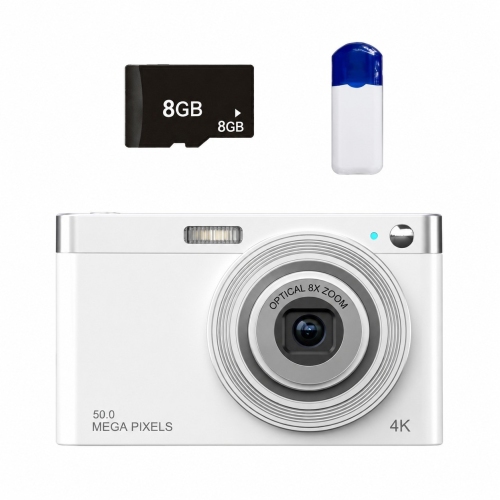
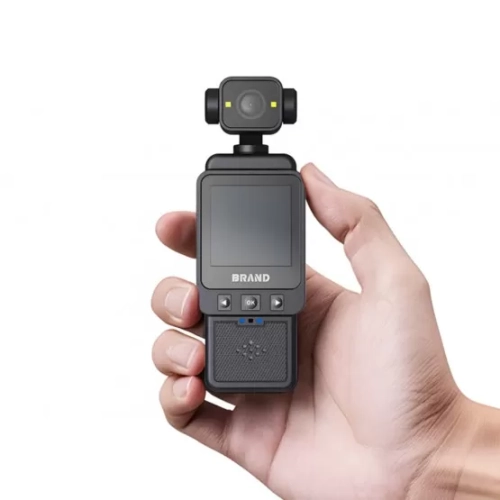
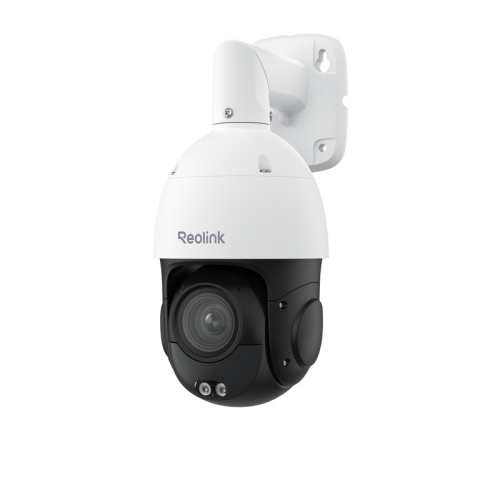
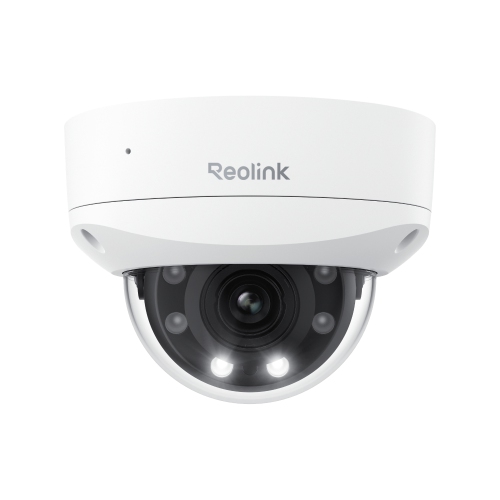
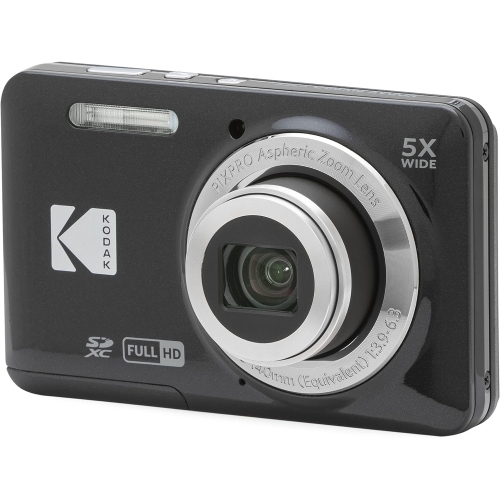
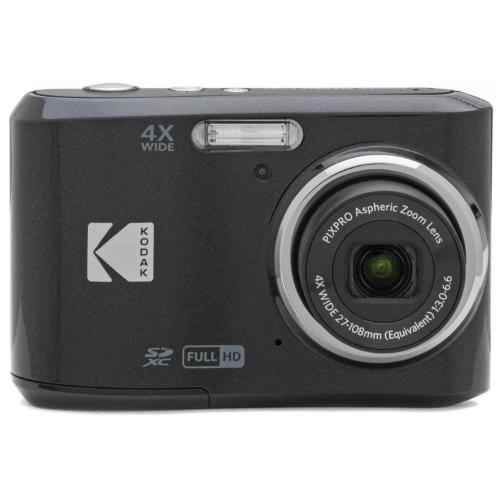
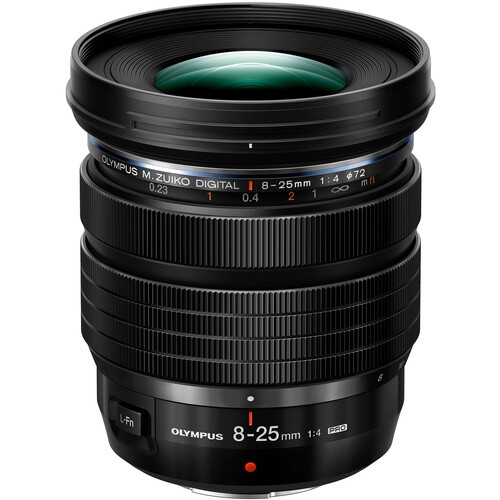
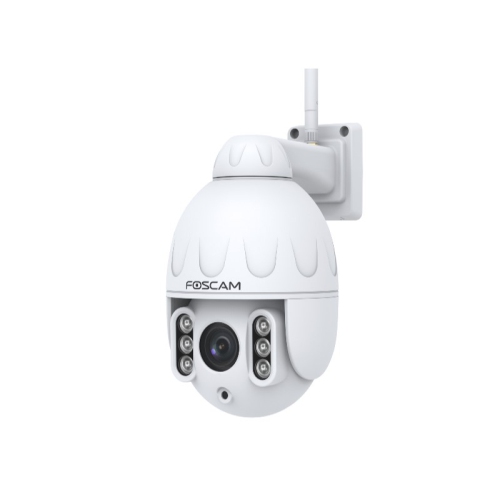
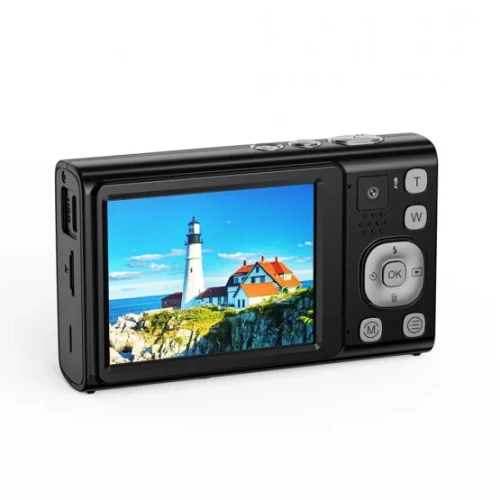
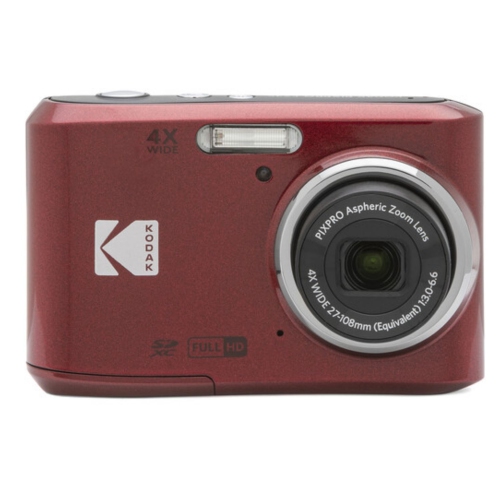
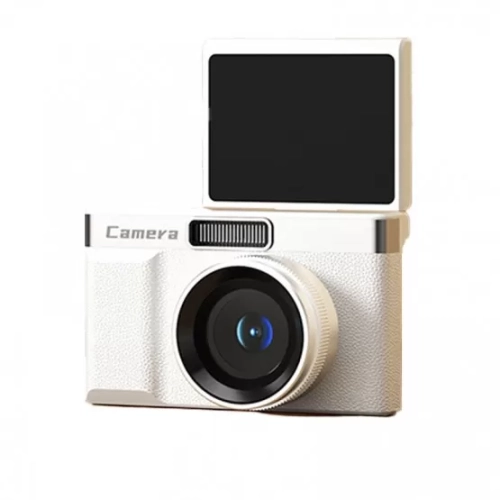
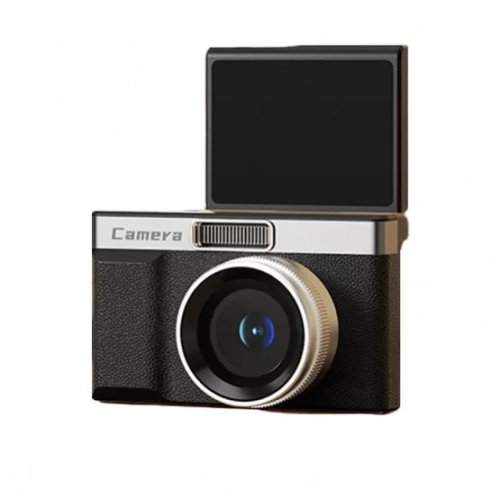
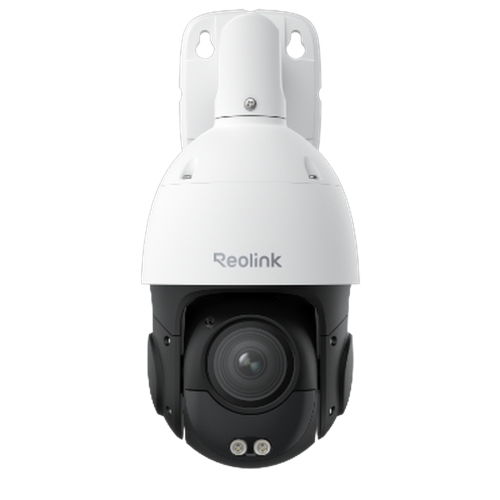
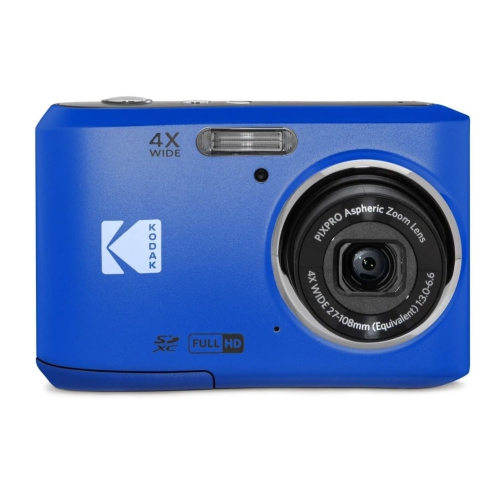
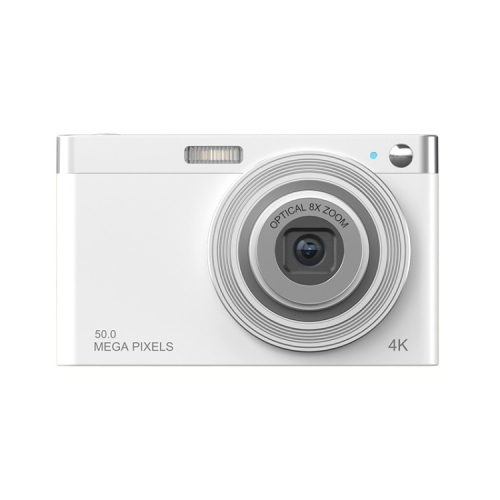
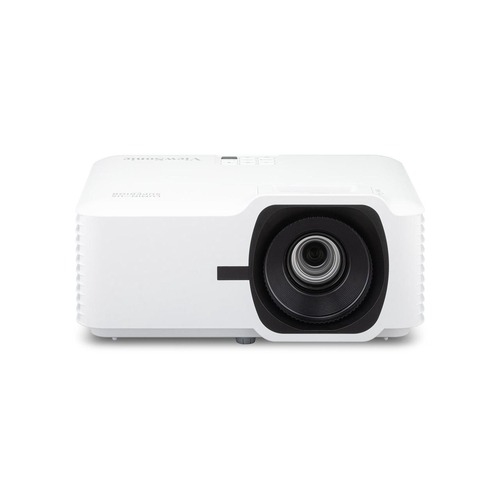
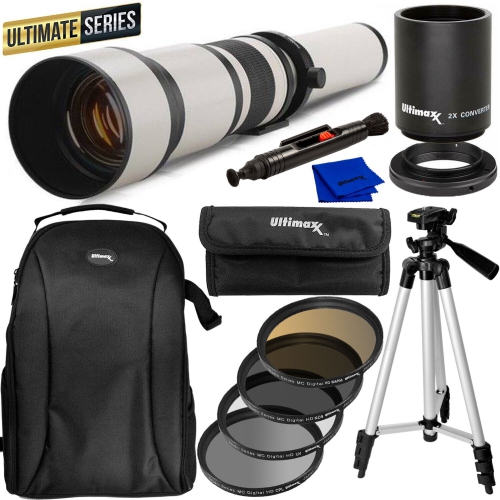
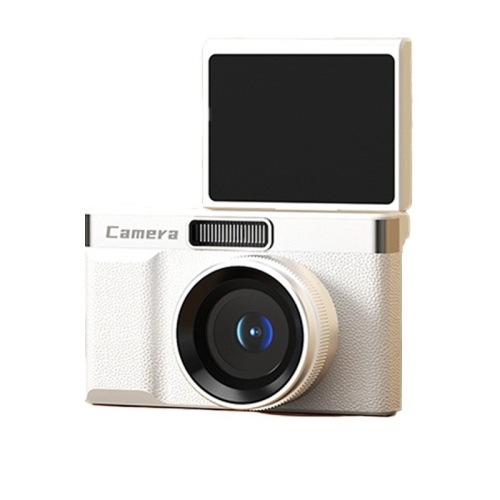
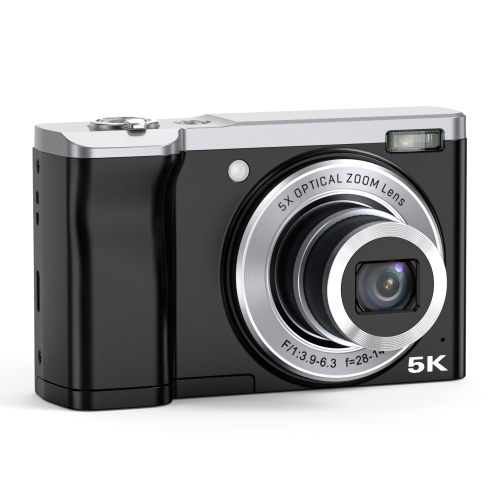
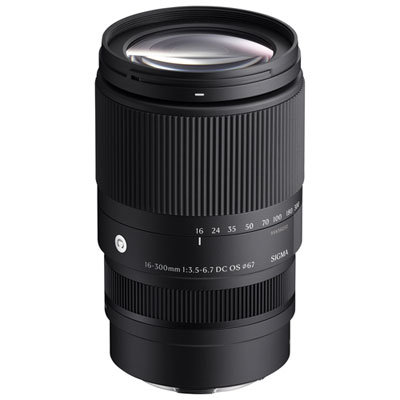
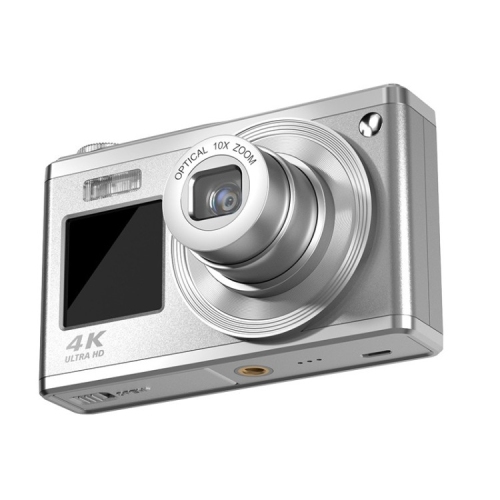
A closer view of distant details without digital cropping
Optical zoom is a camera feature that magnifies a subject by moving lens elements to change the lens’s focal length before light reaches the image sensor. As the lens zooms in, the field of view becomes narrower and distant subjects occupy more of the frame; zooming out reveals more of the surrounding scene. This physical adjustment distinguishes optical zoom from digital zoom, which crops an image and may enlarge the remaining portion through software. Optical zoom keeps the full sensor resolution available rather than relying on a smaller crop, although actual sharpness still depends on lens quality, focus, camera movement, lighting, and the sensor itself. That distinction matters when capturing details such as the stitching on a performer’s costume or the feathers of a bird perched beyond easy walking distance. The zoom number describes the ratio between the lens’s longest and shortest focal lengths, not a universal measure of how close every subject will appear. A 10x optical zoom offers a tenfold focal-length range, but two lenses with that same ratio can provide different views if their starting focal lengths differ. Focal-length specifications, particularly their 35 mm equivalent values, make those differences easier to understand across cameras with different sensor sizes. Optical zoom is found in several types of imaging equipment, including compact cameras, bridge cameras, camcorders, and interchangeable zoom lenses. Built-in zoom lenses offer a self-contained setup, while interchangeable designs let photographers choose a focal range suited to their camera and preferred subjects. Some smartphones provide optical magnification through separate cameras with different focal lengths, which is not necessarily the same as having a continuously adjustable optical zoom lens. For compatible camera systems, Optical Zoom Lenses provide another way to explore framing options, from a broad view of a room to a tighter composition that draws attention to a face, gesture, or distant detail. These differences give optical zoom a practical role in photography and video whenever physically moving closer would be inconvenient, disruptive, or impossible.
The most useful optical zoom range depends on what needs to fit in the frame and how far away the camera will usually be. A wider starting view suits family groups, interiors, architecture, and travel scenes where space to step back is limited. Longer focal lengths suit wildlife, sports, performances, and details that would otherwise look small in the finished image. An everyday zoom can move between a table full of people and a close view of someone’s expression without requiring a lens change. A longer-reaching design gives a spectator the ability to frame an athlete from the sidelines, though distance, venue rules, and sightlines still affect the result. For portraits, a moderate telephoto view can support a comfortable working distance and a composition with fewer distracting elements around the subject. Background blur depends on aperture, focal length, sensor size, and the distances between the camera, subject, and background; zoom alone does not guarantee a softly blurred backdrop. Aperture is another important characteristic because it influences how much light the lens can admit. A lower maximum f-number generally allows more light, while some zoom lenses have a maximum aperture that becomes smaller toward the telephoto end. Constant-aperture designs maintain the same maximum aperture throughout their zoom range, which can be useful when keeping exposure settings consistent. Image stabilization helps reduce blur caused by camera shake, especially when handholding at longer focal lengths, but it does not freeze a running child or a moving animal. Those subjects also depend on suitable shutter speeds and responsive autofocus. For video, smooth zoom control, quiet lens operation, and dependable focus transitions can make a noticeable difference to the finished footage. A gradual move from a full stage to a musician’s hands has different demands from quickly finding a bird in flight. Handling matters alongside these specifications: a comfortable grip, clearly placed controls, and a viewfinder or screen that supports steady framing can make extended shooting more enjoyable than reach alone would suggest.
Optical zoom equipment varies considerably in size, weight, construction, and compatibility. A compact camera with an integrated lens may fit easily into a small bag, while a long telephoto zoom can require a larger case and more support during use. Lens barrels may combine engineering plastics and metal components, with optical elements made from glass and, in some designs, other optical materials. Lens coatings help manage reflections and improve light transmission, but careful handling remains important regardless of the construction. Some lenses extend as they zoom, changing their length and balance; others adjust internally and retain the same external dimensions. That difference can affect how a setup feels in the hand or balances on a tripod. With interchangeable lenses, compatibility includes the lens mount, supported sensor format, autofocus operation, and any requirements for stabilization or adapters. A lens that physically attaches is not automatically a match for every camera function. The size of the front filter thread also matters when adding a compatible filter or lens cap. For routine care, caps and a padded case help protect exposed surfaces and reduce knocks during transport. Loose dust is best removed with a suitable blower before gently cleaning the glass with materials intended for camera lenses. Rough cloths, unnecessary pressure, and household cleaners can damage delicate coatings. Keeping fingers away from the front and rear elements also reduces the need for repeated cleaning. Longer lenses benefit from secure support, particularly when their weight makes handheld framing tiring; where a tripod collar is provided, it can help distribute that weight more appropriately. Durability depends on the individual design, so a sturdy-looking barrel should not be treated as proof that every component can withstand rough handling. For travellers, family photographers, hobbyists, and people documenting performances or activities, the right balance of reach and portability often matters more than the largest zoom ratio. As a gift, optical zoom equipment is most useful when it matches the recipient’s existing camera system, usual subjects, and comfort with carrying gear. A manageable setup that gets used regularly can offer more lasting enjoyment than a larger one that rarely leaves its case.
Top selling and popular products
-
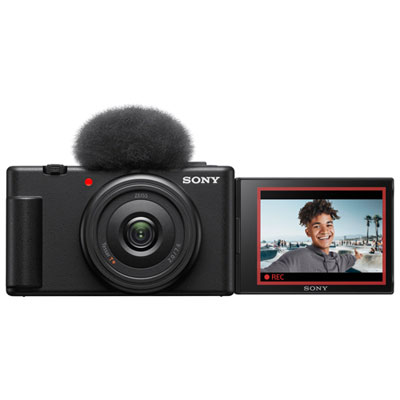 Your price for this item is $599.99
-
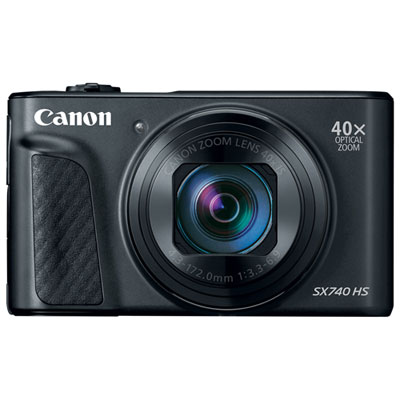 Your price for this item is $799.99
-
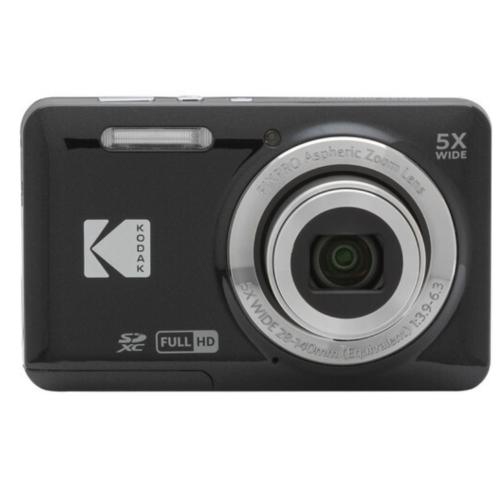 Your price for this item is $253
-
 Your price for this item is $295.85
-
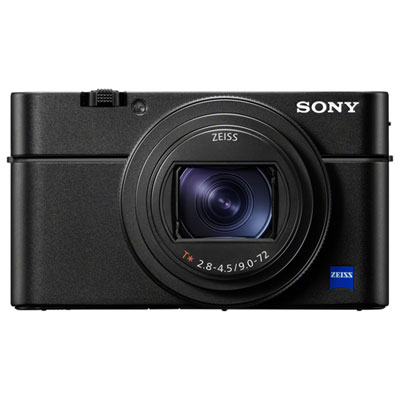 Your price for this item is $1799.99
-
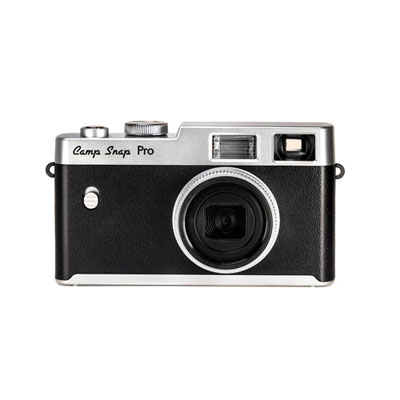 Your price for this item is $99.99
-
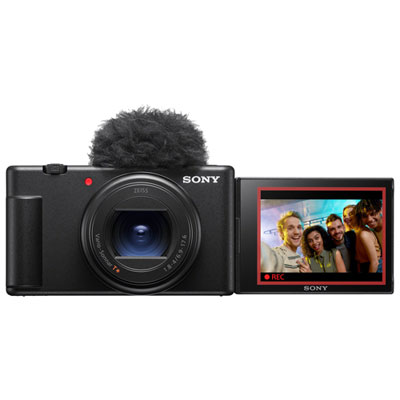 Your price for this item is $1099.99
-
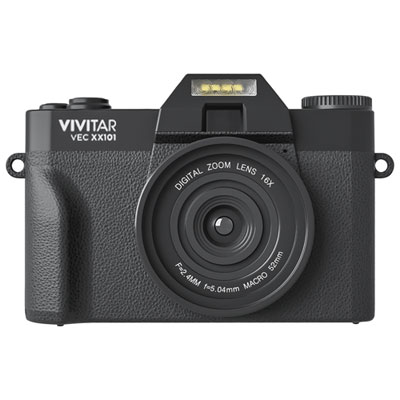 Your price for this item is $199.99
Discover more categories related to Optical Zooms

Top Collections:
Best Black Friday Deals This Year, Best Black Friday Deals On Electronics, Kindle Devices, Best Black Friday Deals On Apple Products, Best Budget Office Chairs, Best Cameras for Sports Photography, Dyson Airwrap, Canon G7X Cameras, Best Laptops for Writers, Samsung Galaxy Phones
Some products may be subject to Environmental Handling Fees
(EHF) depending on your province.
Learn more about EHFs.