Panasonic Point And Shoot Cameras
Capture every moment with ease using Panasonic point and shoot cameras. Designed for convenience and versatility, these cameras are ideal for anyone looking to document memories on the go. Whether you’re snapping photos at family gatherings, exploring new destinations, or simply enjoying everyday adventures, Panasonic point and shoot cameras offer a simple way to achieve impressive results. Discover a range of options that fit your lifestyle and make photography more enjoyable than ever.
Sort
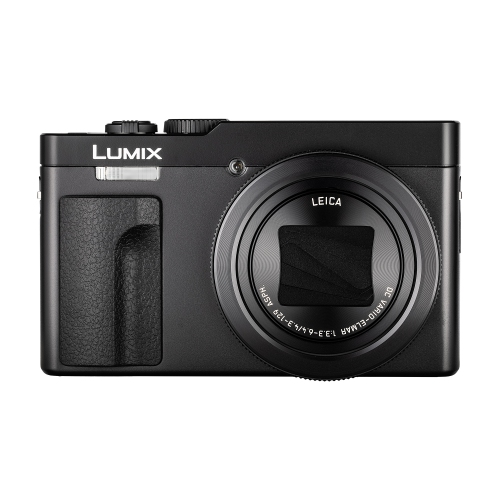
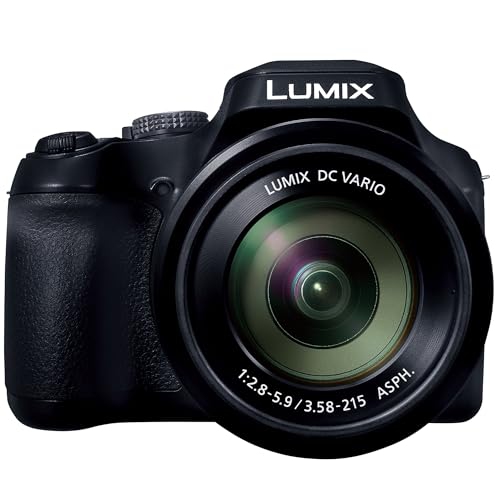
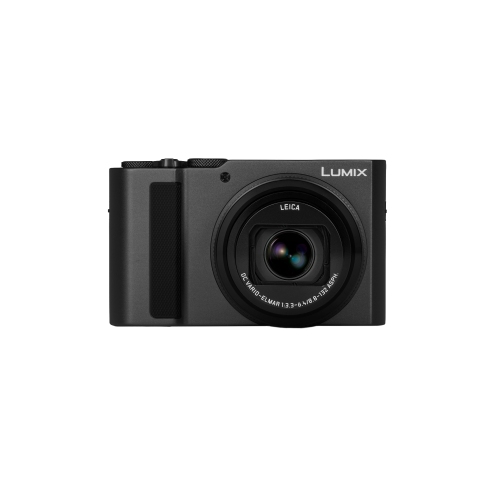

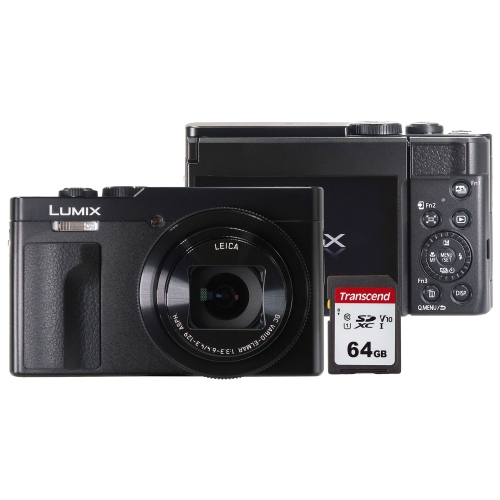


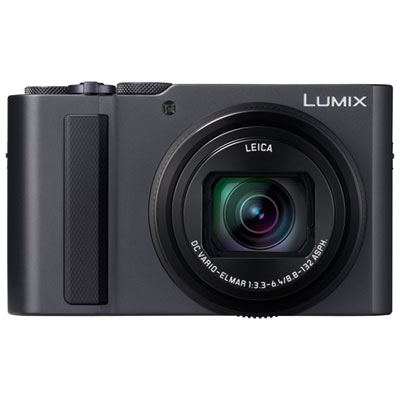


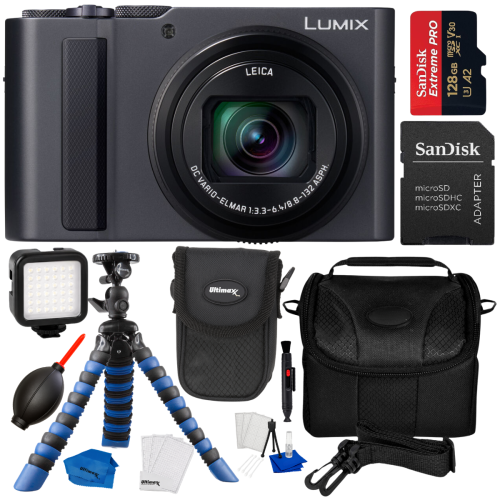


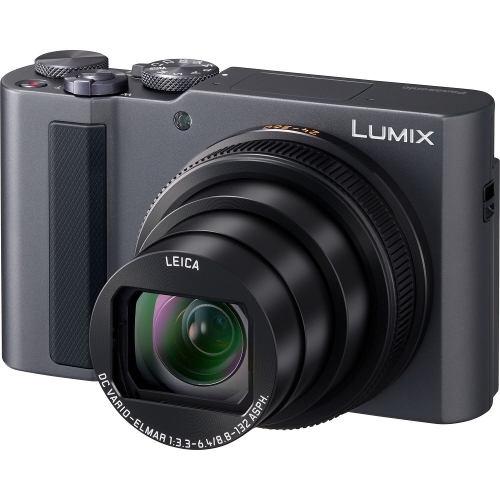
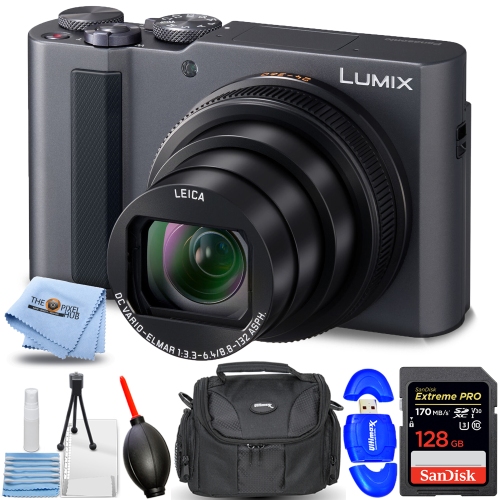

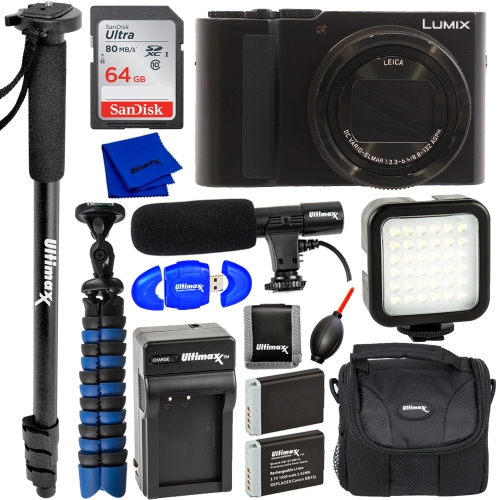

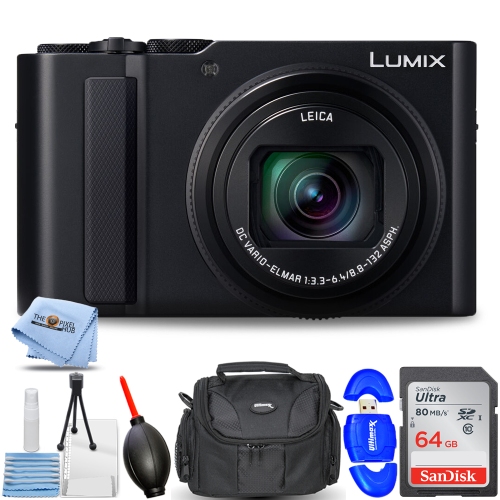
Everyday photography without the hassle of changing lenses
Point-and-shoot cameras pair a built-in lens with straightforward operation, making them a practical choice for travel photography, family pictures, and everyday moments worth keeping. Unlike interchangeable-lens cameras, they keep the lens and camera body together in one unit, so there is no need to carry separate lenses or change them between shots. The category includes slim pocket cameras, compact travel cameras with extended optical zoom, and more advanced fixed-lens designs that offer greater control over exposure. Their appeal lies in having a dedicated camera that can move from a wide view of a city square to a closer portrait with a simple adjustment. Automatic shooting modes handle many exposure settings, while face detection and subject-tracking features, where included, can help keep attention on the people or movement in the frame. For someone photographing a birthday gathering, that could mean shifting from a group around the table to a child opening a gift without navigating complicated menus. Size and handling remain important even within this compact category: a camera that slips easily into a jacket pocket may feel different in the hand from one with a deeper grip and a longer lens. Body construction can include metal, moulded plastics, or a combination of materials, with textured grip surfaces providing a more secure hold. The placement of the shutter button, zoom control, and rear buttons affects how comfortably the camera works for different hand sizes. A wrist strap adds security during handheld use, while a fitted pouch helps keep the camera separate from keys and other objects in a bag. These cameras suit travellers who want a self-contained photography setup, parents capturing family milestones, and beginners who prefer physical controls over a phone screen. They can also make thoughtful gifts for someone interested in photography, particularly when the balance of portability, controls, and intended use matches the recipient’s habits rather than simply offering the longest list of features. A clear screen and readable menus can matter just as much as advanced settings for someone who wants to concentrate on framing a picture.
Lens range and sensor design shape what a point-and-shoot camera can do. Optical zoom changes the framing through the lens, bringing a distant subject closer without relying on the cropping used by digital zoom. A wide-angle setting helps fit buildings, interiors, and groups into the frame, while a longer telephoto setting is useful for architectural details, stage performances where photography is permitted, or animals viewed from an appropriate distance. The zoom multiplier alone does not describe the entire view; the lens’s equivalent focal-length range gives a clearer sense of how wide it starts and how far it reaches. Longer zoom settings also magnify hand movement, making image stabilization a valuable feature for handheld photography. Stabilization can reduce blur caused by camera shake, but it does not freeze a moving subject, so children running across a playground still need a suitably fast shutter speed. Sensor size is another consideration, especially for indoor portraits and scenes with strong contrasts between bright and shaded areas. Larger sensors can offer advantages in image quality and low-light performance, although results also depend on the lens, exposure settings, and image processing. Megapixel count describes image resolution, but it is not a complete measure of sharpness, colour, or detail. Lens aperture influences how much light reaches the sensor, and a lens with a wider maximum aperture can be helpful when photographing a quiet café interior or a family gathering without flash. Some compact cameras offer close-focusing modes for subjects such as flowers, handmade jewellery, or the texture of a favourite meal. Others include manual exposure controls and RAW capture, giving interested photographers more flexibility when adjusting images later. Shoppers comparing different approaches to portability, zoom, and creative control can explore Best Point and Shoot Digital Cameras for a broader view of the category. The most useful combination depends on the pictures someone actually takes: distant details call for reach, everyday outings favour easy carrying, and carefully composed portraits may place more emphasis on the sensor and lens.
Screen design, video features, and everyday upkeep round out the experience of owning a compact camera. A tilting screen, where fitted, can make it easier to frame a photograph from waist height or include the photographer in a group picture, while a touchscreen can simplify selecting a focus point. An electronic viewfinder, on models that include one, offers an alternative to composing on the rear display and can provide a more braced shooting position. Video capabilities vary across the category, with some cameras supporting 4K capture for detailed clips of performances, trips, or family celebrations. Resolution is only part of the picture: autofocus behaviour, stabilization, frame-rate options, sound capture, and continuous filming limits also influence how well a camera suits video use. Wireless features such as Wi-Fi or Bluetooth, when supported, can help transfer photographs to a compatible phone, though available functions and app requirements differ. Battery life and charging arrangements deserve attention for days spent away from a power source; some cameras charge through a USB connection, while others use a separate battery charger. A compatible memory card with suitable capacity and write speed supports reliable photo and video capture, and transferring files regularly keeps important memories from remaining on a single card. Care is generally simple but matters for long-term use. A protective case helps reduce scuffs during transport, and keeping loose grit out of pockets and bags helps protect moving lens sections. Dust is best lifted gently with a camera-safe blower before a clean lens cloth is used, rather than rubbed across the glass with clothing or paper tissue. The extending lens should move freely and should never be forced back into the body. A compact shape or sturdy-feeling finish does not by itself establish impact protection; any durability claims depend on the camera’s stated design and ratings. With comfortable handling, suitable storage, and features matched to everyday subjects, a point-and-shoot camera offers a dedicated way to capture photographs without building a larger camera kit.
Top selling and popular products
-
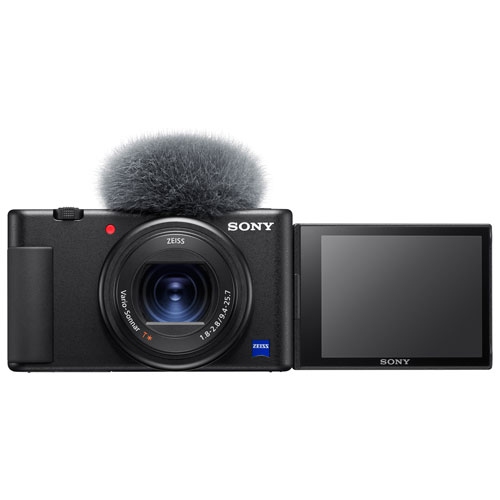 Your price for this item is $804.97
-
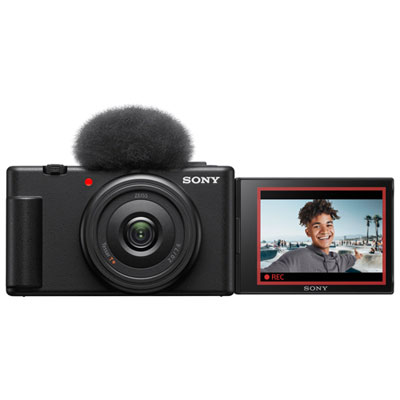 Your price for this item is $649.99
-
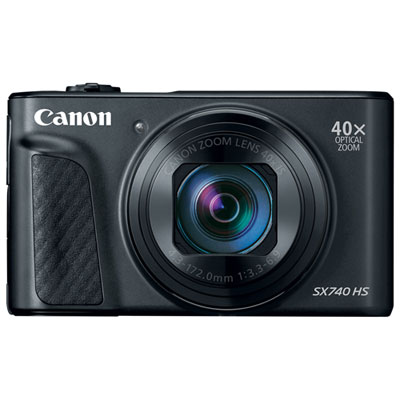 Your price for this item is $749.99
-
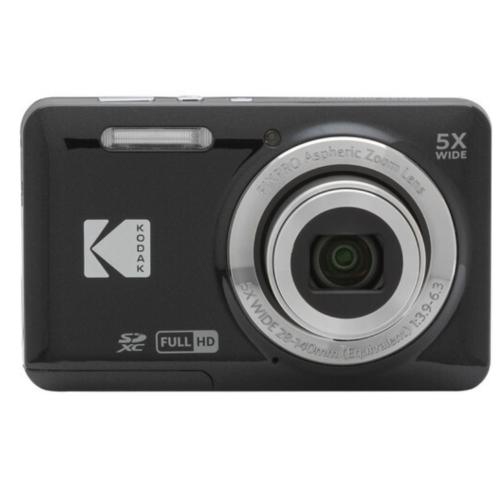 Your price for this item is $253
-
 Your price for this item is $255
-
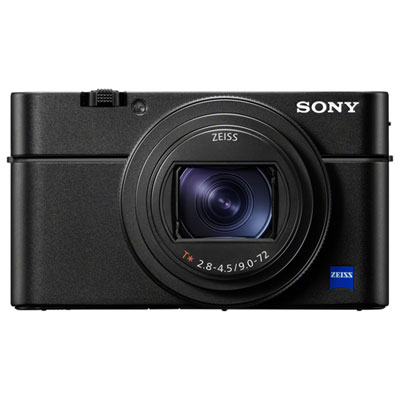 Your price for this item is $1999.99
-
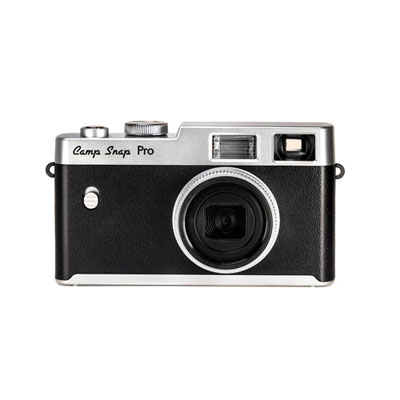 Your price for this item is $99.99
-
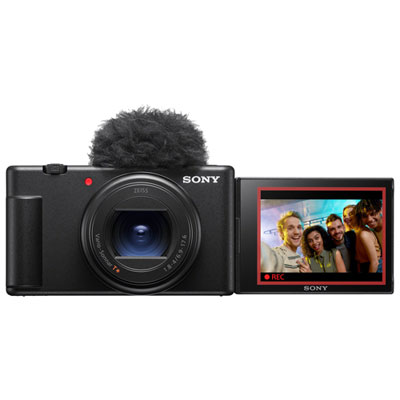 Your price for this item is $1199.99
Discover more categories related to Panasonic Point And Shoot Cameras
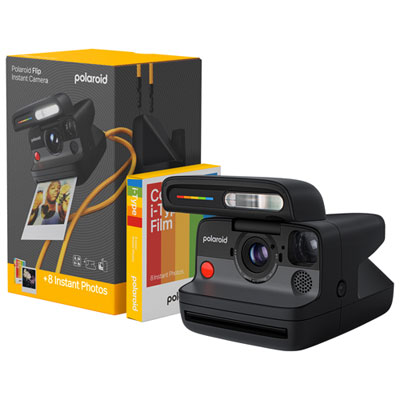

Top Collections:
Pokemon Centers, Best Cameras for Sports Photography, Kindle Devices, Samsung Galaxy Phones, Canon G7X Cameras, Pokémon 30th Celebration Cards, Refurbished Apple Laptops, iPhone 15 Apple, Laptops for Students, Budget Smartphones
Some products may be subject to Environmental Handling Fees
(EHF) depending on your province.
Learn more about EHFs.