Point And Shoot Cameras for Video
Capture life’s moments with ease using point and shoot cameras for video. Designed for effortless operation, these cameras offer a convenient way to record high-quality videos wherever you go. Whether you’re documenting family events, travel adventures, or everyday memories, point and shoot cameras for video provide a reliable solution for users of all experience levels. Discover options that combine portability with impressive video capabilities, making it simple to preserve and share your favorite experiences.
Sort
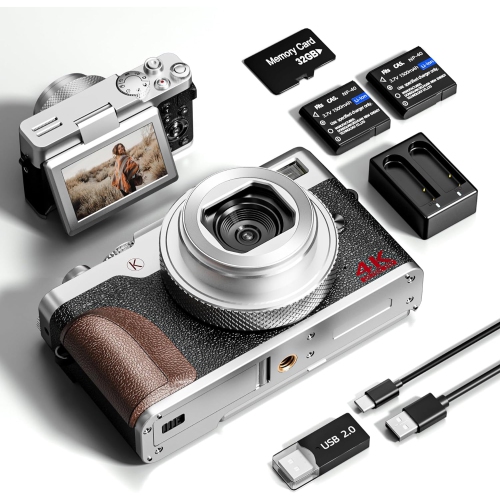
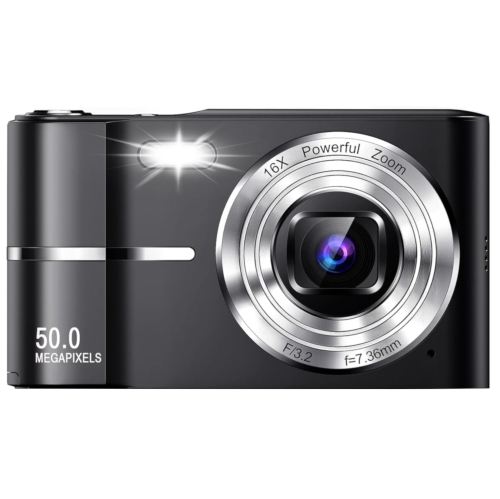
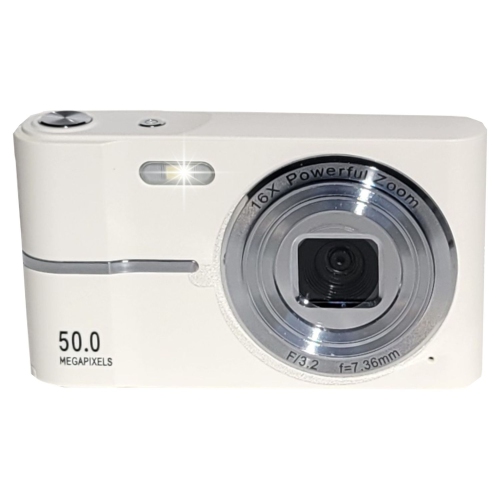
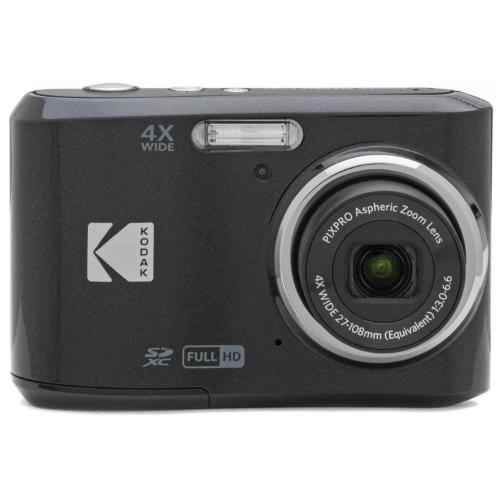
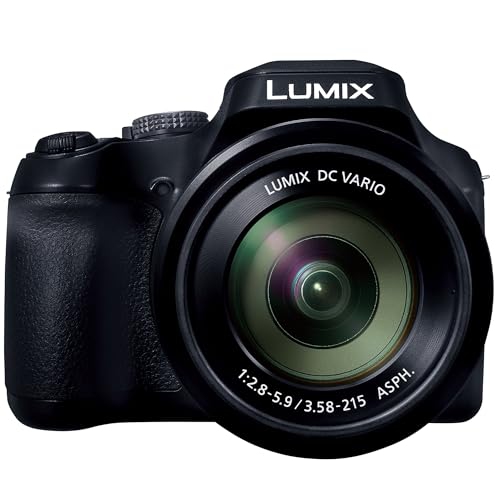
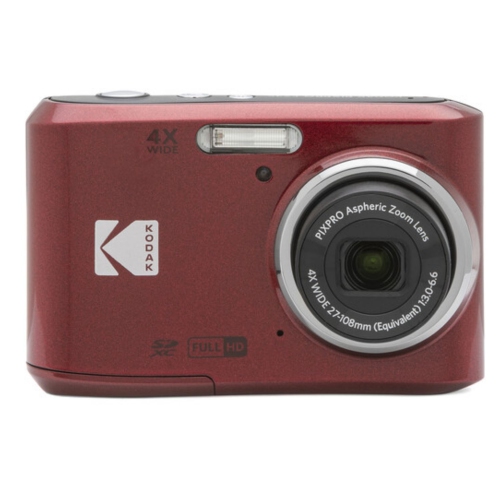
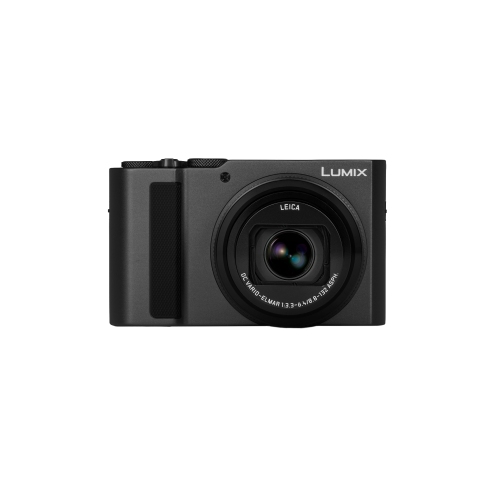
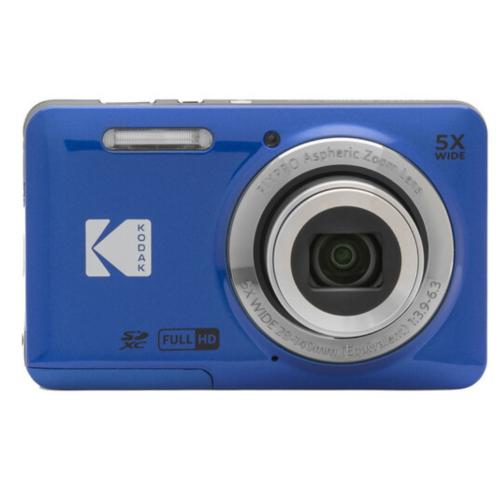
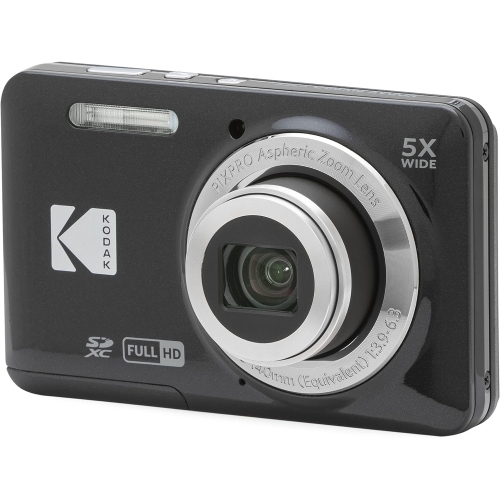
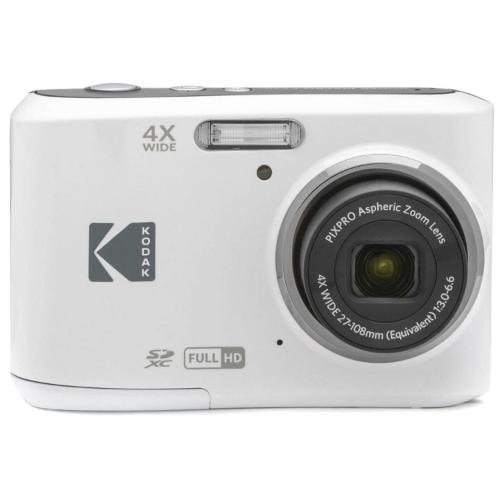
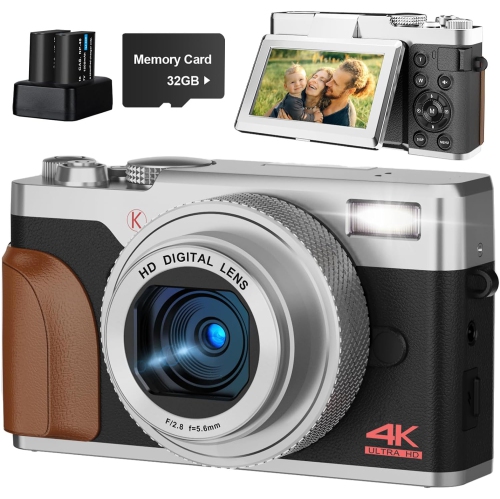
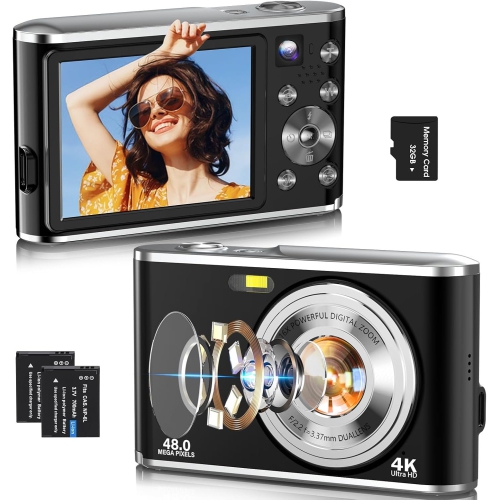
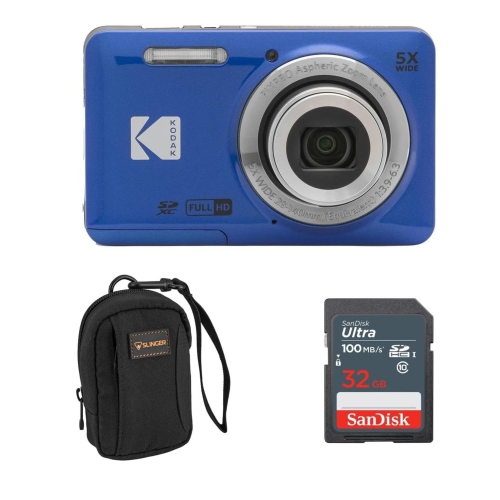
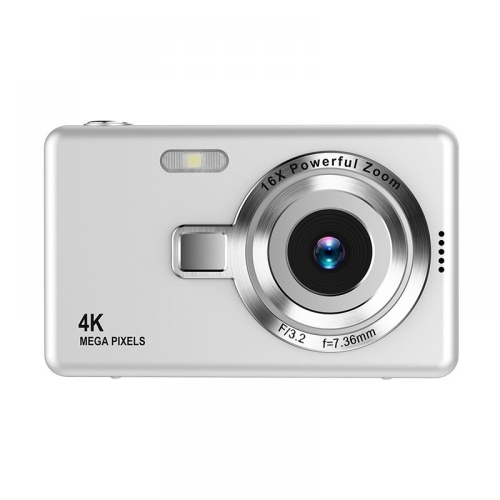


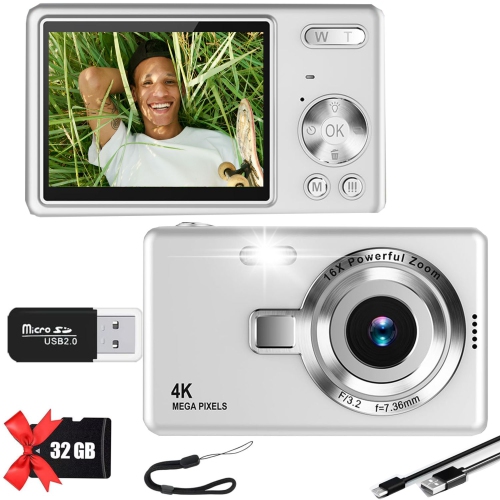

Everyday video depends on more than resolution
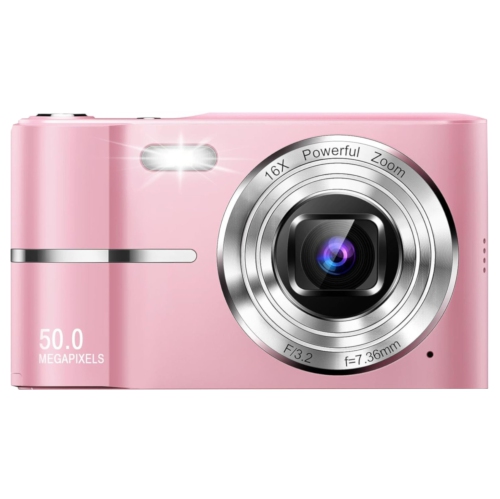
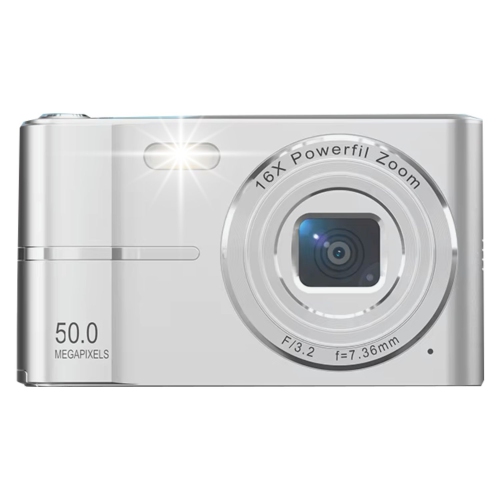
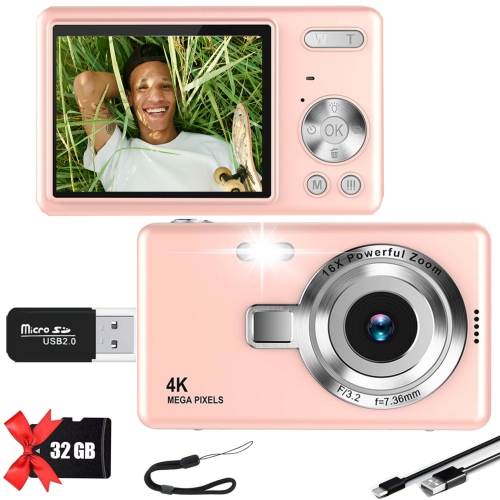
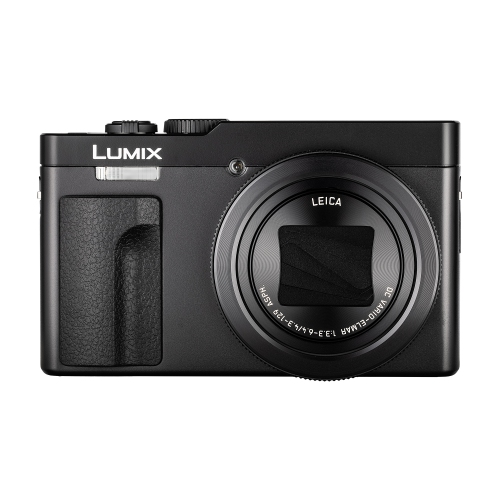
Point-and-shoot cameras for video combine a built-in lens, straightforward controls, and a compact body for recording everyday moments without carrying a separate lens kit. They suit travel clips, family celebrations, personal projects, and videos made for sharing, particularly when a dedicated camera feels more comfortable than holding a phone for an extended recording. The most useful features depend on what happens in front of the lens: dependable autofocus helps keep a moving subject clear, stabilization reduces visible camera shake, and a suitable field of view keeps the intended scene in frame. A wide-angle lens can make it easier to film at arm’s length or include several people around a table, while optical zoom brings distant details closer without relying entirely on digital enlargement. Some compact cameras use a fixed focal length rather than a zoom lens, so their framing flexibility is different. Video resolution is another distinction. 4K recording captures more detail than Full HD and can leave room for cropping when the finished video is delivered at a lower resolution, although sharp-looking footage also depends on focus, lens quality, and lighting. Frame rate affects how movement appears: 24 or 30 frames per second can suit conversations and everyday scenes, while 60 frames per second can make fast movement look smoother where supported. Higher frame rates intended for slow motion may come with limits on resolution, sound recording, or recording duration. Sensor size also contributes to image quality, especially indoors, but it works alongside lens aperture and image processing rather than determining results on its own. For someone filming a child’s music practice, a cooking demonstration, or a street performance, a useful camera is one that handles those situations comfortably, not simply the one with the longest specification list. Clear controls and reliable automatic exposure can make it easier to capture a spontaneous moment before it passes.
Autofocus, stabilization, and sound have a noticeable effect on how watchable a video feels. Face or eye detection, where included, can help maintain focus during a spoken presentation, while subject tracking may be useful when someone moves across the frame. Performance varies between cameras, particularly with dim lighting, busy backgrounds, or a subject that briefly leaves view. Stabilization also takes different forms. Optical stabilization helps counter camera movement through the lens or sensor system, while electronic stabilization adjusts the recorded image and may narrow the field of view. Neither necessarily removes the rise and fall of footsteps, so footage recorded while walking can look different from a steady handheld shot taken while standing still. A comfortable grip and accessible recording button matter during longer clips, and a tripod socket adds flexibility for interviews, demonstrations, or filming from a desk. A screen that tilts or turns towards the person being filmed makes self-recording easier, although its movement and visibility vary by design. Sound deserves equal attention: built-in microphones are convenient for spontaneous clips, but they can also pick up handling noise and surrounding conversation. A microphone input, where supported, allows an external microphone to sit closer to the speaker, which can improve speech clarity. Headphone monitoring is a separate feature and is not included on every compact camera. For desk-based recording, supported USB webcam operation or a compatible HDMI output may be relevant, but the connection type alone does not confirm that a camera will work with a particular application. Wireless features such as Wi-Fi can help with remote control or transferring files, depending on the camera and companion software. Larger video files may still be more practical to transfer through a cable or memory card reader. These everyday details shape the experience as much as resolution does, especially for a student recording a presentation or a creator filming several takes in the same session.
Size, construction, and lens design influence how easily a point-and-shoot camera becomes part of a regular routine. A genuinely pocketable body is convenient for day trips and casual outings, while a larger compact may offer a more substantial grip, a longer zoom range, or controls that are easier to operate. Metal and reinforced plastic bodies each have their own feel, but the material alone does not establish resistance to drops, dust, or moisture. A protective case helps prevent scratches in a bag, and a wrist strap provides extra security when recording near a railing or passing the camera between people. Retracting lens mechanisms need room to move freely, so keeping grit away from the lens barrel and avoiding pressure on an extended lens are useful habits. A clean microfibre cloth and appropriate lens-cleaning tools help maintain a clear view without rough wiping that could mark delicate surfaces. Storage and power also affect practical use. Higher-resolution video can require a memory card with a specified speed rating, and sufficient capacity matters when recording several clips before transferring them. Battery life varies with screen use, wireless connections, stabilization, and recording settings; charging support and access to a spare battery can be important for longer sessions. Maximum clip length and heat-related recording limits are also worth noting for performances or extended conversations, since a compact camera that works well for short clips may not suit uninterrupted recording. Beyond video, many of these cameras can capture still images, making them appealing to travellers, families, and hobbyists who want both formats from one device. Those whose main interest is still imagery can also explore point-and-shoot cameras for photography. As a gift, a compact video camera can suit someone documenting a creative project, learning to frame a scene, or preserving family stories. The strongest fit comes from matching its handling, lens, audio options, and recording capabilities to the moments that person actually wants to capture.
Top selling and popular products
-
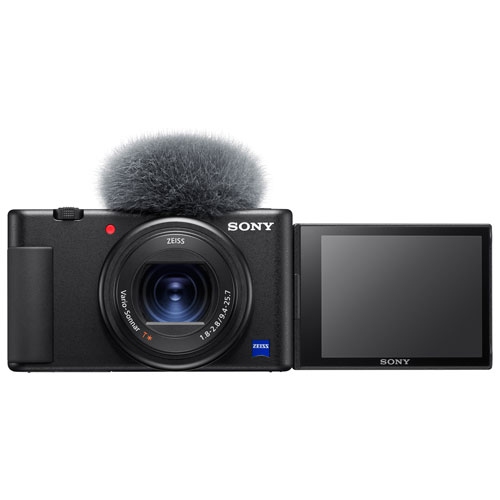 Your price for this item is $804.97
-
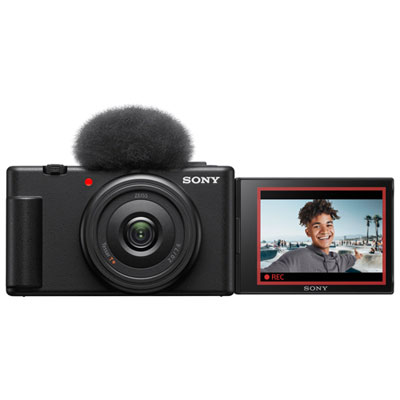 Your price for this item is $649.99
-
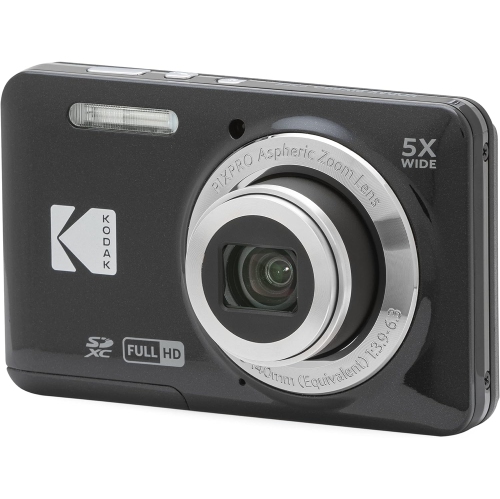 Your price for this item is $255
-
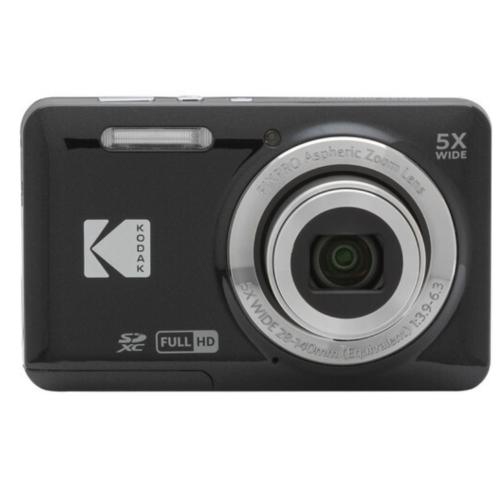 Your price for this item is $253
-
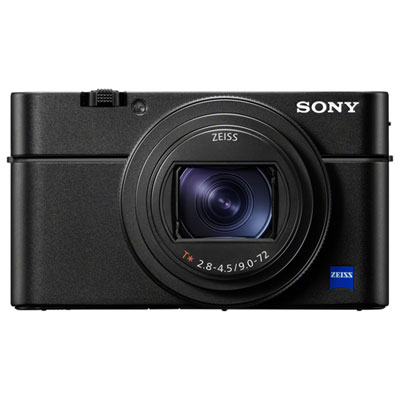 Your price for this item is $1999.99
-
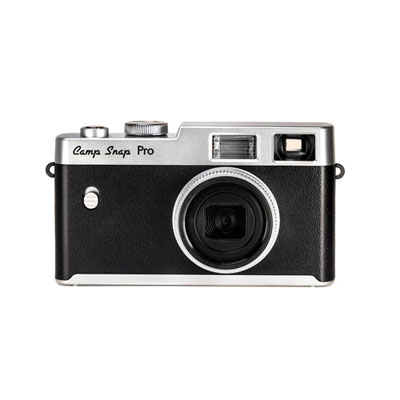 Your price for this item is $99.99
-
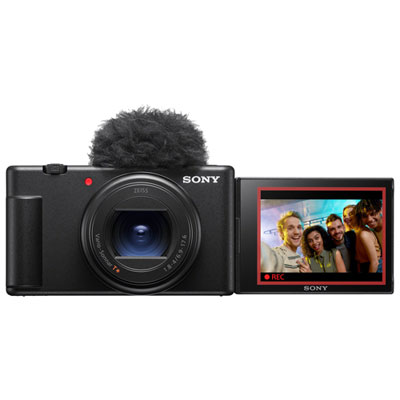 Your price for this item is $1199.99
-
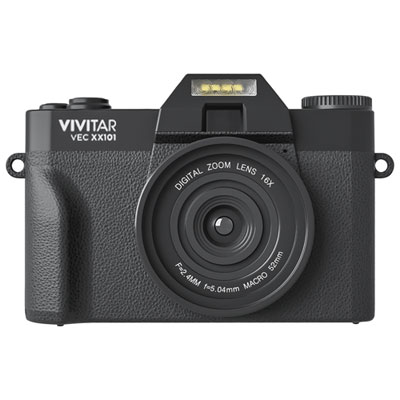 Your price for this item is $249.99
Discover more categories related to Point And Shoot Cameras for Video
Top Collections:
Pokemon Centers, Kindle Devices, Best Cameras for Sports Photography, Best Budget Office Chairs, Pokémon 30th Celebration Cards, Apple iPhones 16, Canon G7X Cameras, iPhone 15 Apple, Flip Phones, Samsung Galaxy Phones
Some products may be subject to Environmental Handling Fees
(EHF) depending on your province.
Learn more about EHFs.