Sony Cameras for Video Shooting
If you're looking for a new camera to shoot videos with, you have plenty of options. Sony has been making cameras for video for years. These cameras have great image quality, a wide range of features, and a reputation for durability. Here are some of the best Sony cameras for shooting video.
Sort
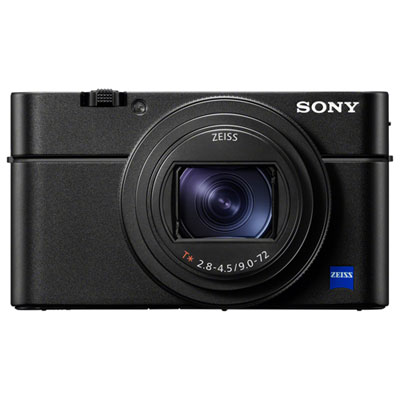
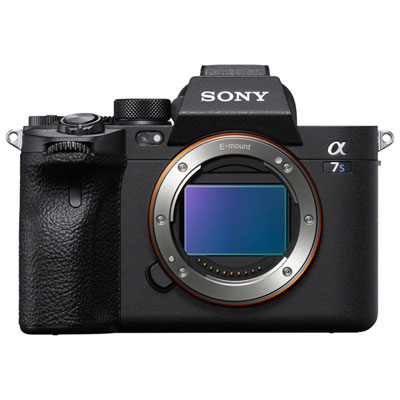
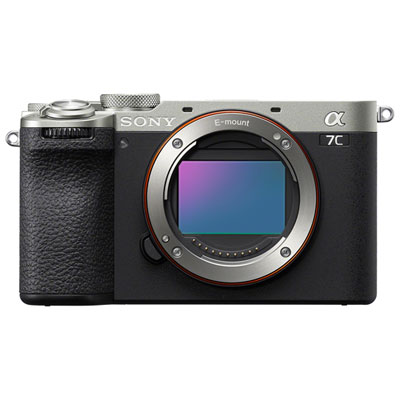
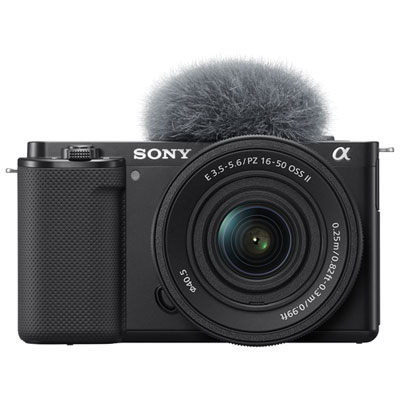
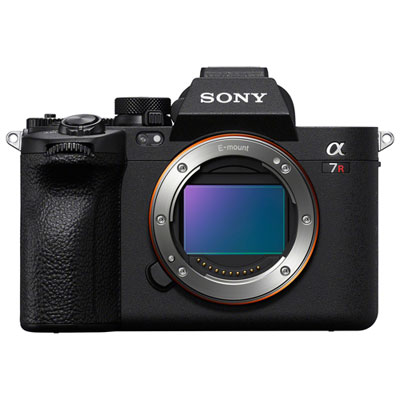
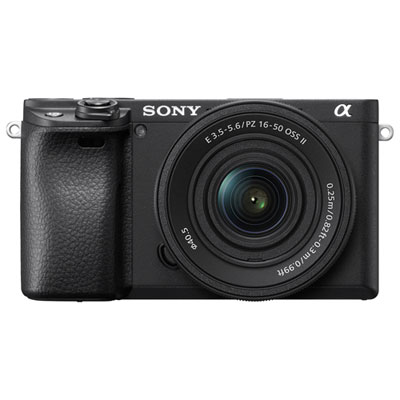
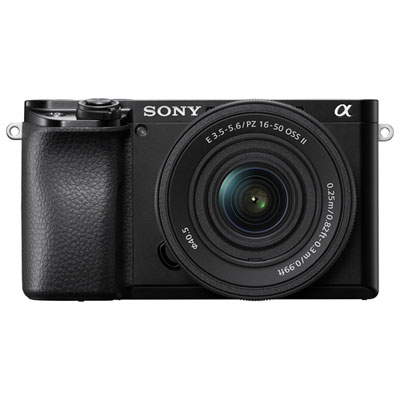
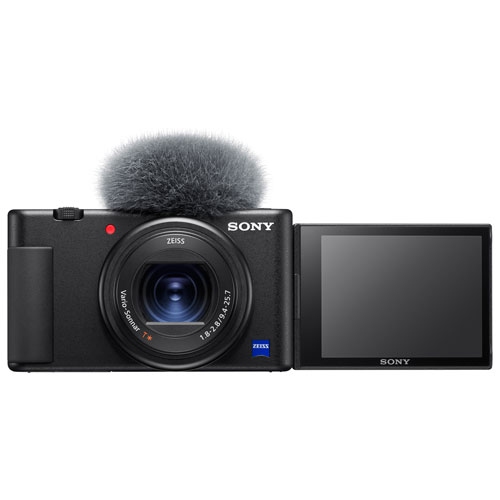
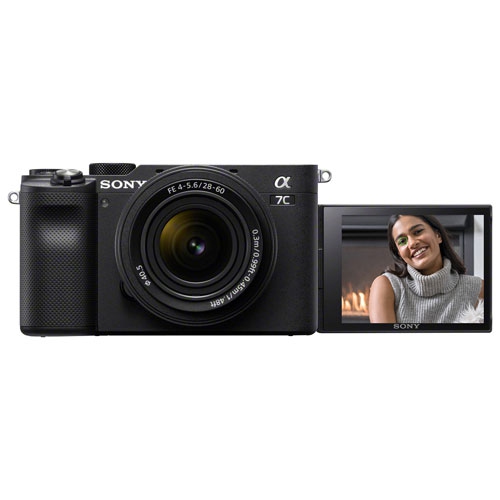
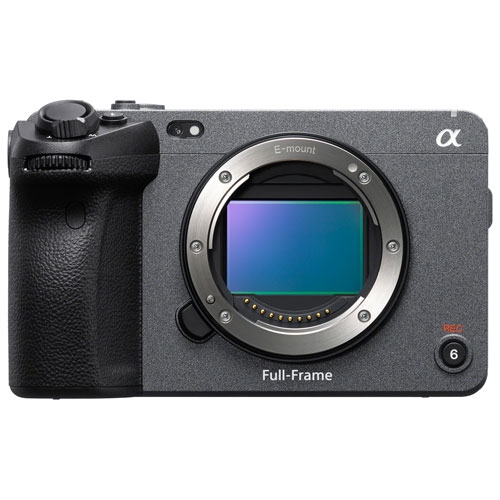
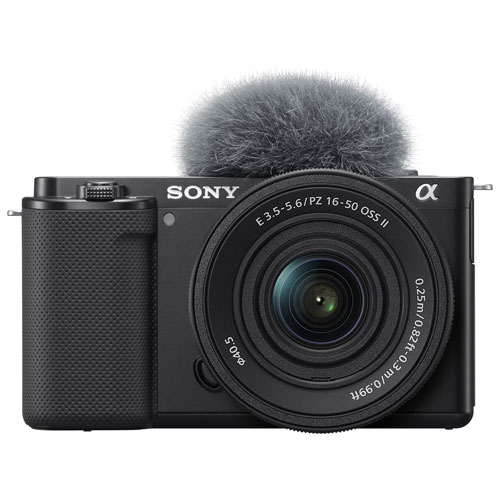
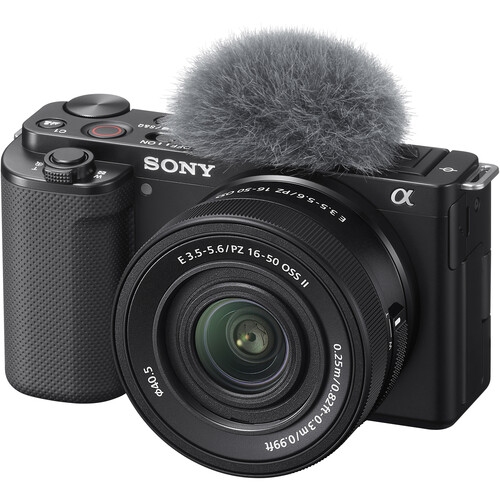
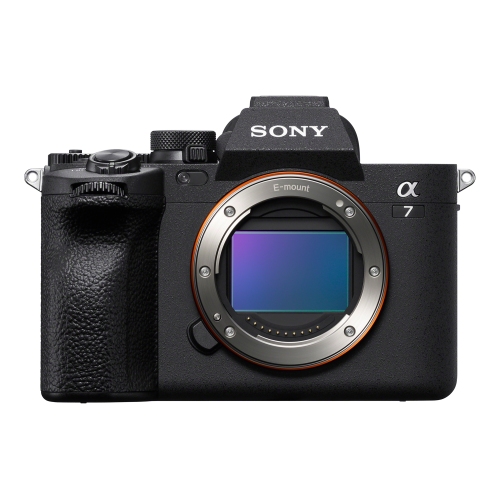

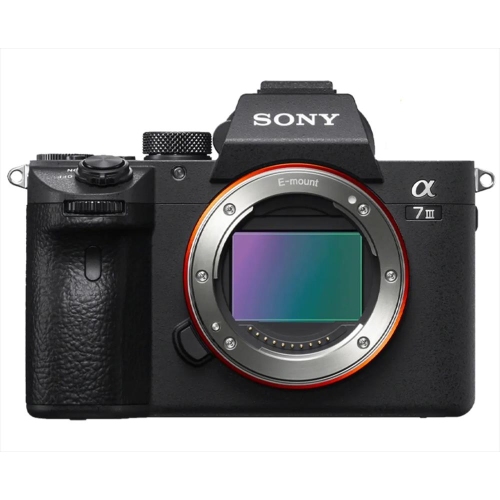
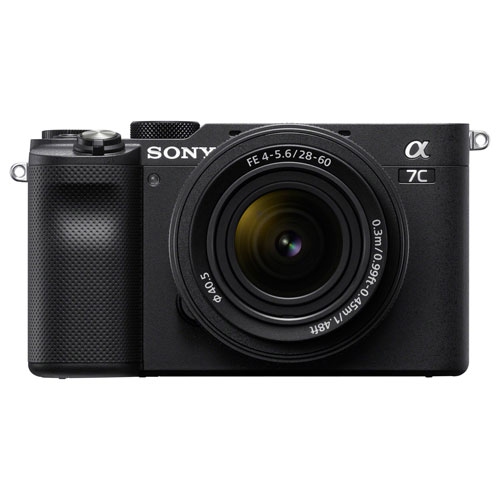
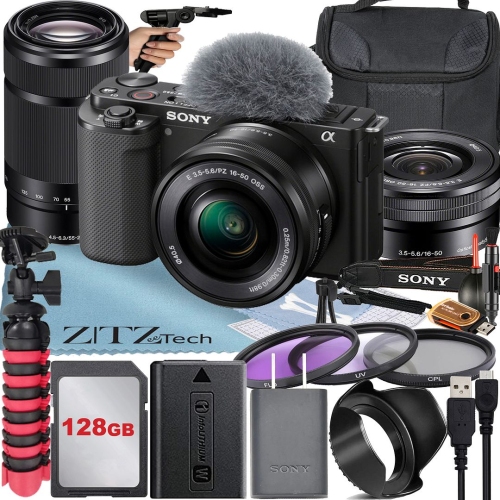
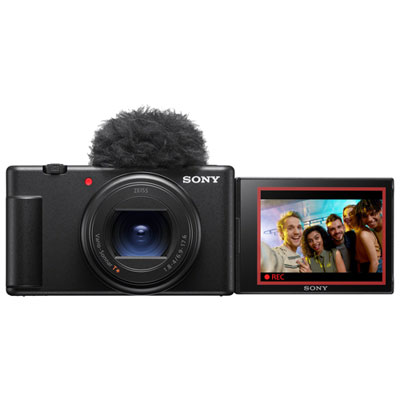
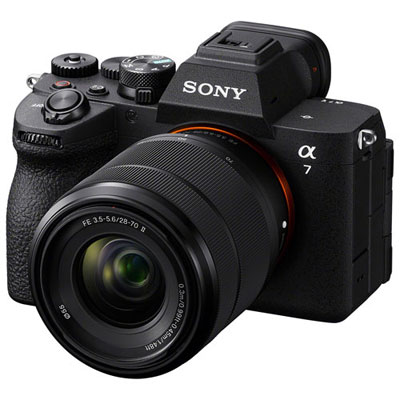

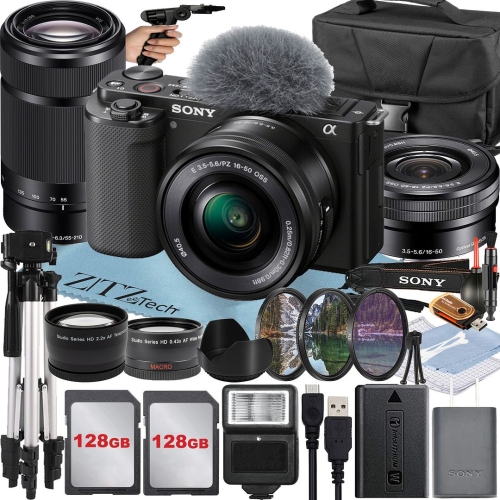
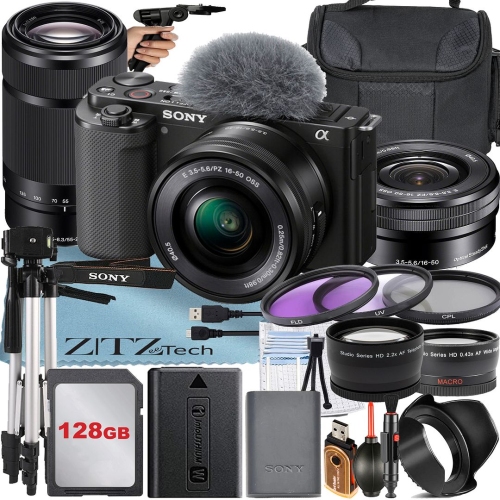
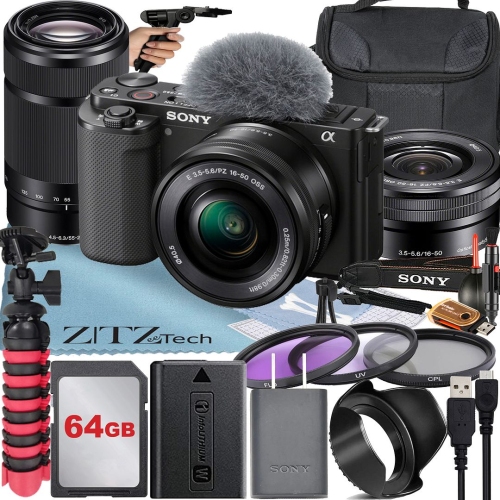
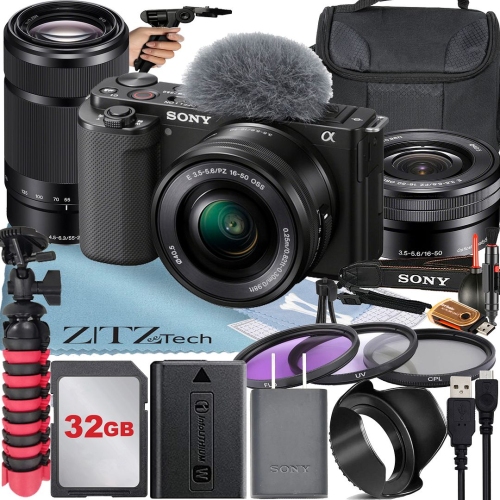
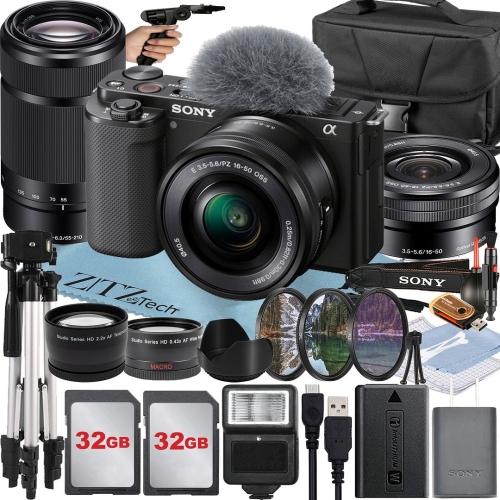
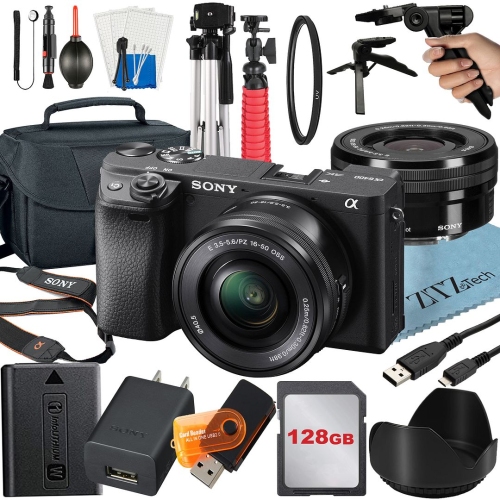
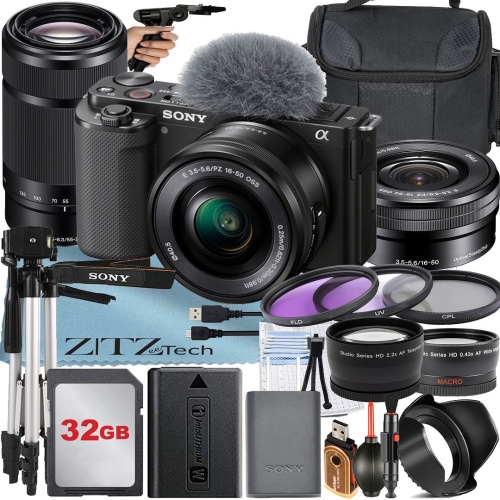
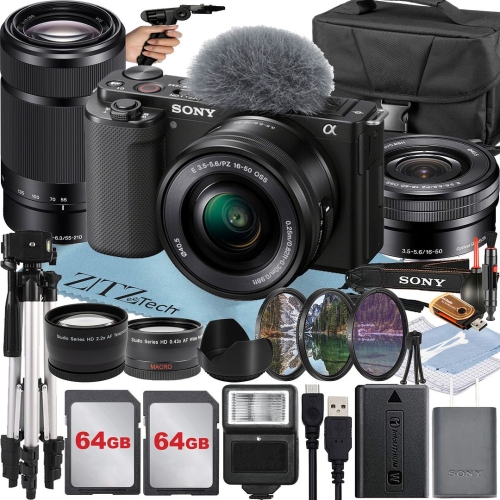
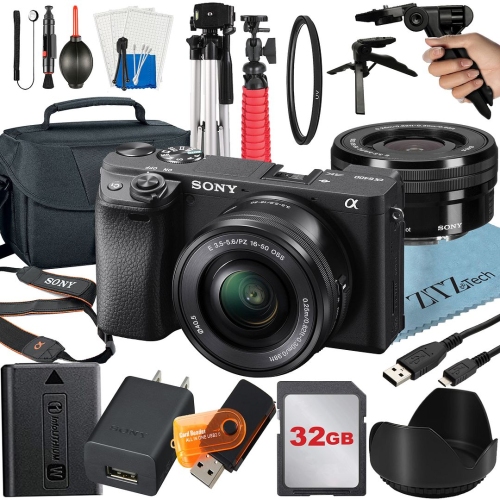
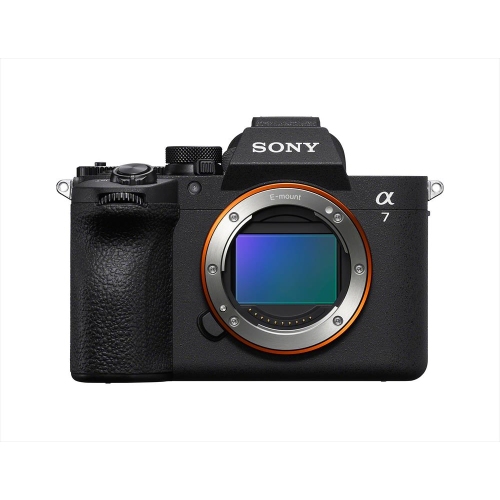
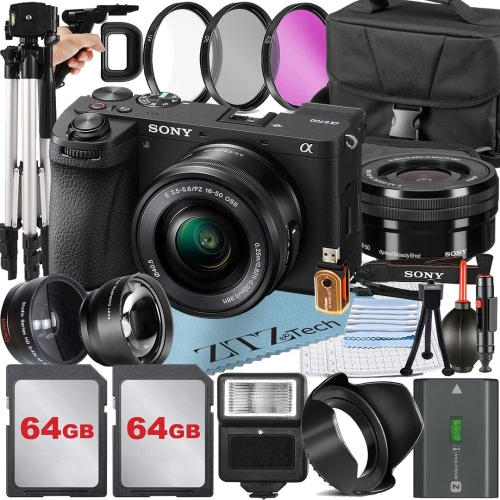
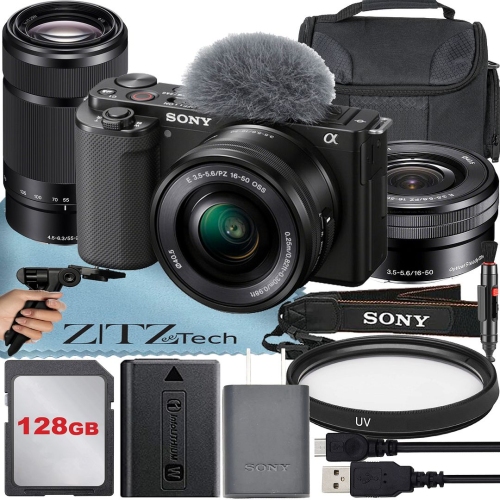
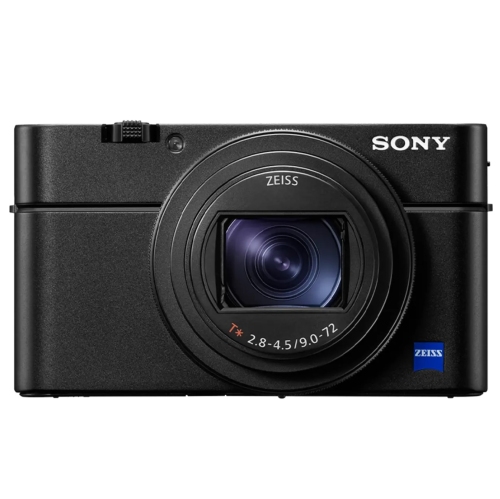
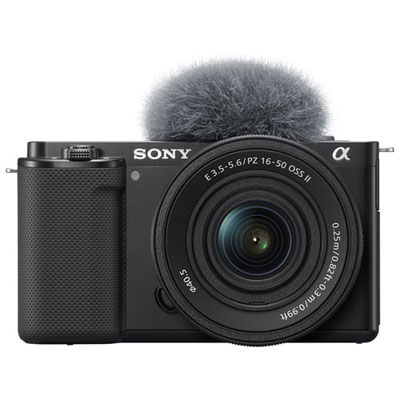
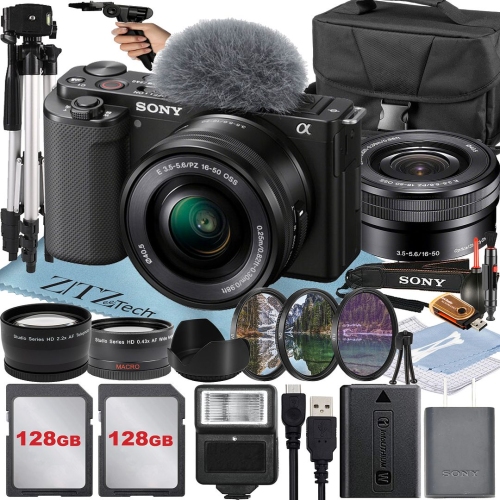
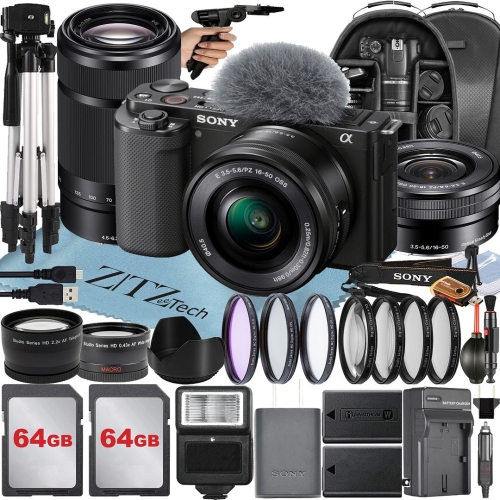
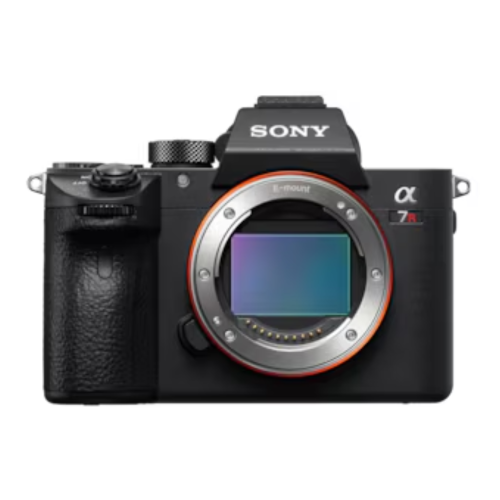
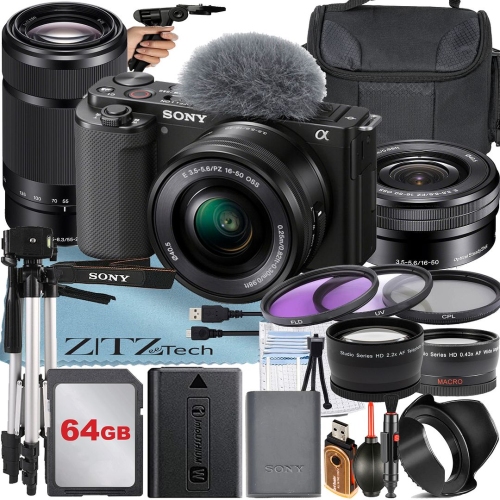
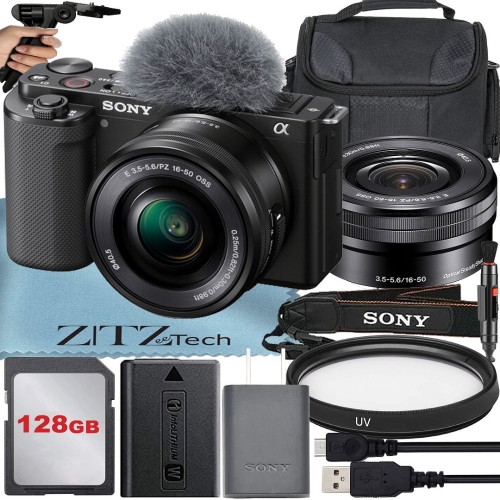
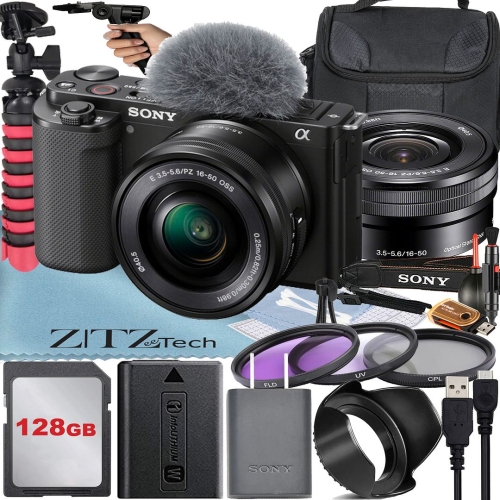
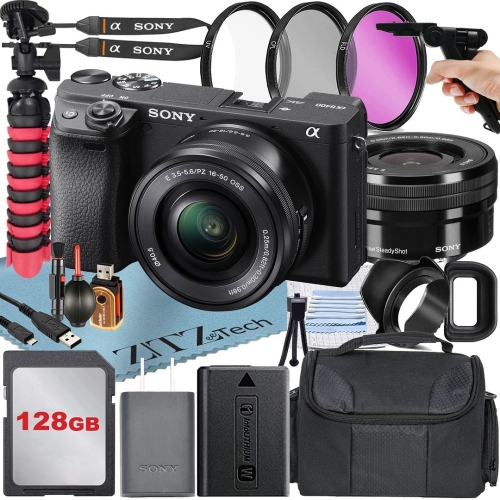

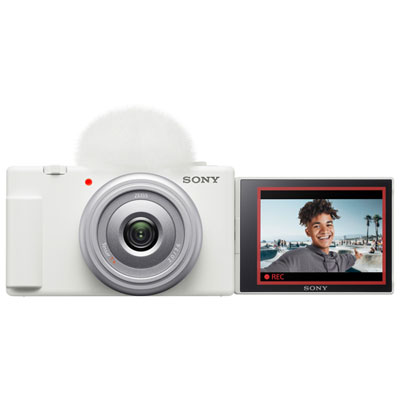
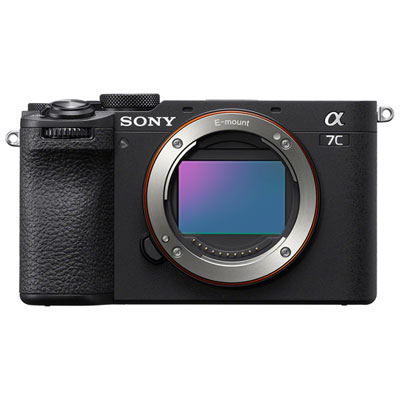
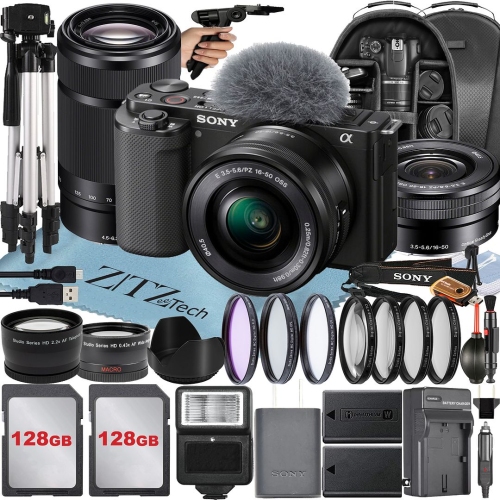
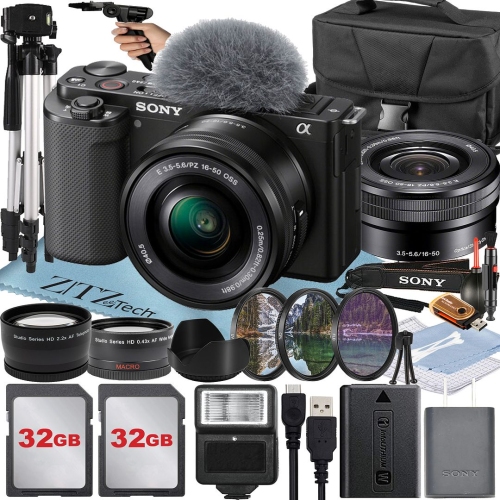
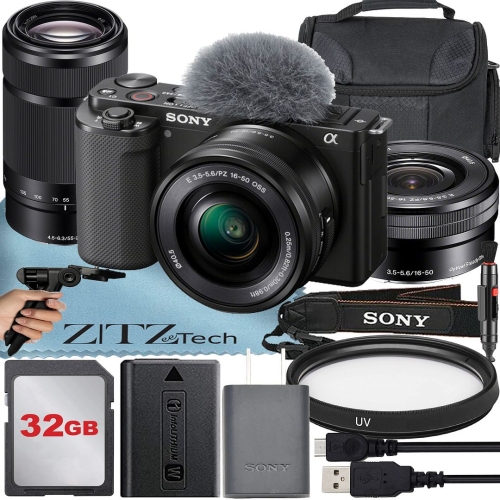
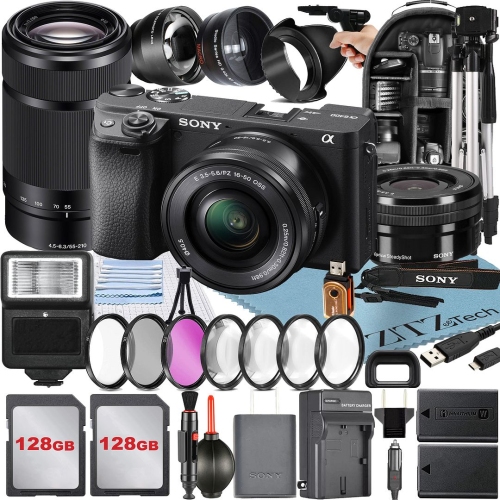
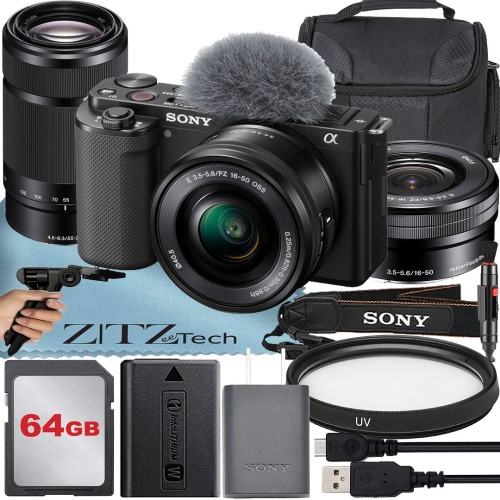
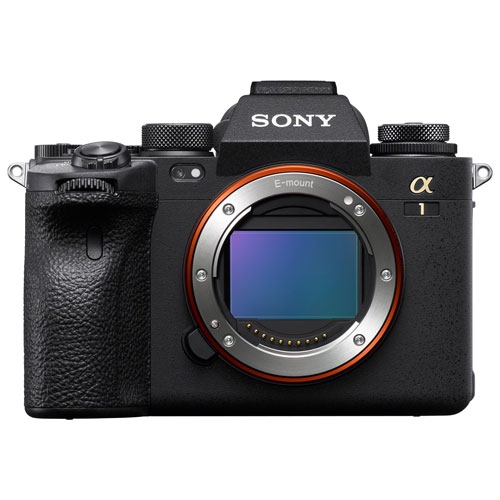
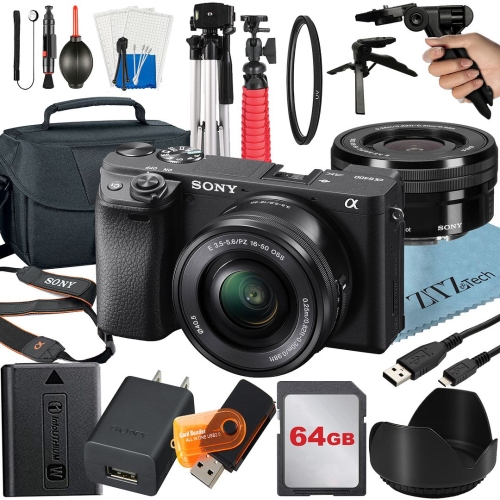
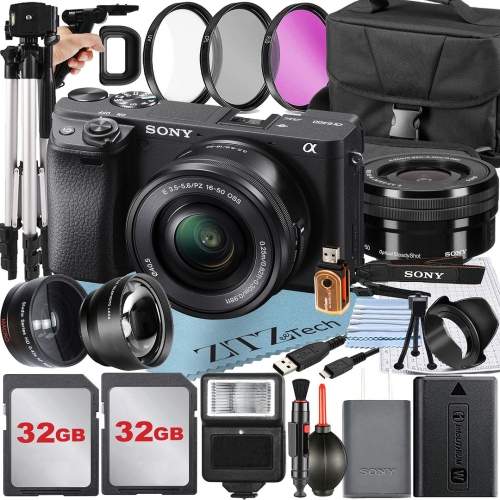
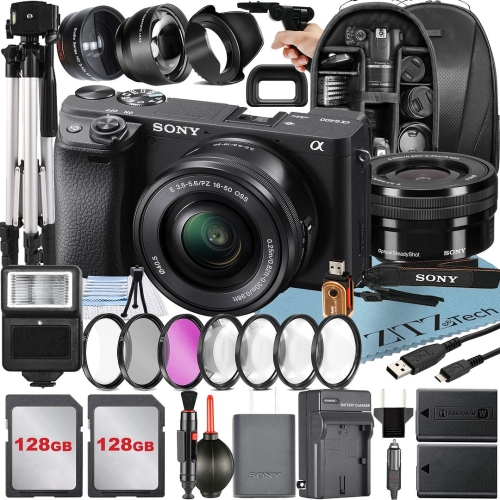
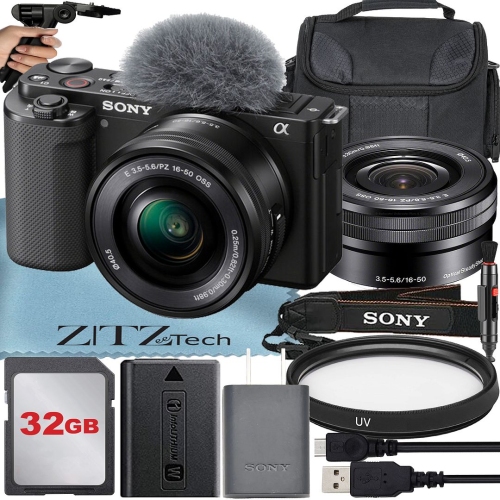
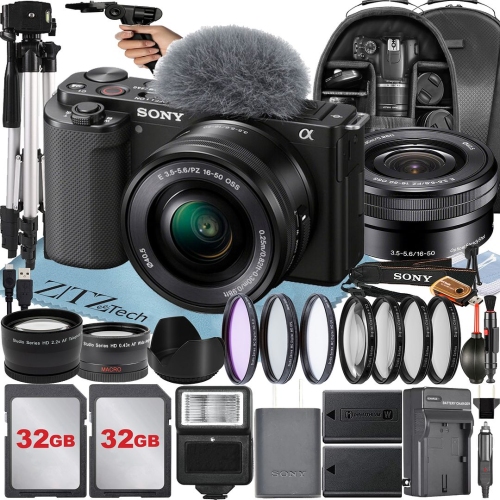
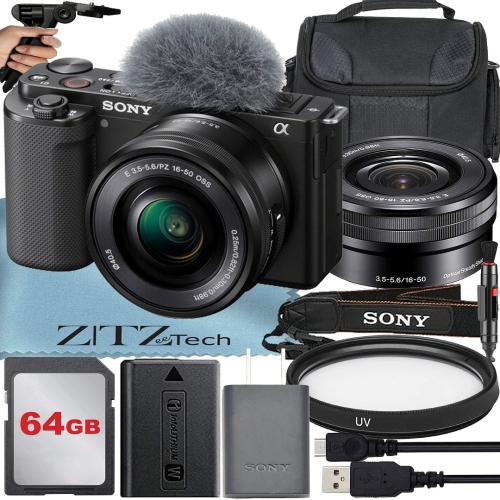
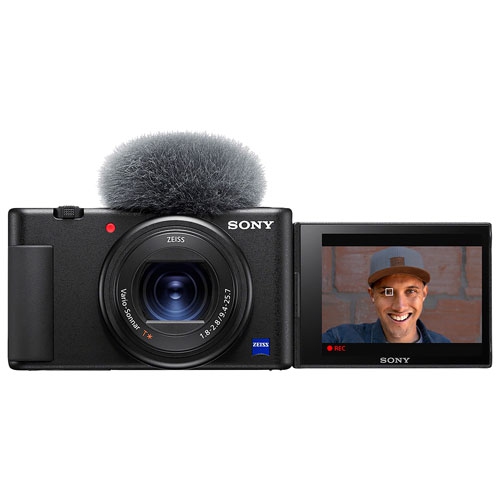
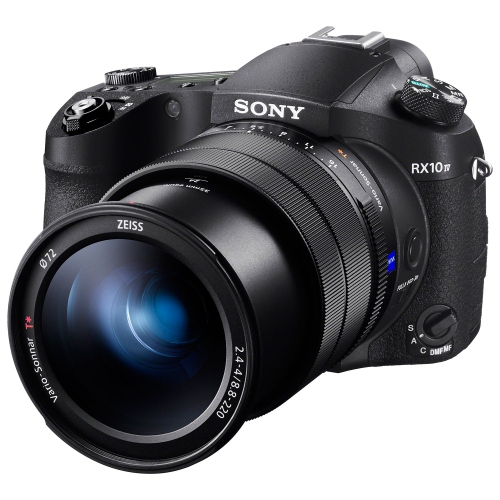
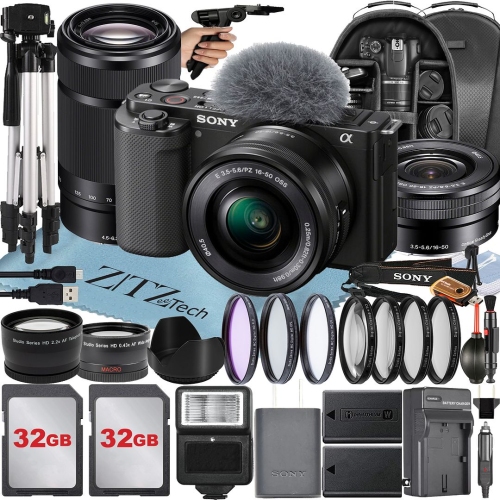
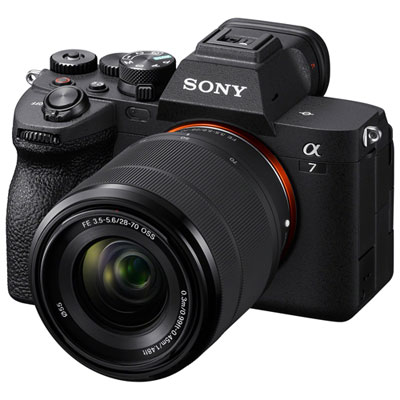
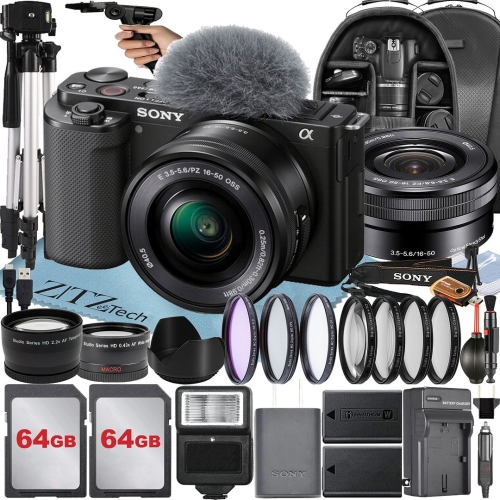
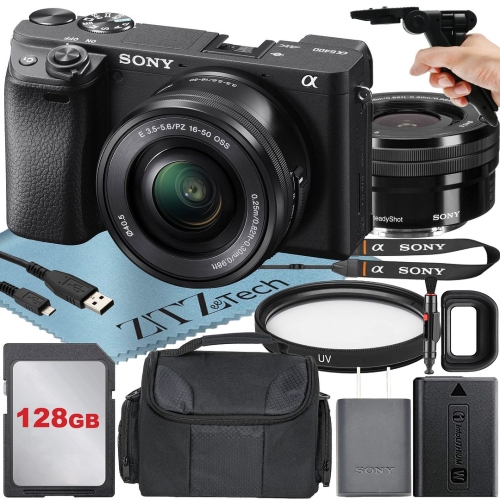
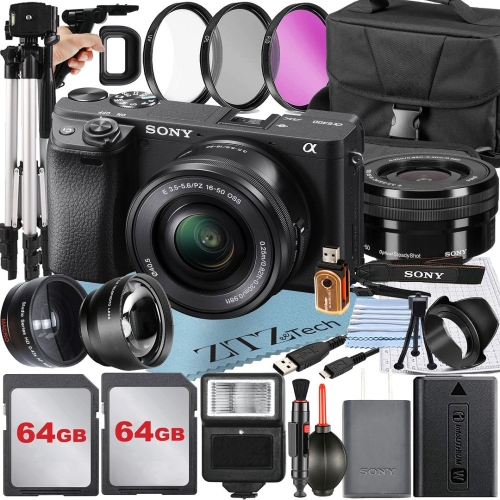
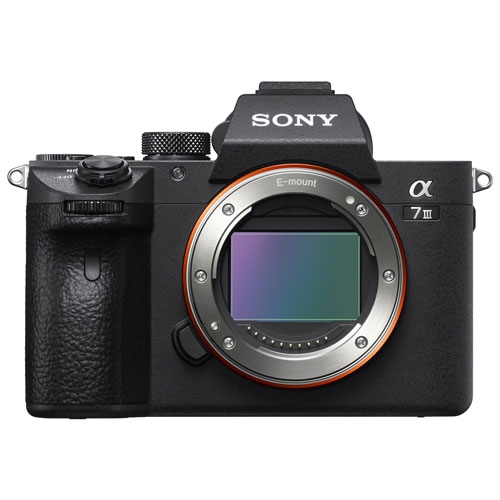
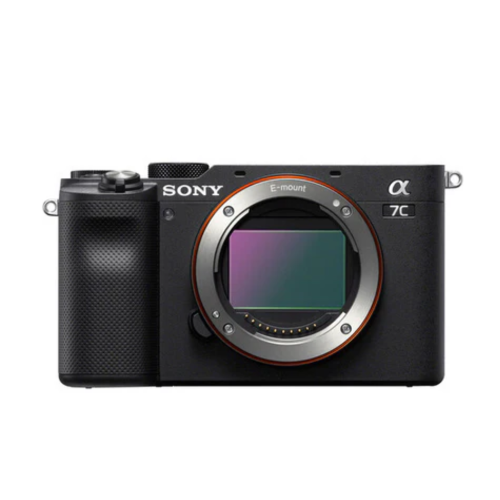
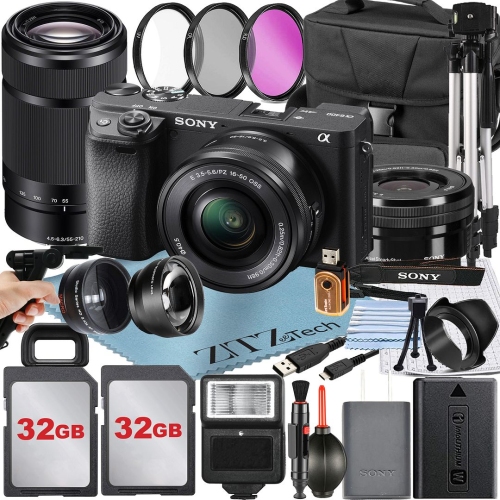
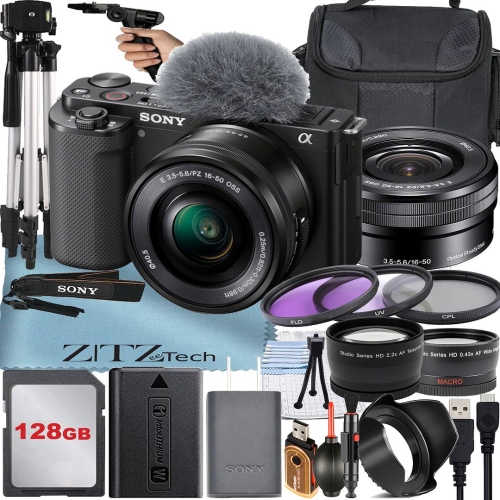
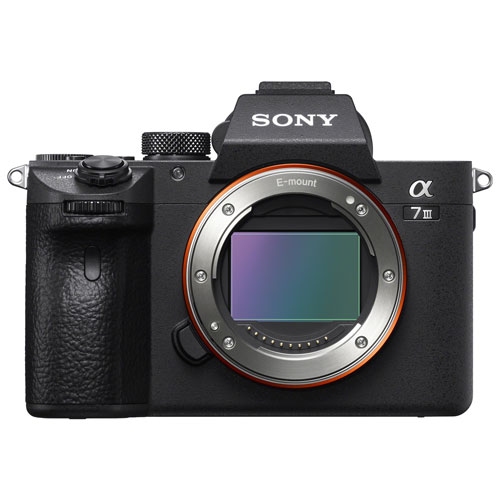
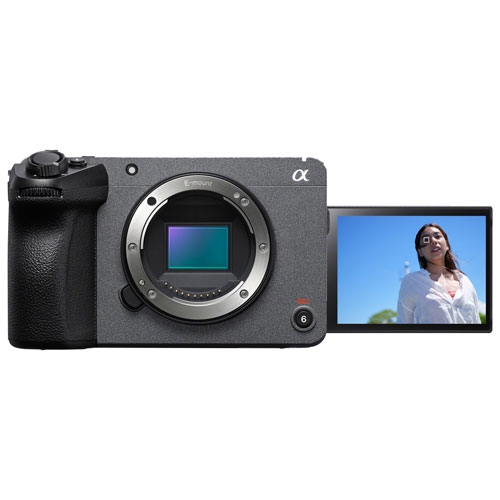
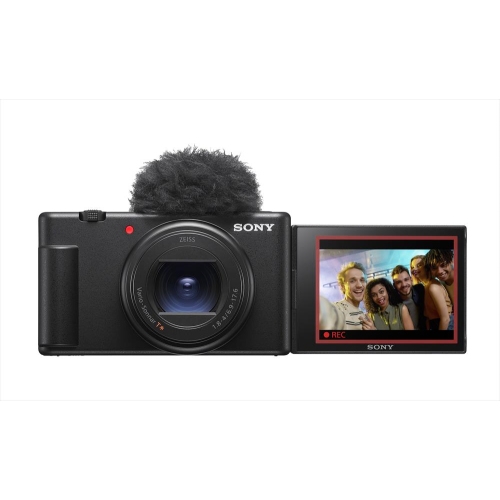
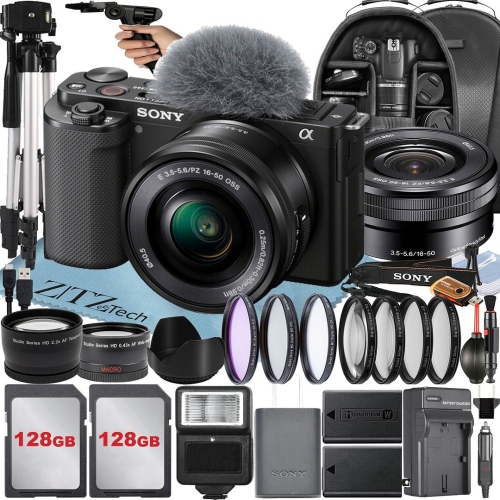
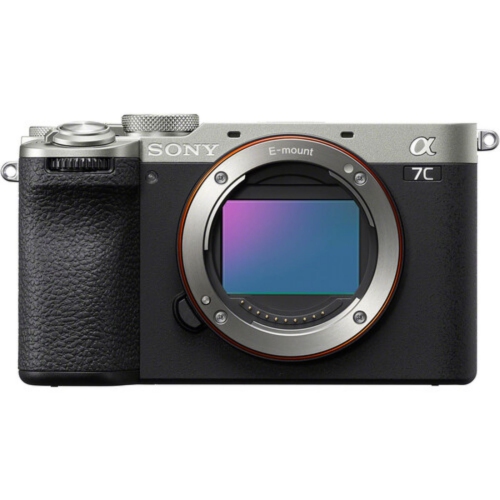
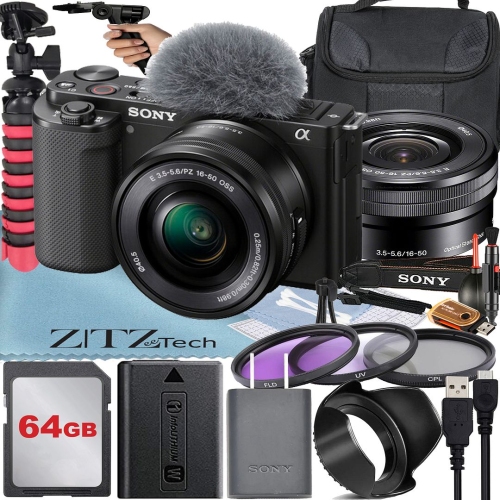
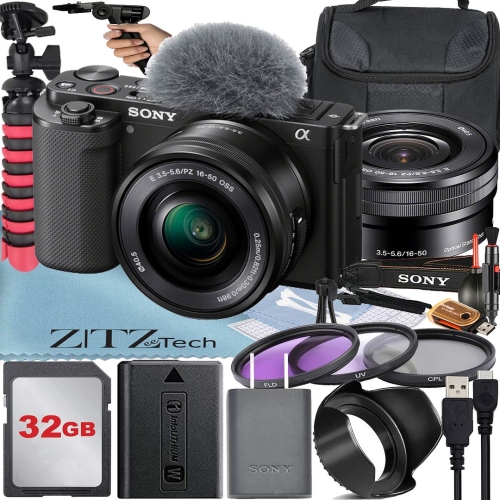
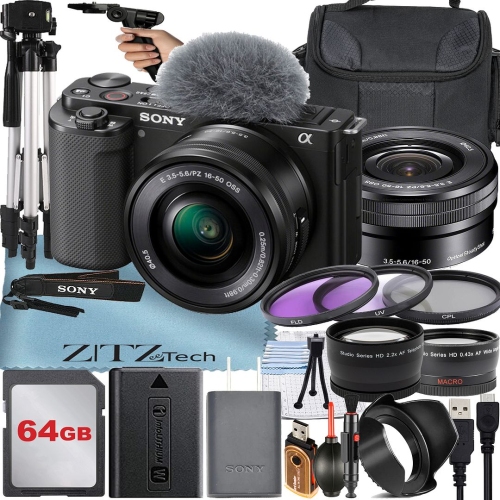
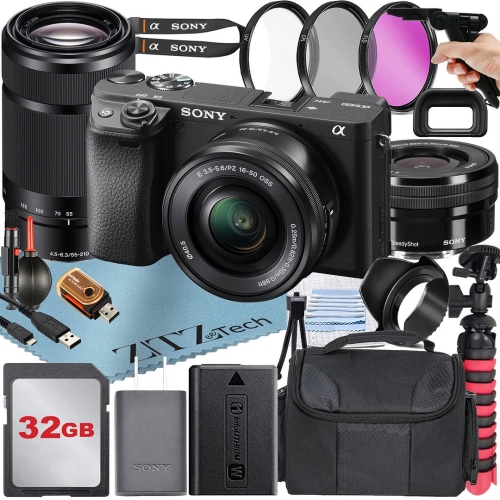
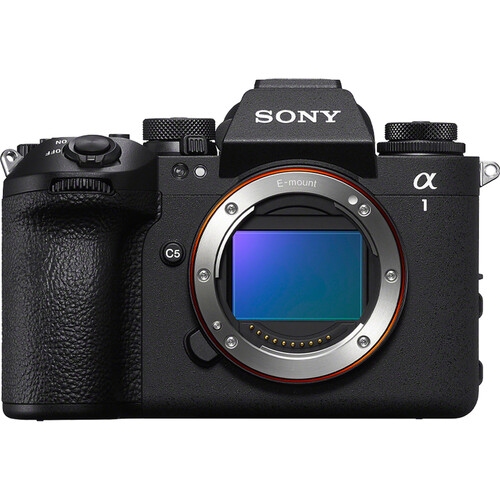
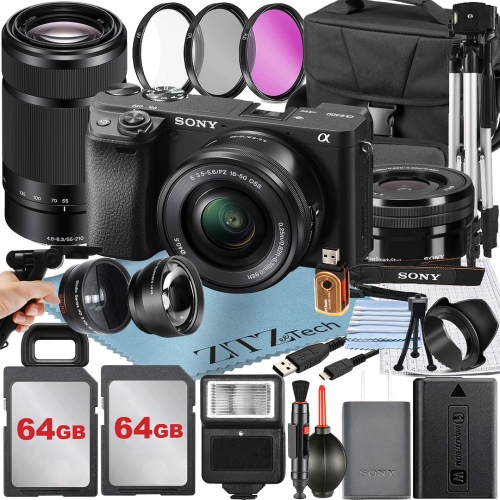
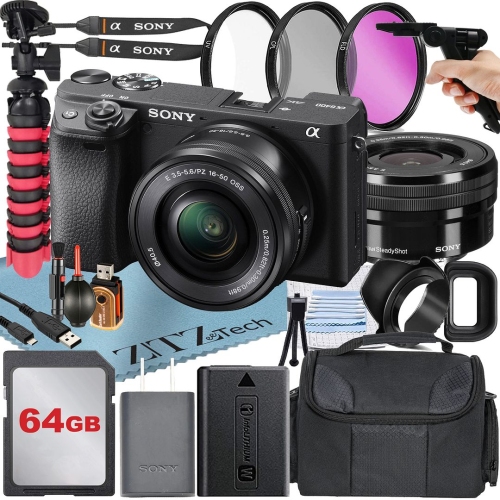
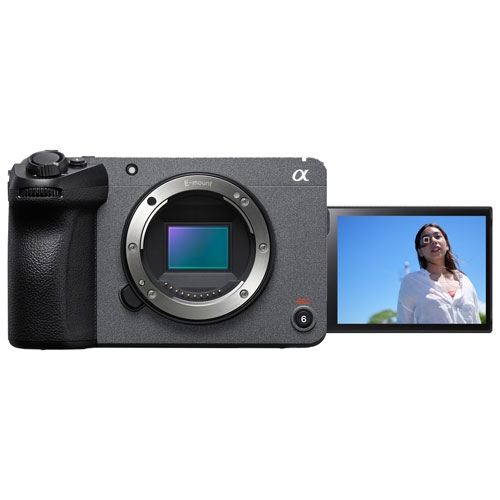
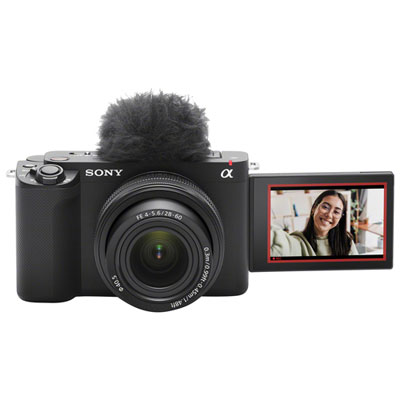
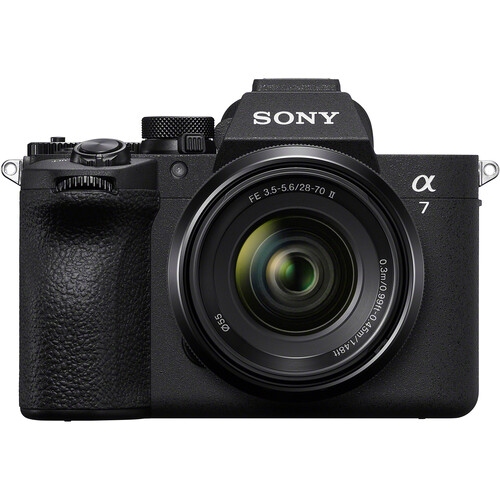
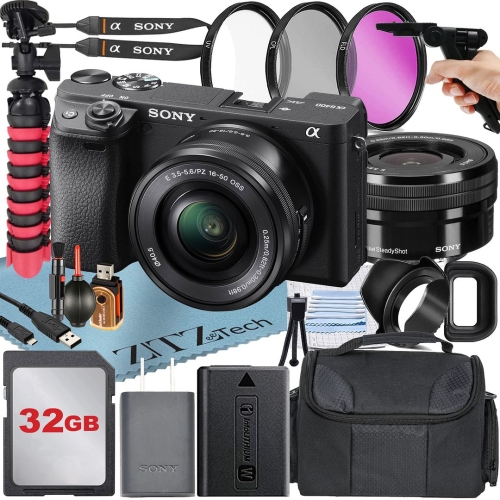
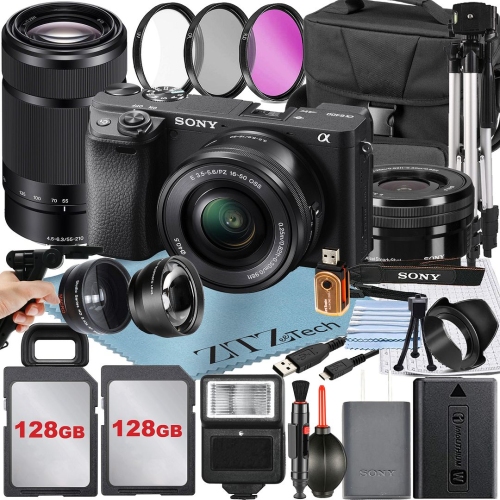
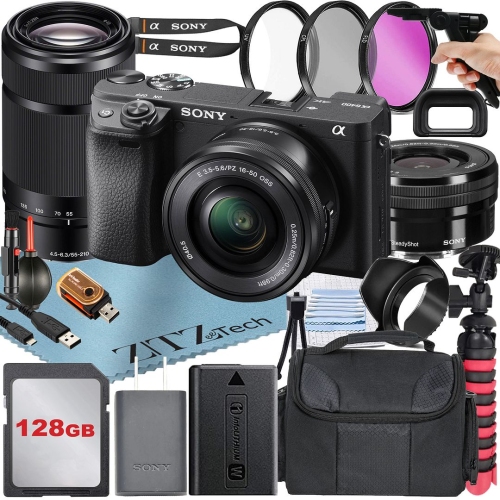
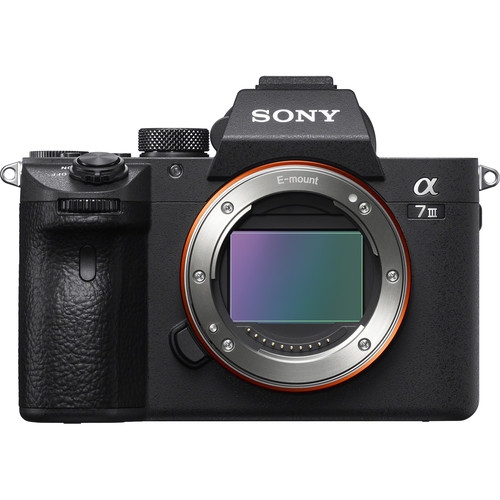
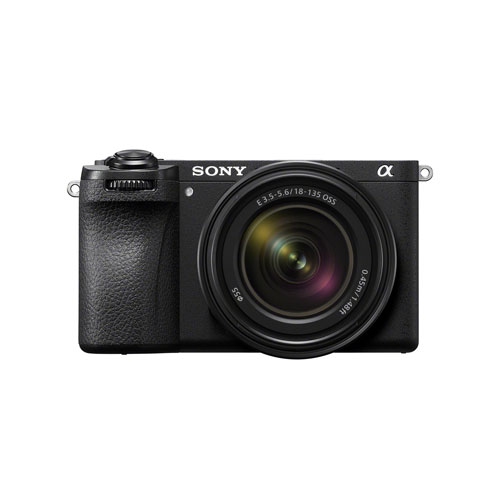
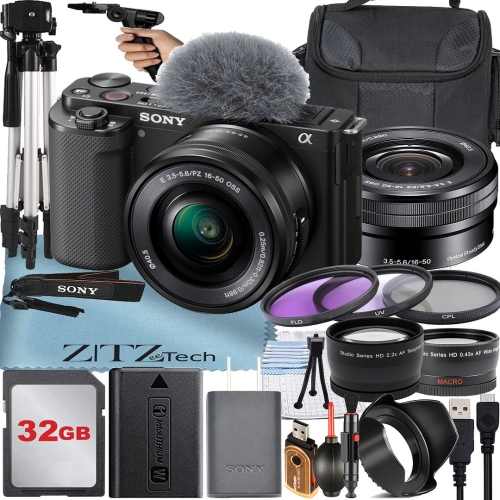
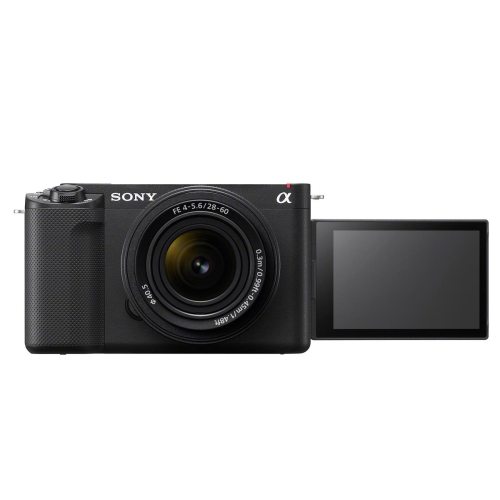
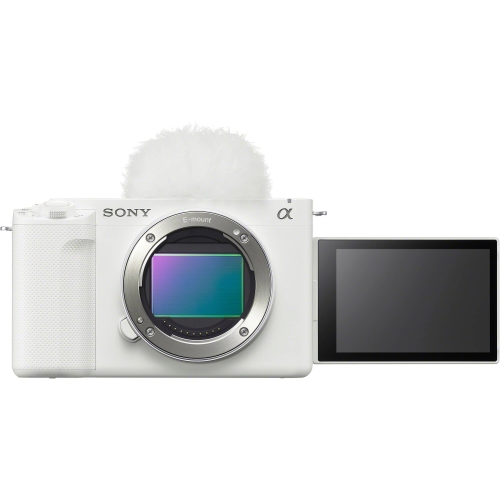
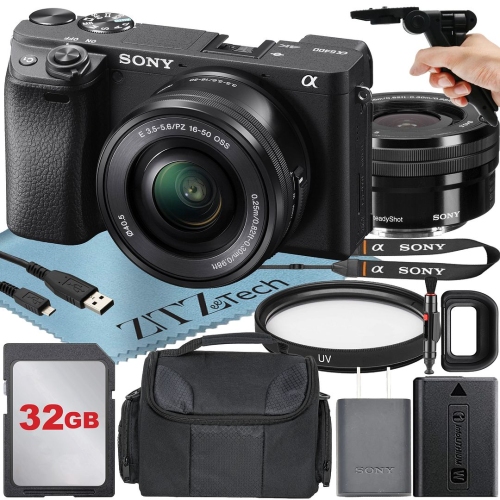
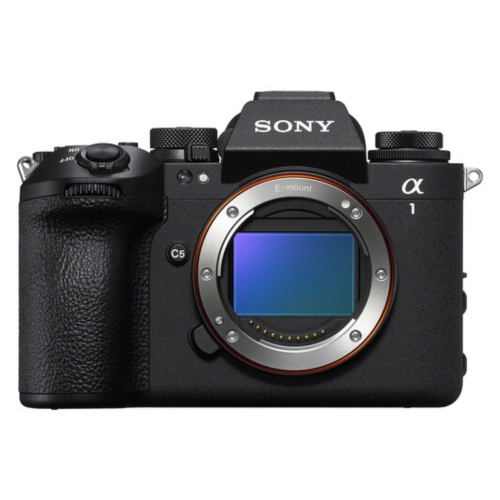
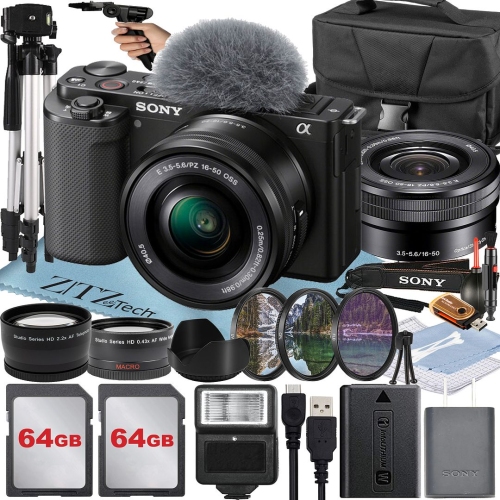
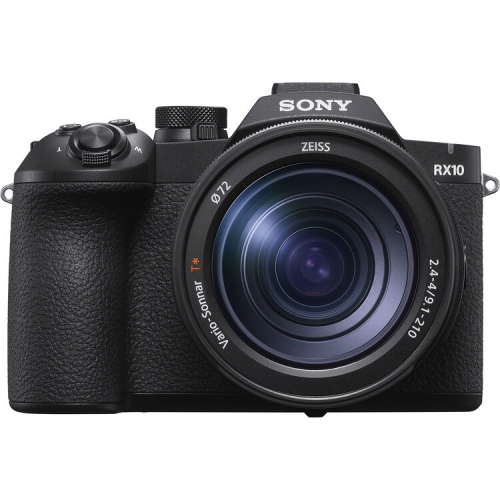
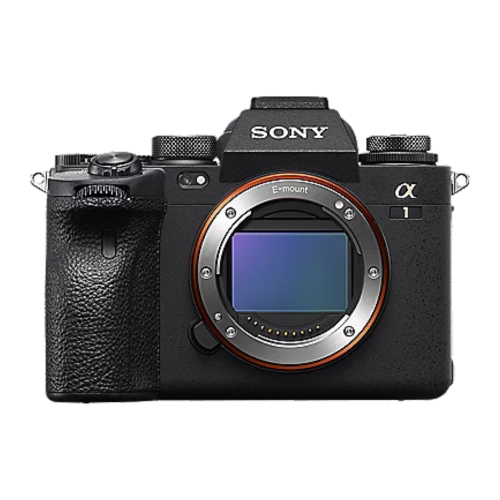
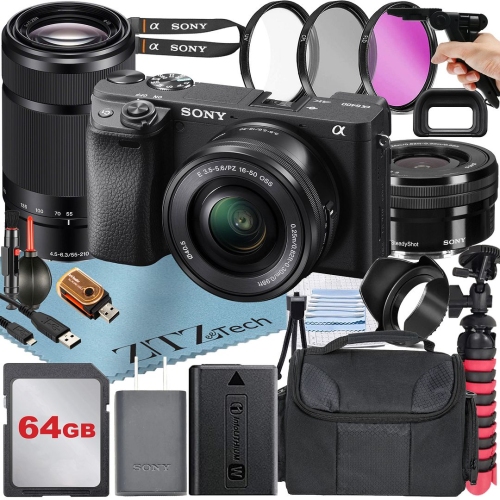
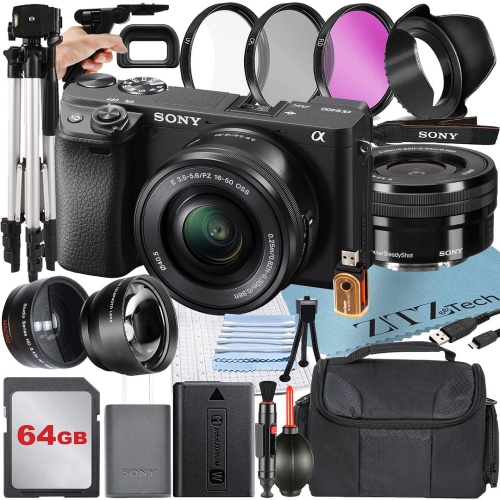
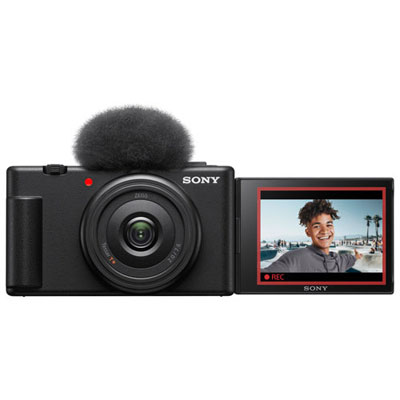
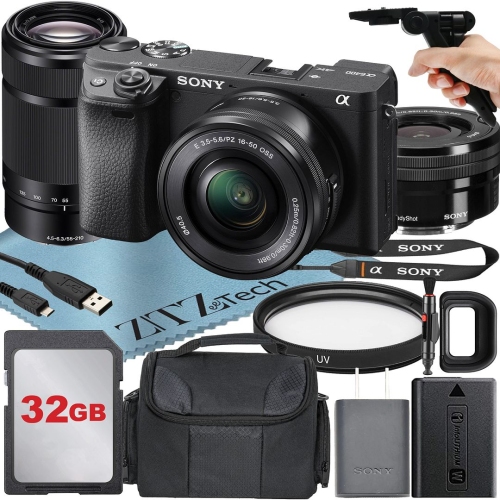
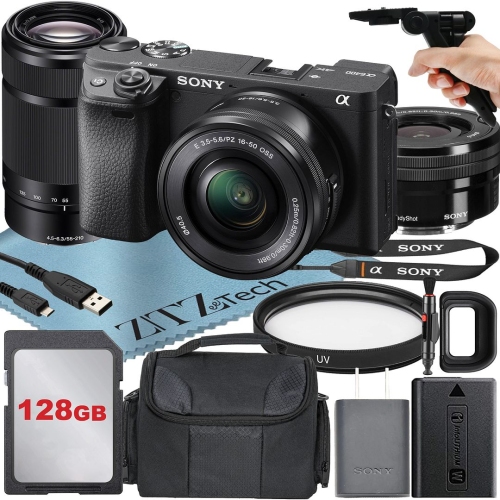
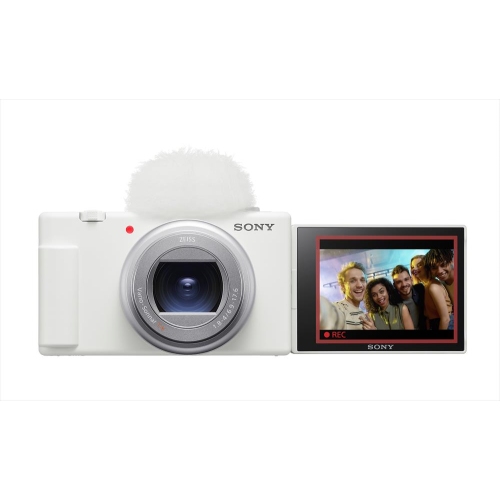
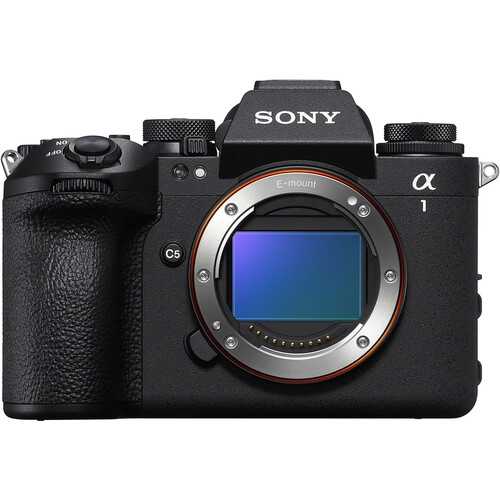
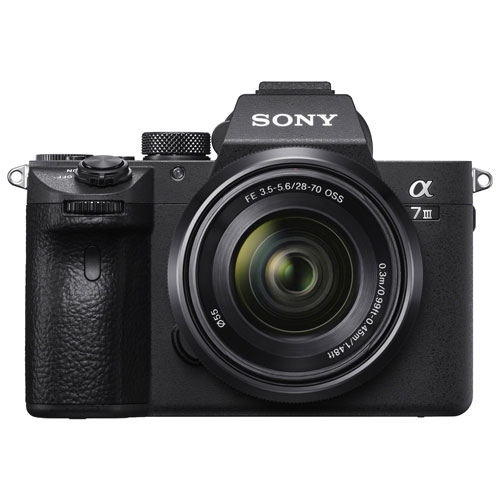
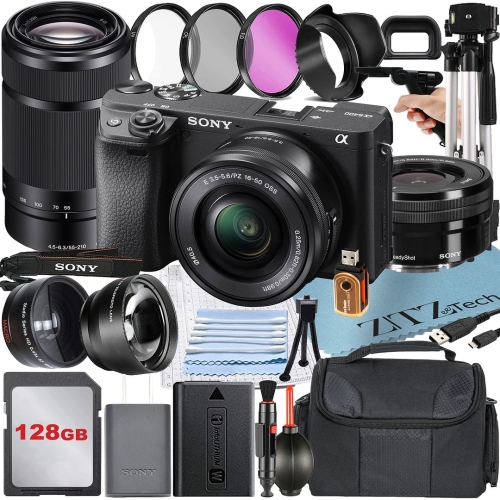
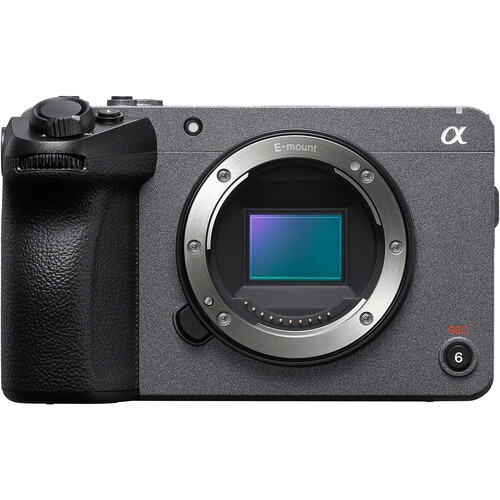
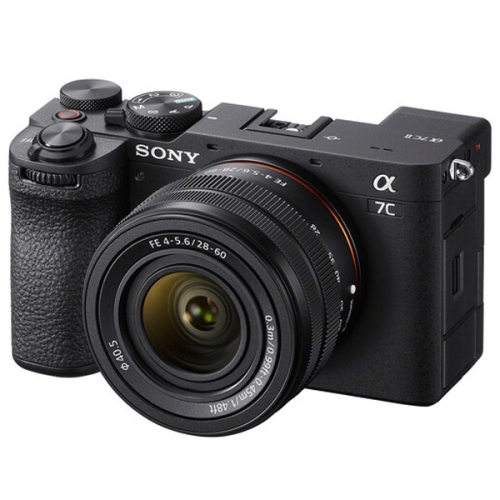
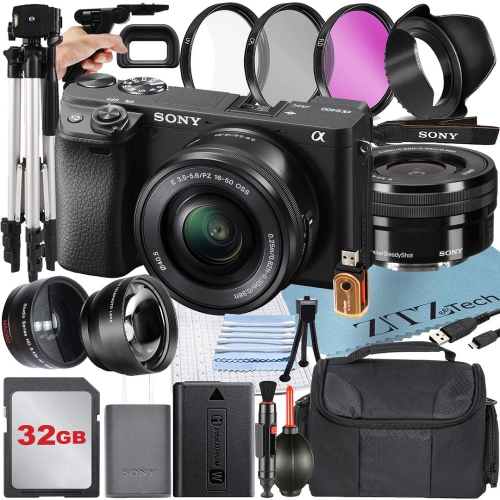
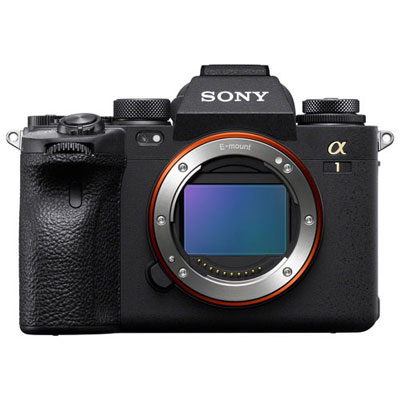
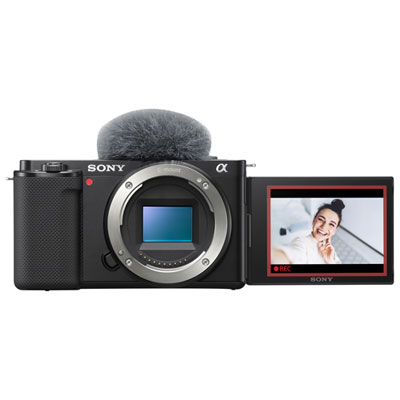
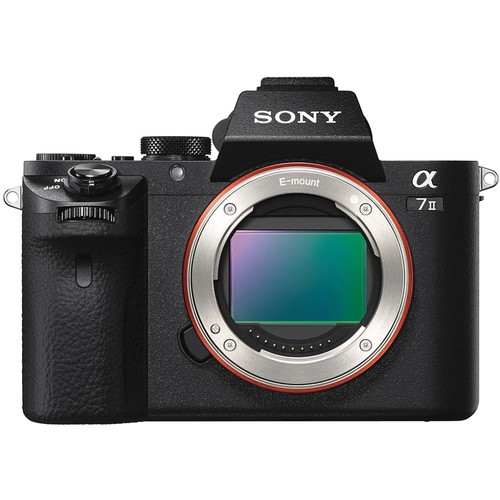
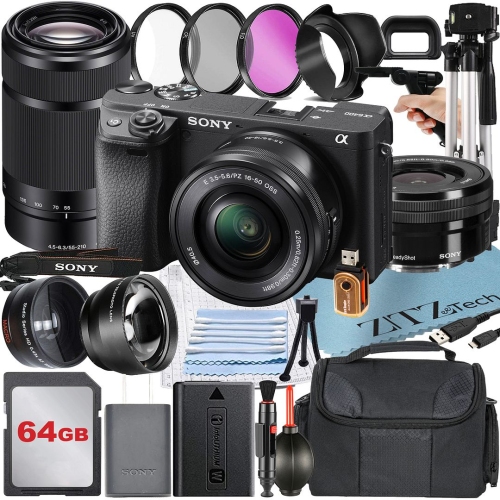
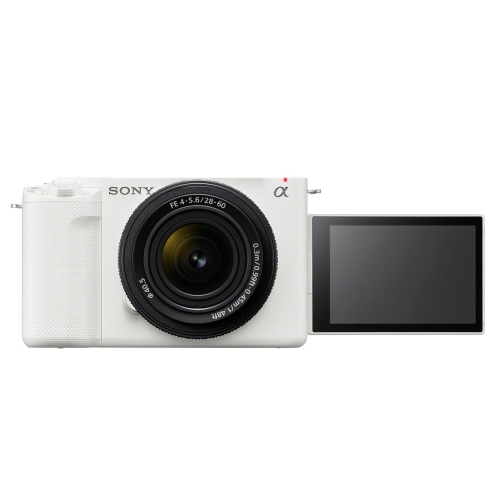
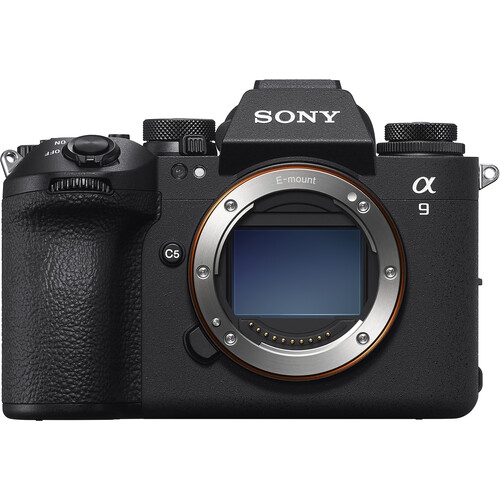
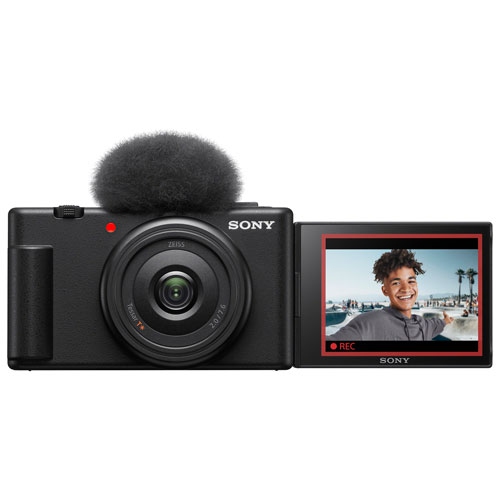

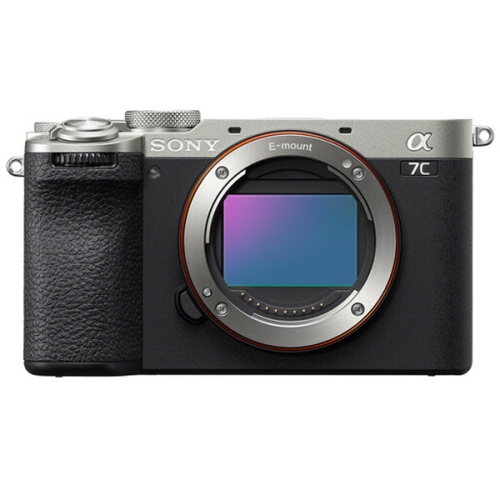
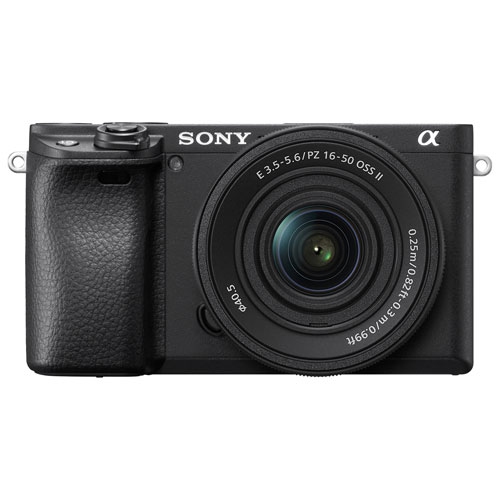
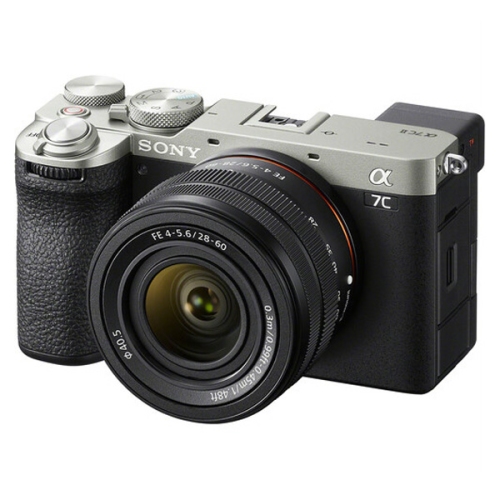
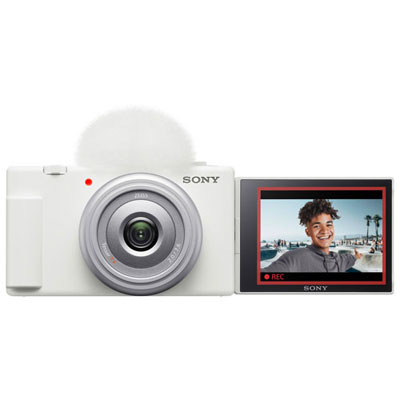
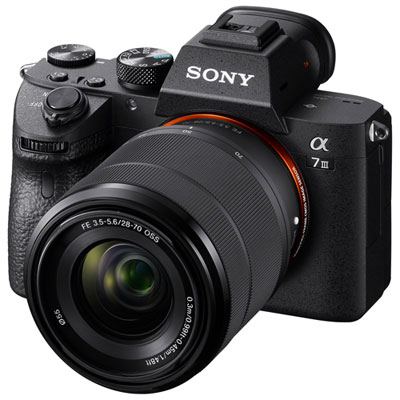

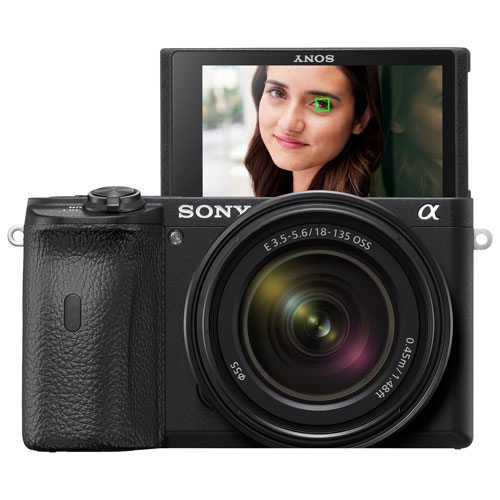
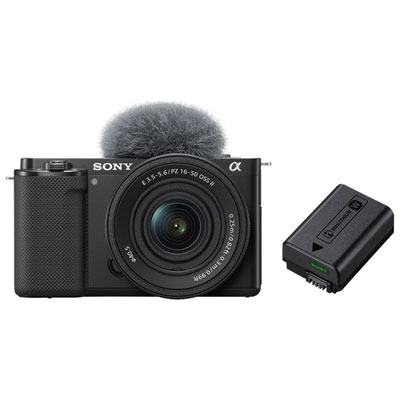
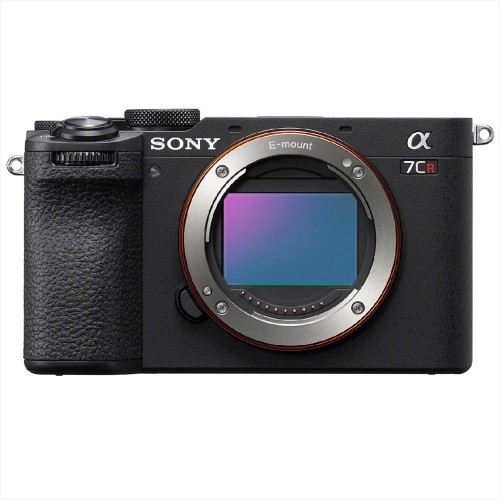
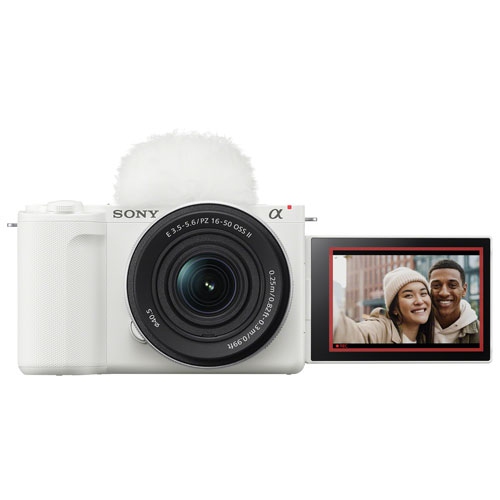
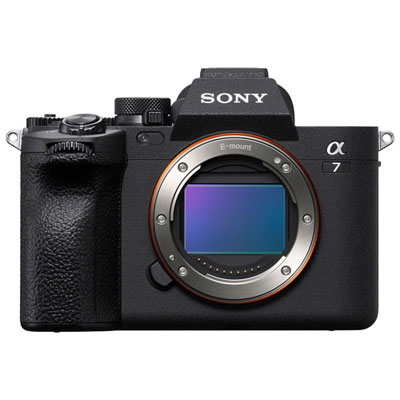
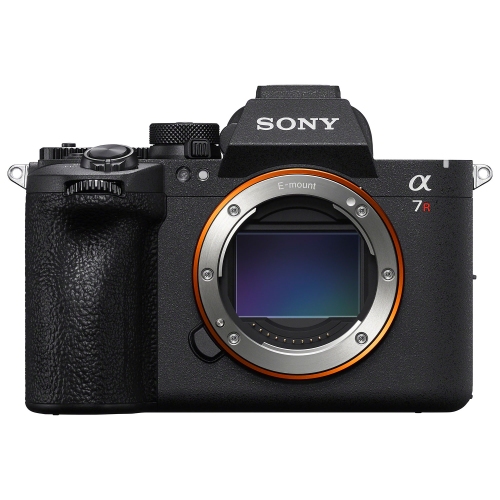
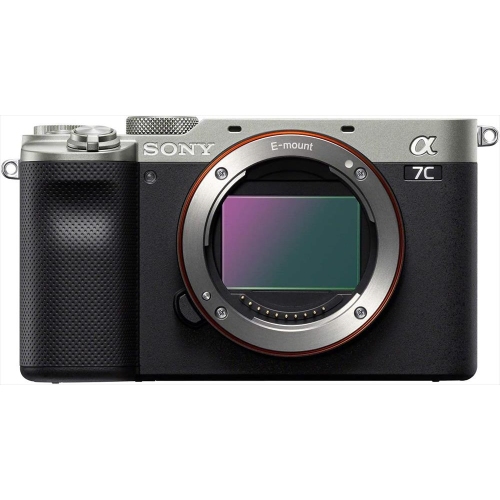
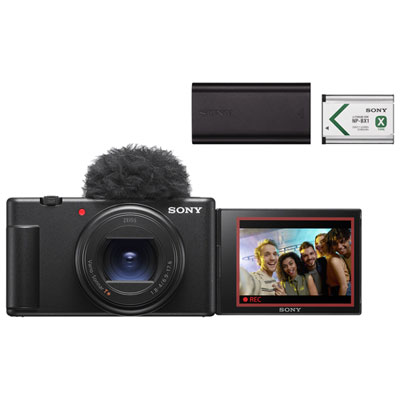
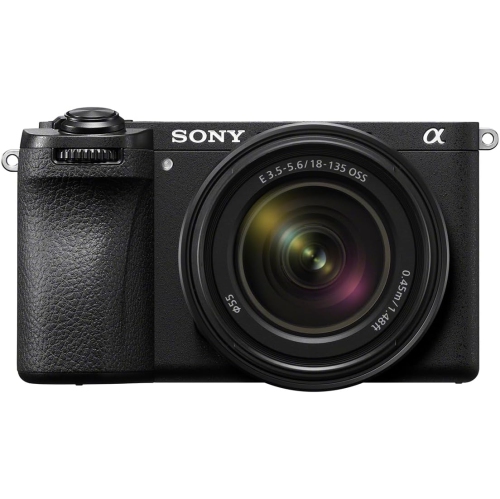

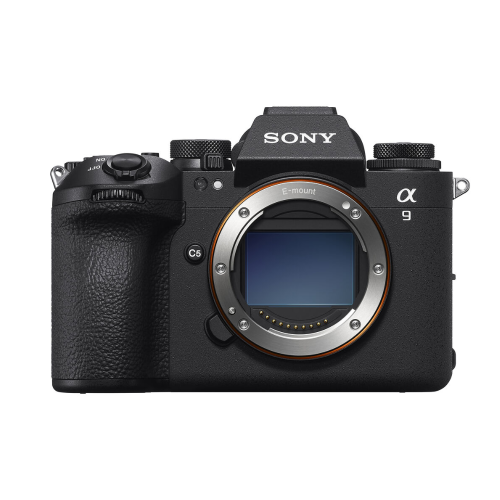
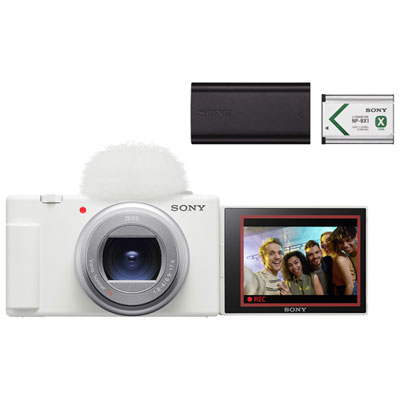
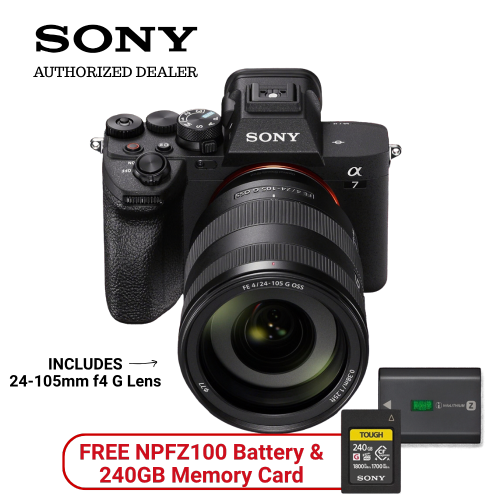
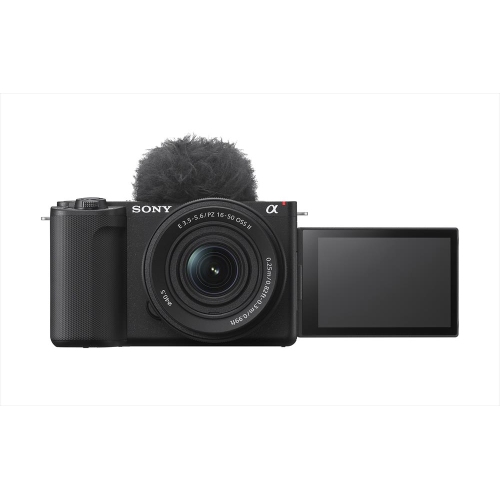
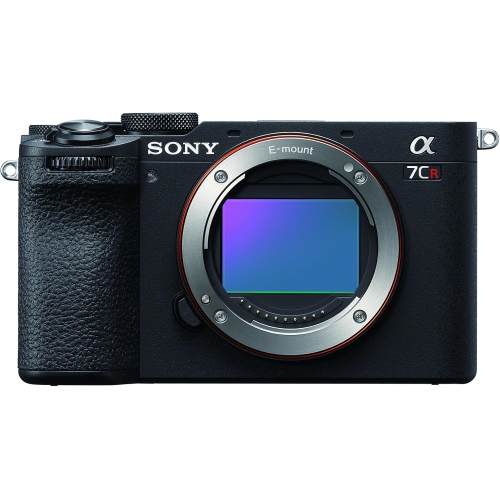
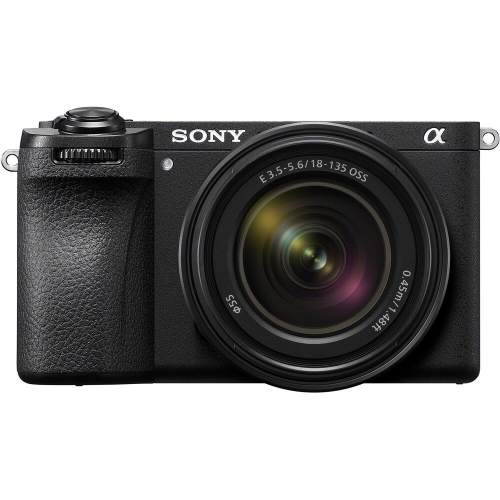
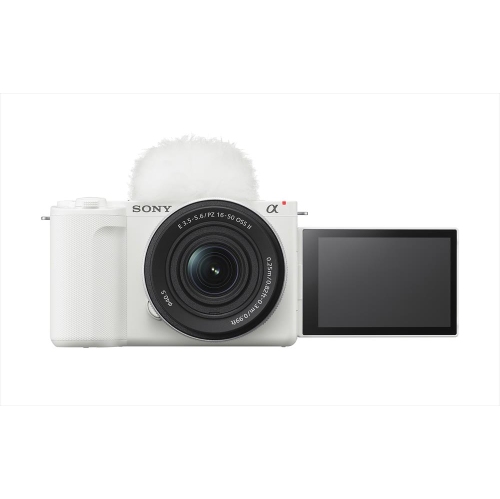
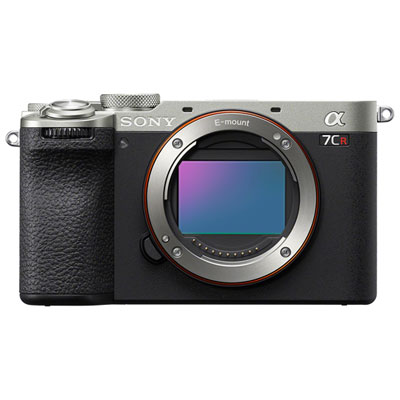
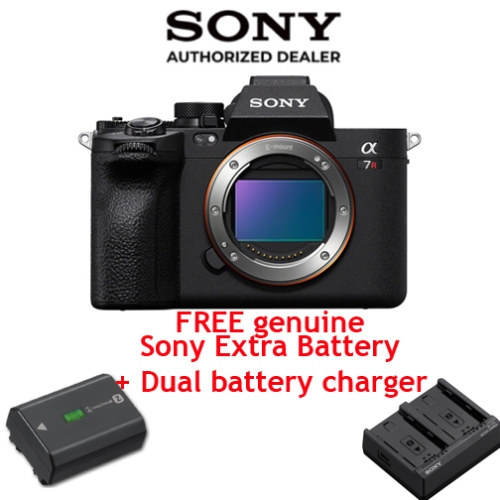
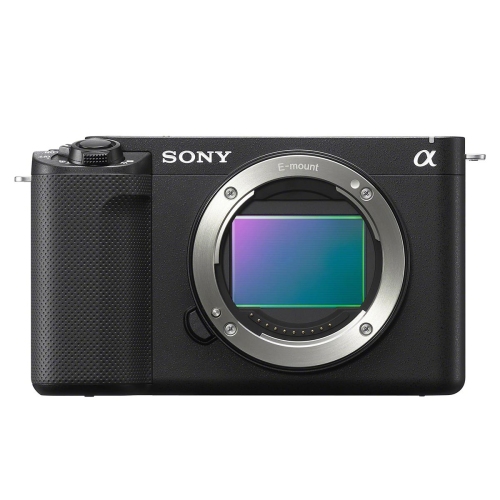
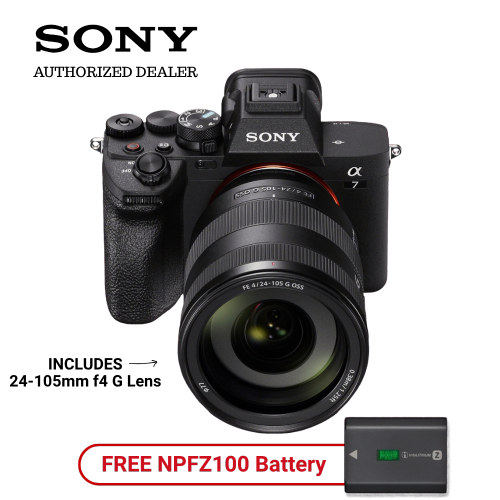
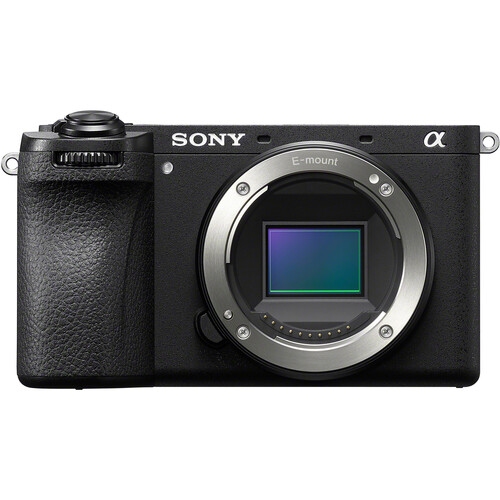
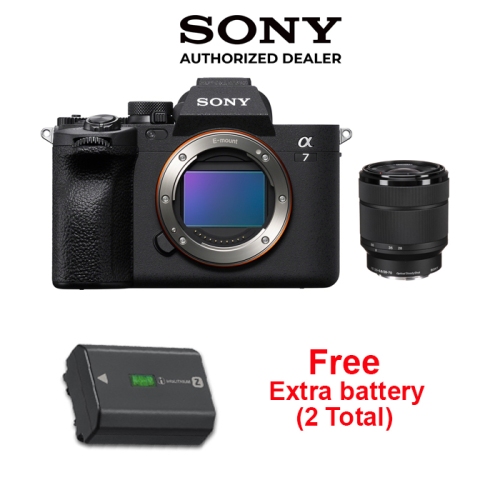
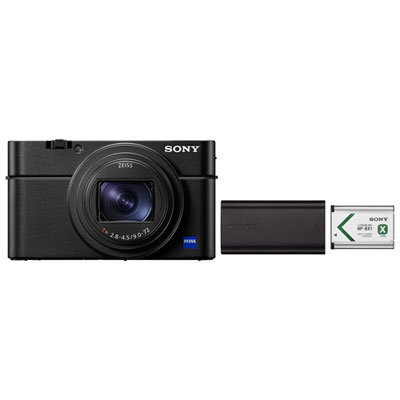
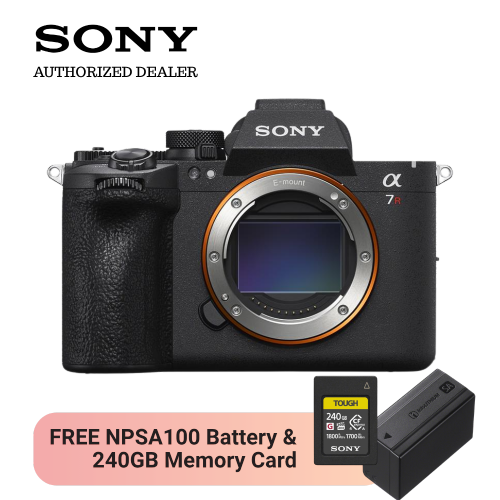
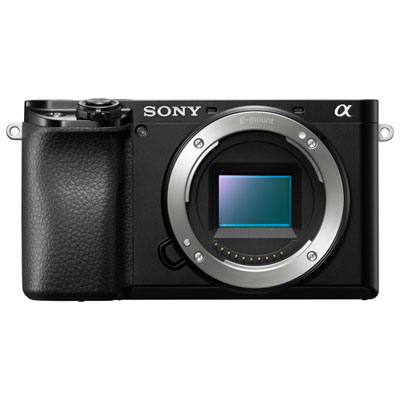
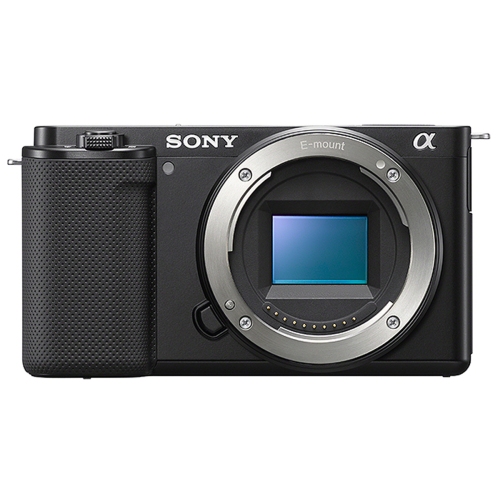
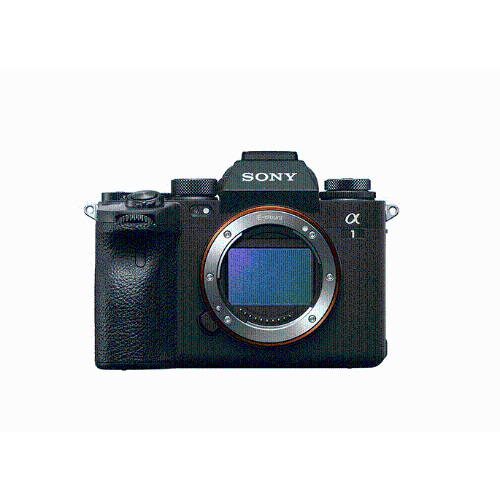
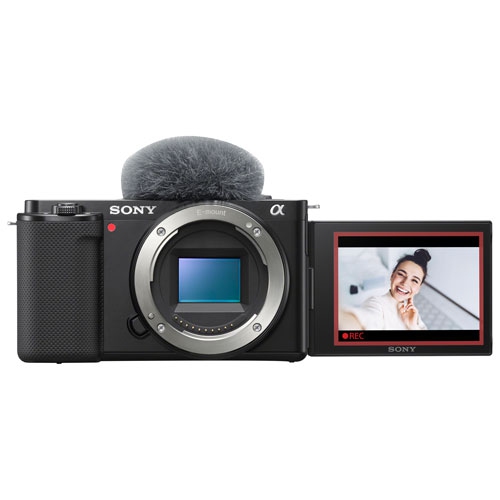
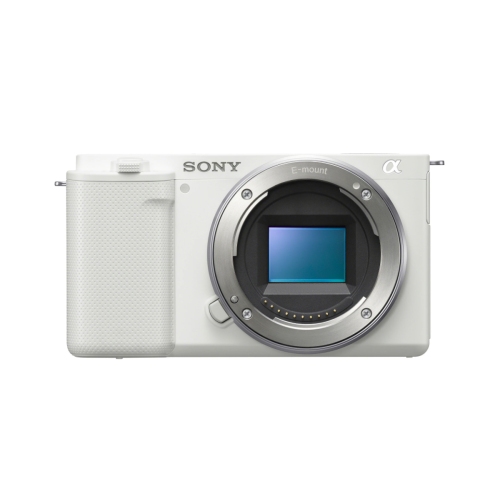
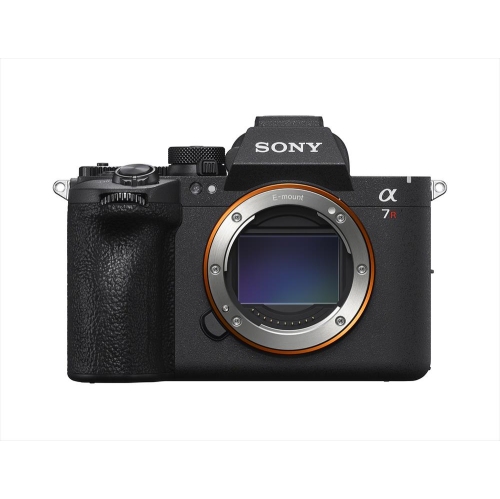
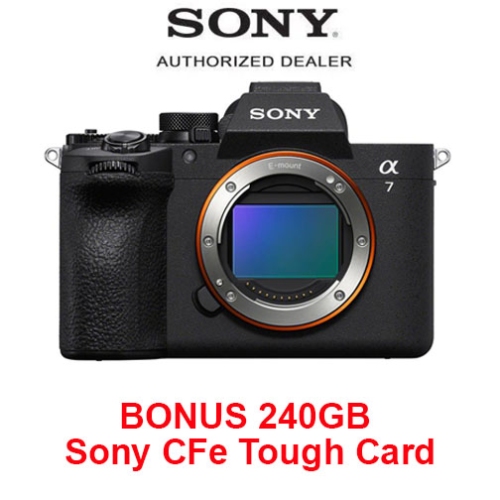
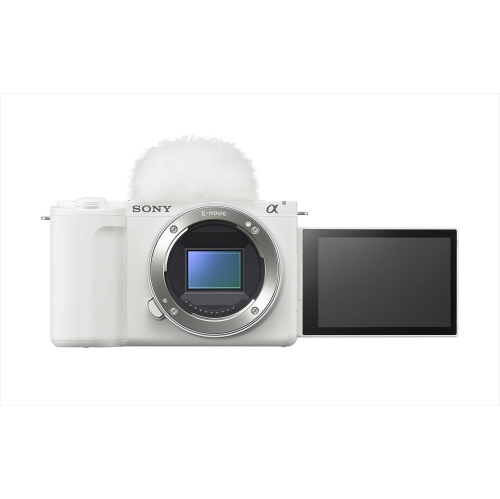
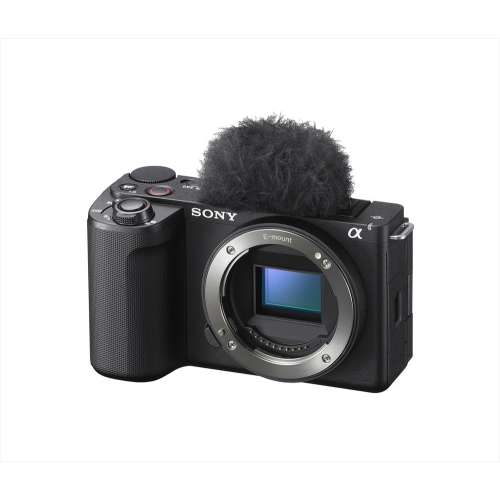
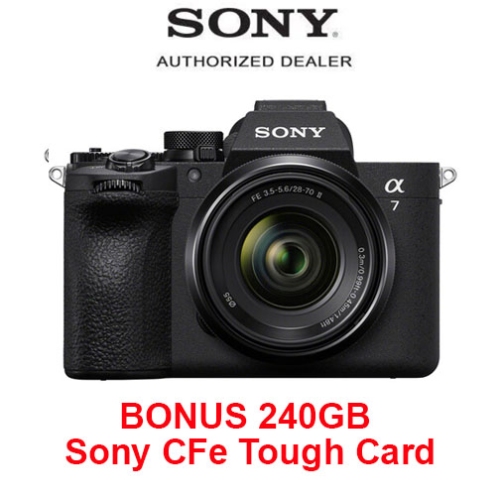
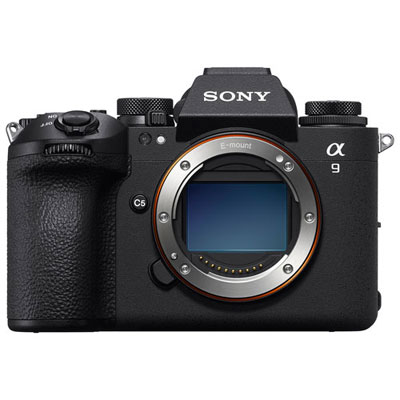
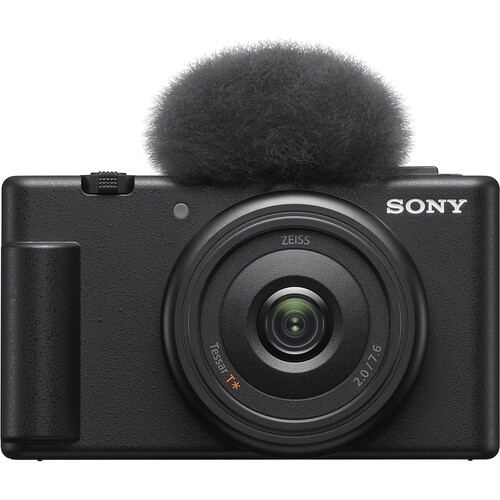
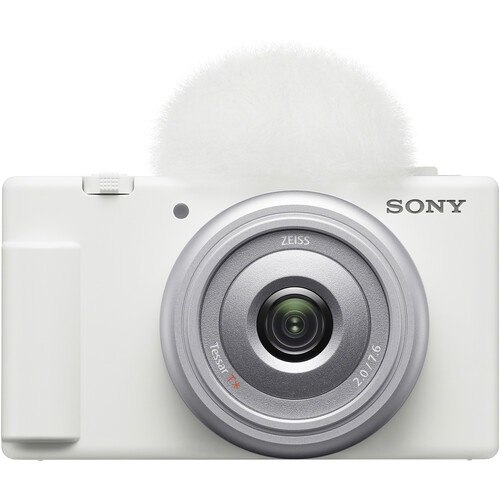
The right setup makes every video easier to capture
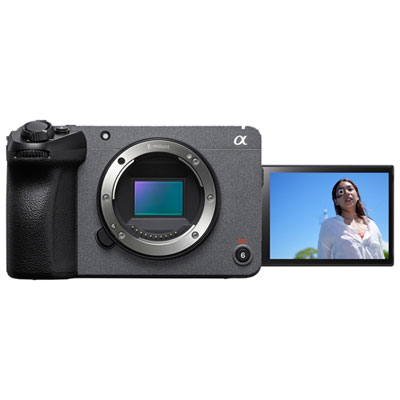
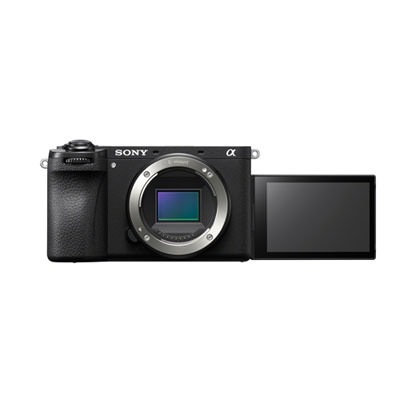
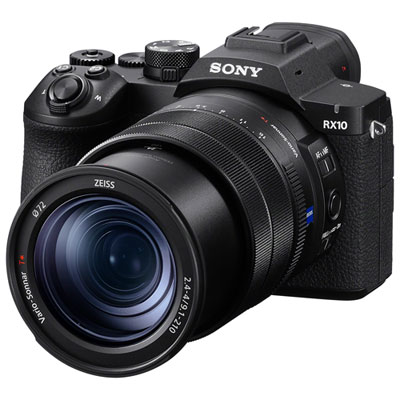
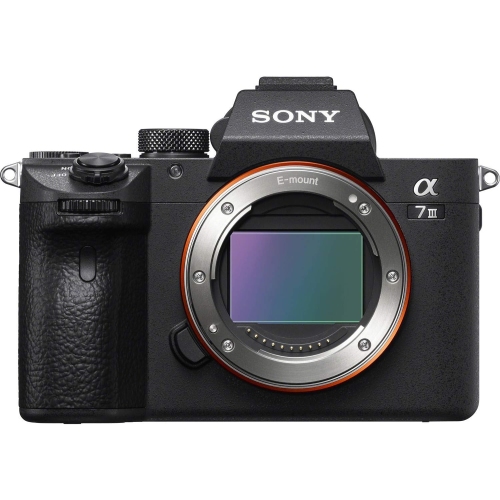
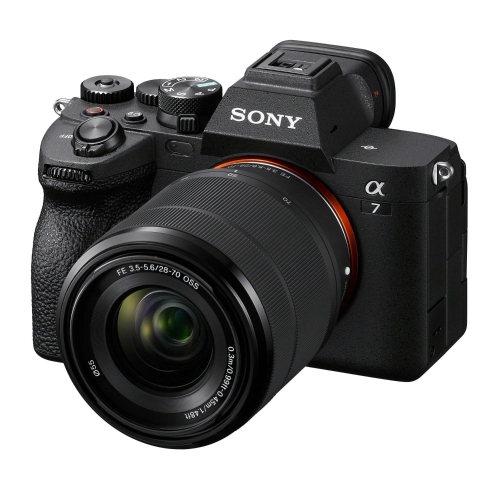
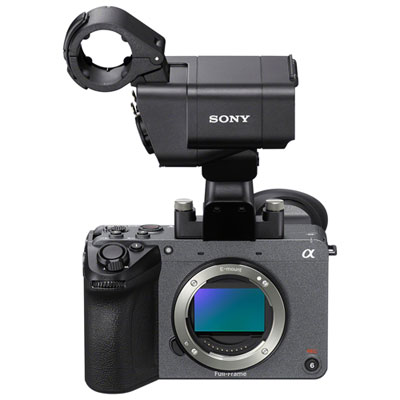
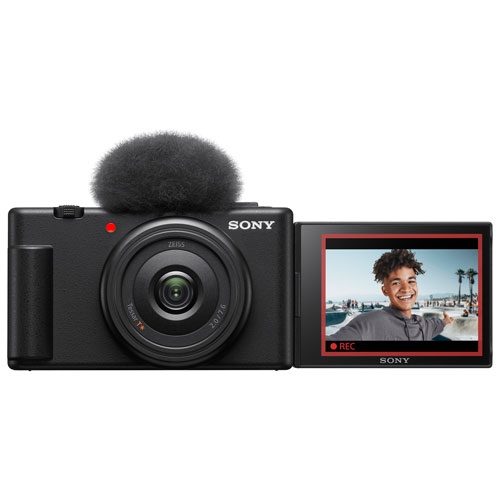
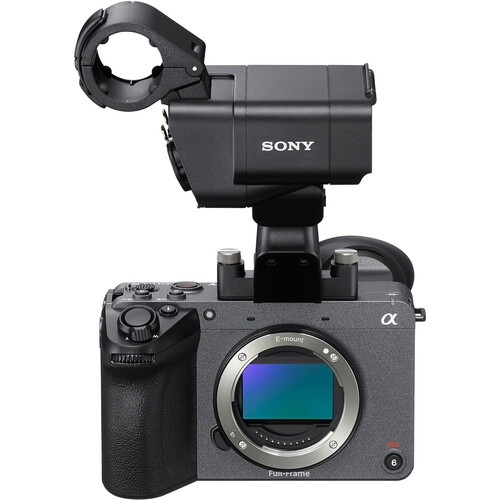
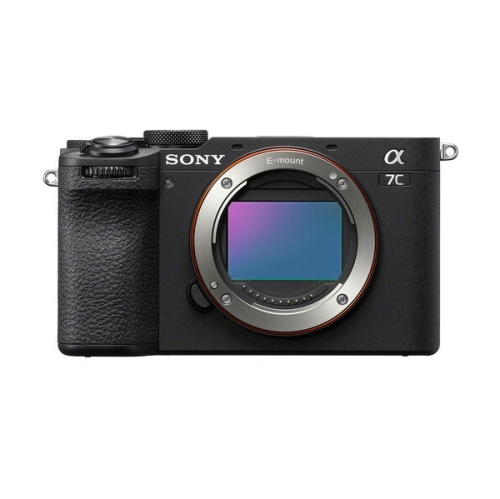
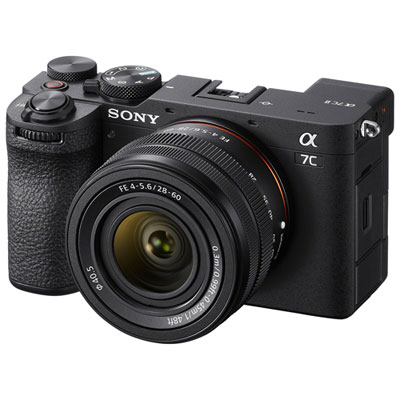
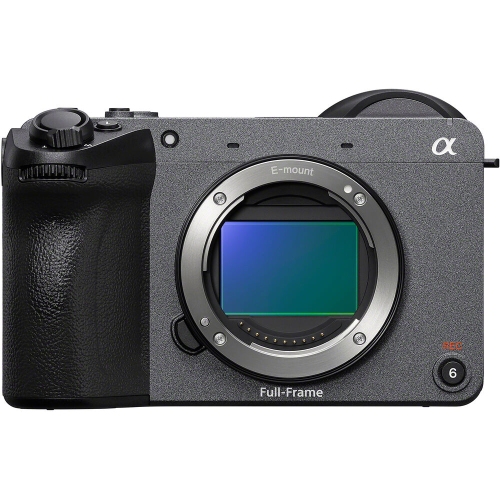
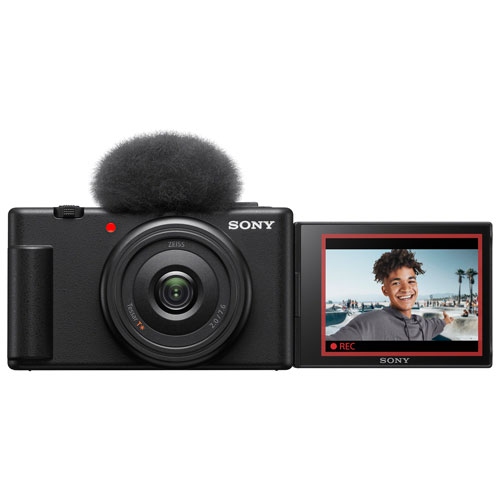
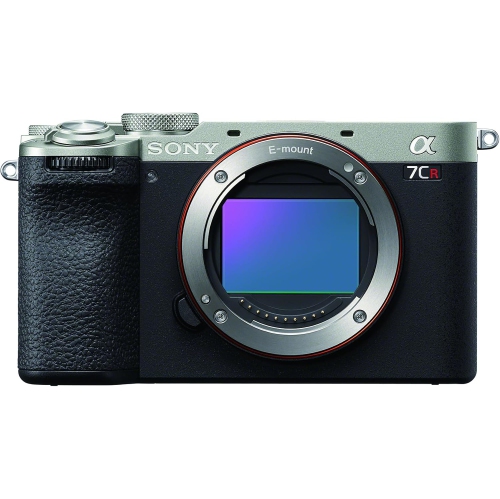
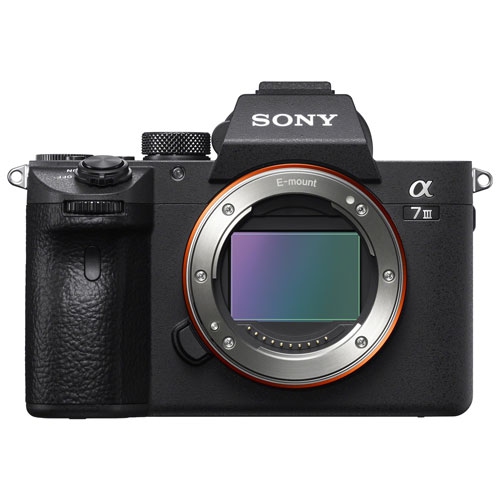
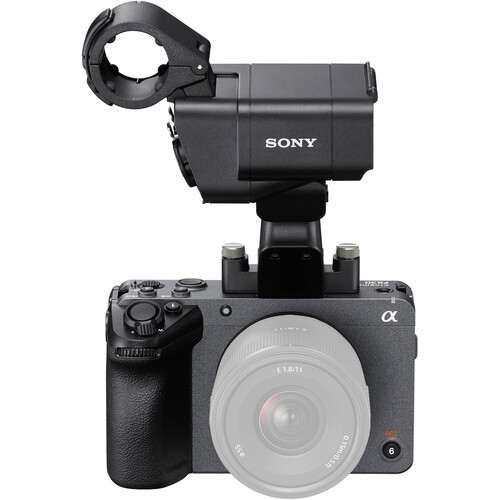
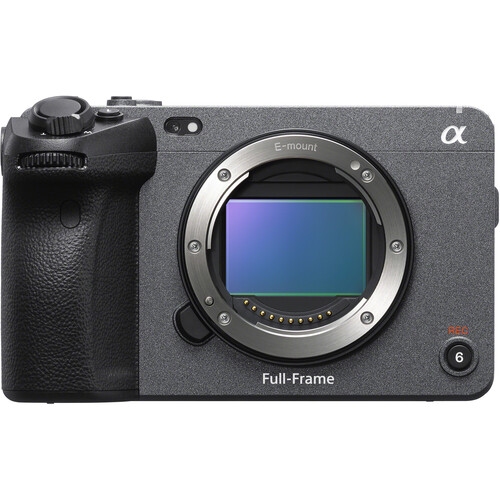
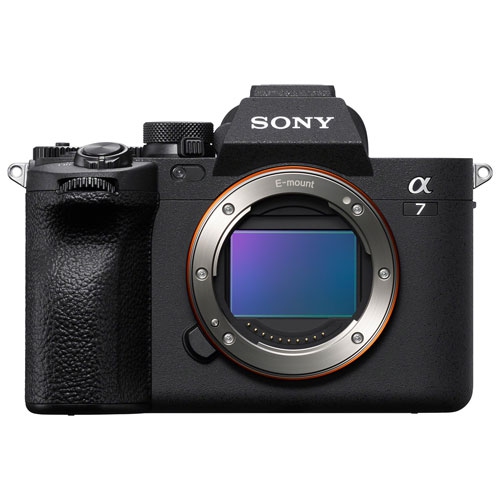
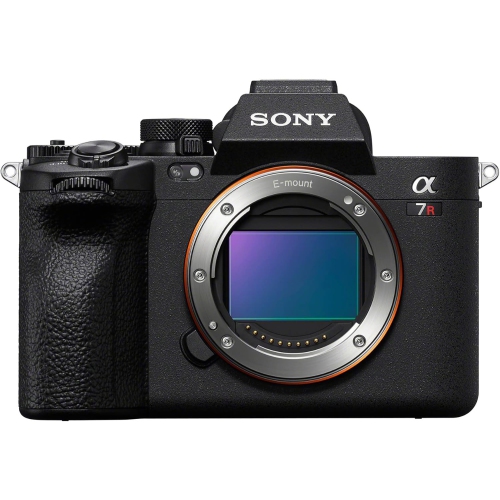
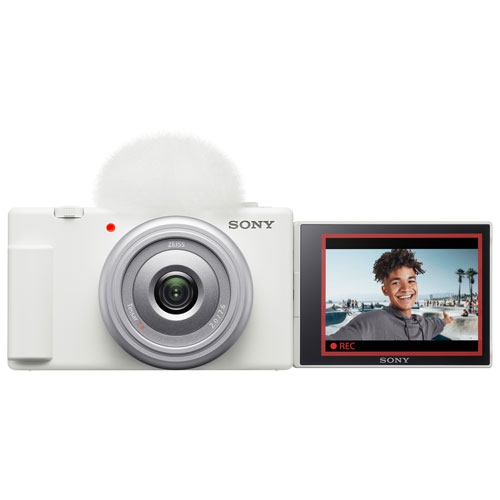
Cameras designed for video shooting can support everything from spontaneous family clips and travel diaries to polished commercial projects, documentary work, wedding coverage, and short films. The right choice depends less on having the most advanced specification and more on how you plan to work. A compact fixed-lens camera can be ideal for creators who want to record quickly, move lightly, and keep the setup simple, while an interchangeable-lens camera gives you more control over perspective, background blur, low-light performance, and the overall character of your footage. Hybrid cameras are a practical fit for people who capture both video and still images, such as travellers documenting a trip, families preserving milestone events, or small-business owners creating social media content and product demonstrations. Dedicated cinema-style bodies are better suited to longer productions, more deliberate setups, and crews that need expanded audio, monitoring, mounting, and recording options. Think about the moments you are most likely to film: a solo walk-and-talk video may benefit from a lightweight body and dependable subject tracking, while a stage performance, interview, or event may call for longer recording times, stronger heat management, and professional audio connections. A camera that feels comfortable in your hands and fits naturally into your routine is often more useful than one that remains at home because it is too large or complicated to set up.
Image quality begins with the sensor, lens, and recording format working together. Larger sensors can help create a softer background and cleaner footage in dim interiors, evening scenes, and venues where lighting cannot be fully controlled. Smaller sensor formats can make a camera more compact and may provide useful reach when filming sports, wildlife, school events, or distant subjects. Resolution is only one part of the decision; colour depth, bit rate, dynamic range, and available recording formats also affect how much flexibility you have when editing. Ten-bit recording can be valuable for adjusting colour and exposure, especially when matching footage from different scenes or creating a carefully graded cinematic look. High frame rate recording can produce smooth movement or slow-motion effects for action, dance, pouring drinks, moving water, and playful family footage. Autofocus performance matters when you are filming alone, and subject recognition can help maintain focus on people, faces, animals, or moving objects while you concentrate on composition and delivery. For long-form recording, look for effective heat control, a cooling fan where appropriate, and recording limits that suit the length of your sessions. Built-in or compatible neutral density filters can make it easier to maintain a cinematic shutter speed in bright outdoor conditions without forcing the lens aperture closed. Stabilization is another important consideration: in-body stabilization can smooth handheld movement, while electronic stabilization may help when walking and talking, although it can slightly crop the image. A flip-out screen, clear menus, a bright viewfinder, and well-placed controls can make a noticeable difference during a busy shoot, particularly when you are working outdoors or changing settings without an assistant.
Audio deserves the same attention as the picture. Viewers may forgive a slightly imperfect frame, but muffled dialogue, wind noise, or uneven volume can make footage difficult to enjoy. For casual videos, a built-in microphone may be sufficient in a quiet room, while an external microphone connection can provide a significant improvement for interviews, tutorials, cooking demonstrations, and outdoor narration. If you expect to use multiple microphones or professional accessories, consider cameras with a more advanced audio interface, headphone monitoring, and clear level controls. Battery life, spare battery availability, USB charging, and memory card compatibility are also worth checking before a purchase. A travel creator may prioritize a compact body, a versatile zoom lens, and a small grip that fits into a day bag. A parent recording a child’s recital may value quick autofocus, silent operation, and dependable battery life. A student learning filmmaking may appreciate a camera that offers automatic modes today but leaves room to explore manual exposure, picture profiles, interchangeable lenses, and external monitoring later. These cameras can make thoughtful gifts for aspiring creators, new graduates, travellers, and small-business owners, especially when paired with practical accessories such as a spare battery, memory card, tripod, camera bag, compact light, or microphone. Before choosing, consider the complete kit rather than the body alone, including lenses, storage, lighting, audio, and editing needs. Shoppers comparing options across camera systems can also explore Canon Cameras for Videography for another collection of video-focused equipment. Whether you are filming in the bright outdoors as the weather warms or creating indoor projects during the cooler months, a well-matched video camera should make recording feel dependable, comfortable, and creatively rewarding.
Image quality begins with the sensor, lens, and recording format working together. Larger sensors can help create a softer background and cleaner footage in dim interiors, evening scenes, and venues where lighting cannot be fully controlled. Smaller sensor formats can make a camera more compact and may provide useful reach when filming sports, wildlife, school events, or distant subjects. Resolution is only one part of the decision; colour depth, bit rate, dynamic range, and available recording formats also affect how much flexibility you have when editing. Ten-bit recording can be valuable for adjusting colour and exposure, especially when matching footage from different scenes or creating a carefully graded cinematic look. High frame rate recording can produce smooth movement or slow-motion effects for action, dance, pouring drinks, moving water, and playful family footage. Autofocus performance matters when you are filming alone, and subject recognition can help maintain focus on people, faces, animals, or moving objects while you concentrate on composition and delivery. For long-form recording, look for effective heat control, a cooling fan where appropriate, and recording limits that suit the length of your sessions. Built-in or compatible neutral density filters can make it easier to maintain a cinematic shutter speed in bright outdoor conditions without forcing the lens aperture closed. Stabilization is another important consideration: in-body stabilization can smooth handheld movement, while electronic stabilization may help when walking and talking, although it can slightly crop the image. A flip-out screen, clear menus, a bright viewfinder, and well-placed controls can make a noticeable difference during a busy shoot, particularly when you are working outdoors or changing settings without an assistant.
Audio deserves the same attention as the picture. Viewers may forgive a slightly imperfect frame, but muffled dialogue, wind noise, or uneven volume can make footage difficult to enjoy. For casual videos, a built-in microphone may be sufficient in a quiet room, while an external microphone connection can provide a significant improvement for interviews, tutorials, cooking demonstrations, and outdoor narration. If you expect to use multiple microphones or professional accessories, consider cameras with a more advanced audio interface, headphone monitoring, and clear level controls. Battery life, spare battery availability, USB charging, and memory card compatibility are also worth checking before a purchase. A travel creator may prioritize a compact body, a versatile zoom lens, and a small grip that fits into a day bag. A parent recording a child’s recital may value quick autofocus, silent operation, and dependable battery life. A student learning filmmaking may appreciate a camera that offers automatic modes today but leaves room to explore manual exposure, picture profiles, interchangeable lenses, and external monitoring later. These cameras can make thoughtful gifts for aspiring creators, new graduates, travellers, and small-business owners, especially when paired with practical accessories such as a spare battery, memory card, tripod, camera bag, compact light, or microphone. Before choosing, consider the complete kit rather than the body alone, including lenses, storage, lighting, audio, and editing needs. Shoppers comparing options across camera systems can also explore Canon Cameras for Videography for another collection of video-focused equipment. Whether you are filming in the bright outdoors as the weather warms or creating indoor projects during the cooler months, a well-matched video camera should make recording feel dependable, comfortable, and creatively rewarding.
Top selling and popular products
-
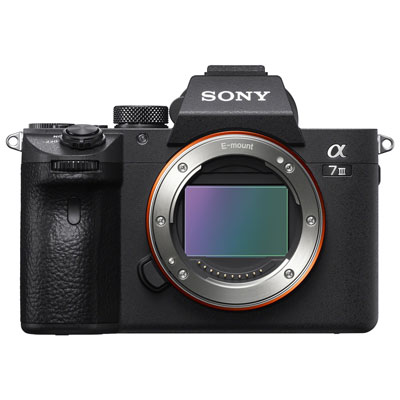 Your price for this item is $1899.99
 -
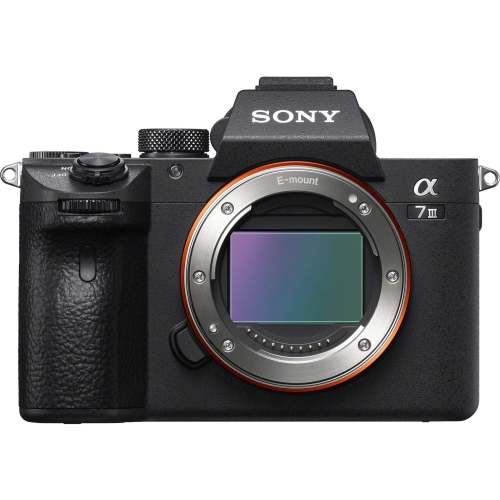 Your price for this item is $1899
 -
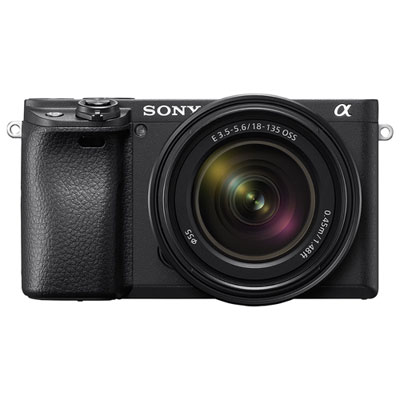 Your price for this item is $1749.99
 -
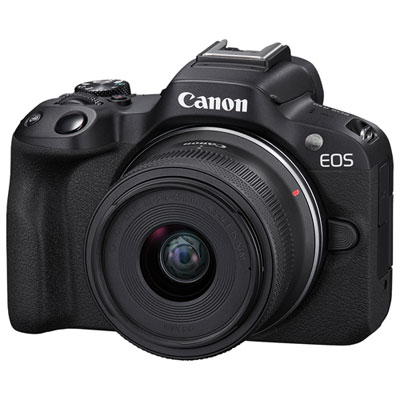 Your price for this item is $1099.99
 -
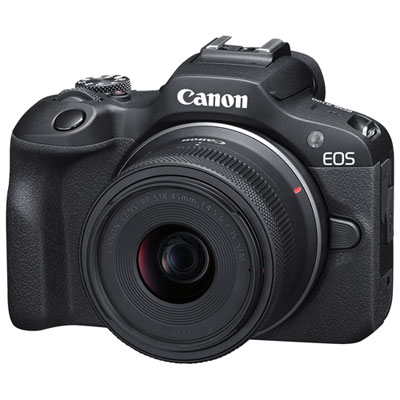 Your price for this item is $629.99
 -
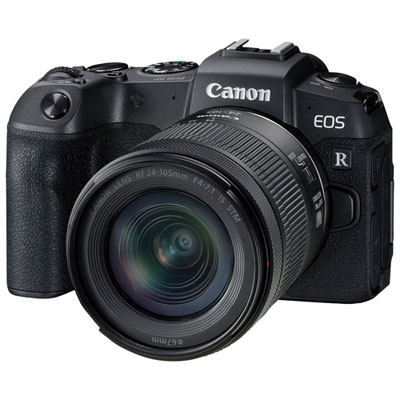 Your price for this item is $1499.99
 -
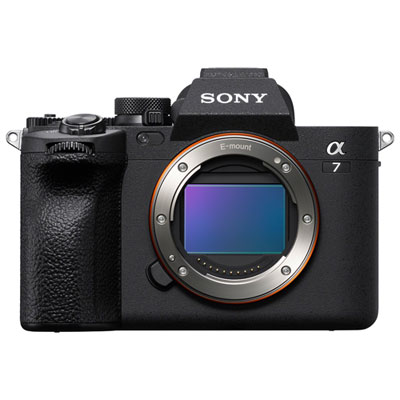 Your price for this item is $2699.99
 -
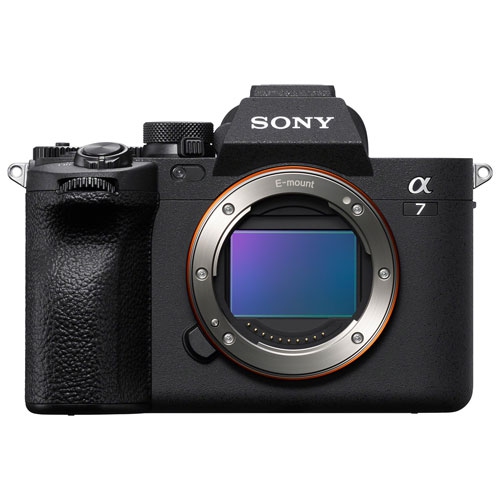 Your price for this item is $2419.99
Discover more categories related to Sony Cameras for Video Shooting
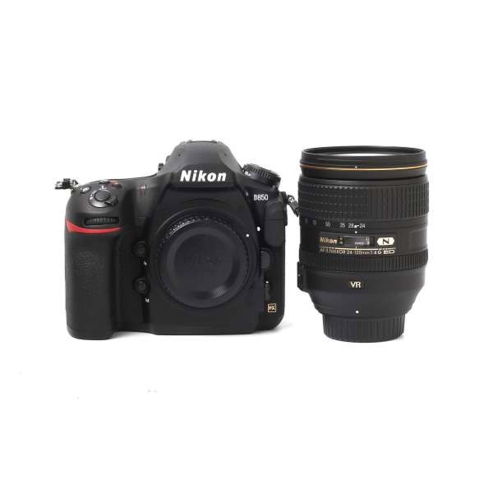
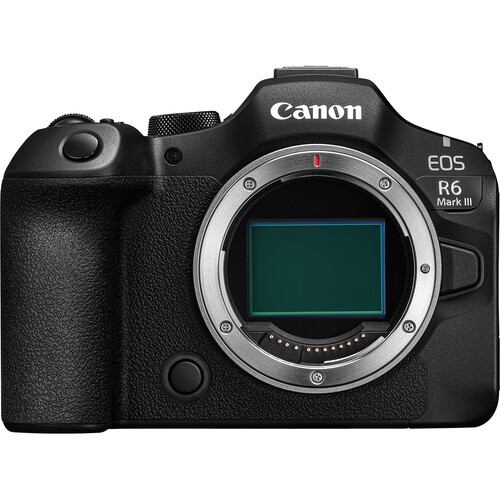
Top Collections:
Pokemon Centers, Best Cameras for Sports Photography, Kindle Devices, Samsung Galaxy Phones, Canon G7X Cameras, Pokémon 30th Celebration Cards, Refurbished Apple Laptops, iPhone 15 Apple, Laptops for Students, Budget Smartphones
Some products may be subject to Environmental Handling Fees
(EHF) depending on your province.
Learn more about EHFs.