Professional Underwater Cameras
Capture the mesmerizing beauty of the underwater world with our selection of professional underwater cameras. Whether you're an avid scuba diver, a snorkeling enthusiast, or love exploring marine life, these cameras are designed to deliver stunning, high-quality images and videos in even the most challenging underwater environments. With advanced features and durable construction, these cameras are perfect for capturing your underwater adventures precisely and clearly. Dive into a world of creativity and start documenting your aquatic escapades like never before with our range of professional underwater cameras.
Sort

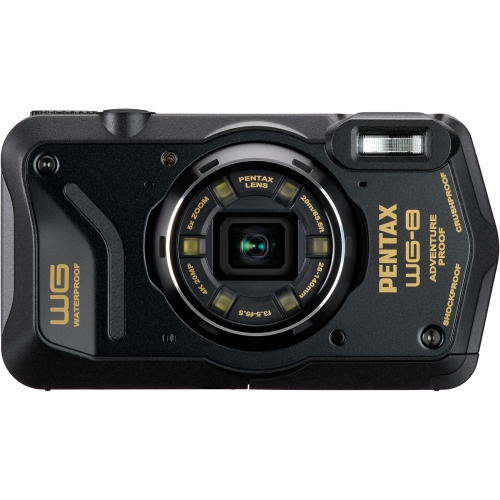
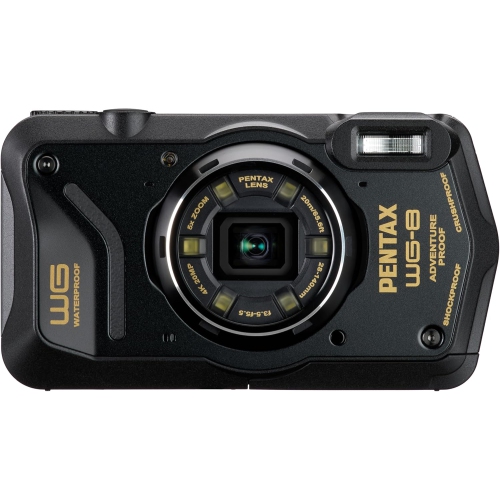
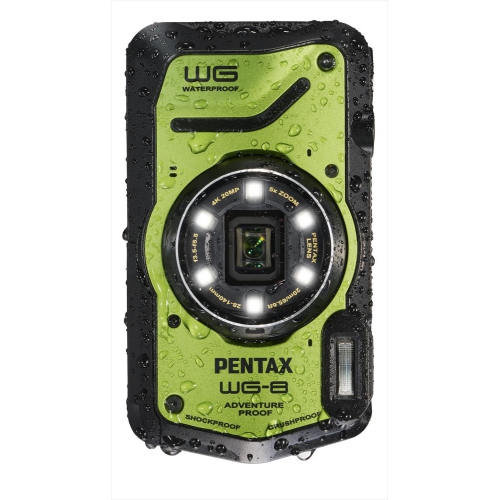
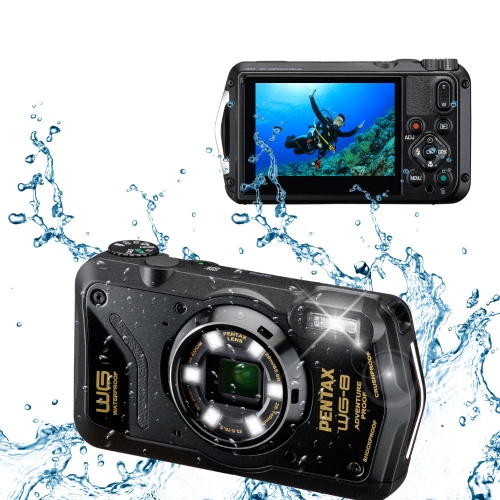
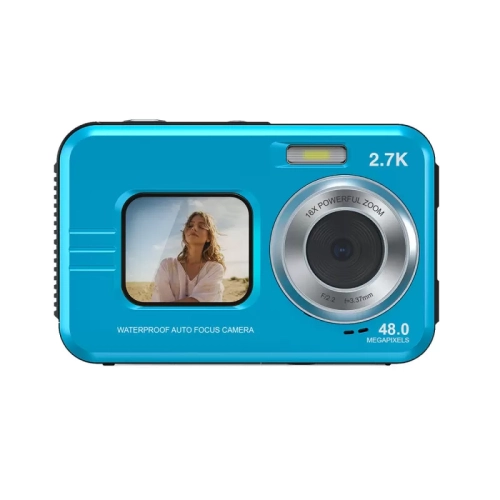
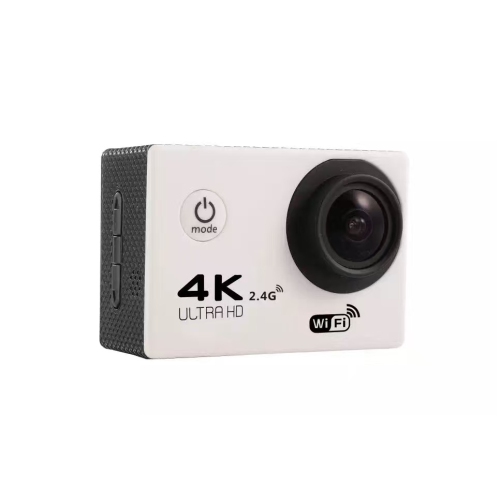

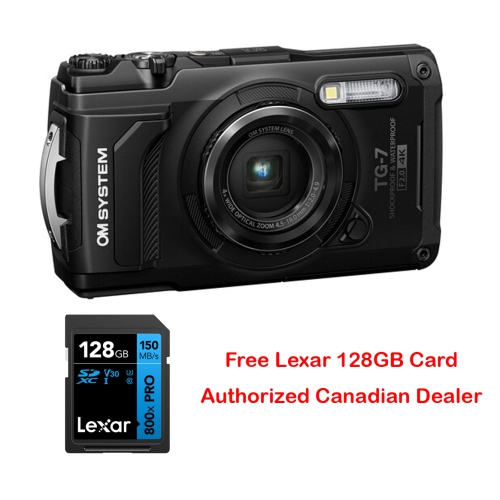
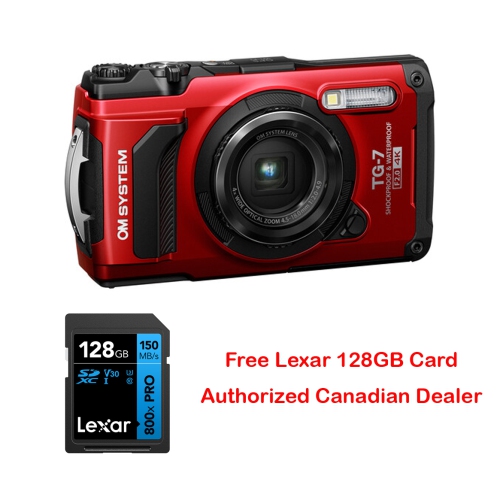
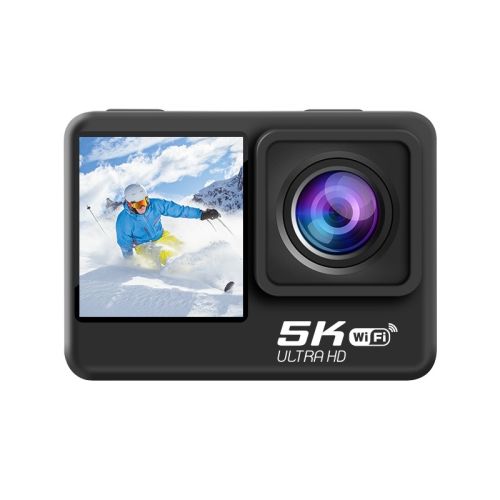
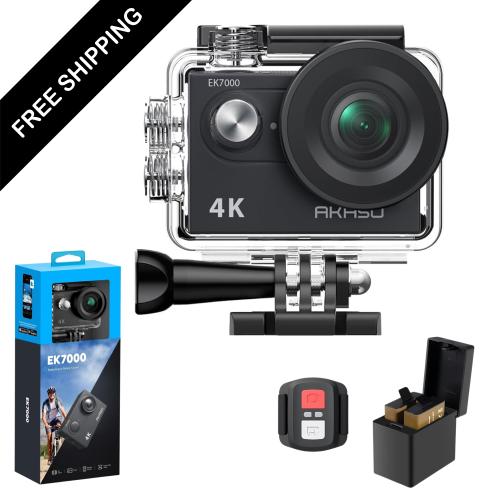
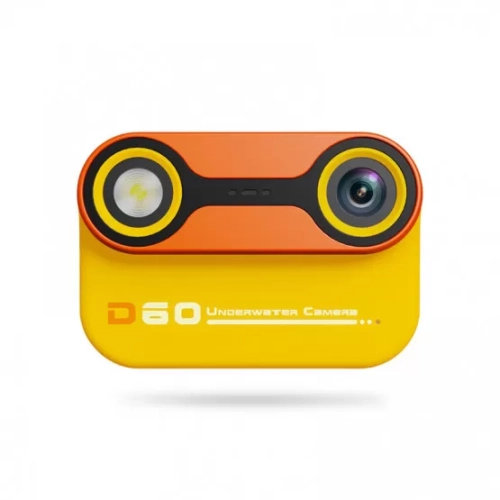
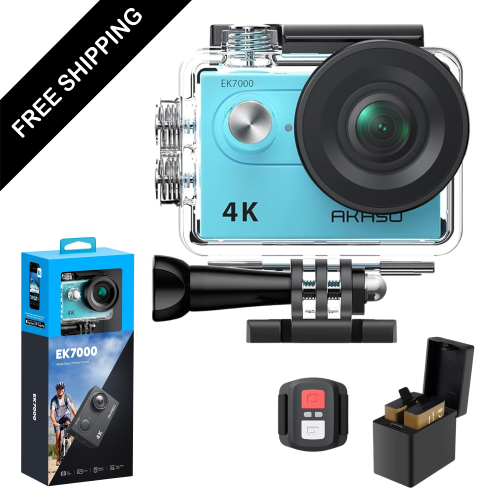
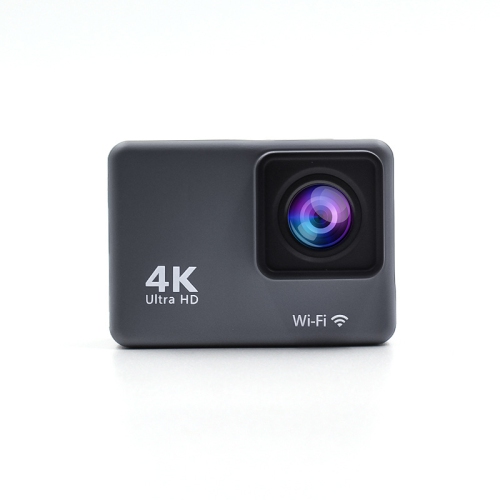
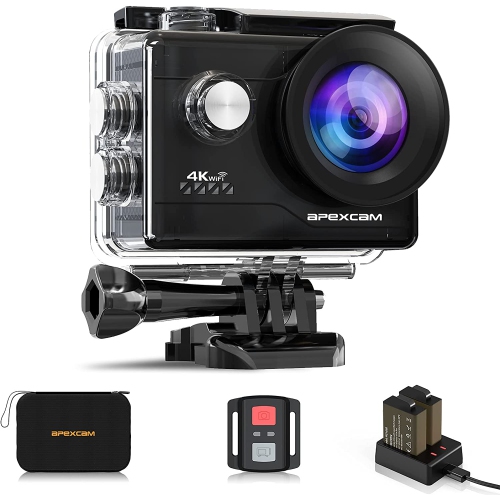
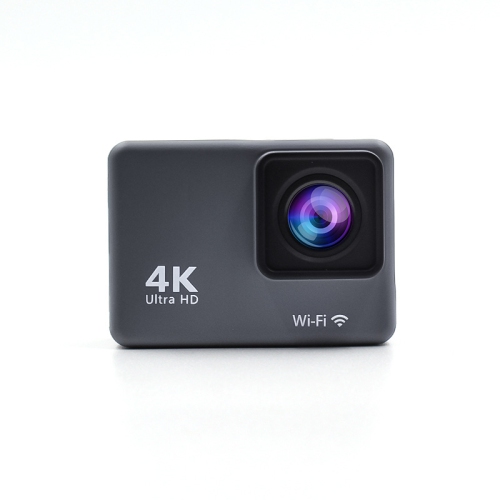
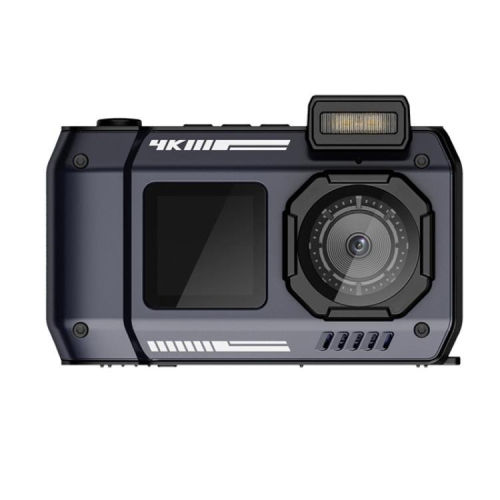
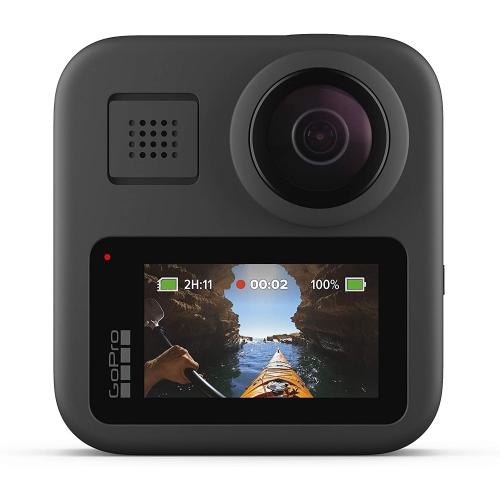
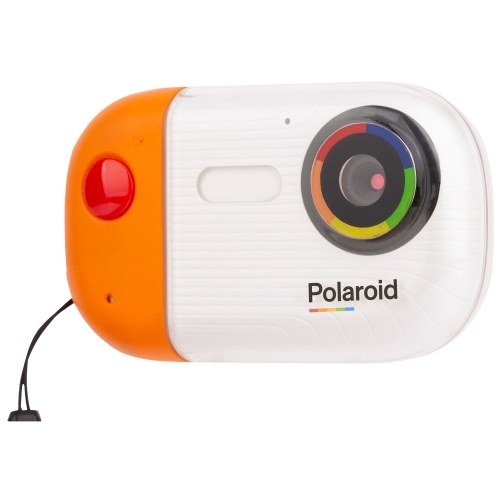
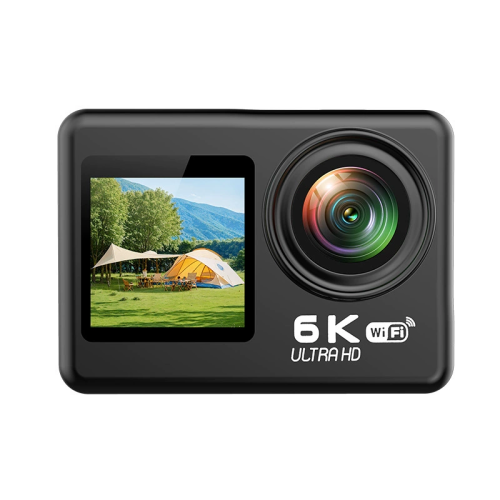
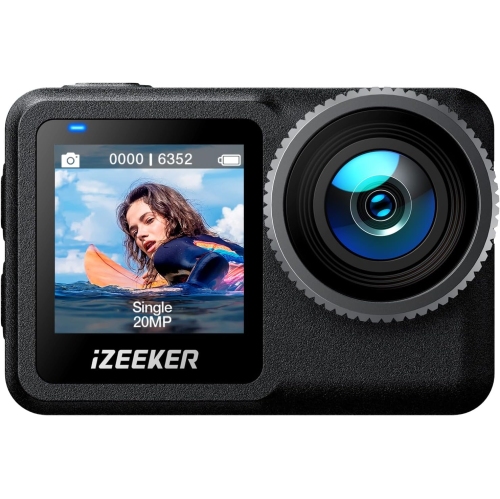
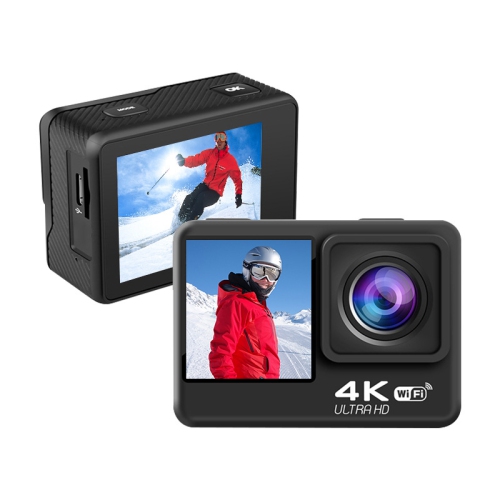
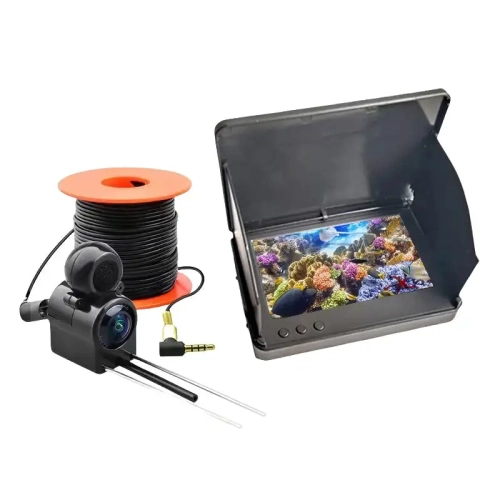
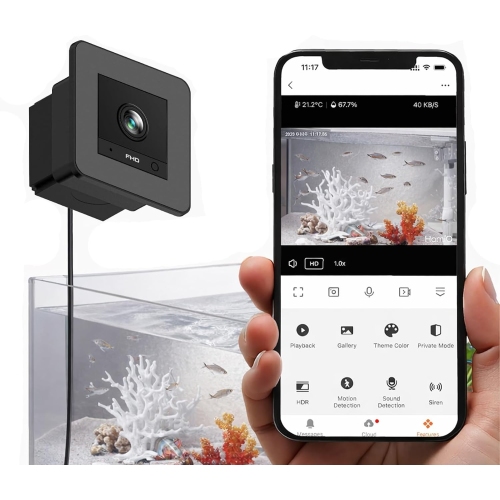
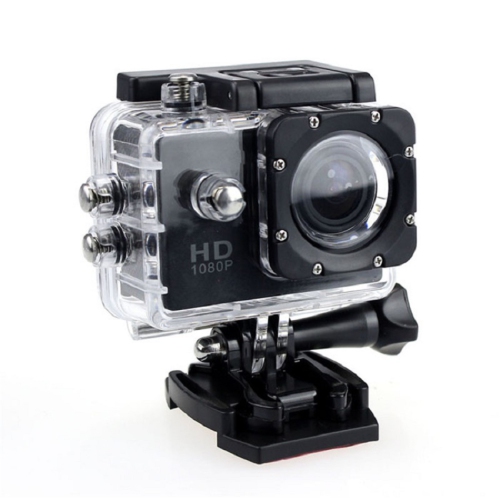
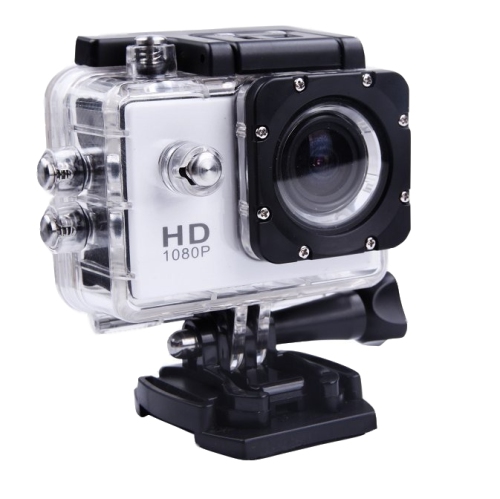
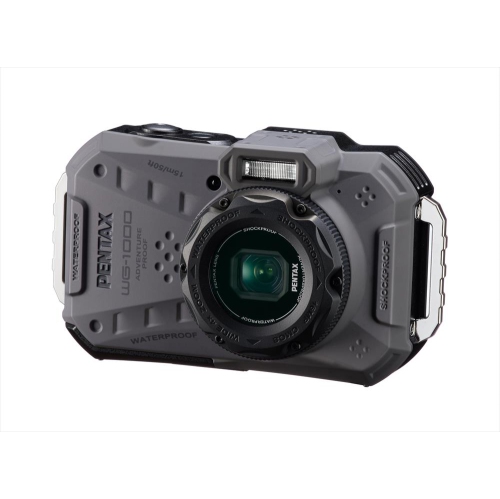
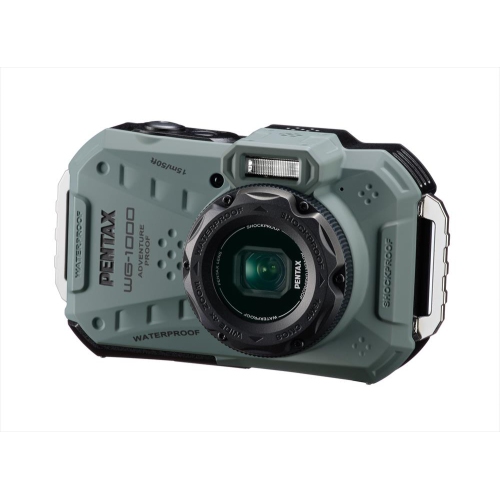
Why underwater image quality depends on the whole system
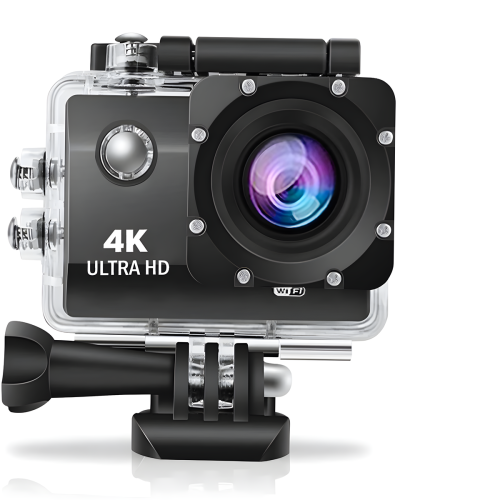
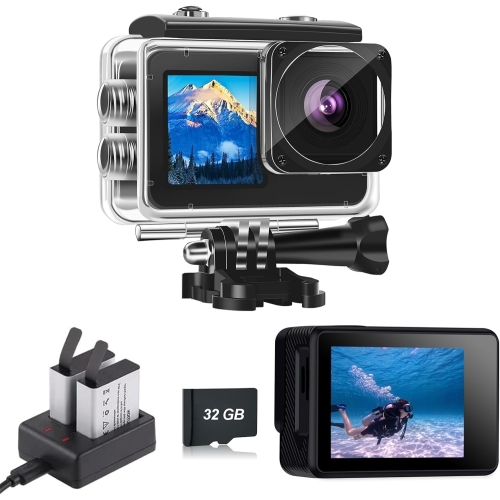
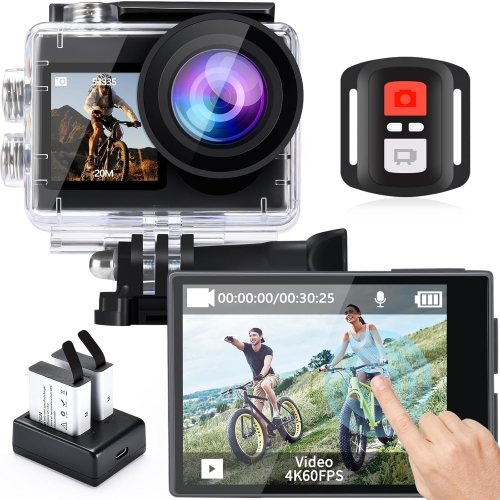
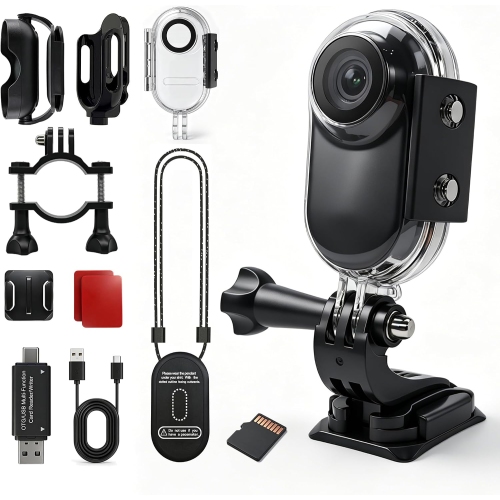
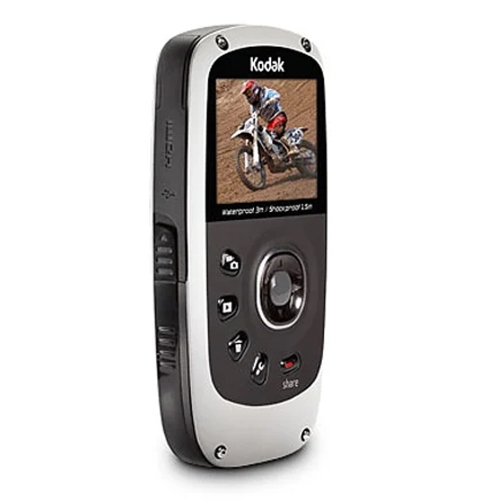
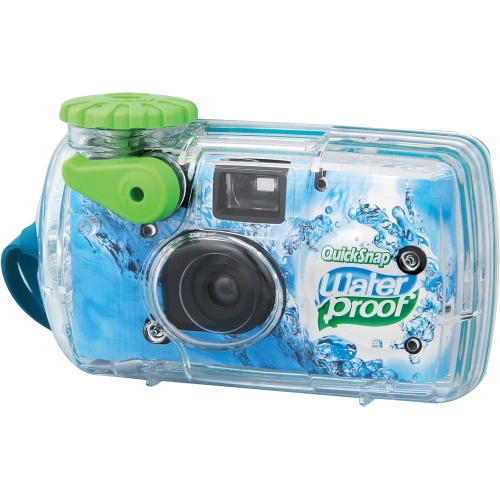
Professional underwater cameras are camera systems designed for detailed photography and video beneath the surface, where water pressure, reduced light, and limited access to controls make equipment design especially important. These systems may combine a camera with a dedicated underwater housing, lens port, and external lighting, or use an integrated sealed design with controls built for submerged operation. Professional capability is not defined by a waterproof label alone: image quality, dependable sealing, lens flexibility, responsive autofocus, and practical handling all contribute to a system’s suitability for demanding work. Underwater photographers, commercial divers, documentary crews, researchers, and experienced recreational divers may use these cameras to capture anything from a diver framed against a shipwreck to the delicate texture of a small marine subject. Compact systems can be easier to carry and manoeuvre in confined spaces, while interchangeable-lens systems offer more flexibility for wide-angle scenes, close-up photography, and specialized assignments. A larger sensor can support cleaner images in limited light, although lens choice, exposure, lighting, and shooting distance remain important. Water absorbs and scatters light, reducing contrast and changing colour as the distance between camera and subject increases. Reds and other warm tones become less visible, so underwater photographs often benefit from carefully positioned strobes or continuous lights rather than relying entirely on automatic colour correction. A wide-angle lens allows a photographer to include a large subject while staying close enough to preserve detail; a macro lens suits small subjects that need precise focus and controlled lighting. RAW image capture gives still photographers greater latitude when adjusting exposure and white balance after a dive. For video, dependable autofocus, useful manual controls, and recording formats that suit the intended editing workflow can matter as much as resolution. The most suitable professional underwater camera is therefore a complete working system matched to the subject, the operator’s experience, and the demands of the assignment, rather than simply the camera with the highest headline specification.
Housing construction and compatibility are central considerations because the protective enclosure must fit the exact camera and provide reliable access to the functions needed underwater. A housing intended for a similar-looking camera is not necessarily compatible, and interchangeable-lens systems also require an appropriate port for the lens being used. Flat ports are common for close-up work, while dome ports are often paired with wide-angle lenses to manage the optical effects of shooting through water. Port selection can affect sharpness, field of view, and focusing behaviour, making the camera, lens, housing, and port a closely connected combination. Housings may use machined aluminium or durable polycarbonate, with optical glass or acrylic ports. Aluminium can provide a rigid structure with closely fitted controls, while transparent polycarbonate can make parts of the interior easier to inspect. Both material types require sound engineering and careful maintenance; material alone does not establish a housing’s safe operating depth. Depth ratings apply to the specified equipment configuration, and the housing, ports, seals, and attached accessories must all be appropriate for the planned use. Some systems include moisture alarms or vacuum monitoring to help identify a potential sealing problem, but these features do not replace inspection or extend a stated depth rating. Handling also deserves attention. A shutter lever that is comfortable on land may feel different when operated with gloves, and small buttons can be difficult to distinguish while looking through a mask. Clearly spaced controls, accessible focus settings, and a viewfinder or screen that remains easy to see can reduce interruptions during a shoot. Dual handles and a tray provide a stable grip, while adjustable arms allow lights to be positioned away from the lens. Buoyancy accessories can help balance a larger rig and reduce wrist strain, although the complete assembly needs to be assessed together. A comfortable setup lets the operator concentrate on framing and timing, whether waiting for a subject to turn towards the lens or holding a steady composition beside a larger structure.
Lighting and recording needs further distinguish professional underwater camera systems. Strobes deliver brief bursts of light for still photographs, helping restore colour and reveal texture when used within an effective working distance. Continuous lights illuminate the scene throughout a video take and make it easier to judge shadows before recording. Beam coverage, output adjustment, battery endurance, and compatible triggering or connections all influence how well a lighting setup works with the camera. Light placement is particularly important when suspended particles are present: directing lights from beside the camera rather than straight along the lens axis can reduce bright specks known as backscatter. For video work, stable handling and deliberate camera movement help keep footage comfortable to watch, while manual white balance can improve consistency between clips recorded under similar conditions. Higher frame rates can support slow-motion sequences, but may require more light and affect recording limits, depending on the camera. Storage capacity, battery access, and the ability to change settings without opening the housing are practical considerations for longer assignments. Reliable care remains essential regardless of system size. After use, a fresh-water rinse helps remove salt and residue from the closed housing, controls, and external fittings, following the manufacturer’s instructions. The housing should be dry before opening so that droplets cannot fall onto the camera. Sealing surfaces need to remain clean, and O-rings require inspection for sand, hair, damage, or displacement; only the lubricant specified for the seal should be used. Ports benefit from protective covers during transport, and a padded case helps keep the housing, lights, and camera components from knocking together. For an experienced underwater photographer receiving equipment as a gift, compatibility with an existing camera and housing is more important than choosing accessories by appearance alone. For a broader comparison of camera formats suited to submerged photography, Best Underwater Cameras offers another relevant starting point. Professional underwater camera systems bring these considerations together, supporting detailed images and controlled footage through a combination of suitable optics, secure protection, usable controls, and lighting matched to the subject.
Top selling and popular products
-
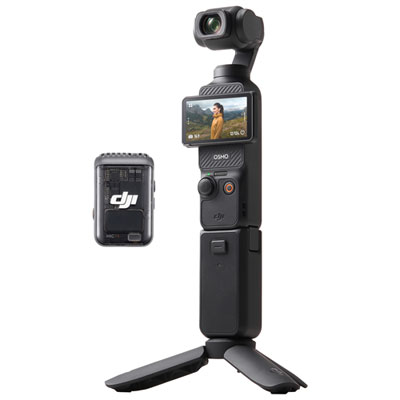 Your price for this item is $649.99
-
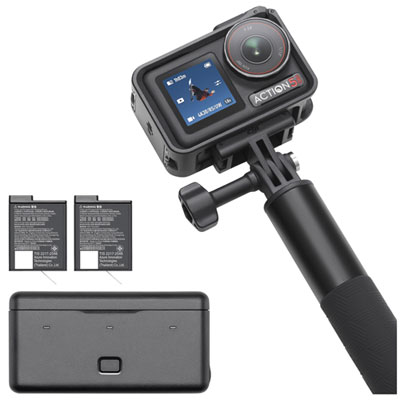 Your price for this item is $585.99
-
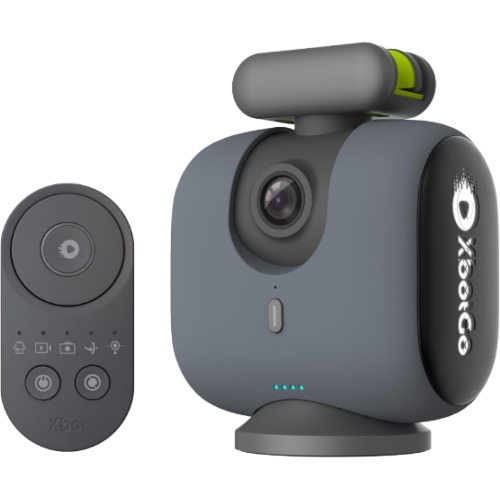 Your price for this item is $489.99
-
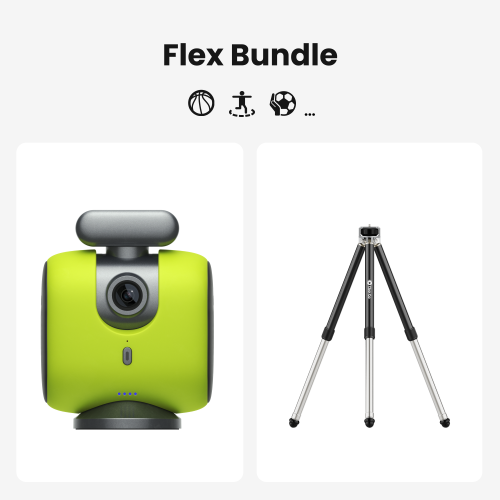 Your price for this item is $433.99
-
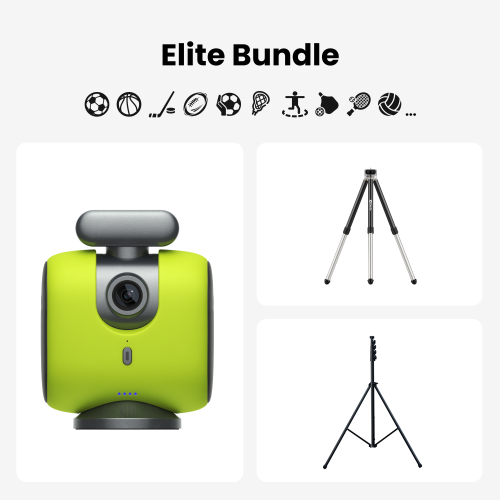 Your price for this item is $653.99
-
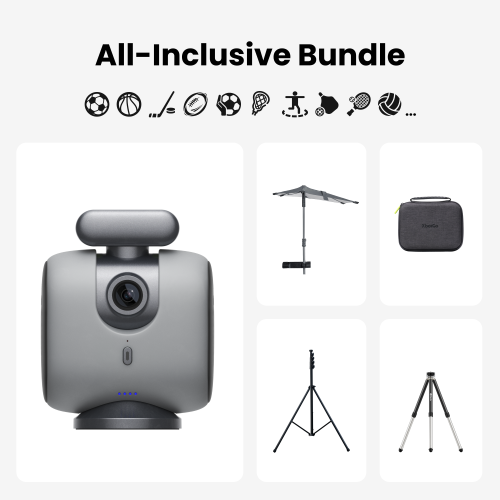 Your price for this item is $859.99
-
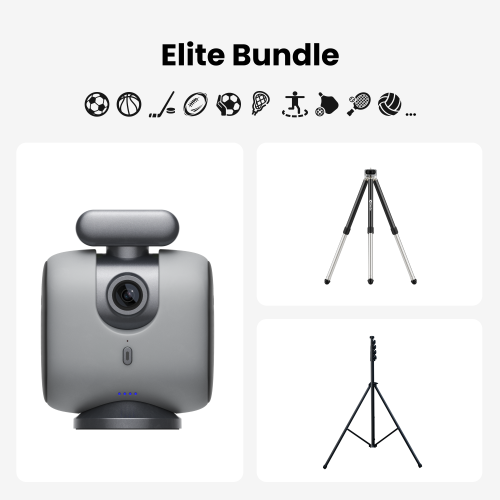 Your price for this item is $653.99
-
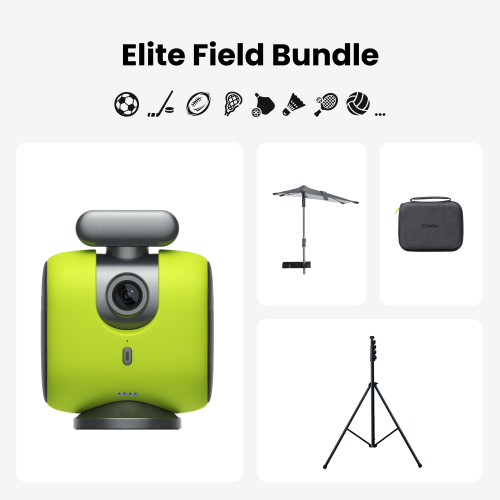 Your price for this item is $719.99
Discover more categories related to Professional Underwater Cameras
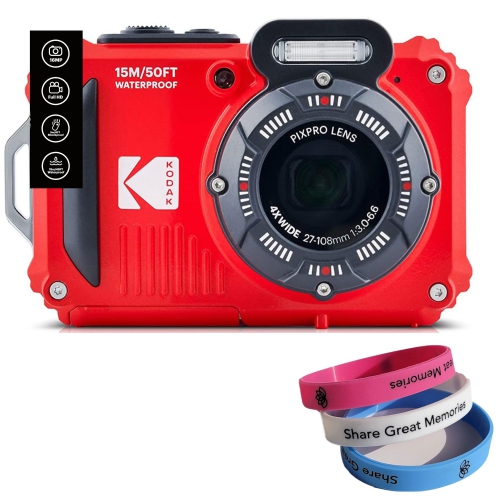

Top Collections:
Best Black Friday Deals This Year, Best Black Friday Deals On Electronics, Kindle Devices, Pokemon Centers, Best Black Friday Deals On Apple Products, Best Cameras for Sports Photography, Dyson Airwrap, Pokémon 30th Celebration Cards, Apple iPhone 17 Pro, Canon G7X Cameras
Some products may be subject to Environmental Handling Fees
(EHF) depending on your province.
Learn more about EHFs.