RC Planes With Camera
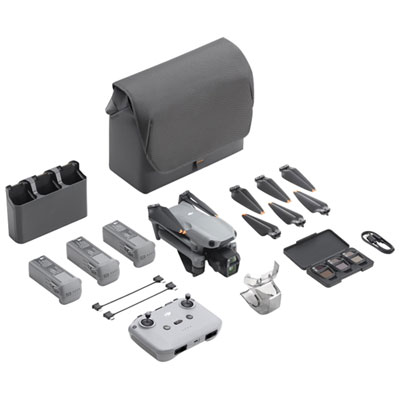
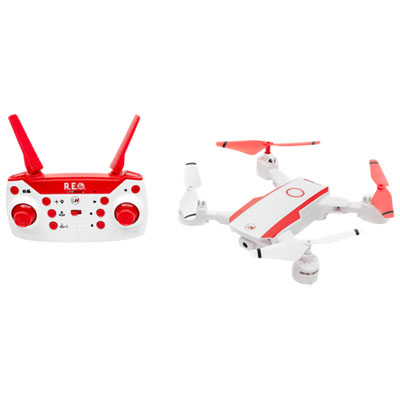
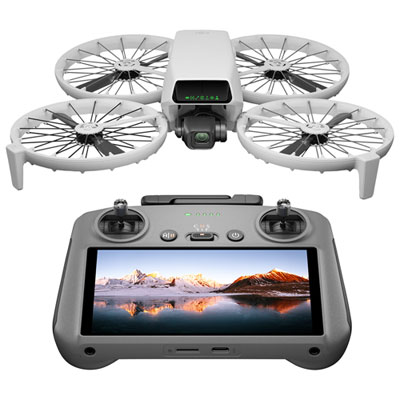
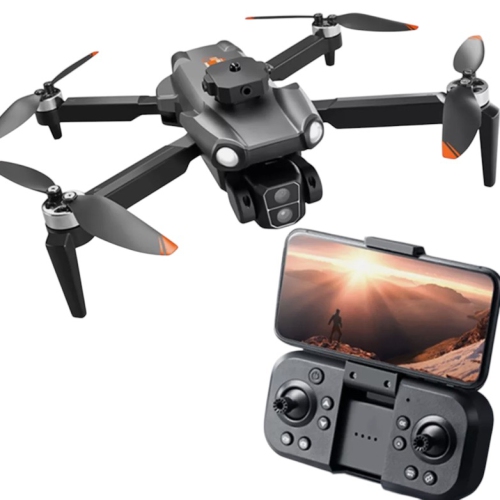
Capture stunning aerial footage with our selection of RC planes with cameras. Whether you're an experienced pilot or just starting out, these high-performance aircrafts are equipped with built-in cameras that allow you to capture breathtaking photos and videos from above. Take your photography and videography skills to new heights as you explore the skies and document your adventures like never before. With a range of features and options available, you'll find the perfect RC plane with a camera to suit your needs and take your creativity to new heights.
Sort

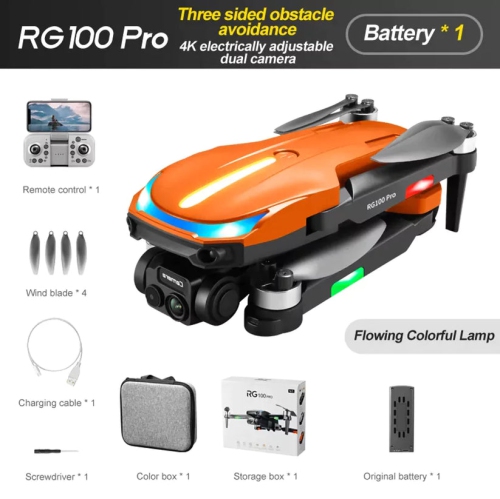
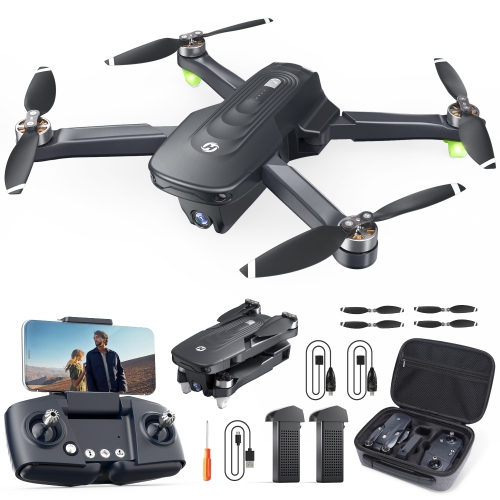
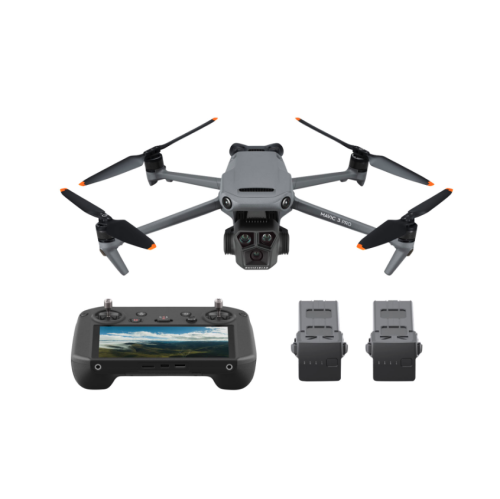
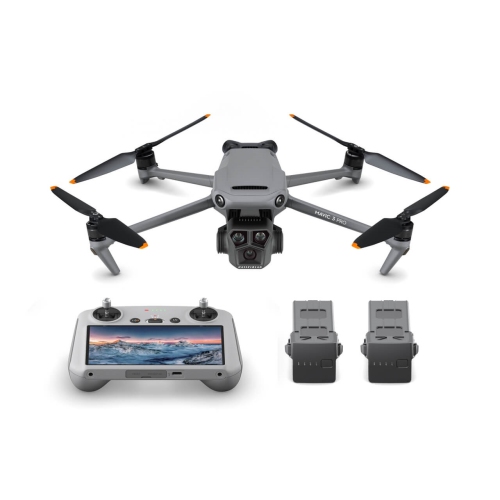
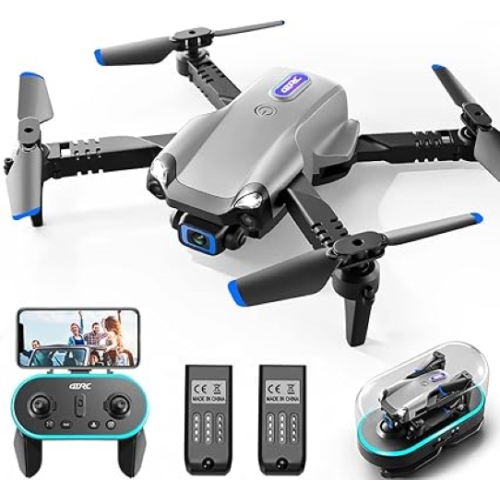
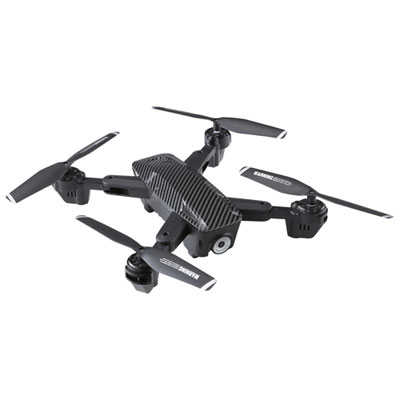
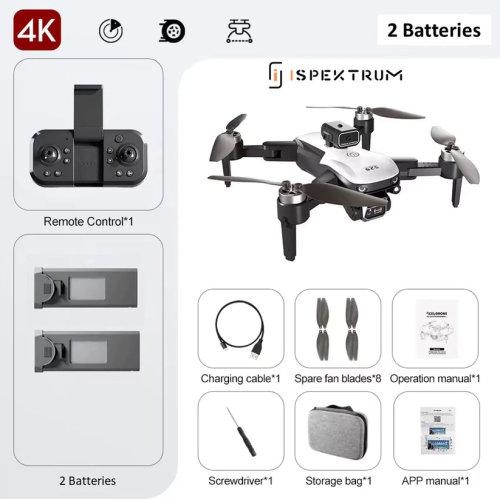
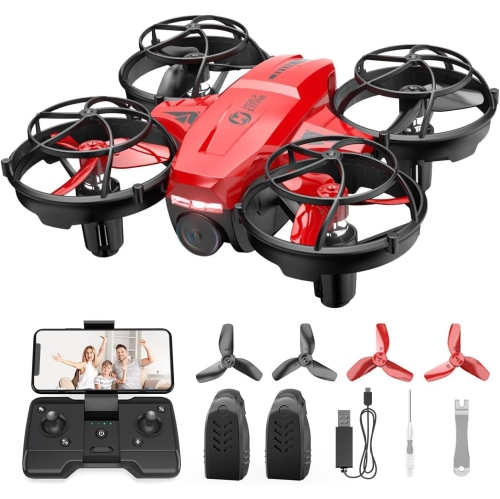
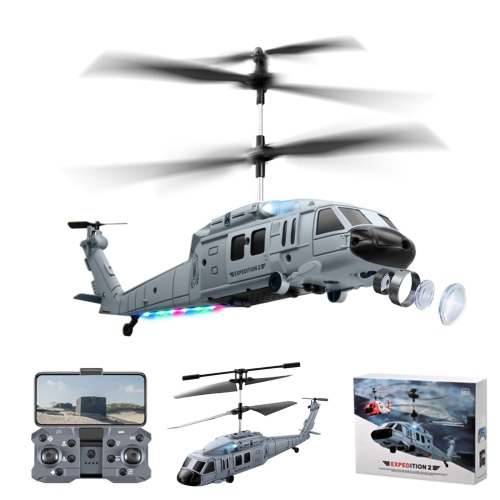
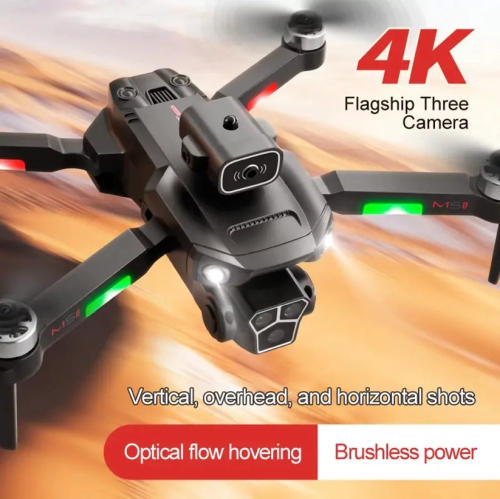
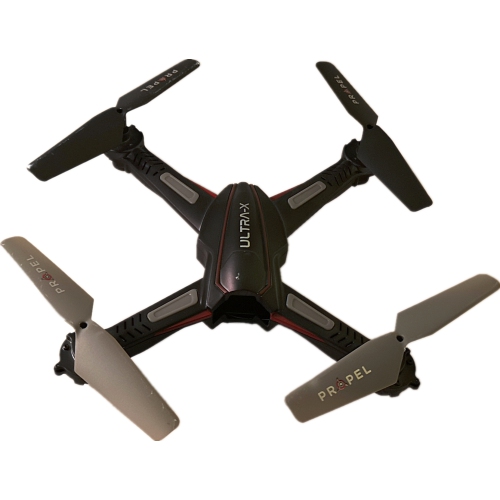
What matters beyond the camera includes flight time and safety
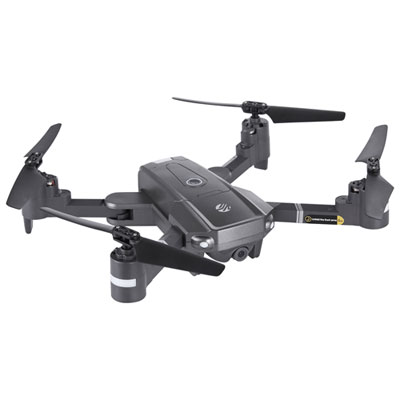
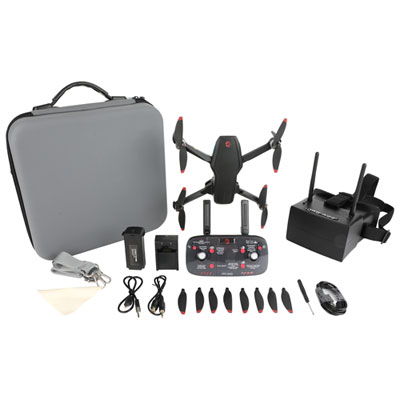
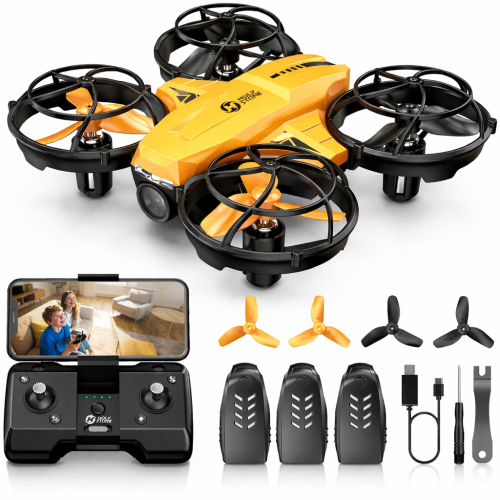
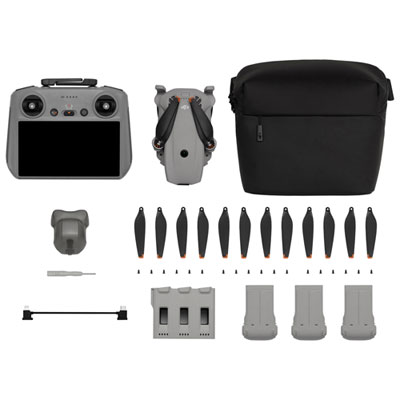
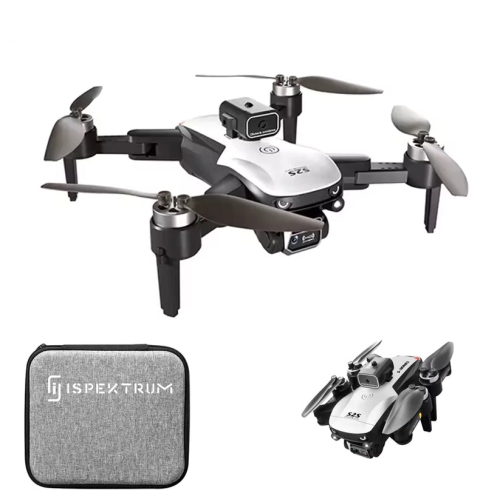
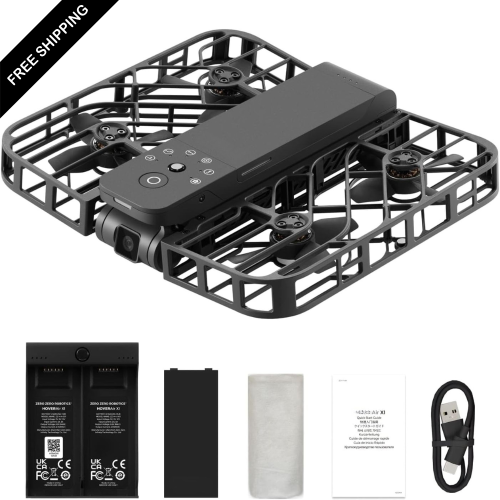
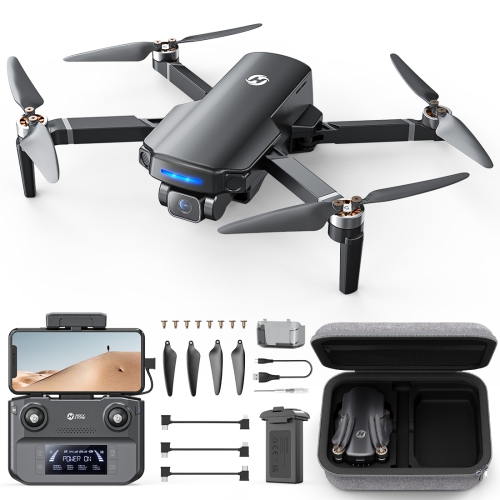
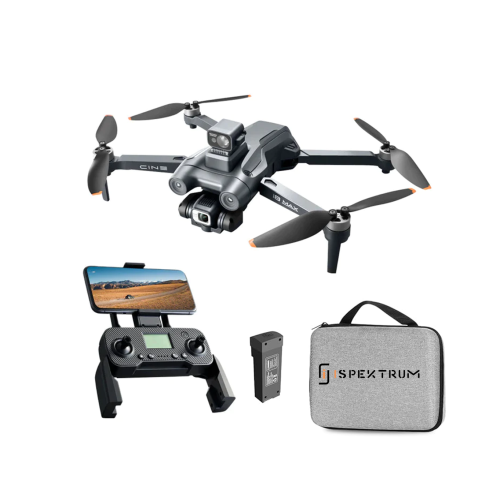
RC planes with camera combine the enjoyment of remote-controlled flight with the ability to record aerial views or see the aircraft’s perspective while it is in the air. Depending on the design, a camera may be built into the aircraft, attached through a dedicated mount, or added as part of a modular FPV setup. Some models send a live view to a smartphone or compatible display over Wi-Fi, while others record footage to onboard storage for viewing later. This distinction is important when comparing options: a live FPV feed is useful for piloting and framing a flight as it happens, while a recording camera is better suited to capturing scenery, smooth passes over an open field, or memorable flights with family and friends. Fixed-wing RC planes can cover ground efficiently and offer a distinctive gliding experience, but they need more room to launch, turn, and land than many conventional quadcopters. Beginner-friendly aircraft often use lightweight foam construction, stable flight modes, simplified controls, and automatic takeoff or landing assistance. These features can give a new pilot time to learn throttle control, steering, orientation, and recovery without feeling overwhelmed. More advanced hobby aircraft may include twin motors, larger wings, stronger camera mounts, improved stabilization, or a modular body that supports different cameras and video transmitters. A ready-to-fly package is generally the most straightforward choice because it may include the aircraft, remote controller, battery, charger, and basic accessories. A bind-and-fly or modular setup can be a better fit for experienced pilots who already own compatible control equipment and want to tailor the camera, range, display, or power system to their preferred flying style.
Camera performance can vary widely, so it helps to look beyond the headline resolution. A high-definition camera can produce clearer footage, but lens quality, image stabilization, frame rate, lighting, and the aircraft’s vibration levels also affect the final result. A wide-angle lens can make the view feel expansive, although it may introduce curved edges or make distant details look smaller. Stabilization helps reduce the effect of motor vibration and small movements, while a steady airframe and properly balanced propellers can be just as important. For FPV flying, transmission delay and signal reliability matter more than cinematic image quality. A low-latency live feed makes it easier to judge turns, maintain orientation, and line up a landing, while recording at a higher resolution can preserve more detail for later playback. Check the stated transmission range carefully, since real-world performance depends on buildings, trees, terrain, interference, battery level, and local conditions. Flight time is another practical consideration. Camera use, additional equipment, wind, and repeated climbs can drain a battery faster than calm cruising, so spare batteries and a convenient charging routine may make each outing more enjoyable. It is also worth considering whether the aircraft requires a launch by hand, a smooth runway, or a clear landing area. Open parks, large fields, and designated flying areas provide more room to practise, but pilots should avoid roads, power lines, crowds, airports, and places where an unexpected landing could cause damage. In Canada, users should review applicable Transport Canada rules before flying, including requirements related to registration, pilot certification, airspace, visual line of sight, and safe distances. Local parks, municipalities, and property owners may also have additional restrictions. During the cooler months, cold temperatures can reduce battery performance, wind can make a lightweight plane harder to control, and snow or damp ground can affect electronics during landing. Carrying batteries in a protected case, allowing them to reach a suitable temperature before use, and drying the aircraft thoroughly after an outdoor session can help support reliable operation.
RC planes with camera can suit several kinds of pilots and make thoughtful gifts for people who enjoy technology, photography, model building, gaming, or outdoor activities. For a first-time flyer, look for an aircraft with durable construction, intuitive controls, replacement parts, and stability assistance that can be adjusted as confidence grows. A simple camera system can add interest without requiring a separate phone, goggles, or complicated installation. For children and families, adult supervision, a spacious flying area, and clear operating instructions are especially important; the best gift is one that matches the recipient’s age, patience, coordination, and access to a safe place to fly. An enthusiastic hobbyist may prefer an aircraft with room for upgrades, removable camera mounts, configurable flight controllers, or compatibility with a dedicated FPV display. This type of setup can become an ongoing project, with the pilot gradually refining antennas, camera angles, batteries, and control settings. Aerial filming enthusiasts may prioritize stable footage, longer flight time, storage capacity, and a plane that can carry an action camera without upsetting its balance. Before buying, confirm what is included in the box and what must be purchased separately, such as batteries, memory cards, charging equipment, propellers, landing gear, goggles, or a phone holder. Examine the control method as well: a traditional transmitter gives direct access to flight controls, while app-based features may make it easier to view footage or adjust settings. Keep replacement availability in mind because propellers, motors, foam sections, and landing components can wear out during normal use. Pilots often learn most effectively by starting with short flights in calm conditions, keeping the aircraft within clear sight, and practising gentle turns before attempting longer routes or higher speeds. Recording a first successful launch, a low pass across a field, or a smooth glide above a quiet landscape can be rewarding, particularly when the footage captures the sound and movement of the flight from a new perspective. Those seeking a different aerial format can also browse Long Range Drones With Camera for camera-equipped aircraft designed around a different style of operation. With the right match between aircraft, camera system, experience level, and flying environment, an RC plane with camera can provide engaging practice sessions, creative footage, and a hobby that continues to develop over time.
Camera performance can vary widely, so it helps to look beyond the headline resolution. A high-definition camera can produce clearer footage, but lens quality, image stabilization, frame rate, lighting, and the aircraft’s vibration levels also affect the final result. A wide-angle lens can make the view feel expansive, although it may introduce curved edges or make distant details look smaller. Stabilization helps reduce the effect of motor vibration and small movements, while a steady airframe and properly balanced propellers can be just as important. For FPV flying, transmission delay and signal reliability matter more than cinematic image quality. A low-latency live feed makes it easier to judge turns, maintain orientation, and line up a landing, while recording at a higher resolution can preserve more detail for later playback. Check the stated transmission range carefully, since real-world performance depends on buildings, trees, terrain, interference, battery level, and local conditions. Flight time is another practical consideration. Camera use, additional equipment, wind, and repeated climbs can drain a battery faster than calm cruising, so spare batteries and a convenient charging routine may make each outing more enjoyable. It is also worth considering whether the aircraft requires a launch by hand, a smooth runway, or a clear landing area. Open parks, large fields, and designated flying areas provide more room to practise, but pilots should avoid roads, power lines, crowds, airports, and places where an unexpected landing could cause damage. In Canada, users should review applicable Transport Canada rules before flying, including requirements related to registration, pilot certification, airspace, visual line of sight, and safe distances. Local parks, municipalities, and property owners may also have additional restrictions. During the cooler months, cold temperatures can reduce battery performance, wind can make a lightweight plane harder to control, and snow or damp ground can affect electronics during landing. Carrying batteries in a protected case, allowing them to reach a suitable temperature before use, and drying the aircraft thoroughly after an outdoor session can help support reliable operation.
RC planes with camera can suit several kinds of pilots and make thoughtful gifts for people who enjoy technology, photography, model building, gaming, or outdoor activities. For a first-time flyer, look for an aircraft with durable construction, intuitive controls, replacement parts, and stability assistance that can be adjusted as confidence grows. A simple camera system can add interest without requiring a separate phone, goggles, or complicated installation. For children and families, adult supervision, a spacious flying area, and clear operating instructions are especially important; the best gift is one that matches the recipient’s age, patience, coordination, and access to a safe place to fly. An enthusiastic hobbyist may prefer an aircraft with room for upgrades, removable camera mounts, configurable flight controllers, or compatibility with a dedicated FPV display. This type of setup can become an ongoing project, with the pilot gradually refining antennas, camera angles, batteries, and control settings. Aerial filming enthusiasts may prioritize stable footage, longer flight time, storage capacity, and a plane that can carry an action camera without upsetting its balance. Before buying, confirm what is included in the box and what must be purchased separately, such as batteries, memory cards, charging equipment, propellers, landing gear, goggles, or a phone holder. Examine the control method as well: a traditional transmitter gives direct access to flight controls, while app-based features may make it easier to view footage or adjust settings. Keep replacement availability in mind because propellers, motors, foam sections, and landing components can wear out during normal use. Pilots often learn most effectively by starting with short flights in calm conditions, keeping the aircraft within clear sight, and practising gentle turns before attempting longer routes or higher speeds. Recording a first successful launch, a low pass across a field, or a smooth glide above a quiet landscape can be rewarding, particularly when the footage captures the sound and movement of the flight from a new perspective. Those seeking a different aerial format can also browse Long Range Drones With Camera for camera-equipped aircraft designed around a different style of operation. With the right match between aircraft, camera system, experience level, and flying environment, an RC plane with camera can provide engaging practice sessions, creative footage, and a hobby that continues to develop over time.
Top selling and popular products
-
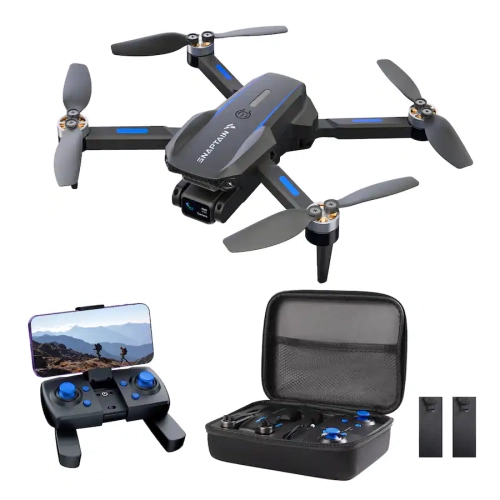 Your price for this item is $109.98
 -
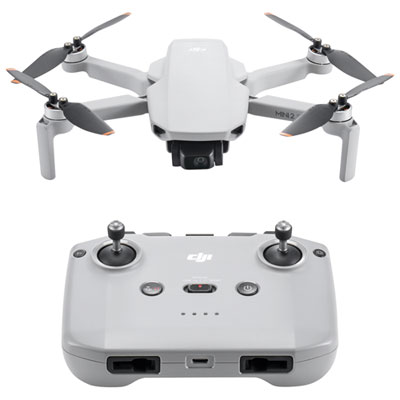 Your price for this item is $359.99
 -
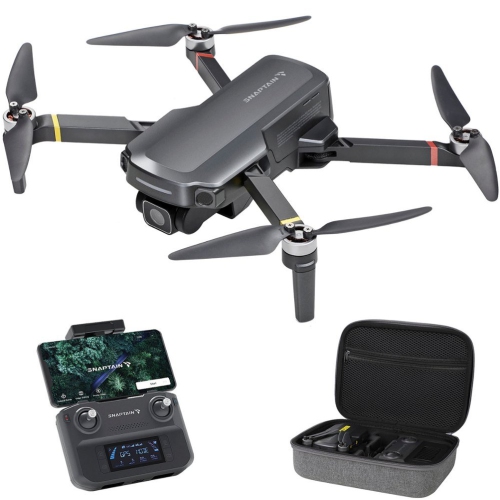 Your price for this item is $279.9
 -
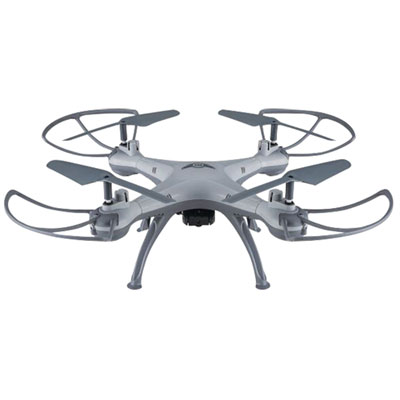 Your price for this item is $49.99
 -
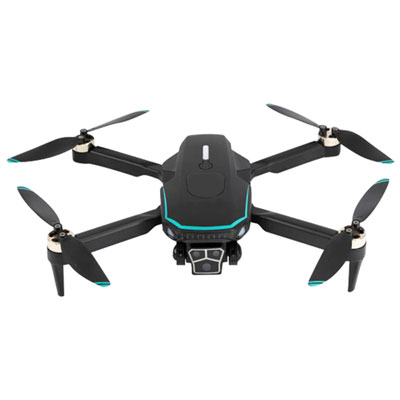 Your price for this item is $79.99
 -
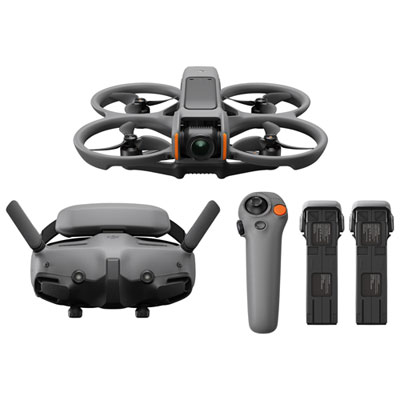 Your price for this item is $1279.99
 -
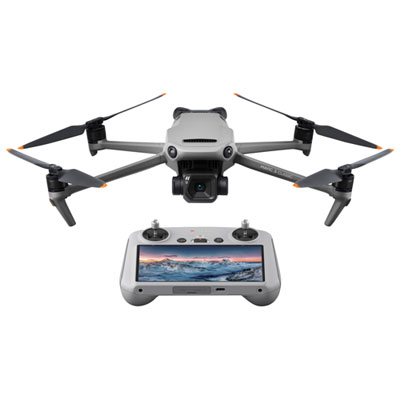 Your price for this item is $1759.99
 -
 Your price for this item is $189.9
Discover more categories related to RC Planes With Camera
Top Collections:
Pokemon Centers, Kindle Devices, Best Budget Office Chairs, Apple iPhones 16, Best Laptops for Writers, iPhone 15 Apple, Canon G7X Cameras, Refurbished Apple Laptops, Alarm Clock, Motorola Razr Phones
Some products may be subject to Environmental Handling Fees
(EHF) depending on your province.
Learn more about EHFs.