Reliable Memory Cards for Data Storage
Reliable Memory Card For Data Storage options provide a convenient solution for expanding the capacity of your devices and keeping important files secure. Whether you need extra space for photos, videos, music, or work documents, these memory cards are designed to help you store and transfer data with ease. Explore a variety of capacities and formats to find the right Reliable Memory Card For Data Storage that fits your needs, from everyday use to professional applications.
Sort


Why memory card compatibility goes beyond physical fit
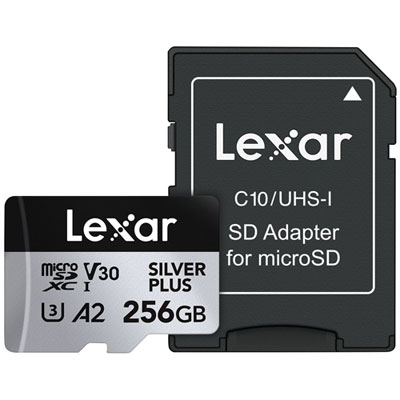
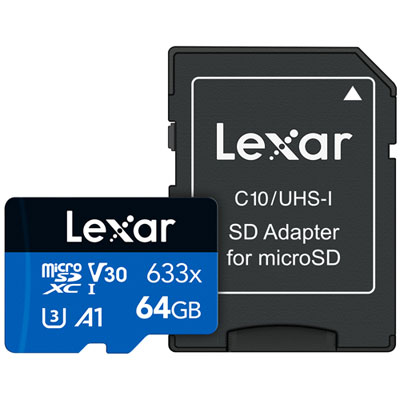
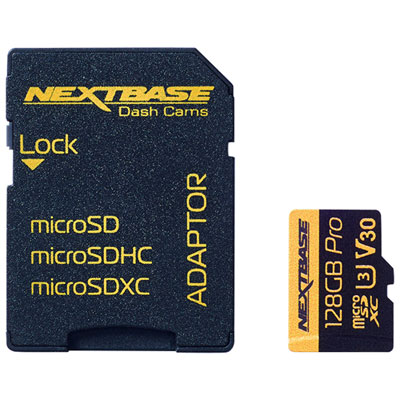
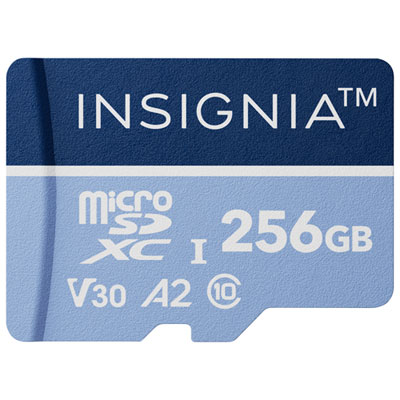
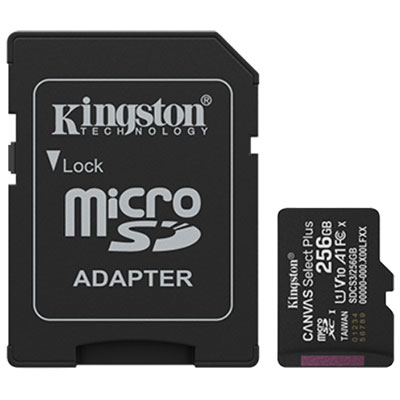
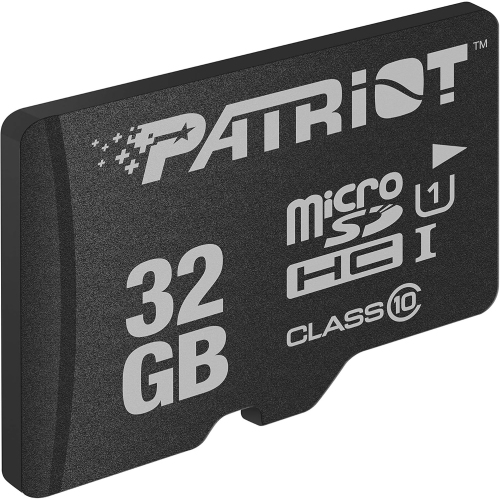
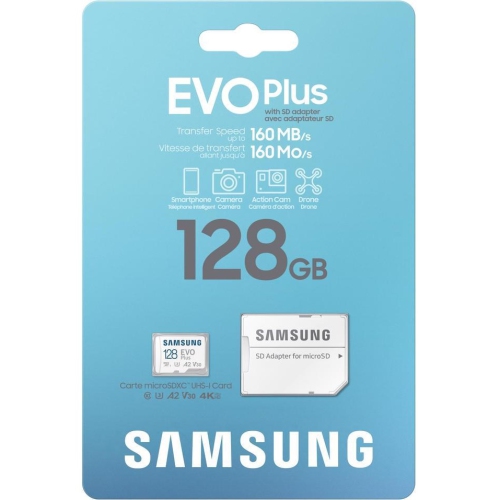
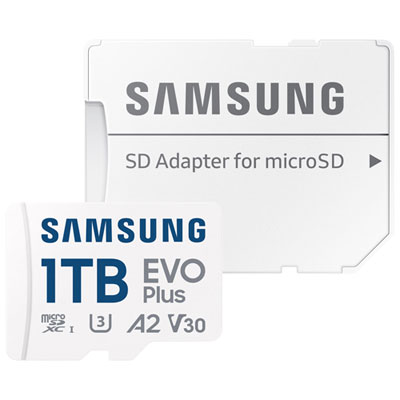
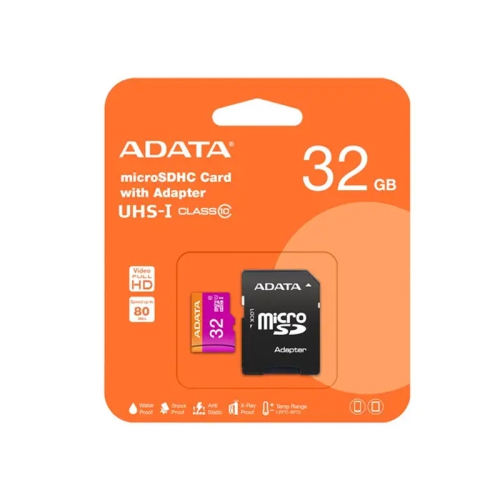
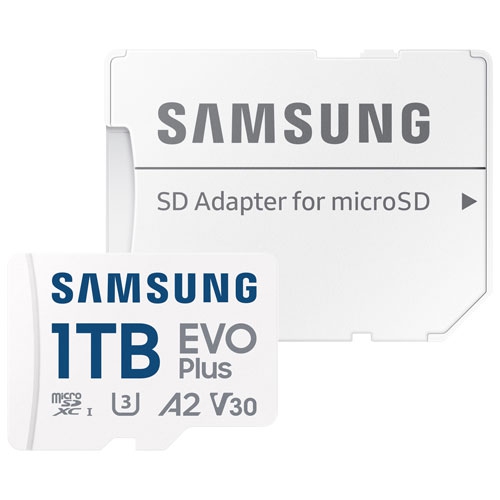
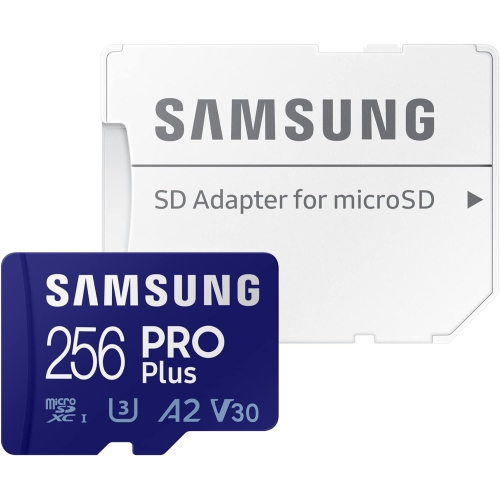
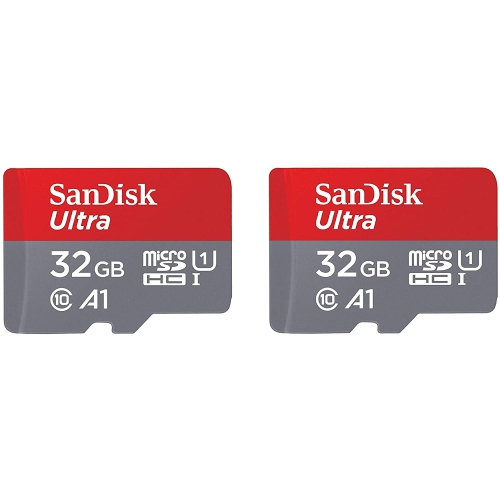
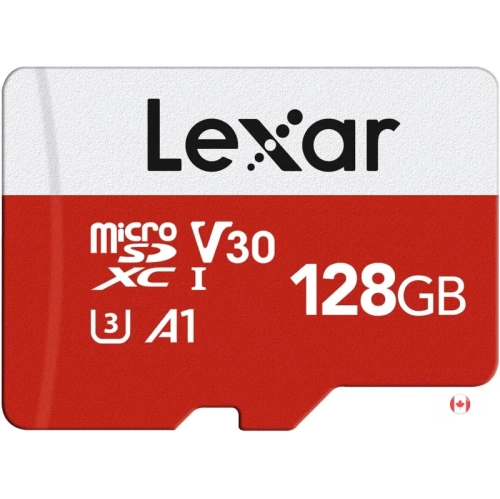
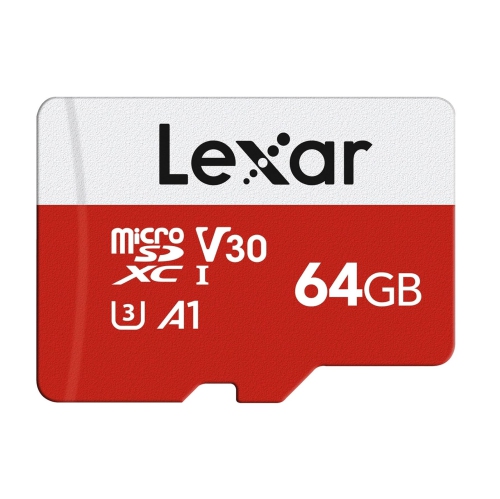
Reliable memory cards for data storage give photos, videos, audio recordings and other files a compact home inside compatible devices. Their small size makes them useful wherever storage needs to travel with the equipment: a camera carried through a museum, a handheld gaming device packed for a trip or an audio recorder used for an interview. Different card formats serve different devices, and physical fit is only part of compatibility. Full-size SD cards are common in cameras and some computers, while microSD cards fit many smaller devices, including compatible action cameras, drones and gaming systems. Other formats, such as CFexpress, serve equipment designed for demanding photography and video workflows. A card slot’s supported format, capacity range and interface matter more than a card’s appearance alone. Two cards that look alike may offer very different capabilities, and an adapter changes the physical connection rather than upgrading the card’s underlying performance. For devices with a smaller card slot, Reliable MicroSD Cards Storage brings the focus to that compact format. Capacity determines how much material can stay on a card before files need transferring or deleting, but the amount varies with file size and recording settings. A collection of documents takes up far less space than RAW photographs or high-resolution video, and longer recordings can fill storage surprisingly quickly. Usable space can also be lower than the stated capacity because of formatting and the way devices report storage. A larger card can reduce interruptions during a long recording session, while several smaller cards can make it easier to separate projects or keep an entire trip’s images from residing on one card. For students, photographers, travellers and anyone capturing family milestones, the most useful capacity is one that suits both the device and the way files are created, transferred and kept.
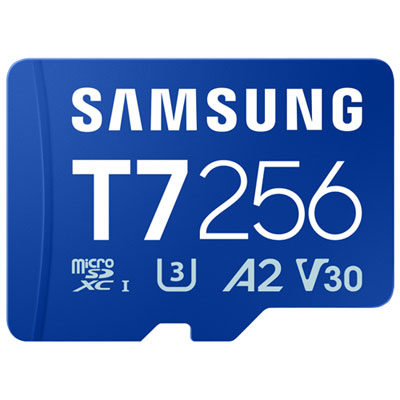
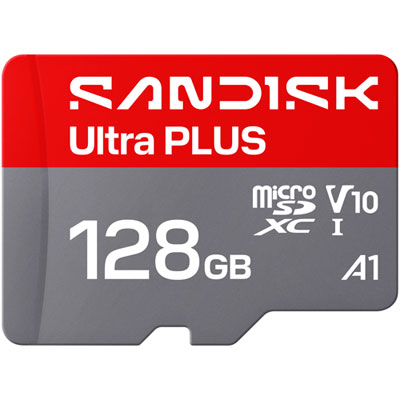
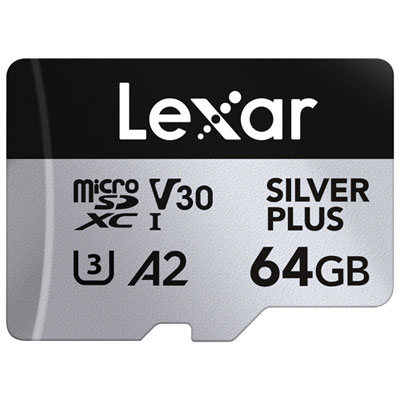
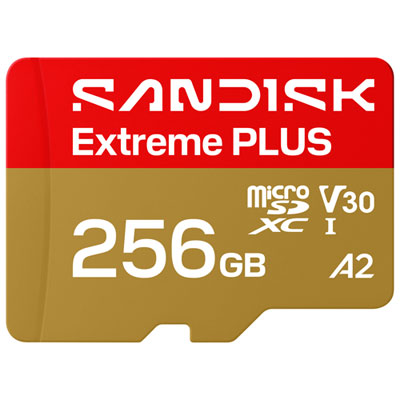
Performance becomes especially noticeable when a device needs to save information continuously or in rapid bursts. A camera photographing a dog racing across a park may capture a sequence faster than it can finish writing those images to storage. The camera’s buffer temporarily holds that data, while the card’s write performance helps determine how quickly the buffer clears. Video places a different demand on storage: the card must keep accepting data steadily throughout the recording. A high advertised maximum read speed does not, by itself, establish whether a card can maintain the write speed a particular video setting requires. Speed Class, UHS Speed Class and Video Speed Class markings describe minimum write performance under specified conditions, making them useful alongside the recording device’s stated requirements. Resolution, frame rate and compression settings all influence the amount of data being written. Even two recordings with the same resolution can have different storage needs. Read speed matters most when opening files or transferring them from the card, particularly after a session that leaves hundreds of photographs or lengthy video clips to move. The card reader, connection, computer and destination drive can all limit transfer performance, so a faster card cannot remove every bottleneck. For repeated recording, endurance is a separate consideration from speed. Compatible dash cameras and security cameras may overwrite older footage continually, creating a workload that differs from occasional photography. Cards designed and rated for high-endurance use are intended for these repeated writing cycles, although their supported uses and endurance claims vary. For compatible gaming devices, storage requirements can include a particular card standard as well as sufficient capacity; a card that physically fits may still be unsuitable. Matching the format and performance rating to the device’s documentation helps keep the focus on practical benefits, whether that means uninterrupted footage, shorter transfer sessions or enough room for a growing collection of files.
Durability also has a practical side, especially for cards that move frequently between a device, a reader and a carrying case. Memory cards typically combine a lightweight housing, exposed electrical contacts and internal flash memory, with no moving mechanical parts. That construction supports compact, portable storage, but it does not make a card immune to damage or wear. Thin cards can bend, contacts can become dirty, and a loose card can disappear into the lining of a bag. A fitted storage case helps keep cards separated and protects their contacts from keys, coins and other loose objects. Handling a card by its edges and keeping the contacts clean and dry can reduce avoidable connection problems. Any stated resistance to water, impact or other hazards depends on the card’s specific rating and test conditions rather than applying equally to every memory card. Reliability also depends on how data is handled. Removing a card while files are being written, interrupting a transfer or losing device power during recording can leave files incomplete or unreadable. Allowing activity indicators to finish and using the appropriate eject function before removal can help protect work already saved. Formatting requirements matter as well, since devices can differ in the file systems and capacities they support. When a card needs formatting, the device manufacturer’s recommended process is the appropriate reference, and any needed files should already be saved elsewhere. Memory cards are useful working storage, but irreplaceable photographs, completed projects and important recordings deserve another copy on a separate storage device or service. Keeping independent copies means a lost or damaged card does not have to mean a lost collection. As a practical gift for a photographer, student or content creator, a memory card is most useful when its format, capacity and performance match equipment the recipient already owns. That same fit matters for everyday use: dependable storage supports the task without drawing attention away from the moment being captured.
Top selling and popular products
-
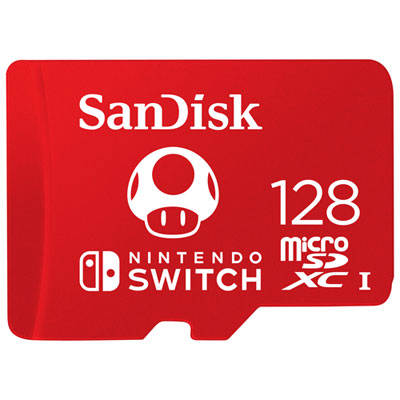 Your price for this item is $50.95
-
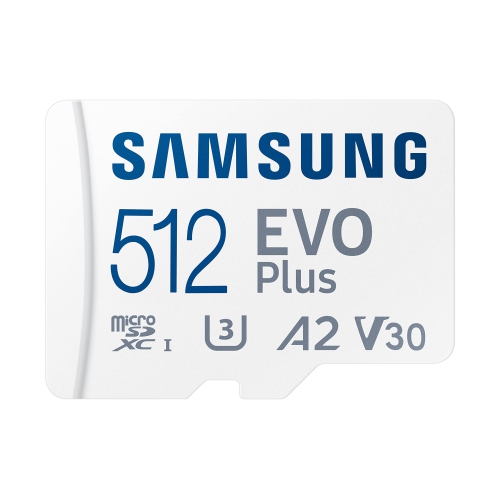 Your price for this item is $159.99
-
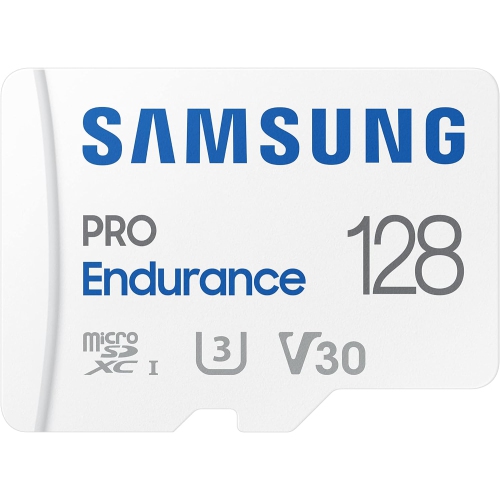 Your price for this item is $120.22
-
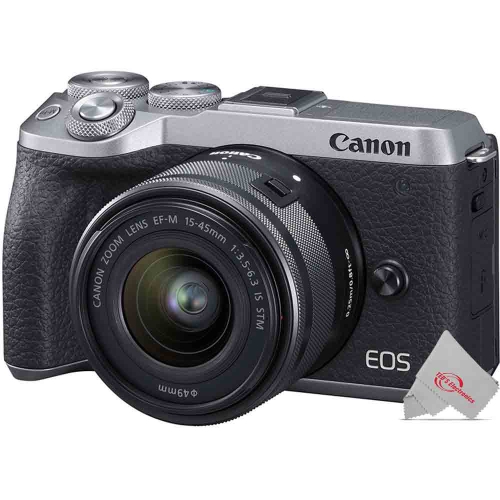 Your price for this item is $113.99
-
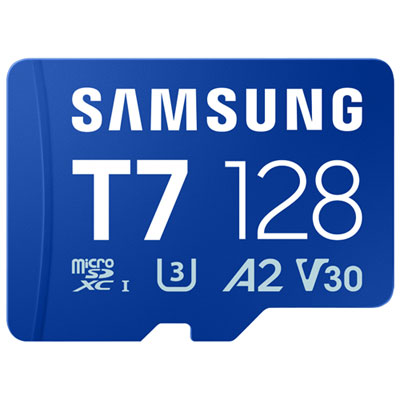 Your price for this item is $69.99
-
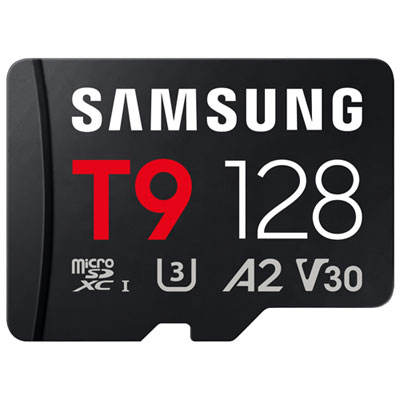 Your price for this item is $84.99
-
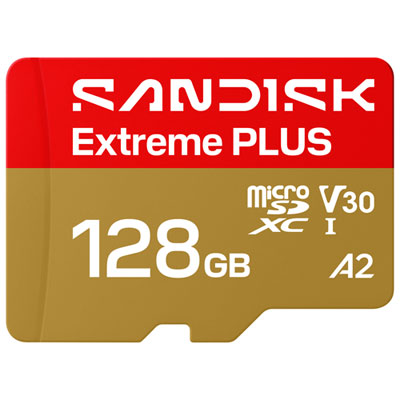 Your price for this item is $77.99
-
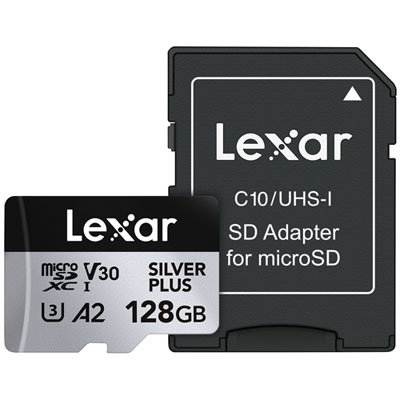 Your price for this item is $89.99
Discover more categories related to Reliable Memory Cards for Data Storage
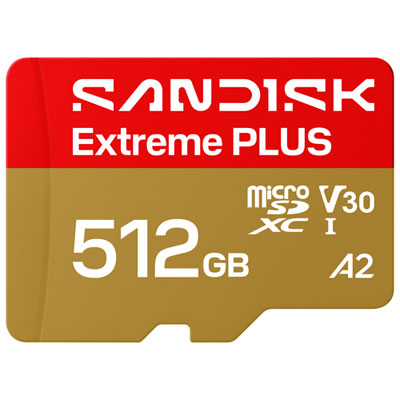
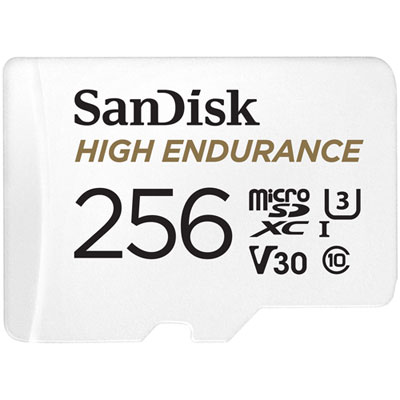
Top Collections:
Best Black Friday Deals This Year, Best Black Friday Deals On Electronics, Kindle Devices, Pokemon Centers, Best Black Friday Deals On Apple Products, Best Cameras for Sports Photography, Dyson Airwrap, Pokémon 30th Celebration Cards, Apple iPhone 17 Pro, Canon G7X Cameras
Some products may be subject to Environmental Handling Fees
(EHF) depending on your province.
Learn more about EHFs.