SD Cards For Nikon Cameras
Find the right SD card for Nikon cameras to ensure reliable storage for your photos and videos. Whether you’re capturing high-resolution images or recording HD footage, having a compatible SD card is essential for smooth performance and ample space. Browse options that fit a variety of Nikon camera models and shooting needs, so you can focus on getting the perfect shot every time.
Sort
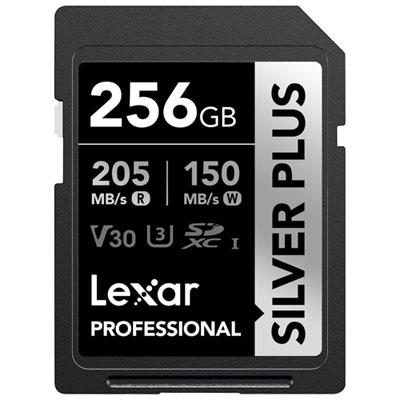
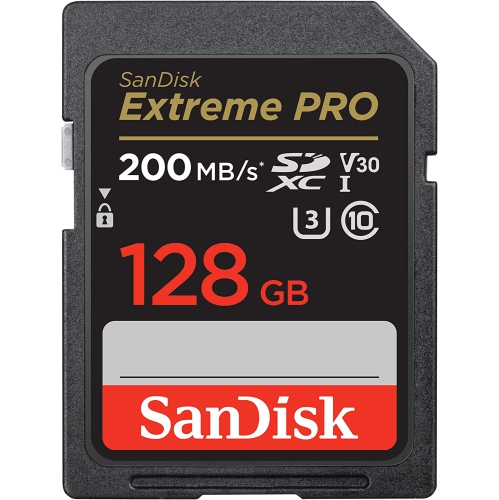
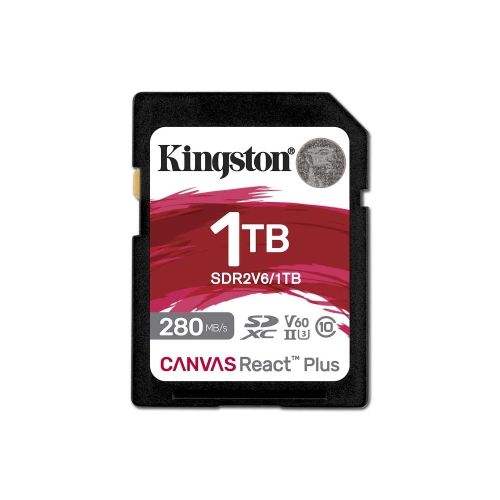
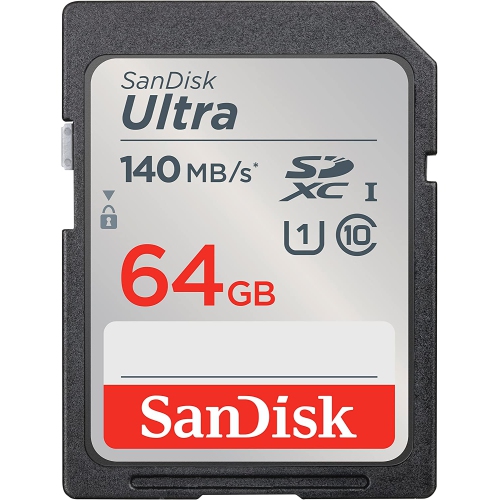
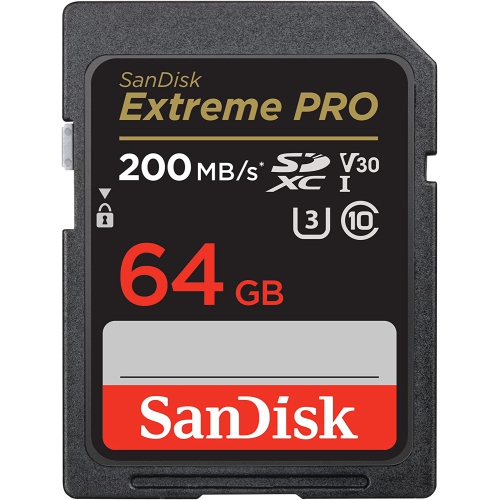
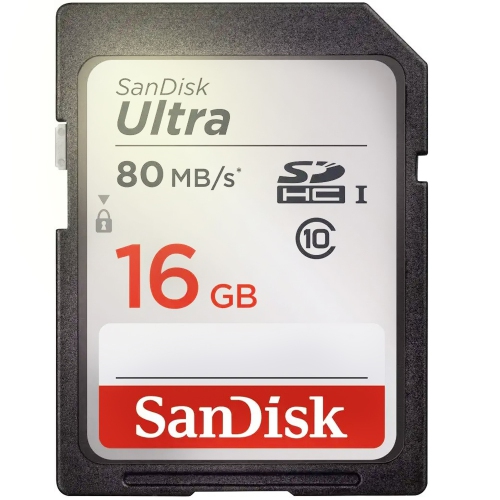
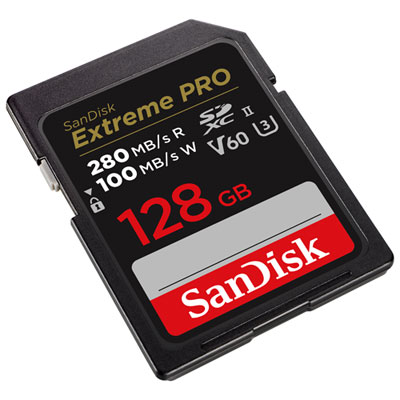
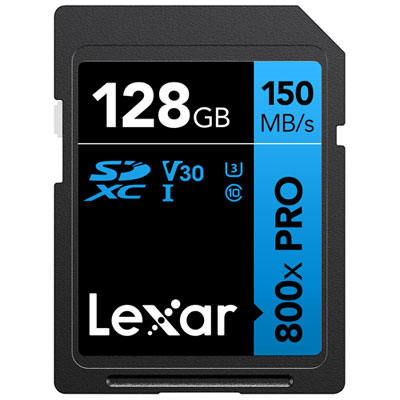
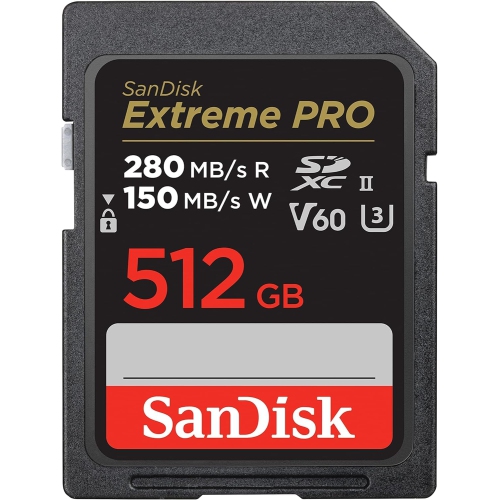
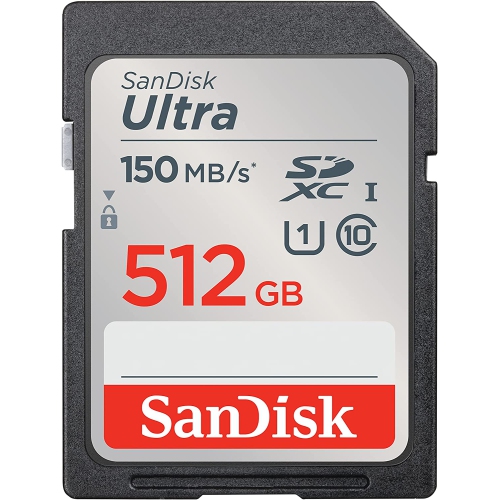
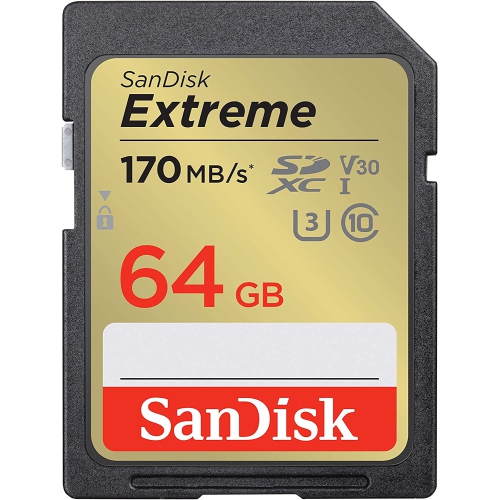
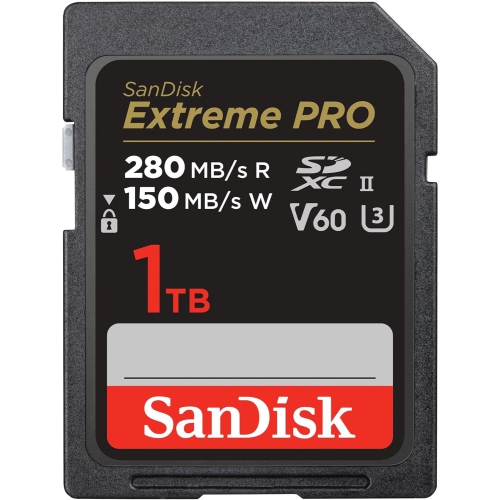
Nikon card compatibility, capacity, and speed explained
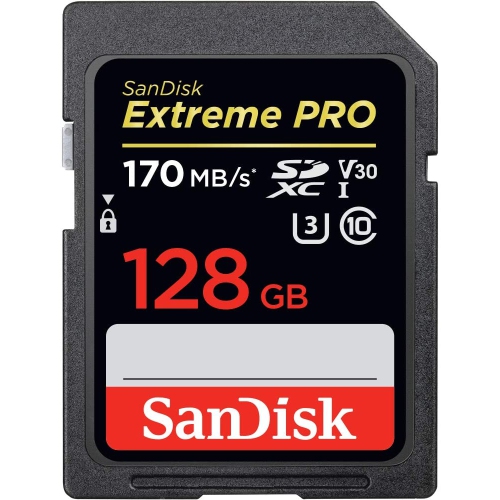
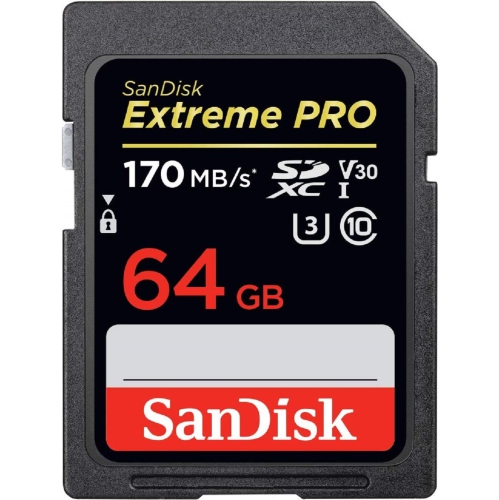
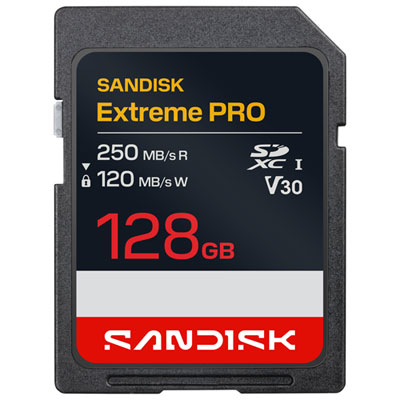
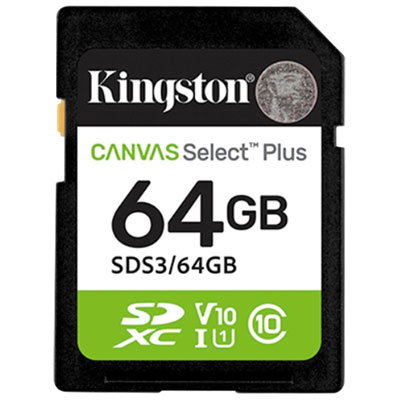
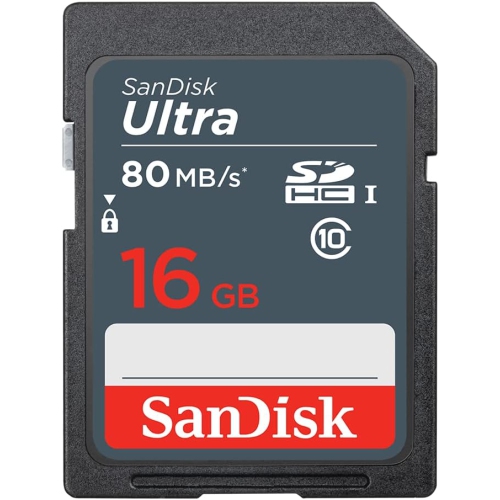
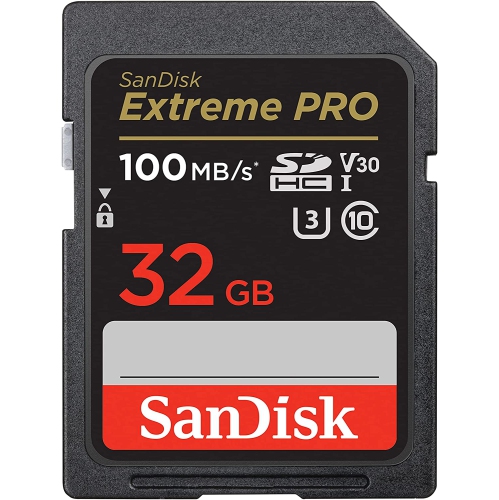
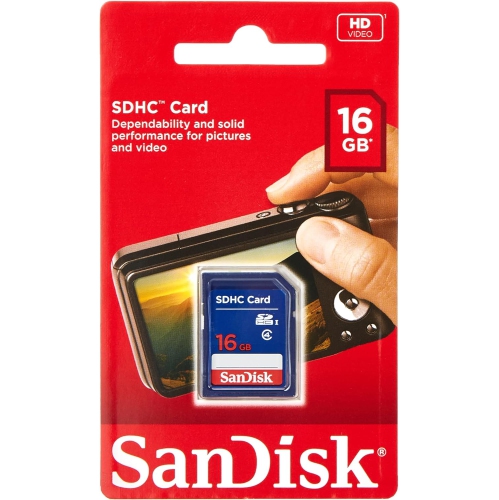
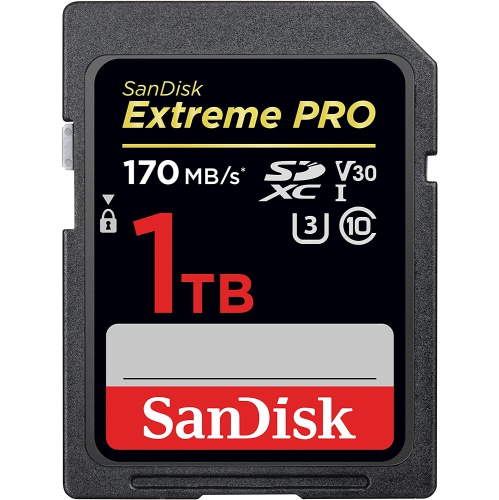
Choosing the right SD card for a Nikon camera starts with confirming the camera’s exact memory-card requirements. Many Nikon point-and-shoot cameras, DSLRs, and mirrorless cameras use a full-size SD card, while some advanced models use a different card format altogether. Check the camera manual or manufacturer specifications for supported card types, maximum capacity, and recommended writing speed before making a purchase. Older cameras may support standard SD cards or SDHC cards up to 32GB, while newer models commonly accept SDXC cards with capacities well beyond 32GB. A card that physically fits the slot is not automatically compatible, so checking these details can help prevent a card from being unrecognised, showing an incorrect capacity, or limiting important camera functions. For everyday photography, 64GB or 128GB can provide a useful balance between generous storage and manageable file transfers. A smaller card may suit occasional snapshots or an older camera, while a larger card can be practical for extended trips, family gatherings, sporting events, and video recording. Capacity also depends on the type of files being created: a high-resolution RAW image takes considerably more space than a compressed JPEG, and long video clips can fill a card faster than expected. Photographers who enjoy capturing a full day of changing light, from a misty morning walk to an evening celebration, will appreciate having enough room for multiple versions of a scene without constantly stopping to delete files. It is also sensible to format the card in the camera before using it, especially after transferring it between devices, and to maintain a separate backup of important photos rather than treating one memory card as permanent storage.
Speed ratings are especially important for Nikon cameras used for continuous shooting or video. Look for the speed class recommended for your camera and the type of recording you plan to do. A UHS-I U3 or V30 rating is a common choice for smooth 4K video and sustained burst shooting on compatible cameras, as these ratings indicate a minimum sustained write speed suitable for demanding recording conditions. Faster ratings may be helpful for certain workflows, but they do not automatically make every camera operate faster. If a camera is designed around UHS-I contacts, a card with a higher UHS-II rating may not deliver its full potential in that camera, even though it can still be useful when moving files to a compatible computer or card reader. The camera’s own buffer, processor, file format, resolution, and autofocus settings also affect how long a burst can continue. For someone photographing a hockey play, a child running through autumn leaves, or birds lifting off a quiet shoreline, a suitable sustained write speed can help the camera clear its buffer and remain ready for the next sequence. Video users should pay close attention to the camera’s stated requirements for resolution and frame rate, since higher-quality recording creates larger files and places greater demands on the card. A card intended for casual photos may not be the right choice for extended 4K recording. Professional-level Nikon bodies that record especially demanding formats, including some high-resolution video modes, may require CFexpress Type B rather than standard SD cards, so buyers should verify the slot type before ordering. If a camera accepts two cards, the slots may have different capabilities or allow separate settings for overflow, backup, or different file types. Setting the camera to record a second copy can provide added peace of mind during an important occasion, while using separate cards for photos and video may make sorting and editing easier later.
SD cards for Nikon cameras can be useful for nearly anyone who wants to keep a camera ready for the moments that are difficult to recreate. They make practical gifts for a new photographer, a student learning manual controls, a traveller preparing for a scenic trip, or a family member who has just received a camera and needs more space for practice. They can also be a thoughtful addition to a camera bag for an experienced photographer who already understands the value of carrying a spare. A second card can be kept in a protective case for a long weekend away, stored separately from the card in the camera, and labelled according to its intended use. This simple habit is helpful during cooler-season outings, when gloves, changing weather, and limited opportunities to return to a computer can make card changes less convenient. Keep cards away from loose items such as keys, coins, and open pockets, and use a case that protects the contacts from dust and accidental bending. When transferring photos, use a reliable card reader or the camera’s recommended connection, wait until the activity light has stopped, and eject the card properly before removing it. Avoid deleting individual images in the middle of an important shoot unless necessary; transferring the files and formatting the card in the camera is often a cleaner approach once the backup is complete. Photographers using devices with smaller card slots may also be considering Micro SD Cards For Digital Cameras, but a microSD card generally requires a full-size adapter for a standard SD slot, and compatibility should be confirmed before use. Whether the goal is recording crisp travel scenes, preserving family celebrations, practising composition, or capturing video during an outdoor adventure, the best memory card is one that matches the camera’s specifications, offers an appropriate capacity, and provides the sustained speed required by the way it will be used.
Speed ratings are especially important for Nikon cameras used for continuous shooting or video. Look for the speed class recommended for your camera and the type of recording you plan to do. A UHS-I U3 or V30 rating is a common choice for smooth 4K video and sustained burst shooting on compatible cameras, as these ratings indicate a minimum sustained write speed suitable for demanding recording conditions. Faster ratings may be helpful for certain workflows, but they do not automatically make every camera operate faster. If a camera is designed around UHS-I contacts, a card with a higher UHS-II rating may not deliver its full potential in that camera, even though it can still be useful when moving files to a compatible computer or card reader. The camera’s own buffer, processor, file format, resolution, and autofocus settings also affect how long a burst can continue. For someone photographing a hockey play, a child running through autumn leaves, or birds lifting off a quiet shoreline, a suitable sustained write speed can help the camera clear its buffer and remain ready for the next sequence. Video users should pay close attention to the camera’s stated requirements for resolution and frame rate, since higher-quality recording creates larger files and places greater demands on the card. A card intended for casual photos may not be the right choice for extended 4K recording. Professional-level Nikon bodies that record especially demanding formats, including some high-resolution video modes, may require CFexpress Type B rather than standard SD cards, so buyers should verify the slot type before ordering. If a camera accepts two cards, the slots may have different capabilities or allow separate settings for overflow, backup, or different file types. Setting the camera to record a second copy can provide added peace of mind during an important occasion, while using separate cards for photos and video may make sorting and editing easier later.
SD cards for Nikon cameras can be useful for nearly anyone who wants to keep a camera ready for the moments that are difficult to recreate. They make practical gifts for a new photographer, a student learning manual controls, a traveller preparing for a scenic trip, or a family member who has just received a camera and needs more space for practice. They can also be a thoughtful addition to a camera bag for an experienced photographer who already understands the value of carrying a spare. A second card can be kept in a protective case for a long weekend away, stored separately from the card in the camera, and labelled according to its intended use. This simple habit is helpful during cooler-season outings, when gloves, changing weather, and limited opportunities to return to a computer can make card changes less convenient. Keep cards away from loose items such as keys, coins, and open pockets, and use a case that protects the contacts from dust and accidental bending. When transferring photos, use a reliable card reader or the camera’s recommended connection, wait until the activity light has stopped, and eject the card properly before removing it. Avoid deleting individual images in the middle of an important shoot unless necessary; transferring the files and formatting the card in the camera is often a cleaner approach once the backup is complete. Photographers using devices with smaller card slots may also be considering Micro SD Cards For Digital Cameras, but a microSD card generally requires a full-size adapter for a standard SD slot, and compatibility should be confirmed before use. Whether the goal is recording crisp travel scenes, preserving family celebrations, practising composition, or capturing video during an outdoor adventure, the best memory card is one that matches the camera’s specifications, offers an appropriate capacity, and provides the sustained speed required by the way it will be used.
Top selling and popular products
-
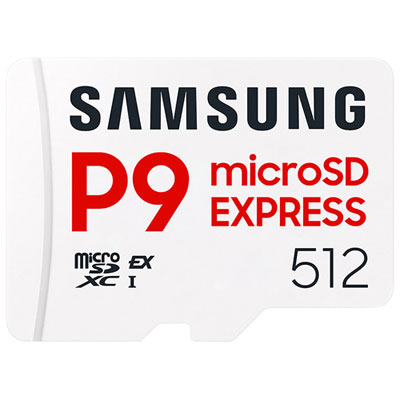 Your price for this item is $219.99
 -
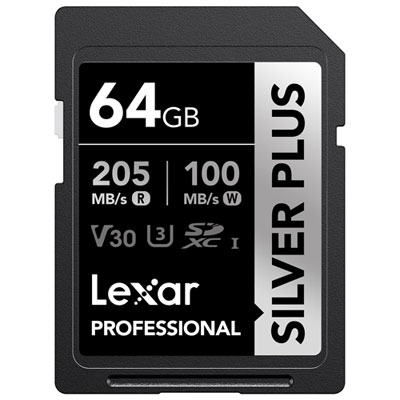 Your price for this item is $59.99
 -
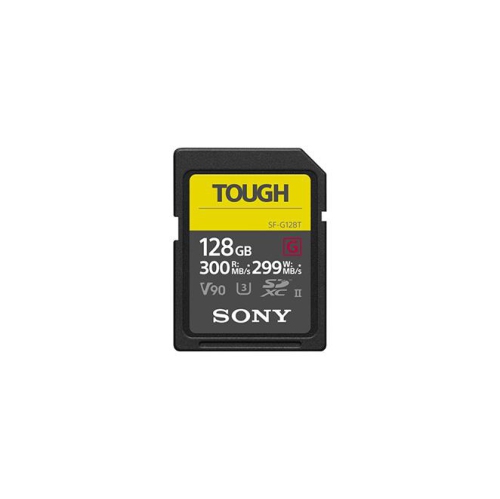 Your price for this item is $388
 -
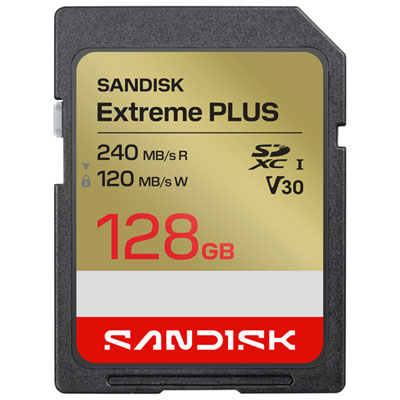 Your price for this item is $84.99
 -
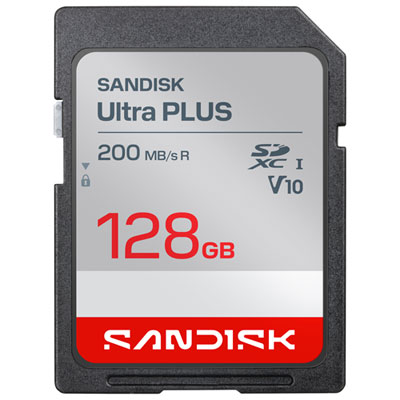 Your price for this item is $69.99
 -
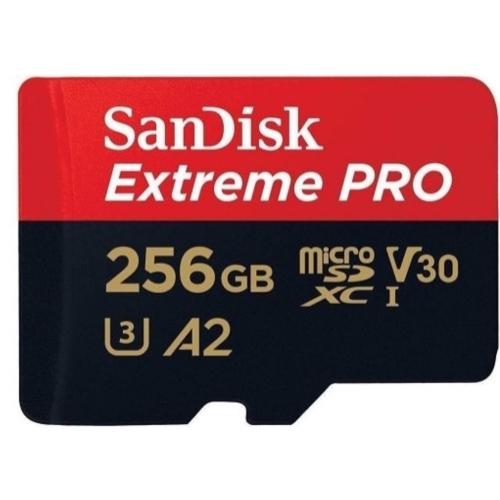 Your price for this item is $94.99
 -
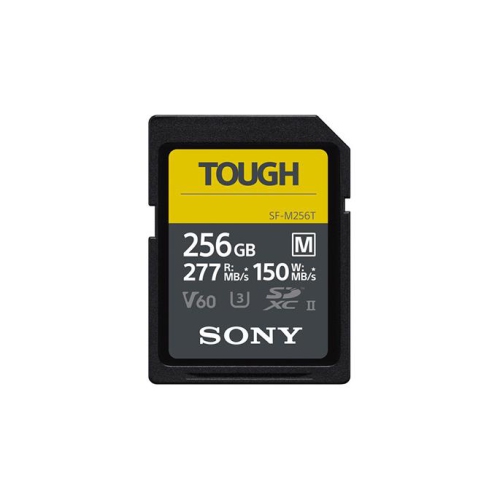 Your price for this item is $298
 -
 Your price for this item is $149.99
Discover more categories related to SD Cards For Nikon Cameras
Top Collections:
Pokemon Centers, Kindle Devices, Best Budget Office Chairs, Apple iPhones 16, Best Laptops for Writers, iPhone 15 Apple, Canon G7X Cameras, Refurbished Apple Laptops, Alarm Clock, Motorola Razr Phones
Some products may be subject to Environmental Handling Fees
(EHF) depending on your province.
Learn more about EHFs.