Studio Flashes
Capture the perfect shot with our diverse selection of studio flashes, designed to elevate your photography game to new heights. Whether you're a seasoned professional or just starting out, studio flashes are essential tools for achieving the ideal lighting setup in any environment. With options that cater to various styles and preferences, you'll find the perfect match to enhance your creative vision. Explore our range and discover how studio flashes can transform your photos into stunning works of art, ensuring every moment is beautifully illuminated.
Sort

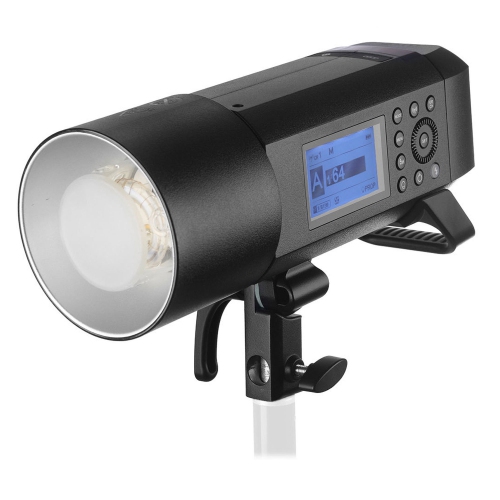
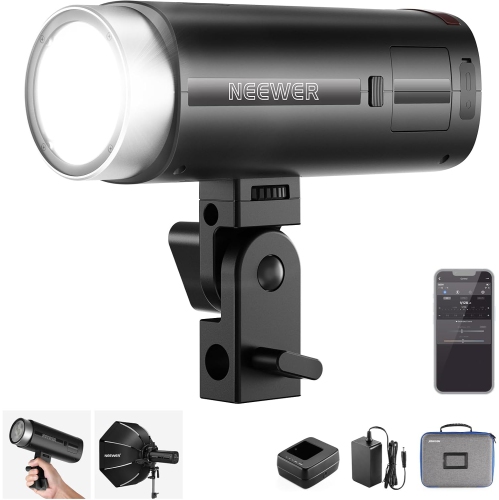
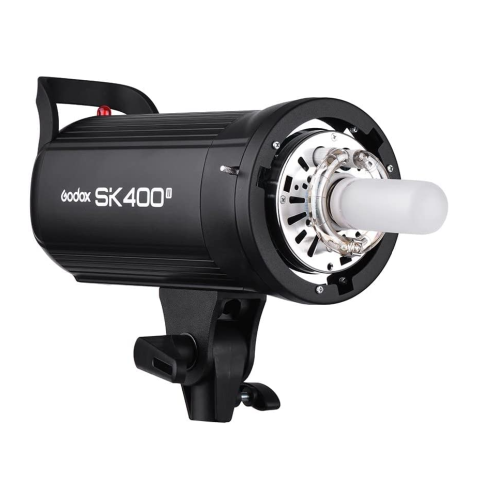
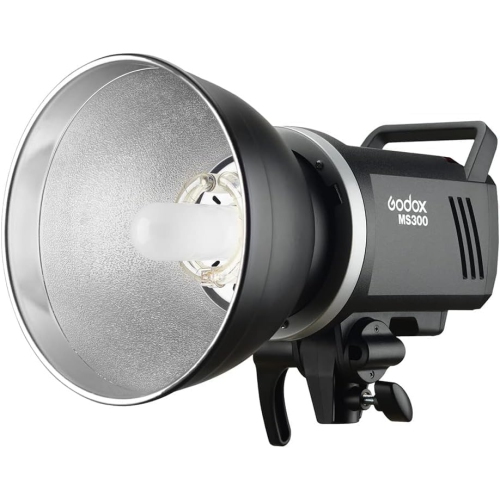
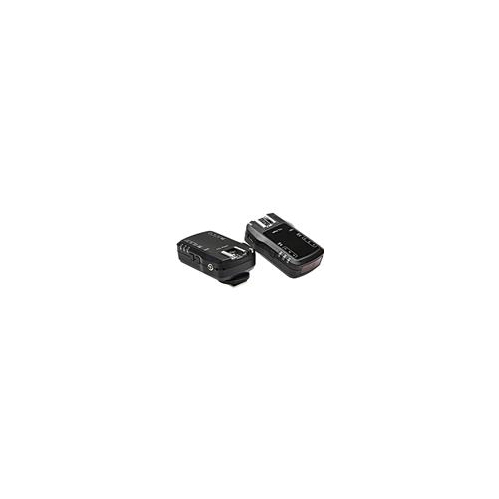
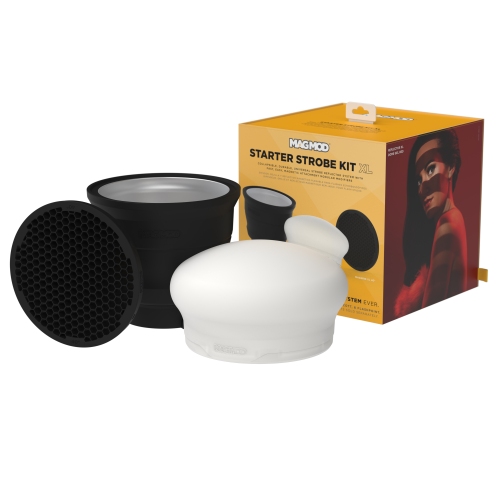
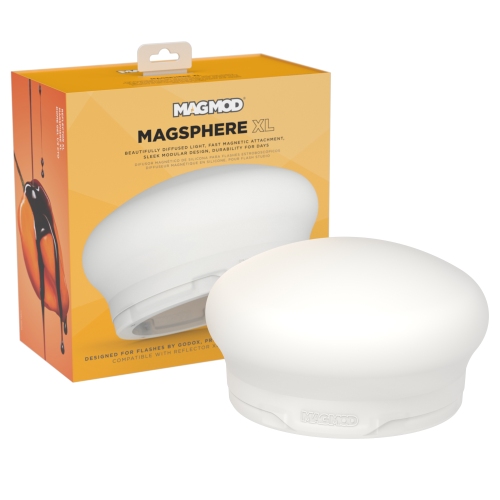
Power and modifiers shape consistent, controlled studio lighting
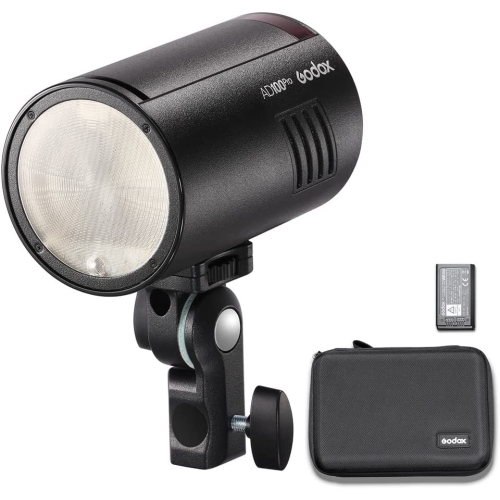
Studio flashes, also called studio strobes, are dedicated lighting units that produce powerful, controlled bursts of light for photography and video in indoor or otherwise managed environments. Unlike continuous lights, which remain illuminated while you work, a flash fires for a fraction of a second to freeze movement and provide a strong, consistent exposure. This makes studio flashes useful for portraits, family photography, product images, food photography, fashion shoots, headshots and creative still-life scenes. Many units are designed as monolights, meaning the flash head, power supply and controls are built into one housing that mounts directly to a light stand. They are often available individually for photographers who are expanding an existing setup, or in multi-light kits for anyone building a more complete studio from the ground up. A single flash can create a clean, directional key light, while two or three lights can be arranged to illuminate a subject from different angles, separate a person from the background or add definition to hair, clothing and textured surfaces. For broader background information and related equipment, explore Studio Lighting.
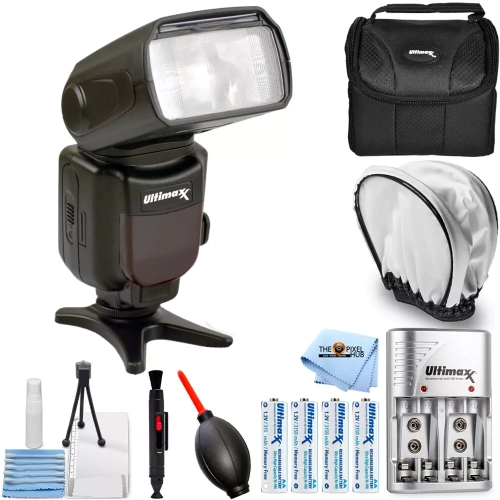
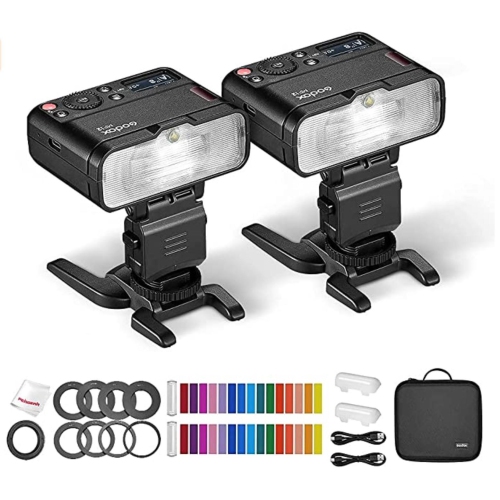
Power is one of the most important details to compare when choosing a studio flash. Output is commonly expressed in watt-seconds, abbreviated as Ws, and a higher rating generally provides more light and greater flexibility when working with large modifiers, distant subjects or lower ISO settings. More power can also be useful when you want to shoot at a smaller aperture for greater depth of field, such as when photographing groups, jewellery, handmade items or tabletop arrangements. A lower-powered flash may be a practical choice for smaller rooms, close portraits and photographers who prefer working at wide apertures. Recycle time is another key consideration because it determines how quickly the flash can be ready for the next exposure. A shorter recycle time helps during active portrait sessions, children’s photography, dance shoots and any scene where expressions or movement change quickly. Look for adjustable output so the light can be fine-tuned rather than used only at full power. A built-in modelling lamp is also helpful: it provides a continuous preview of the direction and falloff of the light, making it easier to position a softbox, check shadows and see how the subject will be shaped before taking the photograph. Triggering options may include wired connections, optical slave modes or wireless radio control. Wireless triggering can reduce clutter and make it easier to adjust settings from the camera position, while compatibility with the camera system you already use is essential for dependable operation. If you are assembling a first setup, a kit containing flash heads, stands, modifiers and a trigger can simplify the buying process and help ensure the main components work together.
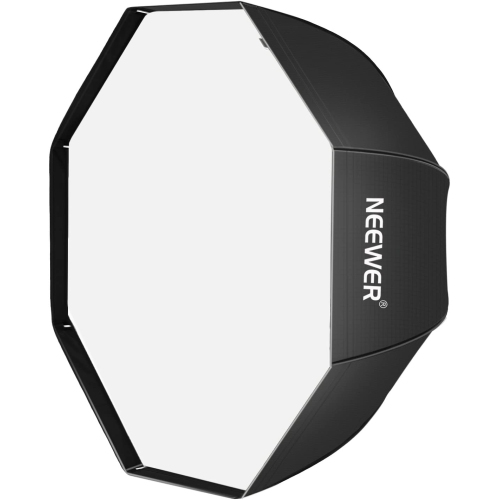
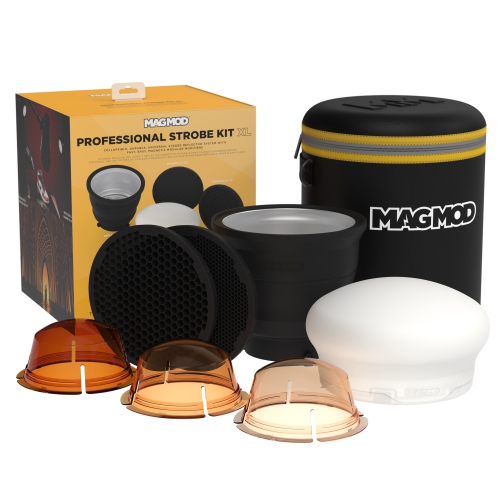
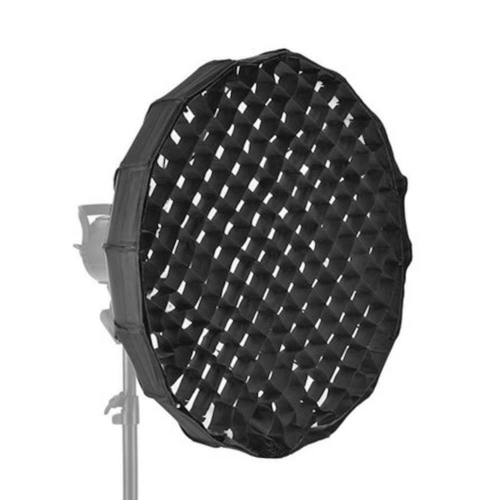
Light shaping accessories have a major effect on the final image, sometimes as much as the flash itself. Softboxes create broad, diffused illumination with gradual transitions between highlights and shadows, which is why they are popular for flattering portraits, interviews and catalogue photography. Larger softboxes generally produce softer light when placed close to the subject, while smaller modifiers can provide more contrast and direction. Umbrellas are quick to position and can spread light across a wider area, making them useful for groups, events and photographers who want a straightforward setup. Reflectors can bounce light back into shadowed areas without requiring another flash head, and many include surfaces that produce different effects, from crisp highlights to warmer or softer fill. Grids and snoots narrow the beam, helping to highlight a face, background detail or product without spilling light across the entire scene. Stands should be stable enough for the chosen flash and modifier, with adjustable height that suits both seated and standing subjects. Sandbags or other weights are a sensible addition whenever a tall stand is placed near people, pets or valuable equipment. When comparing complete kits, check the number of heads, the included power controls, the size and type of modifiers, the stand height, the carrying case and whether a wireless trigger is supplied. A two-light arrangement is a versatile starting point for portraits, with one light acting as the main source and the other used for fill, background illumination or separation. A three-light arrangement can provide more control over the subject, background and edge highlights, particularly in a dedicated home studio or commercial workspace.
Studio flashes can suit beginners who want a repeatable way to learn lighting as well as experienced photographers who need dependable output across a busy session. They are especially useful for anyone working in a room where daylight changes throughout the day, since flash can provide a consistent foundation from one frame to the next. Portrait photographers can use them to create softly wrapped light or dramatic shadow patterns; creators photographing products can maintain even exposure across a collection; and families may use a compact setup for polished portraits during the cooler months when outdoor conditions are less predictable. They can also be a thoughtful gift for a photography student, content creator, small-business owner or hobbyist who has already invested in a camera but wants more control over the finished image. Before buying, consider the available room, ceiling height, electrical access, storage space and the subjects you expect to photograph most often. Flash heads and modifiers need room to be positioned safely, and a setup that works beautifully in a spacious studio may feel cumbersome in a small spare room. Learning to balance flash with ambient light can add depth to an image, but starting with a controlled setup makes it easier to understand exposure, direction, distance and shadow. With careful positioning and consistent practice, studio flashes can turn an ordinary corner into a practical creative space for portraits, products, celebrations and personal projects throughout the seasons.
Power is one of the most important details to compare when choosing a studio flash. Output is commonly expressed in watt-seconds, abbreviated as Ws, and a higher rating generally provides more light and greater flexibility when working with large modifiers, distant subjects or lower ISO settings. More power can also be useful when you want to shoot at a smaller aperture for greater depth of field, such as when photographing groups, jewellery, handmade items or tabletop arrangements. A lower-powered flash may be a practical choice for smaller rooms, close portraits and photographers who prefer working at wide apertures. Recycle time is another key consideration because it determines how quickly the flash can be ready for the next exposure. A shorter recycle time helps during active portrait sessions, children’s photography, dance shoots and any scene where expressions or movement change quickly. Look for adjustable output so the light can be fine-tuned rather than used only at full power. A built-in modelling lamp is also helpful: it provides a continuous preview of the direction and falloff of the light, making it easier to position a softbox, check shadows and see how the subject will be shaped before taking the photograph. Triggering options may include wired connections, optical slave modes or wireless radio control. Wireless triggering can reduce clutter and make it easier to adjust settings from the camera position, while compatibility with the camera system you already use is essential for dependable operation. If you are assembling a first setup, a kit containing flash heads, stands, modifiers and a trigger can simplify the buying process and help ensure the main components work together.
Light shaping accessories have a major effect on the final image, sometimes as much as the flash itself. Softboxes create broad, diffused illumination with gradual transitions between highlights and shadows, which is why they are popular for flattering portraits, interviews and catalogue photography. Larger softboxes generally produce softer light when placed close to the subject, while smaller modifiers can provide more contrast and direction. Umbrellas are quick to position and can spread light across a wider area, making them useful for groups, events and photographers who want a straightforward setup. Reflectors can bounce light back into shadowed areas without requiring another flash head, and many include surfaces that produce different effects, from crisp highlights to warmer or softer fill. Grids and snoots narrow the beam, helping to highlight a face, background detail or product without spilling light across the entire scene. Stands should be stable enough for the chosen flash and modifier, with adjustable height that suits both seated and standing subjects. Sandbags or other weights are a sensible addition whenever a tall stand is placed near people, pets or valuable equipment. When comparing complete kits, check the number of heads, the included power controls, the size and type of modifiers, the stand height, the carrying case and whether a wireless trigger is supplied. A two-light arrangement is a versatile starting point for portraits, with one light acting as the main source and the other used for fill, background illumination or separation. A three-light arrangement can provide more control over the subject, background and edge highlights, particularly in a dedicated home studio or commercial workspace.
Studio flashes can suit beginners who want a repeatable way to learn lighting as well as experienced photographers who need dependable output across a busy session. They are especially useful for anyone working in a room where daylight changes throughout the day, since flash can provide a consistent foundation from one frame to the next. Portrait photographers can use them to create softly wrapped light or dramatic shadow patterns; creators photographing products can maintain even exposure across a collection; and families may use a compact setup for polished portraits during the cooler months when outdoor conditions are less predictable. They can also be a thoughtful gift for a photography student, content creator, small-business owner or hobbyist who has already invested in a camera but wants more control over the finished image. Before buying, consider the available room, ceiling height, electrical access, storage space and the subjects you expect to photograph most often. Flash heads and modifiers need room to be positioned safely, and a setup that works beautifully in a spacious studio may feel cumbersome in a small spare room. Learning to balance flash with ambient light can add depth to an image, but starting with a controlled setup makes it easier to understand exposure, direction, distance and shadow. With careful positioning and consistent practice, studio flashes can turn an ordinary corner into a practical creative space for portraits, products, celebrations and personal projects throughout the seasons.
Top selling and popular products
-
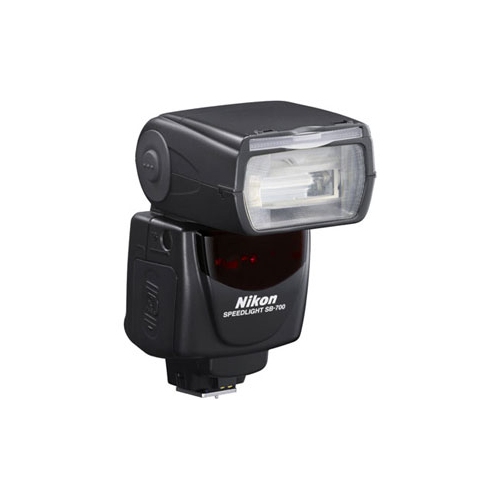 Your price for this item is $479
 -
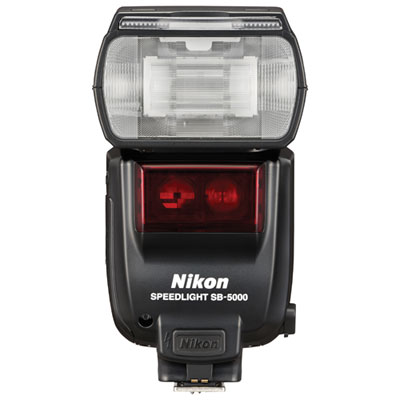 Your price for this item is $768.98
 -
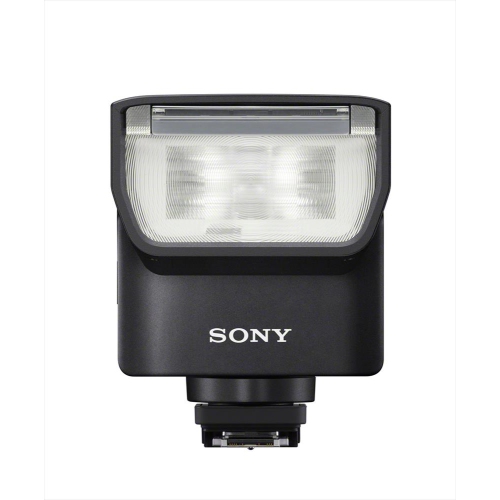 Your price for this item is $328
 -
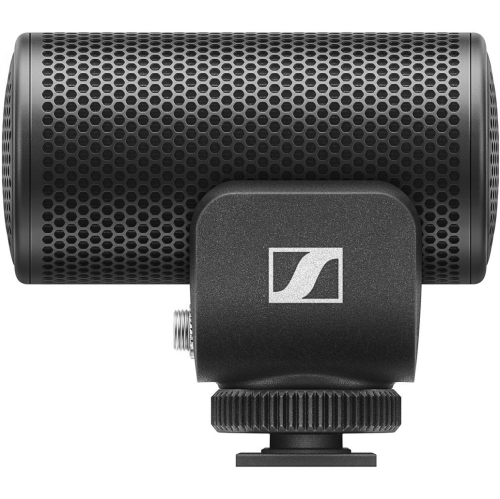 Your price for this item is $129
 -
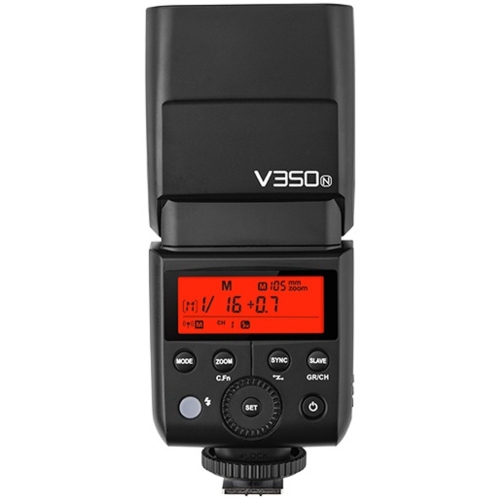 Your price for this item is $179
 -
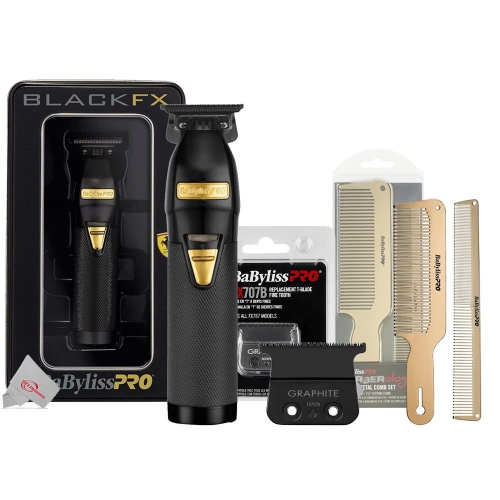 Your price for this item is $349
 -
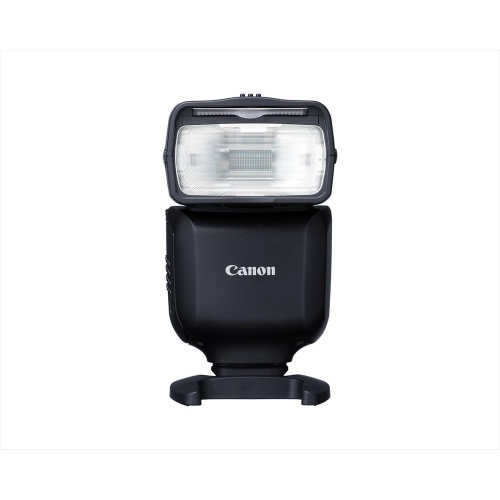 Your price for this item is $299
 -
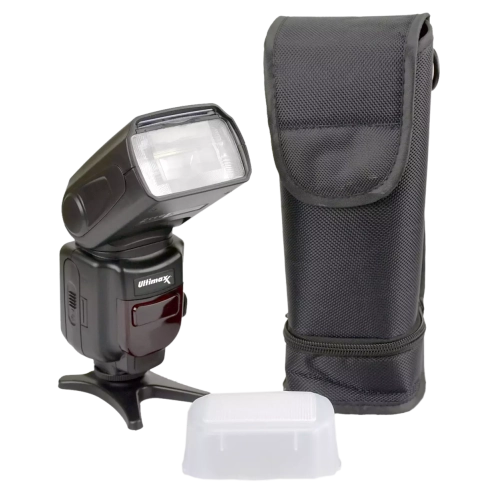 Your price for this item is $149.95
Discover more categories related to Studio Flashes
Top Collections:
Pokemon Centers, Kindle Devices, Best Budget Office Chairs, Apple iPhones 16, Best Laptops for Writers, iPhone 15 Apple, Canon G7X Cameras, Refurbished Apple Laptops, Alarm Clock, Motorola Razr Phones
Some products may be subject to Environmental Handling Fees
(EHF) depending on your province.
Learn more about EHFs.