Tripods Under $200
Tripod Under $200 is the perfect destination for anyone looking to enhance their photography or videography setup without exceeding their budget. Whether you're a beginner capturing everyday moments or an enthusiast seeking stability for creative projects, there are plenty of affordable options to suit your needs. Explore a wide selection of tripods designed to offer reliable support and easy portability, all at a price point that makes upgrading simple. Find the right tripod under $200 to take your shots to the next level.
Sort
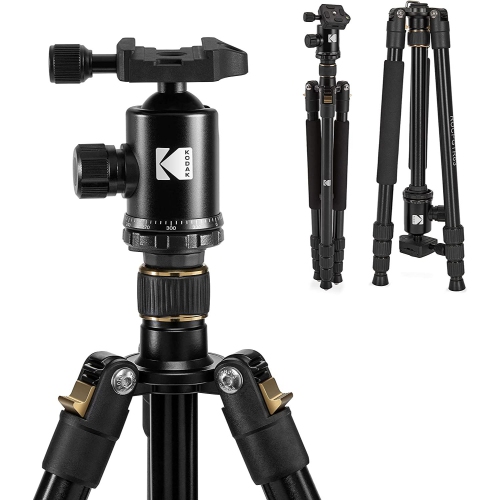
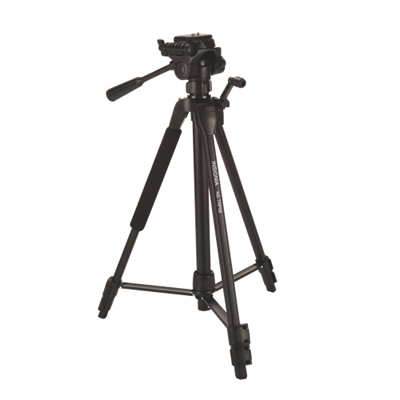
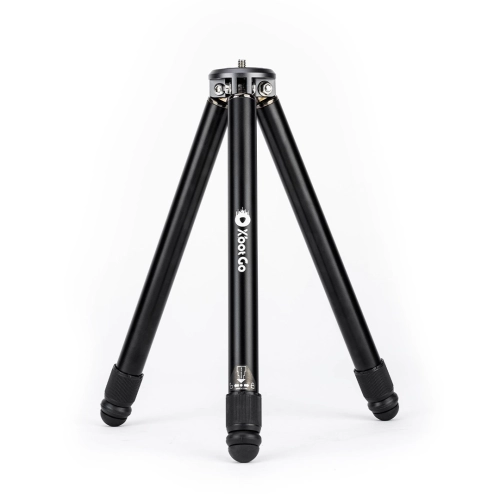


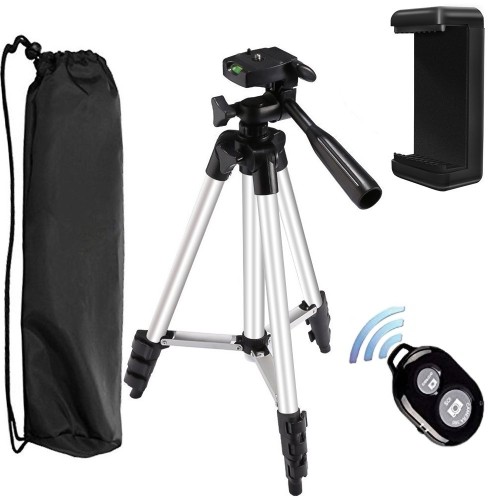
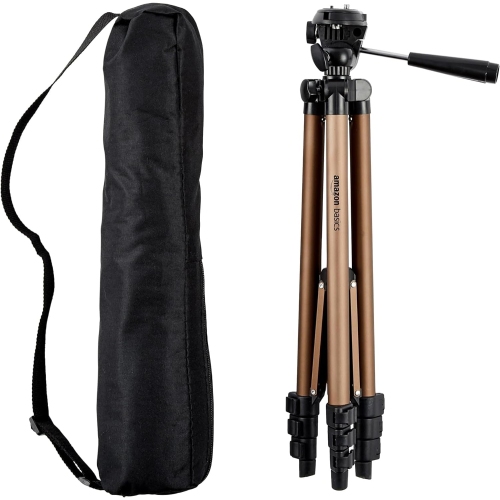
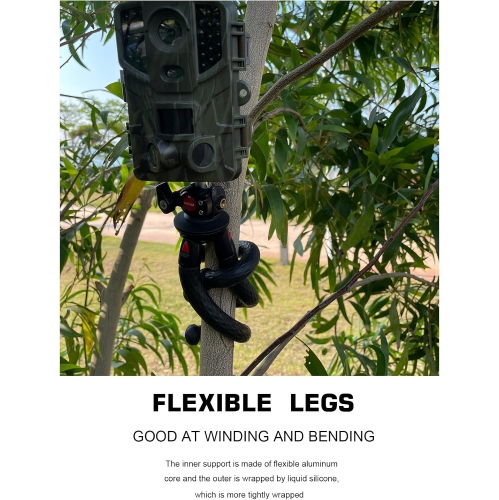
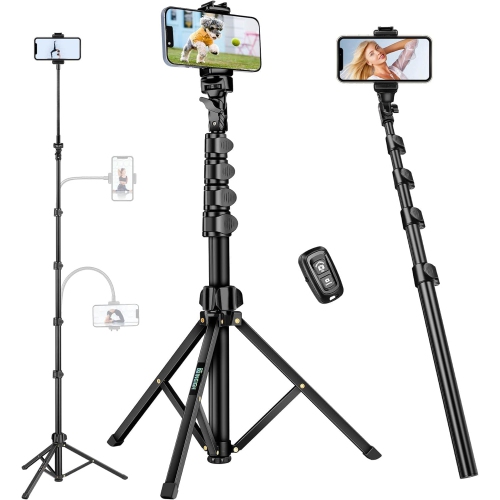
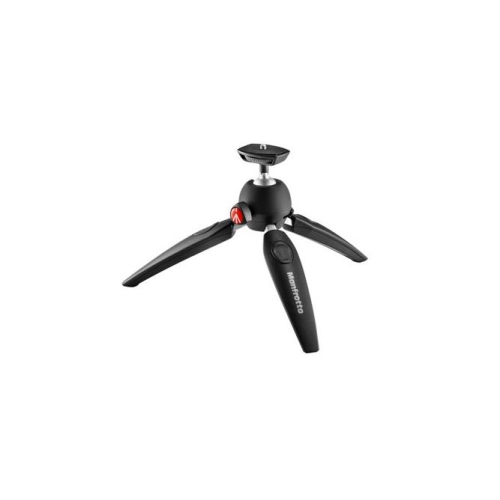
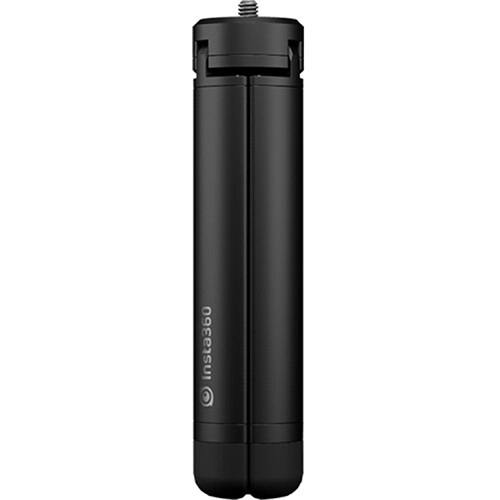
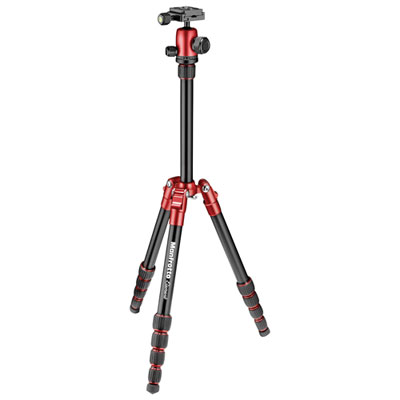
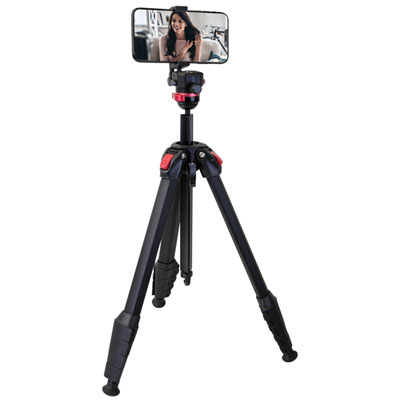
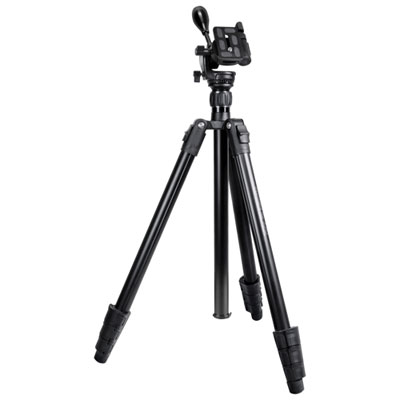
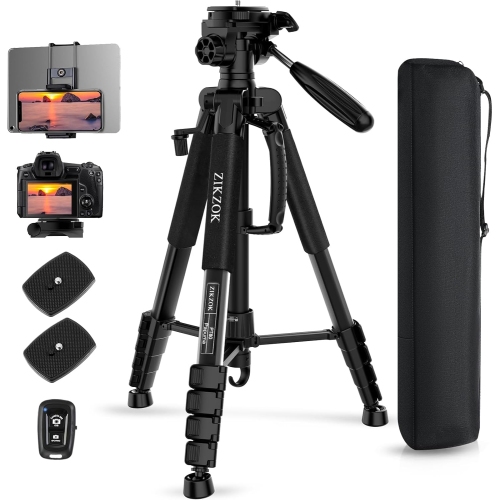
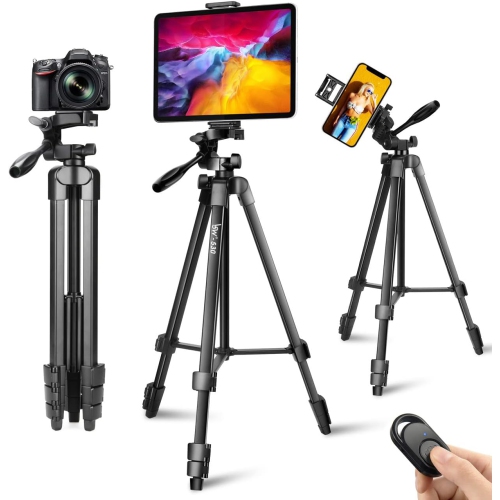
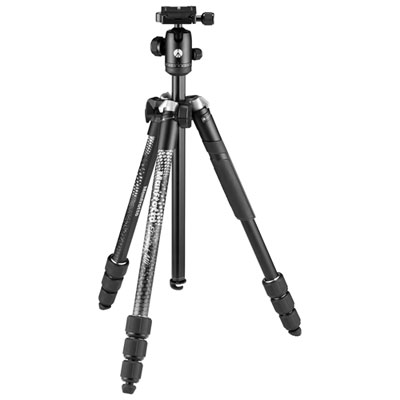
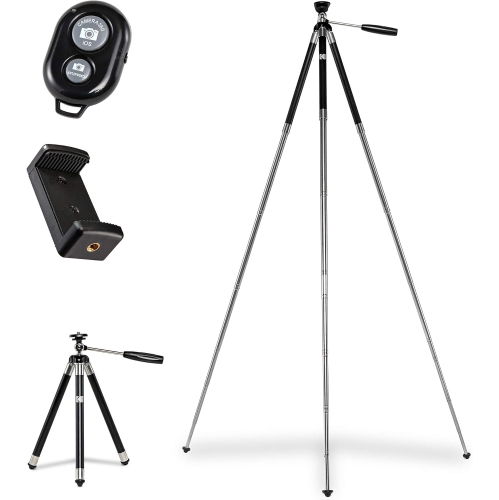
Steadier shots start with support that fits your setup
Tripods provide a steady platform for photography and video, helping keep a camera in place while the scene, subject, or exposure changes. A well-matched tripod balances stability, portability, working height, and control, with a head that suits the way the camera will be used. For landscape photography, that might mean holding a composition still enough to capture fine detail during a long exposure. For tabletop photography, it could mean keeping the same framing while a handmade object is turned or a light is repositioned. Video calls, cooking demonstrations, family portraits, and self-recorded presentations also benefit from a support that leaves both hands free. The right fit starts with the complete setup rather than the camera body alone: a lens, microphone, light, mounting plate, and other attached accessories all contribute to the load. A stated load capacity is useful, but it does not describe every aspect of steadiness, particularly when a long lens places weight farther from the centre of the head. Compatibility matters just as much. Many cameras use a 1/4-inch threaded mounting socket, while smartphones generally need a separate clamp unless one is included with the support. Some heads and legs connect through a 3/8-inch fitting, so interchangeable components need matching connections or an appropriate adapter. Quick-release plates make it easier to move between supported and handheld shooting, although plate systems are not universally interchangeable. A secure plate should sit firmly against the camera base without interfering with a battery door or other essential access points. For a phone, the clamp needs enough adjustment for the device and its case, along with a grip that holds it securely without pressing side buttons. These practical details help distinguish a tripod that merely attaches to a device from one that works comfortably with it throughout a shoot.
Size and construction shape how a tripod feels in everyday use. A compact folded length is convenient for a shoulder bag or backpack, while a taller design can bring the viewfinder or screen closer to a comfortable working position. Maximum height deserves a closer look because it may include a fully extended centre column; raising that column can make the setup more susceptible to vibration than keeping it lowered. Leg height alone can therefore be a useful comparison for photographers who regularly work standing up. More leg sections can allow a shorter packed size, though they also mean more locks to operate and often narrower lower sections. Flip locks offer a visible open-or-closed position, while twist locks provide a different handling feel; secure engagement and straightforward adjustment matter more than appearance. Aluminium is a common material for tripod legs and offers a practical balance of rigidity and weight. Carbon fibre can reduce carrying weight, depending on the design, but the quality of the leg joints, head, and locking mechanisms remains important with either material. Wide leg-angle settings can help with low compositions, such as photographing a small object close to floor level, provided the design supports that position. Rubber feet help provide grip on many indoor surfaces, while other foot designs may be intended for different ground conditions. The head determines how the camera moves once the legs are positioned. Ball heads allow quick changes in several directions and can suit still photography where framing changes frequently. Pan-and-tilt heads separate movements for more deliberate adjustments, which can be helpful when lining up shelves, door frames, or a tabletop arrangement. Video-oriented heads may offer fluid damping for smoother pans and tilts, though their controls and performance vary by design. Portrait orientation also deserves attention: some heads have a dedicated tilt slot, while other setups use a separate bracket. A level indicator can help with alignment, but careful framing still matters, especially when straight lines are prominent in the image.
The most useful tripod features often become apparent during an ordinary shooting session. Someone photographing pottery may value a head that locks without letting the framing drift, while a person recording a seated interview may care more about comfortable height and a controlled pan. A student making short films might appreciate equipment that packs neatly and sets up without a complicated sequence of adjustments. For a family photo, a stable camera position gives everyone time to settle into the frame while a self-timer or compatible remote handles the shutter. Tripods can also support repeatable framing for stop-motion projects, progress photos, and recordings made over several sessions, although marks on the floor and consistent camera settings may still be needed. At home, a smaller footprint can be convenient beside a desk, but the legs need enough room to spread into their intended position without becoming a tripping hazard. Cables should have enough slack that a small movement does not pull on the camera, and a supported device should not be left unattended where children or pets could knock it over. Care is generally straightforward: dust and grit should be removed from accessible surfaces before the legs are folded, mounting plates should be kept clean, and equipment should be dry before it goes into a carrying bag. Cleaning methods and any lubrication should follow the manufacturer's directions, since leg locks and head mechanisms can require different treatment. Periodic checks of screws, locks, and plates help reveal looseness before it affects a shoot. For gifting, knowing the recipient's camera or phone setup is more useful than choosing by size alone; carrying habits, preferred subjects, and the space where they create all influence suitability. The Best Tripods Under $2000 collection offers a related selection to browse when comparing camera supports. Across different designs, dependable attachment, manageable weight, and easy-to-use controls are what make a tripod a practical part of a creative routine.
Top selling and popular products
-
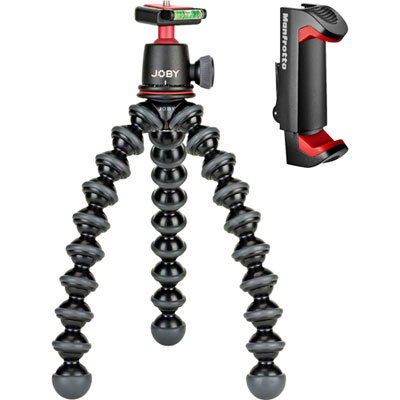 Your price for this item is $144.99
-
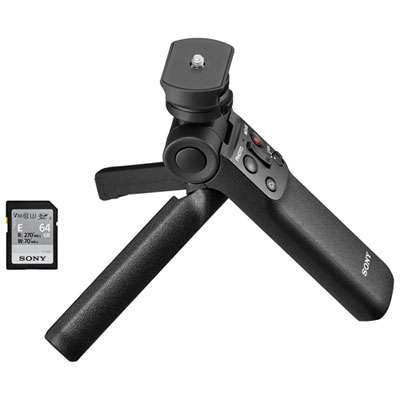 Your price for this item is $199.97
-
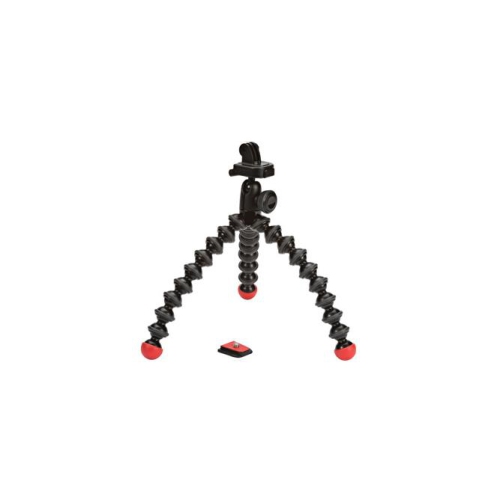 Your price for this item is $126.91
-
 Your price for this item is $139.99
-
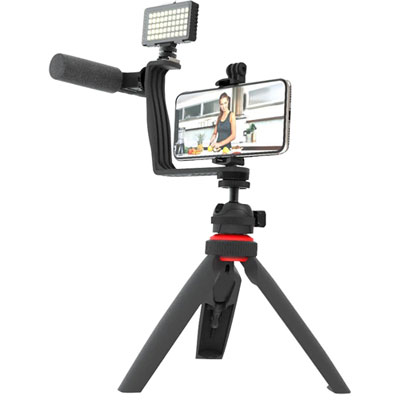 Your price for this item is $69.99
-
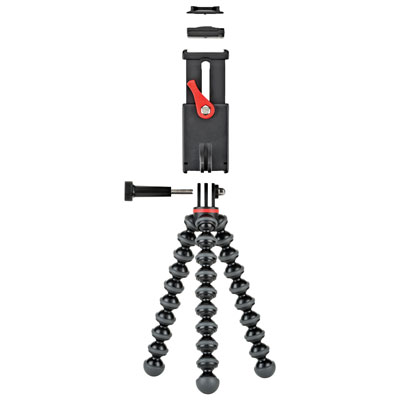 Your price for this item is $78.97
-
 Your price for this item is $259.99
-
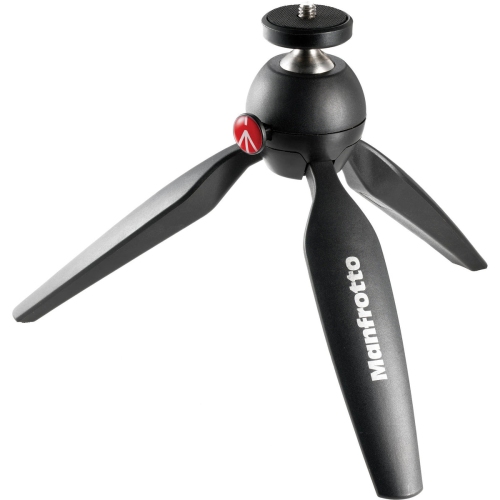 Your price for this item is $83.53
Discover more categories related to Tripods Under $200
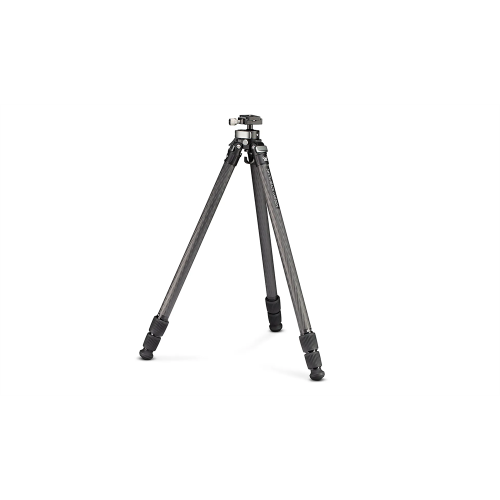
Top Collections:
Best Black Friday Deals This Year, Best Black Friday Deals On Electronics, Kindle Devices, Pokemon Centers, Best Black Friday Deals On Apple Products, Best Cameras for Sports Photography, Dyson Airwrap, Pokémon 30th Celebration Cards, Apple iPhone 17 Pro, Canon G7X Cameras
Some products may be subject to Environmental Handling Fees
(EHF) depending on your province.
Learn more about EHFs.