Video Recording Accessories
Capture every moment with our wide selection of video recording accessories. Whether you're a professional videographer or an aspiring content creator, we have everything you need to enhance your video recording experience. From high-quality tripods and stabilizers to versatile camera mounts and lenses, our range of accessories is designed to help you capture stunning footage with ease. Explore our collection and take your videos to the next level with the best video recording accessories on the market.
Sort






















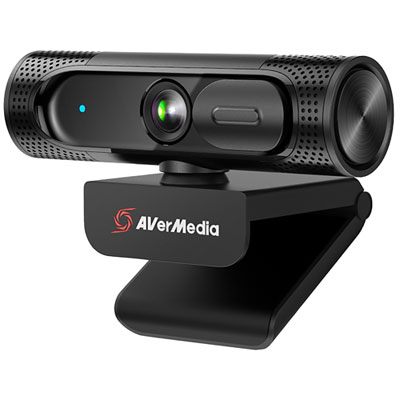

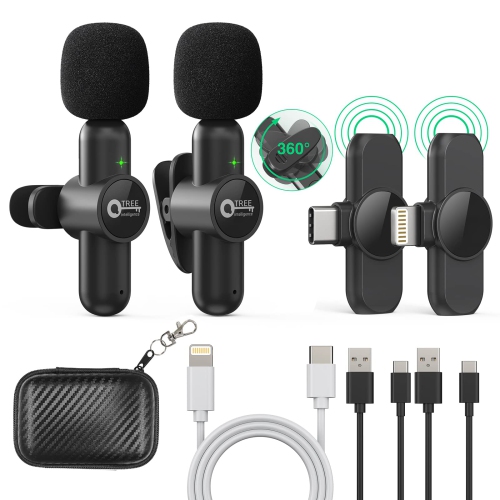
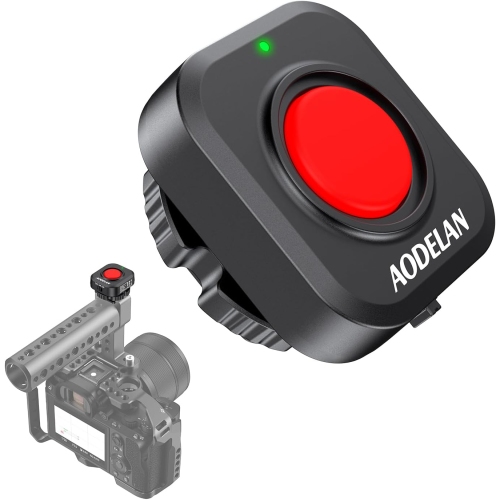
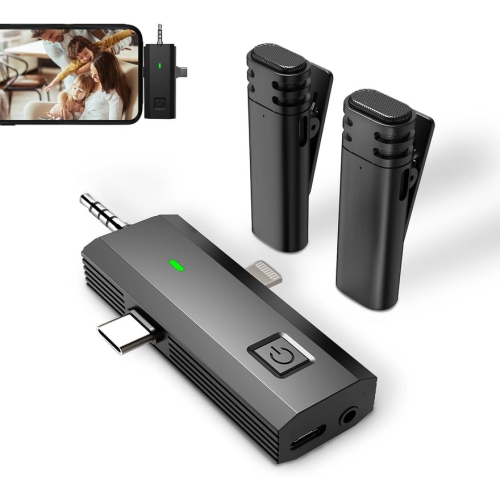



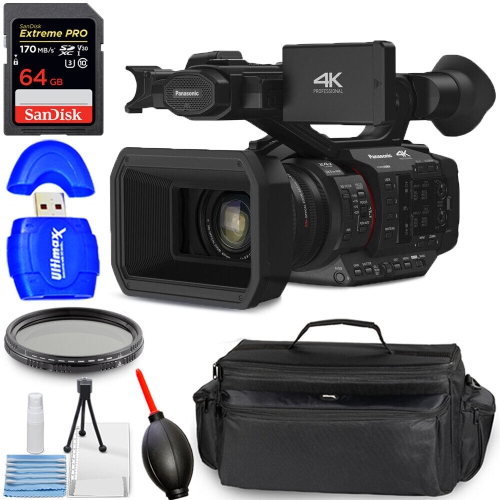
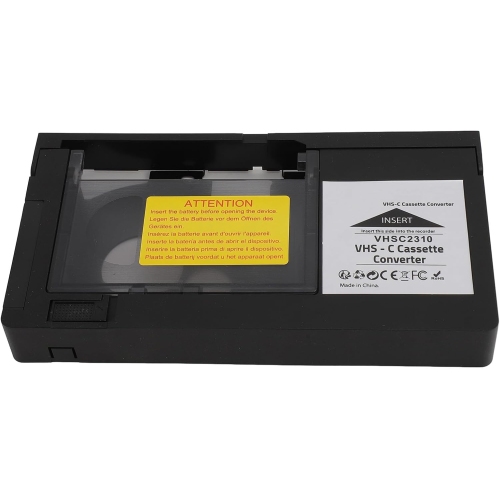

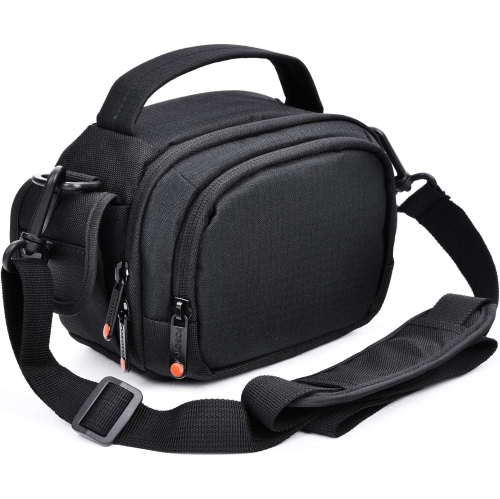
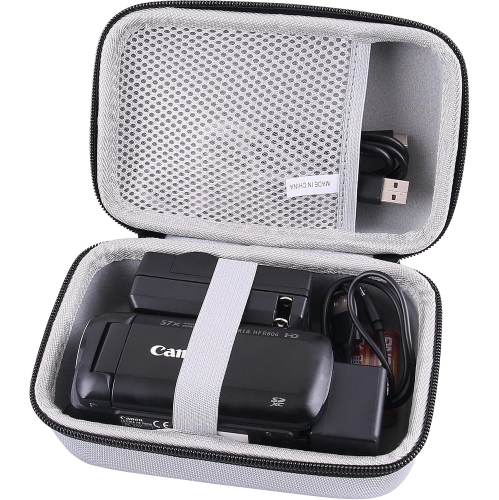






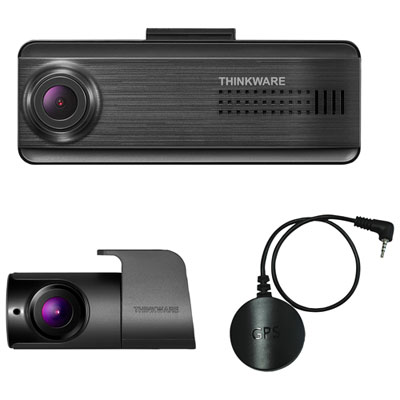
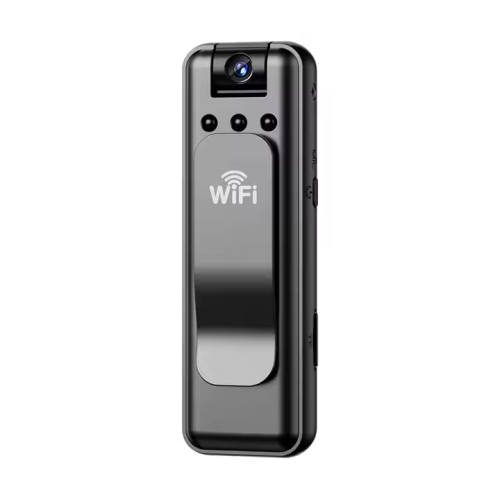
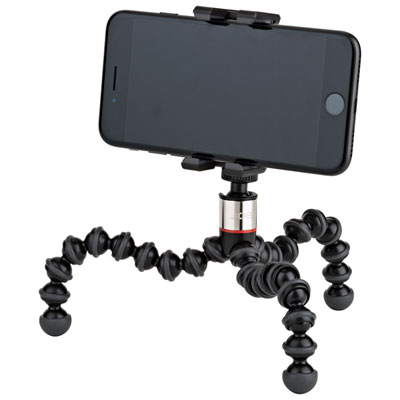
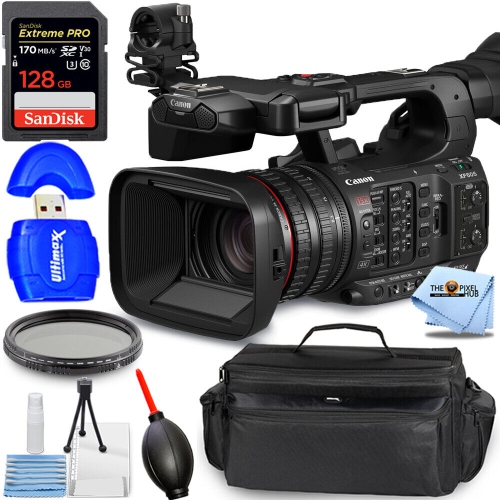
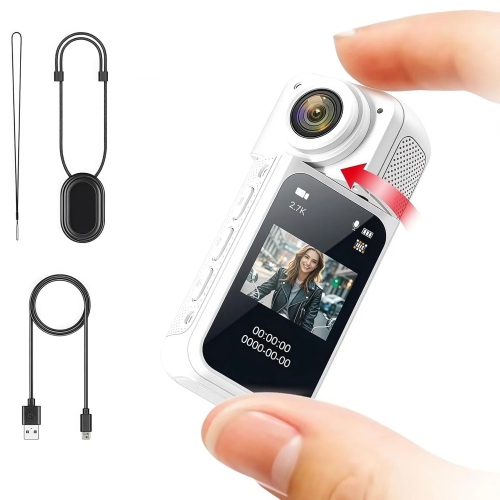
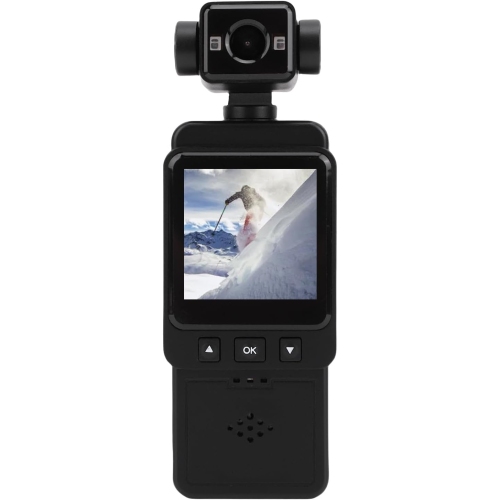
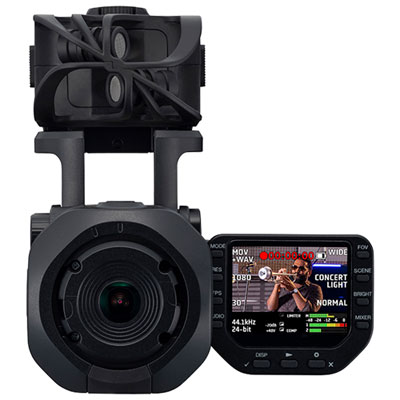
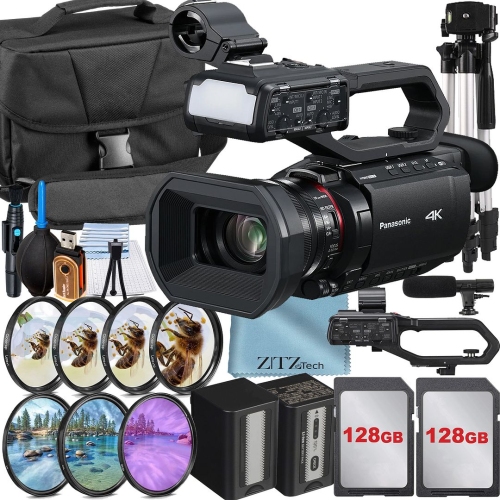

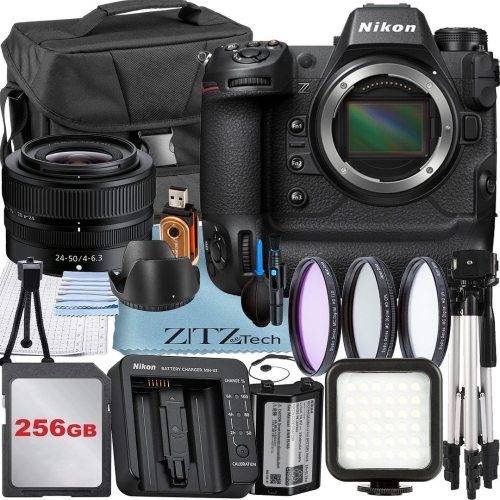
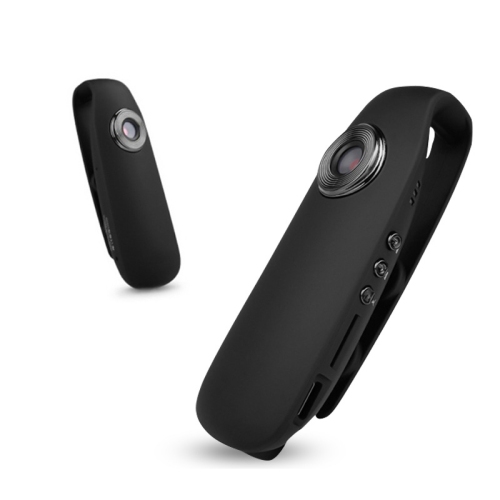

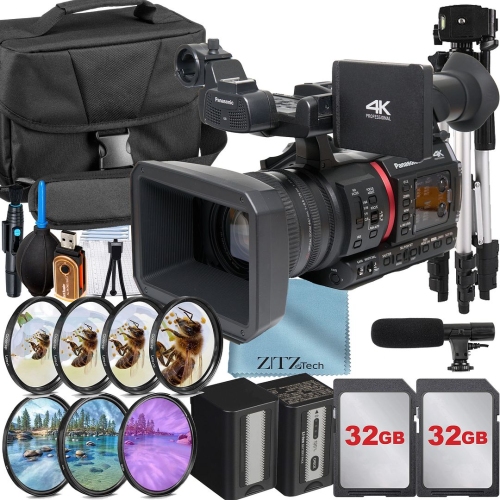
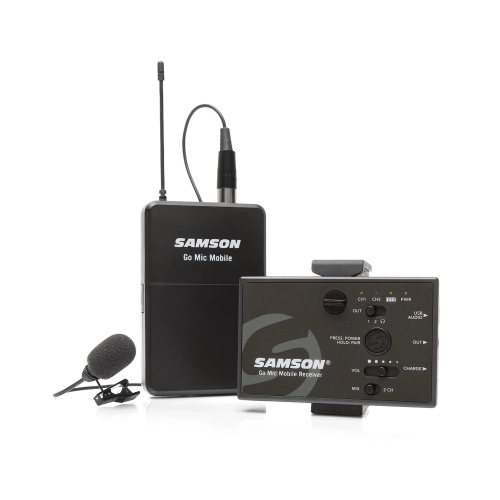


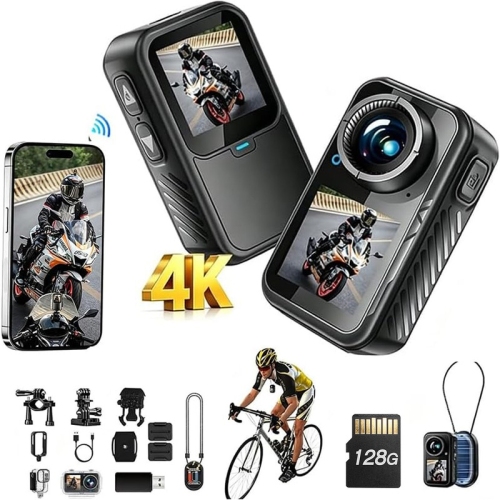
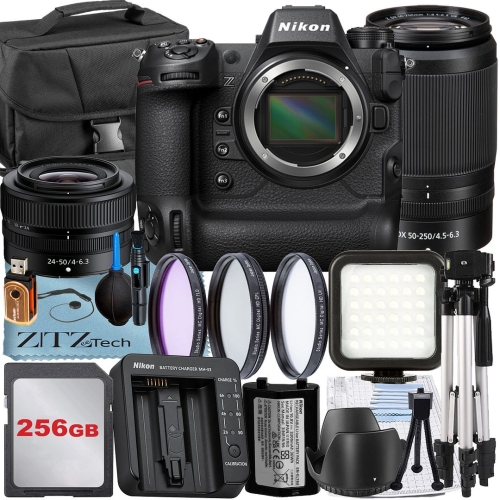
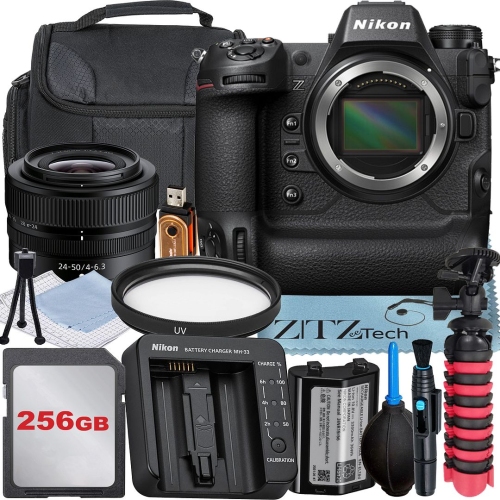
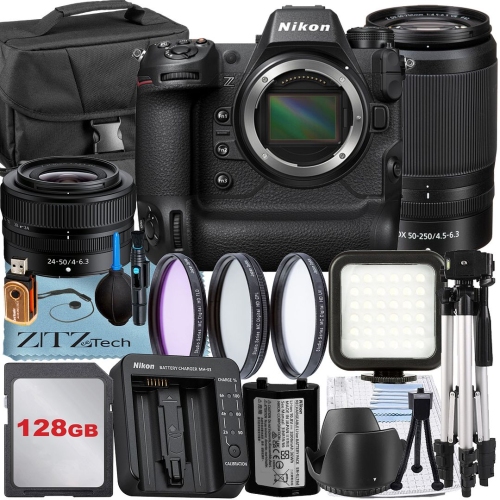
A dependable recording setup goes beyond the camera
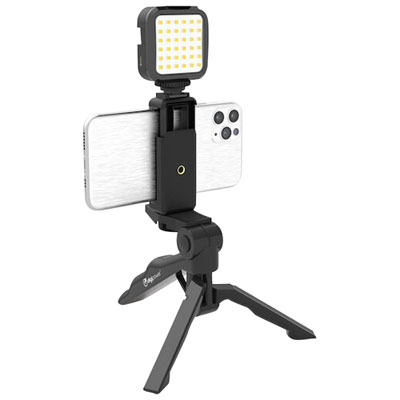
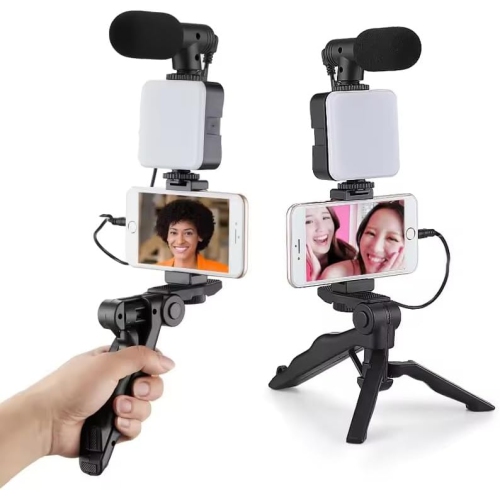
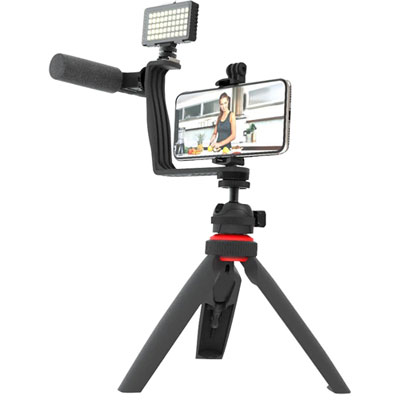
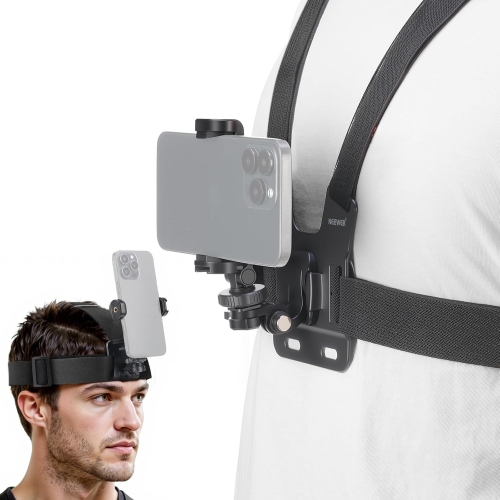
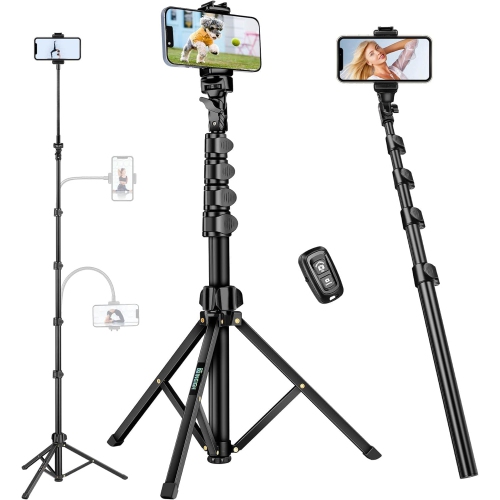
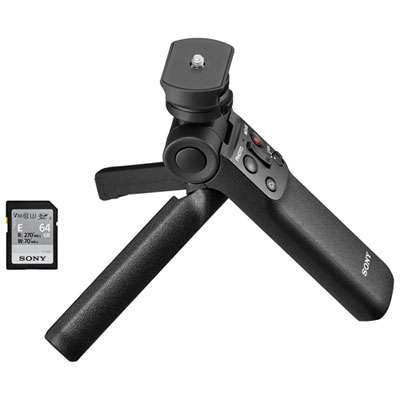
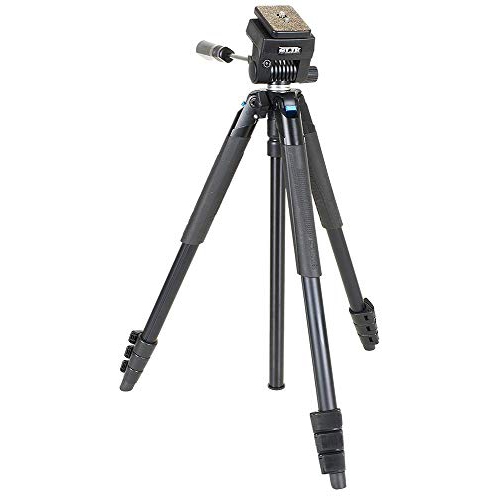
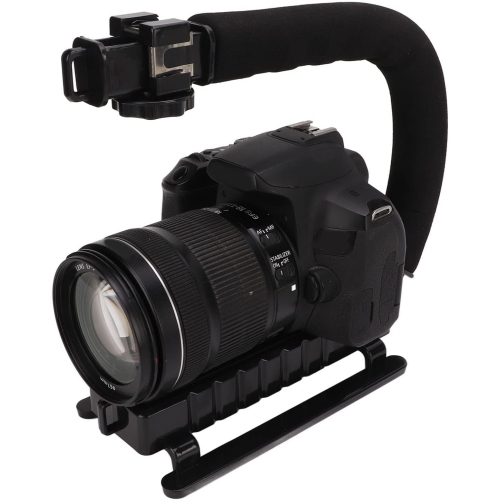
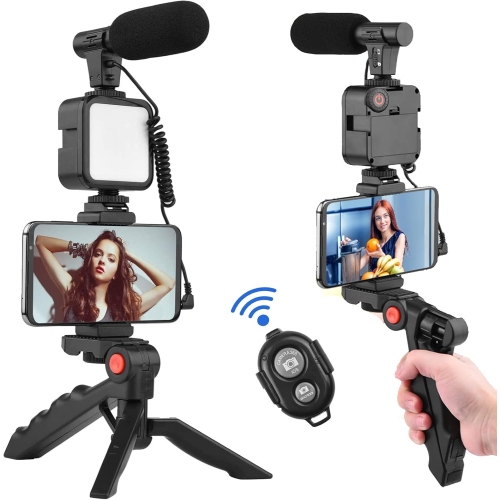
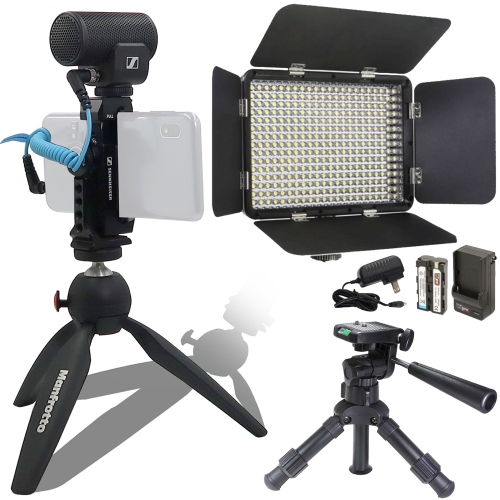
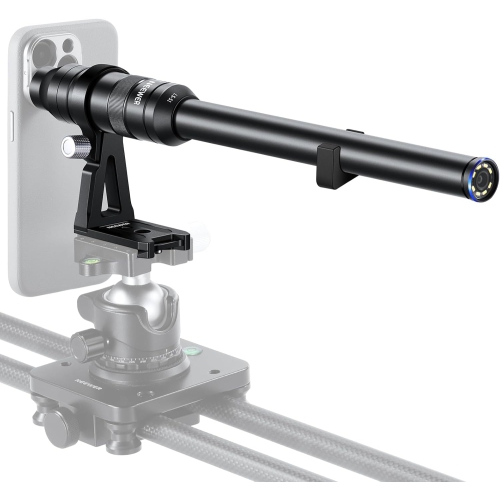
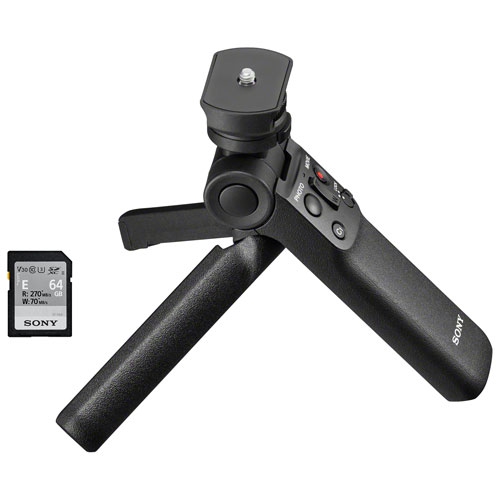
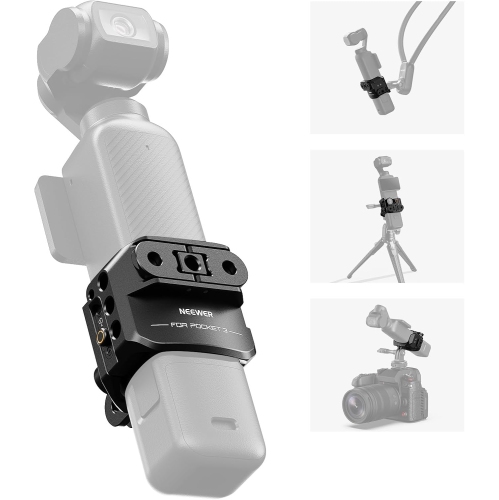
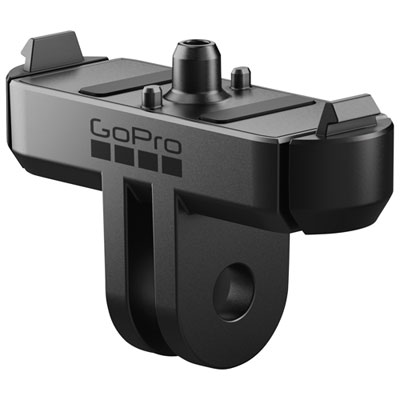
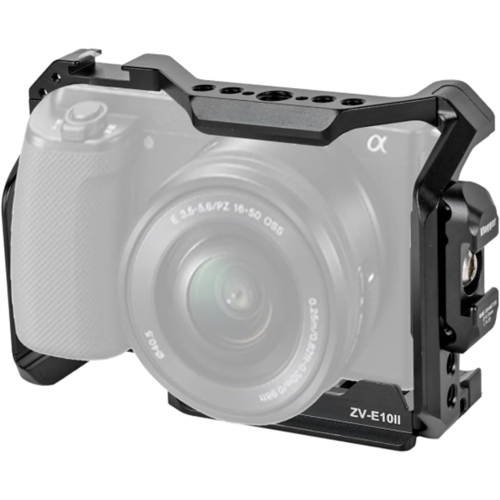
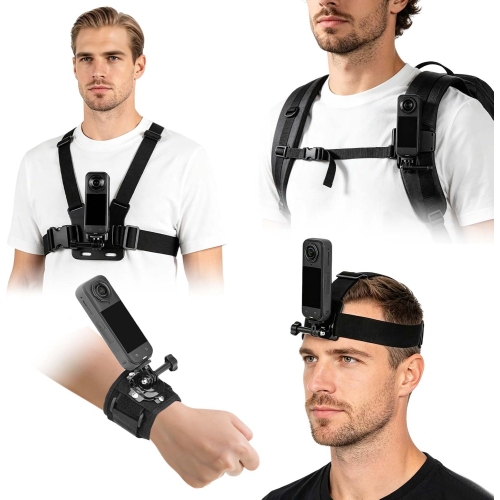
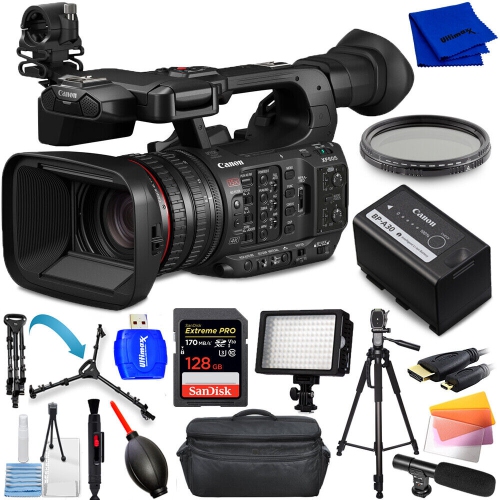
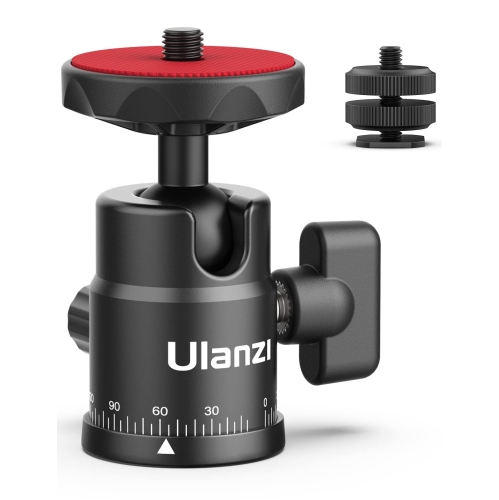
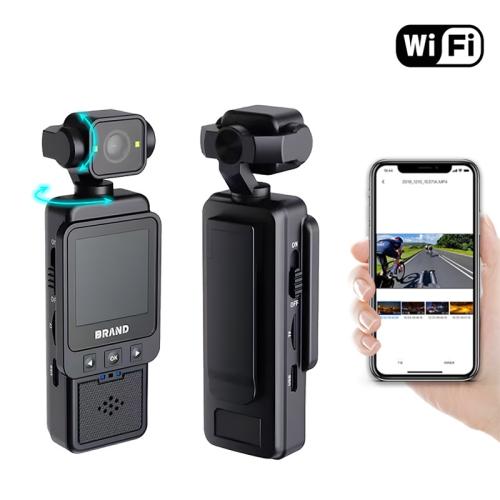
Video recording accessories help cameras and smartphones capture steadier footage, clearer sound, and more consistent lighting. They also make a recording setup easier to position, carry, power, and organize, whether the finished video is a family memory, an online lesson, a product demonstration, or a short film. The most useful combination depends on what is being recorded and how much movement the session involves. A fixed setup for a seated interview has different needs from a handheld setup following a dancer across a studio. Tripods provide a stable base for stationary shots, while monopods, handheld grips, and compatible stabilizers offer different balances of support and mobility. A tripod head designed for smooth panning and tilting can make it easier to follow a moving subject without abrupt changes in framing. Compact tabletop supports suit demonstrations filmed at a desktop or kitchen countertop, while overhead mounts can position a camera above a drawing, craft project, or cooking surface. Materials influence both handling and durability: aluminium supports are commonly used for their combination of strength and manageable weight, while carbon fibre can reduce carrying weight in larger support systems. Rubberized contact points help mounts grip equipment without placing bare metal against its finish. Fit extends beyond whether a camera attaches to a mount. The support’s load rating needs to account for the camera, lens, microphone, light, and any other attached equipment, and its balance matters when accessories extend away from the centre. Smartphone holders need an appropriate clamping range, including room for a case when one remains fitted. Camera cages and mounting brackets also need to leave buttons, battery doors, screens, and connection ports accessible. For creators who alternate between vertical clips and horizontal video, a mount that changes orientation without blocking controls can make the same recording space more adaptable. Secure adjustment knobs, stable feet, and properly fitted mounting plates all contribute to a setup that feels dependable through repeated sessions.
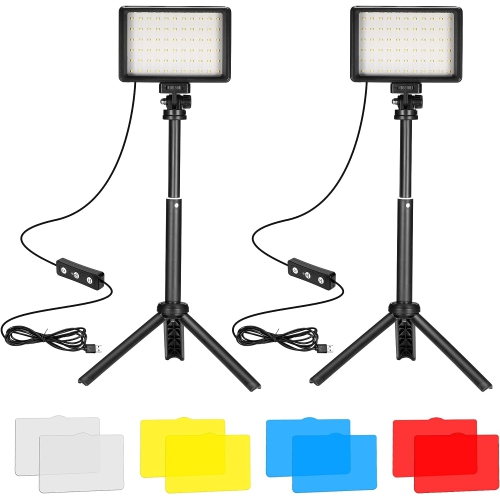
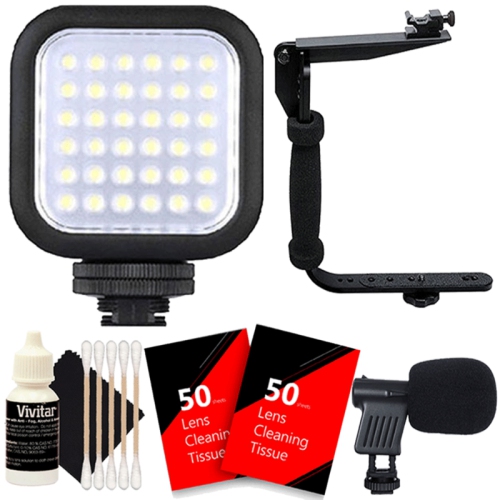
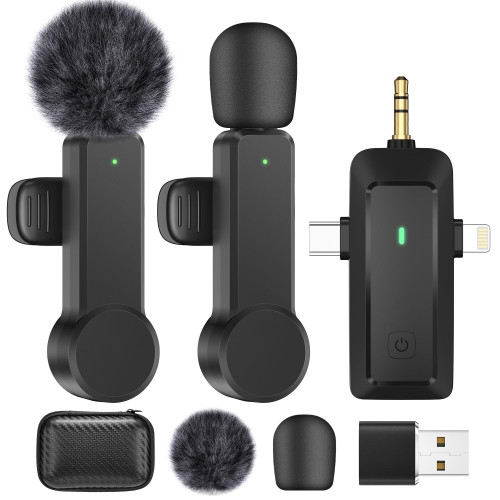
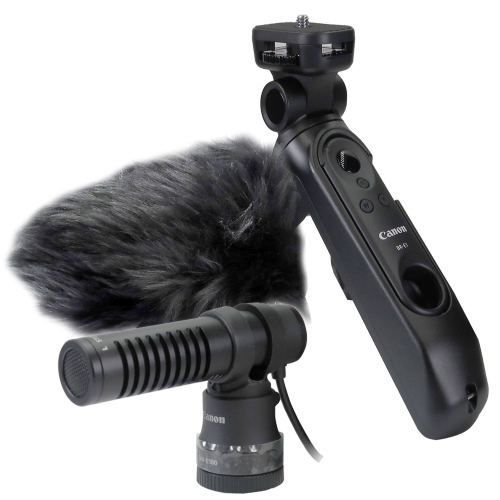
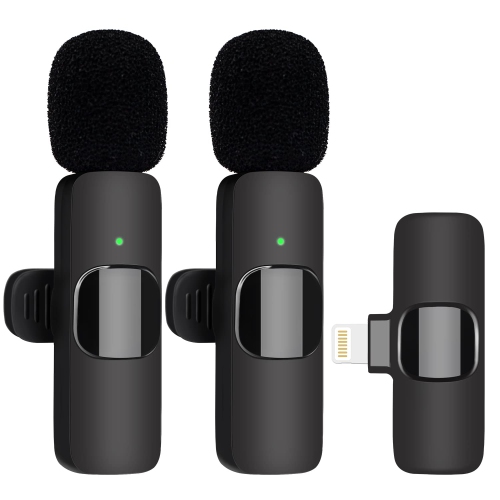
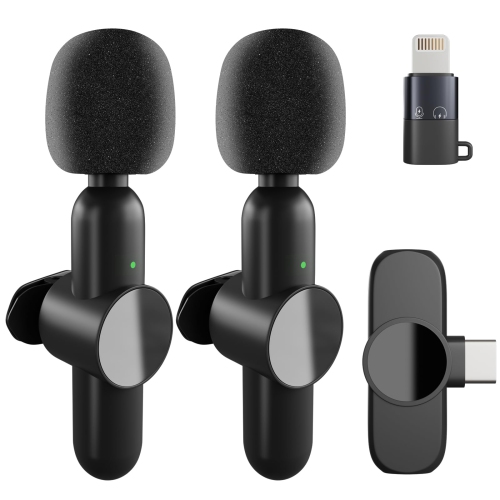
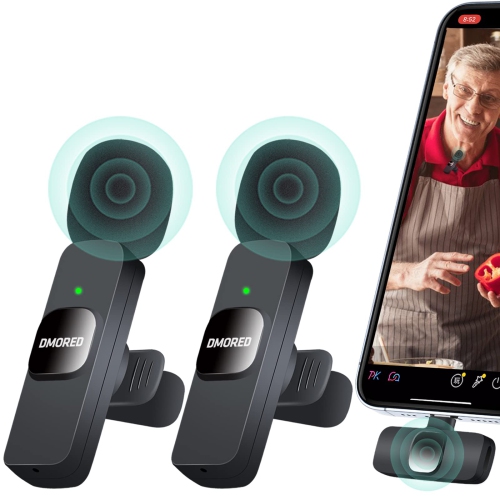
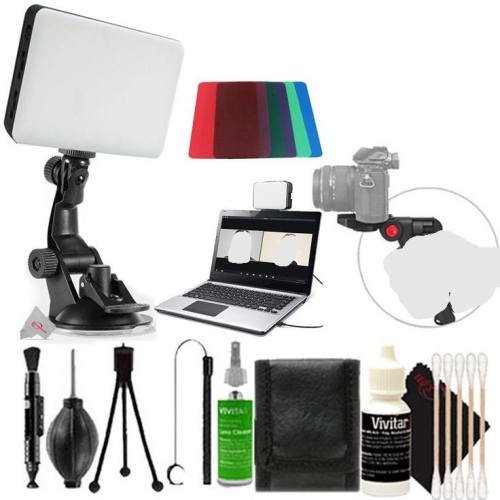
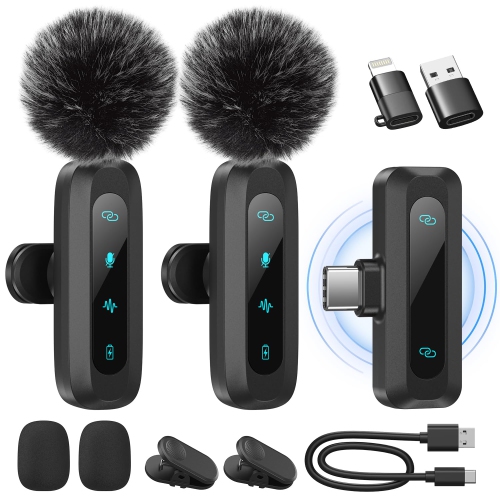
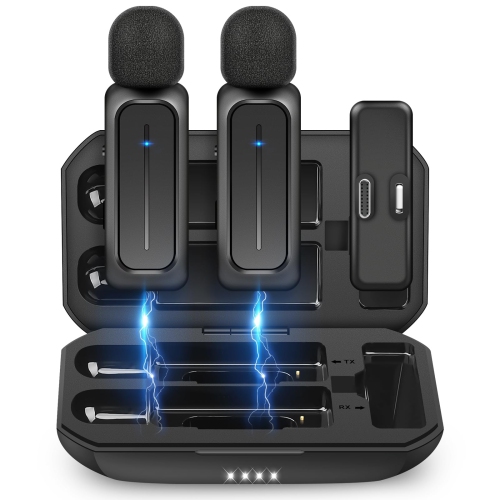
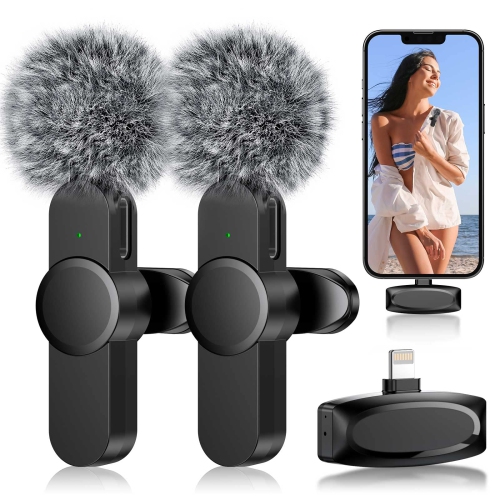
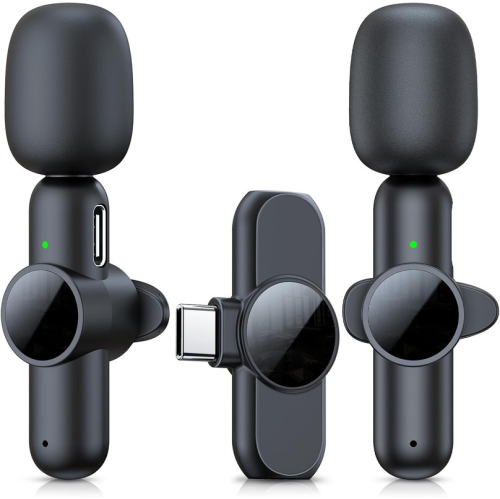
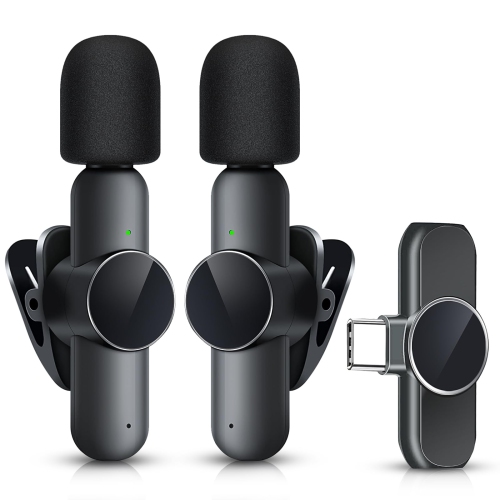
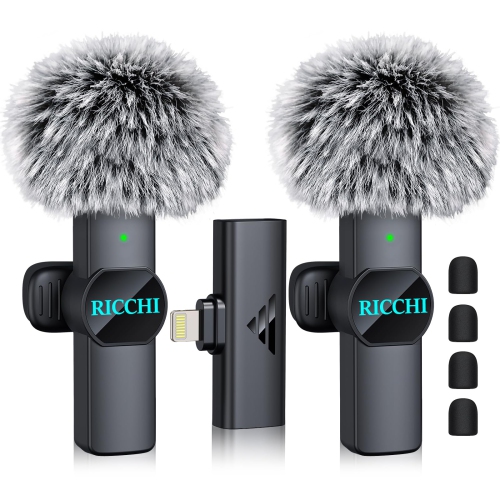
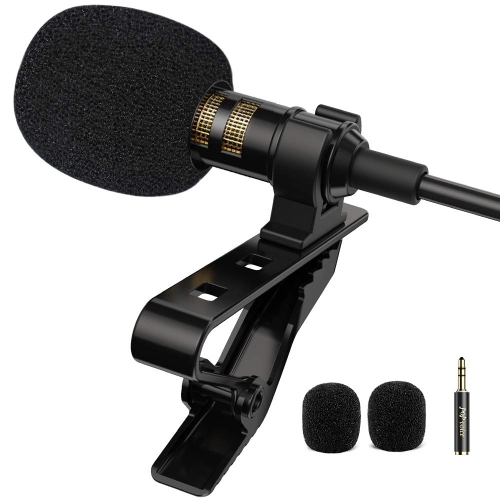
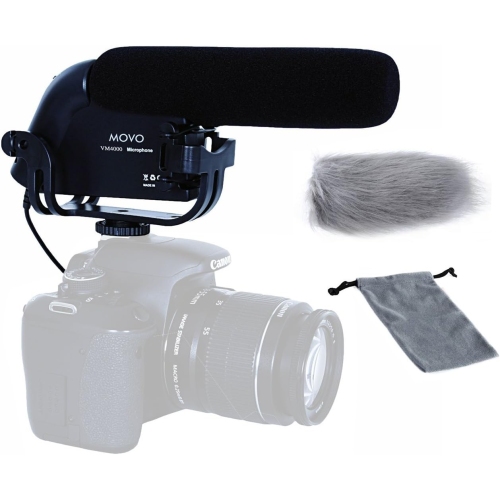
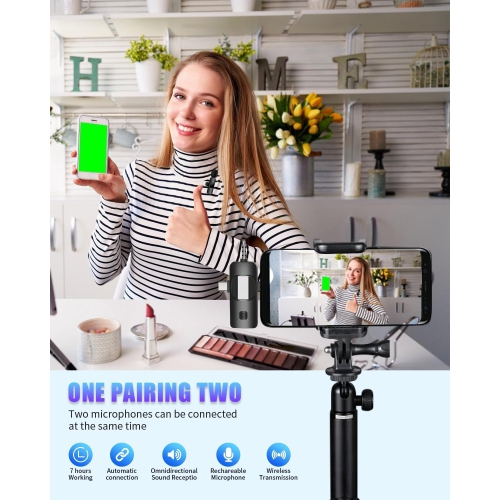
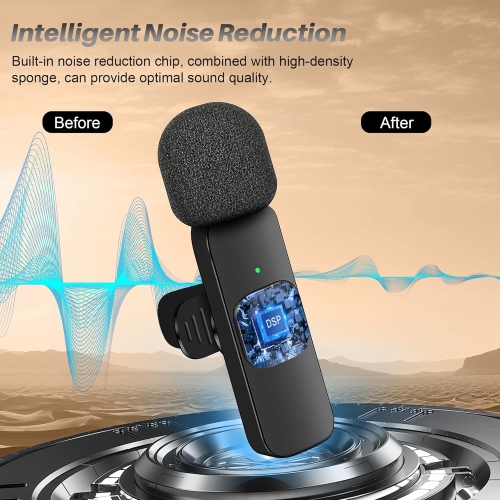
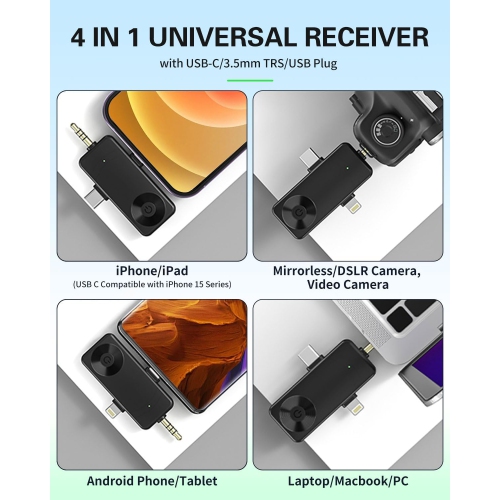
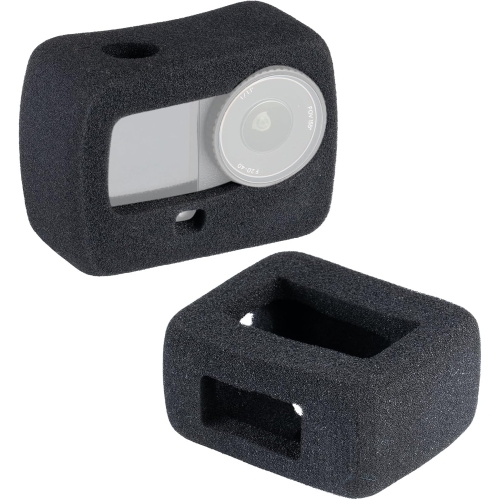
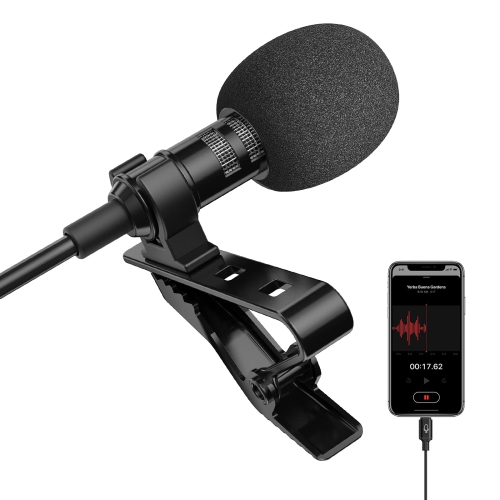
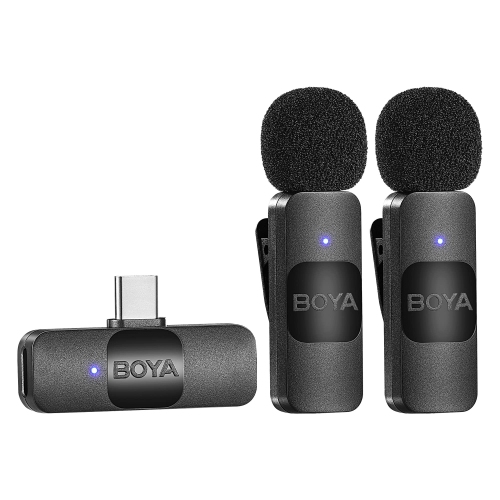
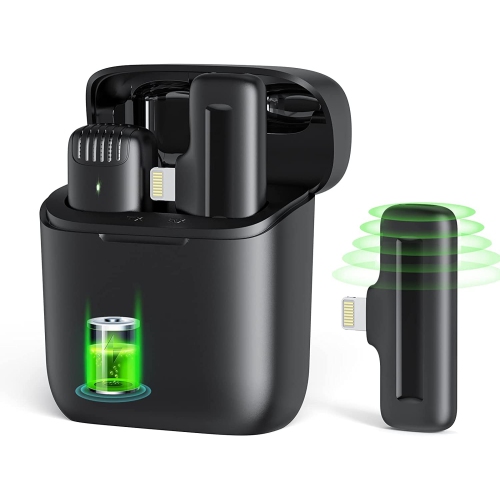
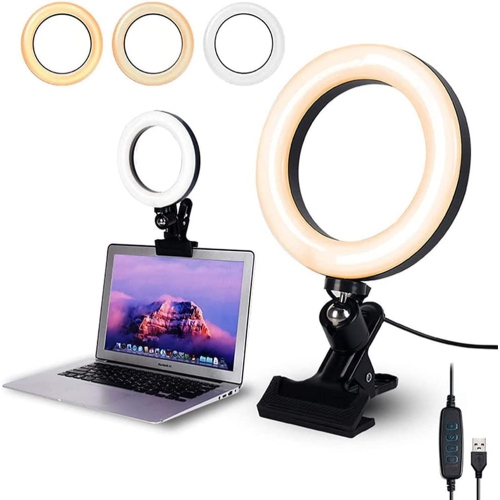
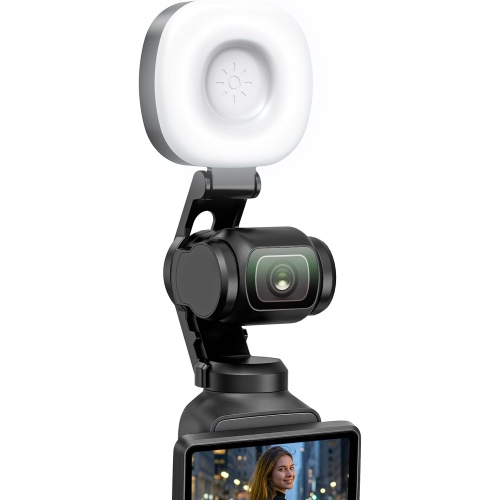
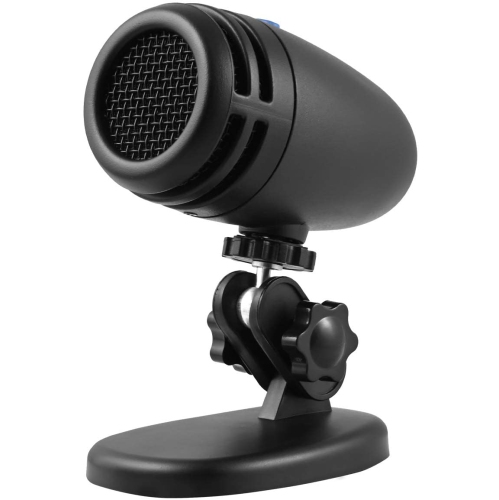
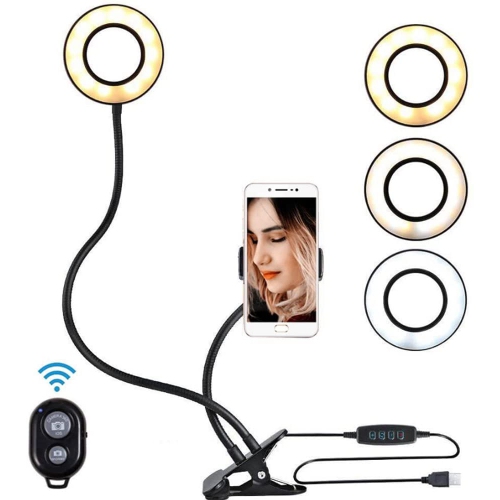
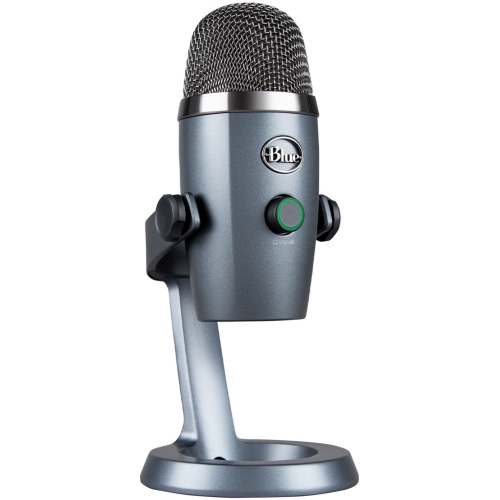
Clear dialogue gives video an immediacy that picture quality alone cannot provide. Video recording microphones help capture speech and other sounds with options suited to different distances, recording devices, and types of content. A close-positioned lavalier microphone can keep a presenter’s voice more consistent as they turn towards a demonstration, while a directional microphone can be useful when it can be aimed towards a speaker from outside the frame. Wireless systems give presenters more freedom to move, although their connection method, operating range, battery requirements, and recording-device compatibility still matter. The selection of Video Recording Microphones supports a range of spoken-word and creative recording needs. Connection types are especially important because a plug that physically fits does not always mean the microphone and recording device will work together. USB connections, analogue microphone inputs, and adapters can have different requirements, and some devices need additional power or support only certain audio connections. Headphone monitoring, where supported, helps reveal clothing rustle, an air vent’s hum, or a loose connection before a long take is finished. Foam covers, shock mounts, and compatible furry microphone covers serve different purposes, from reducing some air movement across a microphone to limiting vibrations transmitted through its mounting point. Lighting accessories shape how faces, textures, and colours appear on camera. A broad, diffused light can soften facial shadows for an interview, while a more controlled light can bring out the surface detail of a handmade object. Adjustable brightness and colour temperature help balance a subject with other light sources in the room. Accurate colour rendering matters when showing artwork, clothing, makeup, or food, where an unexpected colour cast can misrepresent the subject. Light stands, mounting arms, and diffusion attachments also affect how comfortably a setup fits into a room, particularly when several people need space to move around it.
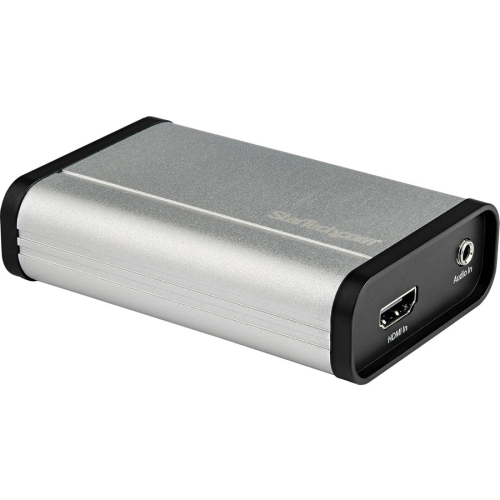
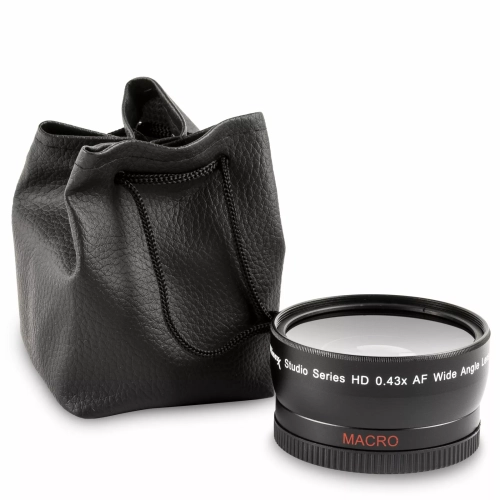
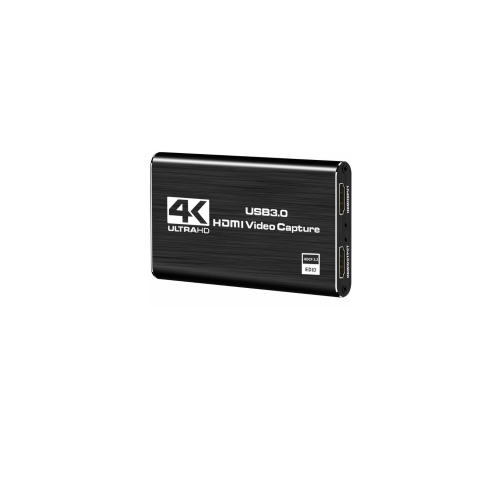
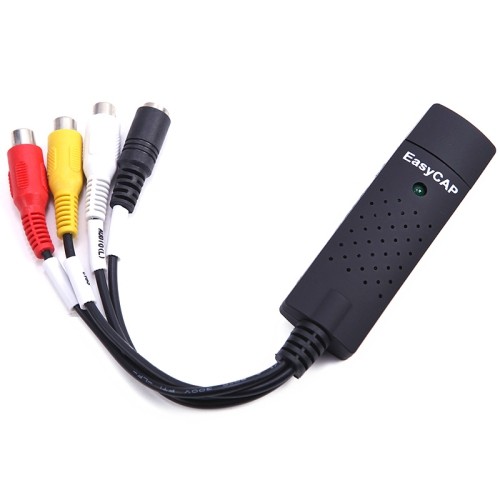
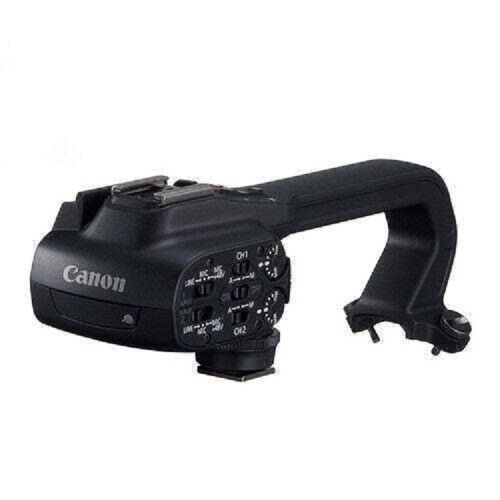
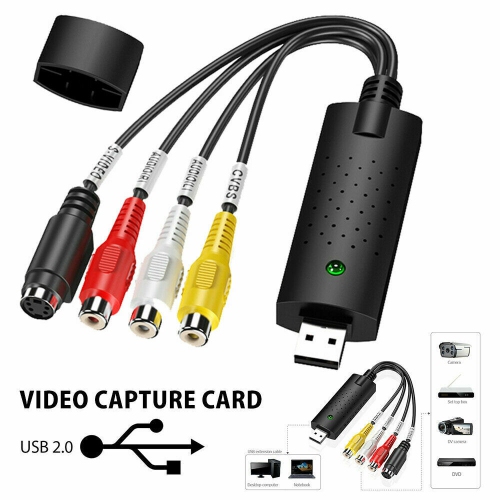
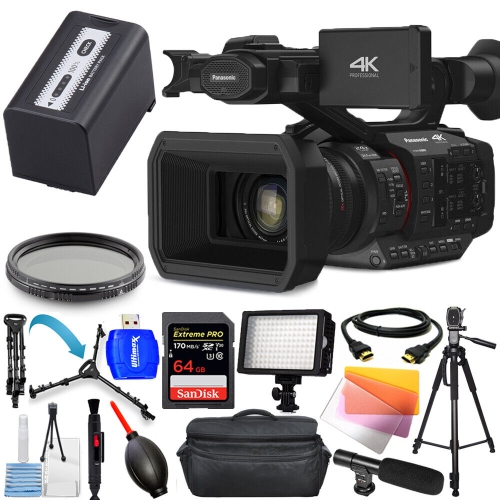
Practical recording accessories also address the less visible parts of making video: keeping equipment powered, connecting components, protecting delicate surfaces, and moving between locations without losing small essentials. Longer interviews and lessons can place different demands on power than a series of short clips, so compatible batteries, charging equipment, and external power connections may be important parts of the setup. Power accessories need to match the device’s electrical requirements and supported charging methods; a shared connector shape alone does not establish compatibility. Cables likewise need the correct connections and capabilities for their intended role, whether carrying audio, sending a picture to a monitor, or transferring recorded files. Thoughtful cable routing leaves room for a screen to rotate or a camera to tilt without pulling on a port. External monitors can make framing and focus easier to assess on supported cameras, particularly when the camera is mounted above eye level or turned towards a presenter. Recording media and storage accessories need to suit the camera’s supported formats and recording settings, since higher video data rates can require faster media and create larger files. For transport, padded bags and cases with adjustable dividers help separate equipment, while small compartments keep adapters, mounting screws, and cables from disappearing beneath larger pieces. Durable fabrics, reinforced stitching, dependable closures, and comfortable straps matter when equipment travels regularly. Care is generally straightforward but material-specific: clean, dry storage, suitable lens-cleaning tools, and attention to the manufacturer’s cleaning directions help protect finishes and moving parts. Sand or grit around clamps and hinges can interfere with smooth adjustment, and tightly wound cables can place unnecessary strain on connectors. For students making their first short films, teachers recording lessons, small-business owners creating demonstrations, or relatives documenting family stories, a well-matched accessory can remove a recurring frustration. As gifts, accessories are most useful when they suit the recipient’s existing device, preferred recording style, and available space rather than adding equipment that needs a different camera or an entirely new setup.
Top selling and popular products
-
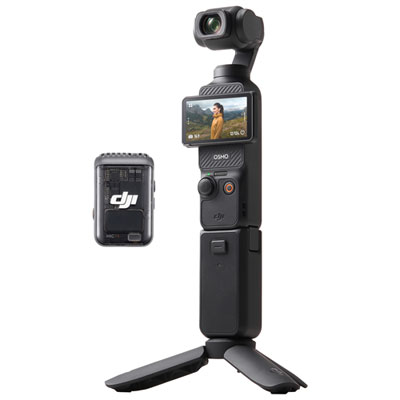 Your price for this item is $649.99
-
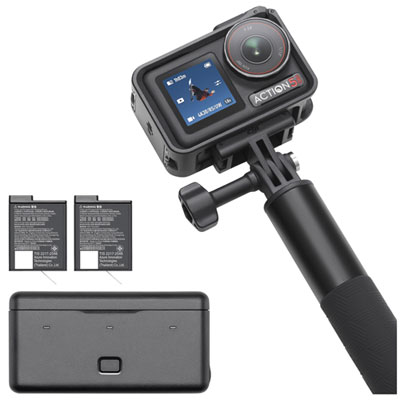 Your price for this item is $585.99
-
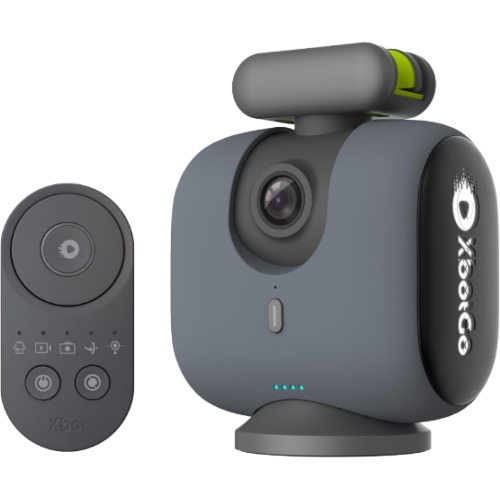 Your price for this item is $489.99
-
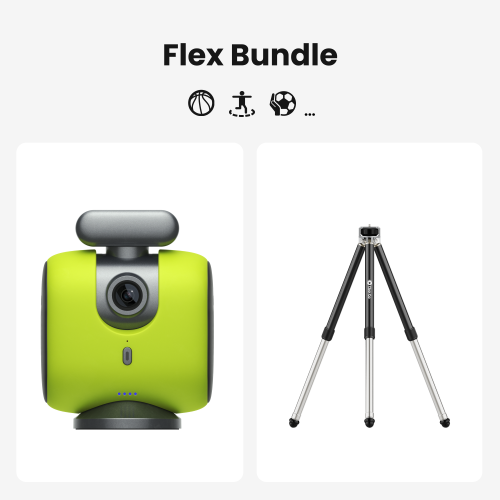 Your price for this item is $433.99
-
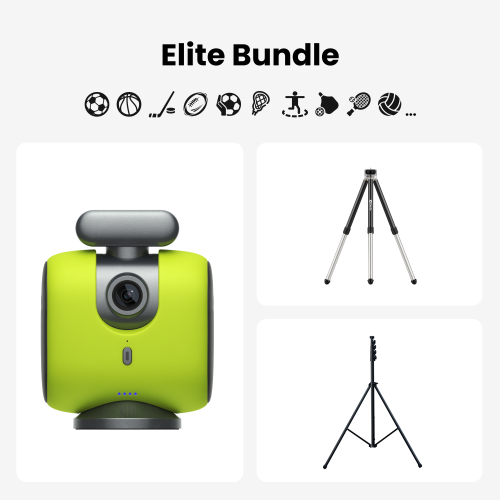 Your price for this item is $653.99
-
 Your price for this item is $719.99
-
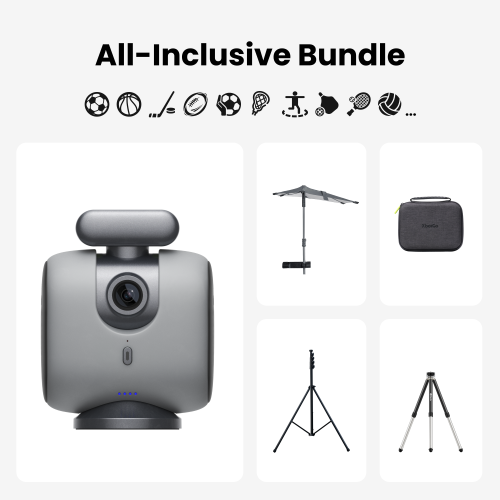 Your price for this item is $859.99
-
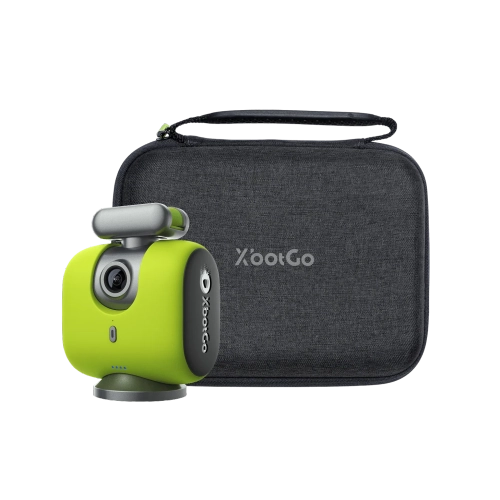 Your price for this item is $489.99
Discover more categories related to Video Recording Accessories
Top Collections:
Best Black Friday Deals This Year, Best Black Friday Deals On Electronics, Kindle Devices, Pokemon Centers, Best Black Friday Deals On Apple Products, Best Cameras for Sports Photography, Dyson Airwrap, Pokémon 30th Celebration Cards, Apple iPhone 17 Pro, Canon G7X Cameras
Some products may be subject to Environmental Handling Fees
(EHF) depending on your province.
Learn more about EHFs.