VR Drones
Explore the exciting world of VR drones and discover a new dimension of aerial adventure. VR drones combine cutting-edge technology with immersive experiences, offering a unique way to capture stunning views and enjoy dynamic flight controls. Whether you're an enthusiast looking to elevate your drone piloting or searching for innovative entertainment, VR drones deliver unparalleled engagement in the skies. Find the perfect model to suit your needs and take your flying experience to the next level.
Sort
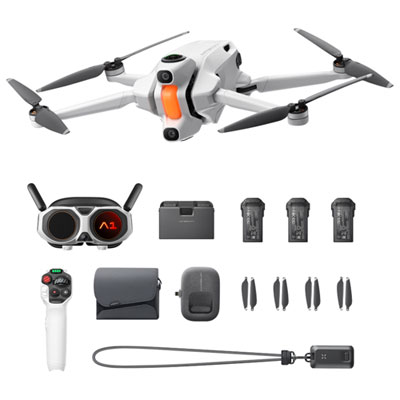
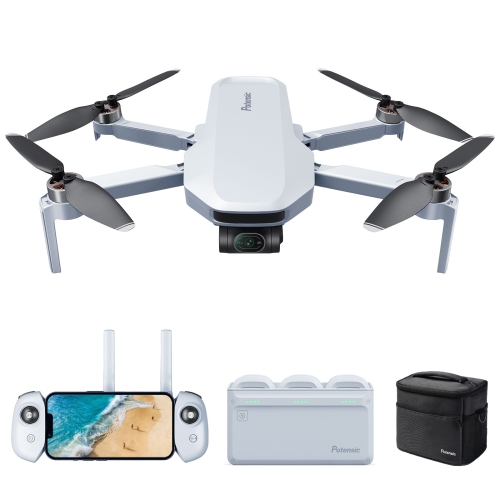
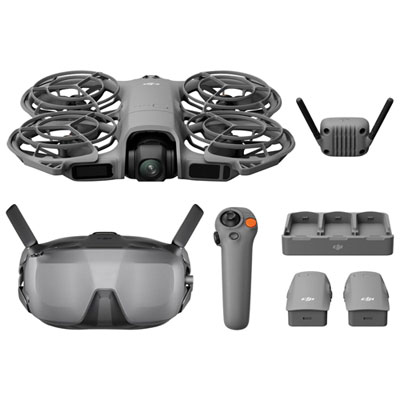
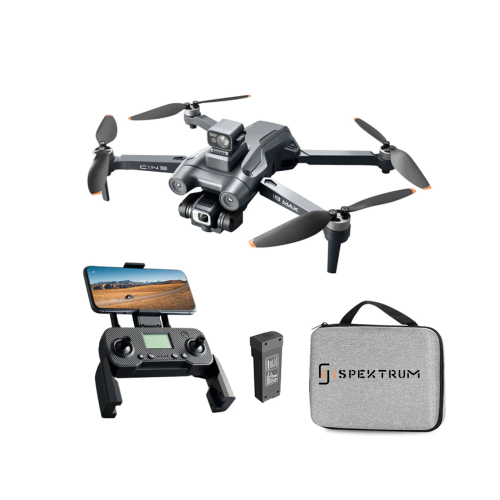
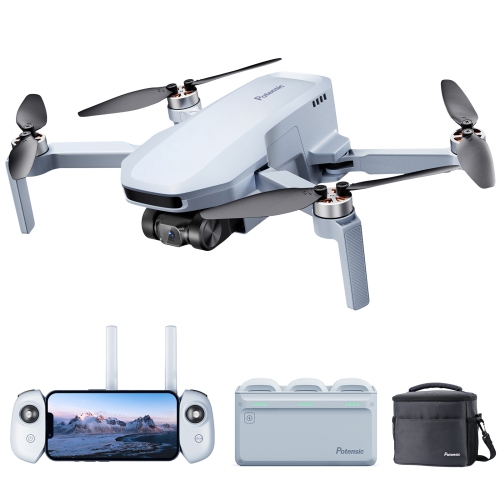
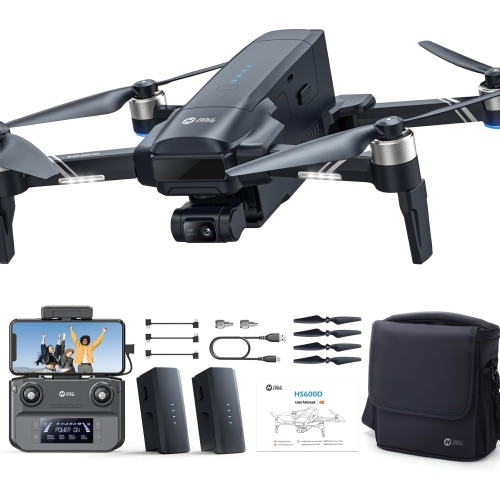
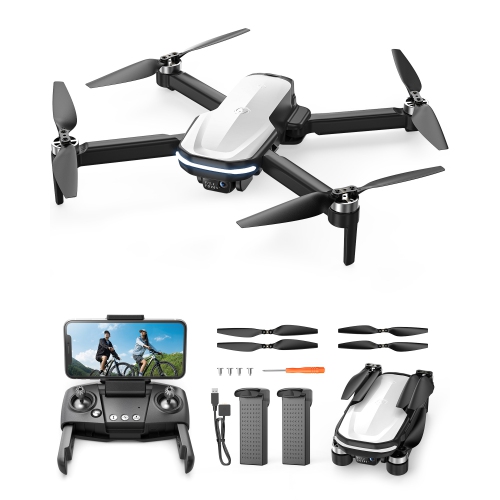
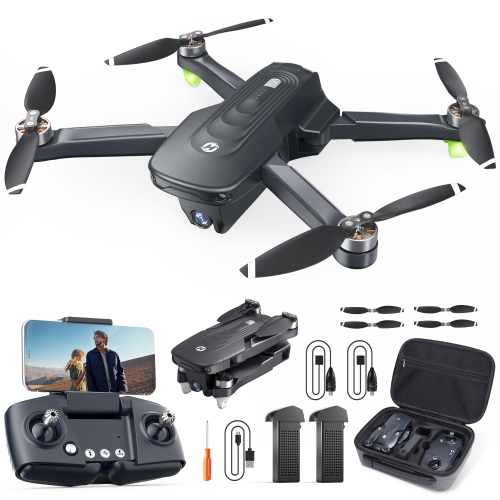
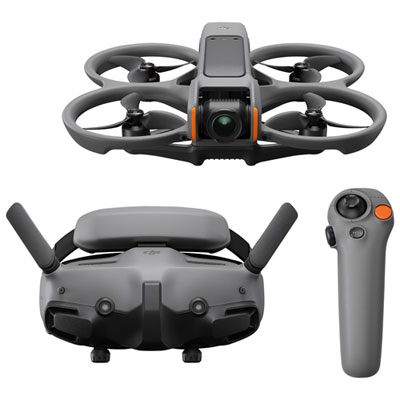

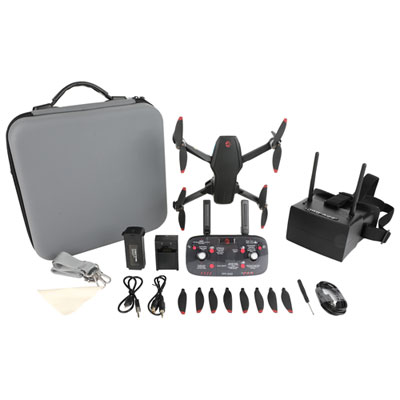
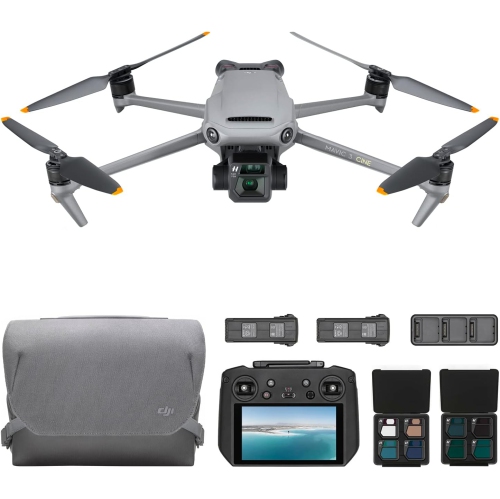
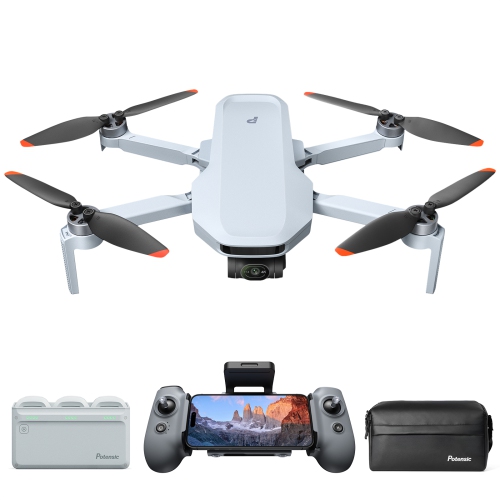

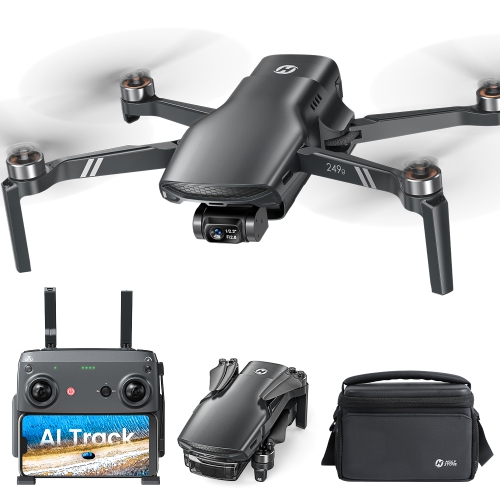
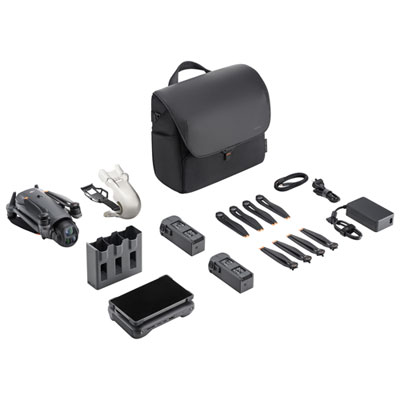
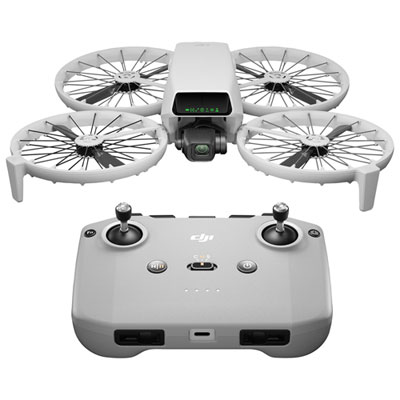
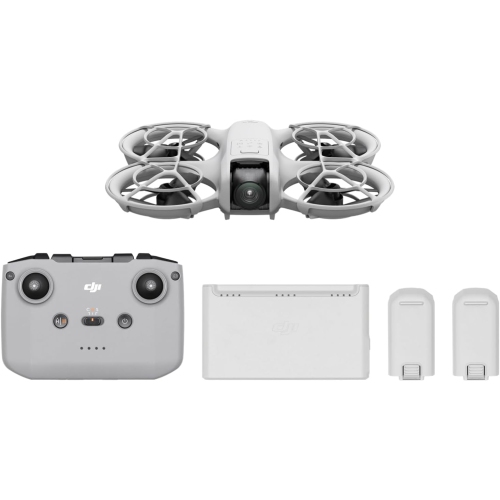


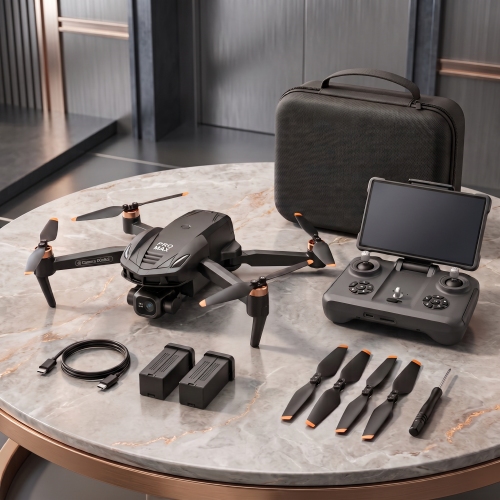
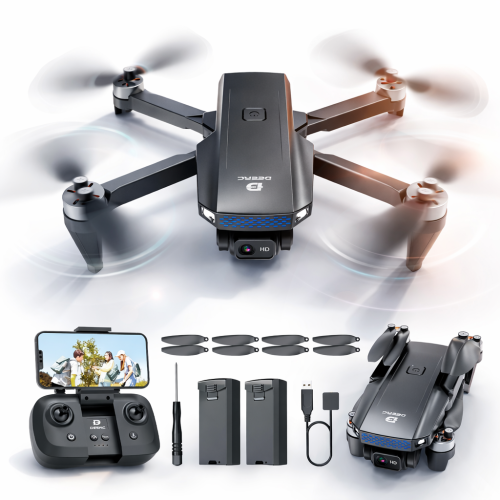
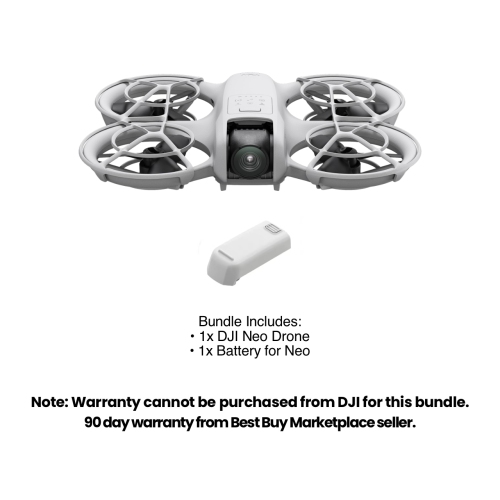
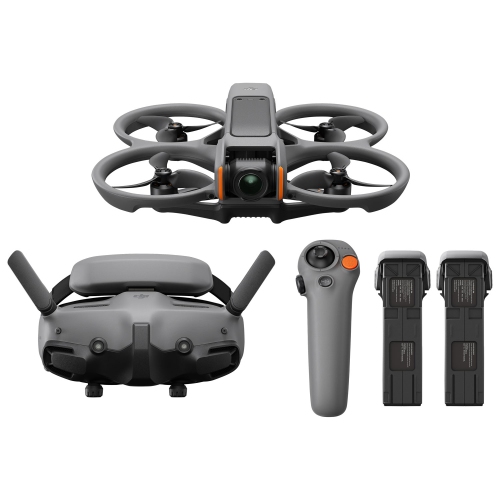
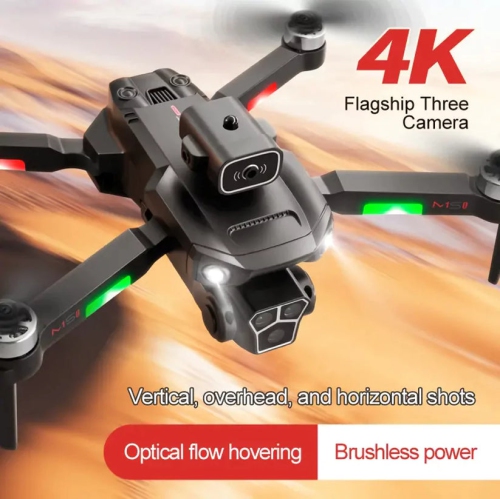
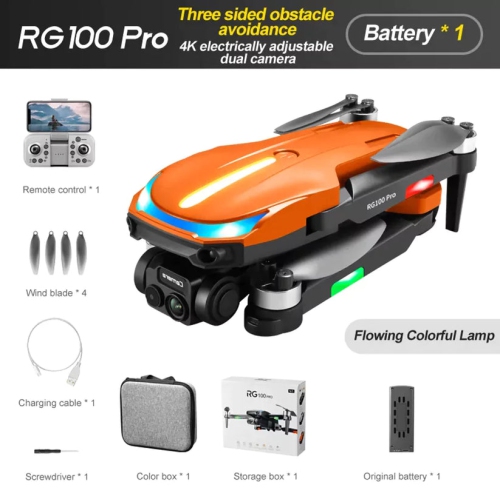
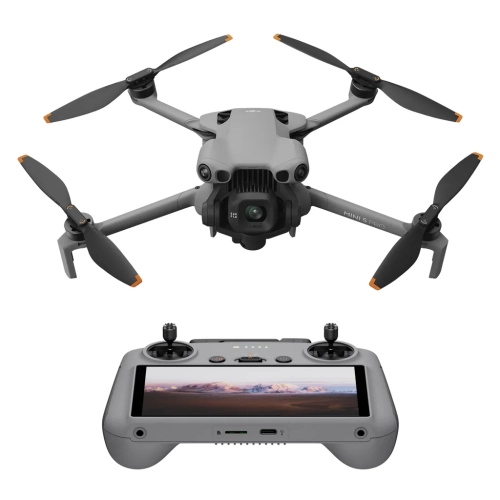
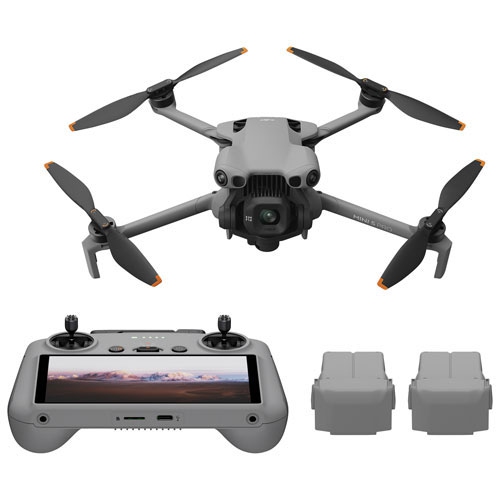
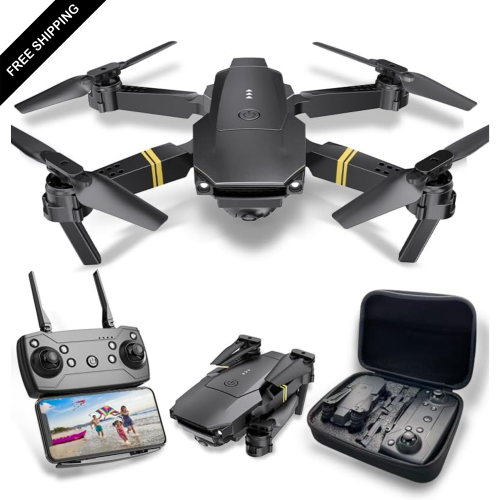
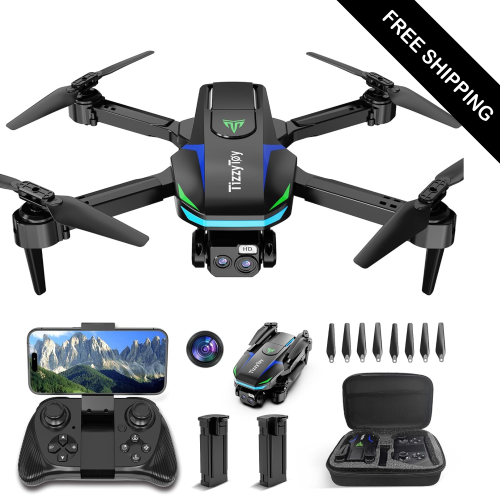
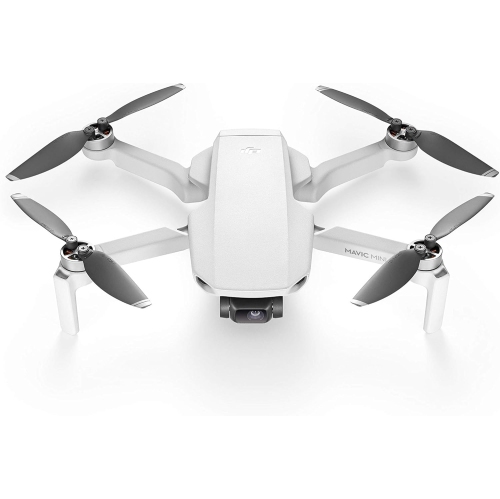
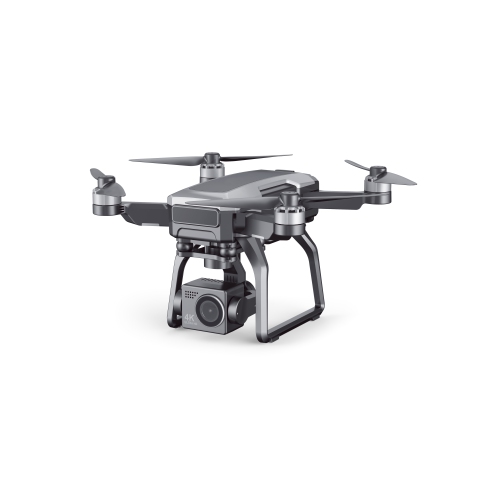

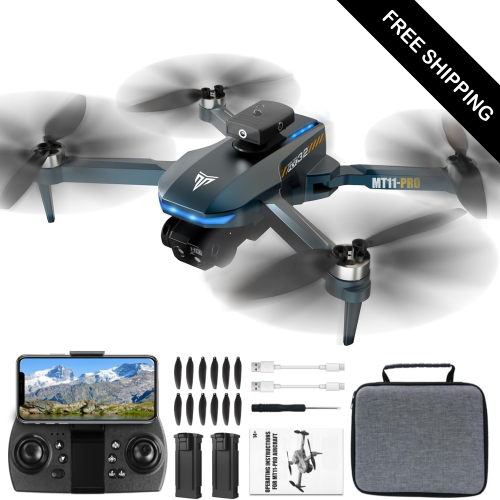
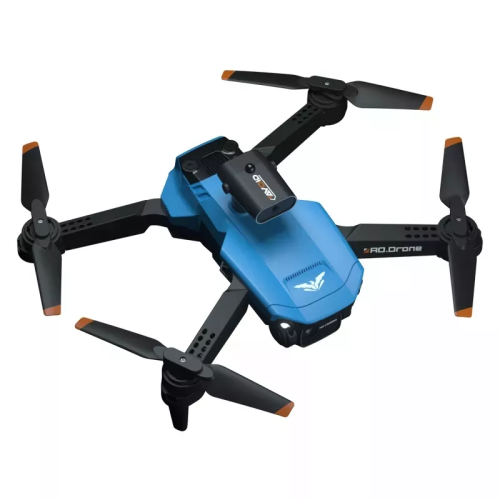
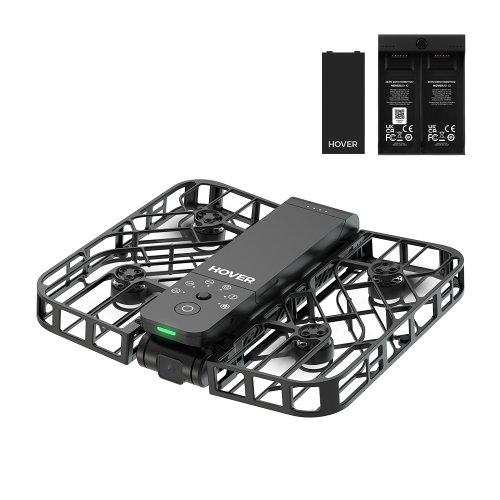
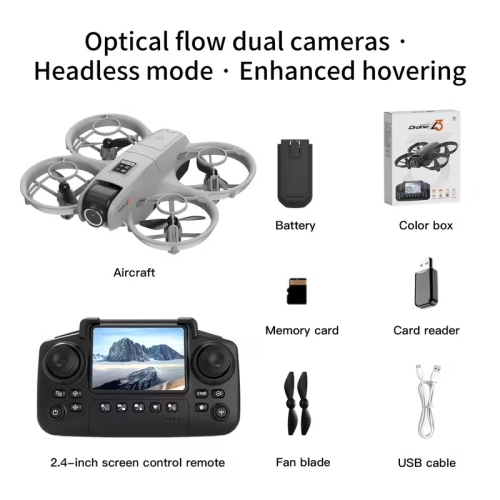
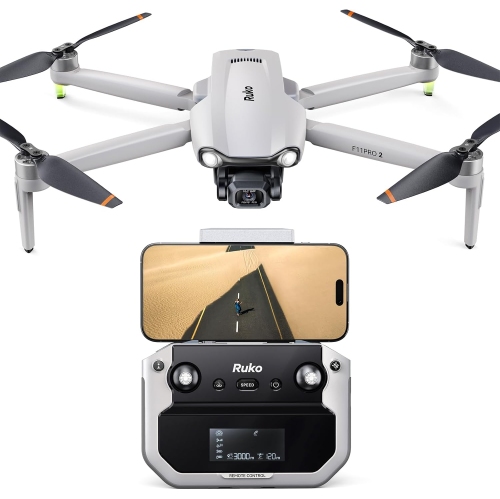
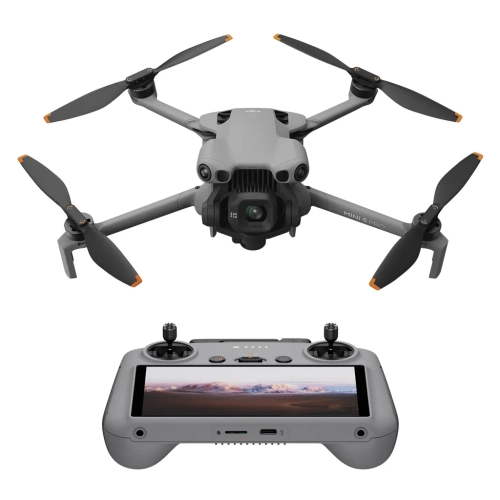
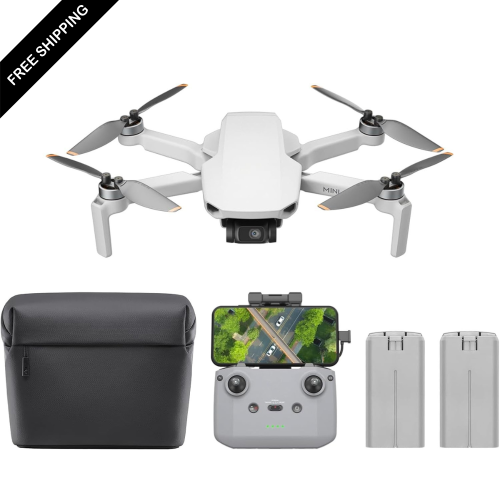
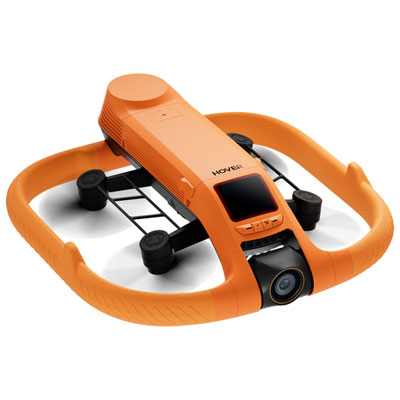
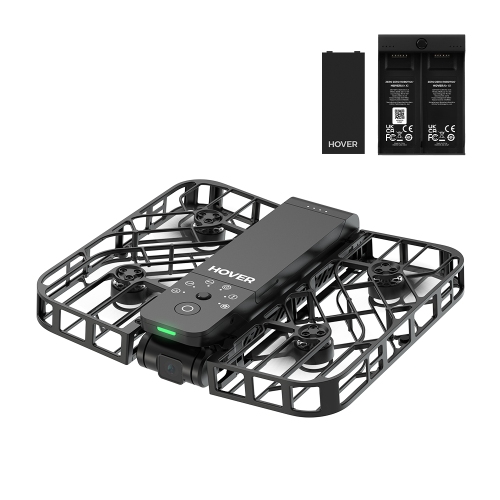
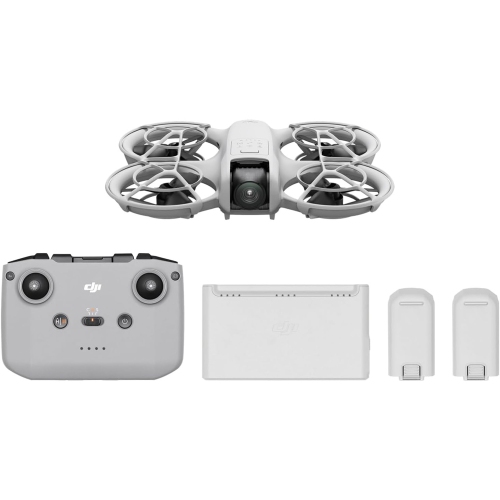
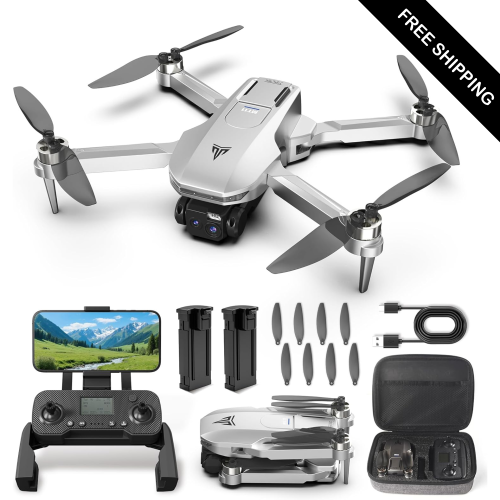

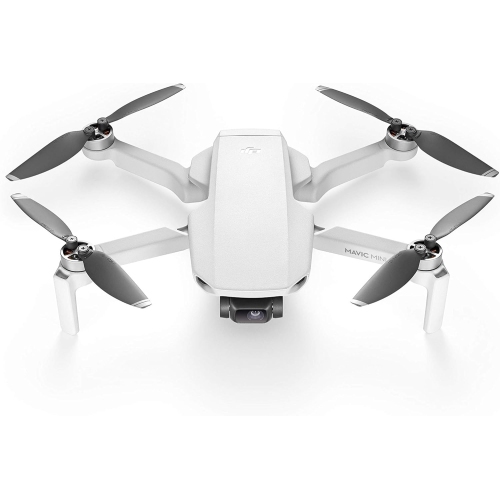
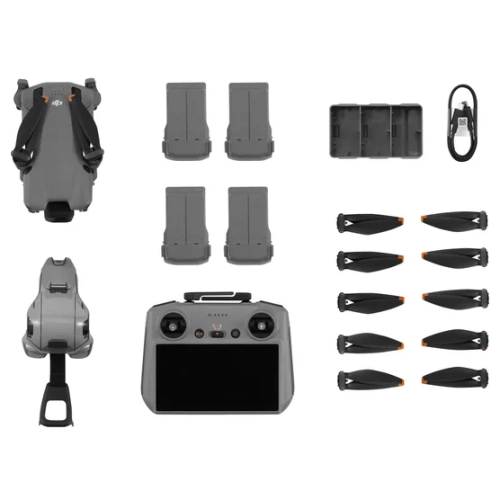
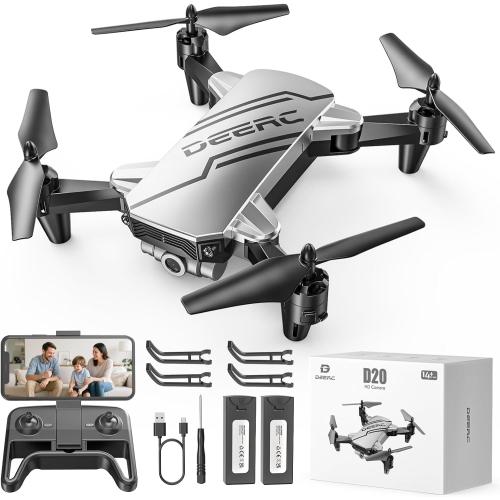
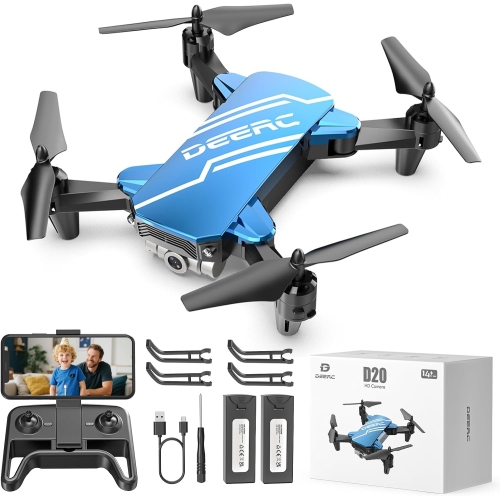
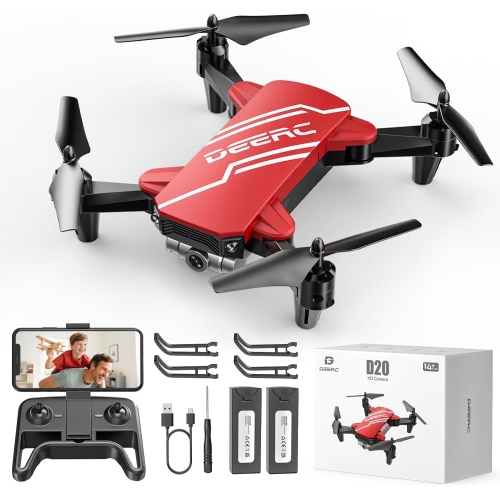
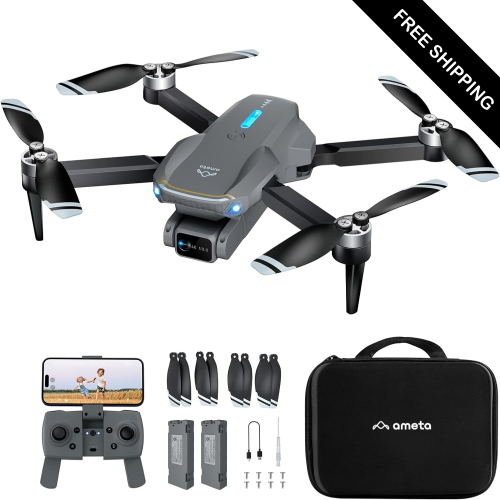
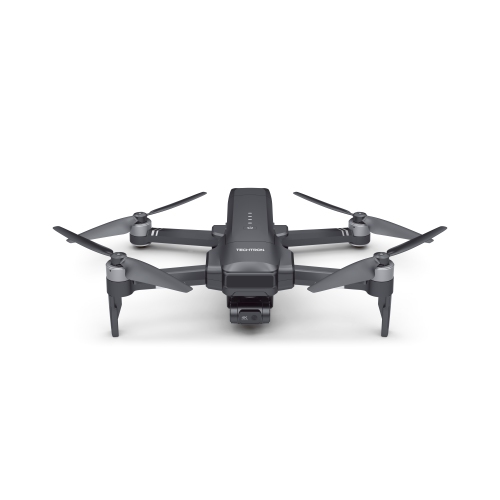
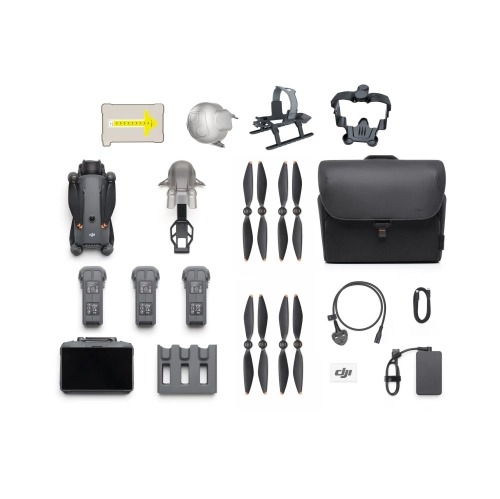
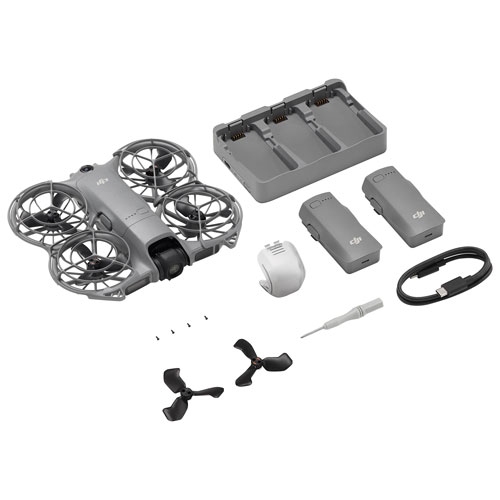
A cockpit-style view depends on more than goggles
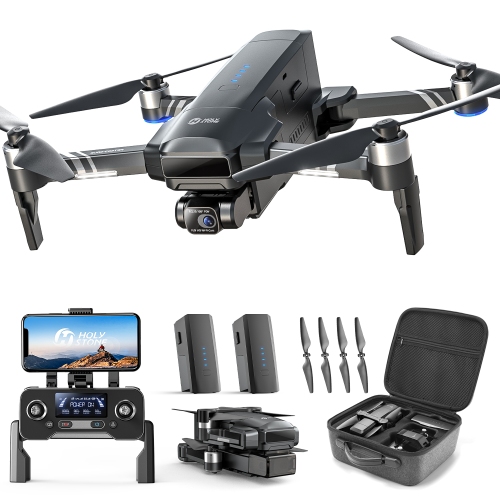
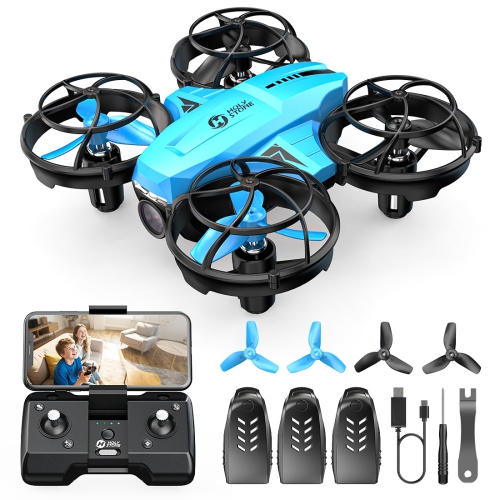
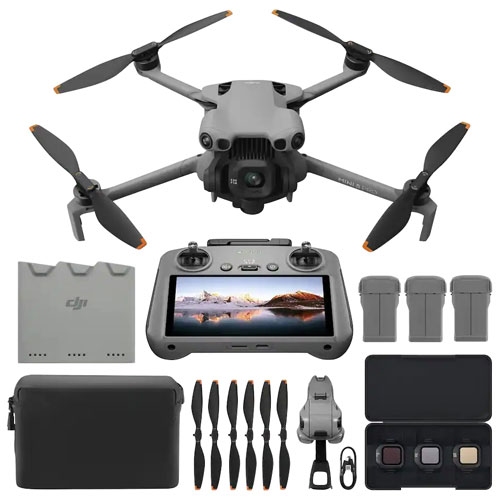
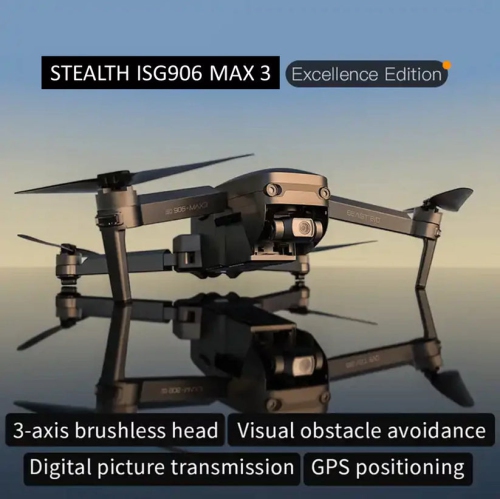
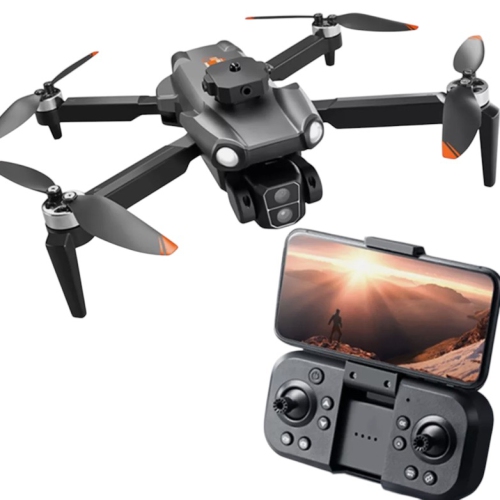
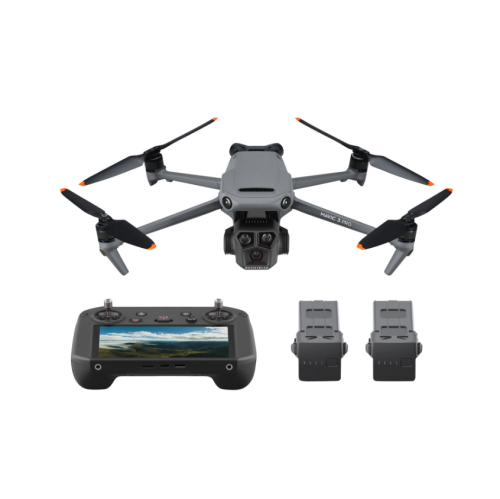
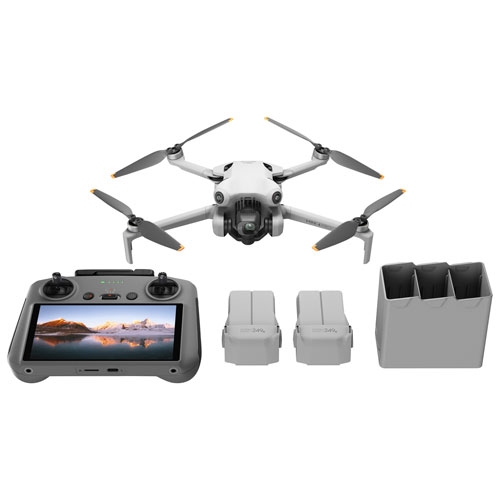
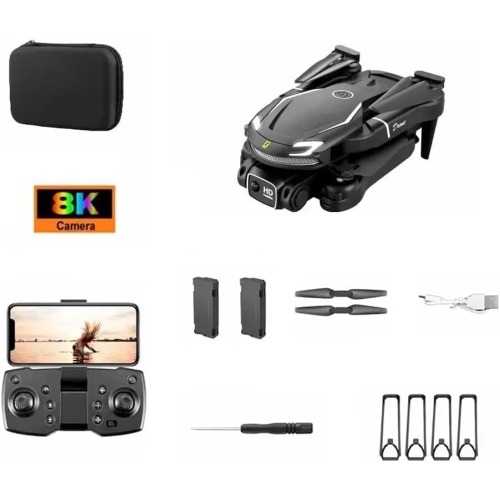
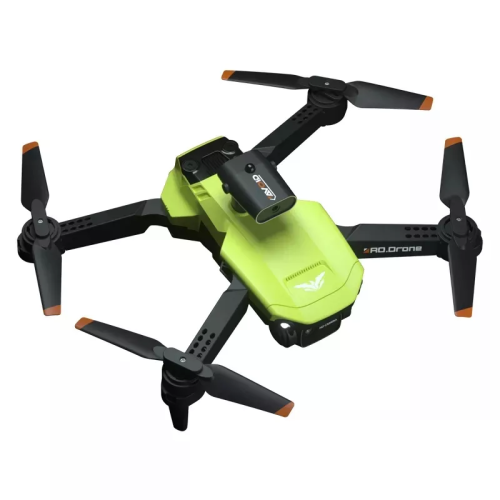
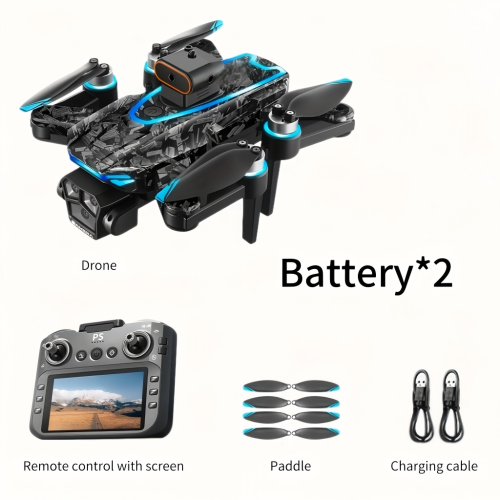
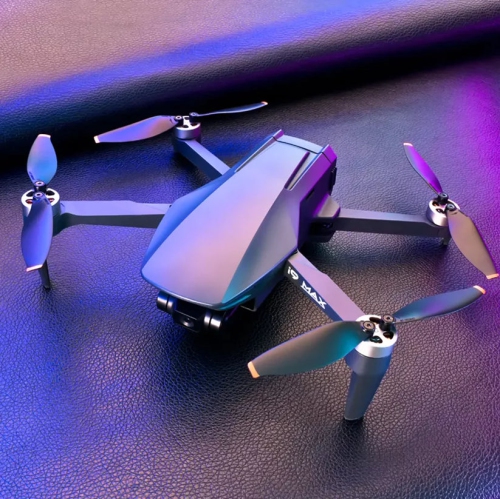
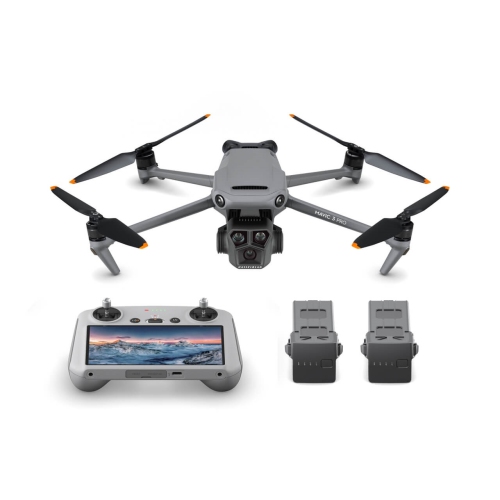
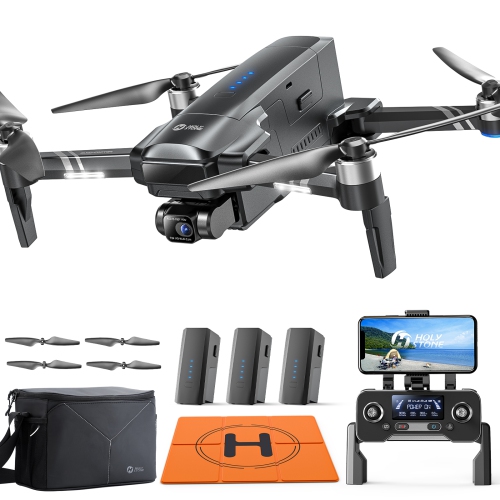
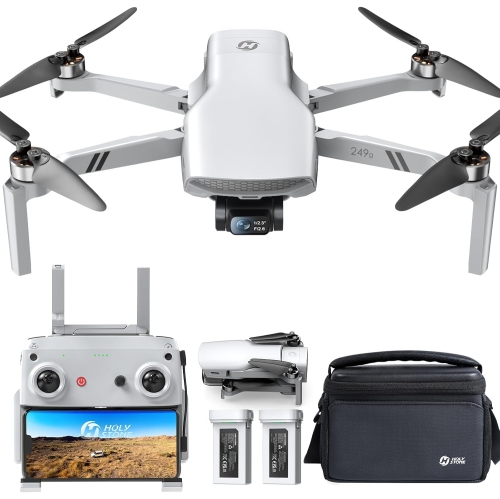
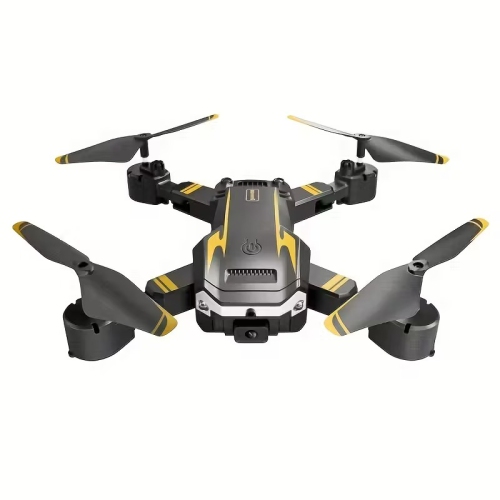
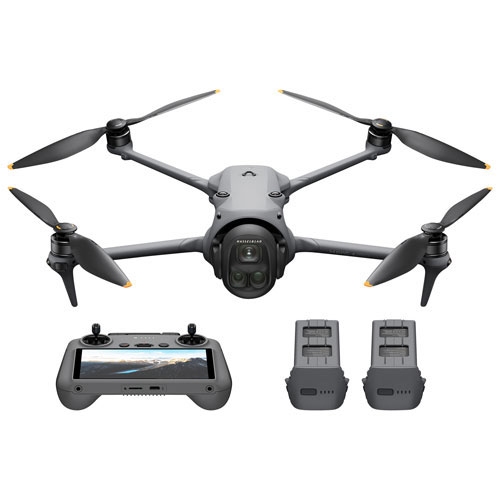
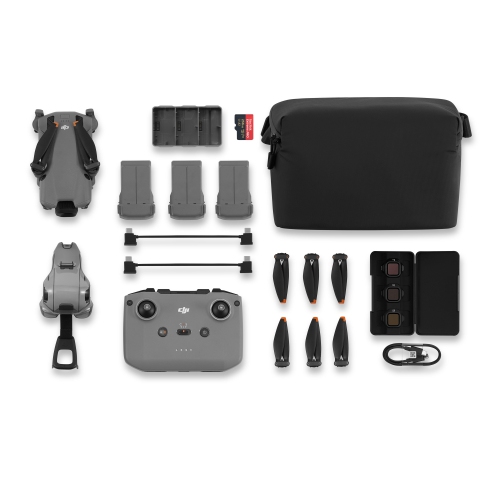
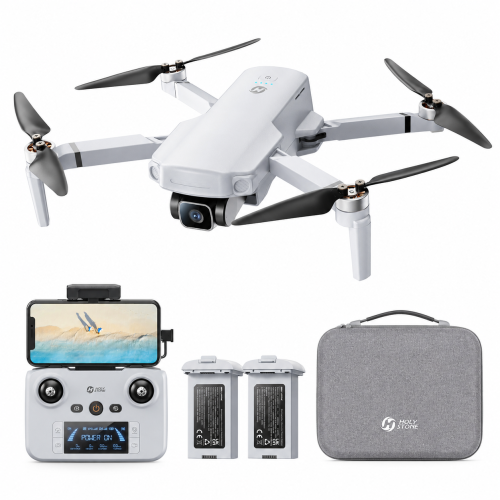
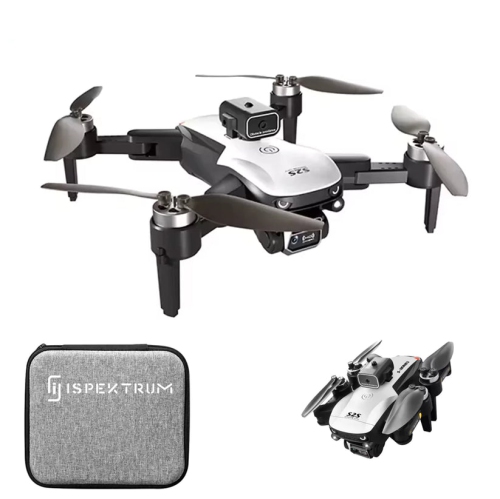
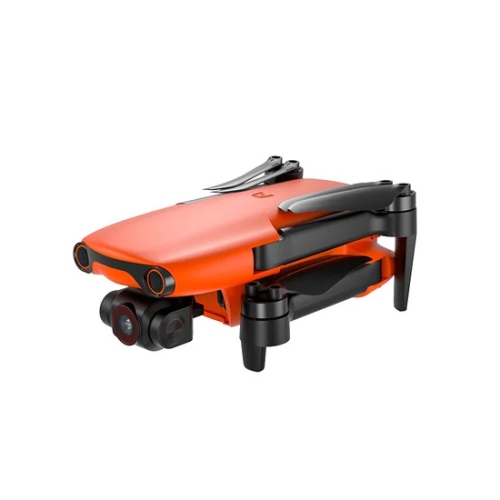
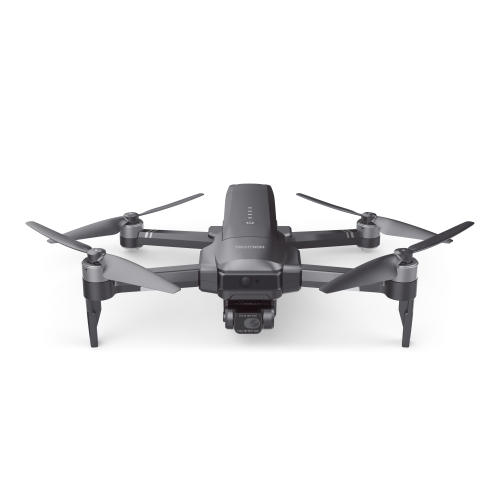
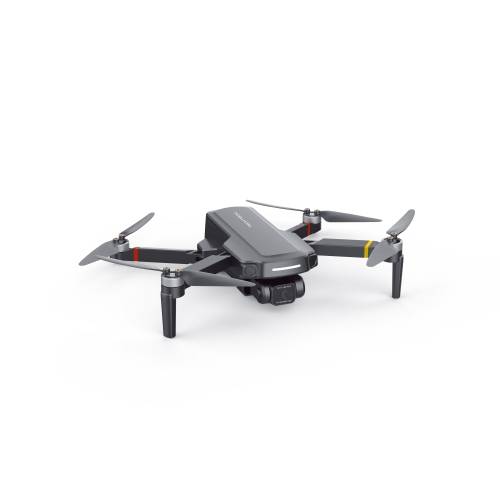
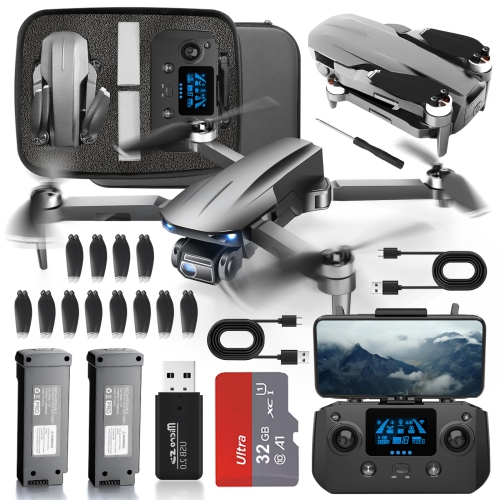
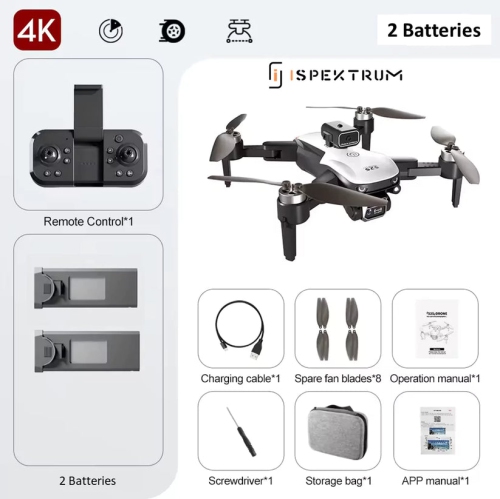
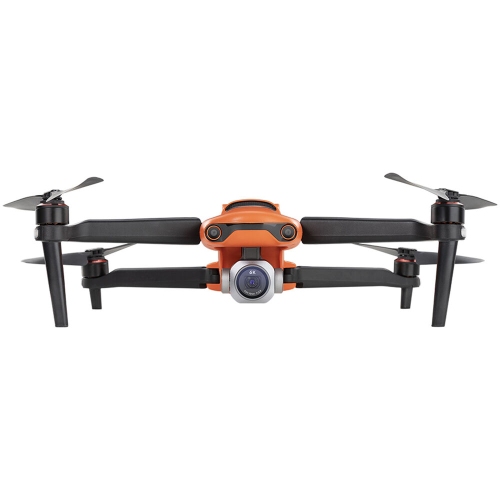
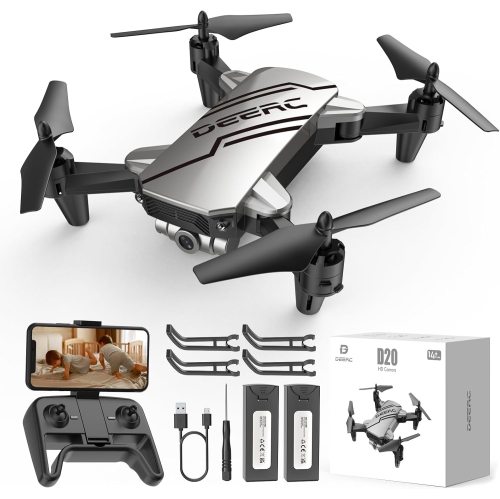
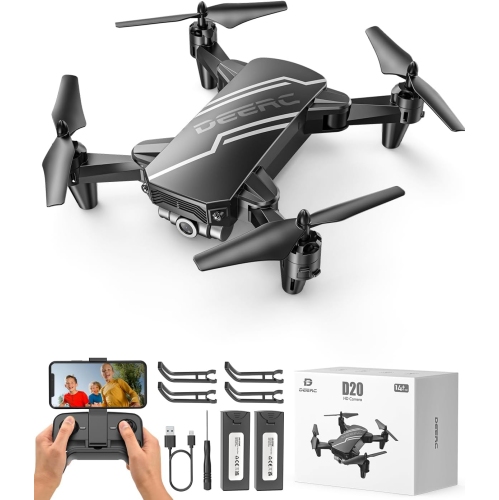
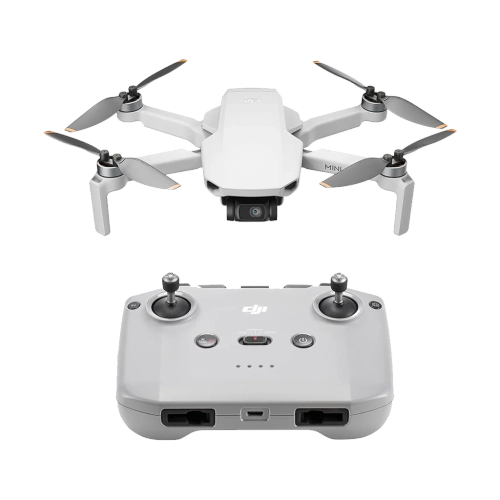
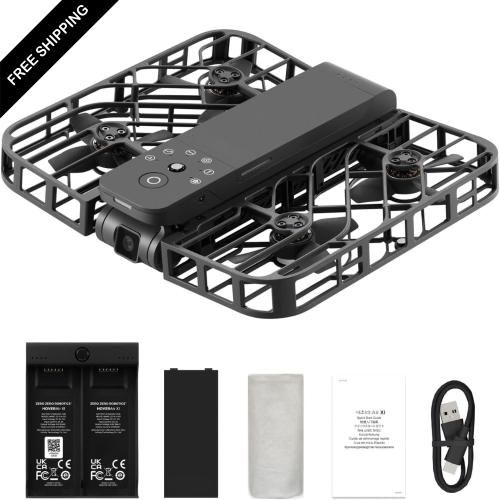
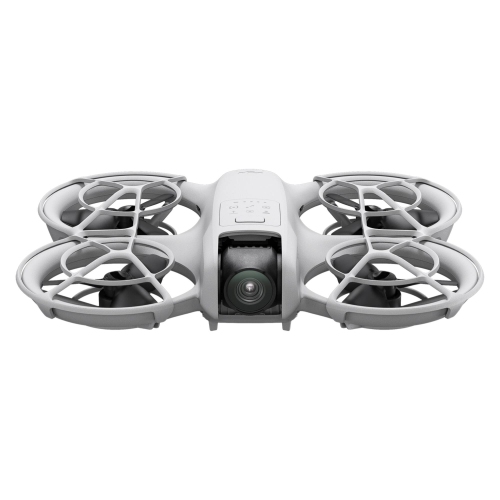
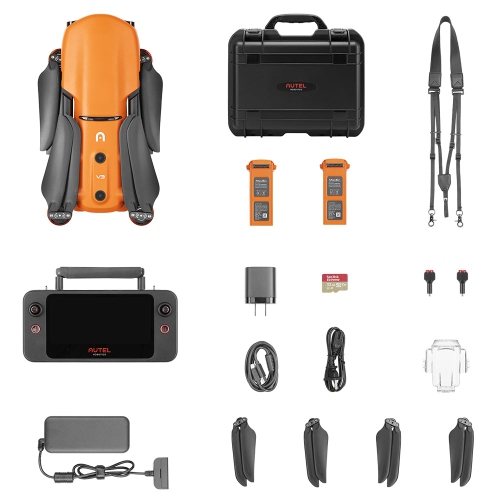
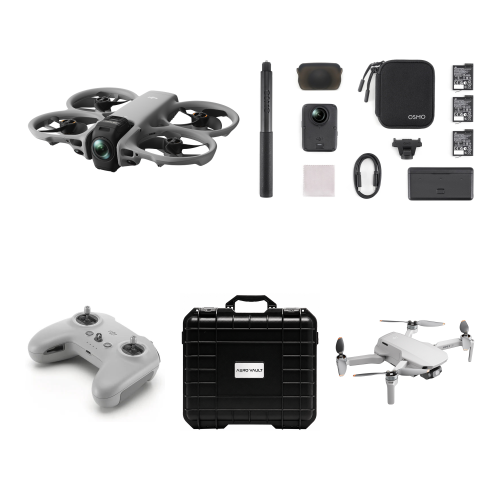
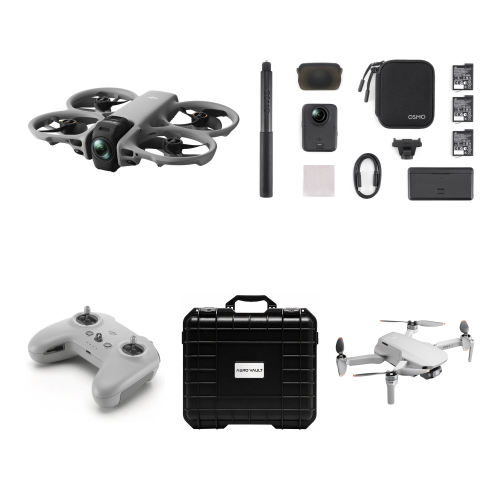
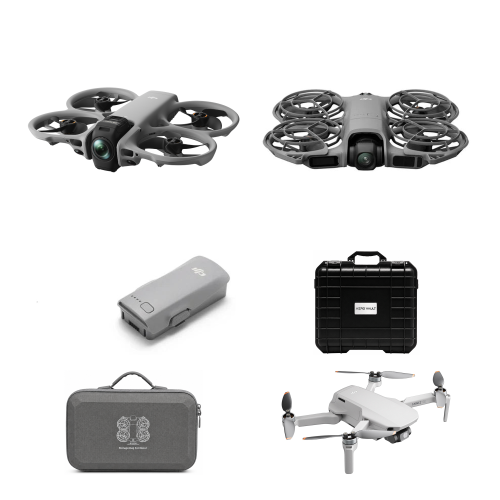
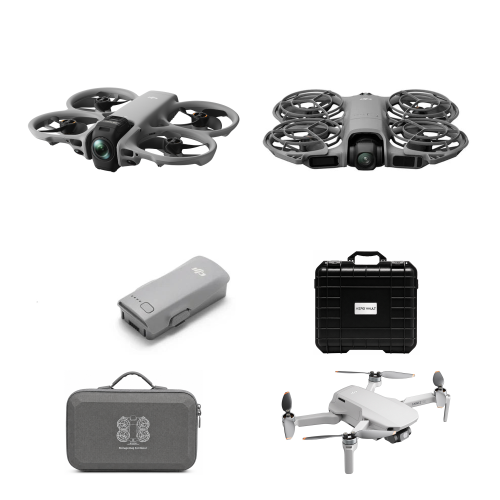
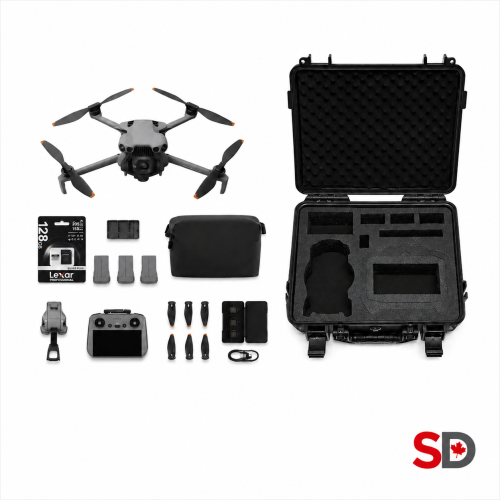
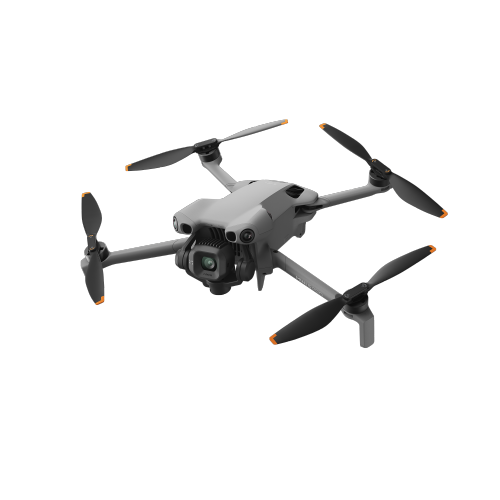
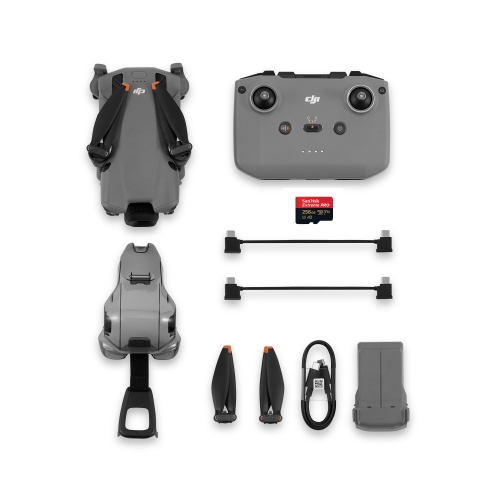
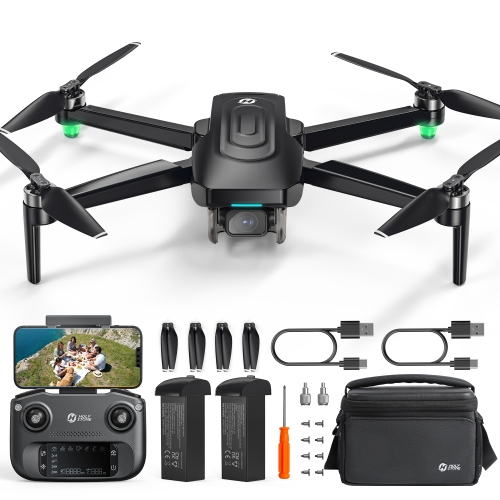
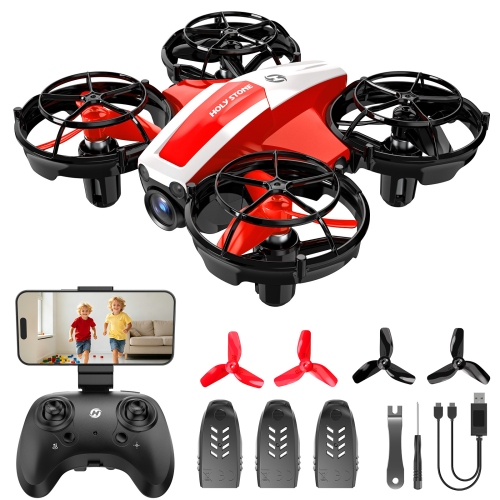
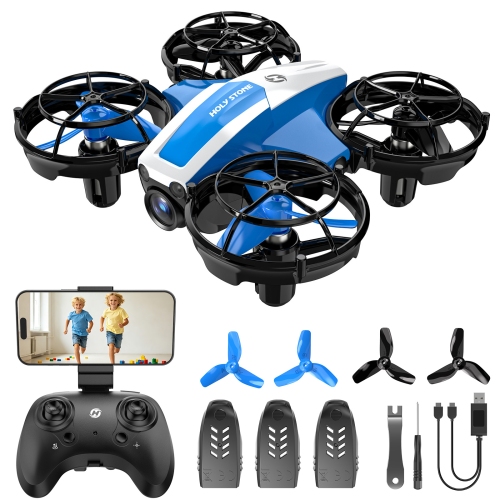
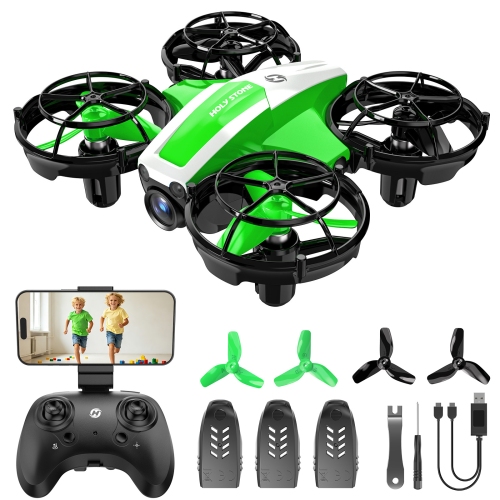
VR drones combine camera-equipped aircraft with a compatible headset or first-person view (FPV) goggles, giving the pilot a live view from the drone’s perspective. Instead of watching only a small aircraft in the distance or a screen mounted on a controller, the wearer sees the camera image across the headset display, creating a cockpit-style sense of movement. Although often described as virtual reality drones, these systems generally show live video rather than a computer-generated world. The experience depends on several connected parts: the drone, its camera and video transmitter, the goggles, and a compatible flight controller. These components need to support the same system; a general-purpose VR headset does not automatically connect to a camera drone. Some setups use dedicated goggles, while others support a phone-based viewing arrangement through a compatible app. Head tracking, motion-based controls and stereoscopic viewing are separate capabilities, not standard features of every VR drone. Likewise, a wide-angle camera is not the same as a 360-degree camera, which captures a broader scene for viewing or reframing when supported. For flight, the live feed’s clarity, consistency and delay matter as much as its resolution. A sharp recorded video does not necessarily mean the headset displays that same resolution, and footage saved onboard may differ from the image transmitted to the goggles. A pilot following a marked course benefits from responsive video that makes changes in direction easier to judge, while someone interested in aerial photography may place more emphasis on smooth camera movement and recording quality. Position holding, altitude assistance, selectable flight modes and return functions can make operation more manageable where supported, but they do not replace practice or direct attention to the aircraft. Obstacle sensing also varies, and it should not be assumed to cover every direction or detect thin branches, wires or small objects. These distinctions make VR drones a varied product category, spanning approachable recreational flying, immersive aerial filming and more demanding FPV pursuits.
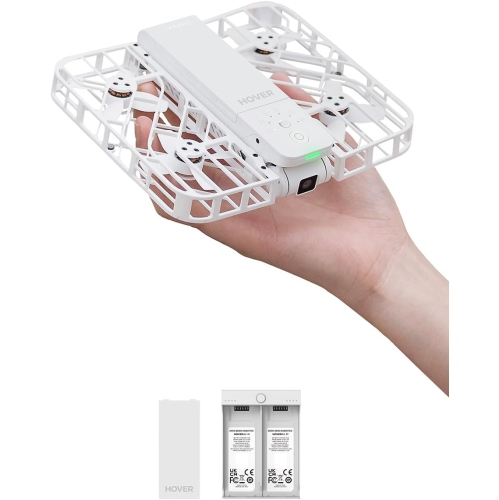
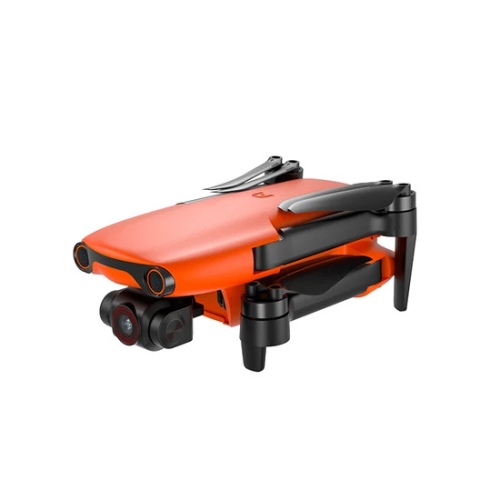
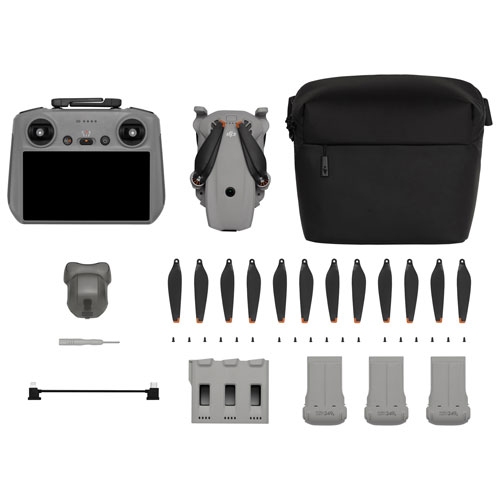
Physical design influences how a VR drone feels to fly, transport and maintain. Compact aircraft can be easier to pack, while larger frames may provide room for different cameras, batteries or protective components. Moulded plastic bodies are common in recreational designs, and carbon fibre frames appear in some performance-focused FPV aircraft. Material alone does not determine durability: frame construction, exposed components, landing surfaces and access to replacement parts all affect long-term use. Propeller guards can reduce contact with the blades, especially during controlled practice, but they do not make an aircraft harmless or suitable for flying close to people. A guarded design may suit a novice’s intended use, whereas an experienced pilot may prefer a different balance of protection, weight and handling. Serviceable arms, replaceable propellers and clearly documented maintenance procedures can make routine upkeep more straightforward, provided repairs follow the manufacturer’s directions. Goggles deserve the same attention as the aircraft. An adjustable head strap, balanced weight and a comfortable face cushion help during repeated sessions, while lens adjustment and prescription-lens support can matter for people who wear glasses. Headset fit is personal; pressure across the nose, light leaking around the face seal or an image that is difficult to focus can detract from an otherwise capable system. Immersive movement can also cause discomfort for some wearers, making short sessions and regular breaks sensible. Controller shape, stick tension and button placement affect comfort, particularly when precise movements are needed. Battery planning is another practical consideration because advertised flight time is measured under specified conditions, and usable time varies with how the aircraft is flown and configured. Batteries, controllers and goggles may each have separate charging needs. Protective cases, lens covers and secure compartments help prevent scratches and transport damage. Routine care includes checking propellers for cracks, keeping camera and headset lenses clean with suitable materials, and following the manufacturer’s charging and storage directions.
VR drones appeal to several kinds of users, from hobbyists curious about an aircraft’s-eye view to experienced pilots interested in precision flying and creators exploring moving aerial perspectives. On a permitted practice field, even a broad turn around a clearly marked point can feel very different through goggles than it does on a handheld screen. For an aerial video enthusiast, the appeal may be seeing how a camera moves past a landscape feature before deciding which footage to keep. Racing and freestyle interests bring different demands, including responsive controls, repairability and space appropriate to the activity. These uses are not interchangeable, so the intended flying style matters more than the label alone. The Advanced Drones category is also relevant to shoppers considering flight and camera capabilities beyond headset-based viewing. As a gift, a VR drone is most suitable when the recipient’s experience, compatible equipment and access to a lawful flying location are understood. A younger recipient may need adult supervision, and a headset-based system can involve more setup and responsibility than a simple remote-controlled toy. Complete-system compatibility is particularly important when goggles, controllers, batteries or chargers are purchased separately. Responsible operation is central to the experience in Canada. Registration, pilot certification and operating requirements depend on factors such as aircraft weight, flight location and the type of operation; current Transport Canada requirements should be checked before flying. Wearing goggles limits the pilot’s direct view of the aircraft and surrounding airspace, so FPV operation requires particular attention to applicable visual-line-of-sight and visual-observer rules. A video feed alone does not provide a complete view of nearby aircraft, people or obstacles. Local restrictions, property permissions and privacy also matter, especially when a camera could capture neighbouring homes or people who are not involved in the flight. With suitable space, compatible equipment and realistic expectations about practice and upkeep, VR drones can bring together hands-on flying, camera work and an engaging new perspective on familiar surroundings.
Top selling and popular products
-
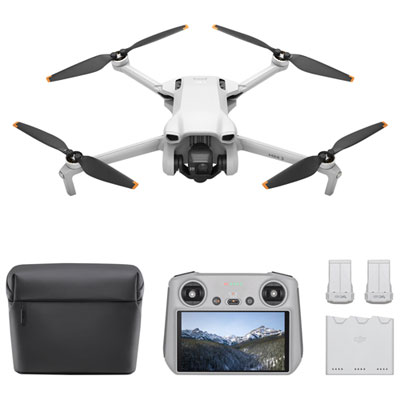 Your price for this item is $689.97
-
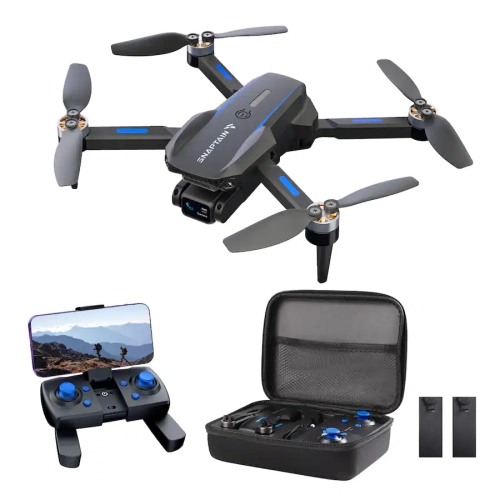 Your price for this item is $109.98
-
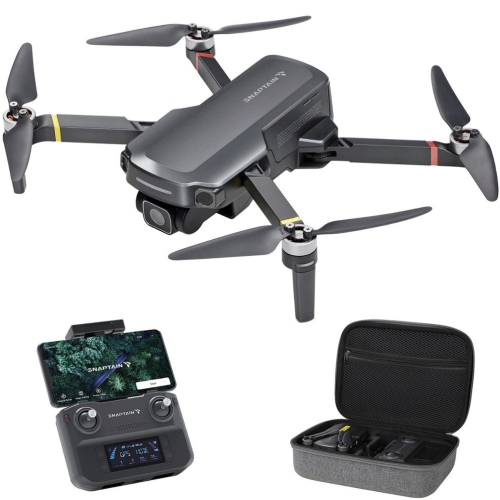 Your price for this item is $279.9
-
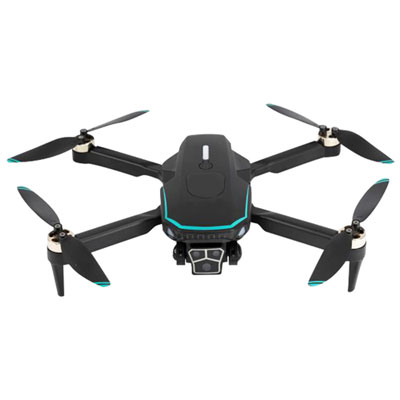 Your price for this item is $79.99
-
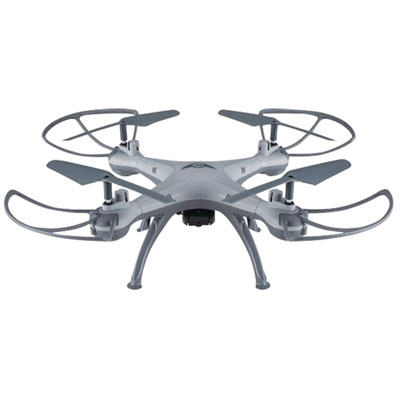 Your price for this item is $49.99
-
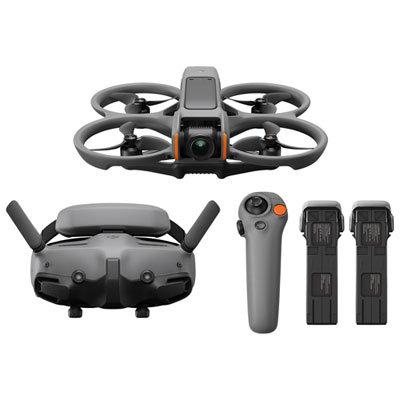 Your price for this item is $1279.99
-
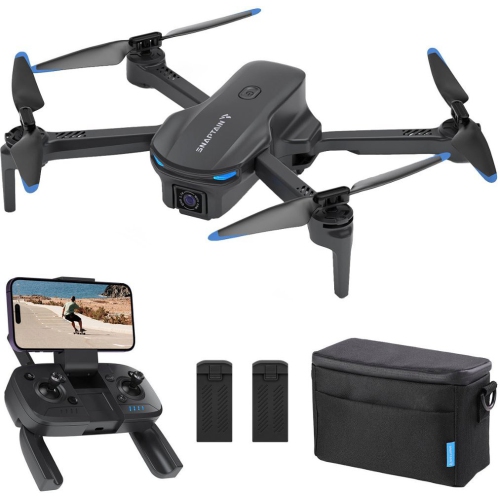 Your price for this item is $189.9
-
 Your price for this item is $205.99
Discover more categories related to VR Drones
Top Collections:
Best Black Friday Deals This Year, Best Black Friday Deals On Electronics, Kindle Devices, Best Black Friday Deals On Apple Products, Best Budget Office Chairs, Best Cameras for Sports Photography, Dyson Airwrap, Canon G7X Cameras, Best Laptops for Writers, Samsung Galaxy Phones
Some products may be subject to Environmental Handling Fees
(EHF) depending on your province.
Learn more about EHFs.