Wide Angle Lenses for Astrophotography
Wide Angle Lenses for Astrophotography offer photography enthusiasts the perfect tools to capture breathtaking views of the night sky. With expansive fields of view, these lenses make it easy to frame sweeping landscapes alongside stars, planets, and celestial events. Whether you are a beginner eager to explore astrophotography or an experienced stargazer looking to upgrade your gear, finding the right wide angle lens can elevate your nighttime photography experience. Explore a range of options designed to help you achieve stunning clarity and impressive results under the stars.
Sort
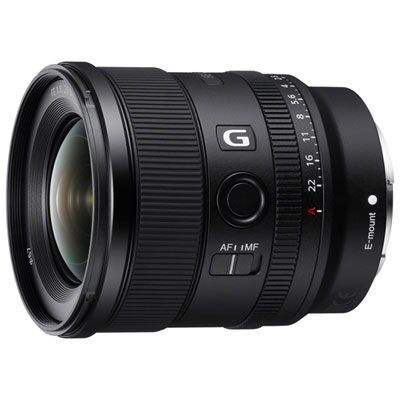

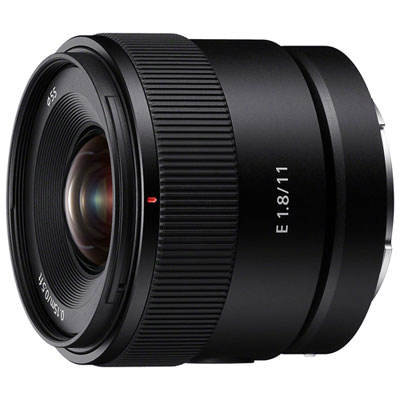
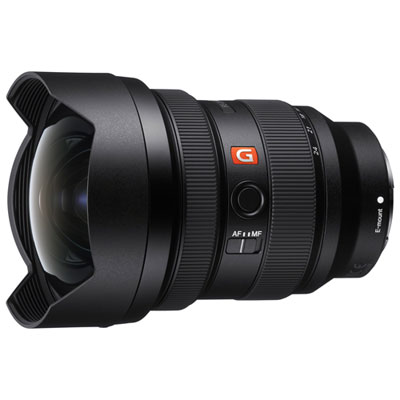
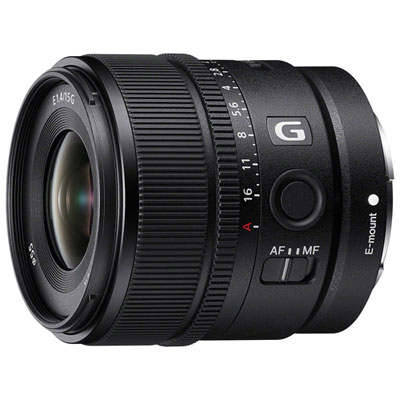
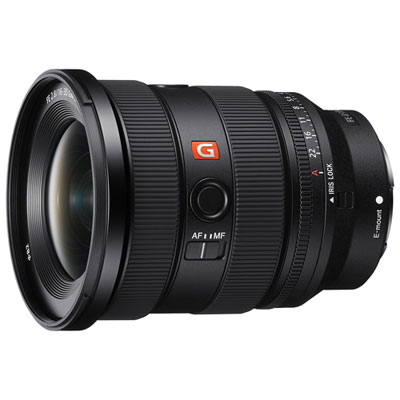

Why fast apertures matter under starry skies
Wide angle lenses designed for astrophotography have become essential tools for photographers aiming to capture the grandeur of the night sky. These lenses, typically ranging from 14mm to 24mm in focal length for full-frame cameras, or 10mm to 16mm for APS-C sensors, are prized for their ability to encompass sweeping vistas of stars, the Milky Way, and celestial phenomena. Their appeal goes beyond professionals—enthusiasts, hobbyists, and even those new to night sky photography are drawn to the creative possibilities these lenses unlock. As the evenings grow warmer and the nights stretch longer, many find themselves venturing outside to take advantage of clear skies and minimal light pollution, making this an ideal time to experiment with astrophotography. A wide angle lens with a fast aperture, such as f/2.8 or wider, is especially valuable for this genre, as it allows more starlight to reach the sensor, resulting in brighter, more detailed images with less noise. The ability to use lower ISO settings and shorter exposure times not only preserves image quality but also makes it easier to capture sharp stars and vibrant colours, even in challenging low-light conditions.
When considering which wide angle lens to choose for astrophotography, several factors come into play. Image sharpness across the frame is crucial, as stars in the corners can reveal imperfections that might be overlooked in daytime photography. Lenses with minimal distortion and good control of coma (a type of aberration that causes star points to appear as small comets) are highly sought after. Manual focus is often preferred, since precise focusing on distant stars is best achieved by hand, and many dedicated astrophotography lenses are designed with smooth, responsive manual focus rings. Build quality matters too, especially for those planning to shoot in dewy fields, on chilly mountaintops, or during late-night excursions when gear is exposed to the elements. For anyone giving a wide angle lens as a gift—perhaps to a photography student, an outdoor adventurer, or a family member who loves stargazing—these considerations help ensure the lens will be both practical and inspiring. The versatility of a wide angle lens also means it can be used for landscape, architecture, and travel photography, making it a thoughtful and enduring present.
Astrophotographers often recount the thrill of seeing their first Milky Way image appear on the camera’s screen, the result of careful planning, patience, and the right equipment. A reliable wide angle lens transforms the experience, allowing photographers to frame dramatic foregrounds—mountains, lakes, forests, or even city skylines—beneath a tapestry of stars. As the season transitions from spring into summer, opportunities abound: meteor showers, lunar events, and the core of the Milky Way rising higher in the sky. Whether capturing a panoramic shot of the night sky from a dark-sky preserve, documenting a camping adventure with friends, or simply experimenting in the backyard, a specialized wide angle lens for astrophotography opens up creative avenues that standard lenses cannot match. For those eager to explore the universe from their own corner of the world, investing in a quality wide angle lens is a step towards unforgettable images and lasting memories under the stars.
When considering which wide angle lens to choose for astrophotography, several factors come into play. Image sharpness across the frame is crucial, as stars in the corners can reveal imperfections that might be overlooked in daytime photography. Lenses with minimal distortion and good control of coma (a type of aberration that causes star points to appear as small comets) are highly sought after. Manual focus is often preferred, since precise focusing on distant stars is best achieved by hand, and many dedicated astrophotography lenses are designed with smooth, responsive manual focus rings. Build quality matters too, especially for those planning to shoot in dewy fields, on chilly mountaintops, or during late-night excursions when gear is exposed to the elements. For anyone giving a wide angle lens as a gift—perhaps to a photography student, an outdoor adventurer, or a family member who loves stargazing—these considerations help ensure the lens will be both practical and inspiring. The versatility of a wide angle lens also means it can be used for landscape, architecture, and travel photography, making it a thoughtful and enduring present.
Astrophotographers often recount the thrill of seeing their first Milky Way image appear on the camera’s screen, the result of careful planning, patience, and the right equipment. A reliable wide angle lens transforms the experience, allowing photographers to frame dramatic foregrounds—mountains, lakes, forests, or even city skylines—beneath a tapestry of stars. As the season transitions from spring into summer, opportunities abound: meteor showers, lunar events, and the core of the Milky Way rising higher in the sky. Whether capturing a panoramic shot of the night sky from a dark-sky preserve, documenting a camping adventure with friends, or simply experimenting in the backyard, a specialized wide angle lens for astrophotography opens up creative avenues that standard lenses cannot match. For those eager to explore the universe from their own corner of the world, investing in a quality wide angle lens is a step towards unforgettable images and lasting memories under the stars.
Top selling and popular products
-
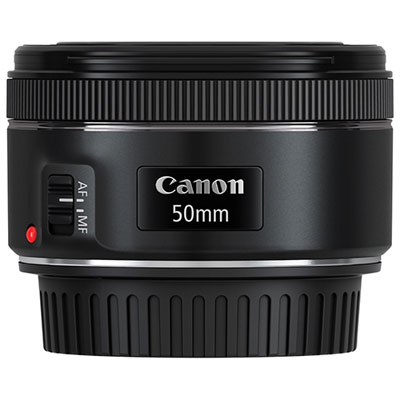 Your price for this item is $169.99
 -
 Your price for this item is $329.99
 -
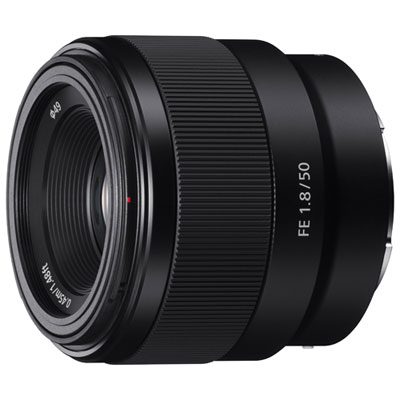 Your price for this item is $349.99
 -
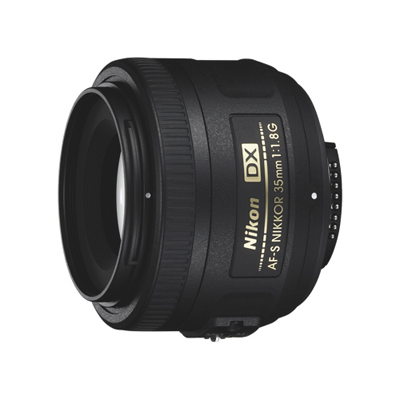 Your price for this item is $258.98
 -
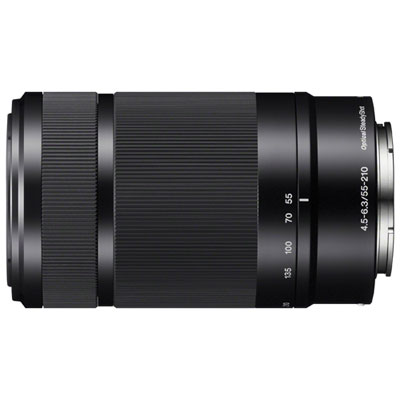 Your price for this item is $399.99
 -
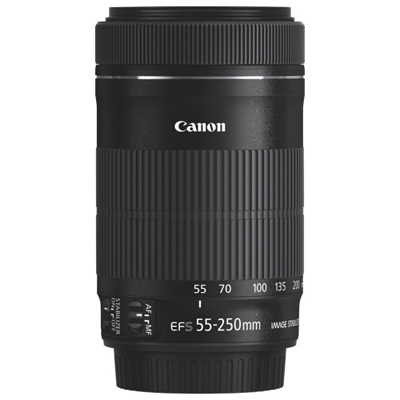 Your price for this item is $399.99
 -
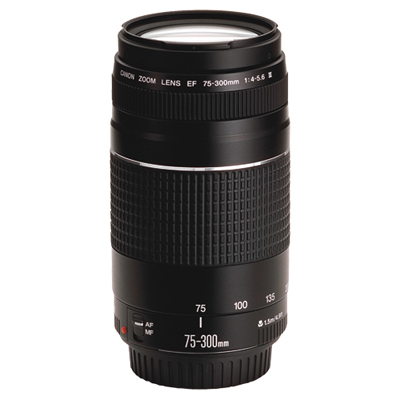 Your price for this item is $199.99
 -
 Your price for this item is $174.99
Discover more categories related to Wide Angle Lenses for Astrophotography

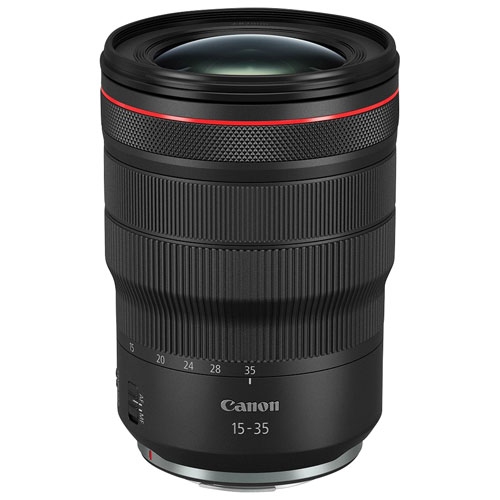
Top Collections:
Pokemon Centers, Kindle Devices, Best Cell Phones Under $500, Alarm Clock, Canon G7X Cameras, iPhone 15 Apple, Laptops for Students, Budget Smartphones, iPhone 14 256GB, Best Camera Tripods Under $100
Some products may be subject to Environmental Handling Fees
(EHF) depending on your province.
Learn more about EHFs.