Telephoto Camera Lenses for Astrophotography
Capture the wonders of the night sky with telephoto camera lenses for astrophotography. These specialized lenses are designed to help you photograph distant stars, planets, and celestial events in stunning detail. Whether you're an experienced astronomer or just beginning your journey into night sky photography, exploring telephoto camera lenses for astrophotography can elevate your images and bring cosmic scenes closer than ever before. Discover options that suit your camera setup and start creating breathtaking astrophotography shots with precision and clarity.
Sort

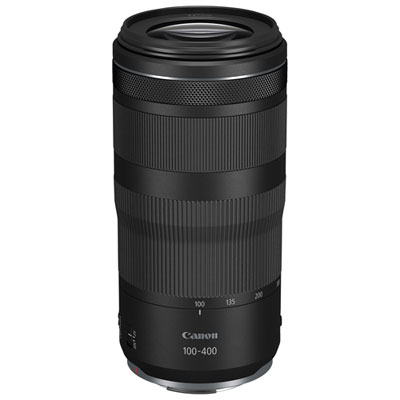
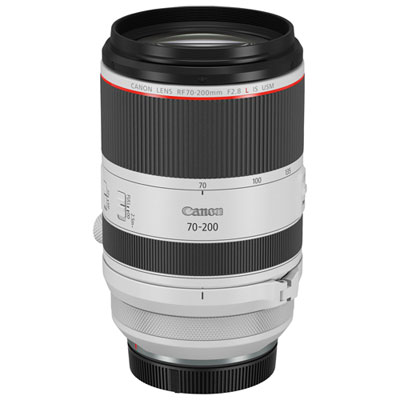
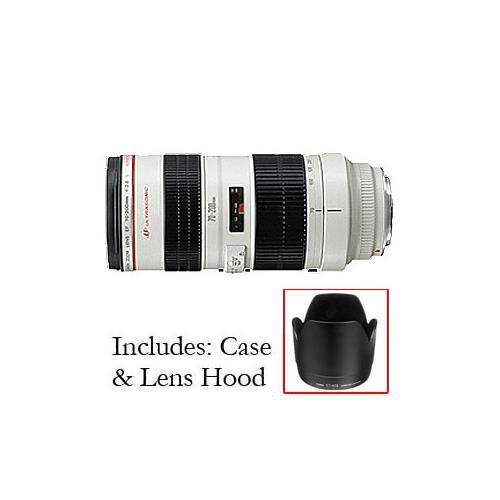
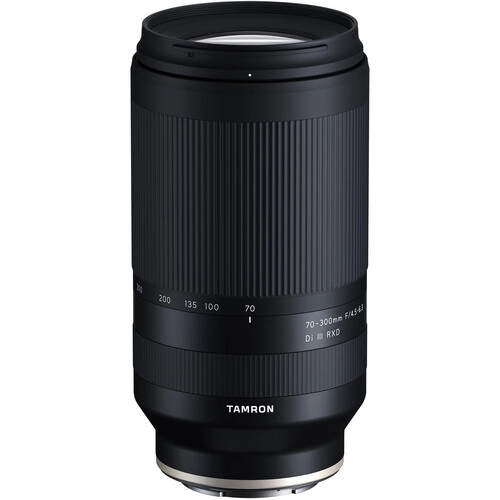
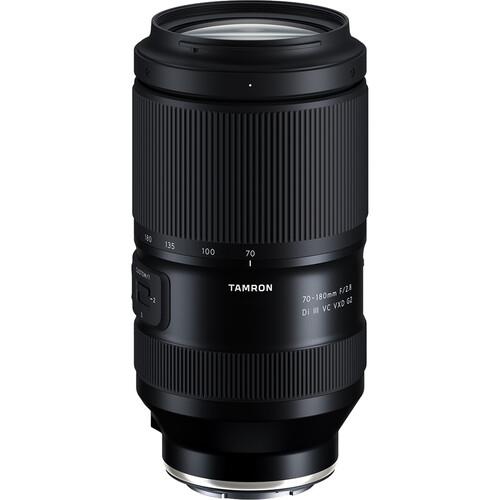
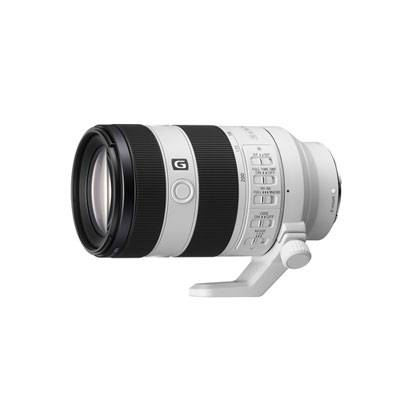
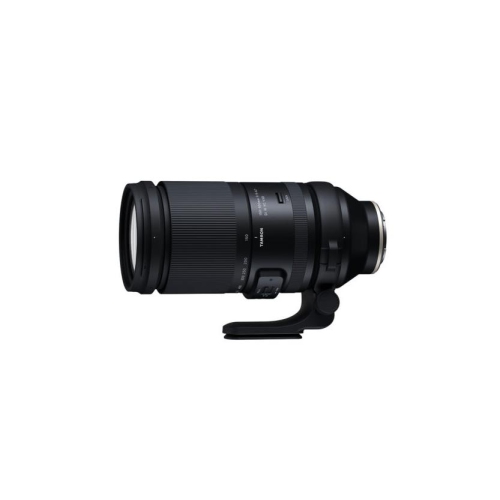
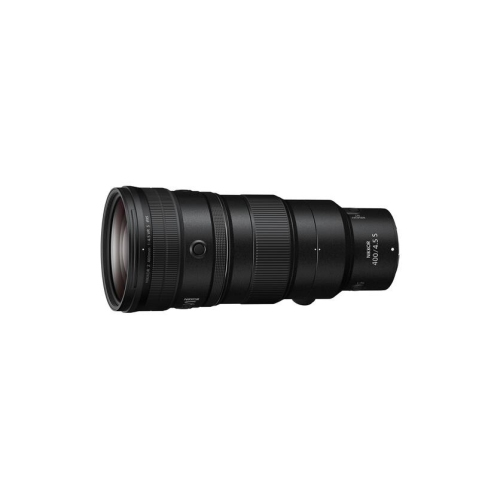
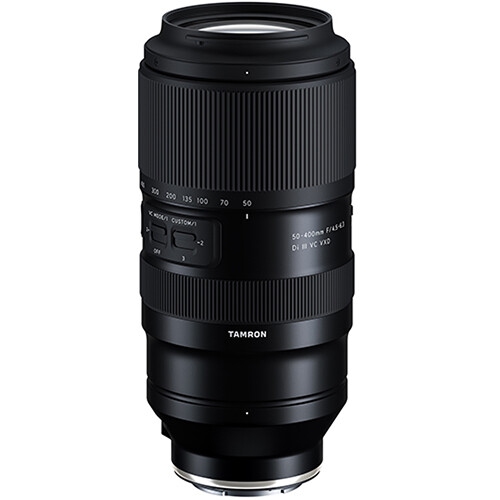
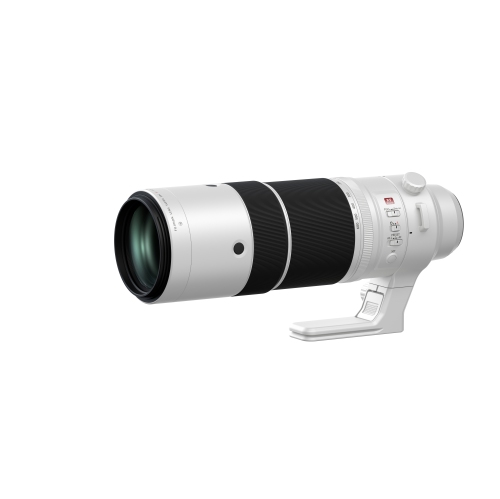
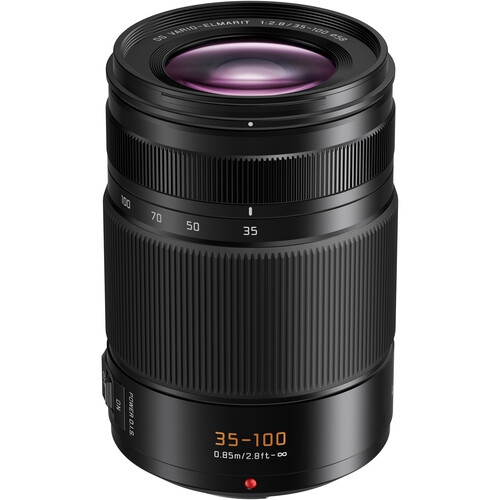
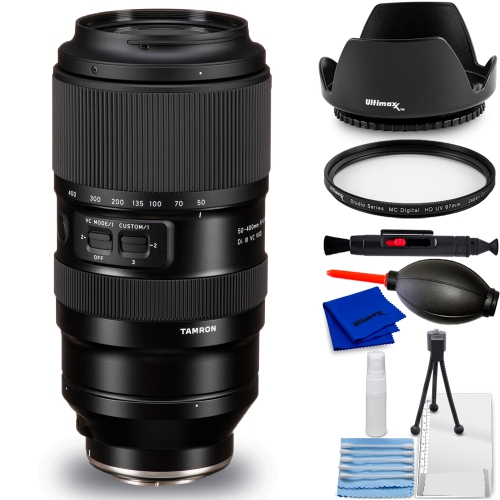
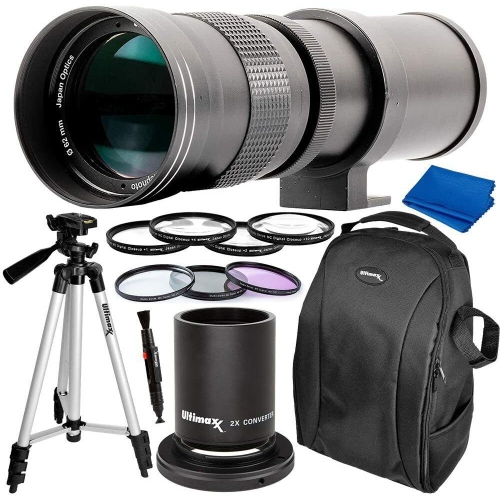
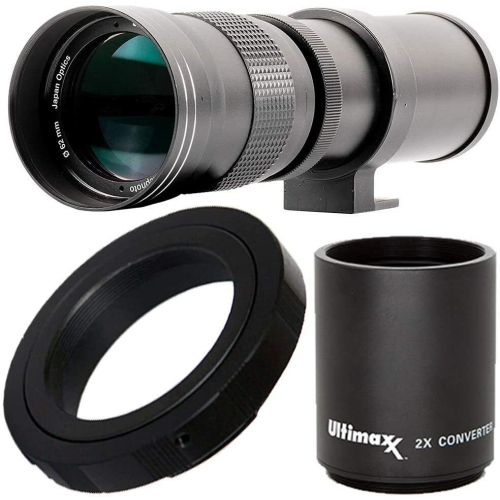
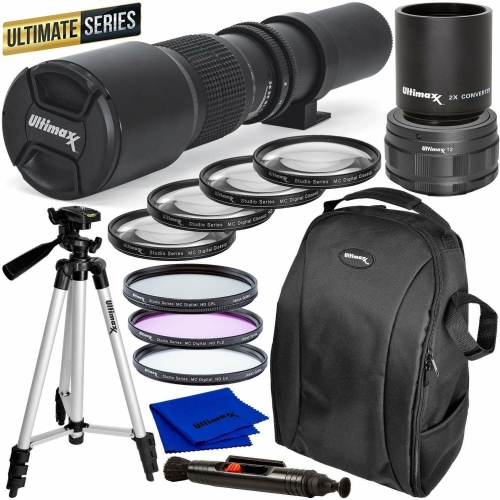
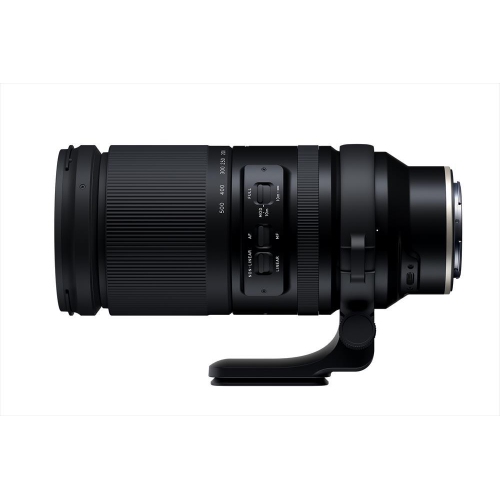
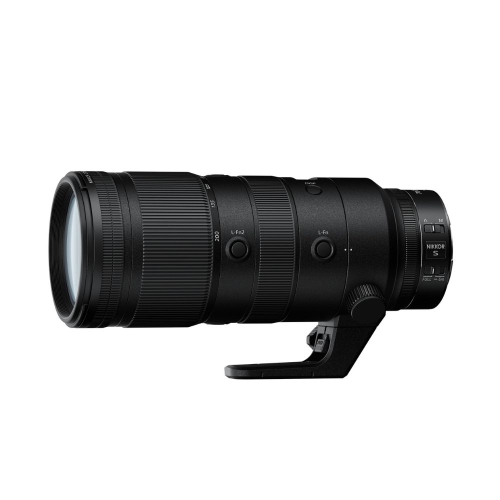
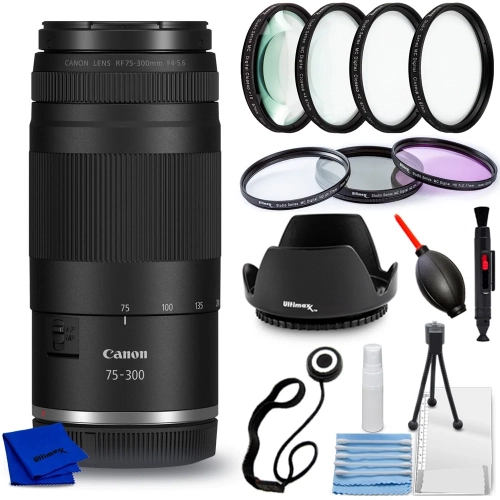
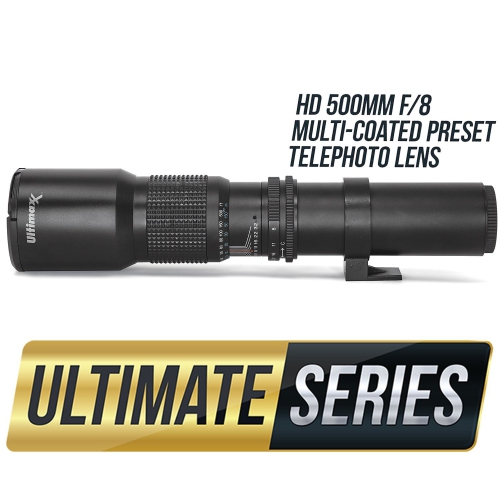
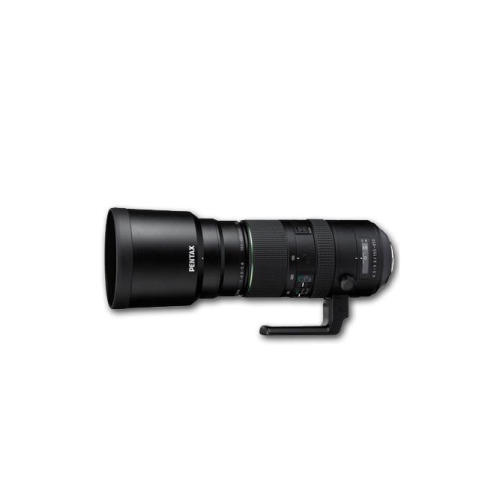
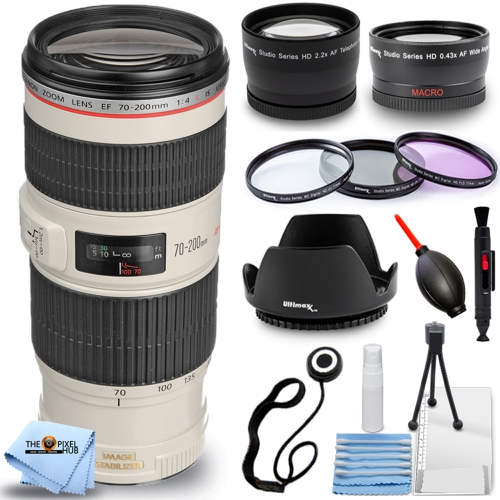
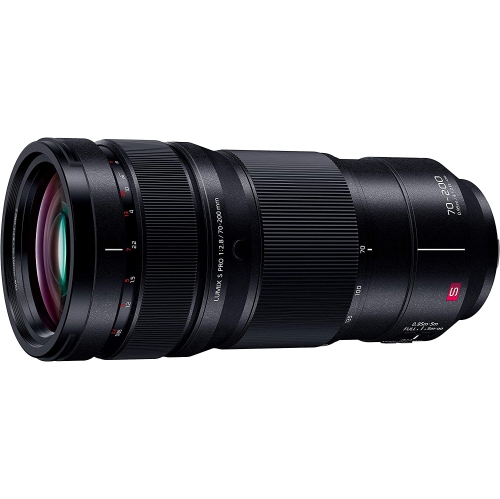
Sharper views of nebulae, galaxies, and star fields
Astrophotography is a captivating pursuit that draws in photographers of all experience levels, from beginners eager to capture their first starry sky to seasoned enthusiasts chasing deep-sky wonders. Telephoto camera lenses designed for astrophotography are essential tools for those looking to explore the universe beyond the naked eye. These lenses excel at isolating distant celestial objects, such as nebulae, star clusters, and galaxies, making them a popular choice for anyone fascinated by the night sky. As the weather shifts from the warmth of summer into the crisp, clear nights of fall, conditions often become ideal for stargazing and astrophotography—longer evenings and less atmospheric disturbance can reveal breathtaking cosmic scenes. Whether you’re heading out to a dark-sky preserve or simply setting up in your backyard, a telephoto lens can transform your experience, letting you zoom in on intricate details that wide-angle lenses might miss.
Selecting the right telephoto lens for astrophotography involves careful consideration of several features. Fast apertures—typically f/2.8 or wider—are highly sought after, as they allow more faint starlight to reach your camera’s sensor, resulting in brighter, sharper images with less digital noise. Precise manual focus is also essential, since autofocus systems often struggle in low-light conditions; many astrophotographers rely on manual adjustments to ensure pinpoint star sharpness. Chromatic aberration, which can cause unwanted colour fringing around stars, is another factor to keep in mind. High-quality optics with specialized coatings or extra-low dispersion glass can help minimize these distortions and deliver crisp, true-to-life star fields. For those interested in deep-sky imaging, focal lengths in the 100mm to 200mm range are especially useful, as they offer enough magnification to reveal the subtle structures of nebulae and galaxies without sacrificing too much field of view. Pairing a telephoto lens with a star tracker can further elevate your results, compensating for the Earth’s rotation and allowing for longer exposures without star trails.
Telephoto camera lenses for astrophotography make thoughtful gifts for hobbyists, students, or anyone with a passion for science and exploration. They are also a practical addition for photographers who already enjoy landscapes, wildlife, or travel photography, expanding their creative possibilities after sunset. Whether you’re planning to capture the glowing bands of the Milky Way, the swirling arms of a distant galaxy, or the delicate colours of a nebula, a well-chosen telephoto lens opens up a universe of photographic opportunities. For those who are especially interested in lunar photography, you can explore a dedicated collection of Telephoto Lenses for Moon Photography to find options tailored to capturing every crater and detail of the moon’s surface. With the right lens in hand, each clear night becomes an invitation to document the wonders above, creating images that inspire curiosity and awe for years to come.
Selecting the right telephoto lens for astrophotography involves careful consideration of several features. Fast apertures—typically f/2.8 or wider—are highly sought after, as they allow more faint starlight to reach your camera’s sensor, resulting in brighter, sharper images with less digital noise. Precise manual focus is also essential, since autofocus systems often struggle in low-light conditions; many astrophotographers rely on manual adjustments to ensure pinpoint star sharpness. Chromatic aberration, which can cause unwanted colour fringing around stars, is another factor to keep in mind. High-quality optics with specialized coatings or extra-low dispersion glass can help minimize these distortions and deliver crisp, true-to-life star fields. For those interested in deep-sky imaging, focal lengths in the 100mm to 200mm range are especially useful, as they offer enough magnification to reveal the subtle structures of nebulae and galaxies without sacrificing too much field of view. Pairing a telephoto lens with a star tracker can further elevate your results, compensating for the Earth’s rotation and allowing for longer exposures without star trails.
Telephoto camera lenses for astrophotography make thoughtful gifts for hobbyists, students, or anyone with a passion for science and exploration. They are also a practical addition for photographers who already enjoy landscapes, wildlife, or travel photography, expanding their creative possibilities after sunset. Whether you’re planning to capture the glowing bands of the Milky Way, the swirling arms of a distant galaxy, or the delicate colours of a nebula, a well-chosen telephoto lens opens up a universe of photographic opportunities. For those who are especially interested in lunar photography, you can explore a dedicated collection of Telephoto Lenses for Moon Photography to find options tailored to capturing every crater and detail of the moon’s surface. With the right lens in hand, each clear night becomes an invitation to document the wonders above, creating images that inspire curiosity and awe for years to come.
Top selling and popular products
-
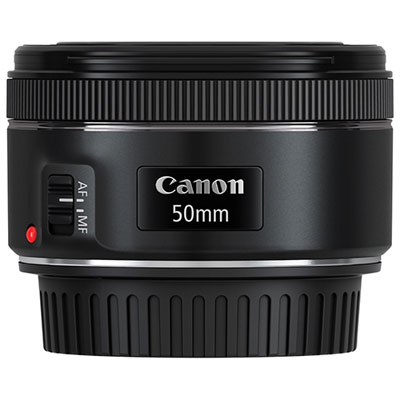 Your price for this item is $169.99
 -
 Your price for this item is $329.99
 -
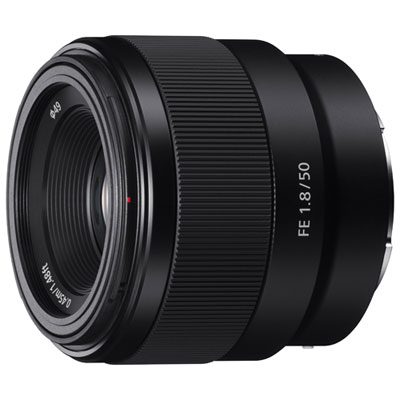 Your price for this item is $349.99
 -
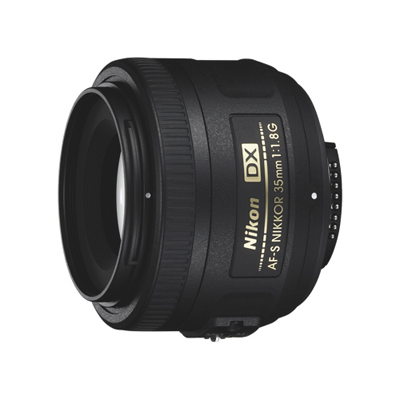 Your price for this item is $258.98
 -
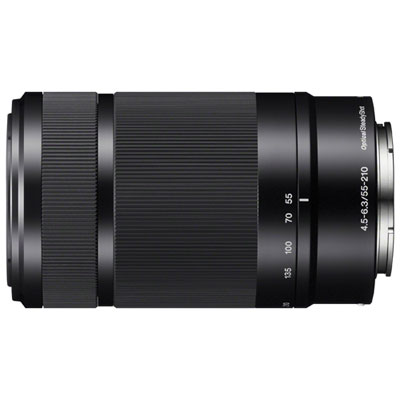 Your price for this item is $399.99
 -
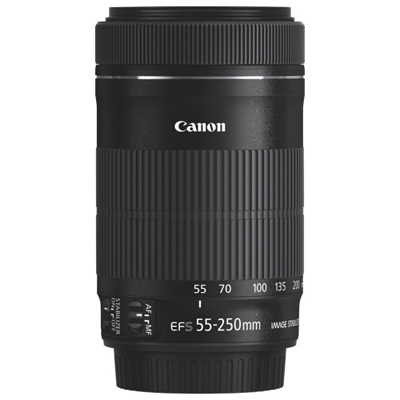 Your price for this item is $399.99
 -
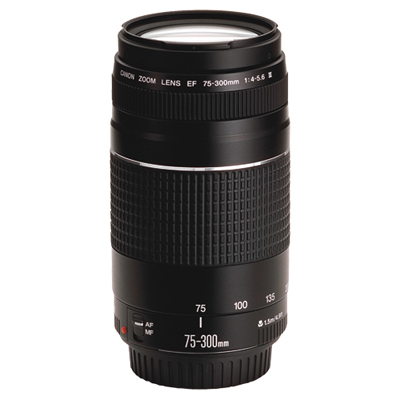 Your price for this item is $199.99
 -
 Your price for this item is $174.99
Discover more categories related to Telephoto Camera Lenses for Astrophotography
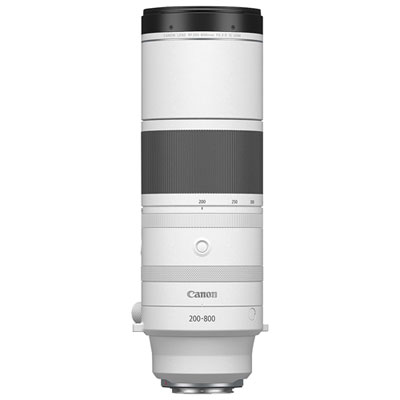
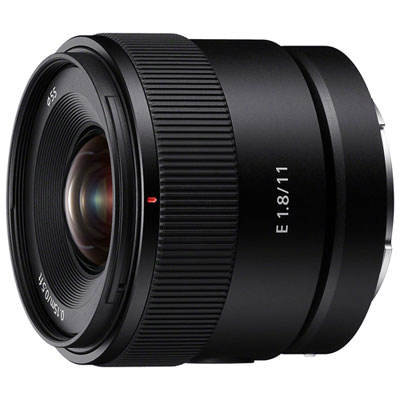

Top Collections:
Pokemon Centers, Kindle Devices, Best Cell Phones Under $500, Alarm Clock, Canon G7X Cameras, iPhone 15 Apple, Laptops for Students, Budget Smartphones, iPhone 14 256GB, Best Camera Tripods Under $100
Some products may be subject to Environmental Handling Fees
(EHF) depending on your province.
Learn more about EHFs.