2tb Micro Sd
Looking to expand your device's storage capacity? Look no further than the 2TB micro SD cards available at Best Buy Canada. With their compact size and impressive storage capabilities, these micro SD cards are perfect for storing all your photos, videos, music, and more. Whether you're a photographer looking to capture every moment in high resolution or a gamer in need of extra space for your digital library, our selection of 2TB micro SD cards has got you covered. Explore our range of options and find the perfect solution to meet your storage needs today.
Sort
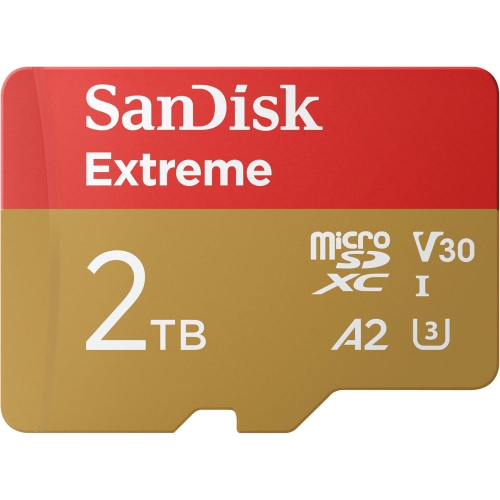
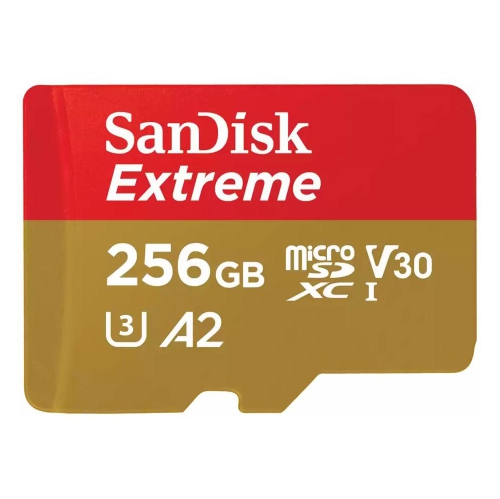
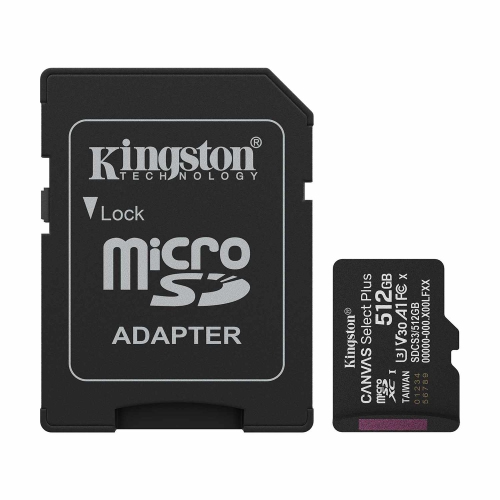
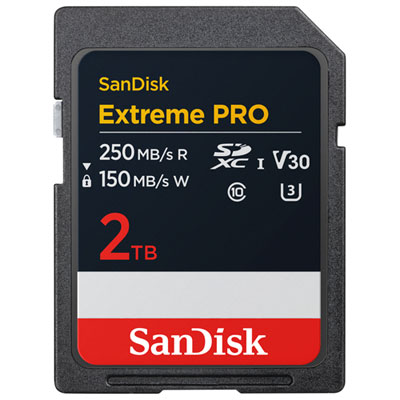
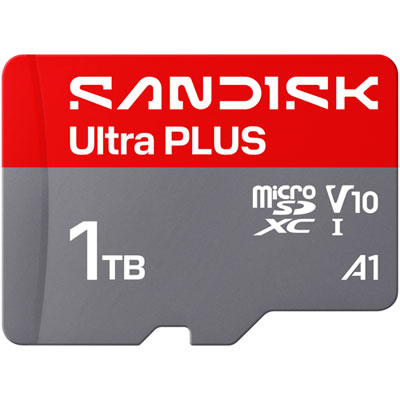
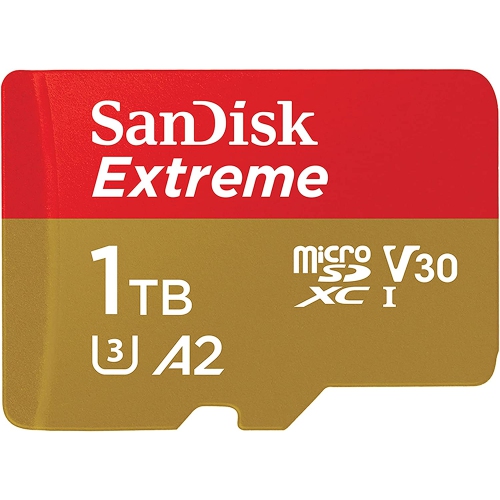
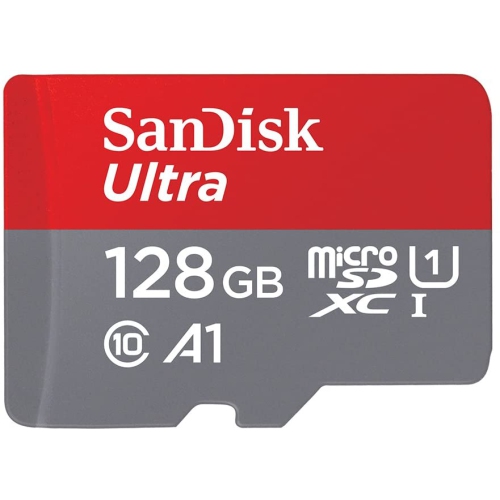
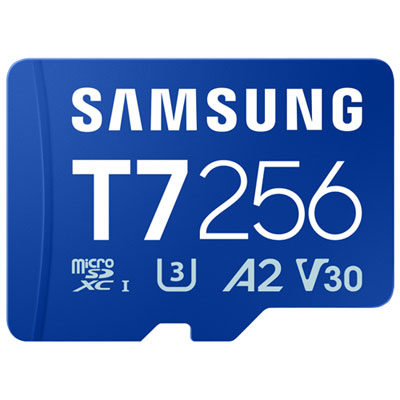
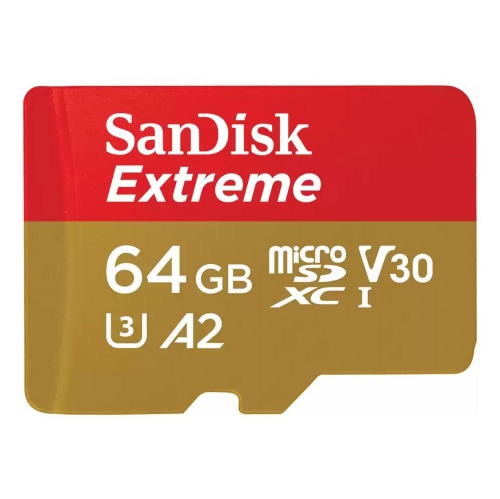
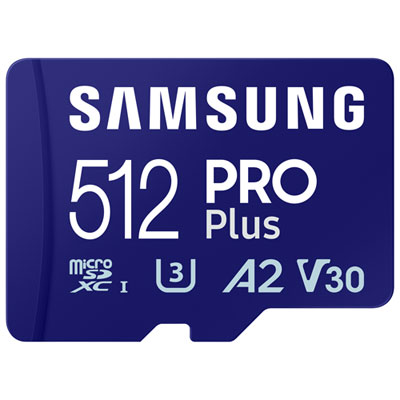
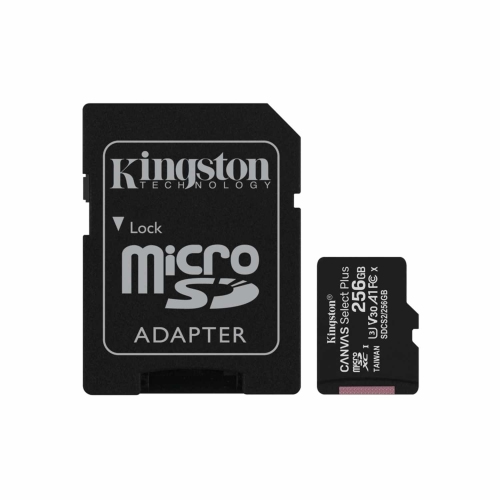
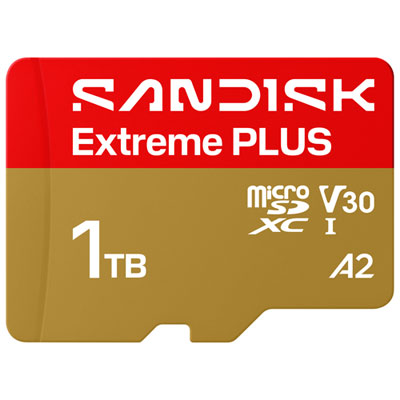
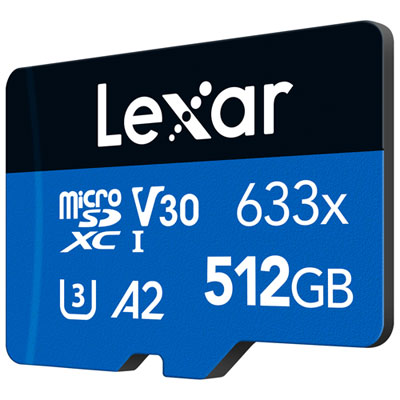
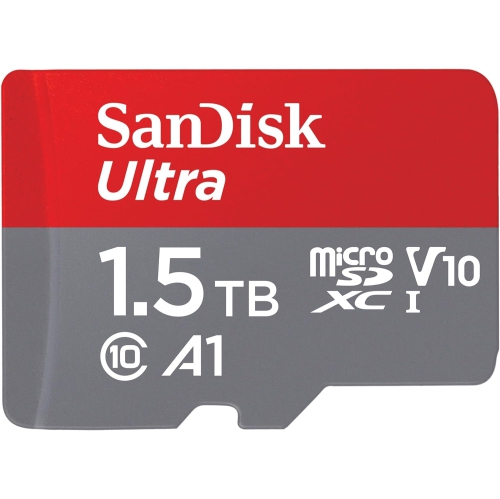
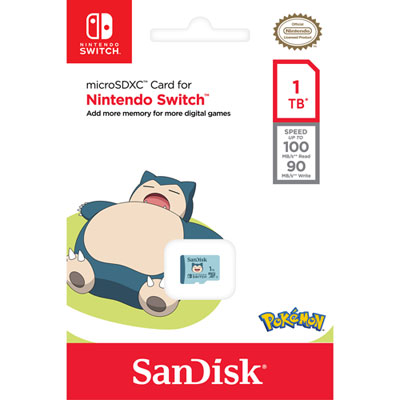
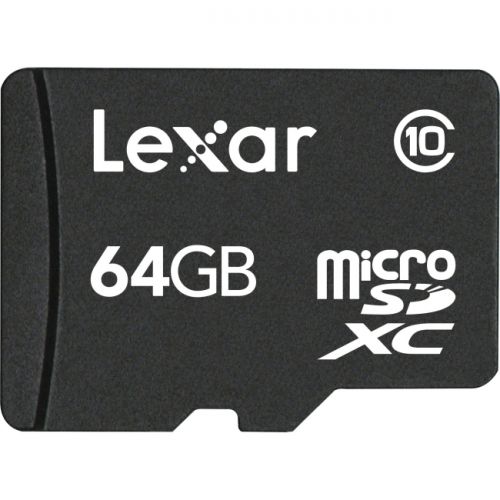
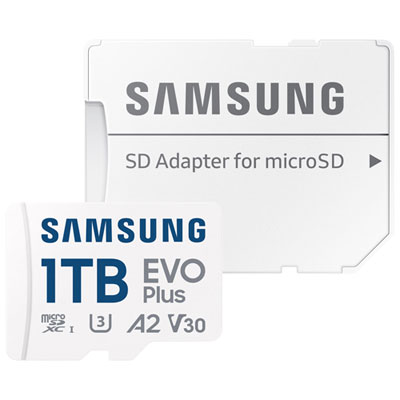
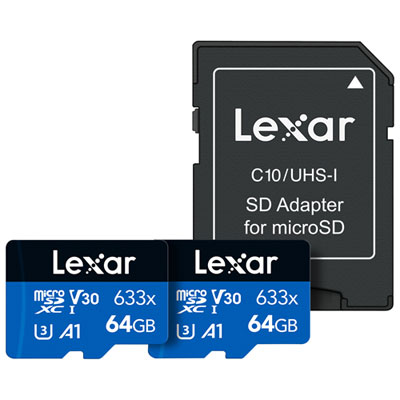
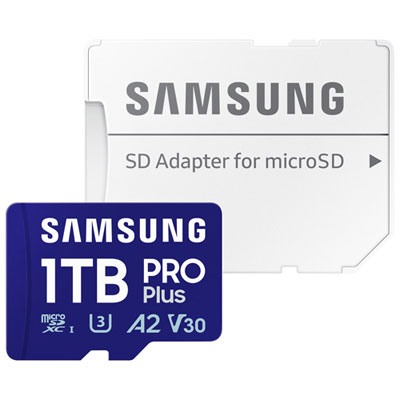
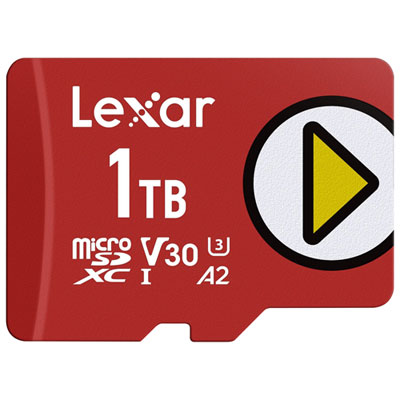
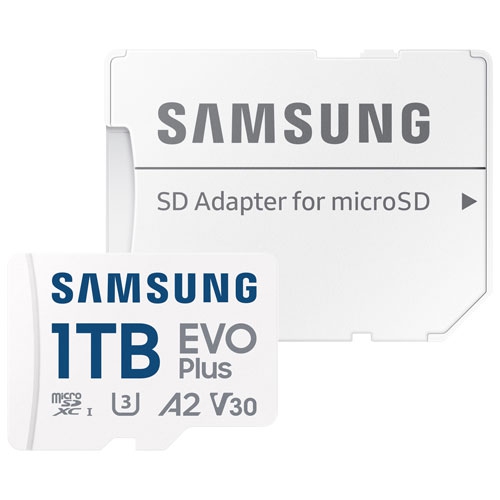
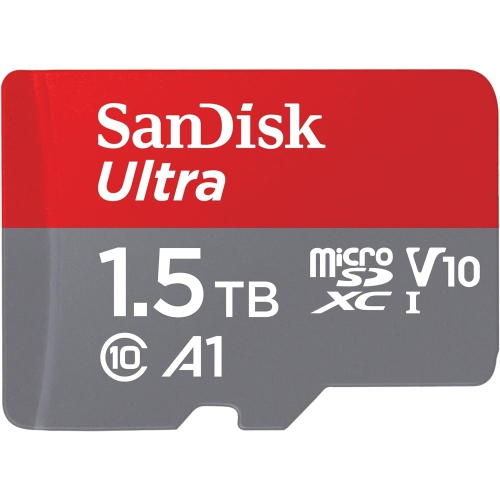
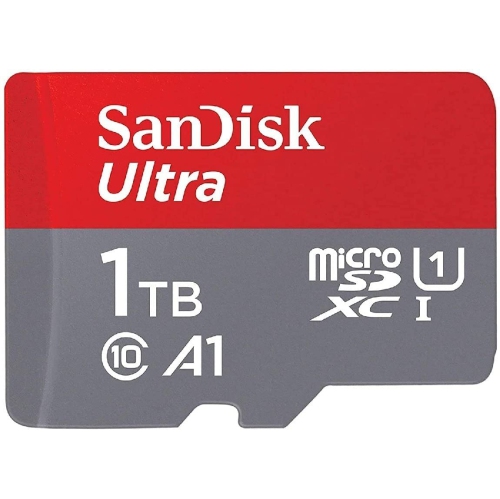
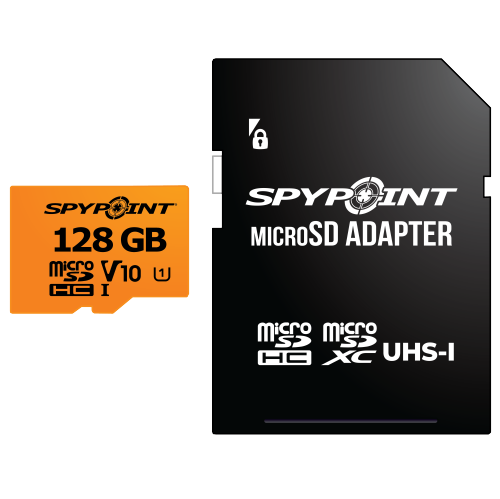

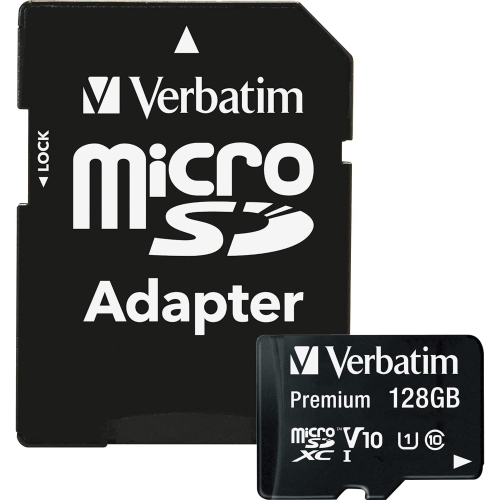
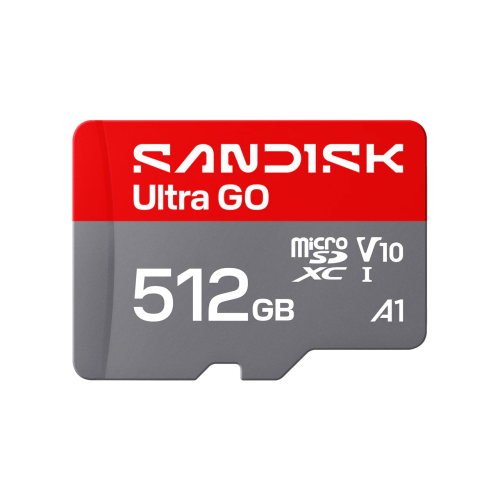
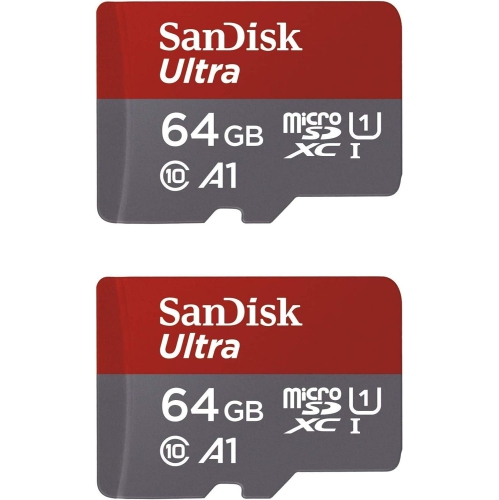
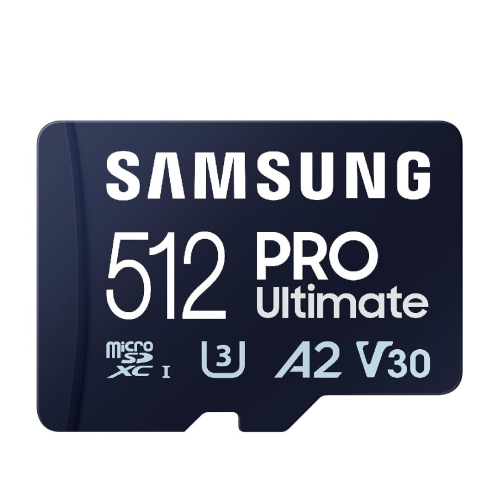
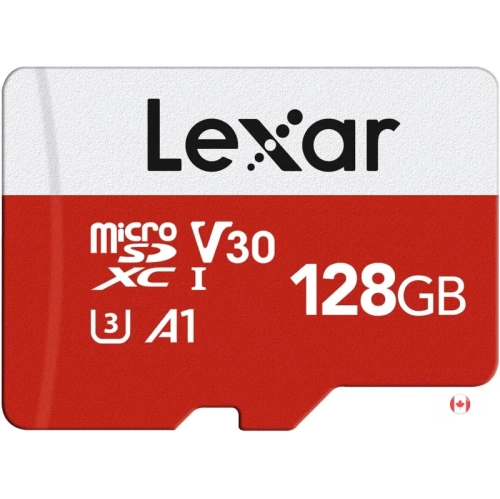
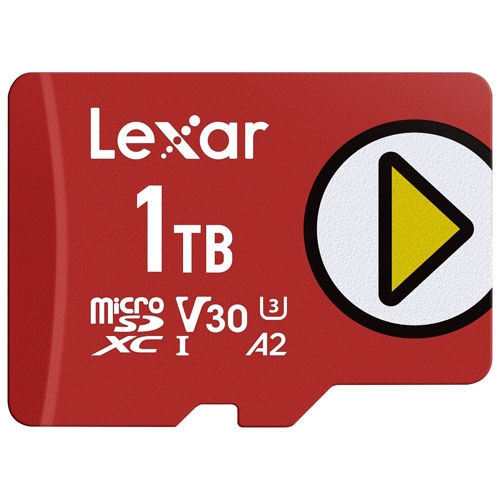
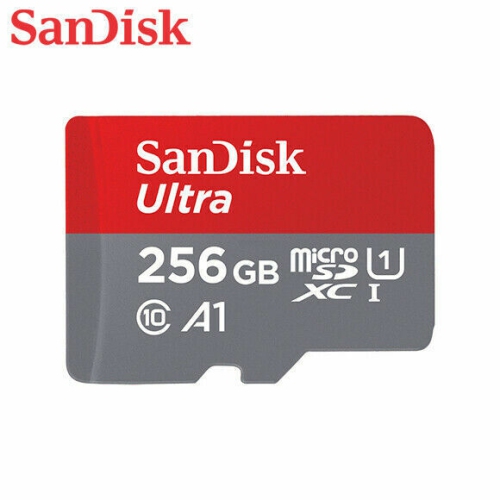
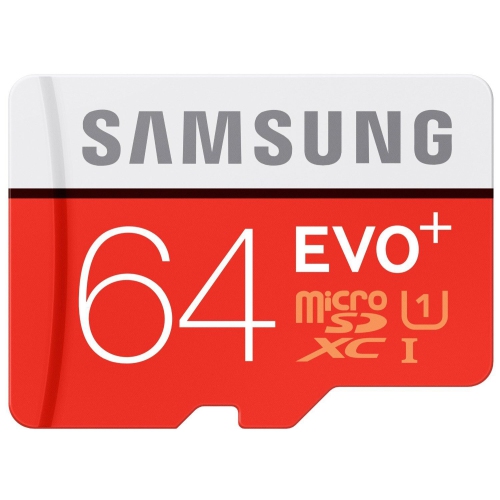
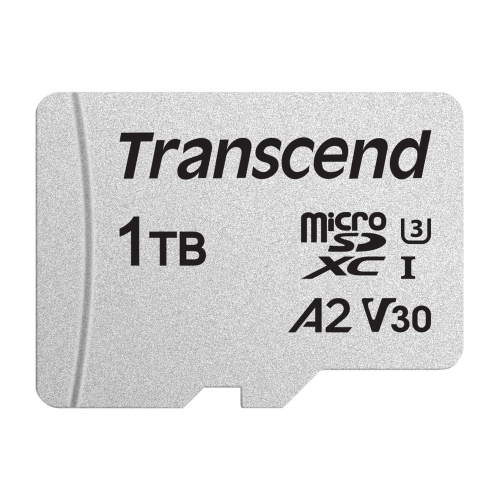
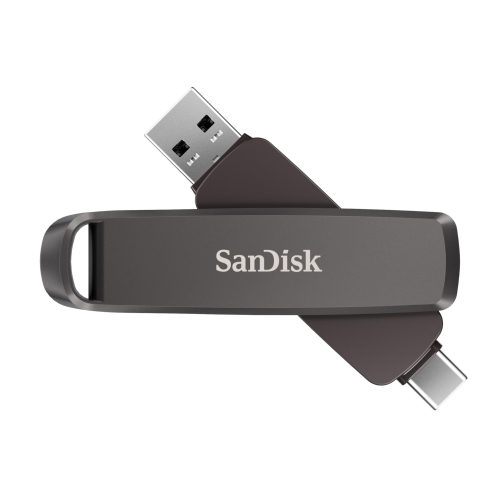
More room for games and footage between transfers
A 2TB microSD card provides high-capacity, removable storage for compatible smartphones, action cameras, drones, handheld gaming consoles and other devices with a supported card slot. It can hold a substantial mix of video, photos, downloaded games, music and documents in a format small enough to sit on a fingertip. For someone carrying a large game library or capturing lengthy video sessions, that capacity means more room between transfers to a computer or external drive. These cards belong to the microSDXC capacity range, but support for microSDXC alone does not guarantee that a device accepts 2TB. The device’s stated maximum capacity and supported card standard remain important, especially with older hardware. Some newer gaming devices require microSD Express for particular functions, so a conventional microSDXC card is not automatically interchangeable with every similarly shaped option. A standard microSD card measures approximately 15 mm by 11 mm by 1 mm, with a thin plastic casing that encloses flash memory and exposed contacts along one edge. Its physical size is different from a full-size SD card, although a suitable adapter can allow it to fit a compatible SD slot. An adapter changes the physical fit, not the host device’s capacity limits or supported functions. The advertised 2TB represents approximately two trillion bytes; the capacity displayed after formatting can be lower because of formatting overhead and differences in how devices report storage. Large microSDXC cards commonly use exFAT, which supports files larger than 4GB, but the receiving device must support that file system. Formatting through the device that will use the card often establishes the expected file structure. Because formatting erases existing content, any files worth keeping need to be copied elsewhere first. These compatibility details matter whether the card will carry a collection of films for travel, store footage from a mounted camera or expand a supported phone’s media library.
Capacity describes how much a card holds, while speed describes how efficiently it handles the work. A 2TB microSD card used mainly for downloaded music or photos has different performance demands from one recording high-bitrate video or loading game assets. Read speed affects tasks such as opening files and copying footage from the card, while write speed matters when saving new content. A prominent maximum transfer figure does not necessarily describe sustained writing performance, and reaching that figure may require a compatible reader and connection. For video capture, speed-class markings provide more useful context than capacity alone. U3 and V30 indicate a minimum sequential write speed of 30MB/s under their respective standards, but the recording device’s requirements still take priority. Higher-bitrate recording modes may call for a different rating or card type altogether. Resolution is only part of the picture: frame rate, compression and recording settings also influence how quickly storage fills. As a practical example, video recorded at 100 megabits per second uses about 45GB per hour before additional overhead, so recording time varies considerably with the selected mode. For games and supported apps, A1 and A2 markings describe application-performance requirements, including small, random data operations that differ from copying one large video file. A2 benefits depend on compatible host support, and neither marking guarantees identical loading times across devices. Removable storage may also be limited to media rather than app installation on some phones. A balanced match between card, device and workload is more useful than choosing by a single large number on the packaging. For a drone flight or an extended camera session, dependable sustained writing helps the device keep pace with incoming footage. For a handheld gaming library, read performance and the device’s own storage interface shape everyday loading behaviour. When transferring hundreds of gigabytes afterwards, the card reader, computer port and destination drive can each become a bottleneck, even when the card itself supports faster transfers.
The appeal of 2TB microSD storage is having a generous amount of space without adding a separate drive or cable to a portable setup. It suits photographers who want room for extensive image collections, travellers carrying downloaded entertainment, and players whose compatible handheld devices hold several large games. It can also be a thoughtful gift for someone who regularly captures video or manages a growing media library, provided the recipient’s device supports both the capacity and card type. A smaller capacity can be a better fit when files are transferred frequently or the device has a lower storage limit; Best 1TB Micro SD Cards offers a related capacity to consider. With any capacity, a card’s small size makes careful handling worthwhile. The casing is rigid but thin, and bending, crushing or forcing it into a slot can damage the card or its contacts. It should slide into the correct slot in the orientation shown by the device, without excessive pressure. A fitted storage case keeps spare cards from disappearing into a bag lining and helps protect their contacts from dirt and abrasion. Any resistance claims should be checked against the card’s stated specifications rather than assumed from its appearance. Moisture resistance, for example, does not mean that a device’s card slot is protected in the same way. Safe removal matters as much as physical care: stopping recording and allowing transfers to finish before ejecting the card reduces the risk of interrupted writes and damaged files. A large card also concentrates a significant amount of content in one very small object, so irreplaceable photos, finished projects and important documents still need separate backups. Copying footage after a shoot, checking that the files open correctly and keeping another copy elsewhere gives high-capacity storage a sensible role in an everyday routine. With the right device support and handling, a 2TB microSD card offers substantial portable space for the content that accompanies work, hobbies and entertainment.
Top selling and popular products
-
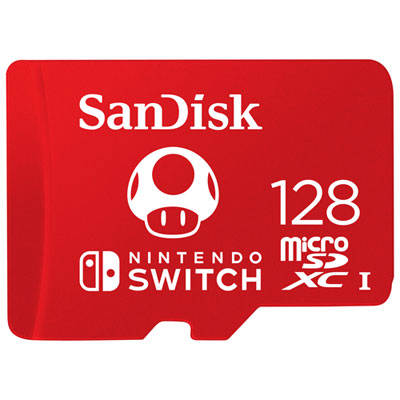 Your price for this item is $50.95
-
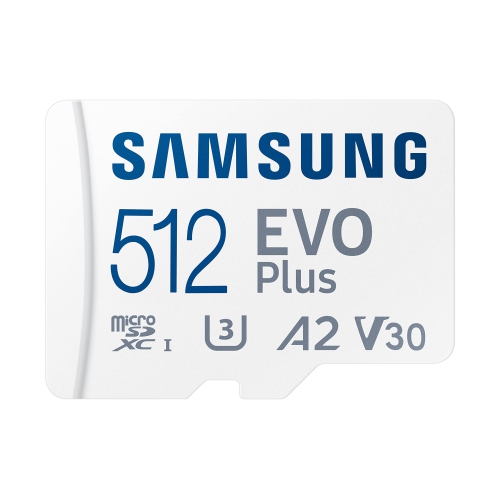 Your price for this item is $159.99
-
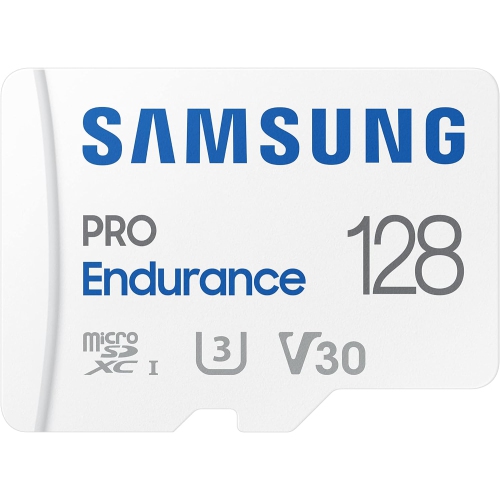 Your price for this item is $120.22
-
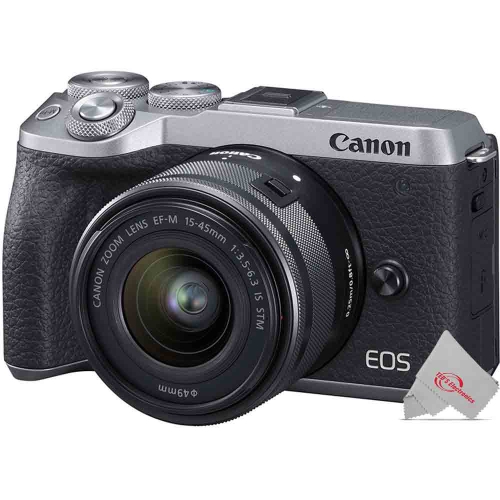 Your price for this item is $113.99
-
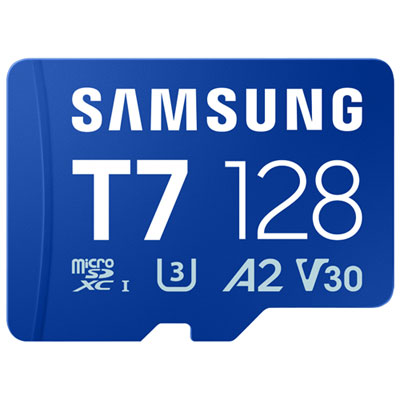 Your price for this item is $69.99
-
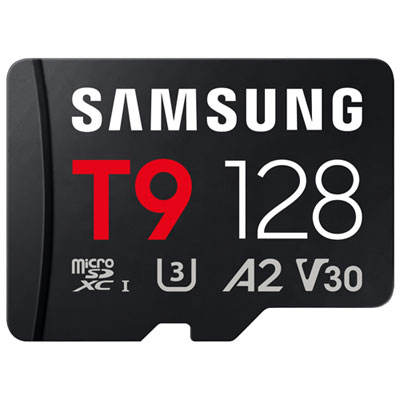 Your price for this item is $84.99
-
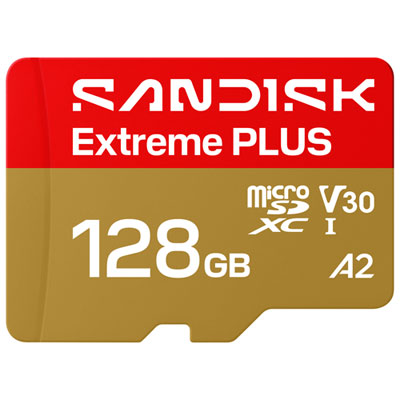 Your price for this item is $77.99
-
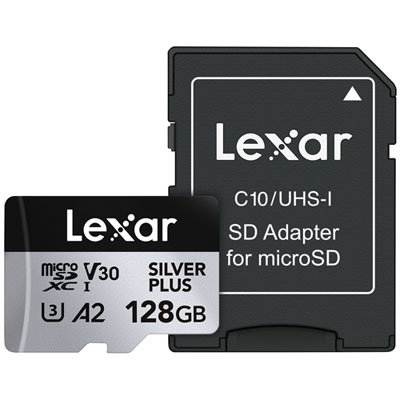 Your price for this item is $89.99
Discover more categories related to 2tb Micro Sd
Top Collections:
Best Black Friday Deals This Year, Best Black Friday Deals On Electronics, Kindle Devices, Pokemon Centers, Best Black Friday Deals On Apple Products, Best Cameras for Sports Photography, Dyson Airwrap, Pokémon 30th Celebration Cards, Apple iPhone 17 Pro, Canon G7X Cameras
Some products may be subject to Environmental Handling Fees
(EHF) depending on your province.
Learn more about EHFs.