Drone Parts
Looking to upgrade or repair your drone? Look no further than our extensive selection of high-quality drone parts. Whether you're a professional aerial photographer or a hobbyist drone enthusiast, we have everything you need to keep your drone in top-notch condition. From propellers and motors to batteries and controllers, our wide range of Professional Drone parts ensures that you can find the perfect components to enhance your flying experience. Explore our collection now and take your drone to new heights!
Sort
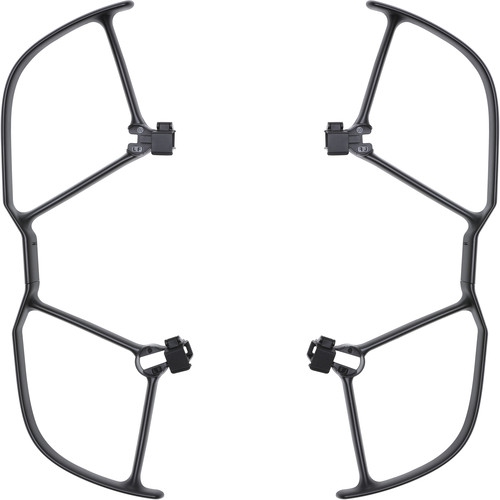
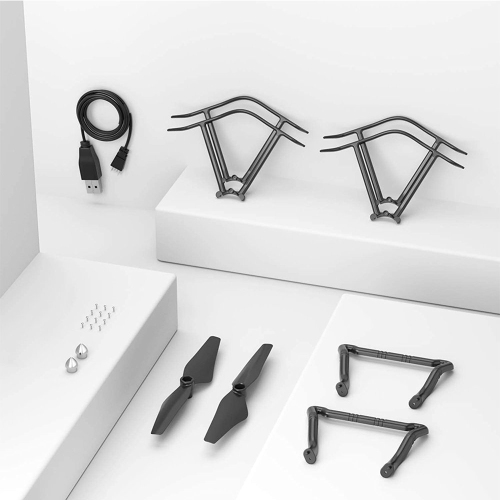
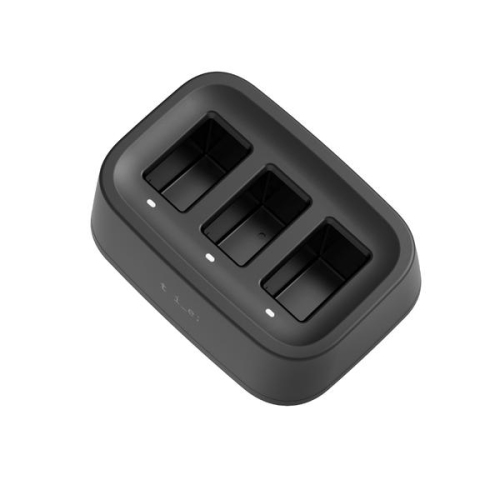
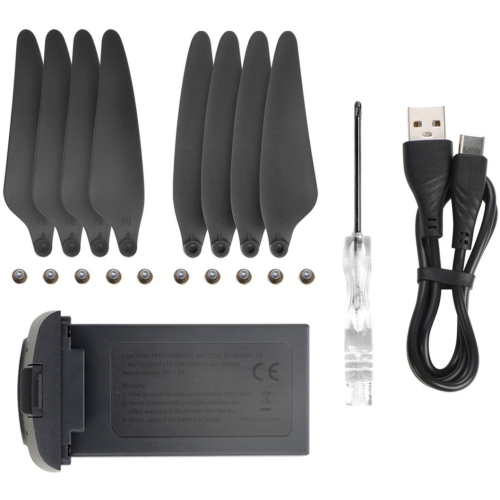




How drone components work together for stable flight
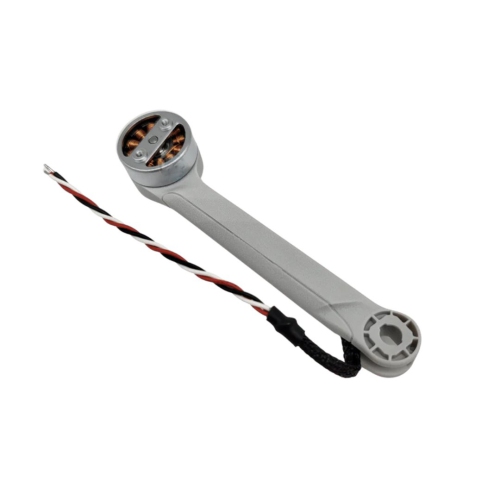
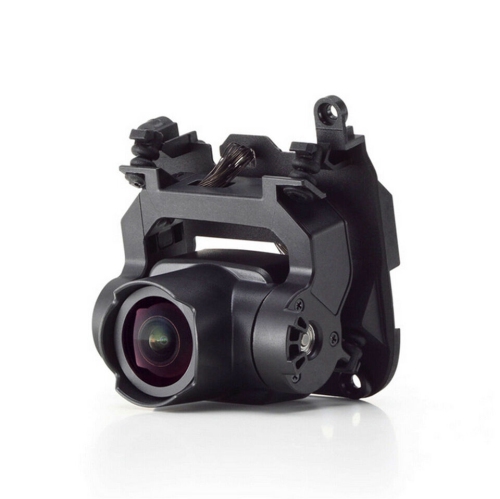
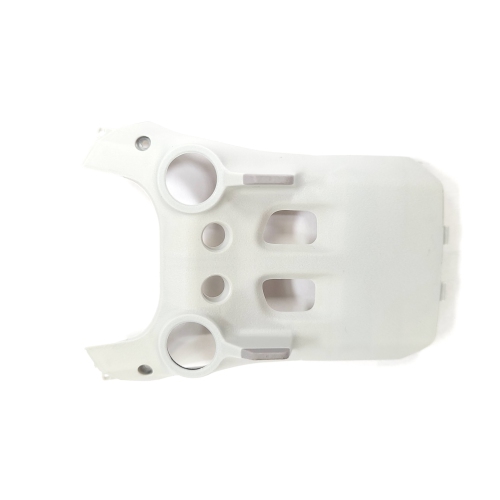
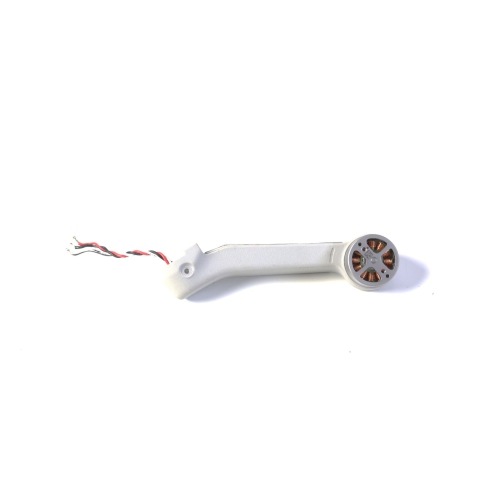
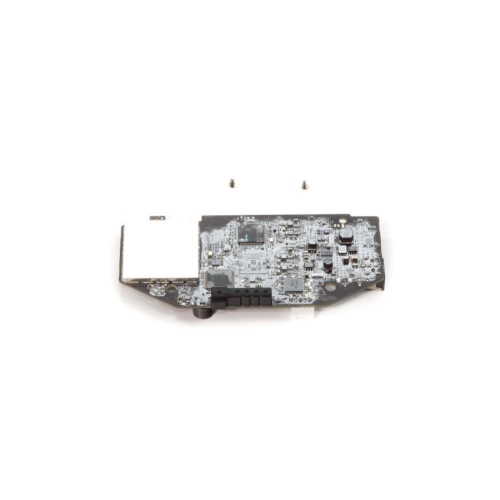
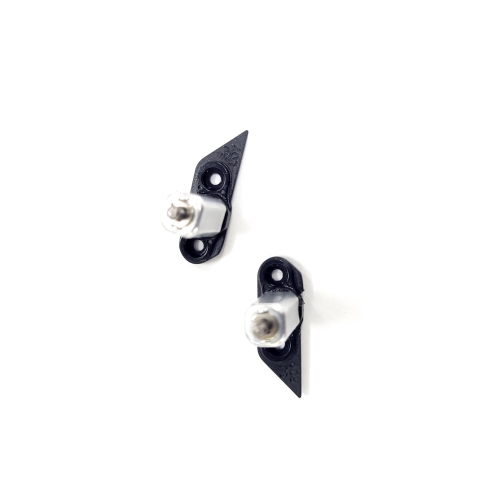
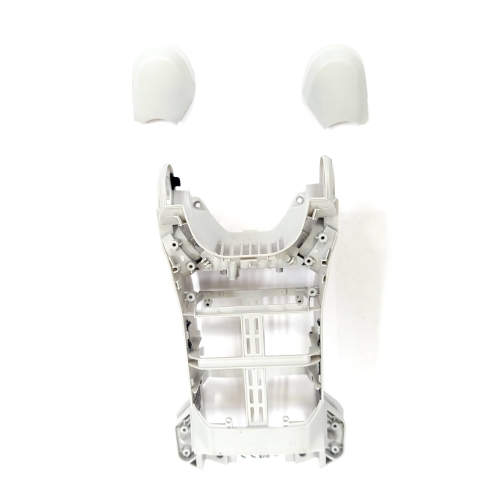
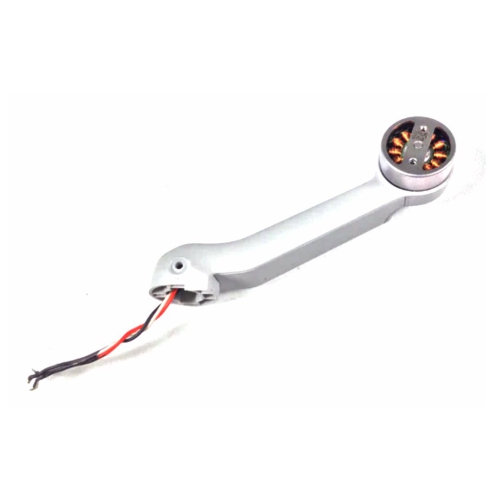
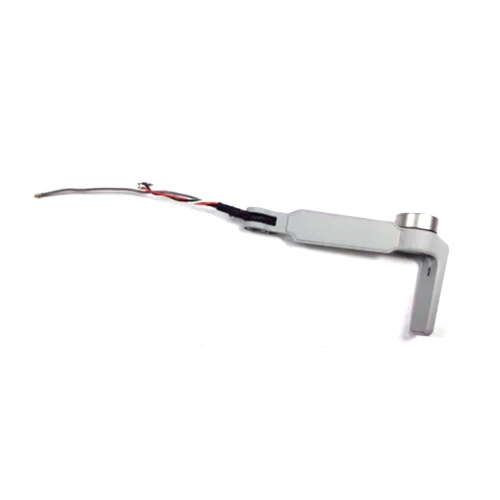
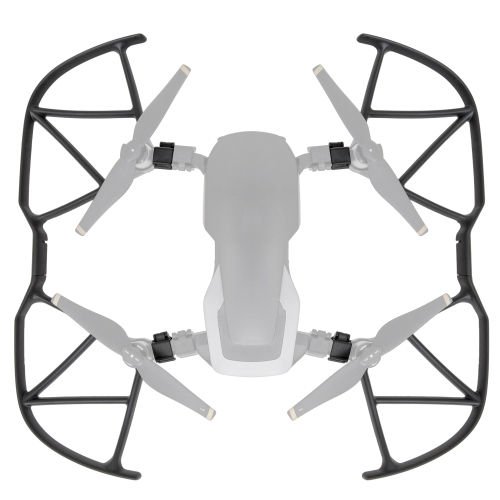
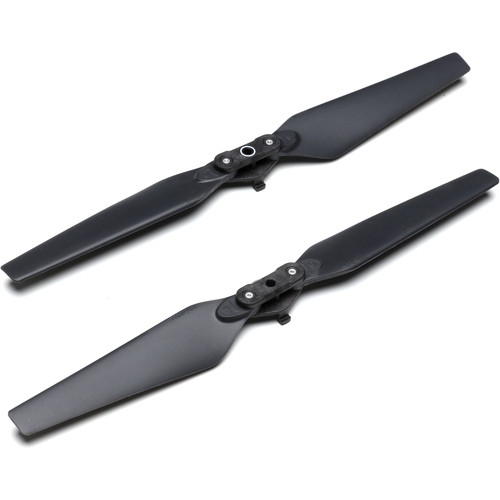
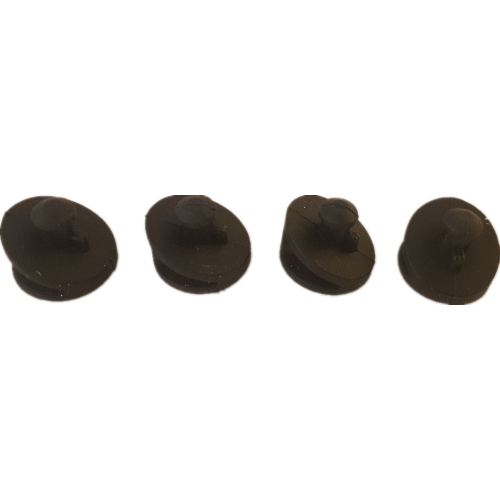
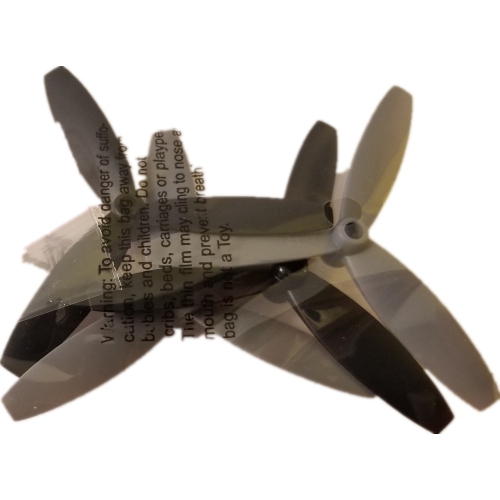
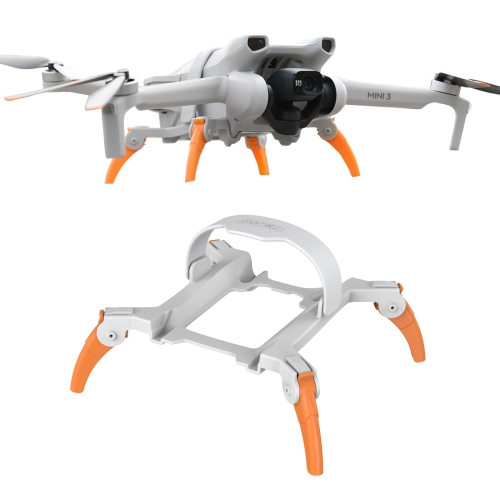
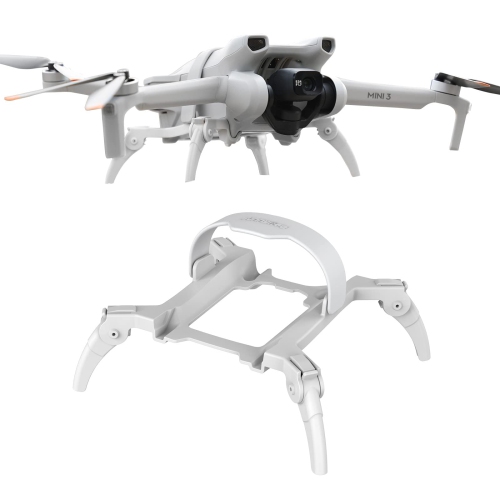
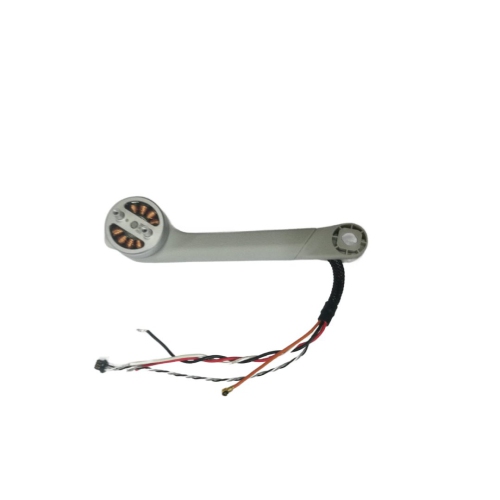
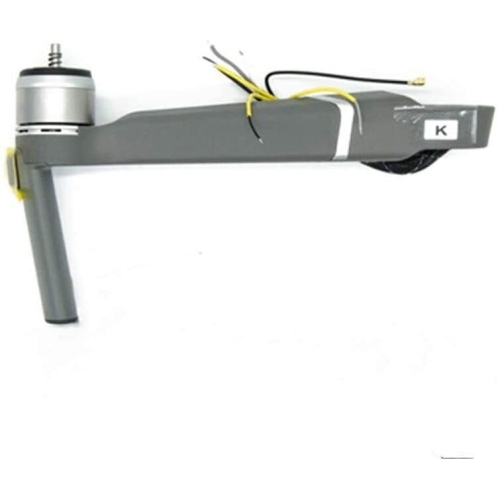
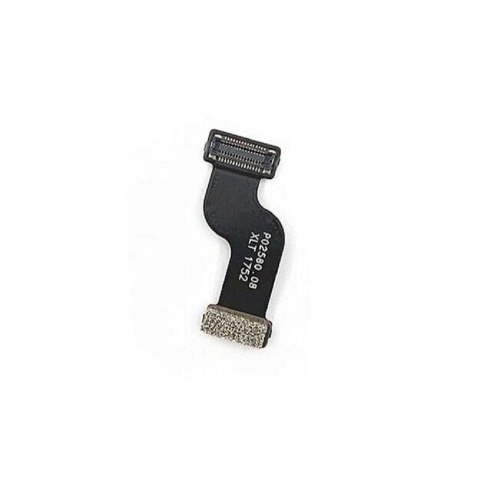
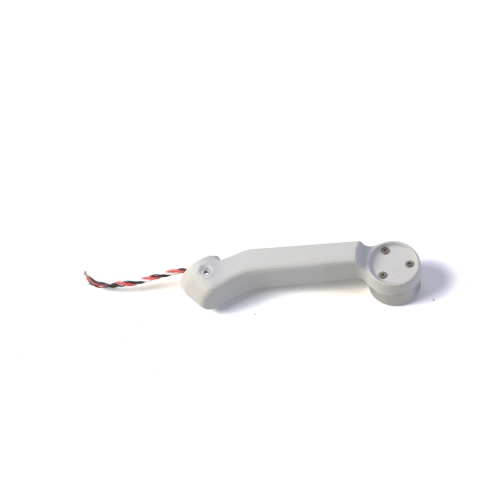
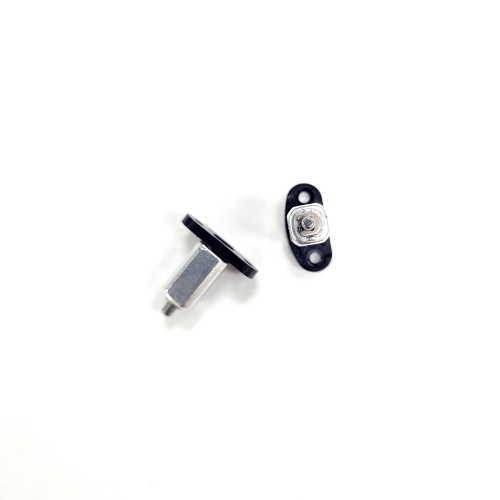
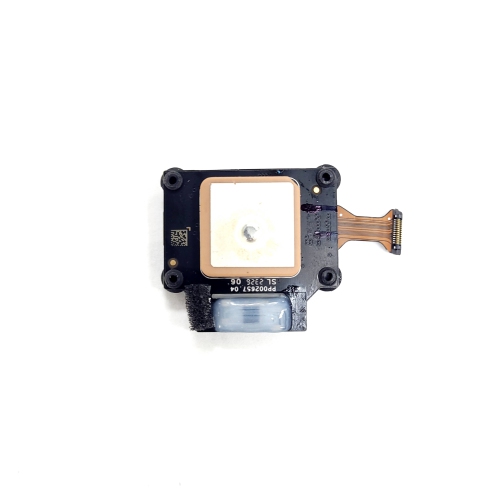
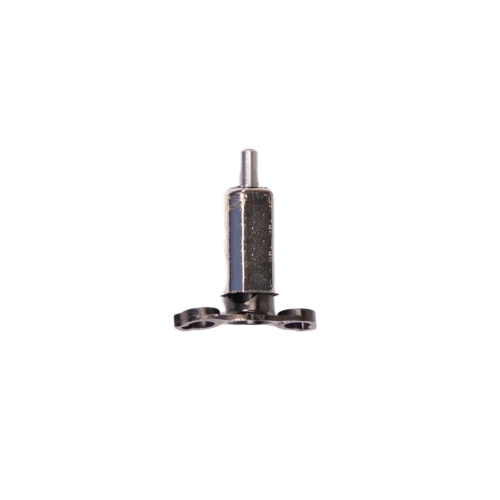
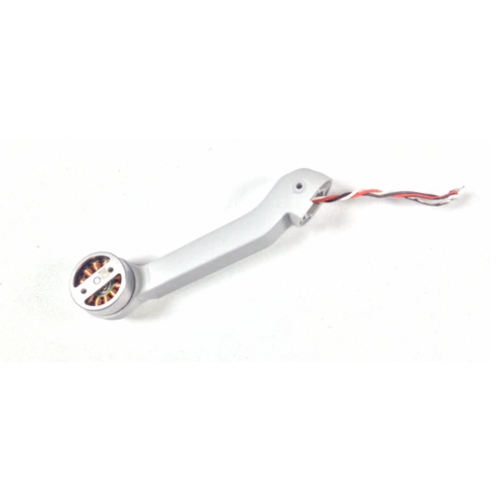
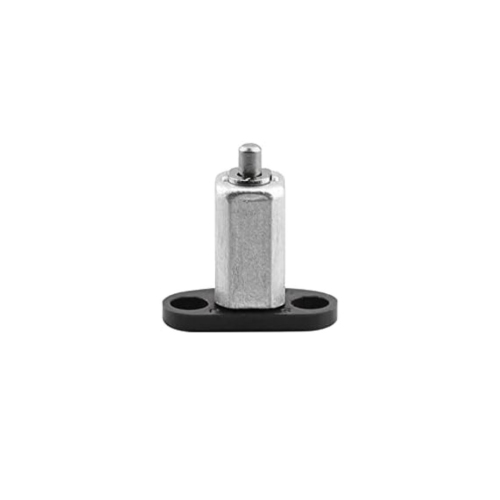
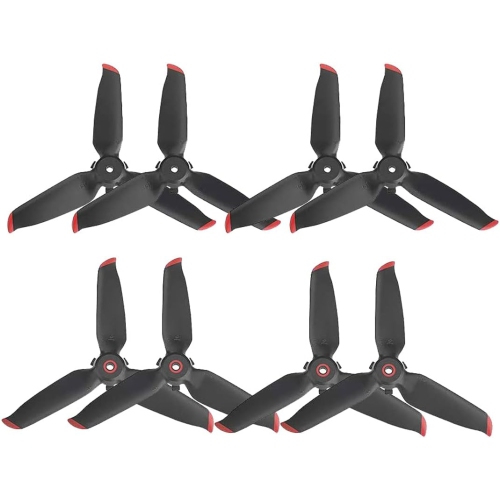
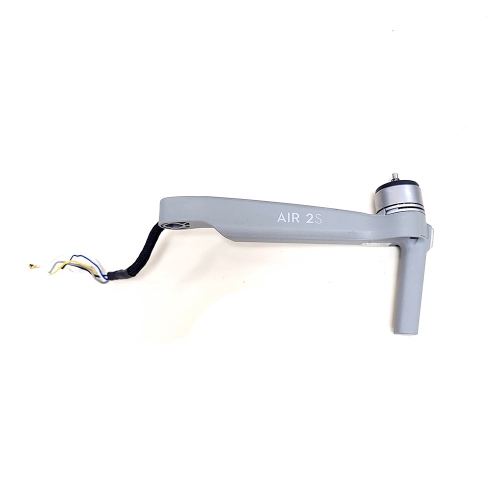
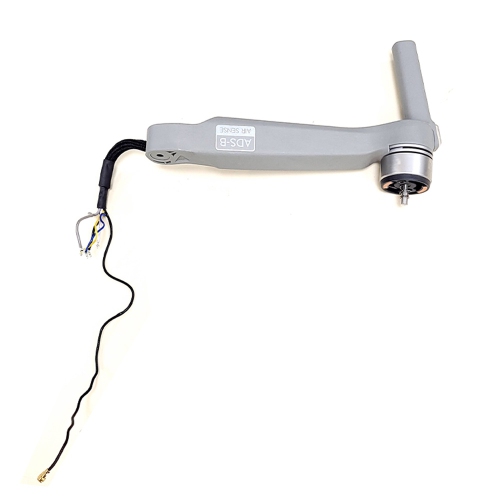
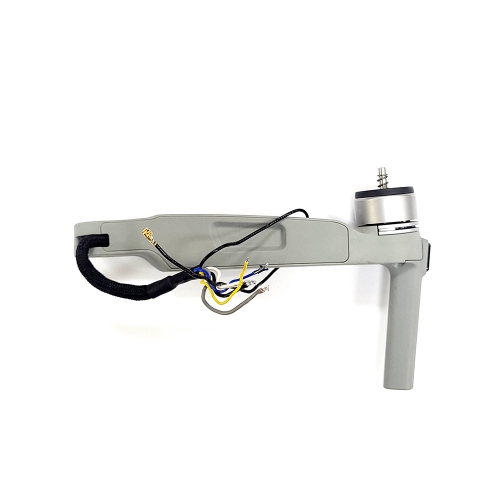
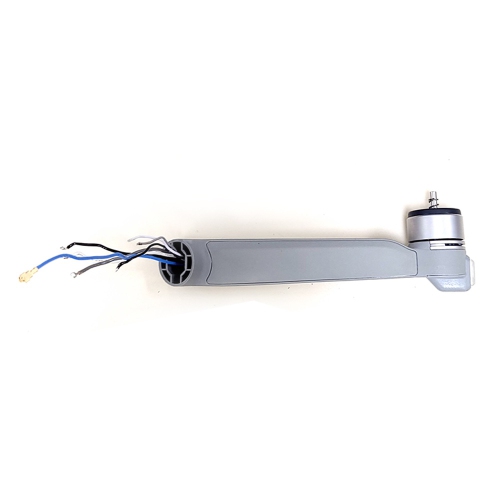
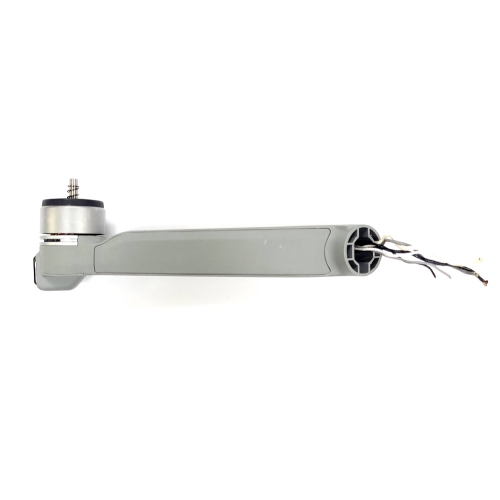
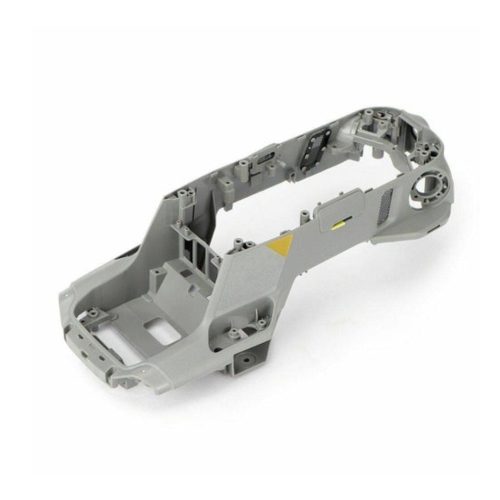
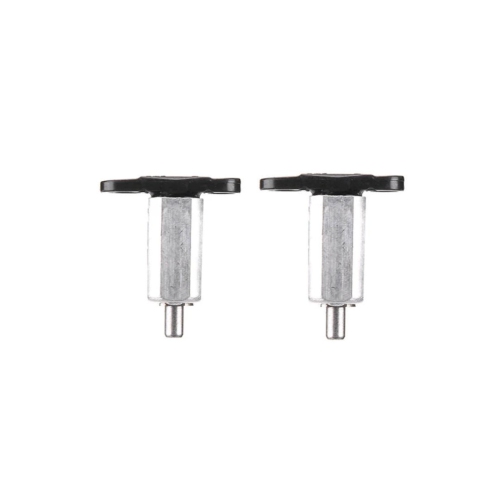
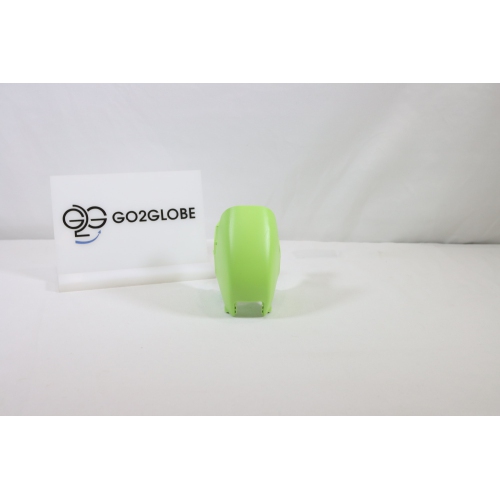
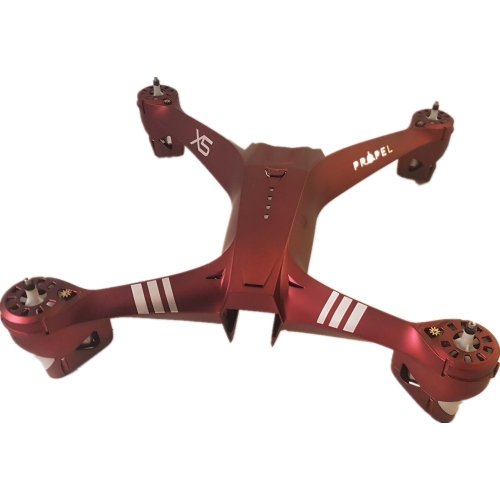
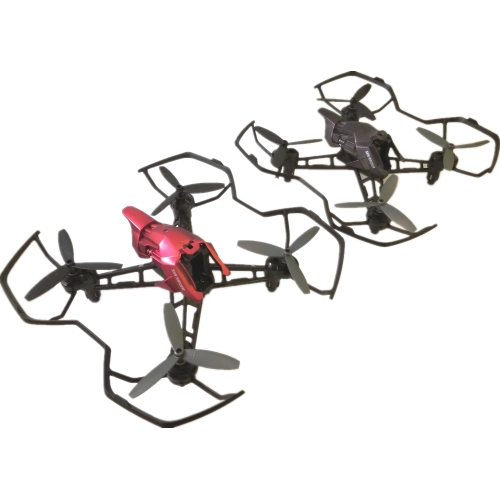
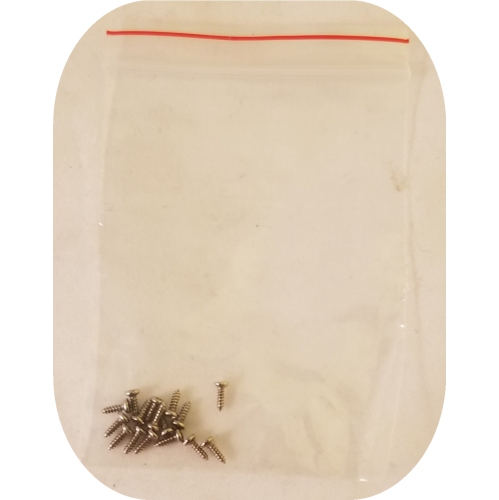
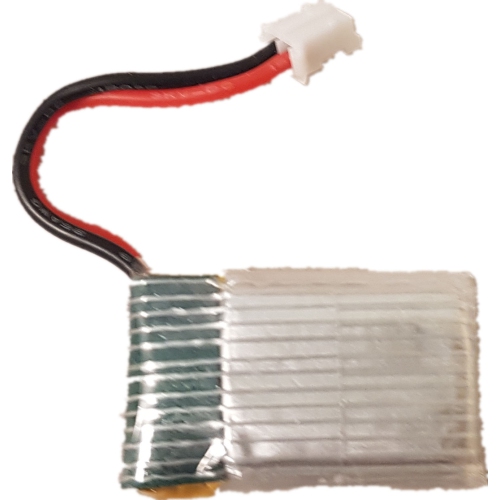
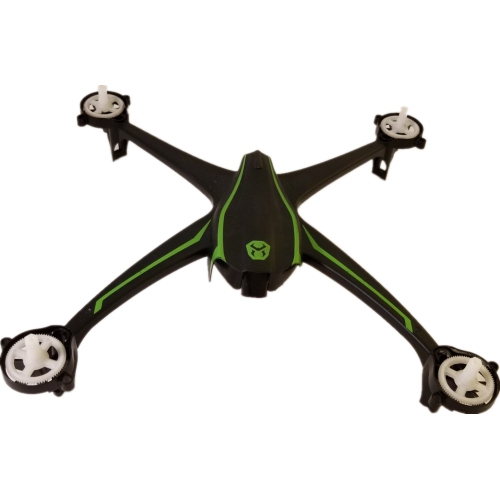
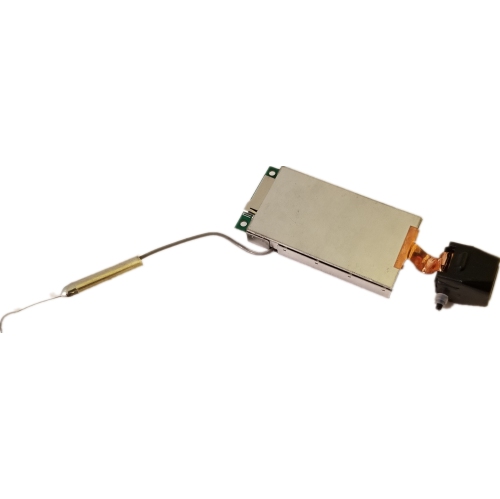
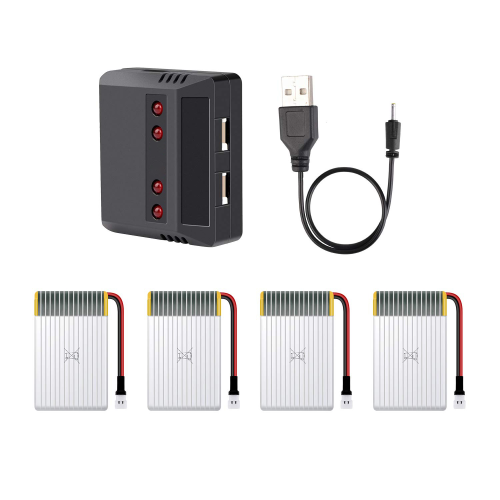
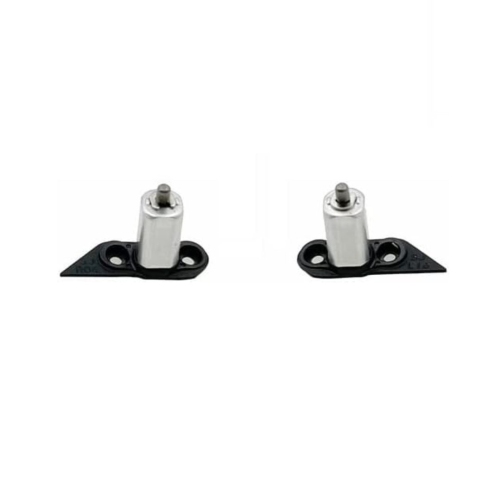
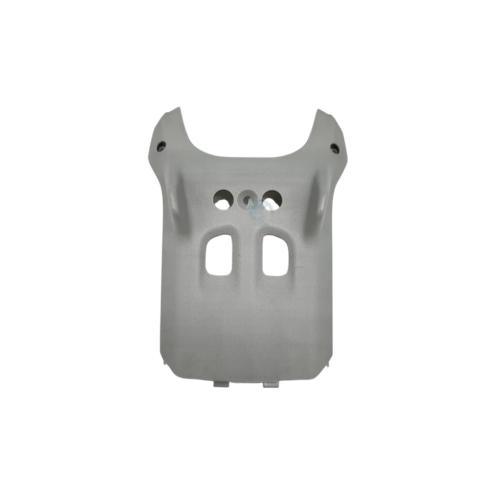
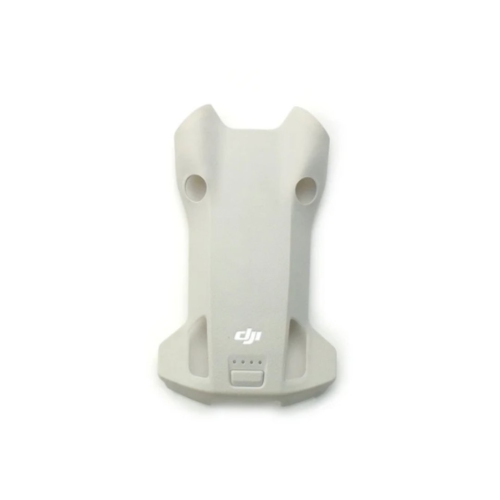
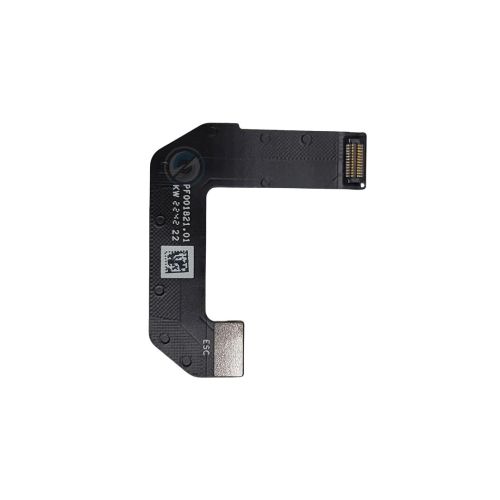
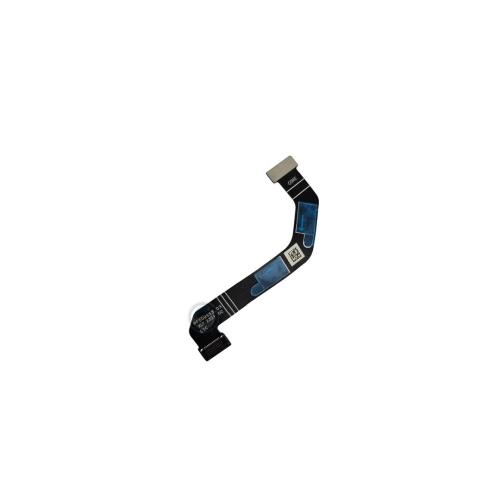
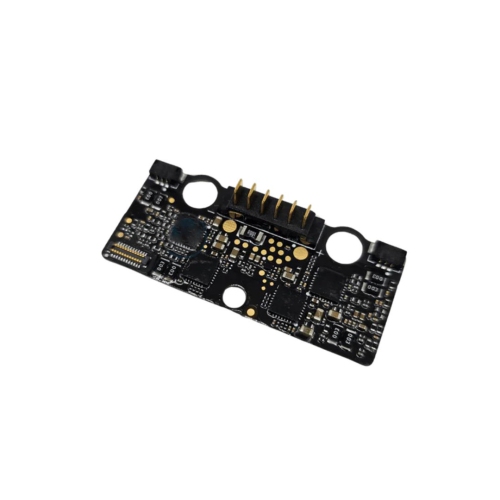
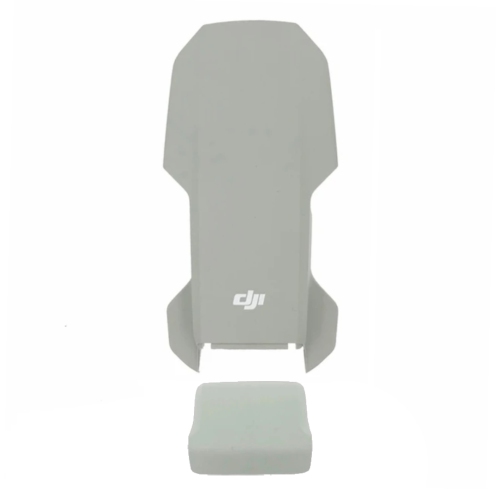
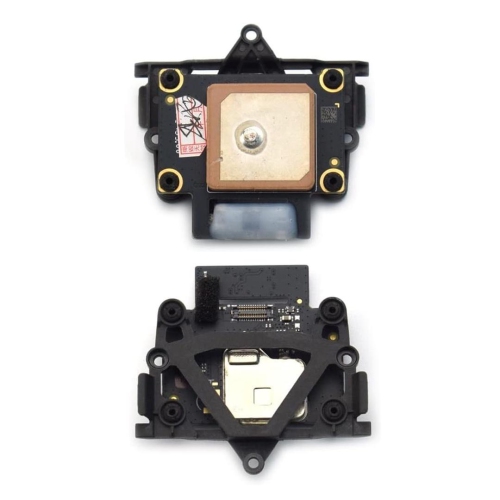
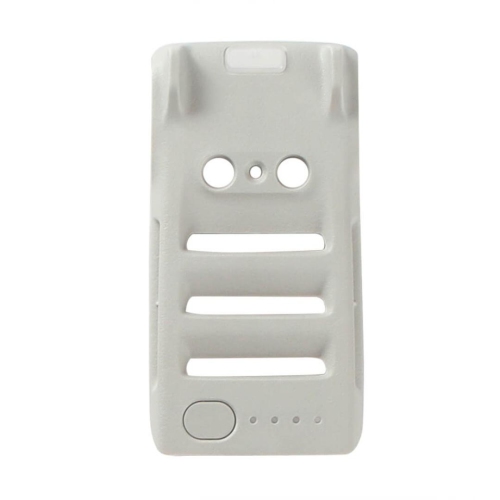
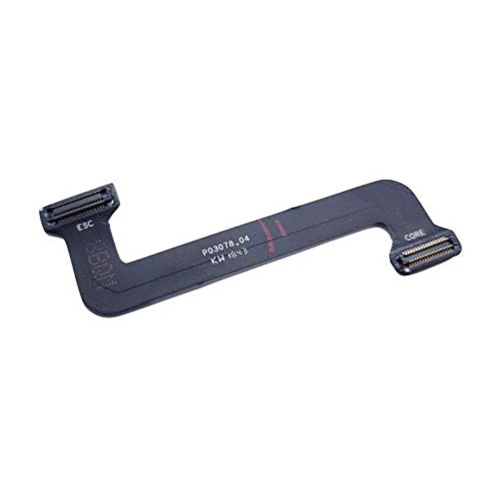
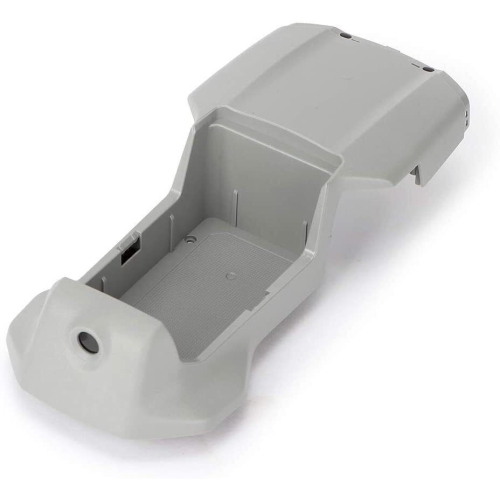
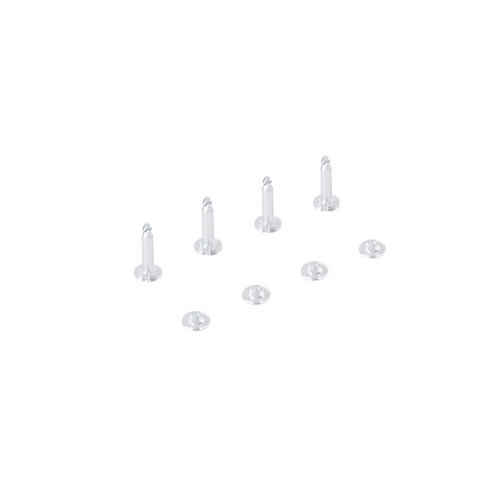
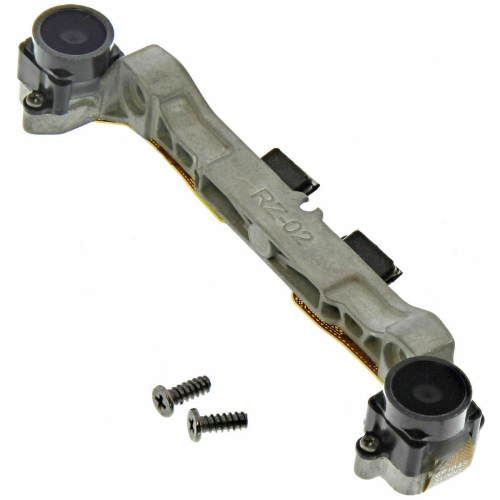
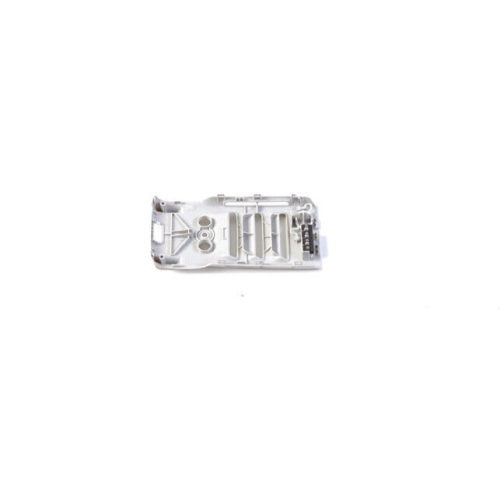
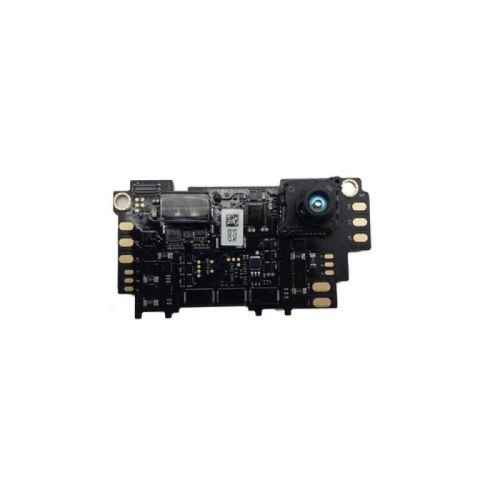
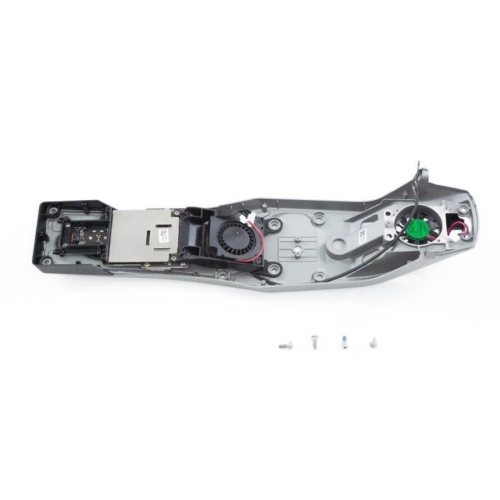
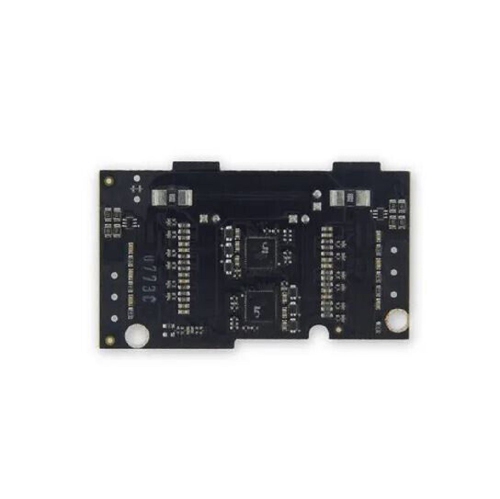
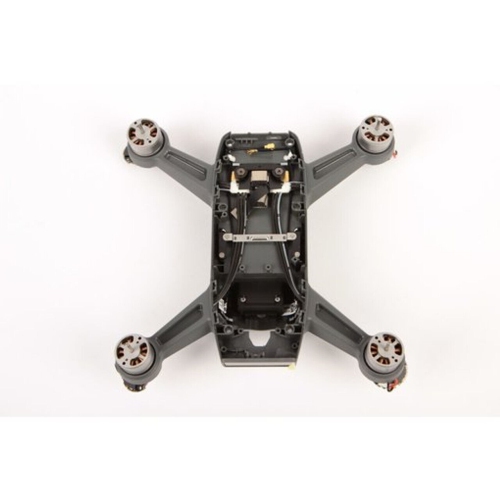
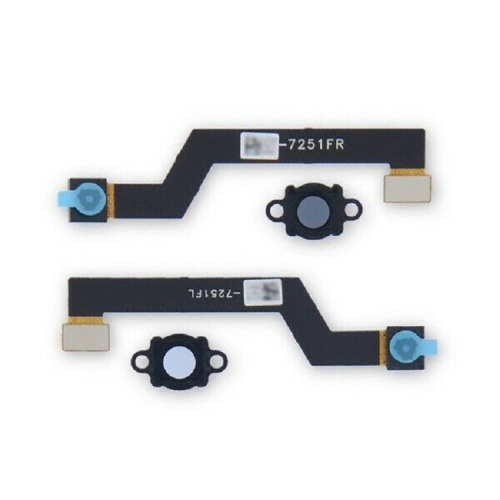
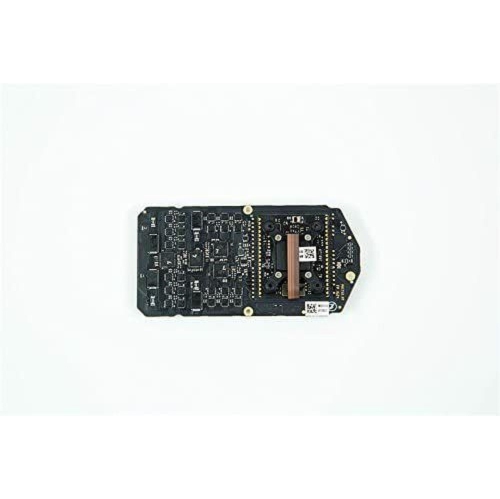
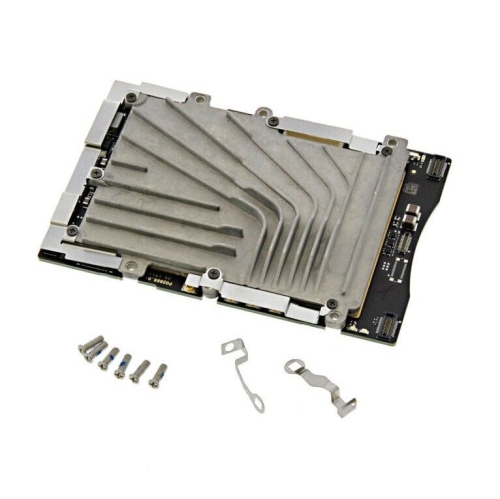
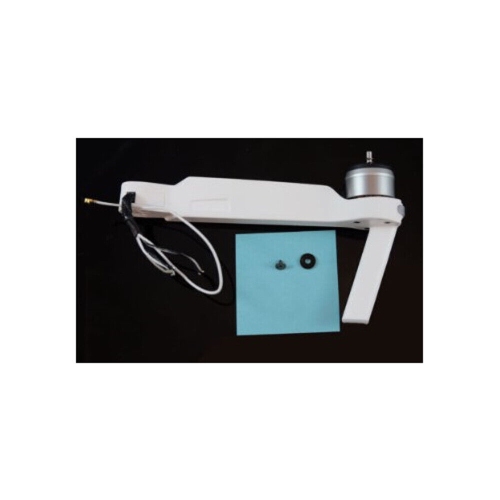
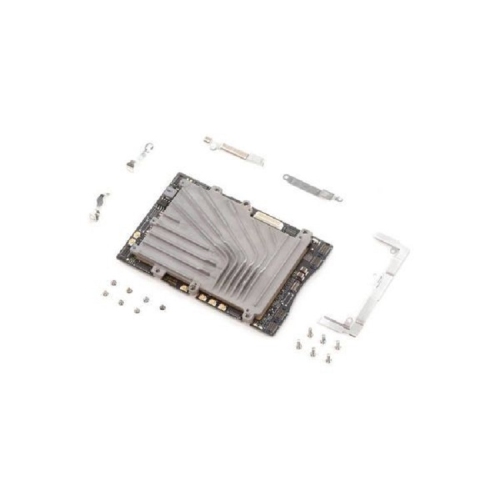
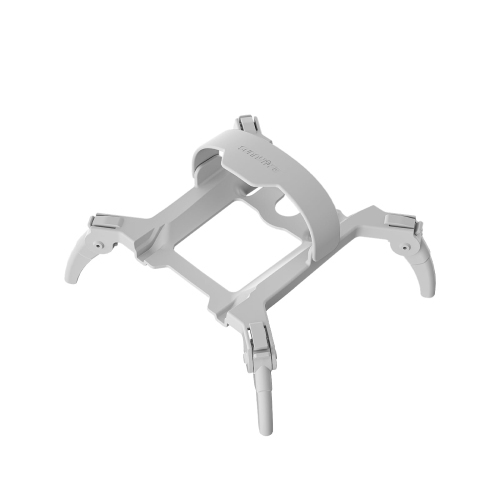
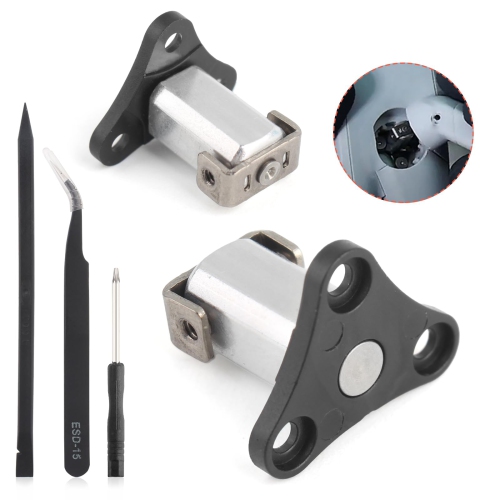
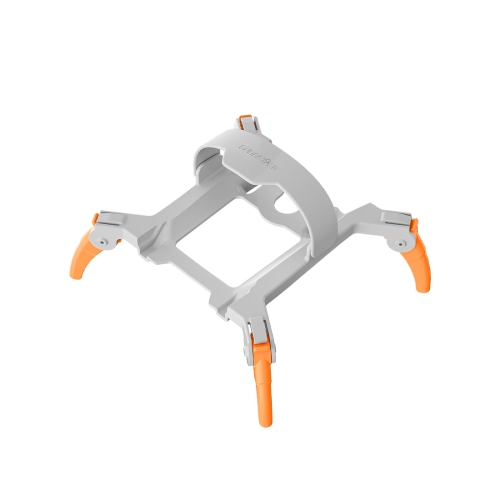
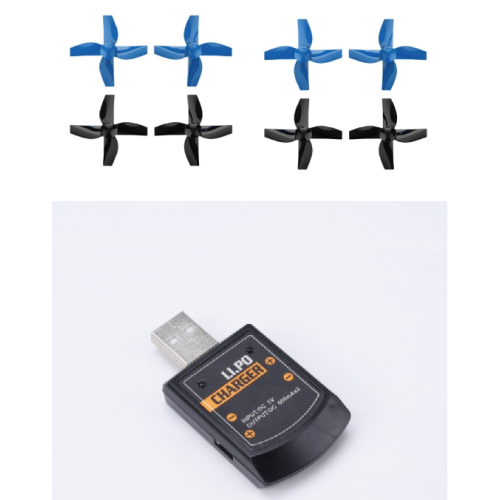
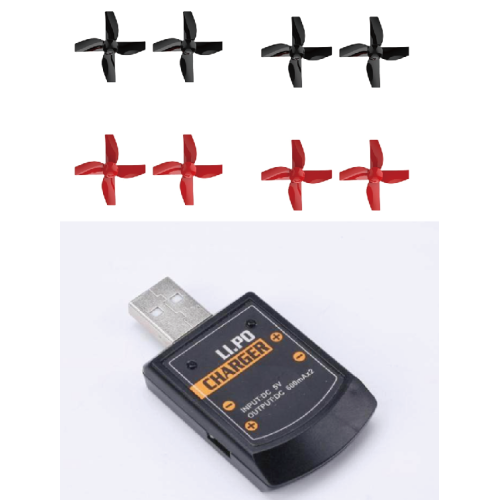
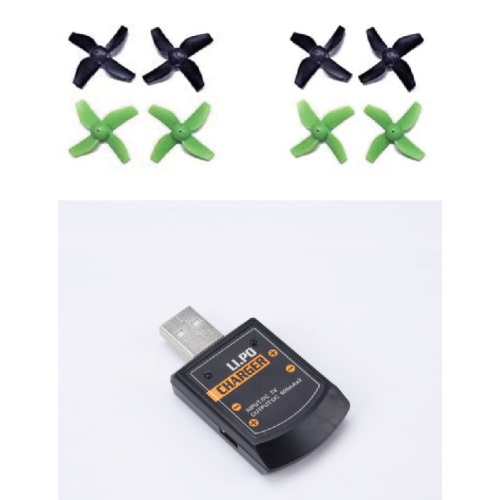
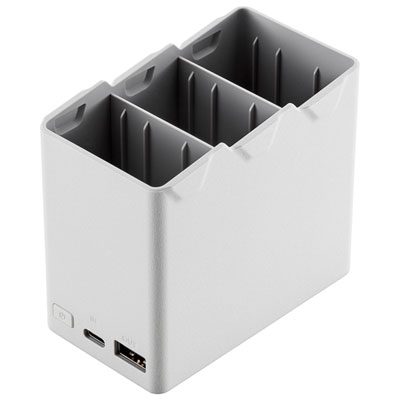
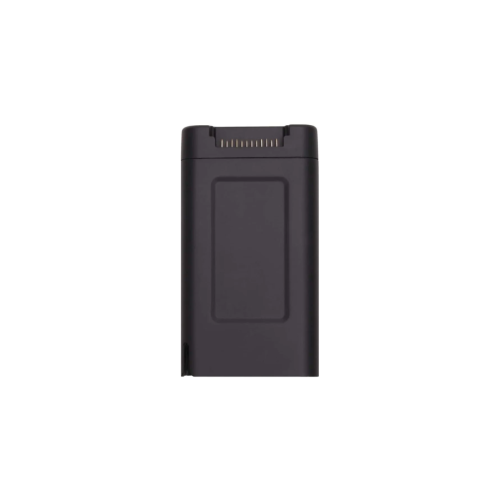
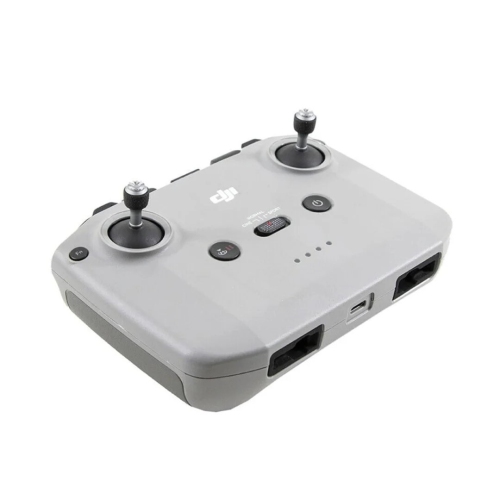
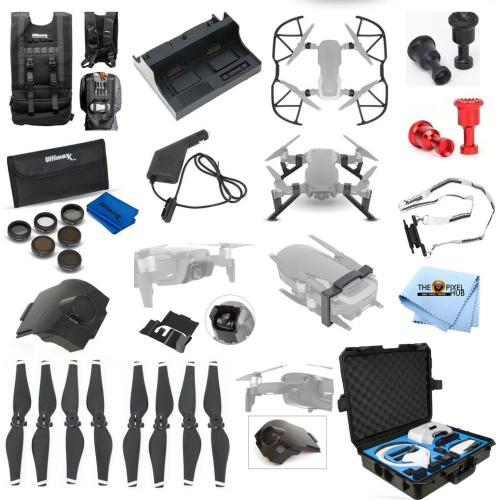
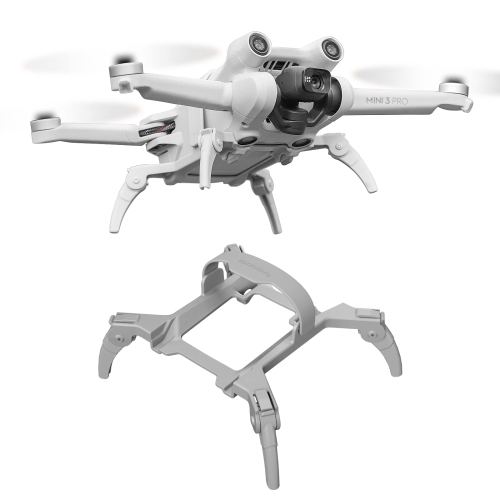
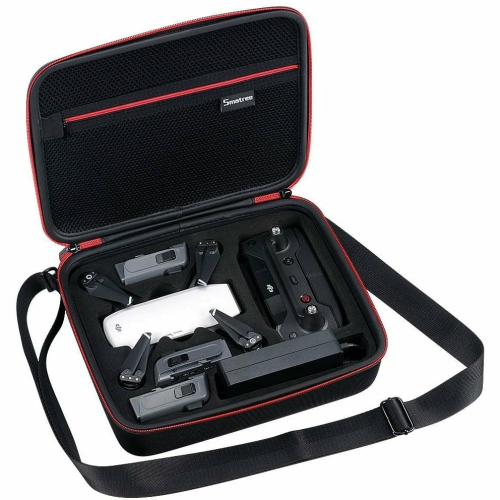
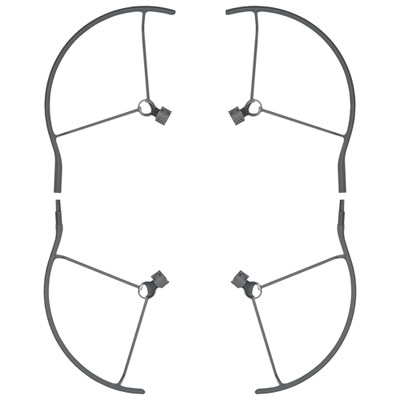
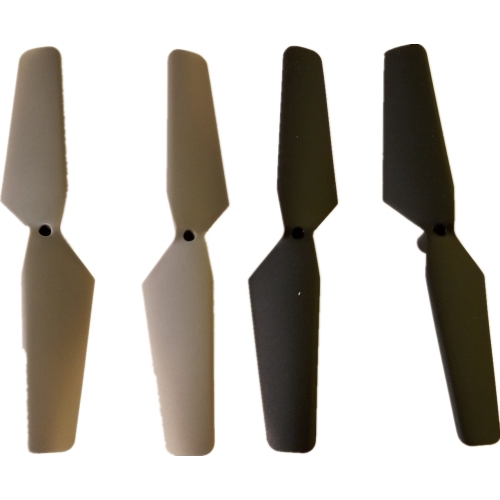
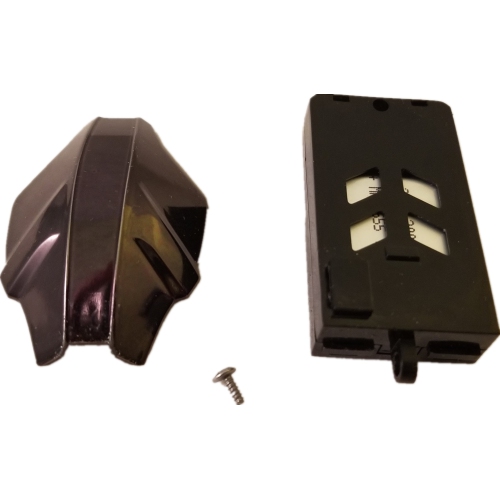
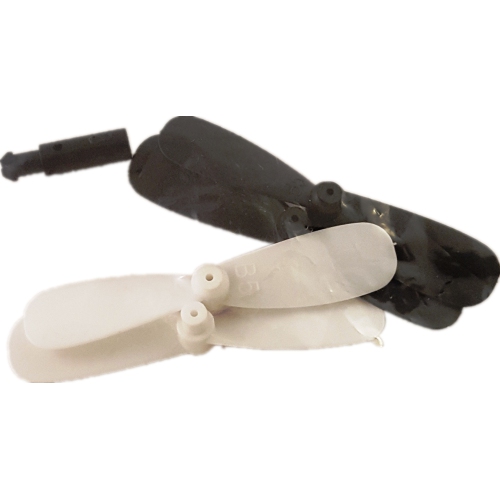
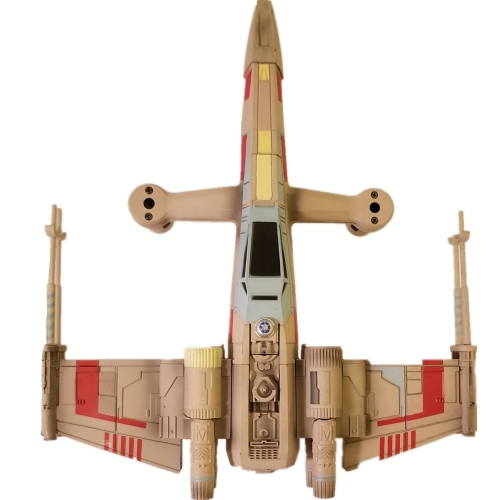
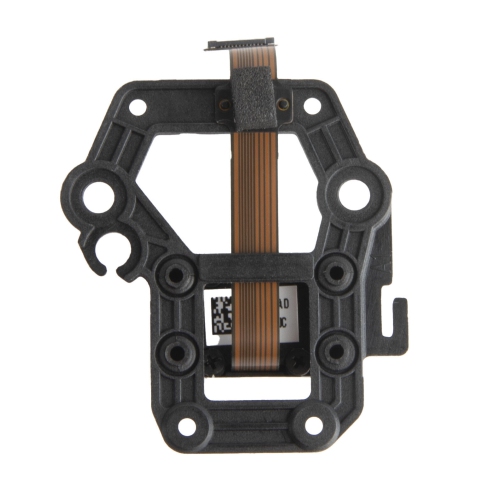
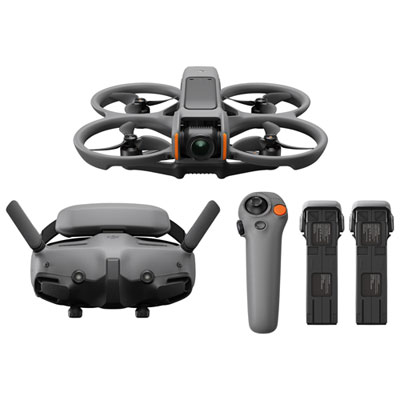
Drone parts are the structural, mechanical, and electronic components that allow a drone to lift off, remain stable, navigate, and carry equipment such as a camera. They support repairs, routine maintenance, and custom builds, with different designs suited to camera drones, compact recreational aircraft, and first-person-view (FPV) flying. The frame forms the supporting structure, holding the motors, electronics, and battery in their intended positions. Carbon fibre is commonly used for its stiffness and low weight, while plastic housings and aluminium components serve different needs for shape, protection, and strength. Motors turn the propellers, whose blades move air to generate thrust. Many drones use brushless motors, although smaller designs may use brushed motors with different electrical and mounting requirements. Electronic speed controllers, often called ESCs, regulate power to the motors in response to commands from the flight controller. The flight controller processes pilot inputs and sensor readings to make rapid adjustments that help control the aircraft’s attitude and movement. Gyroscopes measure rotation, accelerometers measure acceleration, and additional sensors may help determine altitude or position. On aircraft equipped for satellite navigation, a compatible positioning module supports location-based functions, but those capabilities also depend on the flight controller and its software. A rechargeable battery supplies power to the system, commonly using lithium-polymer chemistry where a lightweight, high-output power source is needed. Receivers handle control signals, while video transmitters and antennas can support a live camera view on suitably equipped aircraft. Camera mounts, gimbal assemblies, landing gear, wiring, and fasteners complete other important connections between the airframe and its intended task. These components work as a system rather than as independent upgrades: a change to propeller size, battery voltage, or camera weight can affect several other parts of the aircraft. Understanding each component’s role helps distinguish a straightforward replacement from a modification that requires broader compatibility checks.
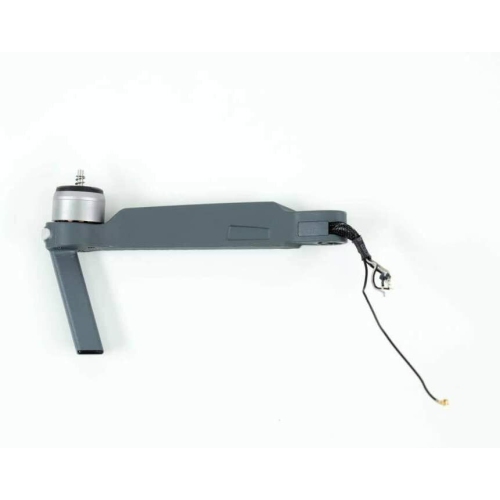
Fit is the starting point when choosing drone replacement parts. Two components can look almost identical yet differ in mounting-hole spacing, connector layout, shaft diameter, or supported software. For a ready-built camera drone, compatibility with the exact aircraft model and generation is usually more useful than a general size description. A replacement arm, shell section, or landing leg needs to match both the attachment points and the clearance around nearby moving parts. Propellers require the correct diameter, pitch, hub design, and rotation direction; a blade that attaches to a motor is not necessarily suitable for that aircraft. Matching the manufacturer’s specifications helps preserve the intended balance between thrust, electrical demand, and handling. For a custom FPV build, compatibility extends across the whole propulsion system. Motor size and KV rating, which describes approximate unloaded revolutions per minute per volt, need to suit the propellers, battery voltage, and expected load. A higher KV rating alone does not mean a better motor or more useful performance. ESCs must support the intended voltage and current requirements, with appropriate connections and control protocols. Flight controllers also differ in dimensions, mounting patterns, supported firmware, and connections for receivers, navigation modules, and video equipment. Batteries need the correct chemistry, cell count, connector, dimensions, and discharge capability, as well as a compatible charger. Greater battery capacity can add weight, so it does not automatically produce a proportional increase in flight time. Camera and gimbal components introduce their own considerations, including payload limits, vibration isolation, cable routing, and balance. A camera mount that leaves the lens unobstructed on the workbench may still interfere with a propeller or landing surface once installed. For hobbyists working across drones and other radio-controlled aircraft, Remote Control Aircraft Parts provides a related category to explore, with the same need to check dimensions and electrical specifications rather than assume parts are interchangeable.
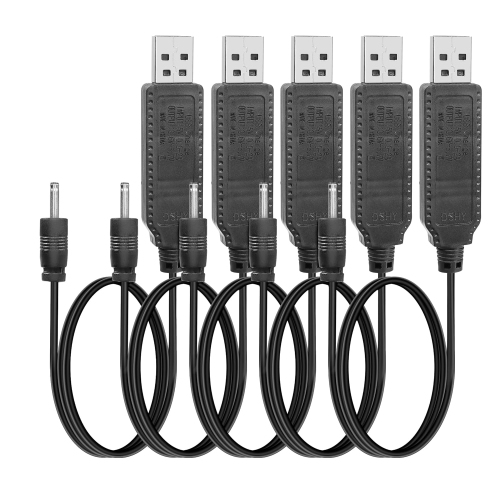
Materials, workmanship, and care influence how well drone parts hold up through repeated flights and repairs. A stiff frame can help maintain consistent motor alignment, while properly fitted protective housings keep internal components supported without pinching cables. Carbon fibre deserves careful inspection around mounting holes and after an impact, since damage can include splitting or separation between layers rather than an obvious break. Plastic parts may develop cracks around clips and screw posts, and metal hardware can bend or loosen. Propellers are particularly important inspection points: chips, cracks, distortion, or damage around the hub can affect balance and make a blade unsafe to use. A propeller that has struck a hard surface should not be judged by appearance alone; follow the aircraft manufacturer’s inspection and replacement guidance. Motor bearings should turn smoothly without grinding, and wiring should remain clear of rotating parts and sharp frame edges. With the battery disconnected, gentle cleaning using appropriate tools helps remove loose debris without forcing it into bearings or connectors. Electrical repairs require the correct tools and skills, especially where solder joints, polarity, or exposed conductors are involved. Propellers should be removed before powered bench testing or motor configuration to reduce the risk of injury from an unexpected start. Rechargeable battery packs also require attentive handling: use an approved compatible charger, follow the specified storage procedure, and stop using a pack that is swollen, leaking, punctured, or otherwise damaged. Organizing small screws, spacers, and connectors by assembly can make a repair less frustrating and help prevent the wrong fastener from reaching delicate electronics. For an aerial photography enthusiast, the priority may be restoring smooth camera movement or replacing worn structural components without changing familiar flight behaviour. An FPV hobbyist may value access to individual motors and electronics for a carefully matched build, while a beginner may prefer direct-fit replacements that do not require soldering or software configuration. Drone parts can also make practical gifts for an experienced pilot when the exact aircraft and required specifications are known. Whether the goal is dependable recreational flying, camera work, or hands-on building, the most useful parts are those that fit correctly, perform their intended role, and remain straightforward to inspect and maintain.
Fit is the starting point when choosing drone replacement parts. Two components can look almost identical yet differ in mounting-hole spacing, connector layout, shaft diameter, or supported software. For a ready-built camera drone, compatibility with the exact aircraft model and generation is usually more useful than a general size description. A replacement arm, shell section, or landing leg needs to match both the attachment points and the clearance around nearby moving parts. Propellers require the correct diameter, pitch, hub design, and rotation direction; a blade that attaches to a motor is not necessarily suitable for that aircraft. Matching the manufacturer’s specifications helps preserve the intended balance between thrust, electrical demand, and handling. For a custom FPV build, compatibility extends across the whole propulsion system. Motor size and KV rating, which describes approximate unloaded revolutions per minute per volt, need to suit the propellers, battery voltage, and expected load. A higher KV rating alone does not mean a better motor or more useful performance. ESCs must support the intended voltage and current requirements, with appropriate connections and control protocols. Flight controllers also differ in dimensions, mounting patterns, supported firmware, and connections for receivers, navigation modules, and video equipment. Batteries need the correct chemistry, cell count, connector, dimensions, and discharge capability, as well as a compatible charger. Greater battery capacity can add weight, so it does not automatically produce a proportional increase in flight time. Camera and gimbal components introduce their own considerations, including payload limits, vibration isolation, cable routing, and balance. A camera mount that leaves the lens unobstructed on the workbench may still interfere with a propeller or landing surface once installed. For hobbyists working across drones and other radio-controlled aircraft, Remote Control Aircraft Parts provides a related category to explore, with the same need to check dimensions and electrical specifications rather than assume parts are interchangeable.
Materials, workmanship, and care influence how well drone parts hold up through repeated flights and repairs. A stiff frame can help maintain consistent motor alignment, while properly fitted protective housings keep internal components supported without pinching cables. Carbon fibre deserves careful inspection around mounting holes and after an impact, since damage can include splitting or separation between layers rather than an obvious break. Plastic parts may develop cracks around clips and screw posts, and metal hardware can bend or loosen. Propellers are particularly important inspection points: chips, cracks, distortion, or damage around the hub can affect balance and make a blade unsafe to use. A propeller that has struck a hard surface should not be judged by appearance alone; follow the aircraft manufacturer’s inspection and replacement guidance. Motor bearings should turn smoothly without grinding, and wiring should remain clear of rotating parts and sharp frame edges. With the battery disconnected, gentle cleaning using appropriate tools helps remove loose debris without forcing it into bearings or connectors. Electrical repairs require the correct tools and skills, especially where solder joints, polarity, or exposed conductors are involved. Propellers should be removed before powered bench testing or motor configuration to reduce the risk of injury from an unexpected start. Rechargeable battery packs also require attentive handling: use an approved compatible charger, follow the specified storage procedure, and stop using a pack that is swollen, leaking, punctured, or otherwise damaged. Organizing small screws, spacers, and connectors by assembly can make a repair less frustrating and help prevent the wrong fastener from reaching delicate electronics. For an aerial photography enthusiast, the priority may be restoring smooth camera movement or replacing worn structural components without changing familiar flight behaviour. An FPV hobbyist may value access to individual motors and electronics for a carefully matched build, while a beginner may prefer direct-fit replacements that do not require soldering or software configuration. Drone parts can also make practical gifts for an experienced pilot when the exact aircraft and required specifications are known. Whether the goal is dependable recreational flying, camera work, or hands-on building, the most useful parts are those that fit correctly, perform their intended role, and remain straightforward to inspect and maintain.
Top selling and popular products
-
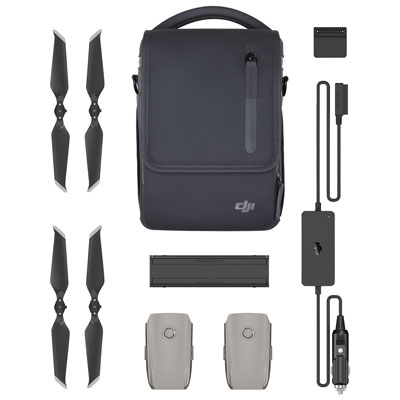 Your price for this item is $424.95
 -
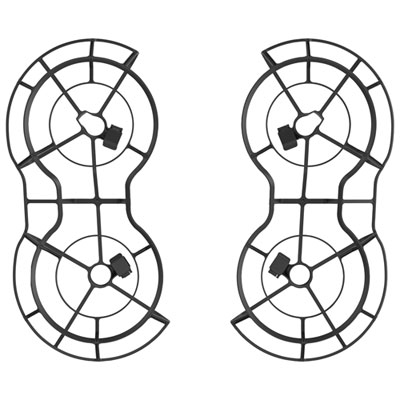 Your price for this item is $19.97
 -
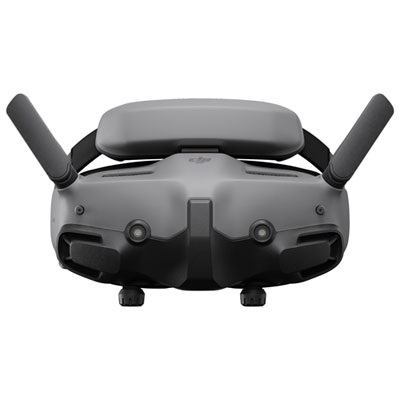 Your price for this item is $689.99
 -
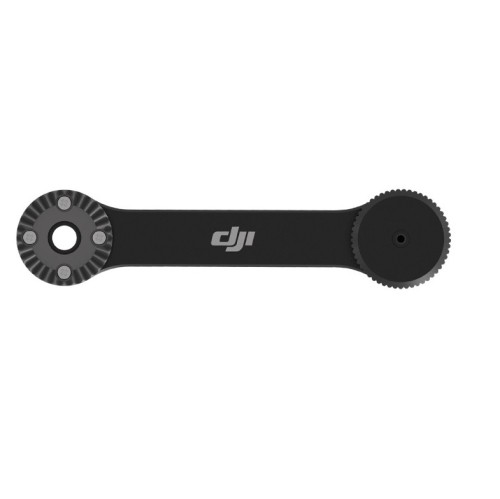 Your price for this item is $77.95
 -
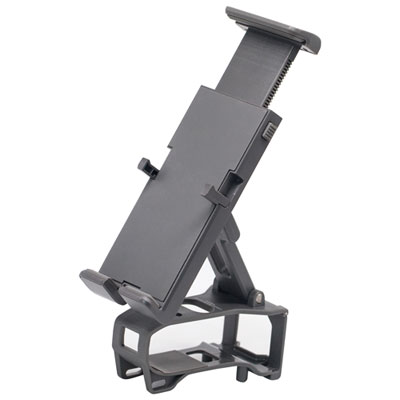 Your price for this item is $19.97
 -
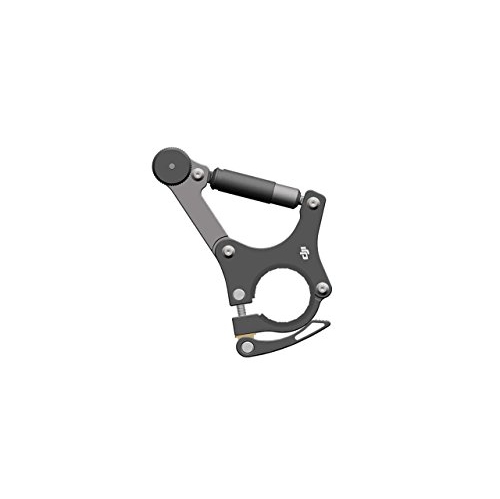 Your price for this item is $58.95
 -
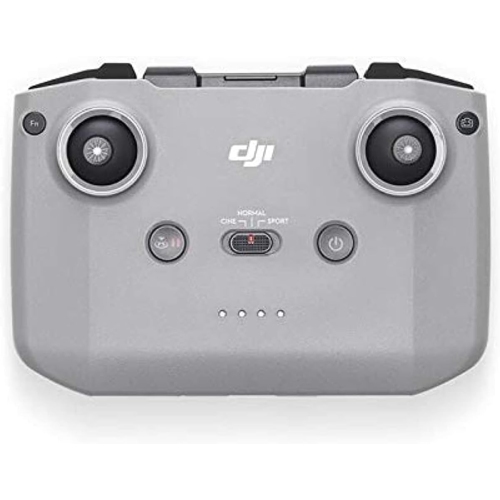 Your price for this item is $144.44
 -
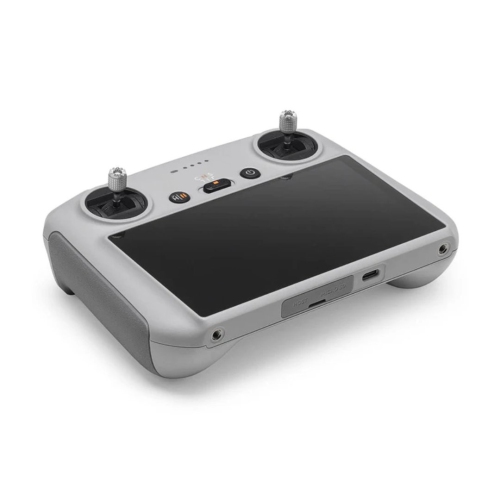 Your price for this item is $183.33
Discover more categories related to Drone Parts
Top Collections:
Pokemon Centers, Kindle Devices, Best Budget Office Chairs, Apple iPhones 16, Best Laptops for Writers, iPhone 15 Apple, Canon G7X Cameras, Refurbished Apple Laptops, Alarm Clock, Motorola Razr Phones
Some products may be subject to Environmental Handling Fees
(EHF) depending on your province.
Learn more about EHFs.