Simple Cameras
Capture life's moments with ease using simple cameras that blend straightforward functionality with quality results. Perfect for beginners and those who prefer an uncomplicated approach to photography, these cameras offer an intuitive experience without overwhelming features. Whether you're snapping spontaneous shots or documenting cherished memories, simple cameras provide a hassle-free way to enjoy photography. Explore our selection and find the ideal camera that meets your needs, ensuring you can focus on what truly matters—creating lasting memories.
Sort
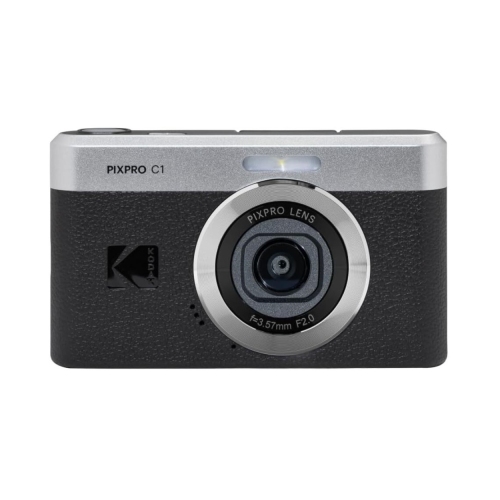
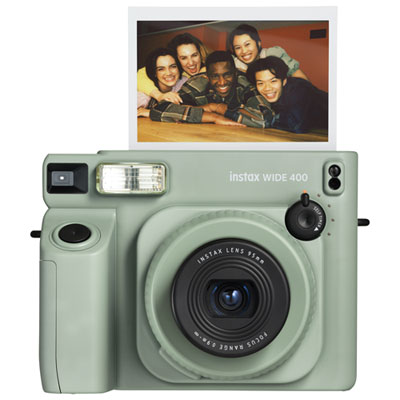
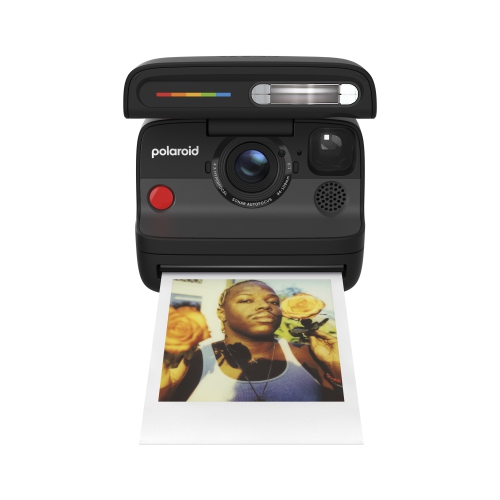
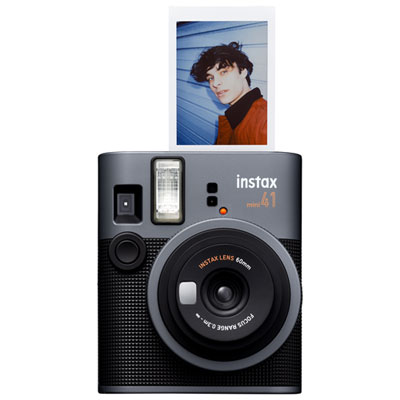
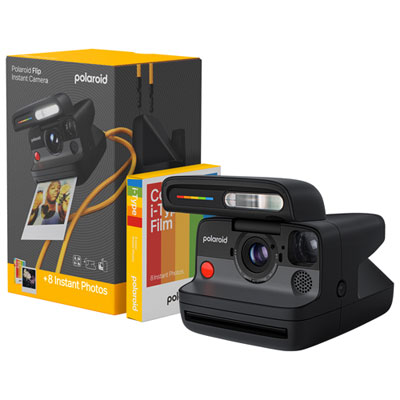
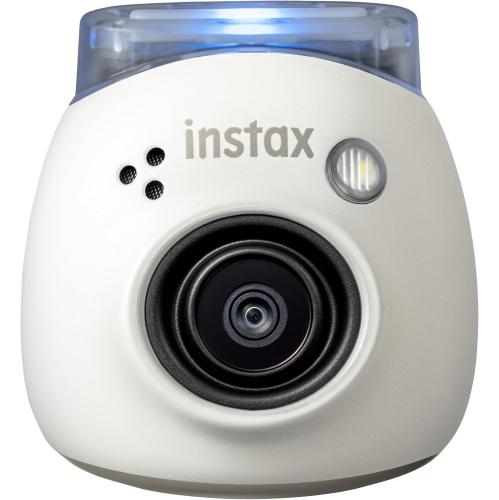
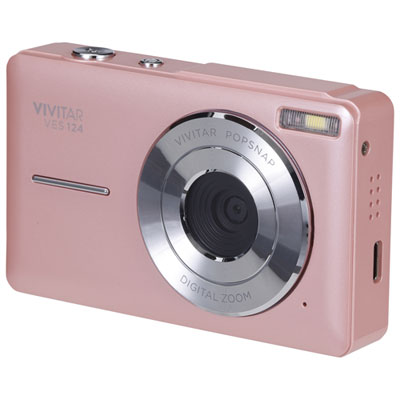
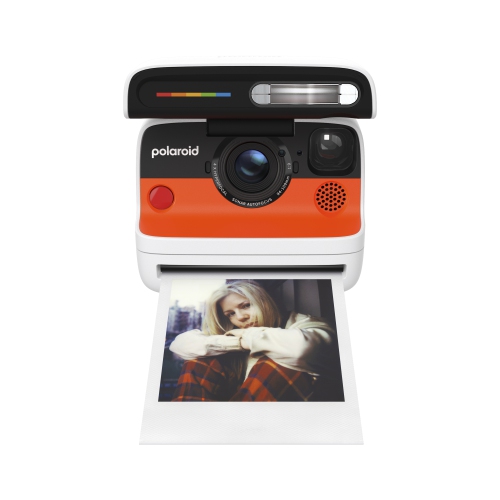
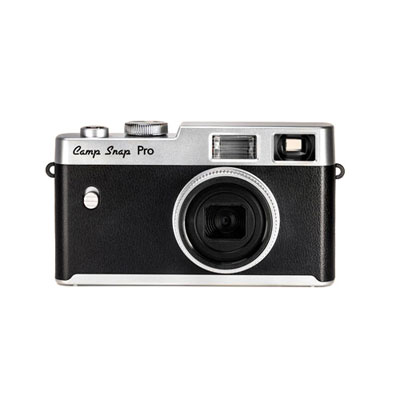
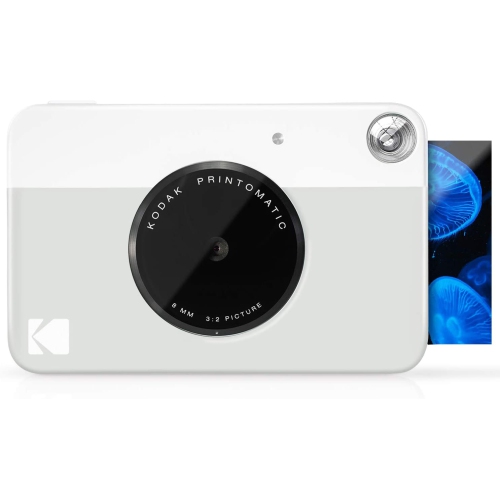
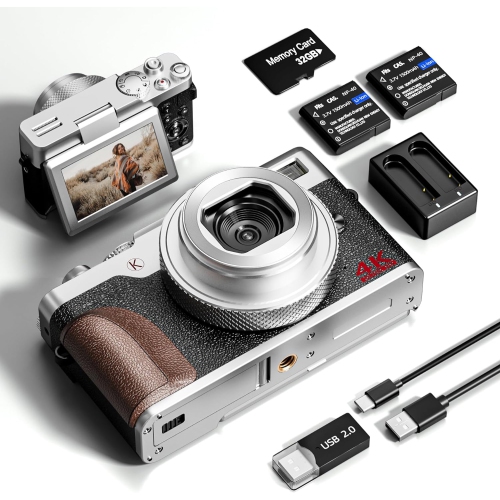
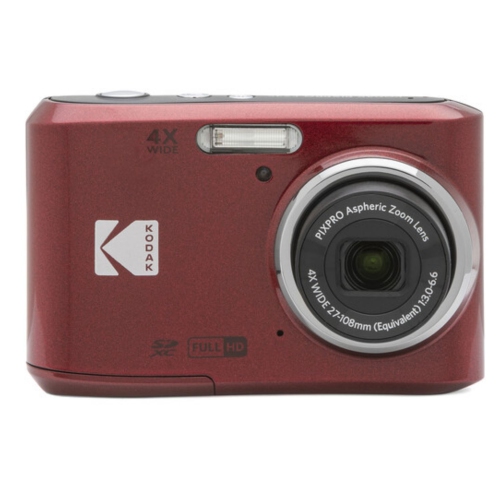
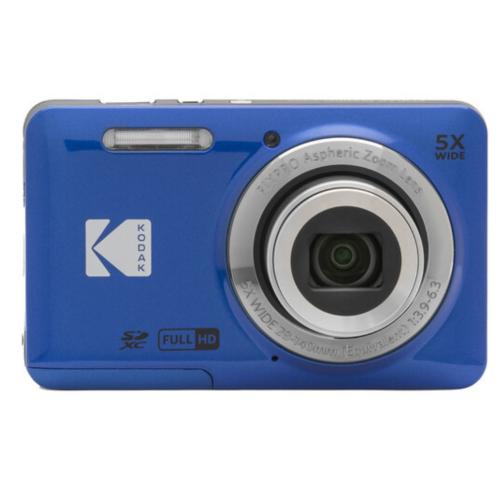
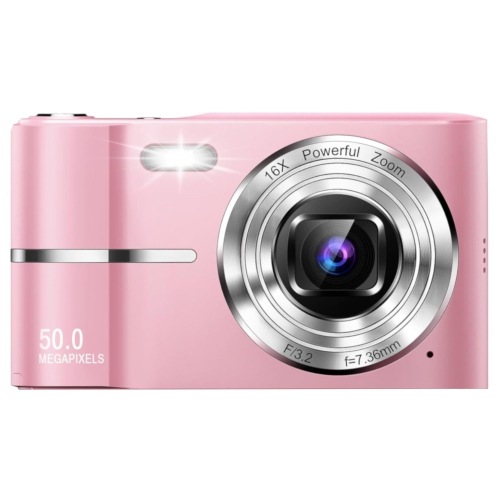
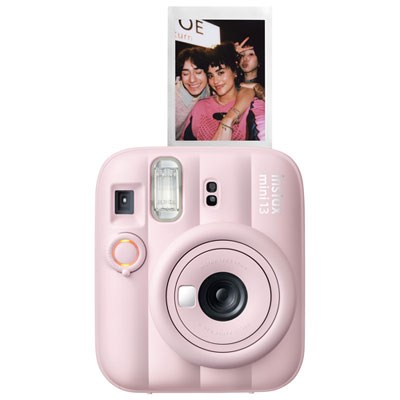
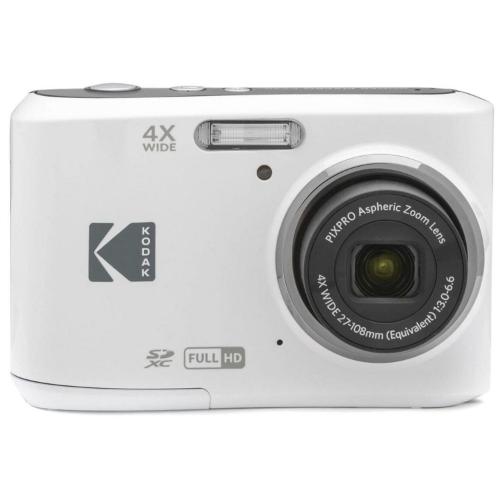
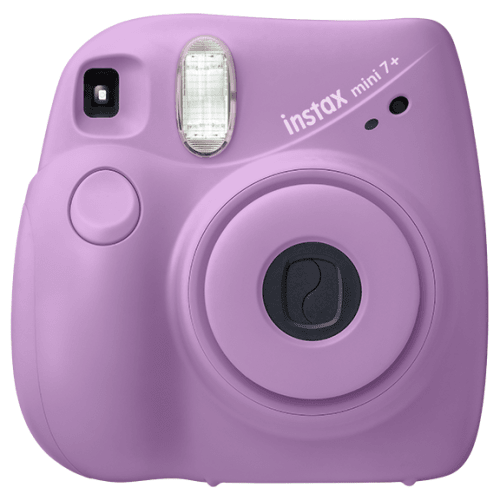
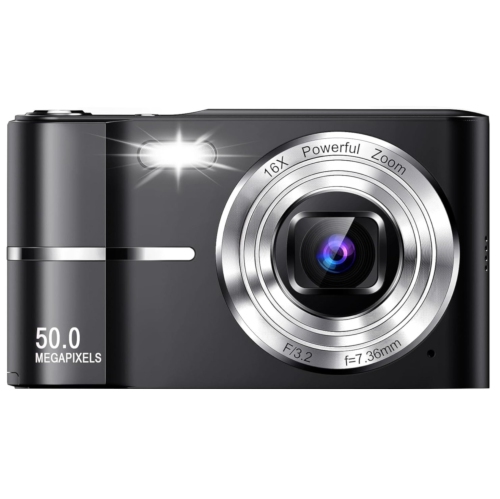
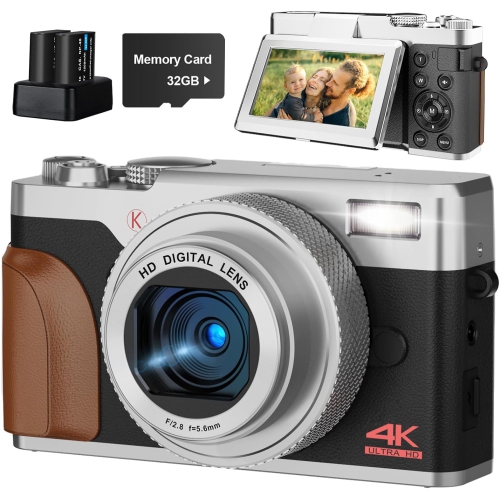
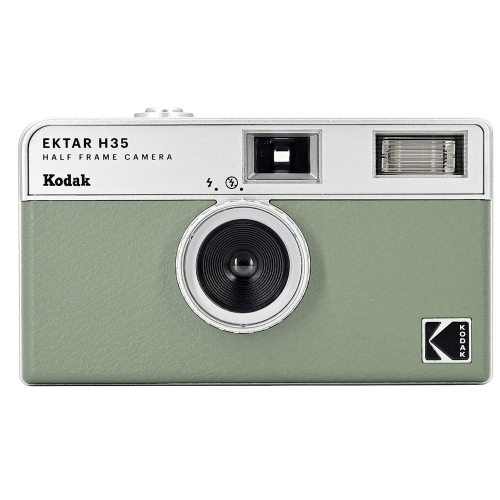
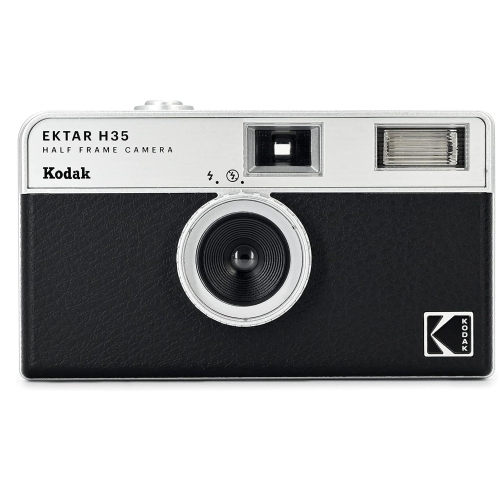
Everyday photos with less time spent adjusting settings
Simple cameras are cameras designed to make taking pictures straightforward, with easy-to-understand controls and little need to adjust settings before each shot. The category includes compact digital cameras, instant cameras and uncomplicated film cameras, each offering a different way to capture everyday moments. For someone who wants to press the shutter and keep enjoying a birthday gathering, a walk through a favourite neighbourhood or a family outing, ease of use matters more than a long list of technical features. A simple digital camera usually saves images to a memory card and lets the photographer review them on a screen, delete unwanted shots and transfer favourites to a compatible device. Automatic exposure handles the balance of light in a photograph, while autofocus, where included, helps keep the subject sharp without manual adjustment. Face detection can make casual portraits easier, although its performance varies by camera. Instant cameras produce physical prints that can be passed around, tucked into a journal or displayed on a desk. Many adjust exposure automatically, but their film format, focusing distance and flash behaviour still shape the result. Basic film cameras offer another approach: some use fixed-focus lenses and a small set of controls, with photographs revealed after the film has been developed. That slower process suits people who enjoy the anticipation of seeing a roll of pictures together rather than checking every shot immediately. Screen-free digital cameras can offer a similar sense of surprise while saving digital files, though reviewing and transferring those files depends on the camera’s connections and software requirements. Simplicity does not mean every camera works the same way, and image quality is not determined by megapixels alone. Lens quality, sensor size, focusing accuracy and available light all influence how a photograph looks. The most useful distinction is often the desired result: digital images for sharing and organizing, instant prints for hands-on keepsakes, or film photographs with a separate development step.
The physical design of an easy-to-use camera can make a noticeable difference during ordinary use. A compact body slips more easily into a small bag, while a slightly larger grip can feel steadier in the hand and leave more room between buttons. Lightweight plastic bodies are common in straightforward cameras; metal panels may add a firmer feel, but the outer material alone does not establish resistance to drops or everyday wear. Rounded edges, a secure wrist strap and a well-positioned shutter button help make a camera comfortable to carry and operate. For children learning to frame a picture, clearly marked controls and a grip that fits smaller hands can be more useful than extra shooting modes. Adults who prefer larger text or have difficulty with small buttons may appreciate a readable screen, distinct controls and menus that do not require frequent scrolling. A screen is helpful for reviewing a group portrait before everyone moves away, while a viewfinder offers a separate way to compose a shot on cameras equipped with one. Lens design also affects how straightforward the experience feels. A fixed lens keeps framing predictable, with the photographer moving closer or farther away when practical. An optical zoom provides more flexibility for portraits, sightseeing and distant details without relying solely on digital enlargement. Digital zoom generally crops or enlarges part of the image and can reduce visible detail. Close-up limits deserve attention, especially for pictures of pets, crafts or small objects on a table: a camera focused for everyday distances may not produce a sharp image when held only a few centimetres away. Colour is a matter of personal style rather than performance, and White Cameras offer a light-coloured look for shoppers who prefer that finish. Regardless of appearance, a protective case, a clean lens and careful handling help keep a camera ready for the next picture.
Living with a simple camera also involves a few practical details beyond pressing the shutter. Rechargeable batteries can be convenient for regular use, while cameras that accept replaceable batteries offer a different routine; battery type and charging method depend on the design. A USB connection does not always mean a camera supports charging through that port, so the stated charging requirements matter. Digital models may need a compatible memory card, and support for card types and capacities varies. Built-in Wi-Fi or Bluetooth can make transferring photographs easier on some cameras, but those features may require an app and a compatible phone. A cable or card reader can be a straightforward alternative when supported. For someone who wants short video clips as well as still pictures, recording resolution is only part of the experience: sound capture, focusing during recording and stabilization also affect the finished clip. Instant and film cameras have their own routines, including loading the correct film and following handling directions. Instant prints need time to develop and should be handled according to the film maker’s instructions rather than shaken. Traditional film requires processing, and digital scans may be a separate part of that service. Day-to-day care can remain simple: remove loose dust before gently cleaning the lens with suitable materials, keep the camera protected from spills and grit, and avoid forcing battery doors, card slots or lens mechanisms. These cameras can make thoughtful gifts for a teenager interested in photography, a relative who wants dedicated picture-taking controls, or someone who enjoys making tangible keepsakes. The best fit depends on the recipient’s preferred routine as much as their experience. A person building a family photo archive may value easy file transfers, while someone filling a scrapbook may enjoy instant prints. At a gathering, a clearly labelled shutter button and automatic settings make it easier to hand the camera to another guest. That approachable experience is the appeal of simple cameras: less time navigating controls and more attention on the expression, composition and small detail that makes a photograph worth keeping.
The physical design of an easy-to-use camera can make a noticeable difference during ordinary use. A compact body slips more easily into a small bag, while a slightly larger grip can feel steadier in the hand and leave more room between buttons. Lightweight plastic bodies are common in straightforward cameras; metal panels may add a firmer feel, but the outer material alone does not establish resistance to drops or everyday wear. Rounded edges, a secure wrist strap and a well-positioned shutter button help make a camera comfortable to carry and operate. For children learning to frame a picture, clearly marked controls and a grip that fits smaller hands can be more useful than extra shooting modes. Adults who prefer larger text or have difficulty with small buttons may appreciate a readable screen, distinct controls and menus that do not require frequent scrolling. A screen is helpful for reviewing a group portrait before everyone moves away, while a viewfinder offers a separate way to compose a shot on cameras equipped with one. Lens design also affects how straightforward the experience feels. A fixed lens keeps framing predictable, with the photographer moving closer or farther away when practical. An optical zoom provides more flexibility for portraits, sightseeing and distant details without relying solely on digital enlargement. Digital zoom generally crops or enlarges part of the image and can reduce visible detail. Close-up limits deserve attention, especially for pictures of pets, crafts or small objects on a table: a camera focused for everyday distances may not produce a sharp image when held only a few centimetres away. Colour is a matter of personal style rather than performance, and White Cameras offer a light-coloured look for shoppers who prefer that finish. Regardless of appearance, a protective case, a clean lens and careful handling help keep a camera ready for the next picture.
Living with a simple camera also involves a few practical details beyond pressing the shutter. Rechargeable batteries can be convenient for regular use, while cameras that accept replaceable batteries offer a different routine; battery type and charging method depend on the design. A USB connection does not always mean a camera supports charging through that port, so the stated charging requirements matter. Digital models may need a compatible memory card, and support for card types and capacities varies. Built-in Wi-Fi or Bluetooth can make transferring photographs easier on some cameras, but those features may require an app and a compatible phone. A cable or card reader can be a straightforward alternative when supported. For someone who wants short video clips as well as still pictures, recording resolution is only part of the experience: sound capture, focusing during recording and stabilization also affect the finished clip. Instant and film cameras have their own routines, including loading the correct film and following handling directions. Instant prints need time to develop and should be handled according to the film maker’s instructions rather than shaken. Traditional film requires processing, and digital scans may be a separate part of that service. Day-to-day care can remain simple: remove loose dust before gently cleaning the lens with suitable materials, keep the camera protected from spills and grit, and avoid forcing battery doors, card slots or lens mechanisms. These cameras can make thoughtful gifts for a teenager interested in photography, a relative who wants dedicated picture-taking controls, or someone who enjoys making tangible keepsakes. The best fit depends on the recipient’s preferred routine as much as their experience. A person building a family photo archive may value easy file transfers, while someone filling a scrapbook may enjoy instant prints. At a gathering, a clearly labelled shutter button and automatic settings make it easier to hand the camera to another guest. That approachable experience is the appeal of simple cameras: less time navigating controls and more attention on the expression, composition and small detail that makes a photograph worth keeping.
Top selling and popular products
-
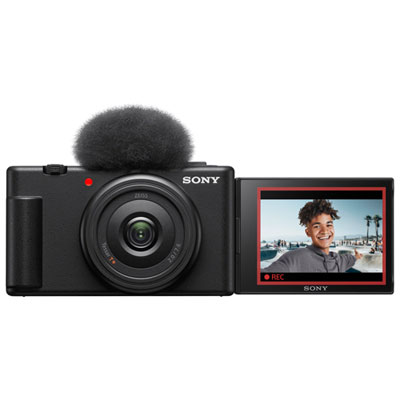 Your price for this item is $649.99
 -
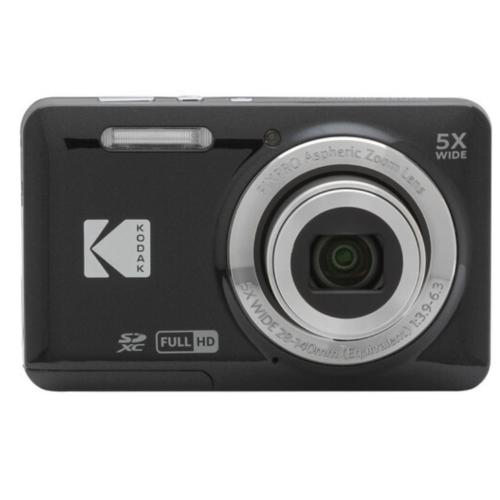 Your price for this item is $253
 -
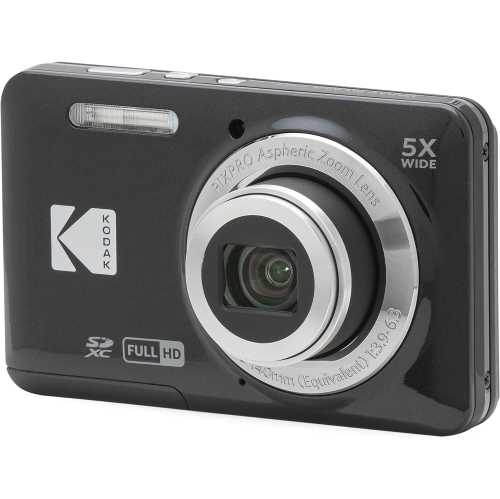 Your price for this item is $255
 -
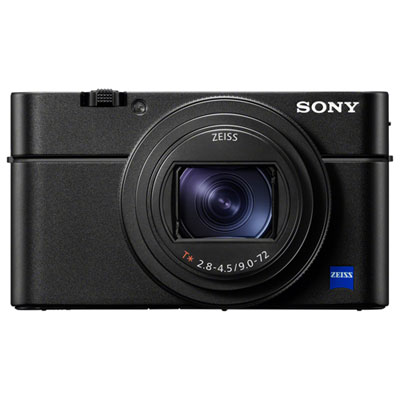 Your price for this item is $1999.99
 -
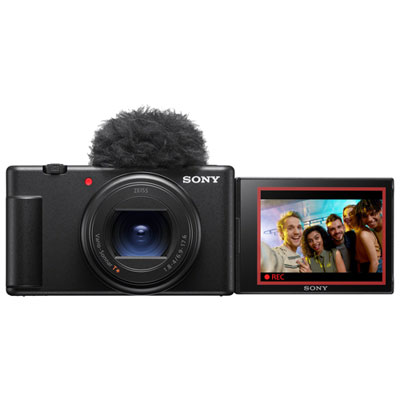 Your price for this item is $1199.99
 -
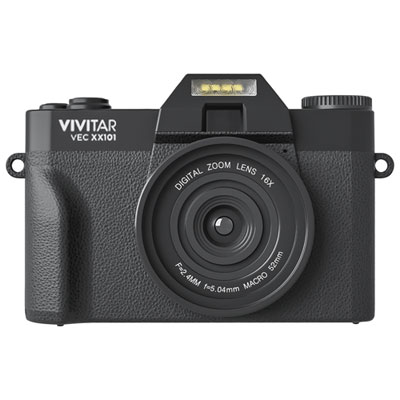 Your price for this item is $199.99
 -
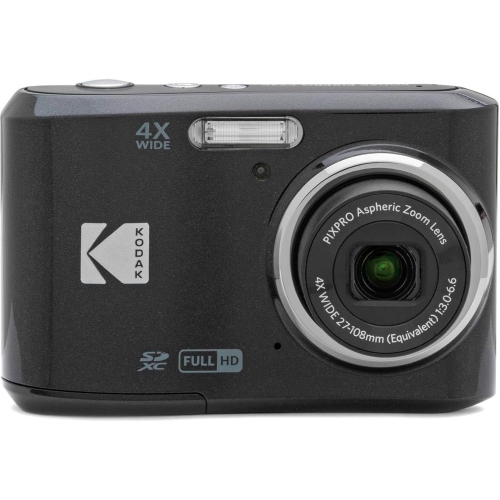 Your price for this item is $185
 -
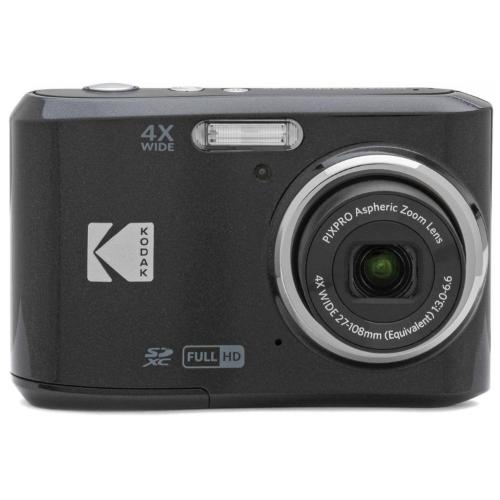 Your price for this item is $278
Discover more categories related to Simple Cameras
Top Collections:
Pokemon Centers, Kindle Devices, Best Budget Office Chairs, Apple iPhones 16, Best Laptops for Writers, iPhone 15 Apple, Canon G7X Cameras, Refurbished Apple Laptops, Alarm Clock, Motorola Razr Phones
Some products may be subject to Environmental Handling Fees
(EHF) depending on your province.
Learn more about EHFs.