FM Dipole Antennas
Looking to enhance your FM radio experience? Look no further than our wide selection of FM dipole antennas. Designed to improve signal reception and reduce interference, these antennas are the perfect addition to any home or office audio setup. Whether you're an avid music lover or simply enjoy staying up-to-date with the latest news and talk shows, our FM dipole antennas will ensure crystal-clear sound quality and a seamless listening experience. With various options available, you can easily find the perfect antenna to suit your needs. Upgrade your radio setup today and enjoy superior sound with our FM dipole antennas.
Sort
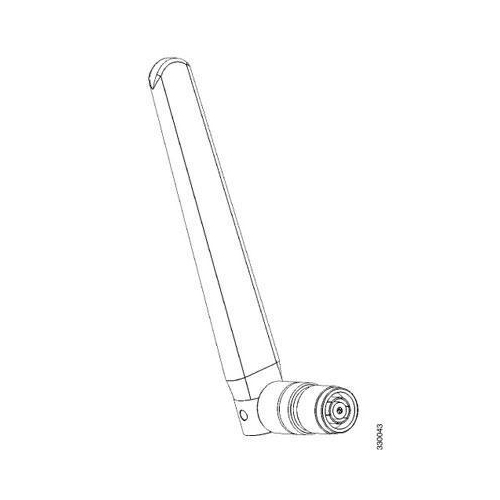
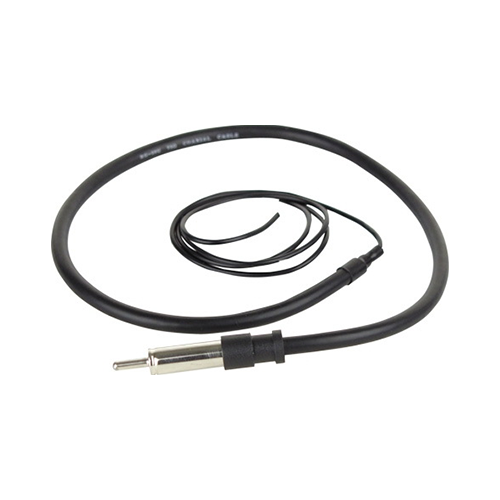
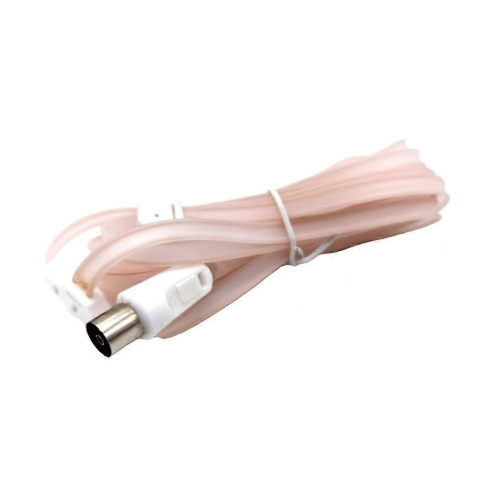
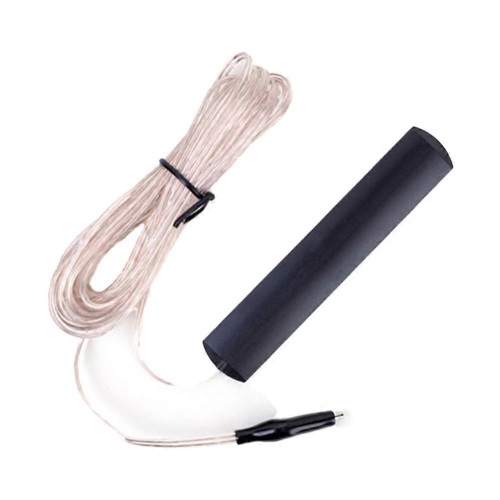
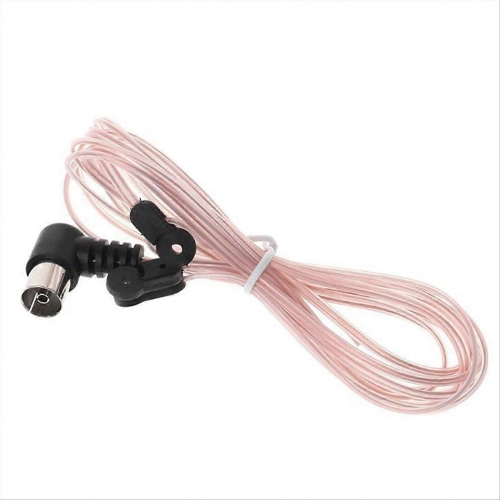
Better indoor reception starts with proper connection and placement
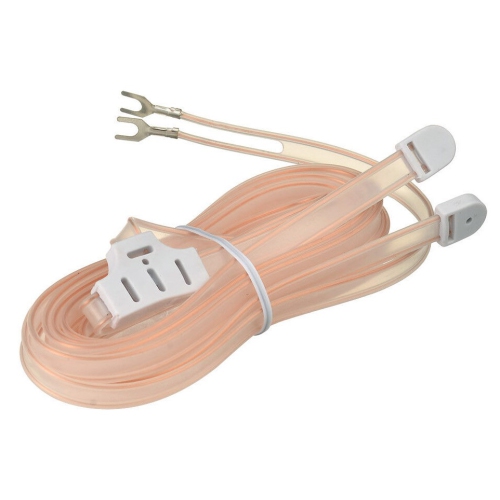
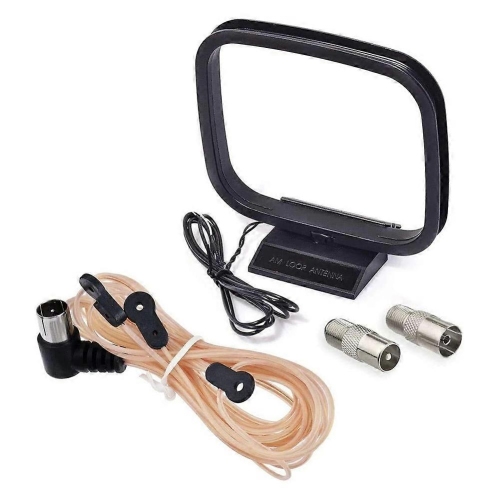
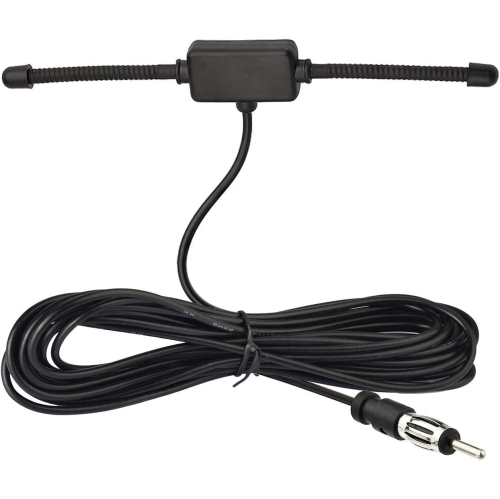
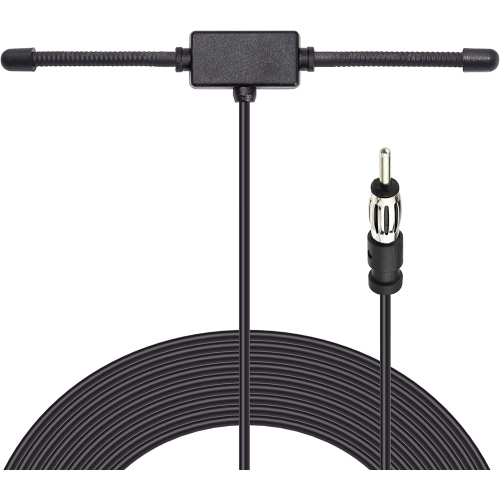
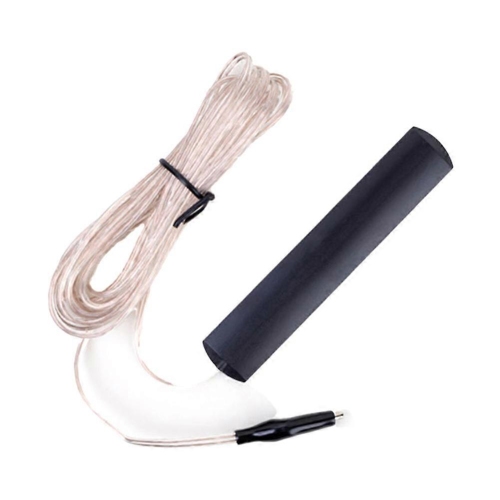
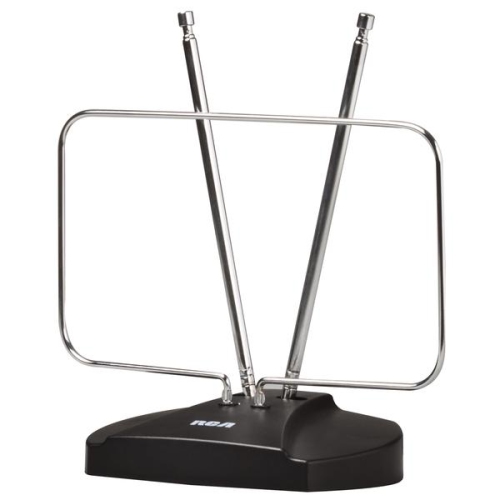
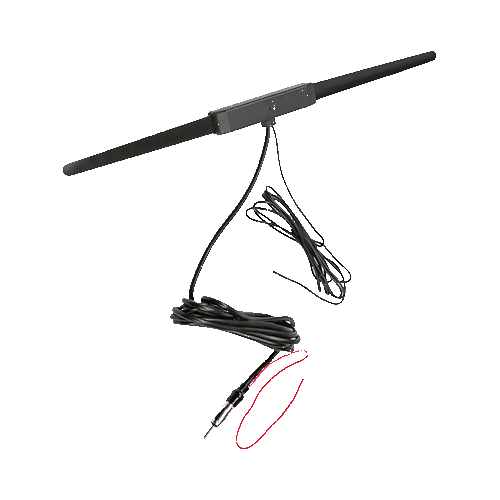
FM Dipole Antennas are straightforward additions for improving FM radio reception in home audio systems, stereo receivers, tabletop radios and other compatible equipment. Their familiar design consists of two equal wire or ribbon sections extending from a central feed point, creating a T-shaped antenna when laid flat. Together, the two arms form a half-wave dipole intended to capture FM broadcast signals across the standard frequency range of roughly 88 to 108 MHz. Many indoor FM dipole antennas are designed for simple installation, with a lead that connects directly to the antenna input on a receiver. Depending on the equipment, the connection may use a 75-ohm coaxial plug, often with an F-type connection, or 300-ohm twin-lead wire ending in spade lugs. Checking the input on the back of a stereo or radio before ordering helps ensure that the antenna will connect without an additional adapter. For anyone replacing a damaged wire antenna, setting up a second listening area or trying to improve reception in a room where stations sound faint, an FM dipole antenna can be a practical and affordable solution. It is also a useful accessory for a receiver that has been moved away from a window, placed inside a cabinet or installed in a room with thick walls. Rather than relying on the short wire supplied with some radios, a dipole can be positioned more deliberately to make the most of available broadcast signals.
Placement has a noticeable effect on performance. For typical indoor use, extend the two arms in a straight horizontal line, keeping them separated as much as possible and positioning the antenna high on a wall, above an audio cabinet or behind the receiver where the material will not be sharply folded. A removable adhesive tab, small hook or similar non-permanent mounting method can help hold the wire in place without putting unnecessary strain on the connector. The antenna does not need to be mounted outdoors to work well; a clear position near an exterior wall or window may be enough for strong local stations. As a starting point, try placing the antenna in a horizontal T formation, then rotate the entire arrangement gradually while listening for changes in clarity. FM reception can vary with building materials, nearby electronics, the receiver’s location and the direction of the broadcast tower. In some areas, the two arms may perform best when oriented perpendicular to the direction of the station’s transmission, although the ideal position depends on the local signal and the construction of the home. Keep the antenna away from tightly bundled power cords, large metal surfaces and equipment that may introduce electrical noise. If a station produces static, brief dropouts or a muffled sound, repositioning the antenna by even a small distance can help. Moving the receiver and antenna higher, opening a cabinet door or separating the antenna lead from other cables are sensible troubleshooting steps. When the lead uses 300-ohm twin-lead wire, avoid crushing, sharply bending or twisting it near the connection point. For a 75-ohm coaxial connection, make sure the plug is seated securely and that the cable is not being pulled sideways by the way the antenna is mounted.
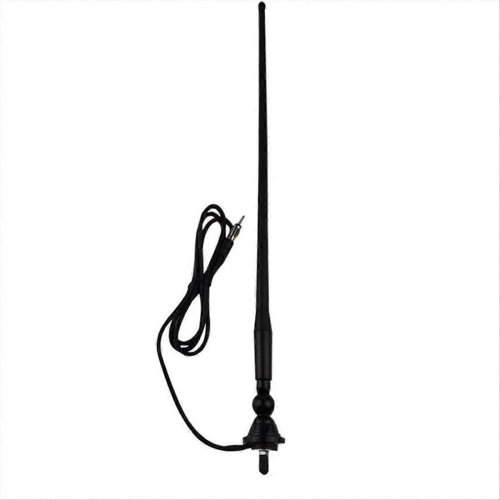
These antennas are well suited to listeners who enjoy local news, weather reports, music, sports broadcasts and community programming through a home stereo. They can be especially helpful in a basement room, home office, kitchen, workshop or living room where FM reception changes after furniture or audio equipment is rearranged. Someone restoring an older receiver may choose an FM dipole antenna as a neat way to replace a missing or brittle original antenna, while a student setting up a compact stereo in a residence may appreciate the small size and uncomplicated installation. They can also make thoughtful gifts for radio enthusiasts, people who enjoy building a practical listening setup or family members who rely on a favourite local station during the cooler months. Before selecting one, compare the connector style, lead length and mounting options with the receiver’s requirements. Consider where the antenna will sit, whether the arms can be extended fully and whether the cable will reach the receiver without being stretched. An FM dipole is intended for FM broadcasts, so it is not a substitute for an antenna designed specifically for AM reception or for every type of wireless signal. For a broader selection of antenna options for different radio and vehicle applications, explore AM FM Antennas. With the correct connection and a little attention to placement, an FM dipole antenna can help a receiver deliver cleaner, more consistent sound while keeping the setup simple and unobtrusive.
Top selling and popular products
-
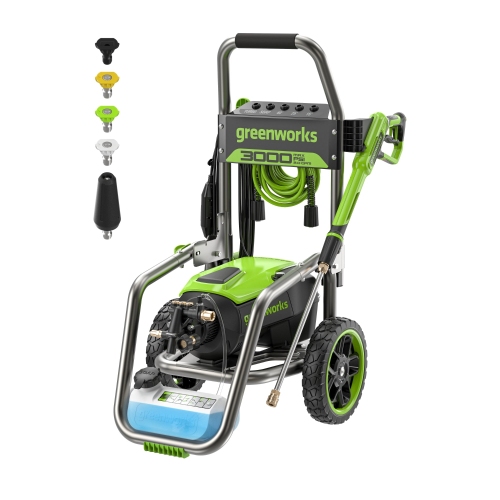 Your price for this item is $699.99
-
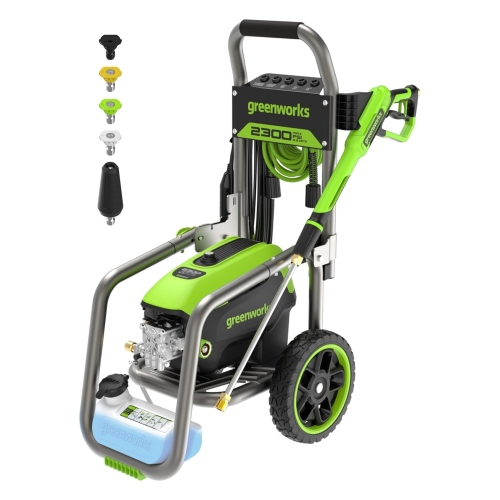 Your price for this item is $569.99
-
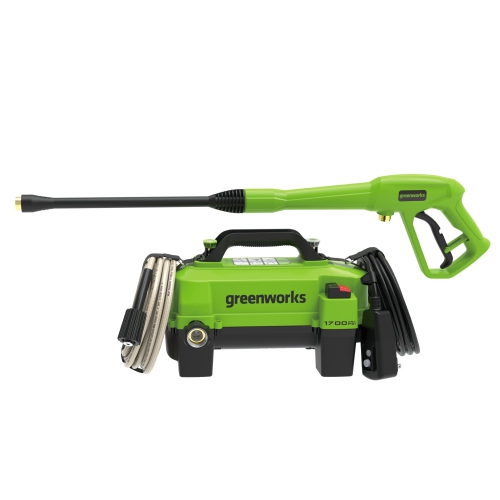 Your price for this item is $179.99
-
 Your price for this item is $339.99
-
 Your price for this item is $104.99
-
 Your price for this item is $807.5
-
 Your price for this item is $86.99
-
 Your price for this item is $289.99
Discover more categories related to FM Dipole Antennas
Top Collections:
Pokemon Centers, Best Cameras for Sports Photography, Kindle Devices, Samsung Galaxy Phones, Canon G7X Cameras, Pokémon 30th Celebration Cards, Refurbished Apple Laptops, iPhone 15 Apple, Laptops for Students, Budget Smartphones
Some products may be subject to Environmental Handling Fees
(EHF) depending on your province.
Learn more about EHFs.