Automotive Cameras
Capture every moment on the road with automotive cameras from Best Buy. Whether you're a seasoned road warrior or simply want to enhance your driving experience, our wide selection of automotive cameras is here to help. From dash cams that provide peace of mind and security to backup cameras that make parking a breeze, we have the perfect solution to meet your needs. With advanced features, high-quality video recording, and easy installation, our automotive cameras are designed to keep you safe and informed on every journey. Explore our range of options and find the perfect camera to elevate your driving experience today.
Sort
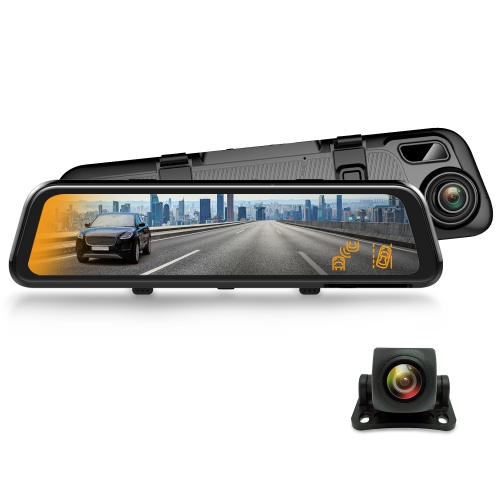
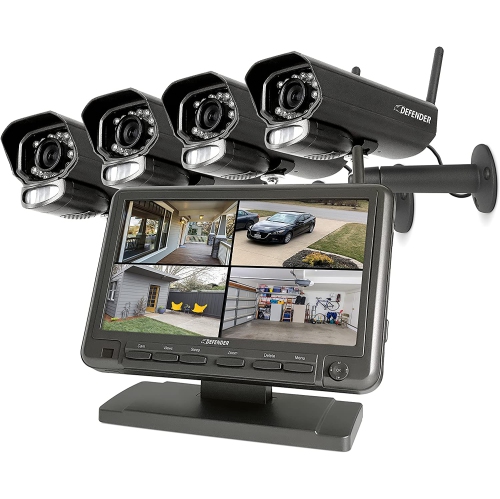
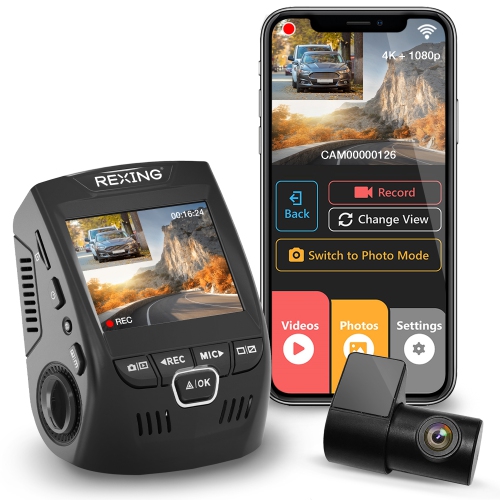
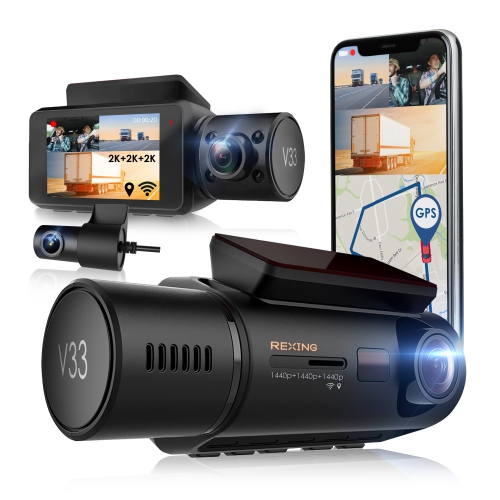
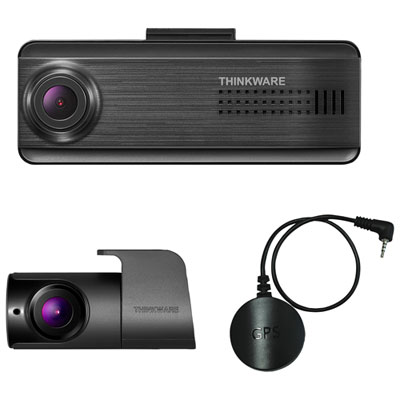
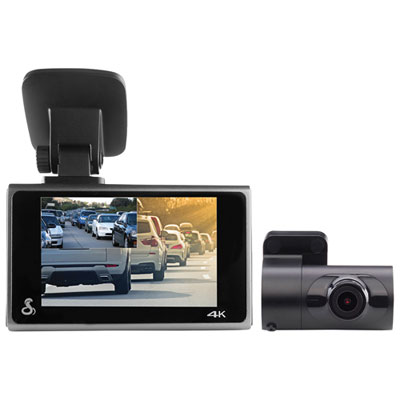
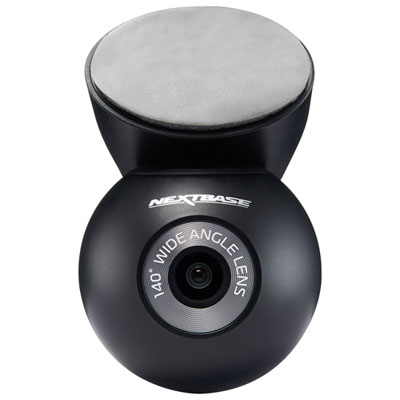
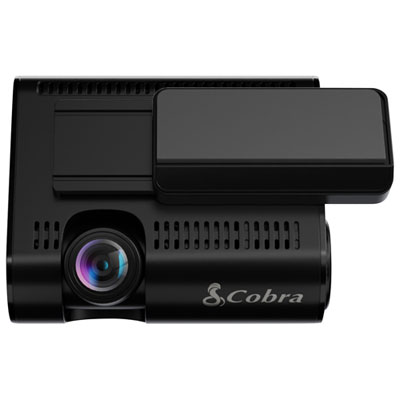
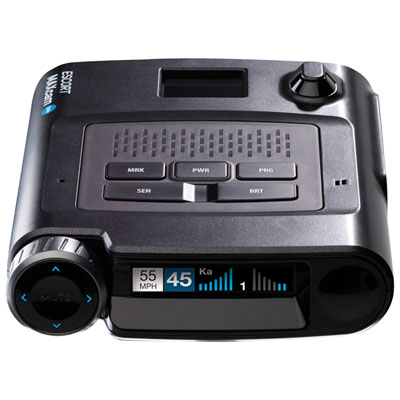
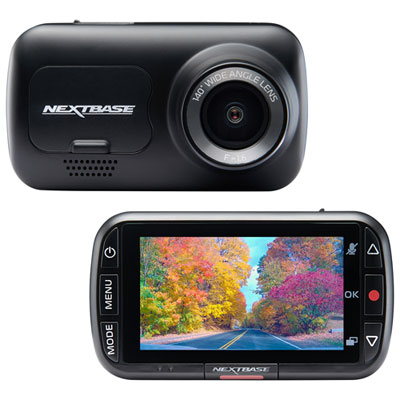
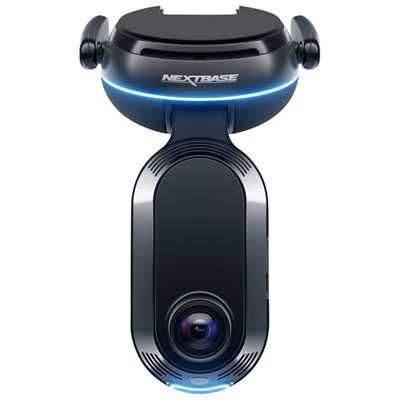
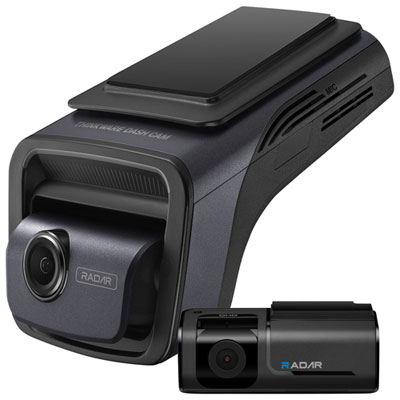
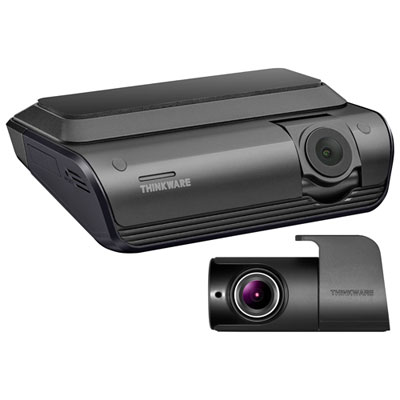
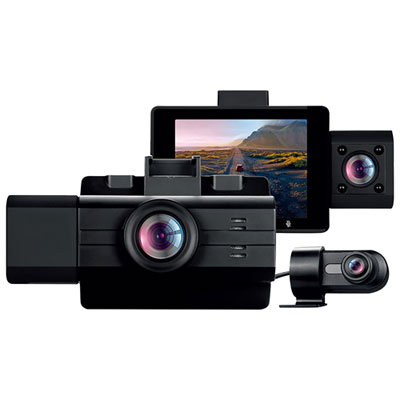
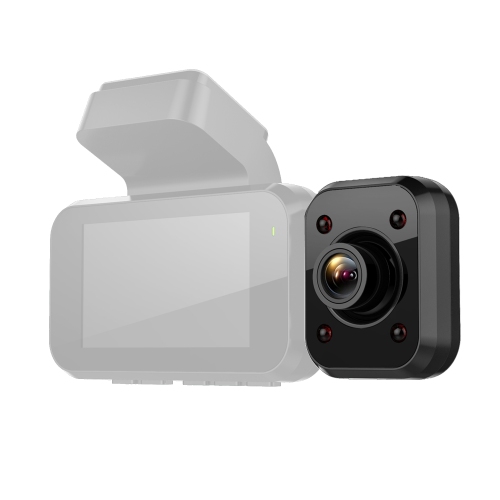
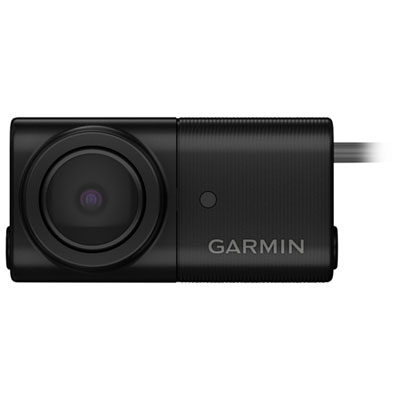
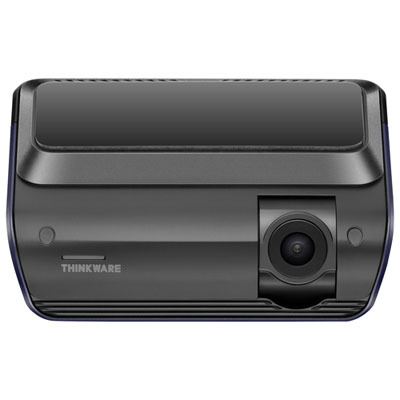
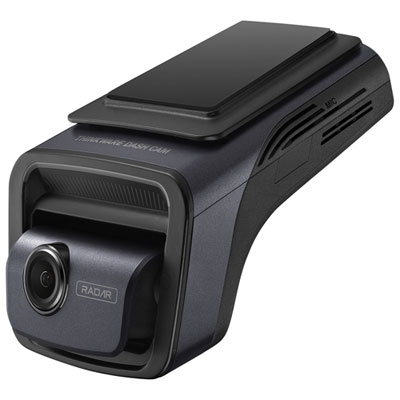
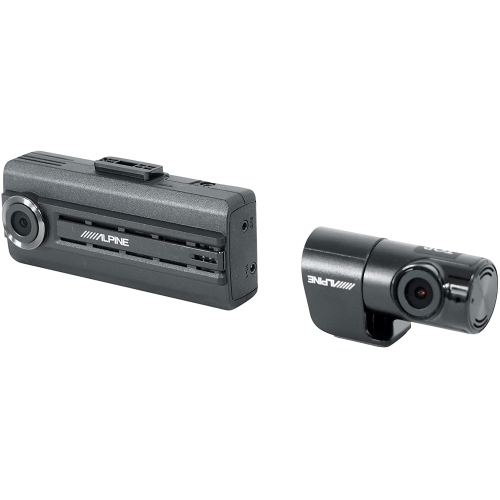
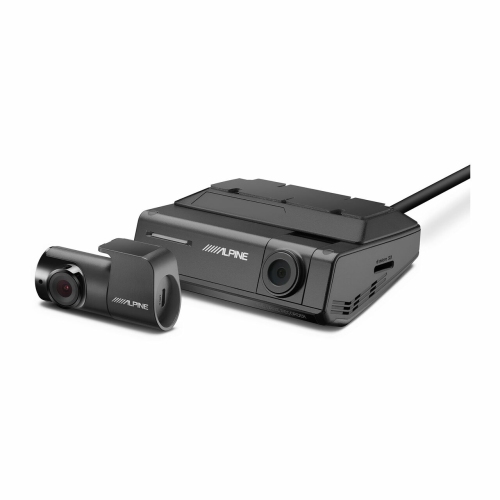
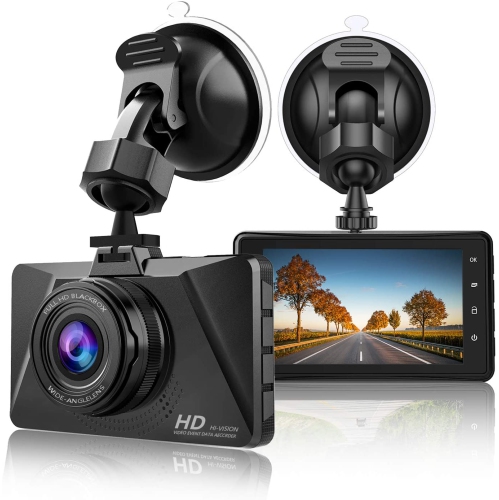
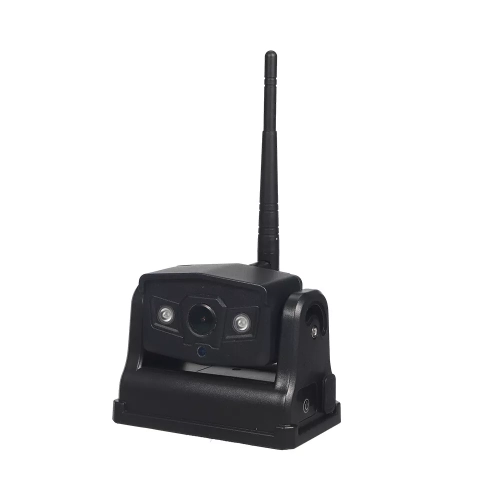
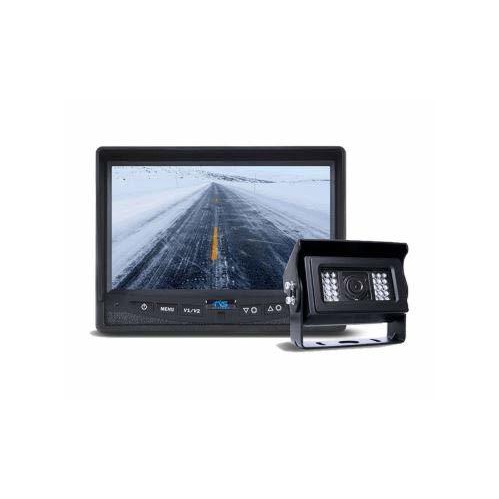
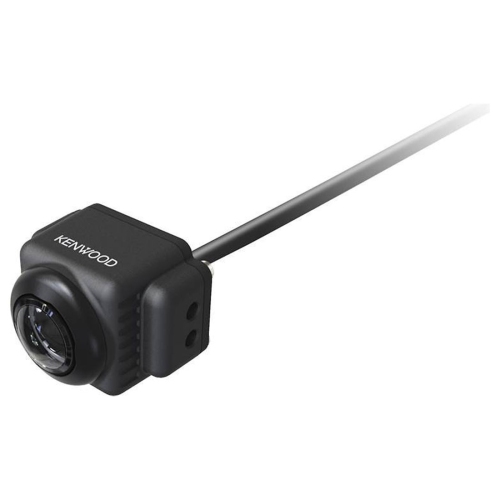
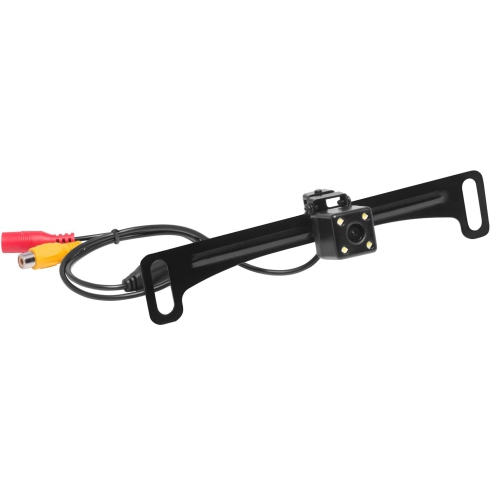
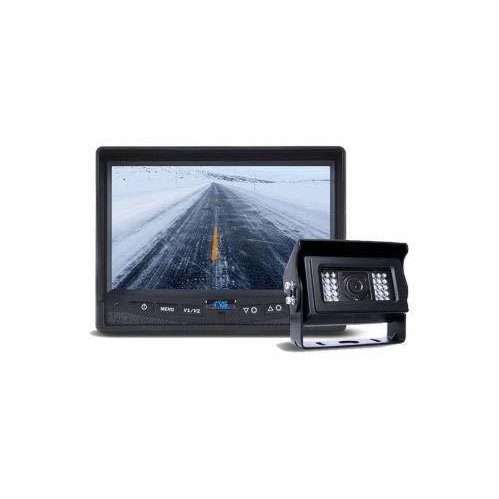
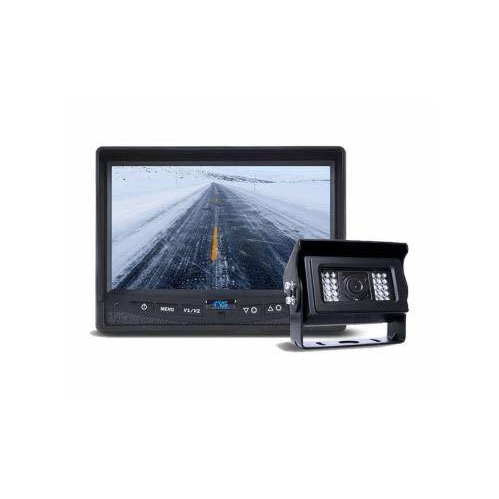
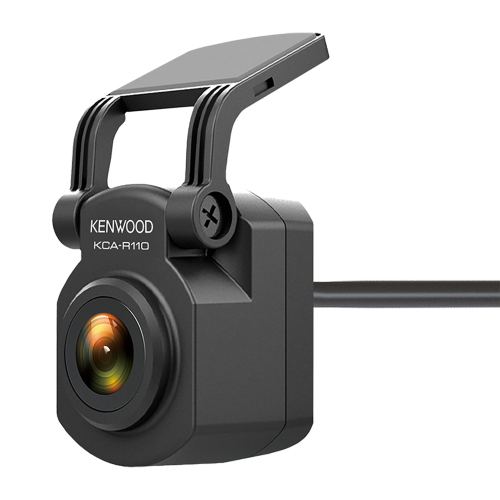
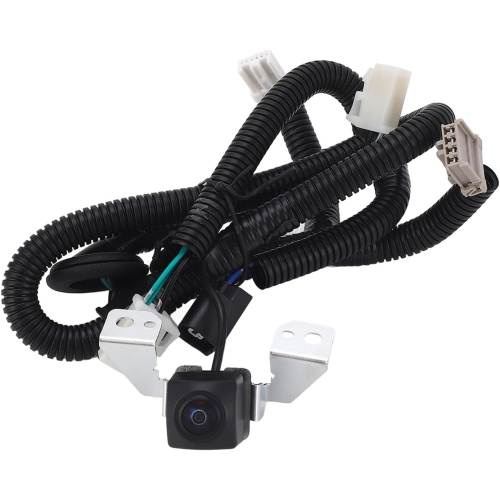
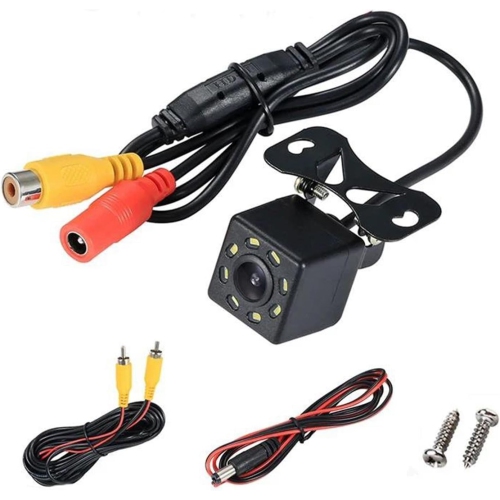
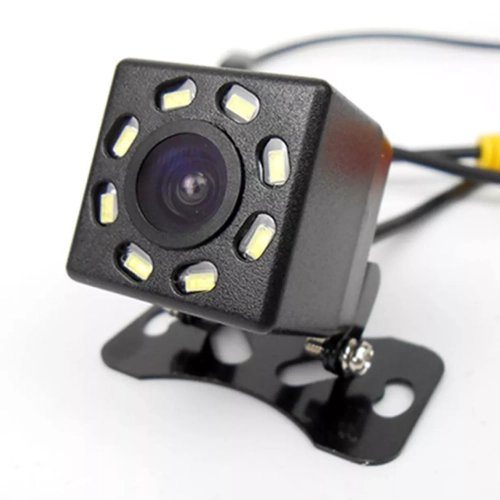
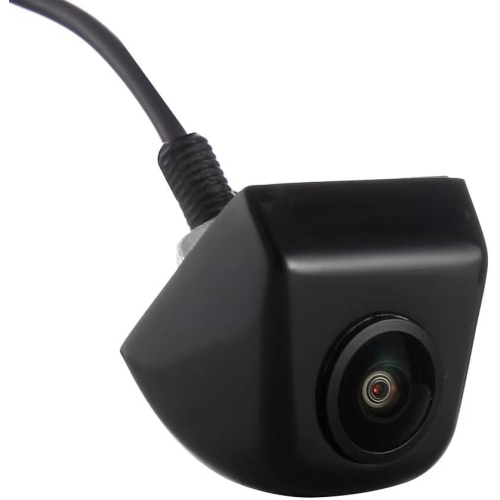
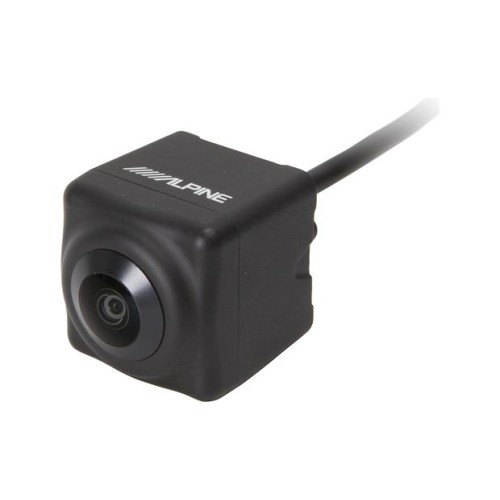
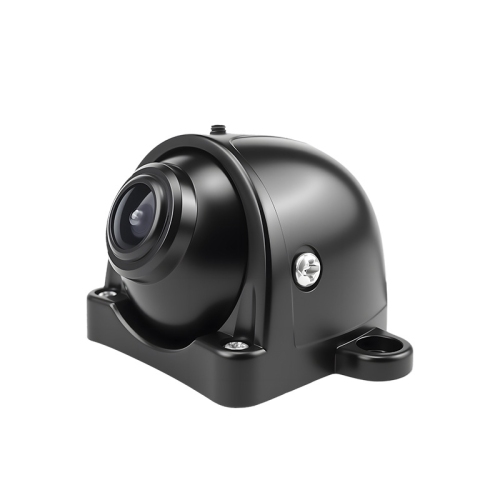
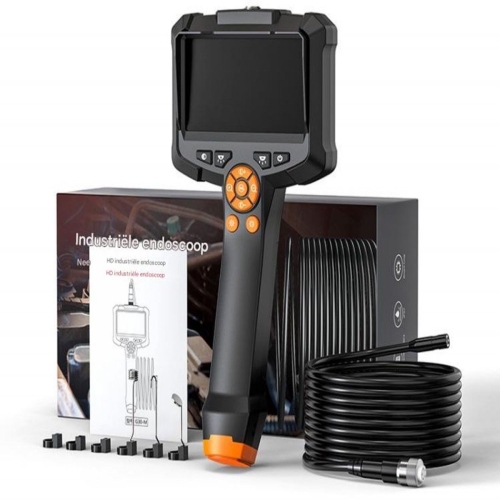
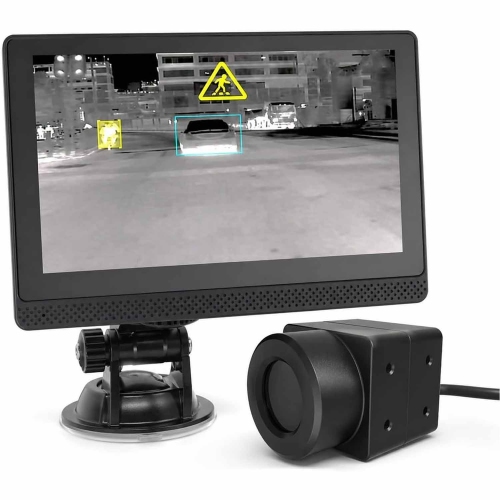
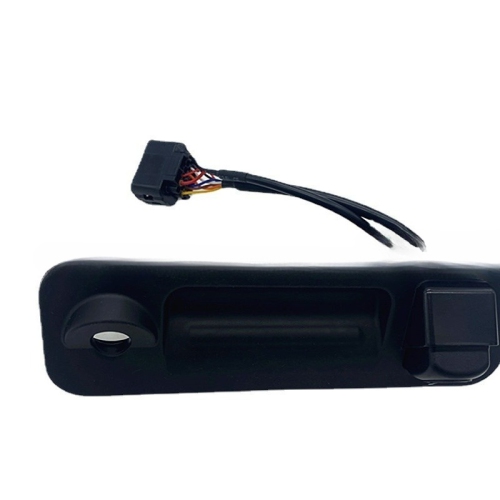
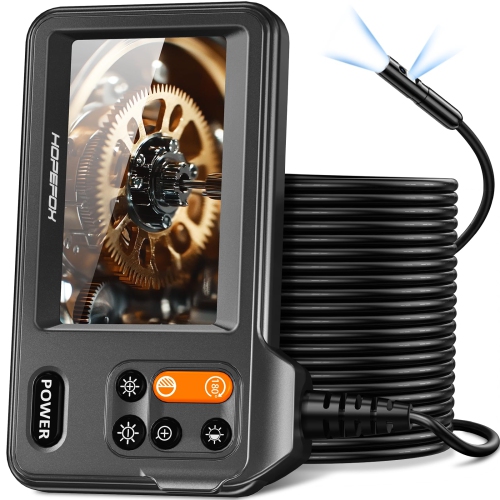
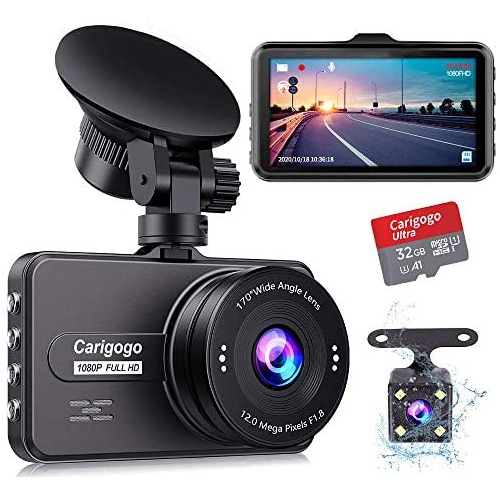
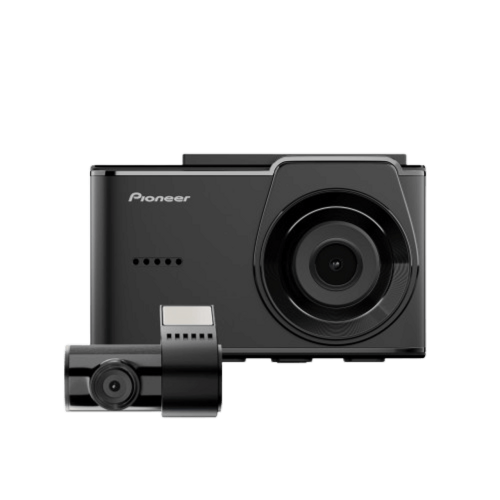
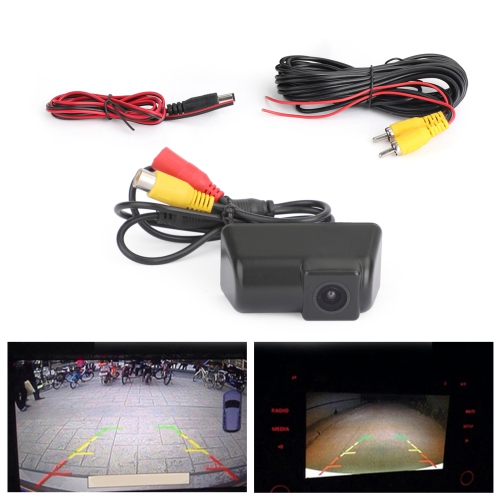

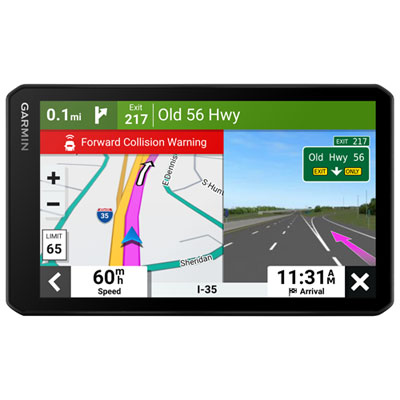
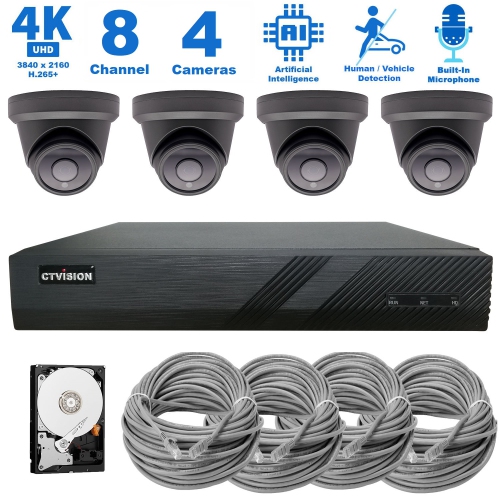
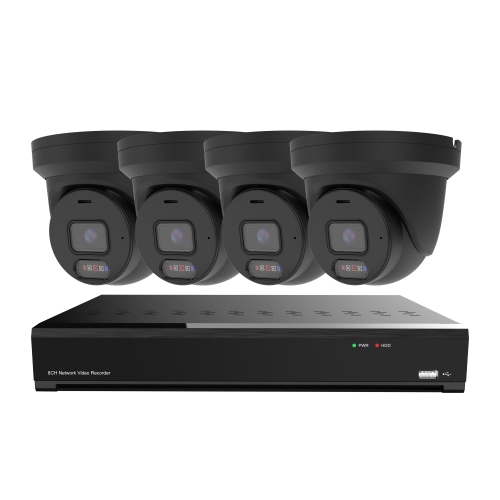
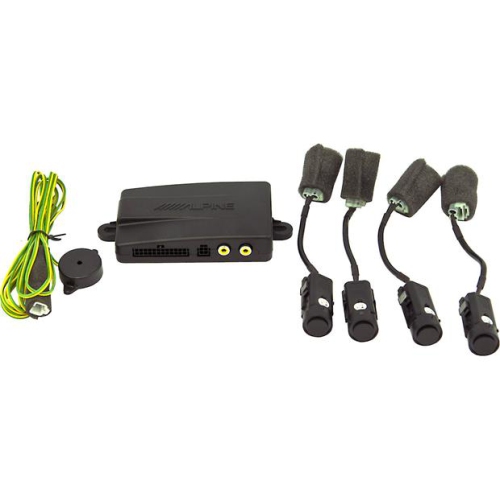
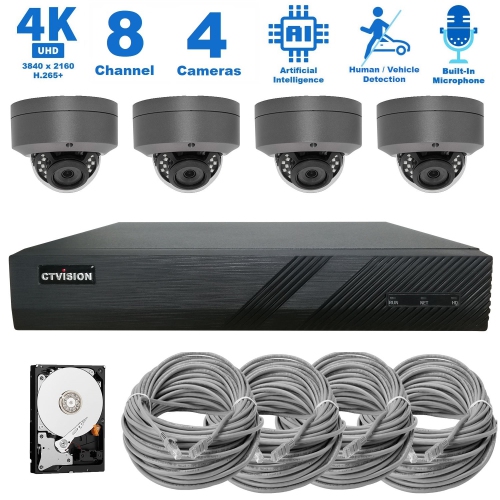
How dash cams document incidents, trips, and parked vehicles
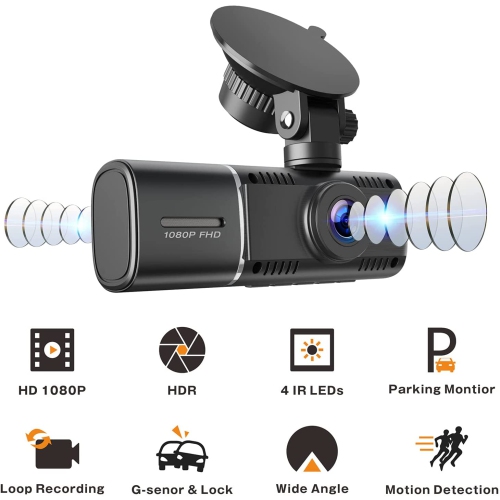
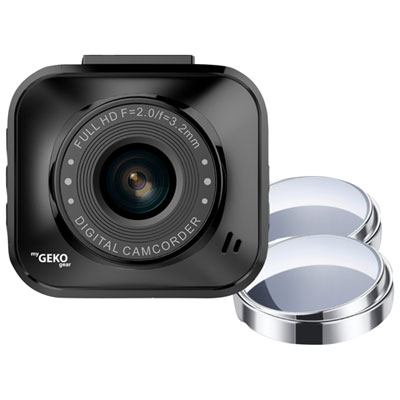
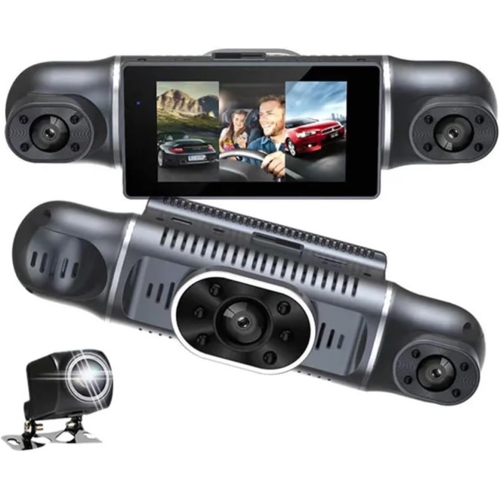
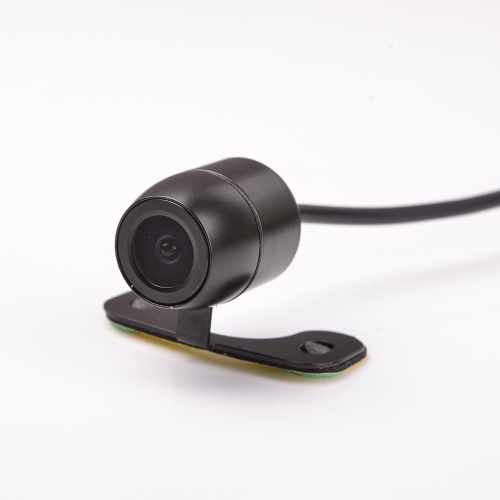
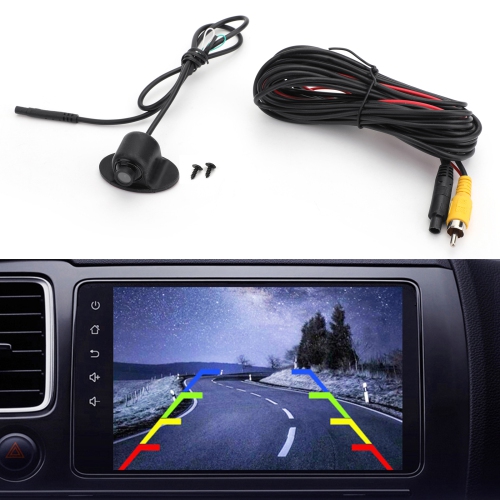
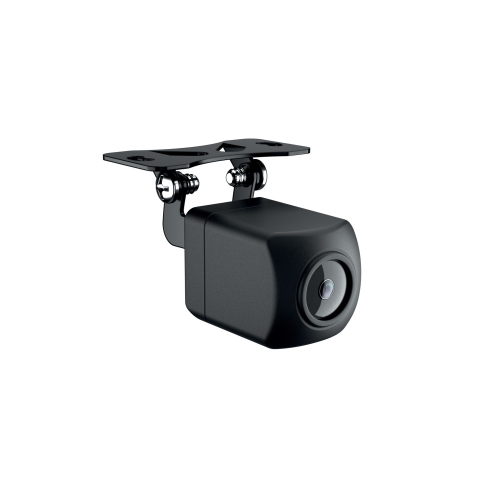
Automotive cameras, often called dash cams, provide a practical way to record what happens on the road and around your vehicle. A forward-facing camera can capture the view through the windshield as you drive, creating a video record of traffic conditions, road hazards, unexpected incidents, and memorable journeys. Many drivers appreciate having an objective account after a collision or insurance claim, especially when details are difficult to recall clearly. A camera can also be useful for documenting close calls, damage caused by another vehicle, or changing road conditions during heavy rain, snow, fog, or reduced daylight. Drivers who spend long hours commuting, travel frequently for work, or regularly use unfamiliar routes may find this added record especially reassuring. Families may choose an automotive camera for a new driver, while rideshare and delivery drivers can use one to document busy stops and interactions around their vehicle. If a simple front-facing setup suits your needs, explore Front Facing Car Cameras for options designed to record the road ahead without adding unnecessary complexity. These cameras can also make thoughtful gifts for new vehicle owners, university students commuting between home and campus, or anyone preparing for longer drives during the cooler months. A compact design, clear controls, and dependable recording can make a meaningful difference without changing the way someone drives.
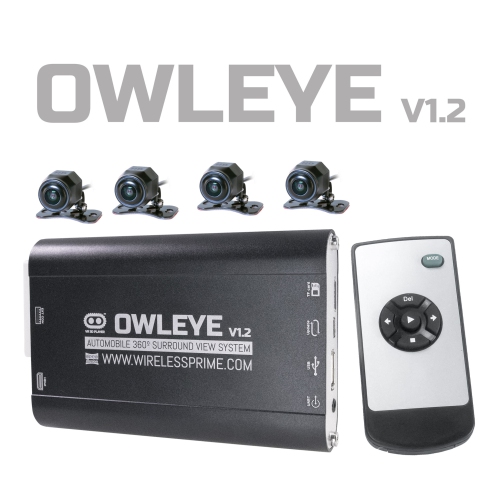
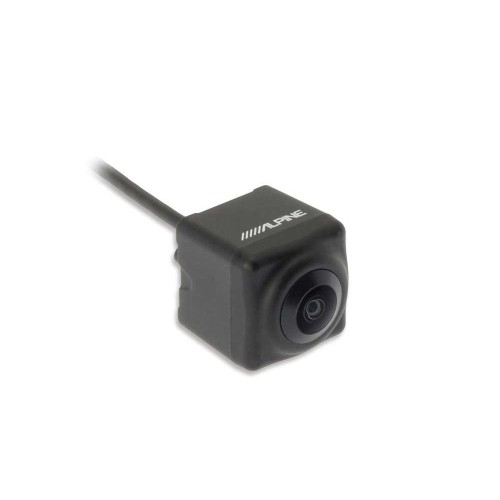
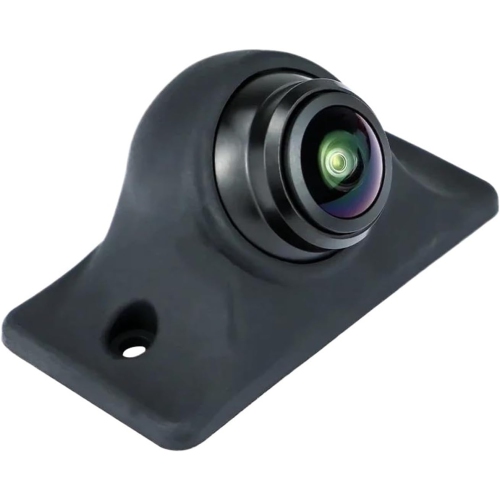
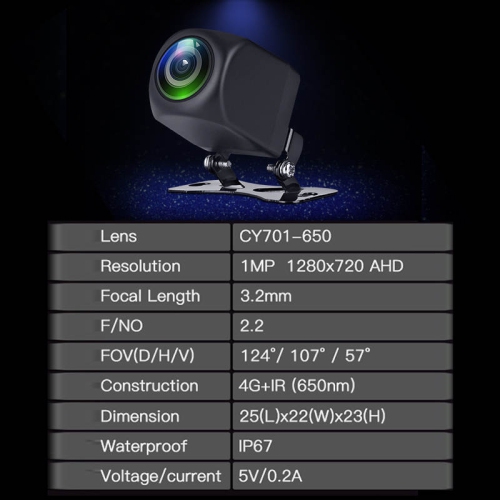
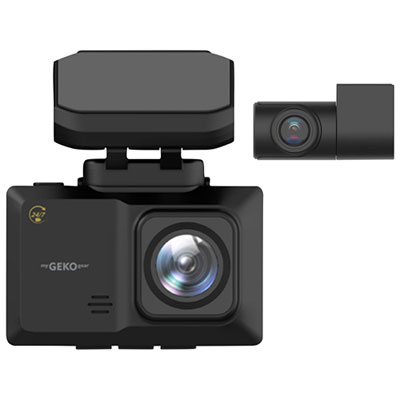
Image quality is one of the most important considerations when comparing automotive cameras. A 4K sensor can capture a highly detailed view of the road and may make it easier to distinguish licence plates, road signs, and other details at a distance, particularly in good lighting. A 2K camera offers a useful balance between clarity, storage needs, and cost, while 1080p can provide dependable basic coverage for everyday driving. Resolution is only part of the picture, since lens quality, dynamic range, image processing, and night performance also affect the final recording. Look for features that help manage bright headlights, deep shadows, and quick changes between sunlight and shade. Night vision can improve visibility after dark, though results vary depending on the sensor and surrounding light. Drivers who want more complete coverage can choose a dual-channel system that records the front and rear views, helping capture what happens behind the vehicle as well as ahead. Triple-channel cameras may add an interior or side-facing view, which can be useful for commercial driving, family vehicles, and situations where activity inside the cabin matters. Front-only models are generally simpler to install and operate, while multi-camera systems require more careful positioning and cable management. Loop recording allows the camera to continue recording when the memory card fills by replacing older, protected footage, and an automatic incident lock can help preserve video when a built-in G-sensor detects sudden braking, impact, or a sharp change in movement. Check the recommended memory card type and capacity before installation, and consider keeping a spare card available if you regularly save long trips or need to transfer footage.
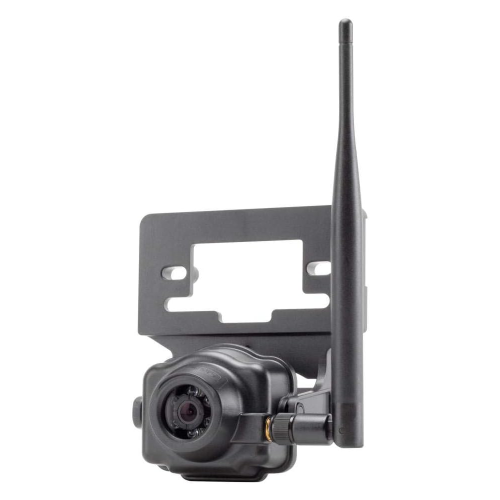
Parking mode is another feature that can shape the right choice for your vehicle and routine. When enabled, a compatible camera can monitor activity while the vehicle is parked, recording movement, impacts, or other events in the surrounding area. Some systems begin recording when the camera detects motion, while others use impact detection or a low-power radar sensor to reduce unnecessary clips. Parking monitoring typically requires a hardwired installation or a suitable power accessory so the camera can operate when the engine is off. Professional installation can help protect the vehicle’s electrical system and keep wiring neatly tucked away, although plug-in setups may be more convenient for drivers who want a portable solution. Before using parking mode, confirm how the camera handles battery protection and whether the vehicle’s power system is compatible. GPS may add location and speed information to recordings, while a companion app with Wi-Fi can make it easier to view, download, and share clips from a compatible smartphone. A clear display can help with setup and playback, but some drivers prefer a screen-free design that keeps the windshield area uncluttered. During the cooler months, select a camera and mounting method suited to changing temperatures, and make sure the lens remains clean and unobstructed by frost, dust, or windshield treatments. Whether the priority is sharp front video, front-and-rear coverage, reliable night recording, or parked-vehicle monitoring, the best automotive camera is one that fits the vehicle, driving habits, installation preferences, and level of coverage needed.
Image quality is one of the most important considerations when comparing automotive cameras. A 4K sensor can capture a highly detailed view of the road and may make it easier to distinguish licence plates, road signs, and other details at a distance, particularly in good lighting. A 2K camera offers a useful balance between clarity, storage needs, and cost, while 1080p can provide dependable basic coverage for everyday driving. Resolution is only part of the picture, since lens quality, dynamic range, image processing, and night performance also affect the final recording. Look for features that help manage bright headlights, deep shadows, and quick changes between sunlight and shade. Night vision can improve visibility after dark, though results vary depending on the sensor and surrounding light. Drivers who want more complete coverage can choose a dual-channel system that records the front and rear views, helping capture what happens behind the vehicle as well as ahead. Triple-channel cameras may add an interior or side-facing view, which can be useful for commercial driving, family vehicles, and situations where activity inside the cabin matters. Front-only models are generally simpler to install and operate, while multi-camera systems require more careful positioning and cable management. Loop recording allows the camera to continue recording when the memory card fills by replacing older, protected footage, and an automatic incident lock can help preserve video when a built-in G-sensor detects sudden braking, impact, or a sharp change in movement. Check the recommended memory card type and capacity before installation, and consider keeping a spare card available if you regularly save long trips or need to transfer footage.
Parking mode is another feature that can shape the right choice for your vehicle and routine. When enabled, a compatible camera can monitor activity while the vehicle is parked, recording movement, impacts, or other events in the surrounding area. Some systems begin recording when the camera detects motion, while others use impact detection or a low-power radar sensor to reduce unnecessary clips. Parking monitoring typically requires a hardwired installation or a suitable power accessory so the camera can operate when the engine is off. Professional installation can help protect the vehicle’s electrical system and keep wiring neatly tucked away, although plug-in setups may be more convenient for drivers who want a portable solution. Before using parking mode, confirm how the camera handles battery protection and whether the vehicle’s power system is compatible. GPS may add location and speed information to recordings, while a companion app with Wi-Fi can make it easier to view, download, and share clips from a compatible smartphone. A clear display can help with setup and playback, but some drivers prefer a screen-free design that keeps the windshield area uncluttered. During the cooler months, select a camera and mounting method suited to changing temperatures, and make sure the lens remains clean and unobstructed by frost, dust, or windshield treatments. Whether the priority is sharp front video, front-and-rear coverage, reliable night recording, or parked-vehicle monitoring, the best automotive camera is one that fits the vehicle, driving habits, installation preferences, and level of coverage needed.
Top selling and popular products
-
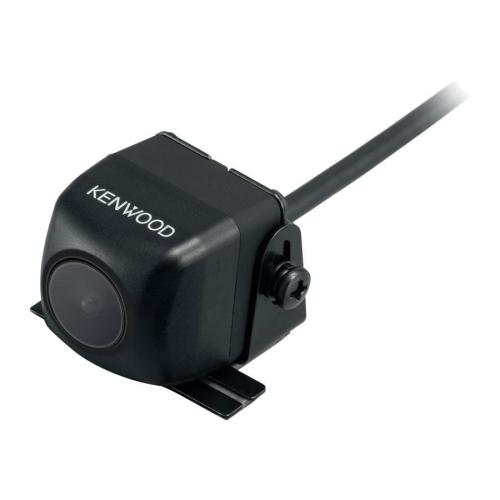 Your price for this item is $199.97
 -
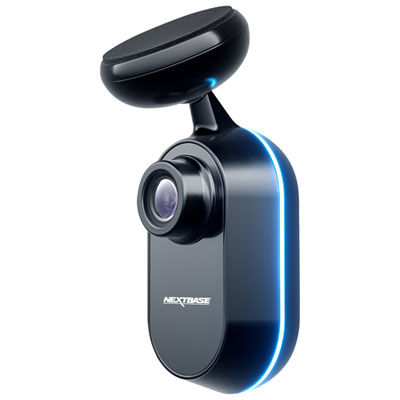 Your price for this item is $249.99
 -
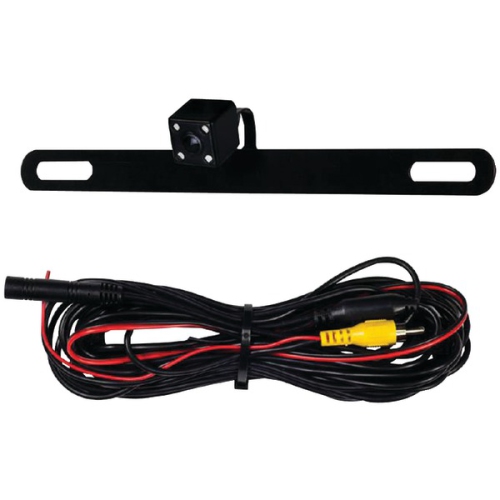 Your price for this item is $118.29
 -
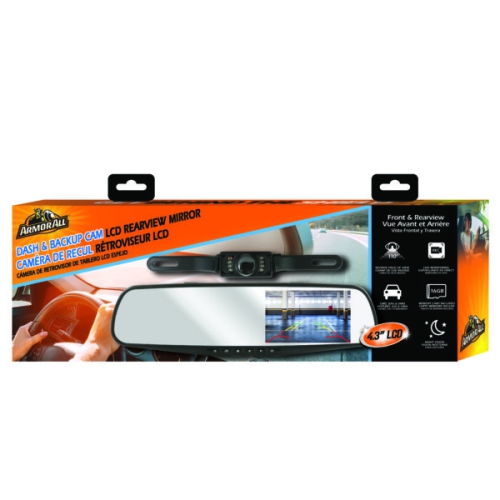 Your price for this item is $70.88
 -
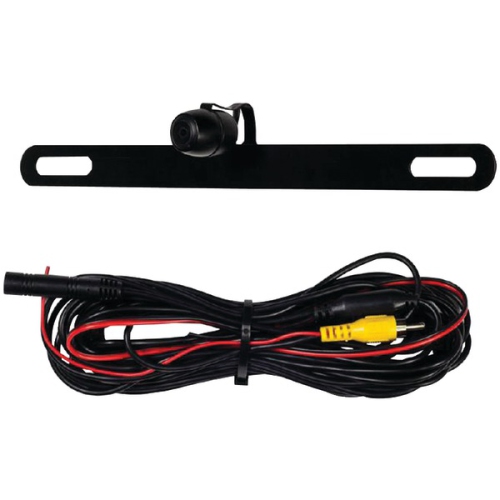 Your price for this item is $119.89
 -
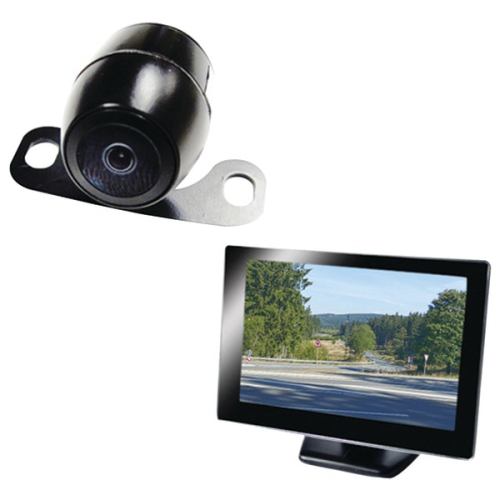 Your price for this item is $413.16
 -
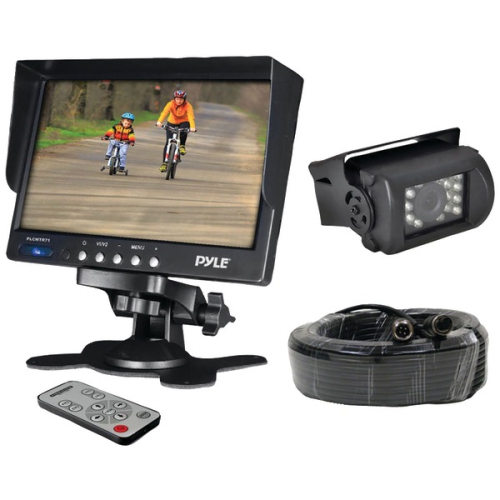 Your price for this item is $3000
 -
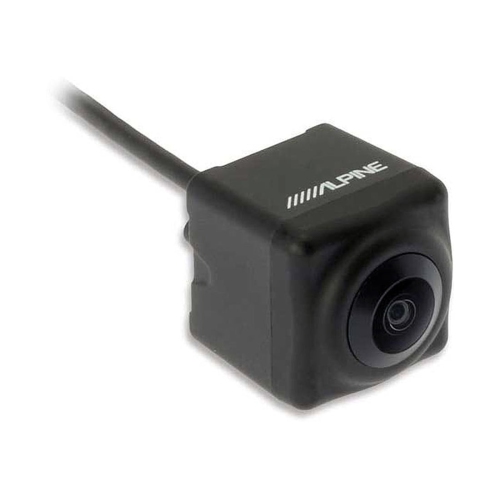 Your price for this item is $298
Discover more categories related to Automotive Cameras
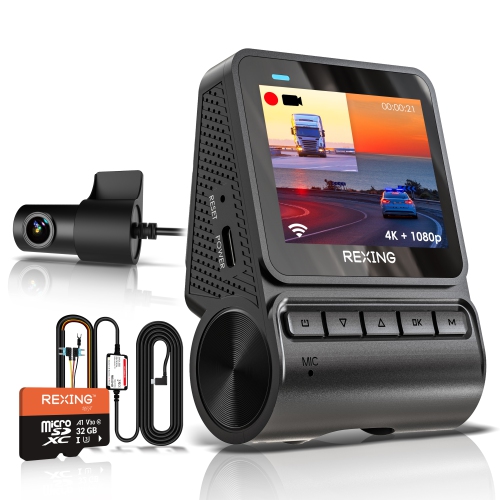
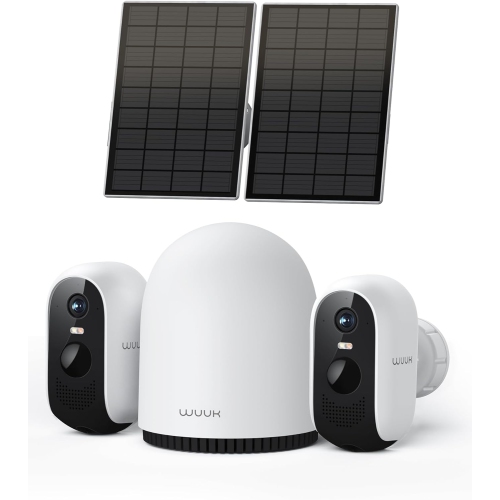
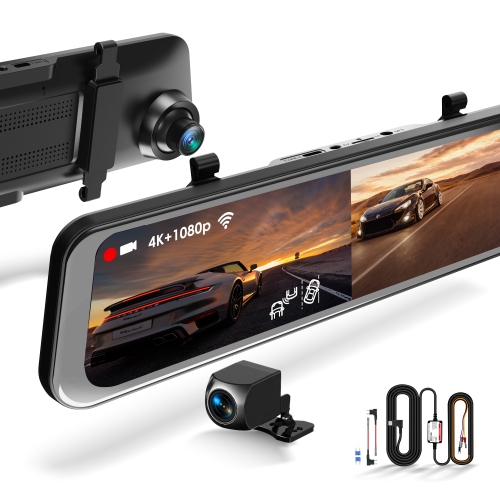
Top Collections:
Pokemon Centers, Kindle Devices, Best Budget Office Chairs, Apple iPhones 16, Best Laptops for Writers, iPhone 15 Apple, Canon G7X Cameras, Refurbished Apple Laptops, Alarm Clock, Motorola Razr Phones
Some products may be subject to Environmental Handling Fees
(EHF) depending on your province.
Learn more about EHFs.