Automotive Security Cameras
Enhance your vehicle's safety and security with our collection of automotive security cameras. Designed to provide you with an extra layer of protection, these cutting-edge devices offer peace of mind while you're on the road. Whether you're a daily commuter or an avid traveler, our range of automotive security cameras ensures that you can keep a watchful eye on your surroundings, deter potential threats, and capture any unexpected incidents. With advanced features and easy installation, these cameras are essential additions to any vehicle, providing you with the confidence and reassurance you need during your journeys.
Sort
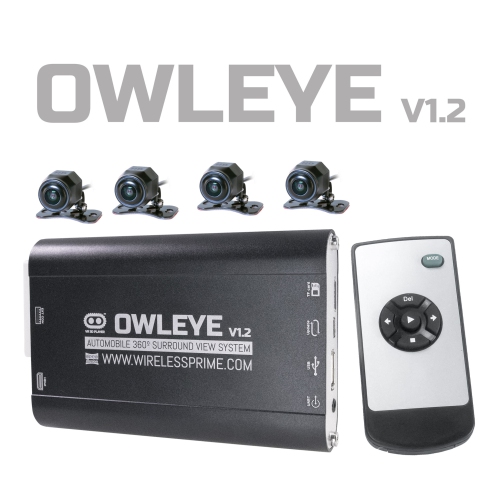
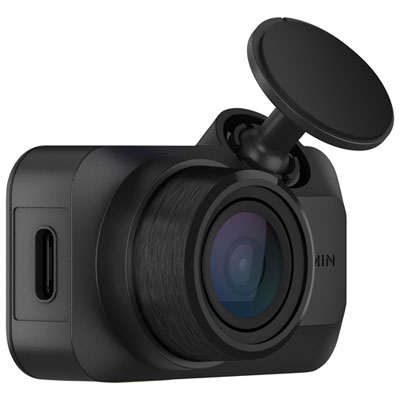
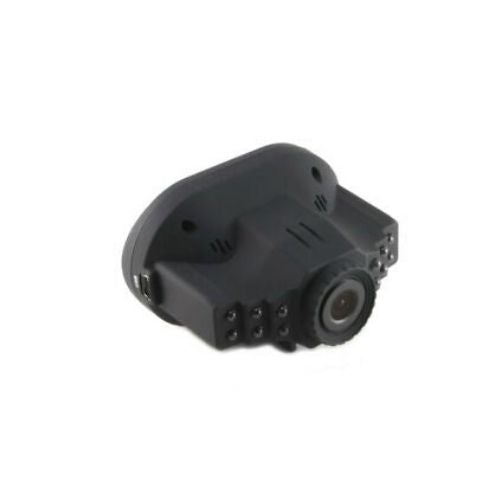
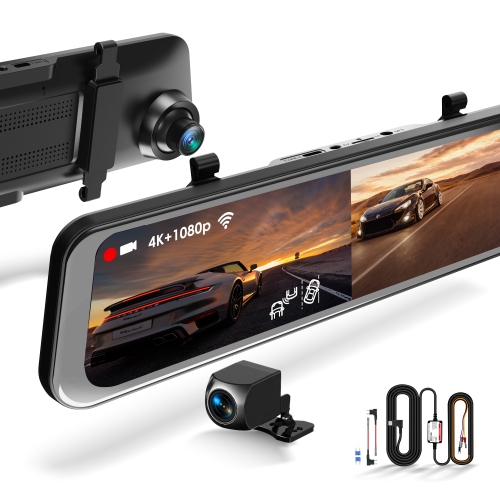
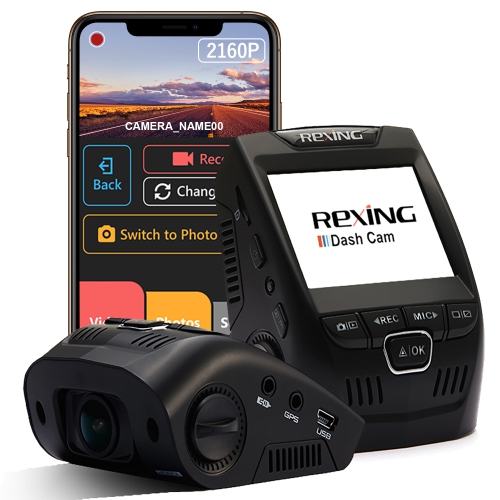
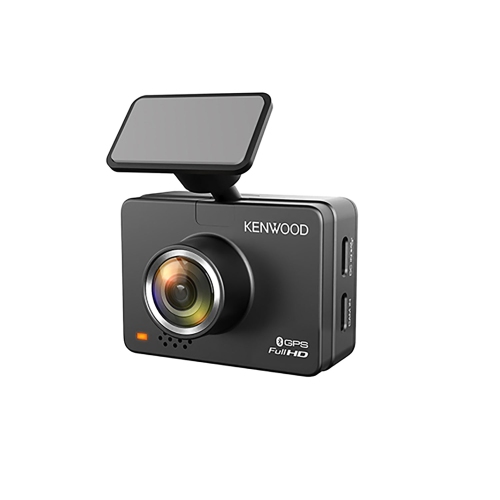
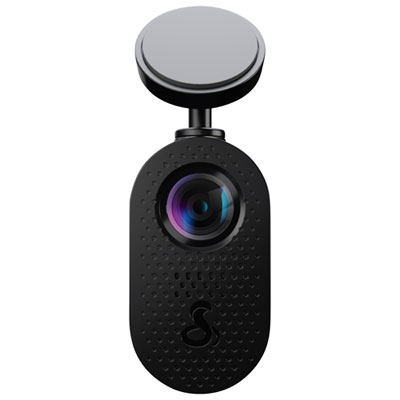
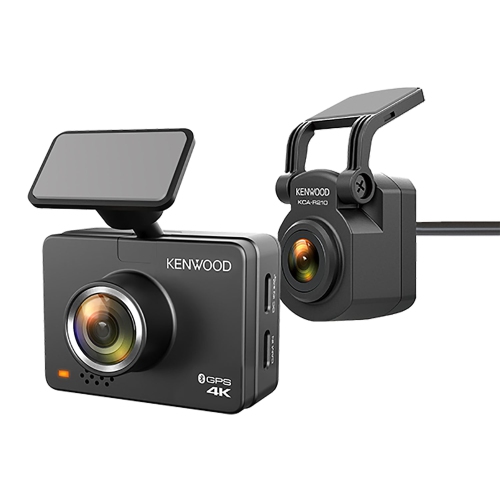



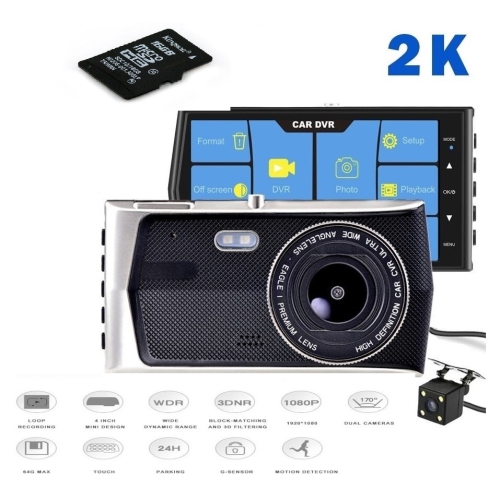

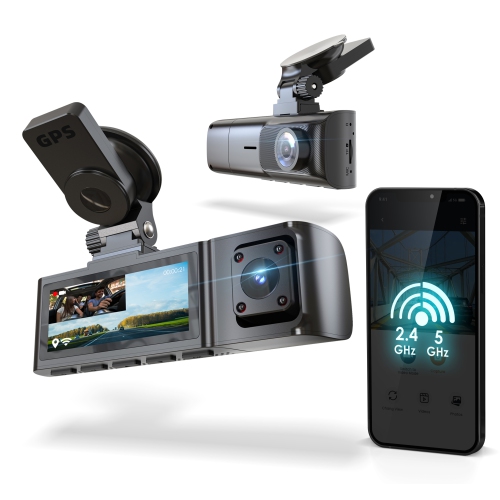
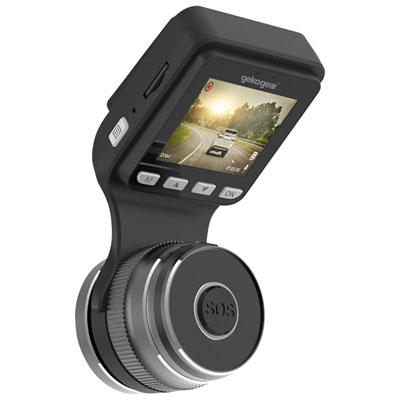
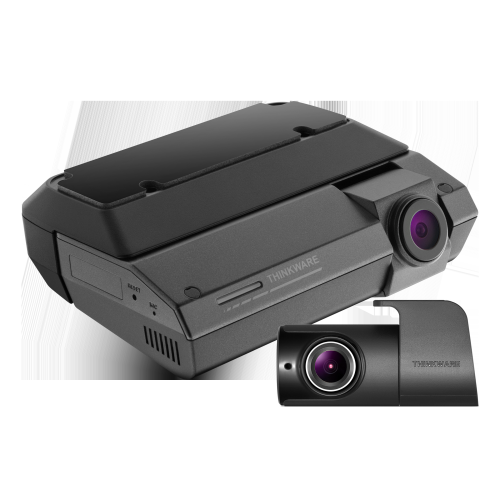

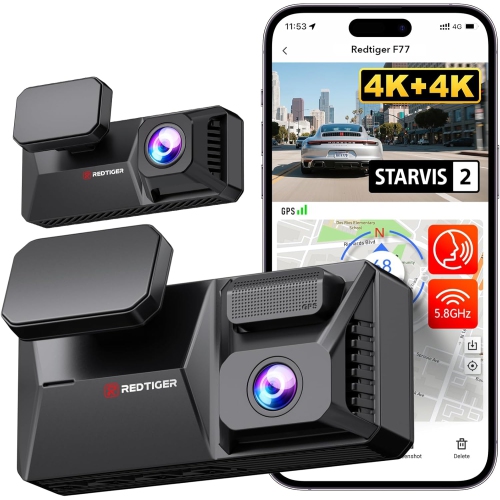
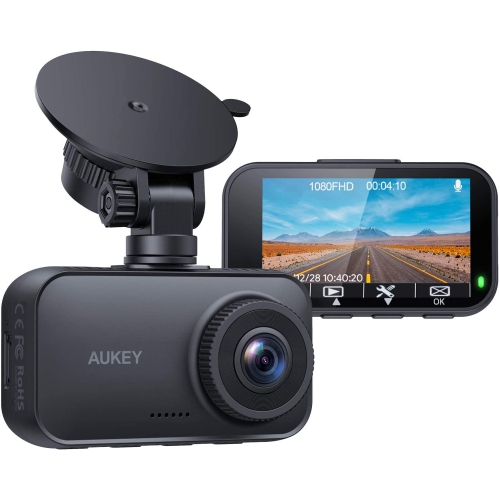
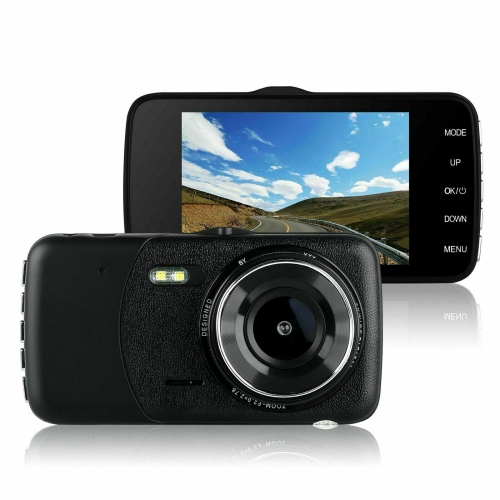
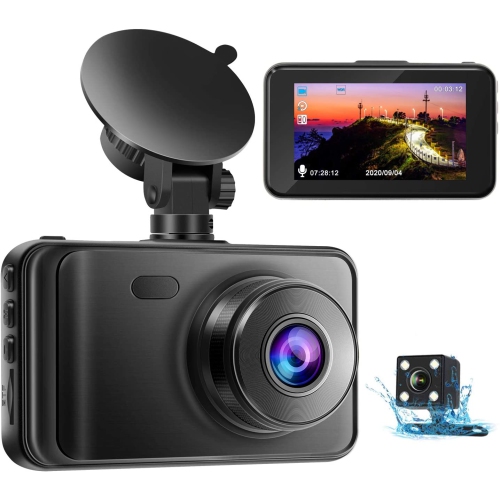
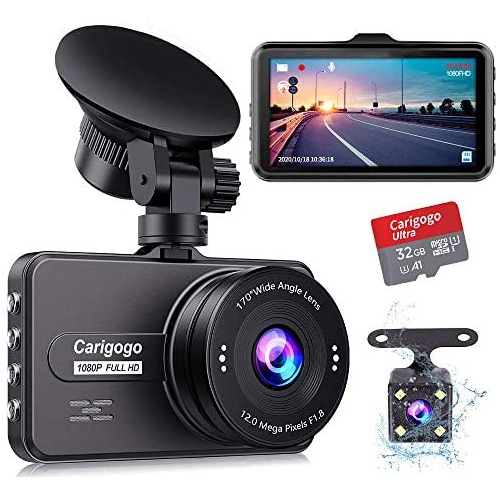
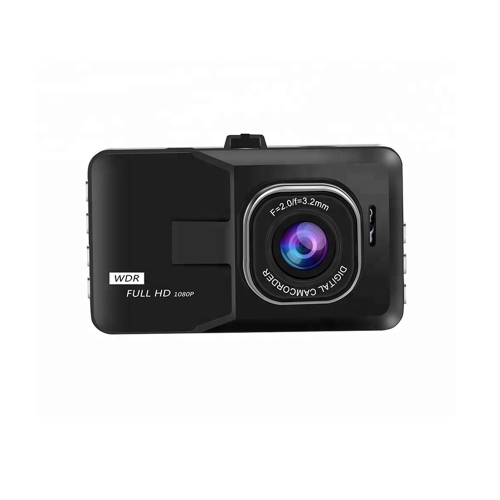
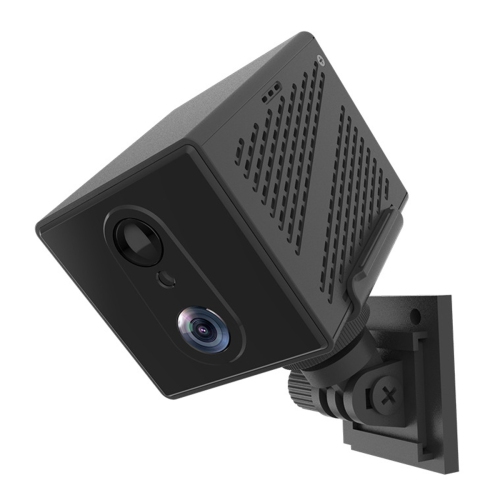
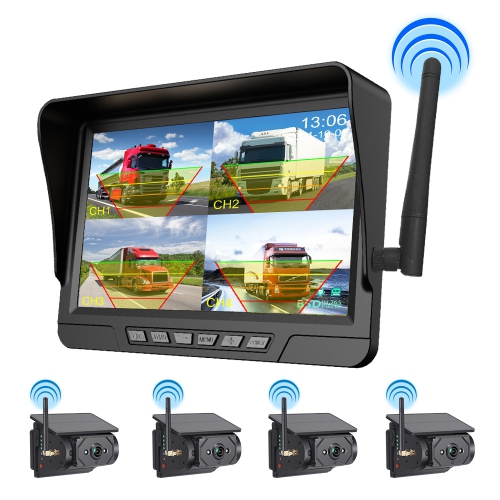

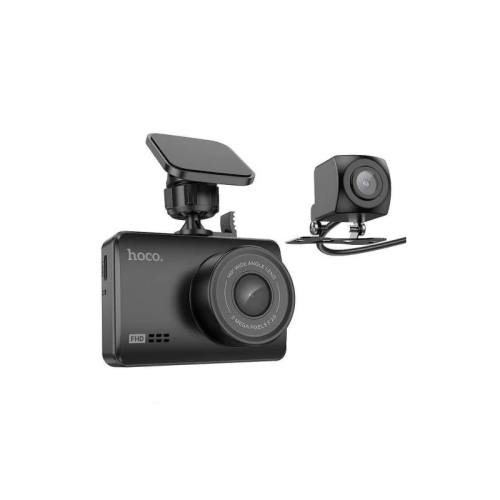
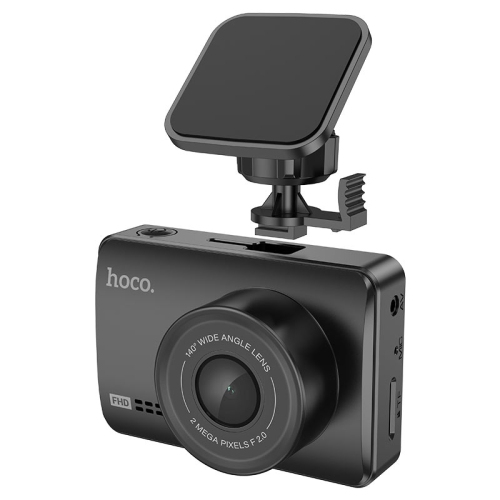


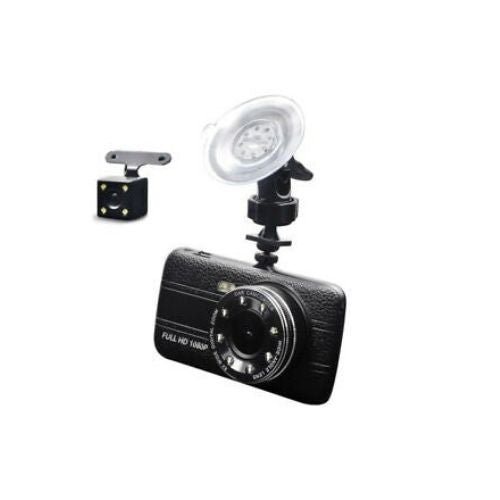
Coverage and parking mode for everyday peace of mind
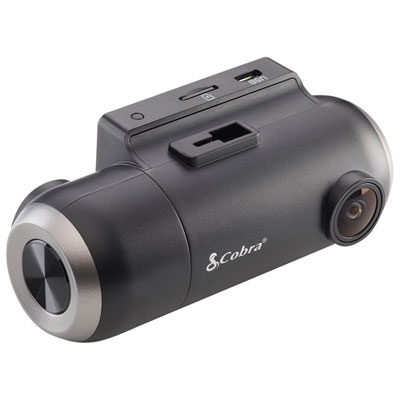
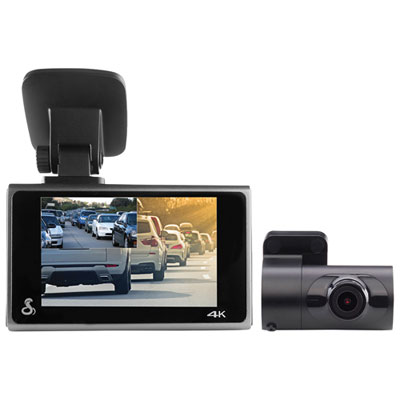
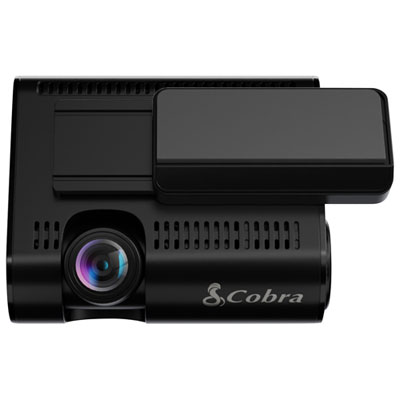
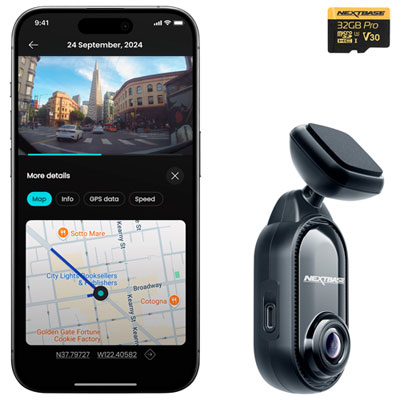
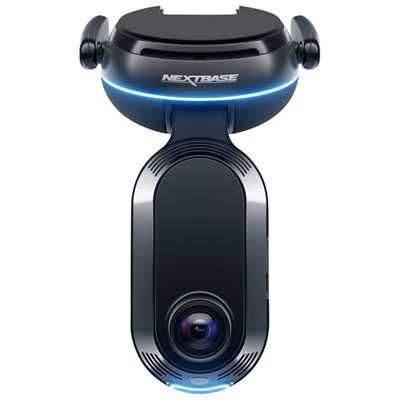
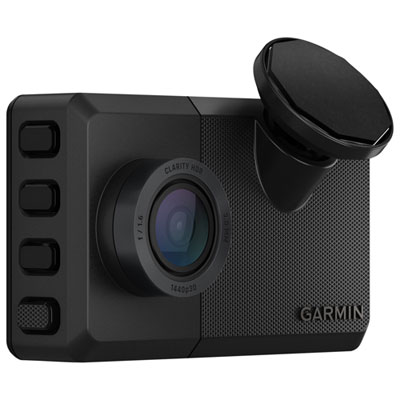
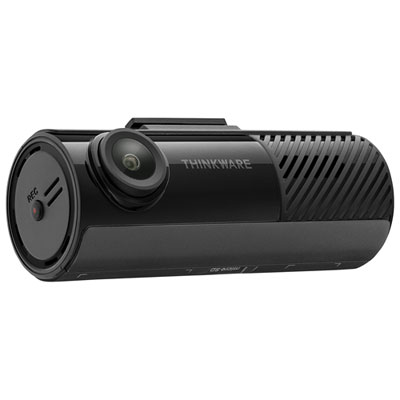
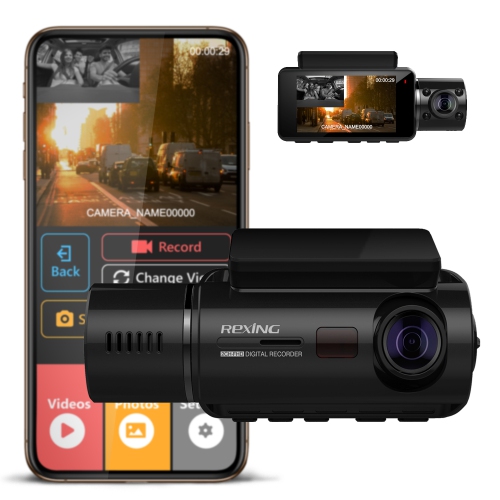
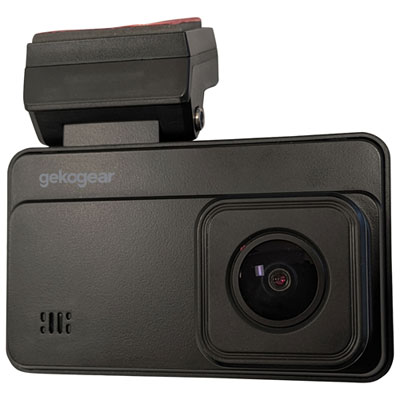
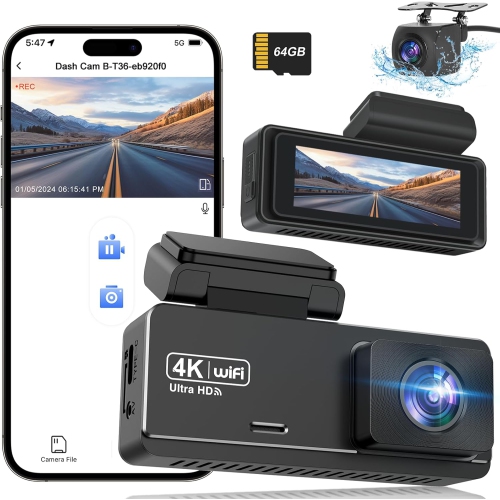
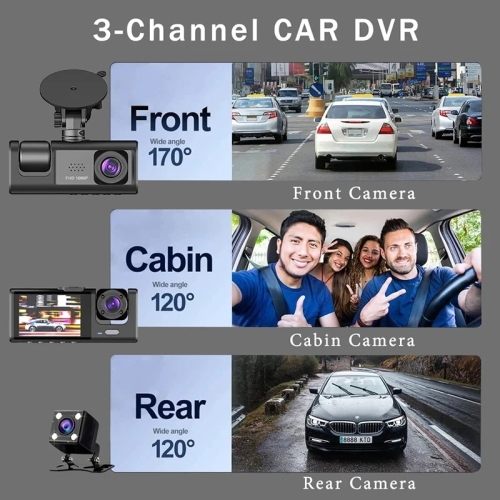
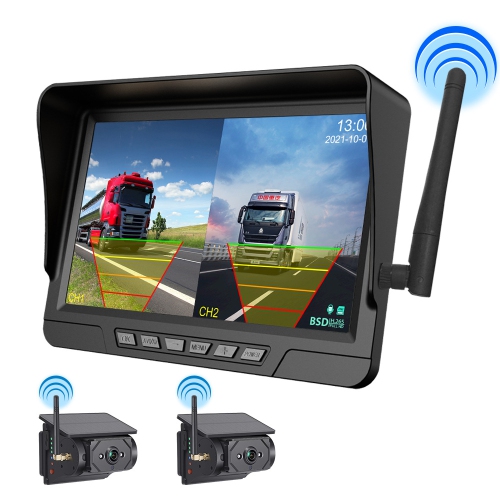
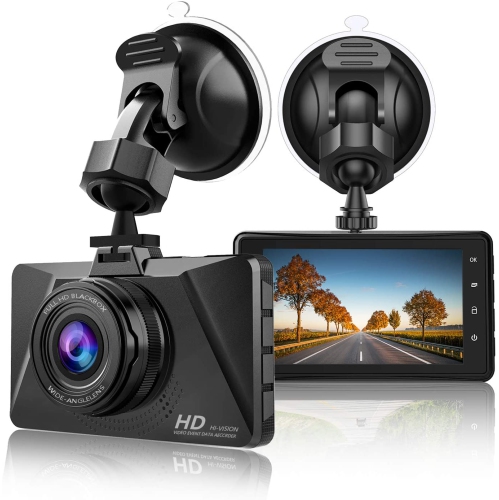
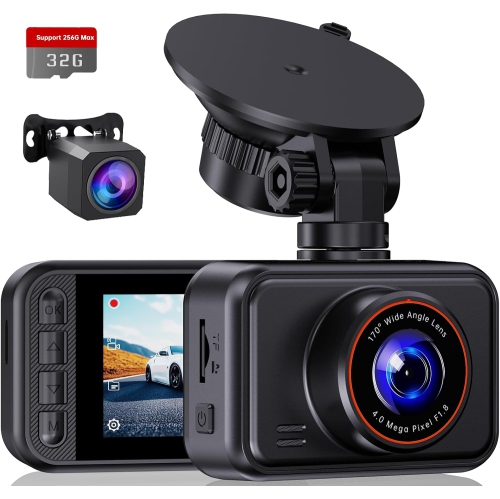
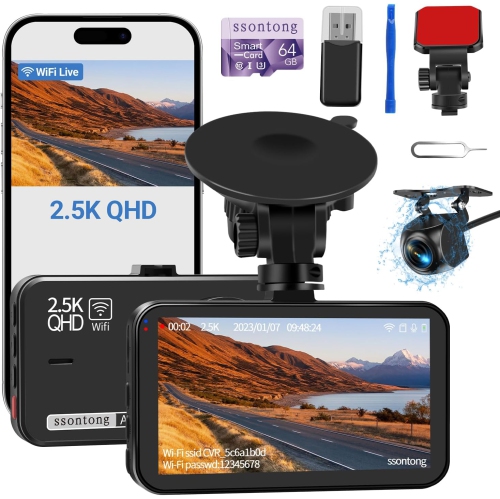
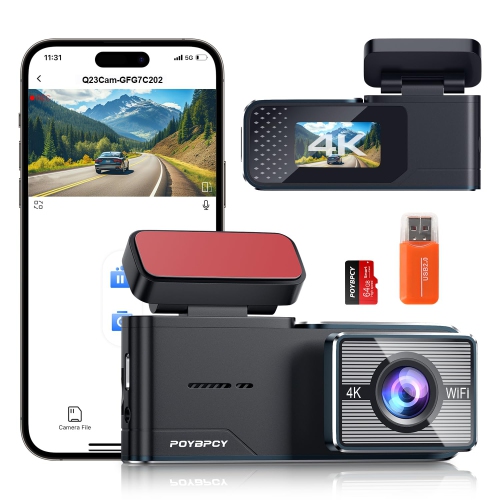
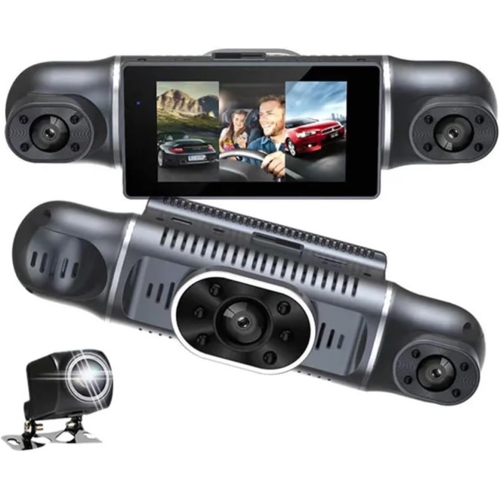
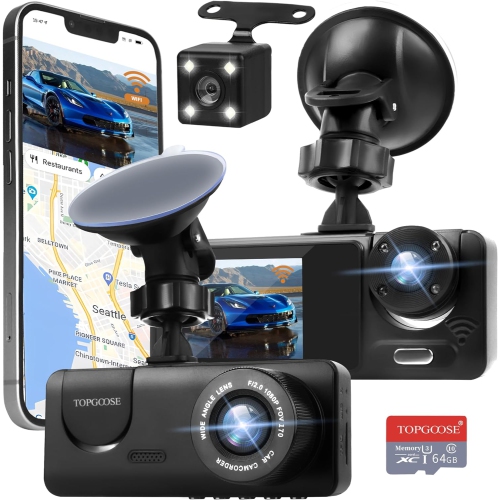
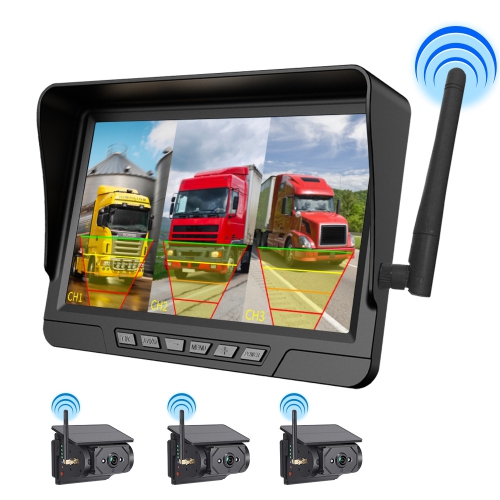
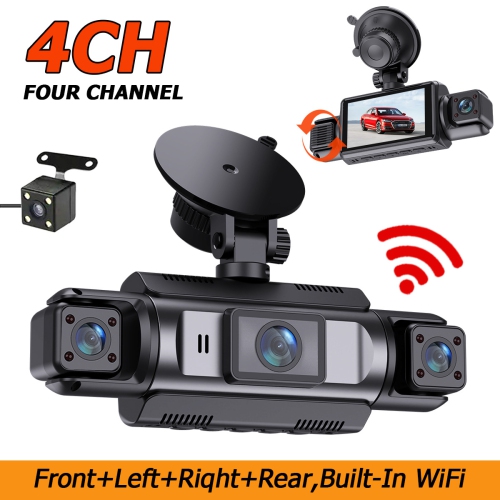
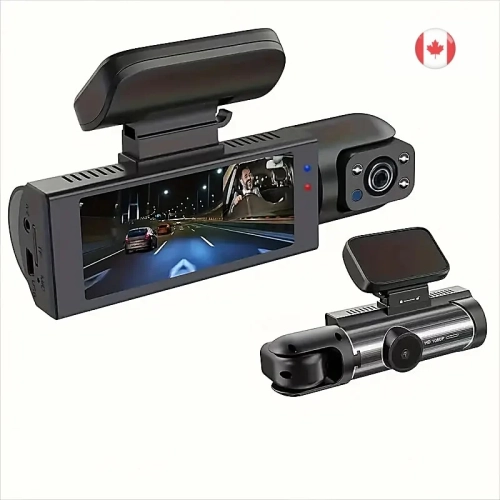
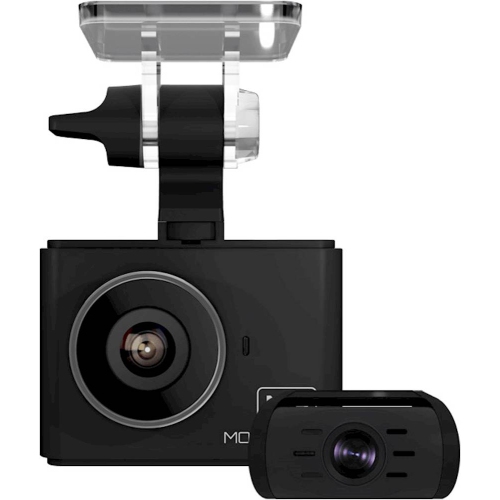
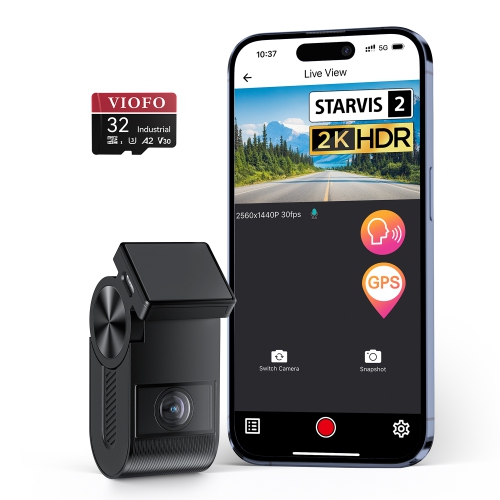
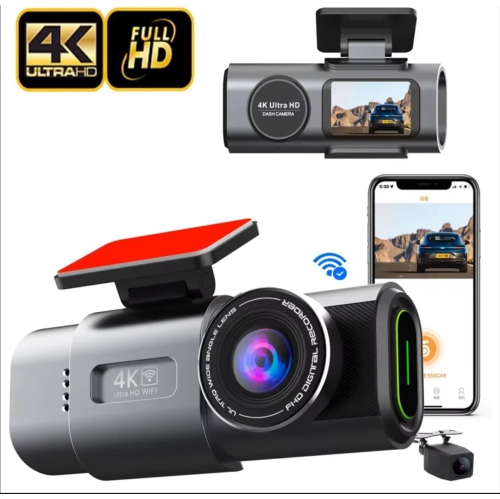
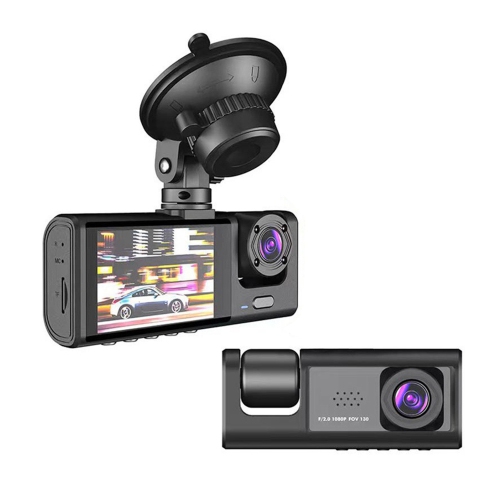
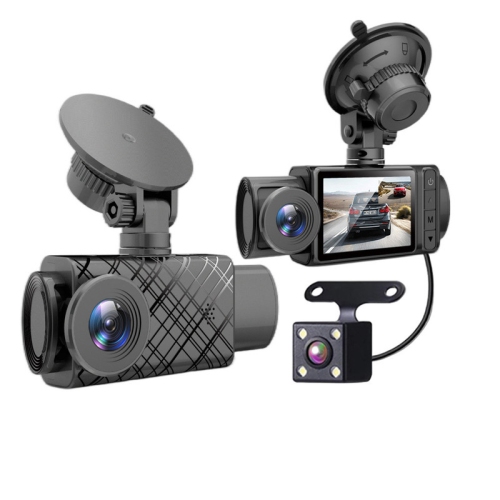
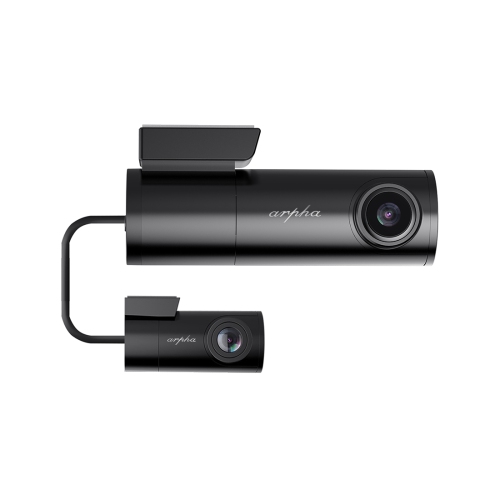
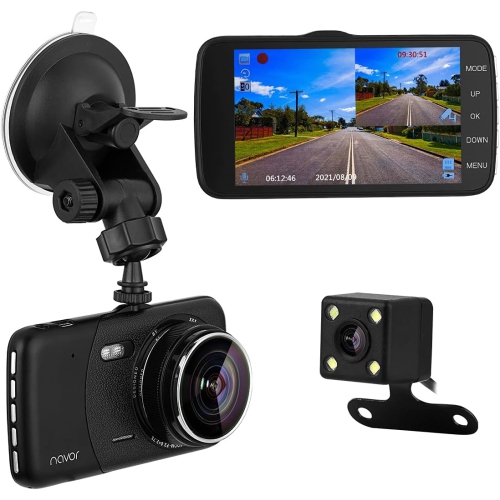
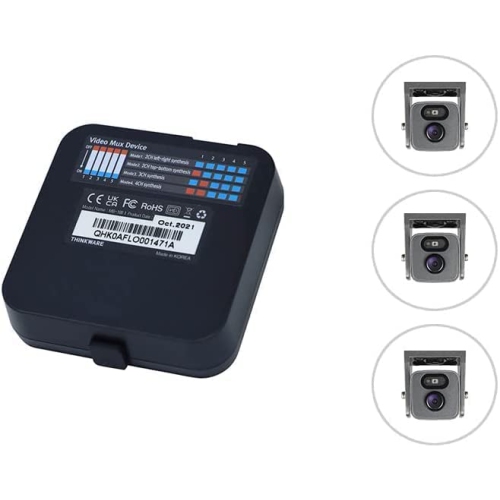
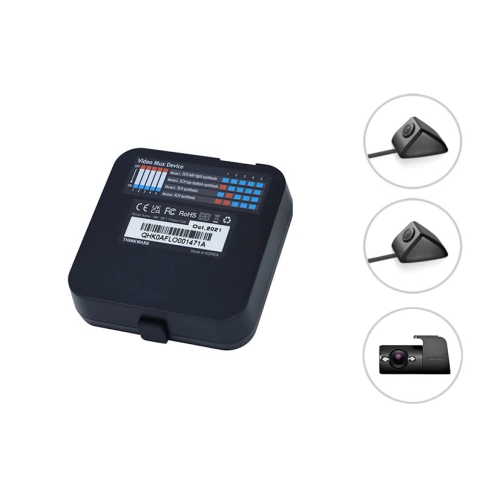
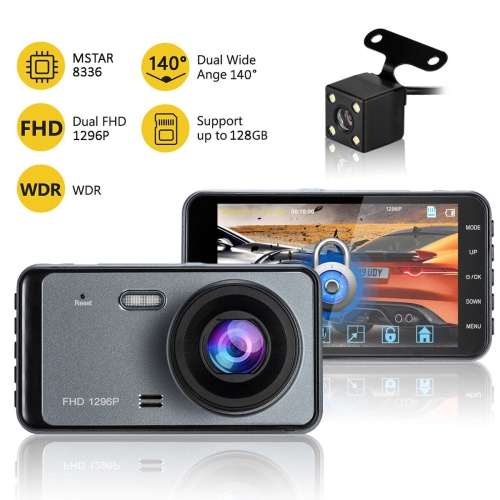
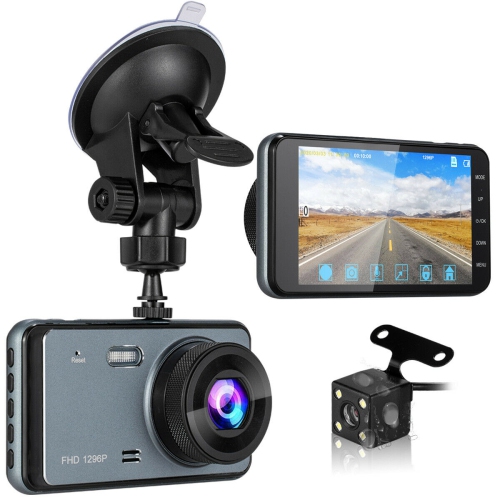
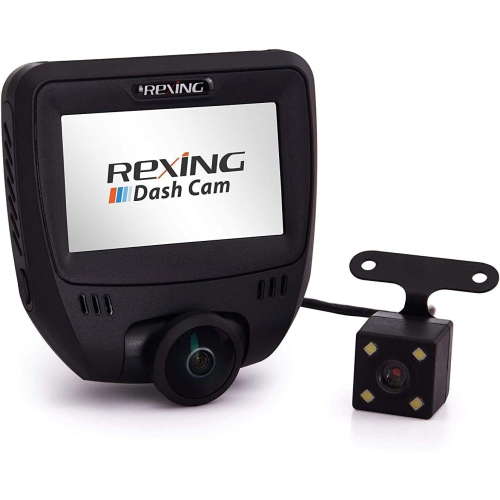
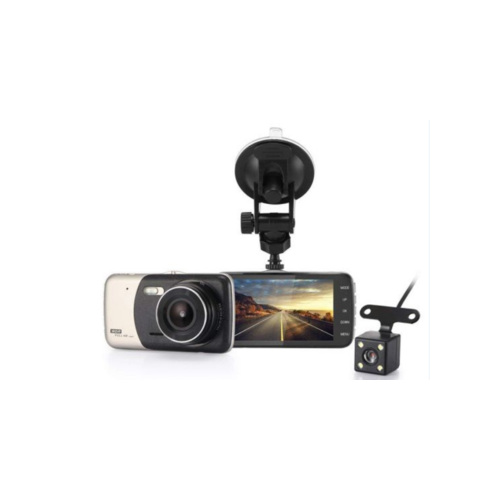
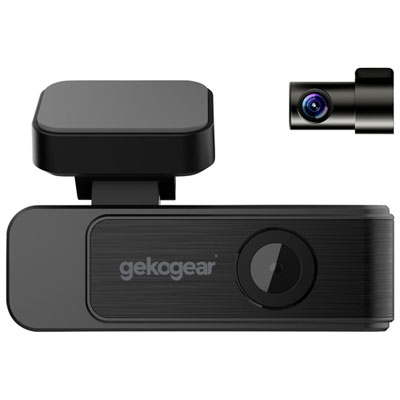
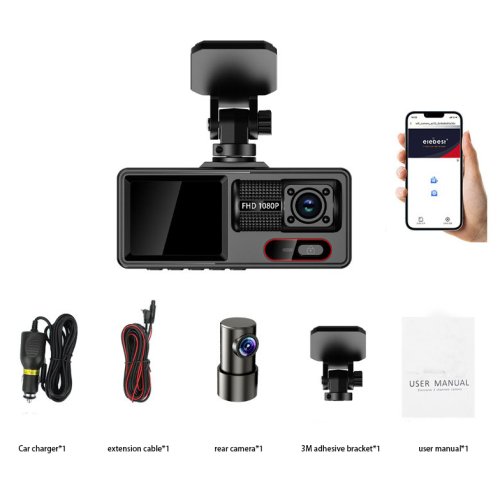
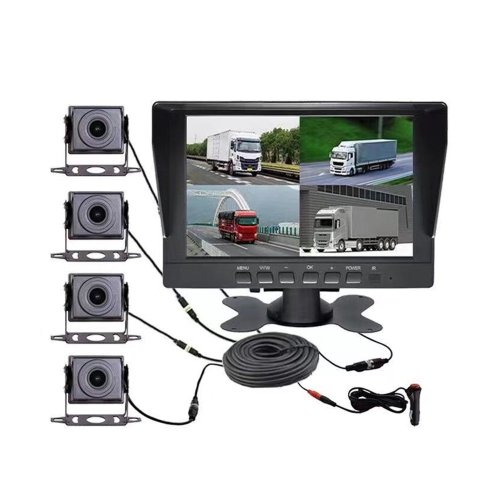
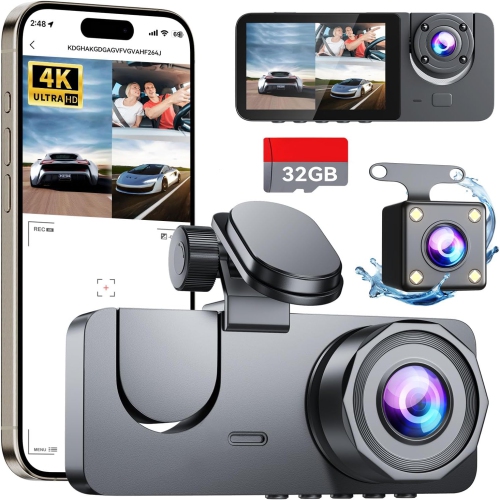
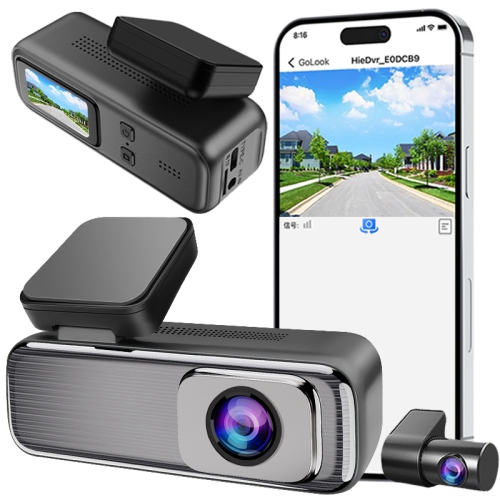
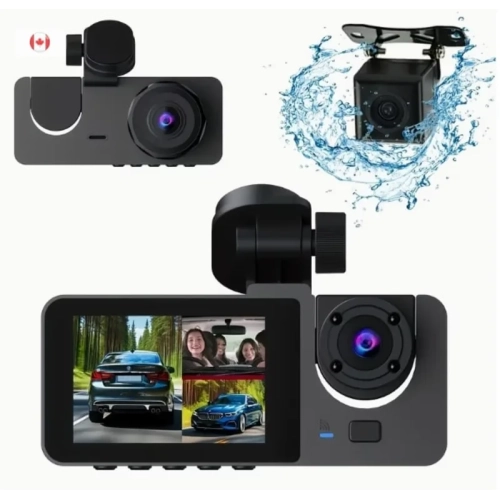
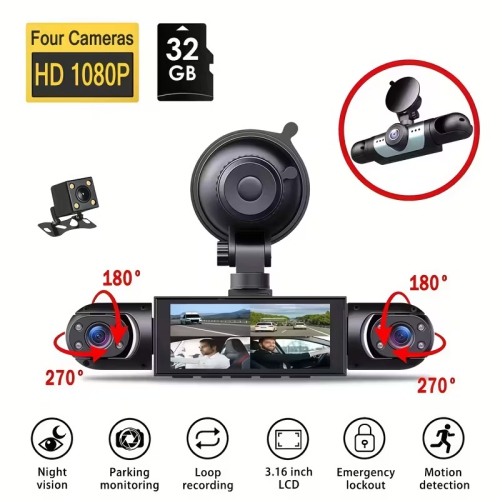
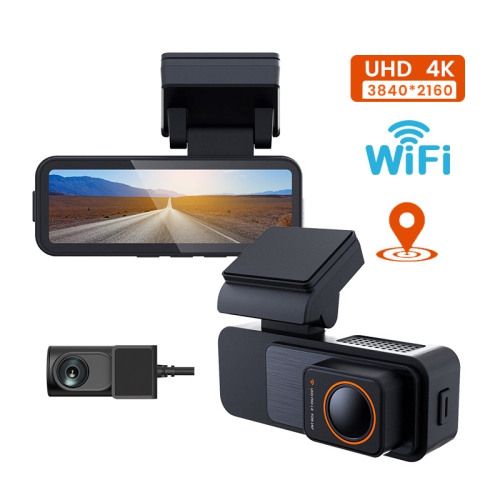
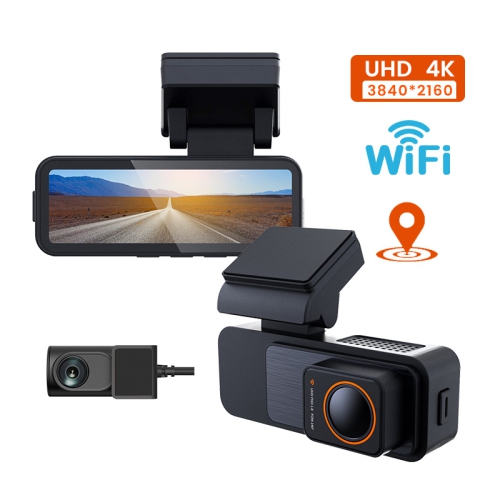
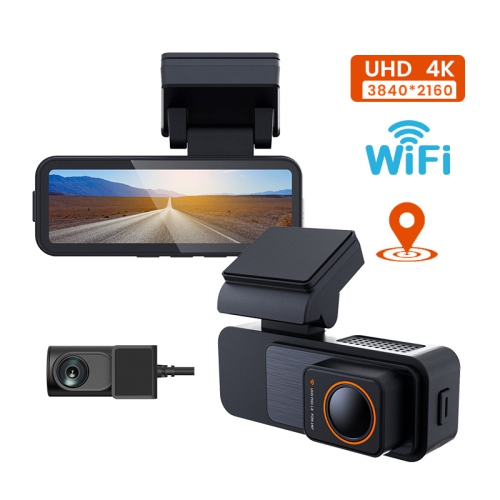
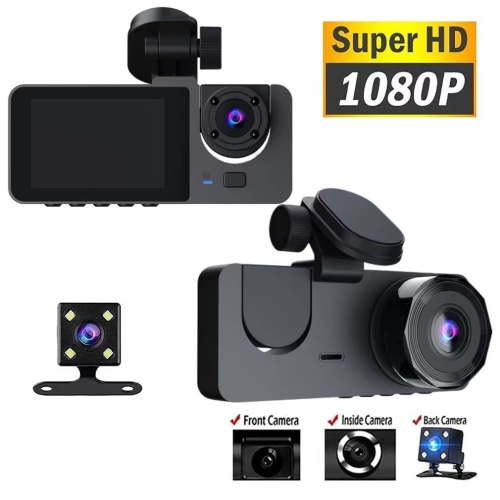
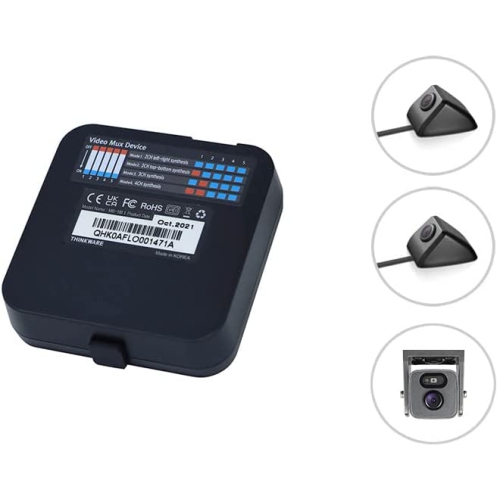
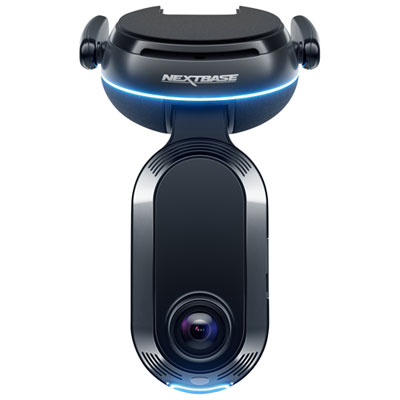
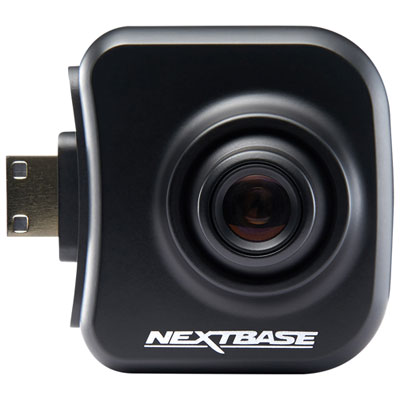
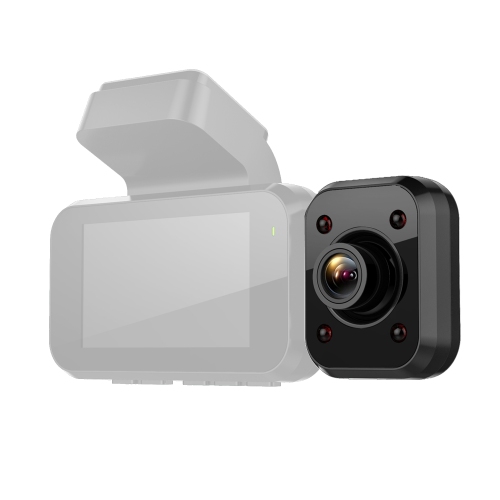
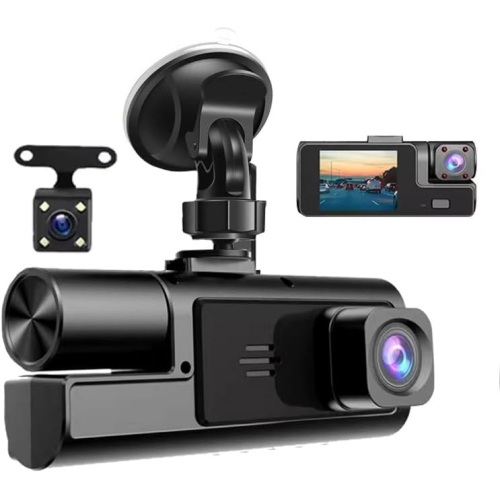
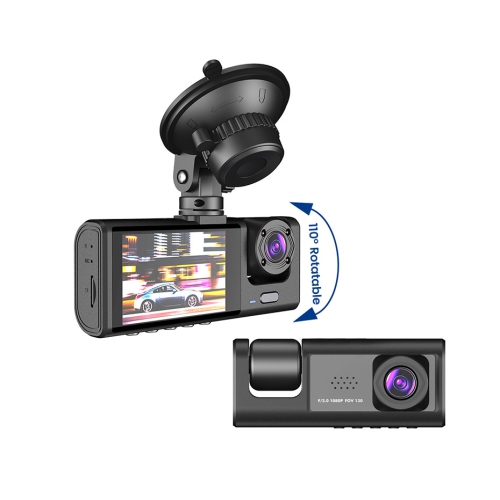
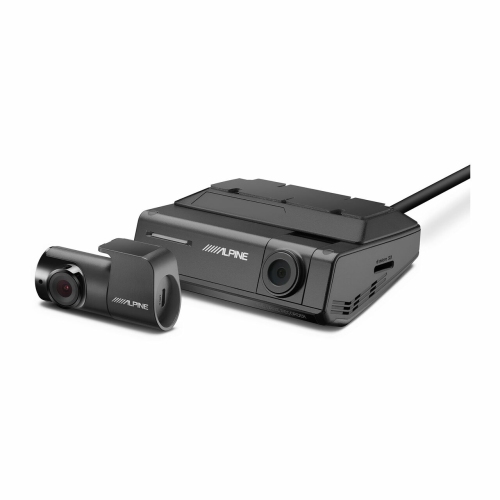
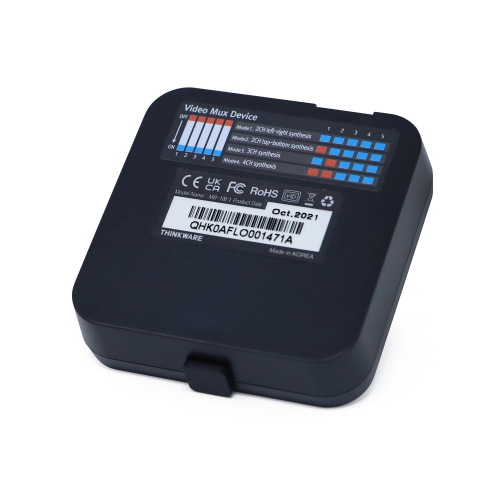
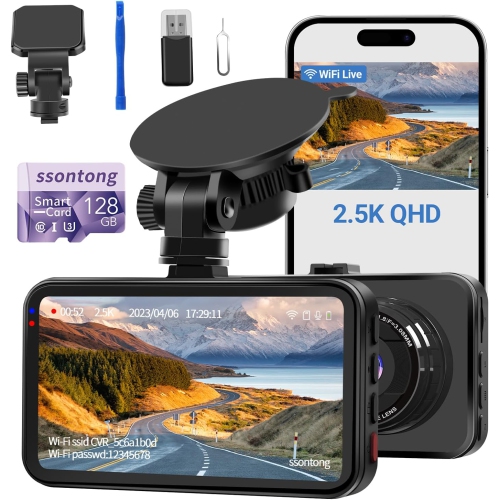
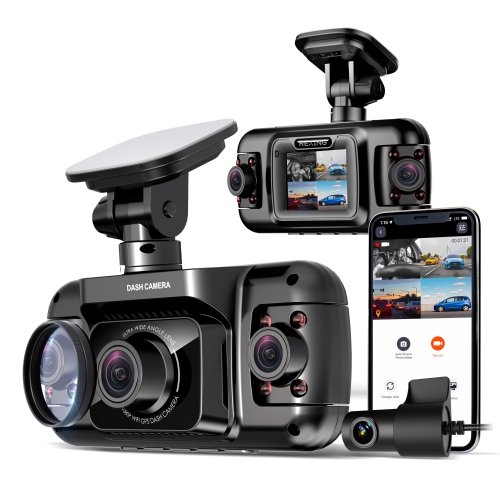
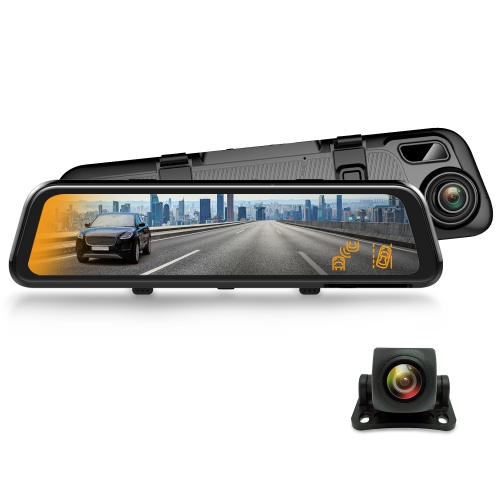
Automotive security cameras help document what happens around your vehicle on the road, in a driveway, or in a busy car park. Often sold as dash cameras with parking mode, these systems can record the view ahead while you drive and continue monitoring the vehicle when the ignition is off. They are useful for commuters, rideshare drivers, families sharing a car, new drivers, and anyone who wants a clear record of an unexpected incident. A front-facing camera can capture traffic lights, lane changes, sudden braking, and the road ahead, while a dual-channel setup adds a rear camera to show what is happening behind the vehicle. Multi-channel systems can also include an interior or side-facing camera, which may be helpful for larger vehicles, professional drivers, or anyone who wants broader coverage around the cabin. For drivers of work vans, delivery vehicles, and other larger automobiles, Van Cameras can offer another way to explore vehicle-monitoring options suited to a different layout. Recorded footage can provide useful details after a collision, a close call, vandalism, or a disagreement about what happened on the road. It is best to check local recording and privacy requirements before using a camera, particularly when recording inside a vehicle or capturing passengers. Automotive security cameras can also bring peace of mind during everyday trips: a late drive home through changing weather, a long weekend journey, or a vehicle left outside while the temperature drops during the cooler months.
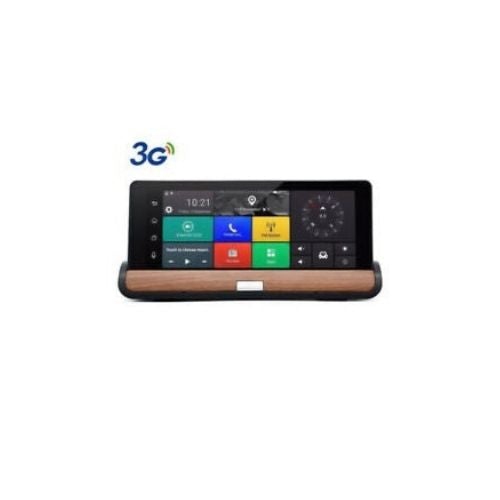
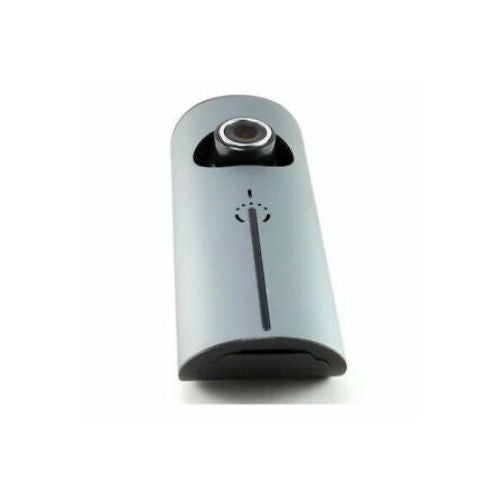
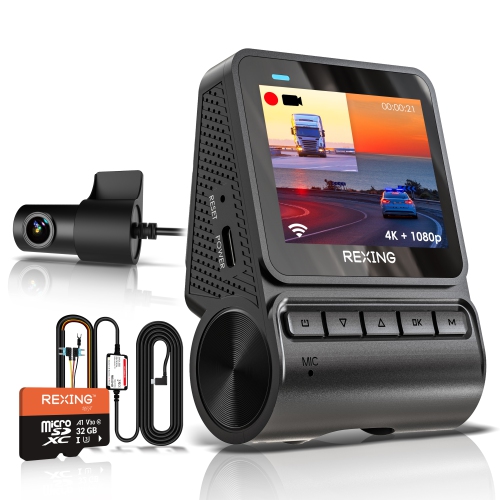
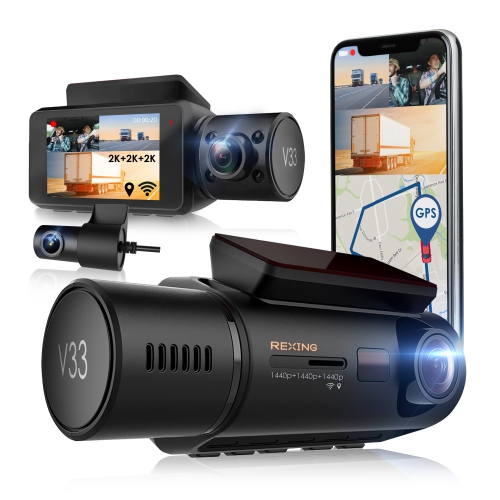
When comparing automotive security cameras, start with the coverage that matches how and where the vehicle is used. A front-only camera is typically compact and straightforward, making it a practical choice for drivers who mainly want a record of the road ahead. Front-and-rear coverage gives a more complete view during rear-end collisions, tailgating incidents, and situations where important activity happens behind the vehicle. Interior coverage may be valuable for rideshare or taxi drivers, while side cameras can help reduce blind spots around larger vehicles. Video resolution affects how much detail the camera can preserve, especially when reading road signs or identifying a vehicle at a distance. Higher-resolution recording can be useful, but image quality also depends on the lens, sensor, field of view, exposure control, and the amount of light available. Look for wide dynamic range or similar image-processing features to help balance bright skies with darker roads, and consider infrared or enhanced night vision for underground garages, unlit driveways, and evening travel. A wide-angle lens can capture more of the surroundings, although an extremely wide view may make distant objects appear smaller. Some cameras include GPS to record location and speed, while Wi-Fi or a companion app can make it easier to review and transfer clips from a phone without removing the memory card. Storage is another important consideration. Cameras generally record in short segments, saving newer footage over older footage when the card is full, so choose compatible, high-capacity storage and check whether the camera requires a particular speed rating or file format. Impact detection can protect clips by marking footage when the camera senses a collision or strong vibration, reducing the chance that an important recording will be overwritten. A clear display, physical controls, voice prompts, or a reliable app can make everyday use less frustrating, especially when reviewing footage at the roadside.
Parking mode is one of the defining features of an automotive security camera, but it requires the right power setup. In this mode, the camera can wake and record when it detects an impact, movement, or another event while the vehicle is parked. Some systems record continuously at a lower frame rate, while others begin recording only after a trigger. A camera may need a hardwire kit connected to the vehicle’s fuse box, an external battery pack, or another compatible power solution to operate after the engine is turned off. Professional installation can provide a tidy fit and help ensure that the vehicle’s battery is protected by a low-voltage cut-off, while a plug-in installation may suit drivers who want a simpler setup and do not need parking surveillance. Before choosing, confirm compatibility with the vehicle, the preferred mounting position, cable routing, and whether the camera can withstand the heat of a sunlit windscreen or the cold of an overnight parking spot. A discreet design may be preferable for avoiding distractions and reducing the temptation for someone to interfere with the camera, while a larger screen may be easier for adjusting settings. Automotive security cameras can make thoughtful gifts for a new driver, a family member who commutes, or someone preparing for frequent road trips. They can also be a practical addition to a second vehicle, a shared family car, or a work vehicle that spends time parked in public areas. As weather changes from warm, bright days to darker evenings and wet or icy roads, features such as dependable mounting, glare reduction, clear night recording, and quick access to protected clips become especially useful. Before purchasing, consider the number of cameras required, the desired parking coverage, the available power option, storage needs, installation preferences, and the conditions in which the vehicle is normally driven and parked.
When comparing automotive security cameras, start with the coverage that matches how and where the vehicle is used. A front-only camera is typically compact and straightforward, making it a practical choice for drivers who mainly want a record of the road ahead. Front-and-rear coverage gives a more complete view during rear-end collisions, tailgating incidents, and situations where important activity happens behind the vehicle. Interior coverage may be valuable for rideshare or taxi drivers, while side cameras can help reduce blind spots around larger vehicles. Video resolution affects how much detail the camera can preserve, especially when reading road signs or identifying a vehicle at a distance. Higher-resolution recording can be useful, but image quality also depends on the lens, sensor, field of view, exposure control, and the amount of light available. Look for wide dynamic range or similar image-processing features to help balance bright skies with darker roads, and consider infrared or enhanced night vision for underground garages, unlit driveways, and evening travel. A wide-angle lens can capture more of the surroundings, although an extremely wide view may make distant objects appear smaller. Some cameras include GPS to record location and speed, while Wi-Fi or a companion app can make it easier to review and transfer clips from a phone without removing the memory card. Storage is another important consideration. Cameras generally record in short segments, saving newer footage over older footage when the card is full, so choose compatible, high-capacity storage and check whether the camera requires a particular speed rating or file format. Impact detection can protect clips by marking footage when the camera senses a collision or strong vibration, reducing the chance that an important recording will be overwritten. A clear display, physical controls, voice prompts, or a reliable app can make everyday use less frustrating, especially when reviewing footage at the roadside.
Parking mode is one of the defining features of an automotive security camera, but it requires the right power setup. In this mode, the camera can wake and record when it detects an impact, movement, or another event while the vehicle is parked. Some systems record continuously at a lower frame rate, while others begin recording only after a trigger. A camera may need a hardwire kit connected to the vehicle’s fuse box, an external battery pack, or another compatible power solution to operate after the engine is turned off. Professional installation can provide a tidy fit and help ensure that the vehicle’s battery is protected by a low-voltage cut-off, while a plug-in installation may suit drivers who want a simpler setup and do not need parking surveillance. Before choosing, confirm compatibility with the vehicle, the preferred mounting position, cable routing, and whether the camera can withstand the heat of a sunlit windscreen or the cold of an overnight parking spot. A discreet design may be preferable for avoiding distractions and reducing the temptation for someone to interfere with the camera, while a larger screen may be easier for adjusting settings. Automotive security cameras can make thoughtful gifts for a new driver, a family member who commutes, or someone preparing for frequent road trips. They can also be a practical addition to a second vehicle, a shared family car, or a work vehicle that spends time parked in public areas. As weather changes from warm, bright days to darker evenings and wet or icy roads, features such as dependable mounting, glare reduction, clear night recording, and quick access to protected clips become especially useful. Before purchasing, consider the number of cameras required, the desired parking coverage, the available power option, storage needs, installation preferences, and the conditions in which the vehicle is normally driven and parked.
Top selling and popular products
-
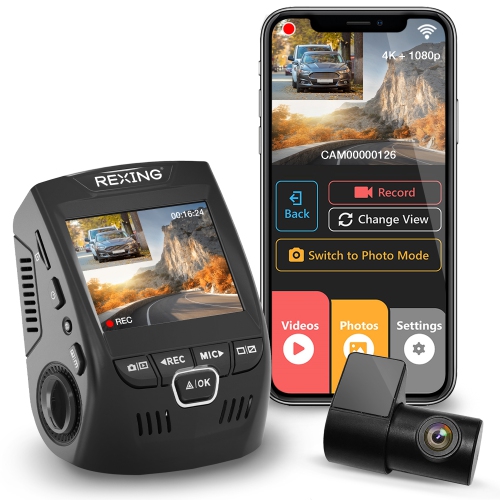 Your price for this item is $159.99
 -
 Your price for this item is $327.99
 -
 Your price for this item is $129.99
 -
 Your price for this item is $229.99
 -
 Your price for this item is $327.99
 -
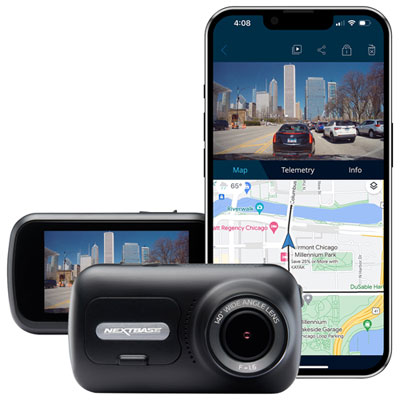 Your price for this item is $199.99
 -
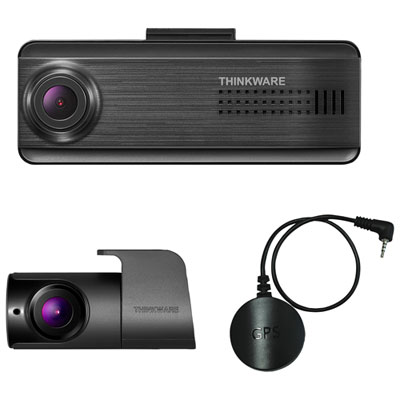 Your price for this item is $179.99
 -
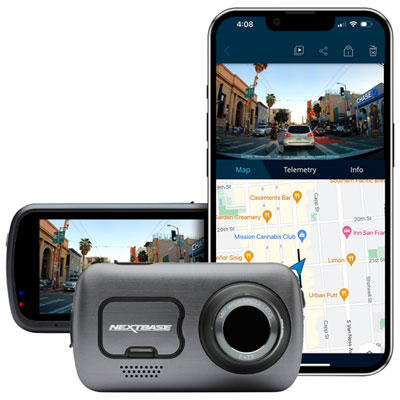 Your price for this item is $349.99
Discover more categories related to Automotive Security Cameras
Top Collections:
Pokemon Centers, Kindle Devices, Best Budget Office Chairs, Apple iPhones 16, Best Laptops for Writers, iPhone 15 Apple, Canon G7X Cameras, Refurbished Apple Laptops, Alarm Clock, Motorola Razr Phones
Some products may be subject to Environmental Handling Fees
(EHF) depending on your province.
Learn more about EHFs.