Car Brake Components
At Best Buy, we have a wide selection of high-quality brake components to help you maintain optimal performance and safety on the road. From brake pads and rotors to calipers and brake lines, our extensive range of products ensures that you can find the perfect fit for your vehicle. Whether you're a DIY enthusiast or prefer professional installation, our collection offers options suitable for every skill level and budget. Explore our diverse range of car brake components and take the first step towards a smoother and more reliable driving experience.
Sort

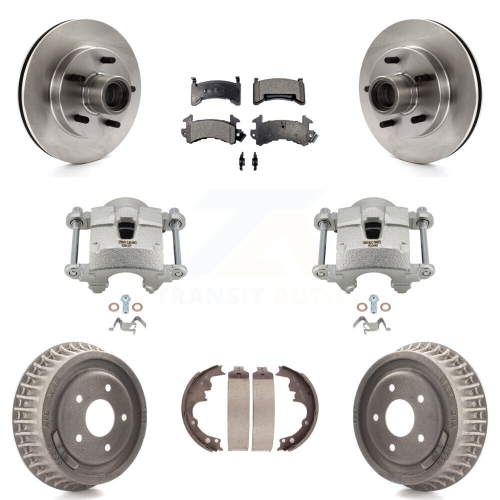
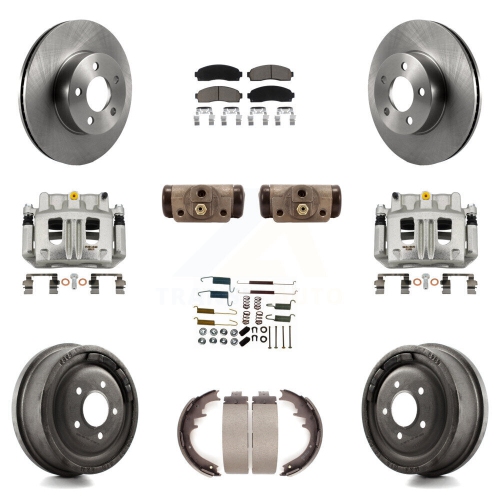
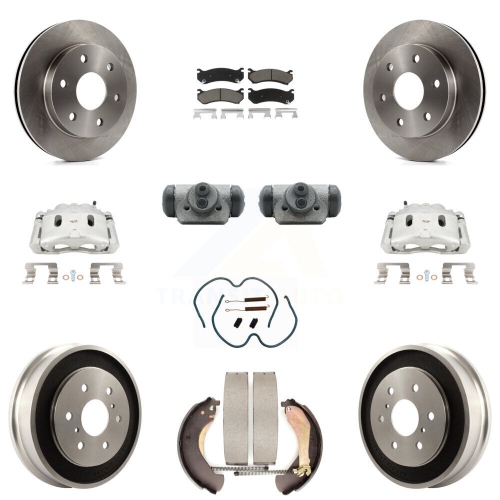
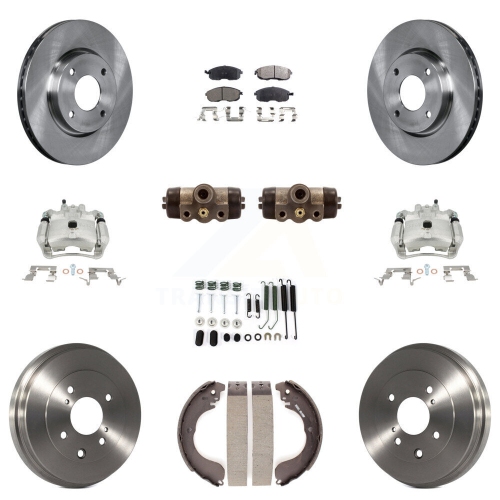
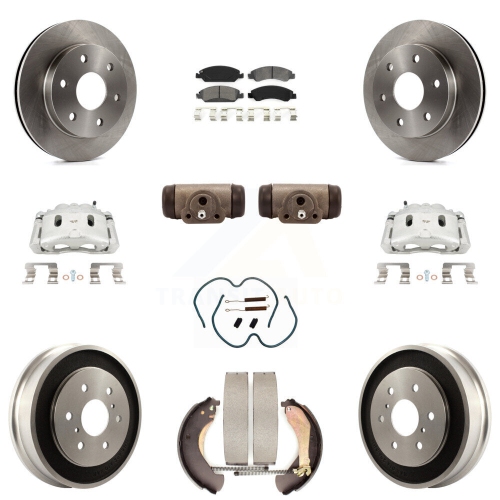
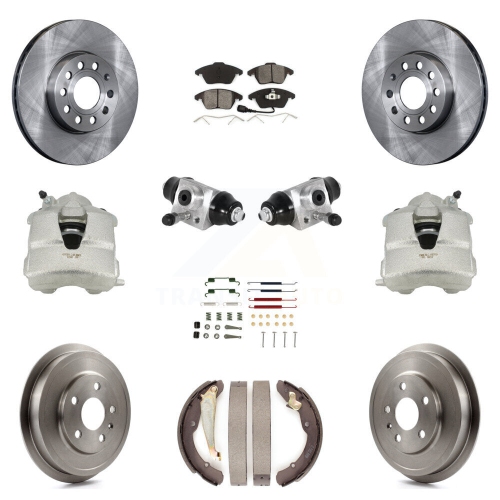
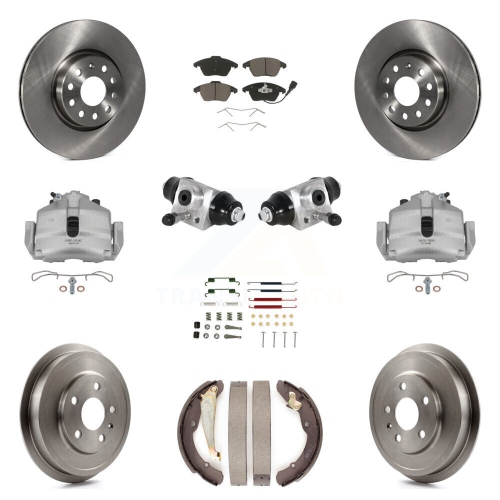
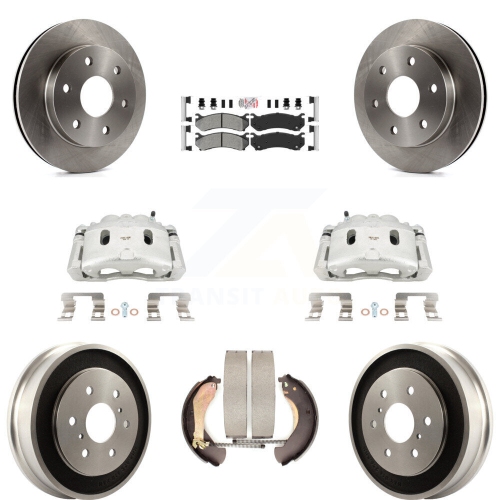
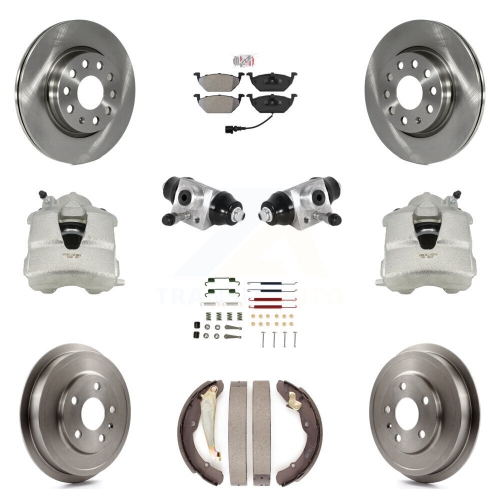
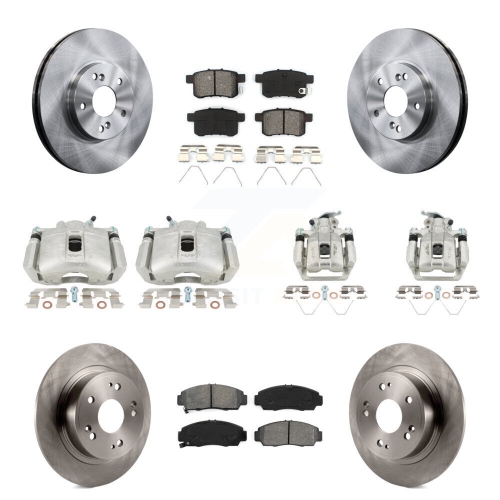
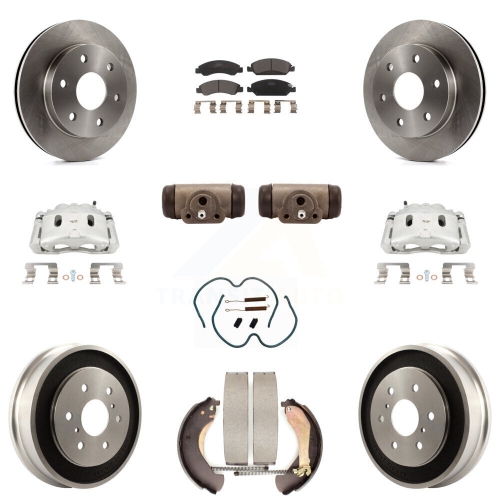
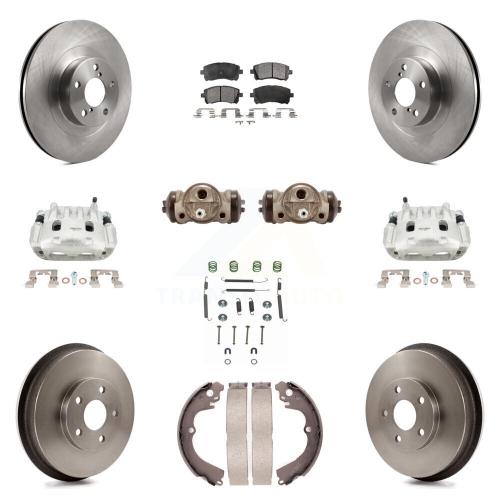
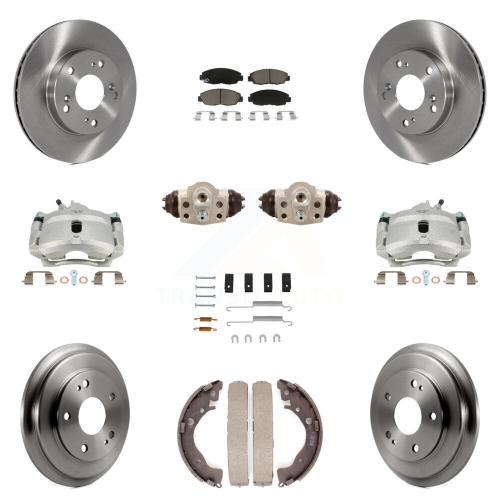
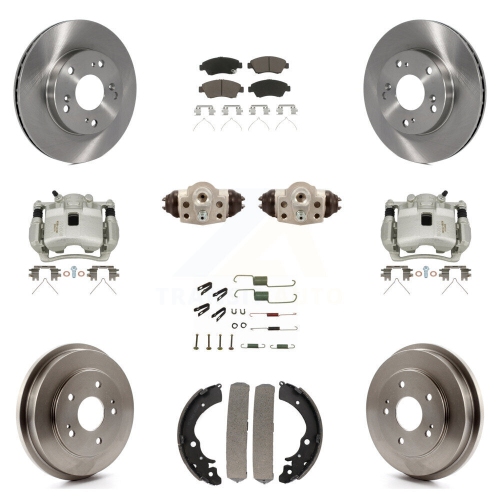
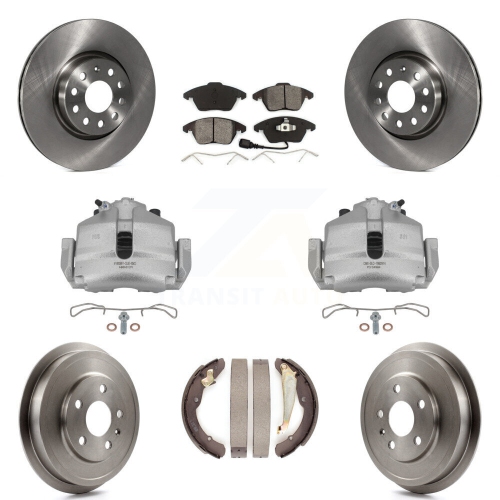
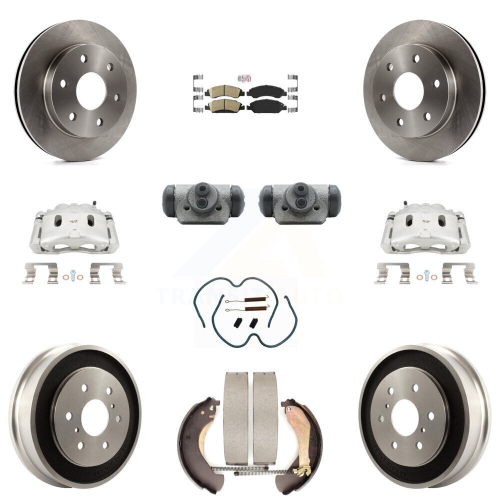
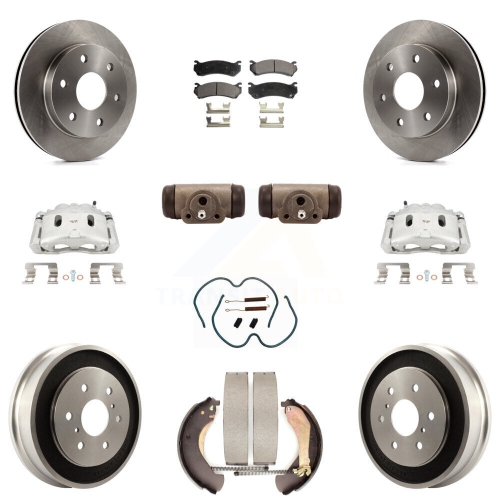

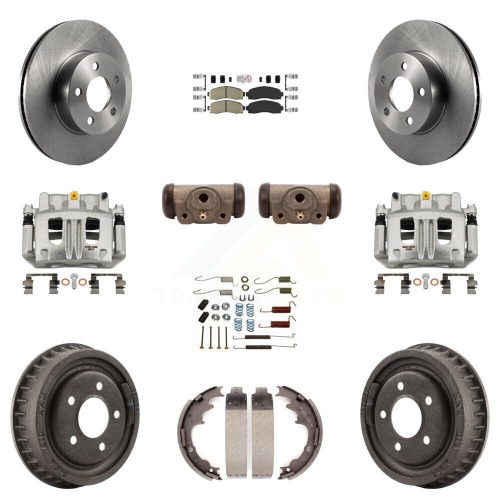
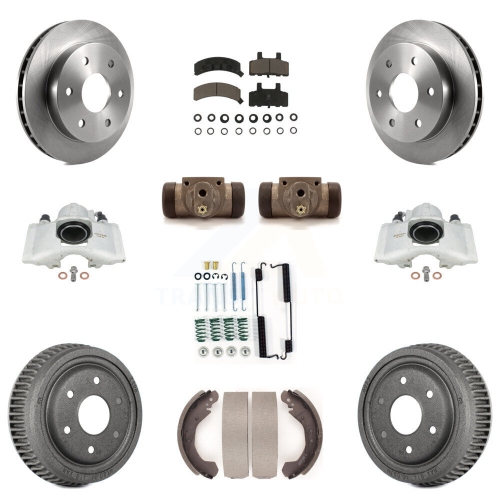
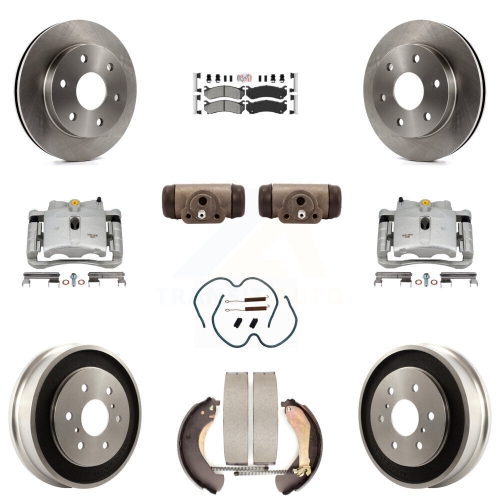
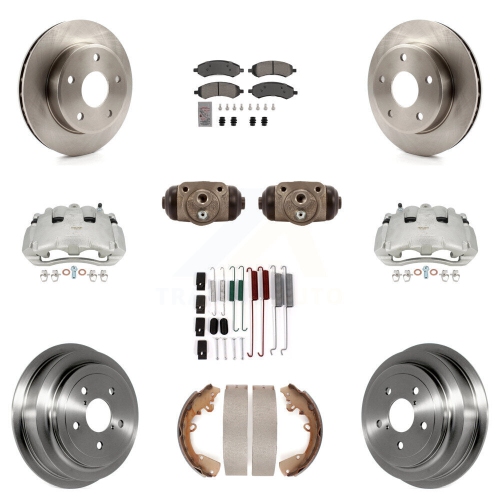
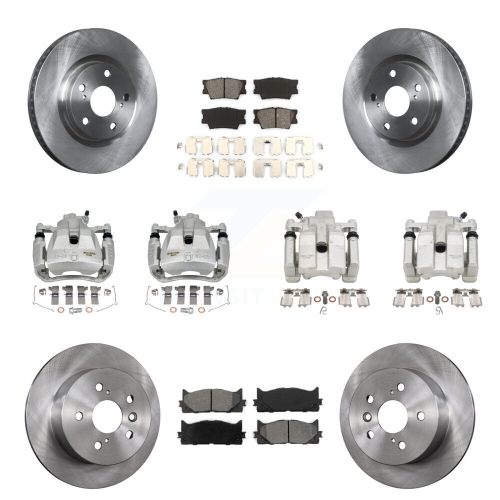
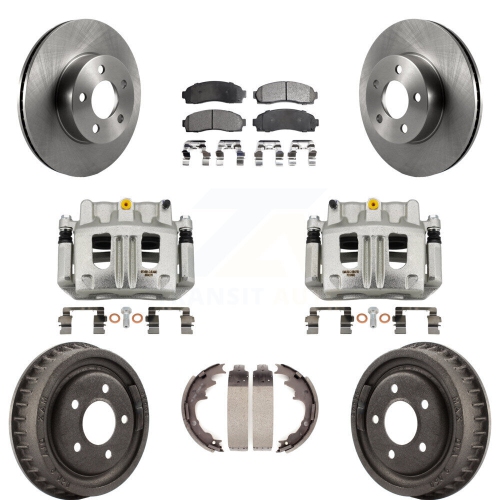
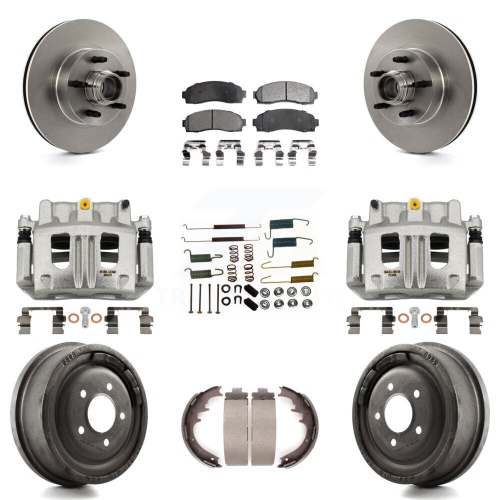
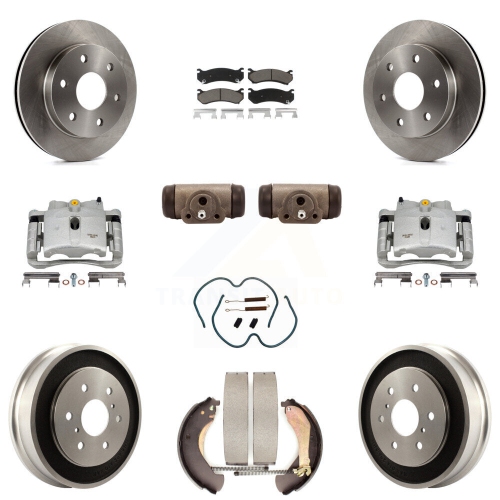
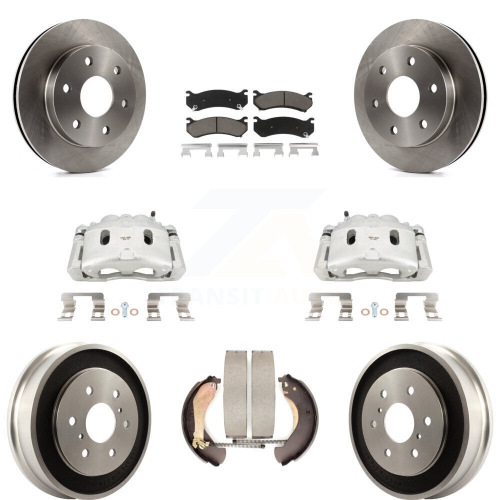
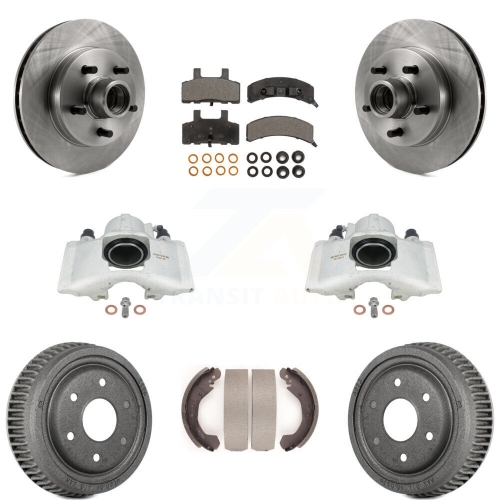
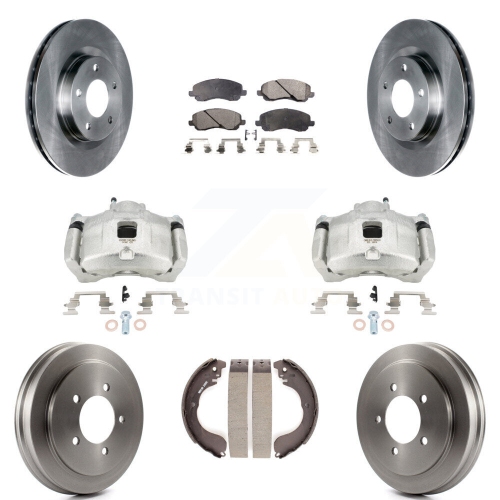
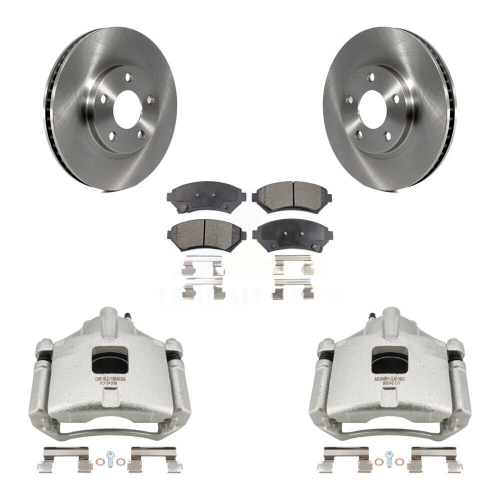
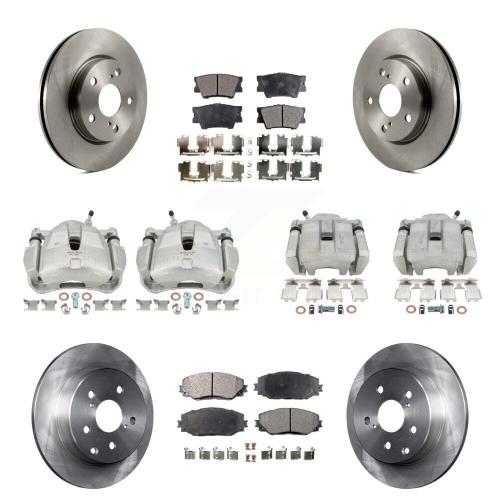

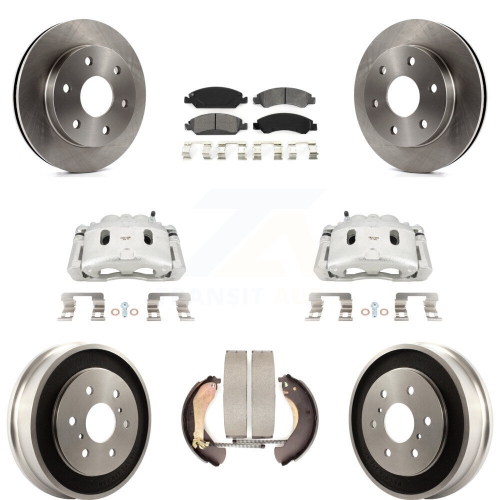
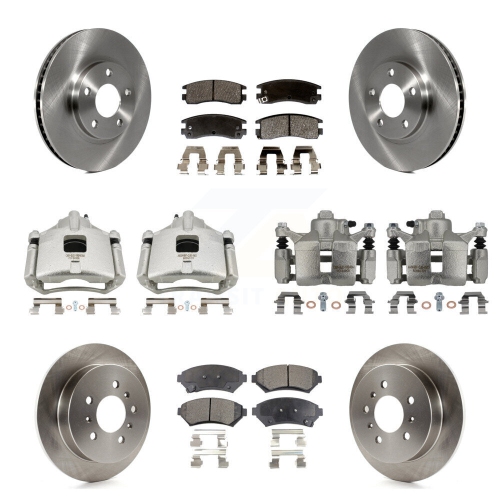
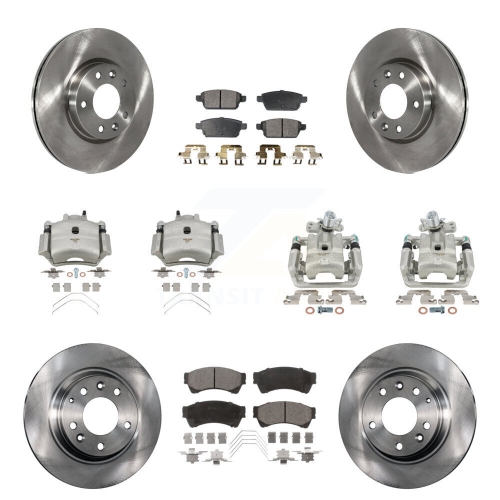

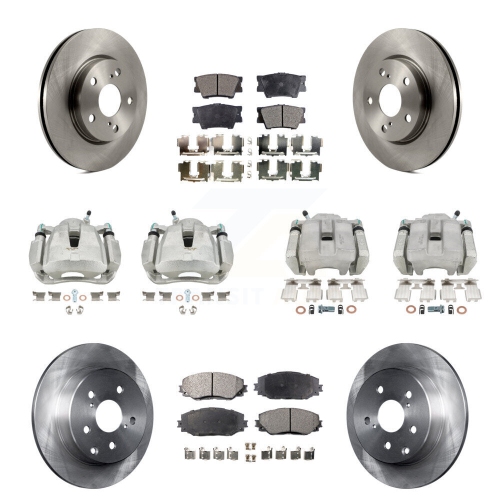
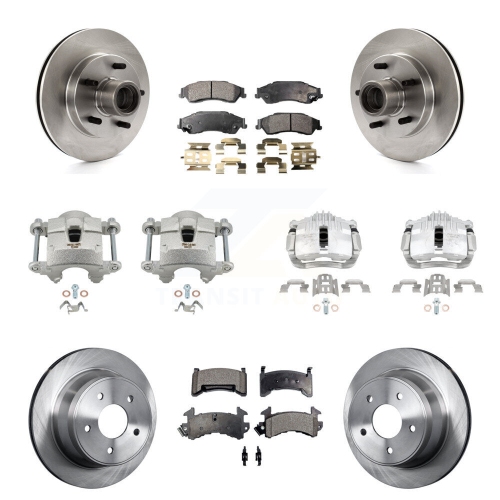
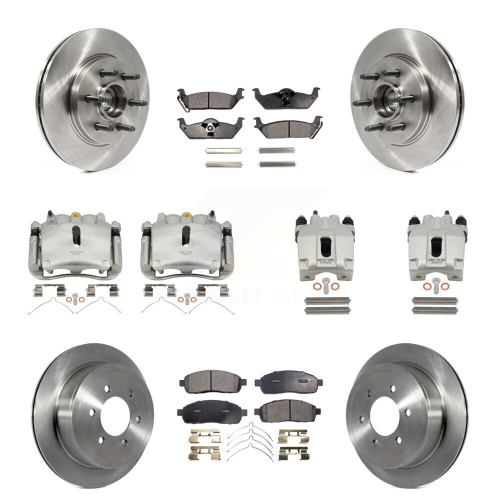

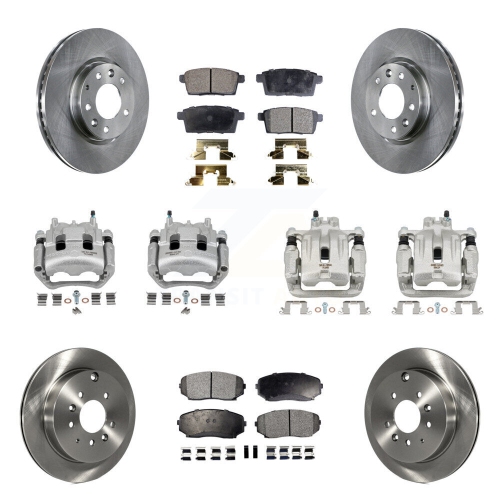
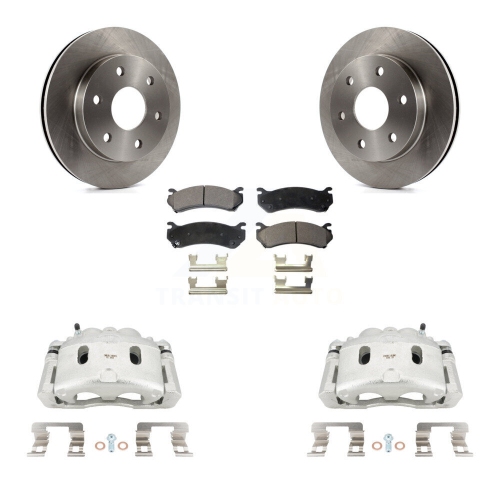
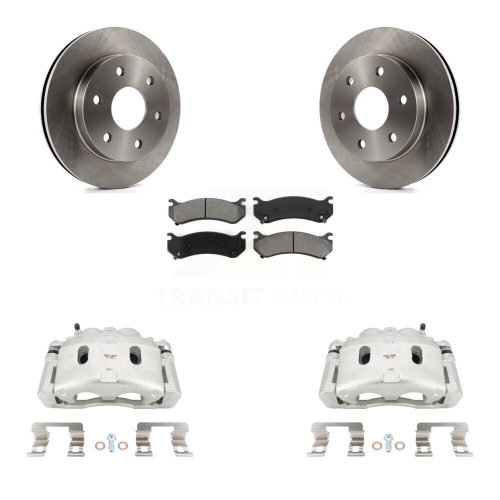
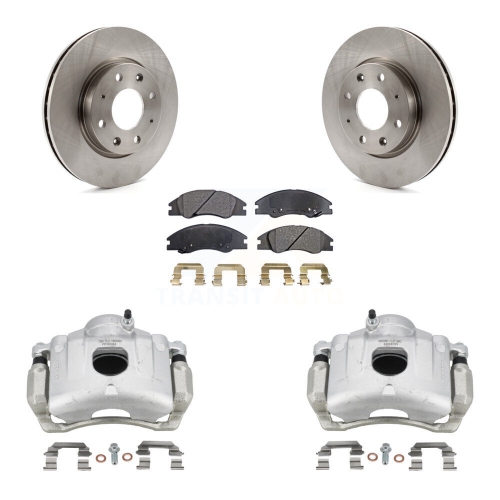
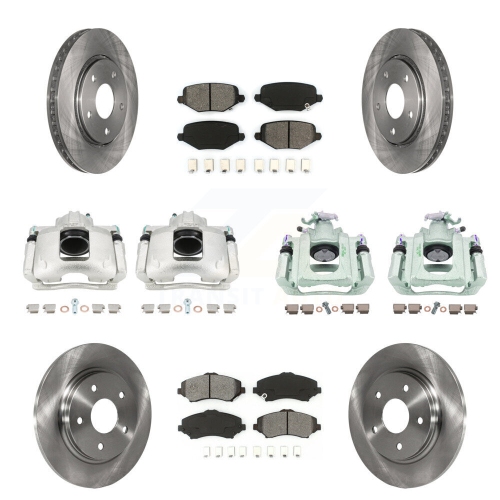
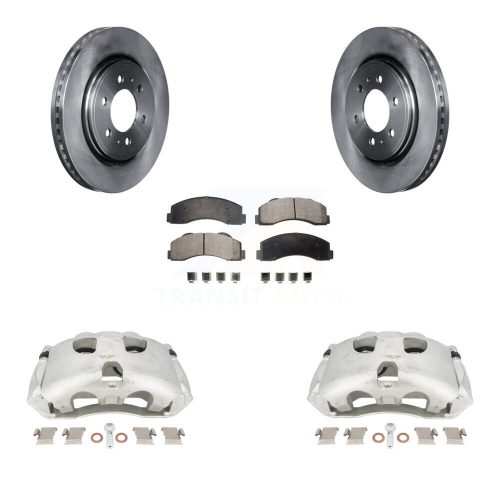
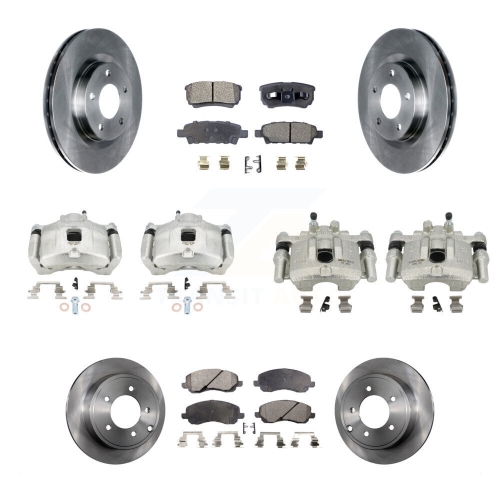
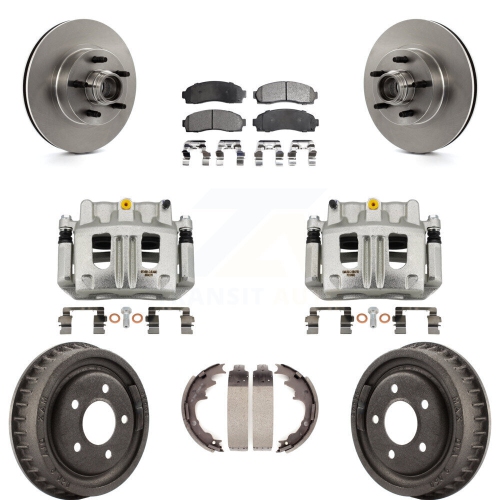
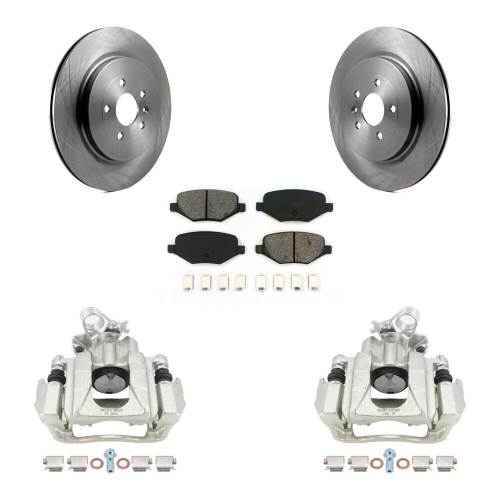
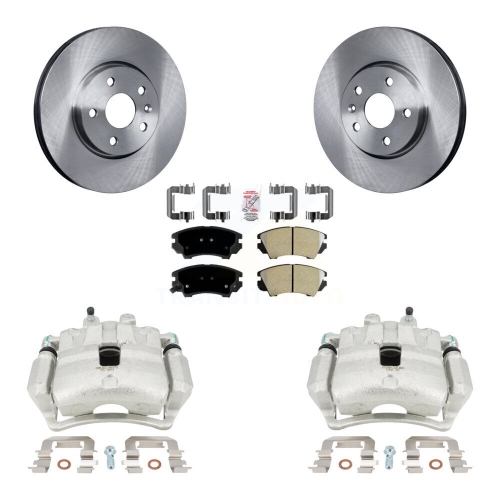
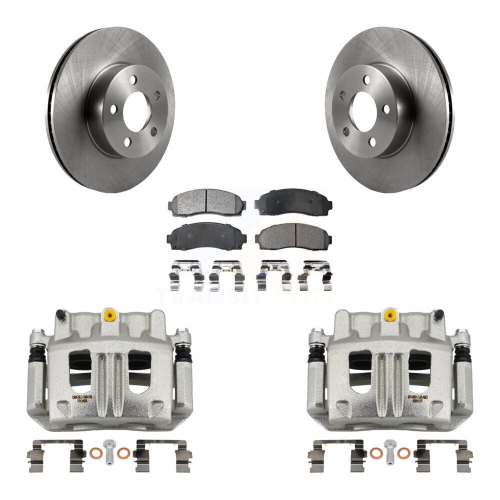
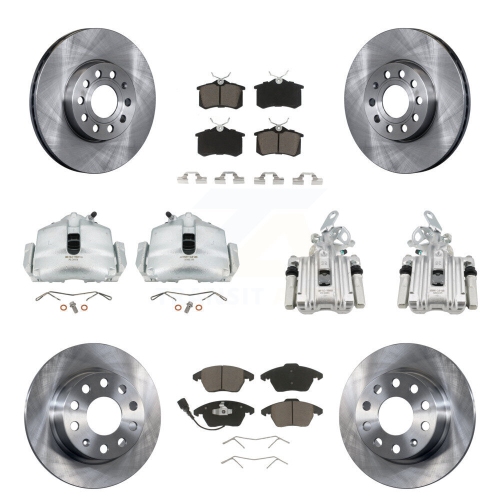
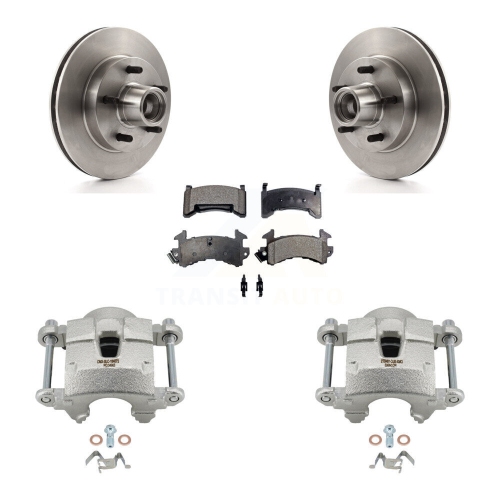
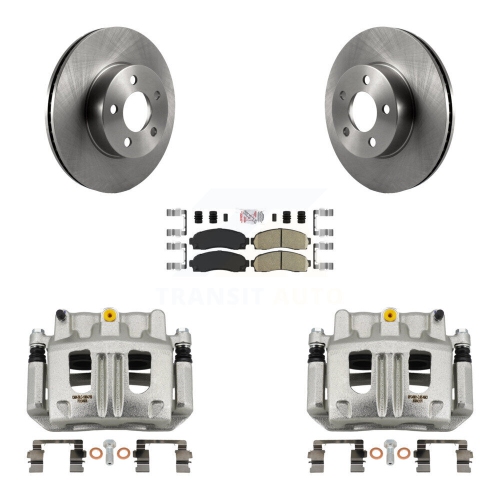
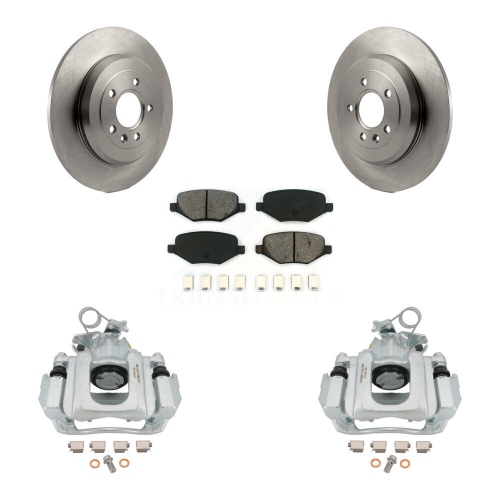
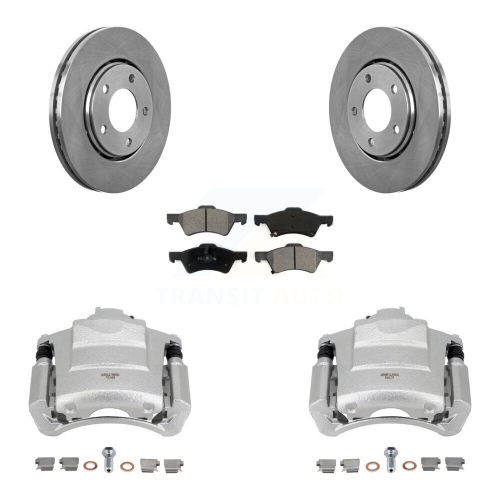


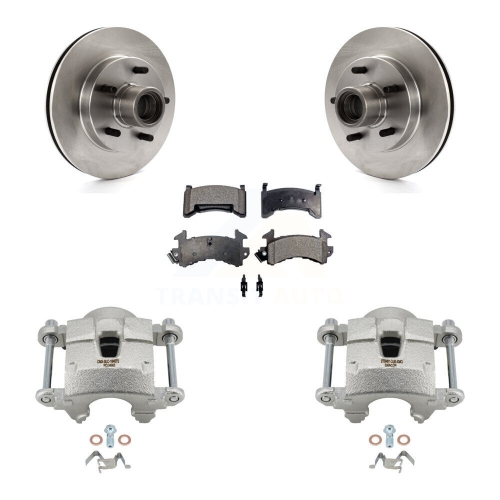

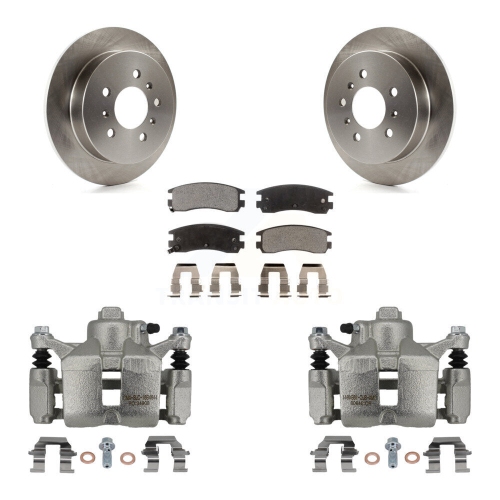
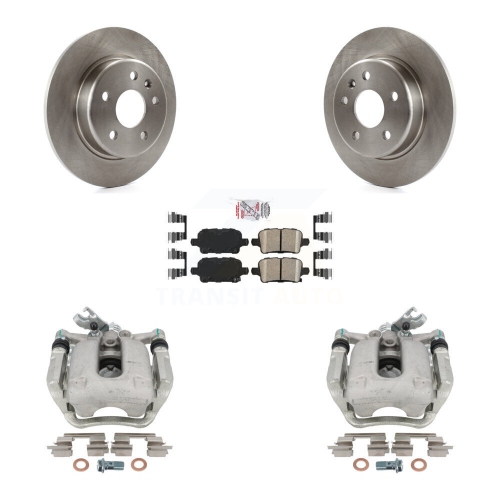

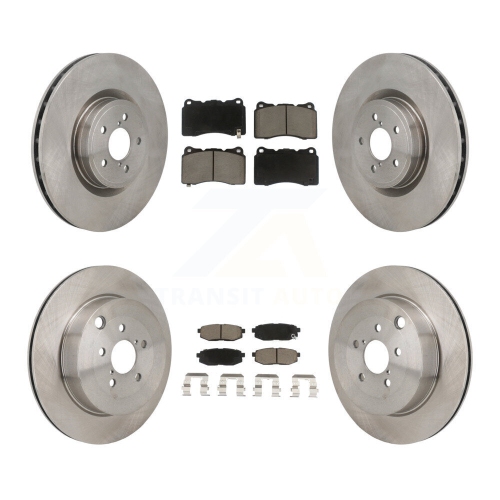
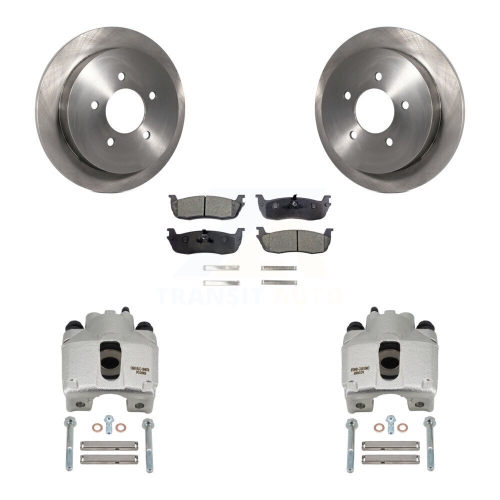
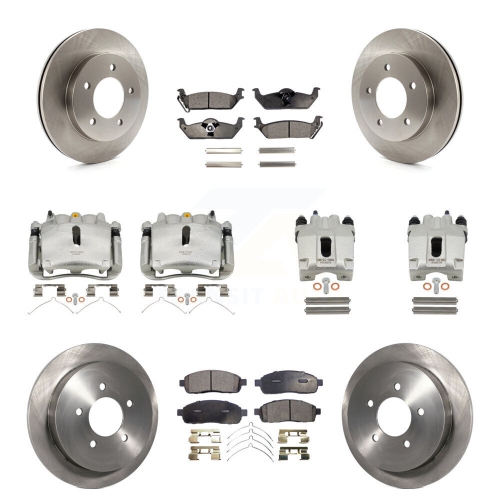
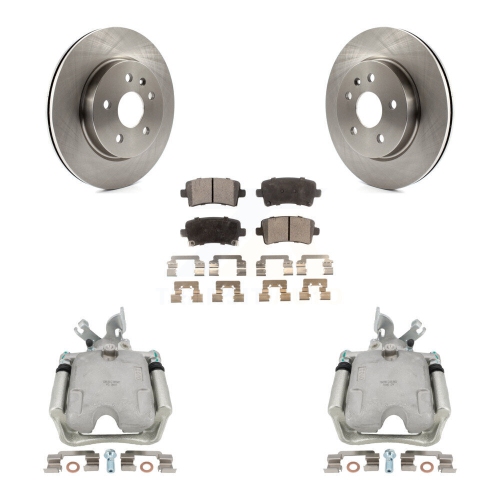
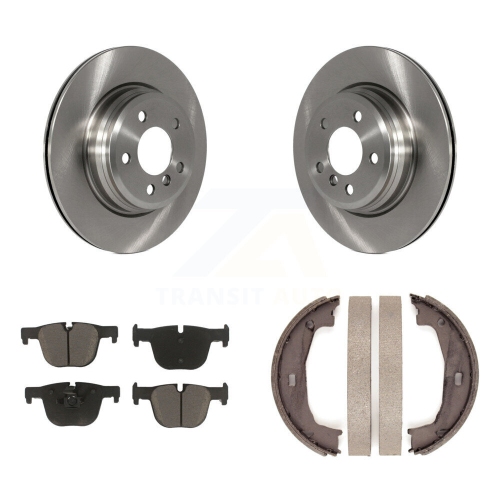
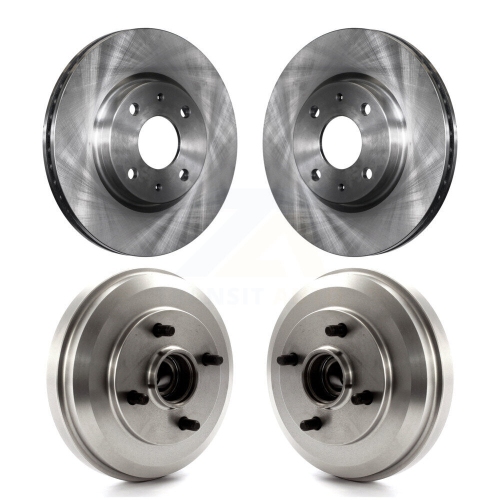

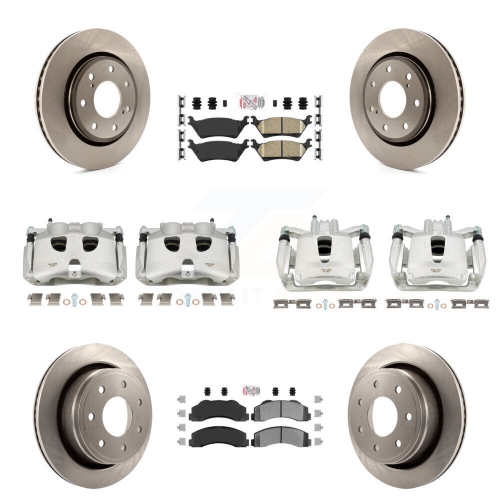
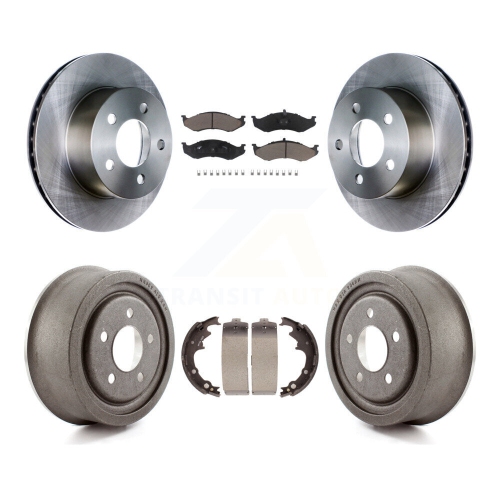
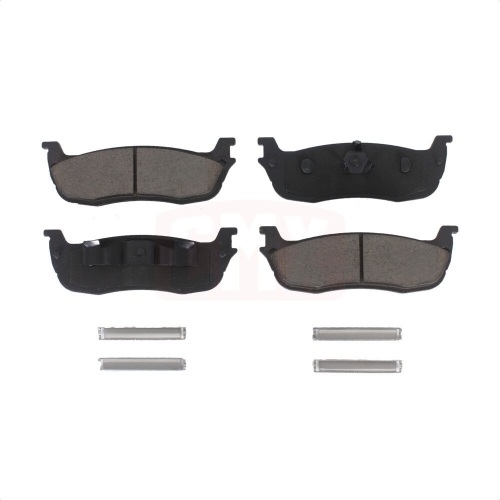
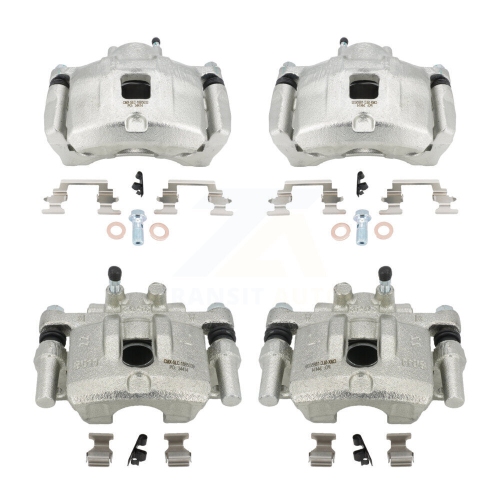
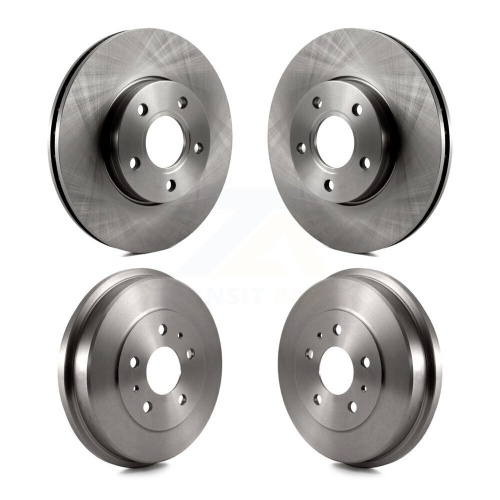
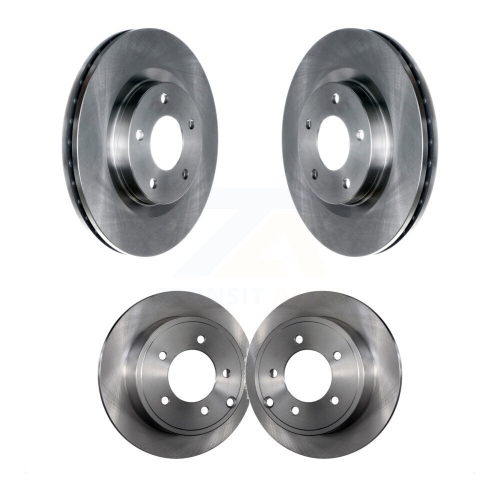
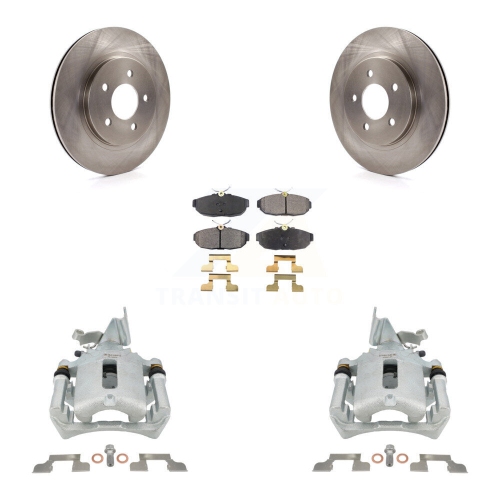
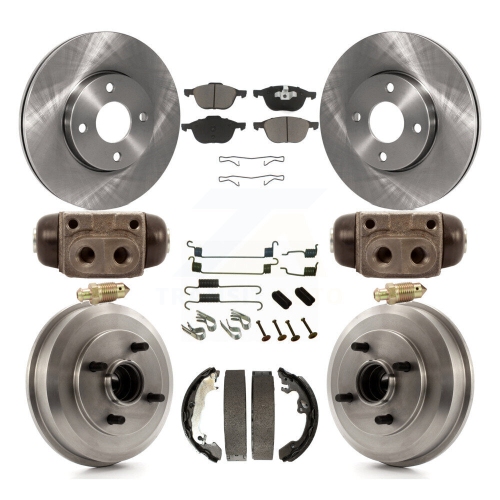
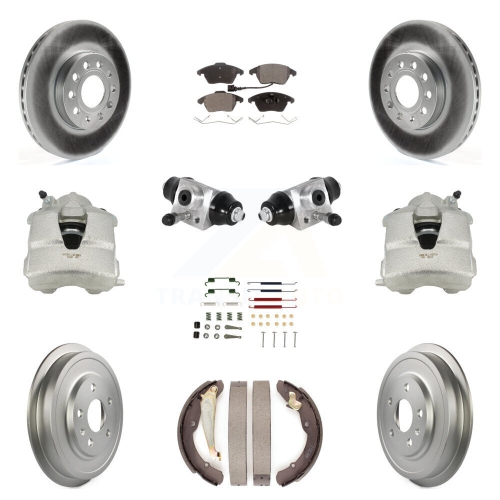
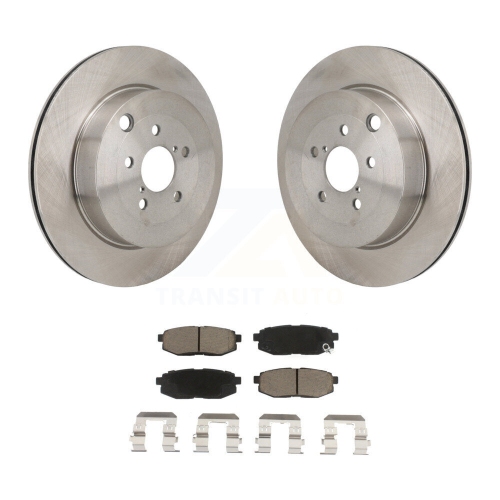


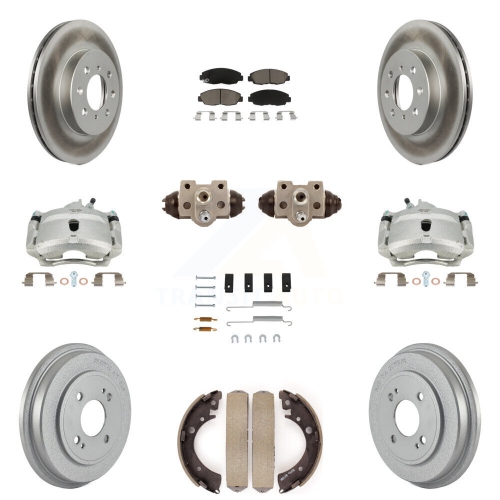
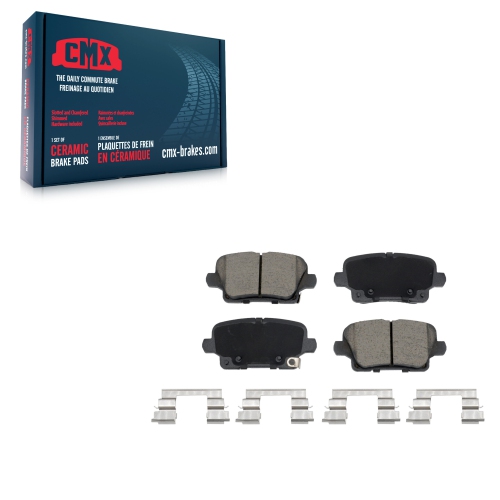
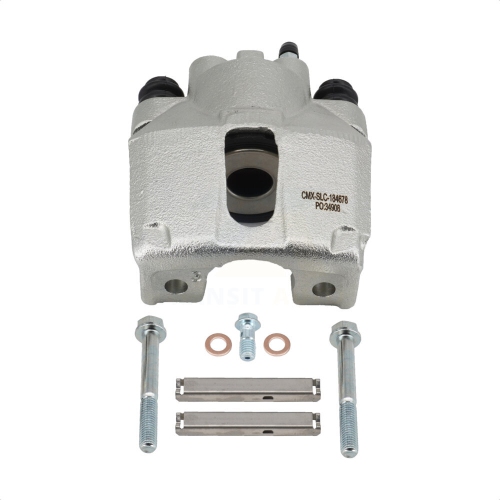

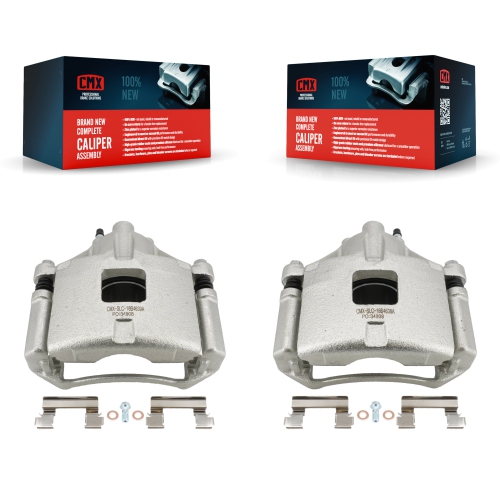
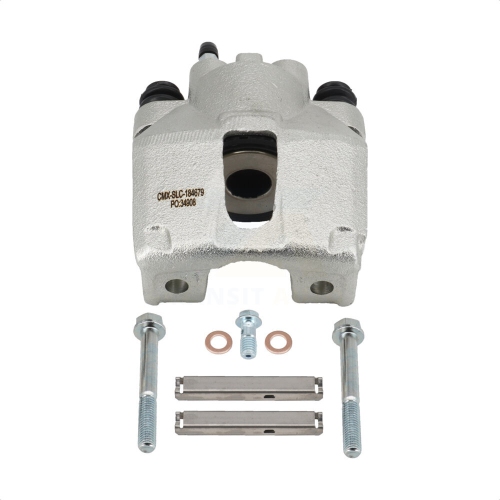
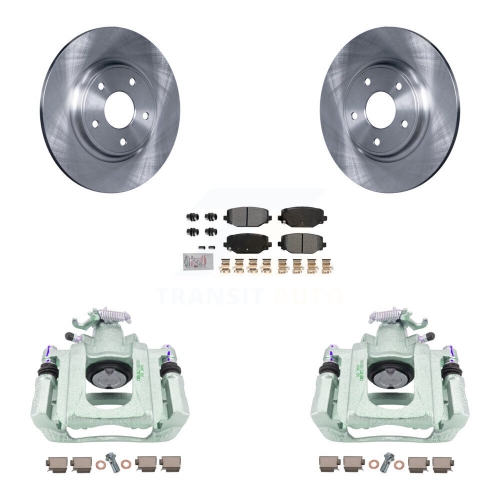


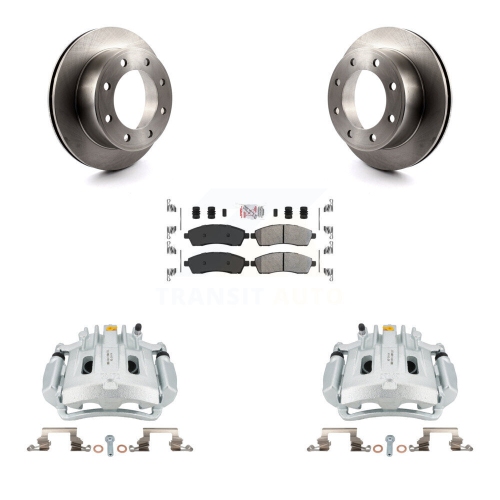

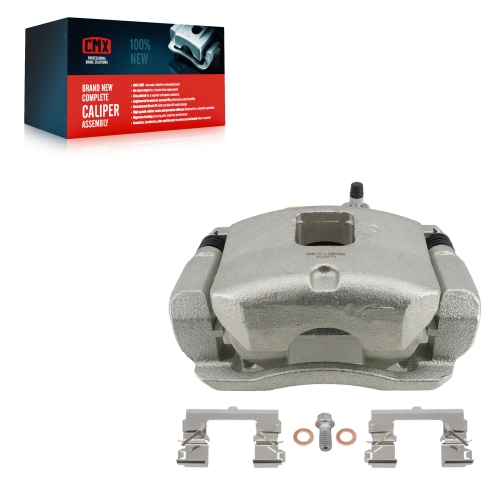
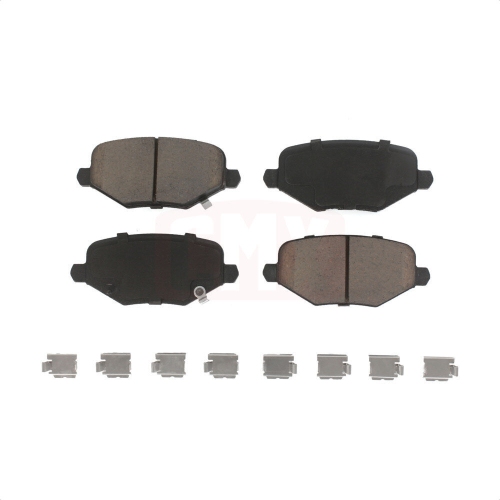
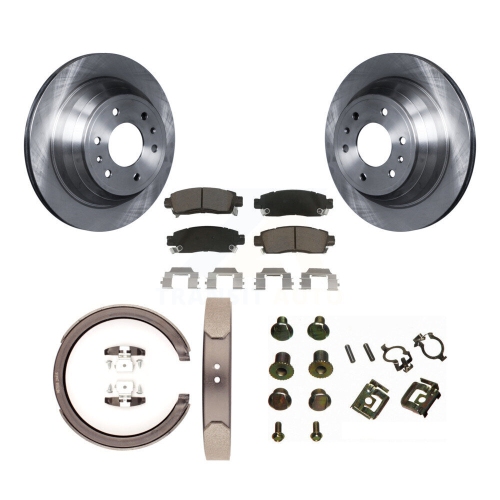
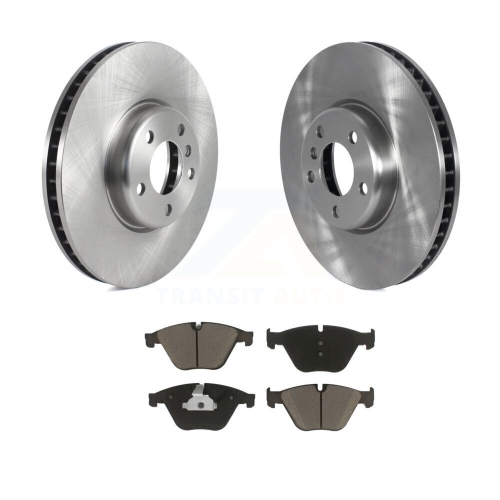

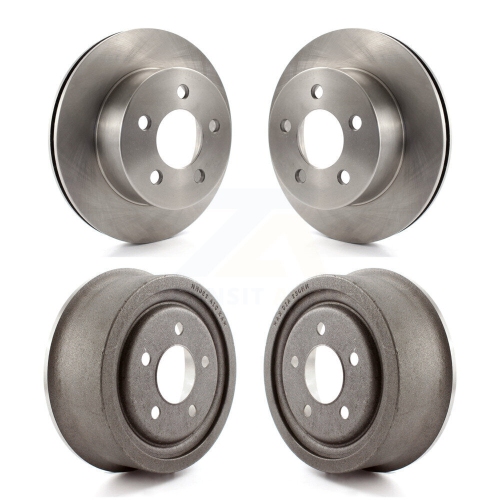
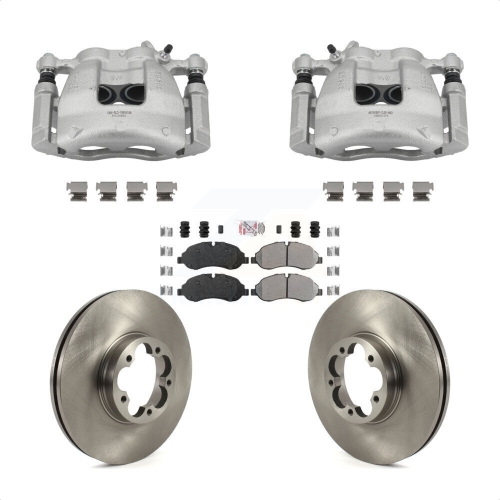



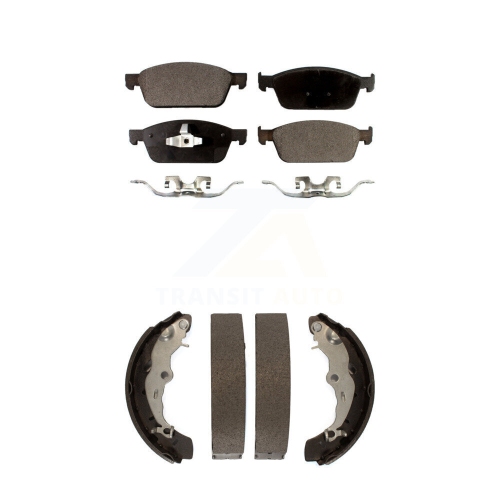
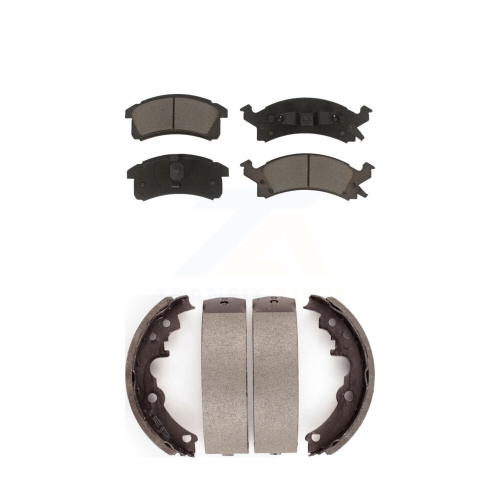
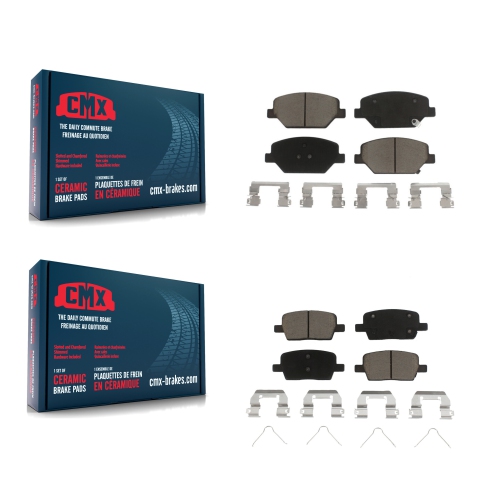

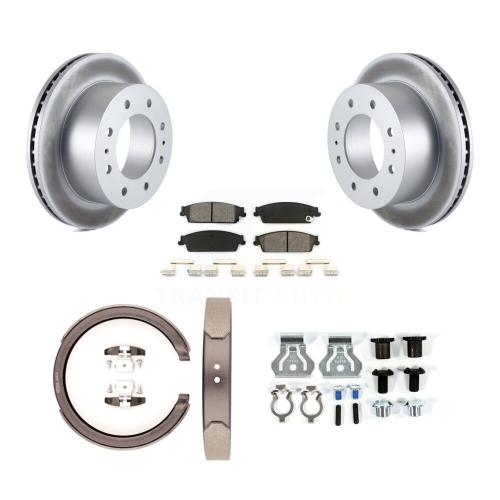
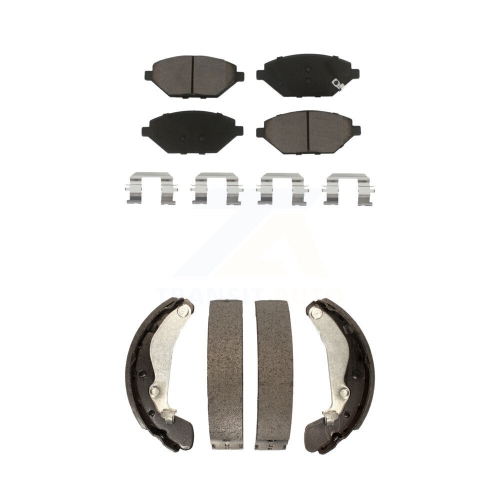
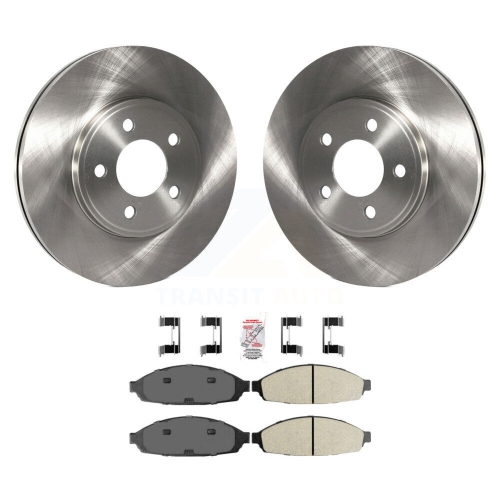
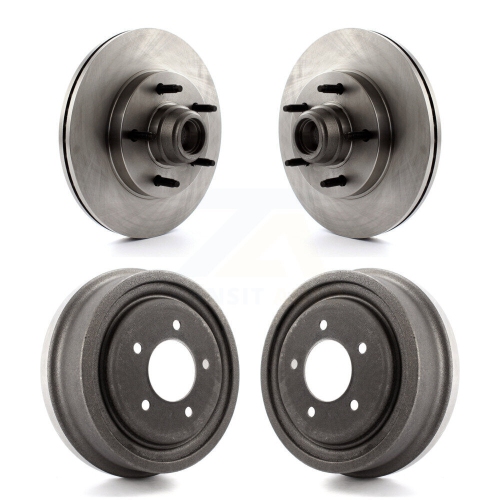
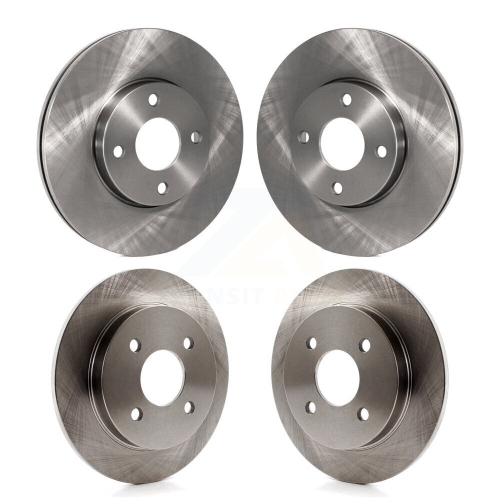


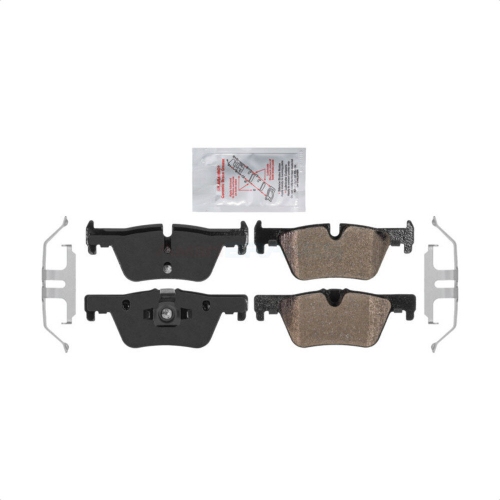
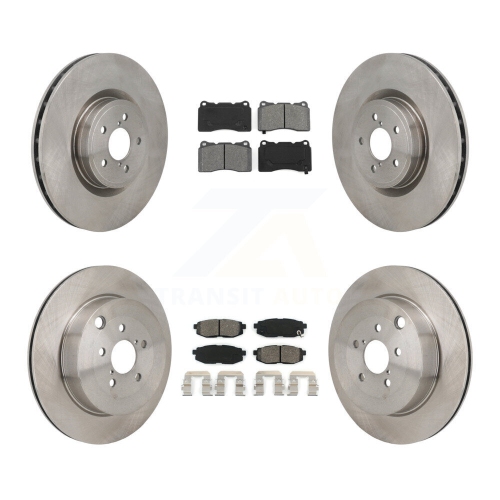
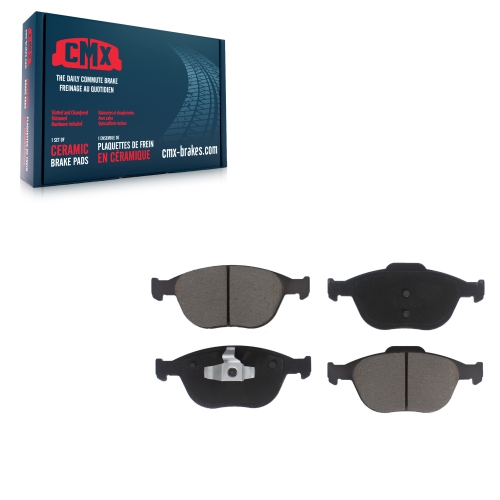

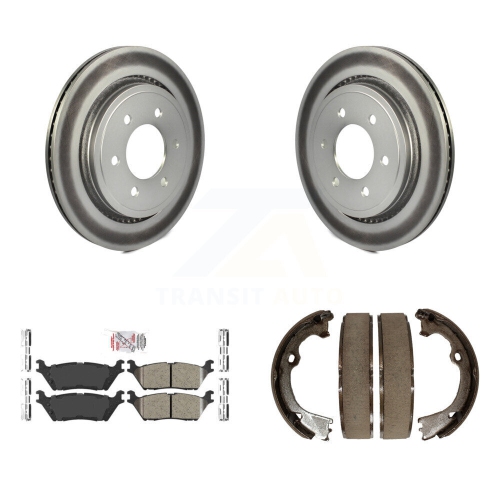
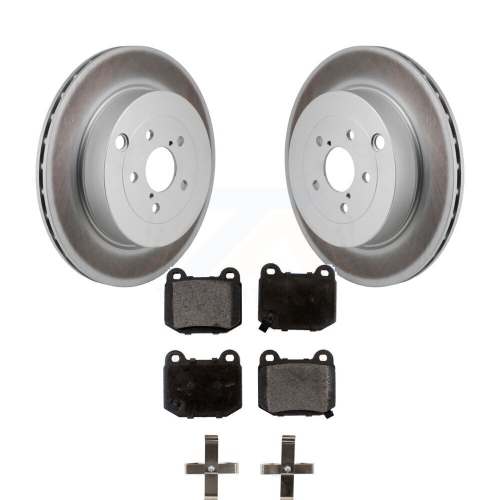

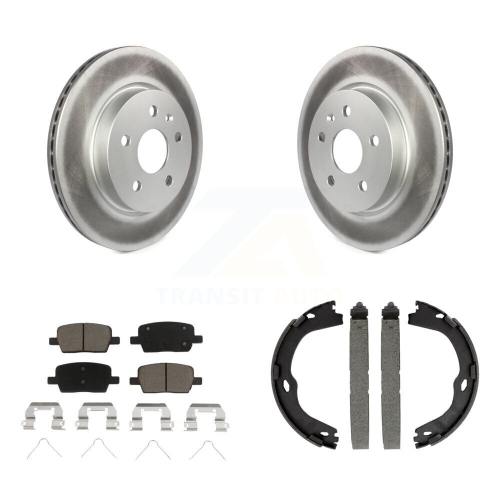


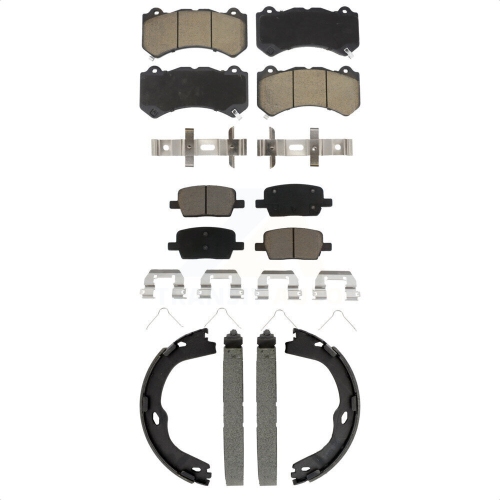
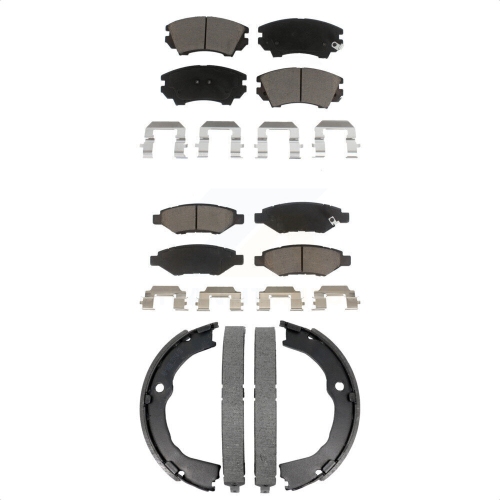
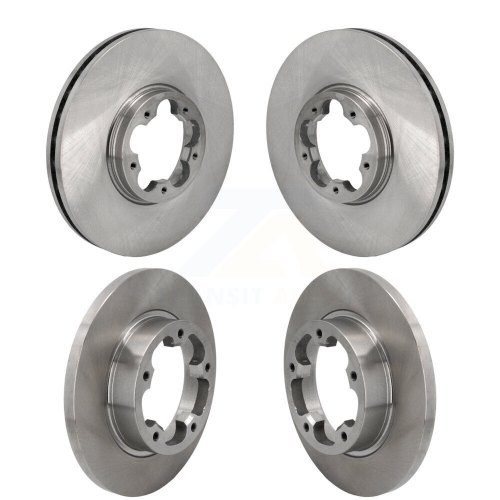
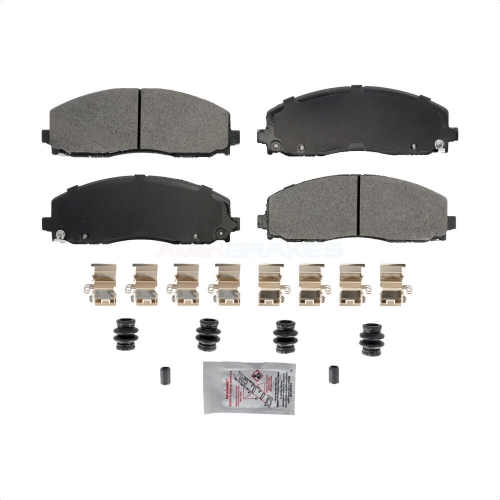
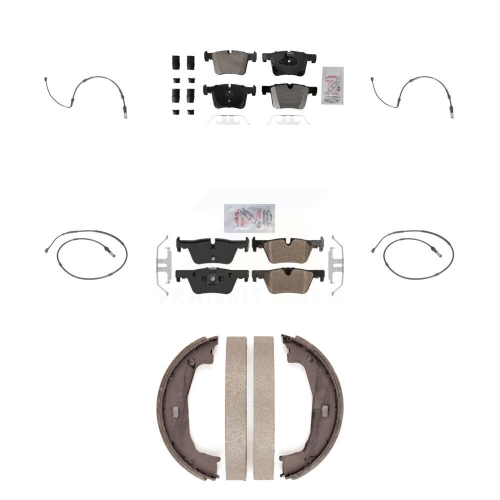
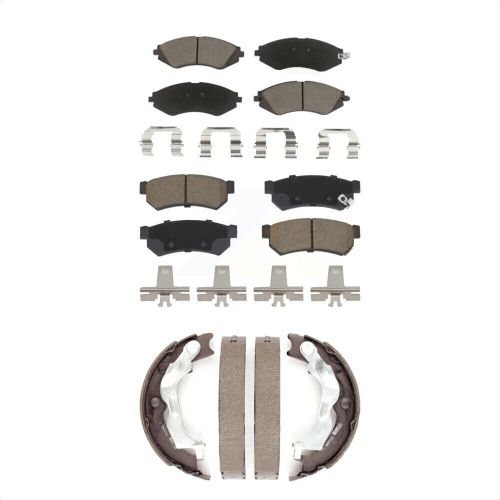
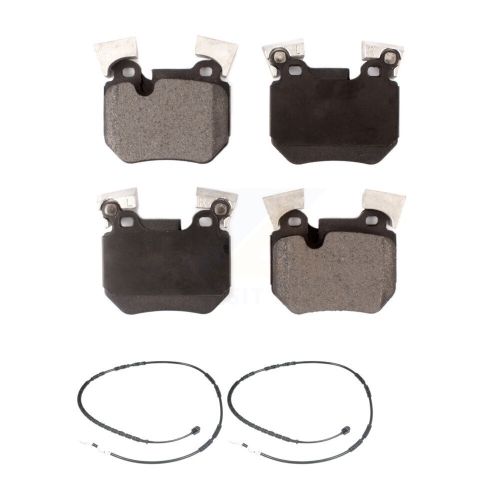

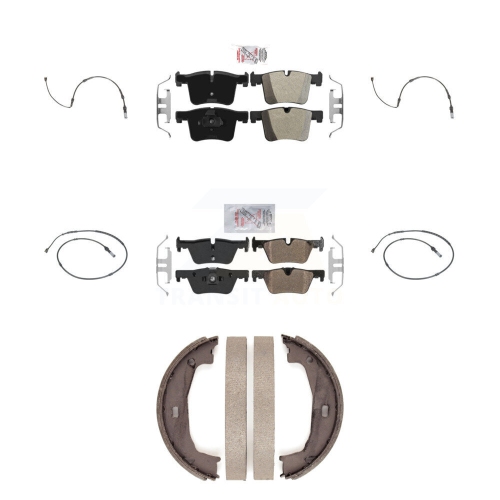
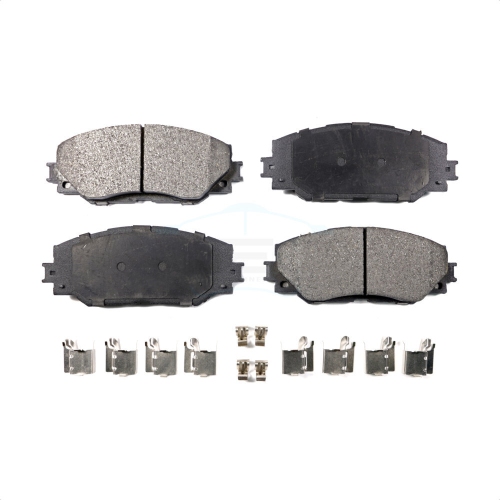
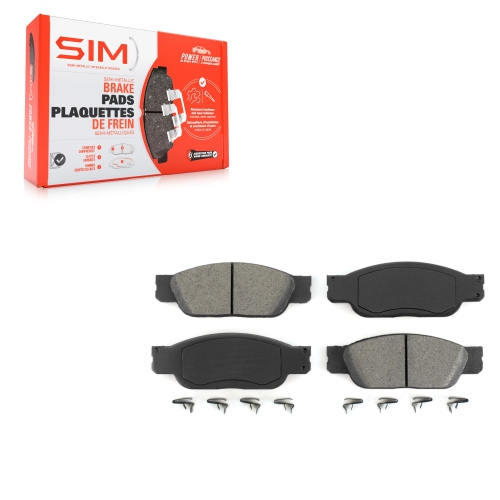
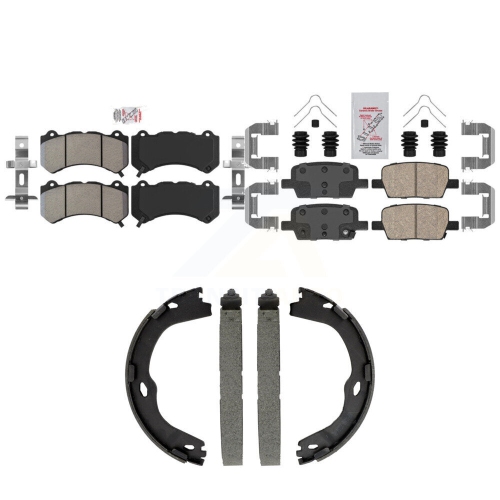
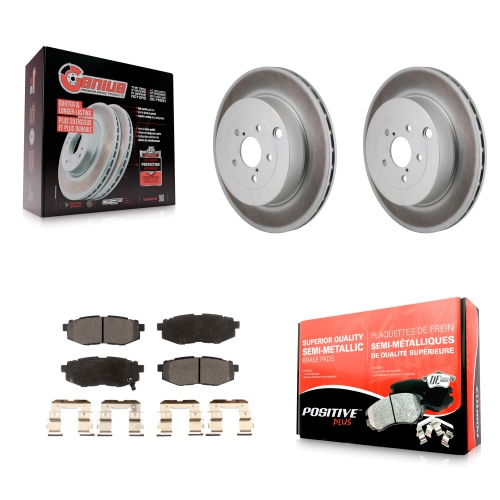
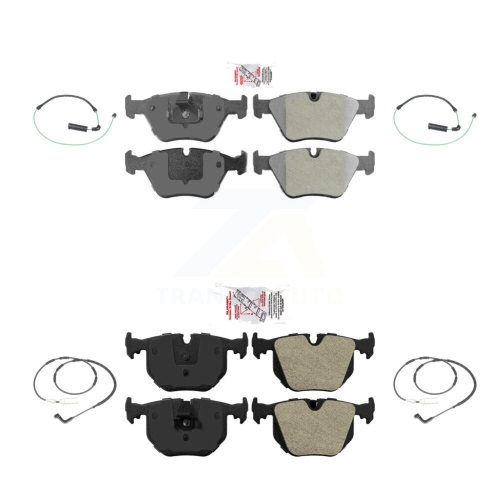
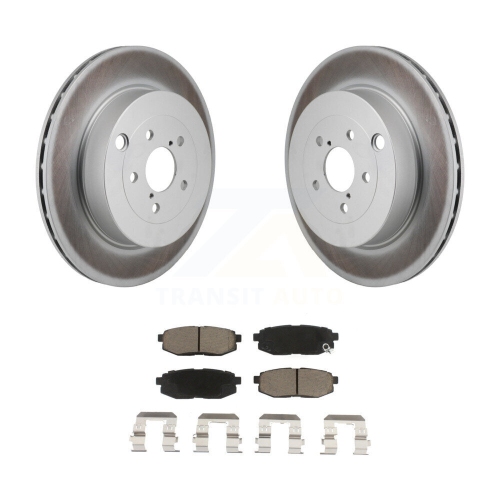
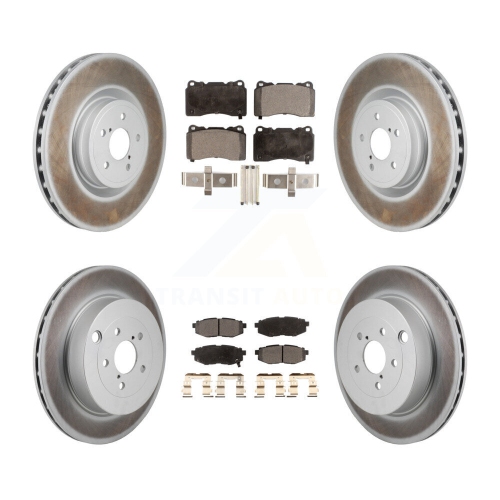
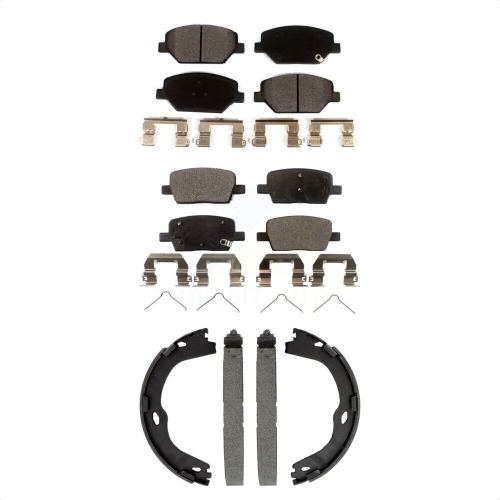
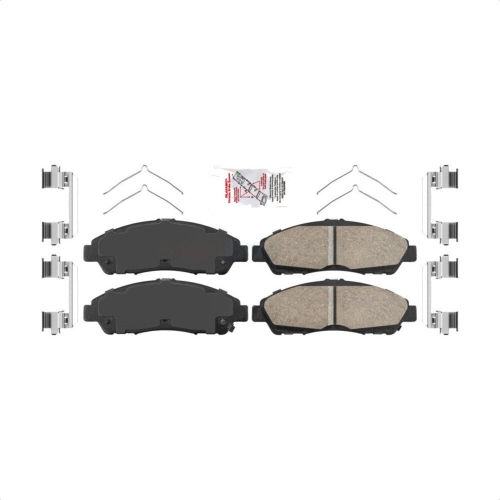
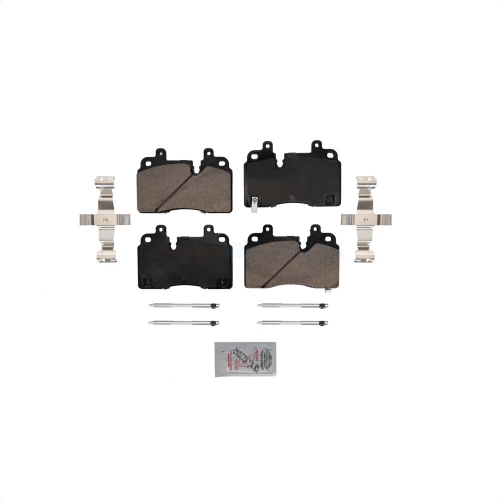
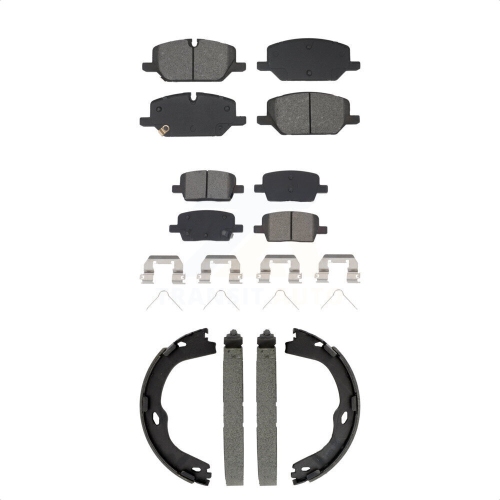
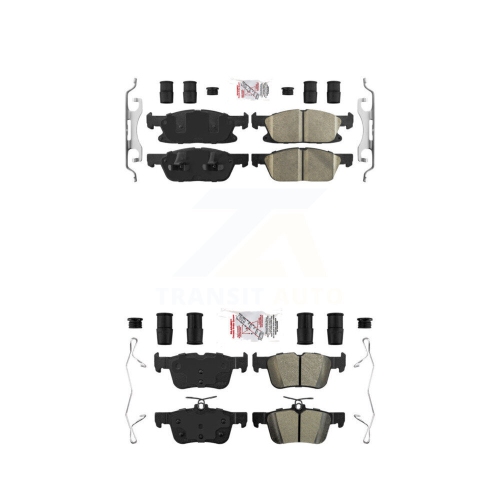
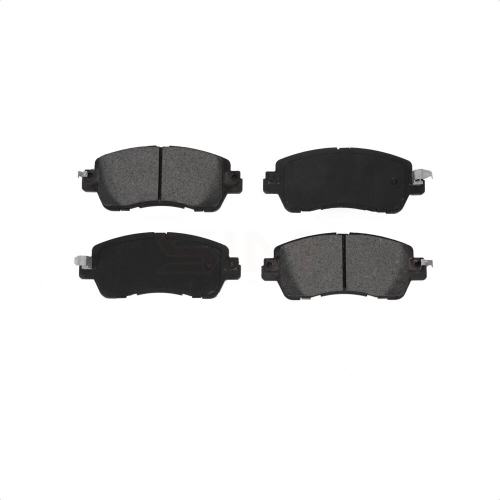
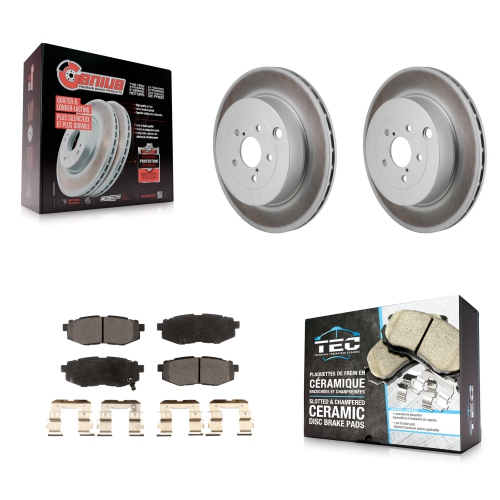
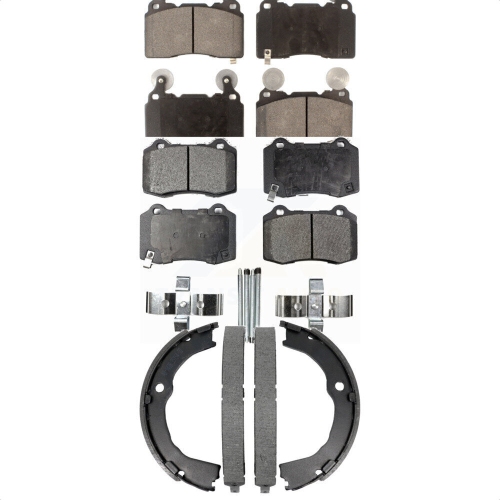
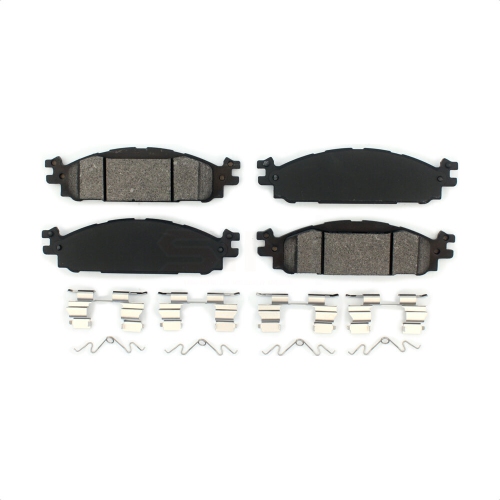


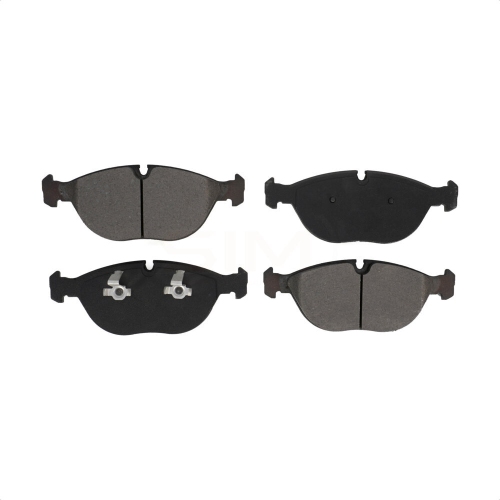
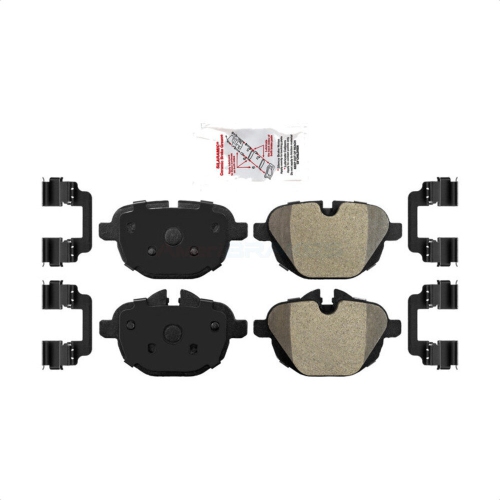
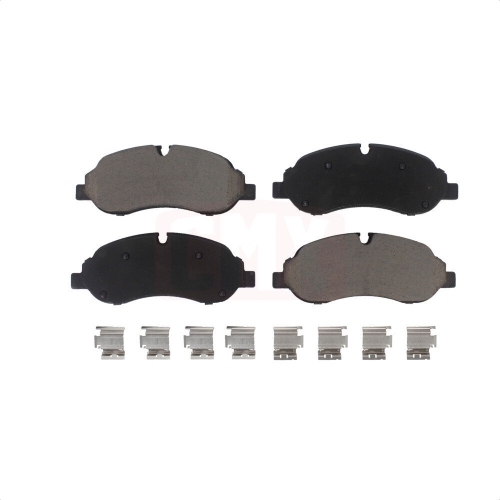
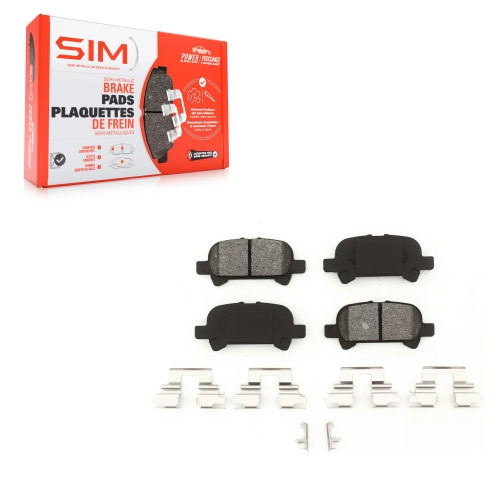
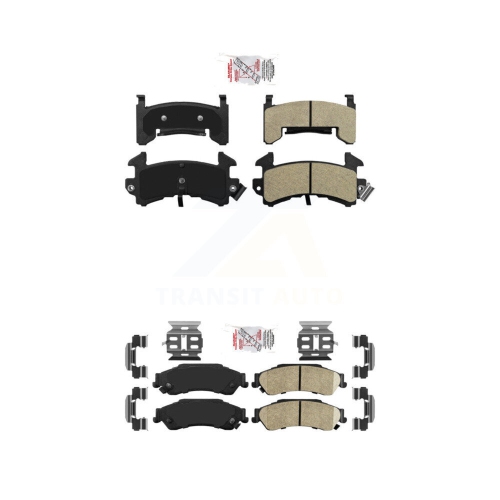

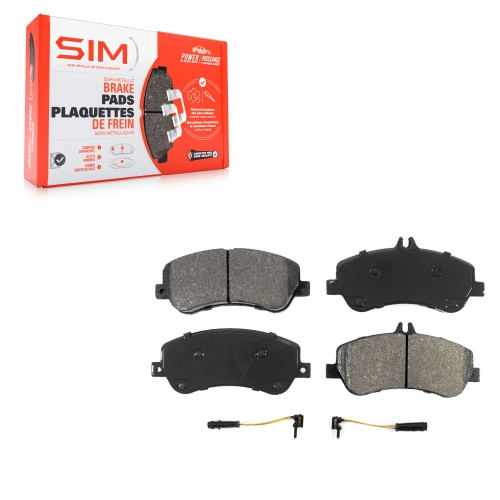
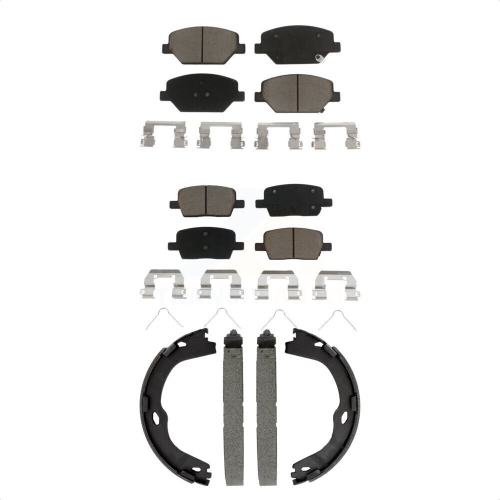
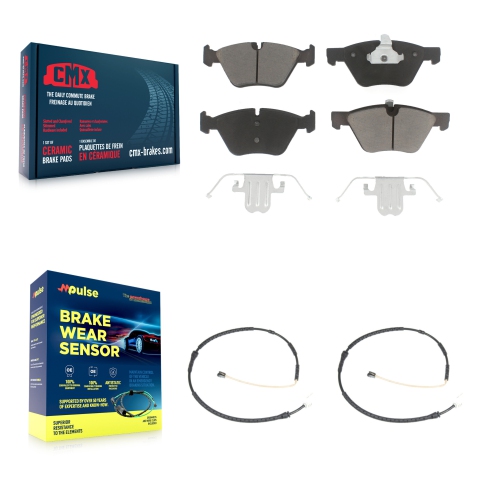
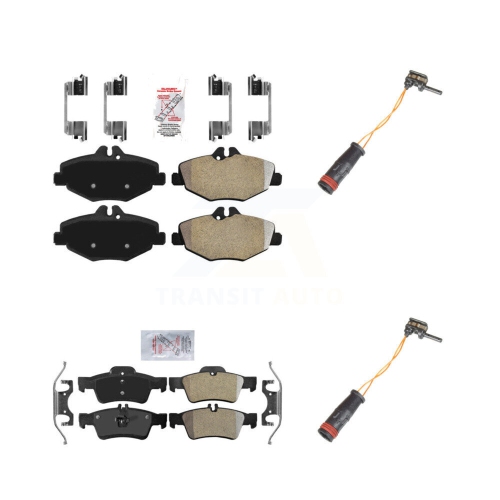
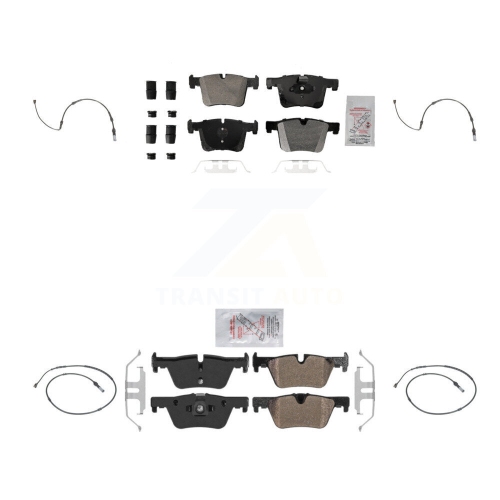
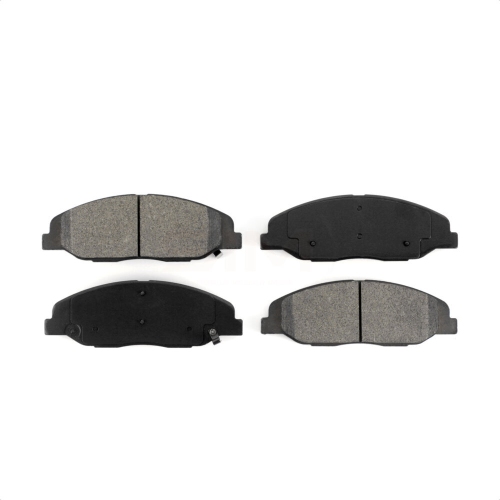


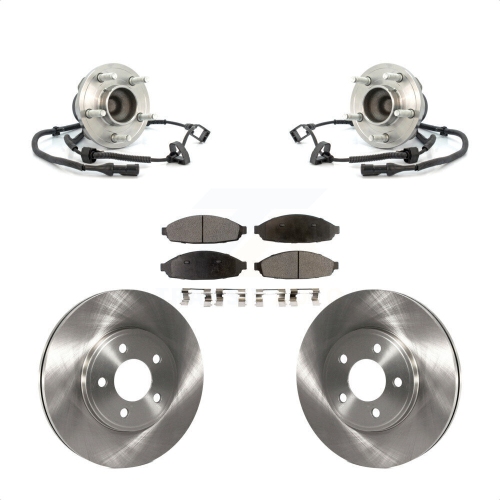
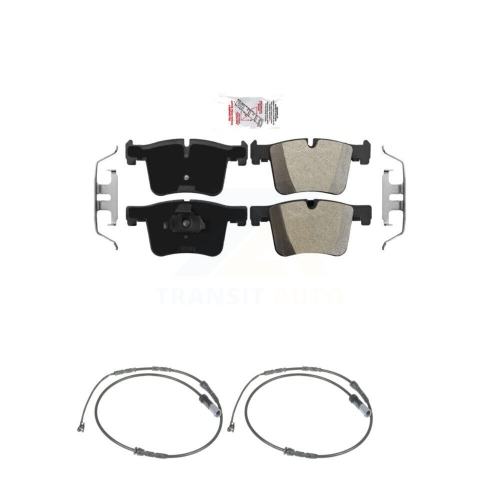
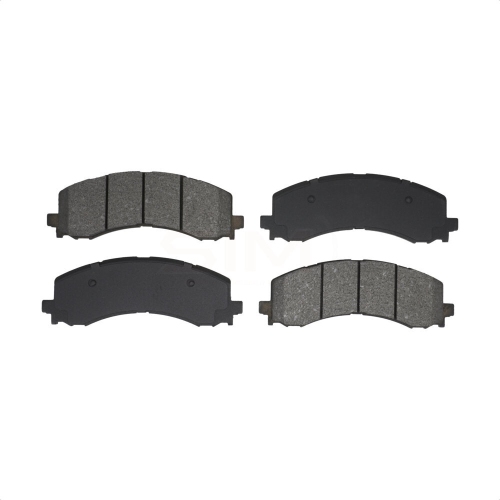
How the braking system works and what wear can signal
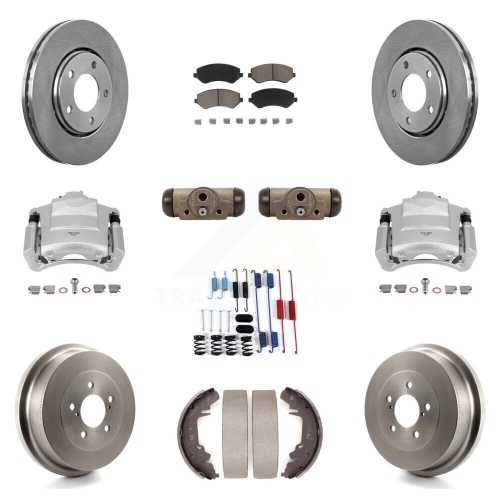
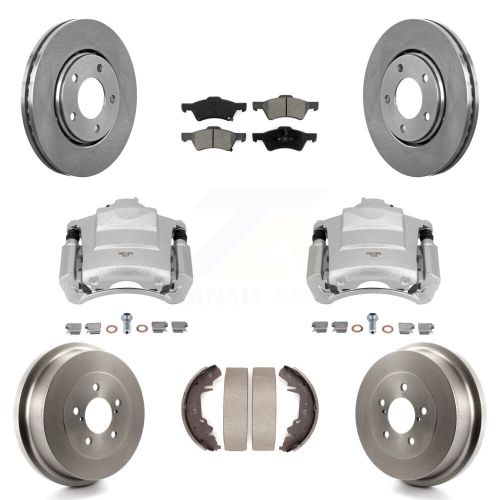
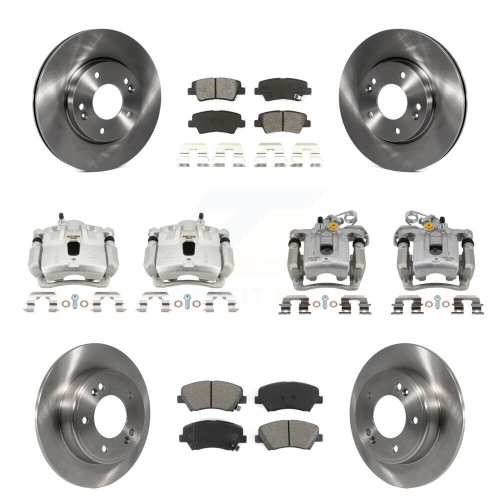
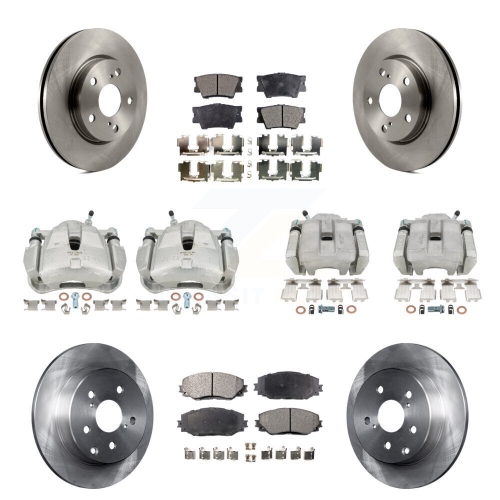
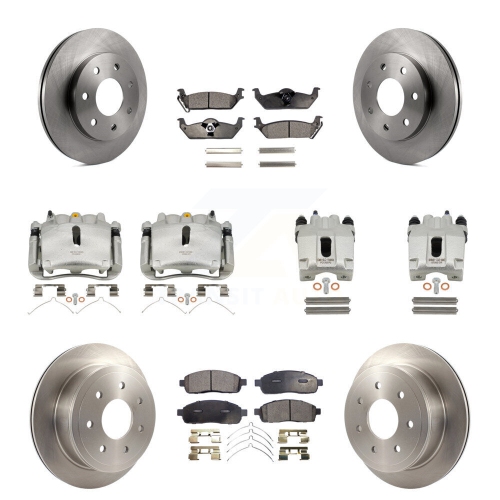
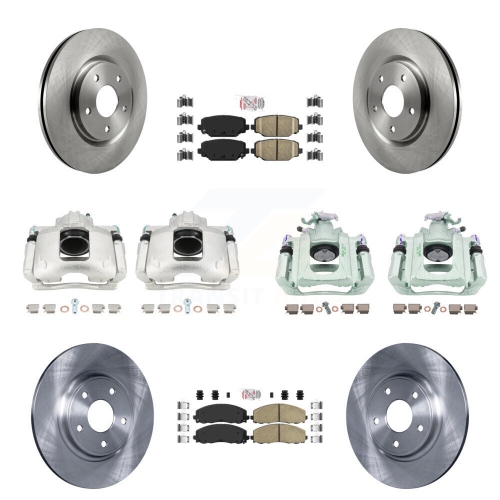
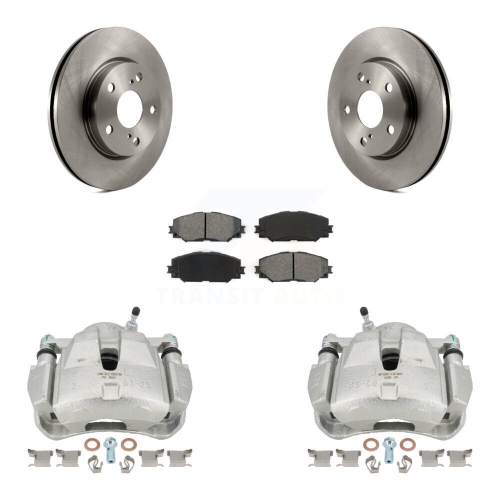
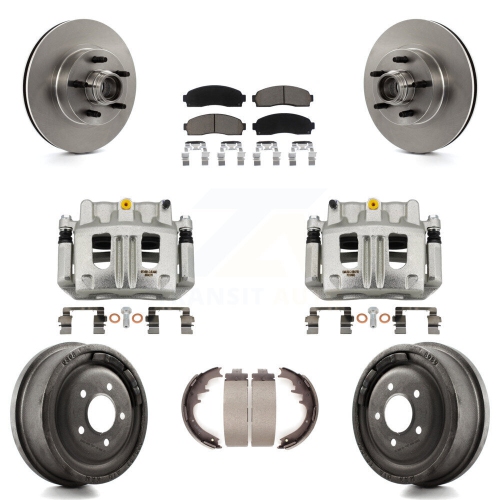
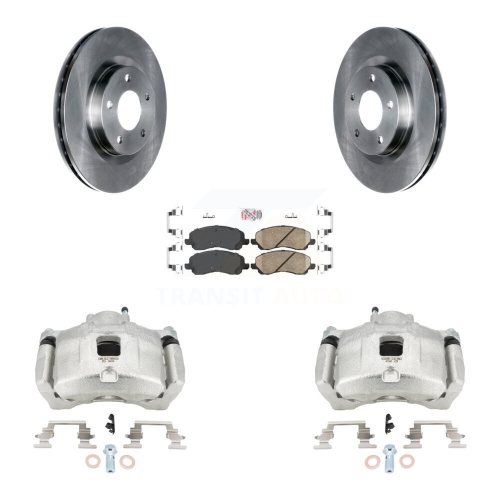
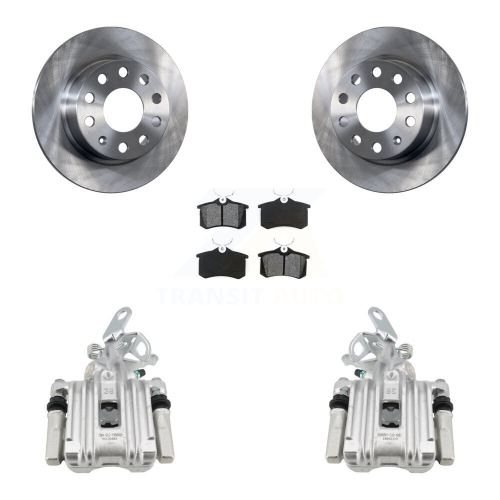
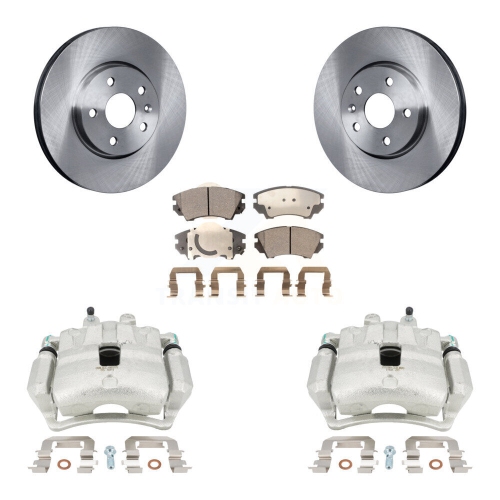
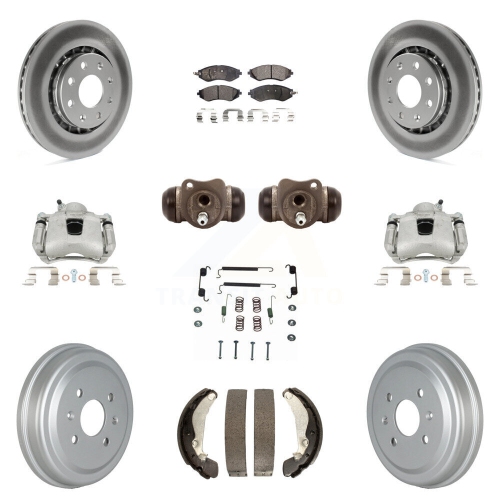
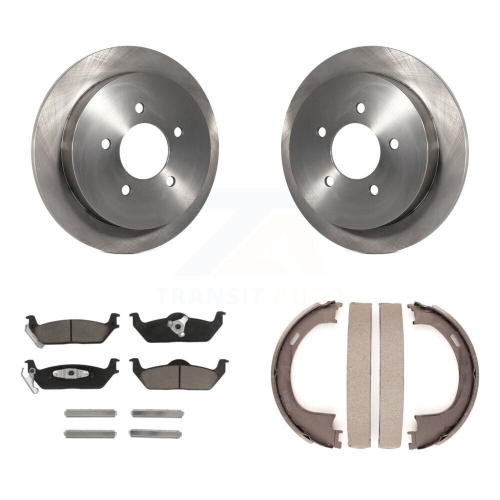
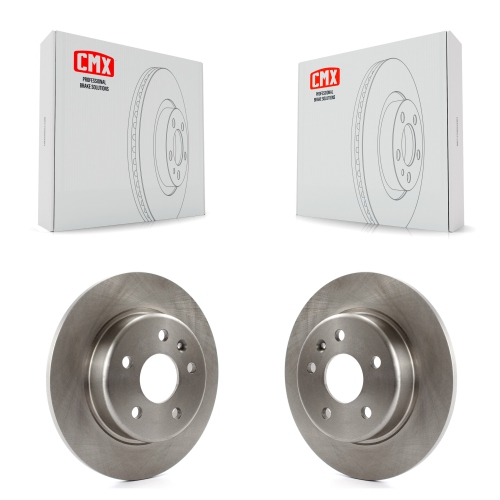
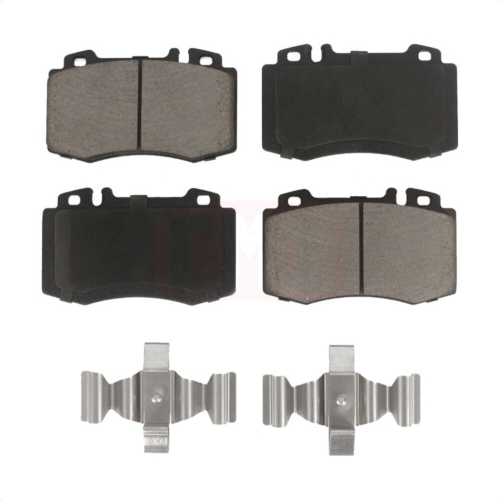
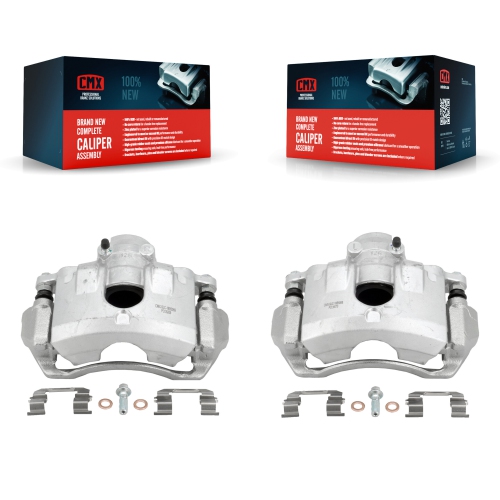
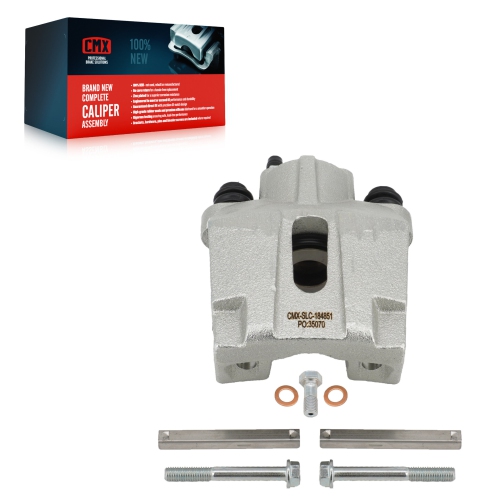
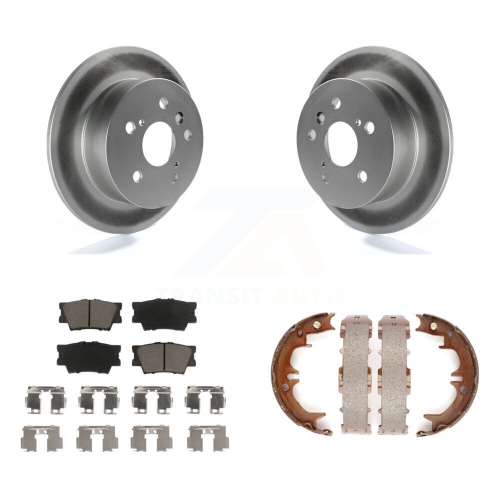
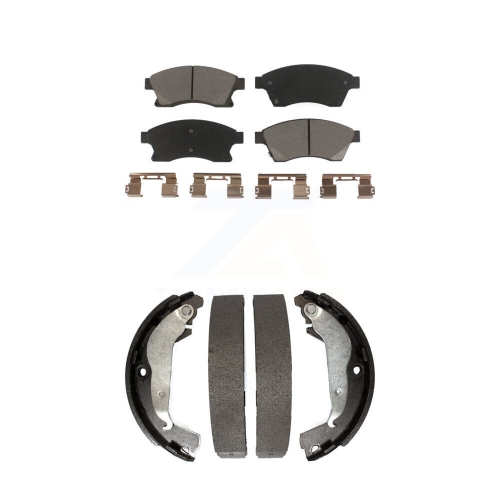
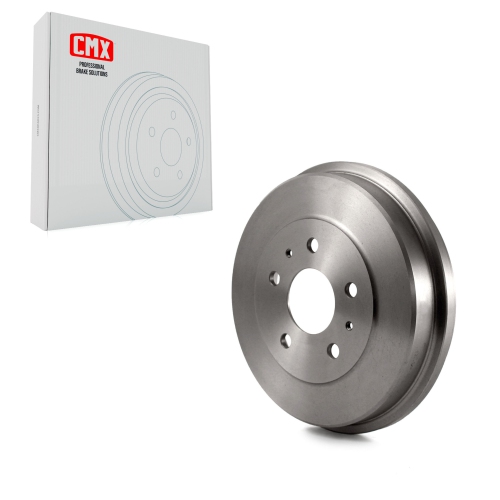
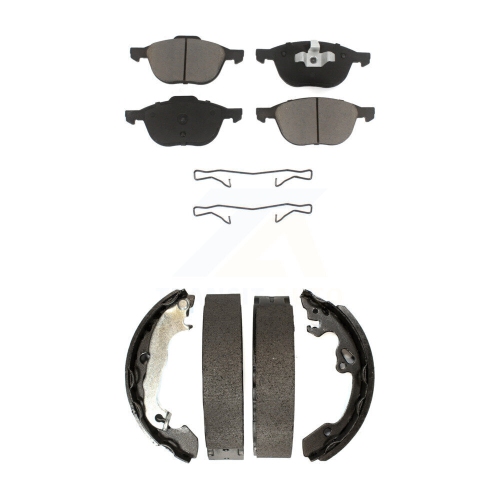
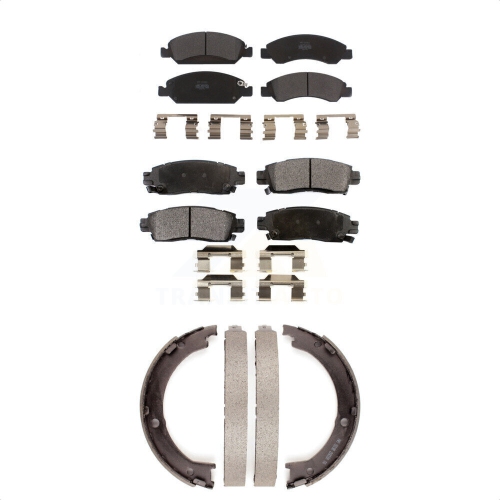
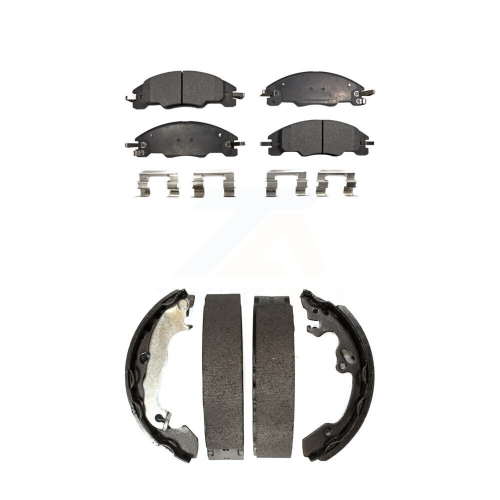
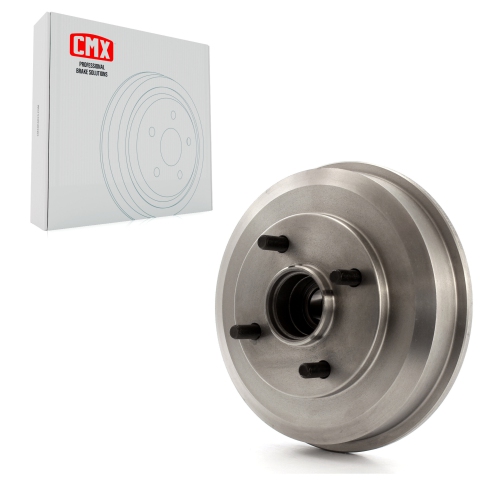
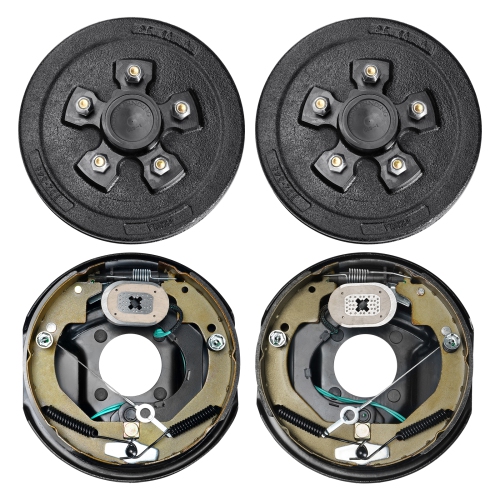
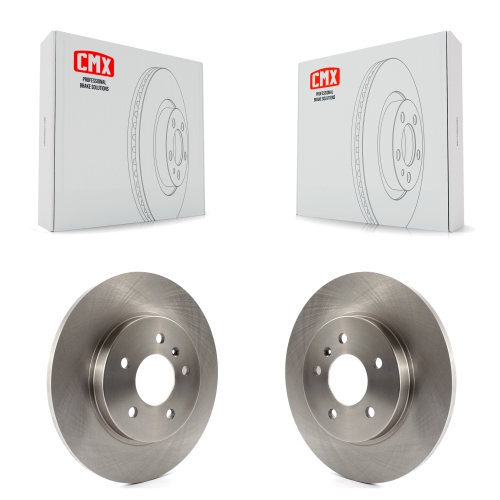
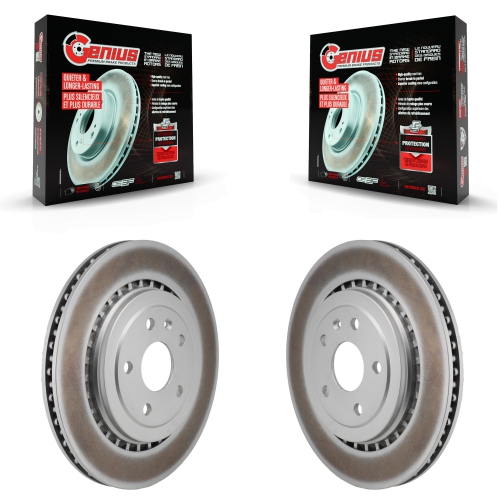
Car brake components work together as one safety-critical system, converting pressure from the brake pedal into controlled friction at each wheel. When you press the pedal, the master cylinder turns that movement into hydraulic pressure, sending brake fluid through the brake lines and flexible hoses. At the wheels, calipers use pistons to press brake pads against flat, rotating brake rotors. The resulting friction slows the vehicle and brings it to a stop. Some vehicles, particularly at the rear, use drum brakes instead: wheel cylinders push curved brake shoes outward against the inside of a rotating drum. Anti-lock braking system (ABS) sensors monitor wheel speed and help prevent the wheels from locking during hard braking, allowing the driver to maintain steering control on slippery surfaces. Because every part has a specific role, replacing one component may reveal wear in another. A vehicle with worn pads may also have scored rotors, a seized caliper, damaged hardware or uneven hydraulic pressure. Signs that deserve prompt attention include grinding, squealing that does not go away, vibration through the steering wheel or brake pedal, pulling to one side, a soft or sinking pedal, fluid leaking near a wheel, or an illuminated brake or ABS warning light. A change in pedal feel can be especially noticeable when driving through cooler weather, when wet roads, frost and packed snow place additional demands on a properly functioning braking system.
Choosing the right car brake components starts with exact vehicle fitment. Year, make, model, engine, trim level and drivetrain can all affect the correct part, and some vehicles use different brake configurations on the front and rear axles. It is also important to identify whether the vehicle has disc brakes, drum brakes or a combination of both. Brake pads should match the calipers and rotors, while brake shoes must be sized and shaped for the correct drum assembly. Rotors need to meet the required diameter, thickness and mounting specifications, and calipers must correspond to the side of the vehicle and the applicable braking system. Brake lines and hoses should be selected for the proper length, connection type and routing, since a hose that twists, stretches or rubs against a wheel can create a serious problem. Hardware such as clips, shims, springs and retainers may look small, but these pieces help secure friction components and reduce noise or uneven movement. A dedicated Brake Hardware Kits can be useful when servicing pads or shoes, especially if existing hardware is corroded, bent or missing. For ABS-related repairs, compare sensor connectors, cable routing and wheel-position compatibility rather than relying on appearance alone. Vehicle identification information, the original part number and the manufacturer’s fitment details provide a much safer basis for selection than matching a component by size alone. When replacing pads or rotors, many technicians recommend inspecting and servicing the components on both sides of the same axle so braking remains balanced. Brake fluid should also be checked for the correct type and condition, and the system may need to be bled after hydraulic work to remove air.
These components are intended for vehicle owners, experienced home mechanics and professional technicians carrying out scheduled maintenance or repairs. They may be needed after a routine inspection, before a long road trip, following a warning sign, or during a broader brake overhaul prompted by rust, contamination or uneven wear. Someone preparing a family vehicle for school runs, highway commuting or regular travel during the cooler months may choose to have the full system inspected, including pad thickness, rotor condition, caliper movement, drum surfaces, wheel cylinders, hoses, lines and ABS sensors. Brake parts can also make a practical gift for a capable automotive enthusiast, a new driver who maintains an older vehicle, or a family member building a collection of tools and replacement components for routine repairs; however, the recipient still needs parts matched to a specific vehicle before installation. Brake work should be approached carefully, with the vehicle supported by correctly rated stands on a stable surface and the manufacturer’s service procedures followed. A jack alone is not a suitable support, and hydraulic components should never be opened casually. After installation, fasteners must be tightened to the specified torque, friction surfaces kept free of grease and brake fluid, and the pedal pumped until it feels firm before the vehicle is moved. New pads and shoes may require a bedding-in procedure, and braking performance can feel different until the contact surfaces settle. A short, controlled test in a safe area can help confirm that the vehicle stops evenly, but unusual noise, pulling, pedal softness, warning lights or fluid loss should be treated as reasons to stop driving and seek qualified service. With accurate fitment information and careful attention to the complete system, replacement car brake components can support predictable pedal response and confident stopping on dry pavement, wet roads and winter surfaces.
Top selling and popular products
-
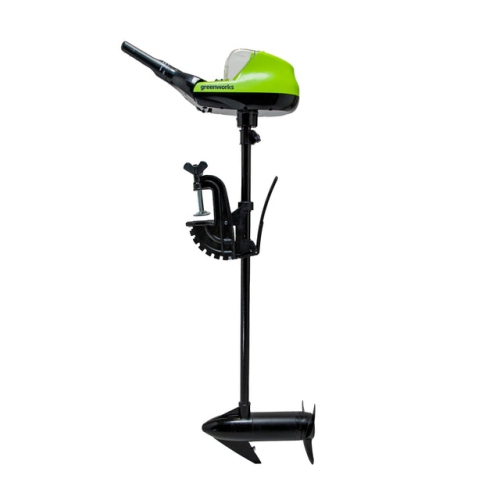 Your price for this item is $469.99
-
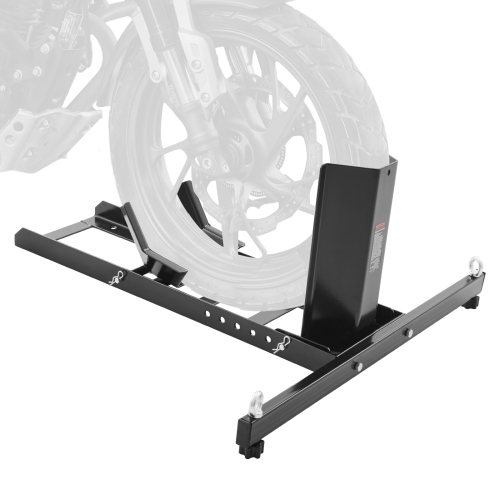 Your price for this item is $93.9
-
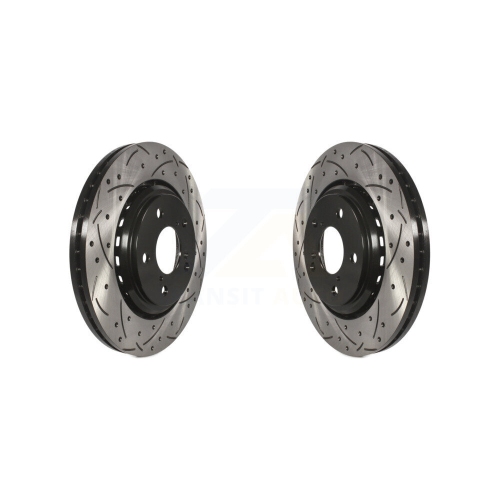 Your price for this item is $167.55
-
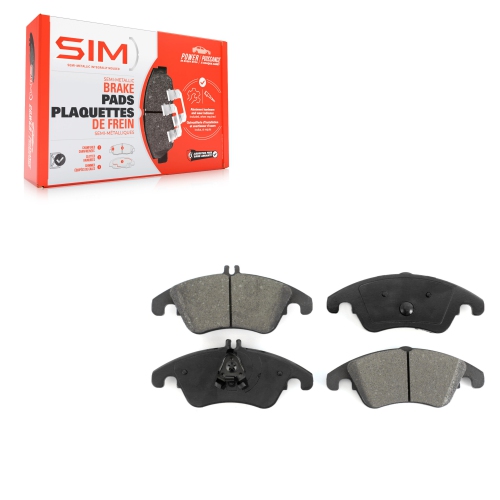 Your price for this item is $55.47
-
 Your price for this item is $243.99
-
 Your price for this item is $513.63
-
 Your price for this item is $86.96
-
 Your price for this item is $144.87
Discover more categories related to Car Brake Components
Top Collections:
Pokemon Centers, Kindle Devices, Best Cameras for Sports Photography, Best Budget Office Chairs, Pokémon 30th Celebration Cards, Apple iPhones 16, Canon G7X Cameras, iPhone 15 Apple, Flip Phones, Samsung Galaxy Phones
Some products may be subject to Environmental Handling Fees
(EHF) depending on your province.
Learn more about EHFs.