Emergency Car Kit Essentials
Be prepared for the unexpected on the road with emergency car kit essentials. Having the right supplies in your vehicle can help you handle minor inconveniences or more serious situations with confidence. Whether you're facing a flat tire, a sudden breakdown, or changing weather conditions, stocking up on emergency car kit essentials ensures peace of mind for every journey. Explore a range of practical items designed to keep you safe and ready for whatever comes your way.
Sort



Roadside readiness is about more than repairs
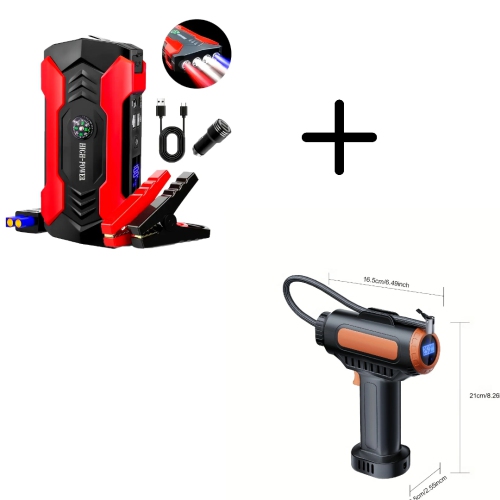
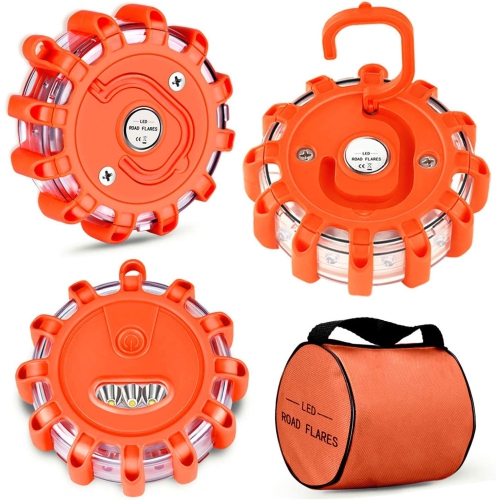
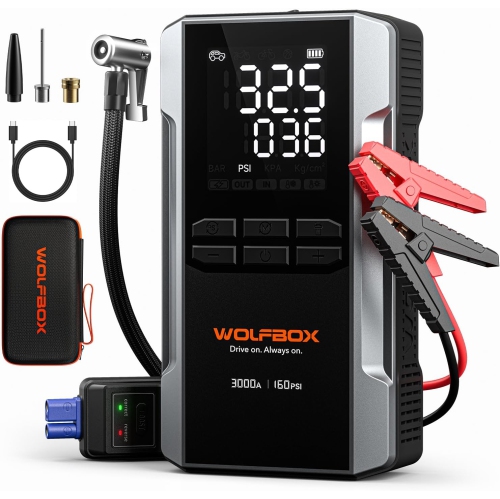
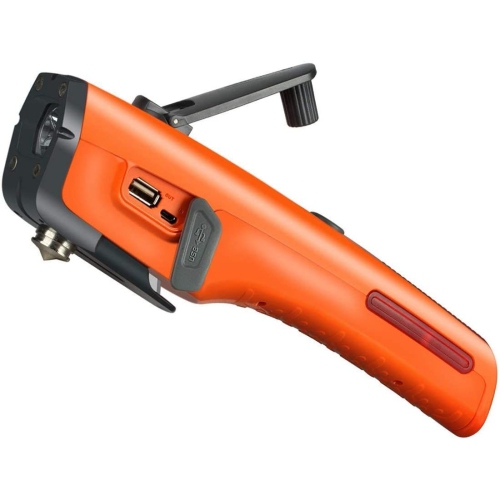
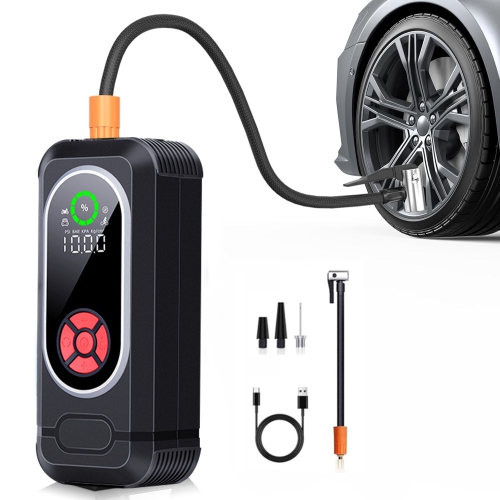
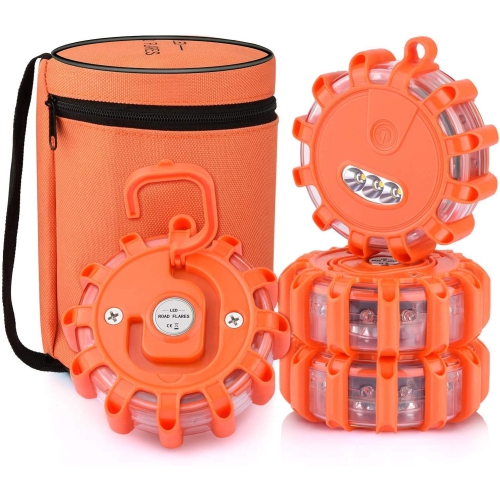
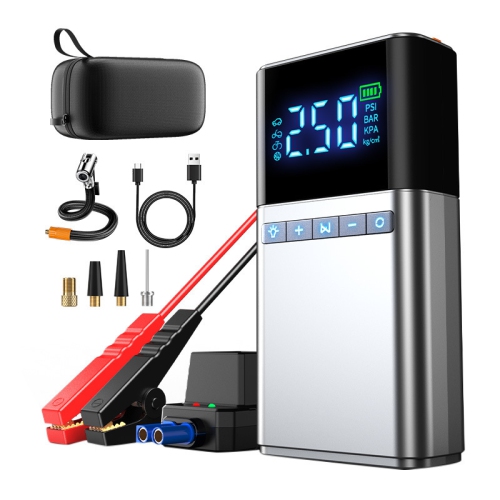
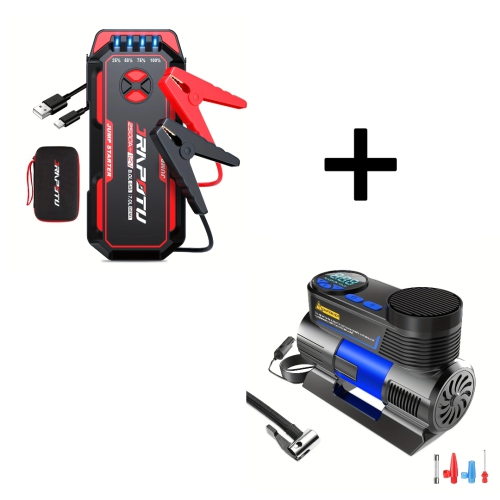
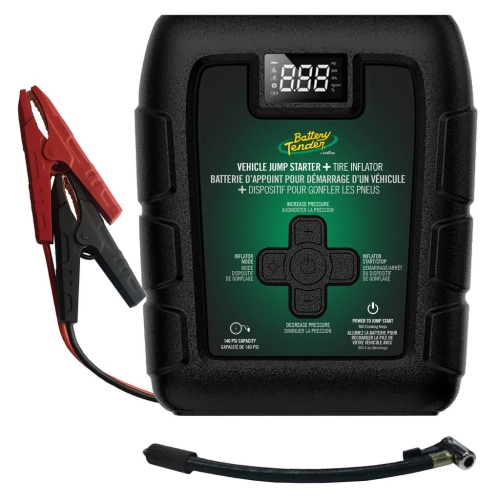
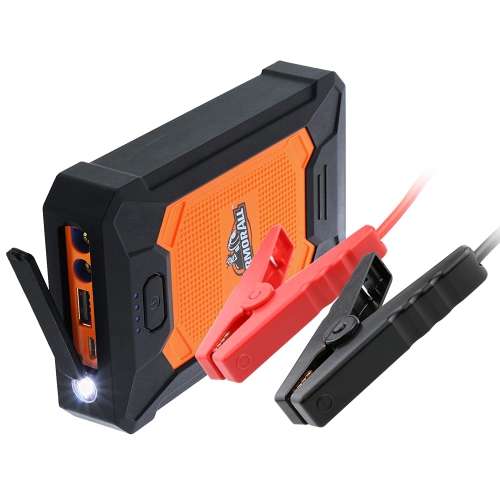
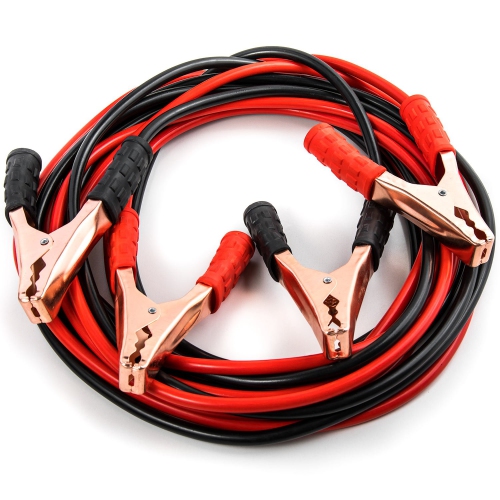
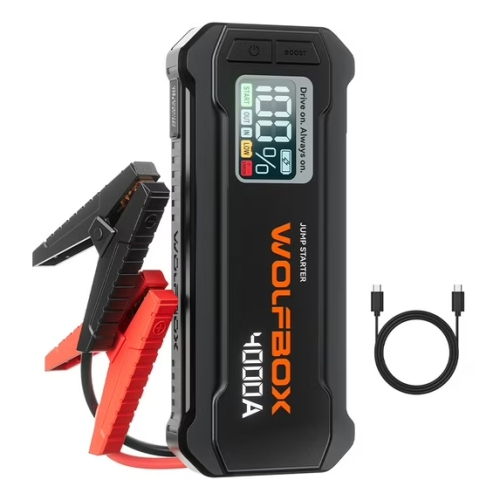
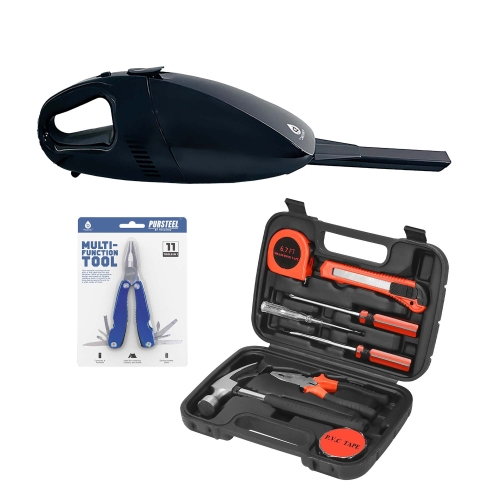
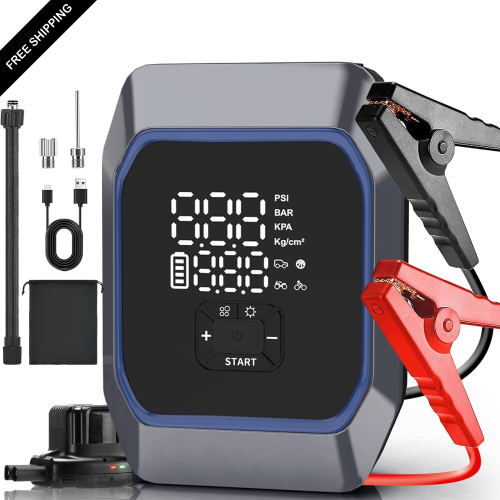
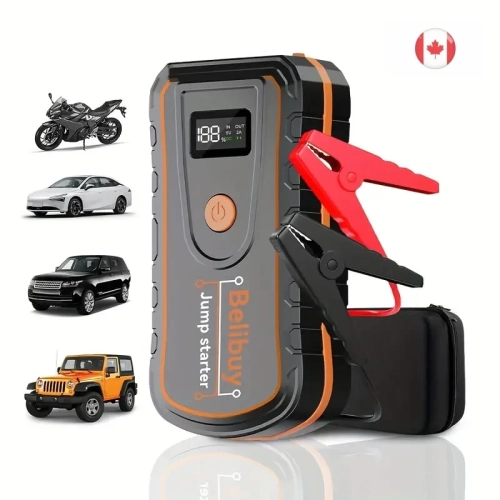
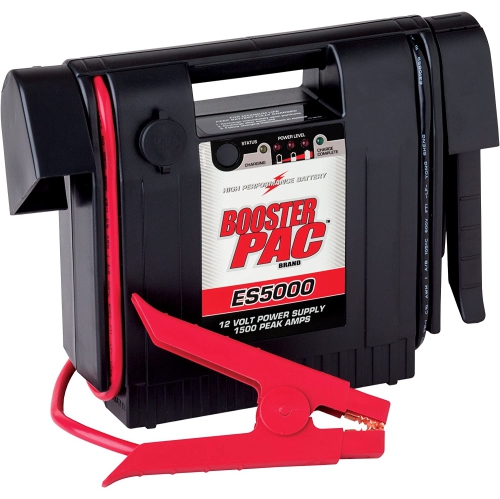
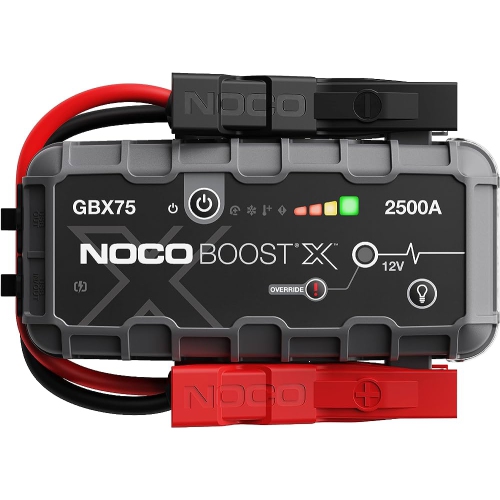
Emergency car kit essentials bring together the supplies that make an unexpected stop more manageable, from a battery that will not start the engine to a tire losing pressure on the way home. The most useful assortment reflects both the vehicle and the journeys it makes: a compact commuter car has different storage constraints from a family SUV, while longer drives between communities may call for more self-contained power and communication support. Roadside visibility, portable lighting, battery-starting equipment, tire support, basic first aid, and personal comfort each serve a different purpose, so a well-rounded kit is more than a collection of repair tools. Battery-starting equipment needs to match the vehicle’s electrical system and the manufacturer’s requirements; engine size, battery type, cable reach, and protective features all affect suitability. Hybrids and electric vehicles may have different starting and recovery procedures, making compatibility especially important. Portable tire inflators vary in power source, hose length, pressure range, and operating limits. A readable gauge and a hose that reaches each wheel can make a practical difference when a vehicle is parked beside a kerb or in a tight parking space. Inflation equipment and temporary sealants have limits, however, and are not substitutes for professional attention to a damaged tire. Visibility supplies and work lights address another part of the same situation: helping a stopped vehicle stand out and making small tasks easier to see. Reflective surfaces, steady illumination, stable bases, and controls that are easy to operate are useful design details. None of these supplies makes working beside moving traffic safe. Their intended role is to support an appropriate response in a suitable location, with roadside assistance or emergency services handling situations beyond the driver’s abilities. That distinction keeps the focus on practical readiness rather than the expectation that every breakdown can be repaired at the roadside.
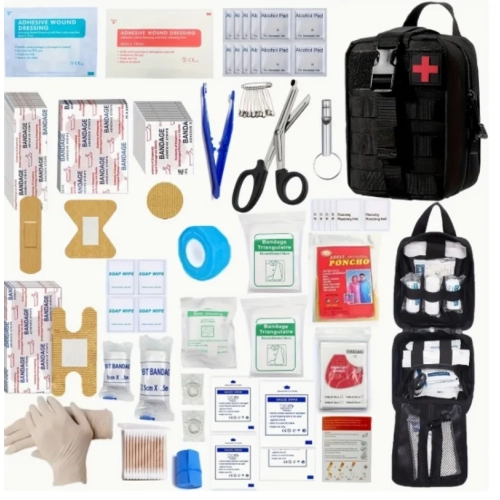
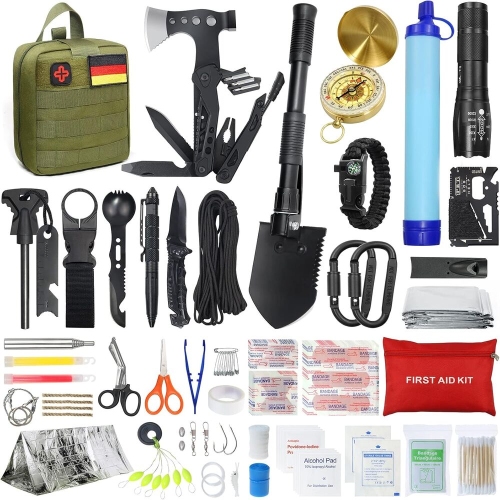
Personal support supplies matter just as much as mechanical equipment, particularly when passengers are waiting for assistance. A roadside delay can mean a tired child in the back seat, a phone with little charge, or a small scrape that needs basic attention. First-aid assortments commonly combine dressings, protective barriers, and cleaning supplies in a clearly organized case, with labelled compartments helping users find what they need without emptying everything onto a seat. Sealed packaging, legible expiry dates, and room to accommodate individual needs are useful considerations, although personal medications require storage that follows their own labelling rather than being left in a vehicle by default. Portable charging equipment also depends on a good match: connector types, charging outputs, cable condition, and usable capacity influence whether a phone or other compatible device can receive power. A charged power bank supports communication, but it does not create cellular coverage, which is a relevant distinction on less-travelled routes. Comfort supplies can make a wait less taxing without occupying much space. Blankets with soft, washable fabrics suit repeated use, while compact emergency blankets prioritize packability and have different handling and care requirements. Drinking water and packaged food require attention to intact containers, storage instructions, expiry dates, and the needs of the people travelling, including allergies or dietary restrictions. Work gloves add another layer of practicality when handling equipment or retrieving supplies from a crowded cargo area. A secure fit, textured grip, reinforced palms, and enough finger movement to manage clips and switches matter more than a bulky appearance. Reflective garments likewise need enough room to fit over everyday clothing without restricting movement. These supplies are intended to support people as well as vehicles, whether the regular passengers are children, older adults, or colleagues sharing a ride. Passenger needs help determine how much to carry and which supplies deserve the easiest access, especially when space is limited.
Comparing Emergency Car Care Kits involves more than counting the contents. The case, the quality of the components, and the way everything fits into the vehicle all affect everyday usefulness. A compact soft-sided bag can fit a shallow cargo compartment, while a structured case may offer better separation between heavier tools and more delicate supplies. Abrasion-resistant fabrics, reinforced seams, dependable zippers, and handles that remain comfortable under load are practical durability features. Water-resistant materials can help protect contents from incidental spills, but that description does not necessarily mean a case is waterproof. Interior dividers and labelled pouches make it easier to notice when something has been used or needs replacing. Storage position deserves equal attention: equipment buried beneath luggage may be difficult to reach, while loose, heavy components can become a hazard during sudden braking. A suitable arrangement keeps supplies secured without blocking required vehicle equipment or passenger space. Care requirements vary across the assortment. Rechargeable equipment needs periodic charge checks according to its instructions, disposable batteries need inspection for damage or leakage, and textile components benefit from cleaning and thorough drying before being packed away. Used first-aid supplies, damaged packaging, worn cables, and missing accessories can leave an otherwise substantial kit incomplete. Clear instructions and readable labels are especially helpful in a shared vehicle, where the person using the supplies may not be the person who packed them. For a new driver, a student travelling between home and campus, or a family member who spends long hours on the road, a thoughtfully matched kit can also be a practical gift. The strongest match is not necessarily the largest bundle; it is an assortment suited to the recipient’s vehicle, storage space, passengers, and comfort with the equipment. Together, those details turn a collection of roadside supplies into something organized, accessible, and useful when an ordinary journey does not go to plan.
Top selling and popular products
-
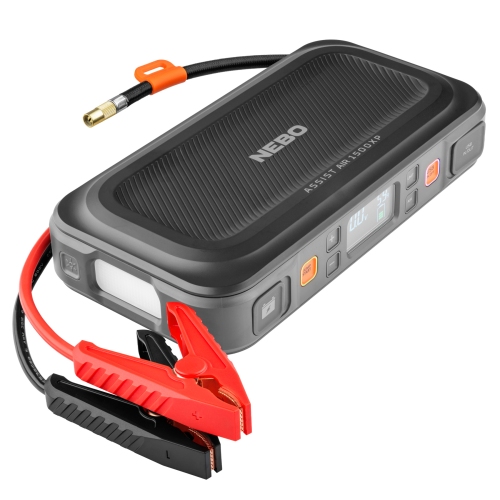 Your price for this item is $199.99
-
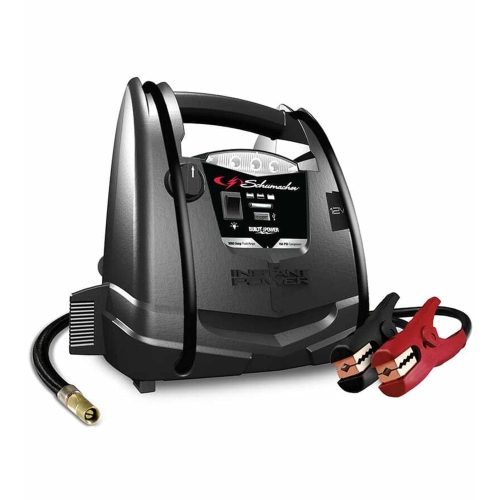 Your price for this item is $166.98
-
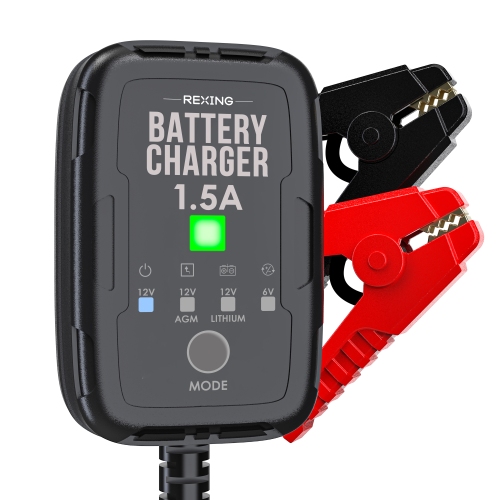 Your price for this item is $79.99
-
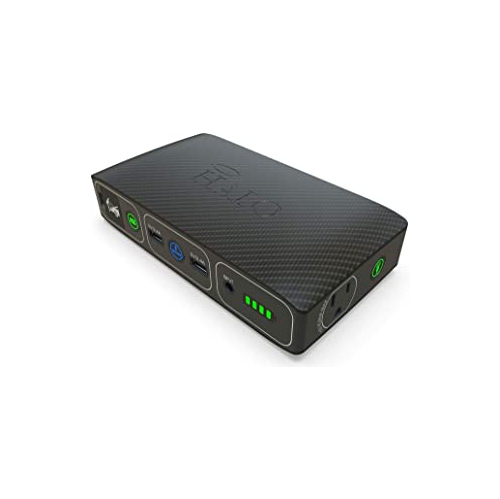 Your price for this item is $177.92
-
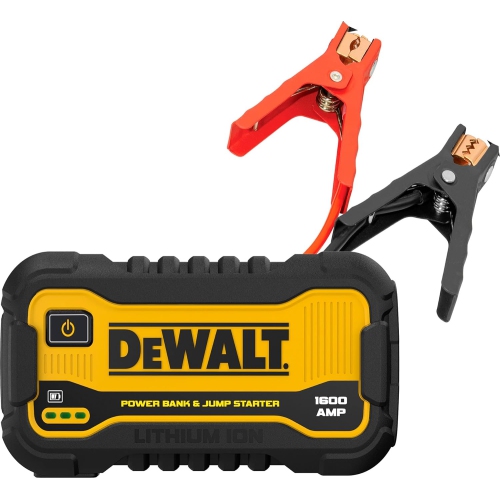 Your price for this item is $112.99
-
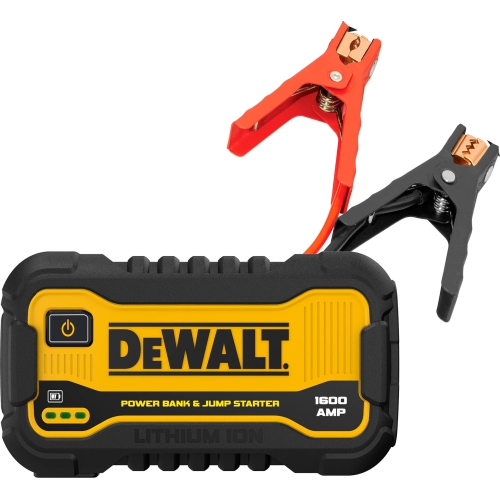 Your price for this item is $109.99
-
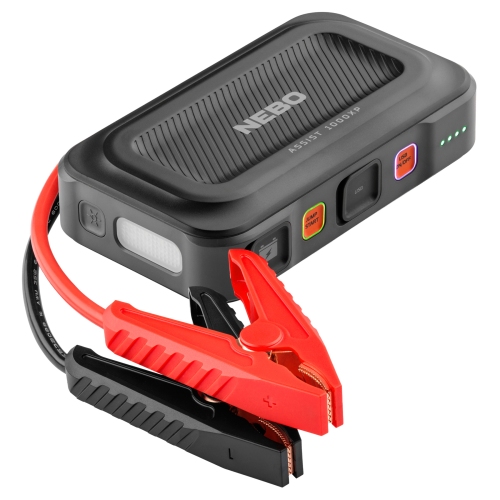 Your price for this item is $109.99
-
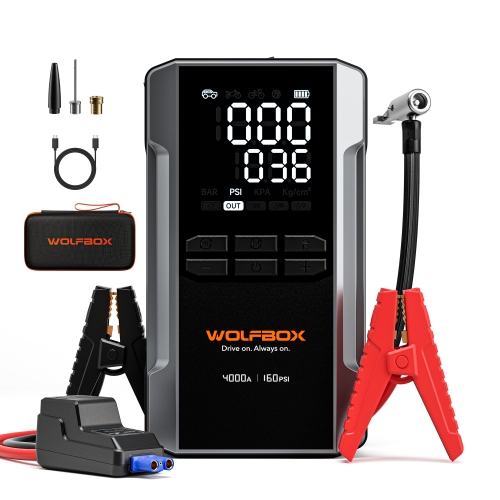 Your price for this item is $165.99
Discover more categories related to Emergency Car Kit Essentials
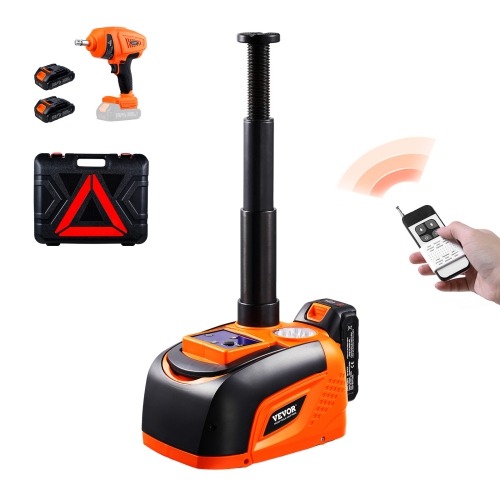
Top Collections:
Best Black Friday Deals This Year, Best Black Friday Deals On Electronics, Kindle Devices, Best Black Friday Deals On Apple Products, Best Budget Office Chairs, Best Cameras for Sports Photography, Dyson Airwrap, Canon G7X Cameras, Best Laptops for Writers, Samsung Galaxy Phones
Some products may be subject to Environmental Handling Fees
(EHF) depending on your province.
Learn more about EHFs.