Sound Converters
If you're looking to enhance your audio experience and convert sound seamlessly between devices, this selection of sound converters offers a wide range of options to cater to your specific needs. Whether you're looking to connect your headphones to a gaming console, stream music from your smartphone to a speaker system, or improve the sound quality of your home entertainment setup, these sound converters are designed to provide you with the flexibility and convenience you desire.
Sort




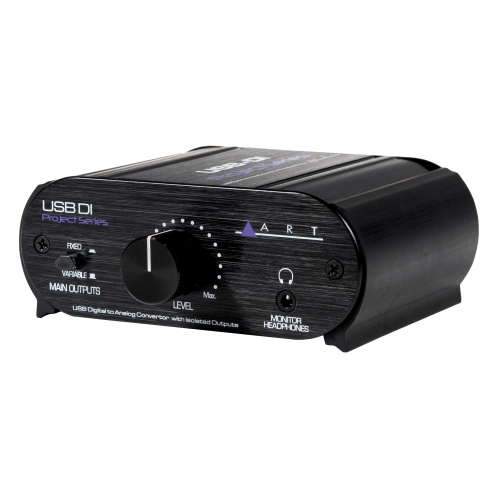
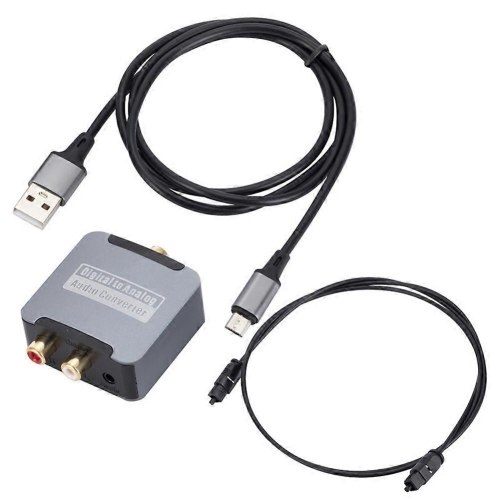
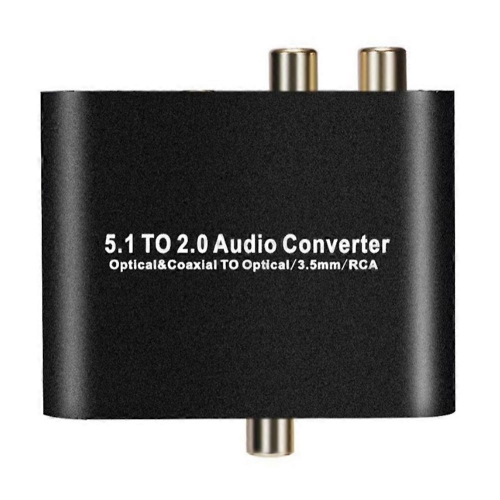
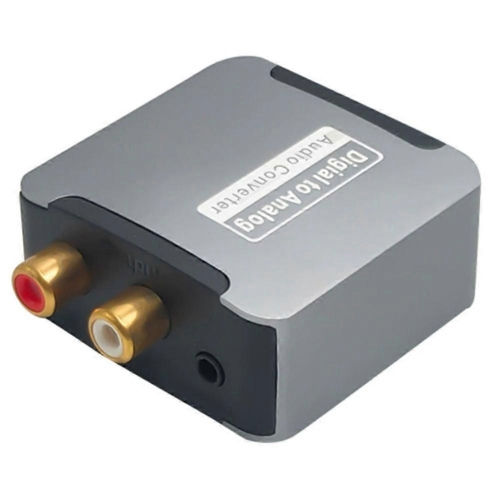








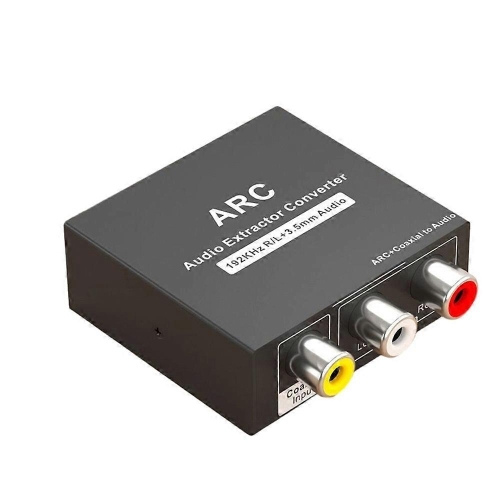

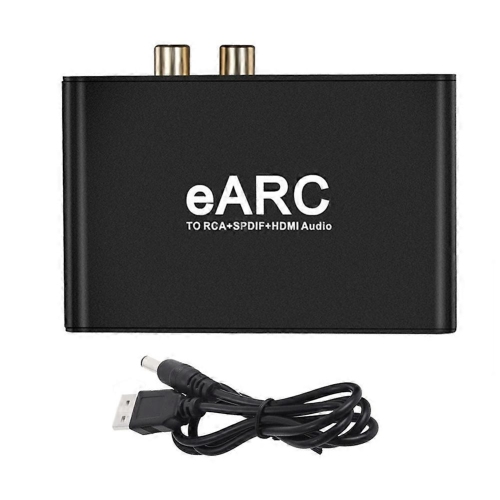
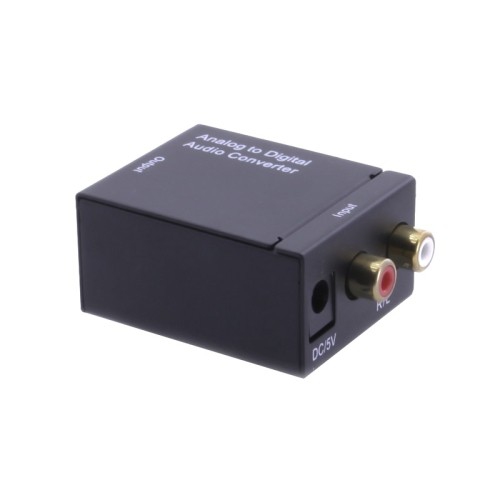
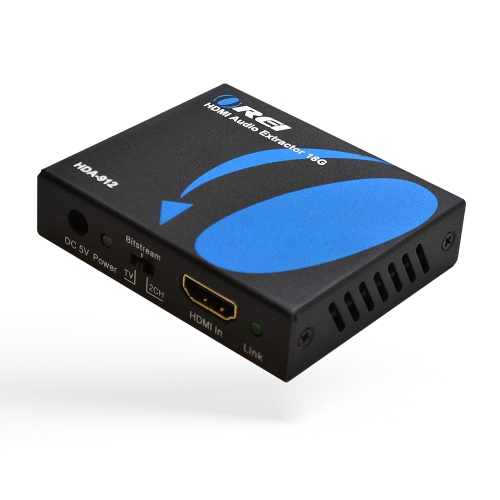

















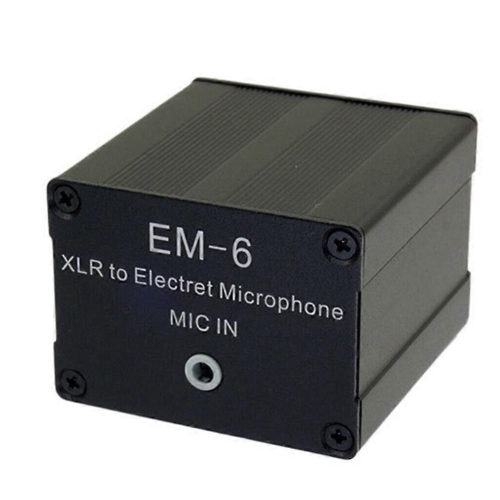

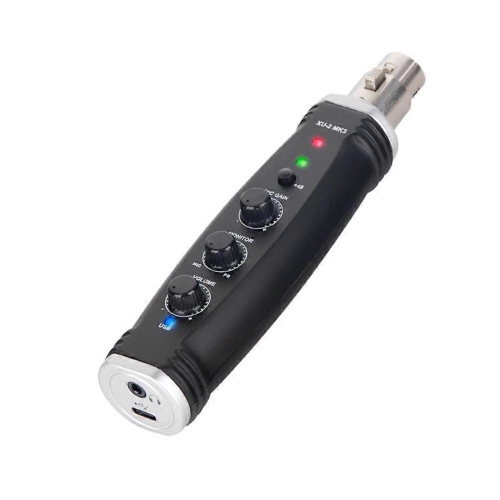
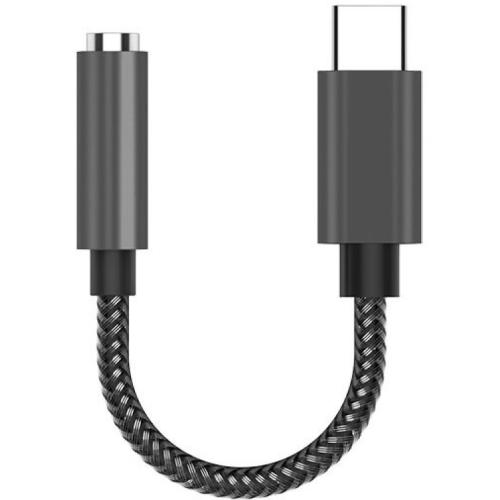
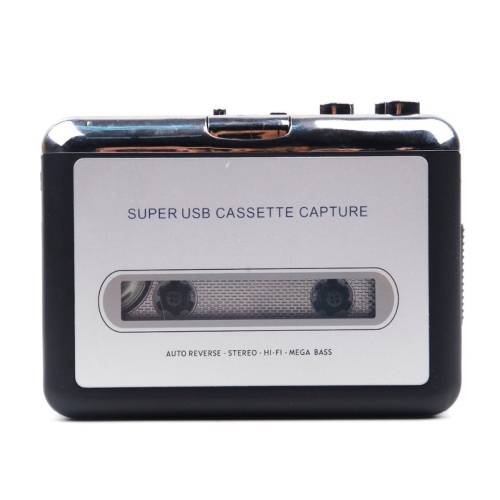




Why matching audio signals matters more than matching sockets
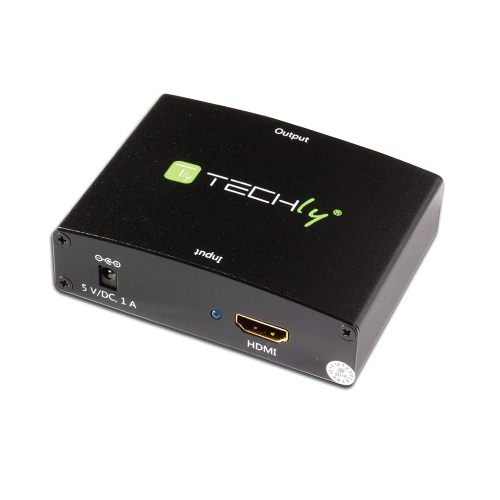
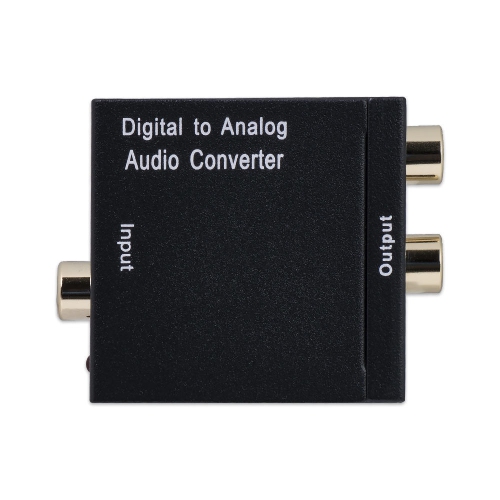
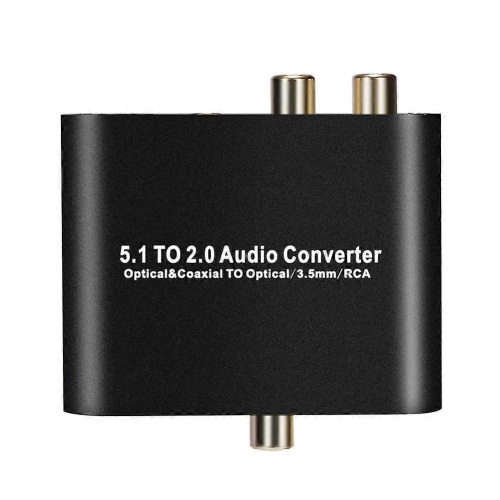
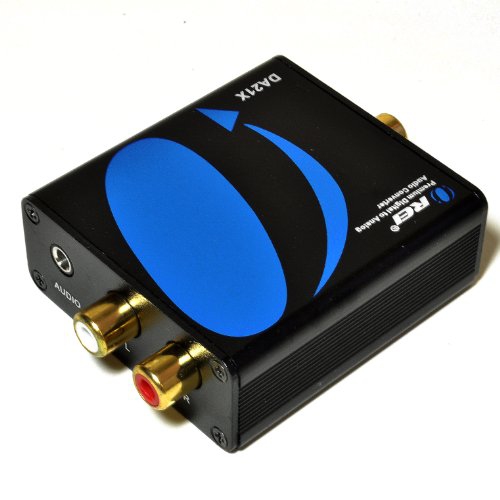
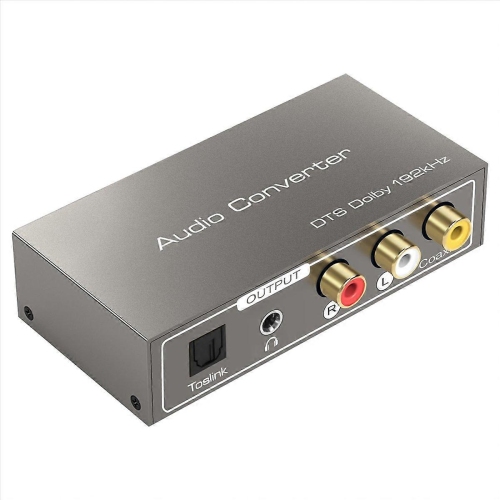
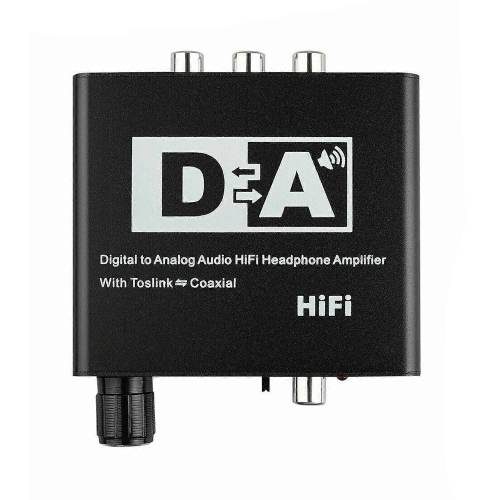
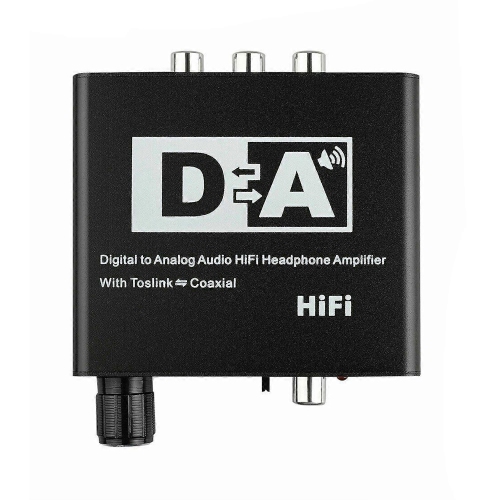
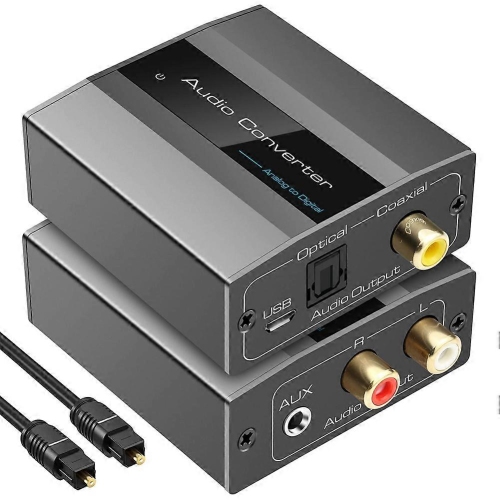
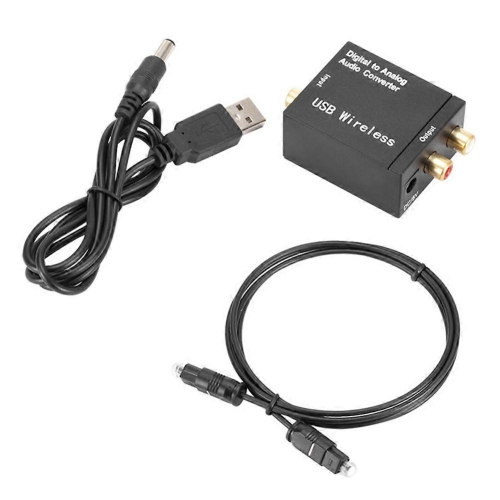
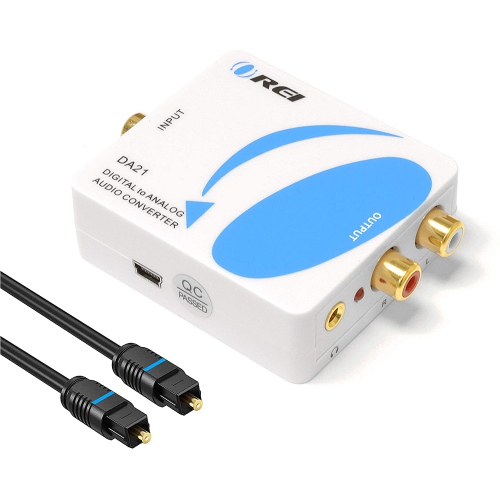
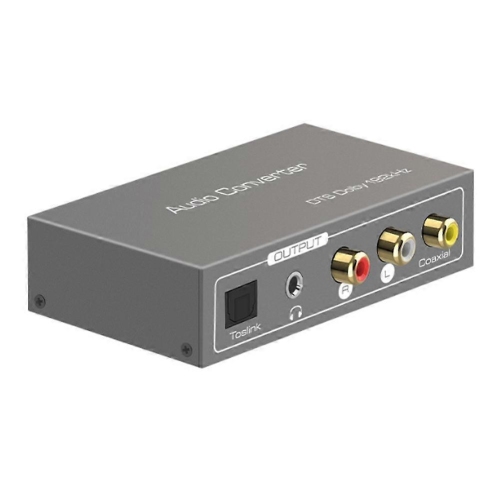
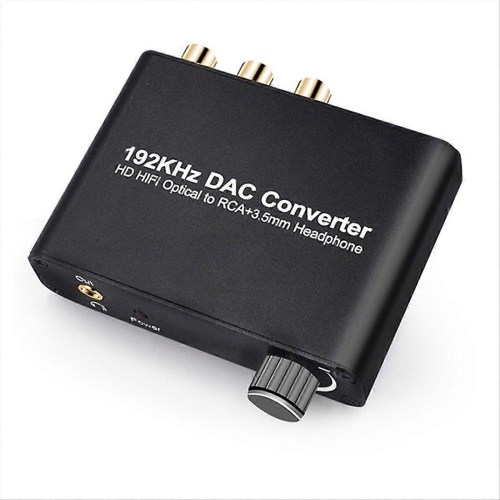
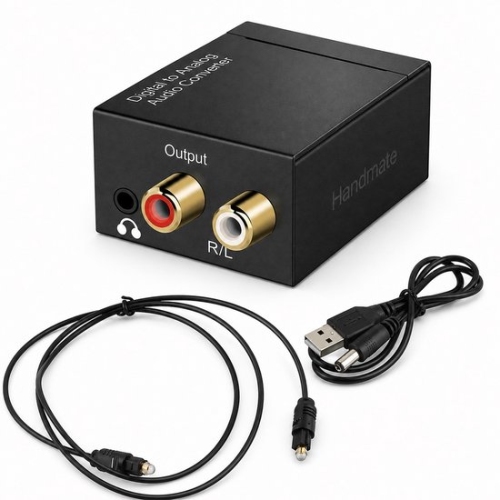
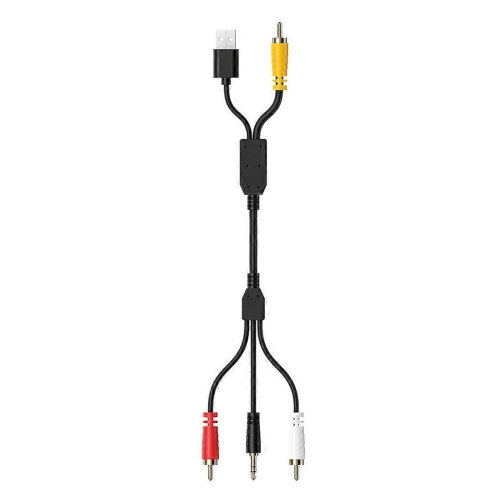
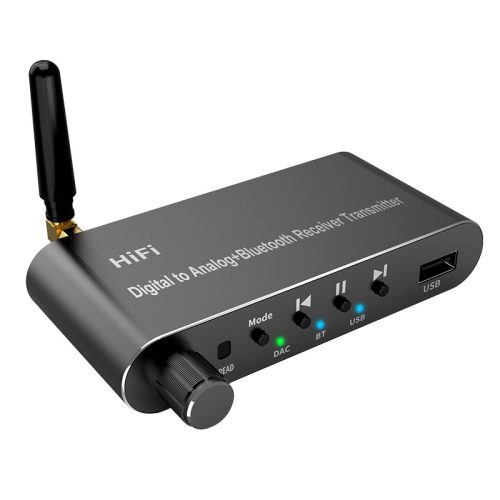
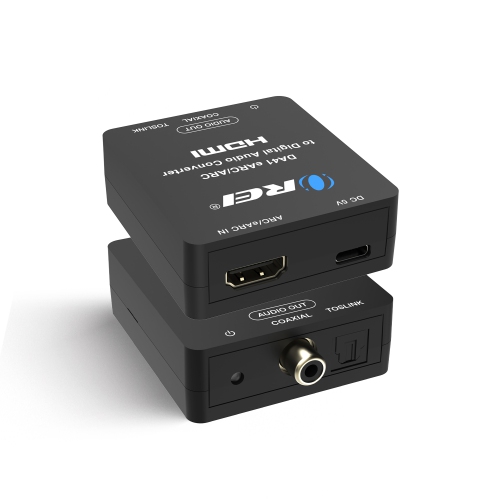
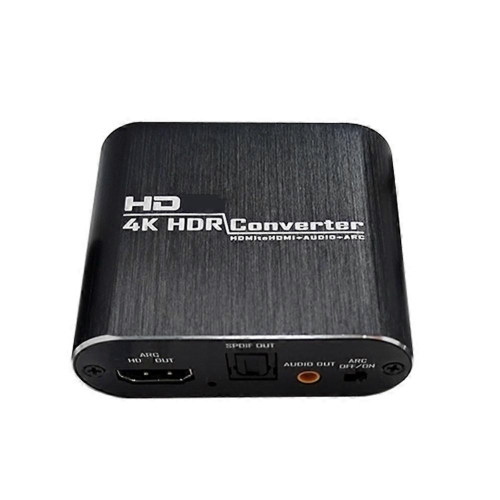
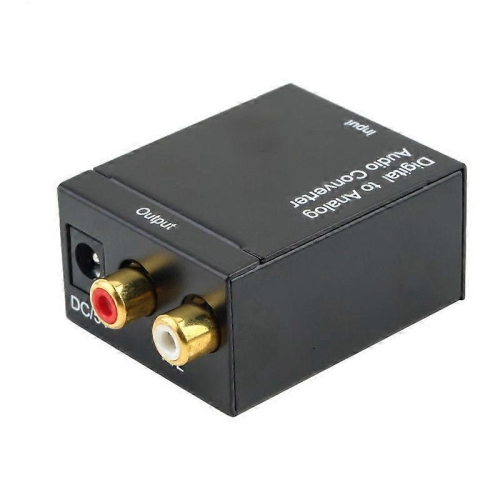
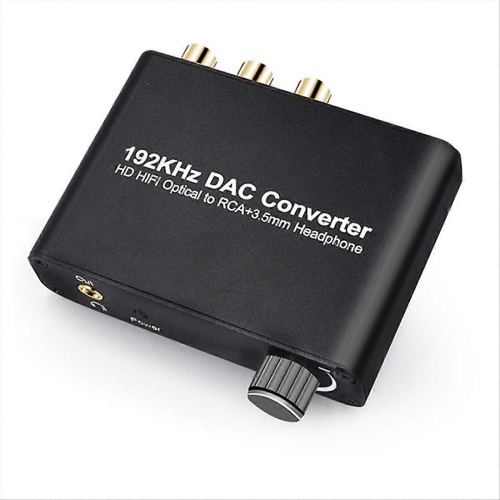
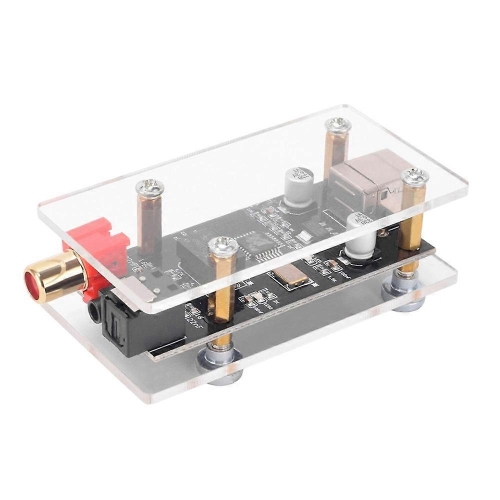
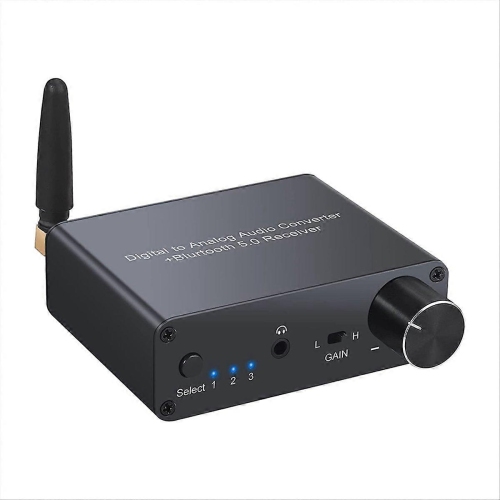
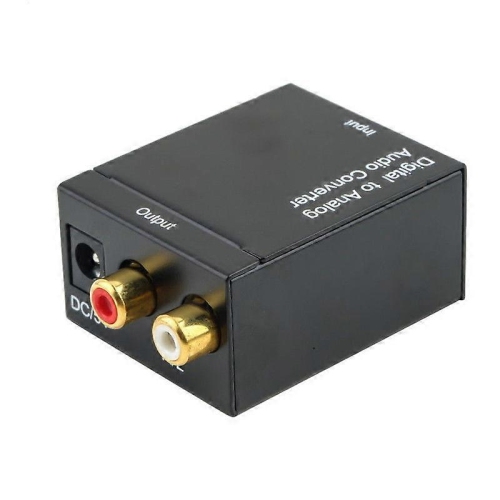
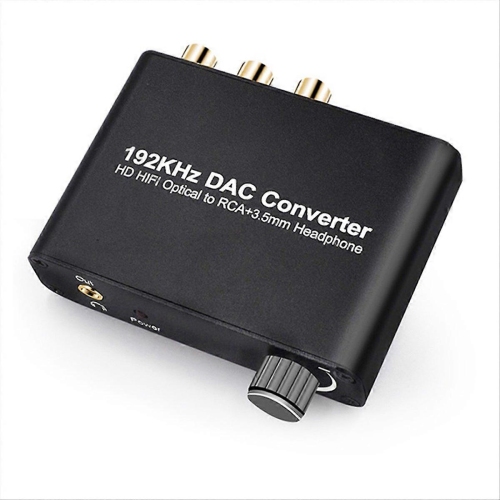
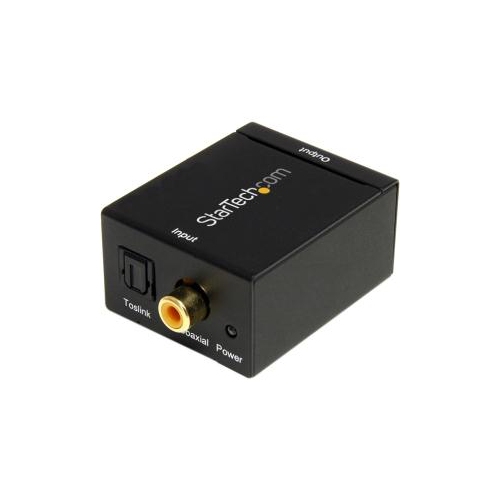
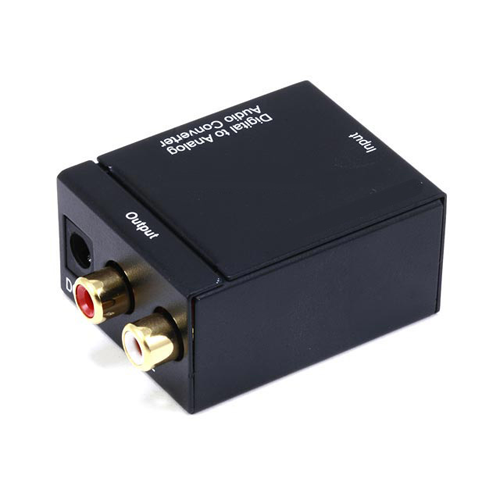
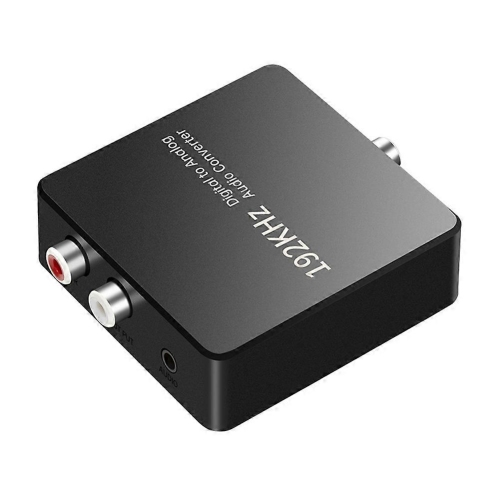
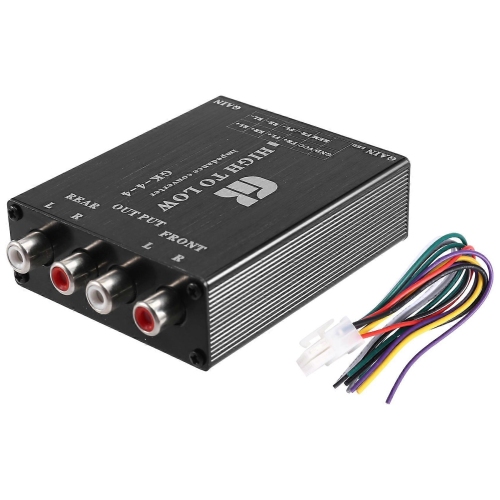
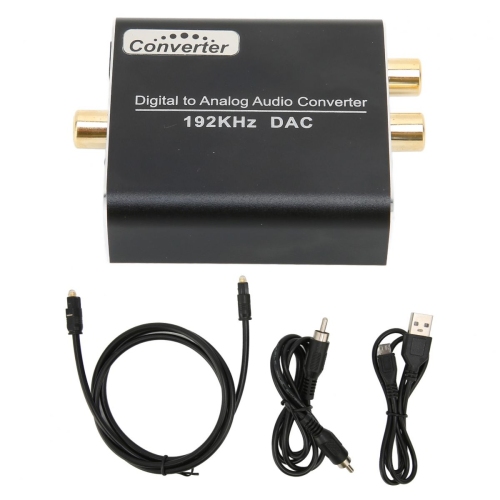
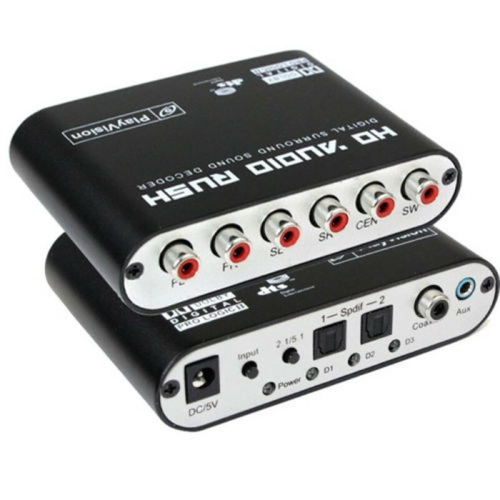
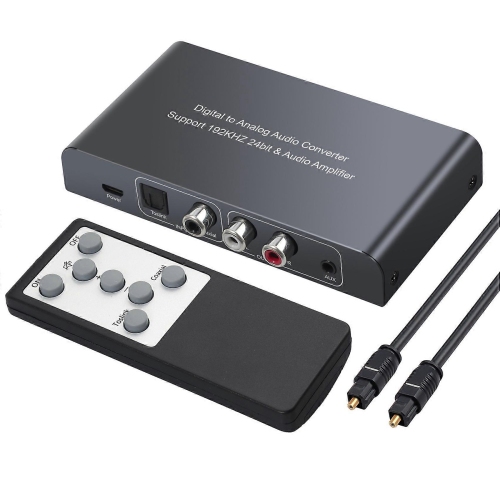
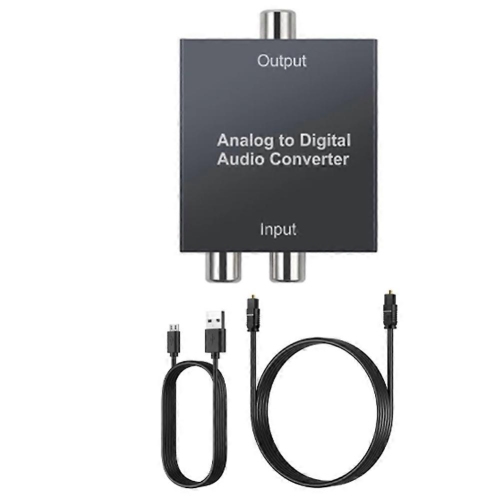
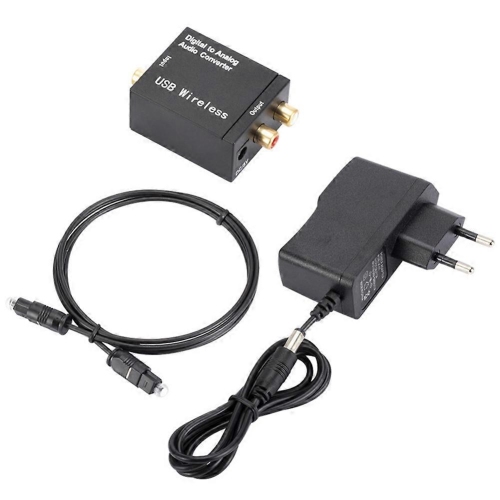
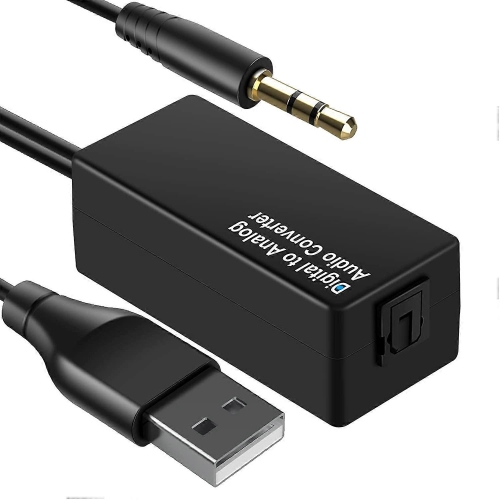
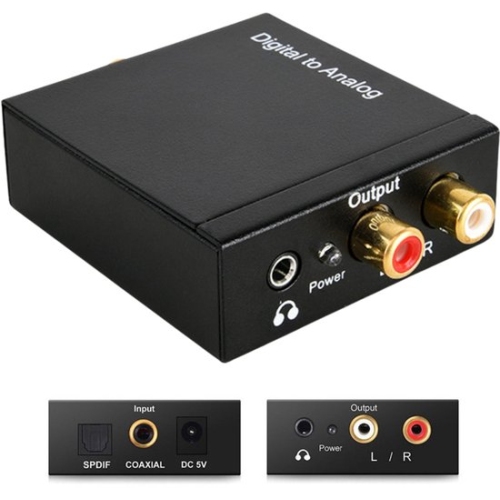
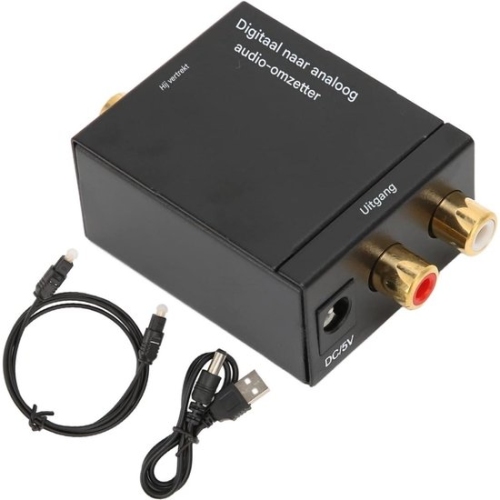
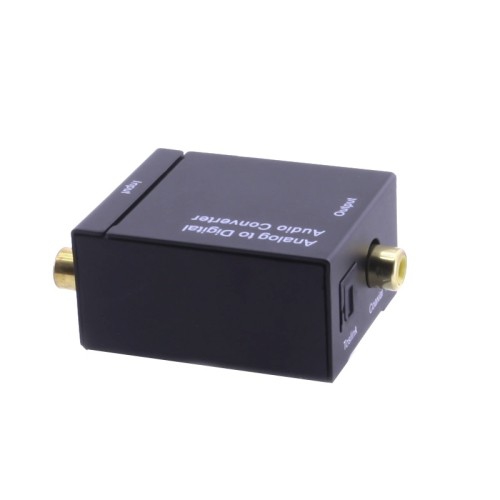
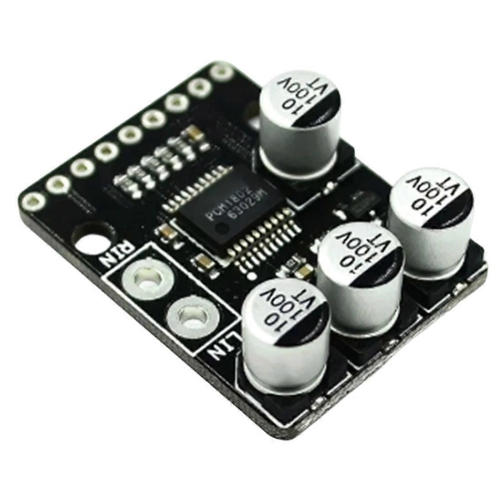
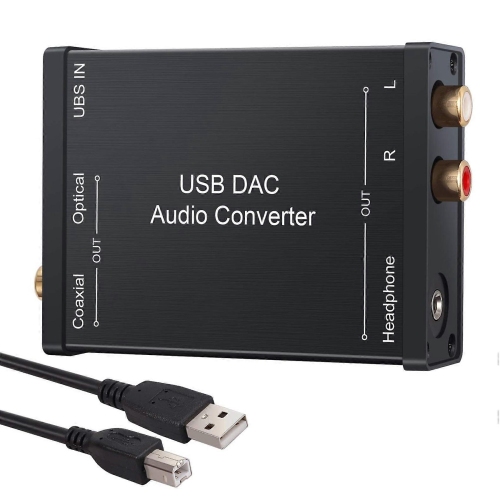
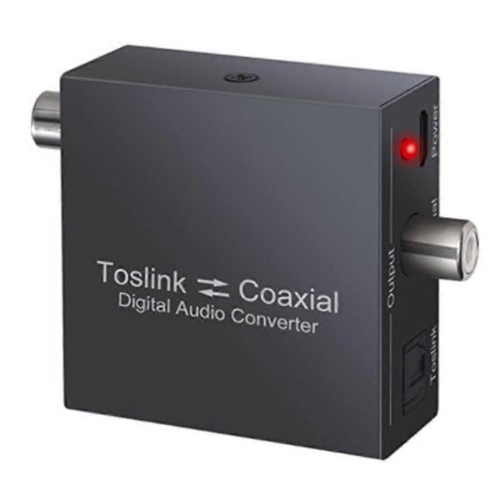
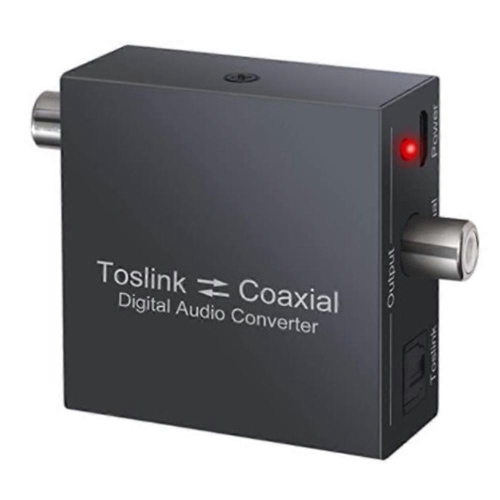
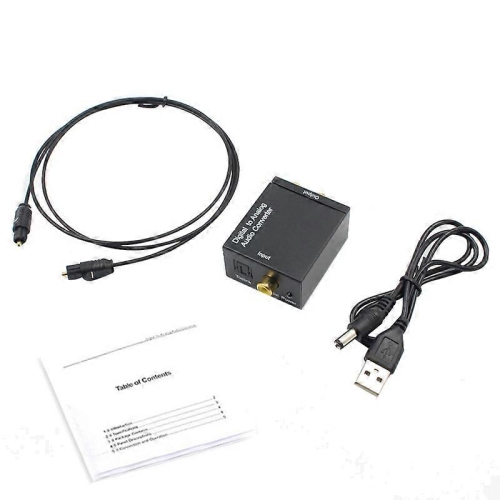
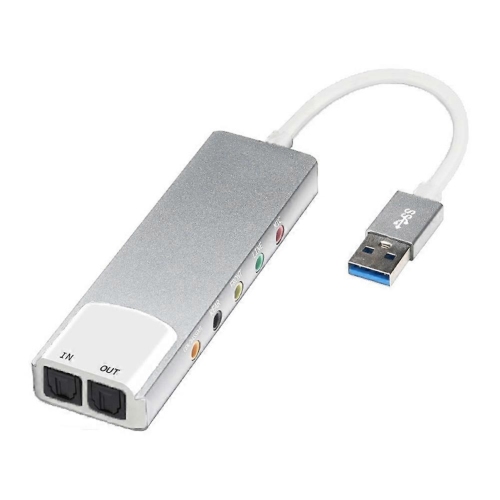
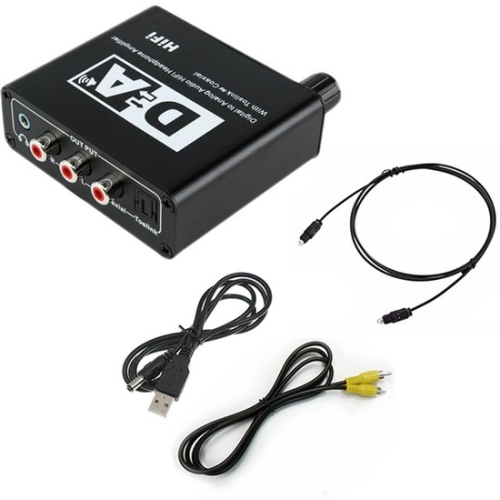
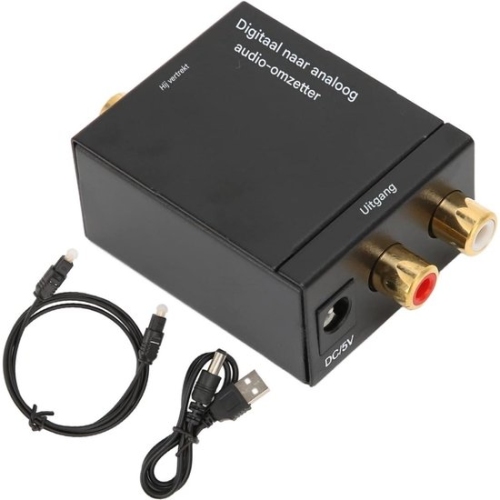
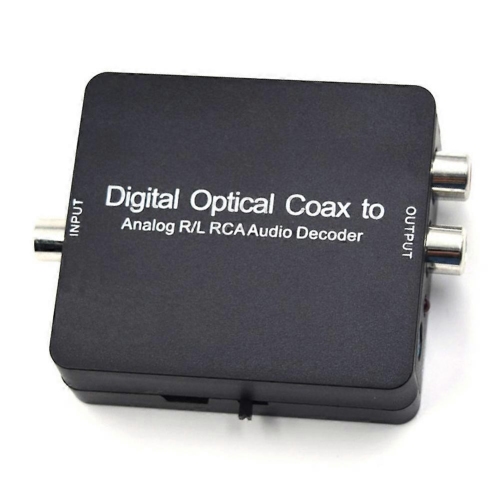
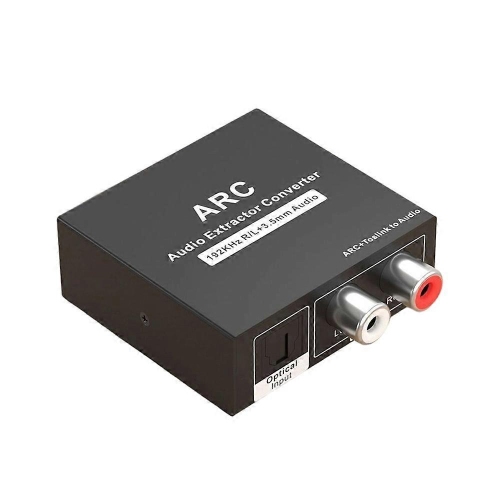
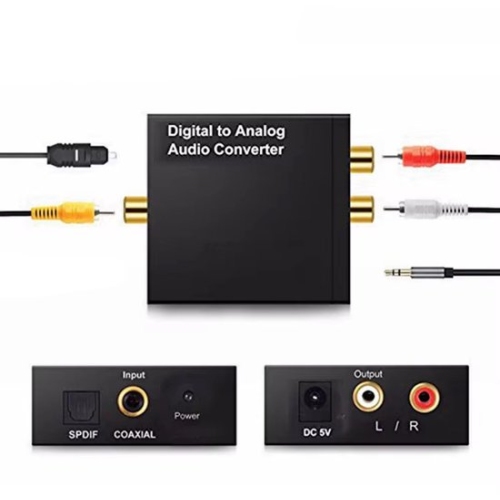
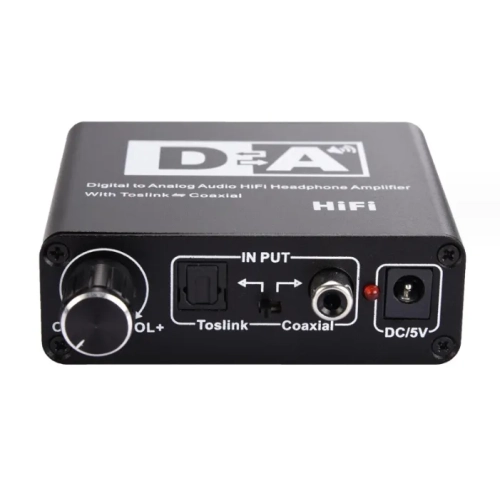
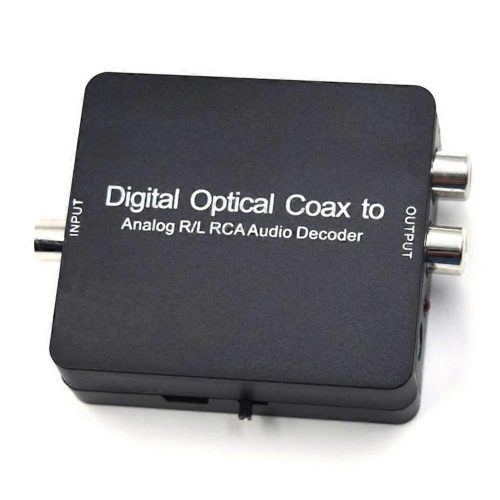
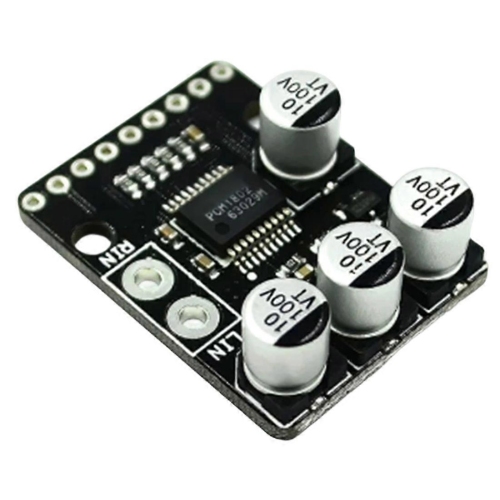
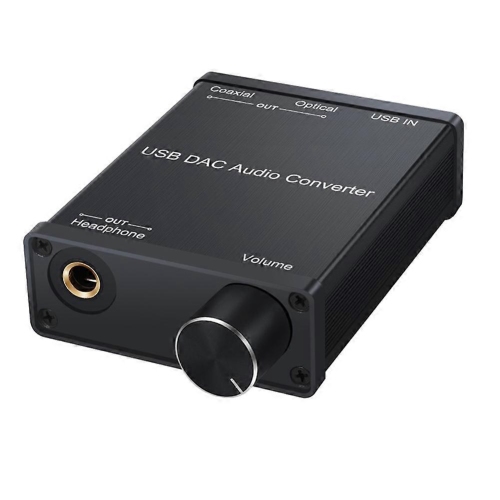
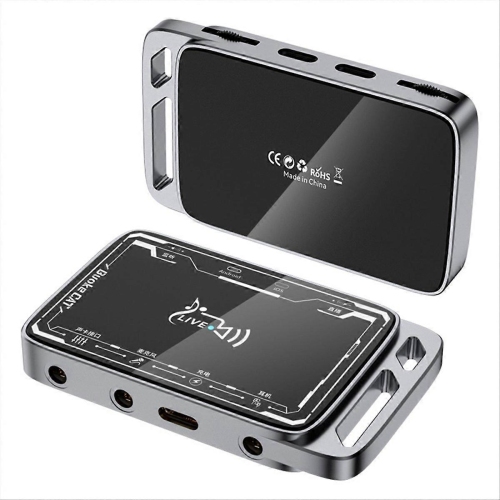
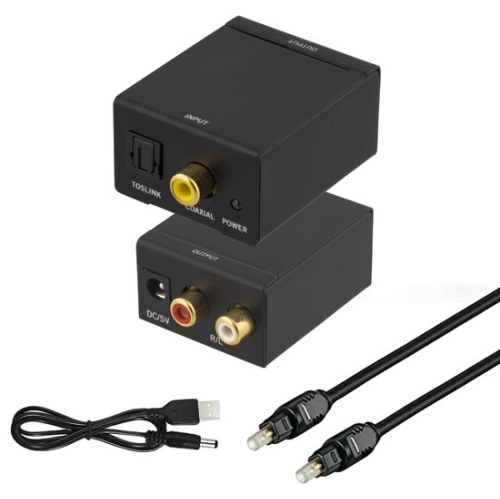
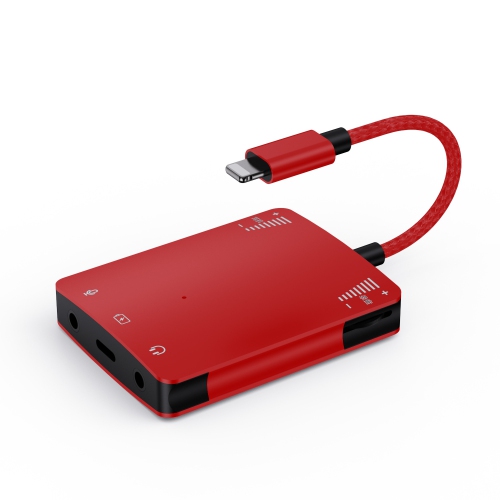
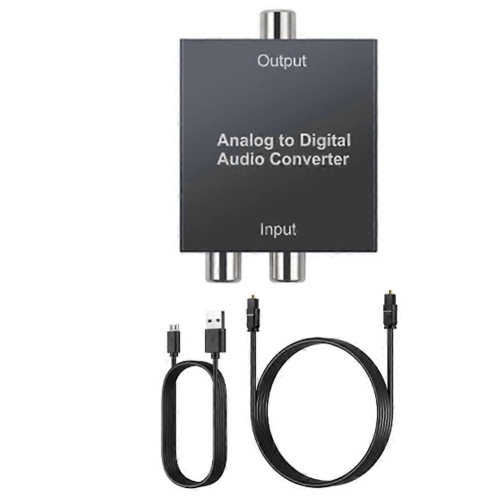
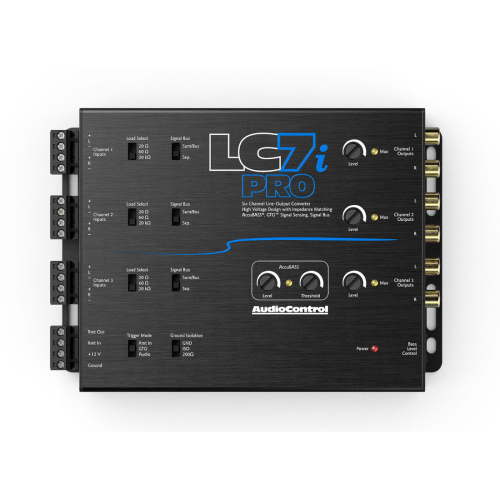
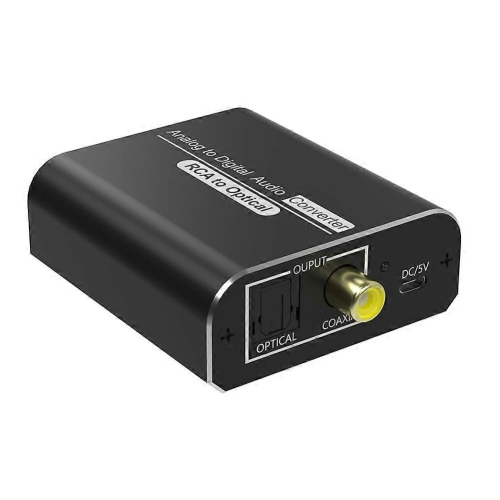
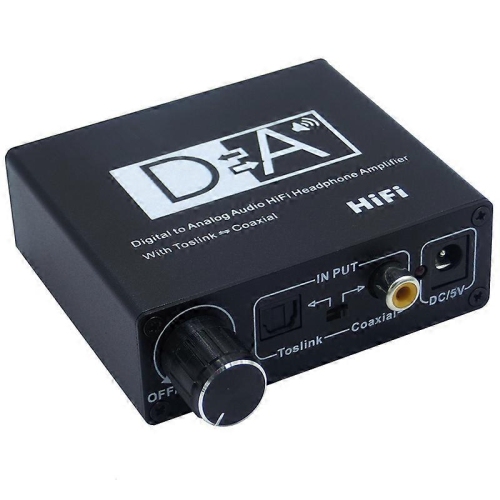
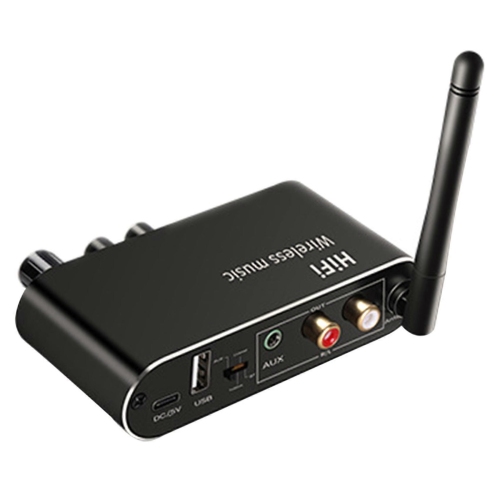
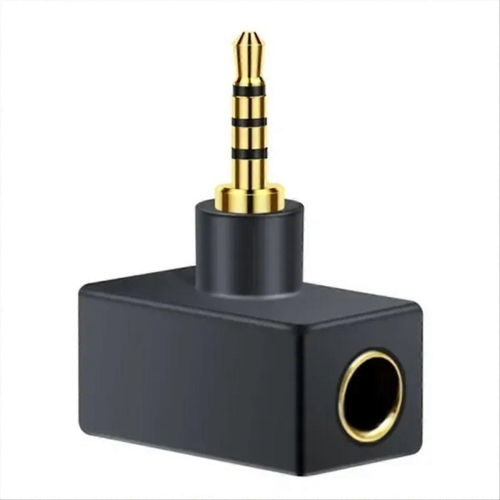
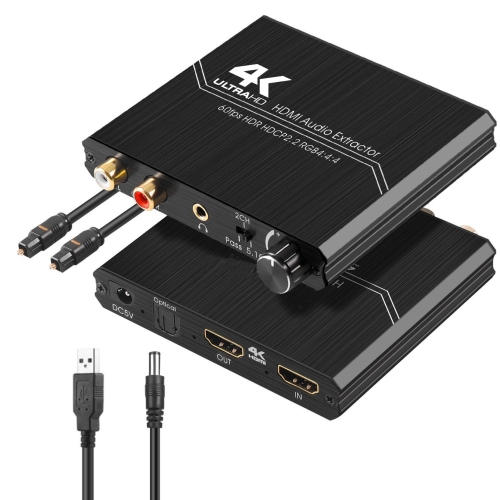
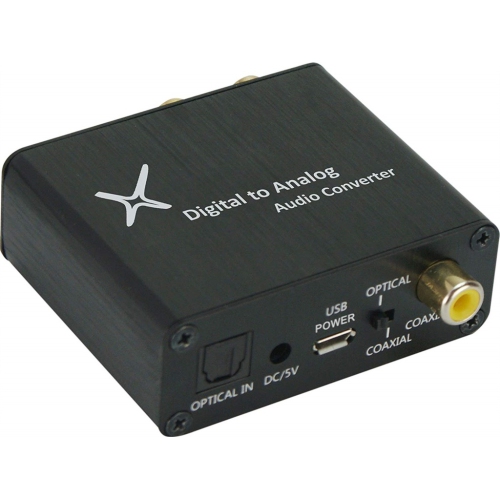
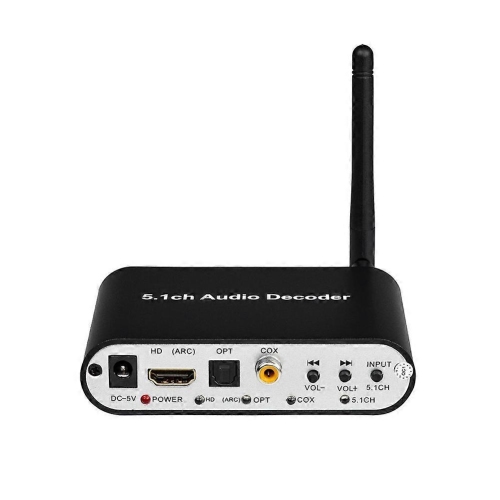
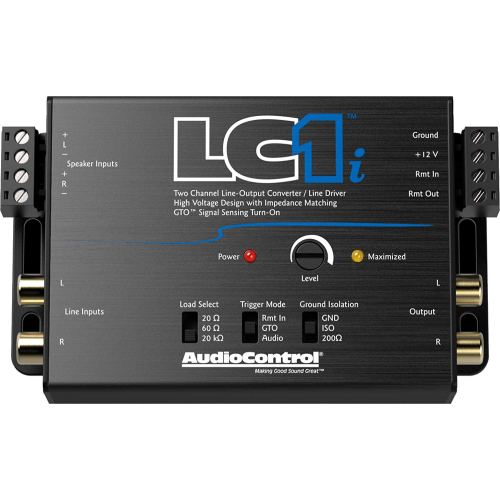
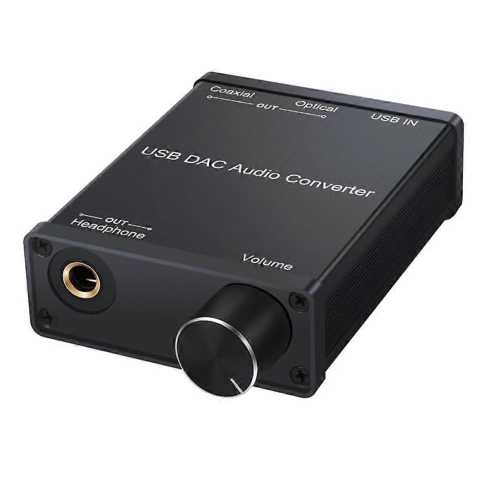
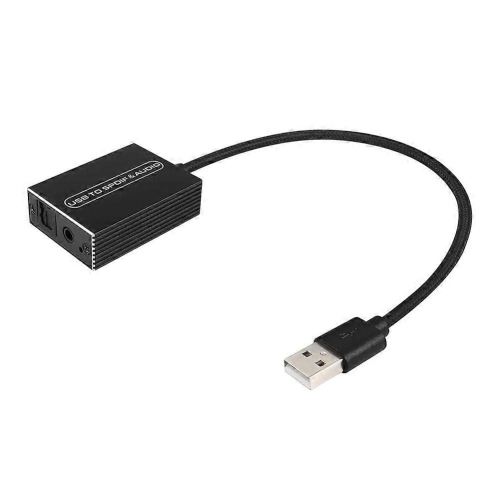
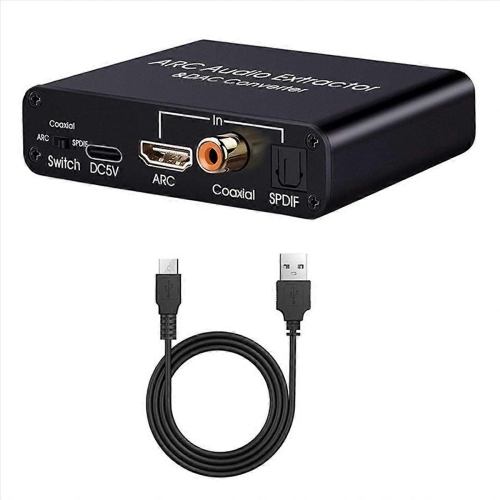
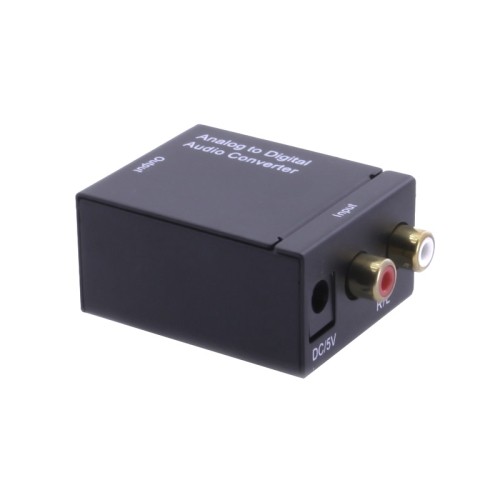
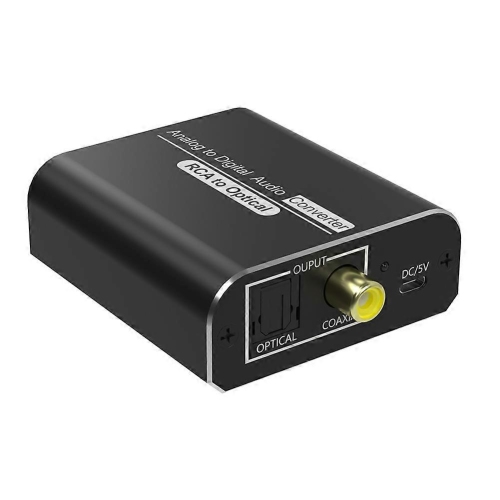
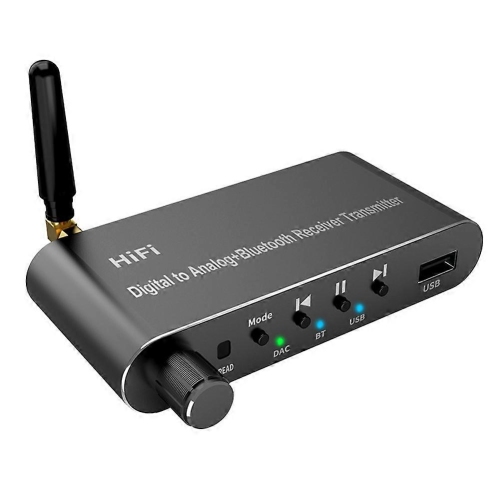
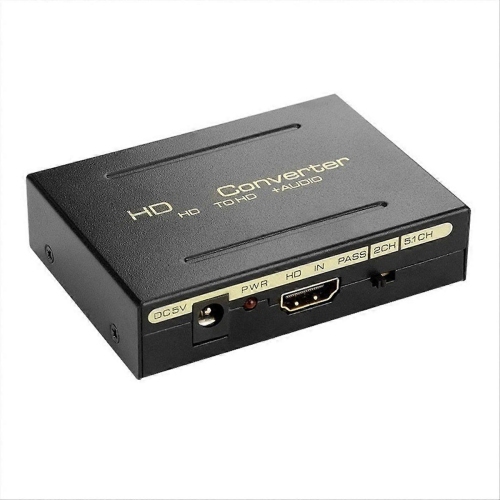
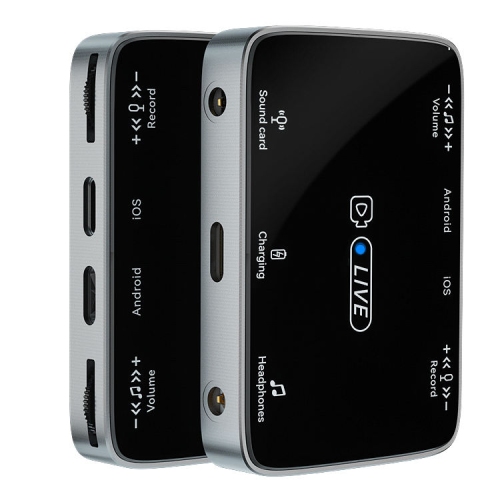
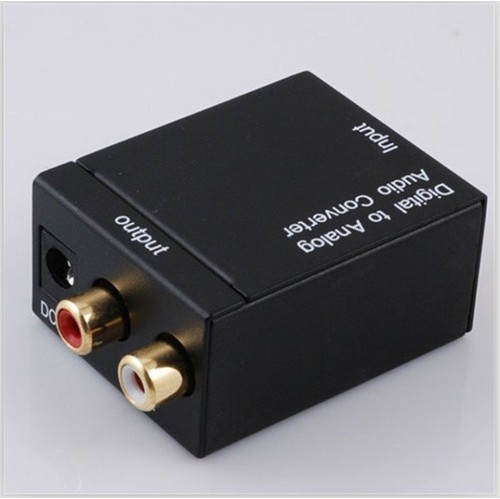
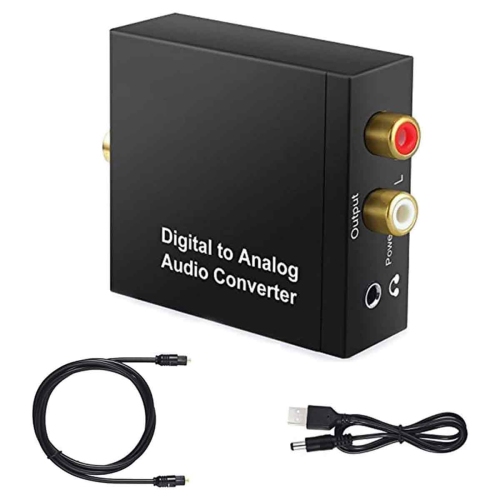
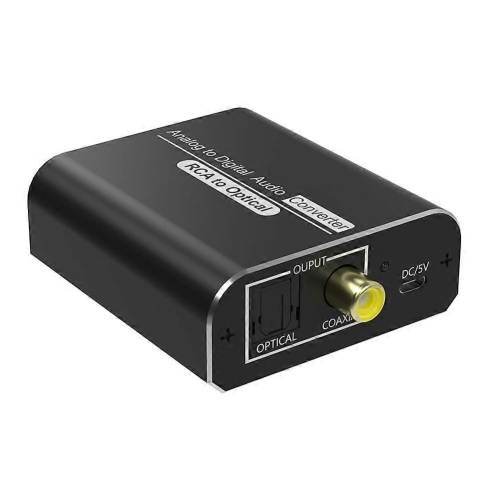
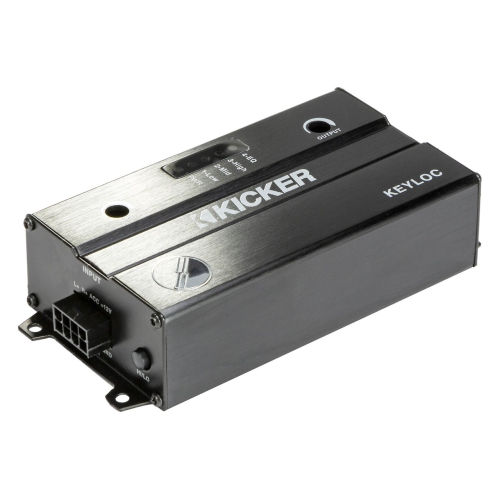
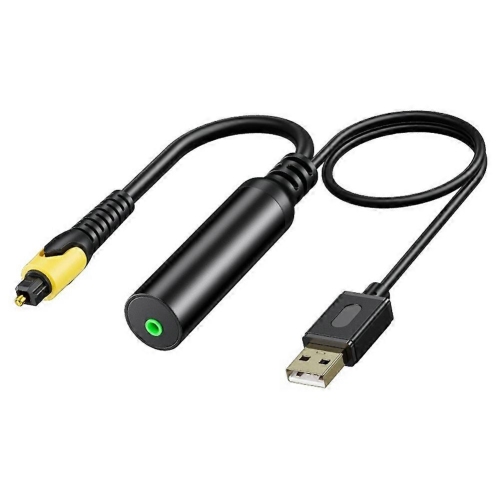
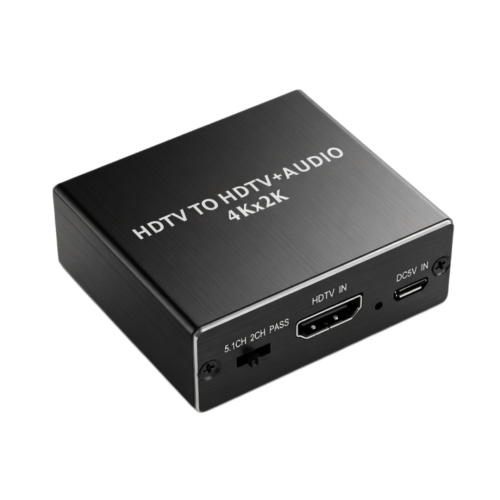
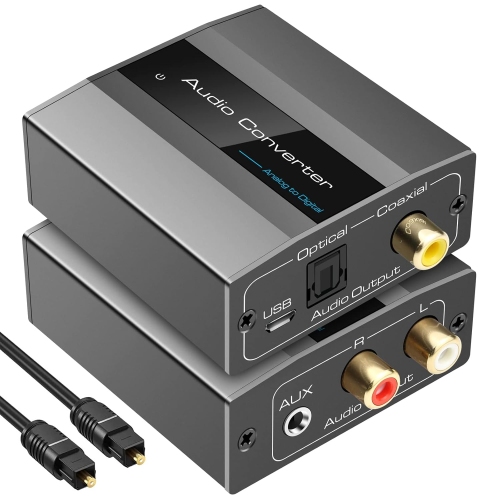
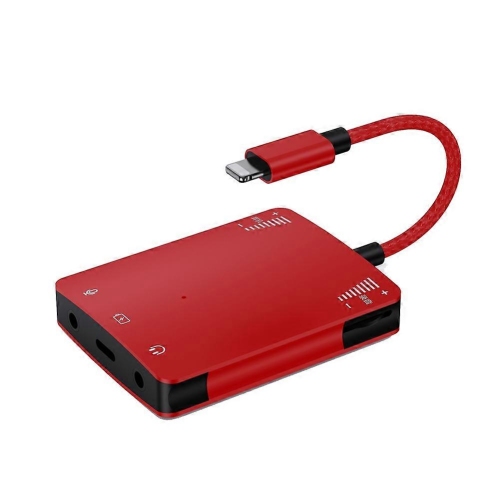
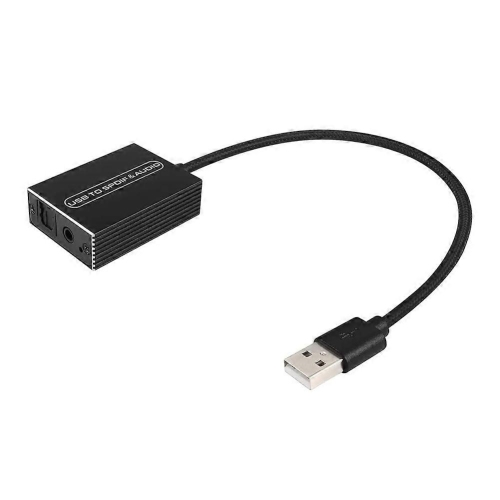
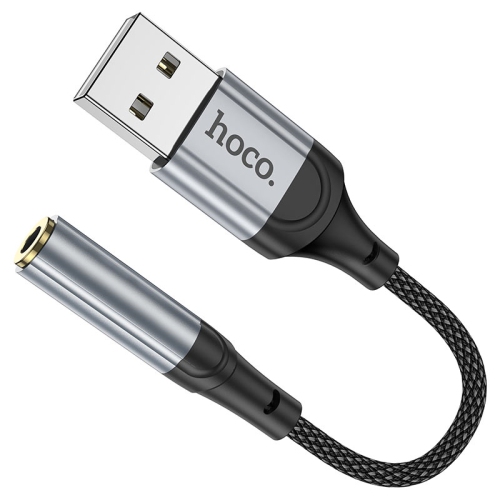
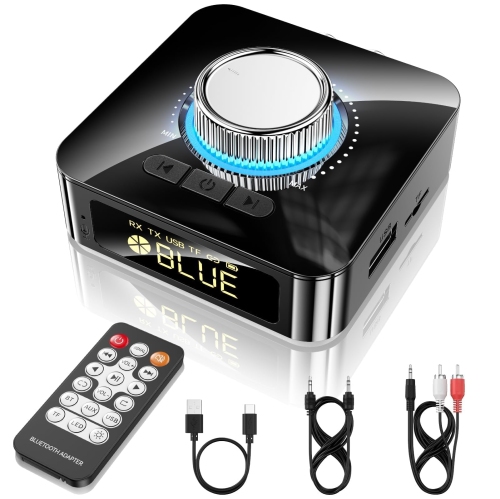
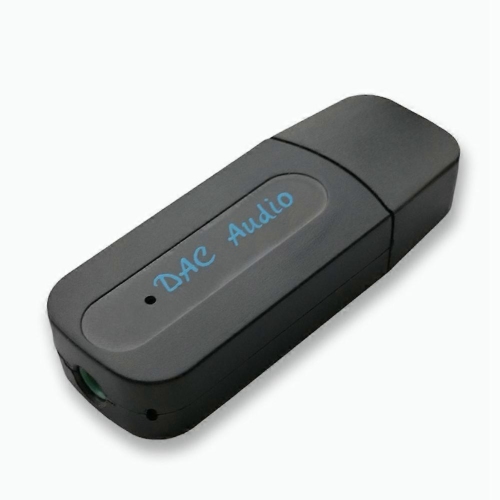
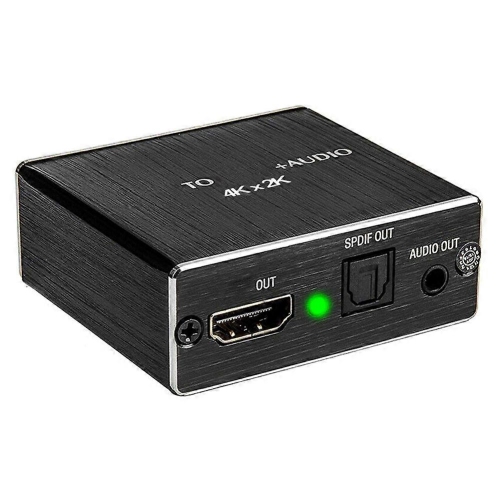
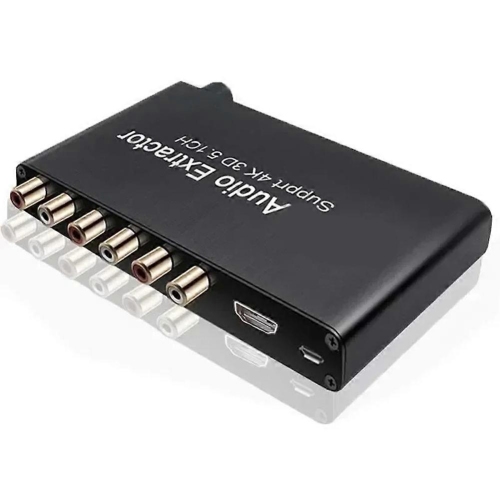
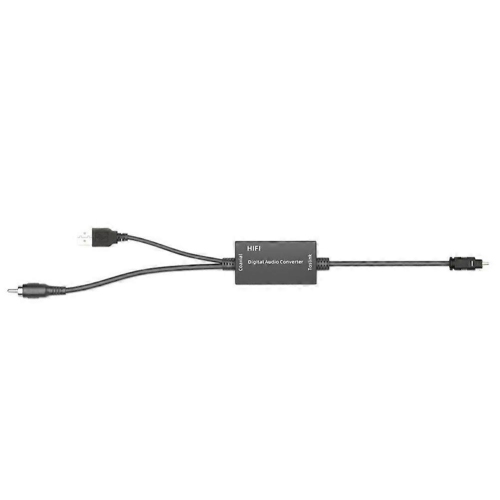
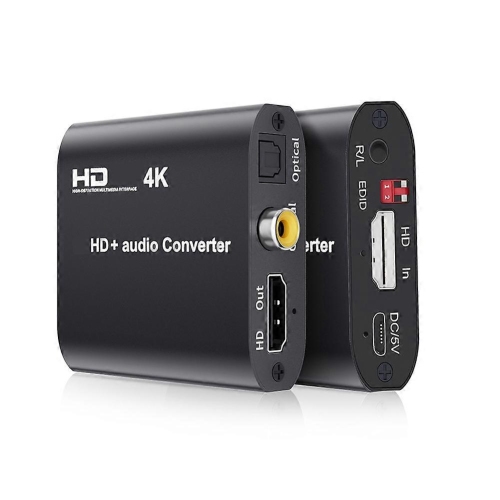
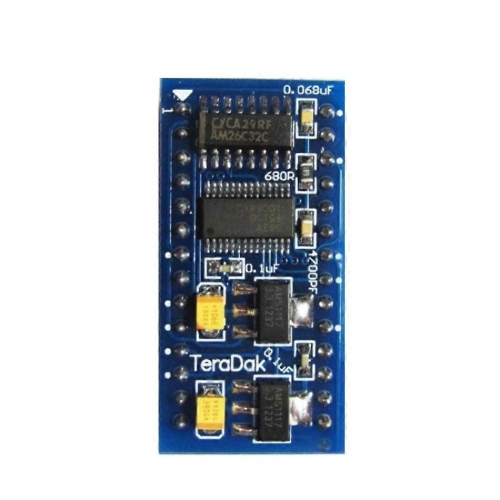
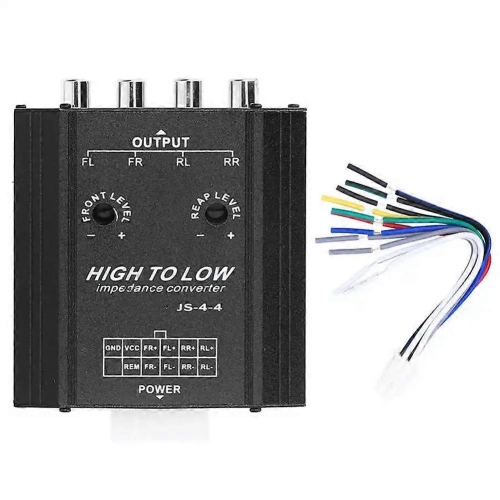
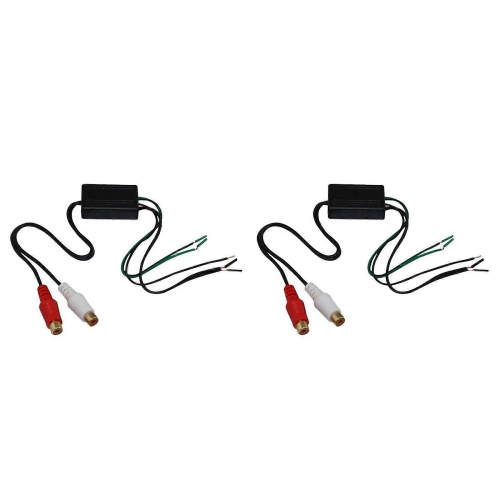
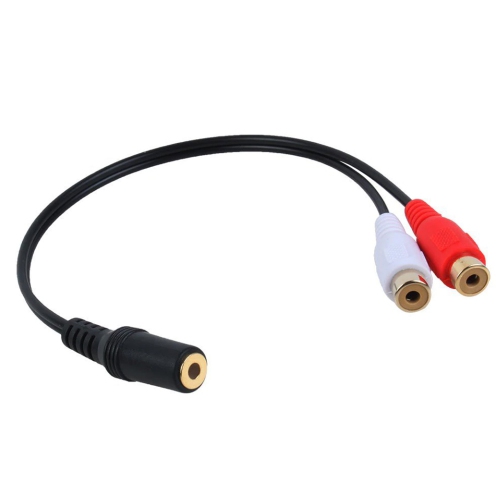
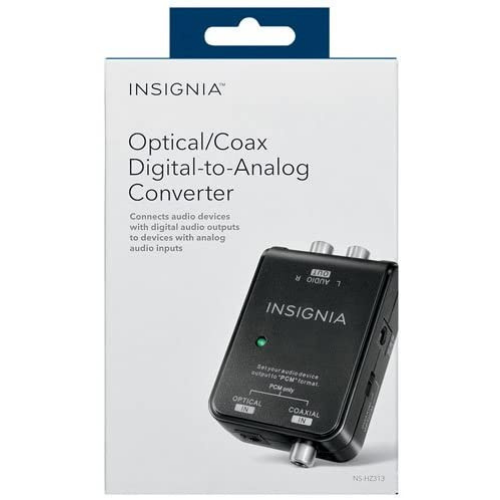
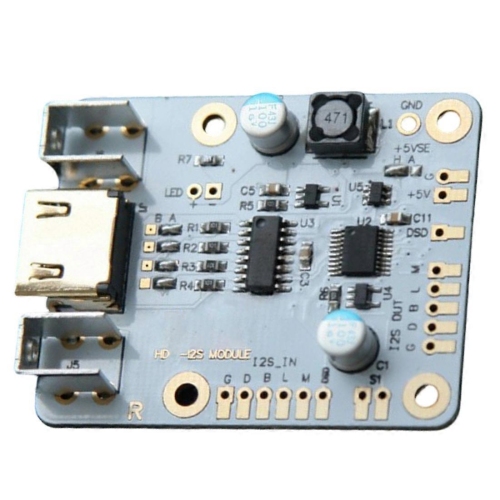
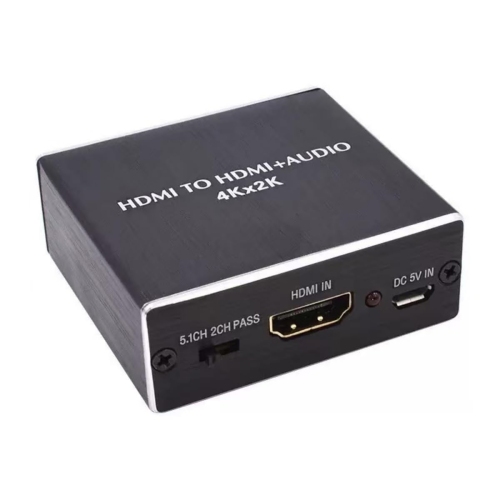
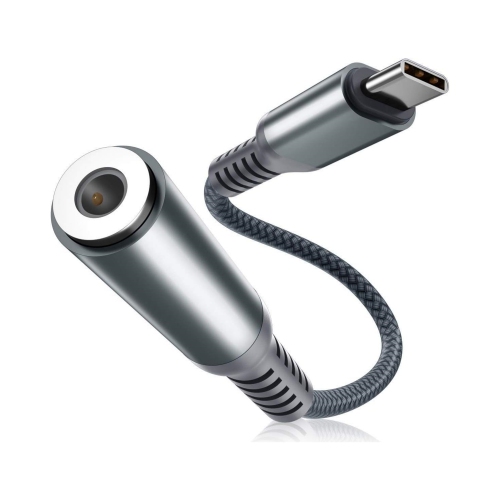
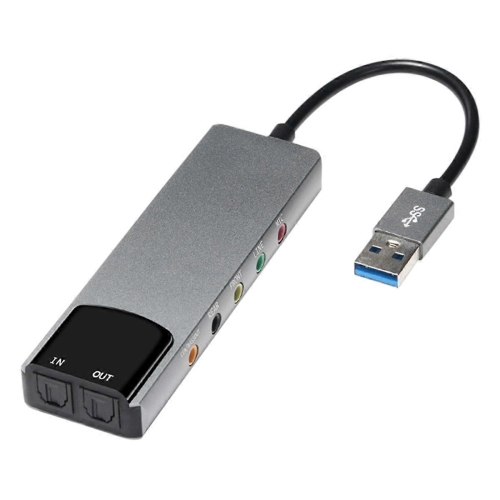
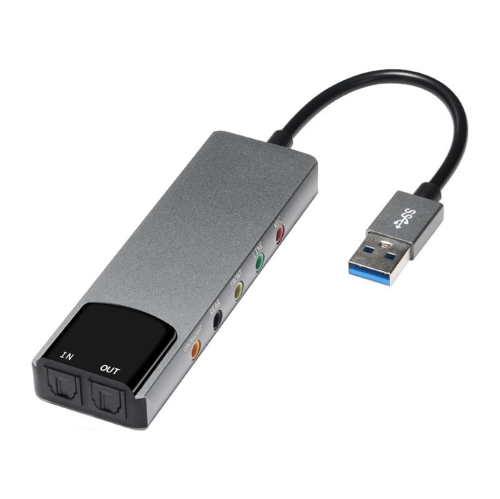
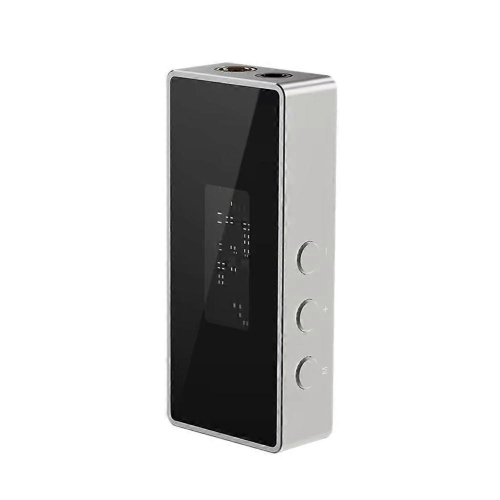
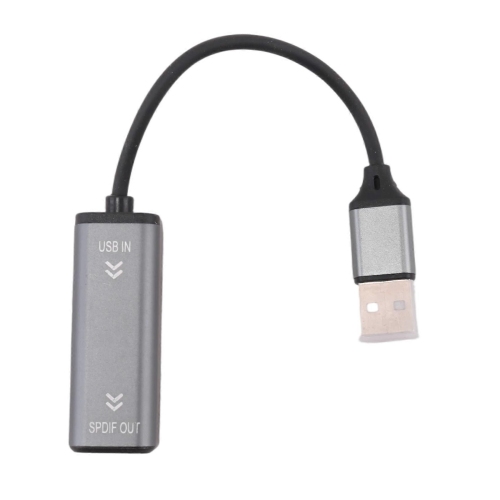
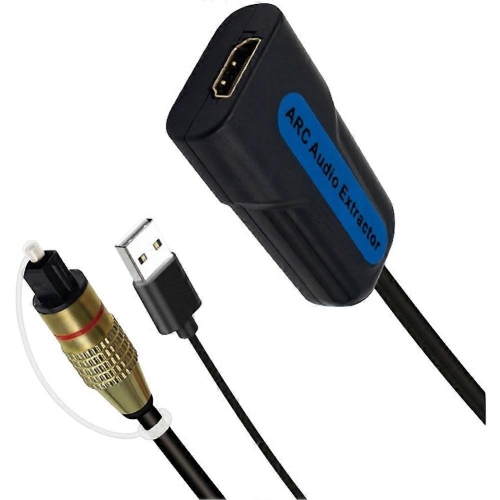
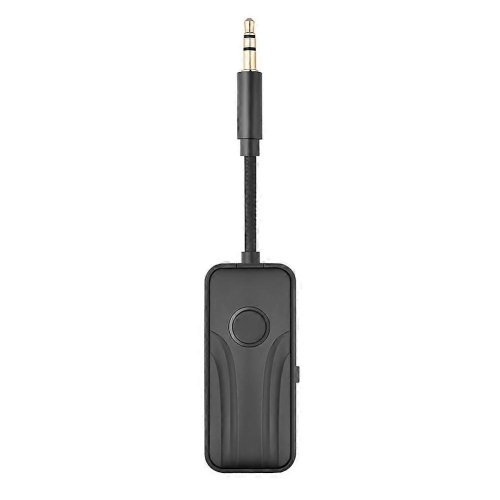
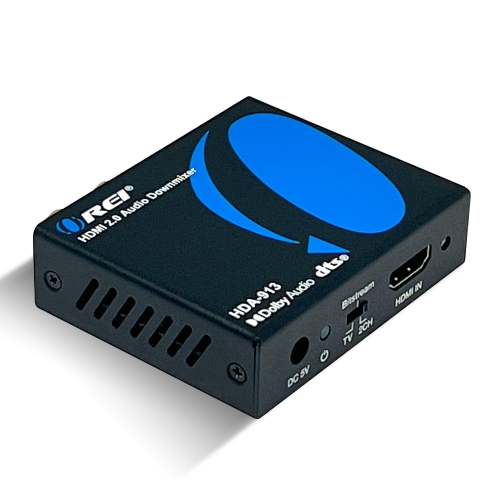
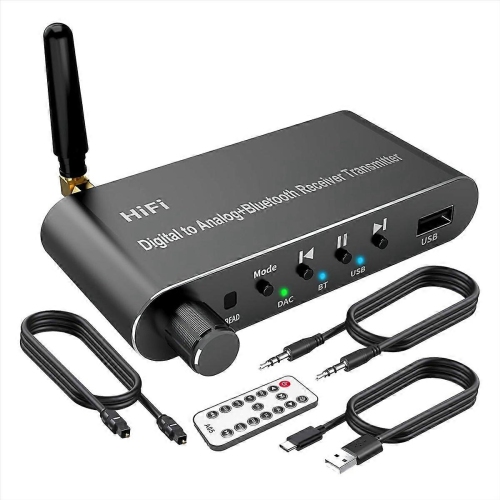
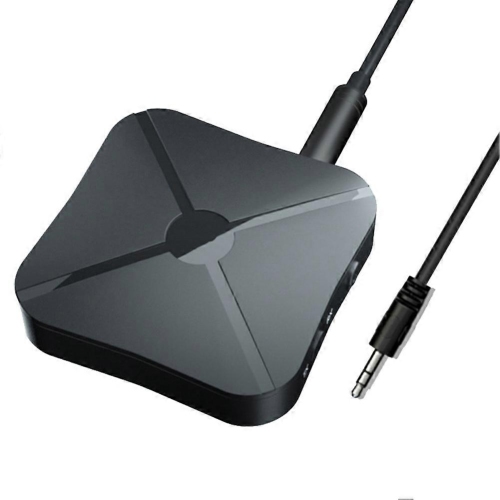
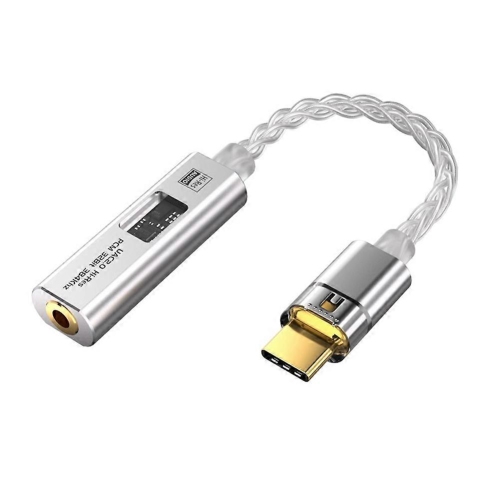
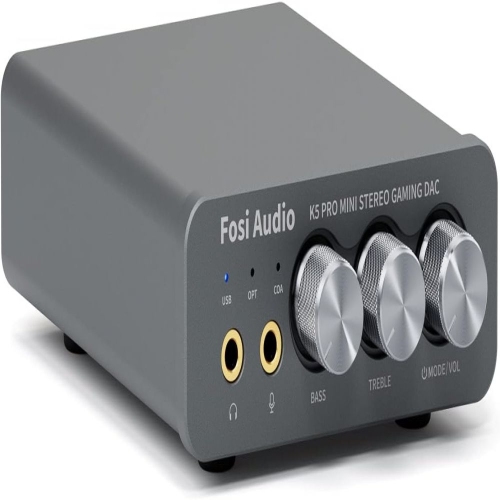
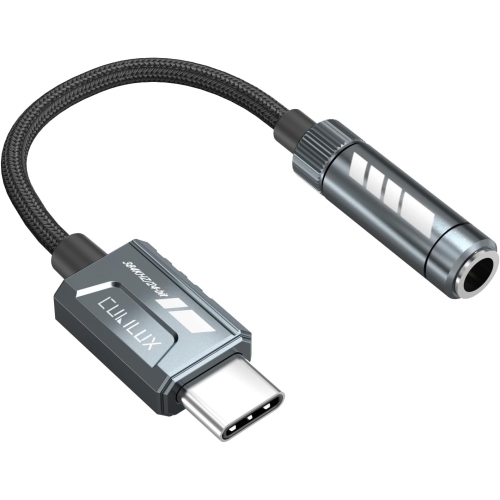
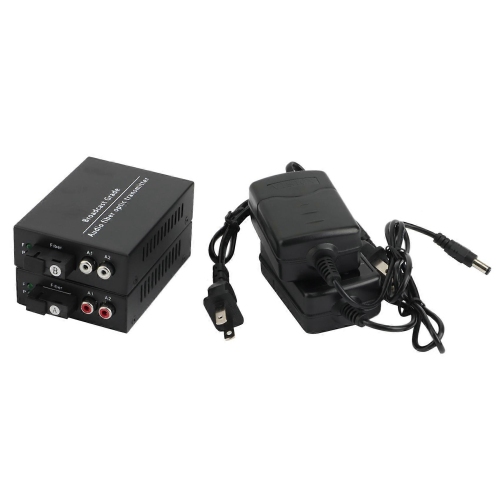
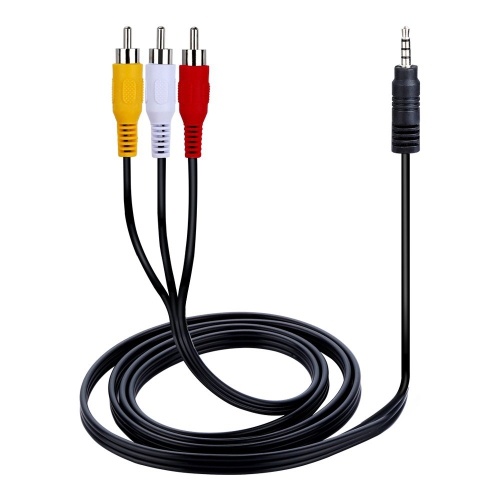
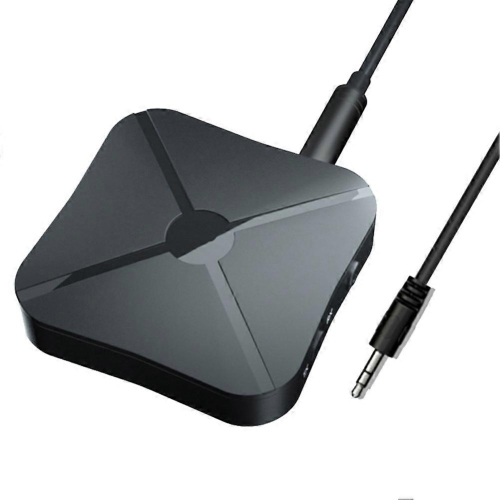
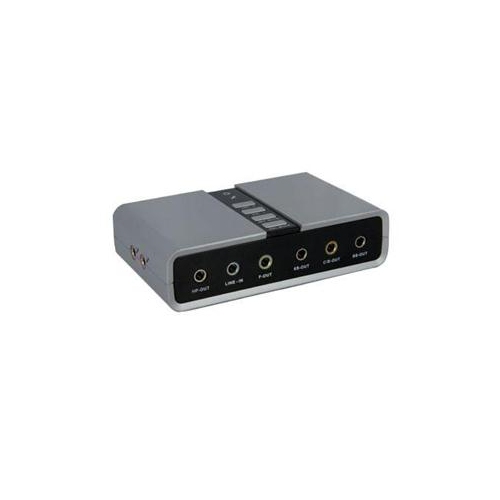
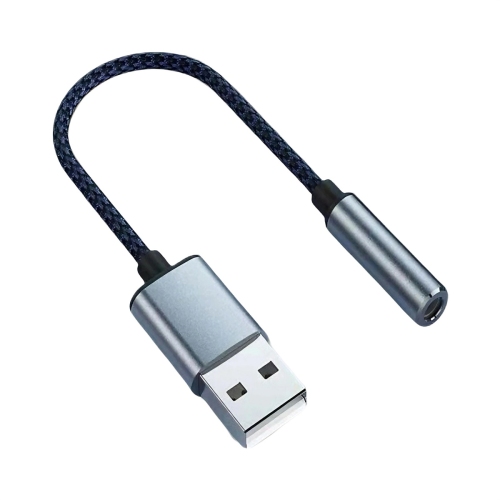
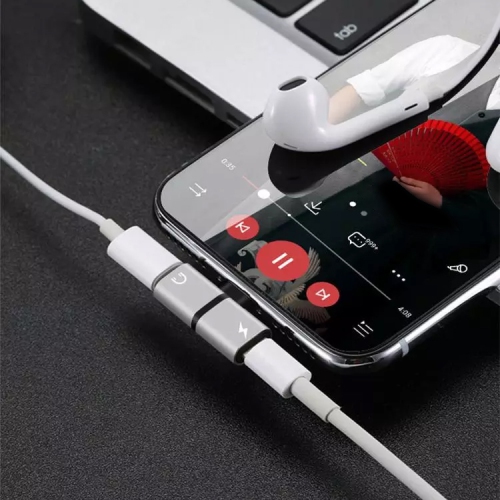
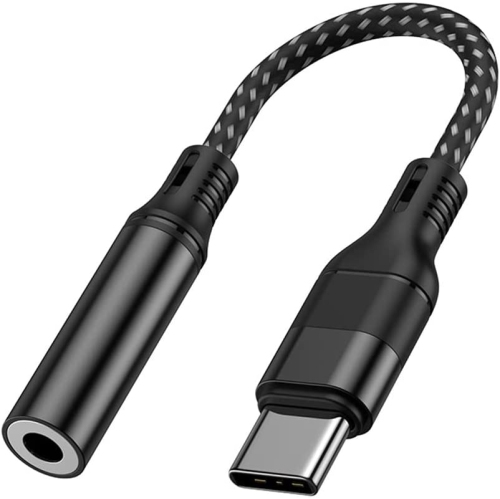
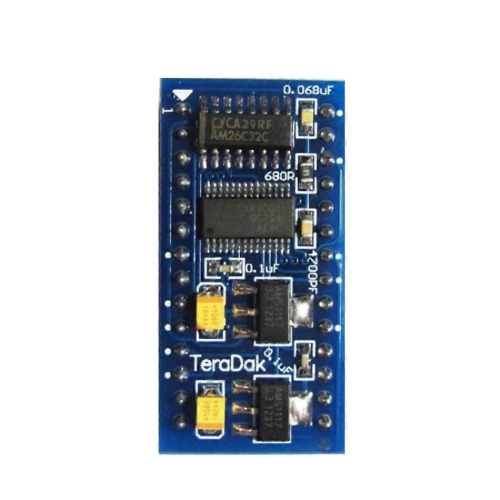
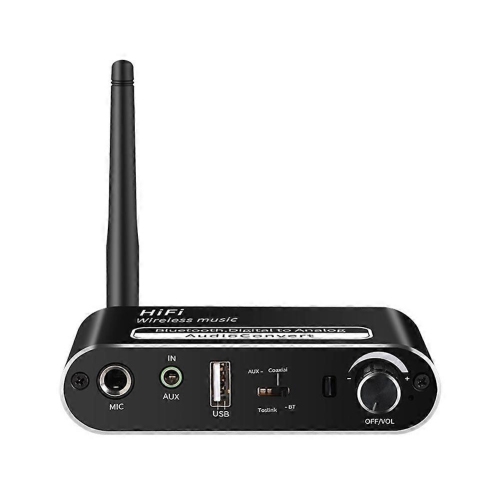
Sound converters are audio devices that change a signal from one form into another so equipment with different connections can work together. A digital-to-analogue converter, often called a DAC, turns digital audio into an analogue signal for compatible amplifiers, powered speakers, or headphones. An analogue-to-digital converter, or ADC, works in the opposite direction, turning an analogue audio signal into digital data that a computer or other digital device can process. Other hardware handles tasks such as extracting sound from an HDMI connection or changing between optical and coaxial digital connections. These functions differ from audio file conversion: software that changes WAV, FLAC, MP3, or M4A files alters stored audio files rather than providing a physical connection between devices. For a home entertainment setup, a sound converter can bridge the gap between a television with a digital audio output and a stereo amplifier with analogue inputs. At a desk, it can provide a suitable audio output for powered speakers or a headphone listening setup. For someone transferring audio from tapes, an ADC or an audio interface with the appropriate inputs can help capture the playback as a digital file. The useful distinction is what the signal needs to become, not simply whether two sockets look different. A passive cable can adapt certain compatible connections, but changing a digital signal into an analogue one requires active circuitry. Conversion also does not automatically increase sound quality or restore detail missing from the source. Its main purpose is to deliver a usable signal to the next device in the chain; the result still depends on the source material, converter design, amplification, and speakers or headphones. That makes sound converters practical additions for listeners who enjoy an existing stereo, households connecting entertainment equipment from different generations, and people building a more flexible workspace without replacing every component.
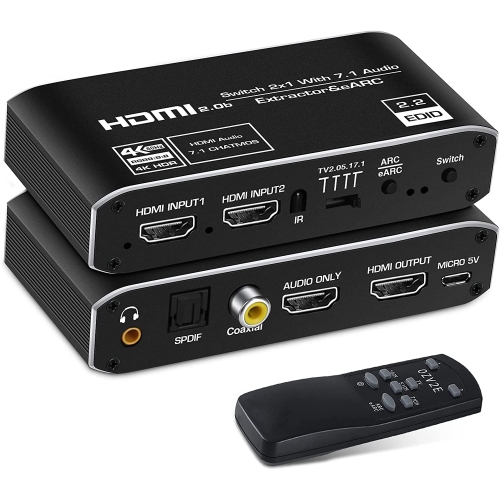
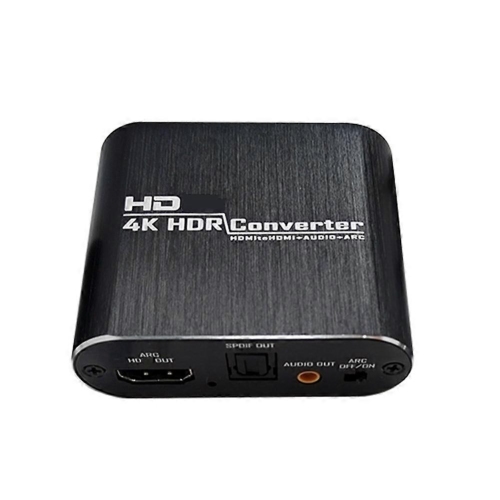
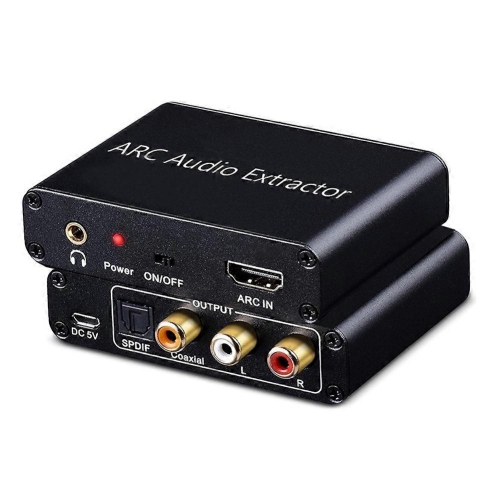
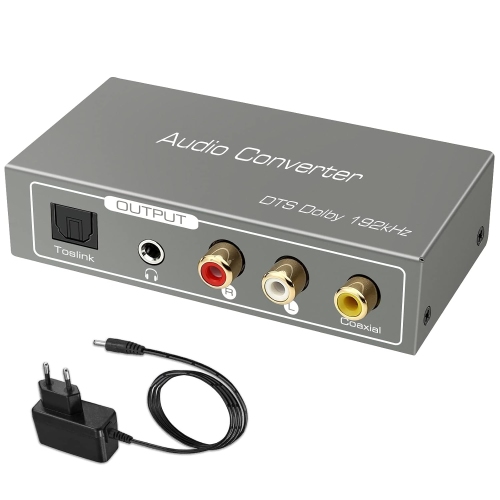
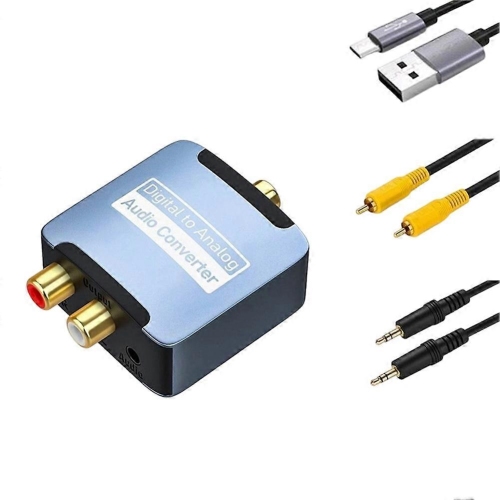
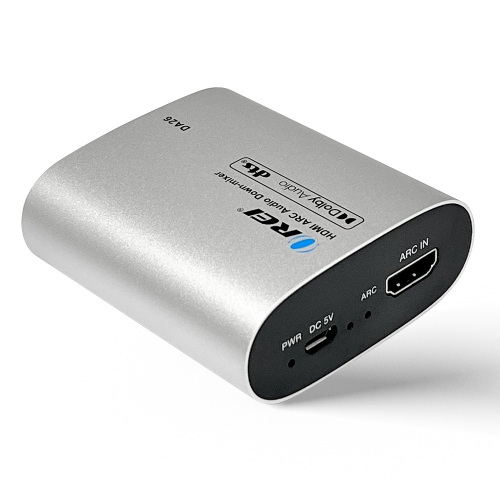
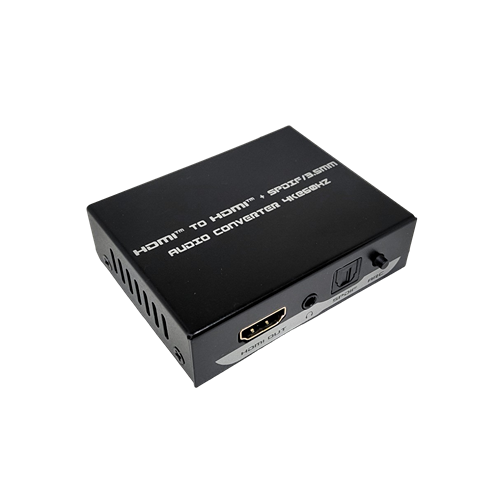
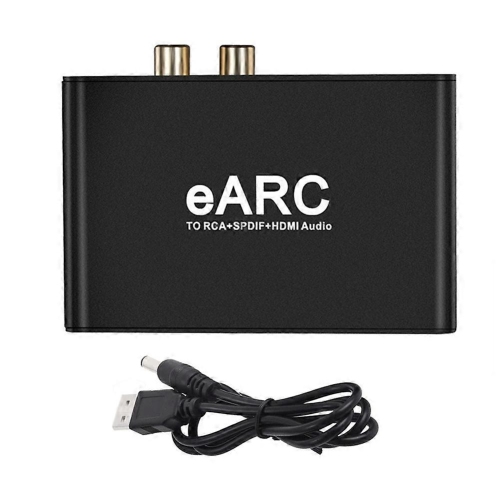
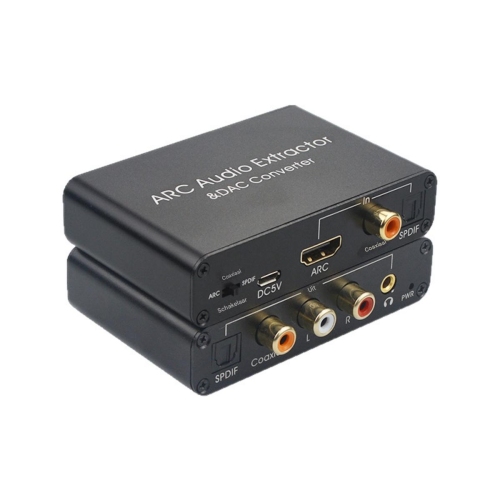
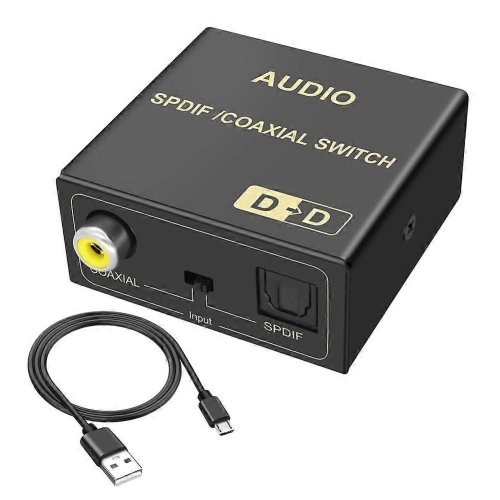
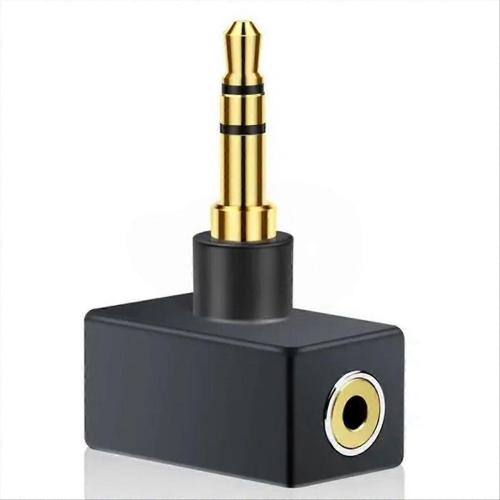
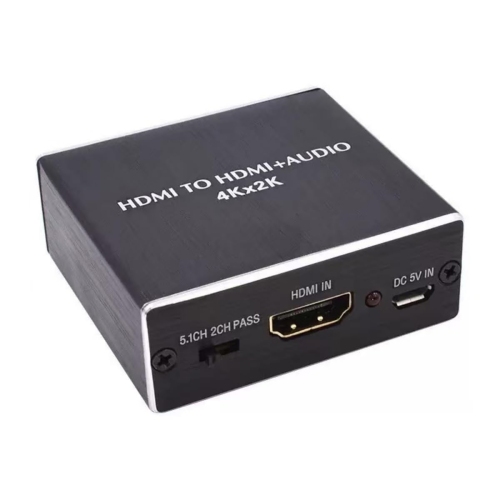
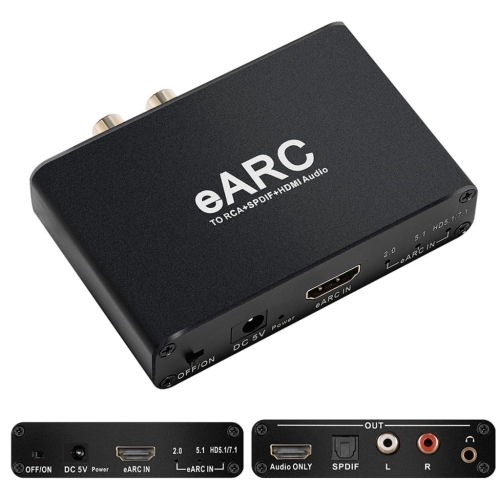
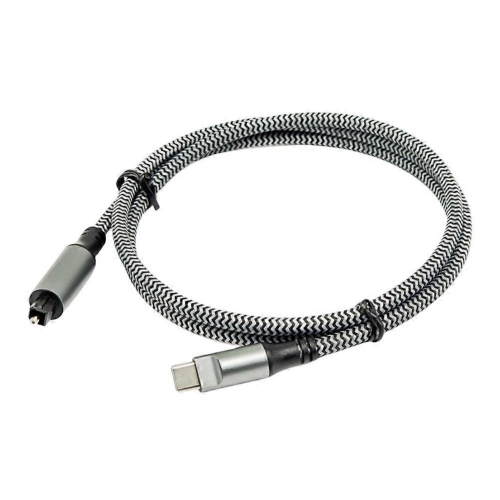
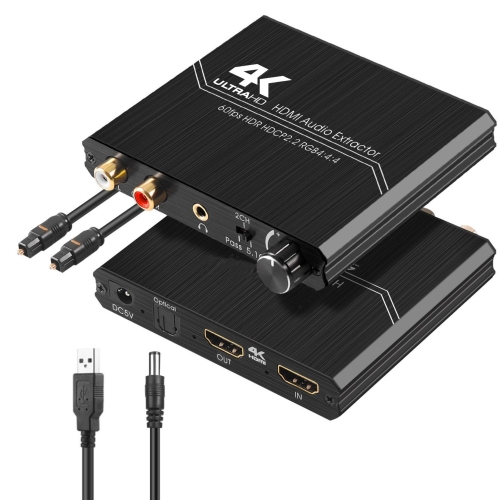
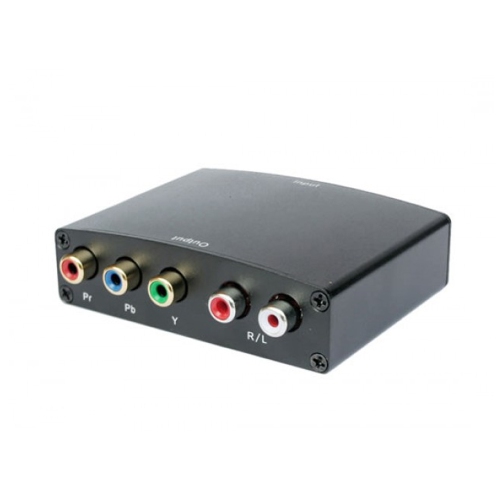
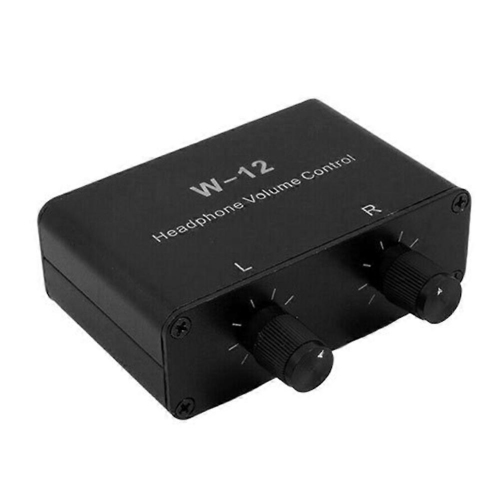
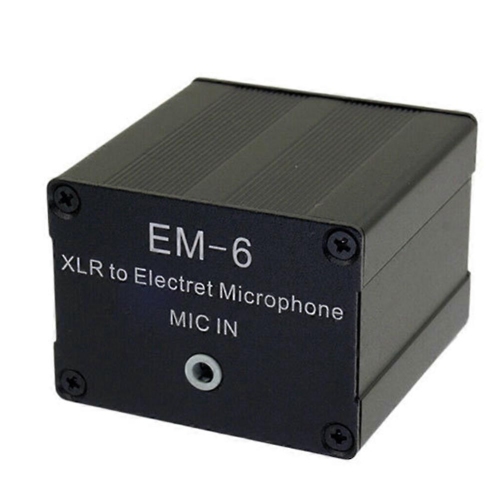
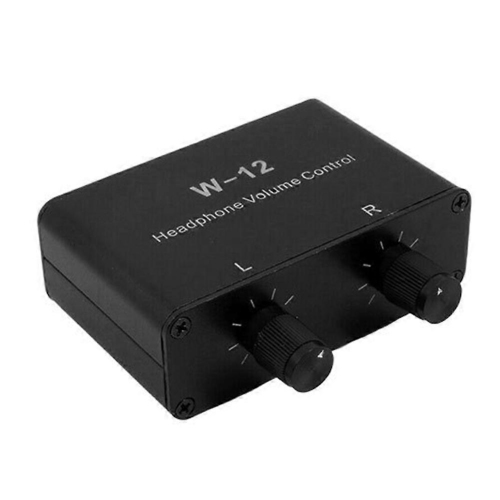
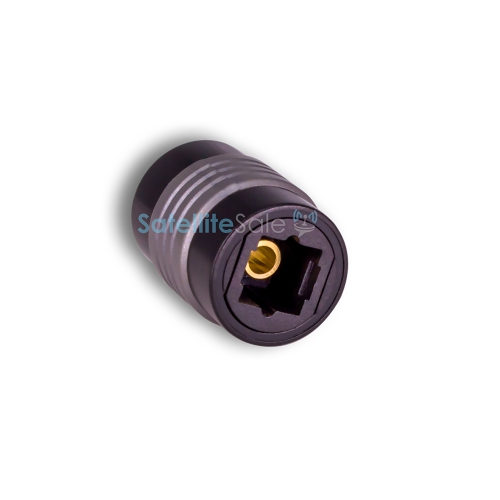
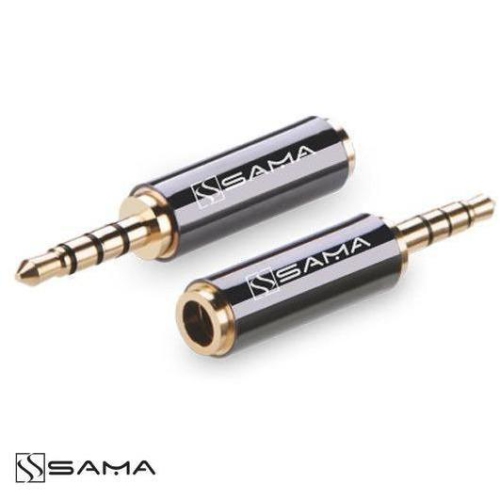
Connections and supported audio formats determine how well a sound converter fits a particular setup. Optical connections carry digital audio through a fibre-optic cable, while coaxial digital connections typically use an RCA-style socket. Analogue stereo connections often use a red-and-white RCA pair or a 3.5 mm socket, but matching the shape of a connector is not enough to establish compatibility. A single coaxial digital socket and an analogue RCA socket can look alike while carrying different signals. Input and output direction matters just as much: an optical-to-analogue converter cannot normally be used backwards to digitize an analogue source. Supported formats are another important distinction. Many compact digital-to-analogue converters accept two-channel PCM audio, not encoded surround sound, so a television or media source may need its digital output set to stereo PCM. A surround sound setup requires hardware that explicitly supports the incoming format and the intended output channels. HDMI audio extractors introduce further considerations because they sit within a video connection as well as an audio path. Supported resolution, refresh rate, HDR features, and content protection can affect whether the picture continues to work as expected. Extracting audio from an HDMI source is also different from receiving audio through a television’s ARC or eARC connection; those uses require the relevant support on the converter and connected equipment. For everyday listening, volume control deserves attention alongside format compatibility. A converter with a fixed-level analogue output may leave volume adjustment to the amplifier or powered speakers, and a television remote may not control that output. Headphones need a suitable headphone output or a separate headphone amplifier, while passive speakers still need an amplifier to drive them. At a computer, USB compatibility, operating system support, and any required drivers help determine how straightforward the connection will be. For recording, the available inputs and their accepted signal levels matter more than the presence of a USB port alone. A microphone, a line-level tape deck output, and a turntable without a built-in phono preamp have different requirements and are not interchangeable sources.
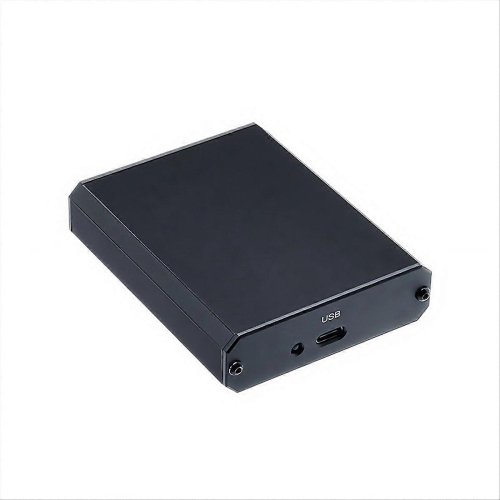
Physical design can make a sound converter easier to live with, particularly when it sits behind a television or beside a busy workstation. A compact housing takes up little shelf space, while a slightly larger enclosure may leave more room between sockets for cable plugs. Metal housings can offer a sturdy feel and shielding, although material alone does not establish audio performance; lightweight plastic housings can also suit stationary installations. Secure sockets, clear input and output labels, and enough space to connect cables without sharp bends are useful details in daily use. Optical cables need gentle routing, and heavy cable plugs should not pull sideways on small converters. Power arrangements vary: some devices use USB power, while others require an external adapter with specified electrical ratings. Sound converters handle audio signals, whereas Electrical Converters address a separate power-conversion need; neither function should be assumed to replace the other. Using the power supply specified for the audio device helps avoid unreliable operation or damage. A USB port on a television may switch off with the screen, which can matter if the converter is also expected to serve another listening source. Placement is worth considering, too. A converter tucked behind furniture should remain accessible enough to check its connections, and equipment needs any clearance stated by its manufacturer. Routine care is generally simple: disconnect power before cleaning, use a soft, dry cloth on the housing, and keep liquid cleaners away from sockets. For music listeners, gamers, and people digitizing personal audio collections, the best fit is often a converter that solves one clearly defined connection problem without adding unnecessary controls or cabling. A music enthusiast might appreciate one as a gift when the source device, amplifier connections, and intended use are already known. In a shared living room, a straightforward stereo connection may be the priority; at a recording desk, suitable input levels and dependable computer compatibility take precedence. Those practical details help create a setup that feels natural to use, whether it carries television dialogue to familiar speakers or brings an old tape collection onto a computer.
Top selling and popular products
-
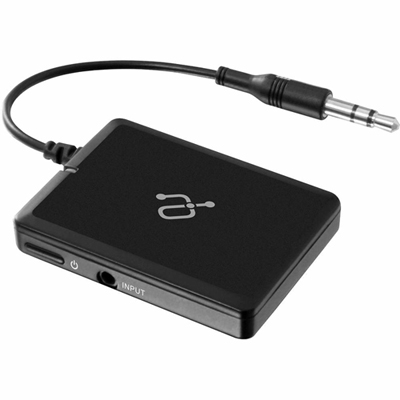 Your price for this item is $34.99
-
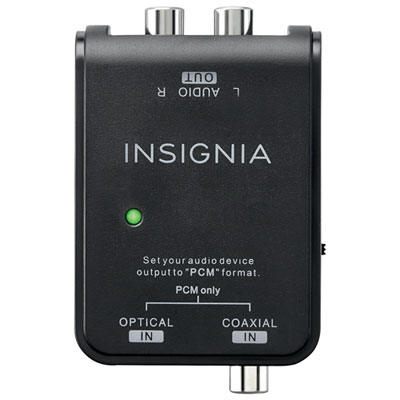 Your price for this item is $39.99
-
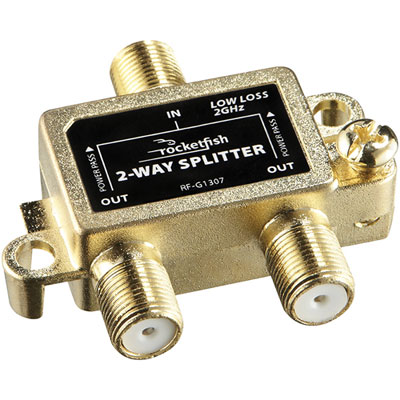 Your price for this item is $10.97
-
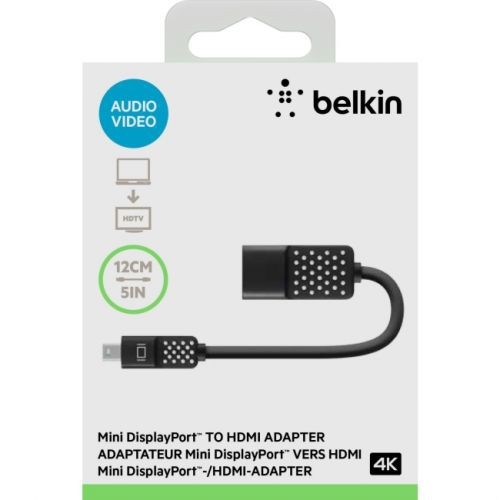 Your price for this item is $46.68
-
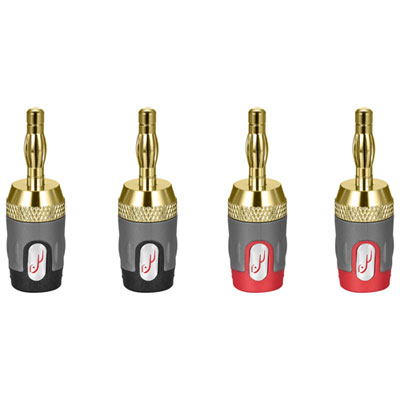 Your price for this item is $24.99
-
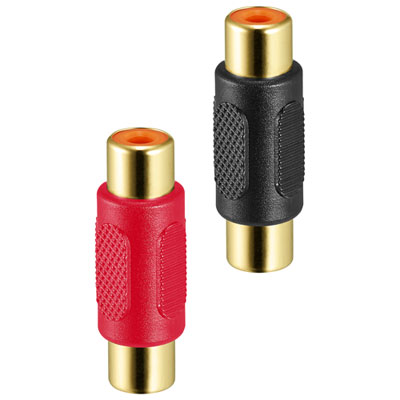 Your price for this item is $9.99
-
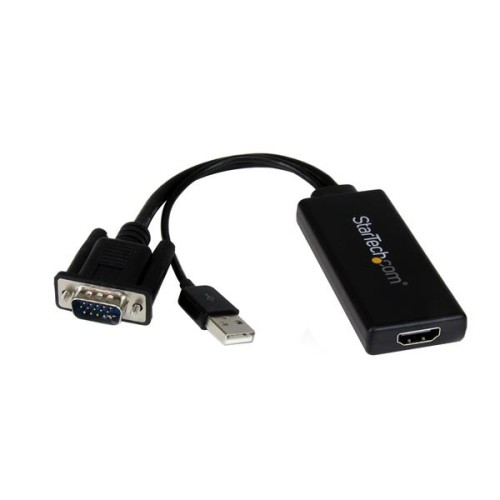 Your price for this item is $75.99
-
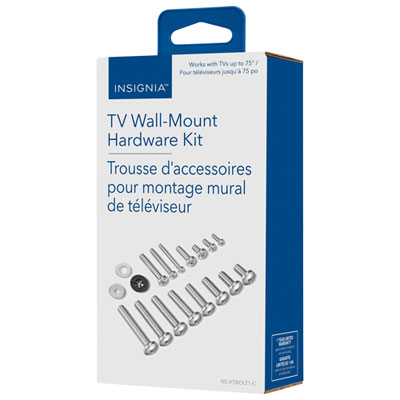 Your price for this item is $19.99
Discover more categories related to Sound Converters
Top Collections:
Pokemon Centers, Best Cameras for Sports Photography, Kindle Devices, Samsung Galaxy Phones, Canon G7X Cameras, Pokémon 30th Celebration Cards, Refurbished Apple Laptops, iPhone 15 Apple, Laptops for Students, Budget Smartphones
Some products may be subject to Environmental Handling Fees
(EHF) depending on your province.
Learn more about EHFs.