Commercial Vehicle Camera Systems
Commercial Vehicle Camera Systems are essential tools for enhancing safety, monitoring fleet activity, and supporting efficient operations on the road. Designed for a wide range of commercial vehicles, these systems provide reliable visual coverage to help drivers and fleet managers stay informed. Whether you’re outfitting delivery vans, trucks, or service vehicles, explore options that suit your business needs and help keep your vehicles protected. Find the right Commercial Vehicle Camera Systems to support your fleet’s performance and peace of mind.
Sort
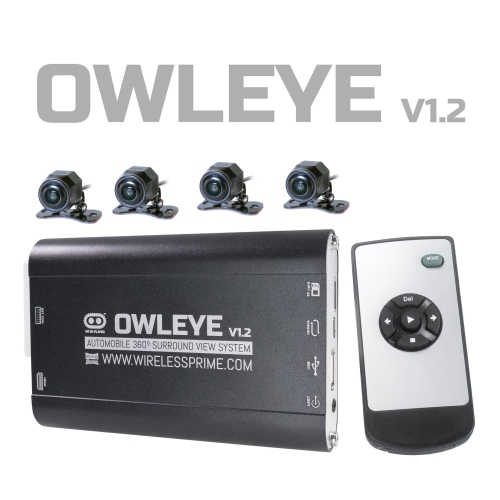


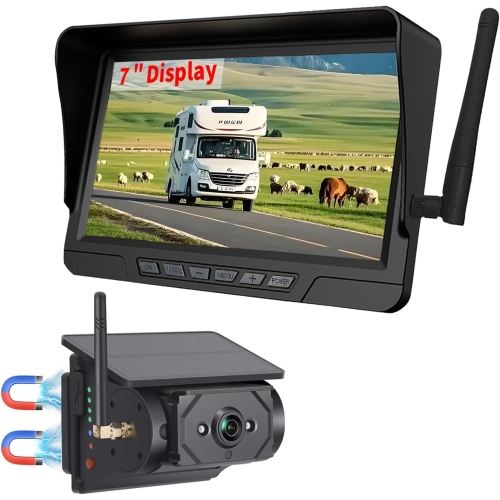

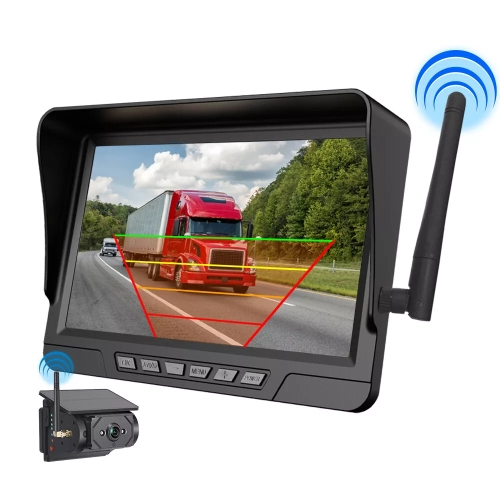


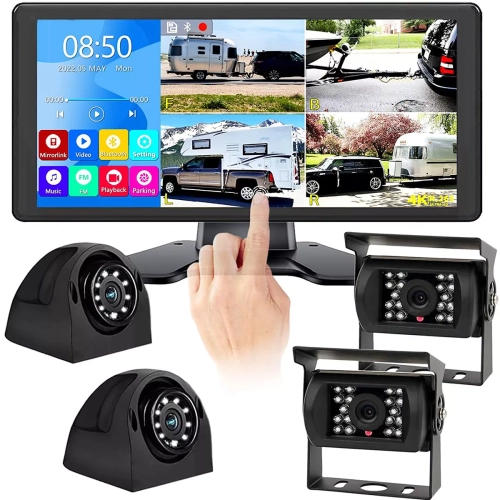
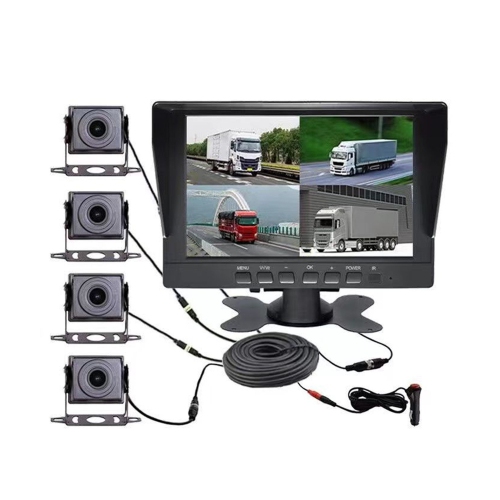

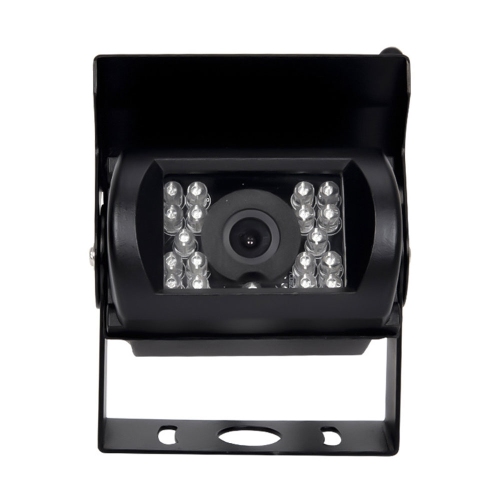


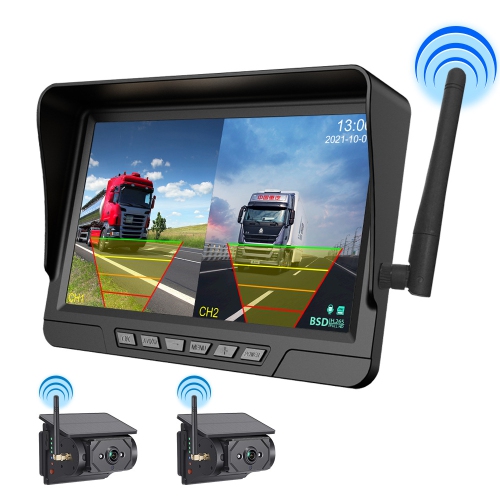
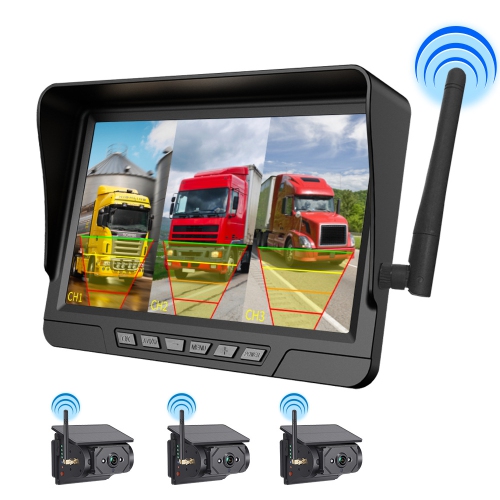
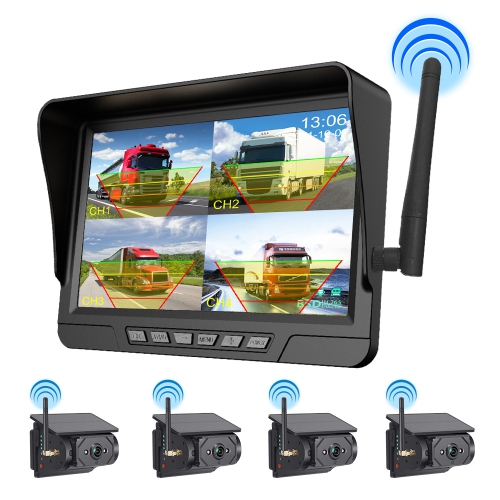
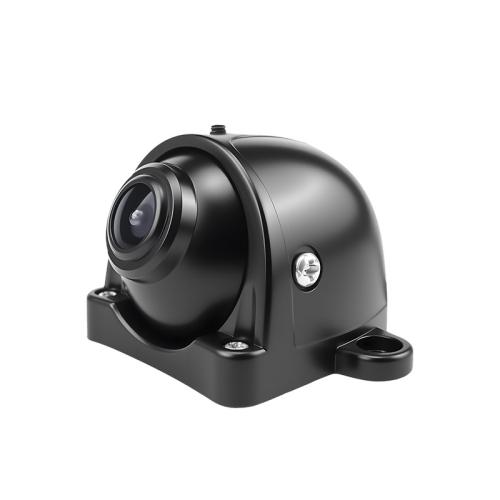

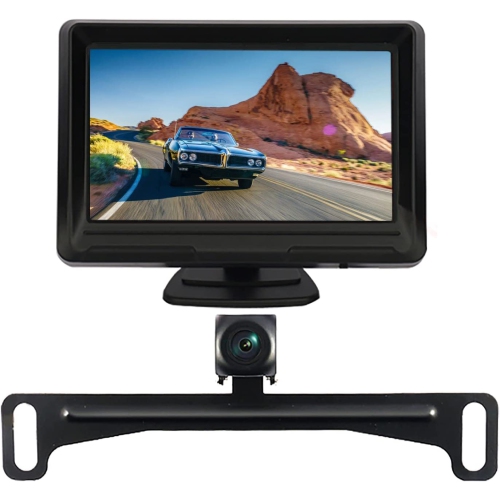


Camera coverage that fits your vehicle’s daily work
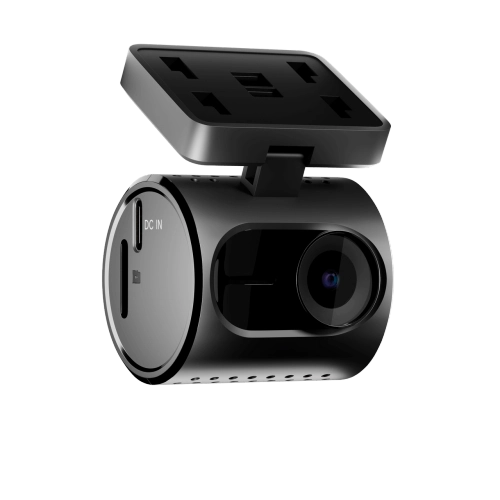
Commercial vehicle camera systems use vehicle-mounted cameras, an in-cab display, recording equipment, or a combination of these components to give drivers additional views around a working vehicle. They can support visibility and incident documentation for delivery vans, transport trucks, buses, service vehicles, and mixed fleets, with coverage determined by the number of cameras and their placement. A rear-facing camera can show the area behind a box truck as it approaches a loading bay, while side cameras can provide another view along a long vehicle body during a turn. Front-facing cameras capture the road ahead, and interior cameras may be used in passenger transport or other operations where cabin visibility serves a defined purpose. Some systems display video without saving it; others record several channels so footage from different angles can be reviewed together. That distinction matters when the main goal is either helping a driver manoeuvre or documenting what happened during a trip. A single rear view may suit straightforward reversing tasks, while a larger vehicle with frequent stops may benefit from broader coverage. For smaller commercial vehicles, Van Cameras provide a related category for setups suited to delivery and service work. Useful image detail depends on more than the resolution specification: camera position, lens quality, lighting, and the size of the display all affect what a driver can see. A wide viewing angle can reveal more of the surrounding area, but it can also make objects appear smaller or distort their apparent distance. Where supported, parking guidelines or stitched surround views can add context, although their accuracy depends on correct installation and calibration. Camera views remain an aid rather than a replacement for mirrors, shoulder checks, walkarounds, and established workplace procedures. Their practical value comes from matching the coverage to the vehicle’s shape and the tasks it performs, whether that means spotting a bollard beside a loading area or checking clearance near a rear step.
Physical fit and electrical compatibility are central to how well a commercial vehicle camera system works in daily service. A compact cargo van, a rigid truck, and a tractor-trailer combination have different mounting surfaces, cable lengths, and connection requirements. Camera housings may use metal or durable moulded materials, with brackets that allow the lens to be aimed after installation. Secure mounting helps limit vibration and keeps the view consistent, especially on vehicles that repeatedly cross loading-yard joints or travel between job sites. Placement also needs to account for doors, liftgates, ladders, roof equipment, and cargo that could obstruct the image. A camera mounted high on the rear body may show a useful overview, while a lower position can provide a different perspective on nearby obstacles; neither position suits every vehicle. Wired systems require a protected cable route between cameras, power connections, displays, and any recorder. Articulated vehicles may also need suitable trailer connections that tolerate repeated coupling and uncoupling. Wireless video can reduce some signal-cable routing, but cameras still need an appropriate power source, and transmission performance depends on distance, obstructions, and interference. Vehicle supply voltage must match the equipment’s requirements or use an approved conversion arrangement, particularly when comparing 12-volt and 24-volt installations. Existing screens and cameras are not automatically interchangeable, since connectors, video formats, and control signals can differ. Inside the cab, a monitor should be readable from the normal driving position without blocking the road view, mirrors, controls, or airbag deployment areas. Screen size, brightness adjustment, and automatic switching to a reversing view can affect everyday usability. For drivers who move between vehicles, a consistent screen layout and clearly labelled camera views can make the equipment easier to interpret. Professional installation can help address secure mounting, protected wiring, suitable power connections, and any calibration required by the system, while allowing access for later servicing or vehicle repairs.
Durability, maintenance, and footage management are equally important once the cameras become part of a working routine. Exterior housings, cable seals, and connectors need protection suited to their mounting locations, particularly where road grime, dust, wash water, or frequent handling are part of the job. Published ingress-protection ratings describe tested resistance to dust and water, but they should be read alongside installation and cleaning requirements rather than treated as permission for unrestricted pressure washing. A lens covered by a thin film of dirt can hide useful detail even when the camera itself is functioning normally. Gentle cleaning with suitable materials, checks for loose brackets, and inspection of exposed wiring help maintain a clear, stable view. After body repairs, equipment changes, or an impact near a mounting point, the camera angle may need checking again. Recording systems add another set of practical considerations: storage capacity, the number of channels, image settings, and operating hours all influence how much footage can be retained. Loop recording typically replaces older files when storage fills, while event protection may preserve selected clips if the system supports it and is configured correctly. A clear retrieval process helps an operator locate the relevant time and camera angle after a delivery dispute, a parking incident, or damage discovered during a vehicle inspection. Time settings should be accurate, and removable storage should meet the recorder’s stated specifications. Connected features may support remote access, location information, or fleet administration, but their operation depends on the equipment, connectivity, and service configuration. Access controls and appropriate retention settings matter wherever identifiable people, licence plates, or conversations may be captured. Businesses should establish recording practices that address applicable privacy requirements, including notice, authorized access, and the handling of audio where enabled. A dependable setup balances useful coverage with manageable upkeep: clear views for the driver, secure components on the vehicle, and recordings that authorized staff can retrieve when needed.
Top selling and popular products
-
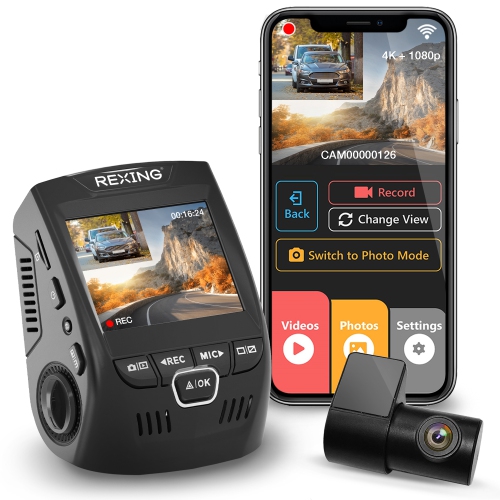 Your price for this item is $159.99
-
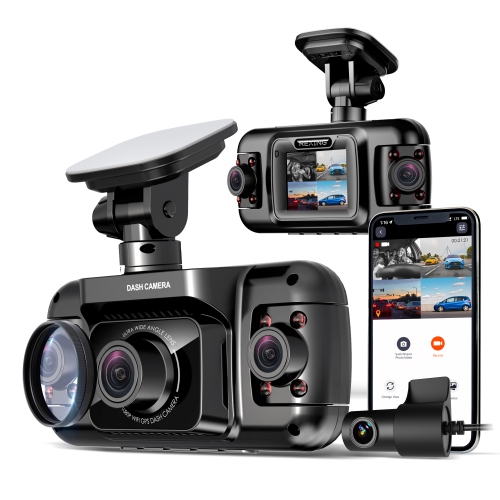 Your price for this item is $299.99
-
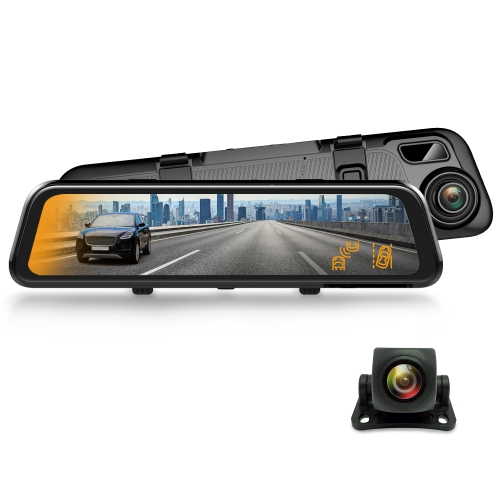 Your price for this item is $129.99
-
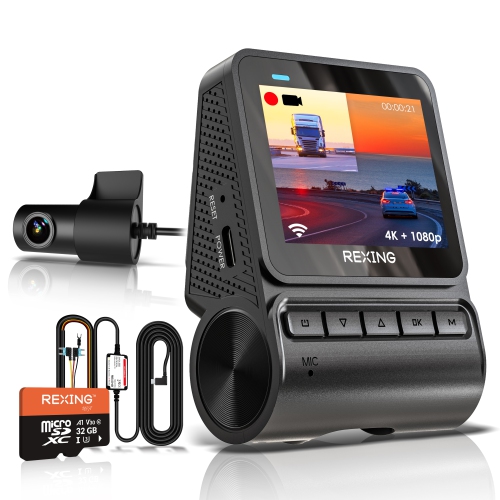 Your price for this item is $229.99
-
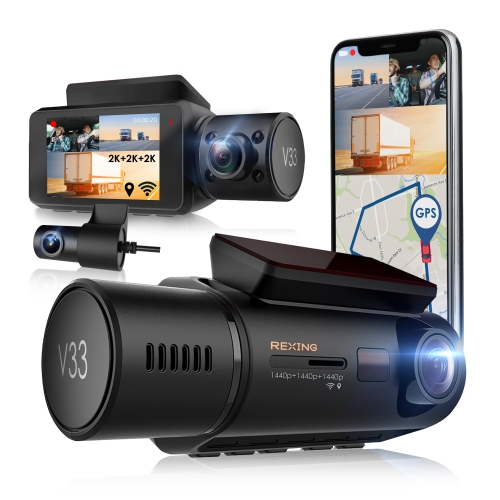 Your price for this item is $327.99
-
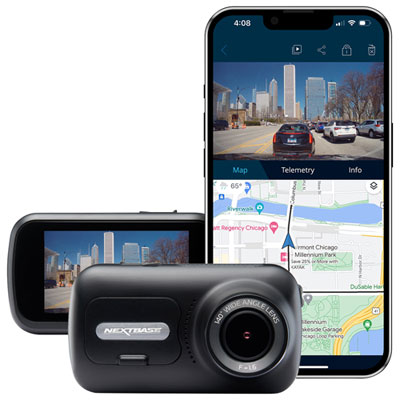 Your price for this item is $249.99
-
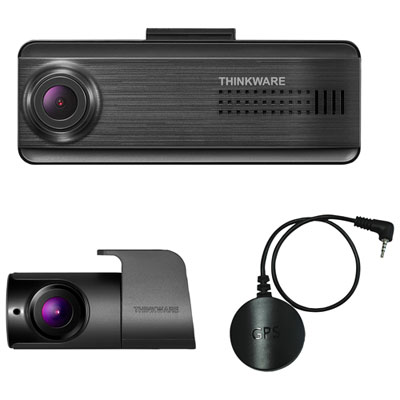 Your price for this item is $299.99
-
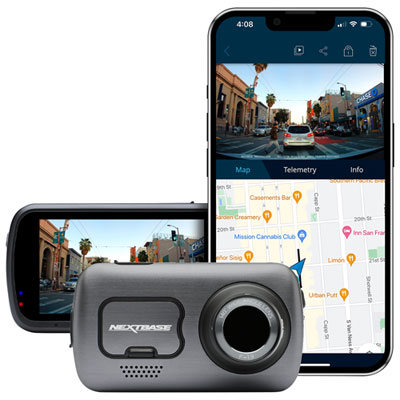 Your price for this item is $399.99
Discover more categories related to Commercial Vehicle Camera Systems


Top Collections:
Best Black Friday Deals This Year, Best Black Friday Deals On Electronics, Kindle Devices, Pokemon Centers, Best Black Friday Deals On Apple Products, Best Cameras for Sports Photography, Dyson Airwrap, Pokémon 30th Celebration Cards, Apple iPhone 17 Pro, Canon G7X Cameras
Some products may be subject to Environmental Handling Fees
(EHF) depending on your province.
Learn more about EHFs.