Tree Saver Recovery Straps
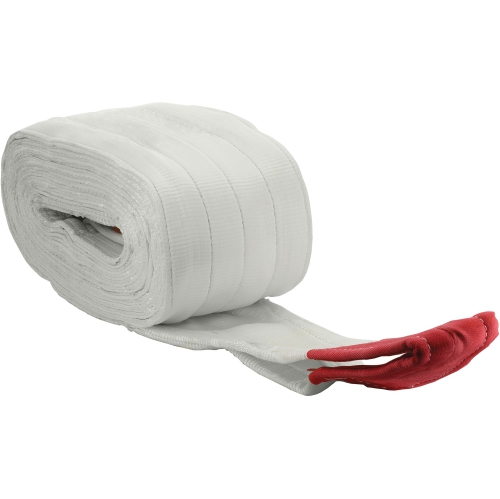
Tree Saver Recovery Straps are essential accessories for off-roading, towing, and vehicle recovery. Designed to help protect anchor points while providing a secure connection during recovery operations, these straps are a popular choice among outdoor enthusiasts and professionals alike. Explore a wide selection of Tree Saver Recovery Straps to find the right fit for your vehicle and recovery needs, ensuring peace of mind on every adventure.
Sort
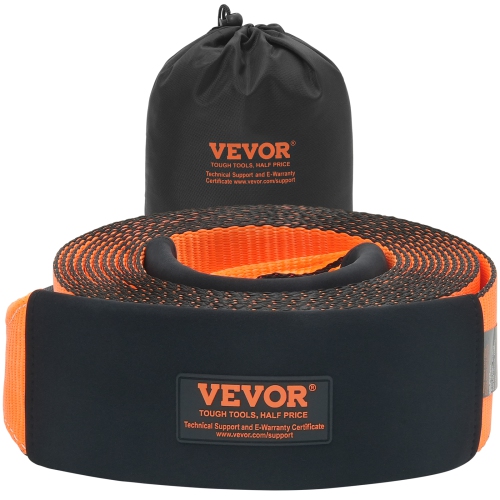
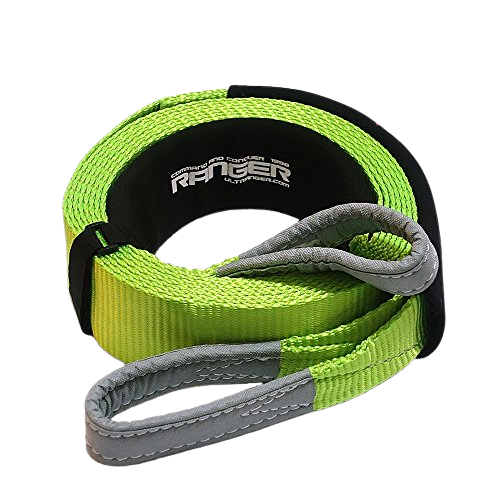
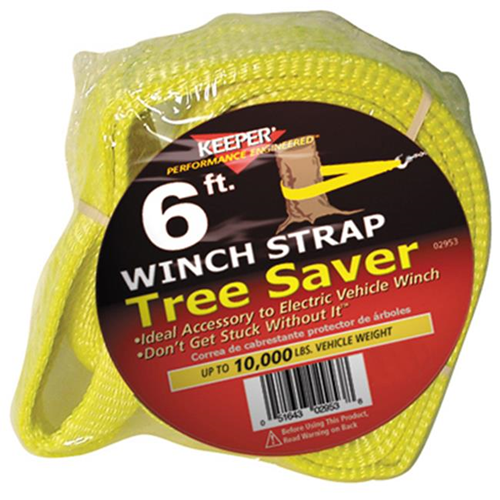
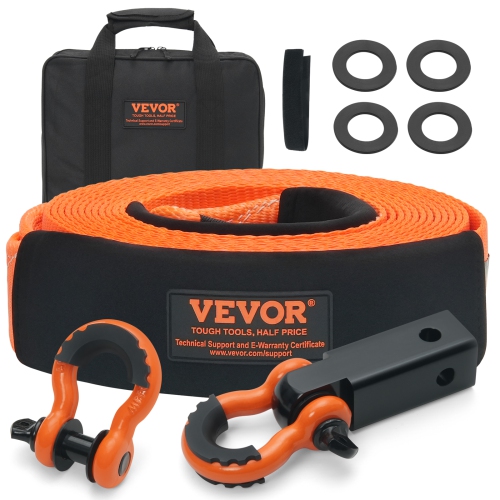
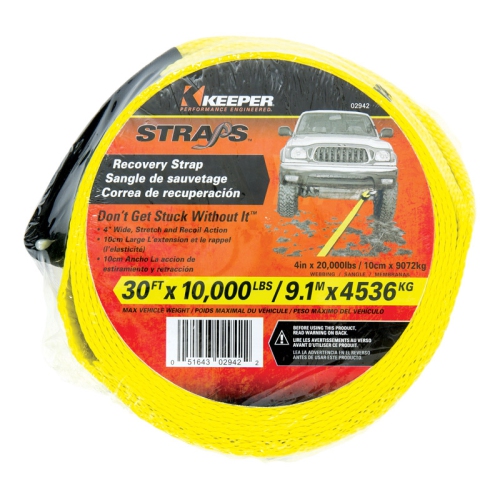
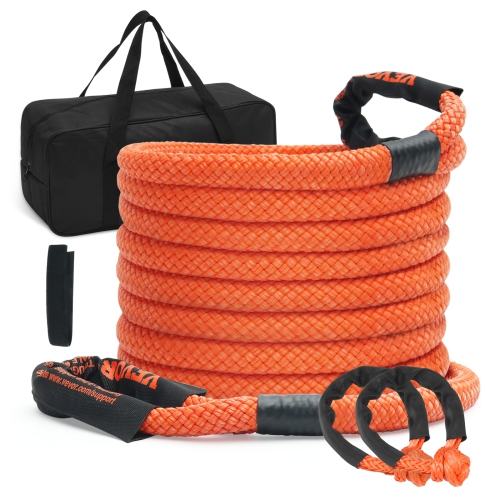
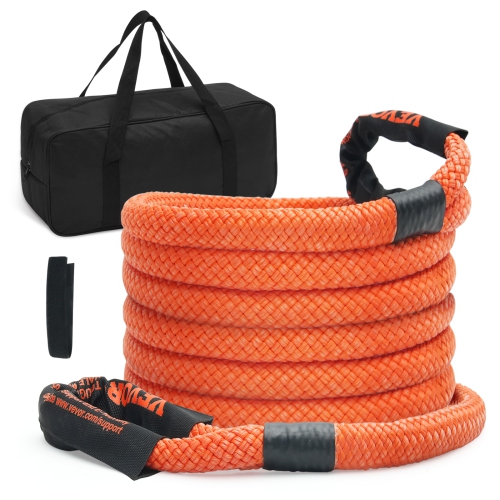
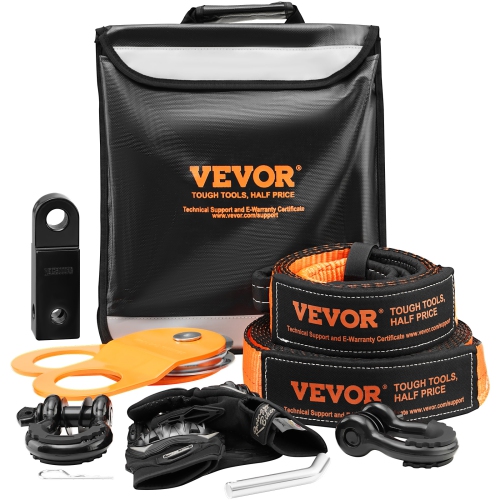
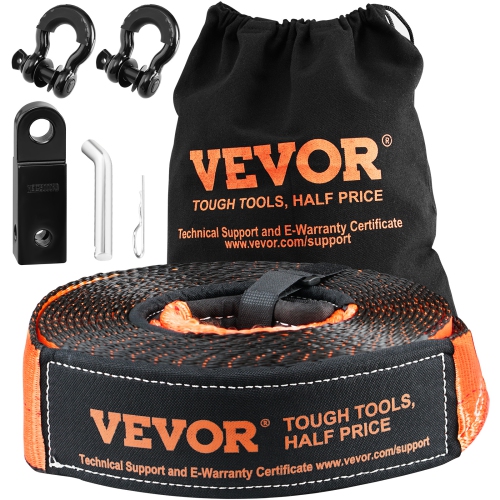
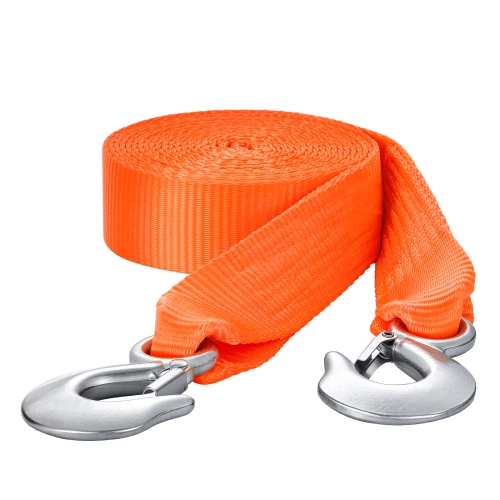
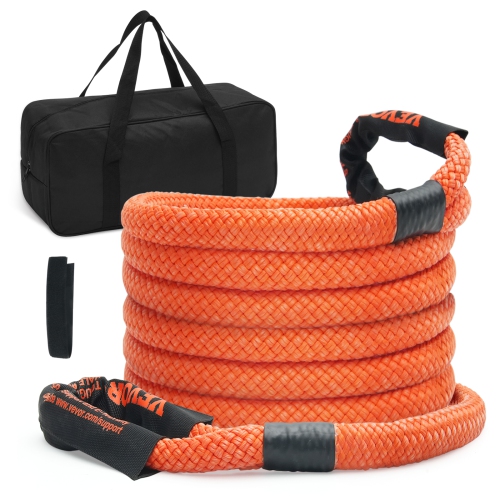
Why winch anchoring calls for purpose-built webbing
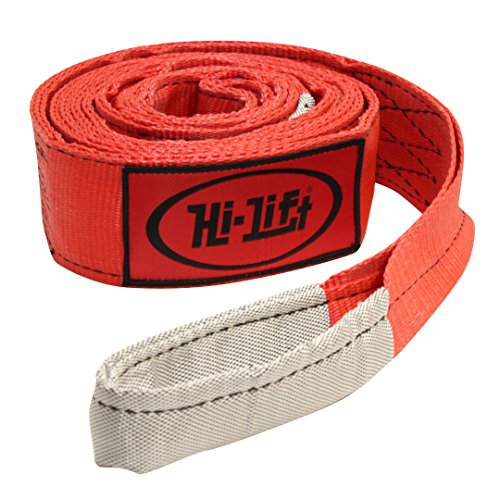
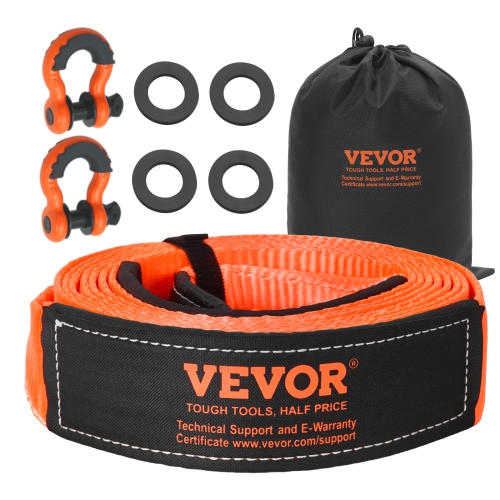
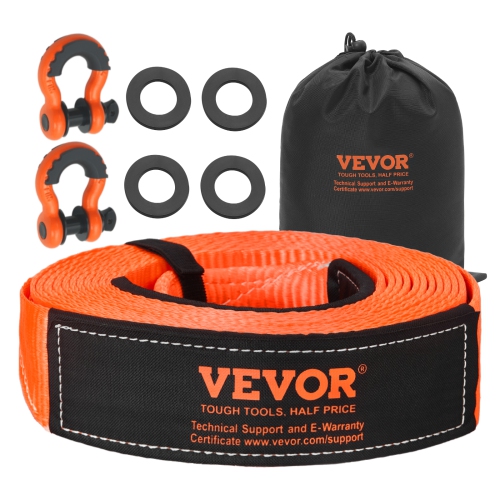
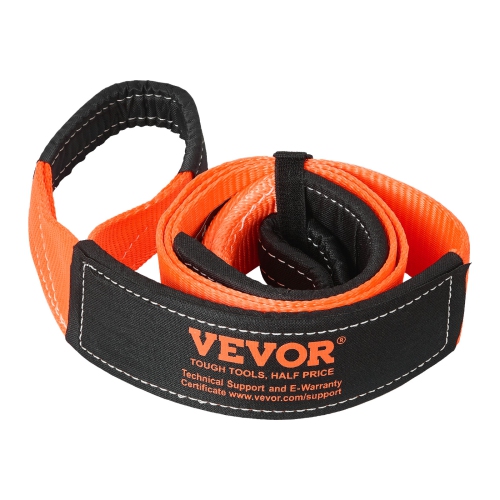
Tree saver recovery straps are short, wide lengths of heavy-duty webbing designed to provide an anchor connection for a winch line around a suitable tree trunk. Often called tree trunk protectors, they spread contact across a broader surface than a bare cable, chain, or narrow line, helping reduce concentrated pressure on the bark while keeping the winch line from wrapping directly around the trunk. Their primary role is anchoring during controlled winching, not stretching to generate momentum during a vehicle-to-vehicle recovery. That distinction matters when assembling equipment for a four-wheel-drive truck, SUV, or other vehicle used on unpaved routes. A vehicle resting against a deep rut may need a steady winch pull toward a suitable anchor, whereas a vehicle being pulled by another vehicle may require a different type of recovery equipment. Tree saver straps generally use low-stretch webbing, often polyester, although material blends and nylon constructions also exist. Fibre type alone does not establish suitability: the stated application, load rating, construction, and manufacturer’s directions are the deciding details. Polyester typically offers relatively low elongation, while nylon can stretch more under load, making the strap’s intended use especially important. Common tree saver dimensions are roughly 2 to 4 inches wide and 6 to 10 feet long, but sizes vary, and a familiar-looking shape is not proof that a strap is appropriate for winching. Wider webbing provides a larger contact surface, while length determines whether the strap can fit around the intended anchor with enough room for a proper connection. Reinforced eye loops, substantial stitching, and protective sleeves are useful construction details to compare. Sleeves can help limit abrasion at contact points, but they do not make the webbing immune to cuts or wear. For off-road drivers, overlanding enthusiasts, and people whose work takes them along rough access roads, a tree saver is a purpose-built part of a recovery setup rather than a substitute for every kind of strap.
Fit involves more than choosing a strap that reaches around a trunk. The usable length must accommodate the anchor’s circumference and the connection arrangement specified by the manufacturer without knots, twists, or improvised extensions. Too little length can leave the loops awkwardly positioned; unnecessary excess can complicate an otherwise straightforward setup. Loop size also matters because the webbing needs to seat correctly with compatible, rated connection hardware. Bow shackles and soft shackles have different requirements for loading, contact surfaces, and clearance, so their suitability depends on the complete arrangement rather than personal preference alone. A rough edge or a connector that pinches the webbing can undermine an otherwise suitable strap. Strength ratings deserve equally close attention. Minimum breaking strength describes a failure threshold under specified test conditions; it is not the same as a working load limit and should not be treated as a safe everyday pulling capacity. Where a working load limit is provided, it needs to be understood alongside the manufacturer’s restrictions and the ratings of the winch, line, connectors, and other components. Vehicle weight is only part of the picture: resistance from a rut, the slope of the ground, and the direction of the pull can affect recovery loads. A high number on a strap label does not establish the capacity of the whole system. Anchor suitability is another separate consideration. A strap cannot make a weak, damaged, or poorly rooted tree safe, and outward appearance alone cannot confirm an anchor’s strength. Proper placement generally keeps the strap low around a suitable trunk to reduce leverage, subject to the equipment instructions and site assessment. For shoppers comparing different recovery functions, Off Road Recovery Ropes represent a separate category that may include equipment designed for vehicle-to-vehicle pulls, including kinetic recovery where expressly specified. Those ropes are not interchangeable with low-stretch tree saver straps simply because both have looped ends. Keeping each component matched to its intended task helps make a recovery kit easier to understand and use correctly.
Durability depends on both construction and care. A tree saver carried in a vehicle can accumulate grit, pick up residue from other equipment, or develop abrasion where it rubs against tools in a storage compartment. Dirt worked into the weave can contribute to wear, while trapped moisture makes thorough inspection and storage more difficult. Cleaning should follow the manufacturer’s directions, which may permit water and mild soap but restrict harsh cleaners, solvents, or machine washing. Allowing the strap to dry fully before storing it, and keeping it away from direct sunlight, excessive heat, and sharp objects, helps maintain its condition between uses. A dedicated bag or compartment also keeps the webbing separate from muddy hardware and makes its identification label easier to find. Before use, the full length of the strap, both loops, and the stitching need inspection for cuts, fraying, thinning, damaged seams, melted fibres, or other deterioration. Protective sleeves should not conceal areas that need checking. Missing or unreadable rating information is also a concern because colour, width, and apparent thickness cannot reliably establish capacity. Knots, home-sewn repairs, and modifications are not suitable ways to adapt recovery webbing; damaged equipment should be removed from service according to its manufacturer’s criteria. After a demanding pull, another inspection can reveal wear that was not present beforehand. Gloves, an appropriate line damper where specified, clear communication, and an established exclusion area for bystanders belong alongside correctly matched equipment, with people kept clear of tensioned lines and potential recoil paths. For someone who already practises off-road recovery, a tree saver strap can be a thoughtful, practical gift when its dimensions and ratings match their existing setup. The most useful choice is not necessarily the longest or widest strap, but one with a clearly defined purpose, compatible connections, legible specifications, and care requirements the recipient can follow. Those details support dependable equipment selection without mistaking a recovery accessory for a guarantee of a safe outcome.
Top selling and popular products
-
 Your price for this item is $3000
-
 Your price for this item is $152.99
-
 Your price for this item is $329.99
-
 Your price for this item is $144.49
-
 Your price for this item is $255
-
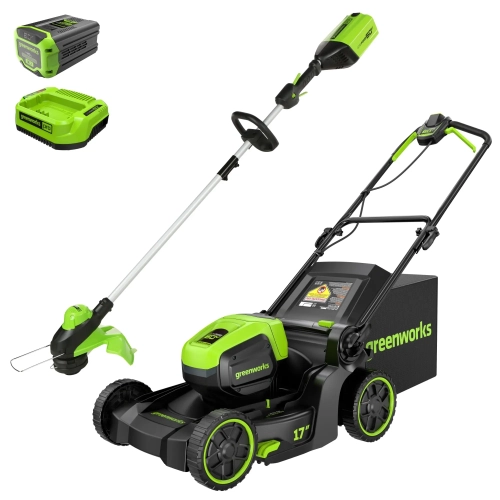 Your price for this item is $779.99
-
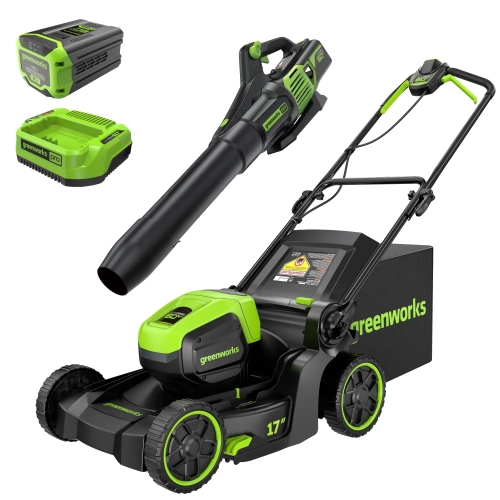 Your price for this item is $659.99
-
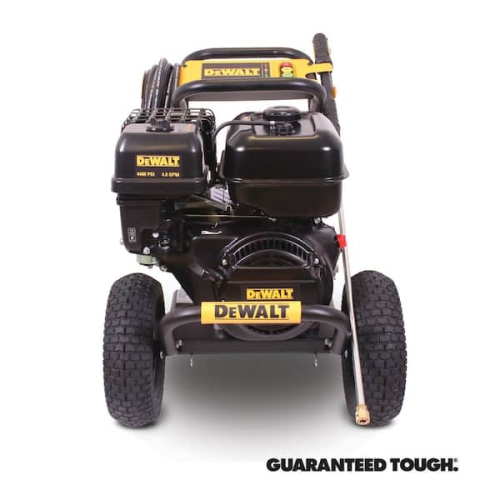 Your price for this item is $999.99
Discover more categories related to Tree Saver Recovery Straps
Top Collections:
Best Black Friday Deals This Year, Best Black Friday Deals On Electronics, Kindle Devices, Pokemon Centers, Best Black Friday Deals On Apple Products, Best Cameras for Sports Photography, Dyson Airwrap, Pokémon 30th Celebration Cards, Apple iPhone 17 Pro, Canon G7X Cameras
Some products may be subject to Environmental Handling Fees
(EHF) depending on your province.
Learn more about EHFs.