Off Road Recovery Tow Straps
Off Road Recovery Tow Straps are essential gear for anyone who enjoys tackling rugged trails or exploring remote destinations. Designed to help drivers get back on track when the terrain gets tough, these tow straps provide reliable support during unexpected situations. Whether you're an off-road enthusiast or simply want added peace of mind for your next adventure, Off Road Recovery Tow Straps make it easy to prepare for whatever the journey may bring. Explore a wide selection to find the right fit for your vehicle and recovery needs.
Sort
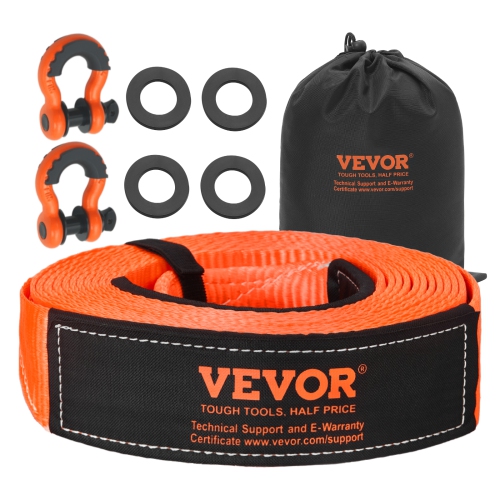
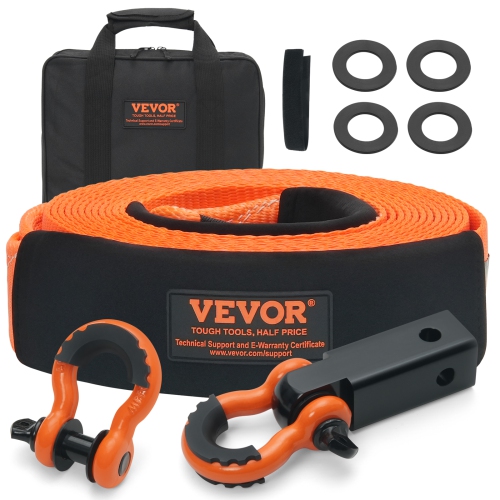
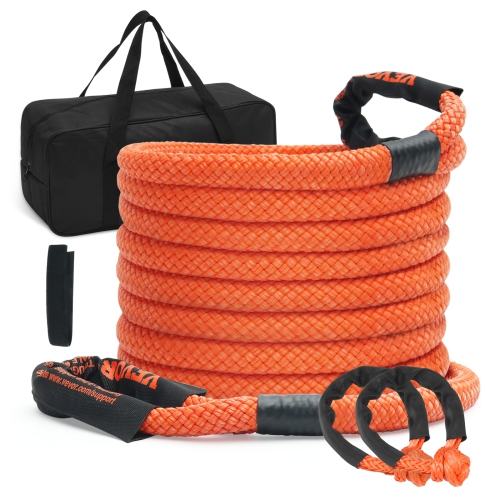
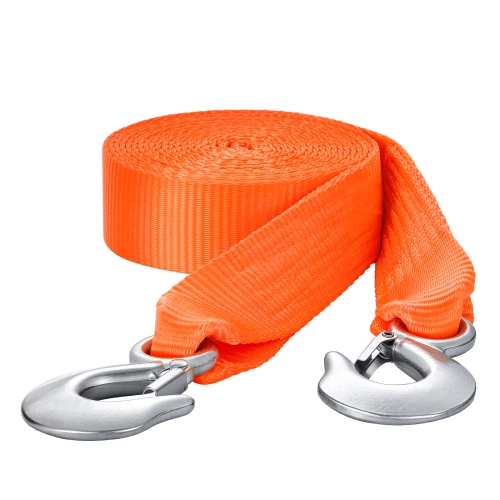
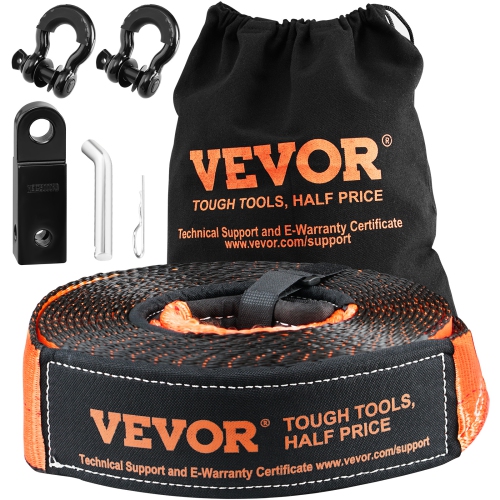
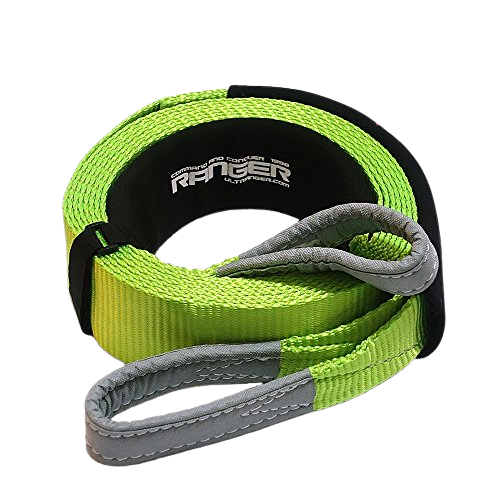
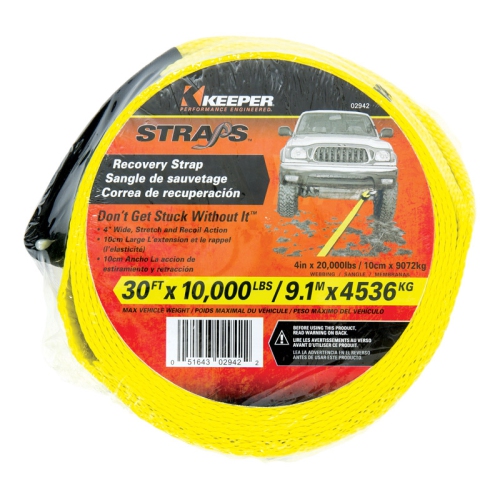
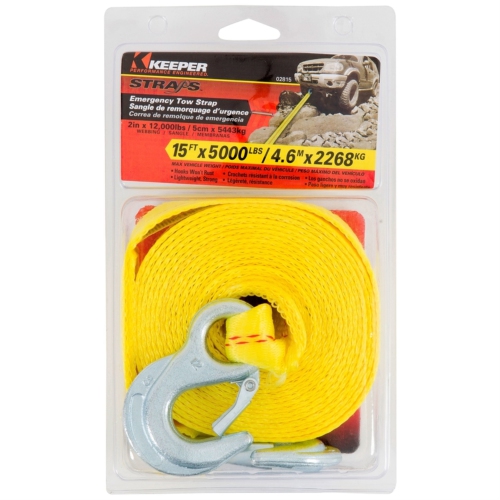
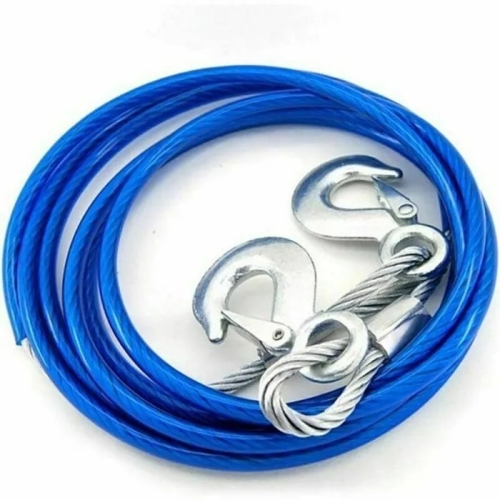
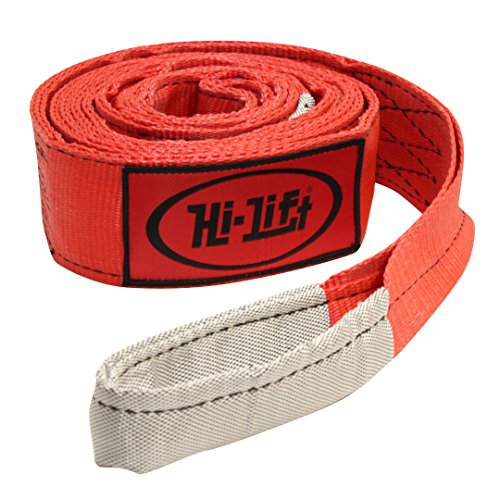
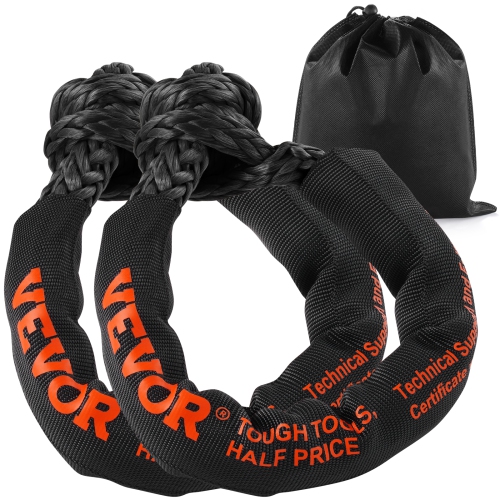
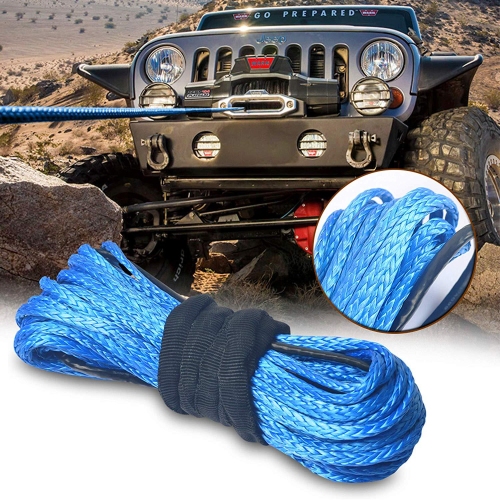
Why strap stretch matters when a vehicle gets stuck
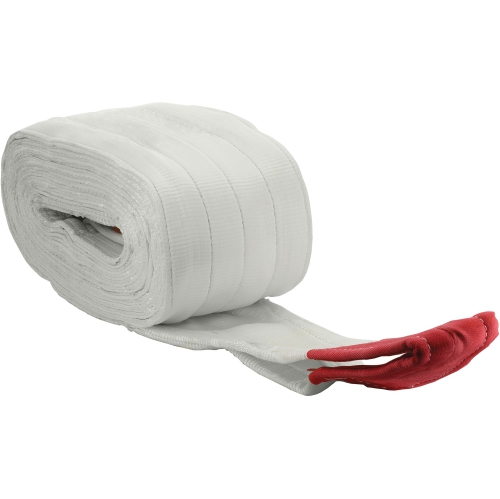
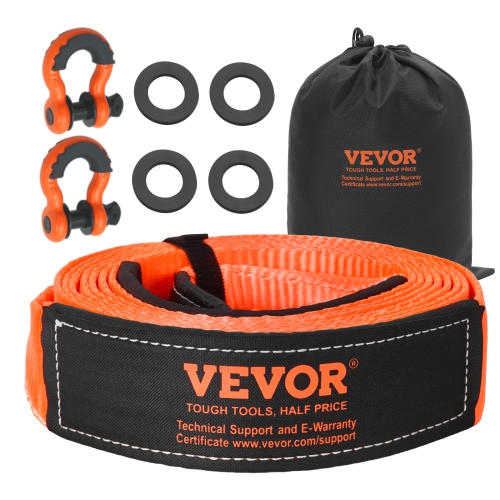
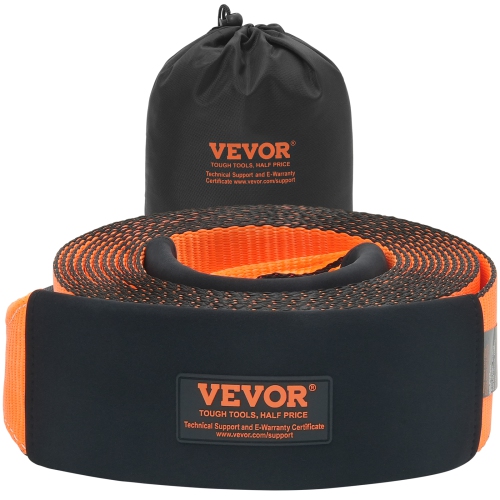
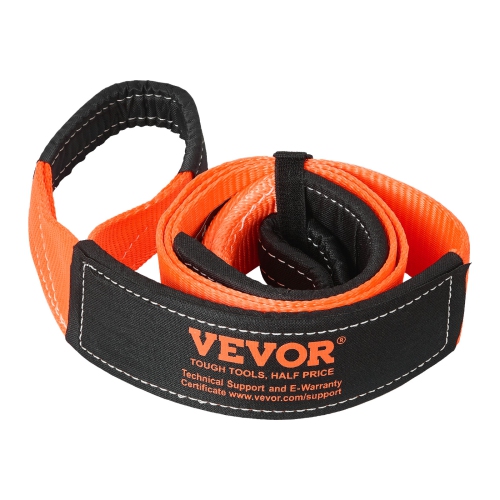
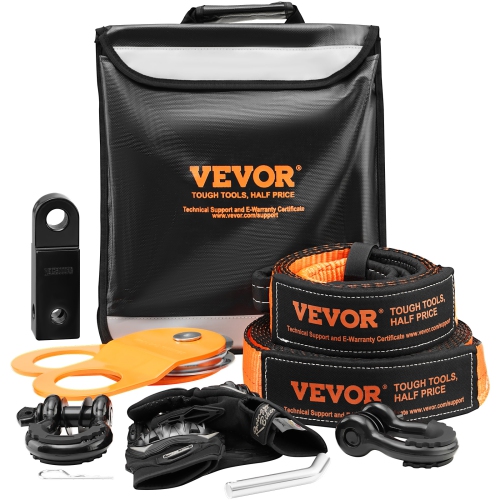
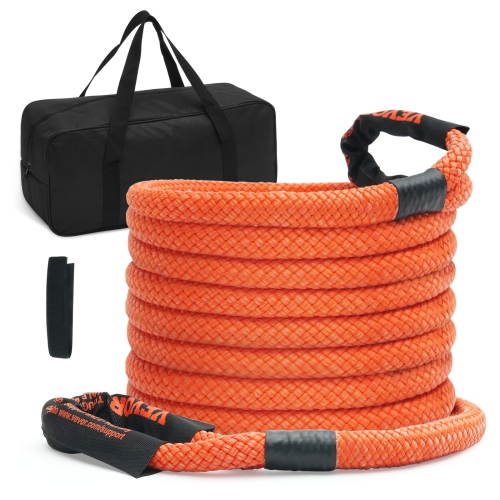
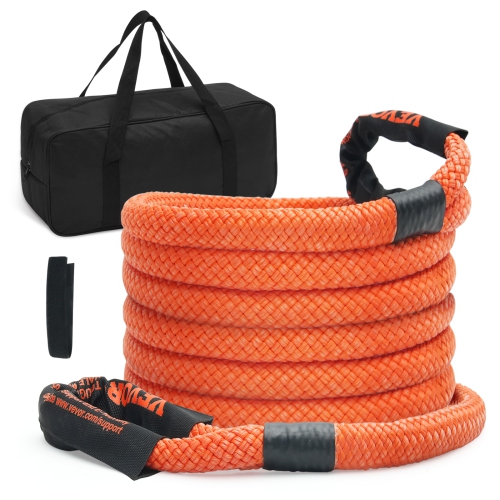
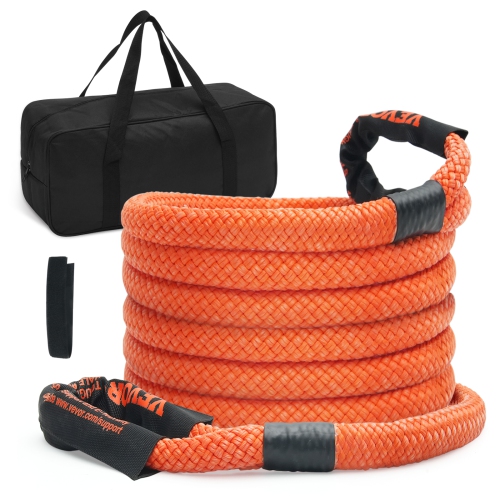
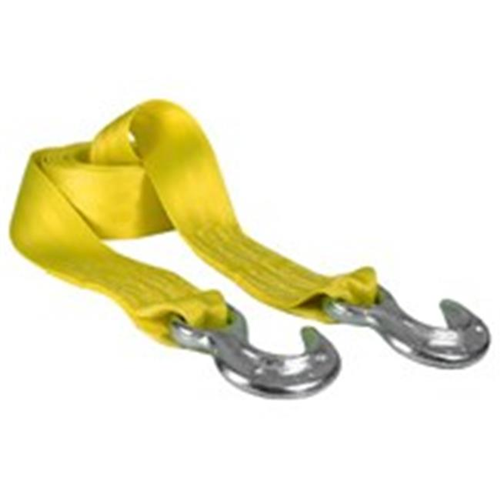
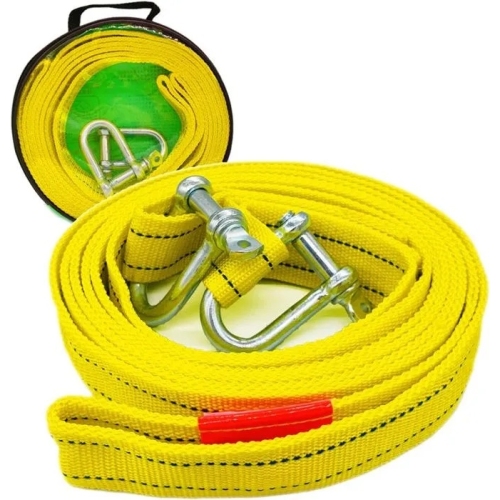
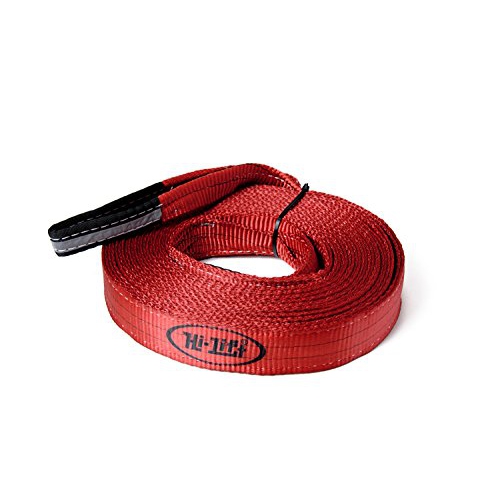
Off-road recovery tow straps are heavy-duty textile straps used to connect vehicles during towing or recovery from mud, sand, ruts, and other difficult terrain. Their construction and intended use matter: a low-stretch tow strap is generally designed for controlled towing, while a kinetic recovery strap stretches to help transfer energy between a recovery vehicle and a stuck vehicle. These are different applications, and the manufacturer’s stated use should always determine where a strap belongs in a recovery setup. For drivers of properly equipped pickups, SUVs, and other off-road vehicles, the right strap can be a useful part of a kit carried on trail outings, camping trips, or journeys along unpaved access roads. Picture a vehicle with its tyres settled into soft sand beside a campsite: the connection needs to suit the vehicles, the recovery points, and the type of pull, rather than simply look substantial enough for the job. Nylon is commonly used where controlled stretch is part of the design, while polyester is often chosen for lower-stretch applications. However, fibre type alone does not establish suitability; weave, stitching, construction, and tested ratings all contribute to performance. Reinforced loop ends provide attachment areas, and protective sleeves can help limit wear where the strap contacts compatible hardware. Flat webbing is relatively easy to fold into a storage bag, making these straps practical to carry alongside other vehicle equipment. Width and length deserve attention, but neither should be treated as a shortcut for strength. A wider strap is not automatically rated higher than a narrower one, and a longer strap is not automatically better suited to a confined trail. Useful product details include clear identification, legible capacity information, finished stitching, and attachment dimensions that match the rest of the setup. Those details make it easier to distinguish equipment intended for vehicle recovery from webbing intended for securing cargo or other unrelated tasks.
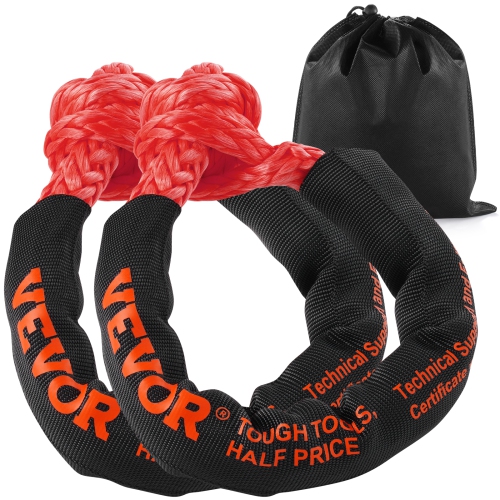
Choosing an off-road recovery strap starts with the vehicle manufacturer’s guidance, the strap manufacturer’s recommendations, and the ratings of every component in the connection. Vehicle mass is important, but a stuck vehicle can require substantially more pulling force than one rolling freely on a firm surface. Deep ruts, suction from mud, an incline, and an awkward pulling angle can all increase demands on the equipment. A stated minimum breaking strength is not the same as a working load limit, and those terms should not be compared as though they describe an identical usable capacity. Clear documentation is therefore more valuable than a large number printed without explanation. Fit also extends beyond the strap itself. Reinforced eyes need to accommodate compatible rated shackles or other manufacturer-approved connectors without being pinched, sharply bent, or forced against rough edges. Soft shackles and metal shackles have different compatibility considerations, so the appropriate choice depends on the recovery points and the instructions for the complete system. Purpose-designed, rated vehicle recovery points are essential; a tow ball, ordinary bumper, or transport tie-down point should never be assumed suitable for recovery loads. A receiver-mounted connection also needs to be specifically designed and rated for that application rather than improvised from whatever happens to fit. Low-stretch towing straps should not be used for kinetic snatch recovery unless expressly approved for that purpose. Kinetic equipment stores energy, and a failed attachment or damaged component can become a dangerous projectile. People should remain well clear of the vehicles and the line of pull, with recovery carried out by someone who understands the equipment and the situation. A recovery damper may be part of a manufacturer-recommended setup, but it does not make an unsuitable connection safe. For ordinary towing, vehicle towing restrictions and applicable local requirements still apply. These distinctions help separate a useful, matched recovery system from a collection of accessories that may not work safely together, particularly when a loaded vehicle is involved.
Durability depends as much on handling and storage as it does on the original construction. A strap that repeatedly drags across gravel or folds around a sharp edge can deteriorate even if it has only been used a few times. Abrasion-resistant coverings and reinforced eyes can protect vulnerable areas, but they do not eliminate the need to keep webbing clear of cutting surfaces, hot exhaust components, and moving parts. After a muddy outing, cleaning according to the manufacturer’s directions helps remove grit that can work into the fibres. Thorough drying before storage is equally important, and a dedicated bag keeps the strap separate from loose tools, leaking fluids, and sharp hardware in a boot or truck storage compartment. Harsh cleaners, solvents, and unapproved heat sources can damage textile equipment, so care instructions are worth retaining with the kit. Inspection should cover the full length of the webbing, both sides of each eye, the stitching, and the identification label. Cuts, fraying, melted areas, chemical damage, distorted stitching, or other signs of deterioration call for removal from service and assessment against the manufacturer’s replacement criteria. Knots, improvised stitching, and makeshift repairs are not substitutes for an intact, correctly rated strap. Accessories also need distinct roles within the kit. For winch-based recovery, Tree Saver Recovery Straps are designed for an anchor connection and should not be treated as interchangeable with kinetic recovery straps. Any anchor arrangement must suit the winch system, the expected forces, and the equipment instructions. Keeping different strap types clearly identified makes their intended purpose easier to recognize when unpacking beside a trail. For an off-road enthusiast, a recovery strap can also be a thoughtful gift when the vehicle requirements and existing hardware are known. Compatibility matters more than appearance: a neatly packed strap earns its place through suitable ratings, sound construction, clear instructions, and dependable condition whenever it is needed.
Top selling and popular products
-
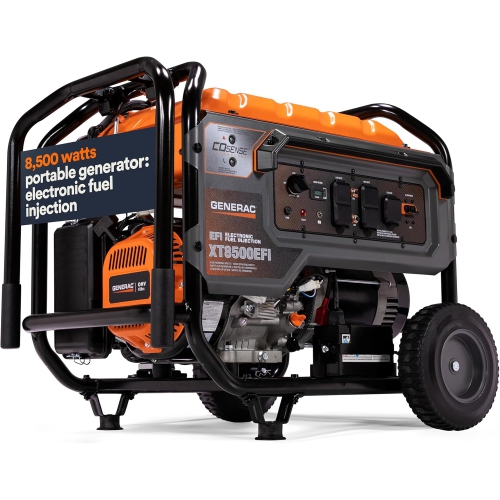 Your price for this item is $3000
-
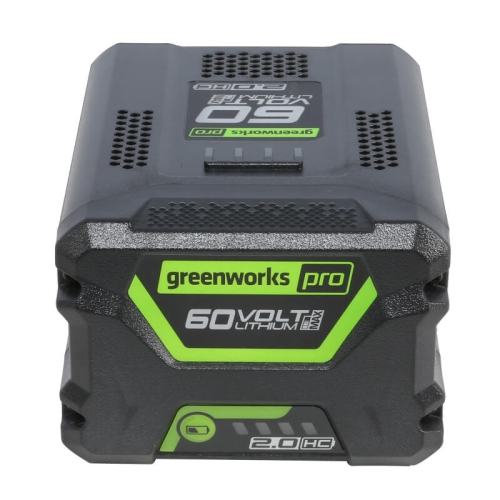 Your price for this item is $152.99
-
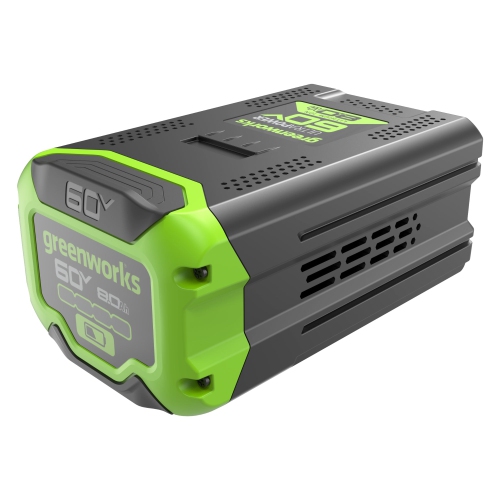 Your price for this item is $329.99
-
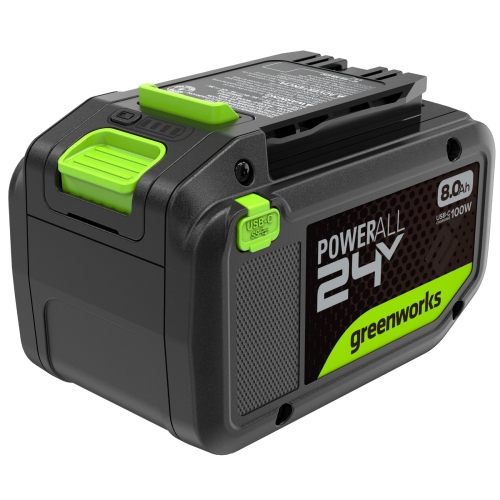 Your price for this item is $144.49
-
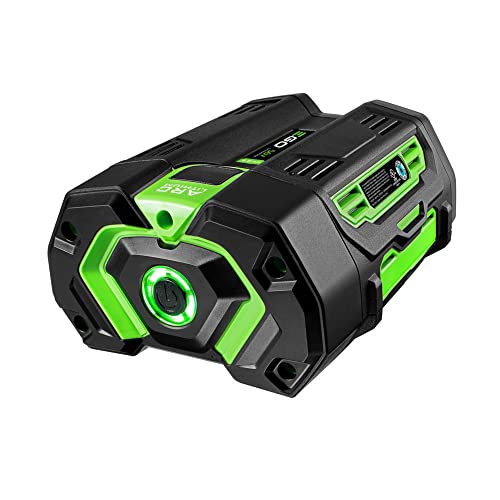 Your price for this item is $255
-
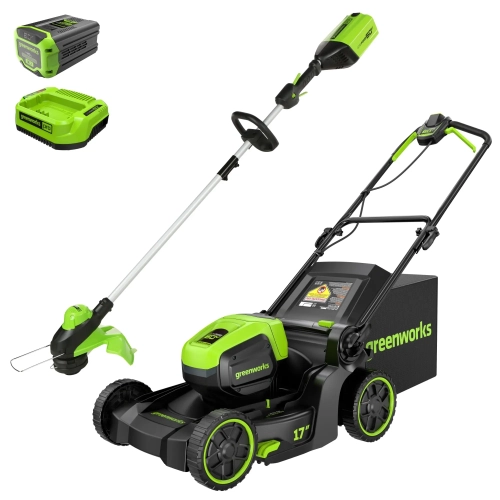 Your price for this item is $779.99
-
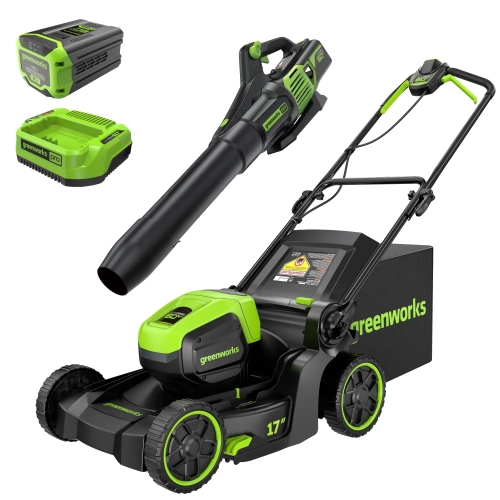 Your price for this item is $659.99
-
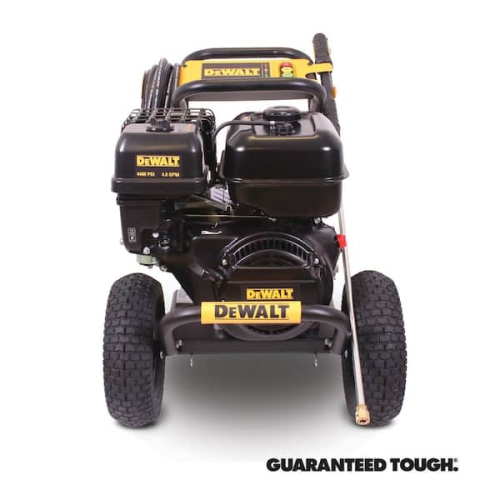 Your price for this item is $999.99
Discover more categories related to Off Road Recovery Tow Straps
Top Collections:
Best Black Friday Deals This Year, Best Black Friday Deals On Electronics, Kindle Devices, Pokemon Centers, Best Black Friday Deals On Apple Products, Best Cameras for Sports Photography, Dyson Airwrap, Pokémon 30th Celebration Cards, Apple iPhone 17 Pro, Canon G7X Cameras
Some products may be subject to Environmental Handling Fees
(EHF) depending on your province.
Learn more about EHFs.