Off Road Recovery Ropes
Off Road Recovery Ropes are essential gear for any adventurer who tackles challenging terrains. Designed to help you handle unexpected situations on the trail, these ropes provide reliable support when vehicles get stuck or need assistance. Whether you're exploring rugged landscapes or navigating muddy paths, Off Road Recovery Ropes offer dependable performance for a variety of off-road scenarios. Equip your vehicle with the right tools and be prepared for whatever the journey brings.
Sort
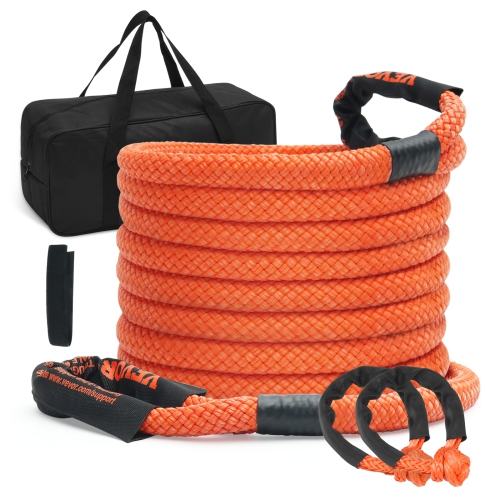
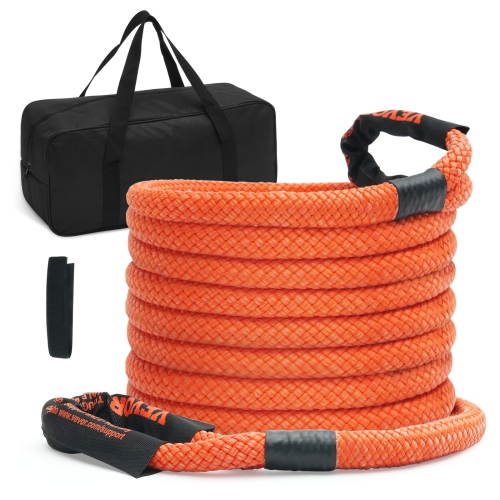
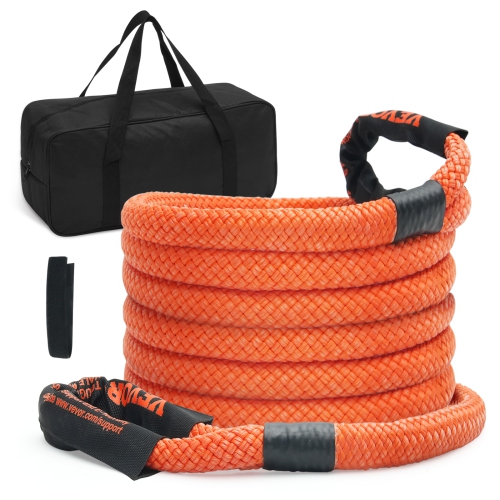
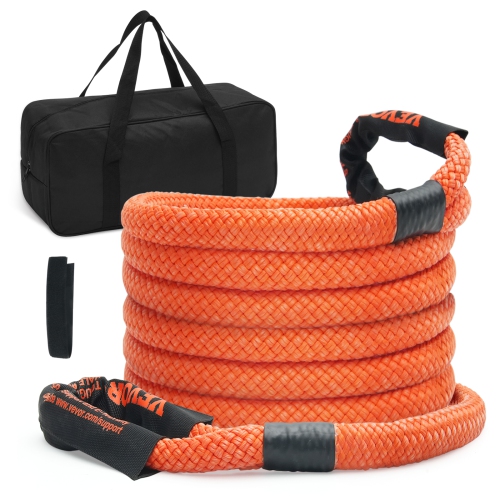

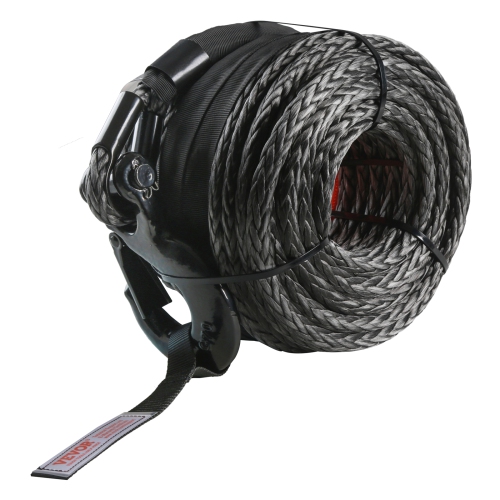
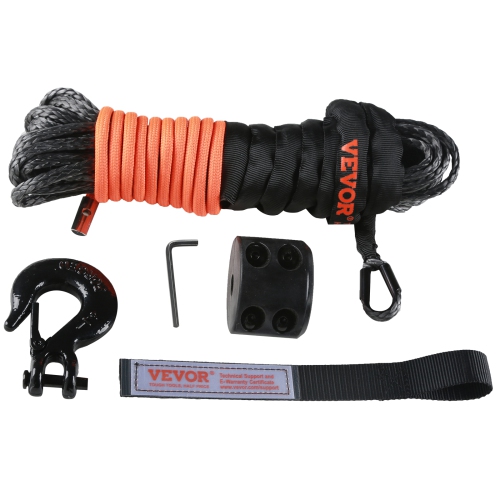
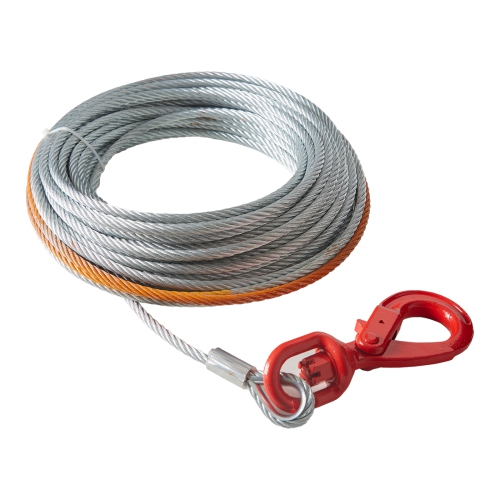
Why rope stretch matters when a vehicle gets stuck
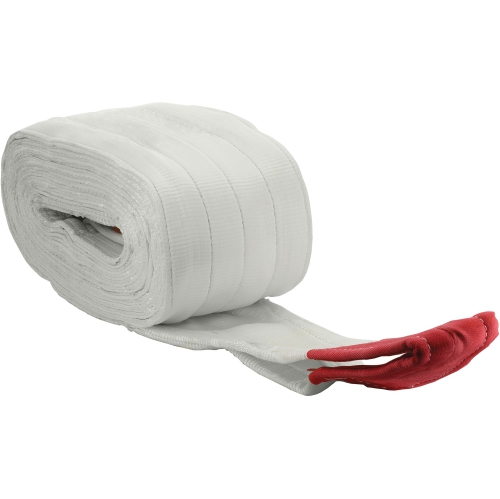
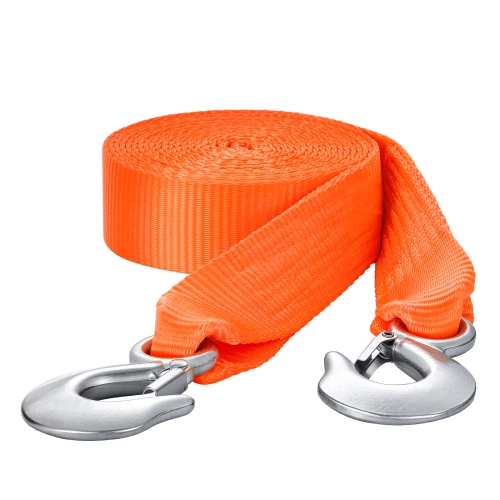
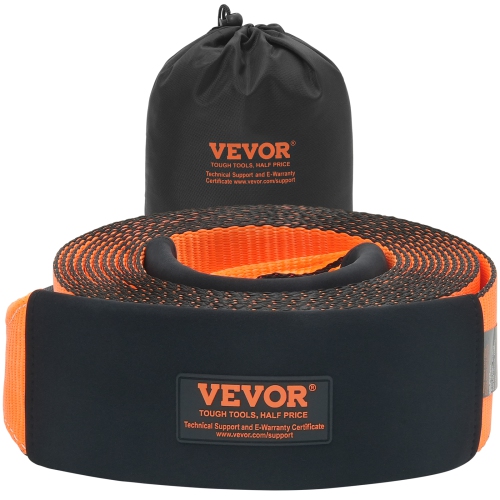
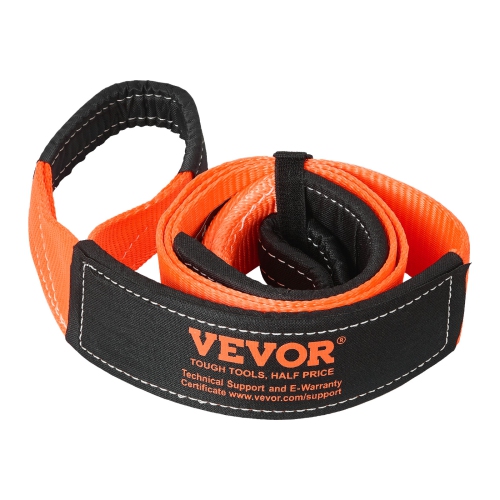
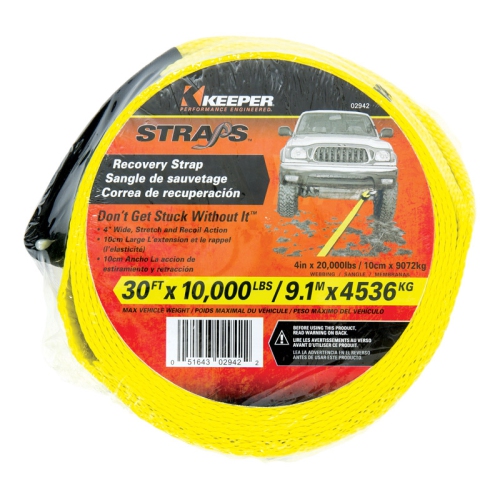
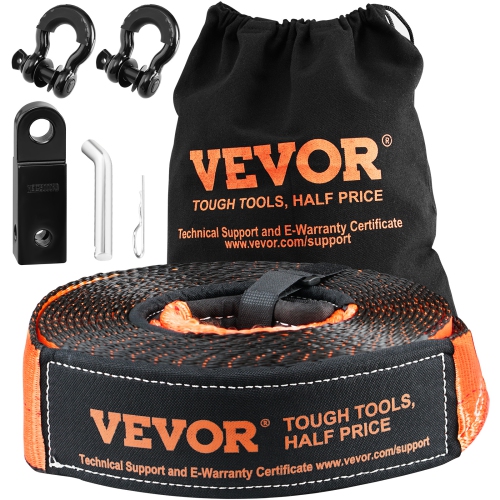
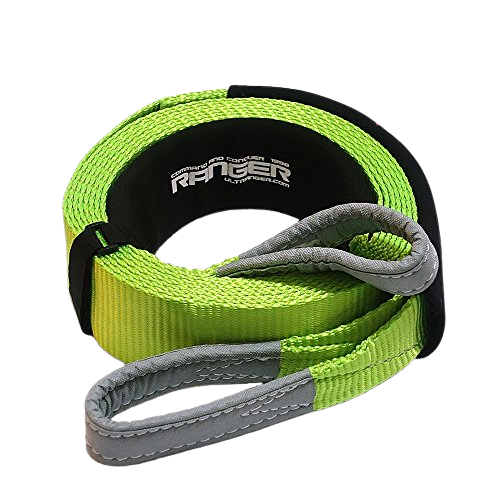
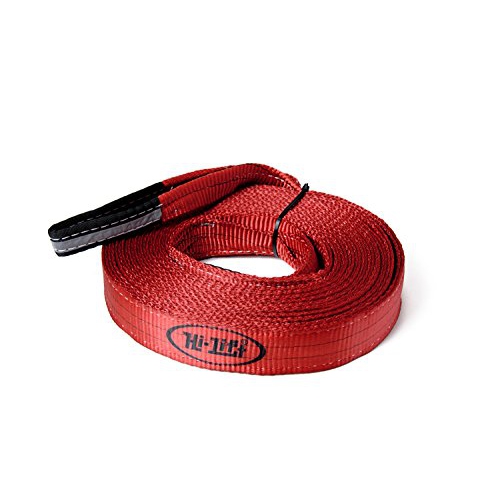
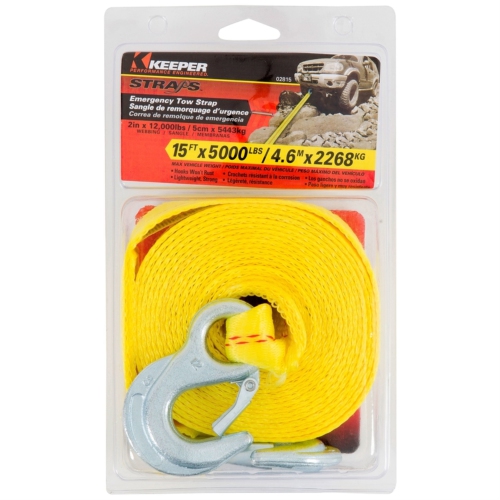
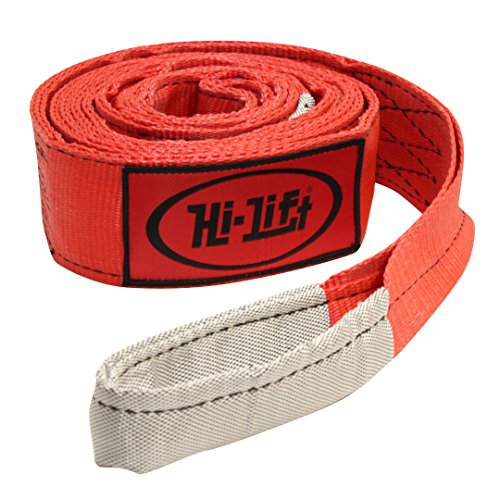
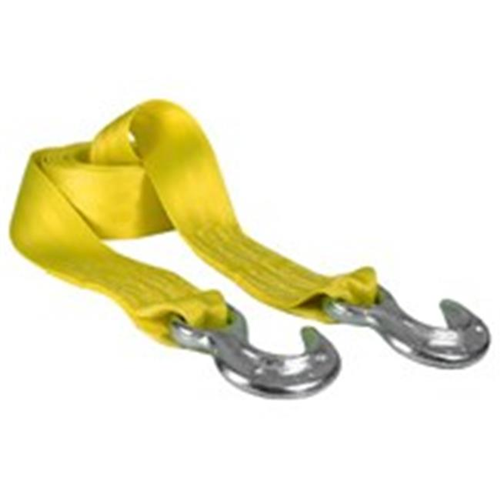
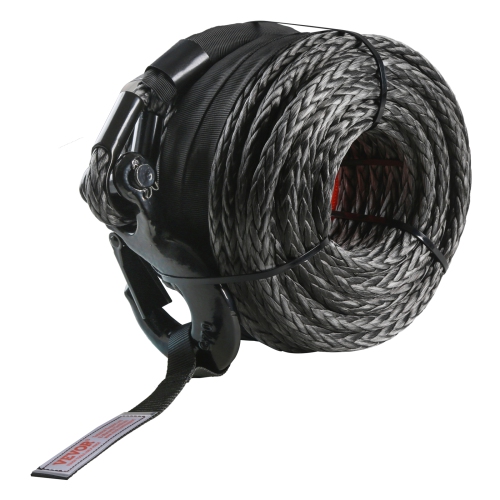
Off-road recovery ropes, also called kinetic recovery ropes or snatch ropes, stretch under load to help one vehicle free another from mud, loose sand or a rut. As the rope stretches, it stores energy and transfers it to the stuck vehicle as the rope contracts. That give can soften the initial jolt compared with a low-stretch tow strap, although the rope and its attachment points can still be subjected to substantial forces. Some ropes are rated to stretch by up to 30% to 35% under the manufacturer’s stated test conditions. That figure describes how the rope behaves at a specified load; it isn’t a target to reach during a pull. The distinction is easier to picture on a sandy trail, where a set of tires can dig shallow pockets with a ridge of loose sand in front of each one. If a second vehicle has firm footing and the stuck vehicle has a clear path out, a kinetic rope can apply the pull progressively as the tires climb those ridges. A truck resting on its underbody with the wheels barely touching the ground is a different situation: the rope’s stretch won’t clear the obstruction underneath. The available space matters as much as the surface. A broad trail with a clear path for both vehicles offers more room than a tight bend or a narrow track edged by rocks. For situations that call for a slow, steady pull without a second vehicle in motion, Off Road Winches offer a different type of recovery. A kinetic rope is not a substitute for a winch line, just as a low-stretch tow strap meant for moving a disabled vehicle is not designed to behave like a kinetic rope.
Many kinetic recovery ropes use double-braid nylon, a construction with a braided core and an outer braid. Nylon provides the stretch, while the outer braid helps protect the inner fibres from scuffs. Reinforced eyes or protective sleeves can help limit wear where the rope meets the connecting hardware, but abrasion protection doesn’t make it suitable for contact with sharp edges. Fit starts with the rope maker’s vehicle weight recommendations. The weight of a pickup carrying tools, passengers and camping gear can be quite different from its listed curb weight, and a rope suited to that loaded pickup may be too stiff to stretch as intended with a much lighter vehicle. Diameter alone doesn’t tell the whole story, and neither does the largest number on the label. A minimum breaking strength describes the force a rope is designed to withstand before breaking under test conditions; it is not the same as a working load limit or a recommended vehicle weight. Length matters in a more practical way. On a cramped trail, there may be little room to position both vehicles, while on open ground the nearest firm footing may be farther from the stuck vehicle. The rope’s end loops also need to fit the rated connecting hardware without pinching or rubbing against sharp surfaces. Both vehicles need attachment points rated for the intended recovery loads. A trailer hitch ball or a transport tie-down point is not a substitute, even if a rope loop appears to fit. A mismatch at either end can make an otherwise suitable rope unsafe to use, so compatibility with the vehicle and hardware matters as much as the rope’s rating. Even with compatible equipment, everyone on foot needs to stay clear of the area around a rope under tension.
A recovery rope can spend most of its life packed away, but how it is put away matters. Fine grit can work into the braid, where it can wear the fibres as the rope flexes. The end loops deserve particular attention because they repeatedly contact the connecting hardware, and wear can be harder to spot beneath a protective sleeve. Checking the full length before and after use makes it easier to notice cuts, pulled strands, flattened sections, shiny patches from friction or changes around the splices. Visible damage or a suspected overload is a reason to take the rope out of service and check the manufacturer’s retirement criteria, rather than assume it has one more pull left in it. For routine care, follow the maker’s cleaning instructions, let the rope dry fully before packing it and store it away from direct sunlight, oils and solvents. A spot away from loose tools and sharp cargo edges helps keep the braid from being damaged between trips. These details matter to drivers who travel unpaved routes in groups, whether the trip is a short outing on familiar trails or a longer drive to a backcountry campsite. They also matter to anyone who uses more than one vehicle: gear that suits a loaded pickup may not suit a smaller 4x4 just because both travel the same route. As a gift, a recovery rope makes the most sense for someone who already drives off-road and whose vehicle weight, rated recovery points and existing hardware are known. For a driver building out a recovery kit, a rope that fits the vehicle and the routes it actually travels is more useful than a thicker one chosen on strength alone.
Top selling and popular products
-
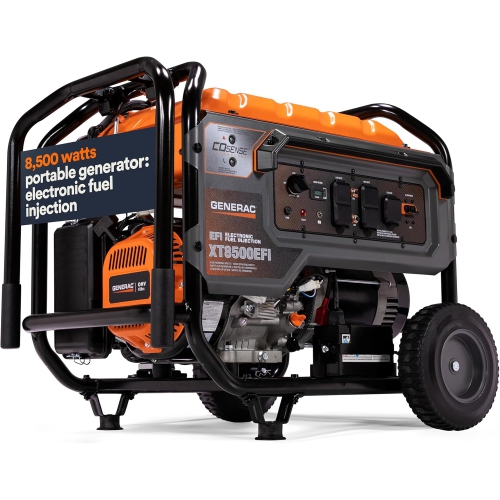 Your price for this item is $3000
-
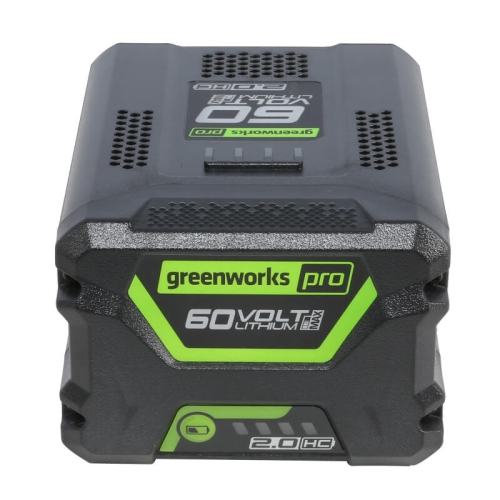 Your price for this item is $152.99
-
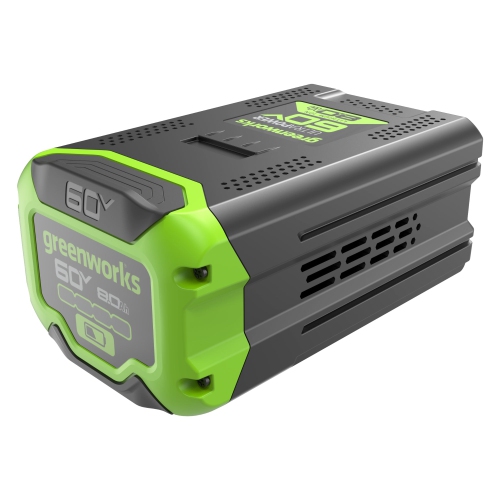 Your price for this item is $329.99
-
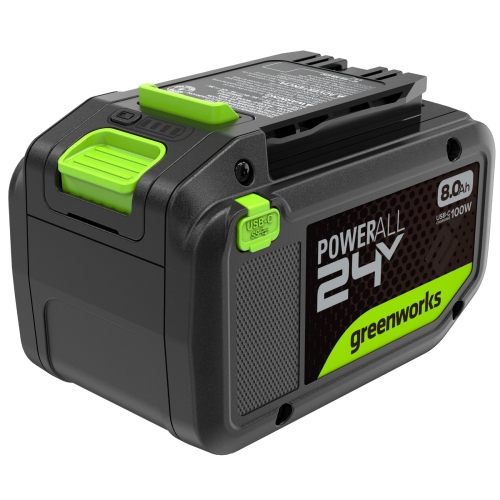 Your price for this item is $144.49
-
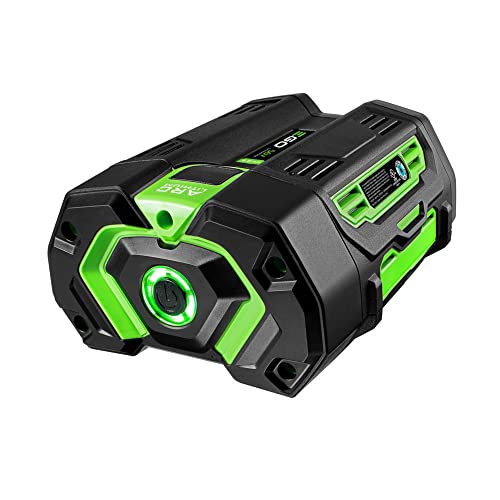 Your price for this item is $255
-
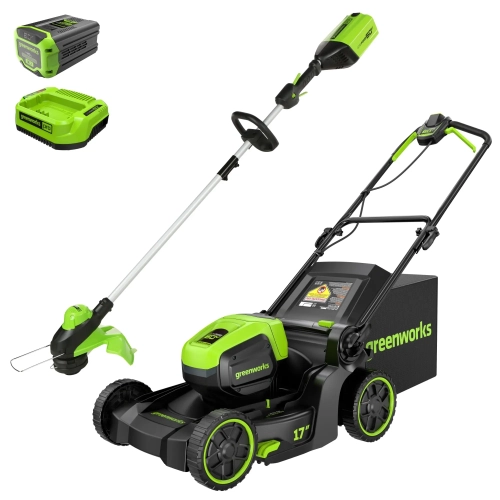 Your price for this item is $779.99
-
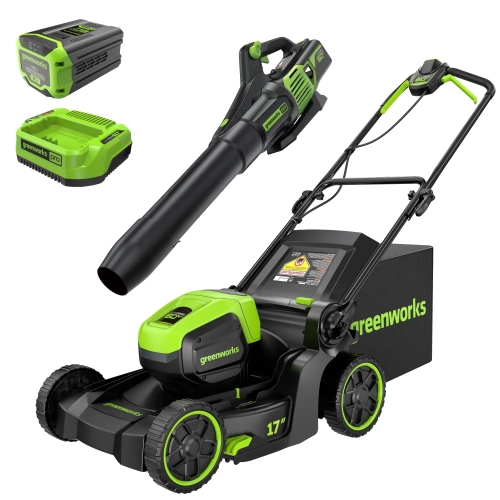 Your price for this item is $659.99
-
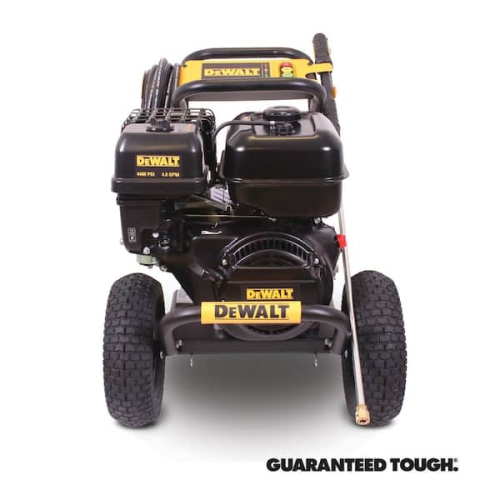 Your price for this item is $999.99
Discover more categories related to Off Road Recovery Ropes
Top Collections:
Best Black Friday Deals This Year, Best Black Friday Deals On Electronics, Kindle Devices, Pokemon Centers, Best Black Friday Deals On Apple Products, Best Cameras for Sports Photography, Dyson Airwrap, Pokémon 30th Celebration Cards, Apple iPhone 17 Pro, Canon G7X Cameras
Some products may be subject to Environmental Handling Fees
(EHF) depending on your province.
Learn more about EHFs.