Two Channel Dash Cam
Capture every moment on the road with a Two Channel Dash Cam. This innovative device offers a dual-camera setup, allowing you to simultaneously record both the front and rear views of your vehicle. With its high-definition video quality and wide-angle lenses, you can rely on this dash cam to capture clear footage of any incidents or scenic drives. Whether you're concerned about safety or simply want to document your journeys, a Two Channel Dash Cam is an essential accessory for any driver. Explore our selection today and find the perfect dash cam to fit your needs.
Sort
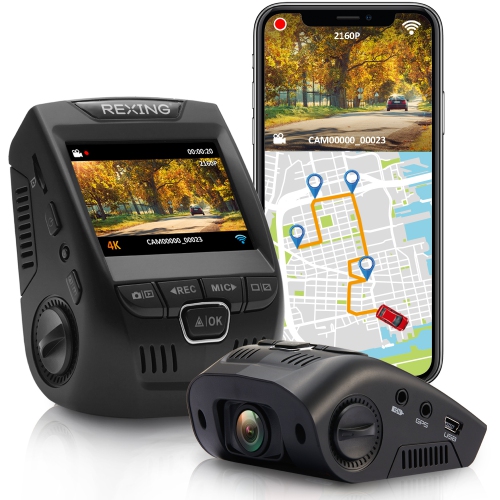
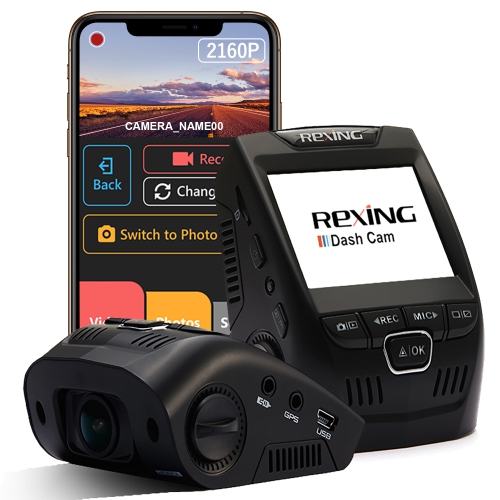
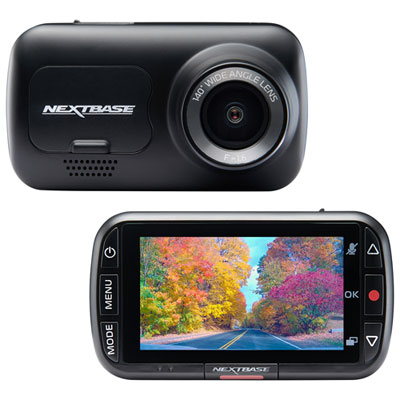
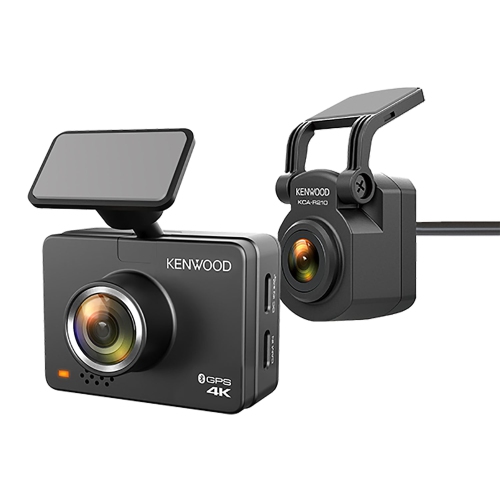

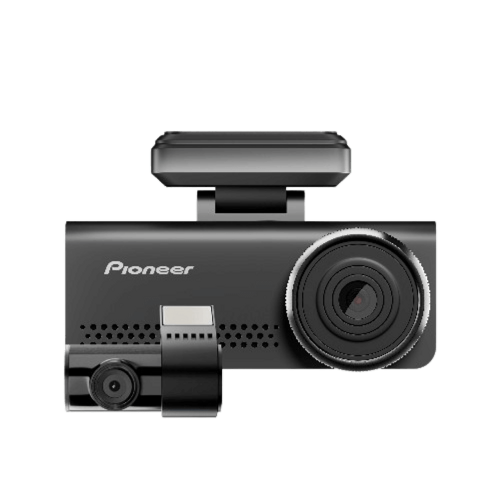
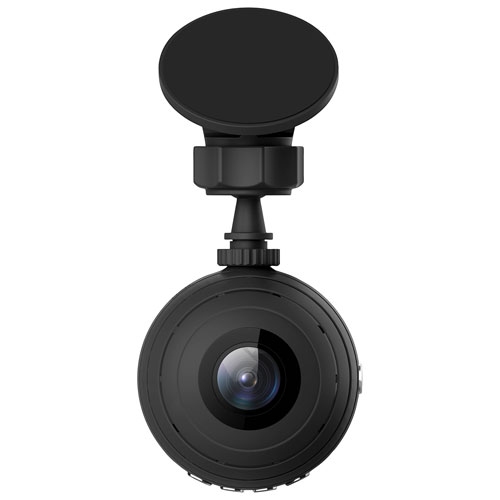
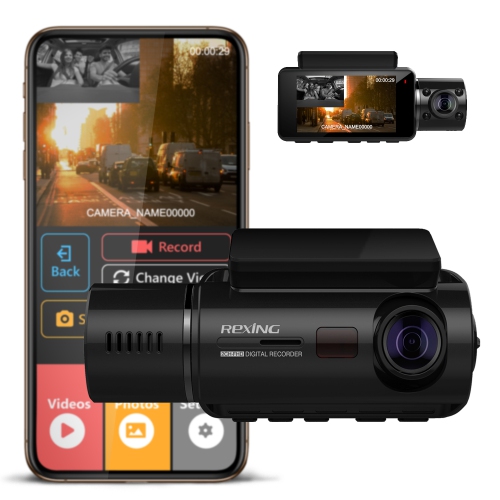
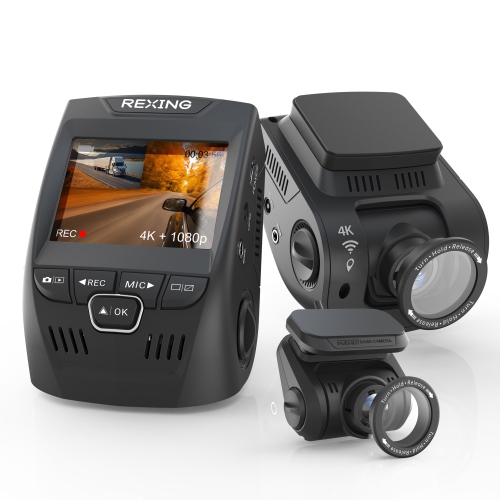
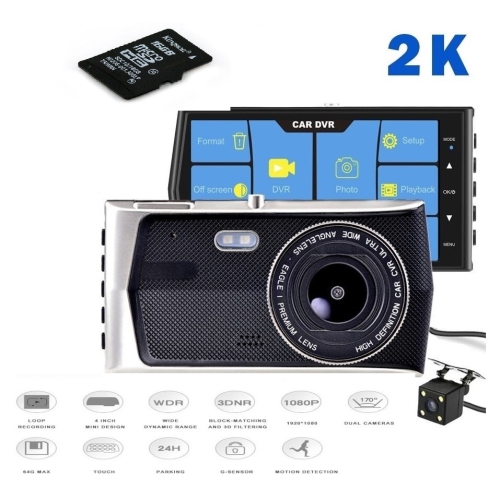

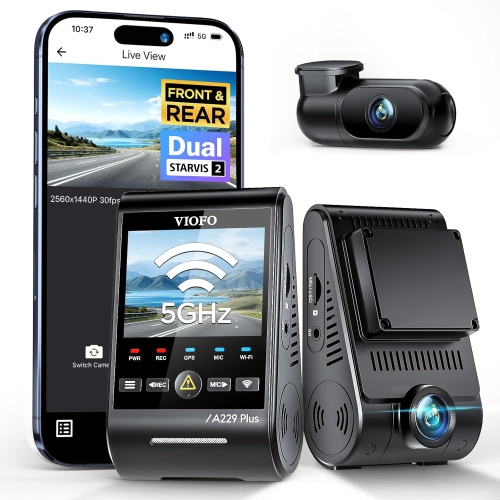
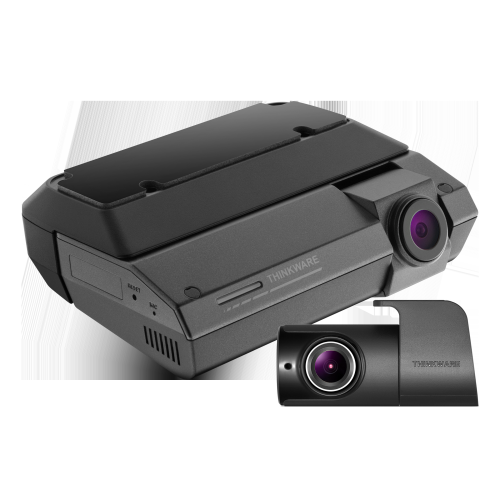
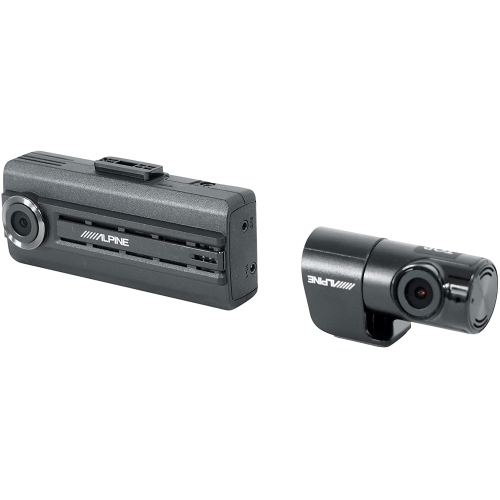
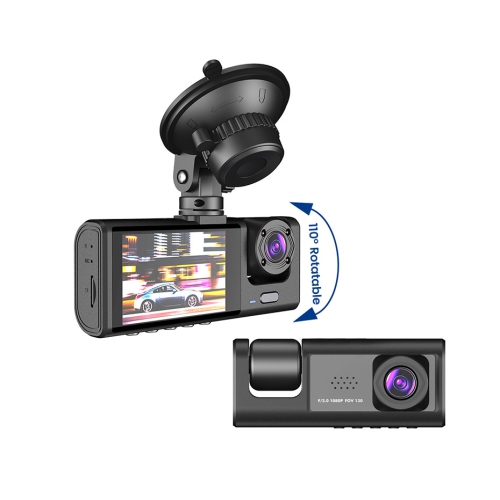
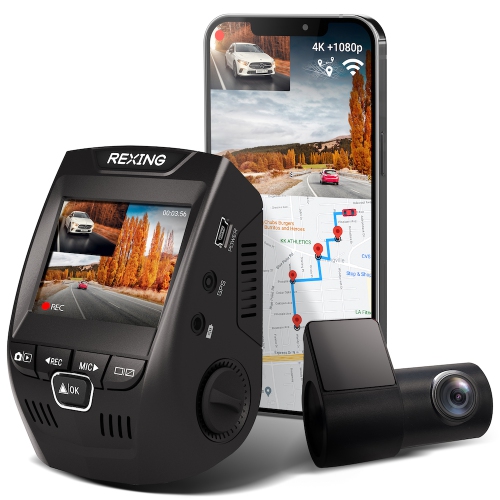
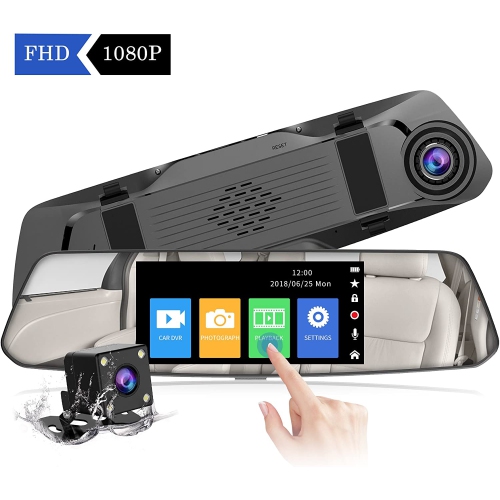
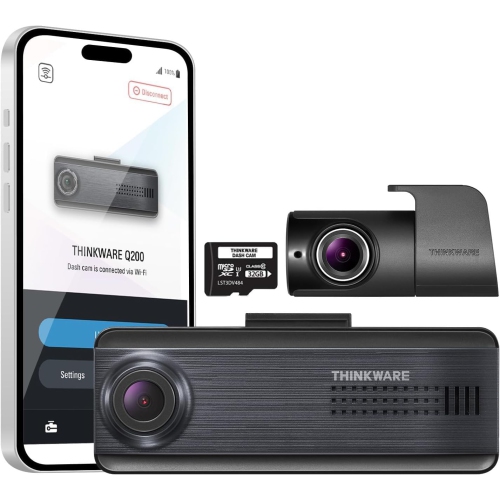
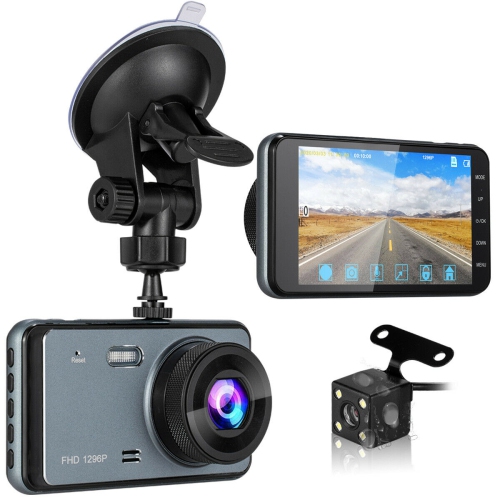
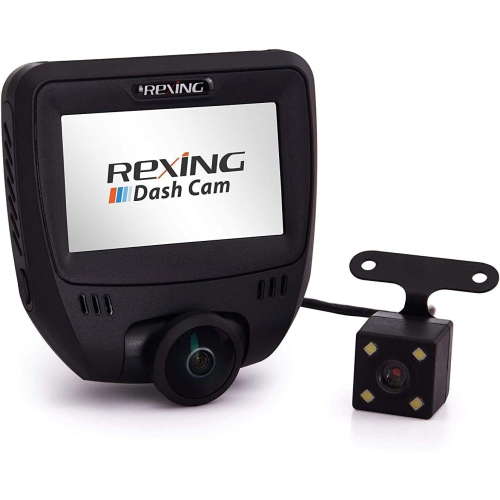
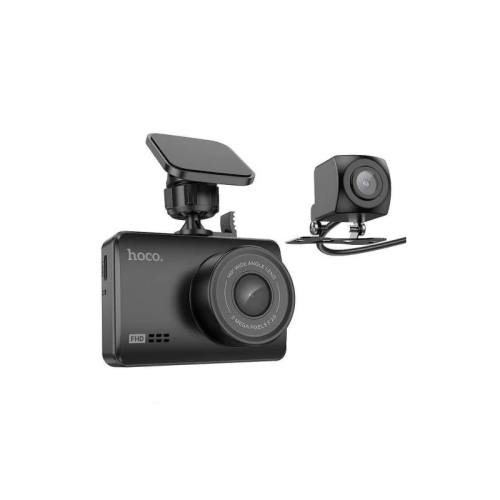
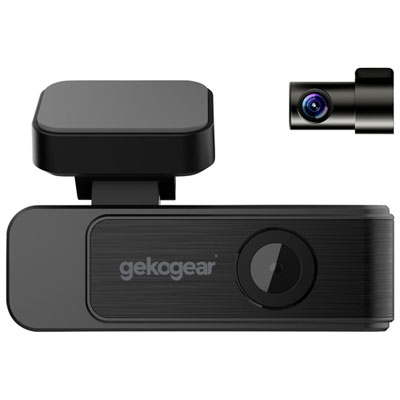
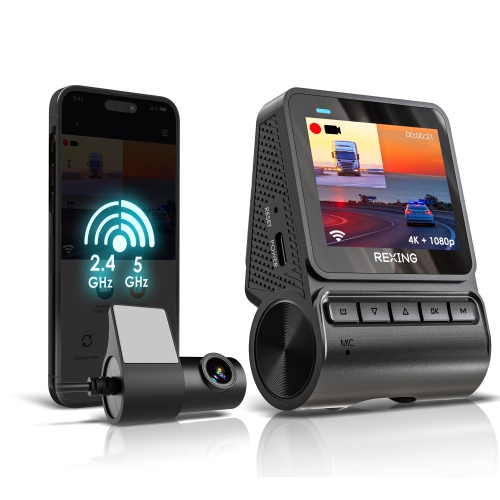
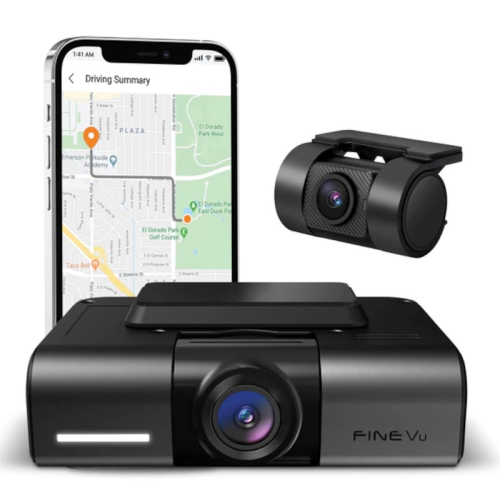
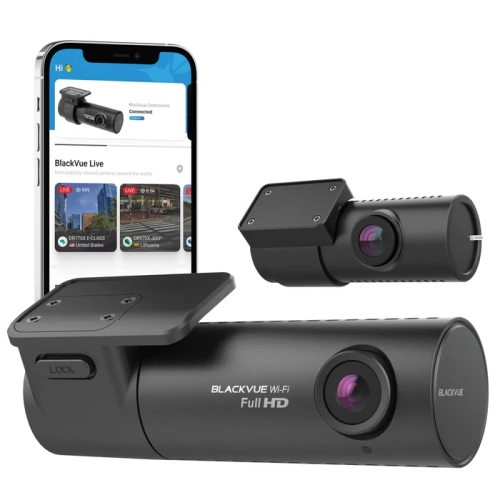
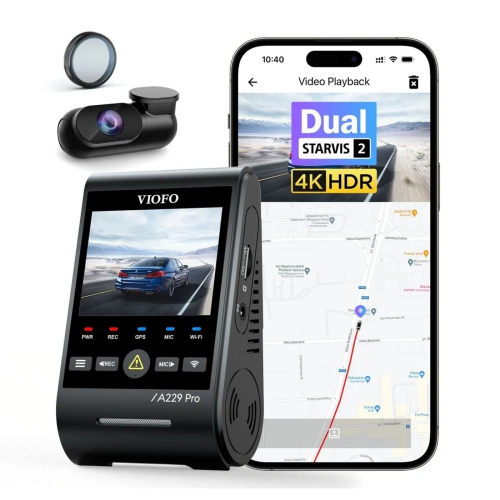

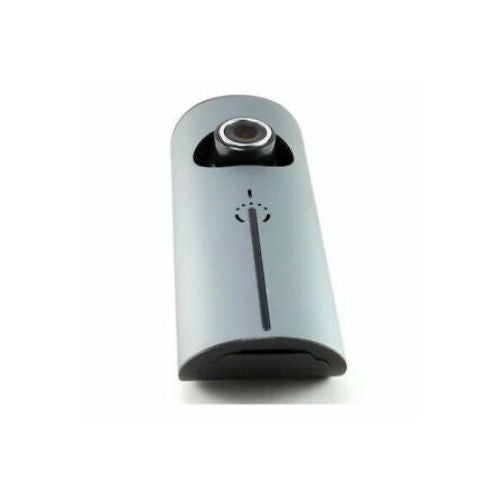

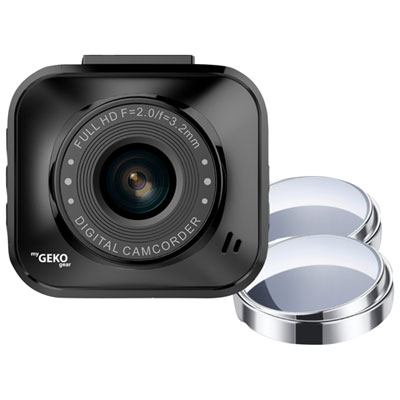

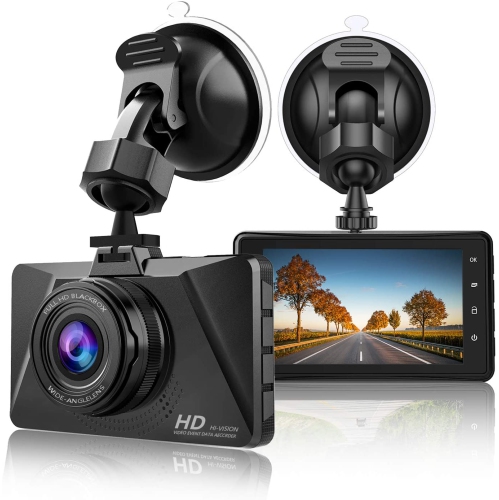
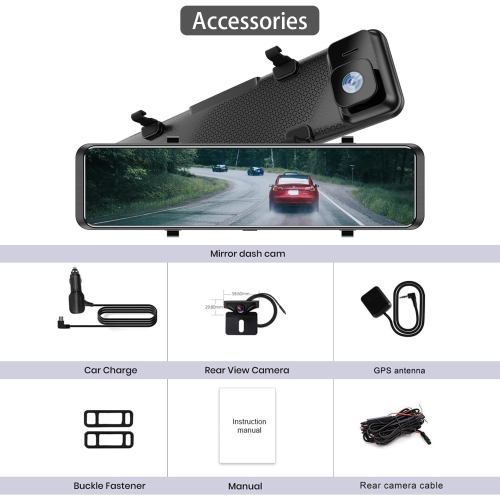
Two camera views can tell a fuller story
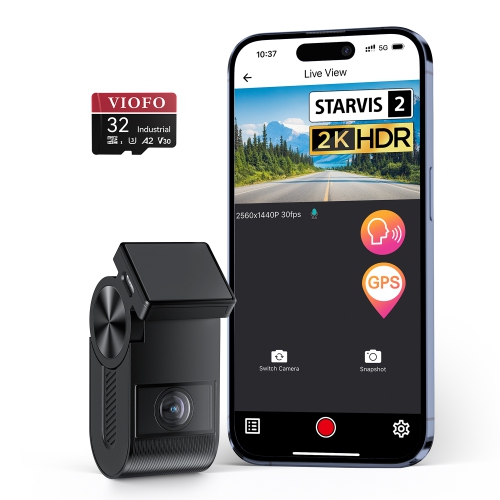
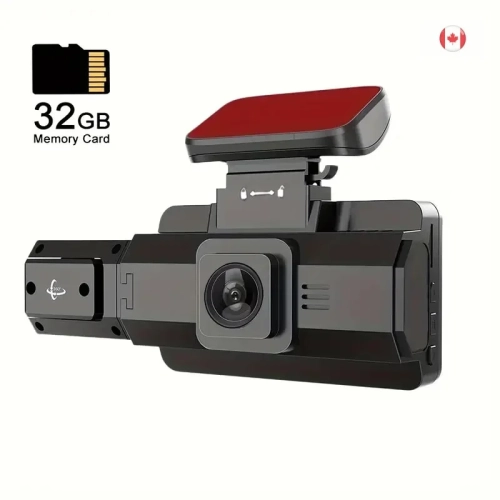
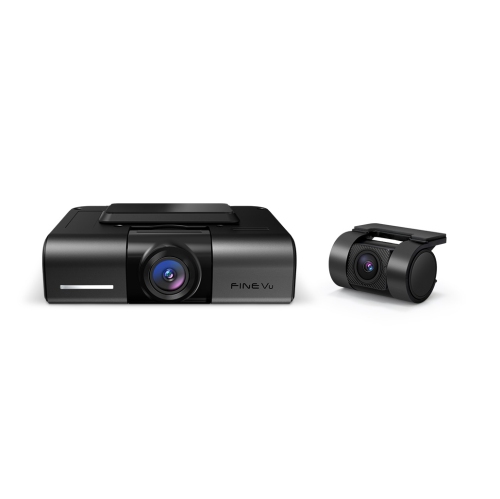
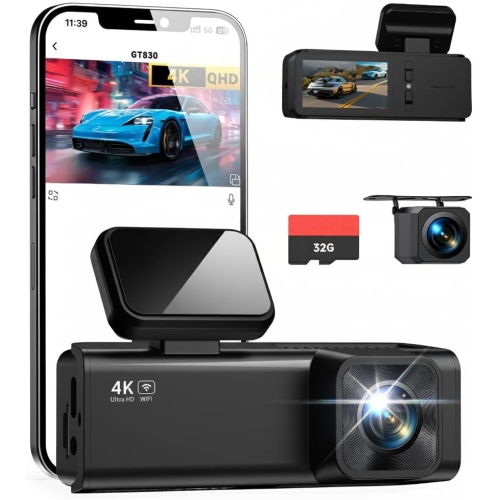
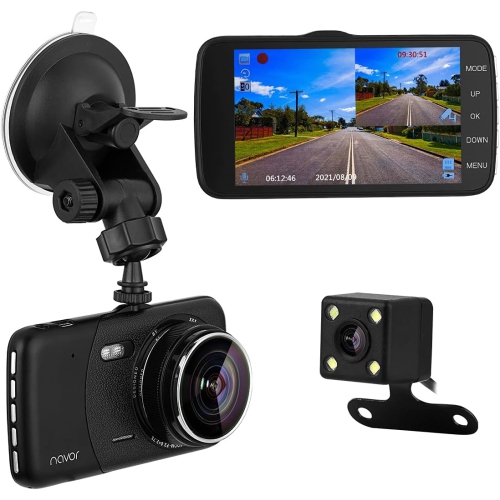
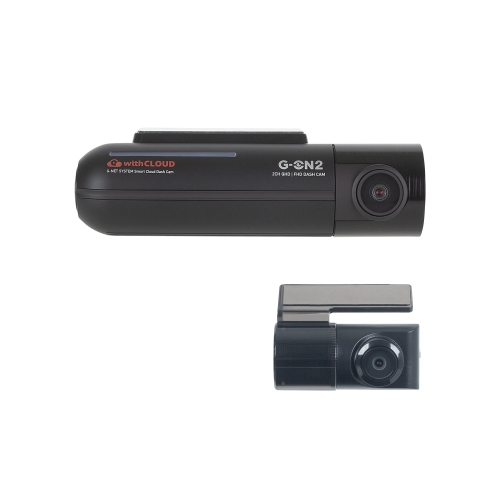
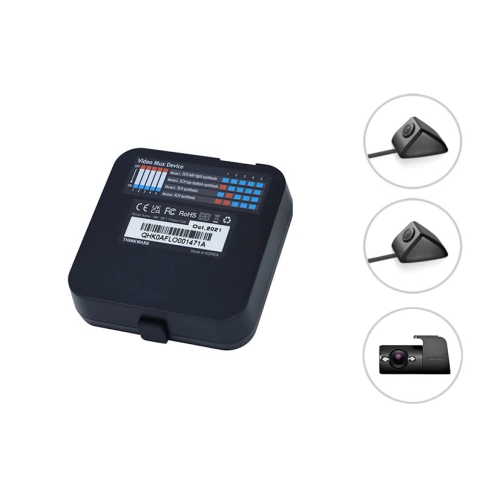
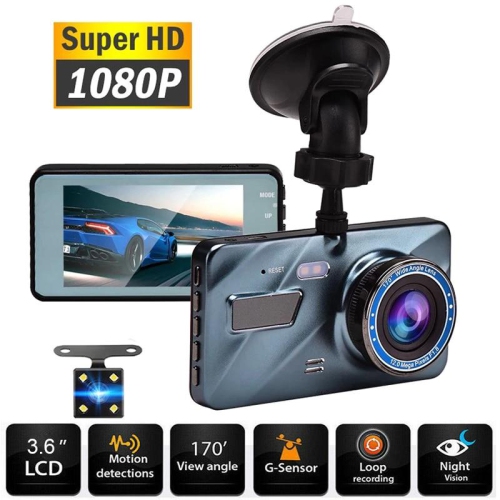
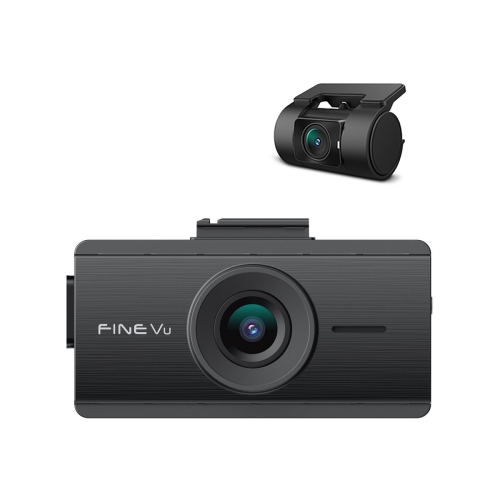
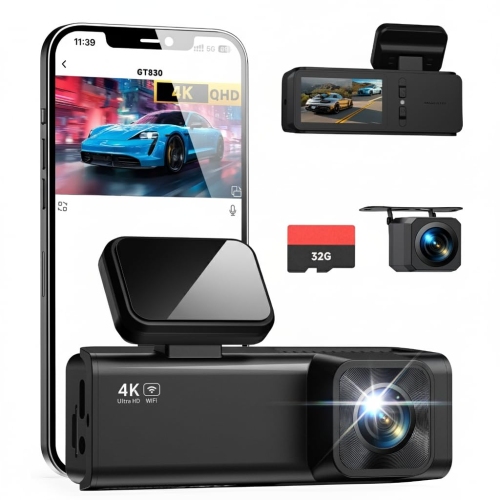
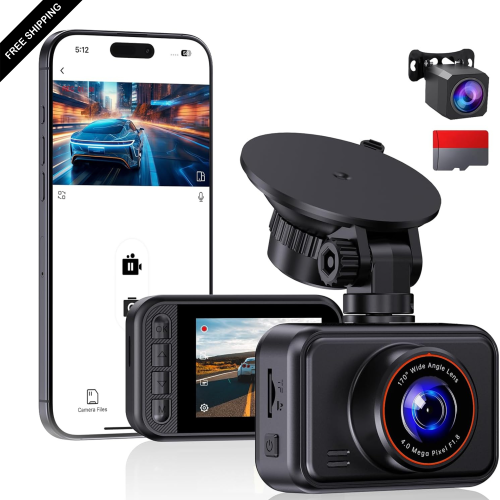
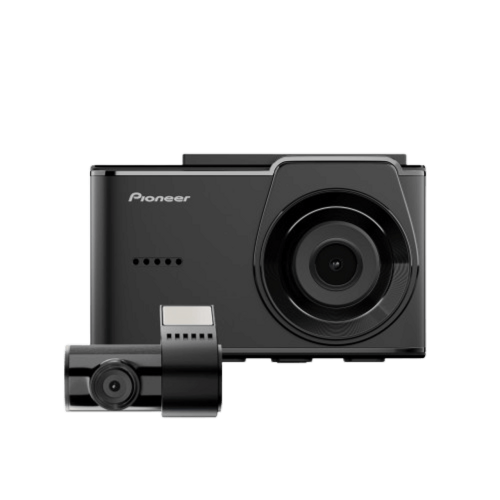
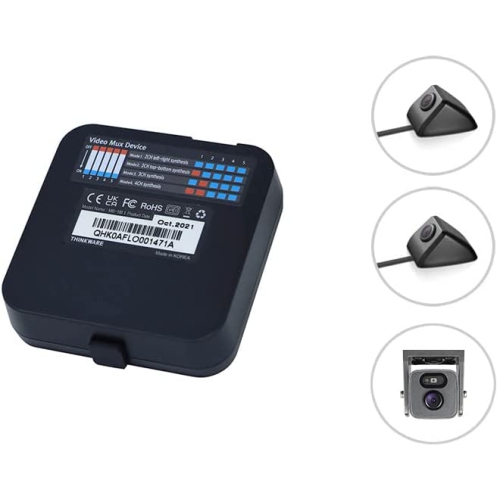
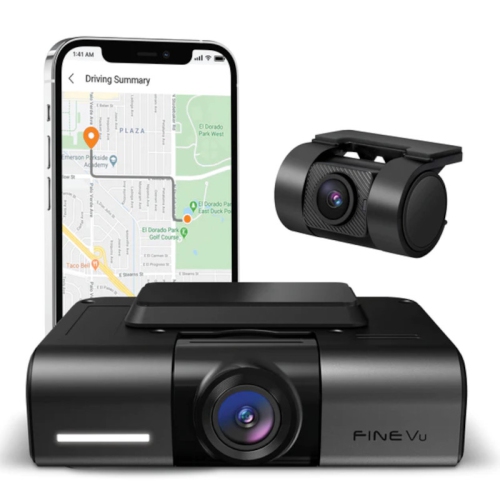
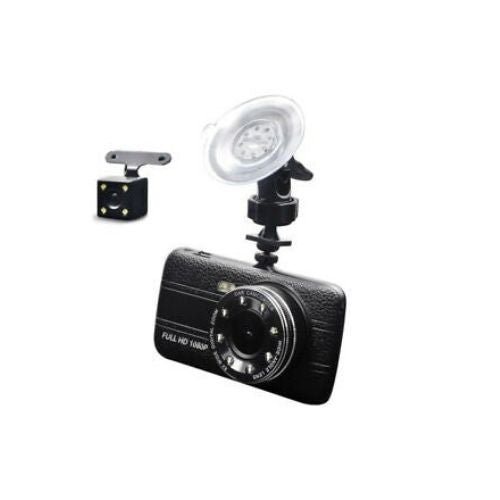
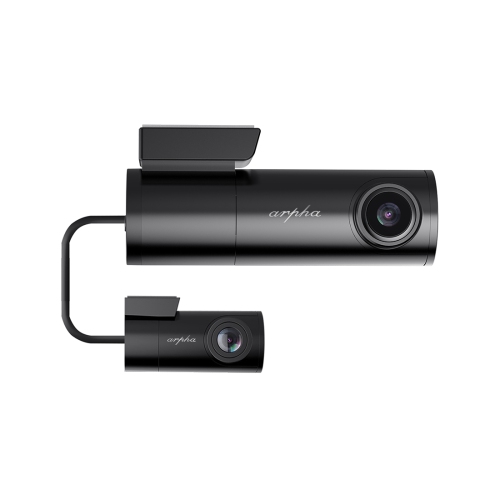
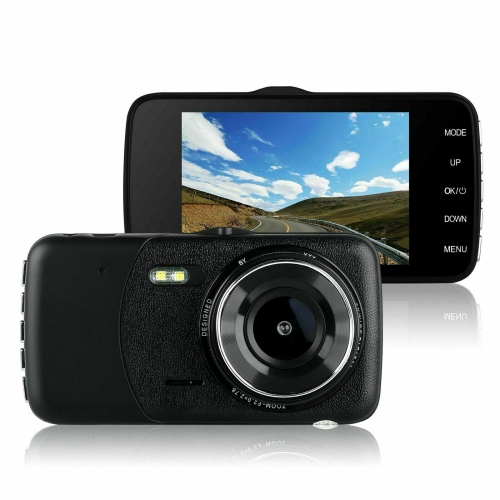
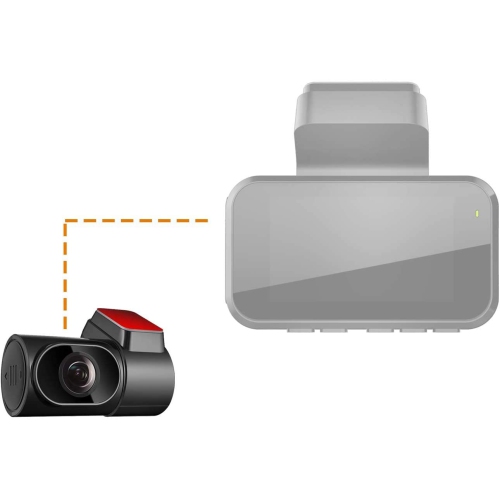
A two channel dash cam is a vehicle camera system that captures two video feeds at the same time, usually the road ahead and either traffic behind the vehicle or the cabin interior. The two views provide context that a single forward-facing camera cannot: a front camera may show a sudden stop at an intersection, while a rear camera captures the following vehicle’s approach. Most front-and-rear systems pair a main windshield-mounted unit with a smaller camera connected by a cable, although layouts vary. Front-and-interior configurations instead combine an outward-facing view with coverage of the passenger area, sometimes using two lenses built into one housing. The distinction matters because “two channel” describes the number of video feeds, not necessarily where the cameras point. The broader selection of Dual Camera Dash Cams includes configurations suited to different driving routines, from daily commuting and school runs to delivery work and longer highway trips. Front-and-rear coverage can be useful for drivers who spend time in stop-and-go traffic, where events may unfold at either end of the car. A front-and-interior setup may suit rideshare drivers who want a record of both the journey and activity inside the vehicle, subject to applicable privacy requirements and platform rules. These cameras document what falls within their lenses’ views; they do not eliminate blind spots, prevent collisions, or replace attentive driving. Their footage may help clarify the sequence of an incident, but it does not guarantee that a licence plate will be readable or that a claim will have a particular outcome. For someone who regularly drives a family vehicle or has a long commute, a two channel dash cam can also be a practical gift, particularly when the camera layout, installation needs, and phone compatibility match the recipient’s vehicle and habits. A complete two-camera package is distinct from a main unit that merely supports an optional camera, making the included components an important part of the fit.
Image quality depends on more than the resolution printed on a camera’s specifications. A front camera capturing 1440p or 4K video can preserve more detail than a lower-resolution camera under suitable conditions, while 1080p rear footage can provide useful coverage of following traffic. However, each channel may have a different resolution, and some systems change their available resolution or frame rate when both cameras operate together. Sensor performance, lens quality, video compression, exposure, and relative vehicle speed all affect the final image. At dusk, a reflective licence plate beneath bright headlights can be difficult to capture clearly even at high resolution. Wide dynamic range or HDR features, where supported, help manage scenes containing both bright and dark areas, such as an underground garage exit or a shaded street opening into sunlight. Low-light performance is especially relevant during the cooler months, when commutes may begin before sunrise or finish after dark. Interior-facing cameras with infrared illumination can capture cabin activity with little visible light, though infrared footage is commonly black and white and is not a substitute for a rear-facing road view. Lens angle also involves a balance: a wider view includes more of the neighbouring lanes, but objects near the edges may look distorted and distant details may appear smaller. Camera position and clean glass make a noticeable difference, particularly when the rear window collects road spray or condensation. Useful supporting features can include GPS data for location and speed, a clearly accessible event-saving button, and Wi-Fi connectivity for reviewing or transferring clips through a compatible phone app. Wi-Fi usually provides a local connection between the camera and phone rather than continuous internet access. App requirements, supported phone operating systems, and the ease of downloading a clip matter when footage needs to be shared after an incident. Audio capture is another consideration for cabin use, since conversations may be sensitive and consent requirements can apply.
Vehicle fit, power delivery, and storage shape how well a two channel dash cam works over time. Compact housings, often made from moulded plastic, can sit discreetly near the rear-view mirror, provided they do not obstruct the driver’s view or interfere with vehicle sensors. Adhesive mounts tend to offer a low-profile attachment, while suction mounts can be easier to reposition; either needs a suitable surface and installation consistent with local windshield rules. Rear-camera placement varies with the vehicle. A hatchback needs enough cable slack for the liftgate to open, a long SUV may require a longer connection cable, and dark rear-window tint can reduce the light reaching the lens. An externally mounted rear camera needs an appropriate weather-resistance rating; an interior camera should not be assumed suitable for exterior use. Cable routing must keep wiring clear of pedals, moving trim, and airbag deployment paths, making professional installation worthwhile for some vehicles. Many dash cams receive power from an accessory socket while driving. Parking mode may require a compatible hardwire kit, a supported vehicle power connection, or a dedicated dash cam battery pack rather than the supplied driving-power cable alone. Depending on the system, parked monitoring may capture impacts, motion, time-lapse footage, or buffered video from before a trigger. Coverage depends on the camera’s settings and available power, and low-voltage protection helps limit drain on the vehicle battery. Supercapacitor-based designs generally tolerate temperature extremes better than designs with small internal lithium-ion batteries, but all cameras still have specified operating limits. A supercapacitor normally supports safe shutdown rather than extended recording without external power. High-endurance memory cards rated for continuous video use are well suited to repeated writing, with compatibility and capacity limits determined by the camera. Loop recording replaces older, unprotected footage as space fills, so important clips need to be saved elsewhere promptly. Ongoing care is straightforward: gently cleaning lenses, keeping the glass clear, checking mount adhesion, and periodically confirming that both channels capture usable footage help keep the system dependable through everyday driving.
Image quality depends on more than the resolution printed on a camera’s specifications. A front camera capturing 1440p or 4K video can preserve more detail than a lower-resolution camera under suitable conditions, while 1080p rear footage can provide useful coverage of following traffic. However, each channel may have a different resolution, and some systems change their available resolution or frame rate when both cameras operate together. Sensor performance, lens quality, video compression, exposure, and relative vehicle speed all affect the final image. At dusk, a reflective licence plate beneath bright headlights can be difficult to capture clearly even at high resolution. Wide dynamic range or HDR features, where supported, help manage scenes containing both bright and dark areas, such as an underground garage exit or a shaded street opening into sunlight. Low-light performance is especially relevant during the cooler months, when commutes may begin before sunrise or finish after dark. Interior-facing cameras with infrared illumination can capture cabin activity with little visible light, though infrared footage is commonly black and white and is not a substitute for a rear-facing road view. Lens angle also involves a balance: a wider view includes more of the neighbouring lanes, but objects near the edges may look distorted and distant details may appear smaller. Camera position and clean glass make a noticeable difference, particularly when the rear window collects road spray or condensation. Useful supporting features can include GPS data for location and speed, a clearly accessible event-saving button, and Wi-Fi connectivity for reviewing or transferring clips through a compatible phone app. Wi-Fi usually provides a local connection between the camera and phone rather than continuous internet access. App requirements, supported phone operating systems, and the ease of downloading a clip matter when footage needs to be shared after an incident. Audio capture is another consideration for cabin use, since conversations may be sensitive and consent requirements can apply.
Vehicle fit, power delivery, and storage shape how well a two channel dash cam works over time. Compact housings, often made from moulded plastic, can sit discreetly near the rear-view mirror, provided they do not obstruct the driver’s view or interfere with vehicle sensors. Adhesive mounts tend to offer a low-profile attachment, while suction mounts can be easier to reposition; either needs a suitable surface and installation consistent with local windshield rules. Rear-camera placement varies with the vehicle. A hatchback needs enough cable slack for the liftgate to open, a long SUV may require a longer connection cable, and dark rear-window tint can reduce the light reaching the lens. An externally mounted rear camera needs an appropriate weather-resistance rating; an interior camera should not be assumed suitable for exterior use. Cable routing must keep wiring clear of pedals, moving trim, and airbag deployment paths, making professional installation worthwhile for some vehicles. Many dash cams receive power from an accessory socket while driving. Parking mode may require a compatible hardwire kit, a supported vehicle power connection, or a dedicated dash cam battery pack rather than the supplied driving-power cable alone. Depending on the system, parked monitoring may capture impacts, motion, time-lapse footage, or buffered video from before a trigger. Coverage depends on the camera’s settings and available power, and low-voltage protection helps limit drain on the vehicle battery. Supercapacitor-based designs generally tolerate temperature extremes better than designs with small internal lithium-ion batteries, but all cameras still have specified operating limits. A supercapacitor normally supports safe shutdown rather than extended recording without external power. High-endurance memory cards rated for continuous video use are well suited to repeated writing, with compatibility and capacity limits determined by the camera. Loop recording replaces older, unprotected footage as space fills, so important clips need to be saved elsewhere promptly. Ongoing care is straightforward: gently cleaning lenses, keeping the glass clear, checking mount adhesion, and periodically confirming that both channels capture usable footage help keep the system dependable through everyday driving.
Top selling and popular products
-
 Your price for this item is $159.99
 -
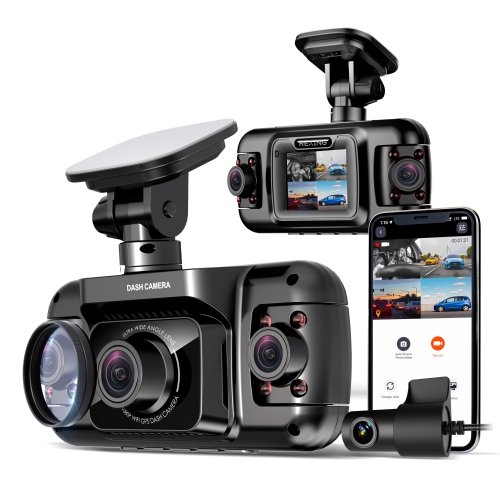 Your price for this item is $327.99
 -
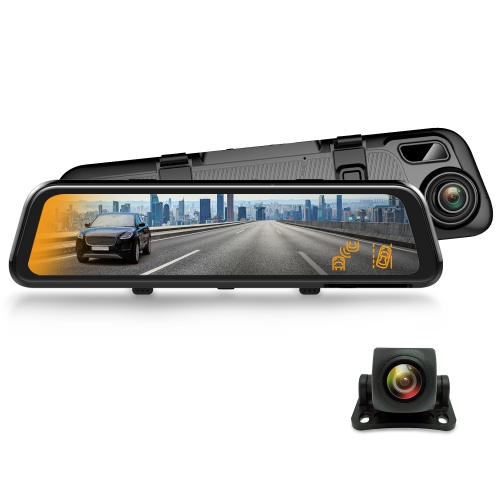 Your price for this item is $129.99
 -
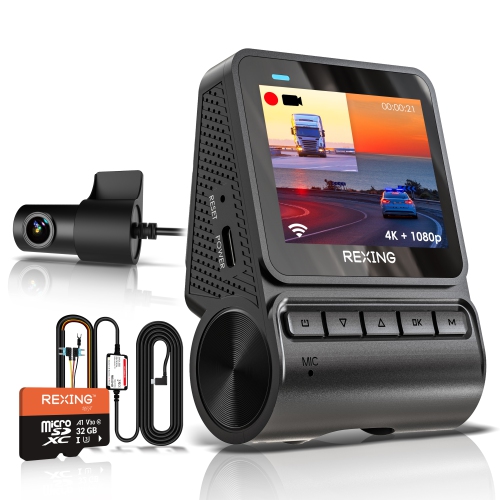 Your price for this item is $229.99
 -
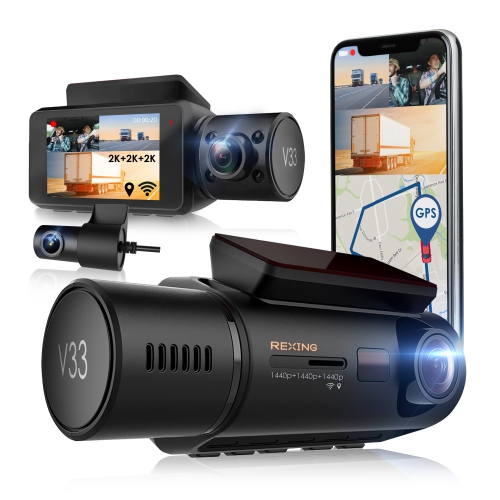 Your price for this item is $327.99
 -
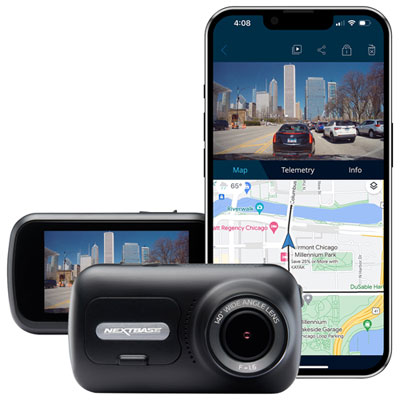 Your price for this item is $199.99
 -
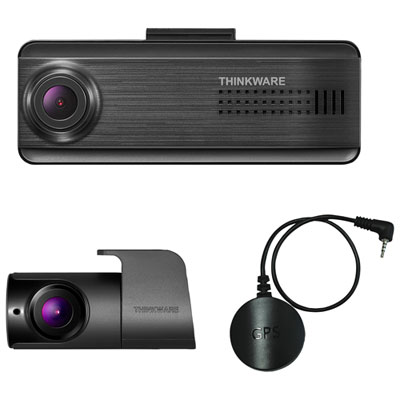 Your price for this item is $179.99
 -
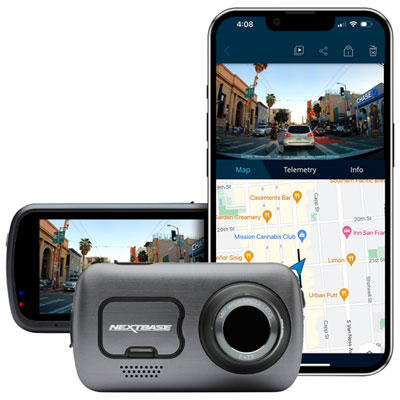 Your price for this item is $349.99
Discover more categories related to Two Channel Dash Cam

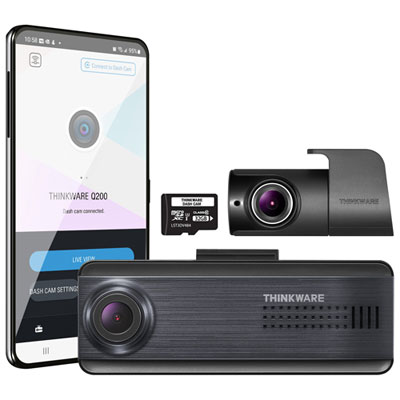
Top Collections:
Pokemon Centers, Kindle Devices, Best Budget Office Chairs, Apple iPhones 16, Best Laptops for Writers, iPhone 15 Apple, Canon G7X Cameras, Refurbished Apple Laptops, Alarm Clock, Motorola Razr Phones
Some products may be subject to Environmental Handling Fees
(EHF) depending on your province.
Learn more about EHFs.