Compact Car Booster Seats
If you're looking for a way to keep your kids safe and secure in the car, a booster seat is an excellent option. Booster seats are designed to fit over regular seats and provide extra height and support so that children can safely use their own seat belts. Here are some of the best compact car booster seats available today.
Sort

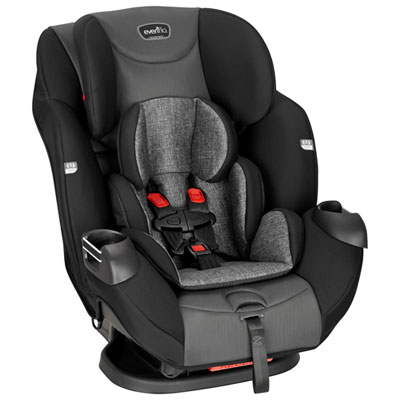
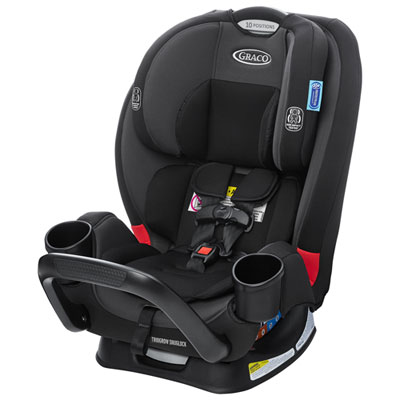
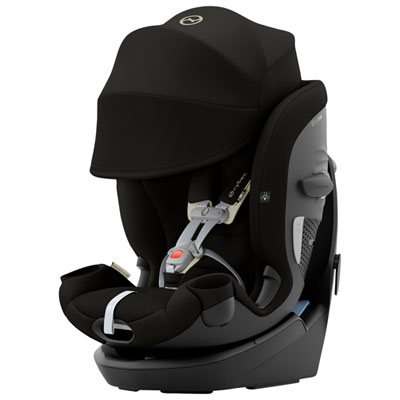
Why belt fit matters more than a compact footprint
Compact car booster seats are belt-positioning child seats designed to help a vehicle’s lap-and-shoulder belt fit a growing child correctly without the bulk of a larger child restraint. Their smaller footprint can be useful in compact cars, shared family vehicles, and back seats where several passengers need room. Compactness can refer to a narrow seating base, a lightweight design, or a structure that folds for transport; these features serve different purposes and do not necessarily come together in the same seat. A narrow booster may leave more usable space beside it, while a folding model may be easier to carry between vehicles. Backless boosters generally have a low profile and rely on the vehicle seat or head restraint for appropriate head support. High-back boosters include a backrest and shoulder-belt guides, with some offering adjustable headrests to accommodate growth. Neither style is automatically the better fit for every child or car. Boosters are intended for children who have outgrown their forward-facing harnessed seat and meet the booster’s requirements, not as an early replacement for a harness simply because they take up less room. In Canada, booster use generally begins no earlier than 18 kg (40 lb), but weight alone does not establish readiness. The child must also meet the seat’s specified age and height requirements and be able to remain properly positioned throughout the journey. Provincial or territorial rules also apply. Correct belt positioning means the lap belt lies low across the hips and upper thighs, rather than the abdomen, and the shoulder belt crosses the middle of the shoulder and chest, away from the neck. The child needs to sit upright without leaning out of the belt or placing it behind the back or under an arm. A booster requires a suitable lap-and-shoulder belt; a lap-only belt is not sufficient. These requirements remain the same whether the trip is a short ride to school or a longer visit with family.
The practical appeal of a compact booster becomes clear when space is shared. In a small sedan, a narrower base may make it easier to reach a buckle beside another child seat, but seat width alone cannot confirm a workable arrangement. Vehicle seat contours, buckle positions, door-side trim, and neighbouring restraints all affect fit. Three seats across a rear bench require a compatible combination, with each restraint correctly positioned and used according to both its instructions and the vehicle manual. A compact label is not a guarantee that three boosters will fit, or that an adjacent passenger will have enough room. The shape of the base also matters: it needs to sit as directed on the vehicle cushion, without unsupported overhang beyond what the manufacturer permits. Armrests, belt guides, and cup holders can influence everyday use as much as the advertised width. A recessed cup holder may keep a drink within reach without projecting far into the next seating position, while clear belt-routing guides can make correct positioning easier for caregivers to recognize. Construction commonly combines a rigid moulded shell with cushioning and a fabric cover. The shell supplies structure, while padding can make the seating surface more comfortable during longer journeys. Upholstery texture, seam placement, and the amount of cushioning are worth considering for a child who spends regular time in the car. Adjustable backrests and headrests, where included, can accommodate changes in height within the seat’s stated limits. Folding joints, carrying handles, and removable components need to remain secure and function as intended after repeated transfers. Some boosters include lower-anchor attachments that connect to the vehicle’s anchor points; the vehicle seat belt still restrains the child. Attachment requirements differ by model, including how an unoccupied booster should be secured. A portable seat is most useful when the adults moving it between cars can consistently establish the correct fit, rather than assuming that a setup from one vehicle will work unchanged in another.
Everyday routines give compact boosters their purpose. A child who rides with a parent in the morning and a grandparent after school may benefit from a seat that is manageable to carry and straightforward for both adults to use correctly. Families travelling by car may appreciate a design that occupies less luggage space when it is not in use, provided it remains suitable for the child and the destination vehicle. For regular carpooling, the important combination is portability, clear instructions, and a seating position that supports proper belt fit on every trip. Comfort features can help a child stay settled, but extra cushions, belt clips, or other accessories should not be added unless the seat manufacturer specifically permits them. Care is another practical consideration, especially when snack crumbs collect around armrests or a drink spills onto the cover. Removable upholstery can make cleaning more manageable, although washing methods vary: some covers allow machine washing, while others require gentler treatment. The manufacturer’s directions govern cleaning of the fabric, padding, plastic shell, and any attachment straps, since harsh chemicals or unsuitable washing methods can affect materials. A cover also needs to be refitted correctly so it does not interfere with belt routing or moving parts. Durability includes more than a tidy appearance. Readable labels, intact guides, working adjustment mechanisms, the manufacturer’s expiry date, and any recall or collision-replacement requirements all matter. An unknown collision history makes a second-hand seat a poor choice, even if its fabric looks clean. As a gift for a parent or caregiver, a booster is best selected with the child’s measurements and the family’s vehicle details rather than appearance alone. The Good Booster Seats collection provides a broader selection of belt-positioning seating options to consider alongside compact designs. A well-matched compact booster brings together manageable dimensions, appropriate support, and dependable belt positioning, making limited back-seat space easier to work with without treating size as the only deciding factor.
The practical appeal of a compact booster becomes clear when space is shared. In a small sedan, a narrower base may make it easier to reach a buckle beside another child seat, but seat width alone cannot confirm a workable arrangement. Vehicle seat contours, buckle positions, door-side trim, and neighbouring restraints all affect fit. Three seats across a rear bench require a compatible combination, with each restraint correctly positioned and used according to both its instructions and the vehicle manual. A compact label is not a guarantee that three boosters will fit, or that an adjacent passenger will have enough room. The shape of the base also matters: it needs to sit as directed on the vehicle cushion, without unsupported overhang beyond what the manufacturer permits. Armrests, belt guides, and cup holders can influence everyday use as much as the advertised width. A recessed cup holder may keep a drink within reach without projecting far into the next seating position, while clear belt-routing guides can make correct positioning easier for caregivers to recognize. Construction commonly combines a rigid moulded shell with cushioning and a fabric cover. The shell supplies structure, while padding can make the seating surface more comfortable during longer journeys. Upholstery texture, seam placement, and the amount of cushioning are worth considering for a child who spends regular time in the car. Adjustable backrests and headrests, where included, can accommodate changes in height within the seat’s stated limits. Folding joints, carrying handles, and removable components need to remain secure and function as intended after repeated transfers. Some boosters include lower-anchor attachments that connect to the vehicle’s anchor points; the vehicle seat belt still restrains the child. Attachment requirements differ by model, including how an unoccupied booster should be secured. A portable seat is most useful when the adults moving it between cars can consistently establish the correct fit, rather than assuming that a setup from one vehicle will work unchanged in another.
Everyday routines give compact boosters their purpose. A child who rides with a parent in the morning and a grandparent after school may benefit from a seat that is manageable to carry and straightforward for both adults to use correctly. Families travelling by car may appreciate a design that occupies less luggage space when it is not in use, provided it remains suitable for the child and the destination vehicle. For regular carpooling, the important combination is portability, clear instructions, and a seating position that supports proper belt fit on every trip. Comfort features can help a child stay settled, but extra cushions, belt clips, or other accessories should not be added unless the seat manufacturer specifically permits them. Care is another practical consideration, especially when snack crumbs collect around armrests or a drink spills onto the cover. Removable upholstery can make cleaning more manageable, although washing methods vary: some covers allow machine washing, while others require gentler treatment. The manufacturer’s directions govern cleaning of the fabric, padding, plastic shell, and any attachment straps, since harsh chemicals or unsuitable washing methods can affect materials. A cover also needs to be refitted correctly so it does not interfere with belt routing or moving parts. Durability includes more than a tidy appearance. Readable labels, intact guides, working adjustment mechanisms, the manufacturer’s expiry date, and any recall or collision-replacement requirements all matter. An unknown collision history makes a second-hand seat a poor choice, even if its fabric looks clean. As a gift for a parent or caregiver, a booster is best selected with the child’s measurements and the family’s vehicle details rather than appearance alone. The Good Booster Seats collection provides a broader selection of belt-positioning seating options to consider alongside compact designs. A well-matched compact booster brings together manageable dimensions, appropriate support, and dependable belt positioning, making limited back-seat space easier to work with without treating size as the only deciding factor.
Top selling and popular products
-
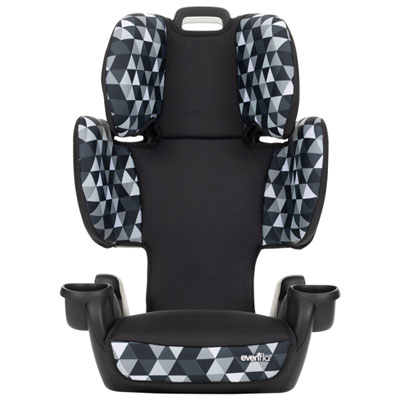 Your price for this item is $119.99
 -
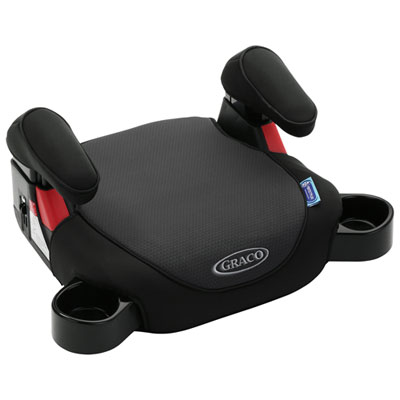 Your price for this item is $69.99
 -
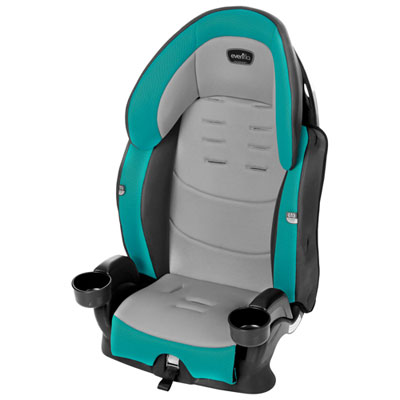 Your price for this item is $169.99
 -
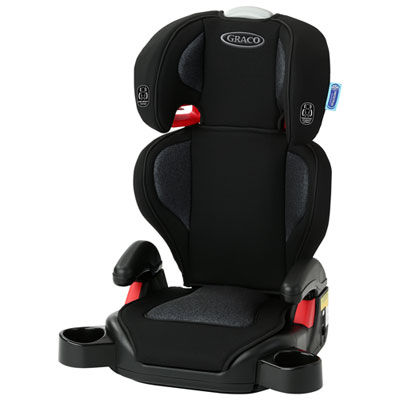 Your price for this item is $129.99
 -
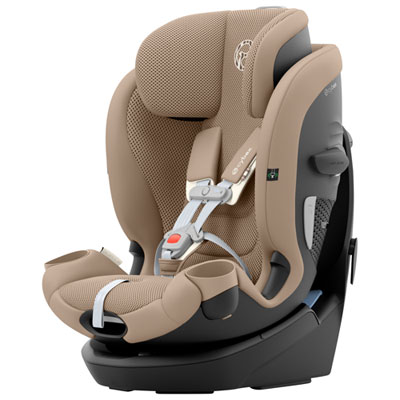 Your price for this item is $999.99
 -
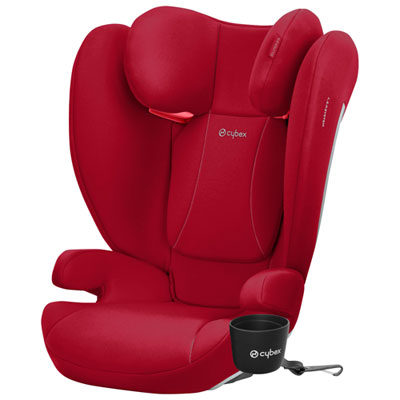 Your price for this item is $99.99
 -
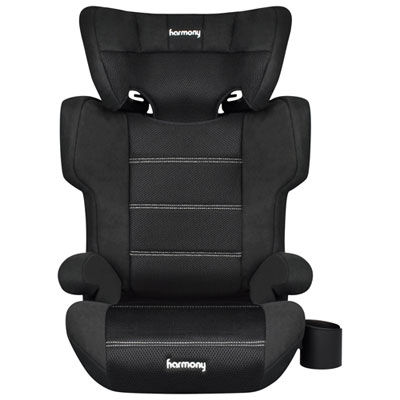 Your price for this item is $99.99
 -
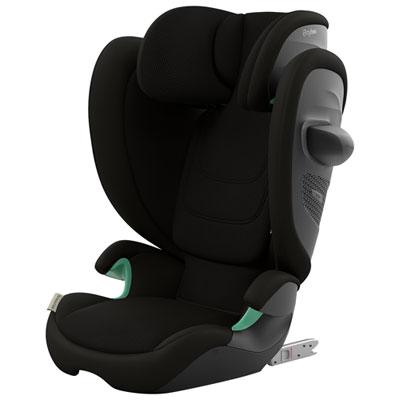 Your price for this item is $399.99
Discover more categories related to Compact Car Booster Seats

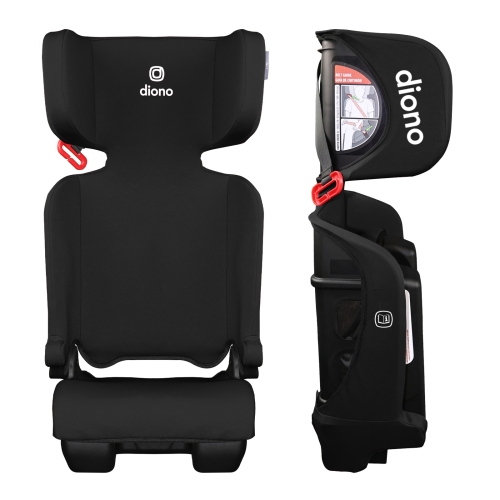

Top Collections:
Pokemon Centers, Kindle Devices, Best Budget Office Chairs, Apple iPhones 16, Canon G7X Cameras, iPhone 15 Apple, Alarm Clock, Refurbished Apple Laptops, Flip Phones, Best Laptops for Writers
Some products may be subject to Environmental Handling Fees
(EHF) depending on your province.
Learn more about EHFs.