Most Comfortable Booster Seats
A booster seat is a safety device that helps children reach the required height for an adult seat on a public transportation vehicle. It also helps children sit comfortably for long periods of time. The right booster seat can make a world of difference when traveling with kids. Here are some of our favorites.
Sort
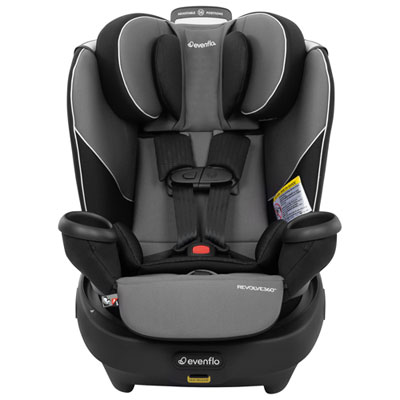

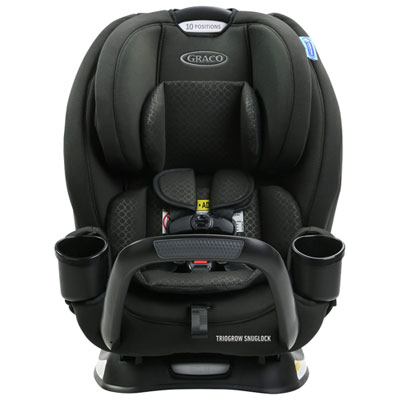
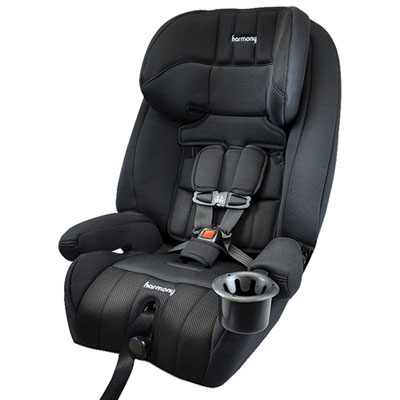

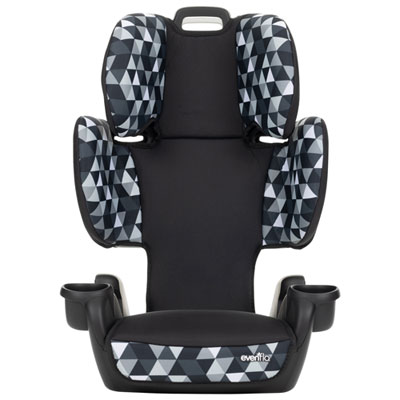
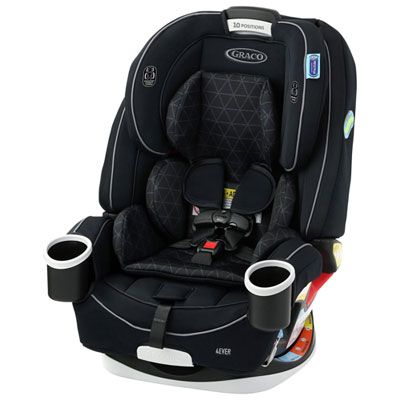
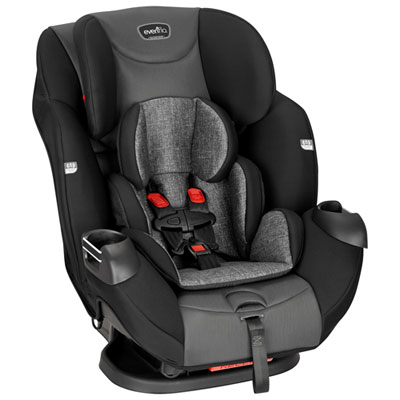
How comfort and proper belt fit work together
Comfort can make a meaningful difference when a child spends time in the car, whether it is a quick school run, a visit with family, or a longer drive during the cooler months. The most comfortable booster seats are designed to help children sit in a supported, upright position while the vehicle’s seat belt rests correctly across the strongest parts of the body. When comparing options, look for generous cushioning, smooth fabric, supportive contours, and enough room for a child to sit naturally without feeling squeezed. A well-padded seat can reduce pressure beneath the thighs, while a contoured base may help keep the pelvis positioned securely instead of allowing a child to slide forward. Breathable materials and ventilation features can also help manage warmth during longer rides, particularly when a child is wearing layers or spending time in a vehicle with limited airflow. Some high-back designs include adjustable headrests, shoulder-belt guides, side wings, and reclining features that can make resting more comfortable without compromising the intended belt position. Independent width adjustments are useful as children grow, helping the seat accommodate changing shoulder and hip dimensions. For families who move a booster between vehicles, manageable weight, accessible release mechanisms, and straightforward installation can be just as important as plush padding. A booster seat may also be a thoughtful gift for grandparents, caregivers, or families preparing for more regular car travel, provided the recipient confirms that the seat suits the child, vehicle, and local requirements.
The right style depends on the child’s size, maturity, seating position, and how the booster will be used. High-back booster seats provide additional support around the head, neck, shoulders, and torso, which can be especially helpful for children who tend to lean sideways, fall asleep on longer drives, or need reminders to maintain a proper sitting posture. Their side wings and headrest can create a more comfortable resting area, while adjustable belt guides help position the shoulder belt across the chest and away from the neck. Some models allow the back to recline slightly with the vehicle seat, offering a more relaxed position while keeping the child aligned with the belt. Backless booster seats are generally lighter and easier to carry, making them practical for carpools, taxis, travel, or switching between several vehicles. Comfort in a backless design often comes from thick, layered foam, a broad seating surface, rounded edges, and a cover that feels soft against clothing. The vehicle seat itself becomes part of the support system, so a backless option may be most comfortable when used on a bench with a supportive headrest and suitable seat belt geometry. Families planning trips can also explore Compact Booster Seats for Travel when portability and easy storage are priorities. Whatever the style, check the manufacturer’s height and weight range, installation instructions, and compatibility information before purchase. The booster should sit flat on the vehicle seat, the child should remain upright with their back against the vehicle seat or booster back, and the lap belt should lie low across the hips rather than the stomach. The shoulder belt should cross the middle of the chest and shoulder, never behind the back or under the arm.
A comfortable booster seat is only useful when it fits the child and vehicle properly, so everyday usability deserves close attention. Look for covers that can be removed for cleaning, since crumbs, spilled drinks, and muddy clothing are common parts of family travel. Smooth adjustment points make it easier to set the headrest and belt guides correctly as a child grows, while clear labels can help caregivers make consistent changes when the seat is used by more than one person. Cup holders or small storage areas may be convenient for a water bottle or snack, but they should not distract the child from staying properly positioned throughout the ride. Before choosing a seat, measure the available space in the back row and consider whether another car seat, passenger, or centre armrest will affect the fit. Comfort also depends on clothing: bulky winter coats can interfere with belt placement, so follow safety guidance for securing a child and use blankets over the properly fastened harness or seat belt when needed. During the cooler months, a supportive booster can make regular drives feel calmer, especially when children are tired after school or settling in for a longer trip. Review the seat’s instructions each time it is moved, confirm that the belt is not twisted, and replace any seat that has been involved in a collision or shows damage. By balancing cushioning, posture support, adjustability, ease of cleaning, portability, and correct belt fit, families can choose a booster seat that feels inviting for daily use while helping children remain properly secured as they grow.
Top selling and popular products
-
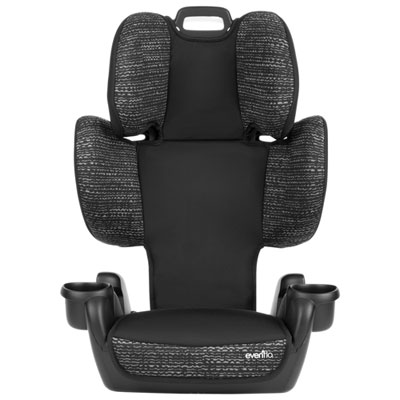 Your price for this item is $119.99
-
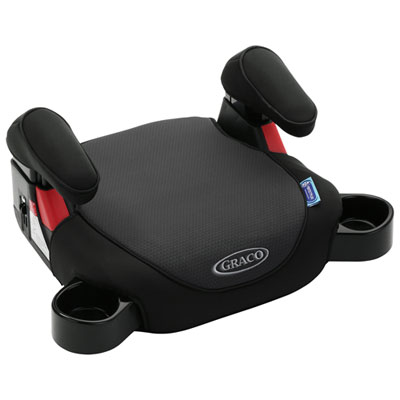 Your price for this item is $69.99
-
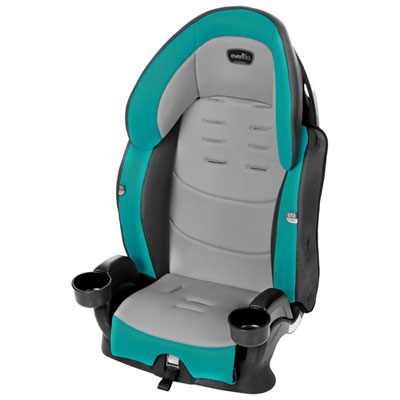 Your price for this item is $139.99
-
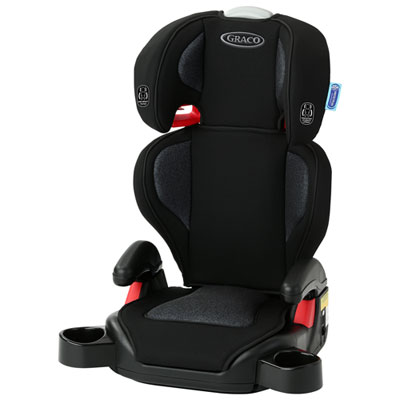 Your price for this item is $129.99
-
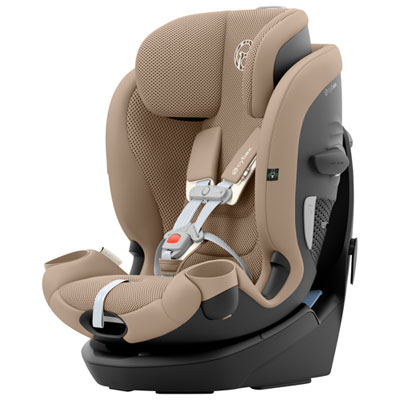 Your price for this item is $999.99
-
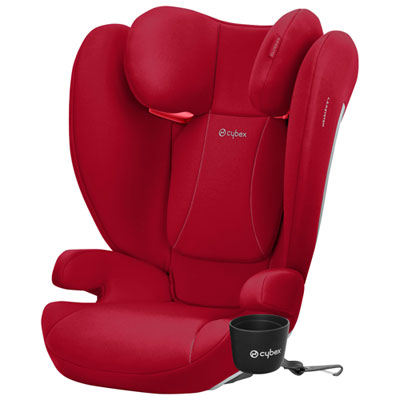 Your price for this item is $99.99
-
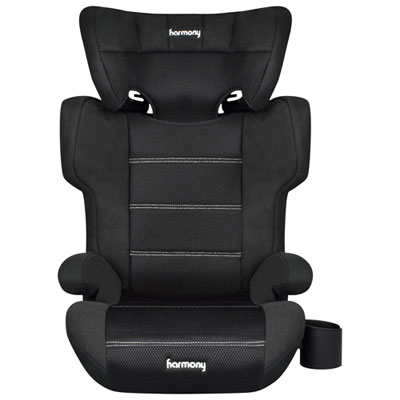 Your price for this item is $99.99
-
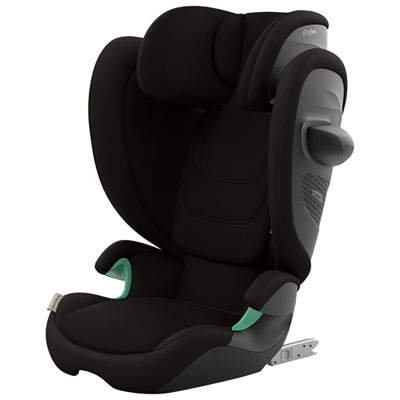 Your price for this item is $279.99
Discover more categories related to Most Comfortable Booster Seats

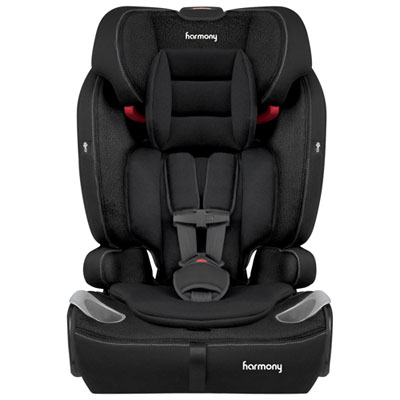
Top Collections:
Pokemon Centers, Best Cameras for Sports Photography, Kindle Devices, Samsung Galaxy Phones, Canon G7X Cameras, Pokémon 30th Celebration Cards, Refurbished Apple Laptops, iPhone 15 Apple, Laptops for Students, Budget Smartphones
Some products may be subject to Environmental Handling Fees
(EHF) depending on your province.
Learn more about EHFs.